1/8
Behind These Streamlined Cabinets Is an Entire Hidden Kids’ Zone
After 12 years of renting, Tali Magal and her husband, Craig Fleishman, purchased a two-bedroom apartment in Brooklyn. With twin 6-year-old daughters, Amalia and Gabriela (Mali and Gigi), Magal sought a dedicated play area, beyond the shared bedroom. Initially, she envisioned transforming a vintage armoire to store art supplies and toys, allowing for easy cleanup by simply closing the doors. However, her close friend and designer, John Rawlins, offered an alternative that maximized space and versatility.
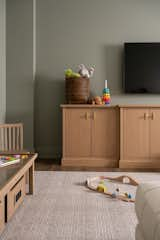
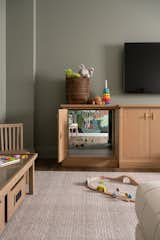
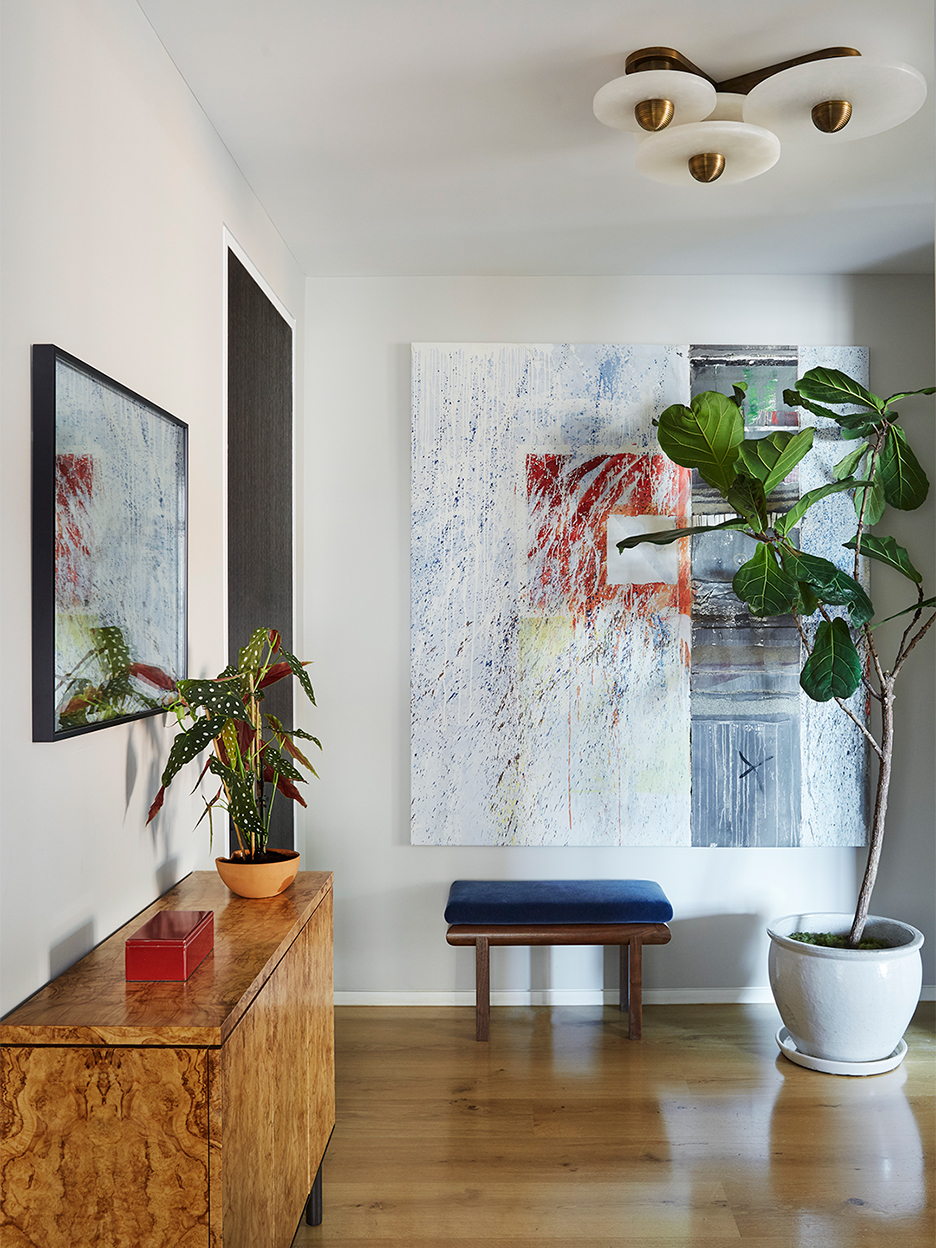
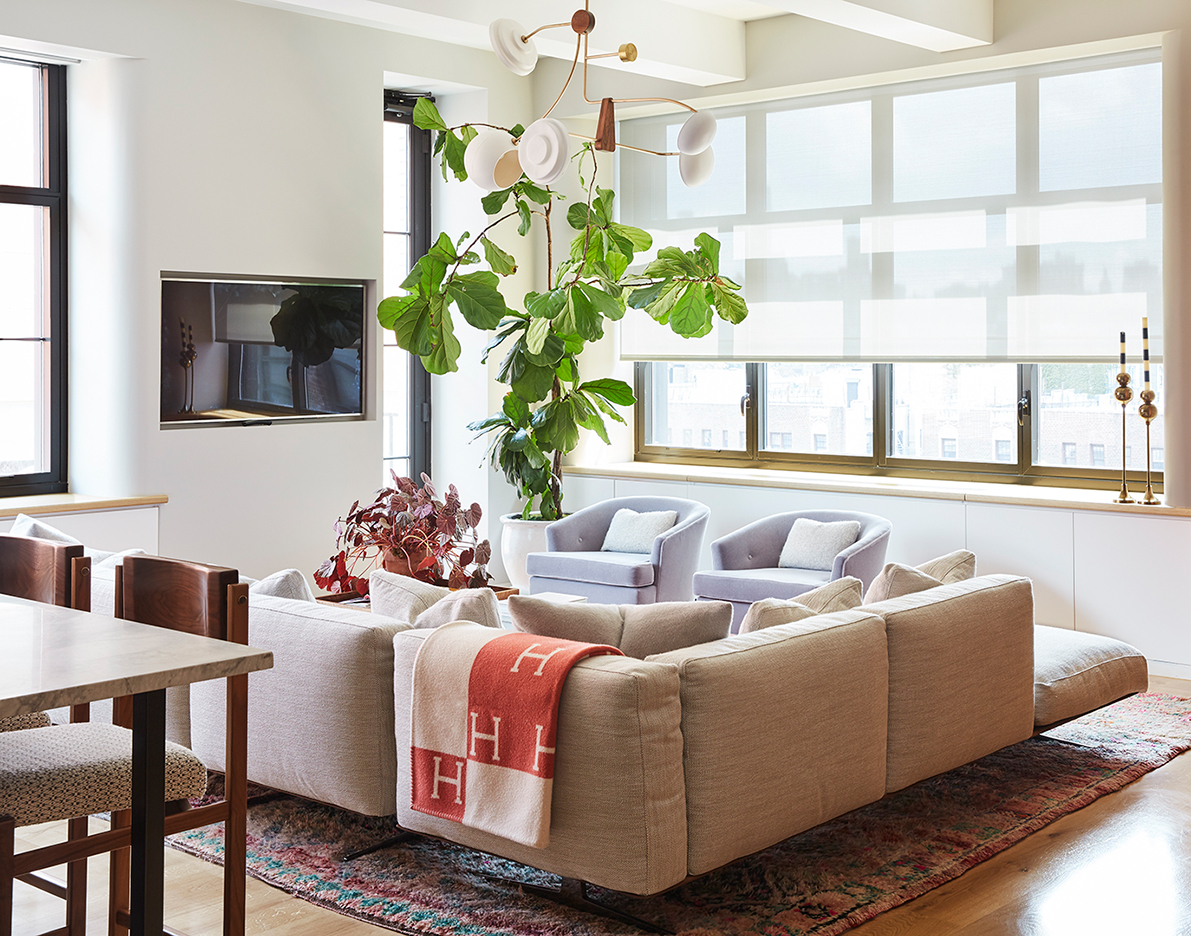
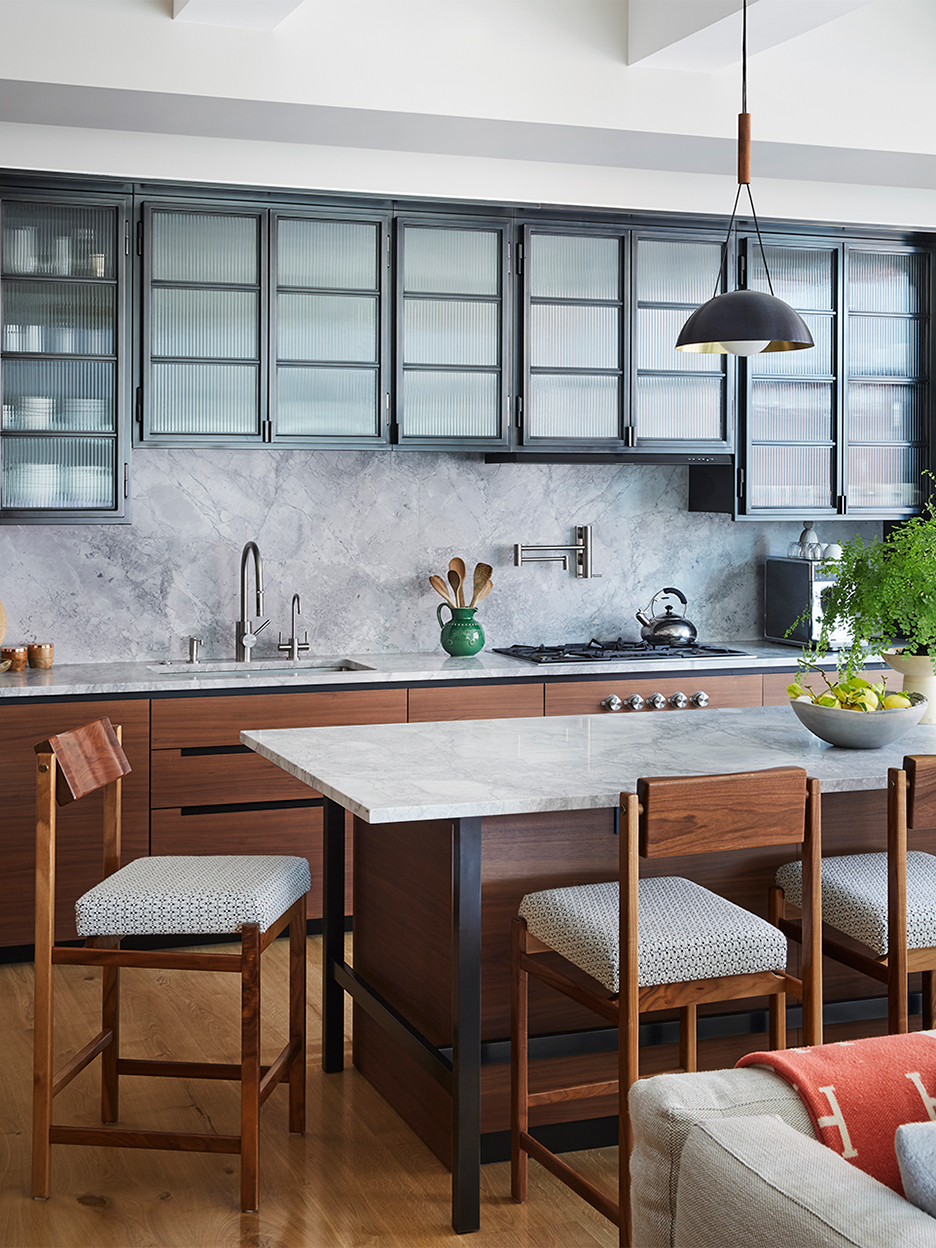
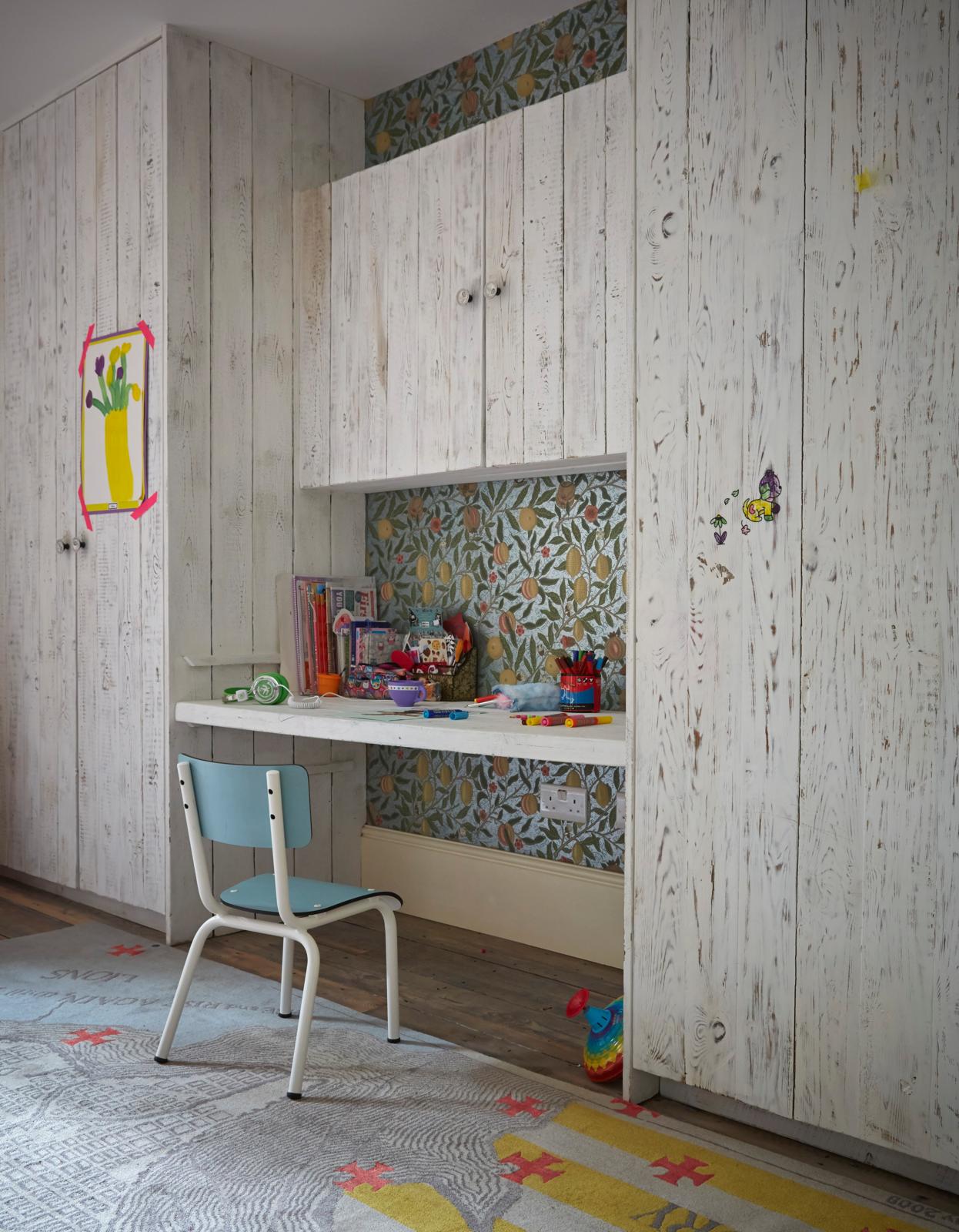
Rawlins identified two empty walls between the bathroom and laundry room as prime real estate. Instead of introducing an additional furniture piece, he proposed building directly into these walls, utilizing previously unused square footage. This concept led to the creation of a highly adaptable, Narnia-esque cabinet system, designed to serve multiple functions from imaginative play to academic tasks. The resulting built-in unit offered a seamless aesthetic when closed, appearing as a continuous backdrop to the living and dining areas.
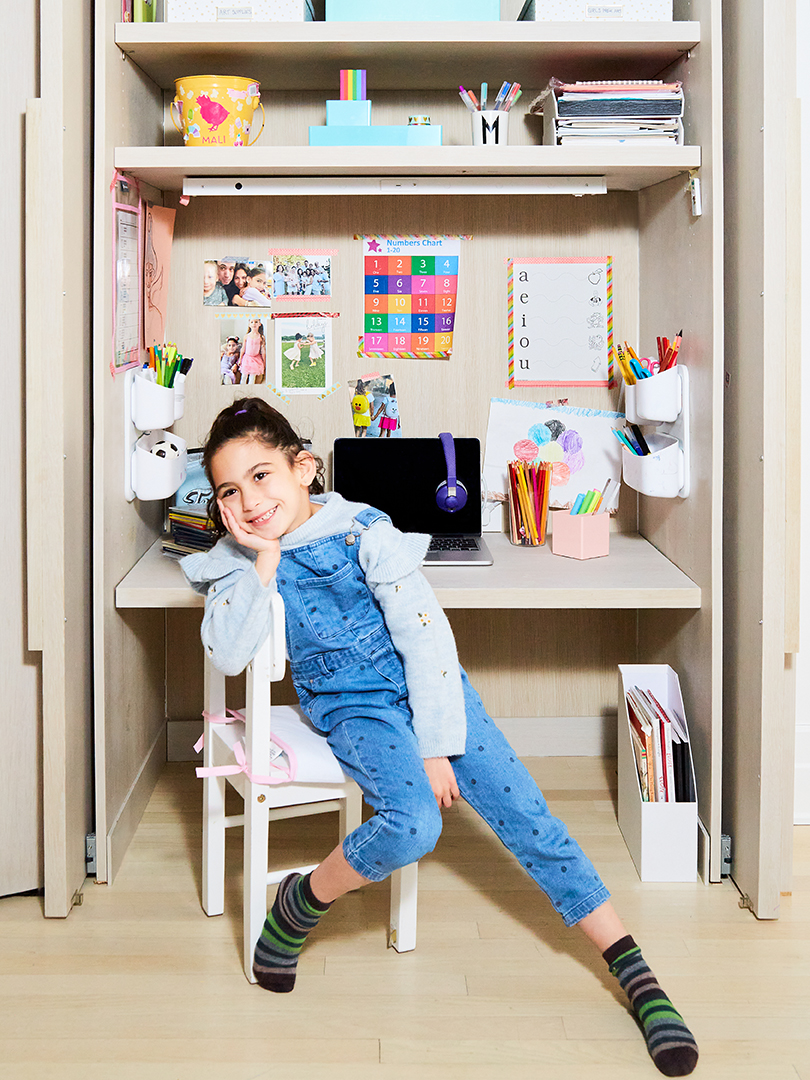
The full potential of this creative storage system became evident when the girls began Zoom kindergarten. The cabinets seamlessly transformed into a functional homeschooling setup, providing a dedicated space for learning. To facilitate smooth transitions between a streamlined appearance and a fully engaged kids' zone, Rawlins designed the cabinet doors to tuck away along the side walls when open, ensuring an unobstructed walkway. The uniform wood choice for the cabinet fronts and adjacent room doors created a cohesive, integrated look.
Magal noted that the ability to close off the children's activity area at the end of the day offered a significant advantage over a traditional playroom. This feature allowed the family to "shut the chaos away," creating a clear separation between work and play, which proved particularly valuable during the pandemic for establishing a sense of relaxation and unwinding for the family. The design fostered a sense of calm and order within the home.
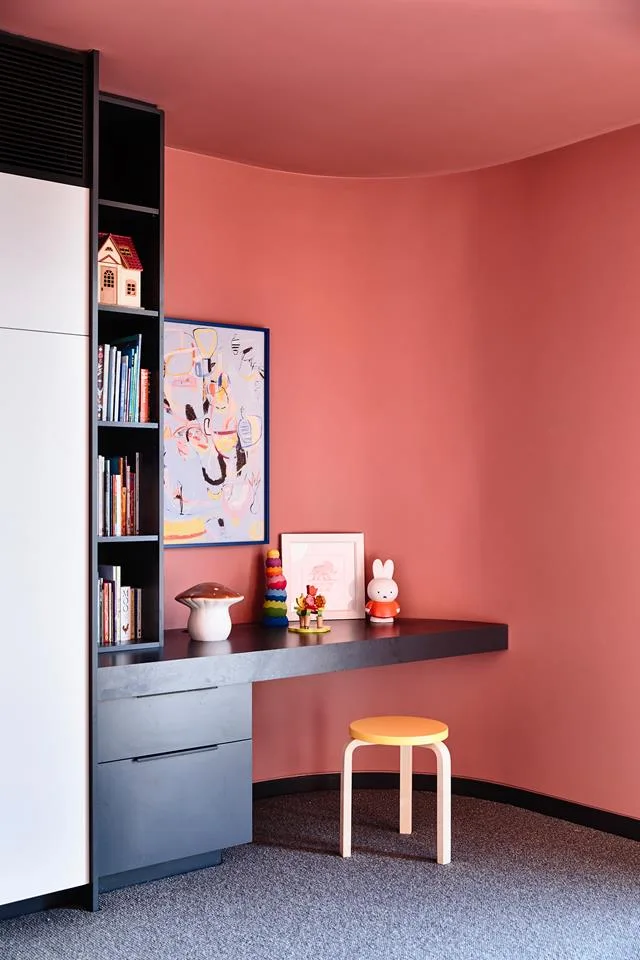
Furthermore, the design unintentionally provided the girls with independent work areas, fostering a sense of autonomy during their daily classroom sessions. When open, the individual spaces within the cabinets created a learning "cocoon," further enhanced by noise-canceling headphones. Magal emphasized the importance of allowing the sisters to personalize their stations, fostering a sense of pride and ownership. Mali, described as meticulously organized, arranged her wall-mounted storage for school supplies, while Gigi, an artist, adorned her space with drawings and utilized an alphabet display above her desk for letter learning. This personalization encouraged individuality despite their shared living arrangements.
The system's original function as a storage solution for children's supplies remains active. Extra shelves positioned above both cabinet sections accommodate toys, crafts, and general household overflow. The desks themselves are adjustable shelves, designed to adapt to the girls' growth, allowing for height adjustments as they get taller. From the twins' perspective, these new desks symbolize a step towards maturity; Gigi, for instance, takes pride in independently managing her mute and unmute functions during Zoom classes, highlighting the practical and developmental benefits of their personalized learning environment.
#KidsRoomDesign #SpaceSavingSolutions #HiddenStorage #CustomCabinetry #HomeschoolingSetup #ChildrensPlayArea #BrooklynApartment #InteriorDesign #OrganizationalTips #KidsRoomDesign #SpaceSavingSolutions #HiddenStorage #CustomCabinetry #HomeschoolingSetup #ChildrensPlayArea #BrooklynApartment #InteriorDesign #OrganizationalTips
0 comment in total
 No comments yet
You may also like
A 19-Foot-Long Amazon Rug Disguises Trap-Door Beds in This Play Zone Above the Garage

Kids' Playroom Ideas Guaranteed to Spark Endless Creativity

Playroom ideas: 22 ways to make your kid's room shine 🌈

Organize Your Child's Closet With These Kid-Friendly Ideas

Stylish over-the-door storage in the children's section

10 kids' closet ideas - decor experts provide the most stylish and simple ways to stay organised

Cool and kid-friendly playrooms are right at home
Cloud Walls and a Kid-Proof Breakfast Nook Make This Whole Apartment a Playhouse
Seven interiors where doors and panels hide secret rooms
25 Toy Storage Ideas to Help You Tidy Up
16 Delightful Kids’ Room Ideas You’ll Definitely Want to Steal

10 cool and creative kids room decorating ideas

A child-friendly penthouse

10 Creative Kids’ Closet Ideas (and Only Some Are for Storing Clothes)
3 Perfectly Designed Playrooms for Kids and Teens

Playroom ideas – 25 fun yet stylish designs that kids of all ages will love
How They Pulled It Off: A Secret Jungle Playroom—That You Enter Through a Hidden Console Door
Make Room for the Kids
21 fabulous playroom ideas to encourage creativity and play

42 Whimsical Playroom Ideas Designed for Hours of Endless Fun