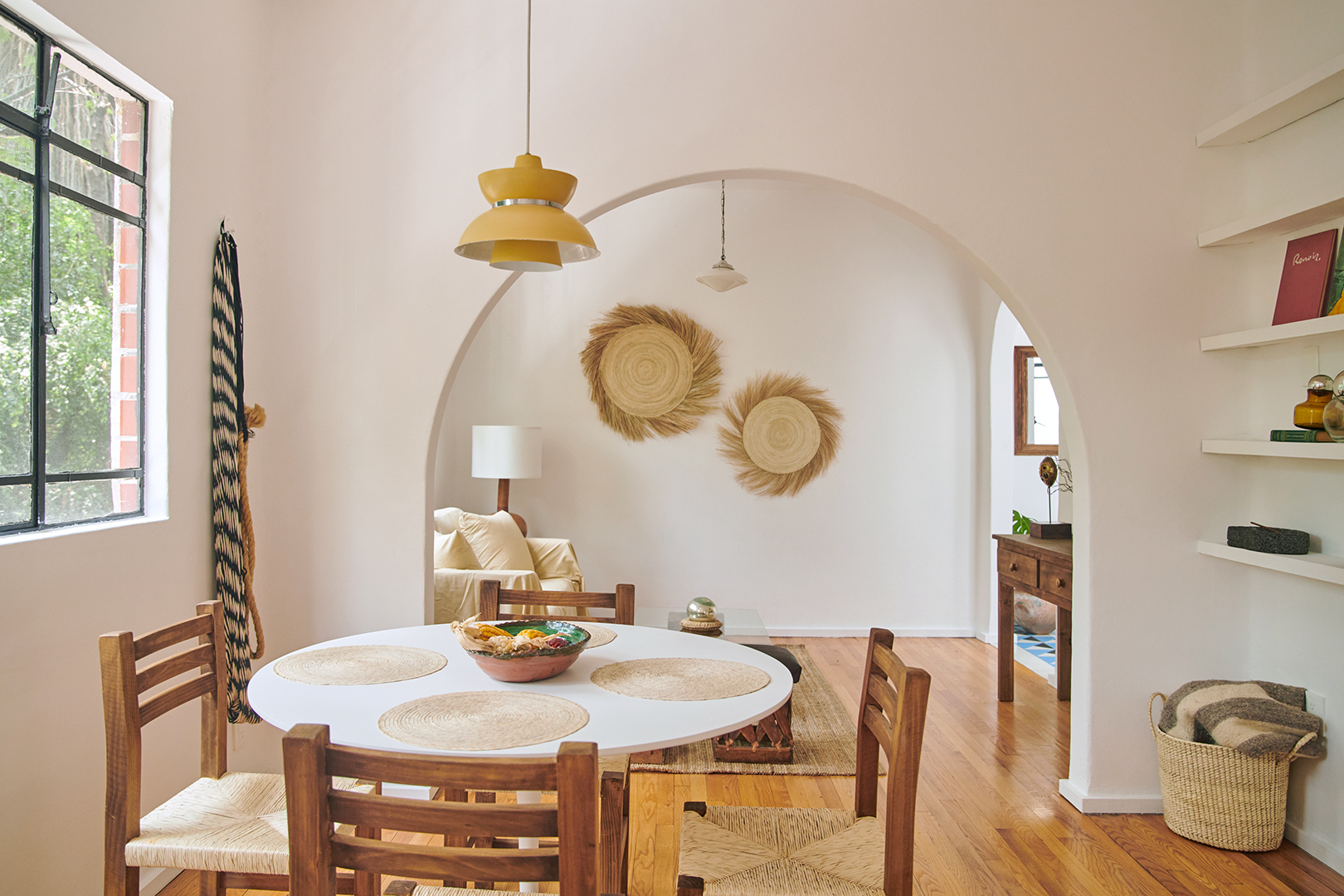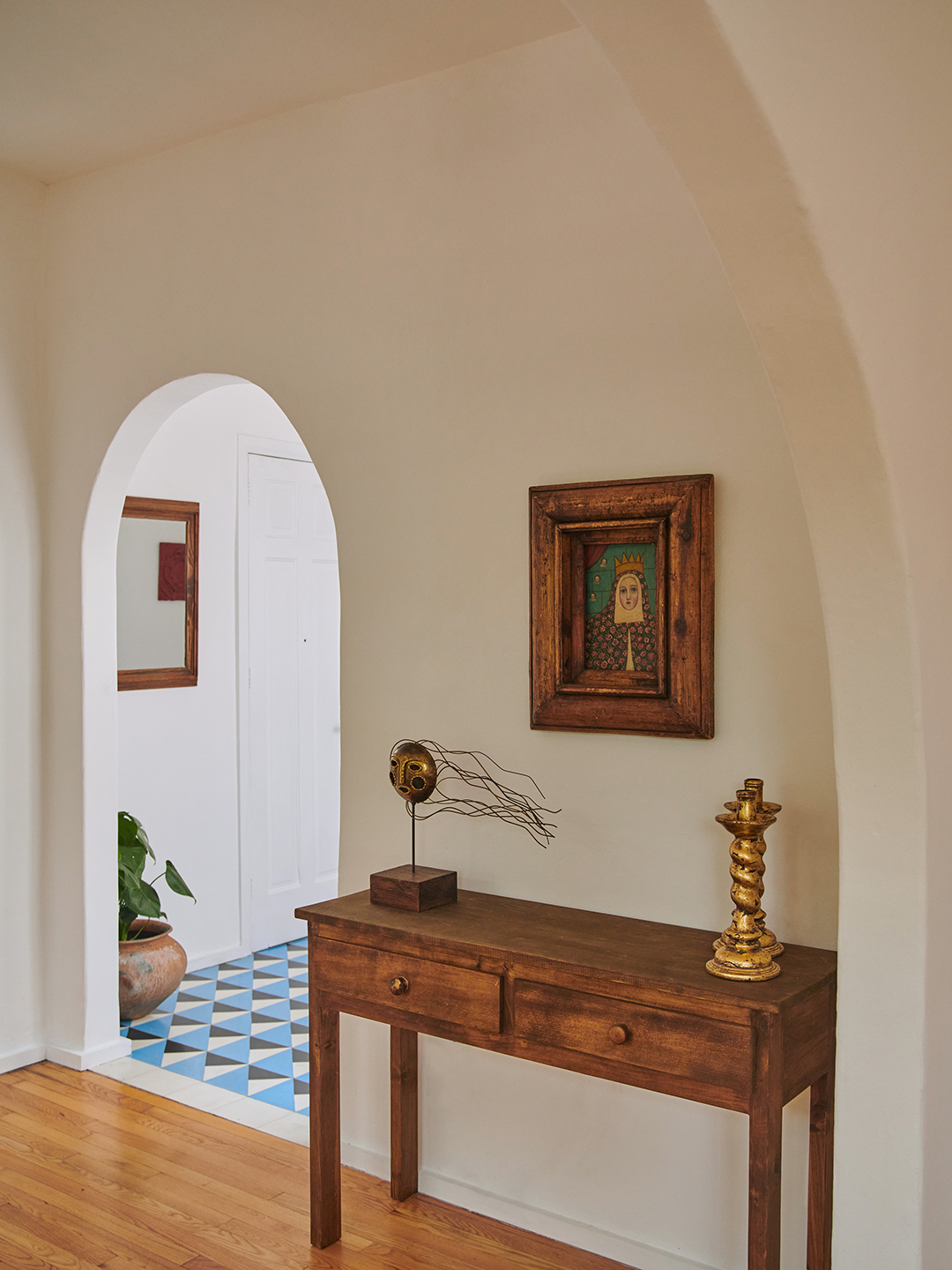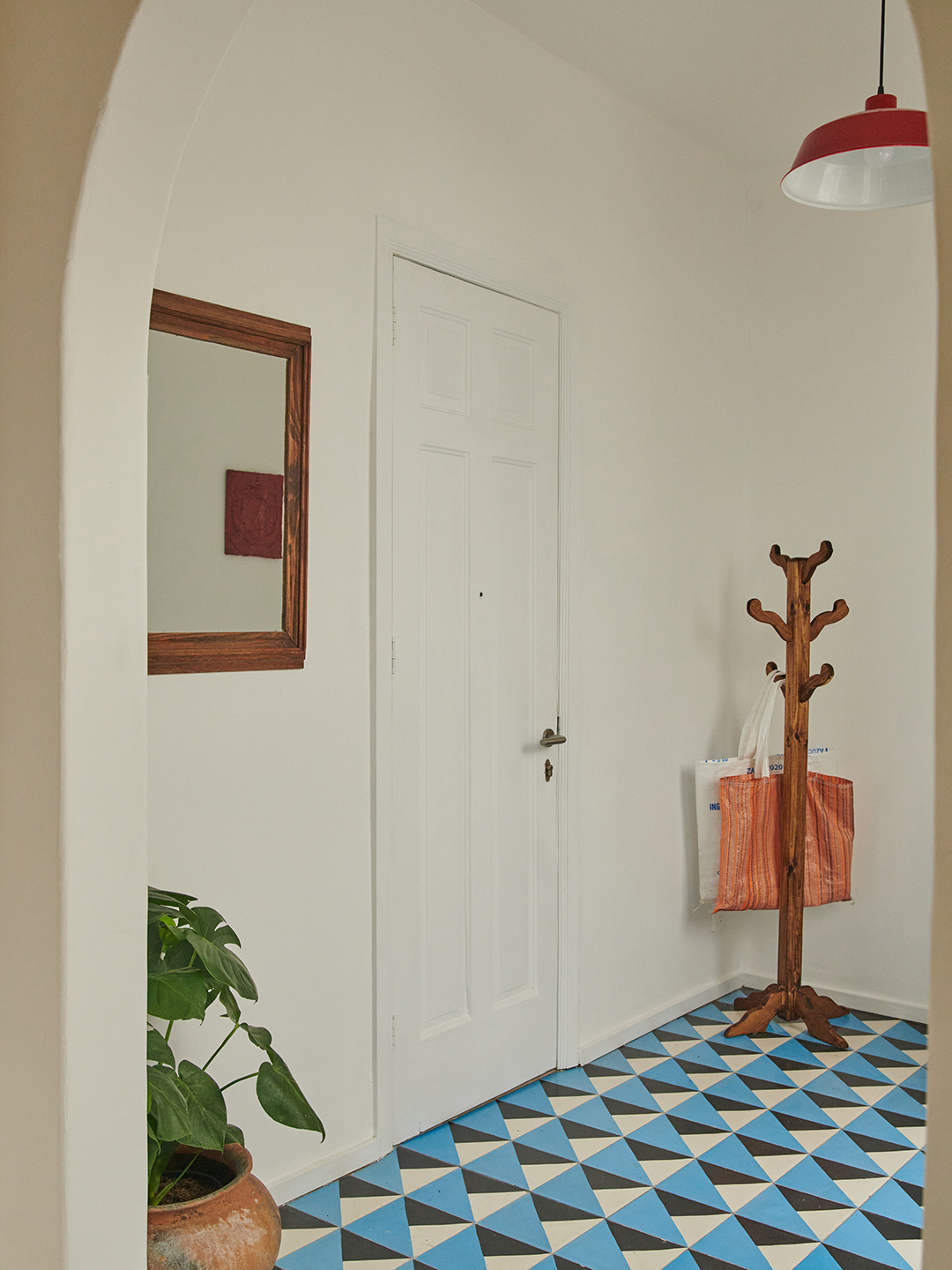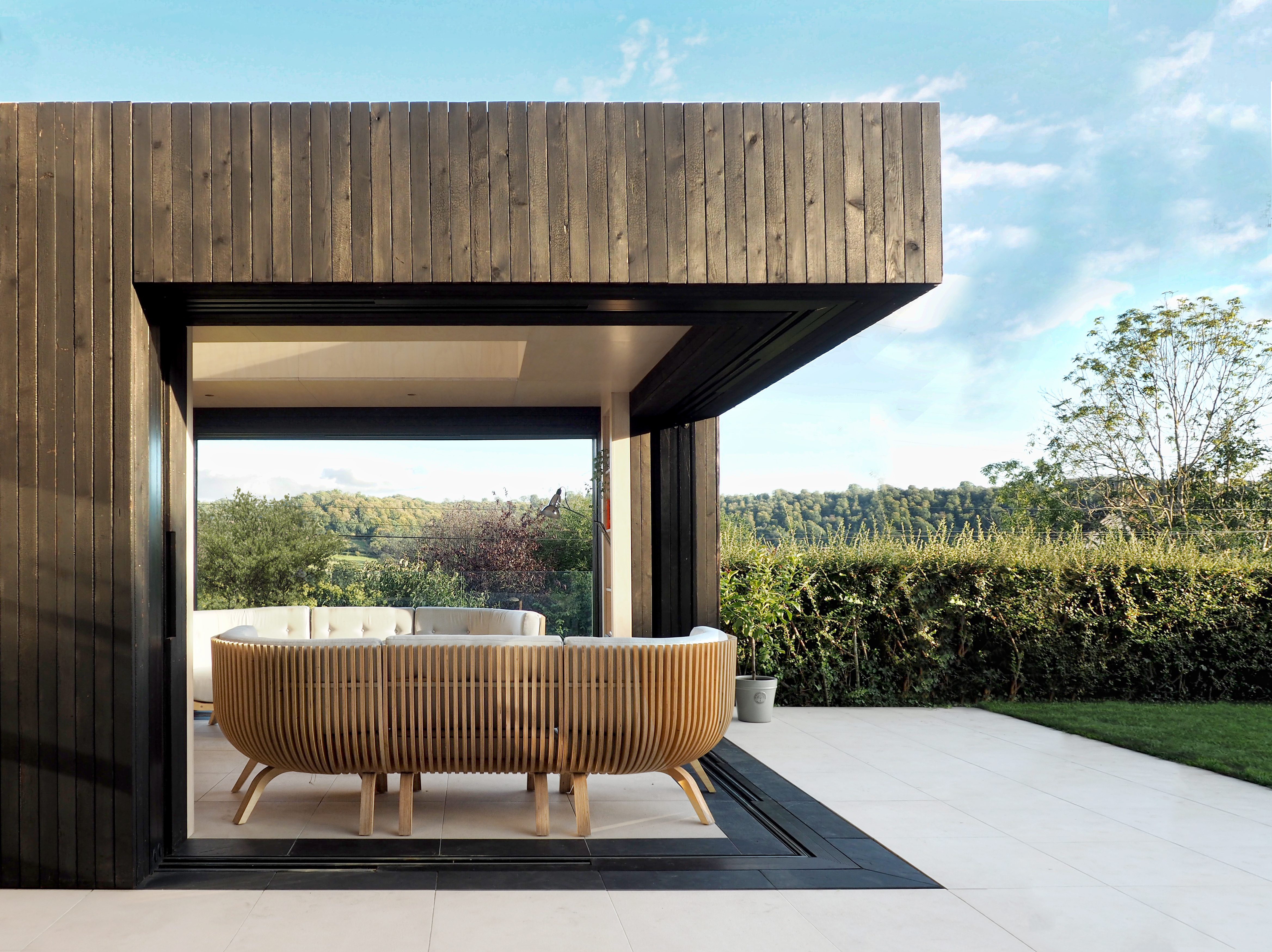
1/19
Mexican Interiors: 18 Spaces That Use Books as a Design Element
Interior design has evolved significantly, driven by user needs and the desire to create specific experiences. The recent global pandemic highlighted the importance of thoughtfully designed living and working environments, leading to a focus on holistic designs that prioritize well-being. These designs often integrate elements like color, sensory experiences, technology, and natural components to promote health and comfort. Mexico, with its diverse climate and rich cultural landscape, offers unique opportunities for interior designers to incorporate these elements effectively. The country's natural attributes allow for innovative approaches to managing temperature, light quality, and wind currents within architectural spaces.
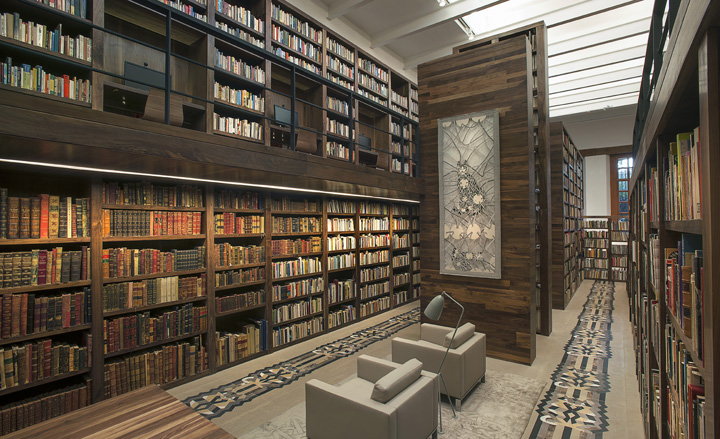
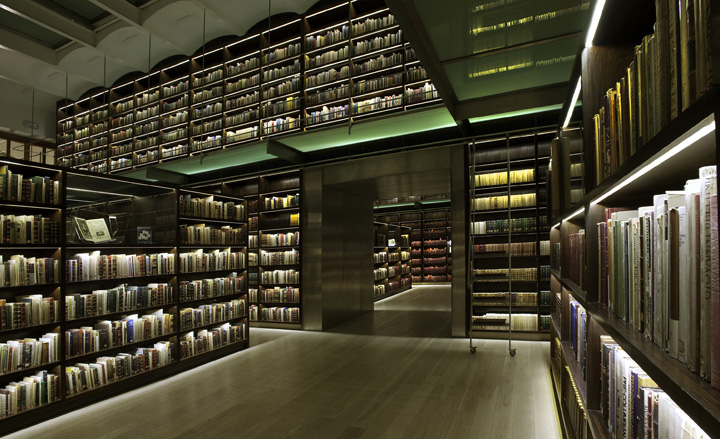
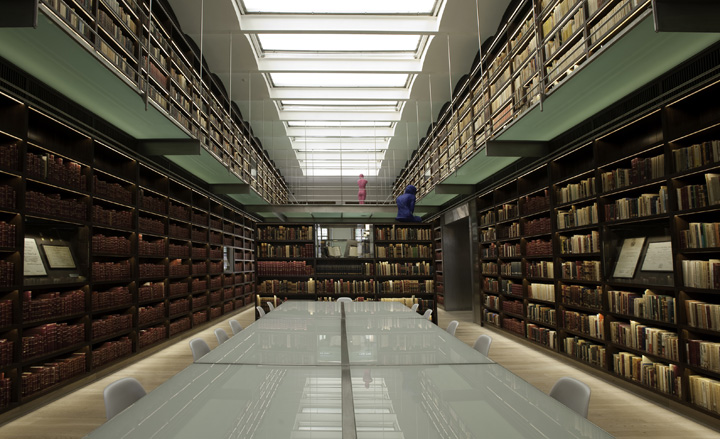

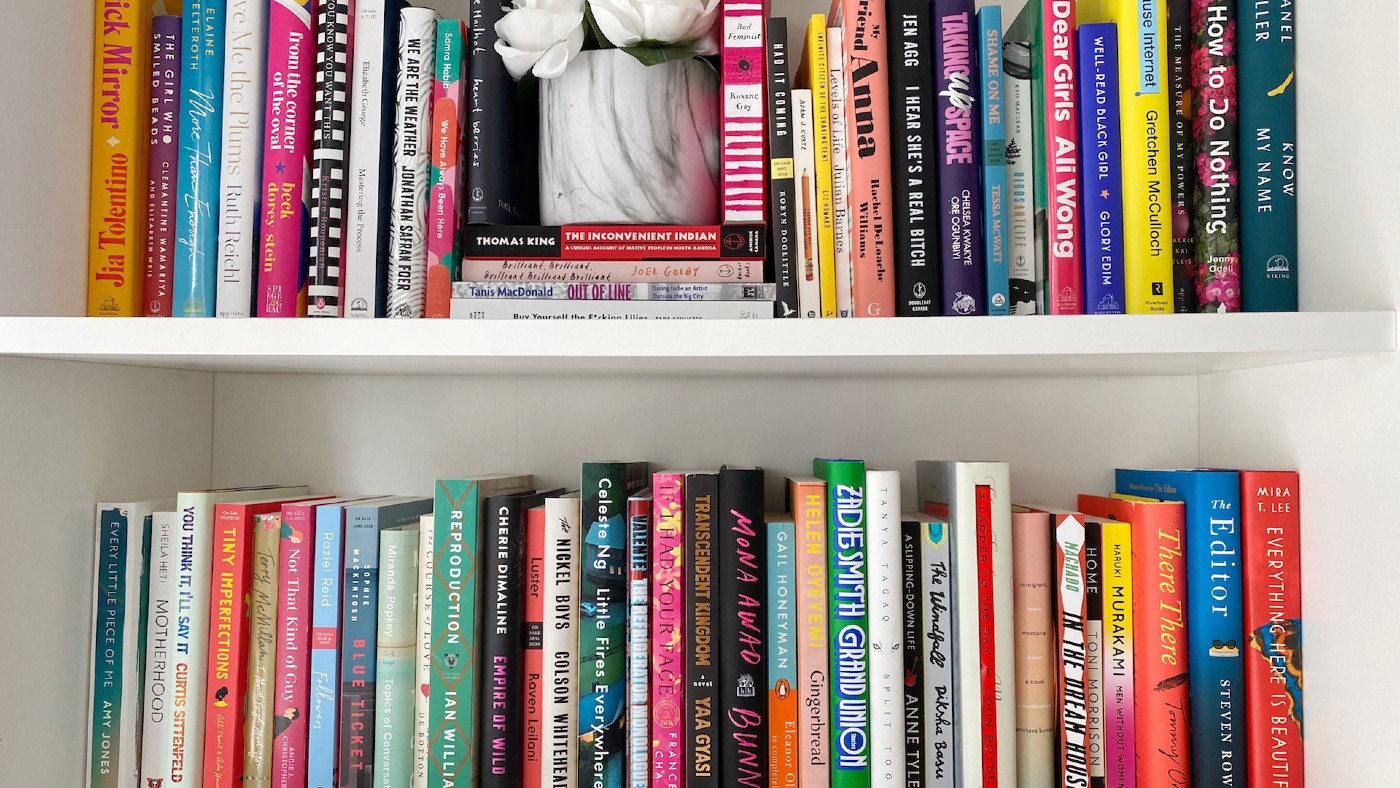
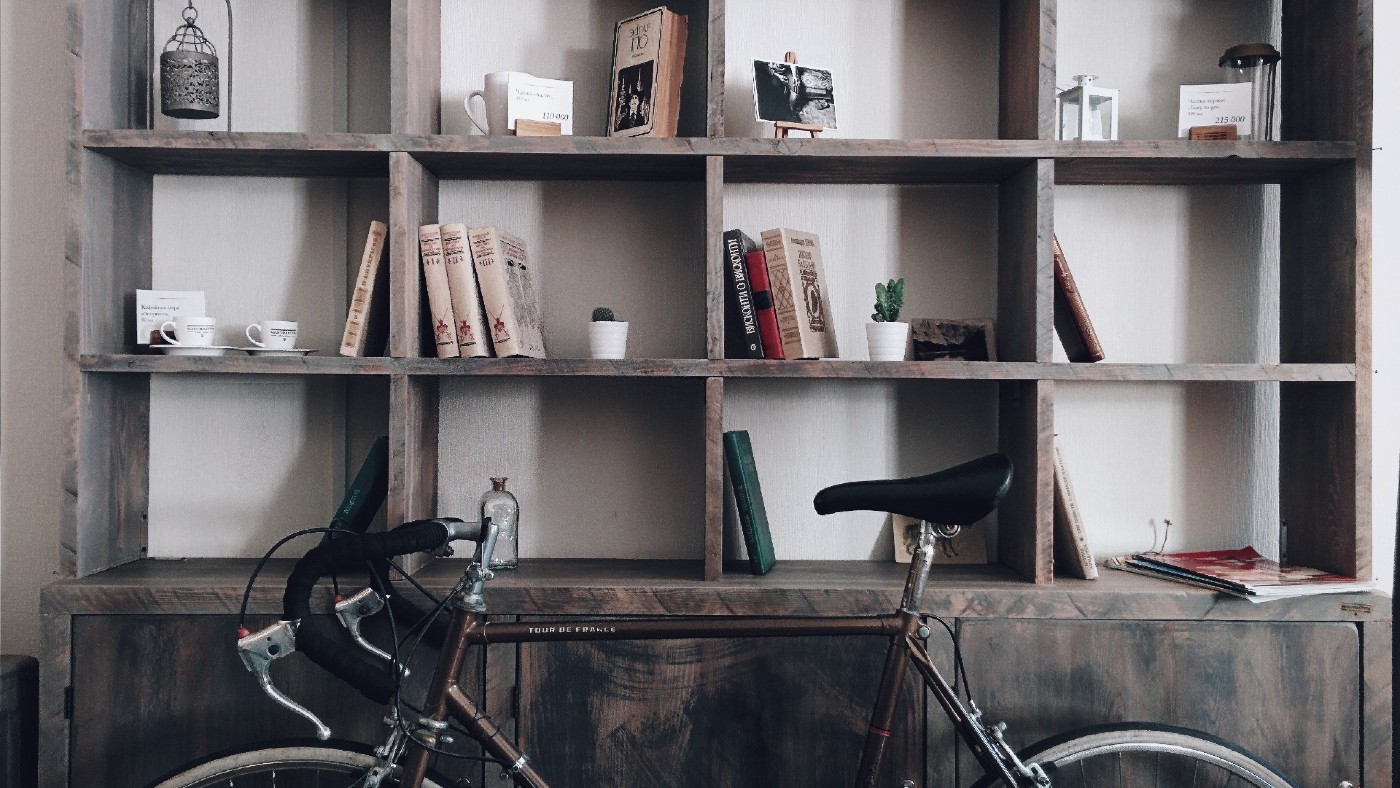
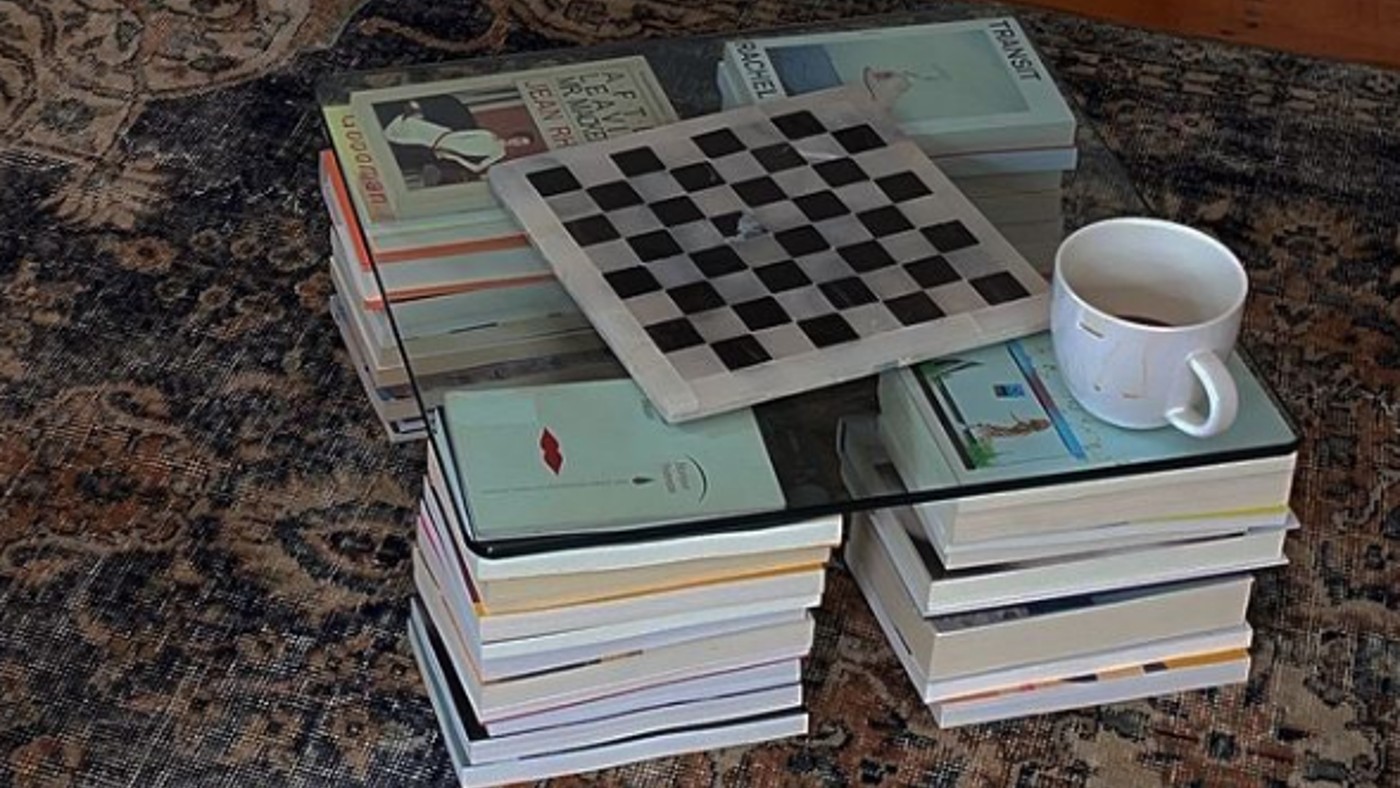
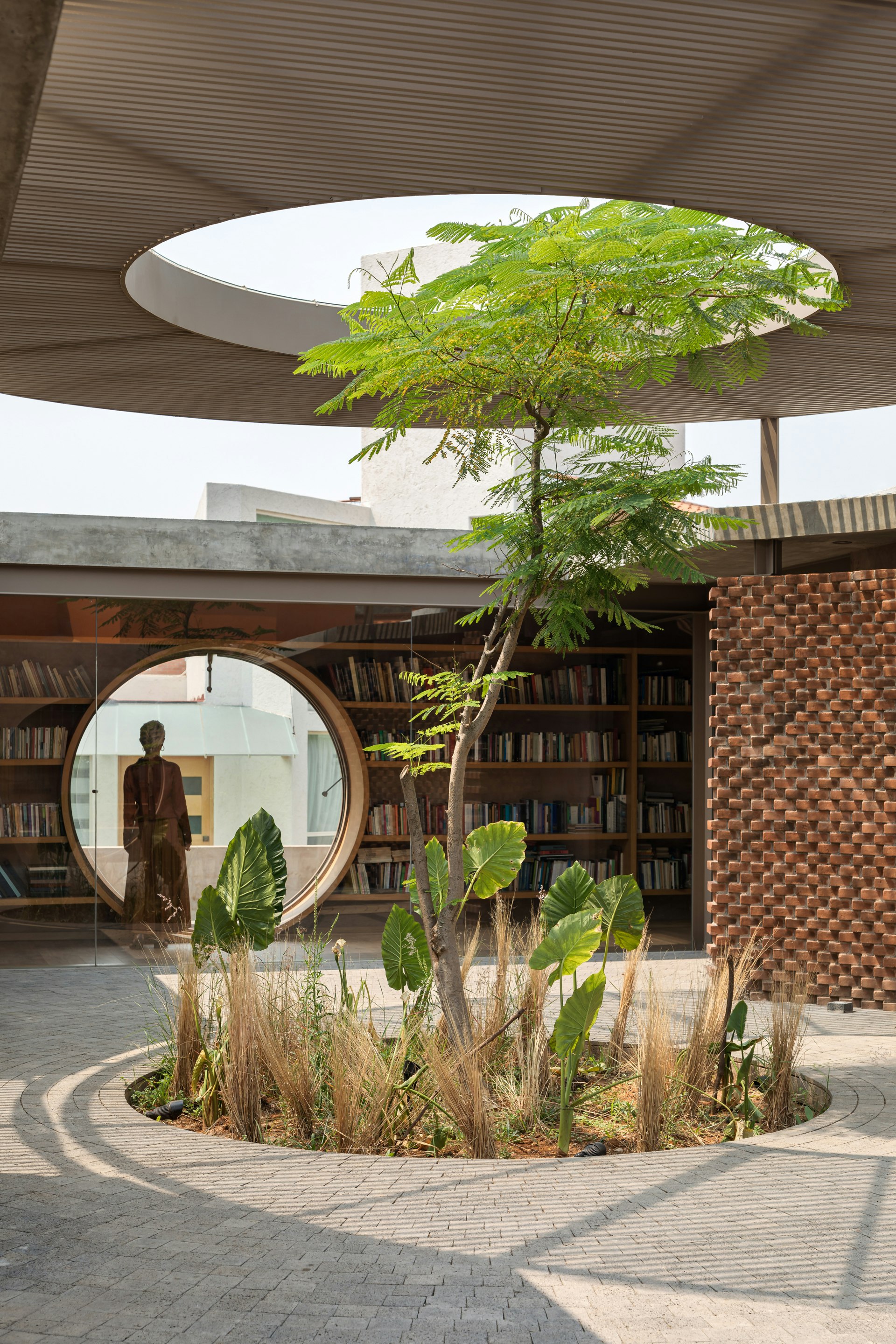
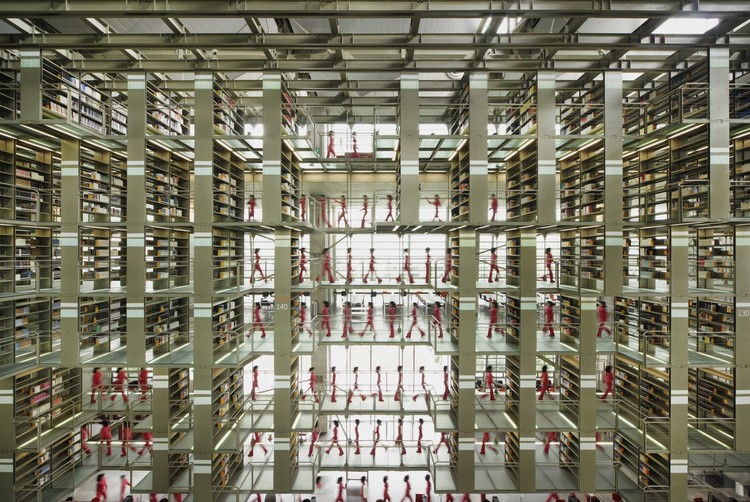
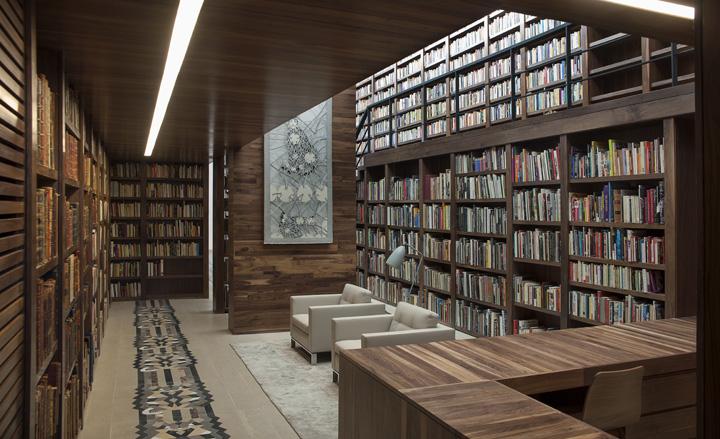
This article specifically examines how books can function as a central design element in various Mexican interiors, transforming spaces beyond their traditional purpose. Books, in this context, are not merely functional items but integral components that contribute to the aesthetic and atmospheric qualities of a space. The article showcases a curated selection of 18 libraries and bookstores across Mexico, each demonstrating distinct design philosophies. These examples illustrate how architects and designers have creatively utilized books to define the character of these interiors, ranging from grand public libraries to intimate cafes and cultural centers. The focus is on the interplay between the physical presence of books and other design elements, such as materials, lighting, and spatial arrangement.
Each featured project highlights innovative ways to display, store, and integrate books into the overall architectural scheme. This includes custom-built shelving units that become focal points, reading nooks that invite contemplation, and multi-functional spaces where books enhance the user experience. The article emphasizes how these designs foster an environment that sparks imagination and encourages engagement with literature, transforming simple rooms into vibrant cultural hubs. The Mexican context, with its unique architectural styles and natural resources, provides a rich backdrop for these design explorations, showcasing how local influences can shape the integration of books into interior spaces.
By presenting these 18 examples, the article aims to inspire and inform readers about the potential of books as powerful design tools. It underscores that beyond their intellectual value, books possess a tangible quality that can be leveraged to create visually appealing and emotionally resonant interiors. The designs demonstrate a range of approaches, from minimalist and modern to traditional and elaborate, reflecting the diverse architectural landscape of Mexico. Ultimately, the article suggests that the thoughtful incorporation of books can elevate an interior space, imbuing it with a sense of warmth, intellectual stimulation, and cultural richness, while also catering to the evolving needs and well-being of its users.
#MexicanInteriors #BookDesign #InteriorArchitecture #LibraryDesign #BookstoreDesign #ArchitecturalElements #CulturalSpaces #DesignInnovation #MexicanInteriors #BookDesign #InteriorArchitecture #LibraryDesign #BookstoreDesign #ArchitecturalElements #CulturalSpaces #DesignInnovation
0 comment in total
 No comments yet
You may also like
Inside the City of Books at José Vasconcelos Library, Mexico City

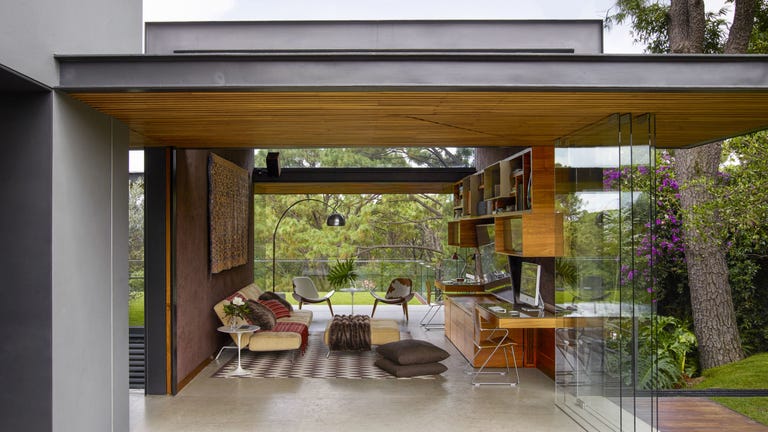
HOUSE TOUR: Modern Furniture Meets Playful Design Inside A Mexican Tree House

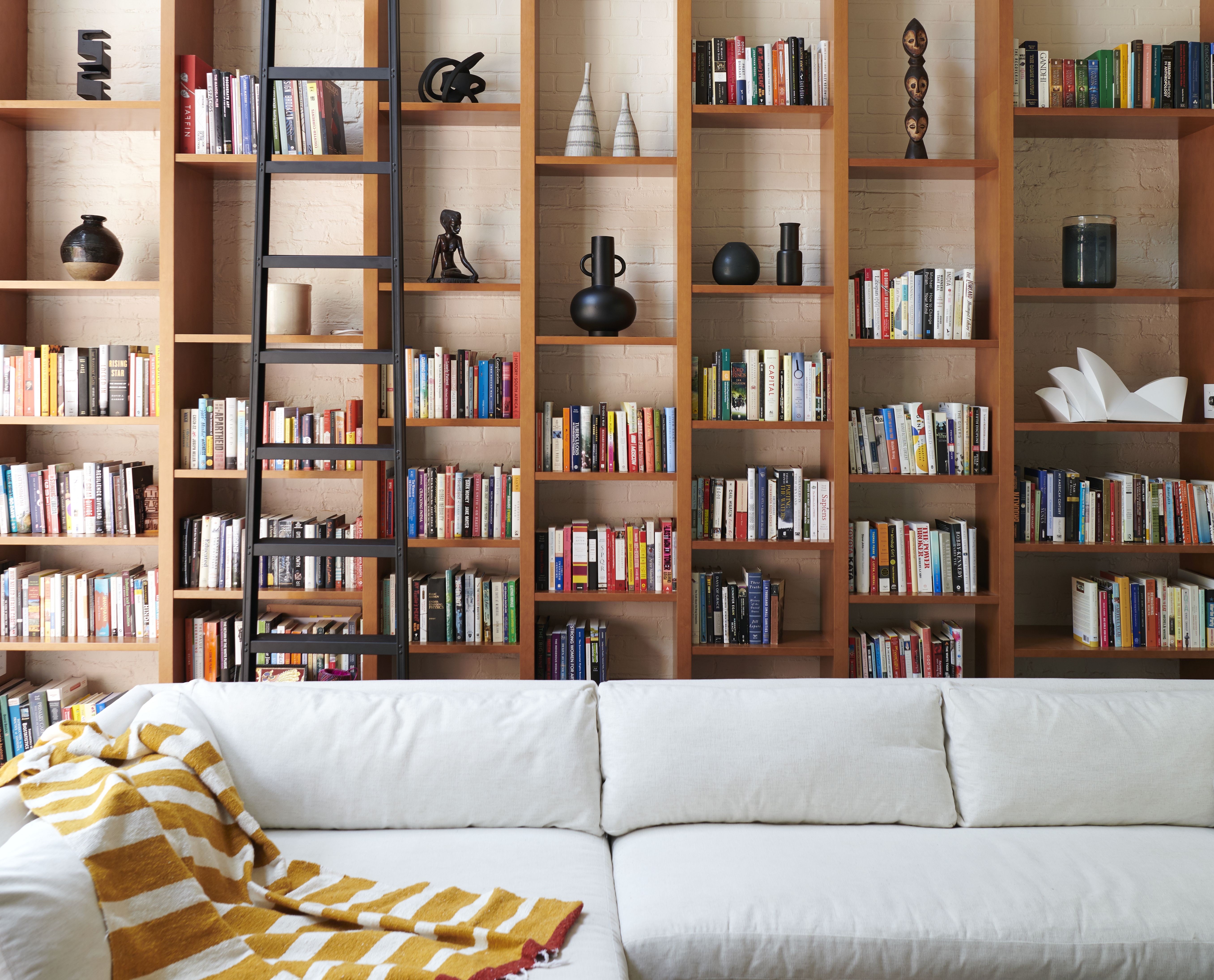
Forget Watching TV - Here are 3 Ways to Make Your Living Room Better to Read in

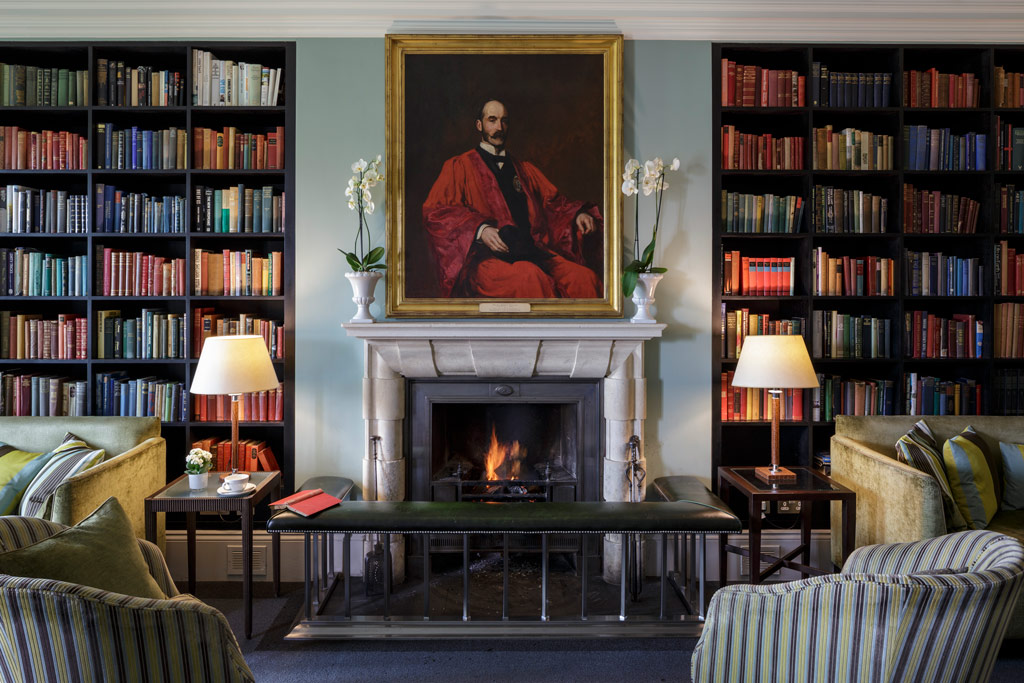
Home Libraries: Interiors Inspiration
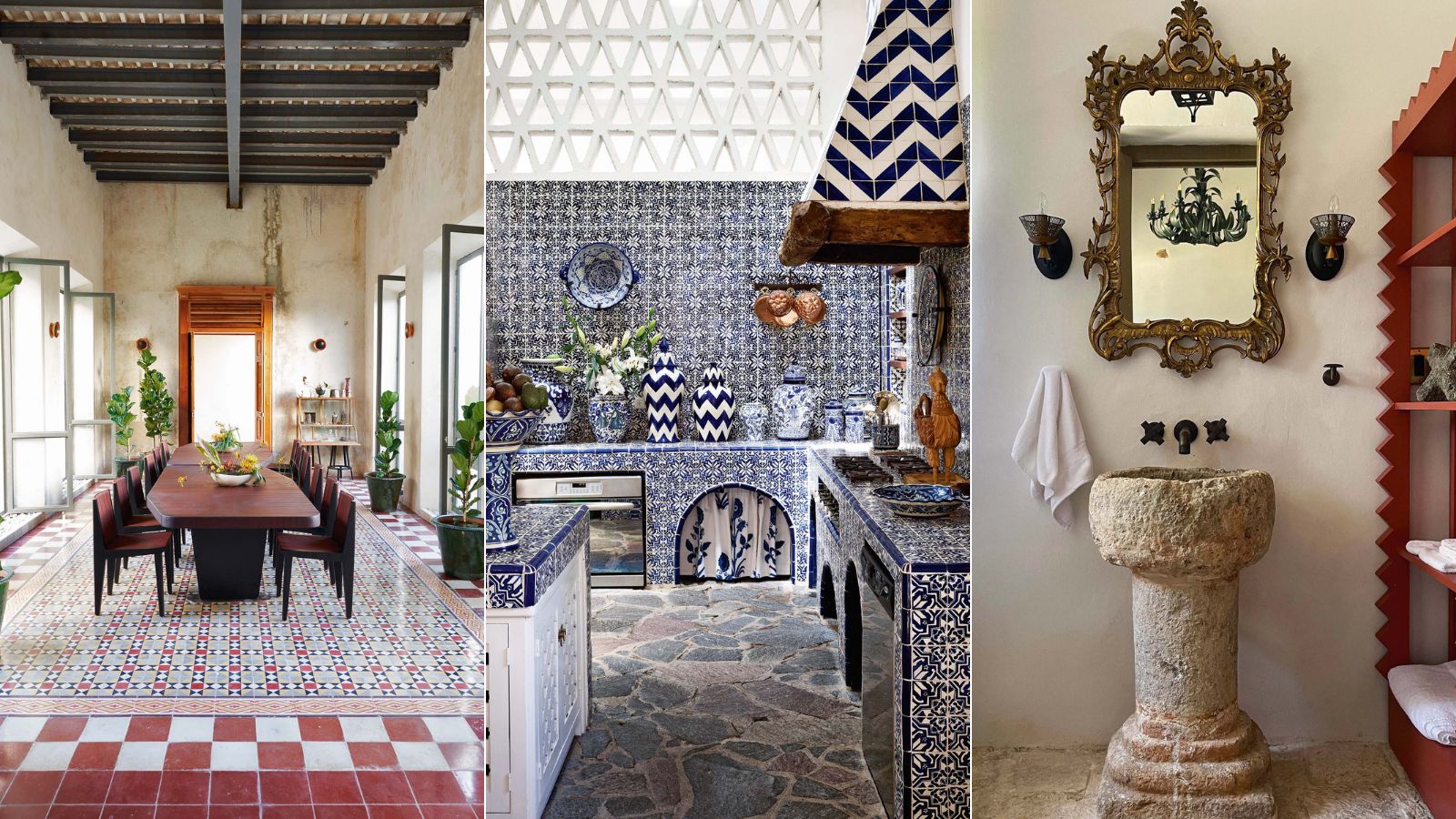
Mexican decor – 9 periods in this vibrant country's rich history and the styles they inspired

These 3 New Coffee Table Books Offer Up Design Inspo for Your Next Remodel

11 Chic Home Libraries Designed by Axel Vervoordt, Markham Roberts, Gil Schafer, and More

The most inspiring interior design books for your coffee table

10 of the most incredible home libraries around the world
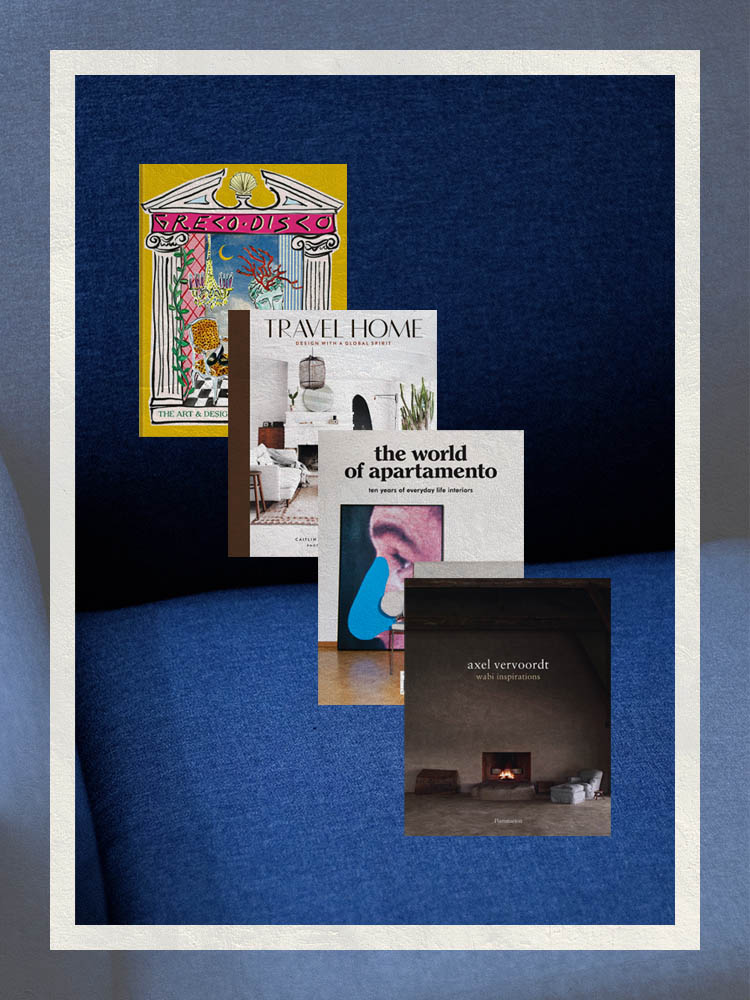
The 8 Best Coffee-Table Books You’ll Find in an Interior Designer’s Home

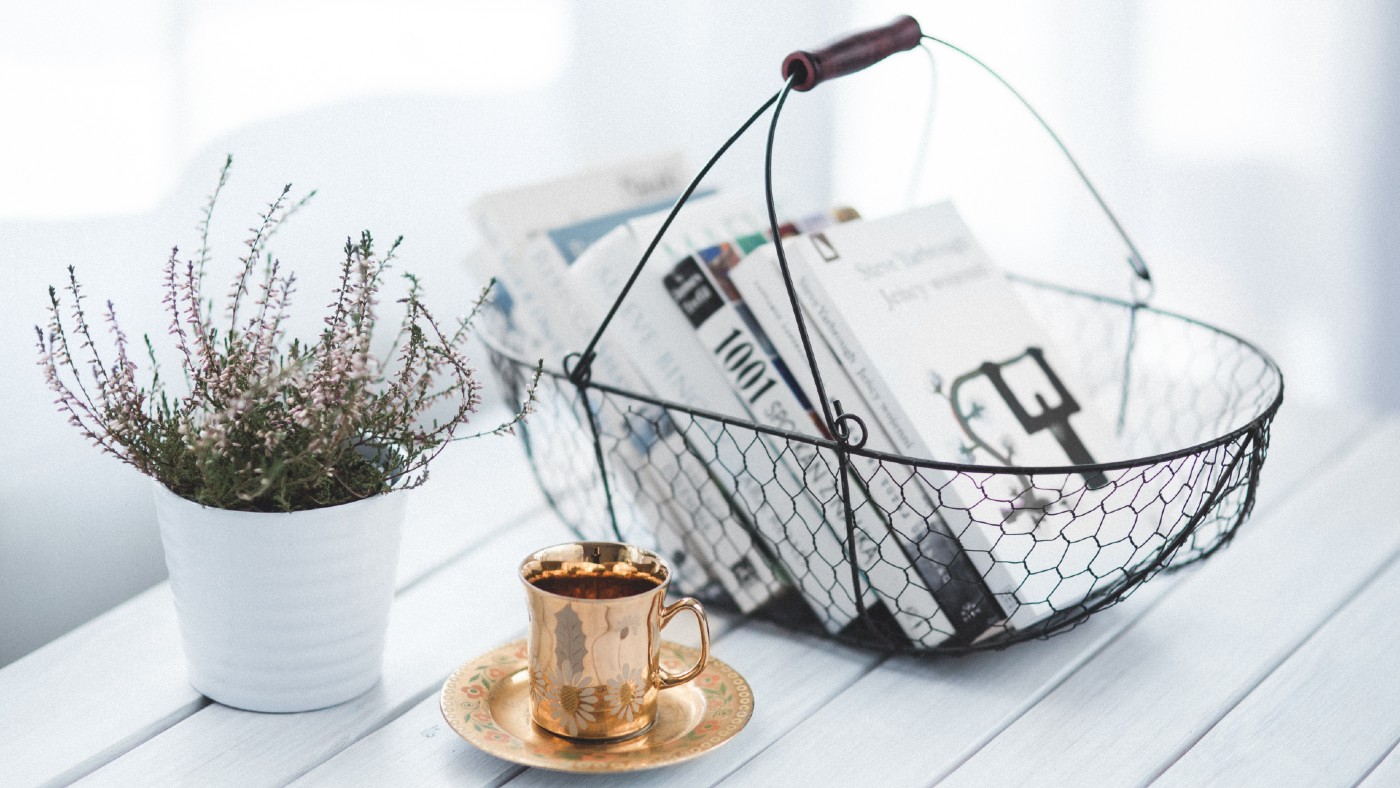
How to use books for home decor and interior design

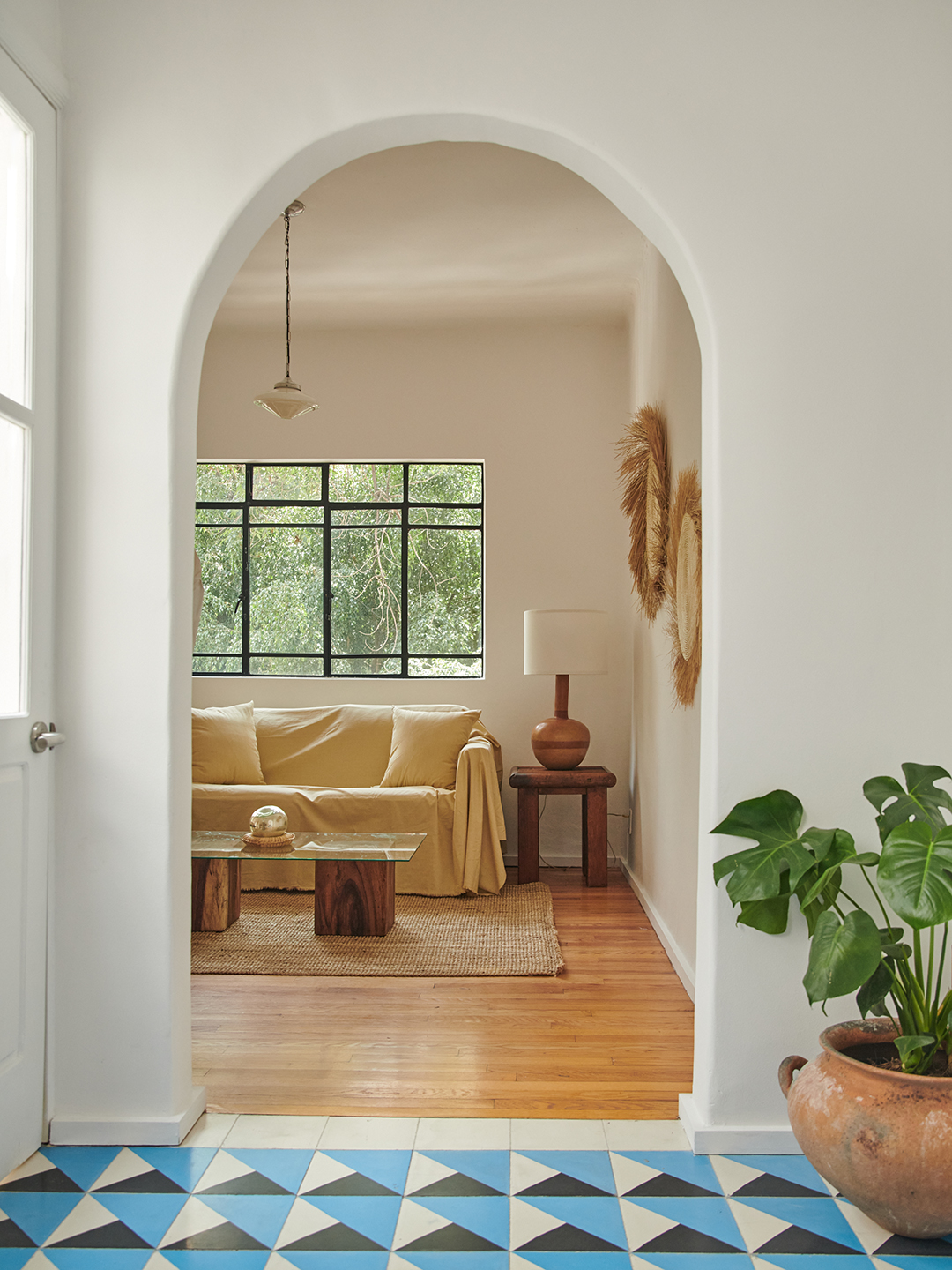
An Unlikely Source Inspired This Designer’s Mexico City Apartment: Catholic Convents

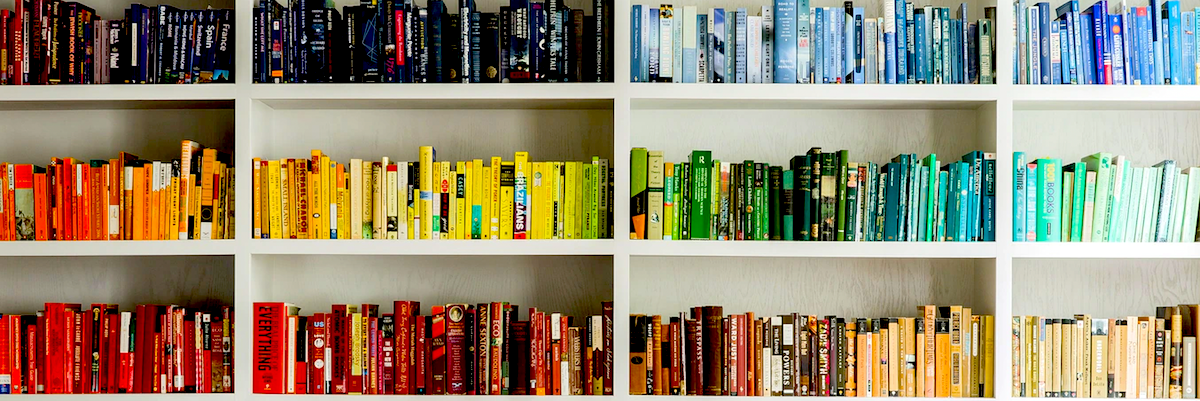
Inside the Picture Perfect—and Highly Lucrative—Business of Book Styling

An Ingenious, Multistory Bookshelf Organizes a Sleek Madrid Home

A Brick-and-Concrete Home With a Library Emphasizes Circular Motifs in Mexico
'It's somewhere you can get lost in a book' - this interior trend is all about creating peaceful spaces for reading
From the Archive: A Tour of Some of the World’s Most Elegant Home Libraries
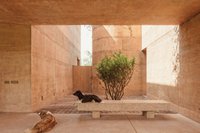
The Innovative Indoor-Outdoor Fluidity of Contemporary Mexican Architecture
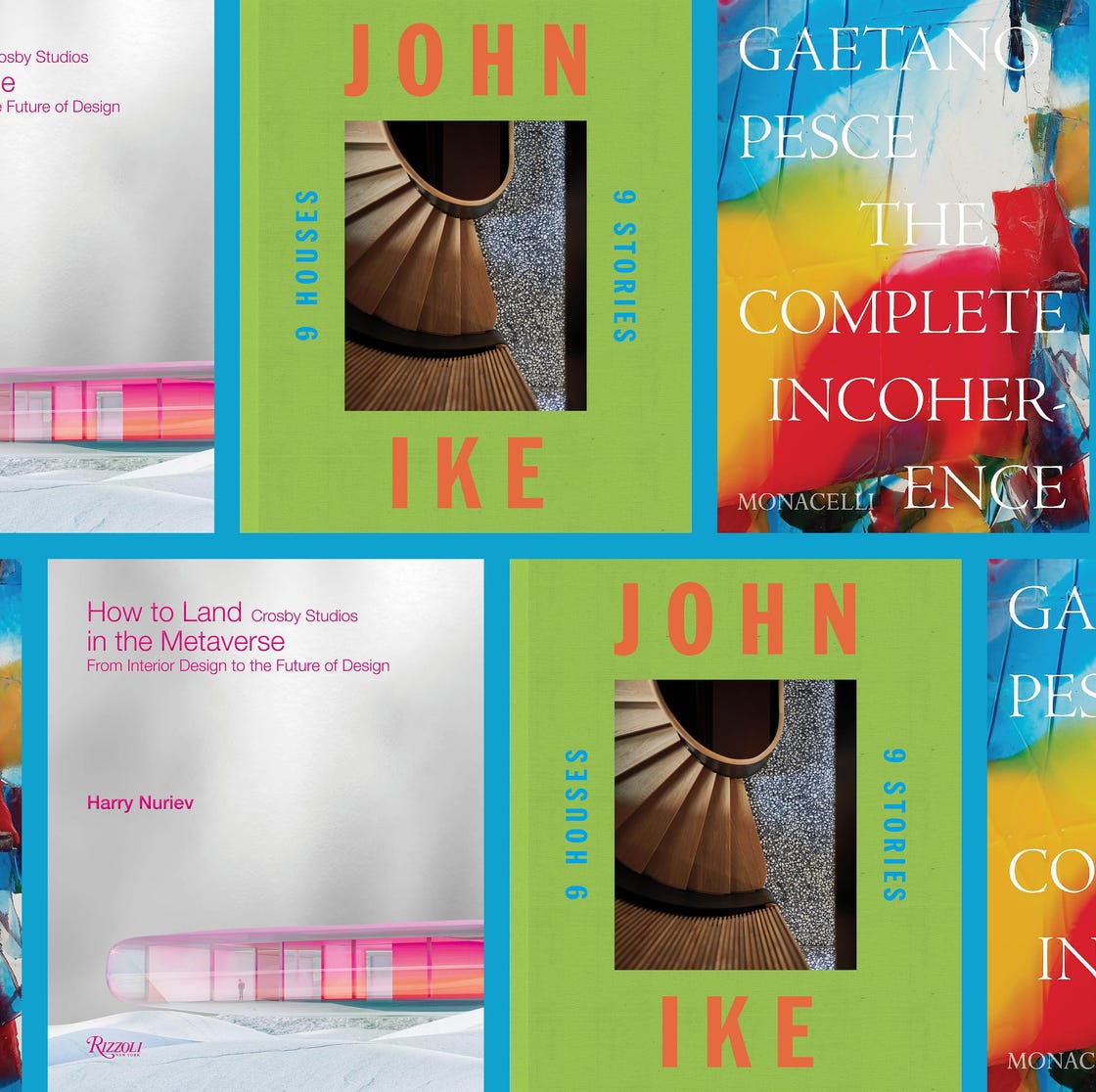
The Very Best Coffee Table Books to Snap Up Now
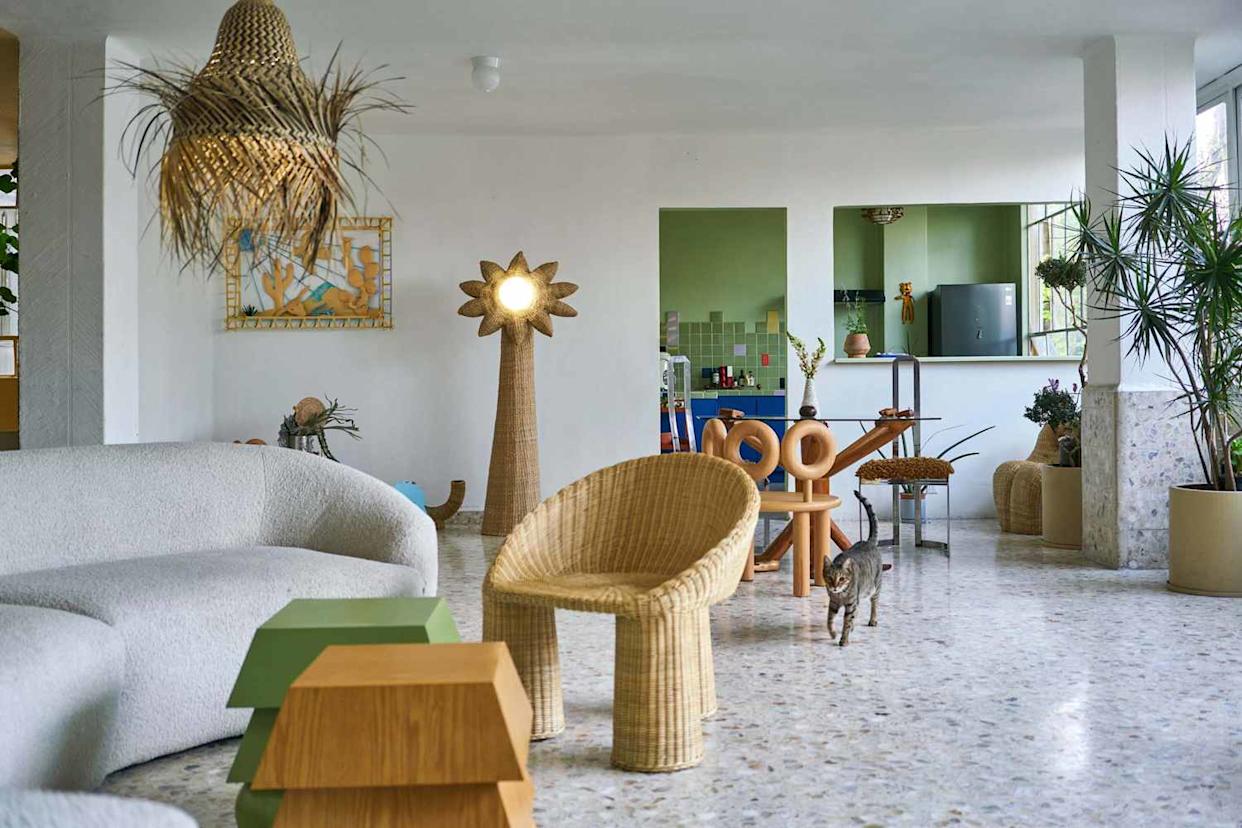
Bold Colors, Playful Shapes, Handmade Textures: This Mexico City Home Is 100% Joyful!