Edgar Allan Poe, Interior Design Critic
Edgar Allan Poe, renowned for his gothic tales, also held strong, articulated opinions on interior design, as detailed in his essay, “The Philosophy of Furniture,” published in 1840. This piece serves as a critical commentary on contemporary interior aesthetics, specifically highlighting what Poe considered to be good and bad taste in furnishing and decoration. His views are also subtly expressed in his short story “Landor’s Cottage,” where he meticulously describes an idealized New York cottage interior, reflecting his personal design preferences.
Poe’s critical lens was sharp, and he did not shy away from denouncing various cultural design styles. He found the interiors of English apartments to be the epitome of good taste, while he dismissed the aesthetic sensibilities of the Chinese, Russians, Spanish, French, and Italians, claiming they possessed "little sentiment beyond marbles and colours." The Dutch, in his assessment, merely had "a vague idea that a curtain is not a cabbage." However, his harshest criticism was reserved for Americans, whom he believed lacked genuine taste. According to Poe, without a traditional aristocracy to emulate, Americans had created an "aristocracy of dollars," leading to displays of wealth rather than true aesthetic discernment.

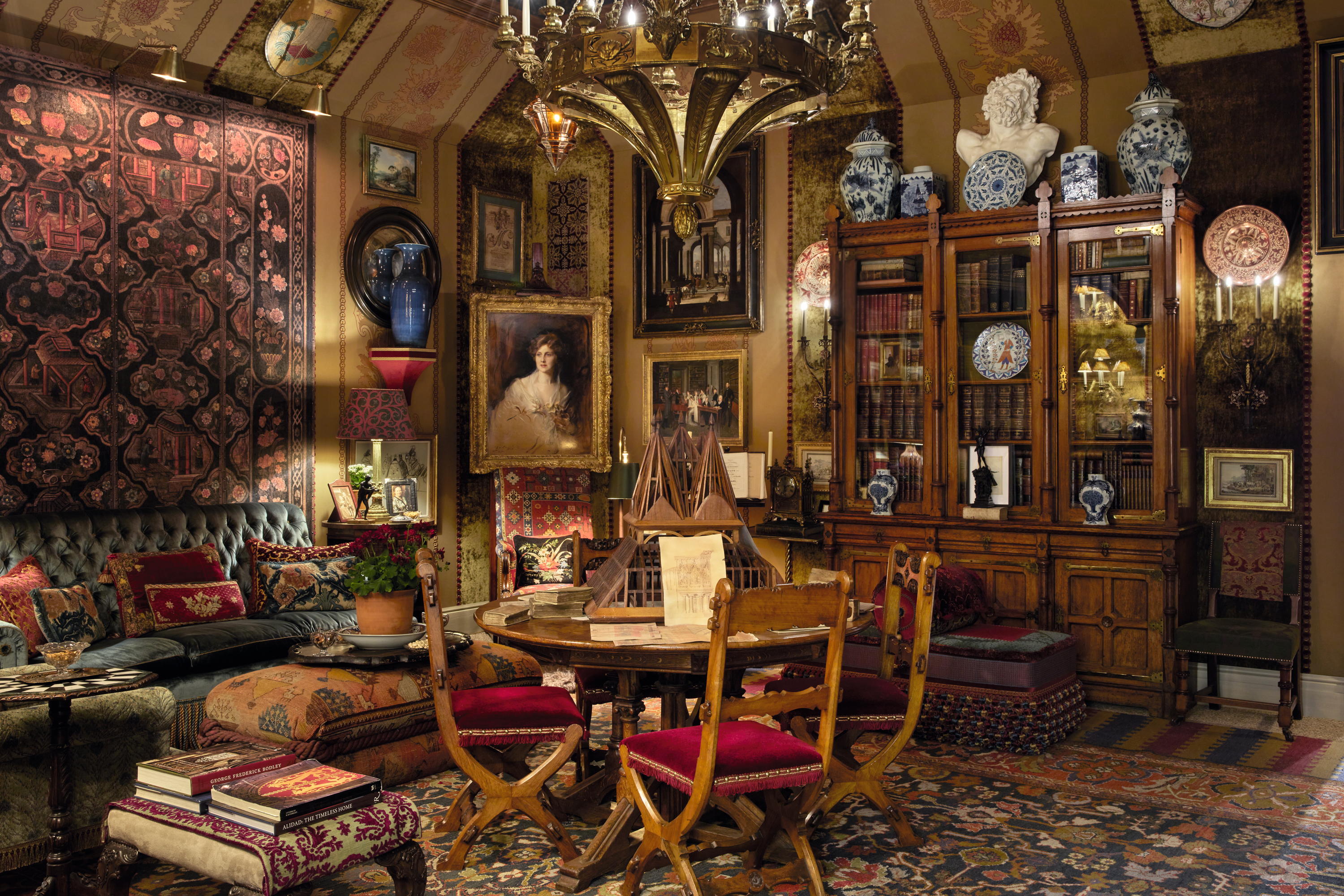
Beyond mere critique, Poe provided a detailed vision for an ideal room. He emphasized that every element, from furniture to paintings and fabrics, must harmonize to create a cohesive and pleasing space. The foundation of this ideal room, according to Poe, was the carpet. He considered carpet selection to be of paramount importance, likening it to the "soul of the room." Its color, thickness, and design were seen as determining factors that influenced all other decorative choices. He famously stated, "A judge at common law may be an ordinary man, a good judge of a carpet must be a genius."
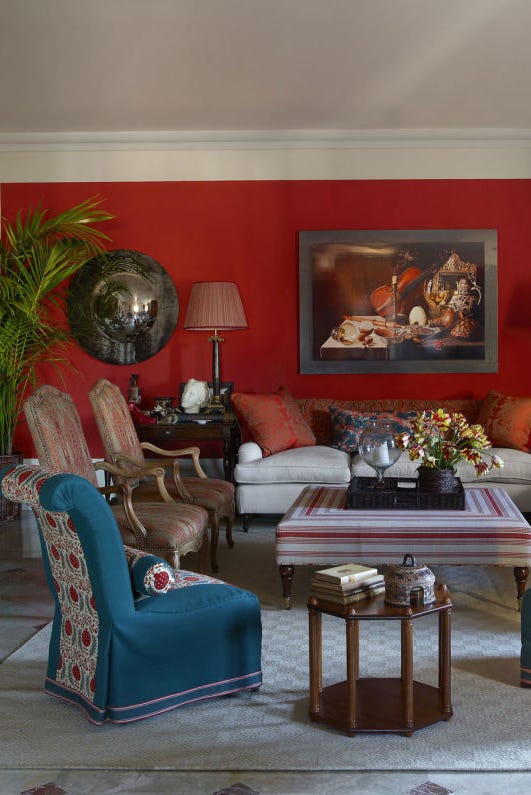
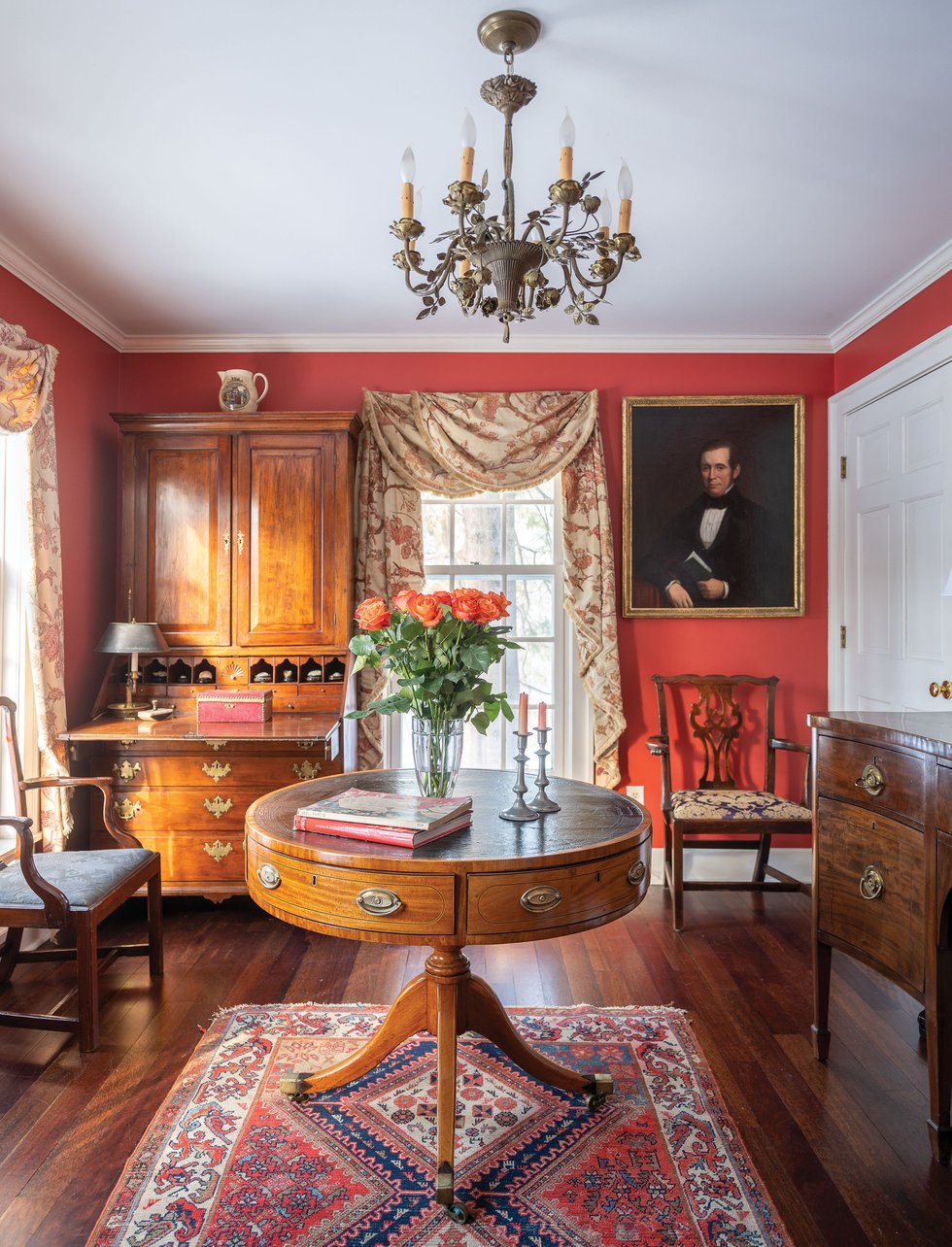
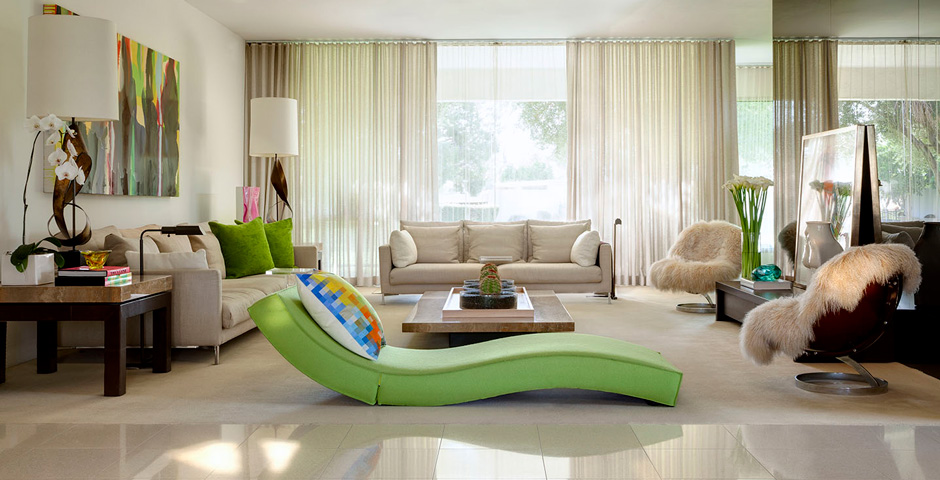
Poe's ideal room also featured “massive” floor-to-ceiling windows opening onto a veranda, with panes of crimson-tinted glass set in rosewood frames. The windows were to be adorned with thick silver tissue curtains within the recess and rich crimson silk curtains, fringed with gold and lined with silver tissue, on the outside. These draperies, devoid of cornices, would emerge from a broad entablature of gilt-work encircling the room. The predominant colors—crimson and gold—would be found throughout, setting the room's character. The Saxony carpet, half an inch thick, would also be crimson.
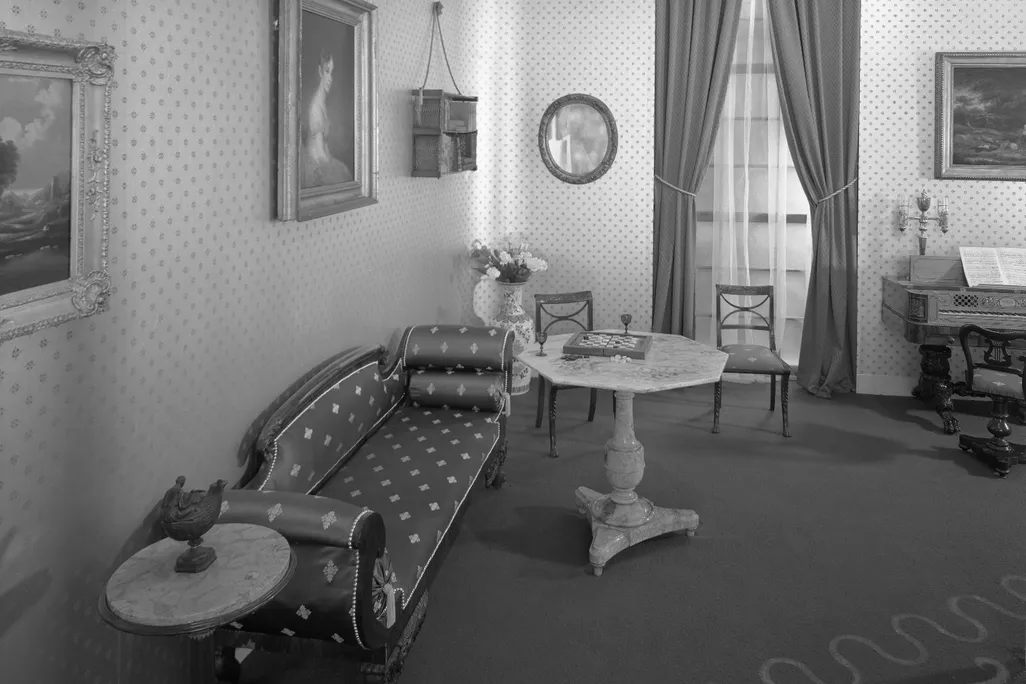
The walls of this envisioned space would be covered in glossy silver-gray paper, subtly spotted with Arabesque devices in a fainter crimson hue. The walls would be relieved by numerous paintings, primarily imaginative landscapes by artists like Stanfield or Chapman, along with three or four ethereal female heads in the style of Sully. These artworks would possess a warm but dark tone, promoting a sense of repose rather than "brilliant effects," and none would be diminutive in size to avoid a "spotty look." The frames would be broad, richly carved, burnished gold, and lie flat against the walls. Only one nearly circular, non-large mirror would be present, strategically placed to prevent a direct reflection from any sitting position.
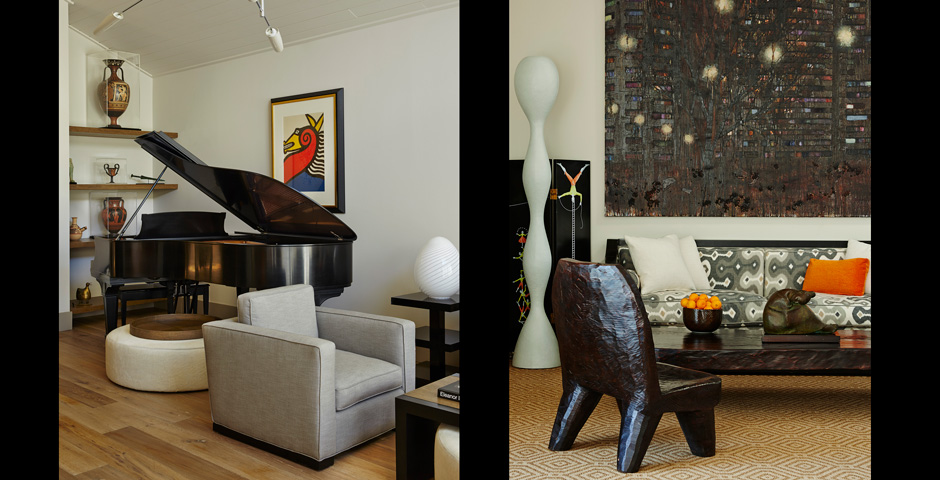
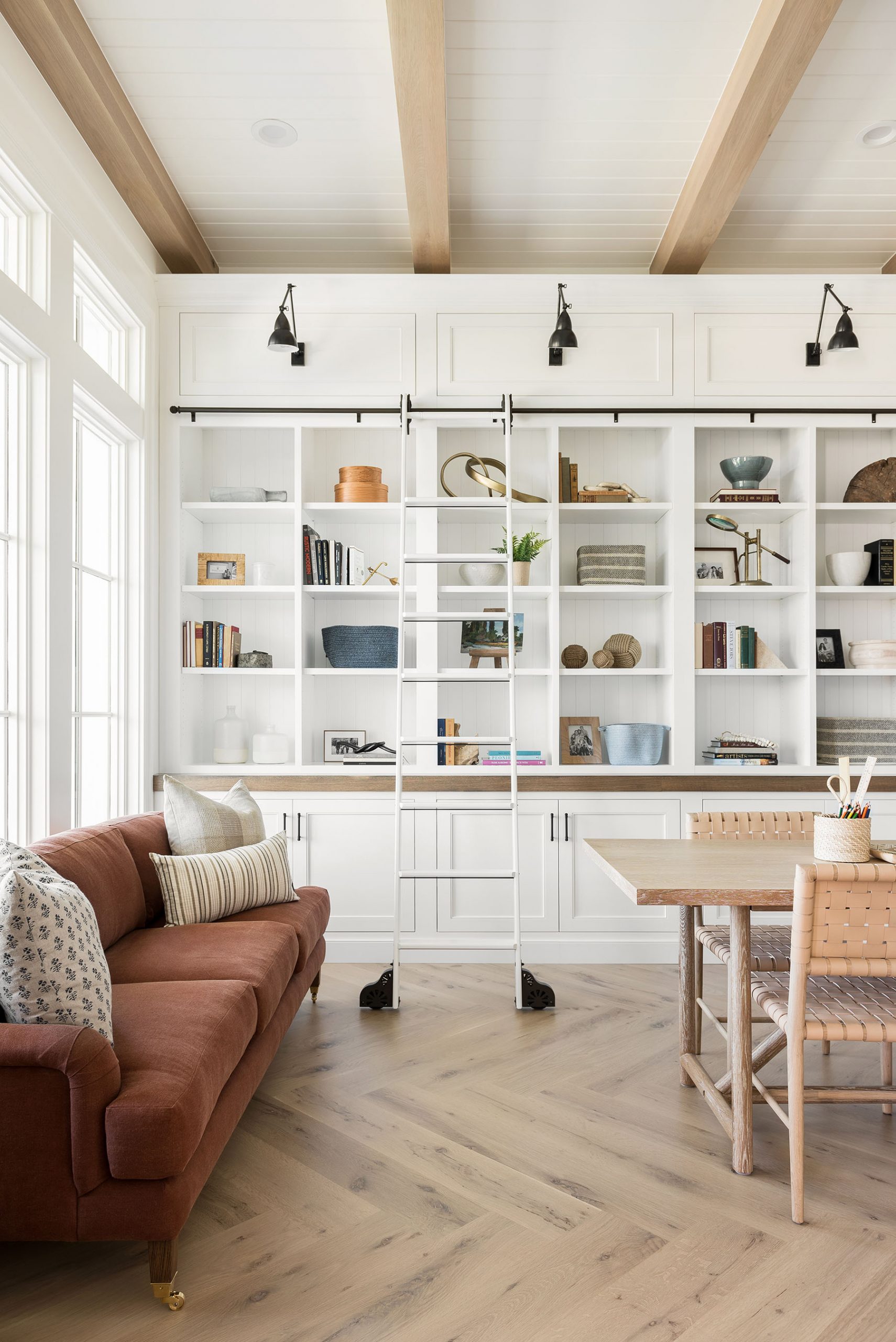
The furniture would be minimal but opulent: two large, low sofas of rosewood and crimson silk with gold flowers, and two light rosewood conversation chairs. A rosewood pianoforte, uncovered and open, would also feature. An octagonal table made of rich gold-threaded marble, also uncovered, would be placed near a sofa. Four large Sevres vases, filled with vibrant flowers, would occupy the room's slightly rounded corners. A tall candelabrum with an antique lamp and perfumed oil would provide soft lighting, complemented by an Argand lamp with a crimson-tinted ground glass shade, hanging from the vaulted ceiling by a slender gold chain, casting a magical radiance. Hanging shelves with golden edges and crimson silk cords would hold hundreds of magnificently bound books, completing a space designed for harmonious beauty and intellectual engagement.
#EdgarAllanPoe #InteriorDesign #DesignCriticism #PhilosophyOfFurniture #LiteraryCriticism #AestheticTaste #HomeDecor #19thCenturyDesign #AmericanCulture #EdgarAllanPoe #InteriorDesign #DesignCriticism #PhilosophyOfFurniture #LiteraryCriticism #AestheticTaste #HomeDecor #19thCenturyDesign #AmericanCulture
0 comment in total
 No comments yet
You may also like

Interior Designer
Vance Burke


Portland interior designer George Covin


Yoselin Alonso Open Concept

The 2020 A-List: 125 of the Best Interior Designers in the World
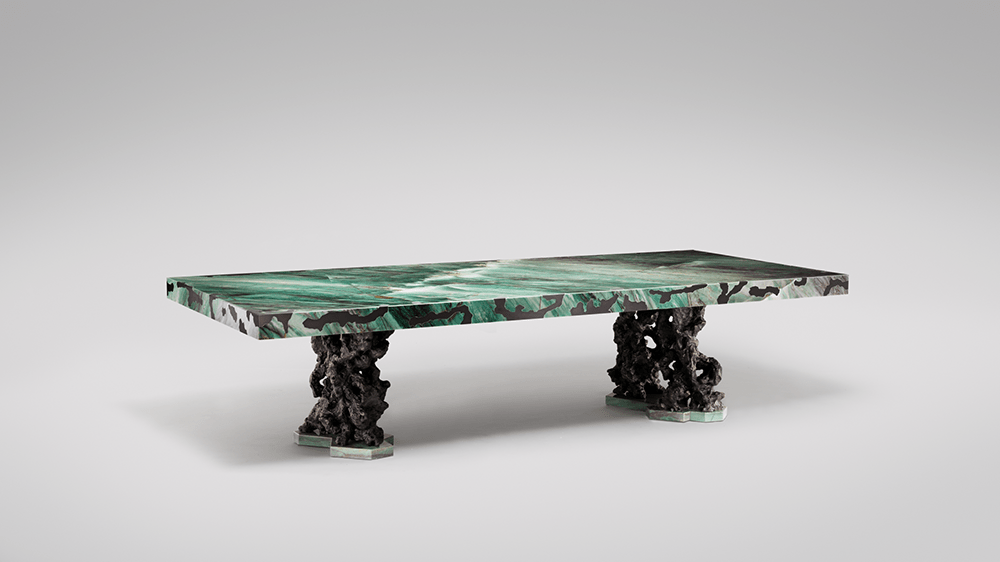
9 Acclaimed Interior Designers Share Their Most Memorable Tales of Discovery and Disappointment

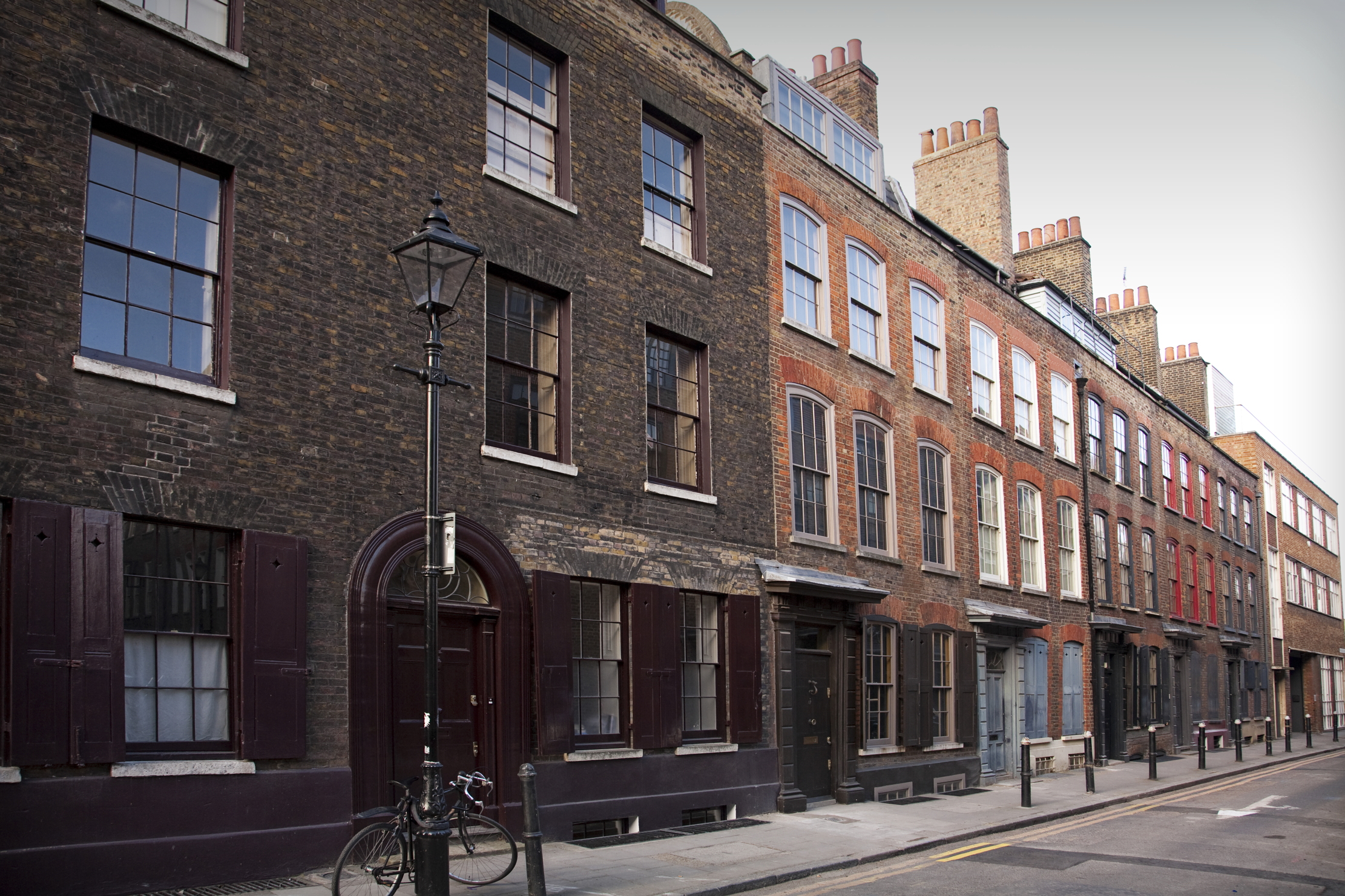
The home is more than just 'a machine for living in': how architects, interior designers and builders respect the past, embrace the present and define the future

Meet Krysti Lyn | Whole Home Designer
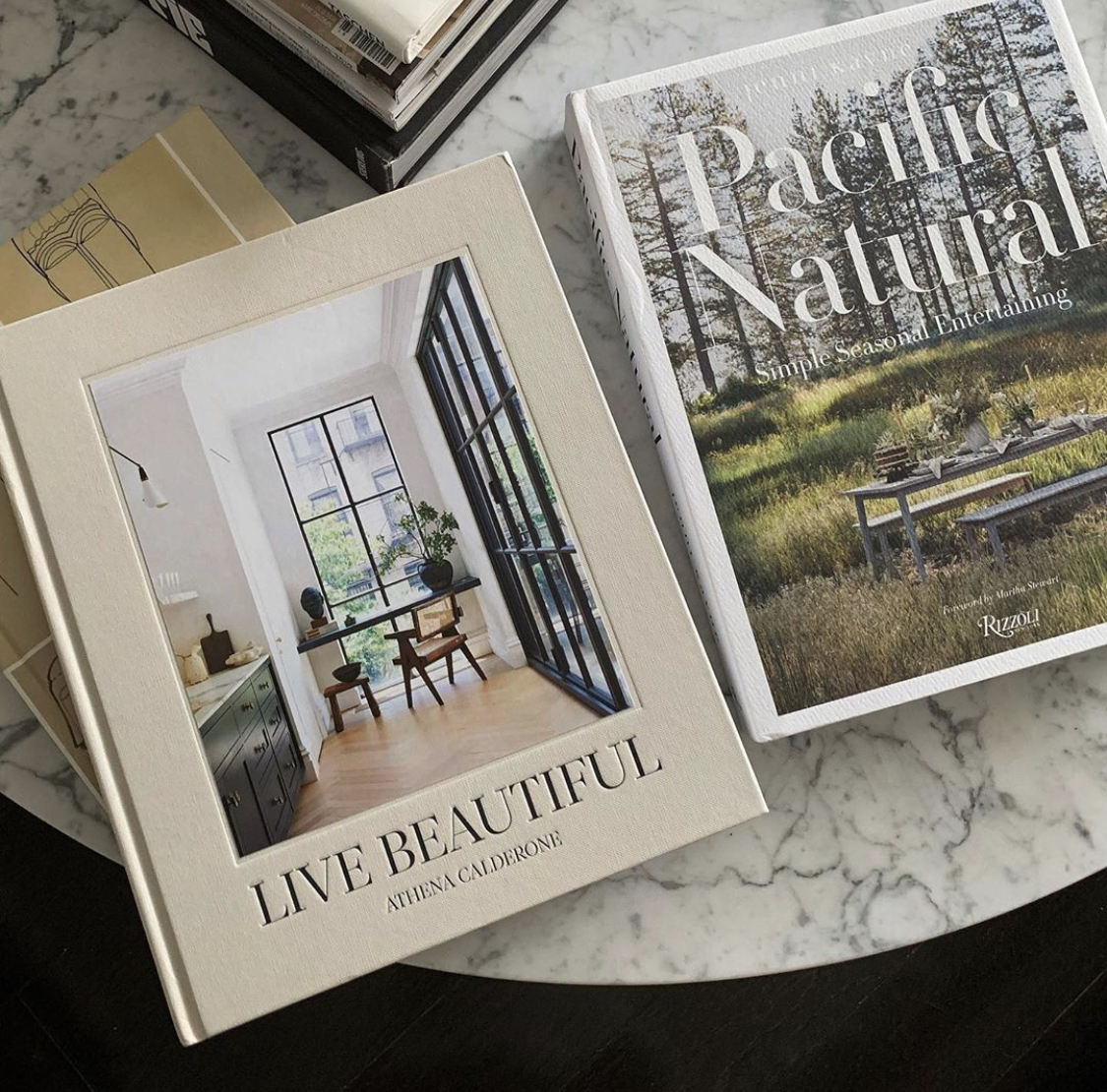
10 Interior Design Books That Belong on Every Aesthete’s Coffee Table

17 Trends That Need to Disappear Forever , According to Interior Designers

Home & Design | Art + Soul
Charlotte Perriand: Photography to interior design


Editor’s Letter: The Tyranny of Taupe

Home On The Ranch: Entry Library & Mudroom
The best interior designers in Britain
Habitat Design Consulting Expert Interior Design Advice


Home & Design | A World of Interiors

Spoak home designer review

A Cool Interior Designer Talks Style, Inspiration & More

For This Interior Designer, Home is Where the Art Is