1/5
Do’s and don’ts of visiting a design center
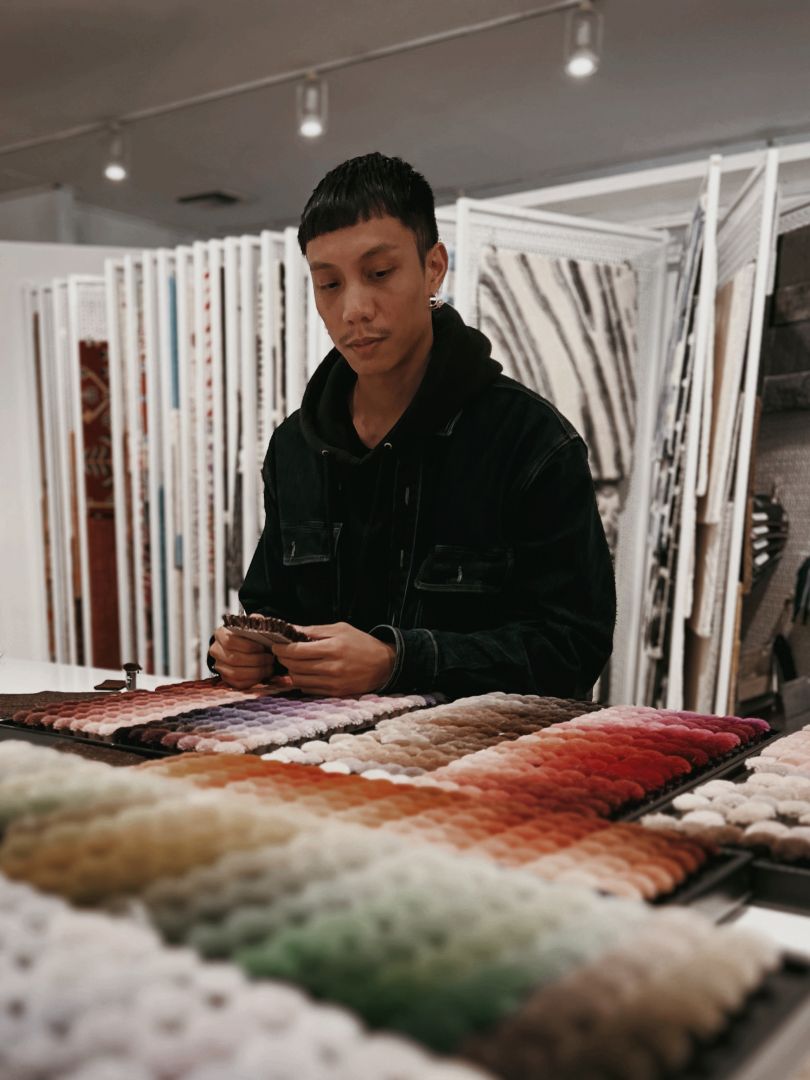
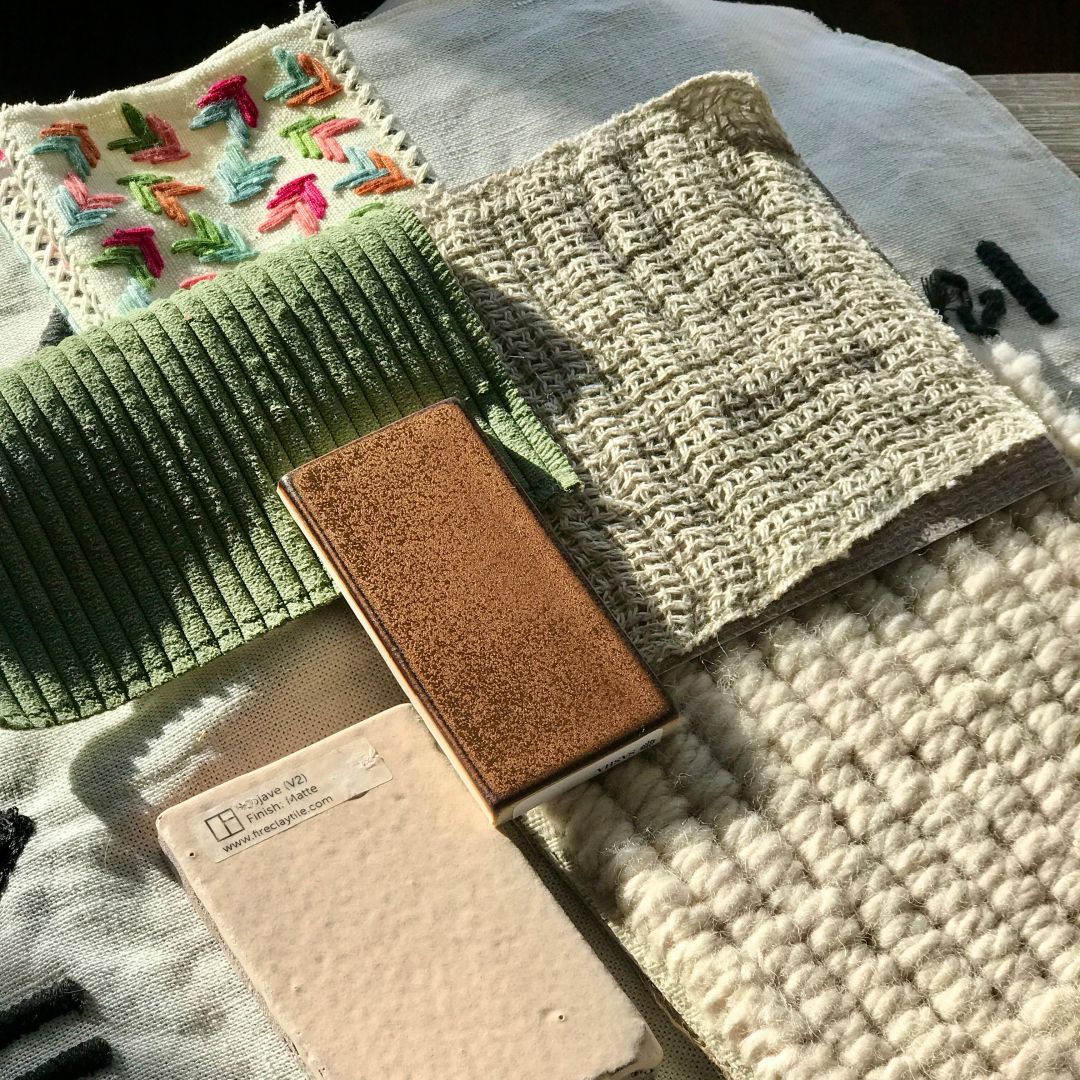
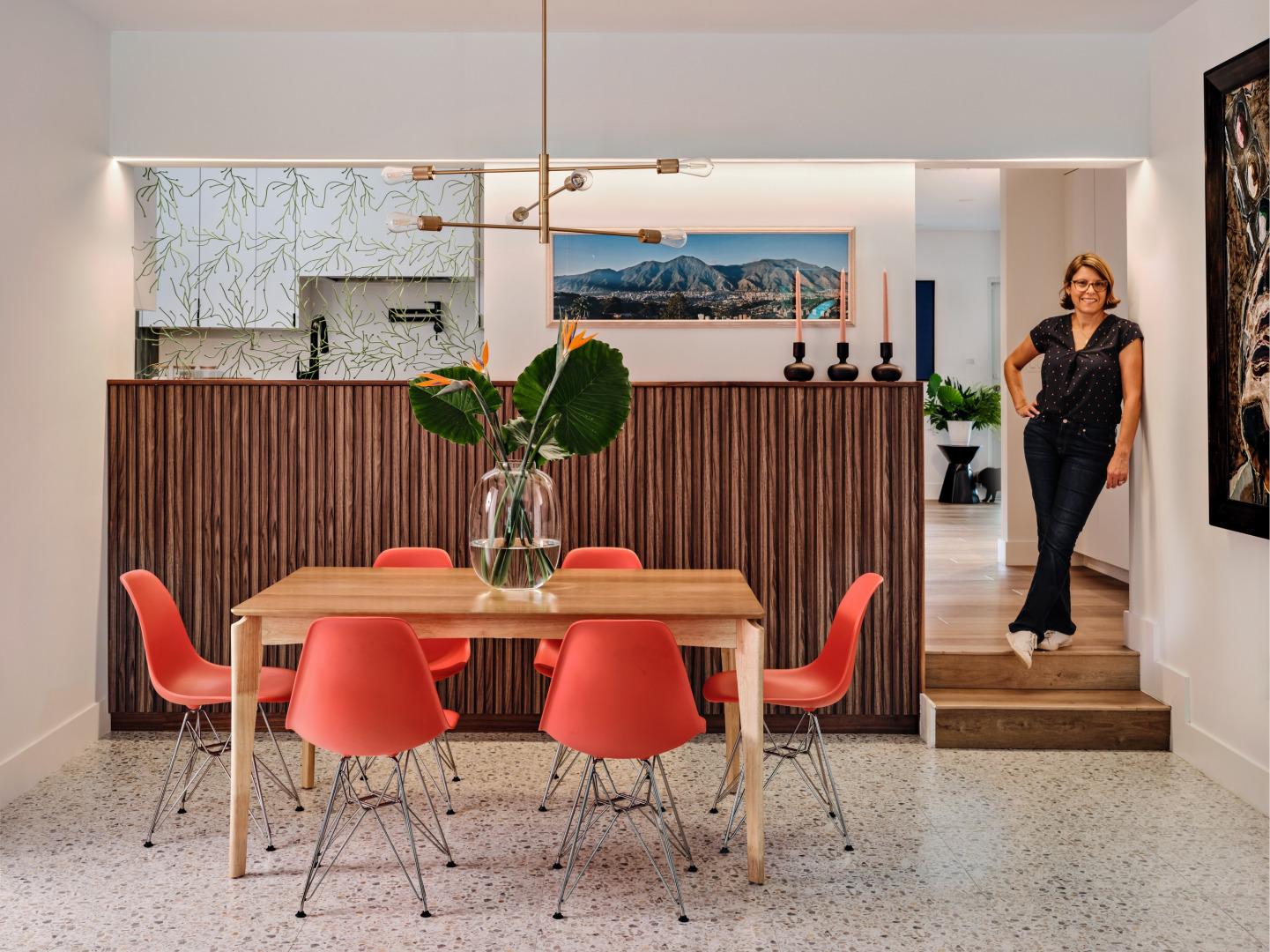
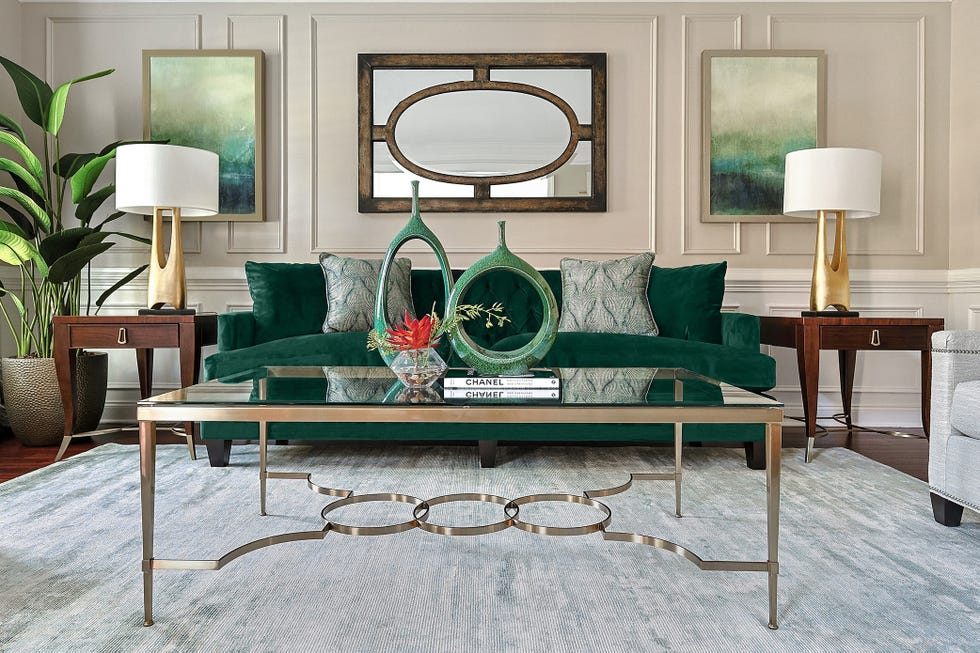
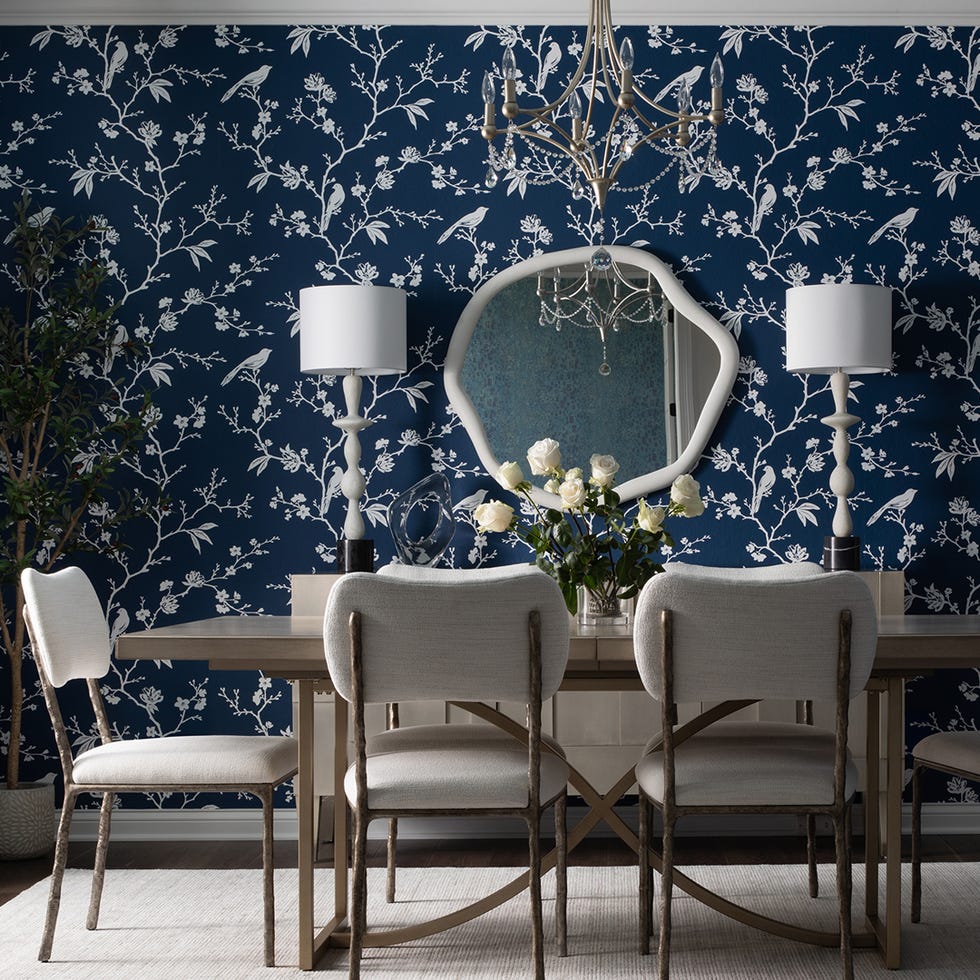
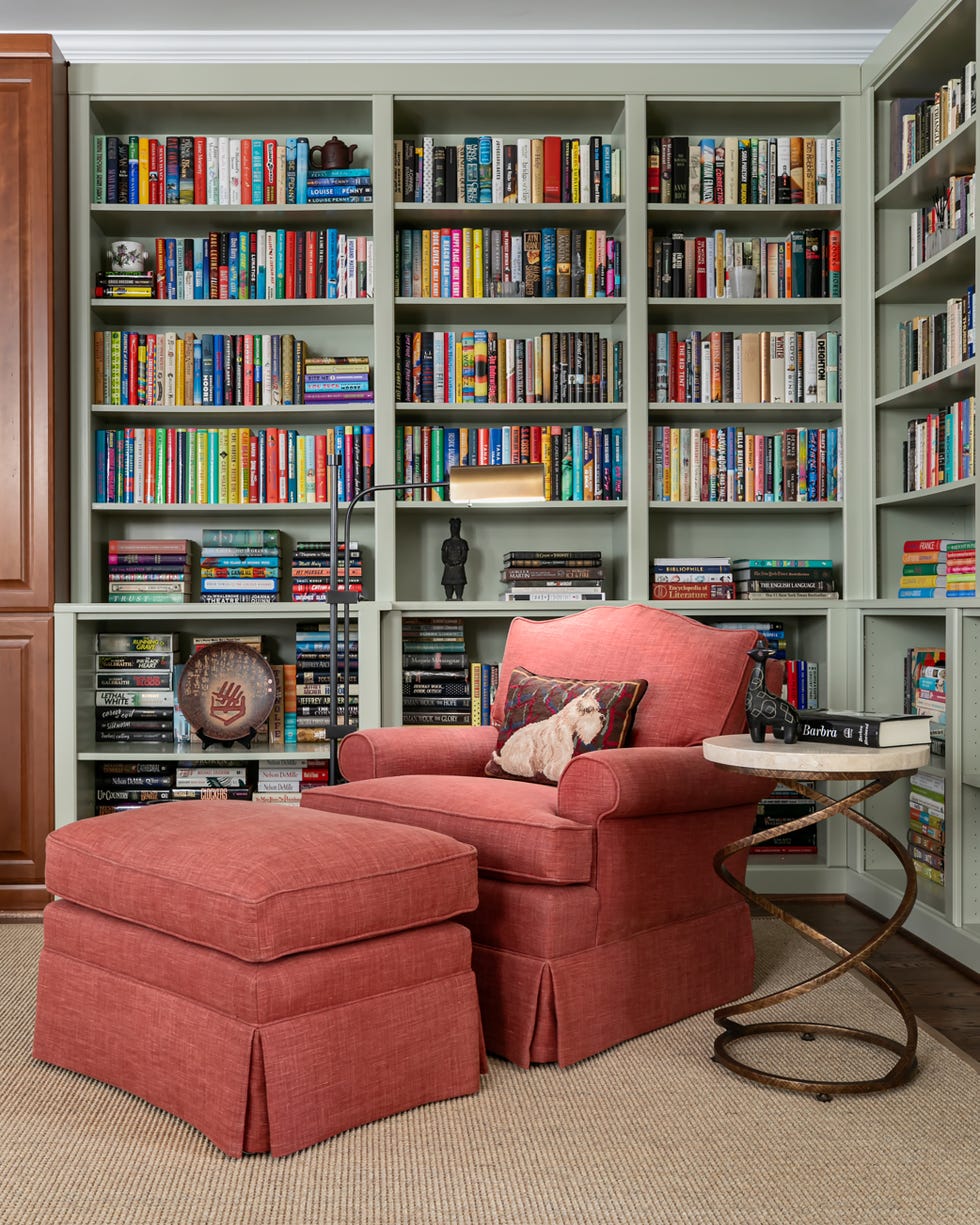
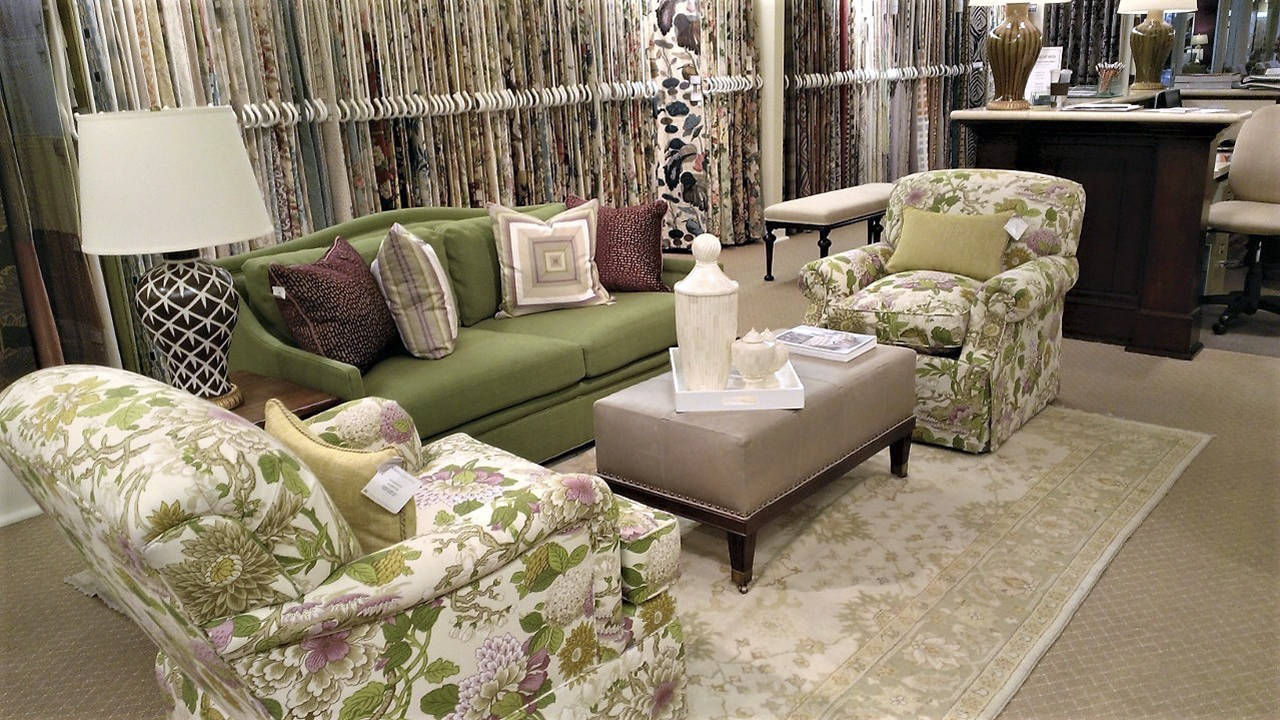
Visiting a design center offers a unique opportunity to explore fine furnishings, textiles, and lighting, providing inspiration for home interiors. Historically, these centers primarily served "The Trade," meaning designers and architects, and were not always accessible to the general public. However, this has evolved, and now most design centers welcome individual visitors, even though direct sales to consumers are often limited. The experience allows individuals to see high-quality, custom-made items that are not typically found in retail stores.
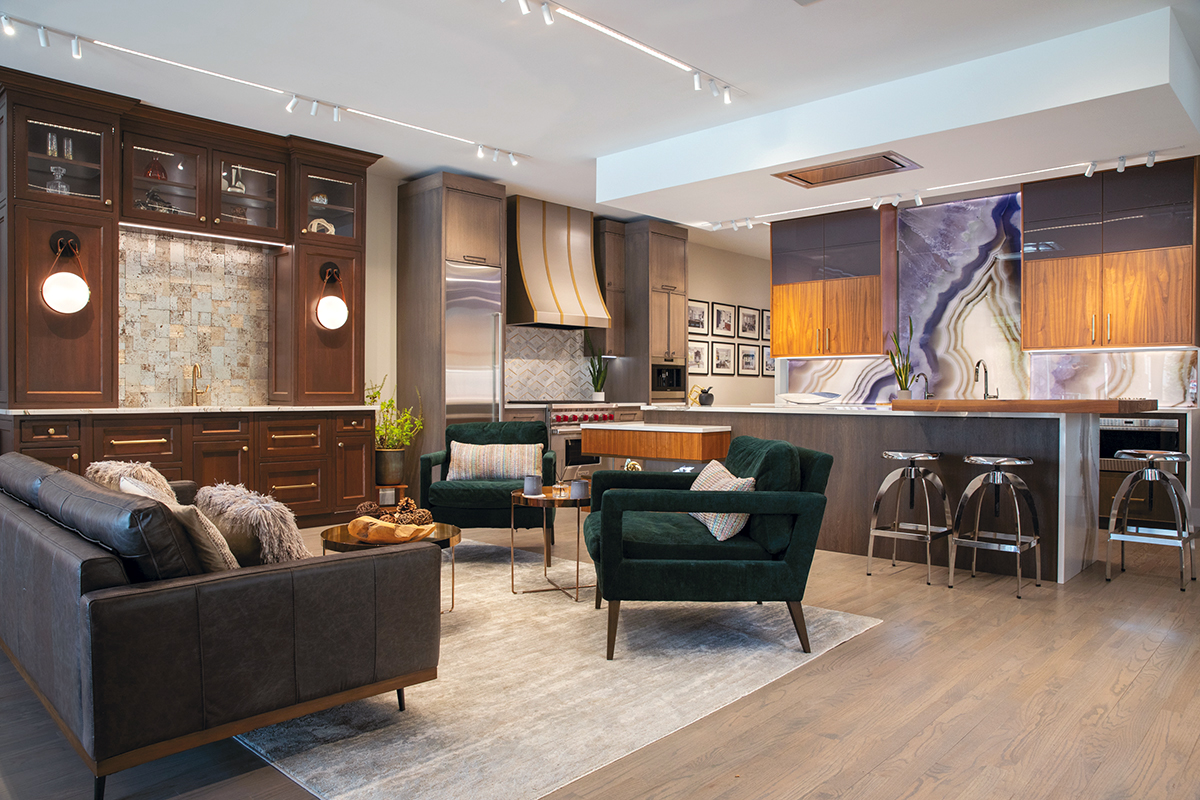
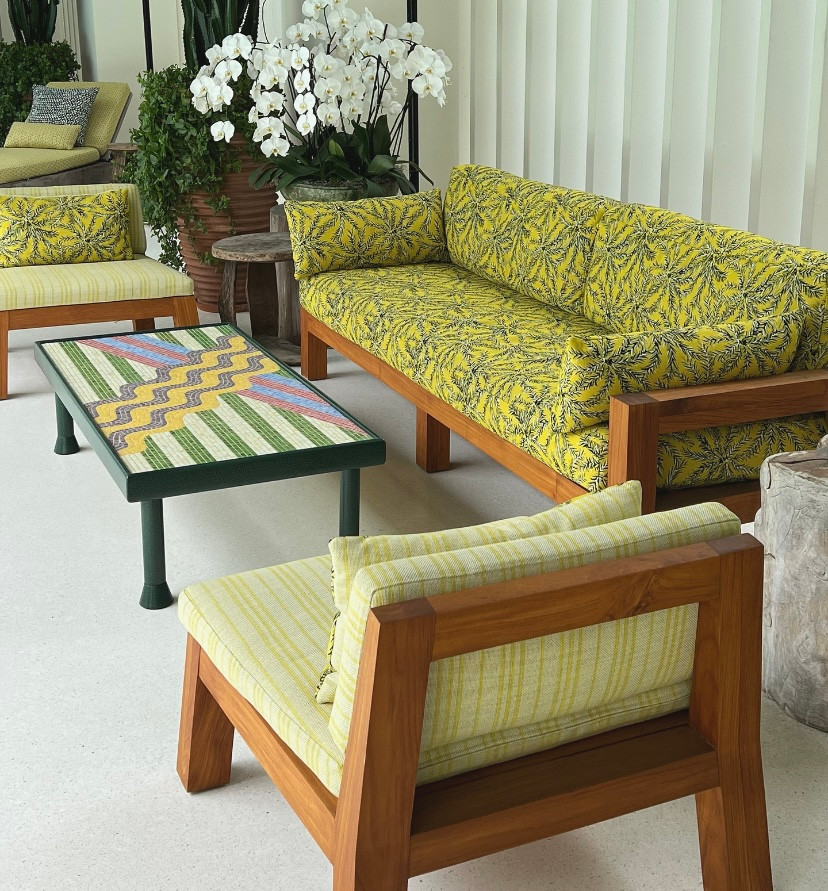
Upon entering a design center, visitors are met with a sophisticated atmosphere, often featuring a large, well-lit atrium and impeccably curated showrooms. These showrooms represent multiple high-end home furnishing lines. While some items, like an Italian silk fabric retailing at over $1,800 per yard, might seem financially out of reach, the primary benefit of a visit is the inspiration gained and the opportunity to experience luxurious designs firsthand.
For those planning a visit, several guidelines can enhance the experience. It is recommended to hire a professional designer, as most showrooms operate on a wholesale model and will only sell to designers. A designer can also help navigate the vast selection, preventing creative overload and assisting with practical aspects like ensuring custom furniture dimensions fit a specific space. Engaging with showroom associates is encouraged, as they possess specialized knowledge about product construction and durability, often having visited factories where items are made. Knowing room dimensions beforehand is also beneficial, as furniture can often be custom-adjusted.
Conversely, there are certain actions to avoid. Visitors should generally refrain from asking for direct pricing or attempting to purchase items immediately, as most showrooms do not sell directly to the public. However, exceptions exist, such as certain stores within a design center or during occasional floor sample sales. The Seattle Design Center, for instance, offers a service to connect visitors with an in-house designer to facilitate purchases. Visitors should not feel intimidated by the high-end environment; showroom staff are generally helpful and can provide product specifications through “tear sheets.” It's also advisable to make an appointment if seeking extensive assistance, as associates manage busy schedules, and patience is key given that many furnishings are custom-made to order.
Ultimately, a design center visit is about exploration, experience, and education. Even if a full-scale interior design project or immediate purchase isn't feasible, the exposure to diverse, high-quality designs can serve as a valuable source of inspiration for DIY renovations and home furnishings, offering insights into designs unavailable in conventional retail environments.
#DesignCenter #HomeFurnishings #InteriorDesign #LuxuryDecor #ShowroomEtiquette #CustomFurniture #DesignInspiration #TextileDesign #MitchellChapman #DesignCenter #HomeFurnishings #InteriorDesign #LuxuryDecor #ShowroomEtiquette #CustomFurniture #DesignInspiration #TextileDesign #MitchellChapman
0 comment in total
 No comments yet
You may also like

"It’s all about matching the energy of a brand": A day in the life of interior designer Kirsty Vance

These Jewelry Stores Extend the Design Concept Into the Restroom


Meet Zoie Aliado | Interior Designer

I’m ready to pivot into interior design. Where should I start?
Designers Talk Client Relationships At Arizona re:Source

Showroom Strategies

7 Things Designers Immediately Notice When They Enter A Room

Meet Krysti Lyn | Whole Home Designer
If You Have These 10 Traits, You'd Probably Be a Great Interior Designer

5 questions with Dana Romeis of Castle Design


Meet Karina Espinosa | Interior Designer
Meet Adriana Jacir | Founder & Lead Architectural Interior Designer

Architectural Design Studios

Meet Melinda Cardenas | Interior Designer and Creative Thinker

Read This If You Want To Be an Interior Designer
5 Things Interior Designers Wish You Would Do


Meet Jason Apilado | Senior Interior Designer

Meet Chencong Zhang | Interior Designer & Spatial Experience Designer

Interior Design Reveals the 2023 Rising Giants
How to make your architectural design dream a reality