I’m ready to pivot into interior design. Where should I start?
A graphic design professional, recently laid off, seeks advice on transitioning into interior design, given her art skills but lack of formal interior design education. Sean Low, a business coach for interior designers, addresses the inquiry by emphasizing that the interior design industry is accessible to individuals from diverse backgrounds, including those without a traditional design education. He highlights that many successful designers have entered the field through non-traditional paths.
Low advises the aspiring designer to supplement her existing art skills with courses in Computer-Aided Design (CAD) and Artificial Intelligence (AI). He also recommends utilizing resources like Business of Home’s weekly digital workshops and networking with professionals currently working in the trade to gain a deeper understanding of the nuanced skills required in interior design. Beyond technical skills and formal education, Low stresses the importance of developing a specific mindset characterized by curiosity, voraciousness, and vocalness.
Curiosity involves actively exploring what inspires one in design, identifying designers whose work resonates, and delving into their world and vision. This self-inquiry helps aspiring designers understand their authentic interests and passions within the field. Voraciousness refers to the commitment to in-depth research, reflection, and continuous self-education. This dedication not only builds knowledge but also fosters self-awareness, including an understanding of the inherent risks involved in design decisions. Low posits that the more thoroughly one investigates and thoughtfully considers design choices, the more effectively they can articulate and preserve their vision.
Finally, vocalness is crucial for sharing convictions and presenting reasoned answers, rather than simply having the "right" answers. Low encourages designers to be confident in their work and opinions, advocating for what they believe in, even if it means risking their position. He underscores that the ability to present an idea effectively is paramount in interior design, and this skill must be practiced consistently. He advises job seekers to approach interviews with confidence, demonstrating the value they can add to a team.
Low clarifies that the professional design world differs significantly from an academic setting; there are no drafts, and subpar work is not forgiven. The essence of the design business lies in making and keeping promises, ensuring that one delivers their best work consistently. He concludes that while foundational skills are important, it is purpose, intention, curiosity, voraciousness, and the effective use of one’s voice that ultimately define a successful career in interior design. #BusinessAdvice #CareerTransition #InteriorDesign #DesignEducation #CAD #AI #ProfessionalDevelopment #DesignMindset #SeanLow
0 comment in total
 No comments yet
You may also like
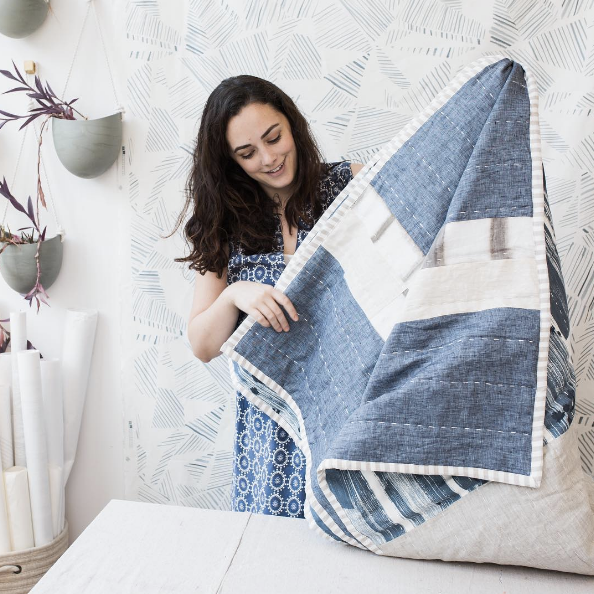
Read This If You Want To Be an Interior Designer
The best interior designers
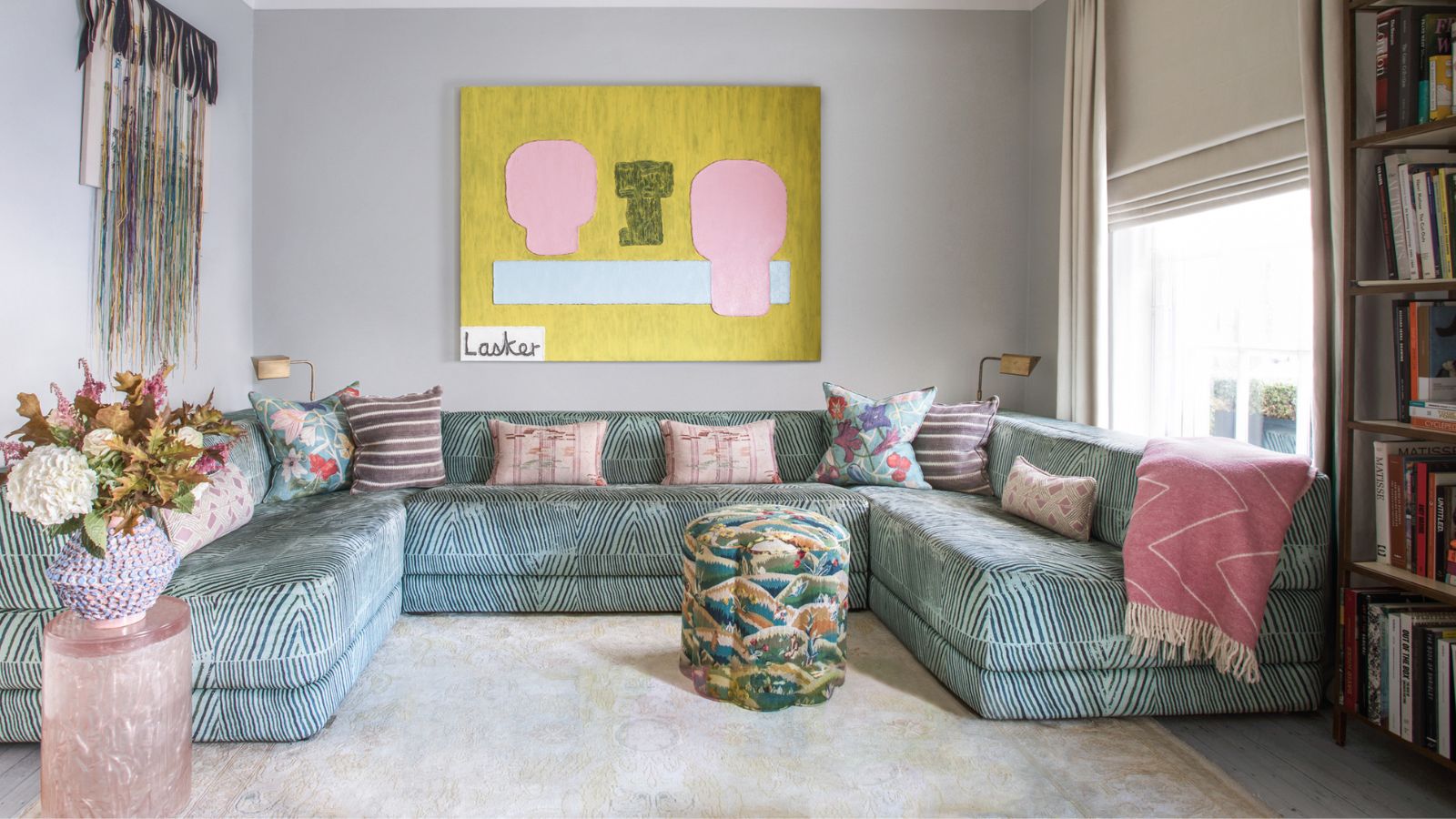
I'm an interior designer – and this is how I design my clients' rooms with art in mind

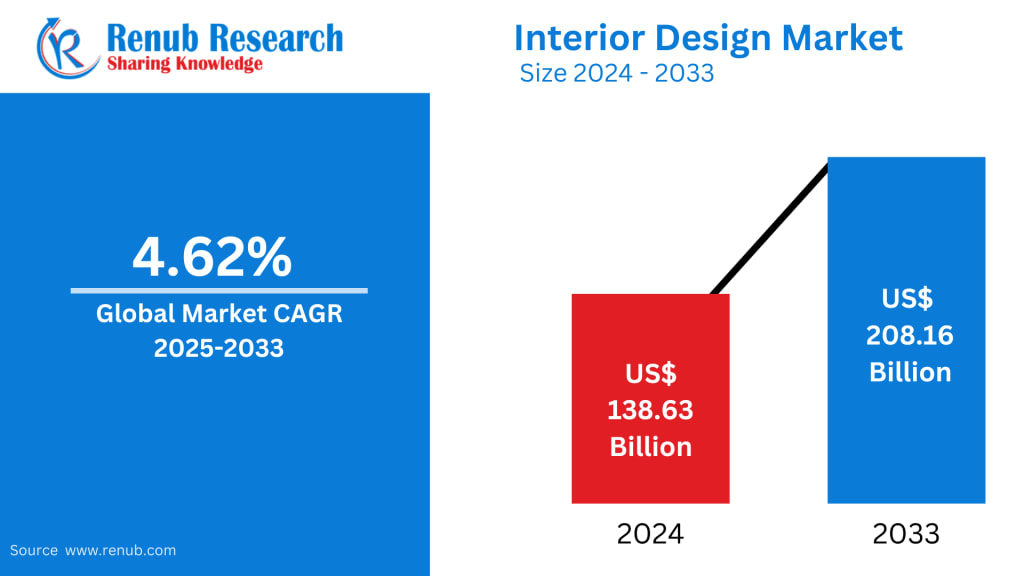
Interior Design Market Size and Forecast (2025–2033): A Rising Global Demand for Smart, Sustainable, and Personalized Spaces

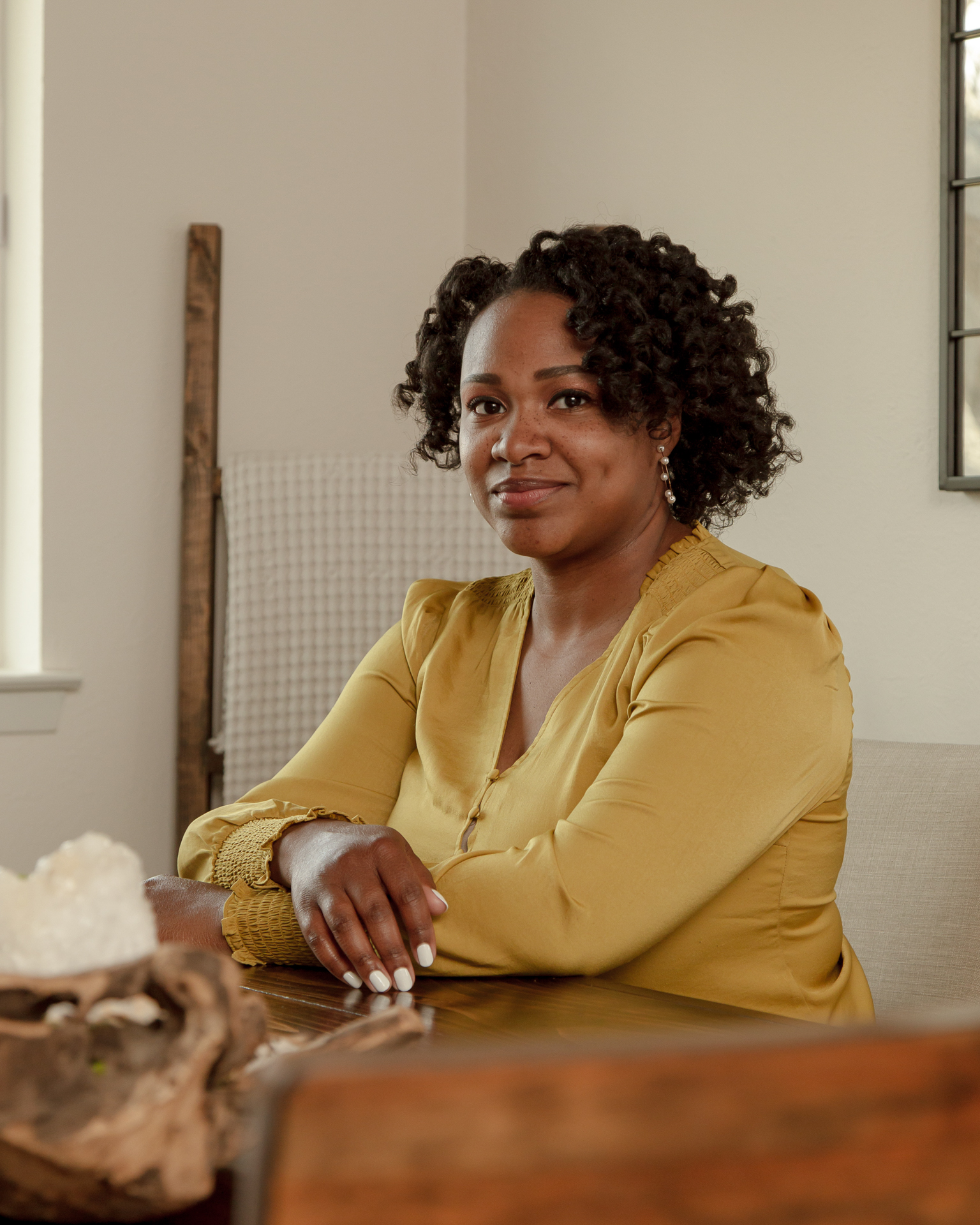
Meet Brittany Lyons, whose interior-design career started as a side hustle

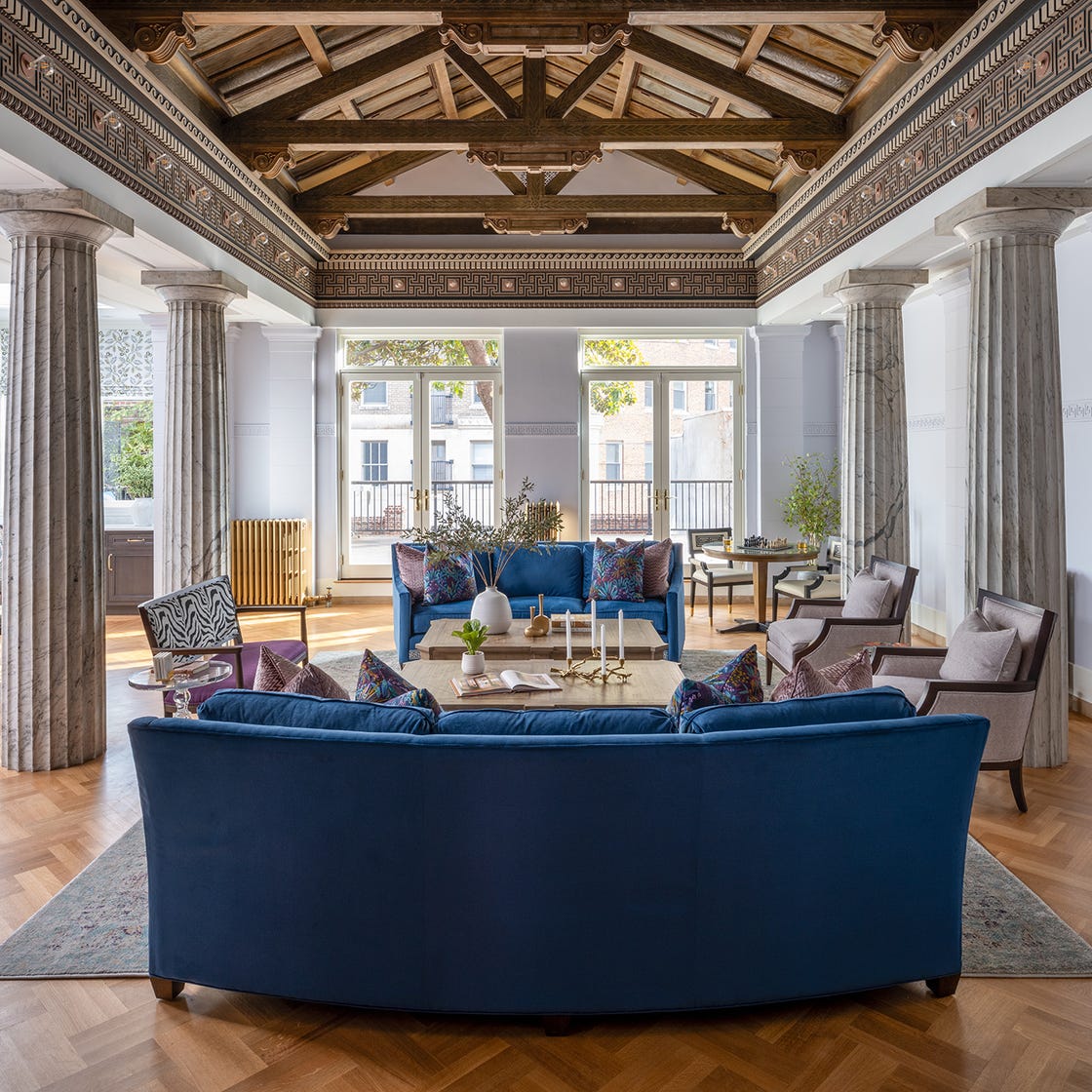
Why the Perfect Time to Work with an Interior Designer Is Now

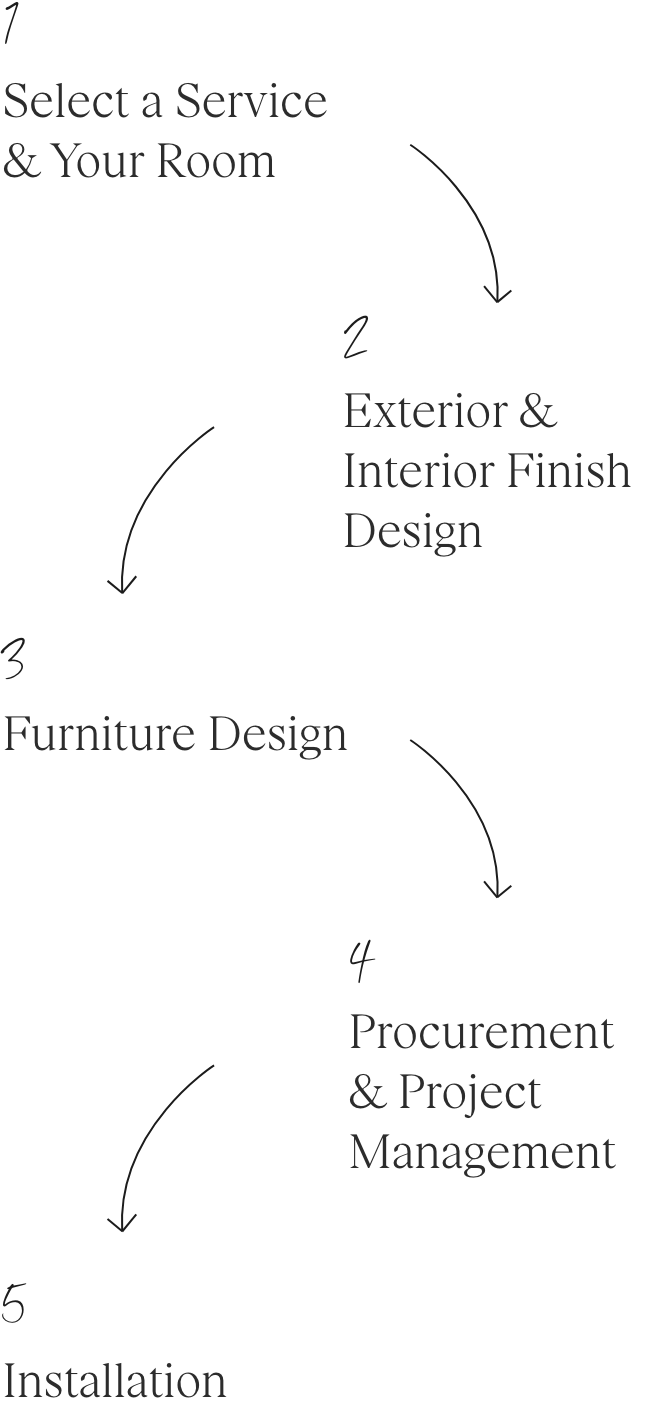
Full-Service Interior Design

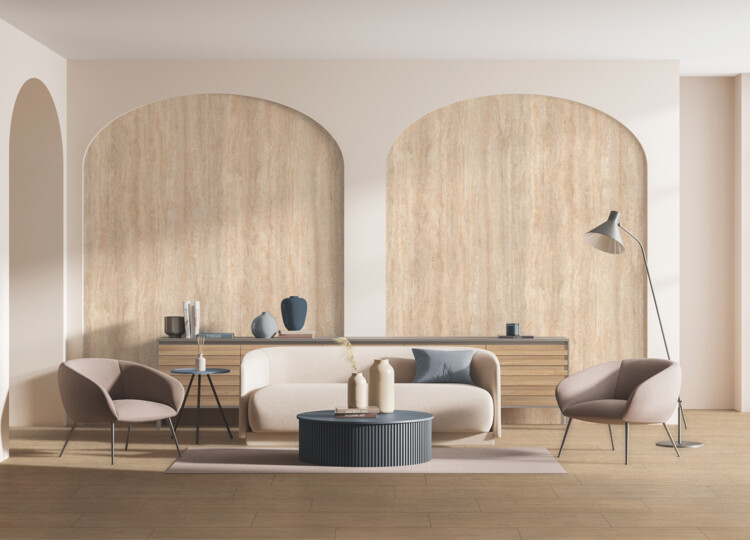
Room for Change: Interior Design that Adapts with Style

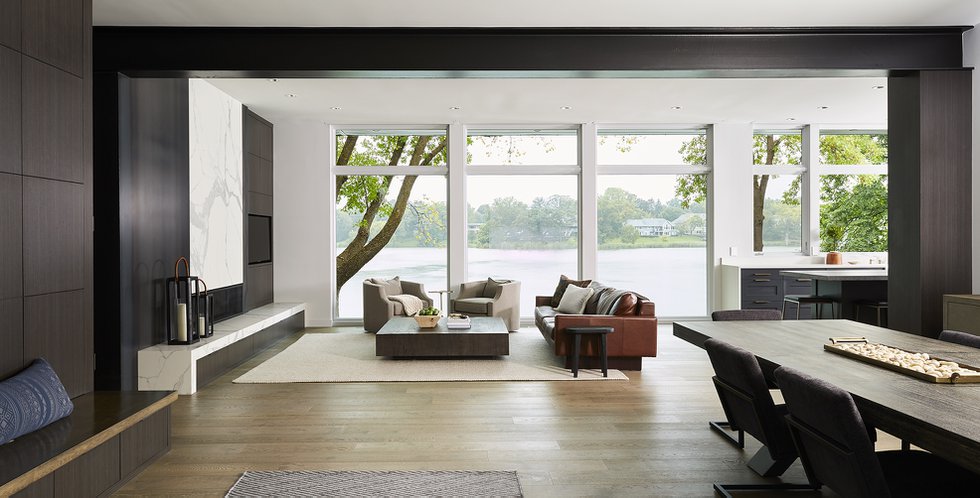
Are You Thinking of Hiring an Interior Designer?
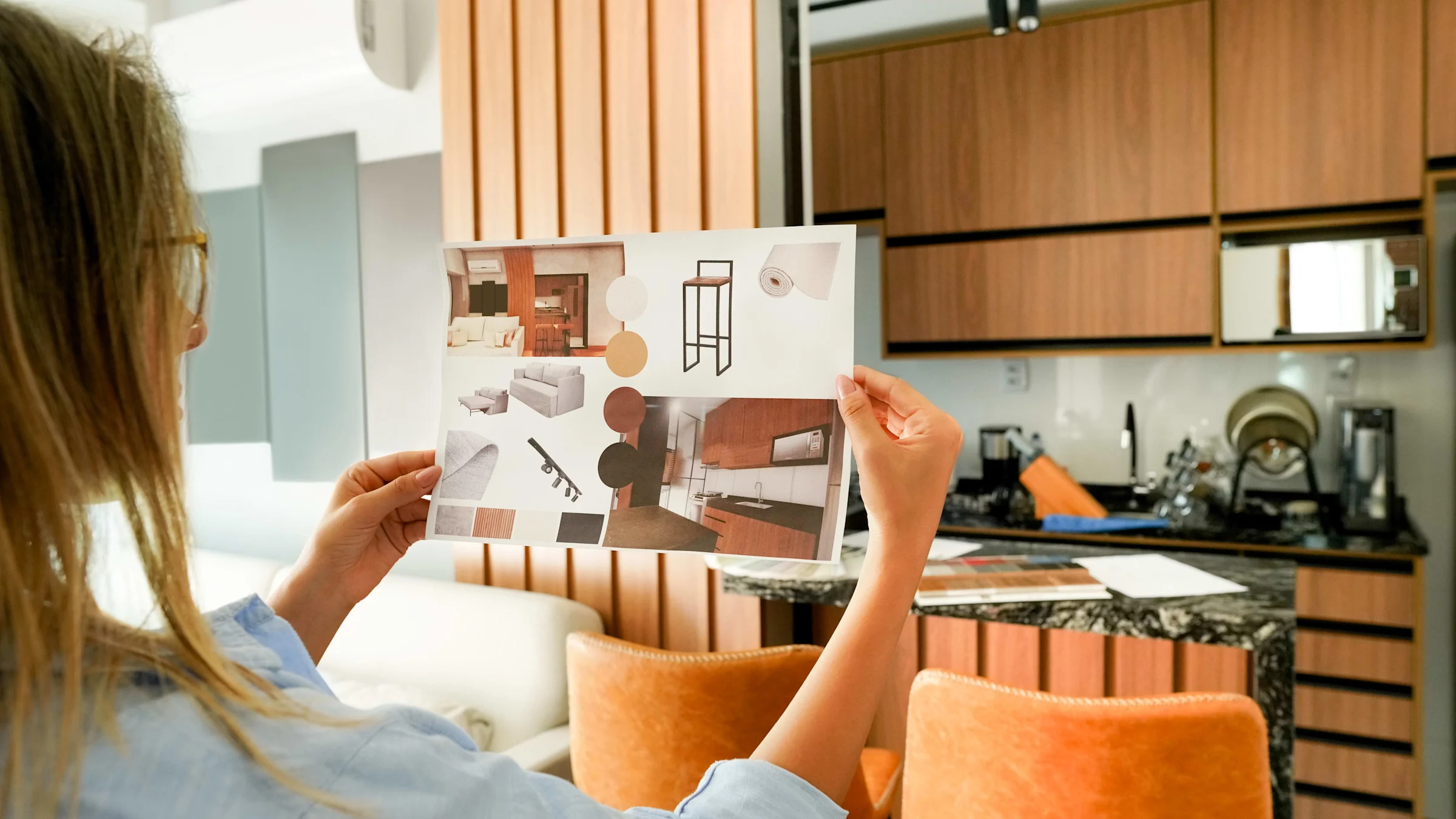
How to find the right interior designer for your new home 2025

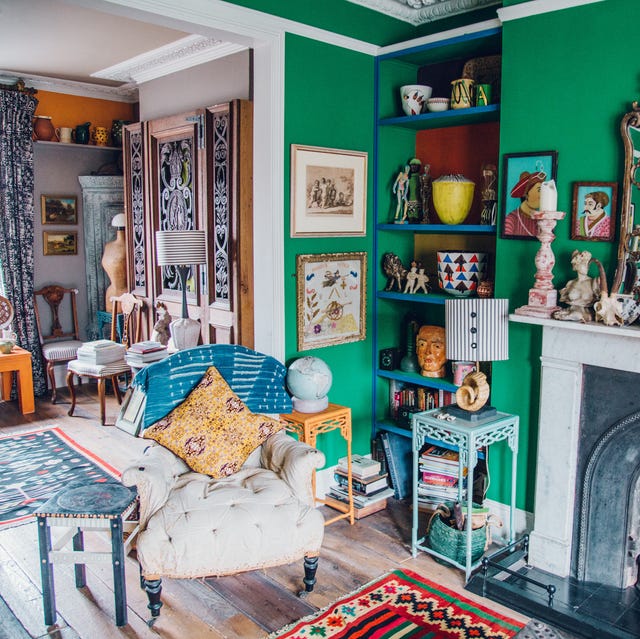
Here's How to Develop Your Own Style, According to an Interior Designer

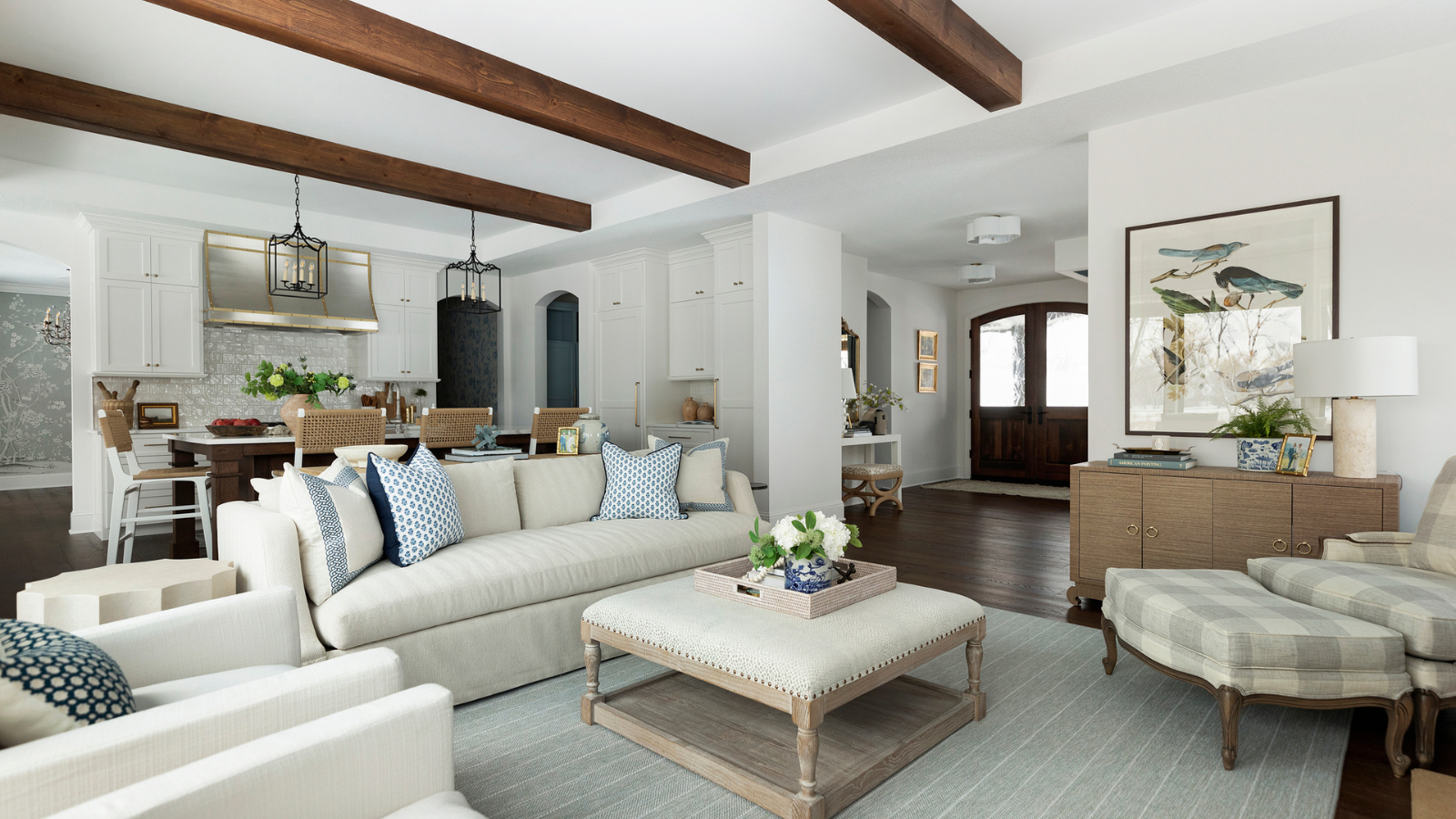
What is zoning in interior design? Expert layout tips
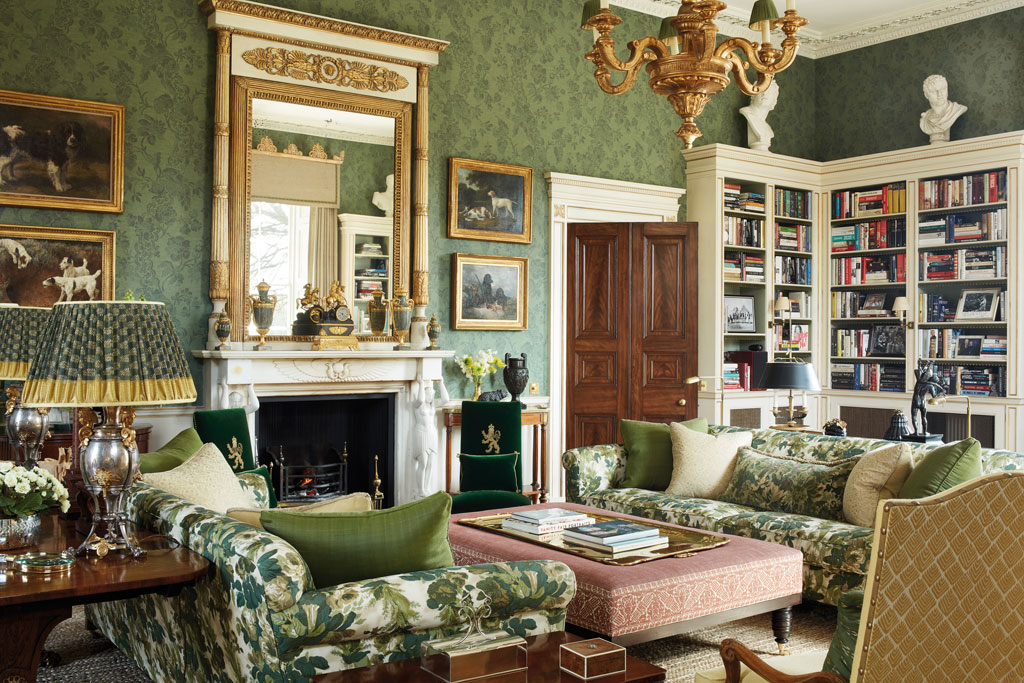
The Essential Interior Design Books
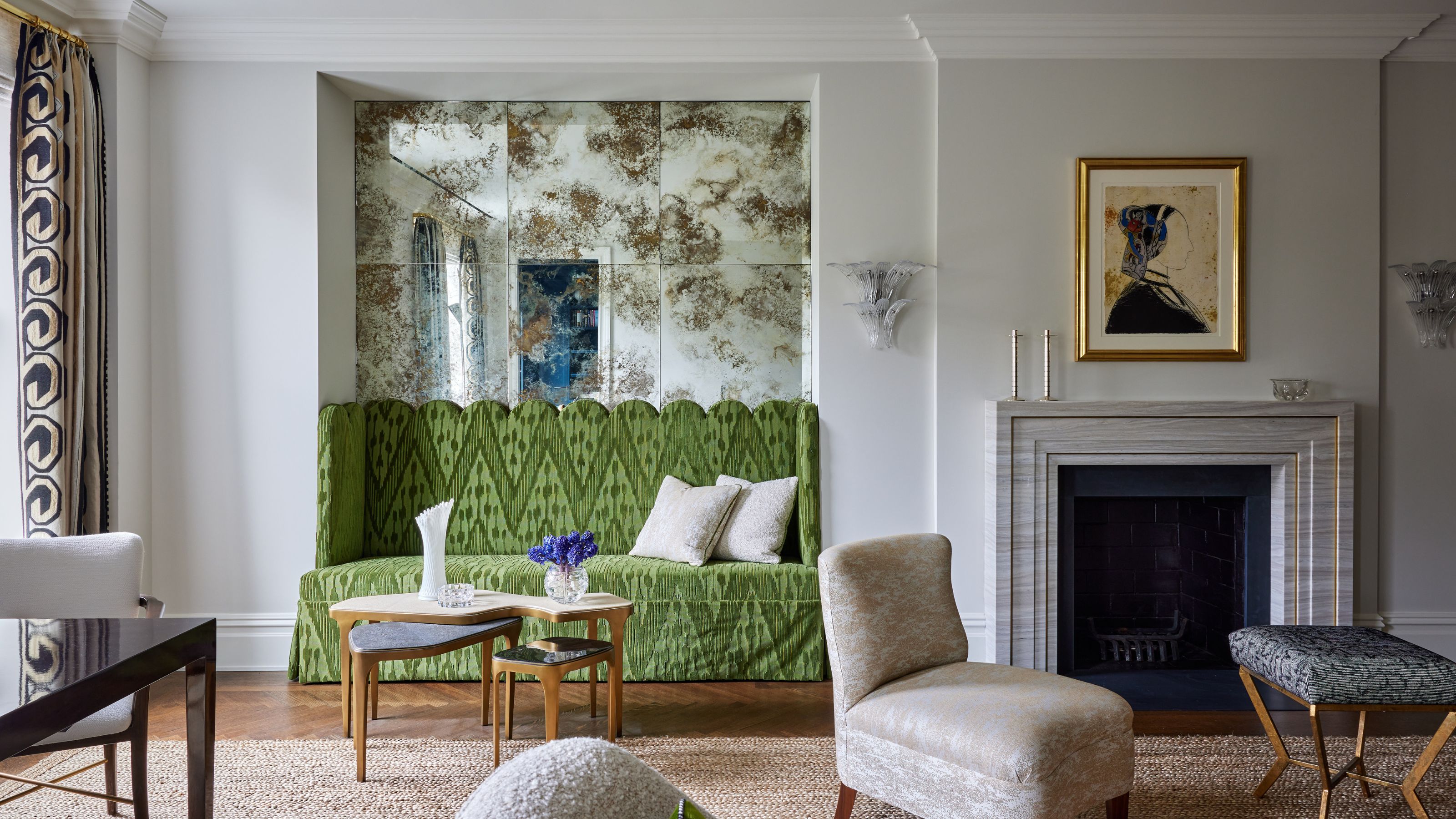
Emphasis in Interior Design —How to Create a Focal Point

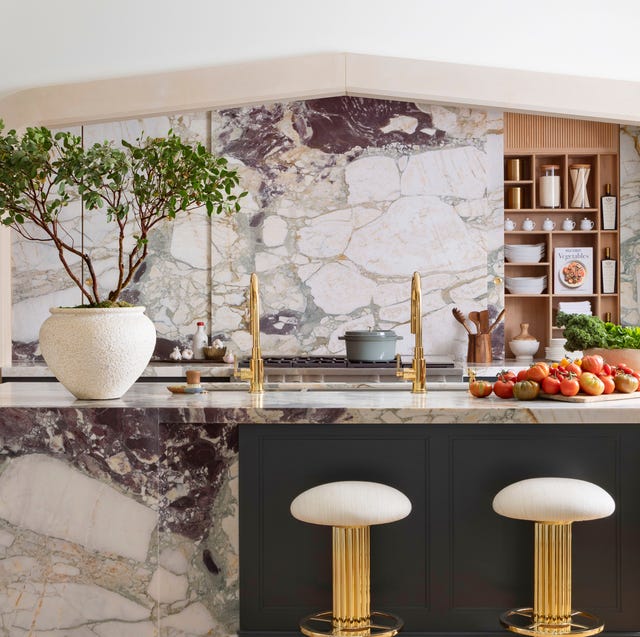
If You Have These 10 Traits, You'd Probably Be a Great Interior Designer

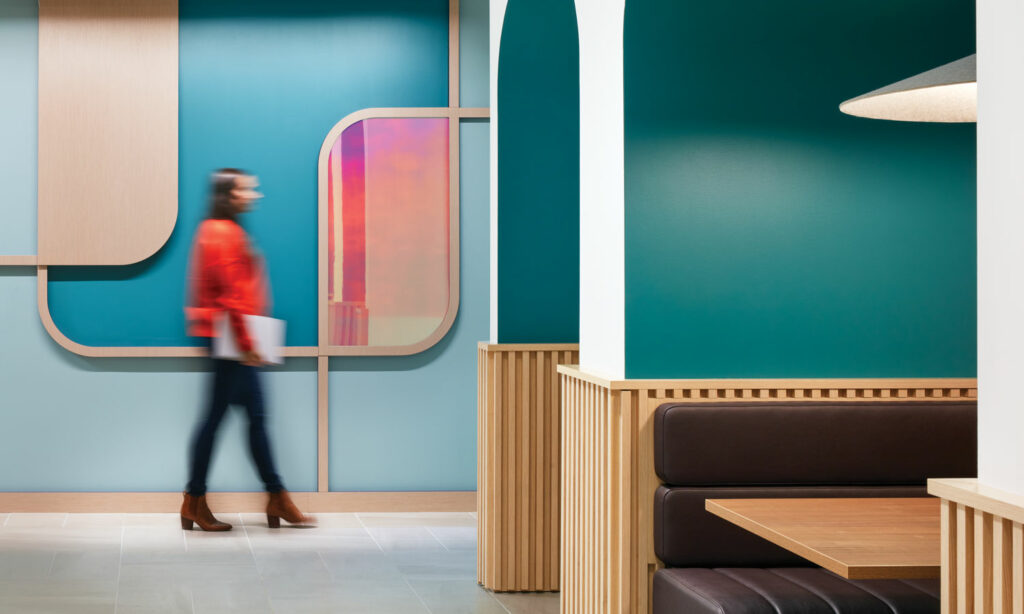
Introducing Interior Design’s 2024 Rising Giants

Interior Designer

Interior Design Masters: all the details
Associate Interior Designer
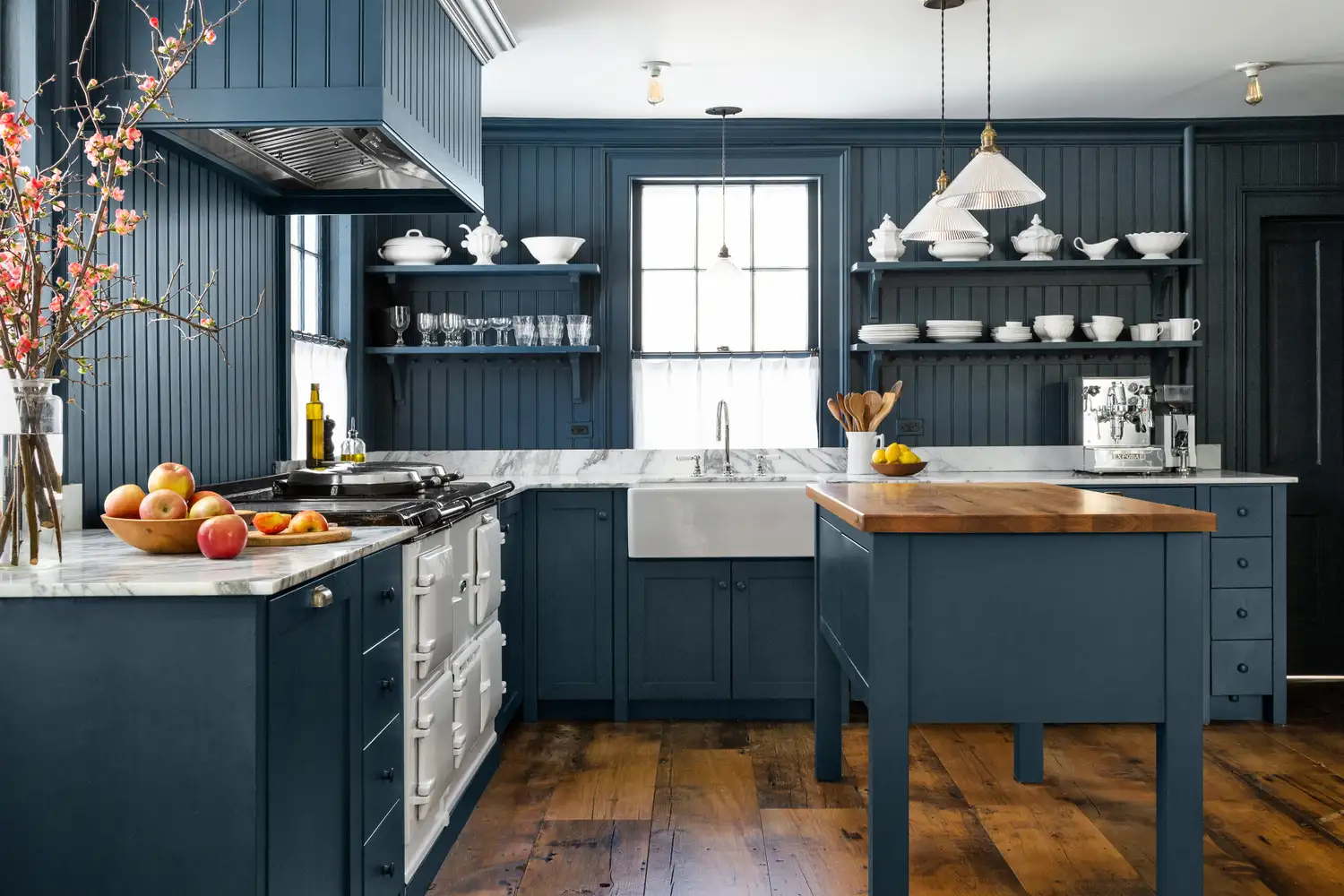
We Asked Interior Designers to Show Us Their Favorite Room at Home—and We're Ready to Move in Immediately