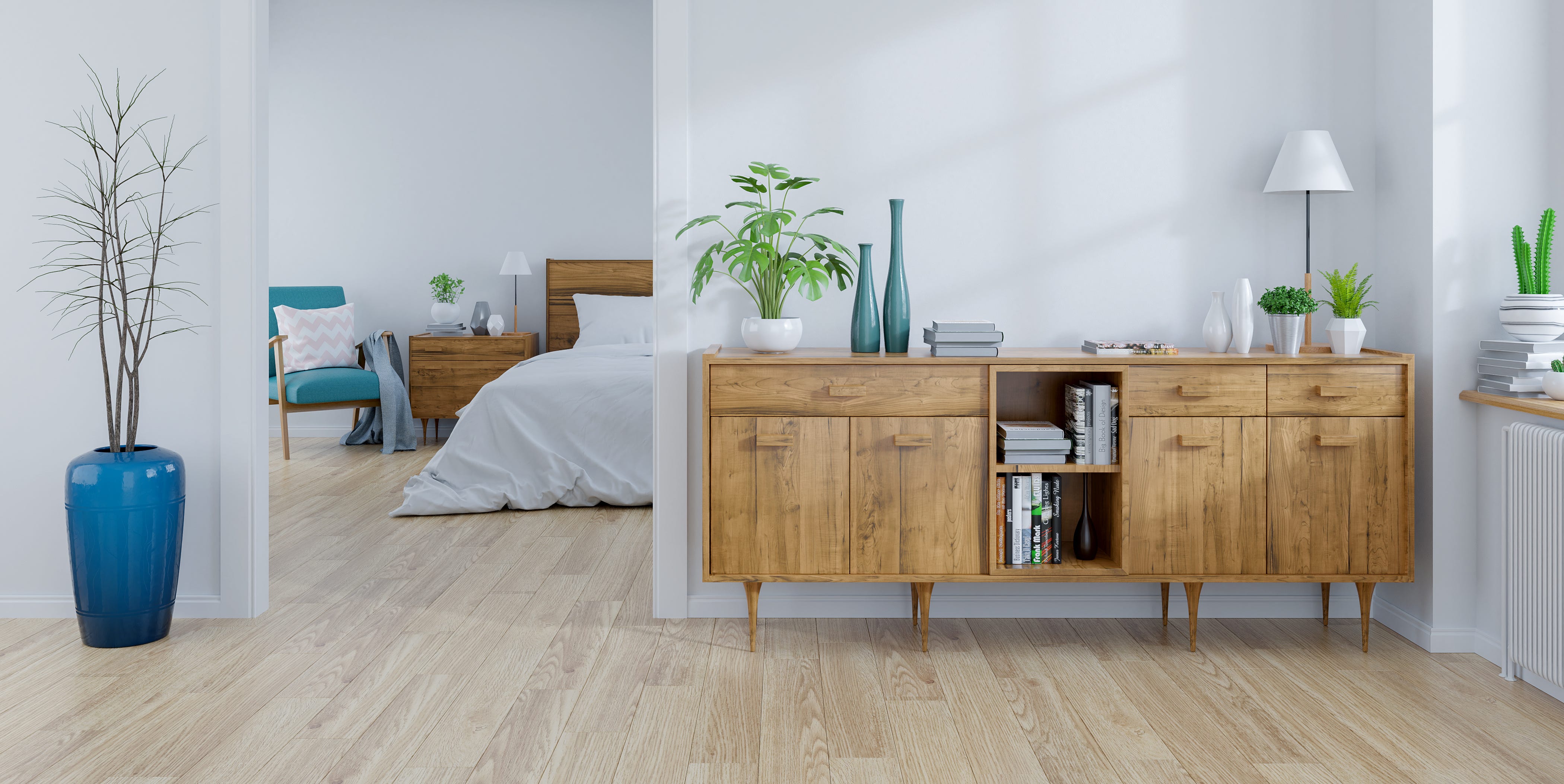
1/2
Solid Wood Isn't Always Superior to Engineered Wood—Here's Why
Wood is a versatile material for furniture and cabinetry, but its creations fall into two main categories: solid wood and engineered wood. Solid wood is crafted directly from unadulterated slabs of lumber, while engineered wood is a composite material formed by binding particles, strands, and fibers. Examples of engineered wood include plywood, veneers, and fiberboards. The choice between solid and engineered wood depends on various factors, as each has distinct advantages and disadvantages.
Solid wood is highly regarded by collectors and builders for its durability and design flexibility. It is generally easy to maintain. However, solid wood can be sensitive to environmental changes, particularly fluctuations in humidity. In varying humidity levels, parts of solid wood furniture can shrink or swell, potentially leading to ruptures in seams. Despite this, the tactile experience and aesthetic appeal of solid wood are considered unmatched. Its weight, whether light for a Windsor chair or heavy for a dining table, contributes to its unique character.
Engineered wood offers different benefits. Unlike solid wood, it is less susceptible to warping due to moisture, making it more stable in diverse climates. It is also easier to manufacture into long, flat surfaces, allowing for a wider range of design possibilities. Owen Madden of Rowan Woodwork highlights the design flare possible with engineered materials, citing the iconic Eames chair, made from multiple layers of thin wood veneers, as an example of a high-quality plywood piece. Furnishings and flooring made from composite wood are generally more affordable because they require less raw material.
However, the affordability of engineered wood can sometimes correlate with lower quality. Inferior manufacturing processes are a potential issue, and the more processing a material undergoes, the higher the risk of imperfections. Additionally, the over-production of engineered materials can raise sustainability concerns. The extensive use of glues and resins in composites can also give the item an unnatural appearance. A significant drawback of manufactured wood is its repair difficulty; it cannot be sanded, undented, or refinished in the same way solid wood can.
Ultimately, a balanced approach often involves mixing both real and faux wood materials in design. The critical aspect is ensuring that different materials work cohesively. An example to avoid is an epoxy river table, where the natural movement of wood will eventually cause it to separate from the epoxy due to seasonal shrinkage. Before investing in any wooden piece, it is crucial to research the material. When purchasing solid wood, verifying that it is responsibly harvested and certified by organizations like the Forest Stewardship Council is important. A reputable furniture maker should be able to guarantee high quality and environmentally and socially beneficial products. The final decision should prioritize the material's suitability for its intended purpose and environment to ensure longevity and satisfaction.
#SolidWood #EngineeredWood #FurnitureDesign #HomeDecor #Woodwork #MaterialComparison #InteriorDesign #Sustainability #FurnitureCraftsmanship #SolidWood #EngineeredWood #FurnitureDesign #HomeDecor #Woodwork #MaterialComparison #InteriorDesign #Sustainability #FurnitureCraftsmanship
0 comment in total
 No comments yet
You may also like
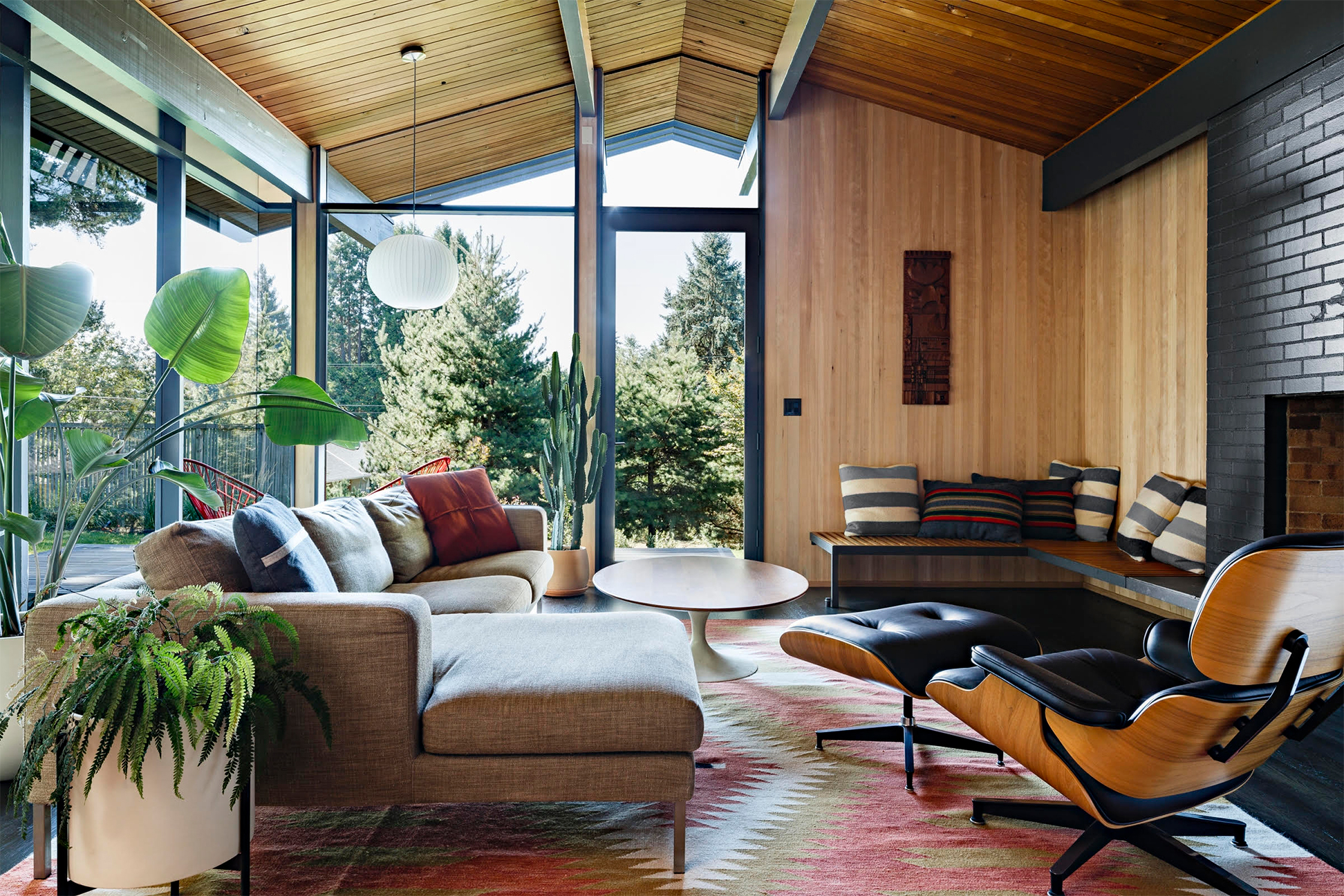
Wood Paneling Doesn’t Have to Remind You of Your Parents’ Basement
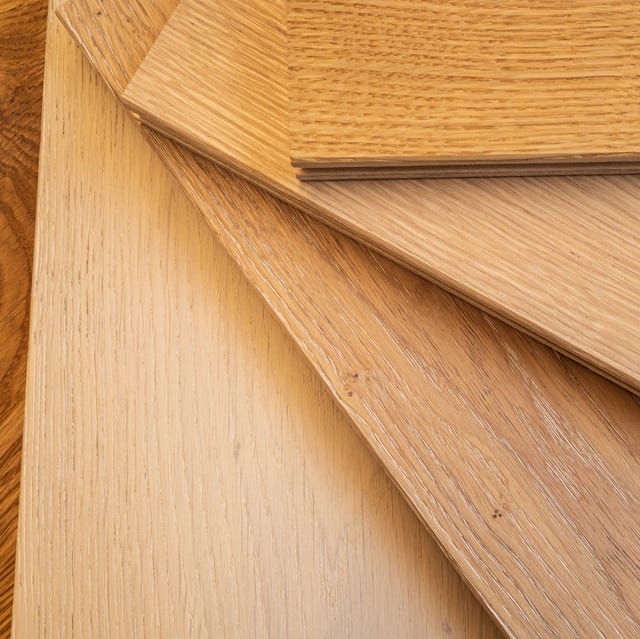
Pros Agree: THIS Is the Type of Wood Flooring You Need for Your Home


In Depth: Engineered wood products

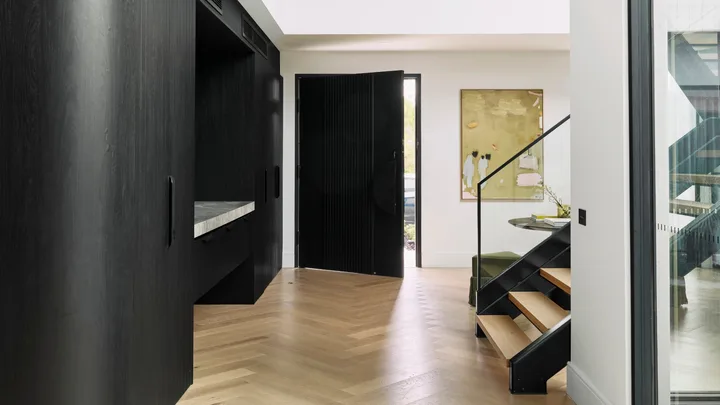
Why Choose Engineered Timber Flooring? An Expert Opinion


11 Reasons Hardwood Flooring Might Not Be Right for Your Home


Your Guide to Wood Flooring


Solid Oak Arcade Cabinet: When Particle Board Won’t Do

Natural or engineered? The pros and cons for the different types of kitchen-countertop materials
Wood Flooring – Our Pick of the Best