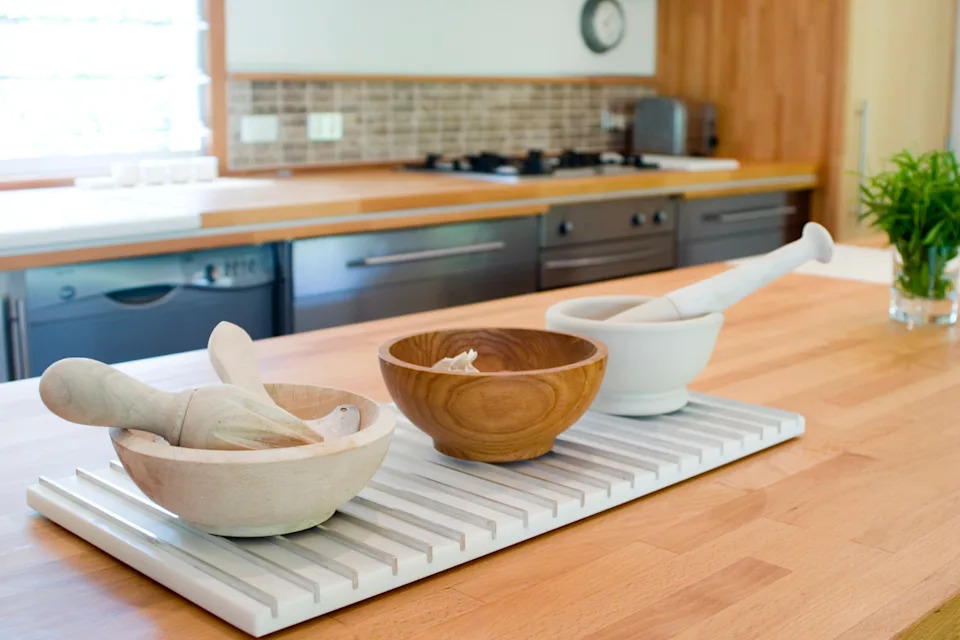
1/6
5 Things to Know About Sealing Butcher Block Countertops
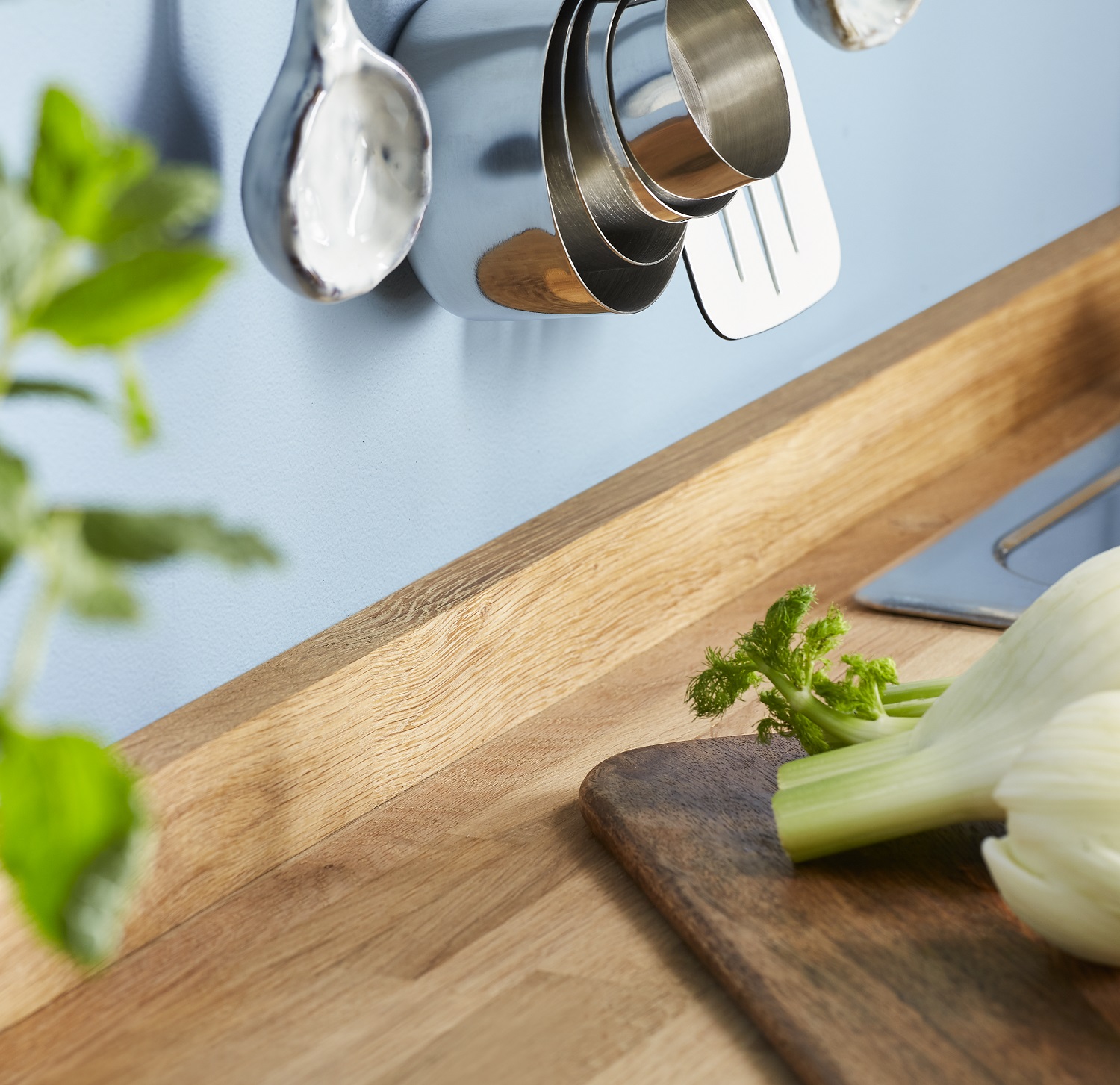
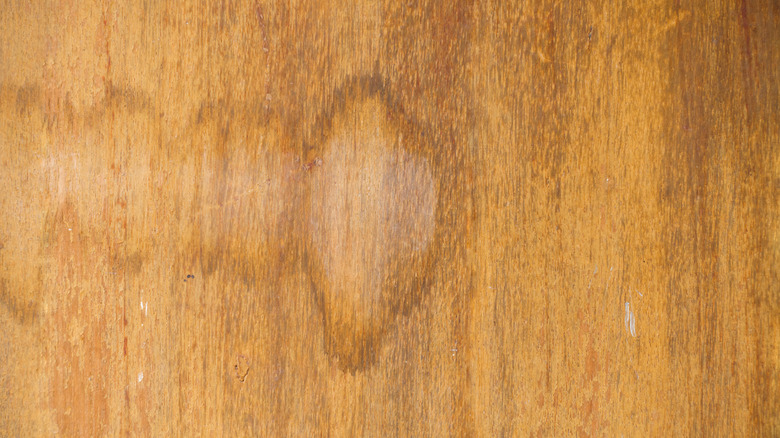
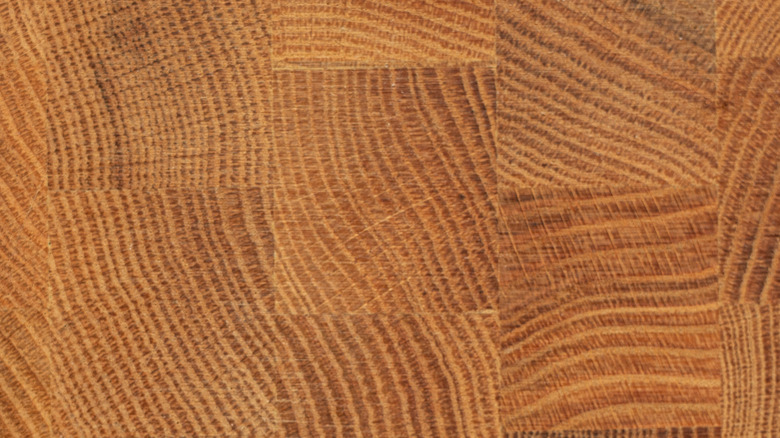
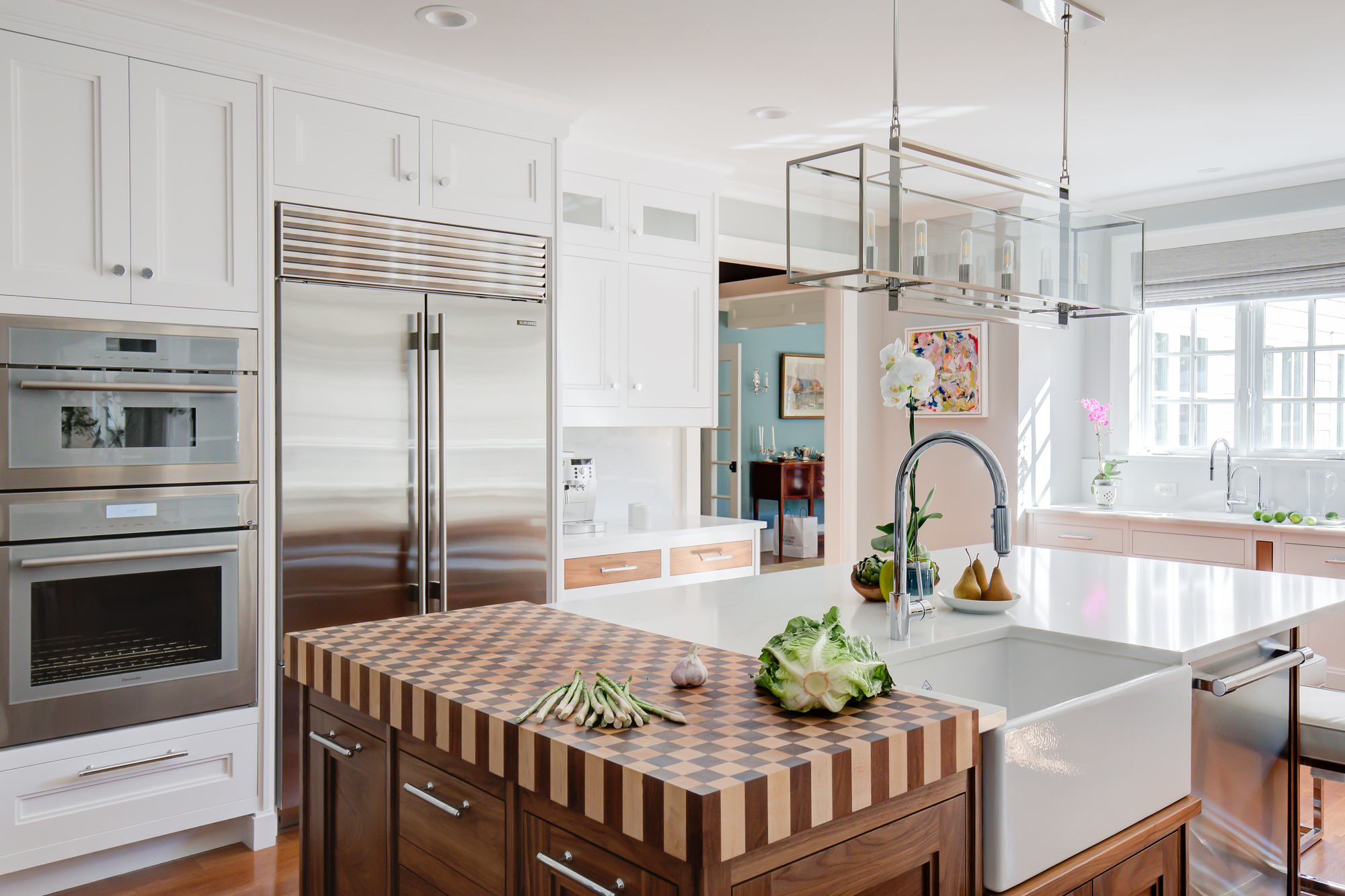
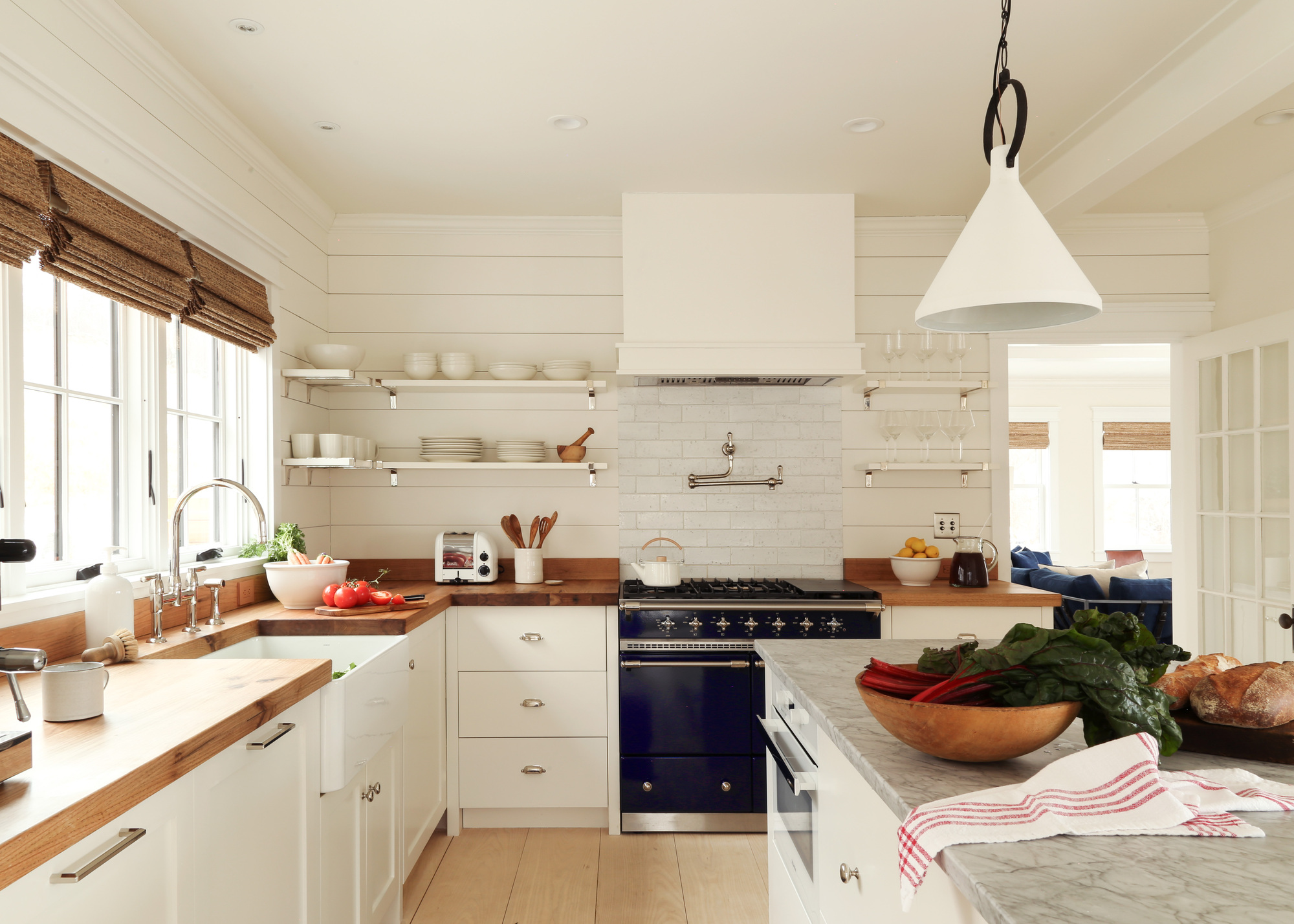
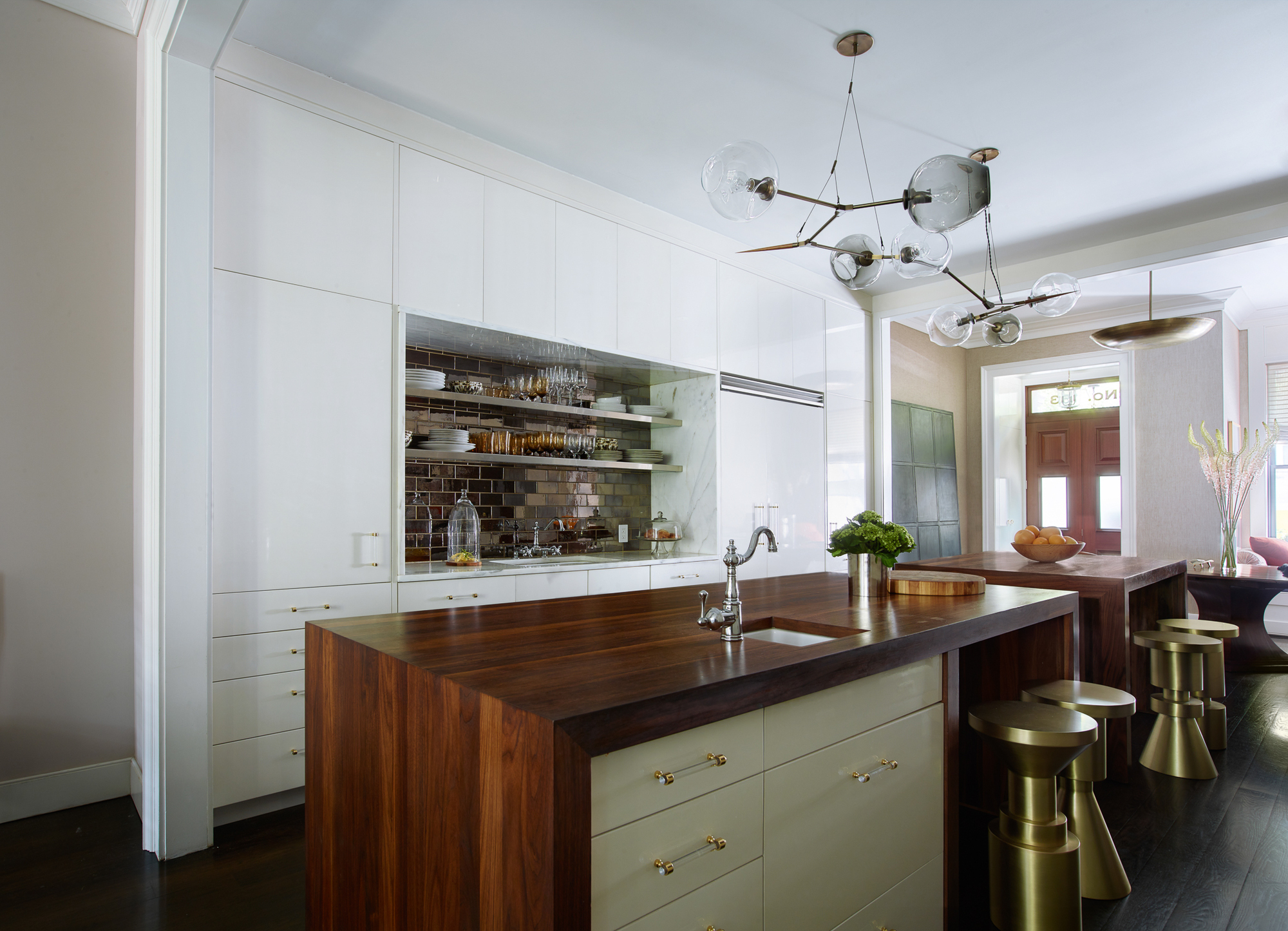
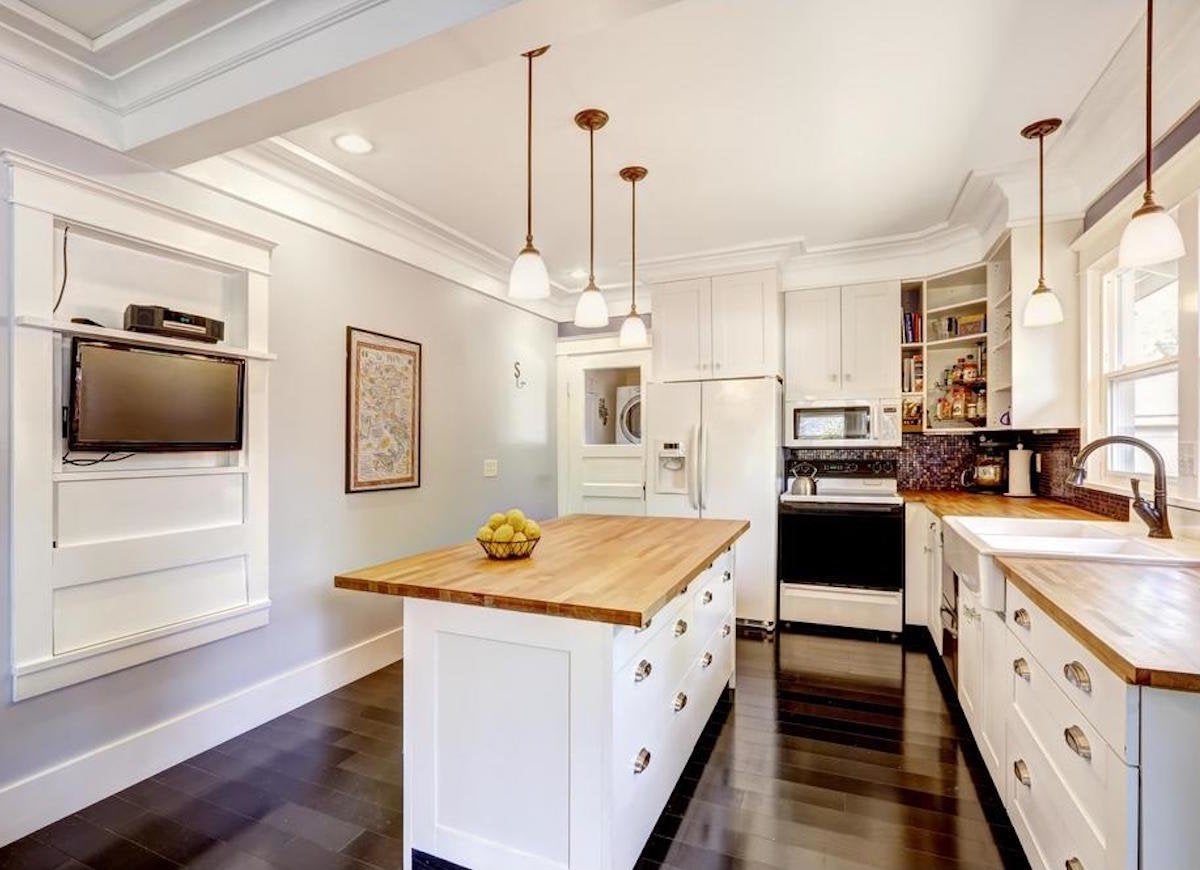
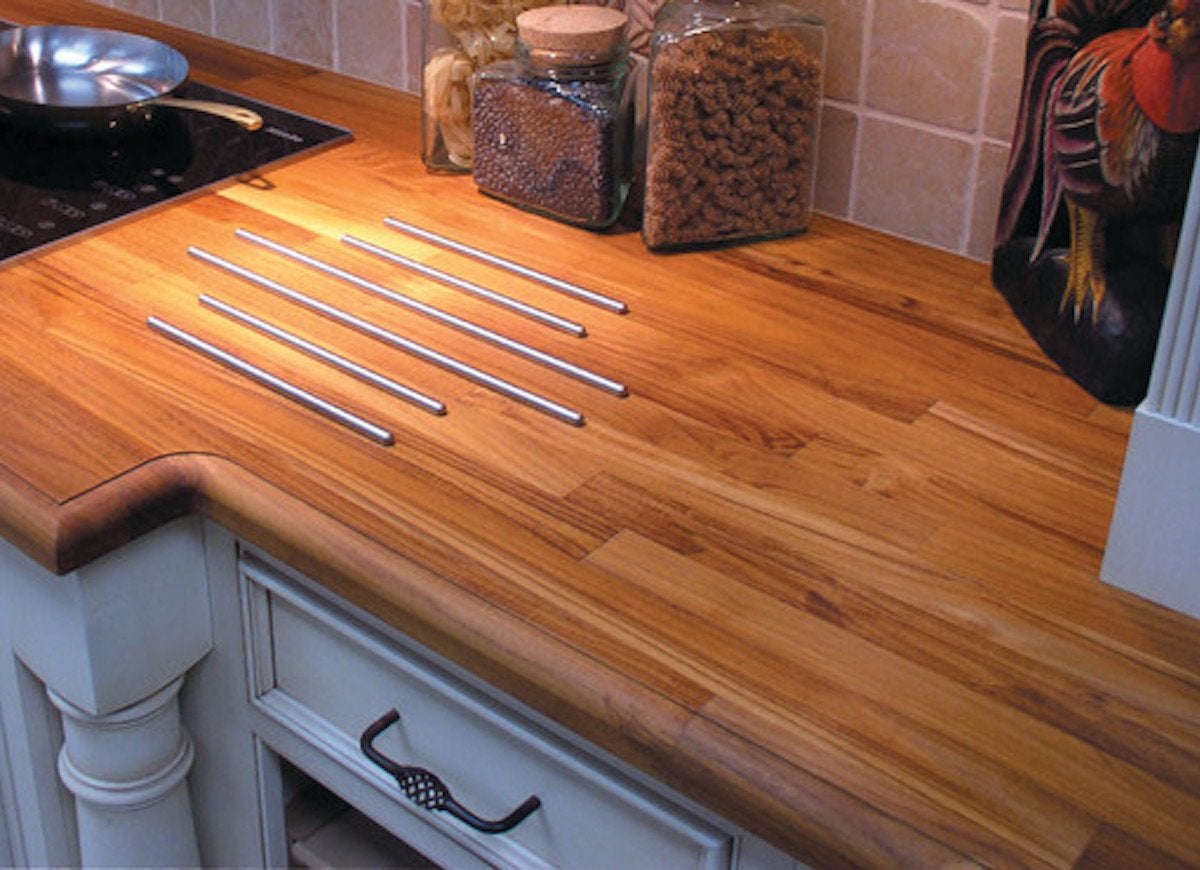
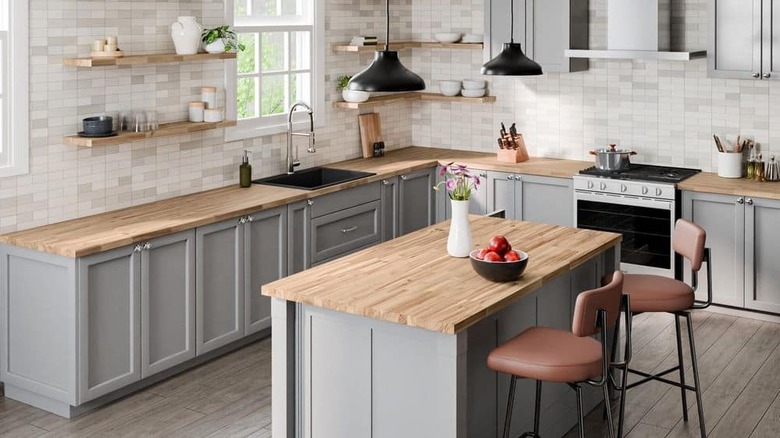
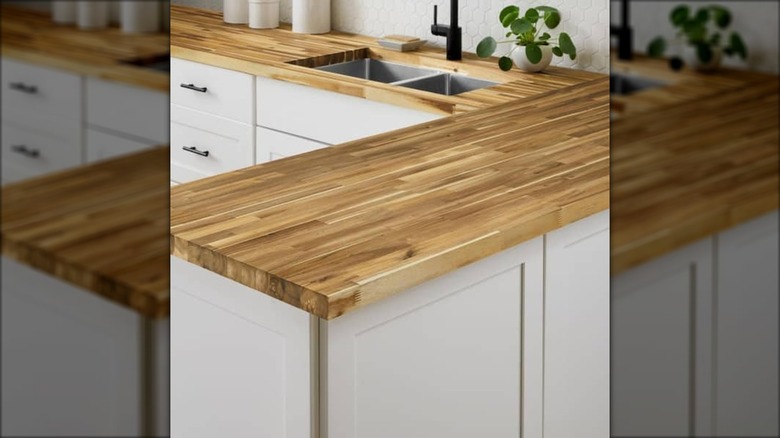
Butcher block countertops offer aesthetic appeal and a functional food preparation surface in kitchens, but they are susceptible to damage such as stains, warping, and scratches. Regular sealing is essential to protect these wooden surfaces and maintain their appearance and performance. This process involves selecting an appropriate food-safe stain, sealant, or finish, determining the correct number of coats, allowing adequate drying time, and understanding the frequency of resealing.
The first crucial step is choosing the right sealer, as various options are available, each with different properties. While some wood stains exist, most are not food-safe. Polyurethane sealers are food-safe once fully cured and can last up to two years, offering a range of finishes. However, mineral oil is a common and easy-to-apply food-safe option, often used for cutting boards, though it offers less longevity than polyurethane. Other suitable sealants include tung oil, penetrating oil, topical sealer, epoxy sealer, wood stain, and wood varnish, with food-safe options like mineral oil and tung oil being recommended for surfaces used in food preparation.
Before applying any sealant, the butcher block countertops must be sanded. This process removes the top layer of wood, along with any dirt, debris, or old finishes, ensuring that the sealant is absorbed evenly. An orbital sander can be used to smooth the surface, taking care to avoid rounding edges or creating divots. Manual sanding with 120-grit sandpaper is also an option.
The number of sealant coats required varies depending on the product. For thick, durable sealants like polyurethane or epoxy, two coats are generally sufficient. Stains or varnishes typically require two to three coats. For food-safe products such as tung oil or mineral oil, a greater number of coats, typically two to six, may be necessary to achieve proper protection, depending on the specific product and the wood's absorption rate.
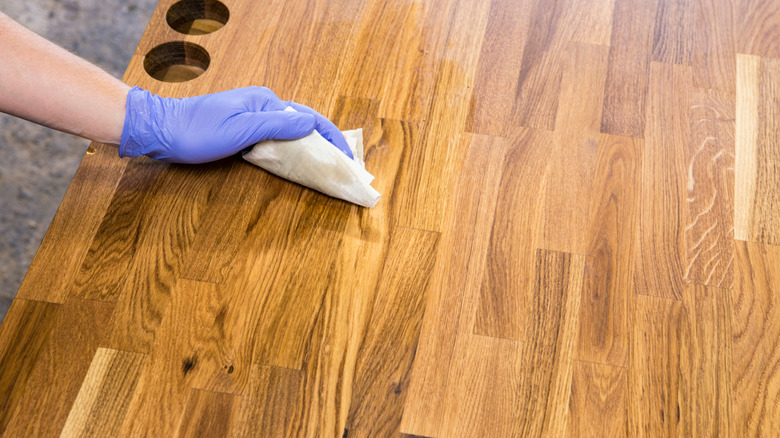
After applying the necessary coats, any excess sealer must be removed. This can be done with a fresh cloth for oil-based sealers or a paintbrush for stains, polyurethane, or epoxy. Removing excess ensures a smooth, uniform finish and reduces drying time. The drying and curing time depends on the specific sealant; for example, evaporating oil sealants may dry in an hour, while polymerizing oils can take 24 hours, and some film sealants may require up to 30 days. It is crucial to consult the manufacturer's directions for exact drying times.
Butcher block countertops require regular resealing to maintain their protection. Initially, it is recommended to reseal monthly for the first year to establish a waterproof base that prevents staining, water damage, and warping. After the first year, the frequency can be reduced to approximately once every six months. Certain products, such as polyurethane or epoxy, may only need resealing every one to two years. For optimal results, check the manufacturer's instructions for the recommended resealing schedule.
Ideally, butcher block countertops should be sealed before installation to ensure complete coverage and prevent gaps in the coating. The total time to seal a countertop, excluding curing time, typically ranges from one to two hours. For waterproof protection, options include evaporating oil, polyurethane, polymerizing oil, and mineral oil sealants, with Waterlox, a blend of tung oil and resin, being highlighted as an effective food-safe and waterproof solution once dry.
#ButcherBlock #CountertopMaintenance #WoodSealing #KitchenDesign #HomeImprovement #DIYProjects #FoodSafety #WoodFinishes #HomeRenovation #ButcherBlock #CountertopMaintenance #WoodSealing #KitchenDesign #HomeImprovement #DIYProjects #FoodSafety #WoodFinishes #HomeRenovation
0 comment in total
 No comments yet
You may also like
How to seal a butcher block countertop for a hygienic and attractive surface

12 Wow-Worthy Woods for Kitchen Countertops
Are Home Depot Butcher Block Countertops Worth Buying? Here's What Buyers Say

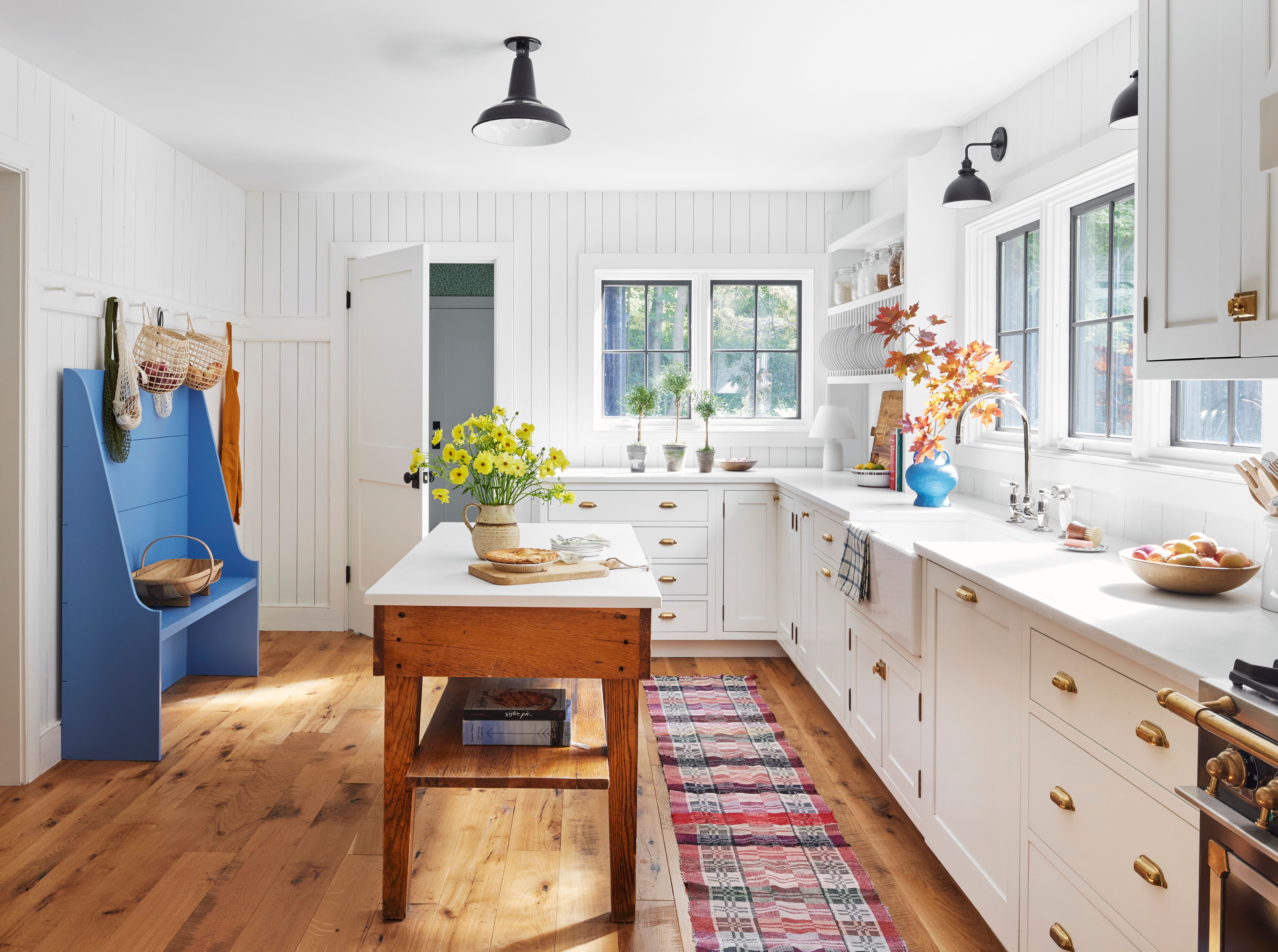
20 Countertop Ideas That Will Instantly Make Your Kitchen Feel More Luxe


Are butcher block countertops durable? Yes - if you follow this expert low maintenance advice

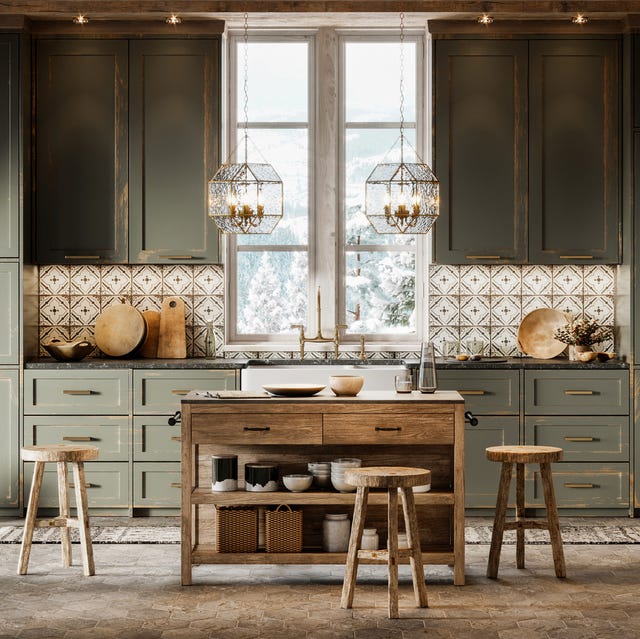
This Versatile Rolling Island Is a Small Kitchen Game Changer

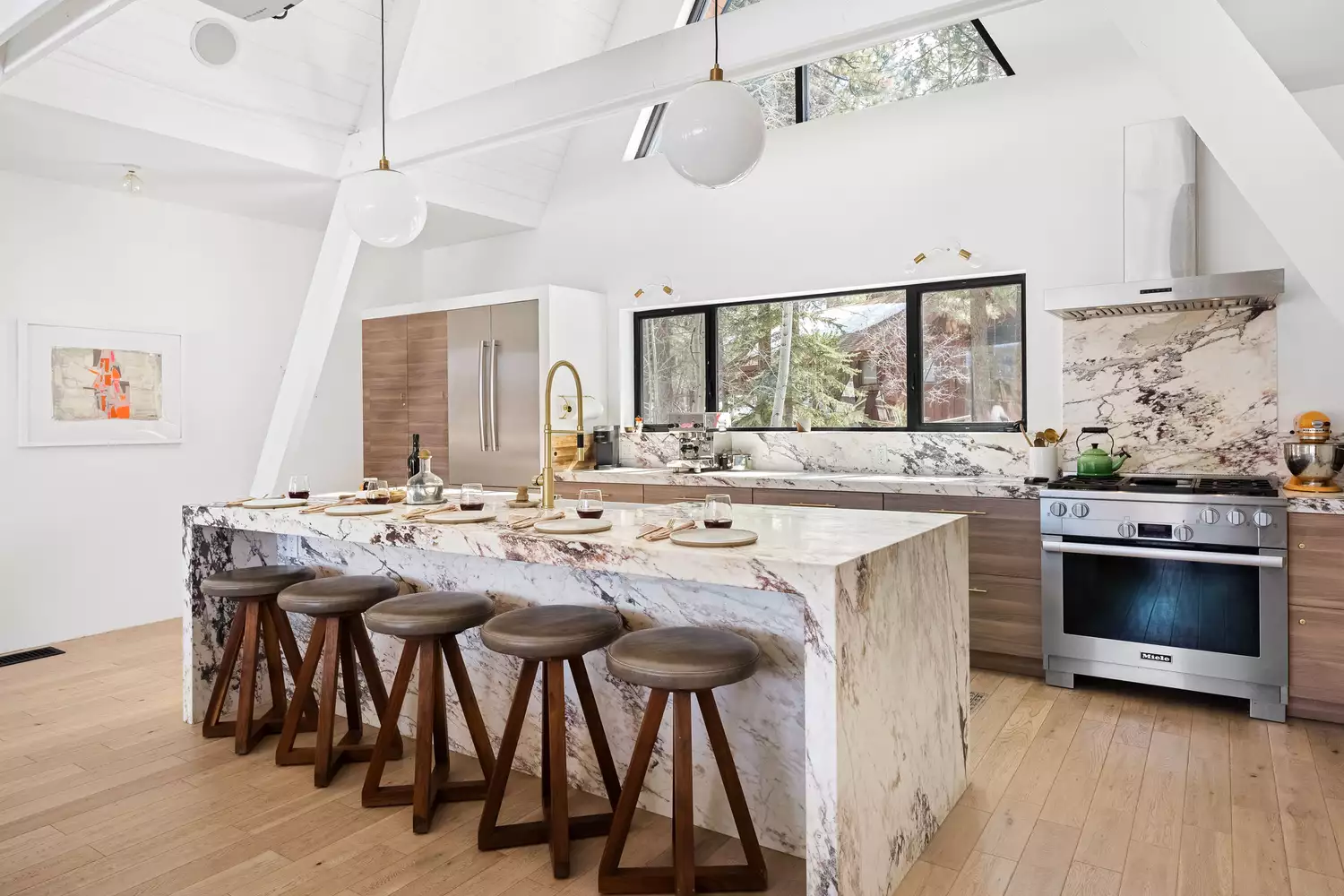
5 Countertop Colors That Instantly Hide Messes—And Look Great in Your Kitchen

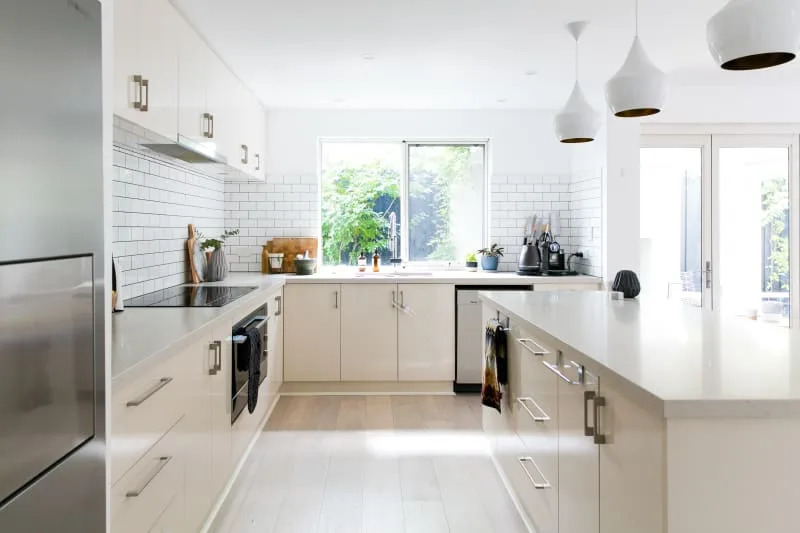
The Worst Thing About Every Popular Kitchen Countertop Designers Don’t Tell You
10 Unexpected Problems With Butcher Block Countertops, According To Experts

The Pros And Cons Of Butcher Block Countertops
6 Butcher Block Kitchen Islands for All of Your Food-Prep Needs


Are butcher's blocks the new kitchen island? Interior designers weigh in on this revived design feature

What to Know About Your Butcher Block Countertop

The Best Granite Sealers for Countertop Maintenance


A Crash Course in Choosing Kitchen Countertops
5 Products That Will Organize Your Bathroom & Protect Countertops From Heat
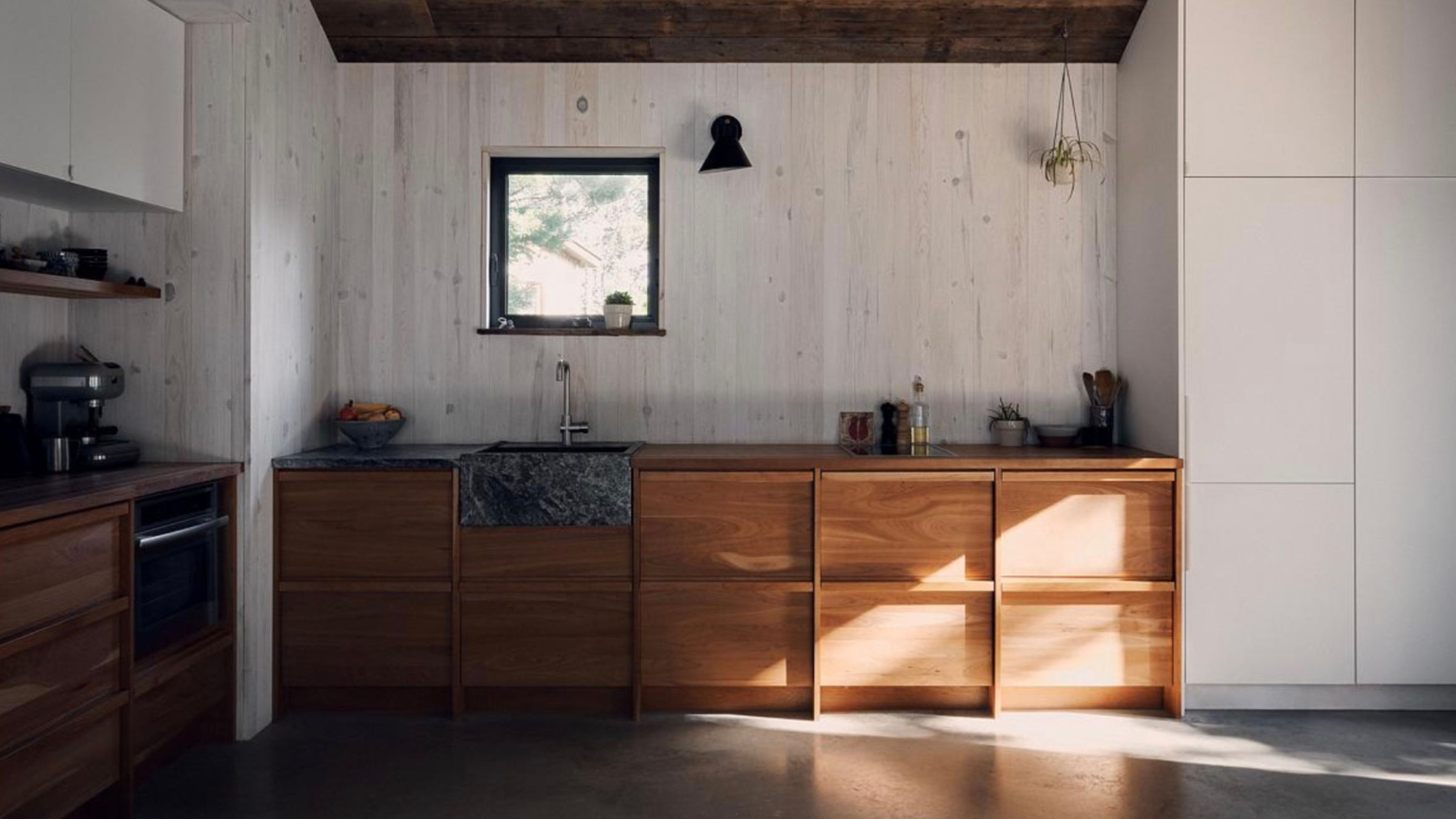
9 Butcher Block Countertop Ideas That Make Working in the Kitchen Easy (and Easy on the Eyes)
Kitchen & Bathroom Sealants

We Researched 30 Marble Sealers—Our Top Pick is Long-Lasting and Easy to Apply
7 Things You Should Know Before Installing Brick Floors