1/5
Expert tips for styling a beautiful tablescape
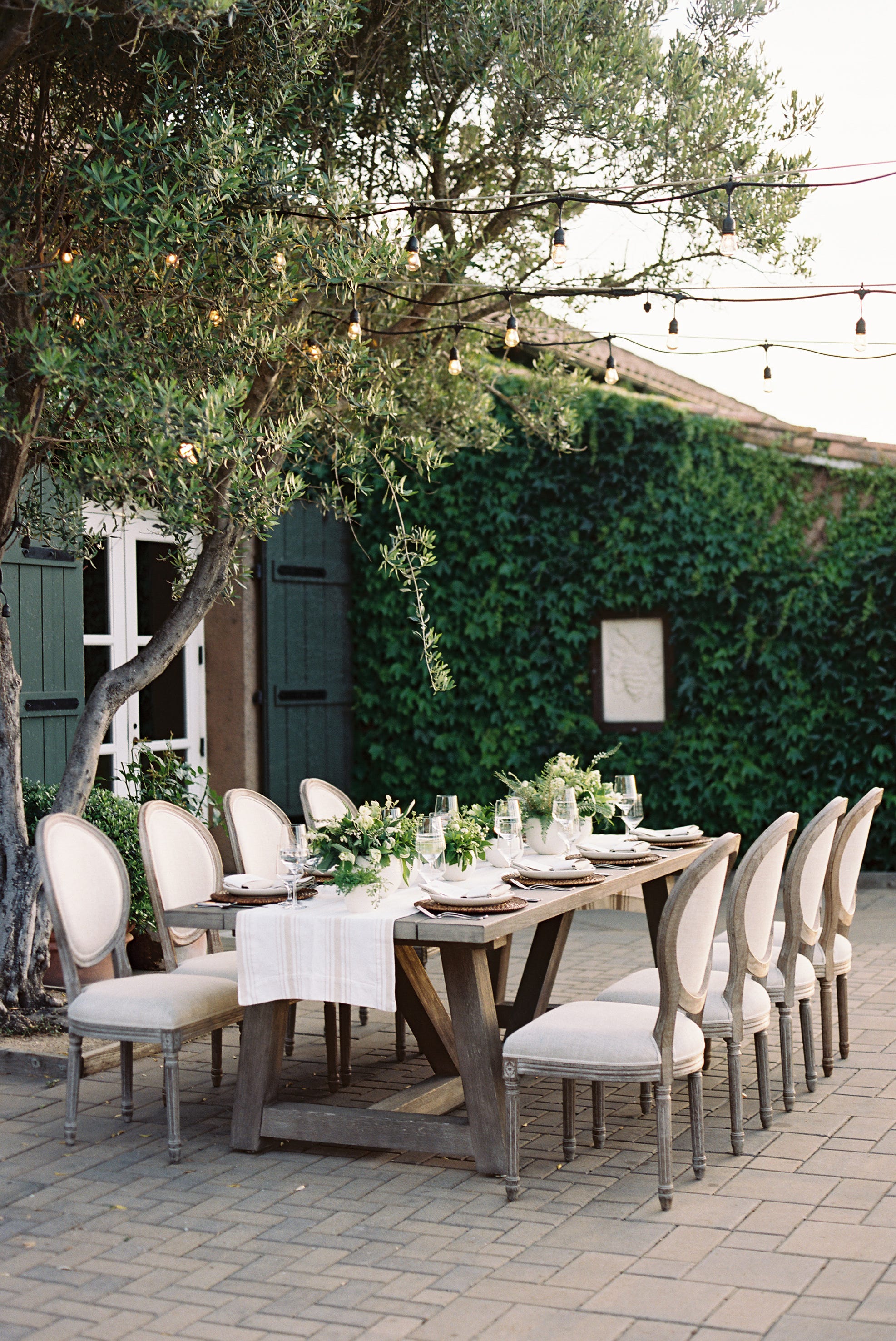
Styling a beautiful tablescape is an art that enhances any dining experience, whether it's a casual barbecue, a relaxed brunch, or a formal dinner party. The first step in creating an appealing table setting is to consider the occasion. A formal gathering might call for a perfectly set table, complete with intricate details, while a casual event benefits from large share platters that encourage guests to help themselves. Understanding the nature of the event dictates the overall approach to the tablescape.
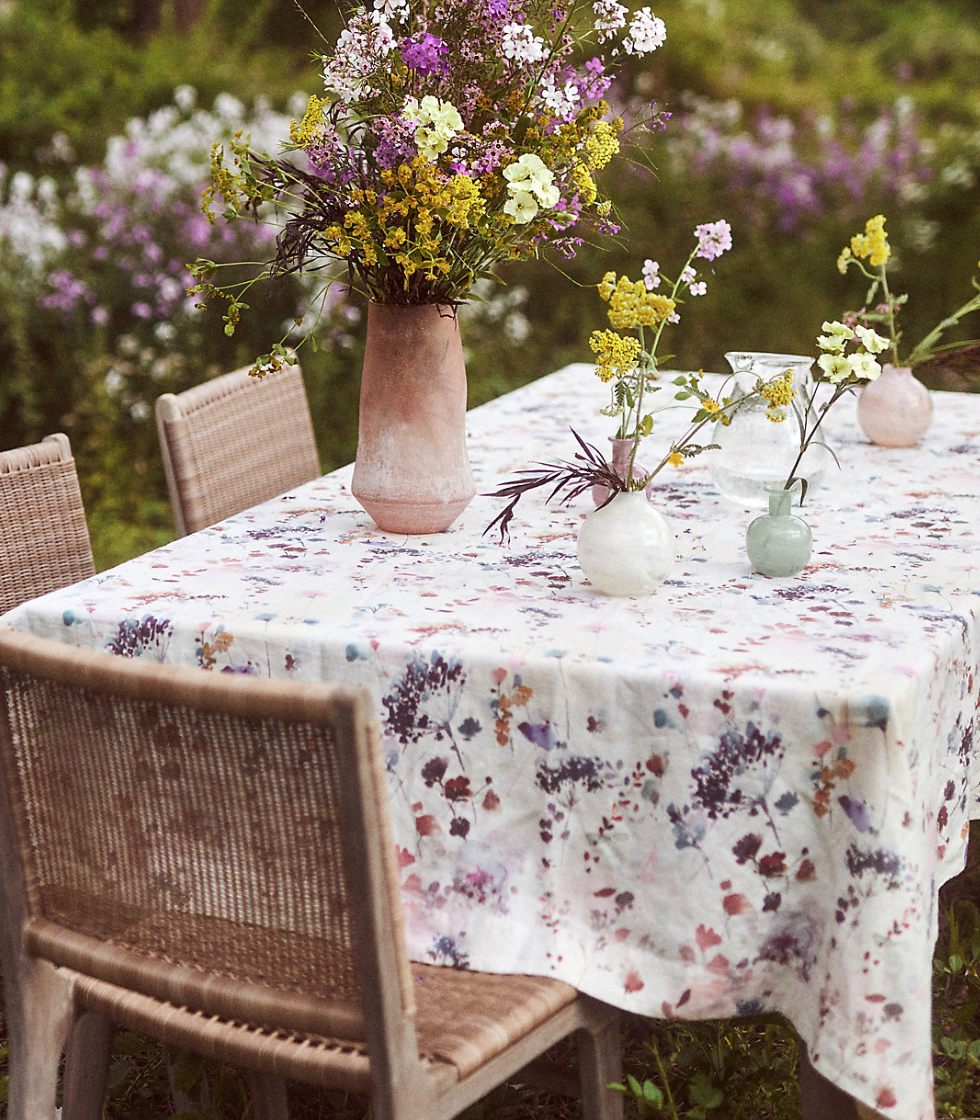
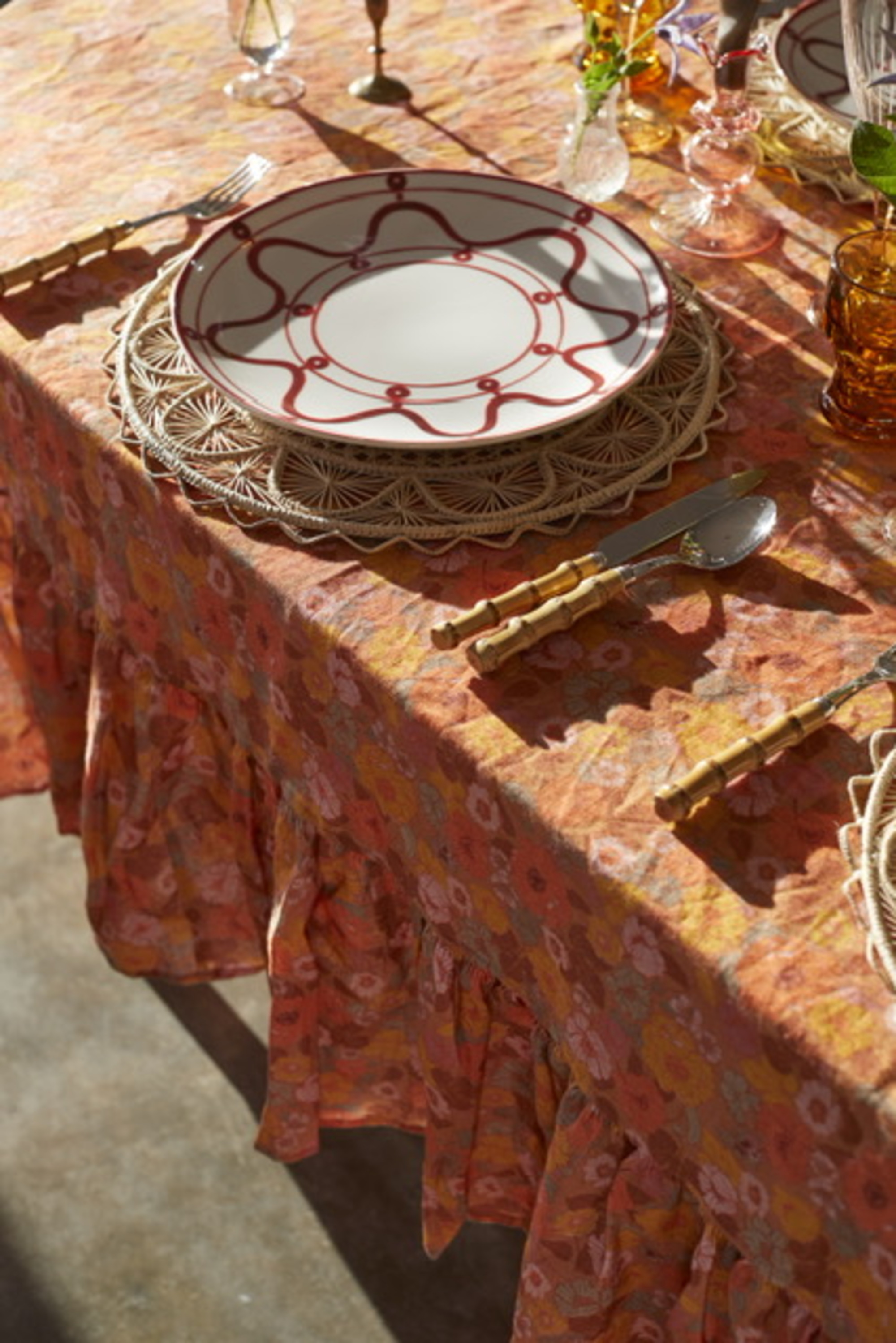
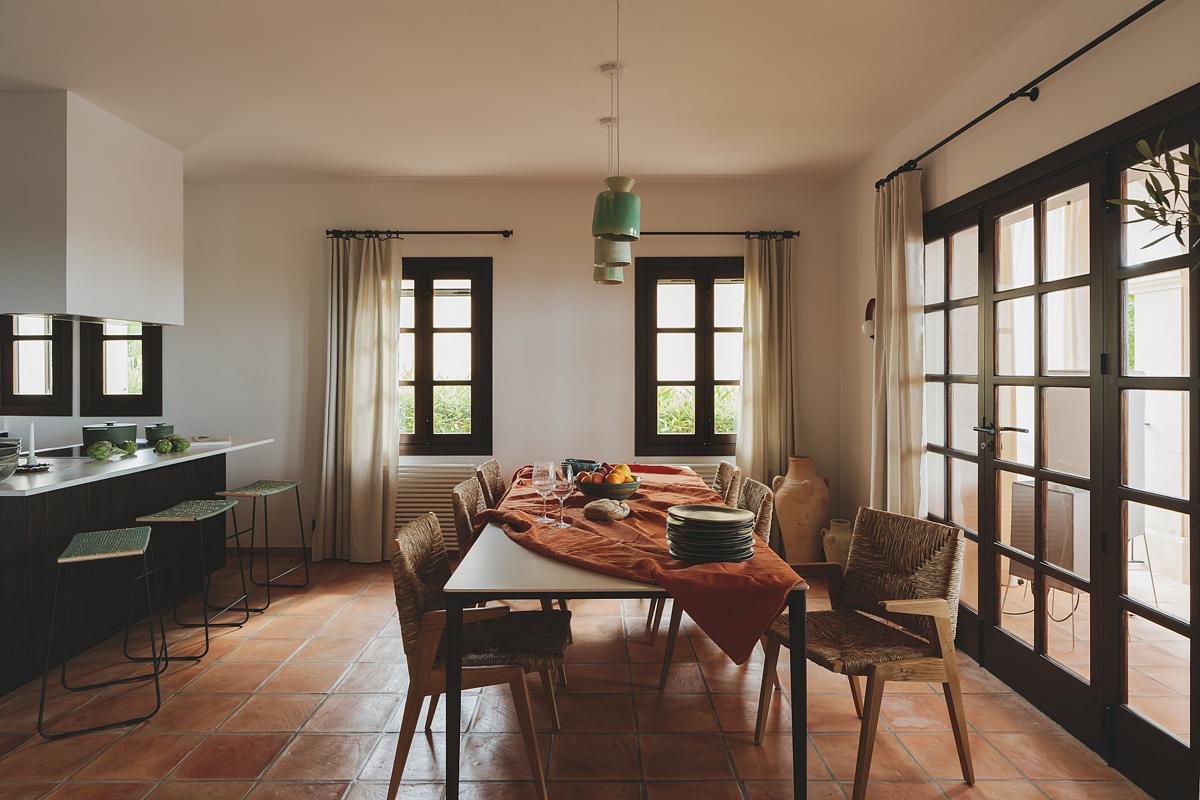
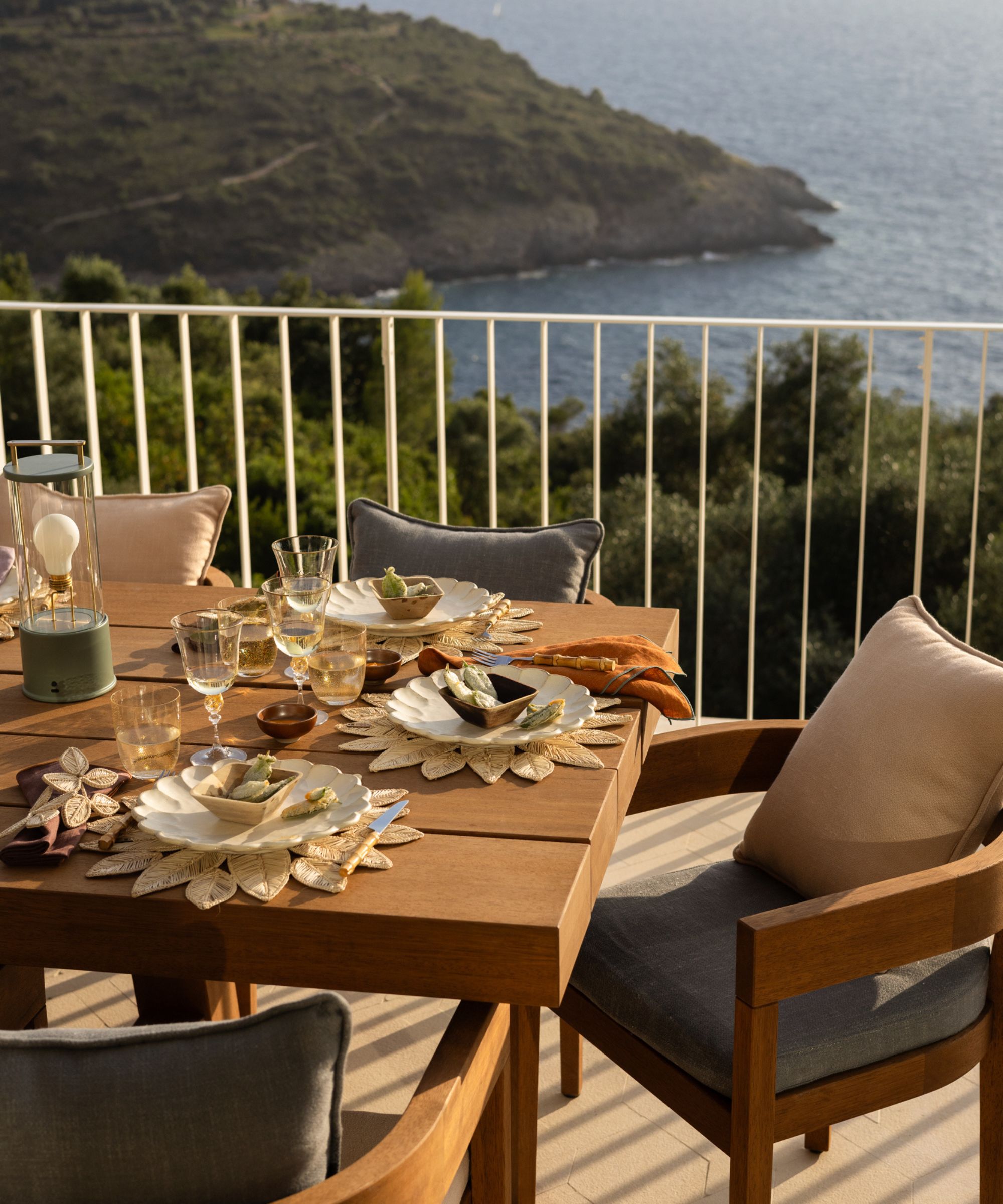
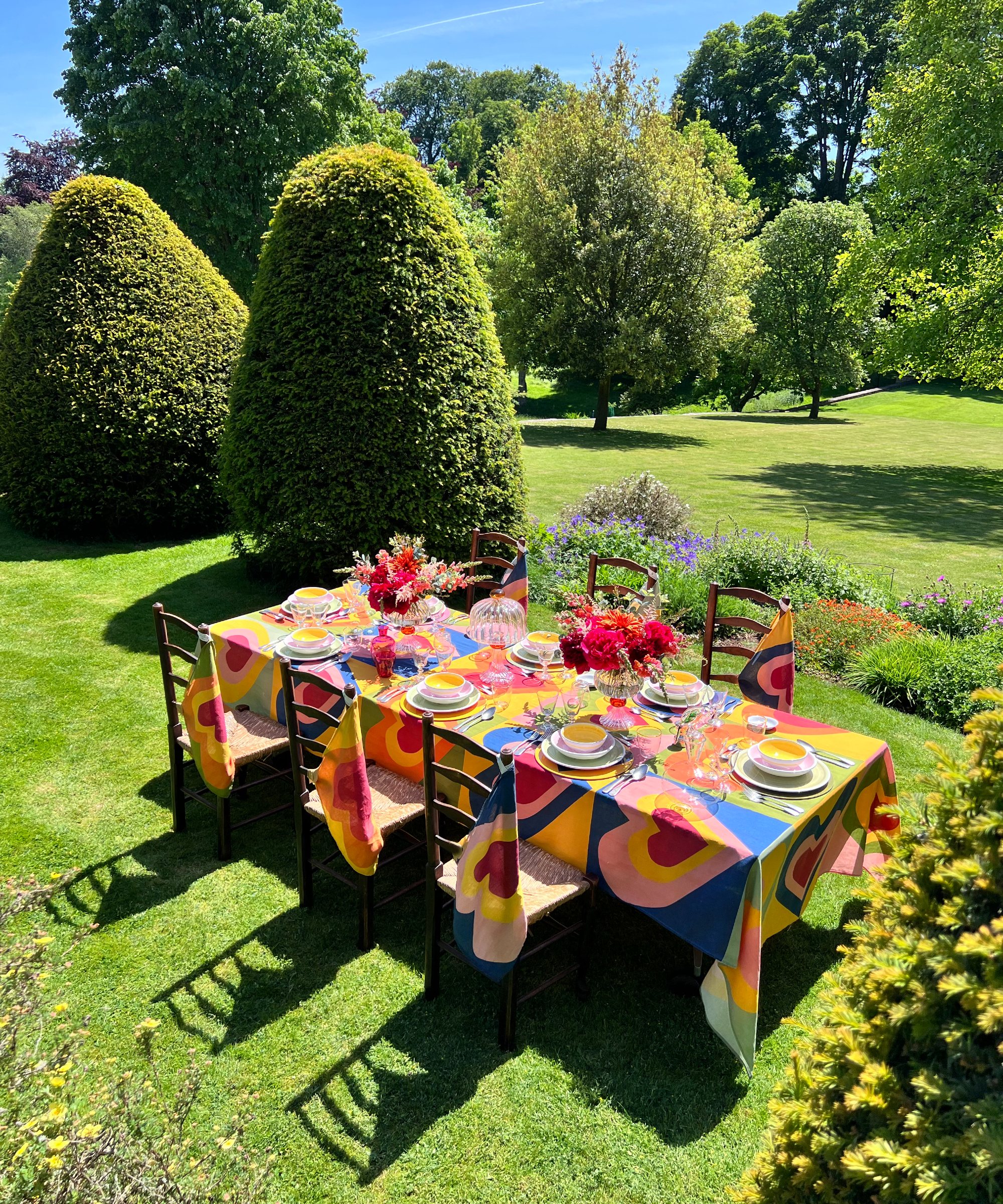
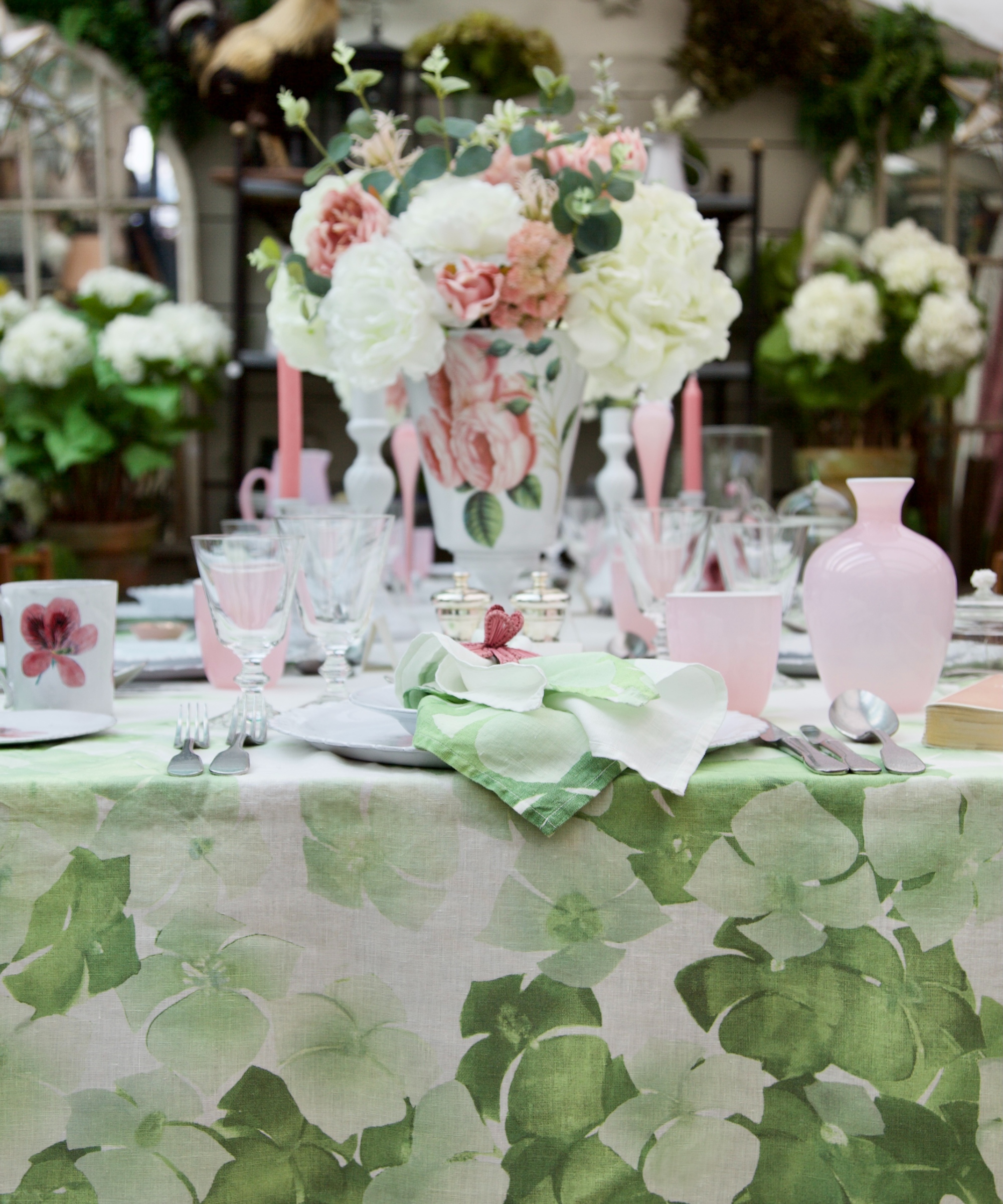
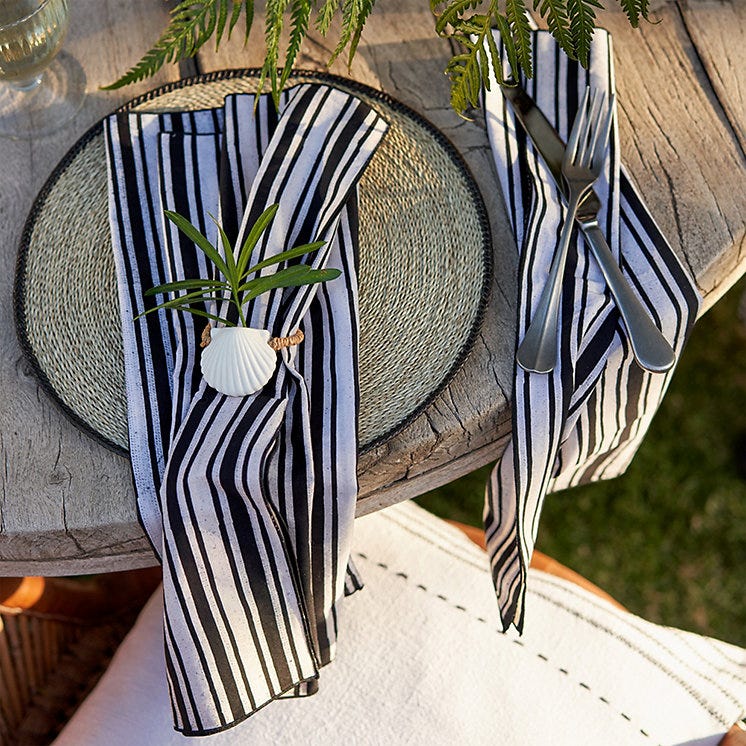
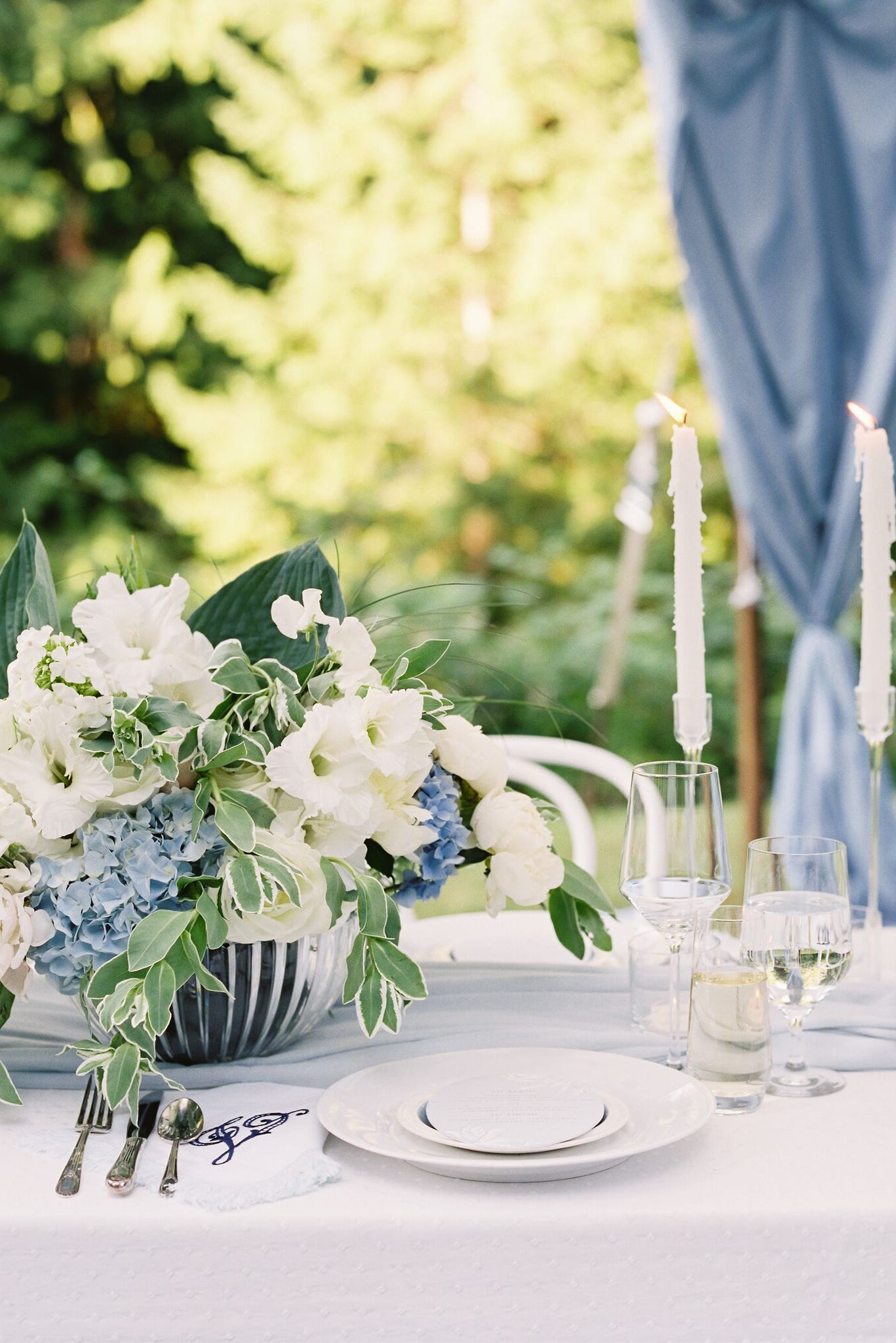
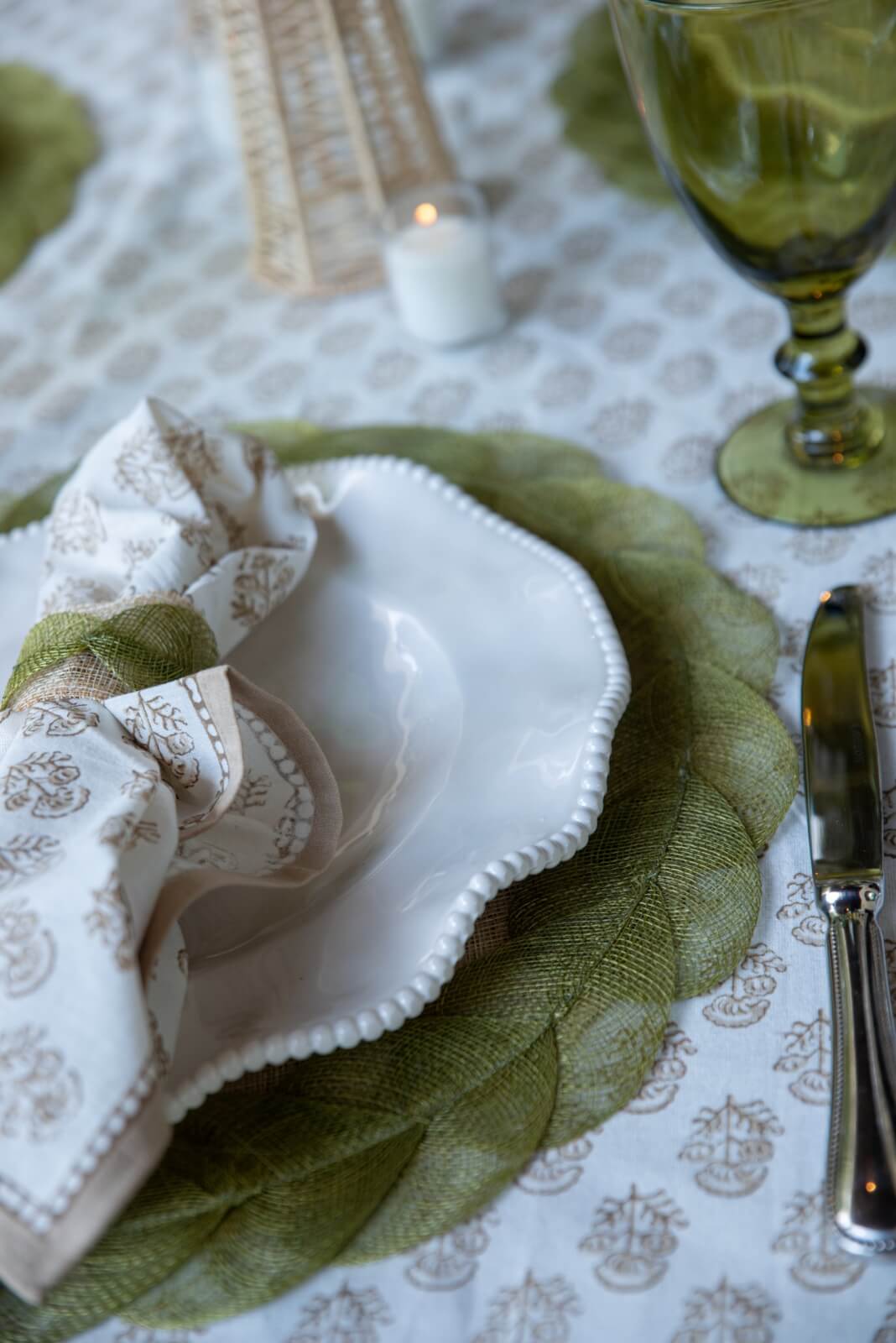
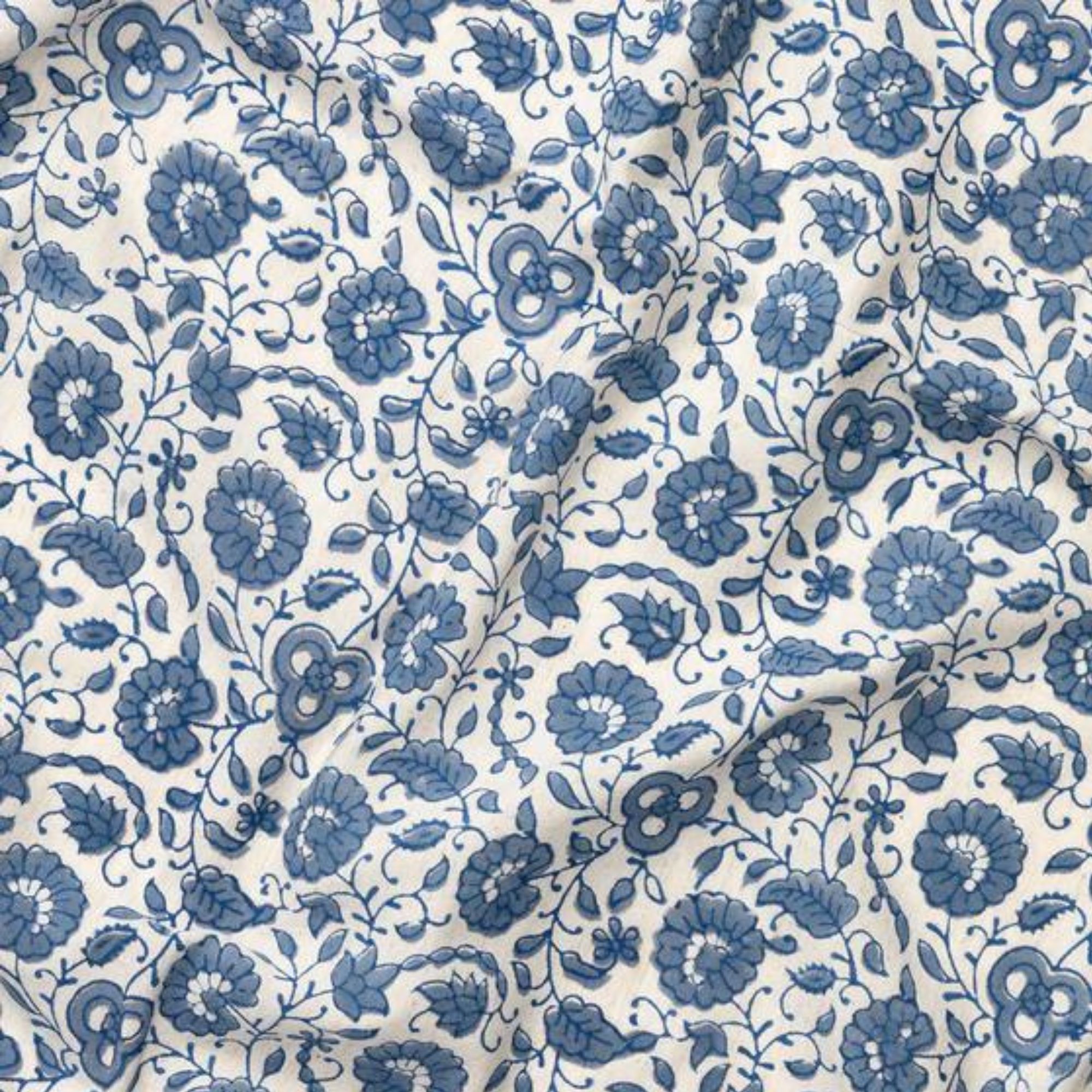
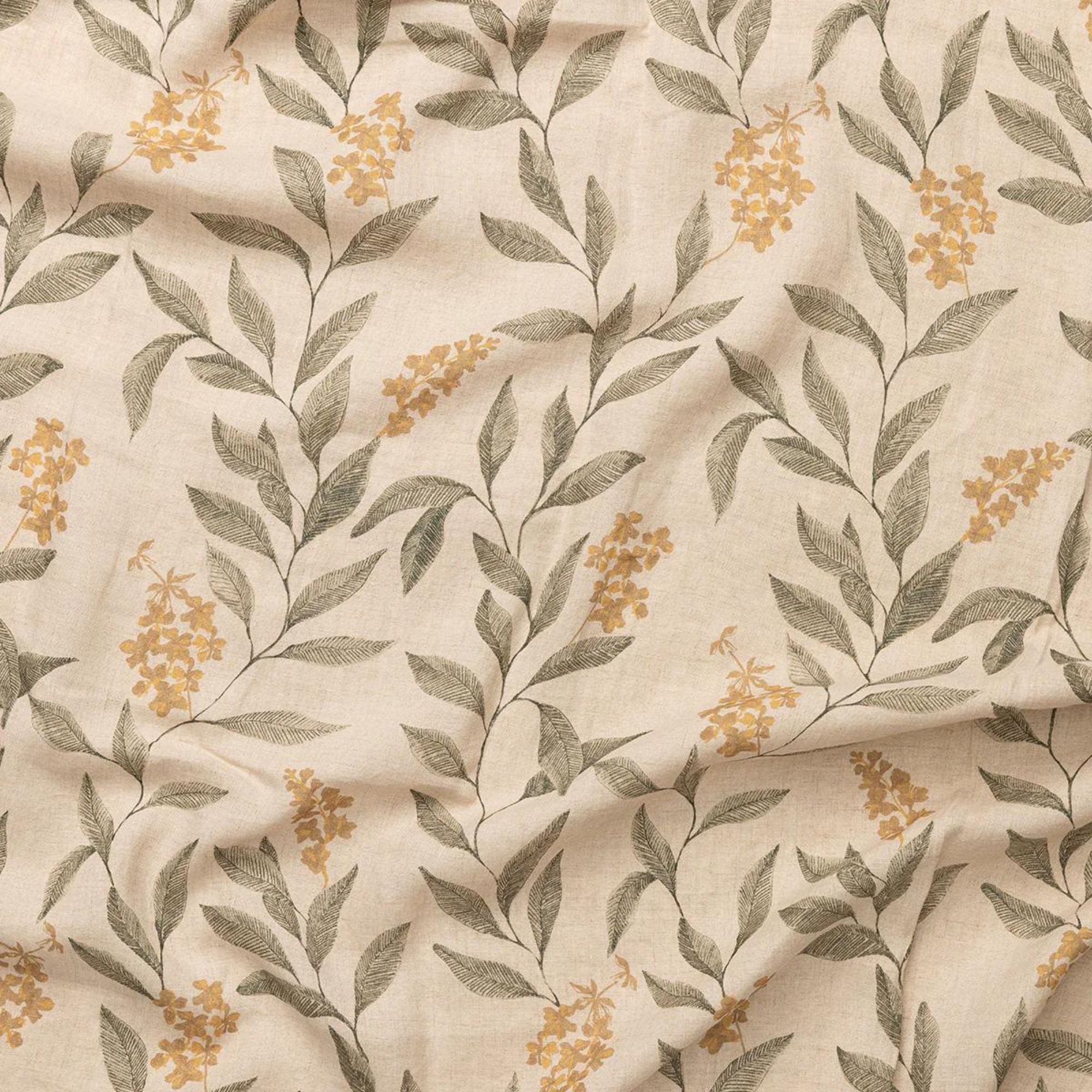
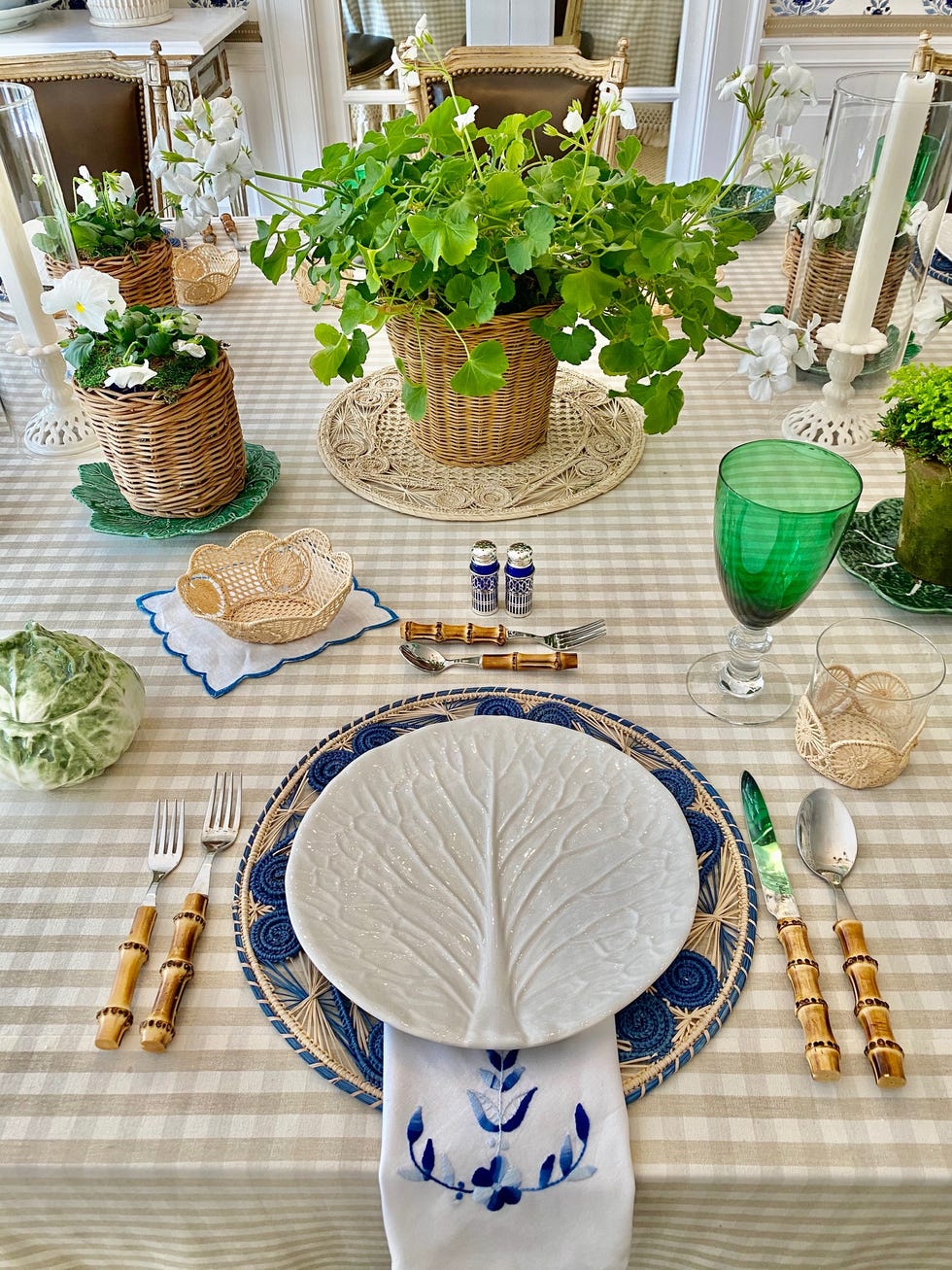
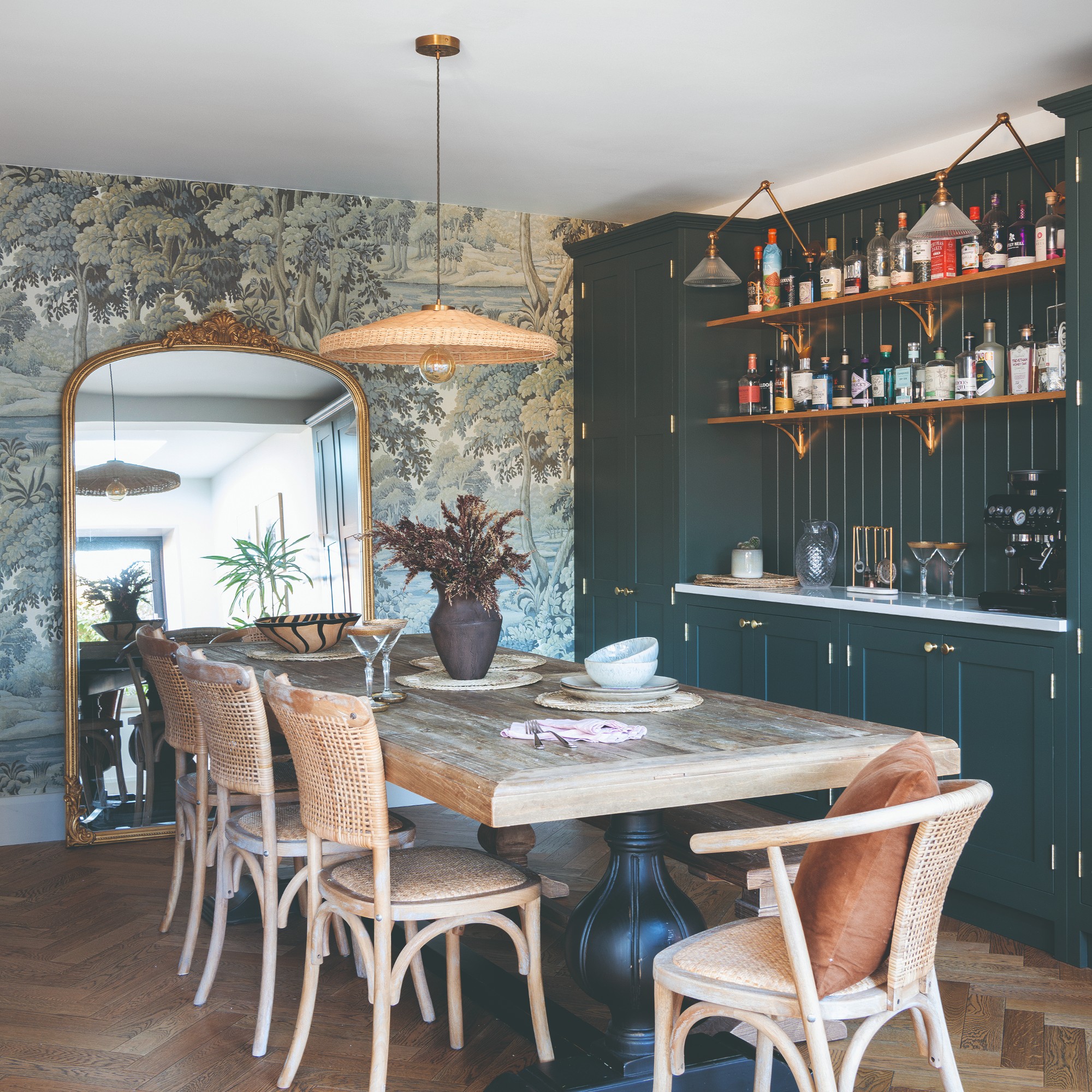
Next, laying the proper foundation is crucial. Tablecloths are versatile and can be adapted for both formal and casual meals. The choice of fabric significantly influences the style; for instance, crushed linen evokes a relaxed ambiance, whereas crisp cotton conveys a more formal tone. For outdoor dining, a bare table adorned with a table runner or placemats is often ideal. Napkins are another essential element, serving both practical and aesthetic purposes. They introduce color and texture to the setting. Creating custom napkins from cotton fabric allows for personalization, and they can be hemmed or left with frayed edges for a rustic touch. Mixing and matching napkin fabrics and colors with the tablecloth can create a dynamic and visually interesting contrast, and incorporating napkin rings adds an extra layer of sophistication.
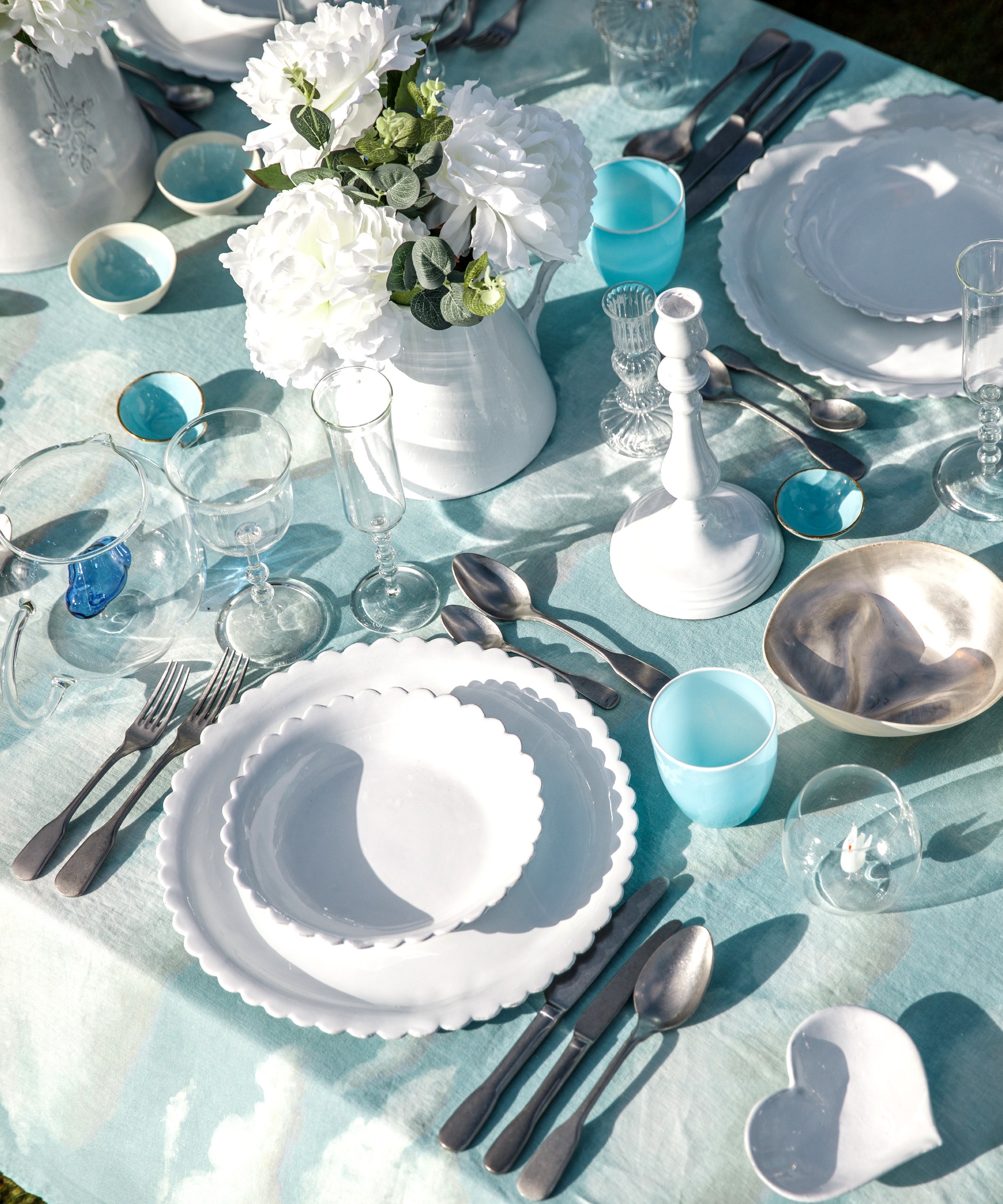
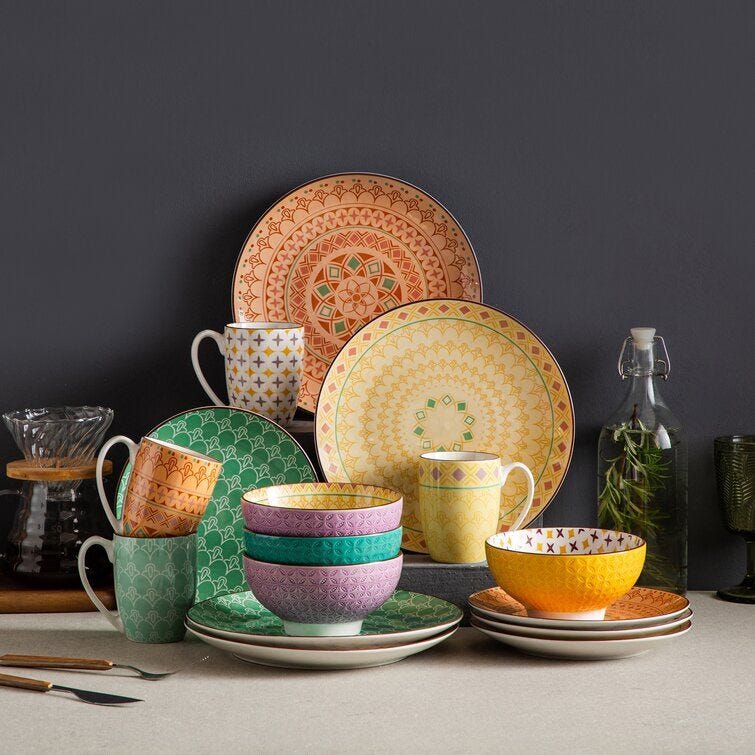
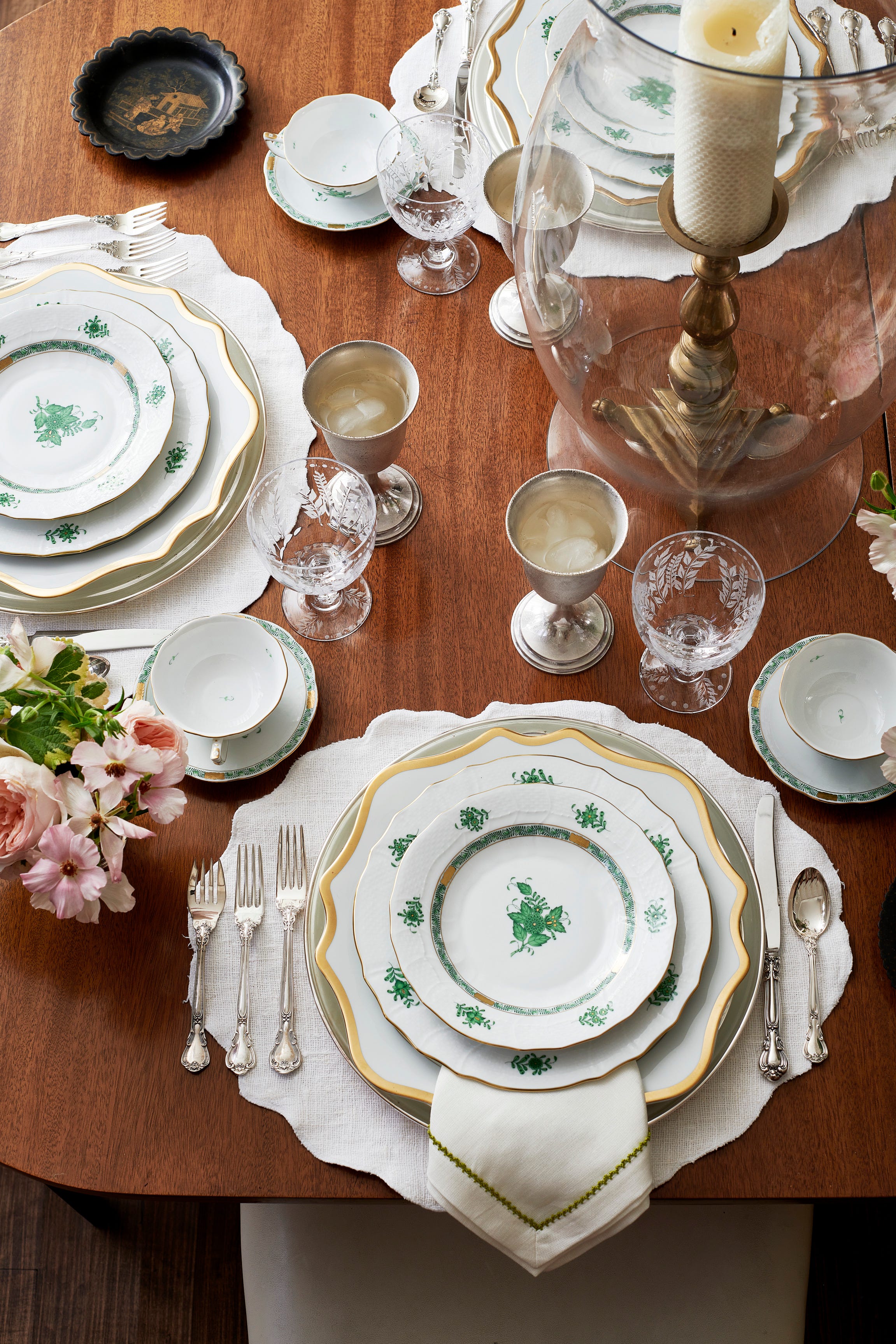
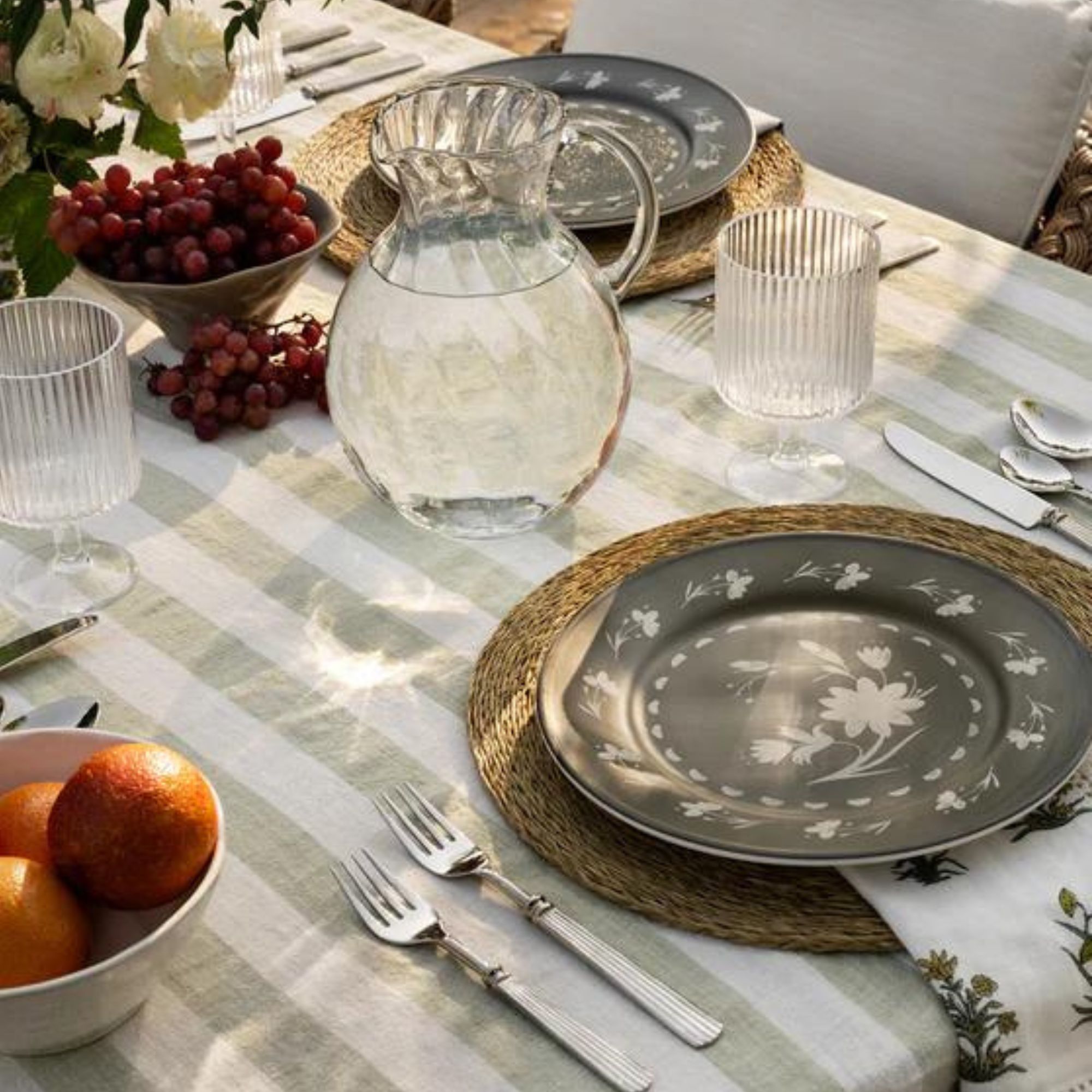
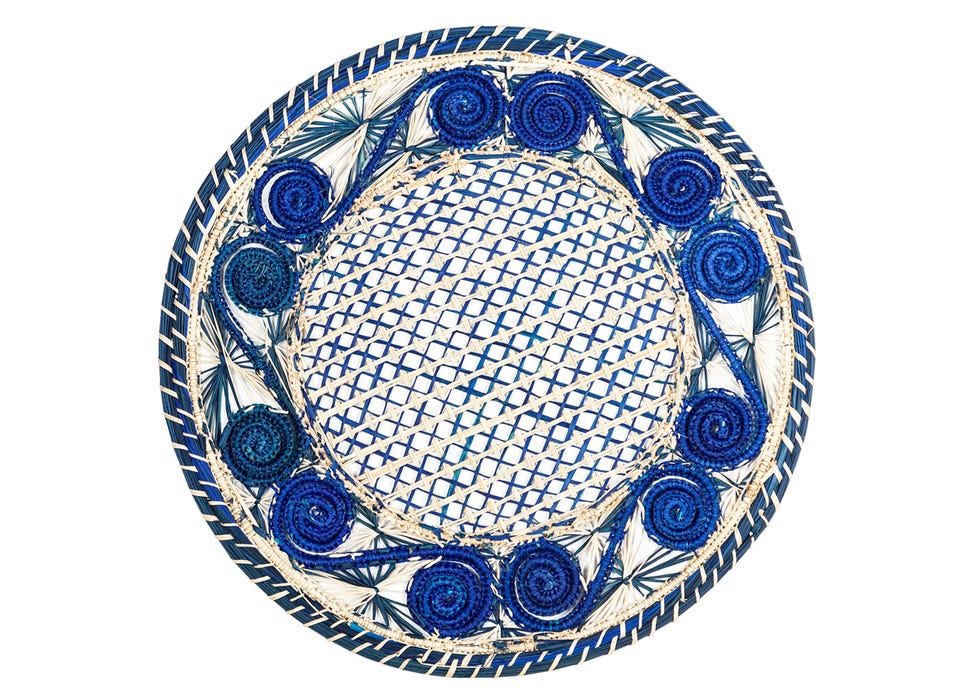
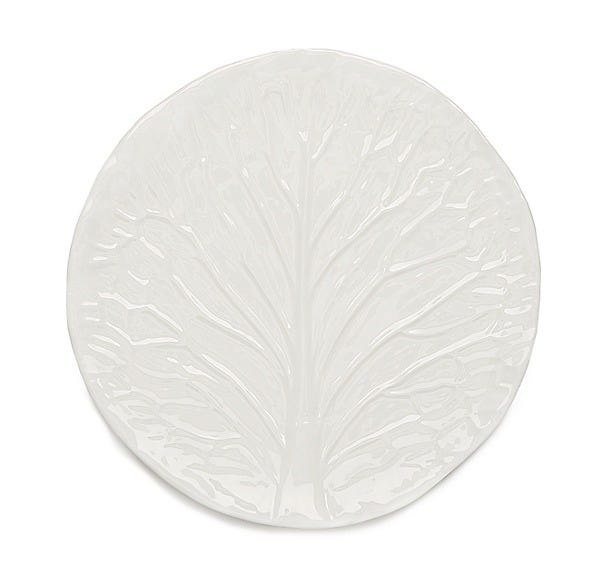
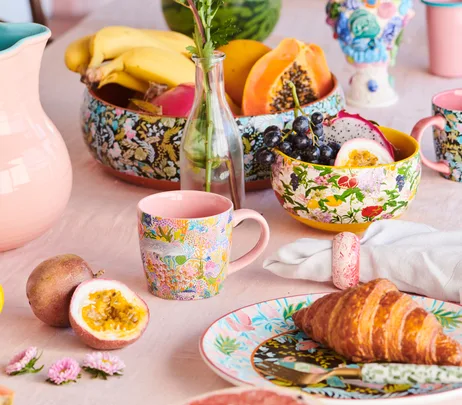
Adding layers to the tablescape builds depth and visual interest. After the tablecloth and napkins, focus on tableware. A popular trend involves mixing and matching various styles, patterns, and colors of plates and bowls, moving away from perfectly matching sets. This approach allows for creative expression and a personalized touch. Incorporating diverse tableware elements, perhaps stacking different pieces, contributes to a rich and inviting look. While embracing color and varied patterns, it is important to balance them with beautiful earthy tones to ensure a harmonious aesthetic.
Organizing the table setting for efficiency and elegance is also important. For meals with multiple courses, cutlery should be arranged in the order of use, from the outside in. Forks are placed on the left, alongside the bread or salad plate, while knives, spoons, and glassware belong on the right. This traditional placement ensures ease of use for guests.
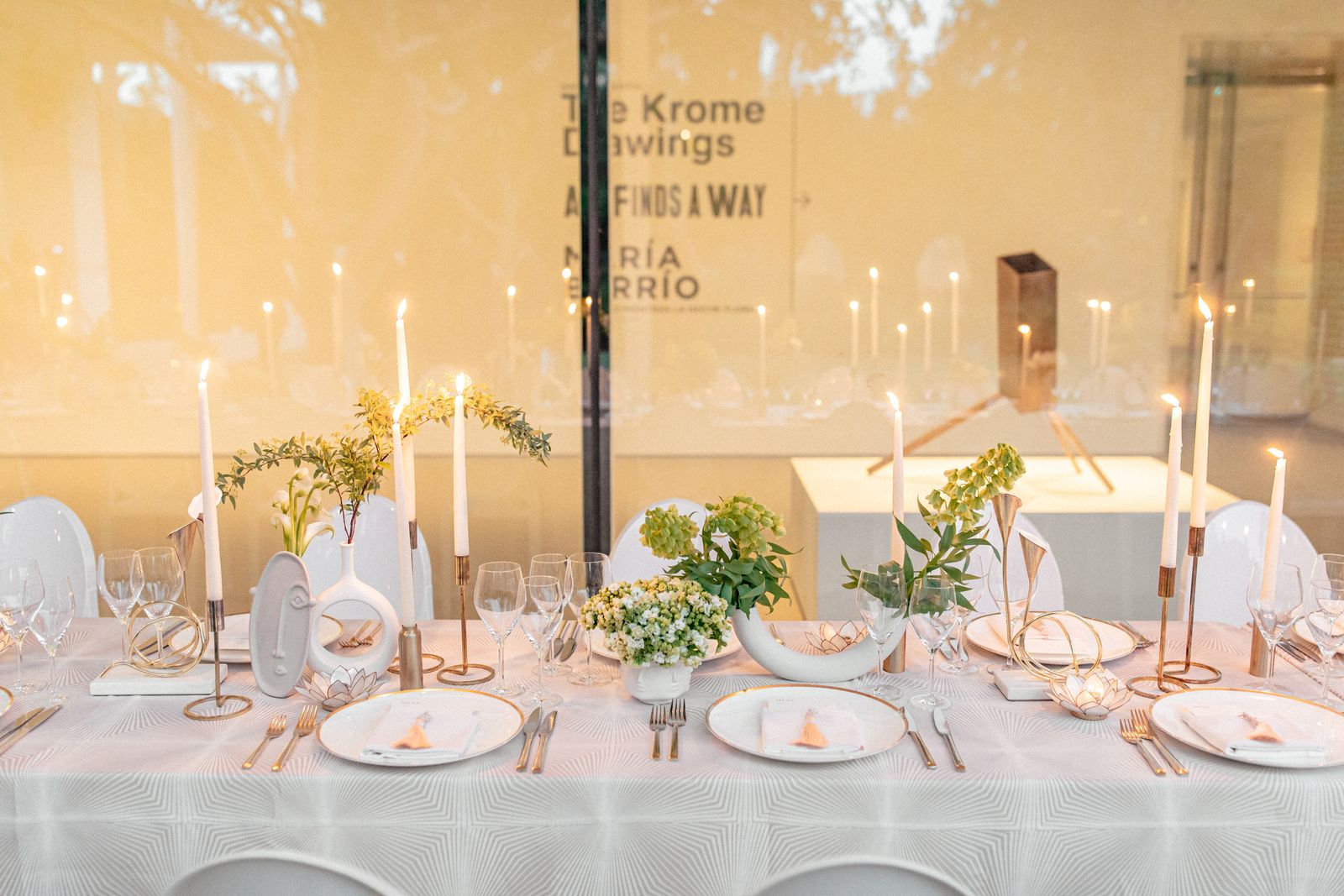
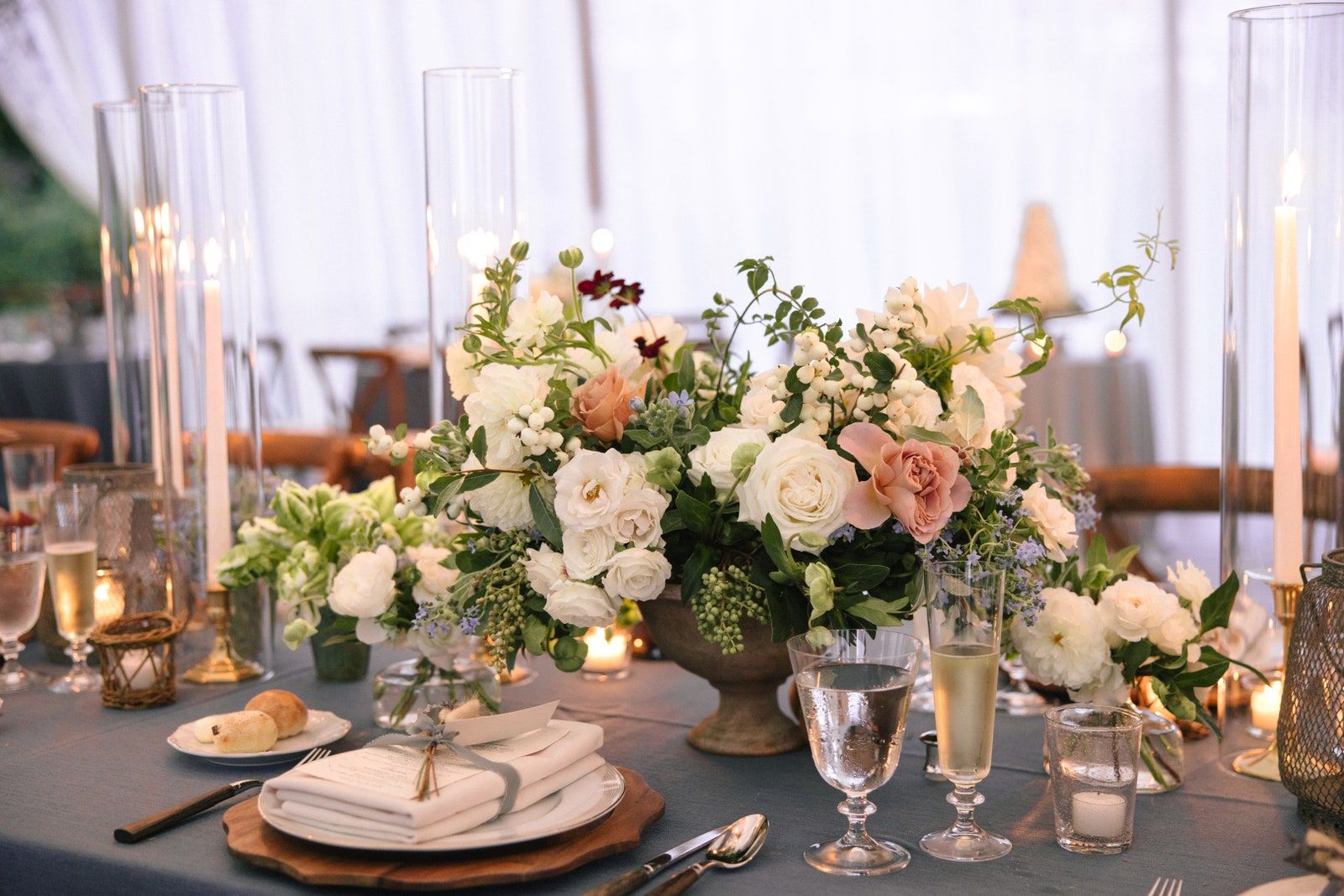
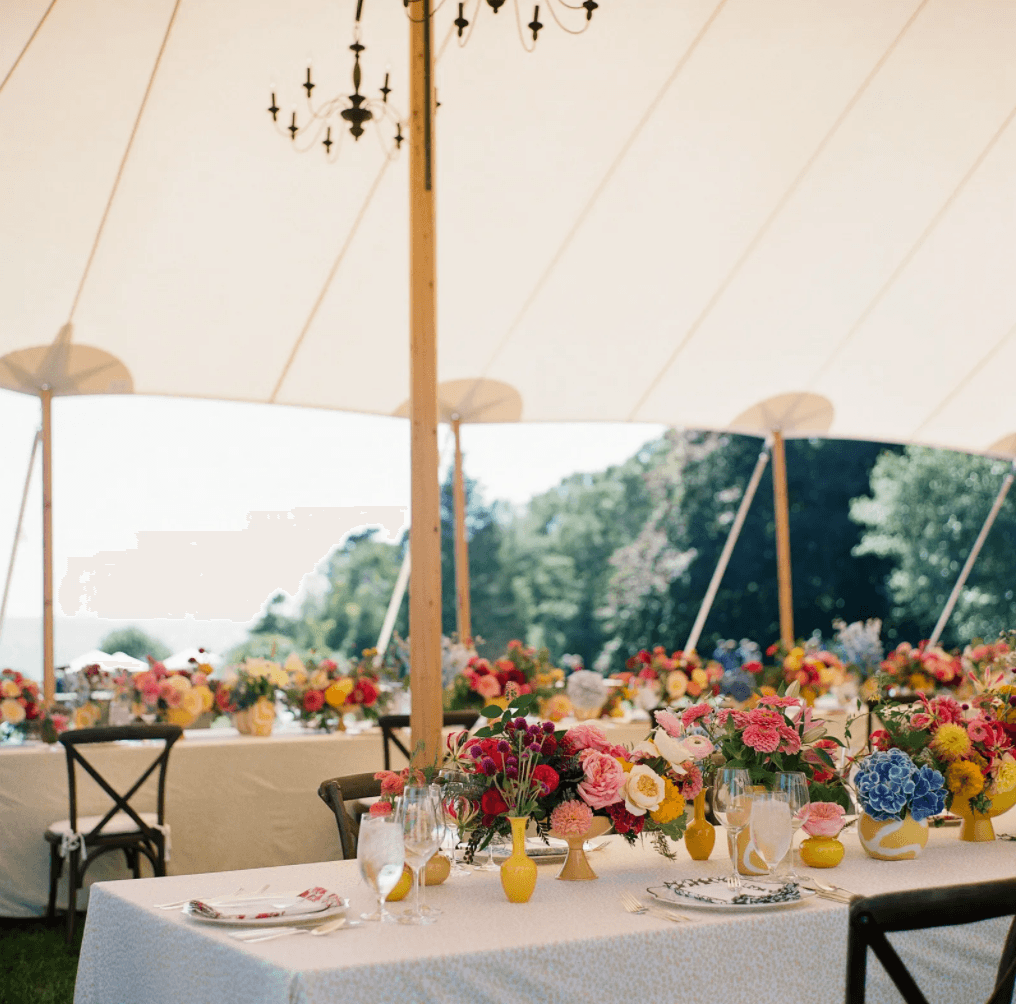
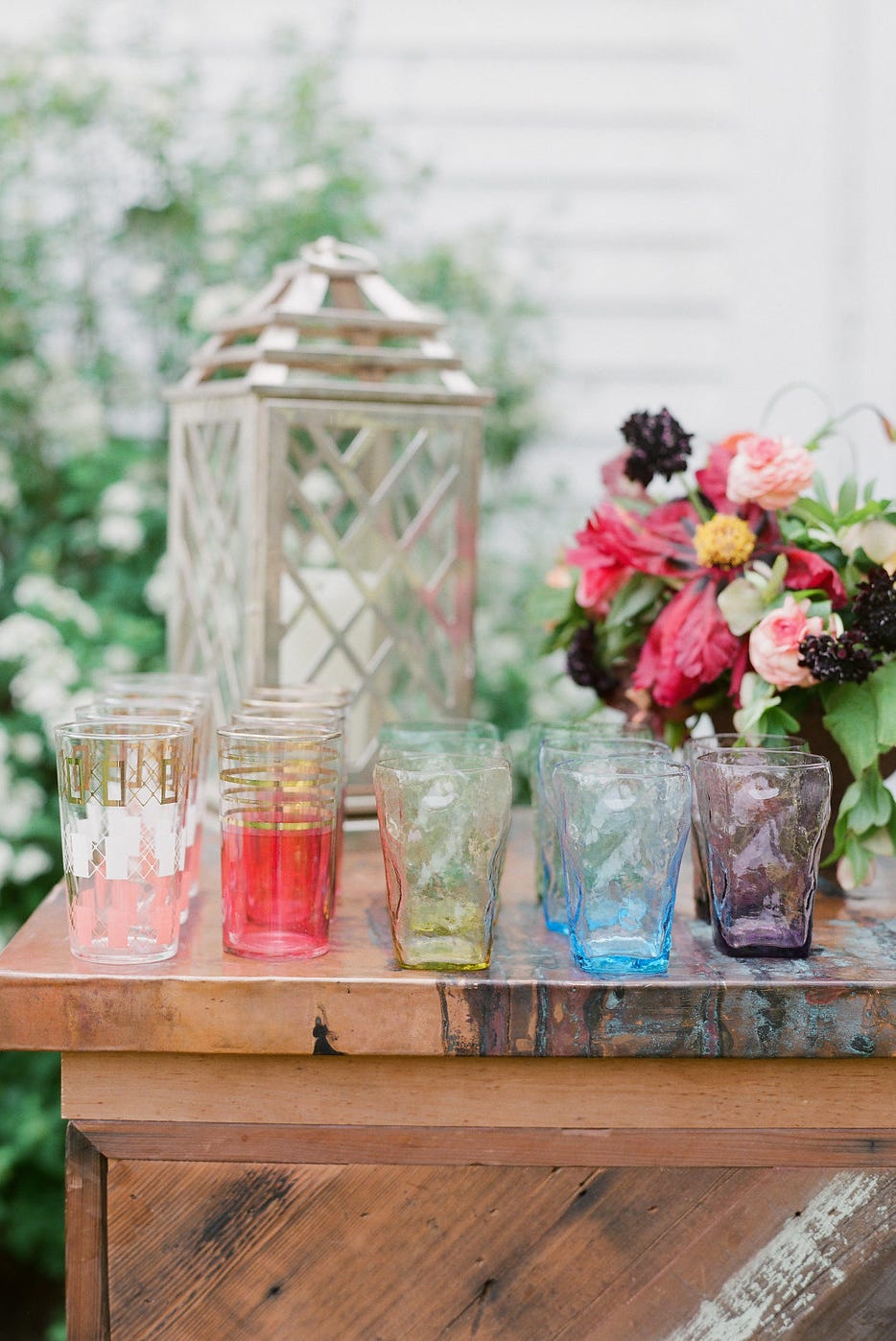
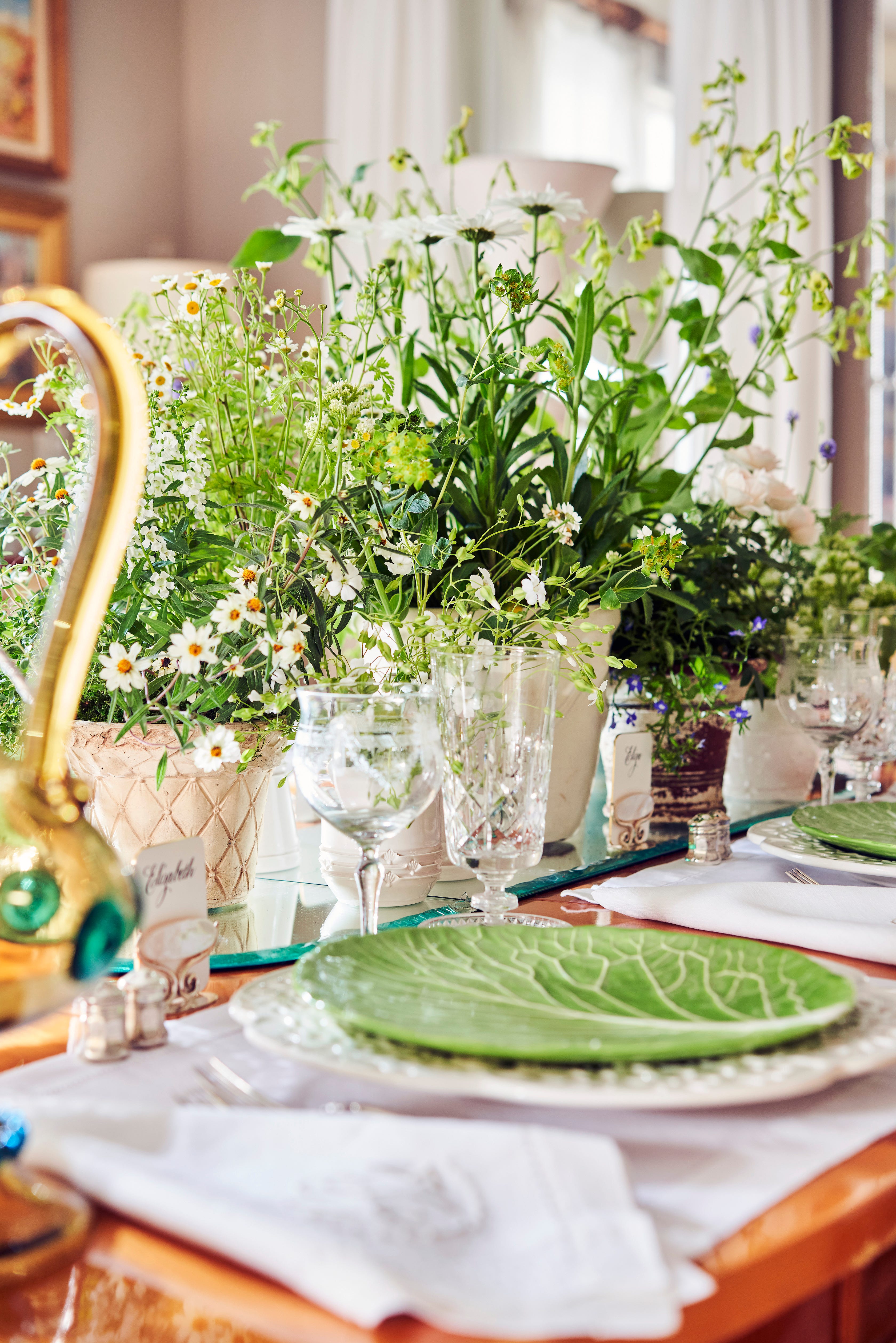
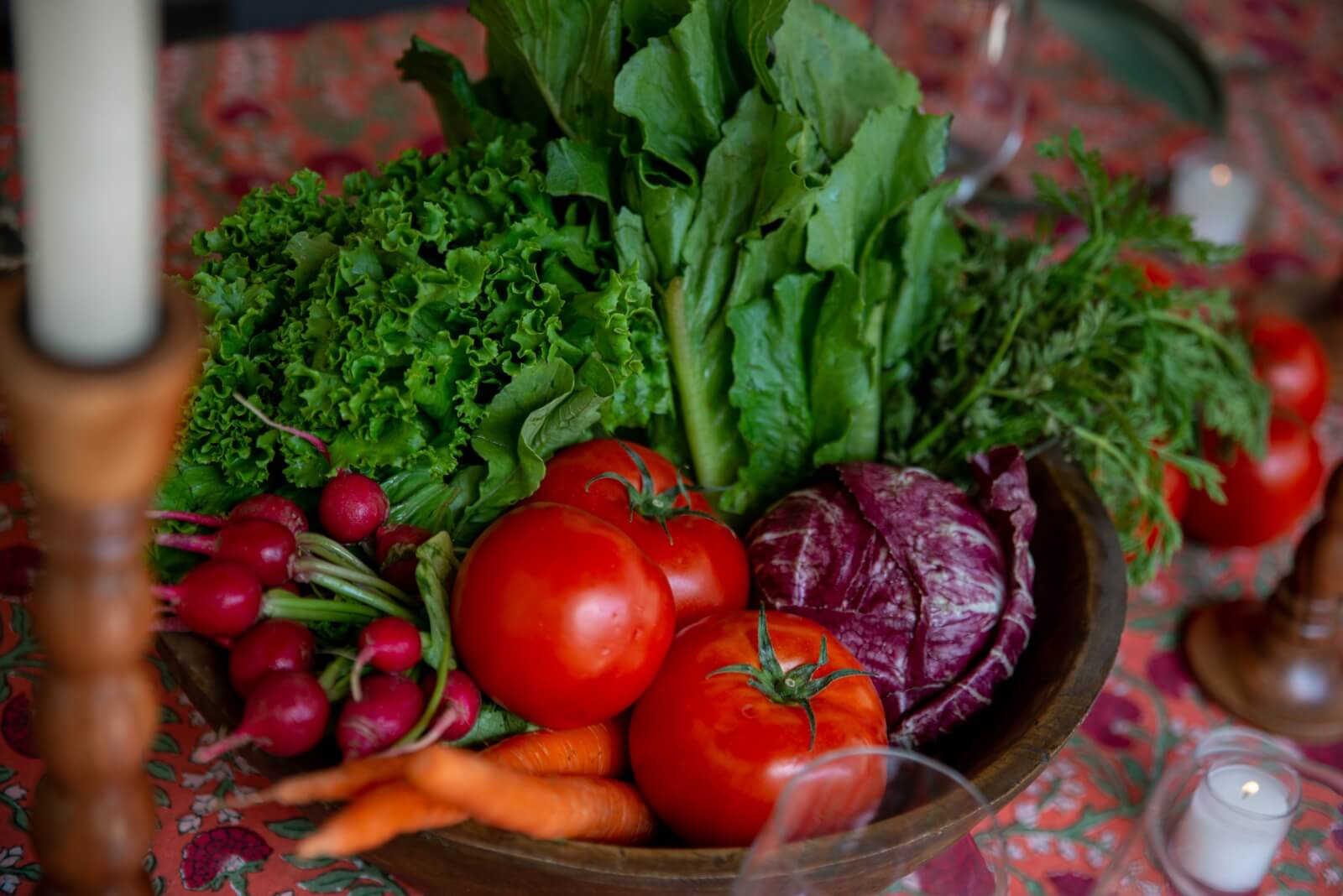
The centerpiece serves as the focal point of the table. For breakfast and lunch, fresh flowers or bowls of fruit provide a vibrant and natural touch, while candles are ideal for dinner parties, creating a warm and intimate atmosphere. When using candles, it is advisable to choose unscented varieties to avoid interfering with the aromas of the food. If the goal is purely decorative impact, such as for social media, tall vases with large flowers or elegant water jugs can be used. Colorful glassware, in varying heights and shades, can further enhance the visual appeal, complemented by bottles of wine strategically placed.
Finally, adding thoughtful finishing touches elevates the entire tablescape. Small details like place cards, a sprig of fresh herbs on each plate, or small jars of homemade jam for guests to take home make a significant difference. These personalized elements, especially if handmade, convey a sense of care and hospitality, making the dining experience memorable for everyone.
#TableSetting #DecoratingTips #EntertainingIdeas #Homewares #DiningDesign #InteriorStyling #Tableware #HomeDecor #KipAndCo #TableSetting #DecoratingTips #EntertainingIdeas #Homewares #DiningDesign #InteriorStyling #Tableware #HomeDecor #KipAndCo
0 comment in total
 No comments yet
You may also like
Ways to Style a Tablecloth — 3 Simple Options for a Stunning Tablescape

15 garden table decor ideas for a picture-perfect tablescape

Round vs rectangular dining room tables – which one is best for your space?


How to Style a Holiday Table Your Guests Will Never Forget

Where do interior designers shop for chic tableware? 12 tell us the go-to stores to elevate your hosting game
How to Set an Elegant Summer Tablescape

We Asked Etiquette Pros to Tell Us How to Set a Table Properly and We're Taking Notes

Here’s How One of Our Fave Instagram Follows Sets Her Table at Home

Shop Wedding Tablescape Decor Inspired By Vogue Weddings
How to style your coffee table: Expert tips on balance, greenery, textures and decor ideas | Hindustan Times

Tablescaping 101! Expert Tips + Two Easy Summer Table Designs

8 dining room table ideas – the best styles and decor tips to elevate your dining space

How to Style a Dinner Party Tablescape for the Holidays and Beyond

How to style a mantelpiece – 6 expert tips from interior designers
Shea McGee suggests these tablescaping tips if you're looking to master 'Modern Charm' on the dinner table
5 things stylists always do when styling a coffee table
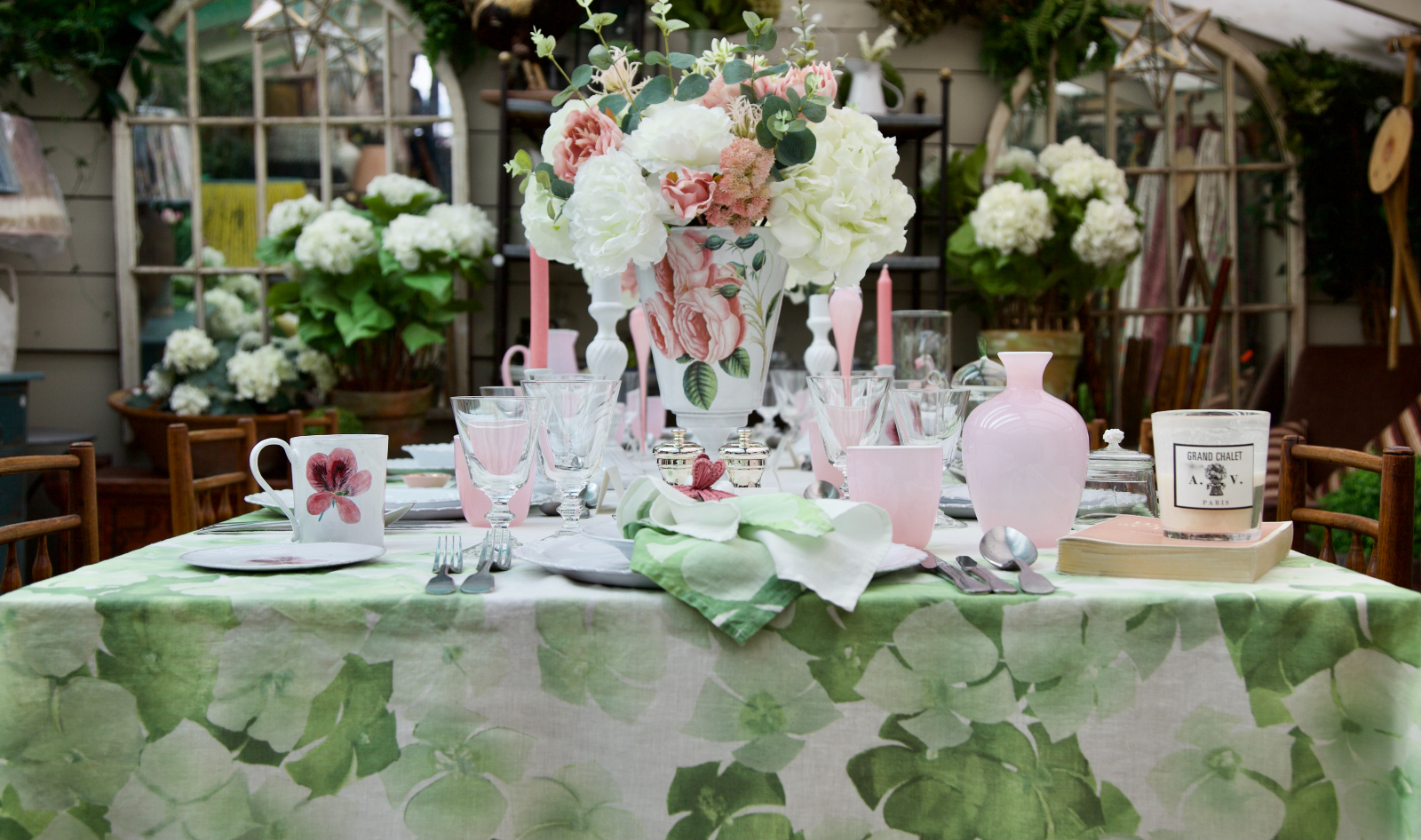
What are the rules for a table centerpiece? 5 tips experts always follow
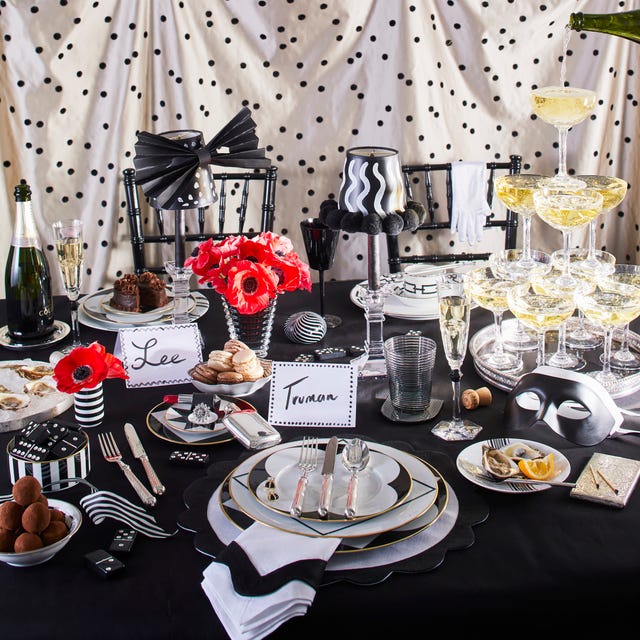
40 Chic Table Decorating Ideas for Every Occasion
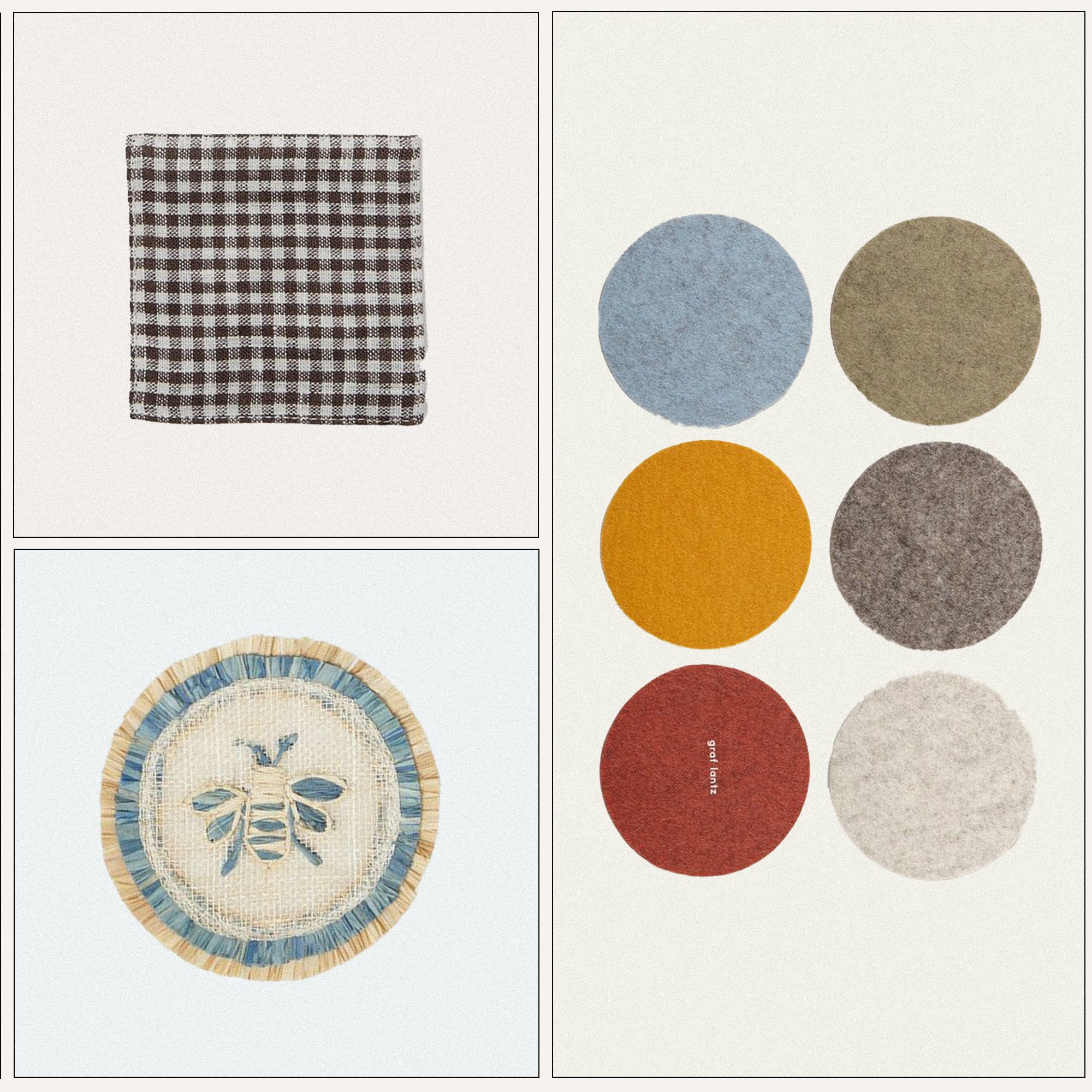
We Found the Secret to Making a Tablescape Look "Finished"
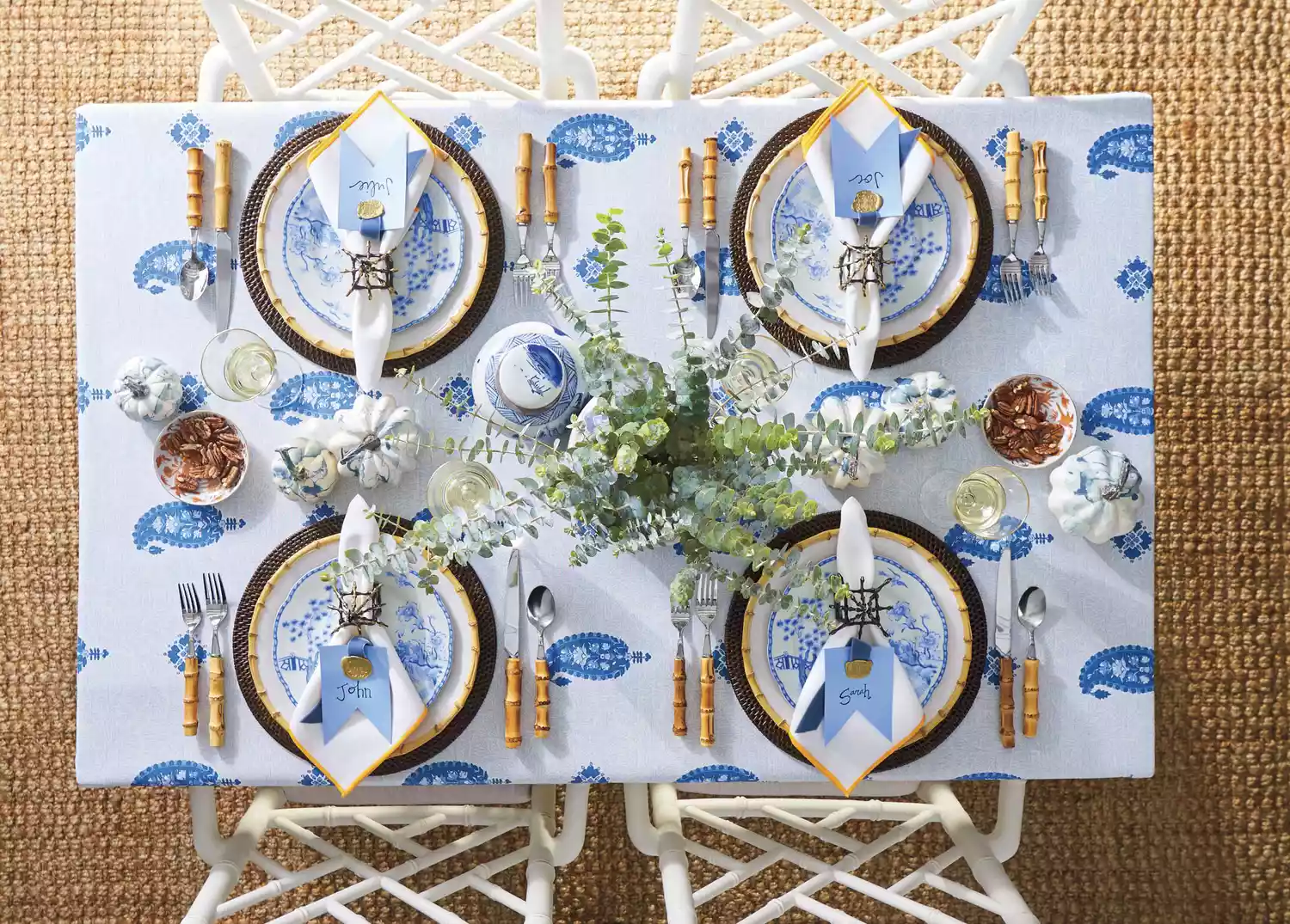
How To Set The Table For Any Southern Occasion