1/28
Design Awards 2013: best of the rest
This article compiles a selection of notable design achievements and trends from the 2013 Design Awards, showcasing innovation across various categories from interiors and architecture to fashion and technology. The presented works highlight a period of design marked by updated traditional techniques, reissues of classic pieces, and forward-thinking concepts.
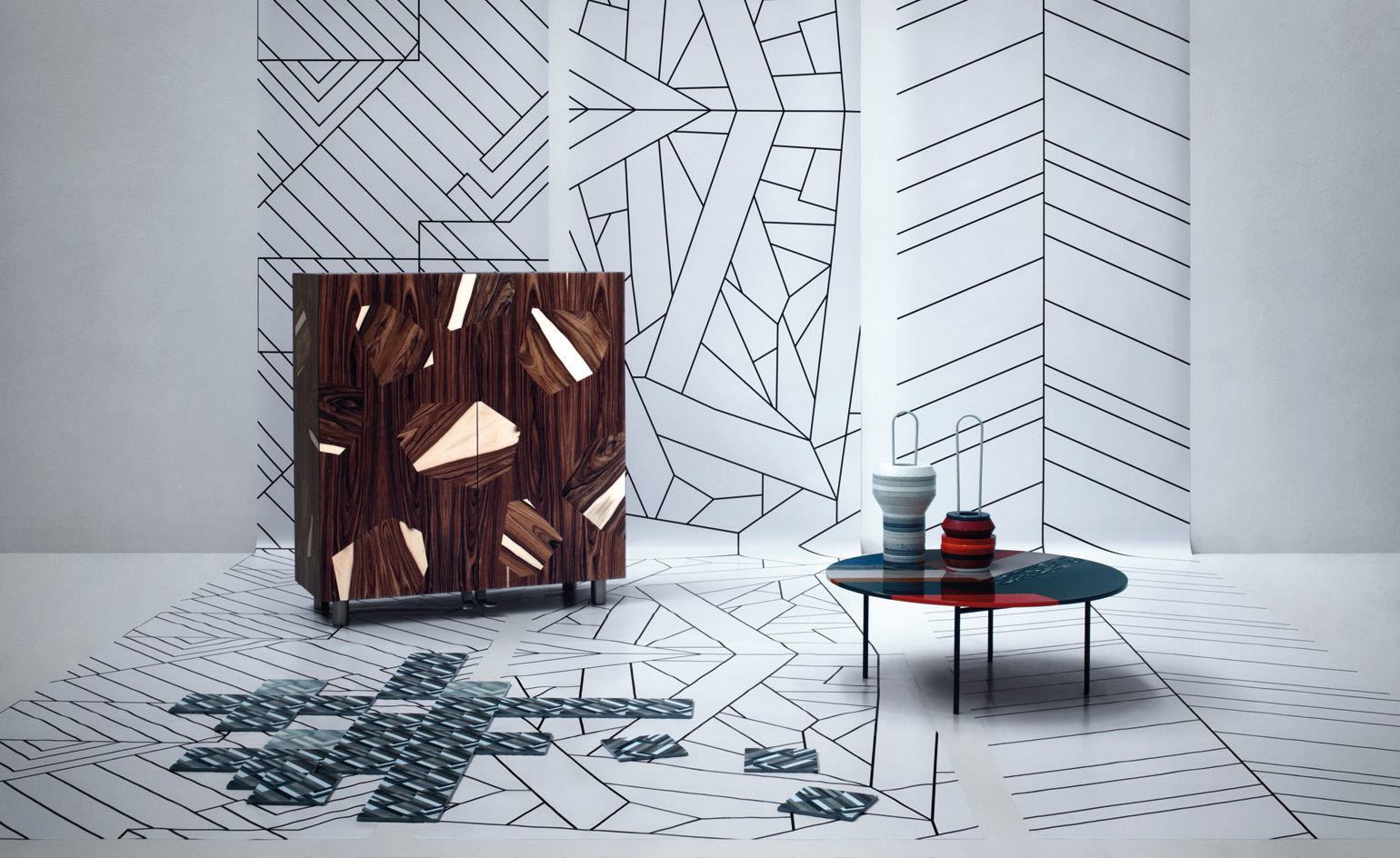
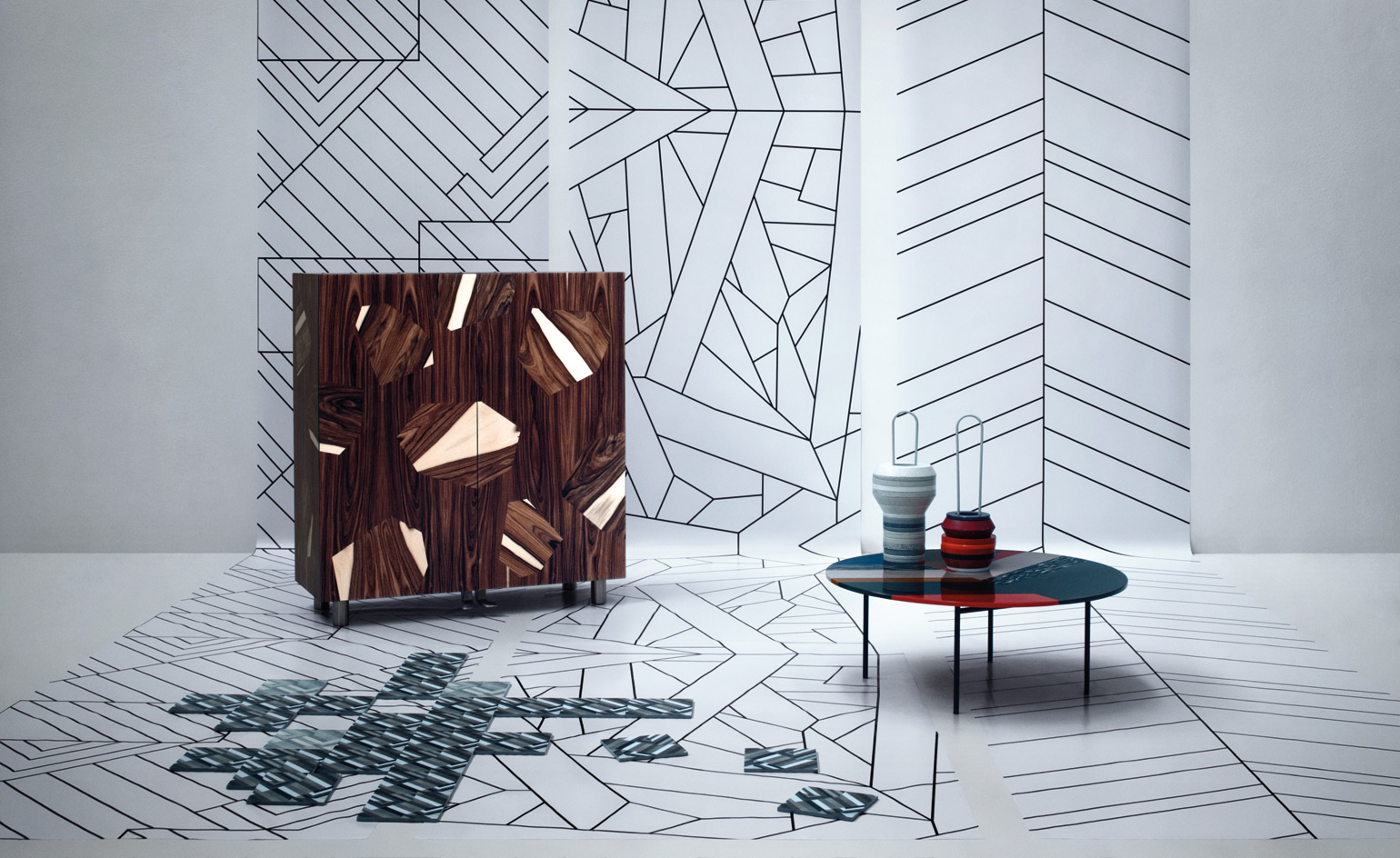
In the 'Best Trend' category, a focus on "puzzle-like" designs emerged, featuring random patterns and asymmetric forms that updated traditional inlaying and overlaying. Materials like stone, wood, leather, acrylic, and ceramic were combined in unexpected ways to create decorative geometry. Examples include Patricia Urquiola's 'Azulej' tiles for Mutina, which blend ancient majolica with modern digital printing to allow for complex patterns. Massimo Morozzi's 'Bois de Rose' cabinet for Edra reimagined woodworking traditions with random rosewood veneers and innovative piano pedal openings instead of handles. Urquiola's 'Fishbone' coffee table for Moroso utilized Alycrite to mimic natural materials in a herringbone pattern, while Form Us With Love's 'Slab' vases for Cosentino/Silestone demonstrated the versatility of quartz compound beyond conventional surfaces, forming sculptural pieces through interlocking rings.
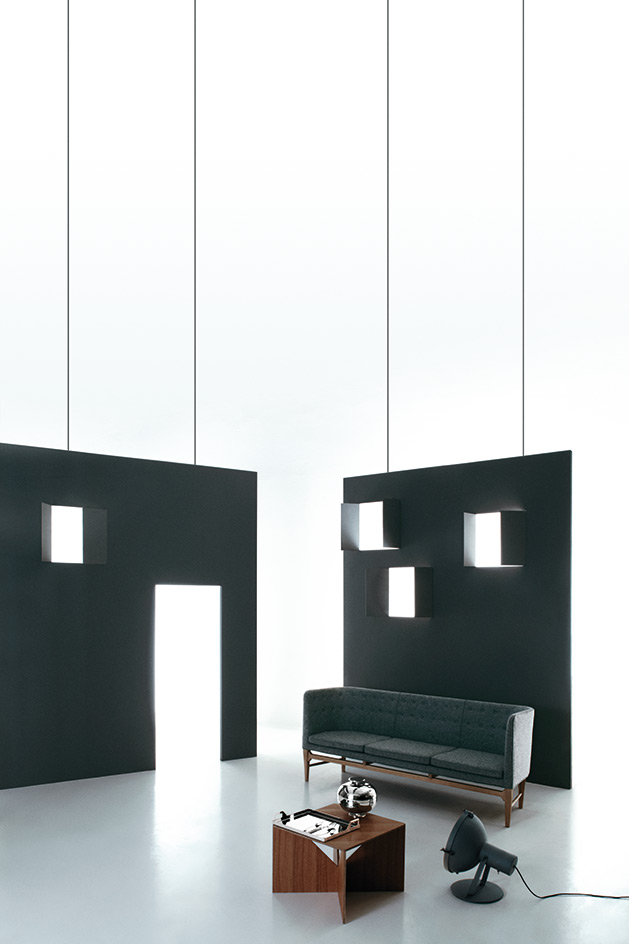
The 'Best Reissues' section celebrates the successful reintroduction of classic designs. The 1951 'Calvert' coffee table by Bauhaus architect Ferdinand Kramer was re-released by E15, maintaining its original flat-pack design. Sambonet produced stainless-steel tableware based on unmanufactured 1951 sketches by Giò Ponti, including asymmetric flatware and a unique two-bowl centrepiece. Arne Jacobsen's 1939 'Mayor' sofa, initially designed for Søllerød City Hall, was reissued by &Tradition; featuring a solid oak frame and Kvadrat upholstery. Le Corbusier's 1954 'Projecteur 365' industrial lamp was updated by Nemo Cassina, offering wall, floor, and ceiling models with modern elements developed in collaboration with the Le Corbusier Foundation.
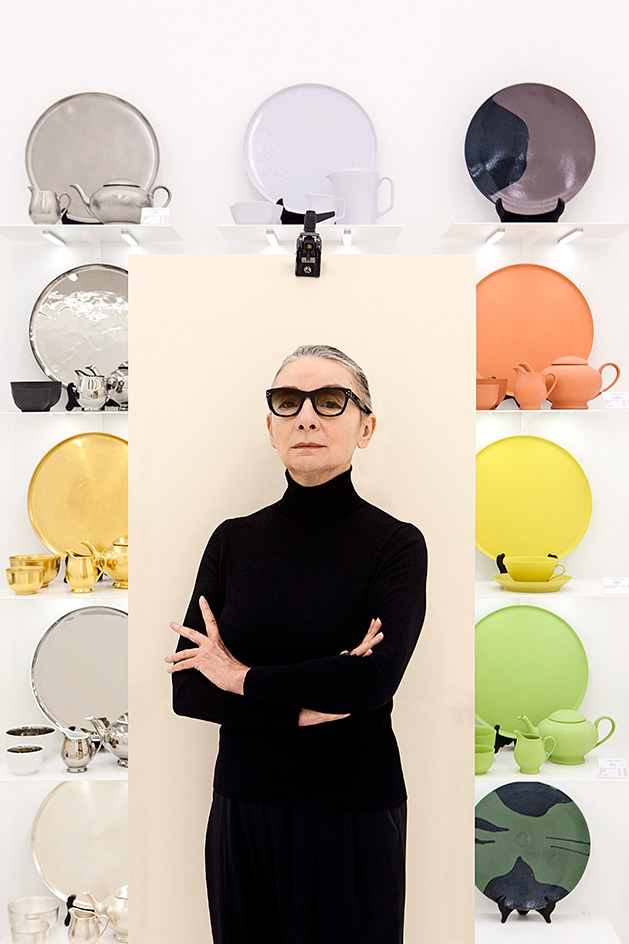
Muriel Grateau was recognized for 'Best Reinvention,' transforming her Parisian gallery into a pristine white space that highlighted her bold ceramic, glassware, and linen collections. Starting as a fashion designer, her work across homeware and jewelry, often in collaboration with figures like Peter Marino and India Mahdavi, continues to define Parisian elegance.
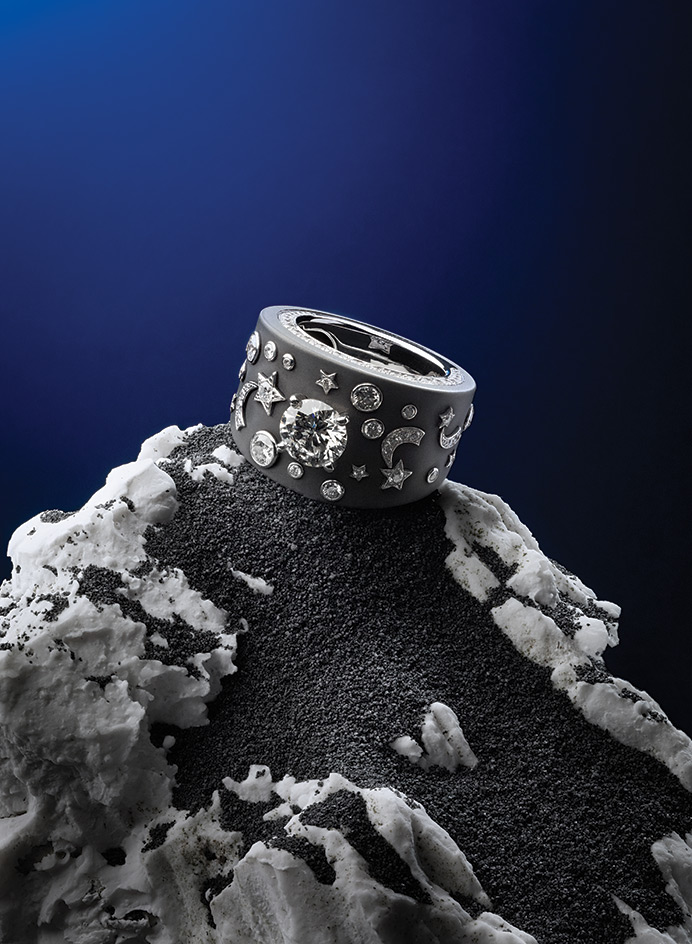
Chanel Fine Jewellery's 'Clair-obscur' ring received an award for 'Best Use of Material,' for its innovative juxtaposition of diamonds with blackened titanium, an industrial material often used in aerospace. This reinterpretation of Gabrielle Chanel's 1932 high-jewelry collection played on celestial themes, echoing the discovery of titanium in meteorites.
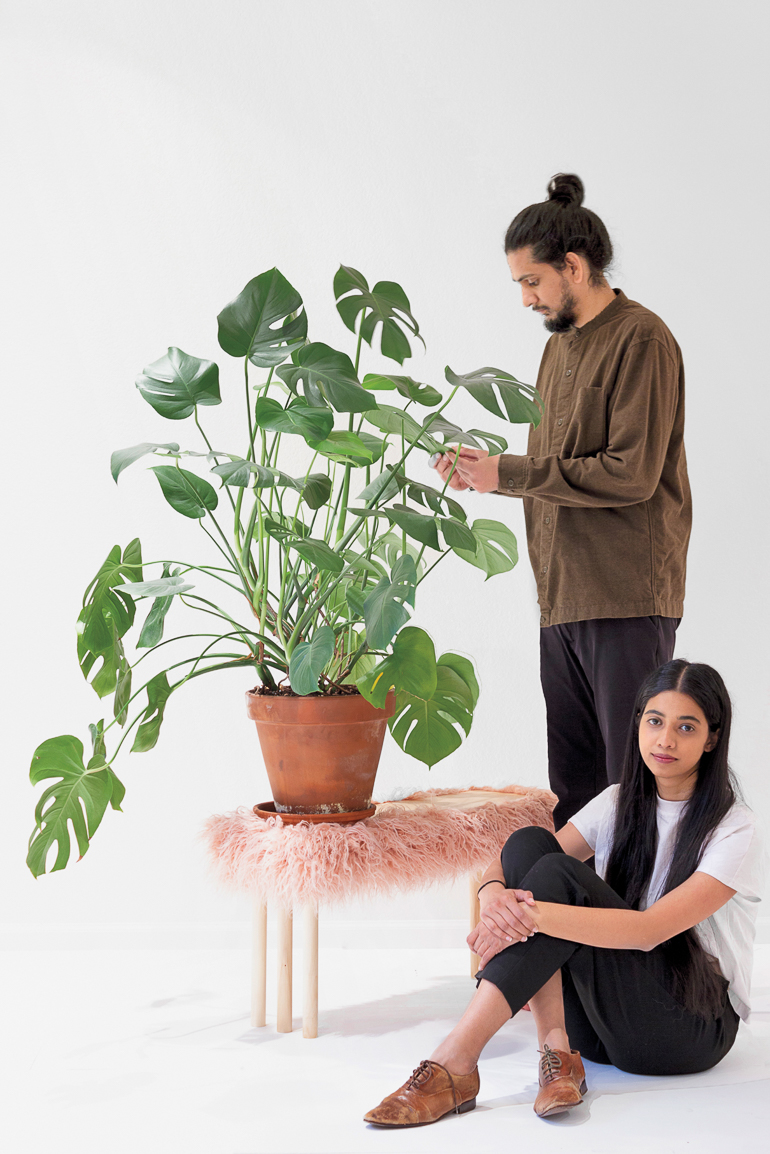
Qusamura in Hiroshima was named 'Best Plant Shop' for its unique approach to botanical sculpture, pairing unusual cacti sourced from across Japan with distinctive pottery. Kohei Oda's vision transforms these plants into sculptural art for the home, emphasizing their unique character.
Minotti's 2012 collection was lauded as 'Best Collection' for its blend of innovation and continuity, showcasing traditional workmanship, sumptuous materials, and a contemporary aesthetic with subtle nods to mid-century and Scandinavian styles. The collection introduced more color and pieces adapted for compact living, such as the 'York Lounge' armchair and 'Sherman 93' sofa.
Cartier's 'ID Two' concept watch was celebrated for 'Best Future Vision.' This unique, not-for-sale timepiece featured a transparent case made from a single block of new-generation ceramic, vacuum-sealed to enhance reliability. It represents Cartier's commitment to pushing technological and aesthetic boundaries, with its innovations expected to influence future watch designs.
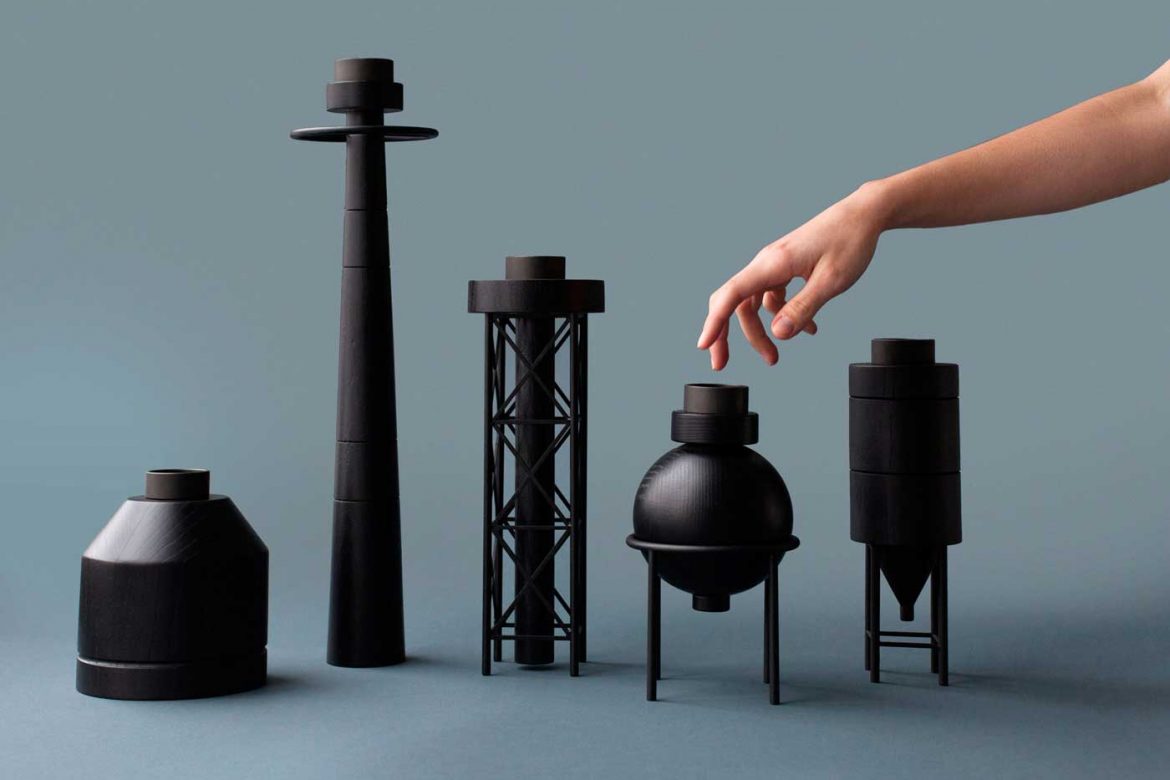
The 'Best Finishing Touch' category recognized beauty essentials: Comme des Garçons' 'Amazingreen Eau de Parfum' for its green and spicy scent, Chantecaille's 'High Definition Perfecting Powder' for creating a flawless complexion, Matylda Krzykowski's 'Borste & Horne' brushes and pans for their contemporary design, and Shu Uemura Art of Hair's 'Essence Absolue Nourishing Protective Oil' for hair care.
The Faculty of Pharmaceutical Sciences at the University of British Columbia by Saucier + Perrotte Architects and Hughes Condon Marler Architects won 'Best Lab.' Its design, inspired by a cubist tree, features a façade of variegated glass boxes and a central atrium, creating a striking and functional space that connects with its natural surroundings.
'Best Comfort Food' was awarded to Jacob's Pickles in New York for its blend of Southern soul food and East Coast pickle culture, and Häagen-Dazs' limited-edition 'Ice Moons' created in collaboration with London designers Doshi Levien, which featured moon-shaped, layered ice cream bombes. The 'Best Cover-up' category highlighted power outerwear brands: Herno, Sealup, CP Company, and Hancock, all recognized for their technical innovation, sharp silhouettes, and quality materials. 'Cartesia' by Nosigner for MSY, a chest of drawers named after René Descartes, was recognized as 'Best Bottom Drawer' for its effortless mechanics, graphic design, and two-directional opening. The 'Best Groom' products included Baxter of California's cut-throat razor, Ursa Major's 'Stellar Shave Cream,' Blind Barber's '90 Proof Pomade,' and Yang Ripol's innovative shaving brush with a magnetised stand.
Piaget's 'Altiplano' hard-stone dial watches received 'Best Test of Time,' celebrating the revival of its 1960s and 1970s psychedelic-luxe designs. These timepieces, featuring gem-hued dials, were praised for their blend of fine jewelry and innovative engineering. The Franklin D Roosevelt Four Freedoms Park in New York City, designed by Louis Kahn, was named 'Best Day Out.' This park, completed decades after Kahn's death, offers spectacular views of the Manhattan skyline and serves as a tribute to Roosevelt's vision. Trevor Paglen's 'The Last Pictures' project earned 'Best Mission,' an ambitious artistic endeavor involving 100 photographs etched onto a silicon wafer and attached to a satellite, intended as a message to extraterrestrial life. Daikanyama T-Site in Tokyo by Klein Dytham and Kenya Hara was celebrated as 'Best Bookshop,' a multi-pavilion complex designed to appeal to an older demographic but attracting a broad audience with its extensive collection and unique lounge bar. Bulthaup's 'B3' drawer fitting system won 'Best Storage' for its customizable inserts and organizational features within kitchen drawers. Roca's 'In-Tank Meridian Toilet' and CEA's 'Hydroplate' were jointly awarded 'Best Loo' for their innovative, space-saving, and hygienic designs. Le Sergent Recruteur in Paris, redesigned by Jaime Hayón, received 'Best Fixer-Upper' for its transformation into a modern European rural restaurant. Piquadro's 'Coleos' backpack was named 'Best Bag' for its advanced compartmentalization and expandable design, catering to the needs of the urban individual. The Alpina Gstaad in Switzerland was recognized as 'Best Winter Retreat' for its luxurious blend of traditional and contemporary design, including its Six Senses Spa and Japanese restaurant. Finally, the Shenzhen Stock Exchange by OMA and Cais Das Artes in Brazil by Paulo Mendes da Rocha and Metro Arquitetos were highlighted as 'Best Building Sites' for their architectural audacity and cultural significance. Casa Till in Chile by WMR Arquitectos received 'Best Getaway' for its remote location, minimalist design, and breathtaking sea views.
#DesignAwards #InteriorDesign #Architecture #ProductDesign #Fashion #Technology #Watches #Jewellery #UrbanPlanning #Travel #FoodDesign #DesignAwards #InteriorDesign #Architecture #ProductDesign #Fashion #Technology #Watches #Jewellery #UrbanPlanning #Travel #FoodDesign
0 comment in total
 No comments yet
You may also like
Design Awards 2013: best of the rest

The winners of the Homes & Gardens design awards product category have been announced

These Are The Top Design Trends Worth Trying

Look Inside 12 of the Coolest Homes Around Washington
Best Of Year Awards 2024: Testimonials And Awards Details

Verdant Hues Enliven the 2024 Academy Awards Greenroom
Good design deserves time
Interior Design’s 34th Hall of Fame Celebrates the Super Originals of Design

The best talents in design by iF Design Awards 2022
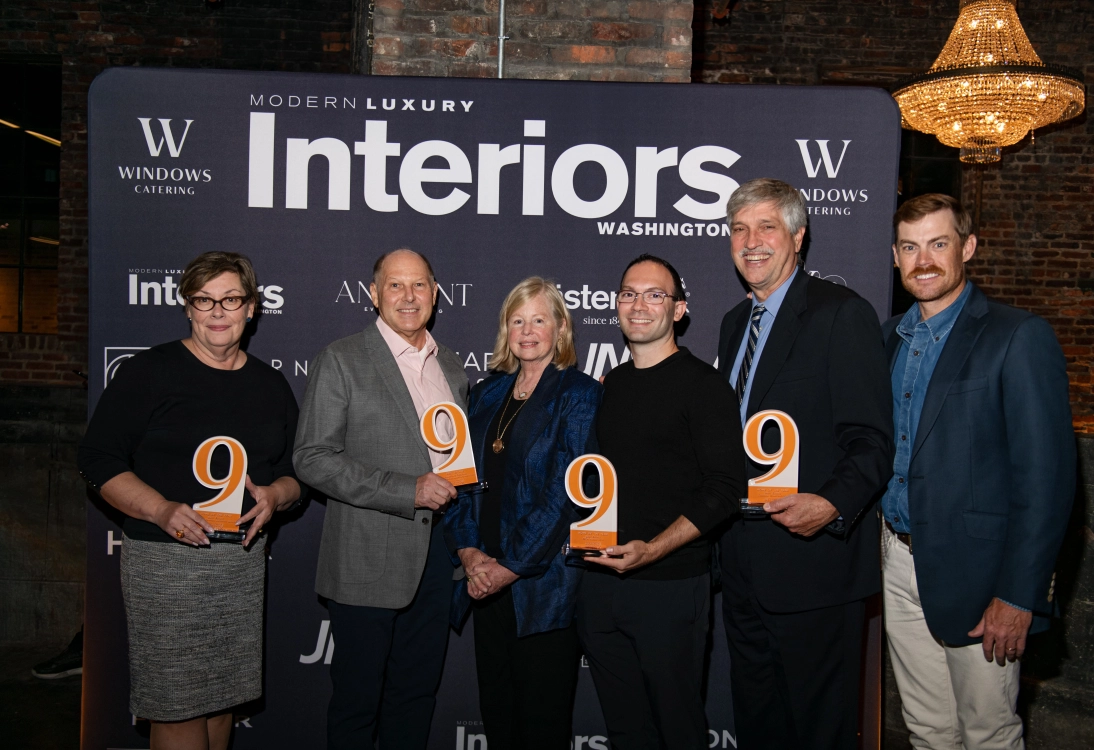
Interiors Washington Design 9 Celebrates Local Talent
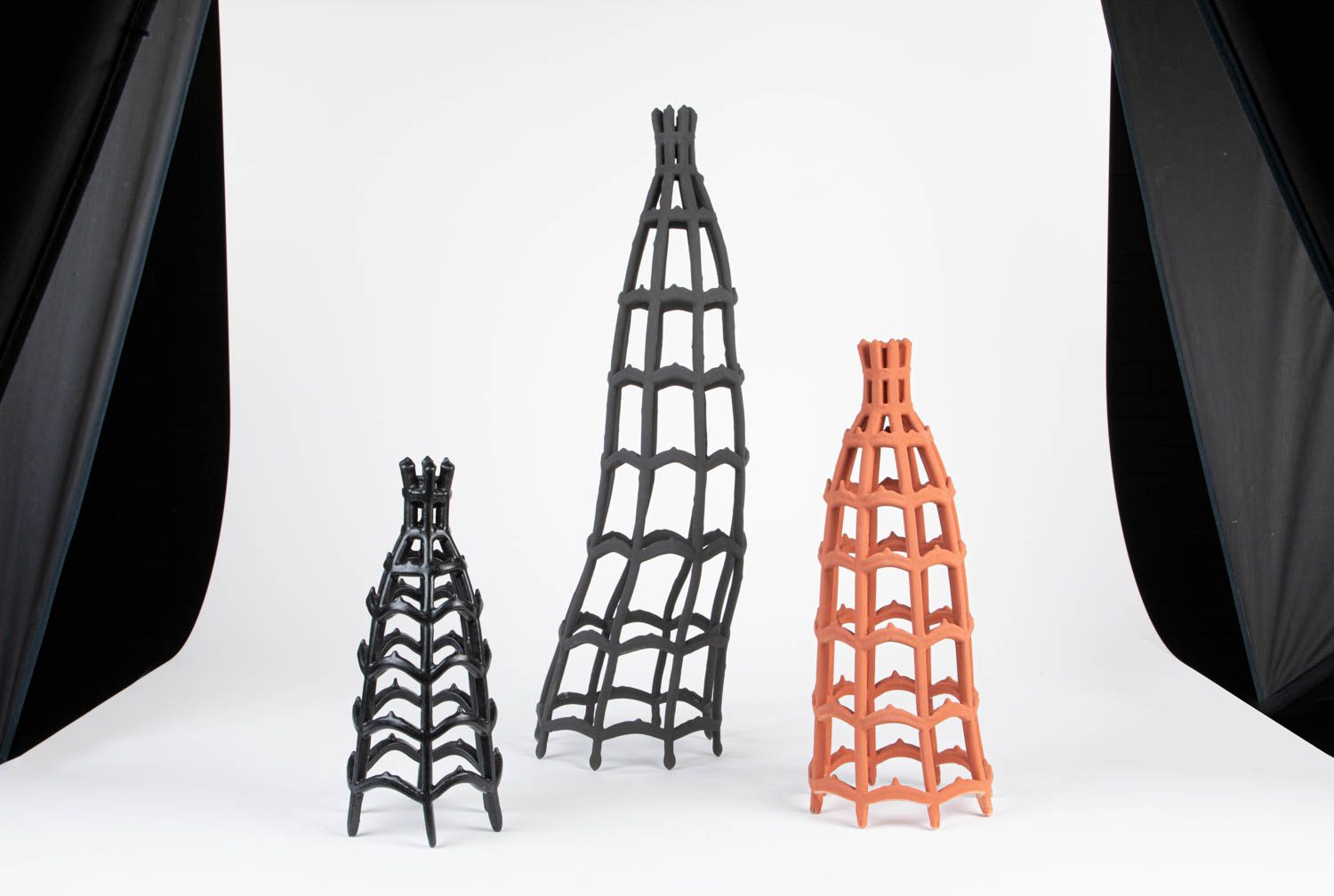
Maison&Objet Highlights Dutch Design Through Rising Talent Awards Program
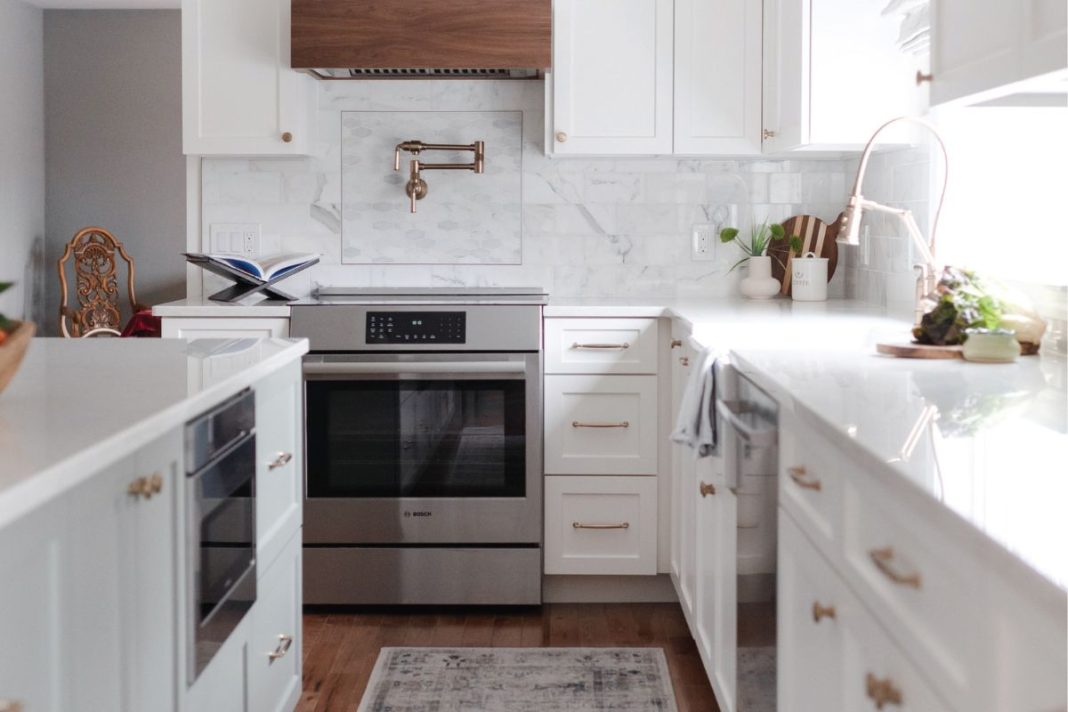
These Are Hudson Valley's Home Design Awards Winners in 2025

Outstanding In-House Design Team Finalists
Core77 2011 Year in Review: Fine Furniture, Brilliant Lighting and Design from Around the World

Our unmissable highlights at London Design Festival 2025

15 Rising Stars of Product Design

San Diego Magazine’s Home + Design Awards 2025


Call for Entries

The Best New Bed and Bath Products of 2024

10 Internationally Recognized Ukrainian Designers You Probably Don’t Know