1/5
Hedi Slimane’s store designs ramp up retail at Celine
Following his appointment as creative director at Celine, Hedi Slimane has swiftly implemented his vision, significantly transforming the luxury brand. His initiatives include removing the accent from the brand's 'e', introducing menswear lines, and reshaping womenswear. A cornerstone of this transformation is the global rollout of his new retail concept, driven by Celine's CEO Séverine Merle's strategy to expand the brand's footprint with larger flagship stores capable of showcasing the broadened menswear and womenswear collections.
This expansion began in March with a 5,000 sq ft New York flagship and two new addresses in Paris: a remodelled two-storey space on rue de Grenelle for both menswear and womenswear, and the brand’s first dedicated menswear flagship on rue François 1er. By mid-April, new boutiques had opened in major cities including Tokyo, Shanghai, Los Angeles, Madrid, Milan, and London, with a Beijing store slated for later in the year.
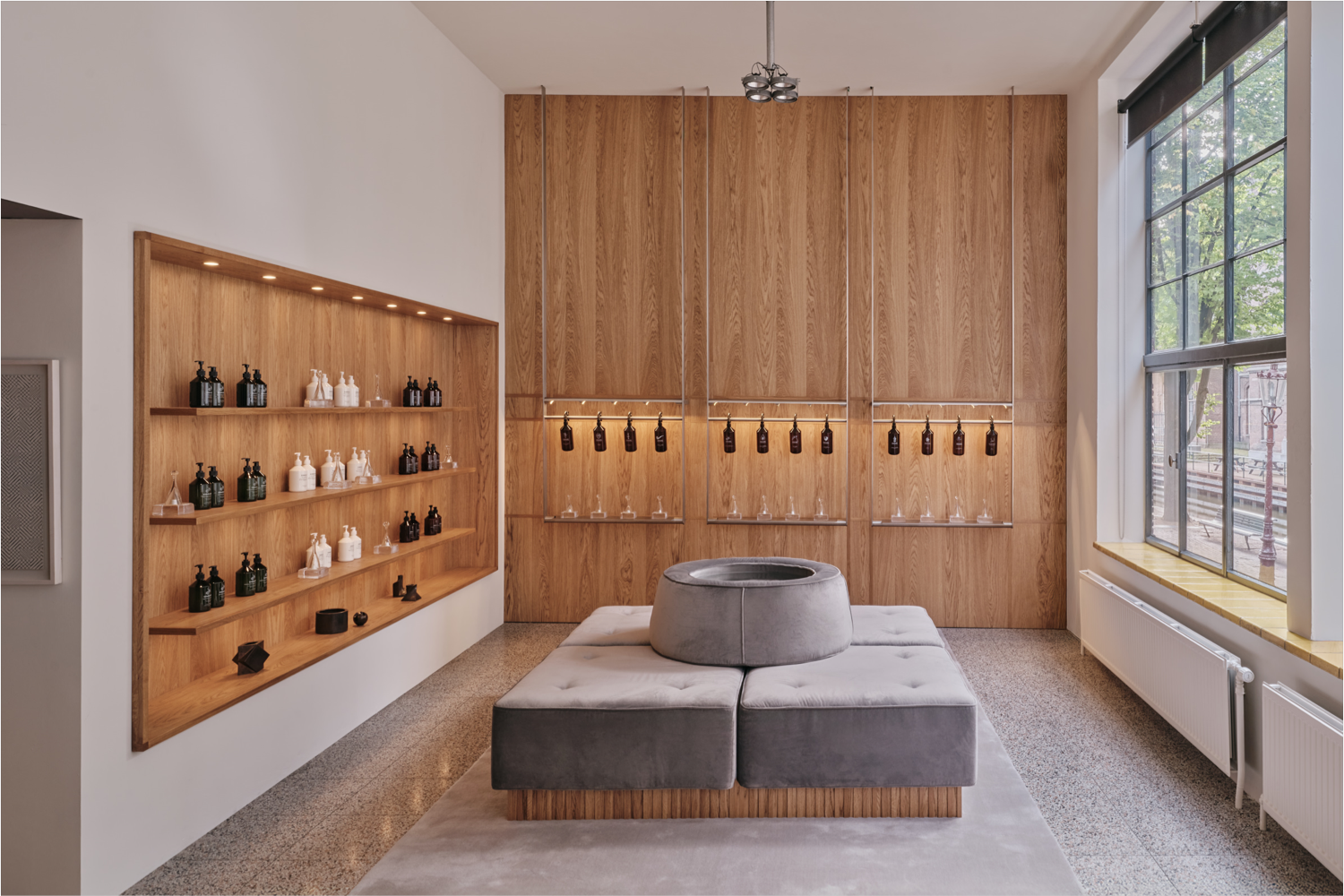
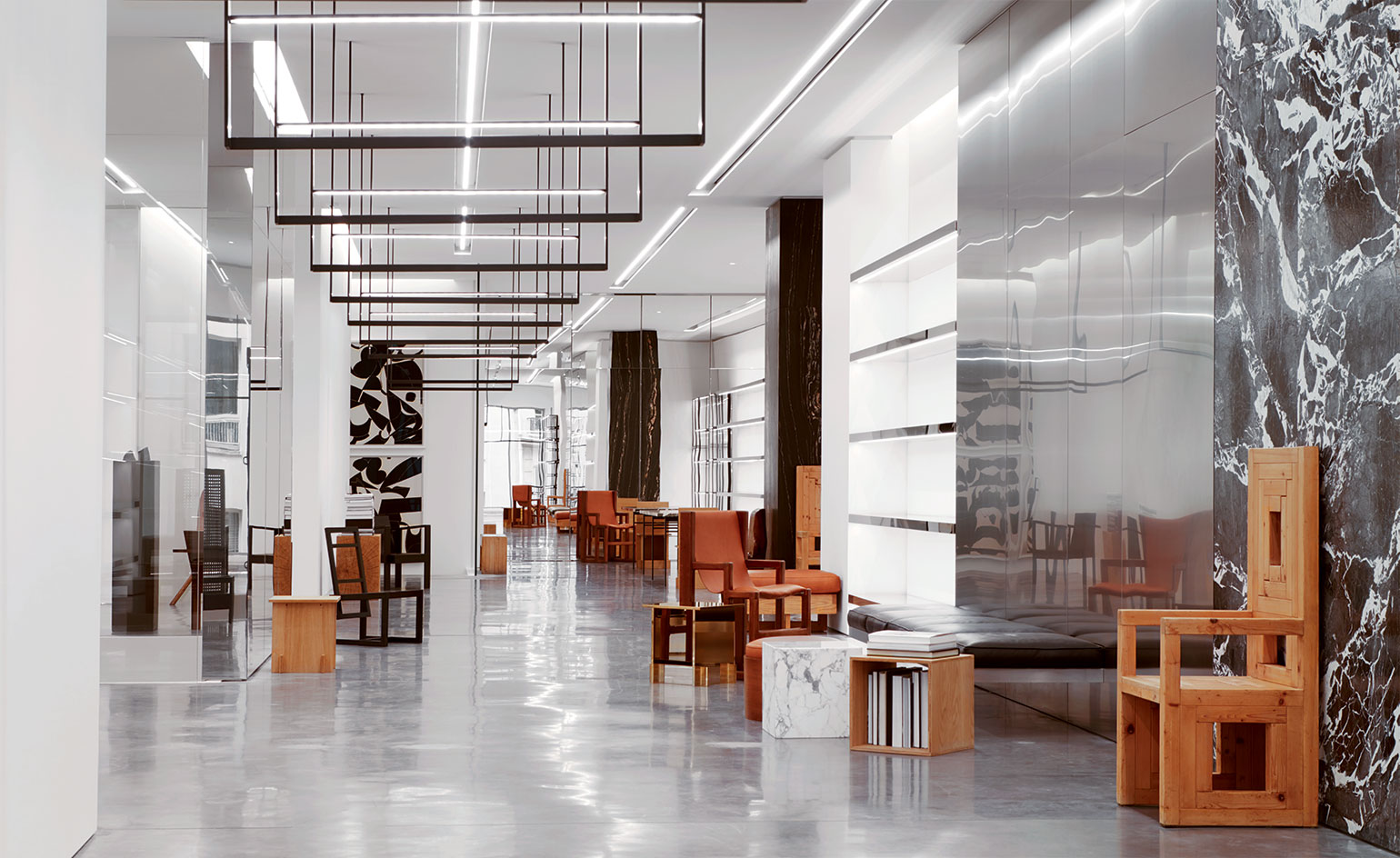
Each store, designed in collaboration with Celine’s in-house team, possesses a unique character while adhering to common design principles. A strong emphasis is placed on natural stone and bold materials, with massive, richly veined slabs of marble, granite, and travertine adorning walls, shelves, and columns. Basaltina lava stone covers the floors. These materials, with their contrasting patterns, are reflected in large mirrors and steel surfaces, creating a visually dynamic environment. Reclaimed oak, alongside wood and leather furniture, introduces warm brown accents that complement the sleek black-and-white palette. Many surfaces, such as the creamy Bianco Raffaello marble and ginger-veined black granite, are noted for their smooth, tactile qualities, inviting touch and offering a departure from the typical coldness associated with stone.
Slimane's architectural style is characterized by rigorous lines, evident in the intersecting seams of concrete floors, parallel shelving, and rectangular metal displays. Despite this precision, the designs maintain a sense of weightlessness; display cases and shelves appear to hover, and materials, like brushed steel and Grande Antique marble, are positioned in close proximity without directly touching. This creates an effect of suspension and delicate interaction between elements.
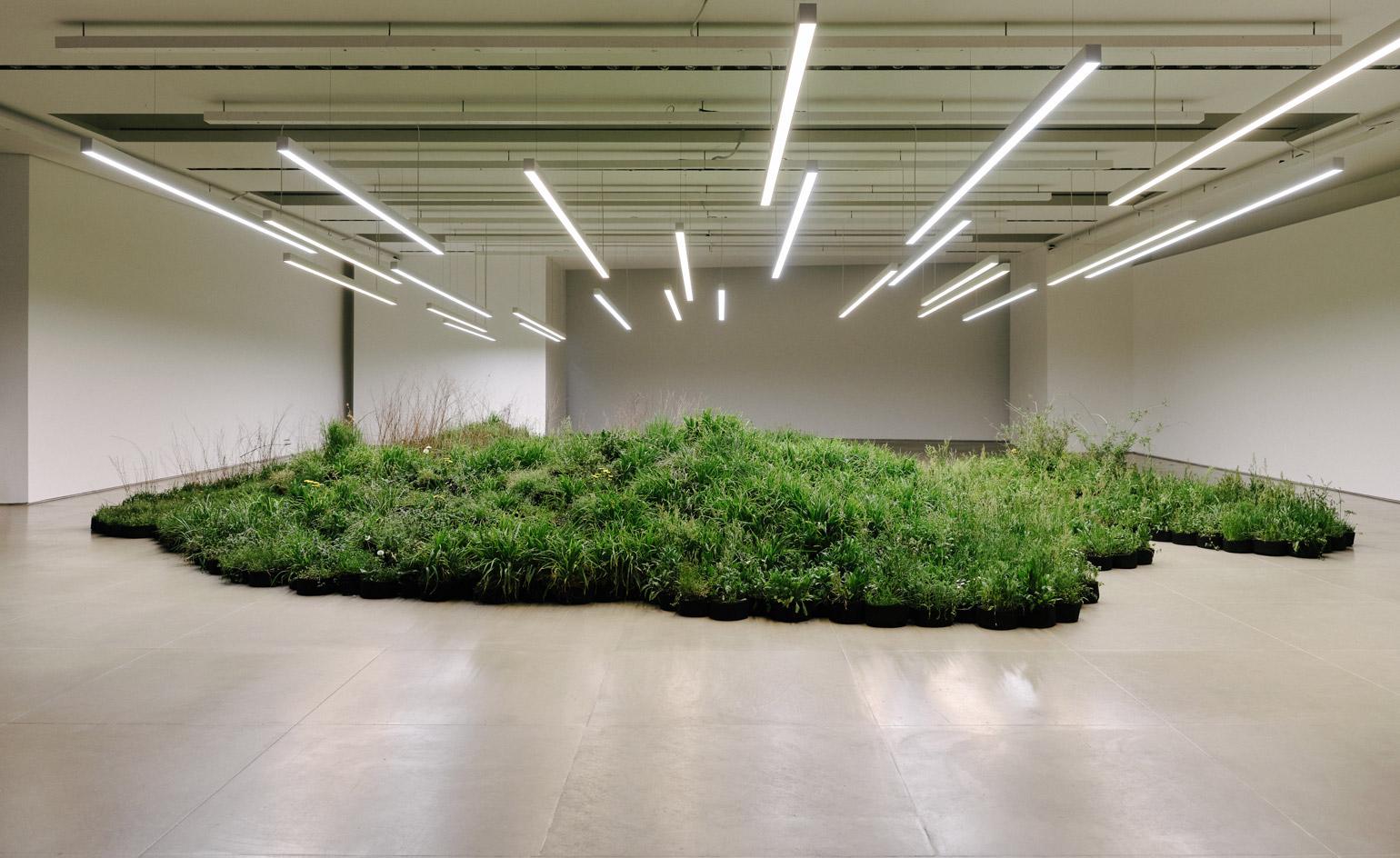
The stores also feature a new collection of furniture designed by Slimane, alongside vintage 1960s and 1970s pieces that highlight French woodworking. Slimane’s furniture, primarily made from light or dark plywood, is minimalist and evokes the simplicity of children's building blocks or primitive thrones, with future plans for retail. A significant aspect of the new concept is the Celine Art Project, which integrates contemporary artworks by established and emerging artists. These pieces, either acquired or commissioned, add another layer of sensory engagement; examples include Rindon Johnson’s yellowed rawhide cube wrapped in rope and Shawn Kuruneru’s ink-and-acrylic paintings that echo the marble patterns. The rue de Grenelle store's centerpiece is a site-specific installation by Oscar Tuazon, reflecting Slimane's commitment to combining global brand strategy with a passion for supporting young talent in music, art, and creativity.
#HediSlimane #Celine #RetailDesign #LuxuryFashion #StoreArchitecture #InteriorDesign #MaterialSelection #ArtIntegration #FurnitureDesign #HediSlimane #Celine #RetailDesign #LuxuryFashion #StoreArchitecture #InteriorDesign #MaterialSelection #ArtIntegration #FurnitureDesign
0 comment in total
 No comments yet
You may also like

Daniel Lalonde’s future vision for Design Holding

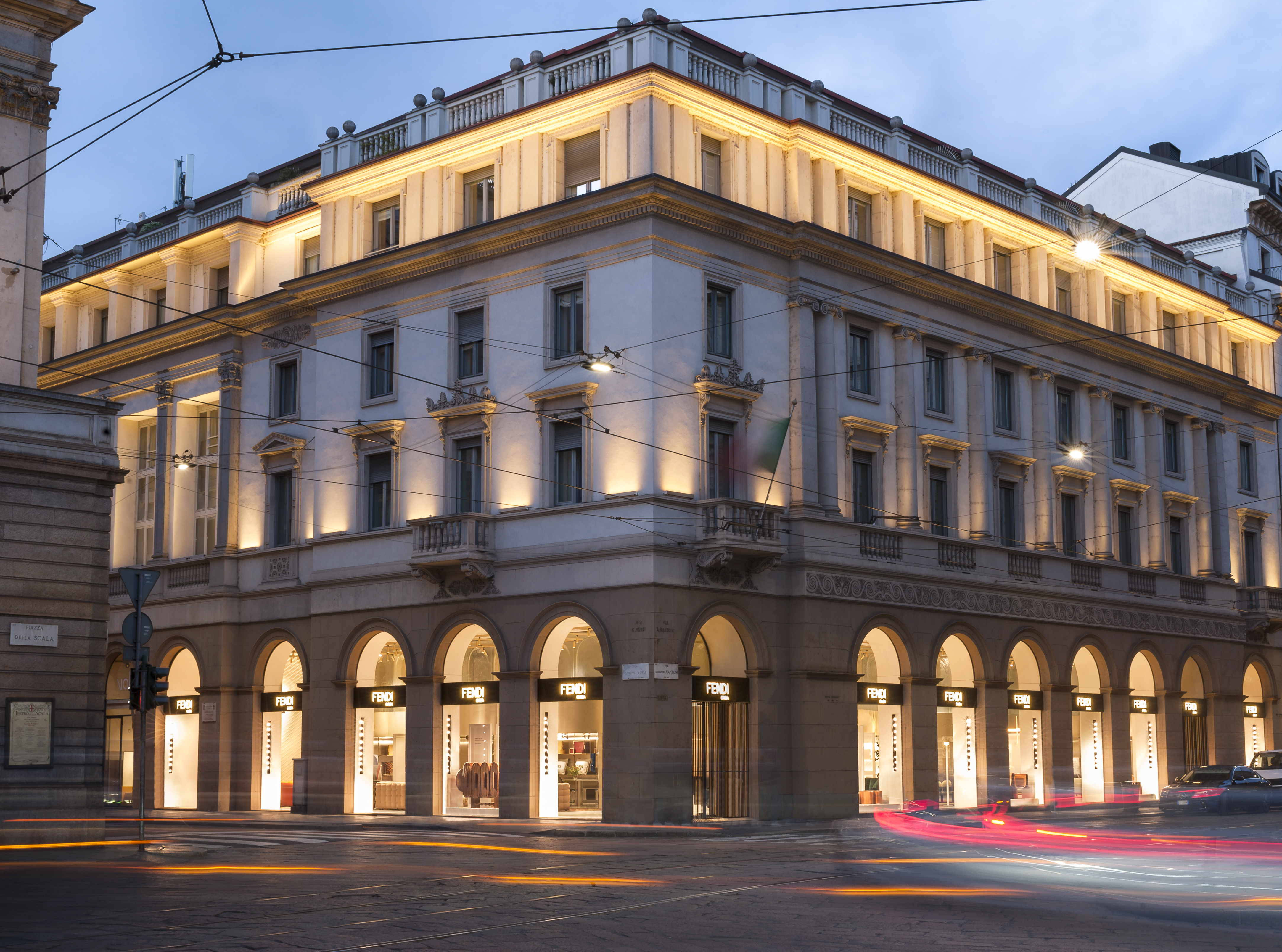
Design Holding CEO Daniel Lalonde on the group’s mission to innovate and inspire
These Jewelry Stores Extend the Design Concept Into the Restroom

The Artful Life: 6 Things Galerie Editors Love This Week

Celine Interior Design: The Luxury Interior Design Company Is Set To Open Its Doors In Dubai And Riyadh In 2024

Nakhla Brand Store / Yasmina Makram


David Heiman | Sales Director | Agora

Meet Josniel Fiallo | President
Ralph Lauren Opens a Luxury Concept Store in Miami’s Design District
Dominion Lighting Shines Light on Redesigned Chantilly Showroom
Jil Sander's dedication to Japanese denim in Milan
Amsterdam: 1.3.5_c store opening | superfuture®


Can Design Holding become the LVMH of home?

Mytheresa Expands Into the Home with a New Luxury Design Shopping Destination

Champagne and caramel: Hermès’ delectably hued Hong Kong boutique

7 Aldi Home Finds Shoppers Call "Luxury for Less" This Week

Yinka Ilori Gains Momentum With Commercial Textiles + Wallcoverings

Why This Acclaimed Architectural Firm Just Designed An "Energetic Experience" In SoHo

A Boulder-Based Furniture Firm Is Taking Its Showroom on the Road

Valentino Sets Up Shop in Shanghai