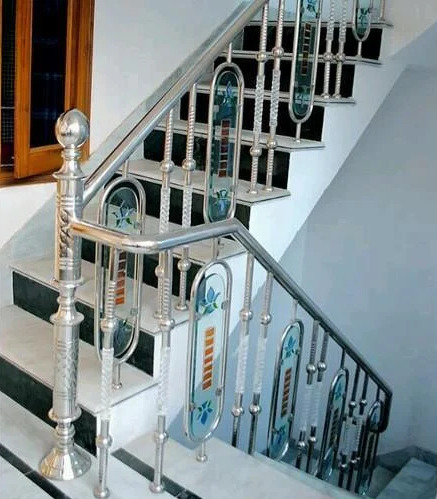
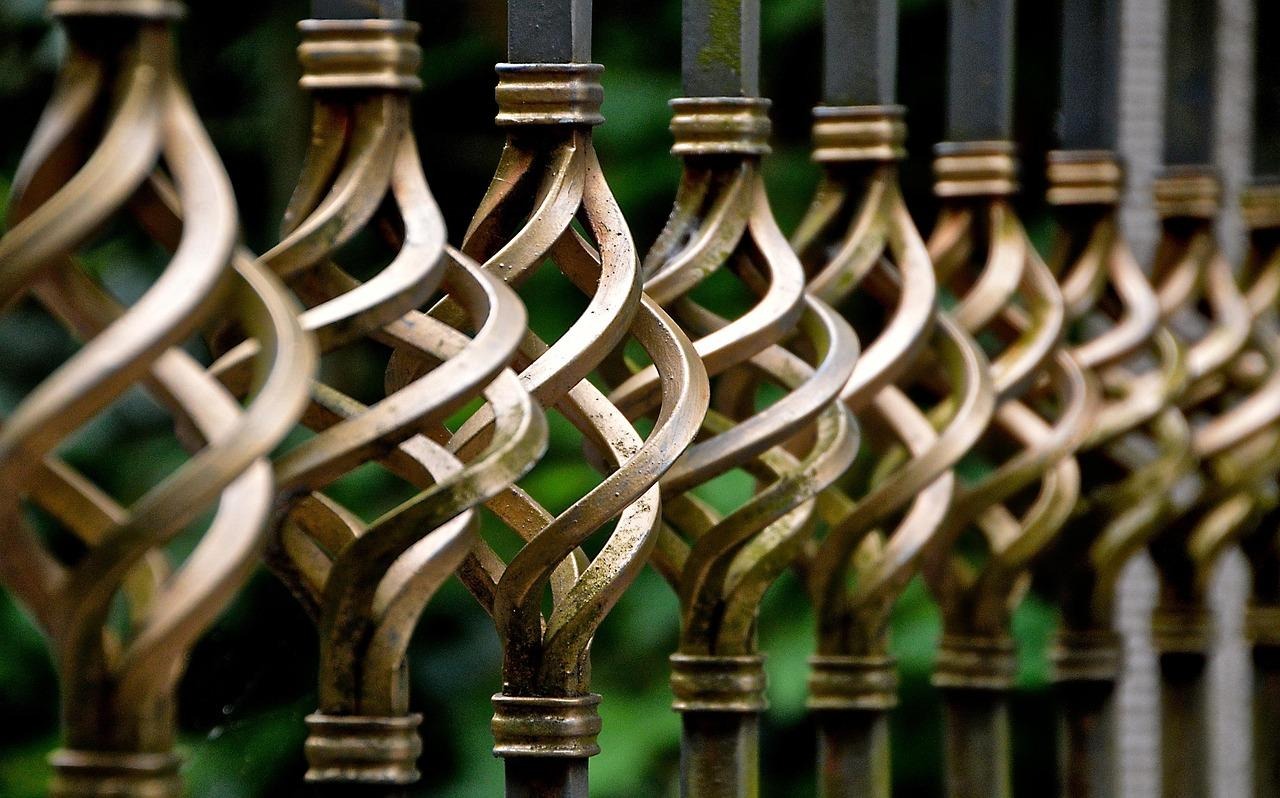
Install Metal Railings to Improve Your Property: A Guide to Durable Ones.
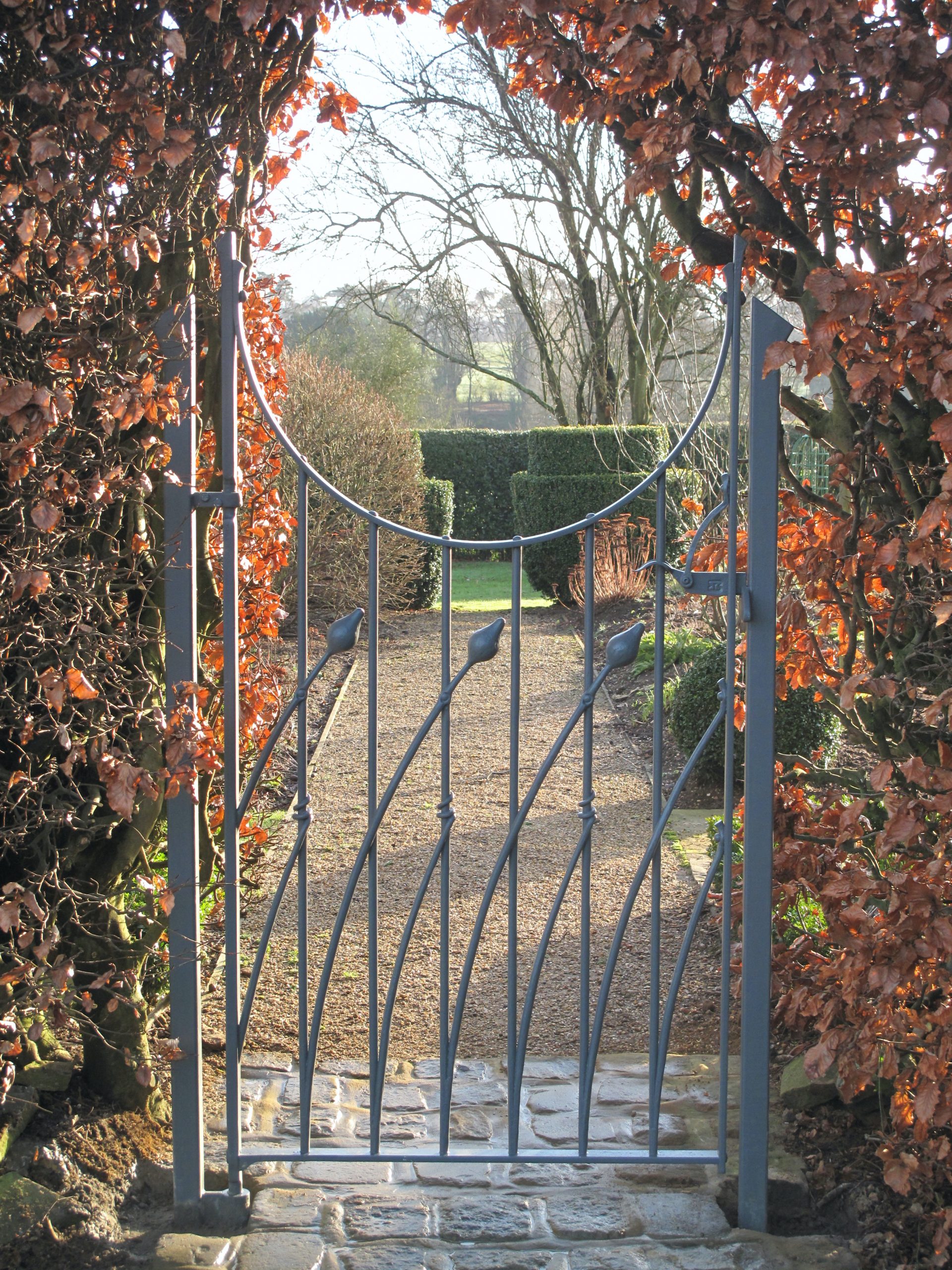
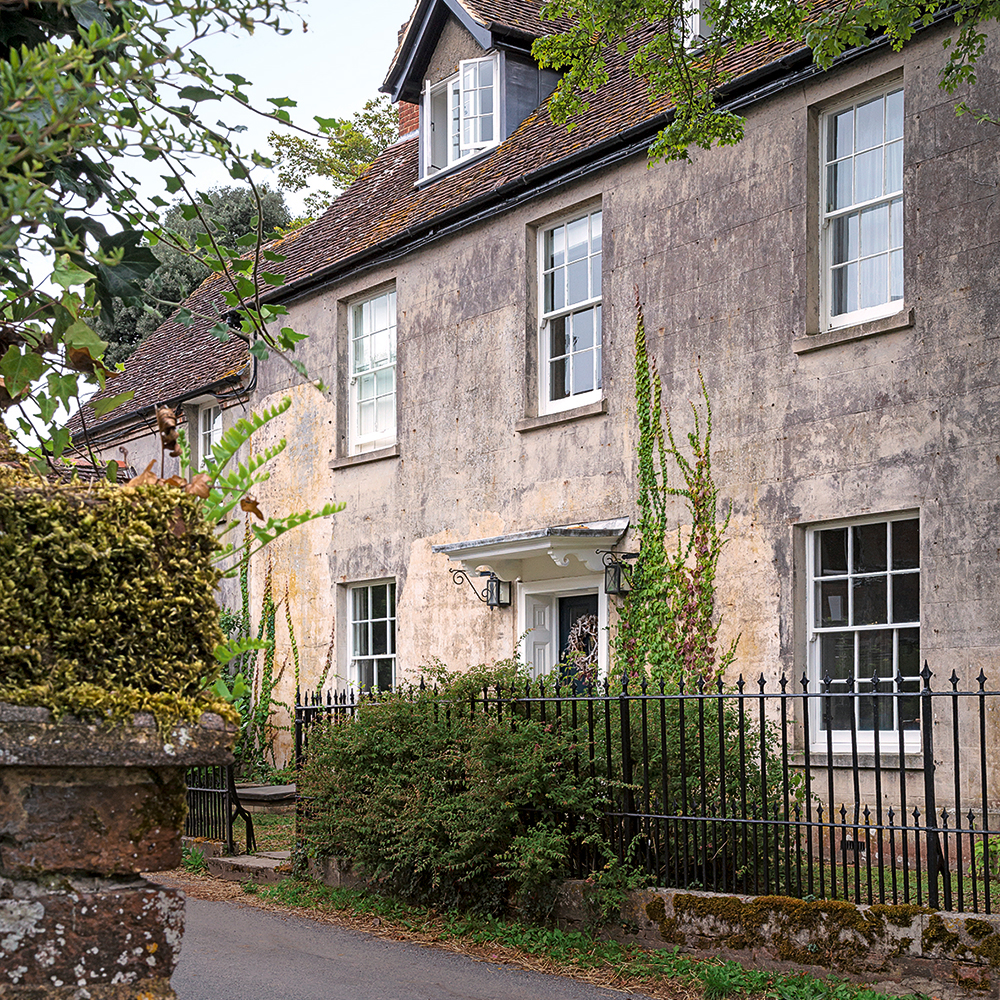
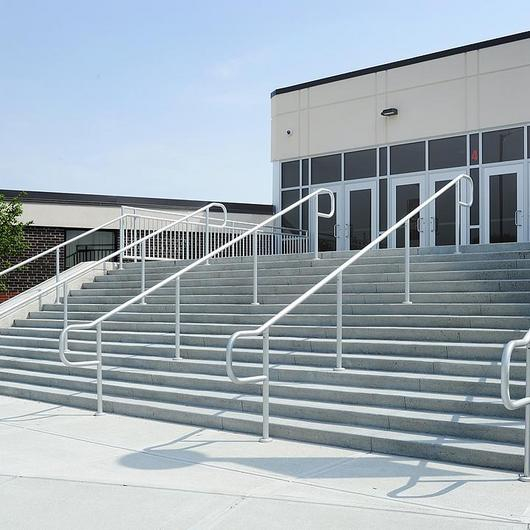
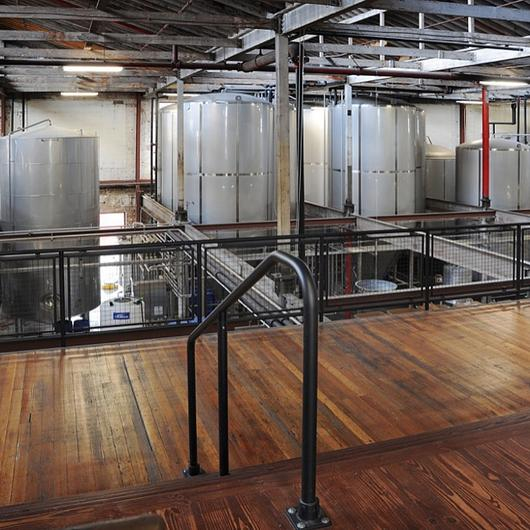
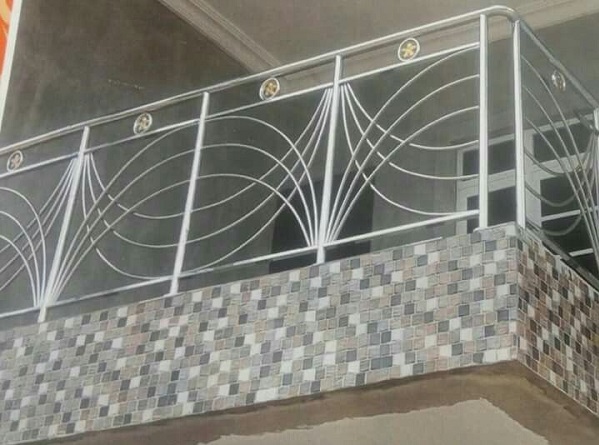
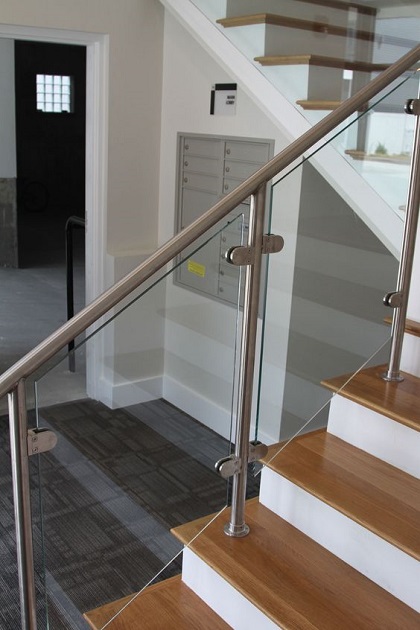
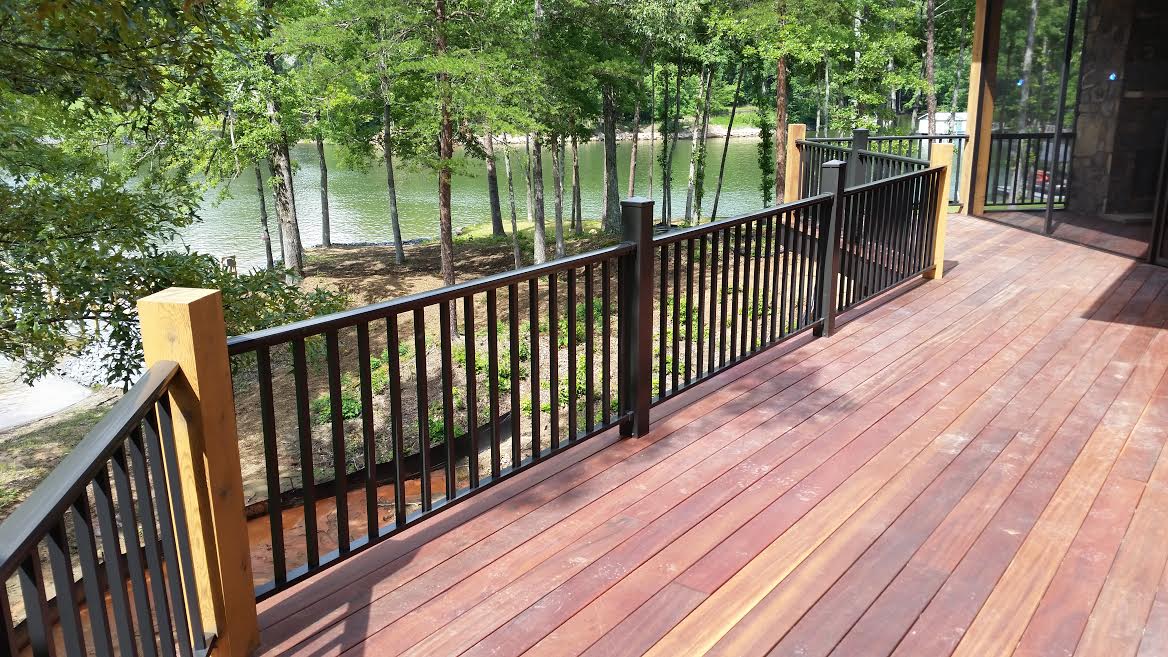
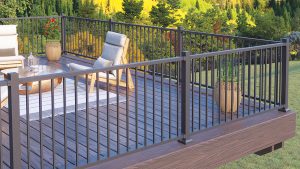
Metal railings serve as robust barrier systems, commonly fabricated from steel, wrought iron, or aluminum, and are installed in residential or commercial settings to enhance security and aesthetic appeal. These railings are instrumental in defining boundaries, upgrading terraces, or demarcating paths, significantly improving a property's appearance and providing long-term functionality. The benefits of choosing metal railings are multifaceted, primarily centering on their durability, security, aesthetic flexibility, and low maintenance requirements. Metal substances, especially when galvanized or powder-coated, exhibit exceptional resistance to weather conditions and maintain their strength over time. As a security measure, they effectively prevent unauthorized access and define property borders. Aesthetically, metal railings offer a broad spectrum of designs, ranging from classic wrought-iron patterns to contemporary minimalist steel configurations. Furthermore, properly installed metal railings demand less maintenance compared to their wooden or plastic counterparts.
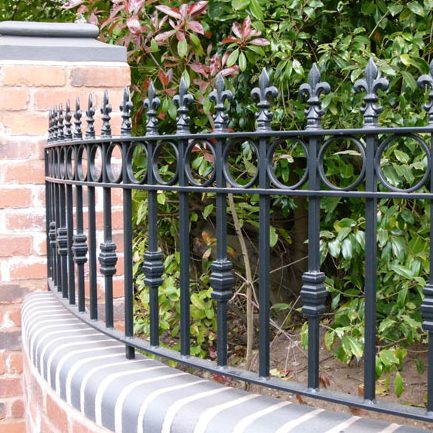
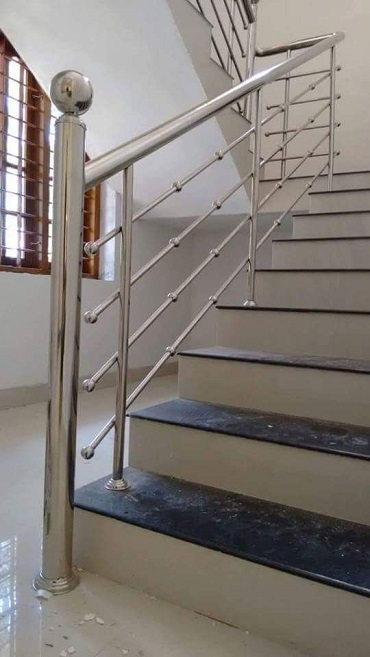
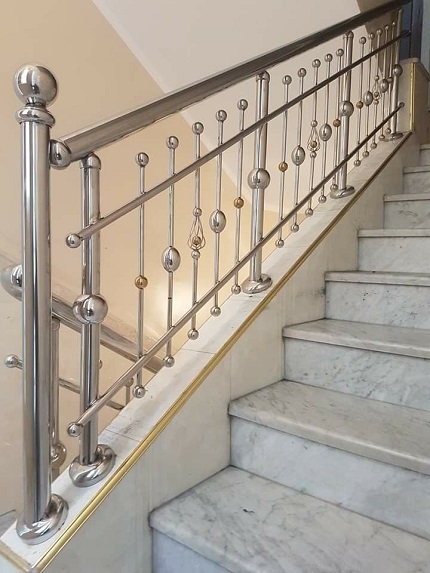
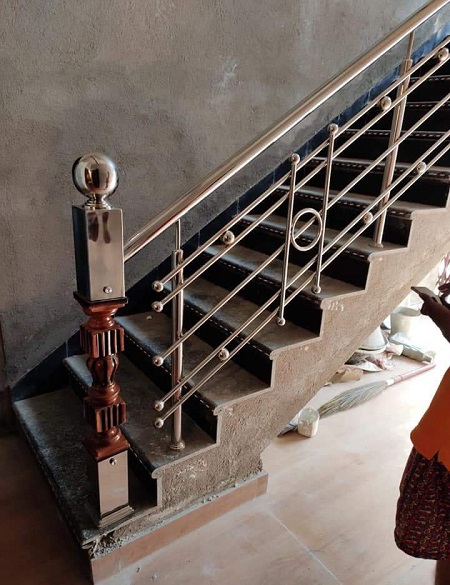
Several popular styles of metal railings cater to diverse preferences and architectural contexts. Bow-top railings feature rounded top profiles, offering a softer yet strong appearance. Vertical-bar railings present a traditional, straight-up design, prioritizing visibility and security. Flat-top railings provide a modern look with clean, horizontal lines, while ball-top railings incorporate ornamental heads on vertical bars for a classical touch. Each style is suitable for different applications, from home gardens to commercial frontages and estate boundaries. The choice of material and finish is crucial for the longevity and performance of metal railings. Galvanized steel, with its zinc coating, offers excellent rust resistance, significantly extending the product's lifespan. Powder-coated finishes provide both aesthetic versatility through various colors and enhanced corrosion protection. Pre-galvanized or pre-treated steel components, partially secured at the factory, may require additional on-site finishing. The right combination ensures that metal railings are not only attractive but also enduring against environmental elements.
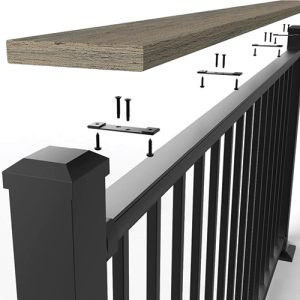
Selecting the ideal metal railings involves considering several factors, including purpose and location. Railings intended for security barriers or high-traffic areas may necessitate higher specifications. The height and width should be proportionate to the property, with 1.2 meters often serving as a standard height. The choice between bolt-down or dig-in posts depends on ground conditions and accessibility. Compatibility with the existing architectural style of the building and the surrounding environment is also important. While higher specification systems, involving thicker steel and specialized finishes, may be more expensive initially, they generally offer superior durability and performance. Proper installation is paramount for the safety and stability of metal railings. Groundwork requires post holes of correct depth, set in concrete where necessary, with adequate drainage to prevent corrosion. Posts must be straight and correctly spaced to ensure panels or rails fit without undue stress. Fasteners should be stainless-steel or zinc-coated to match the corrosion behavior of the railing material. Post-installation checks are essential to confirm stability, secure panel attachment, and complete finish application.
Even with their low-maintenance reputation, metal railings benefit from regular care to extend their lifespan and preserve their appearance. This includes frequent cleaning to remove dirt, debris, and bird droppings that can cause corrosion. Periodic checks for chips or scratches in the powder-coating or galvanizing are necessary, as these can expose bare steel to rust. Touch-up paint or finish should be applied to seal any exposed areas. Fastening measures should be checked and tightened as bolts can loosen over time. Early detection and treatment of rust, involving brushing off rust, priming, and repainting, are crucial to prevent further deterioration. Well-maintained metal railings can serve for an extended period. Metal railings represent a worthwhile investment over time. Initial costs vary based on material, finish, panel dimensions, and customization. However, their long-term cost is often lower than alternatives like timber or modern treated wrought iron due to reduced maintenance and longer service life. For large-scale installations, modular systems can lower the cost per meter. Given their durability and aesthetic appeal, metal railings can enhance a property's curb appeal and contribute to its overall value.
In summary, choosing the appropriate metal railings for a property necessitates a balance between aesthetics, functionality, and performance. The selection of a suitable style, material, and finish, combined with professional installation, secures the investment. Consistent maintenance practices ensure the railings retain their form and functionality, thereby enhancing boundary security, improving property appearance, and delivering lasting value and longevity.
#MetalRailings #PropertyImprovement #HomeSecurity #AestheticFlexibility #LowMaintenance #InstallationGuide #MaterialAndFinish #Durability #HomeRenovation #MetalRailings #PropertyImprovement #HomeSecurity #AestheticFlexibility #LowMaintenance #InstallationGuide #MaterialAndFinish #Durability #HomeRenovation
0 comment in total
 No comments yet
You may also like
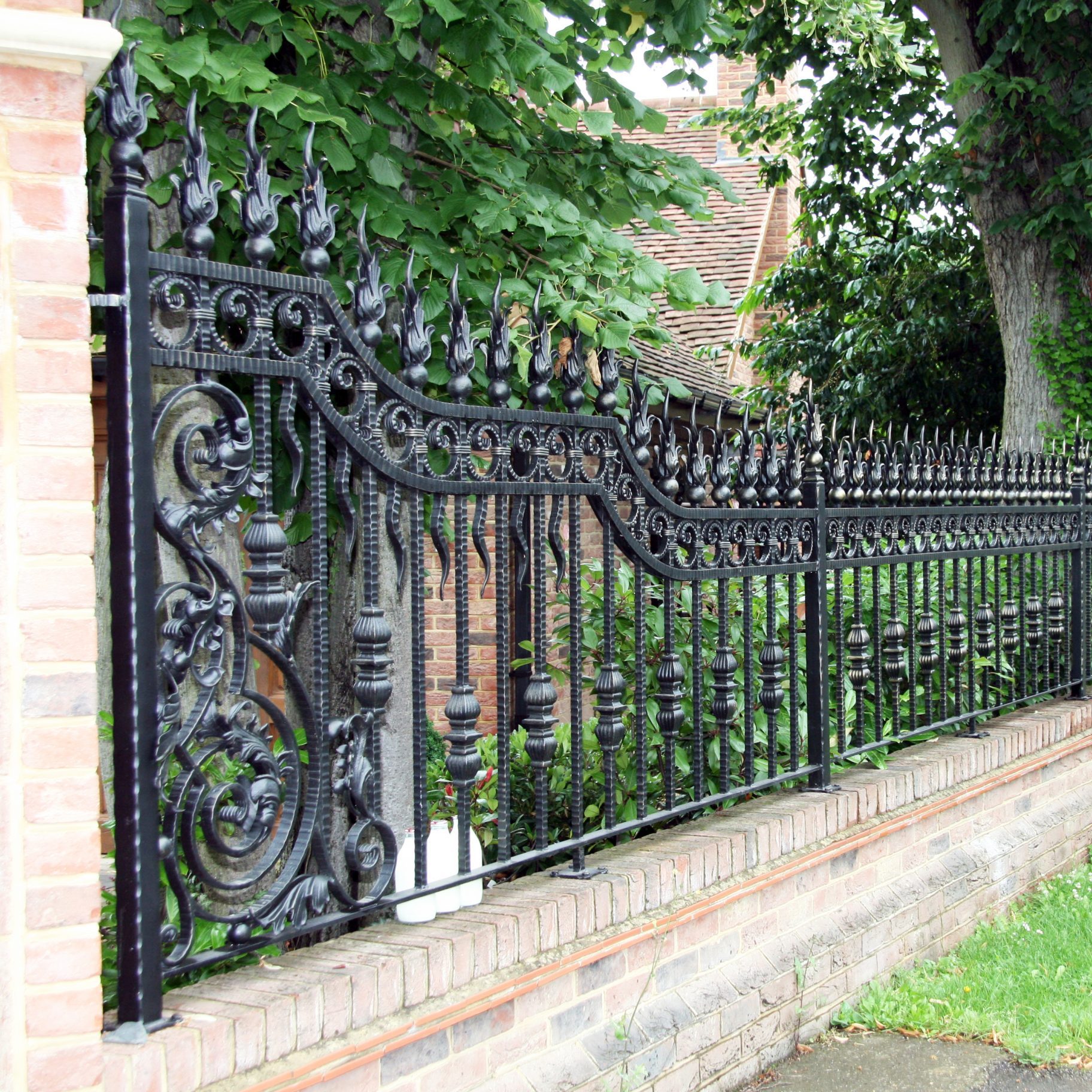
Garden railings and gates – everything you need to know, including whether you need planning permission
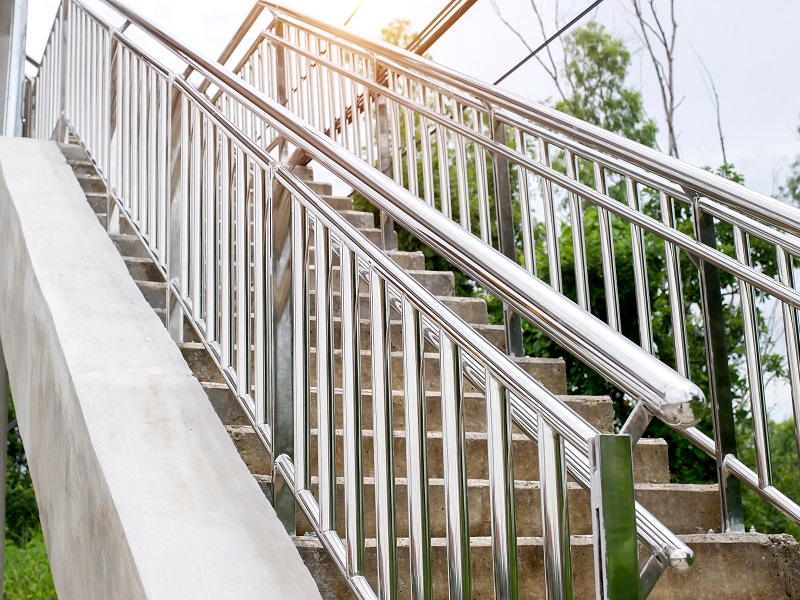
15 Modern Steel Railing Designs For Stylish Home In 2025

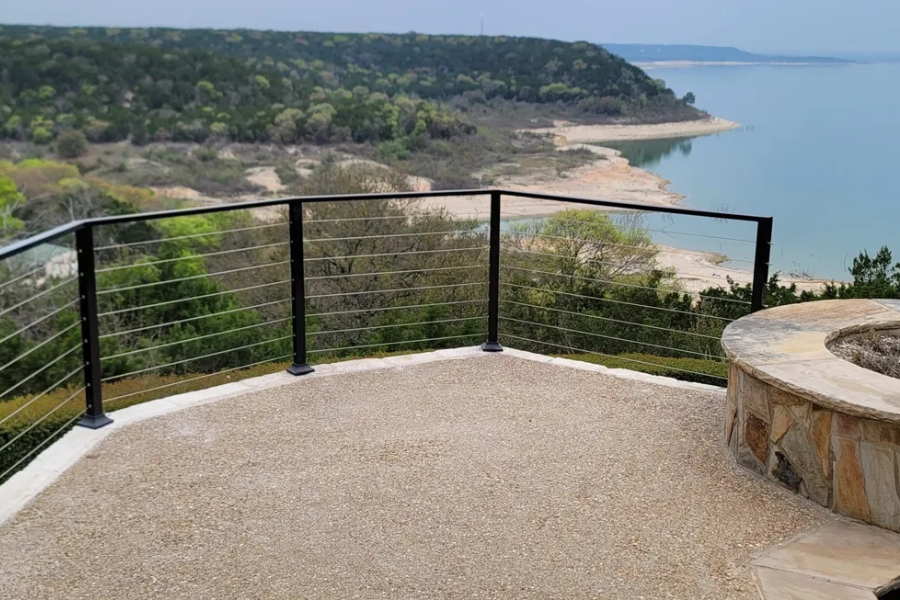
Deck N Cable Railing enhances Austin homes with custom railings, decks, more
PRODUCT PICKS: Nov / Dec 2015

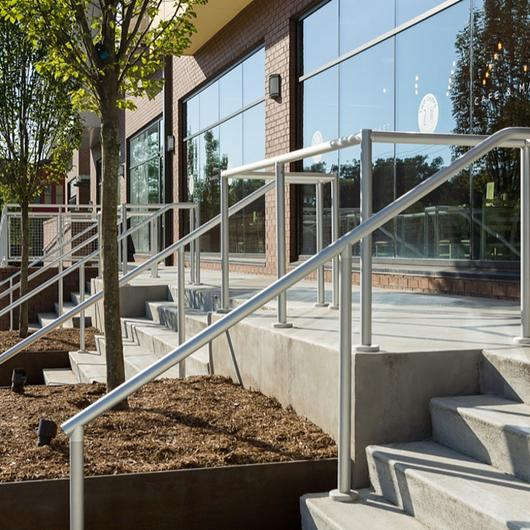
Hollaender Catalog

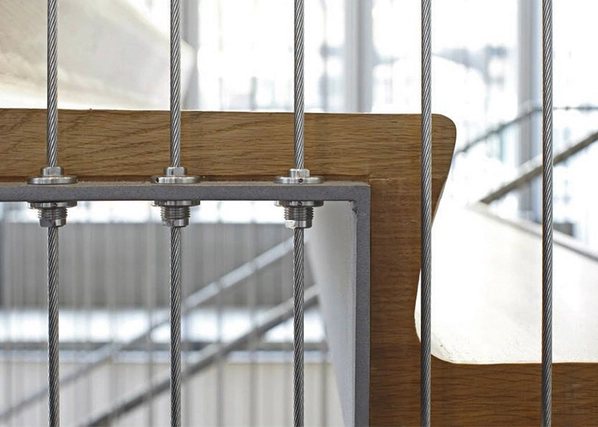
Railing Solutions from Jakob
How to Make Rot-Resistant Deck and Porch Railings
14 Deck Railing Ideas to Upgrade Your Outdoor Space
Builders' Metalwork

What Are the Right Nails for Metal Connectors? A Pro Answers
12 Metal-Clad Contemporary Homes

Deck Railing Fasteners
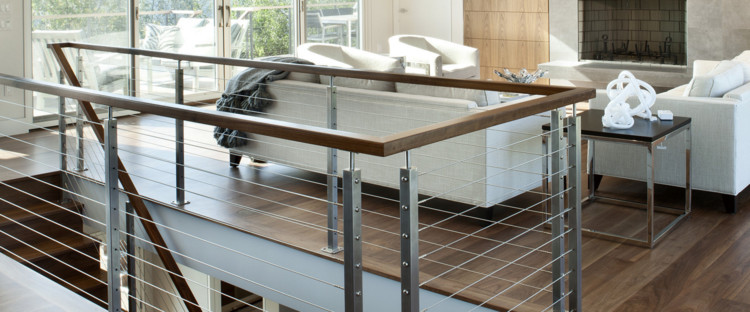
A Stainless Steel Railing System Offers a Lesson in Strength
16 deck railing ideas to spice up your porch or patio

In Depth: Deck Railings & Accessories
20 Modern Steel Railing Designs For Stairs In India 2024
Custom Railing Ideas
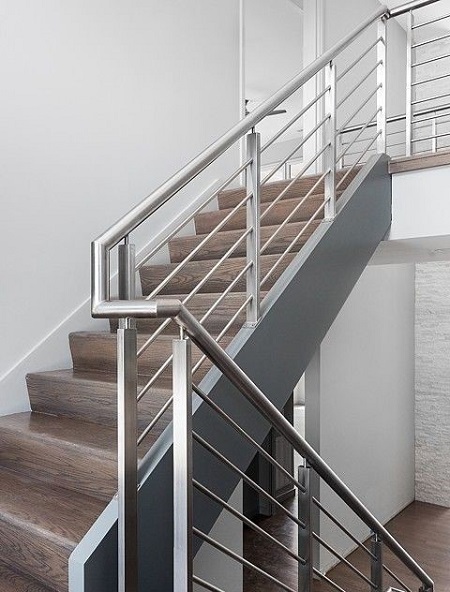
20 Simple & Modern Stair Railing Designs For Home 2024

Sheet Metal
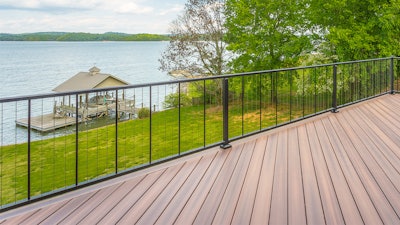
Aluminum Railing is Trending as Homeowners’ Choice for Outdoor Living Spaces