1/13
Piet Oudolf's advice on garden design and creating inspirational outside space
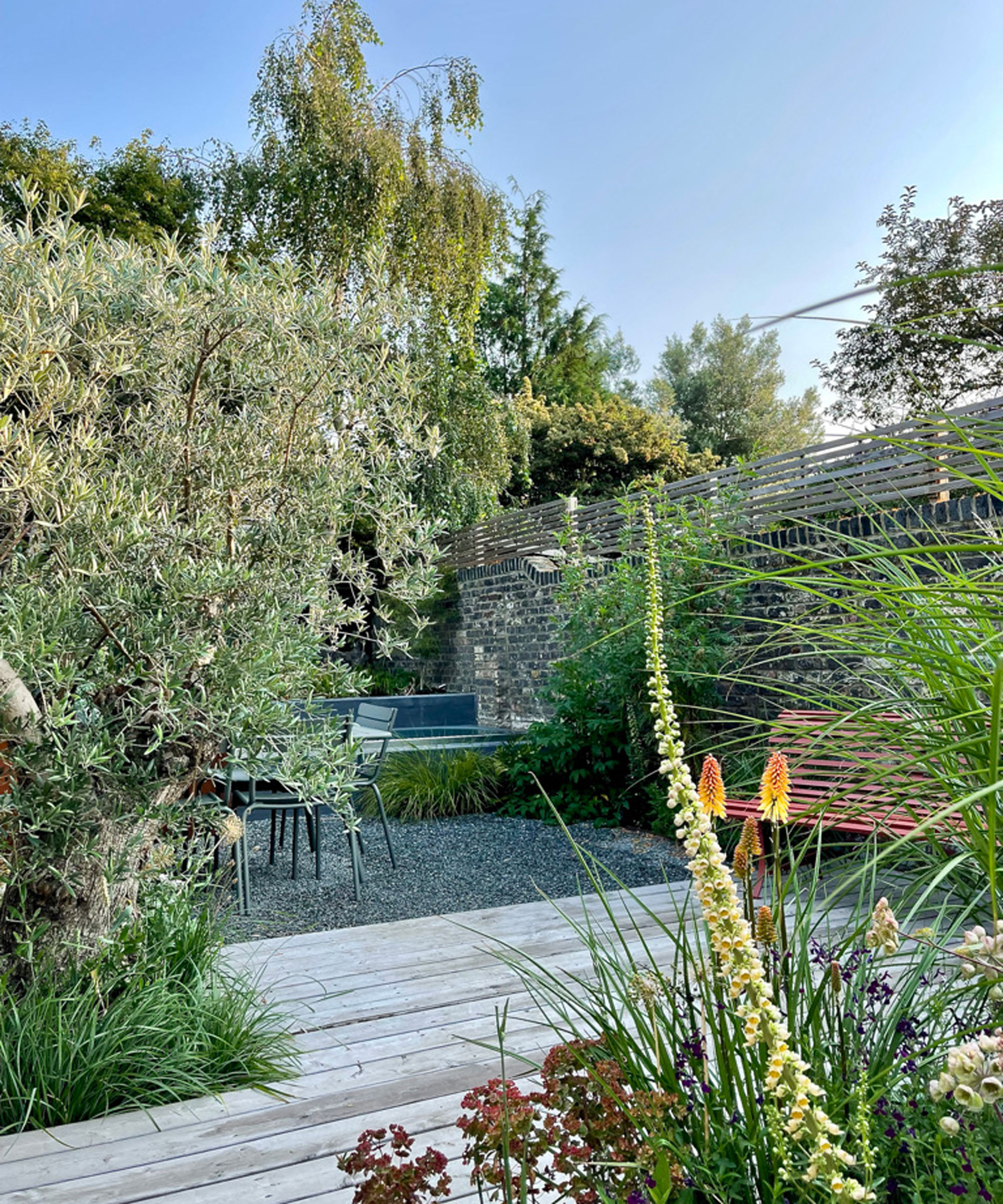
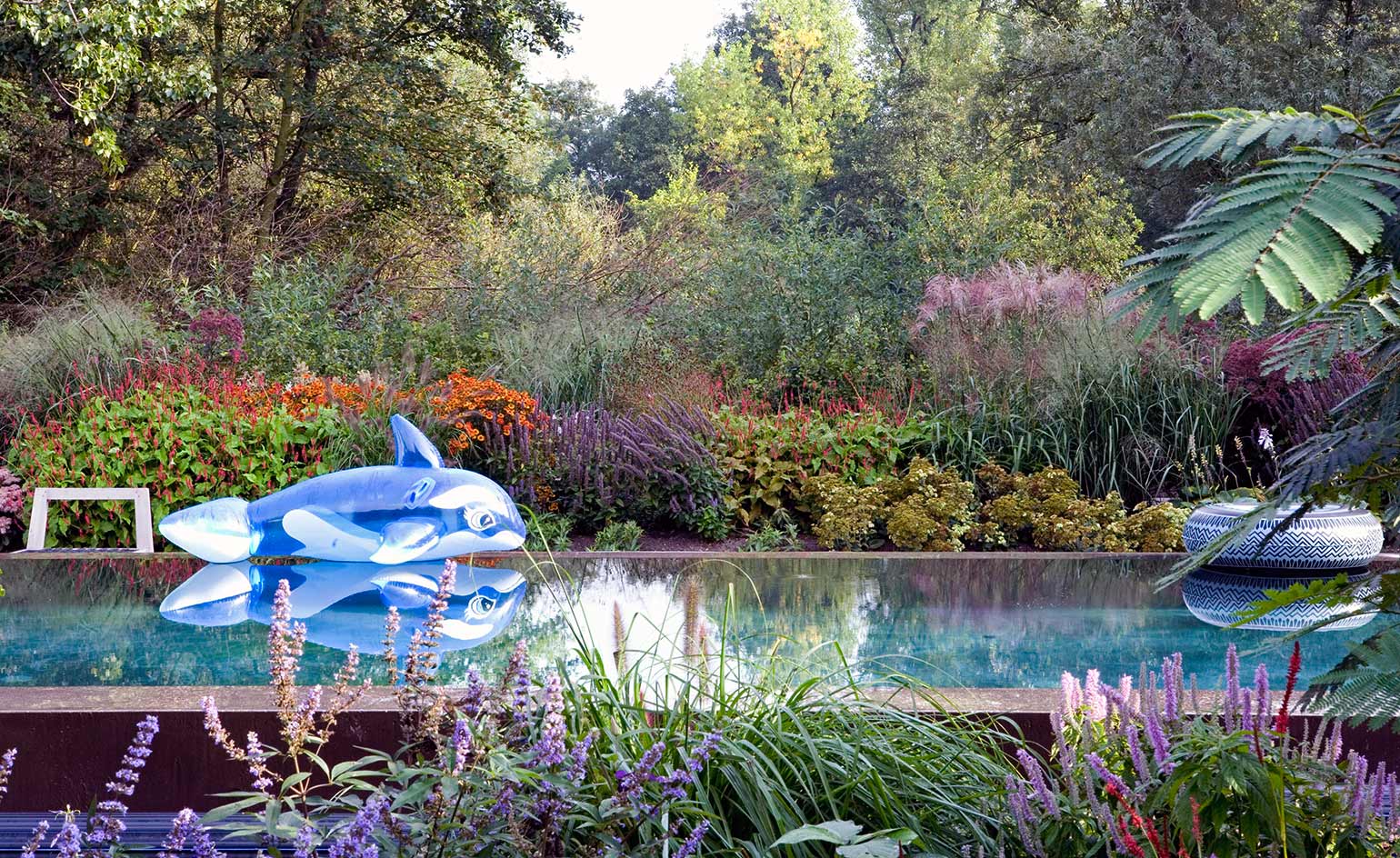
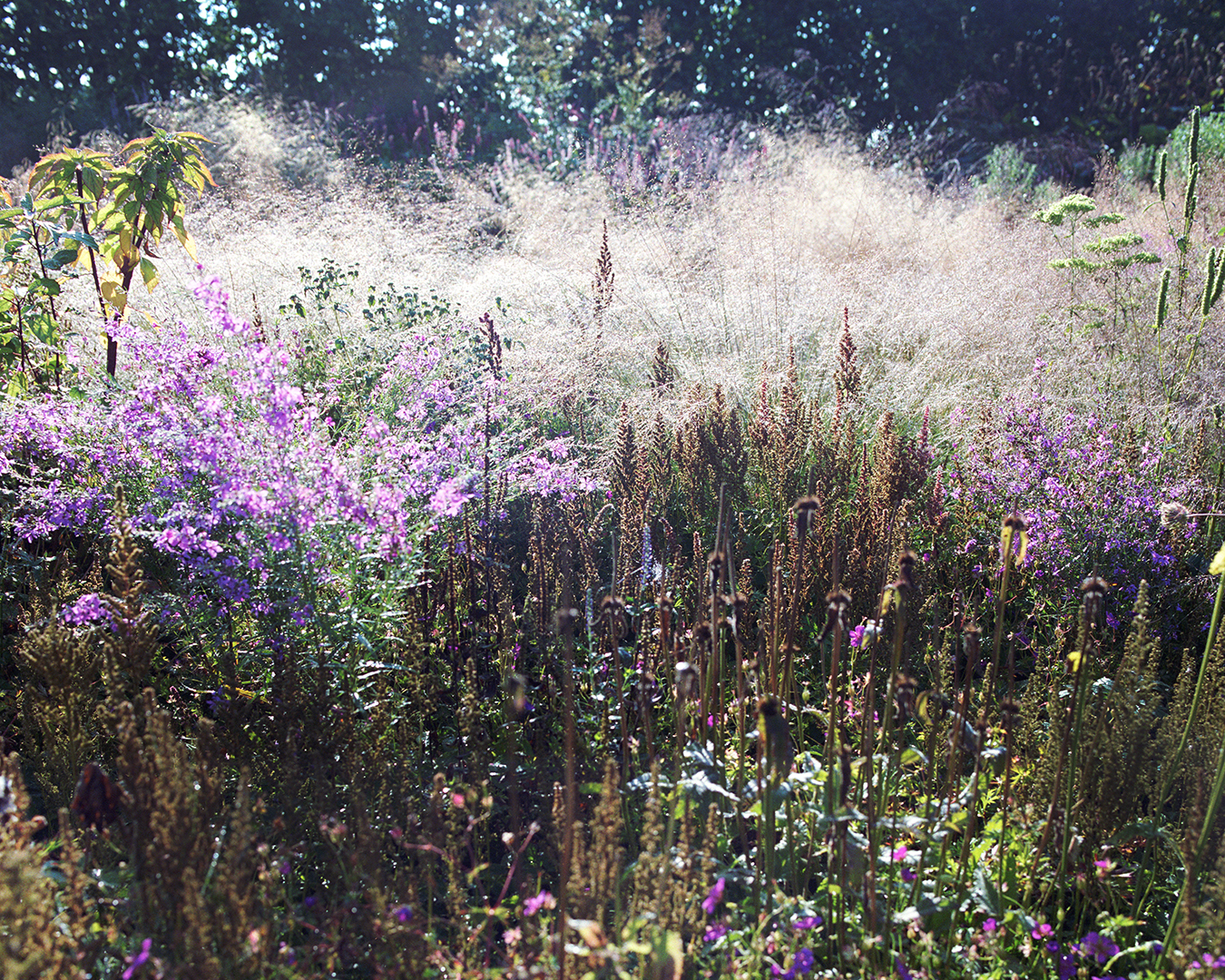
Piet Oudolf, a renowned Dutch garden designer, emphasizes that stepping into one of his gardens is akin to entering a dreamlike meadowscape. His unique ability to craft such immersive private gardens extends to urban public spaces, making his work accessible in bustling cities. Oudolf prioritizes the 'architecture' of a plant as highly as its bloom color, creating complex plantings layered with numerous species. This approach evokes a sense of spontaneity, despite meticulous planning. His notable projects include gardens for Serpentine Galleries in London, Noma in Copenhagen, and a significant installation at Hauser & Wirth’s Somerset garden, which featured 57,000 plants. He also designed a perennial-rich rooftop garden in Manhattan and, believing in the therapeutic power of plants, completed the garden for Maggie’s Centre at the Royal Marsden Hospital in Sutton in 2019.
From his home, an old farmhouse in Hummelo, Netherlands, where he has resided with his wife Anja since 1982, Oudolf shared insights during an interview. He discusses transforming miniature plots, his work for Vitra’s HQ, and the increasing reliance on local pleasures, particularly gardens. He advises aspiring gardeners to 'Buy the plants you like, don’t try to be a designer,' encouraging them to observe successful plant combinations in gardens they admire and apply these ideas to their own smaller spaces.
Oudolf considers public gardens and private gardens differently. While private gardens are highly personal, catering to a family's or owner's specific preferences and potentially complicated by individual needs like play areas for grandchildren, public gardens serve a broader audience. Public spaces come with their own set of restrictions, such as safety concerns, but offer a unique opportunity to expose urban dwellers to nature. He believes that projects like the High Line in New York encourage people to engage with and ask questions about the natural world, even if the seemingly wild appearance is carefully curated.
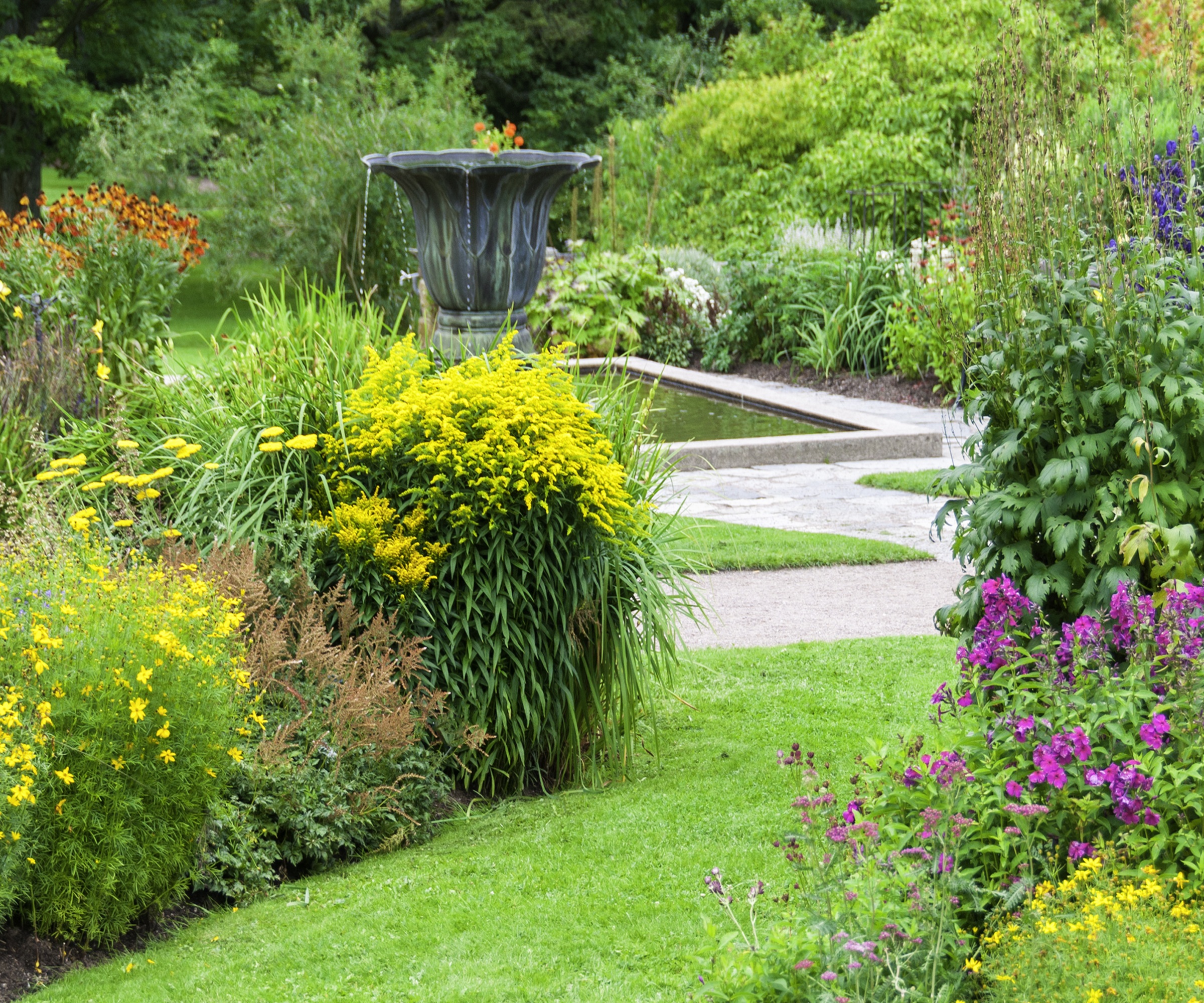
When designing, texture is Oudolf's primary consideration, followed by color. He views texture as the 'architecture' or 'character' of a plant, explaining that a plant's personality is evident even without flowers. While flowers are beautiful, their ephemeral nature means that a garden needs plants that offer interest beyond just blooms. His approach to garden design is holistic, considering all seasons. He emphasizes that every season and its unfolding events contribute to the garden's enjoyment, from the freshness of spring to the subtle details that capture attention. His planning process for a new garden takes at least a year, ensuring the availability of specific plants for his unique planting palette, which sometimes requires sourcing from international locations.
Oudolf has been involved in significant current projects, including the Vitra campus garden and the Detroit Oudolf Garden in Michigan, both managed with remote collaboration due to travel restrictions. He highlights the importance of trusted teams and a strong network for successful implementation. Reflecting on the impact of events like the Covid-19 pandemic, Oudolf believes that people are rethinking their lives, leading to a greater appreciation for nature and local resources. He anticipates a future where communities become more self-sufficient, travel for pleasure decreases, and gardening gains increasing importance as people seek satisfaction closer to home.
#PietOudolf #GardenDesign #LandscapeArchitecture #UrbanGardening #PlantingDesign #HummeloGarden #VitraGarden #HighLine #HauserWirth #PietOudolf #GardenDesign #LandscapeArchitecture #UrbanGardening #PlantingDesign #HummeloGarden #VitraGarden #HighLine #HauserWirth
0 comment in total
 No comments yet
You may also like
20 Beautiful Garden Design Ideas for Home In 2024
Build Your Perfect Backyard Patio in 5 Easy Steps


Meet Matthew Giampietro Landscape Designer

10 things to get rid of in your outdoor space, according to designers and gardeners
18 Genius Garden Landscaping Ideas From the AD Archive

28 Gorgeous Outdoor Patio Design Ideas to Inspire Your Very Own Backyard Haven

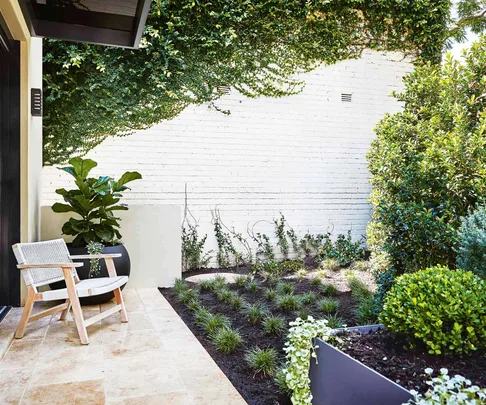
An inner-city courtyard garden that’s perfect for entertaining

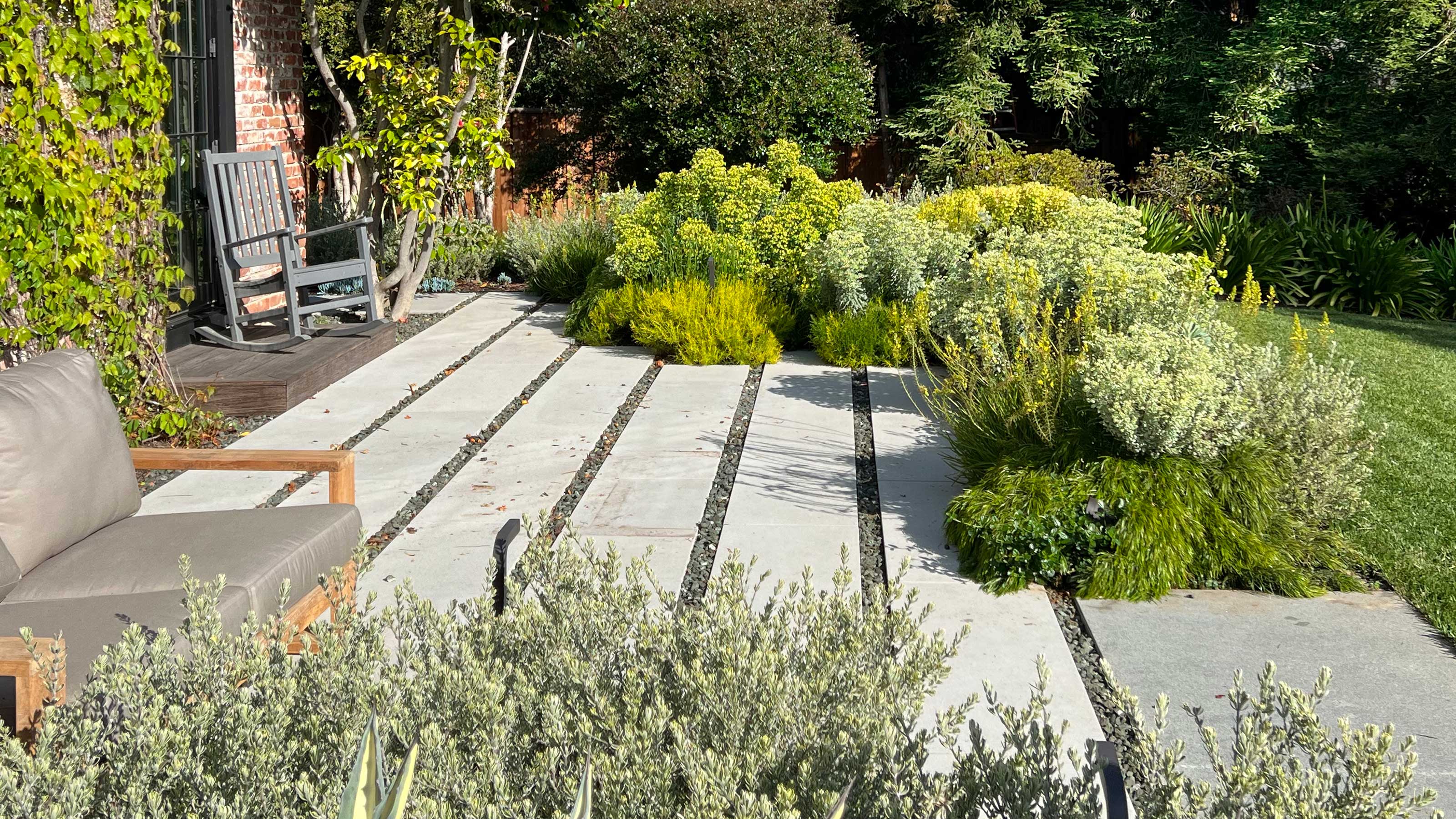
'It mimics nature's randomness' - this simple gardening trick is how landscape designers make a backyard look more put together

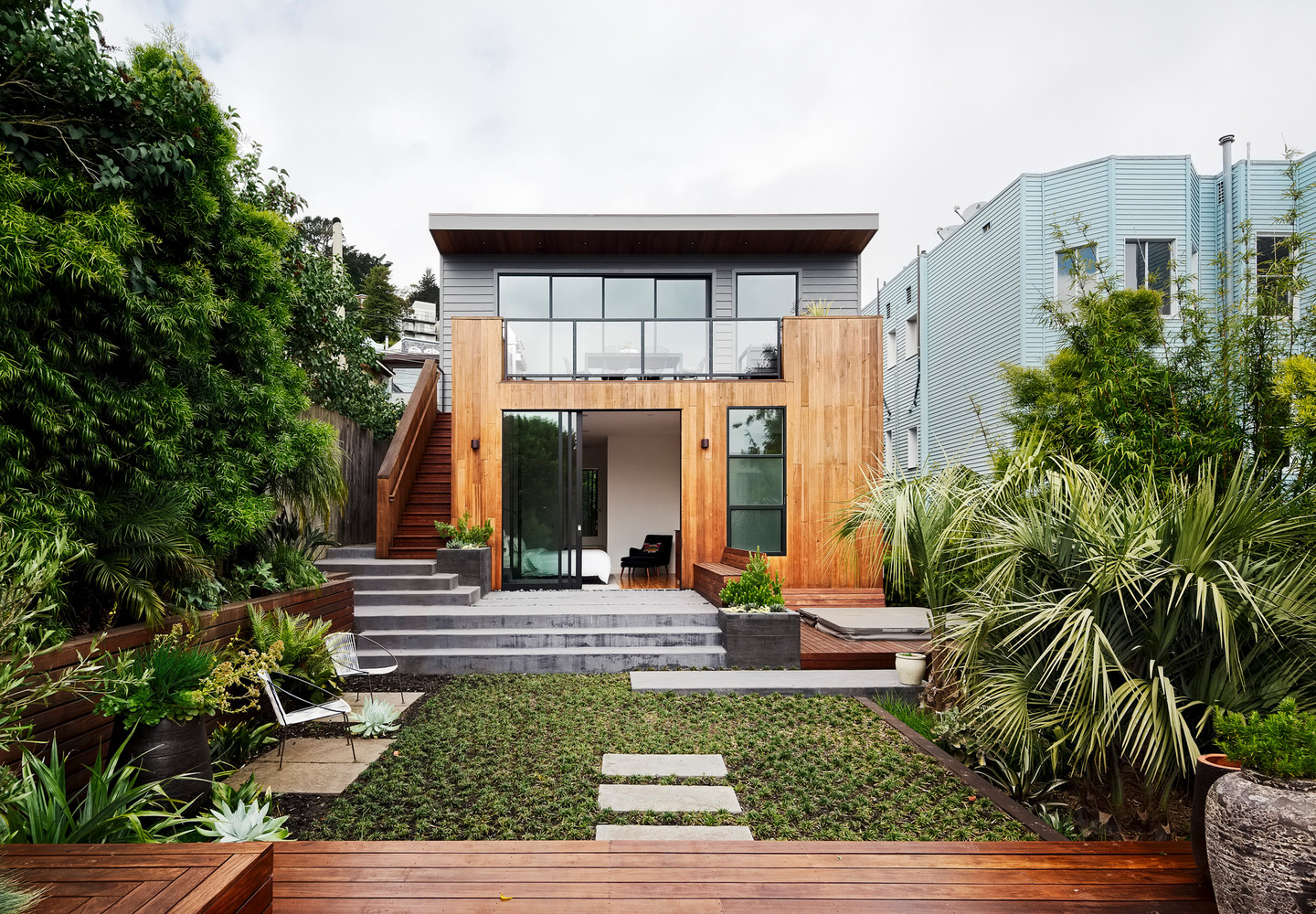
7 Lavish Outdoor Spaces That Belong on Pinterest
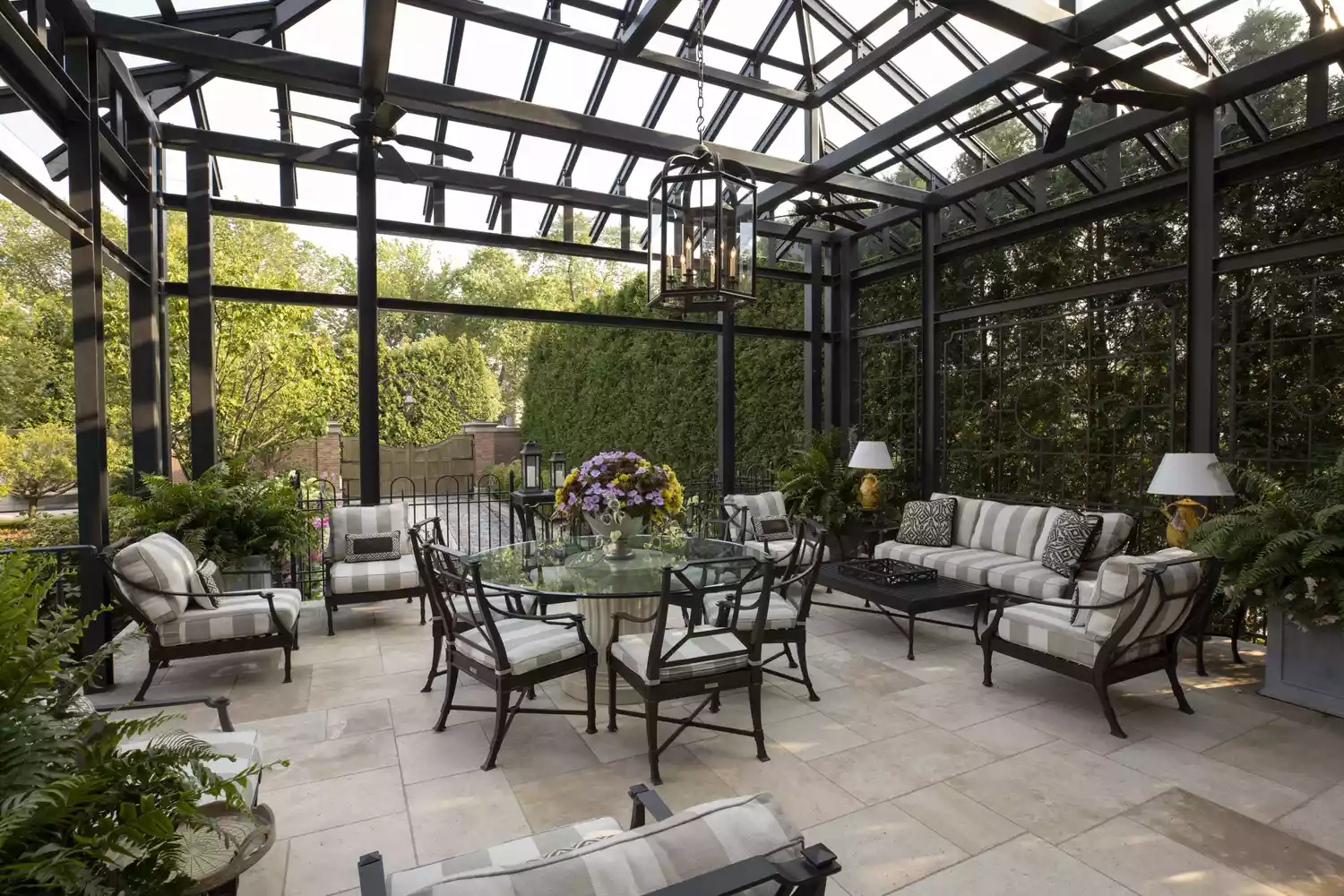
What the Heck Is a Garden Room? (And Why Is Everyone Talking About Them?)
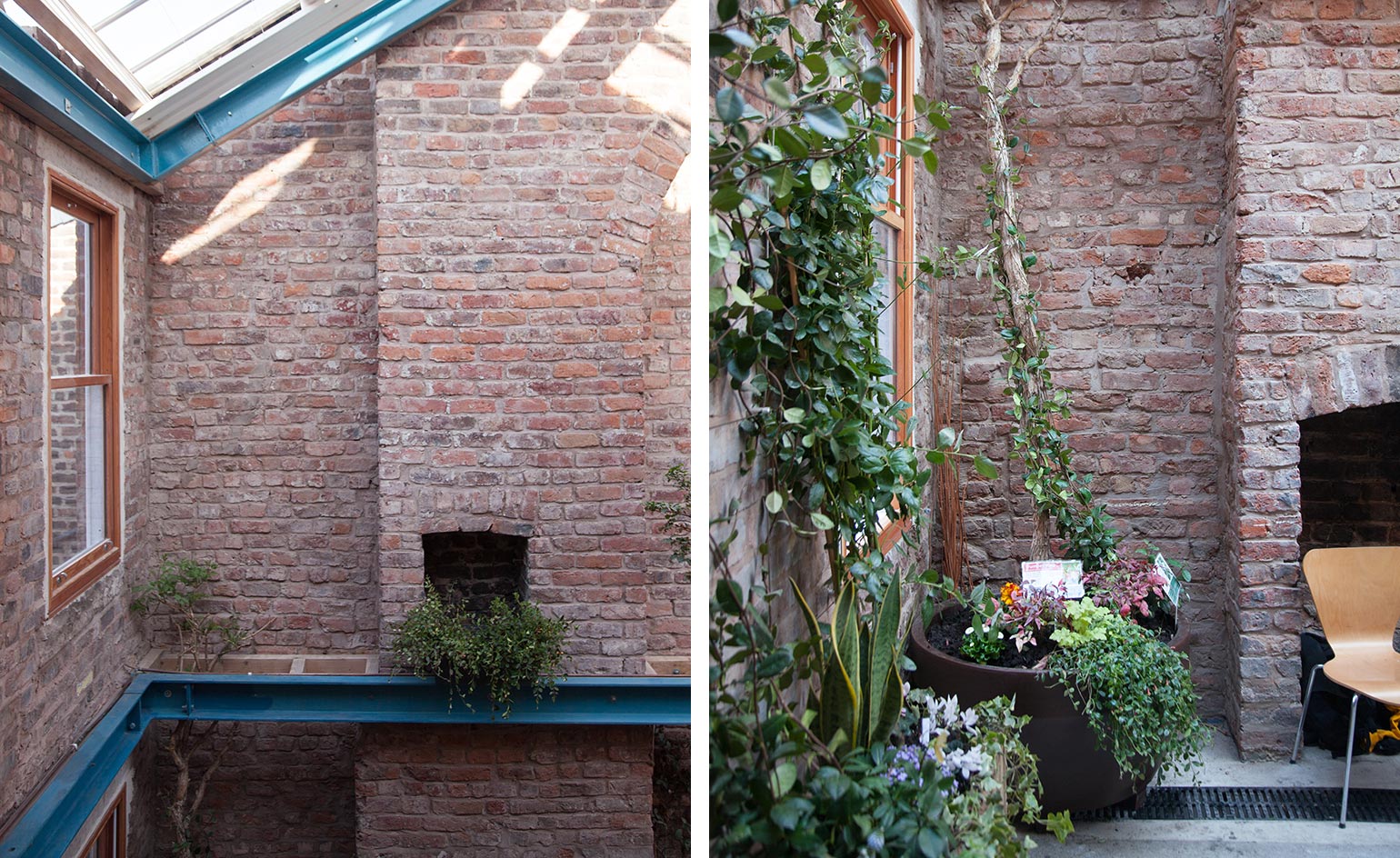
Innovative landscape architecture and garden design around the world

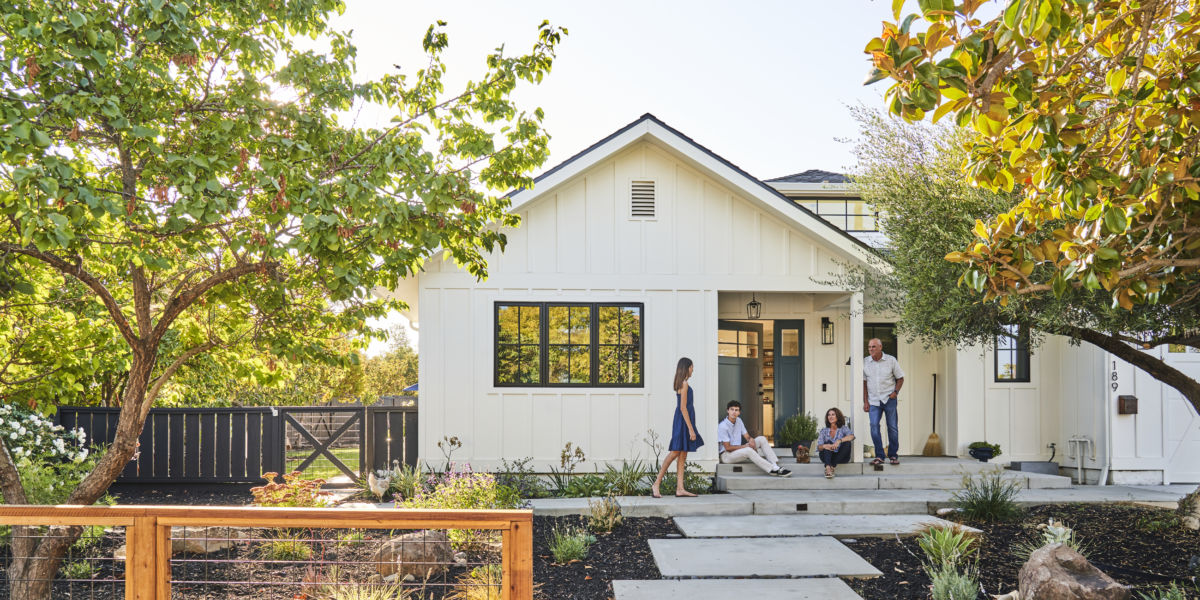
Porch Life Is Back! 5 Reasons Why Your Front Yard Is the New Outdoor Living Room
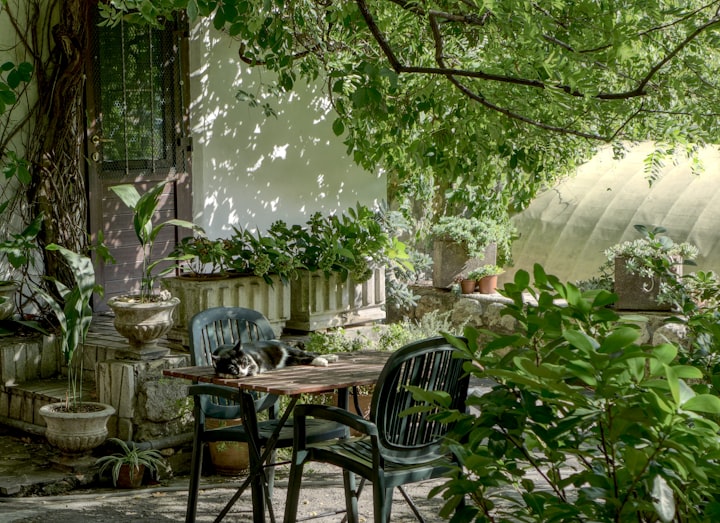
Garden Design Ideas, 2024
Outdoor Living - Landscaping, Garden & Backyard Design Ideas
6 simple ways you can make your front yard look beautiful without having to plant anything new

L-shaped garden ideas to help you create a visually pleasing space

9 inner-city garden ideas to inspire
Landscaping ideas - 12 transformative ways the experts would enhance your urban outdoor space
Seamless Indoor-Outdoor Living, All Year Long
5 Things That Immediately Make Your Backyard Look Bad, According to Designers