1/3
Deep Retrofit Reviews
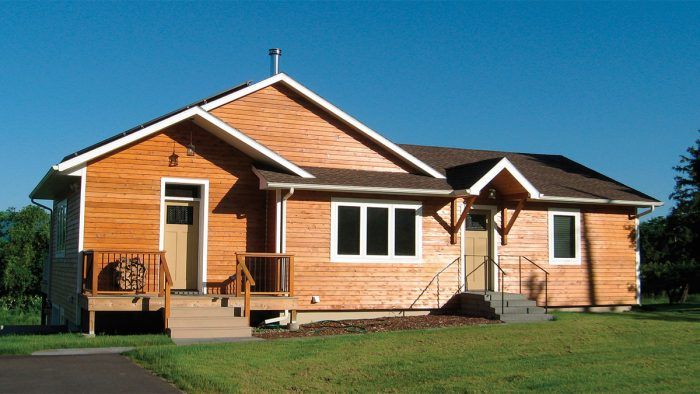
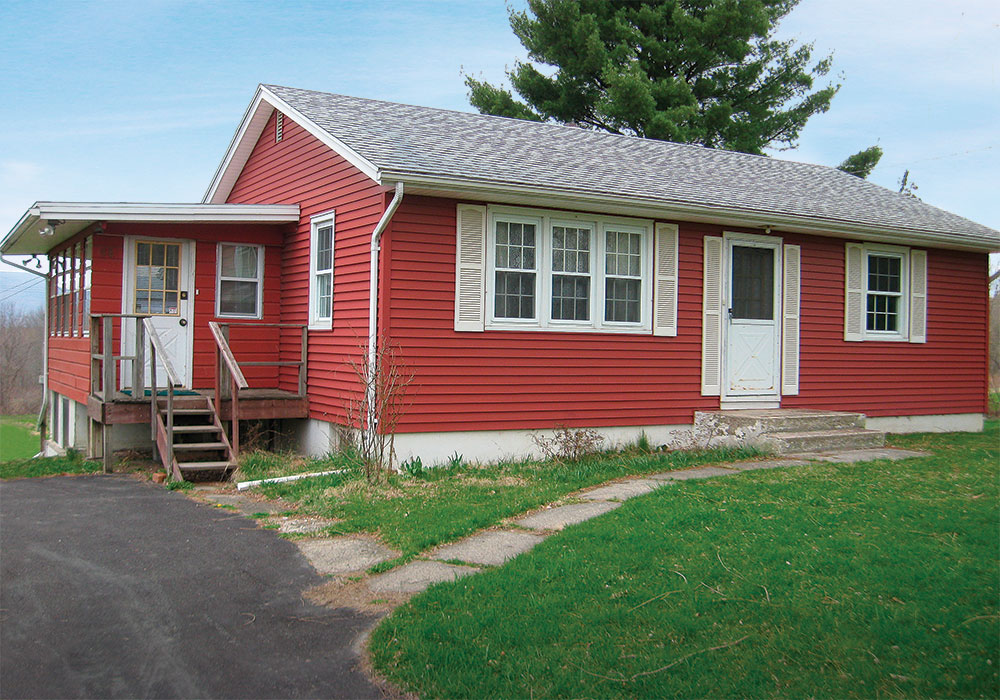
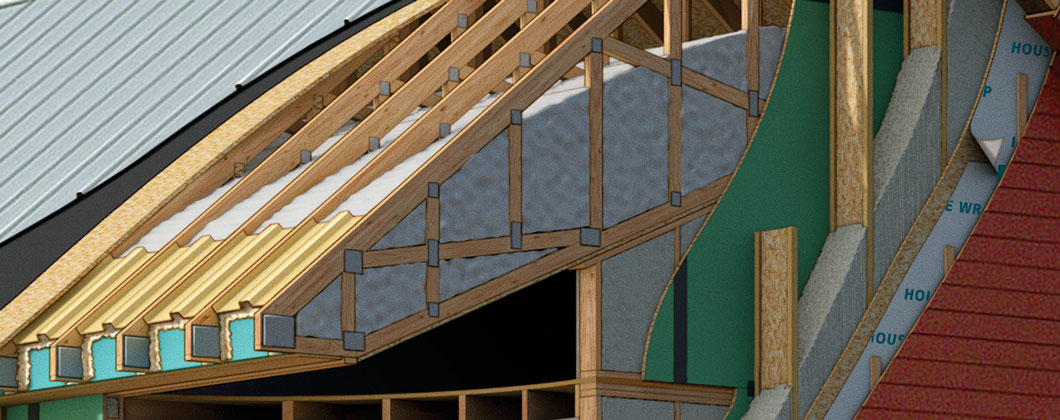
The Deep Retrofit Pilot Programme in Ireland addresses the significant challenge of reducing energy consumption and CO2 emissions from the country's housing stock. With over a million homes rated C or lower for energy efficiency and 98% of home heating relying on fossil fuels, many residents face high heating costs for cold, damp, and often unhealthy living environments. This program aims to transform these inefficient homes into energy-efficient A-rated properties, mirroring the performance of newly built houses.
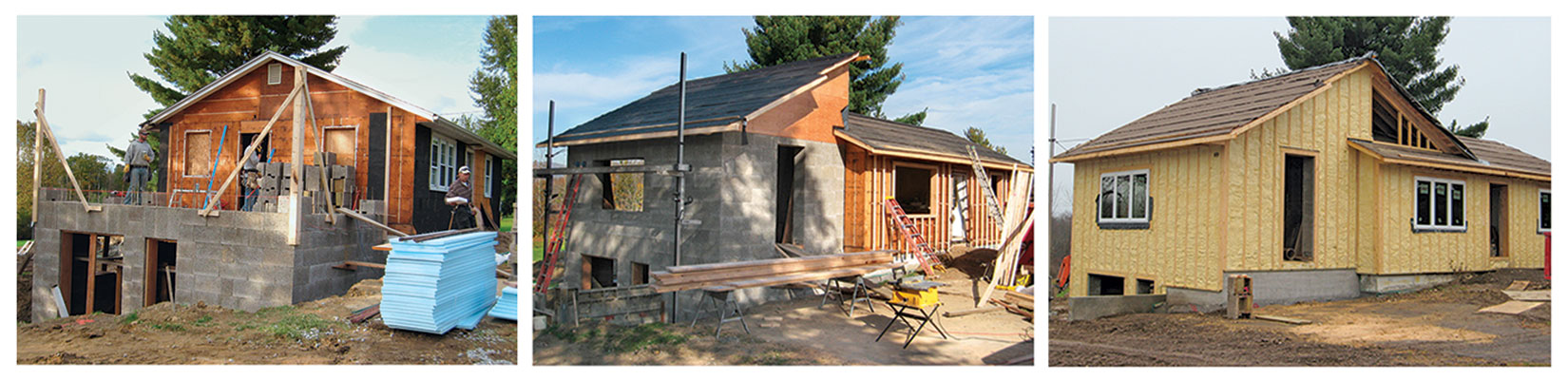
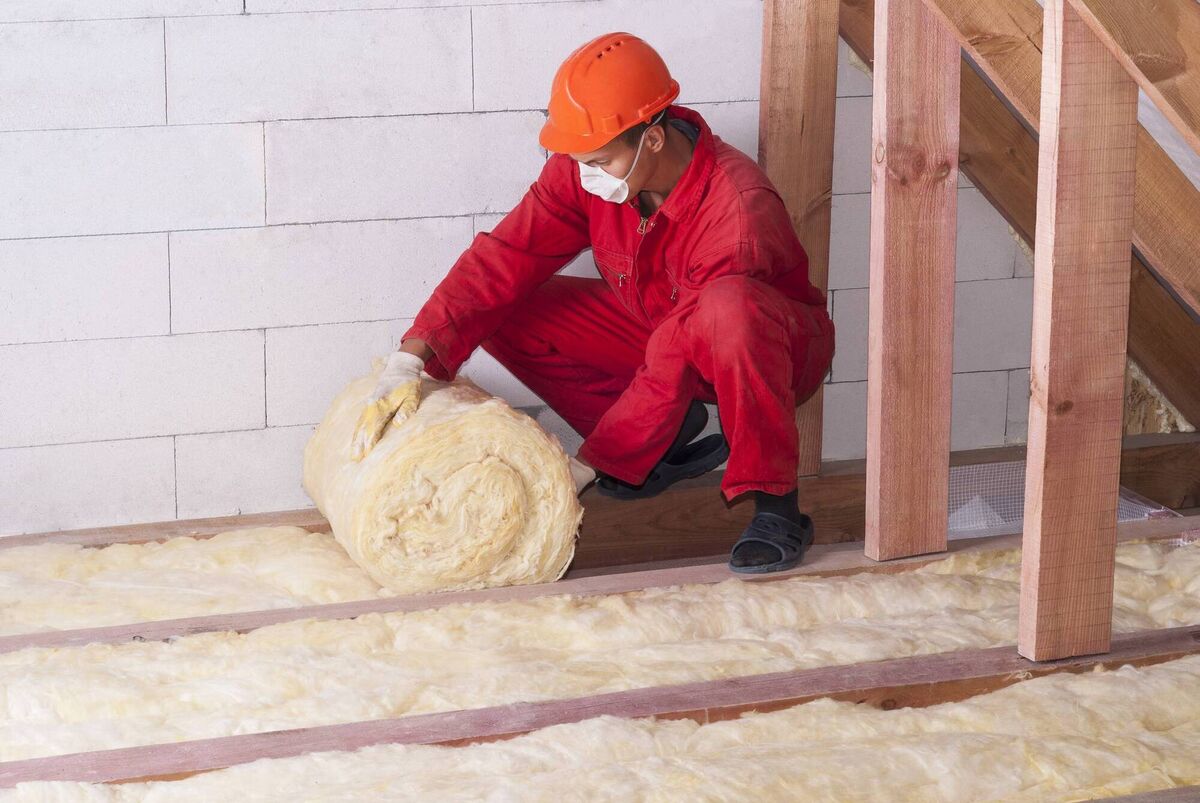
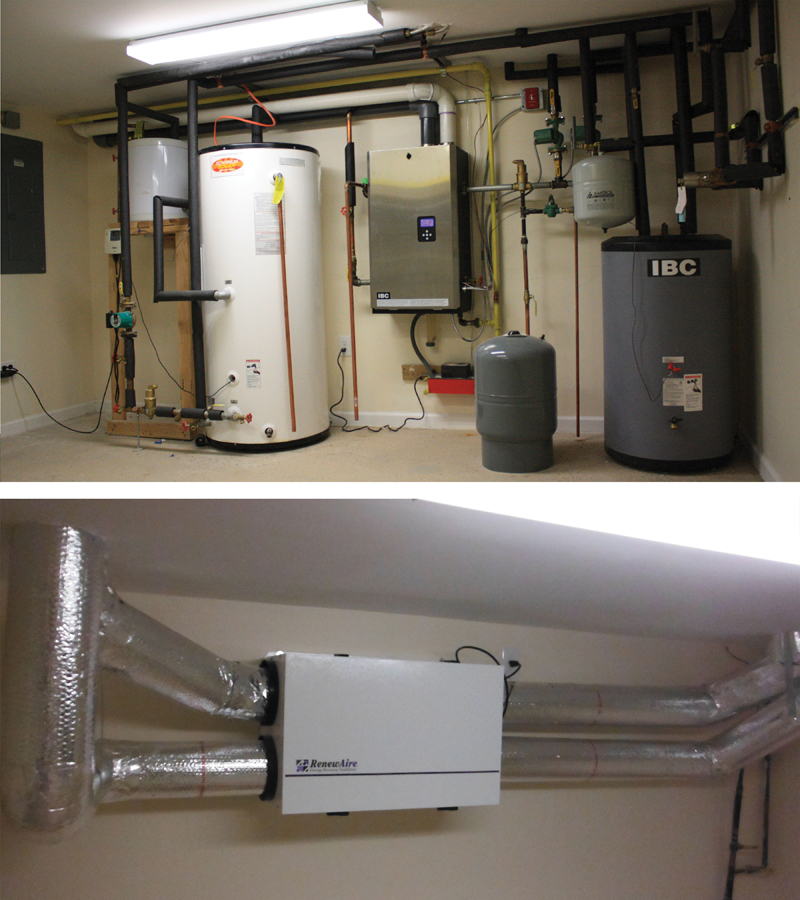
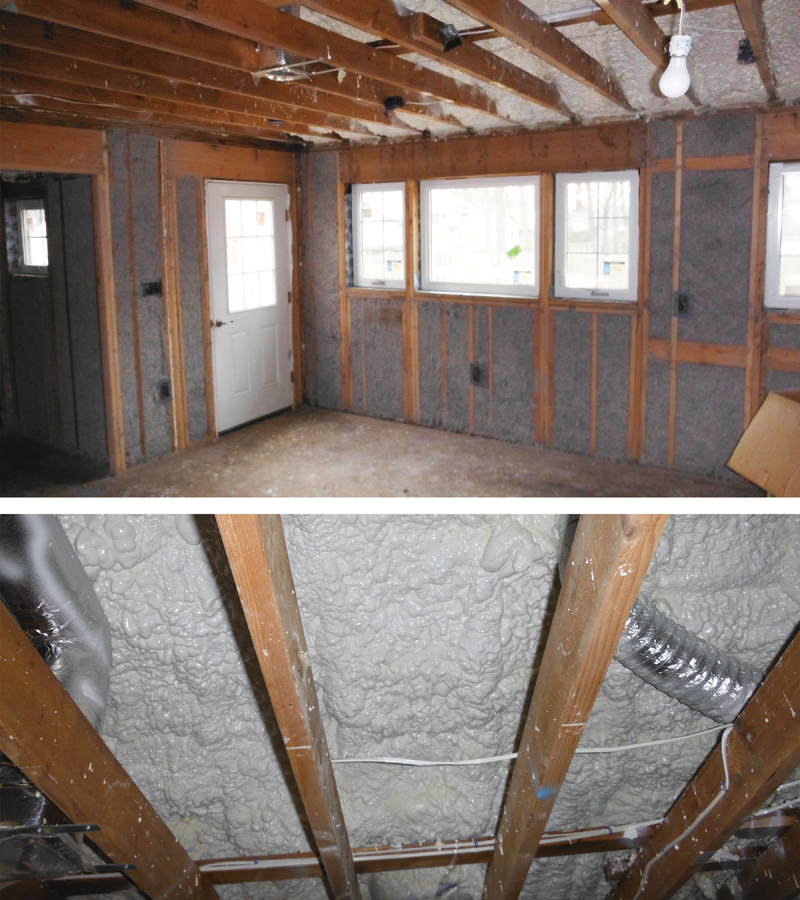
The article highlights two case studies featured on RTE's Eco Eye. The first involves Sinead and Peter McLaughlin, who purchased a house in Templeogue in 2017 with an initial BER E rating. After experiencing the house's poor heat retention, they enrolled in the Deep Retrofit Pilot Programme in 2018. Their retrofit included insulating windows, walls, floors, and the roof, with quilt insulation layered in the attic and a warm deck flat roof upgrade. A new renewable air-to-water heat pump with low surface radiators was installed, and airtightness was improved with a new mechanical ventilation system. These upgrades successfully elevated their home to an A3 energy rating.
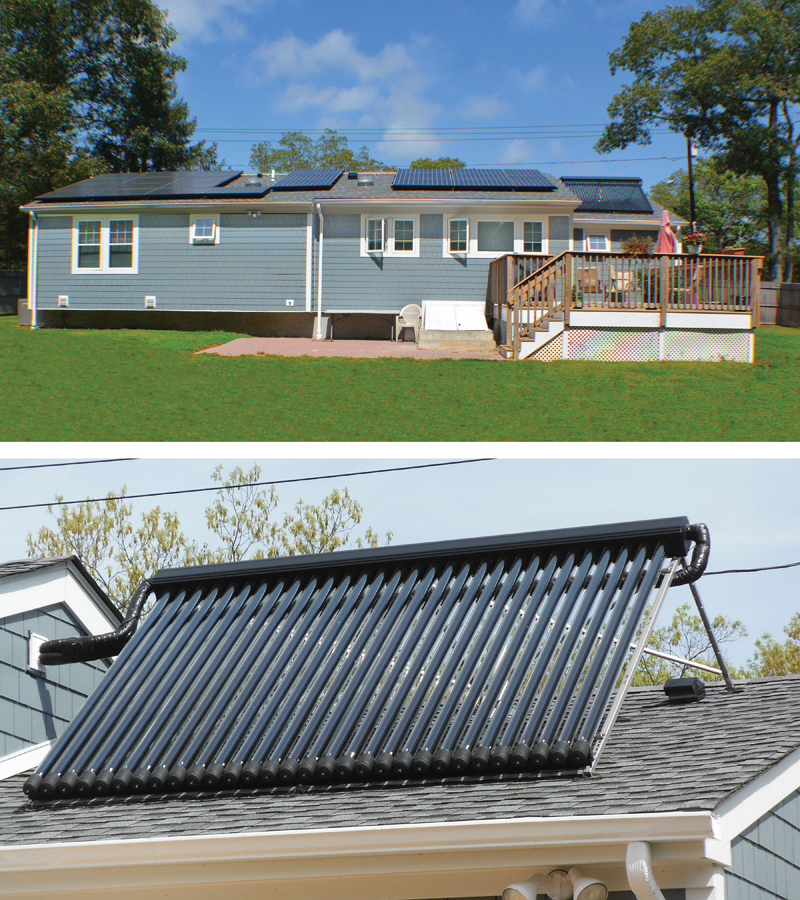
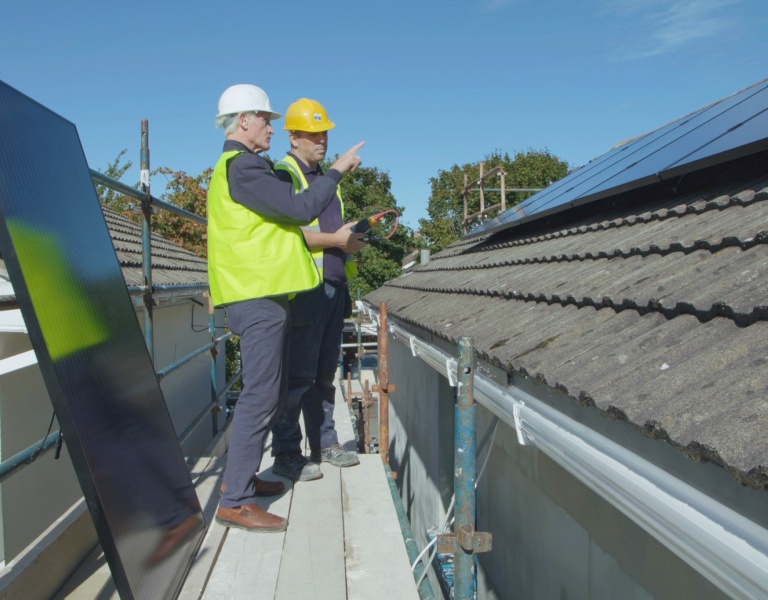
The second case study features Aisling Jones and Cormac Mullany, who undertook a deep retrofit of their first home in Donaghmede, North Dublin, before moving in. Their objective was to create a home they could inhabit indefinitely, transforming it from a G to an A-rated property. Their retrofit encompassed replacing all windows and doors, applying external wall insulation, removing the existing heating system in favor of a new heat pump with low-temperature radiators, installing a wood-burning stove, enhancing airtightness with a new mechanical ventilation system, adding 300mm of attic quilt insulation, installing LED lighting, and incorporating solar PV panels.
Financially, the Deep Retrofit Pilot Programme offered a 50% grant to cover the renovation costs at the time. Homeowners like Aisling Jones noted the necessity of applying for loans, confident that the upgrades would increase property value and significantly reduce future energy bills. Before the retrofit, an average inefficient home could incur annual heating costs between €1600 and €2000. Post-retrofit, an A3-rated home's heating expenses are drastically reduced to approximately €500 per year. Research from ESRI further indicates a positive correlation between an A-rated home and its market listing price.
The qualitative results emphasize improved living conditions. Sinead McLaughlin observed a significant difference, stating that the house is now consistently warm, a stark contrast to its previous state where it was often warmer outside. Her husband Peter corroborated this, noting the stable internal temperature despite colder external weather. Both homeowners expressed immense satisfaction with the outcome, achieving a warm, A3-rated house. The program effectively demonstrates how comprehensive energy upgrades can lead to substantial reductions in energy consumption, lower utility bills, increased property value, and enhanced comfort and health for occupants, contributing to Ireland's climate change mitigation efforts.
#DeepRetrofit #HomeEnergyGrants #EnergyEfficiency #BERRating #SustainableHomes #HeatPump #SolarPV #Insulation #DeepRetrofit #HomeEnergyGrants #EnergyEfficiency #BERRating #SustainableHomes #HeatPump #SolarPV #Insulation
0 comment in total
 No comments yet
You may also like
A Retrofit for the Future


Renovate | Build


Renovation

Worry-Free Remodeling Solutions with Improveit Home Remodeling

Deep Retrofit 2023: Show me the money, how to pay for it all


The Insider: Impeccable Renovation Brightens, Updates Woodwork-Laden Park Slope Townhouse

Renovations and Additions


Rave Renovations is flipping the script on home remodeling

Deep Energy Retrofit for Affordable Housing


The Retrofit Revolution: Making the Most Out of Your Tenement
Fine Homebuilding Online Archive

Three experts on the best ways to retrofit housing

Home & Design | Redo & Renew

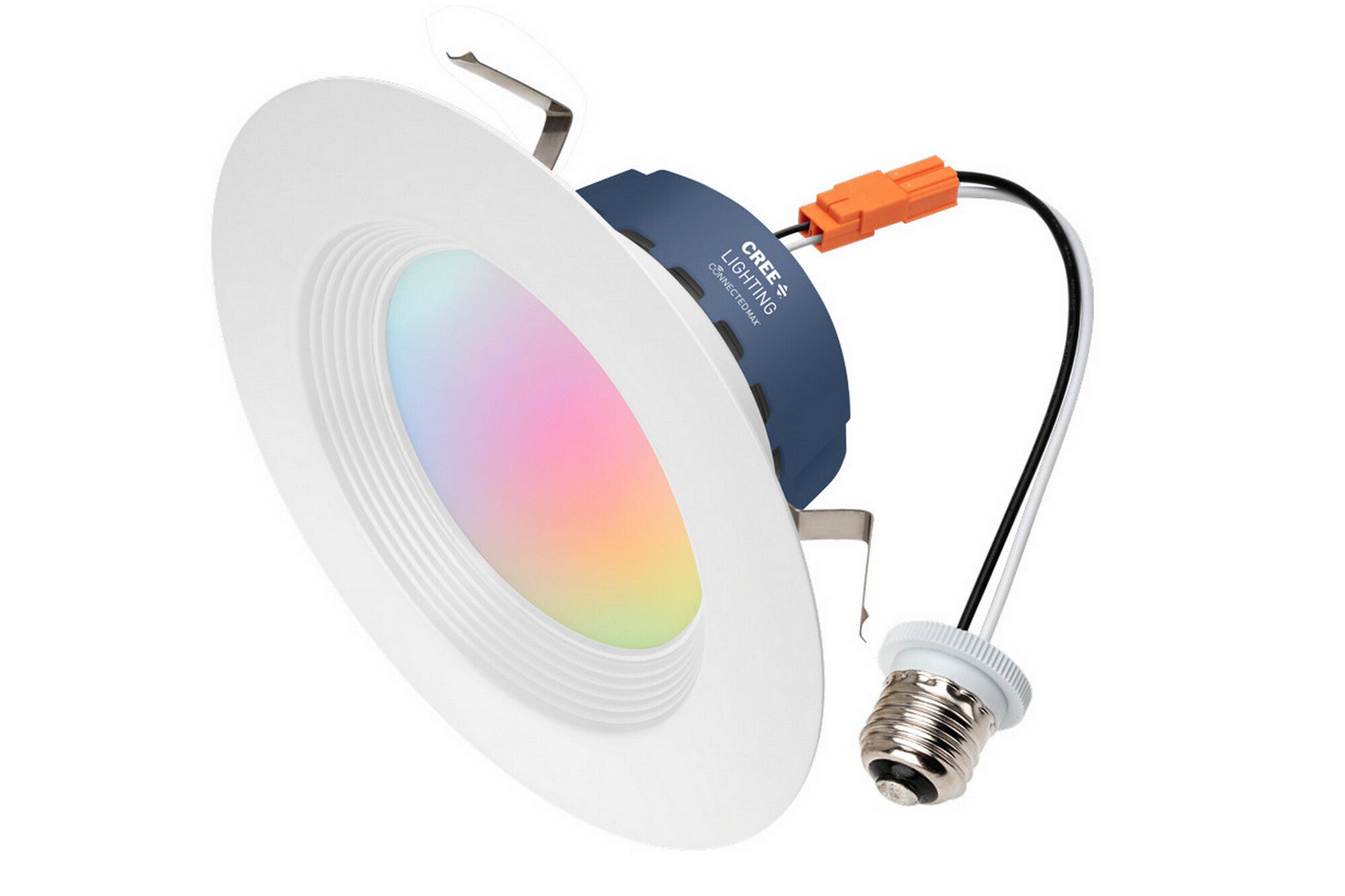
Cree Connected Max Retrofit Downlight review: An elegant, smart upgrade for ceiling cans


Remodeling

Renovation of the Year


Worry-Free Remodeling Solutions with Improveit Home Remodeling