1/2
What are the limits of timber architecture? The case of the Grand Ring after Expo Osaka
The Grand Ring, built for Expo 2025 Osaka, was conceptualized as the world’s largest wooden structure, designed by Sou Fujimoto. This continuous wooden megastructure, with a diameter of approximately 675 meters and a circumference of nearly two kilometers, framed the entire exhibition grounds on Yumeshima Island, functioning as a circulation route, climatic buffer, and architectural landmark. Its circular form symbolized global connectedness and "unity in diversity," aligning with the Expo’s theme of "Designing Future Society for Our Lives." Timber was chosen as a material to symbolize ethical, forward-looking, and environmentally responsible construction, positioning the Ring as a flagship for sustainable architecture and mass timber use at an infrastructural scale.
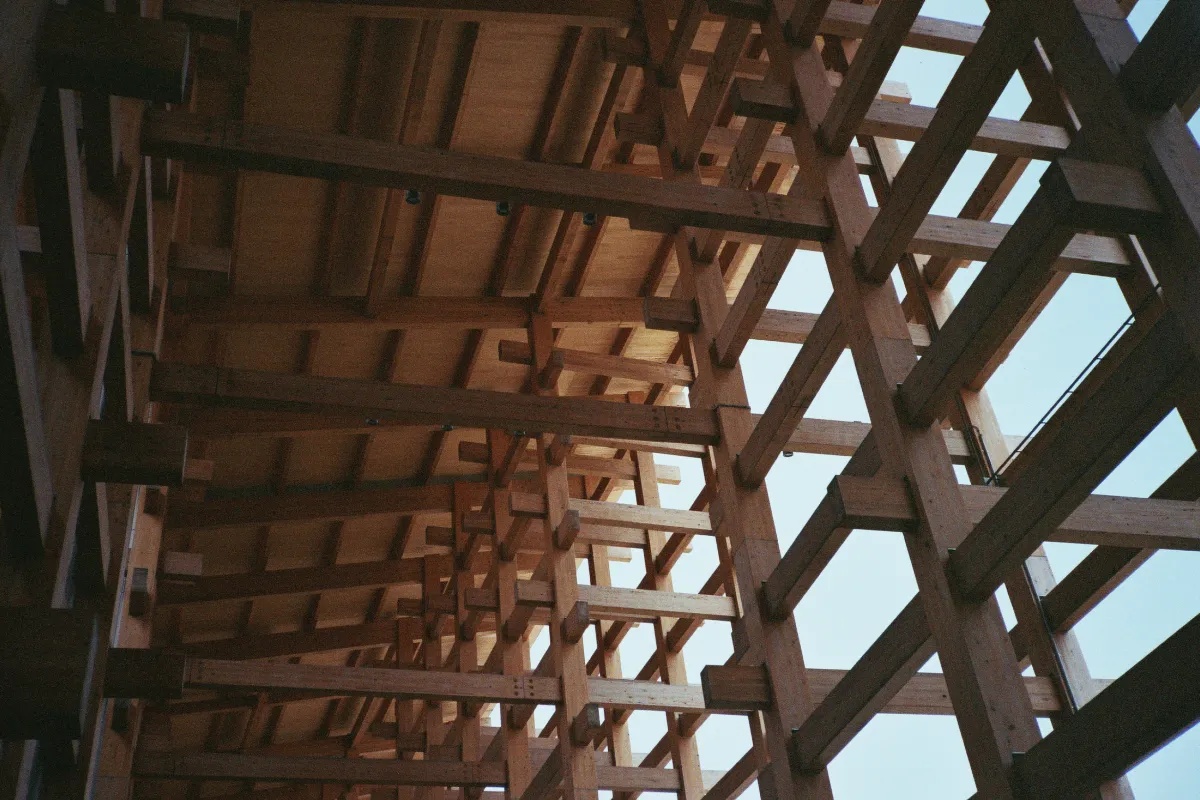
The project aimed to demonstrate timber’s viability as an alternative to steel and reinforced concrete, capable of structural performance while reducing embodied emissions. Its Guinness World Records designation underscored this ambition, presenting the structure as a benchmark for large-scale timber construction. Structurally, the Grand Ring utilized a combination of contemporary modular construction and traditional Japanese _nuki_ joinery, where horizontal members pass through vertical posts. This method, historically allowing for partial dismantling and component replacement, was adapted using engineered timber, specifically glued laminated timber (glulam), to meet the scale and structural demands of the Expo. This approach suggested the Ring was theoretically prepared for a second life, emphasizing reversibility and reuse.
However, the industrialization of timber at this scale, involving significant processing, energy input, and logistical coordination, raised questions about its true environmental performance, particularly concerning sourcing, lifespan, and end-of-life management. Despite initial communications suggesting pathways for reuse, such as careful disassembly for reconstruction or deployment in post-disaster housing, the post-Expo reality diverged significantly. Only a limited segment, approximately 200 meters, is set to remain as a permanent landmark. While some portions might be relocated, the majority is expected to be demolished and processed into wood chips for fuel, despite the project being presented as a model of sustainable architecture and a circular economy.
This outcome has led to substantial criticism, particularly from Sou Fujimoto, who argued that converting structural timber into fuel is environmentally counterproductive and contradicts circularity principles. The 27,000 cubic meters of wood, largely sourced from Japanese cedar and cypress, represent a substantial carbon reservoir. When timber is burned, this stored carbon is rapidly released as CO₂ into the atmosphere, creating a "carbon debt" that challenges assumptions about biomass energy's climate neutrality. This process also has local environmental consequences, such as the generation of fine particulate matter.
The discrepancy between design intent and implementation highlights a systemic problem: the lack of institutional frameworks to support large-scale reuse. While architecture can be designed for disassembly, the absence of systems for dismantling, grading, certifying, transporting, and redeploying large timber elements often leads to waste or low-value byproducts. Cost-driven decisions, rather than environmental performance, often dictate these outcomes. The estimated long-term preservation and maintenance costs for the Ring were reported to be several billion yen over a decade, which influenced the decision to prioritize demolition and fuel processing.
In conclusion, the Grand Ring serves as a critical case study illustrating the gap between sustainable design aspirations and actual sustainable outcomes. It demonstrated the architectural potential of timber at an unprecedented scale but exposed the limits of sustainability narratives when long-term material responsibility is subordinated to the short-term logic of an event like an Expo. The project underscores that material symbolism alone is insufficient; true sustainability relies on long-term stewardship, robust governance, and integrated systems that manage a material's entire lifecycle beyond its initial function.
#TimberArchitecture #SustainableDesign #CircularEconomy #Expo2025Osaka #MassTimber #SouFujimoto #ArchitecturalSustainability #MaterialReuse #CarbonFootprint #TimberArchitecture #SustainableDesign #CircularEconomy #Expo2025Osaka #MassTimber #SouFujimoto #ArchitecturalSustainability #MaterialReuse #CarbonFootprint
 No comments yet
Kominka: A Traditional Japanese House Comes to America

Hall of Fame Honoree Kengo Kuma Blends Traditional Techniques with Natural Materials

Architect Spotlight: 12 Works by Japanese Architect Kengo Kuma

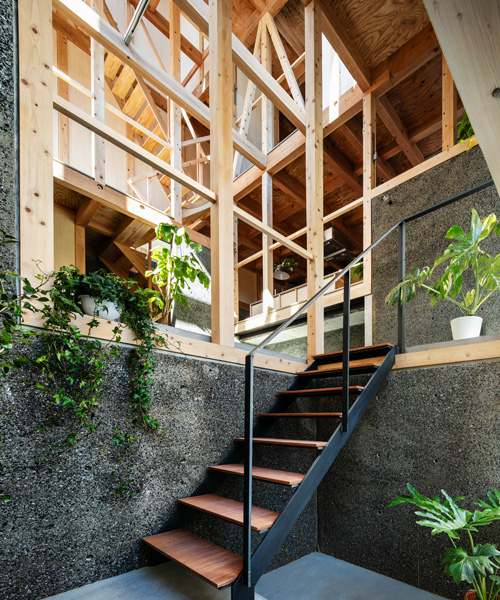
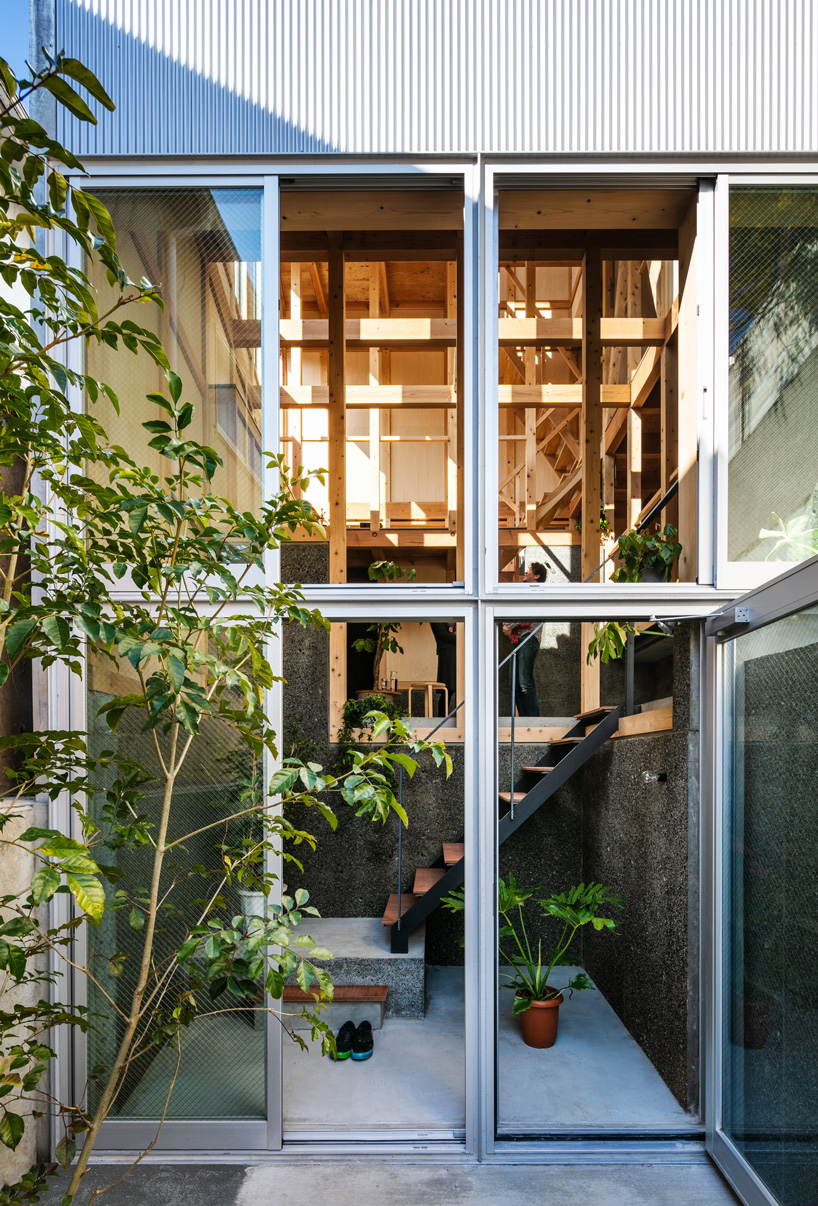
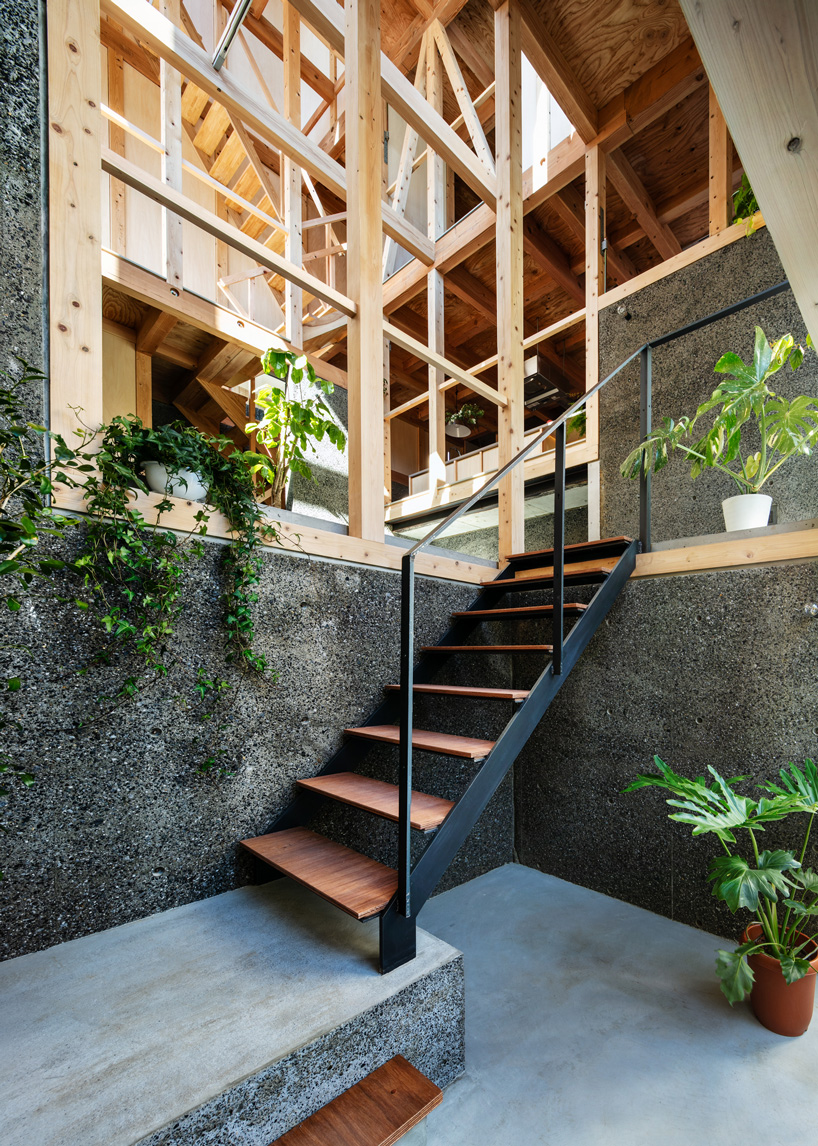
kiyoaki takeda's timber house with five retaining walls in tokyo merges nature with artefact

Architecture and design features and interviews | CLADglobal.com - Kengo Kuma
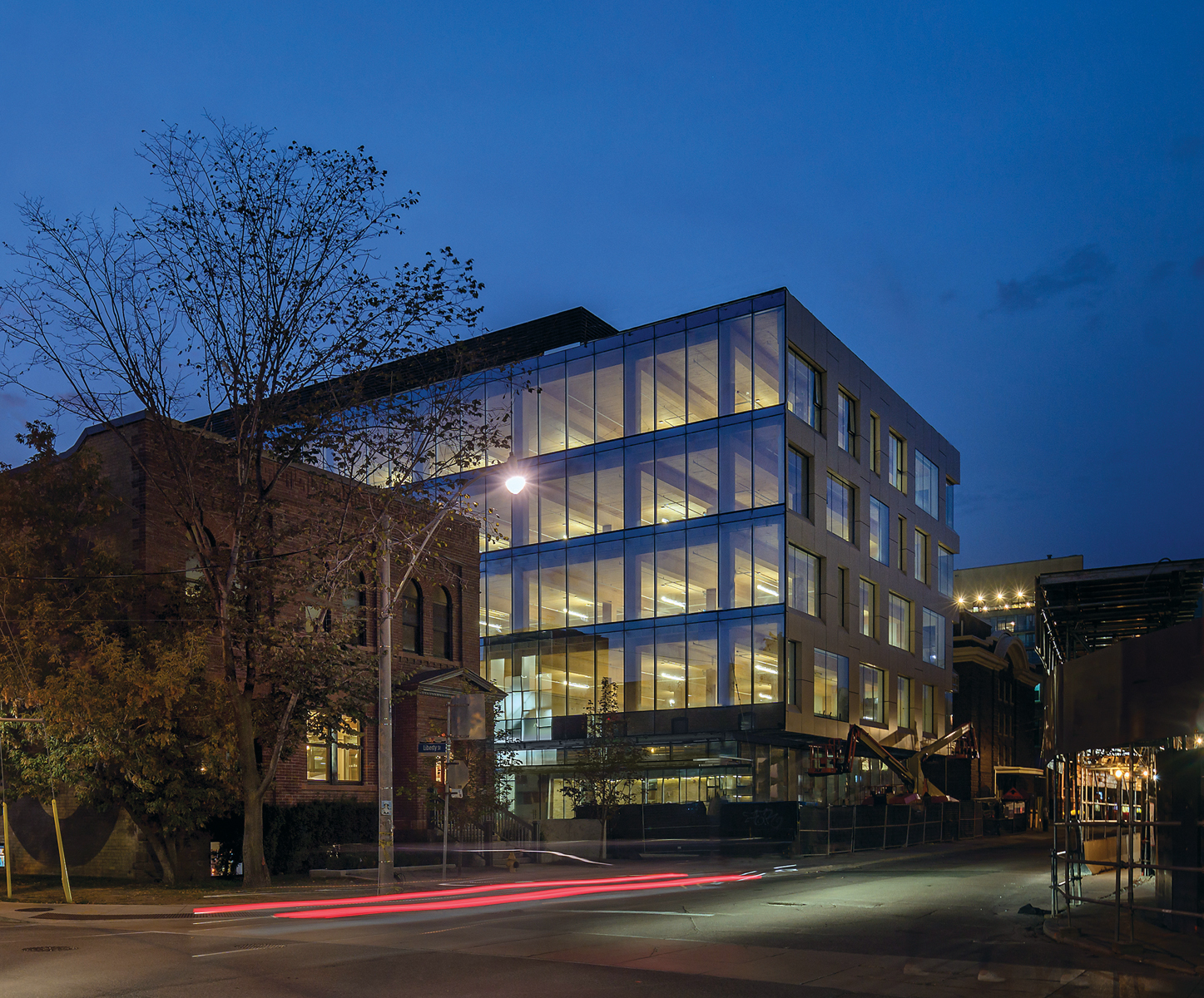
Brick & Beam 2.0: 80 Atlantic, Toronto, Ontario