1/8
How Brazilian Furniture Designers Carved Out Their Distinctly Modern Aesthetic
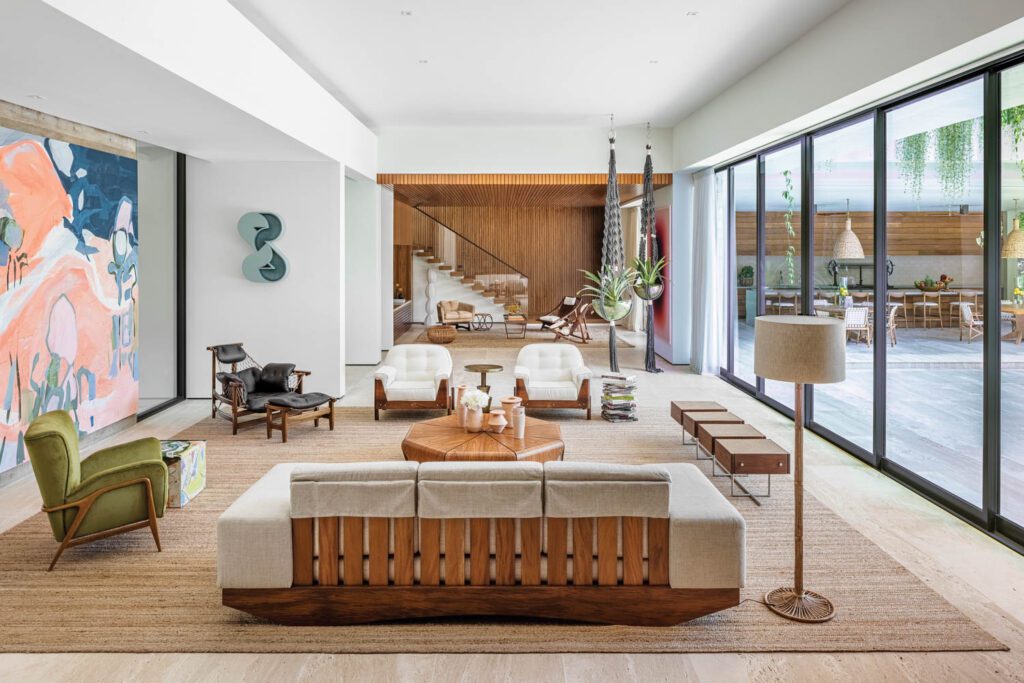
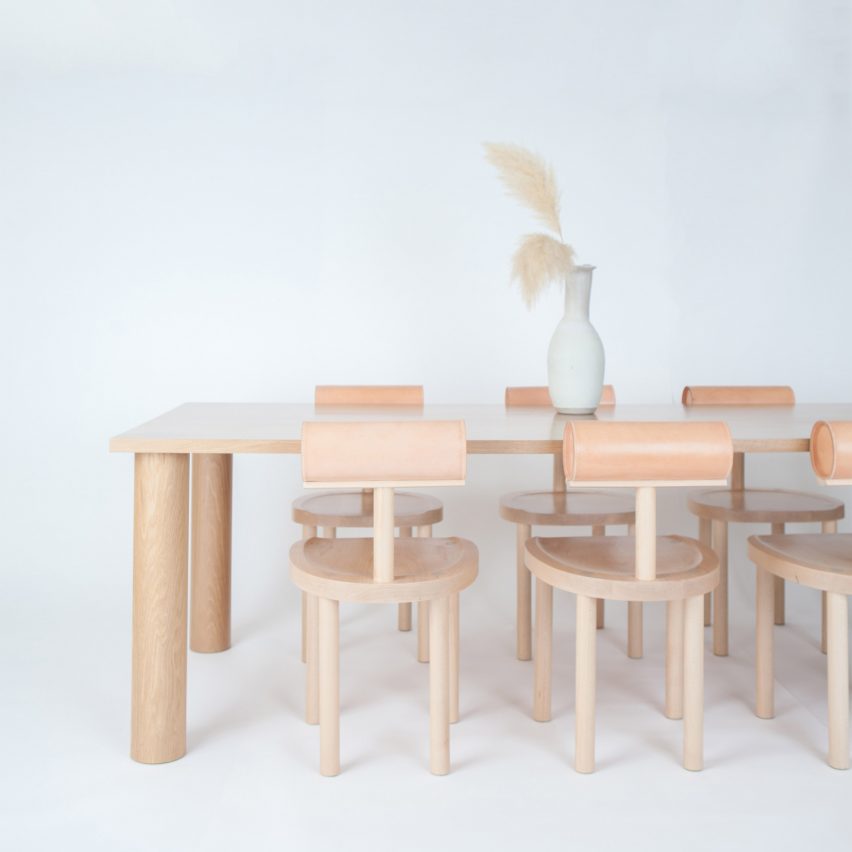
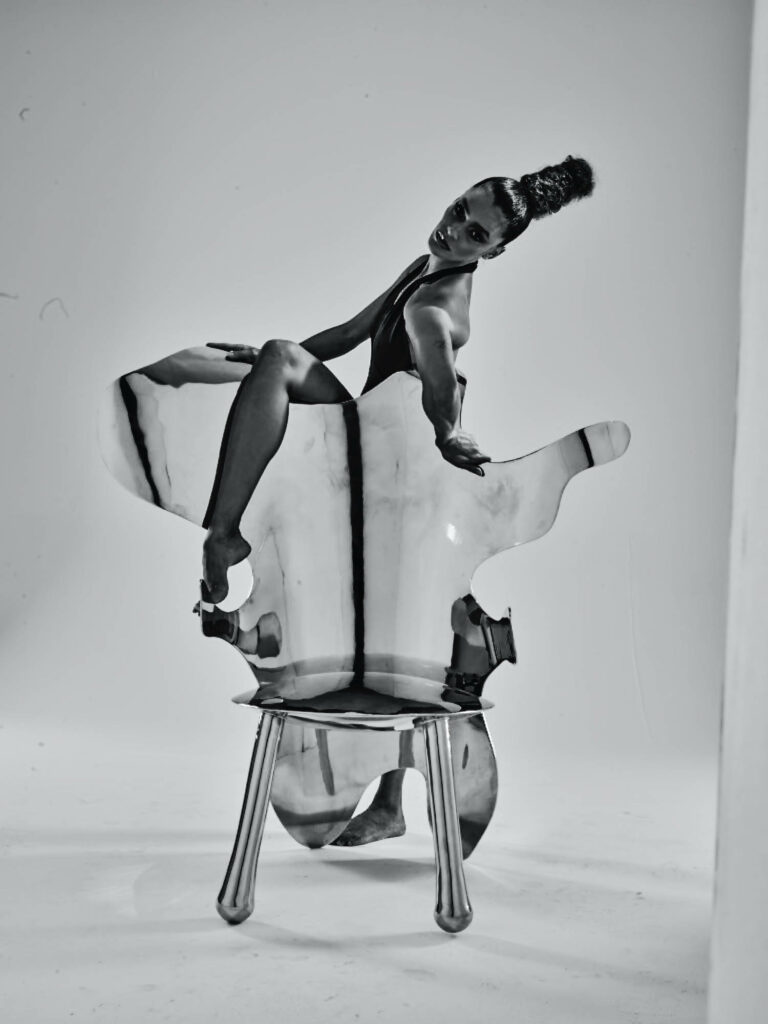
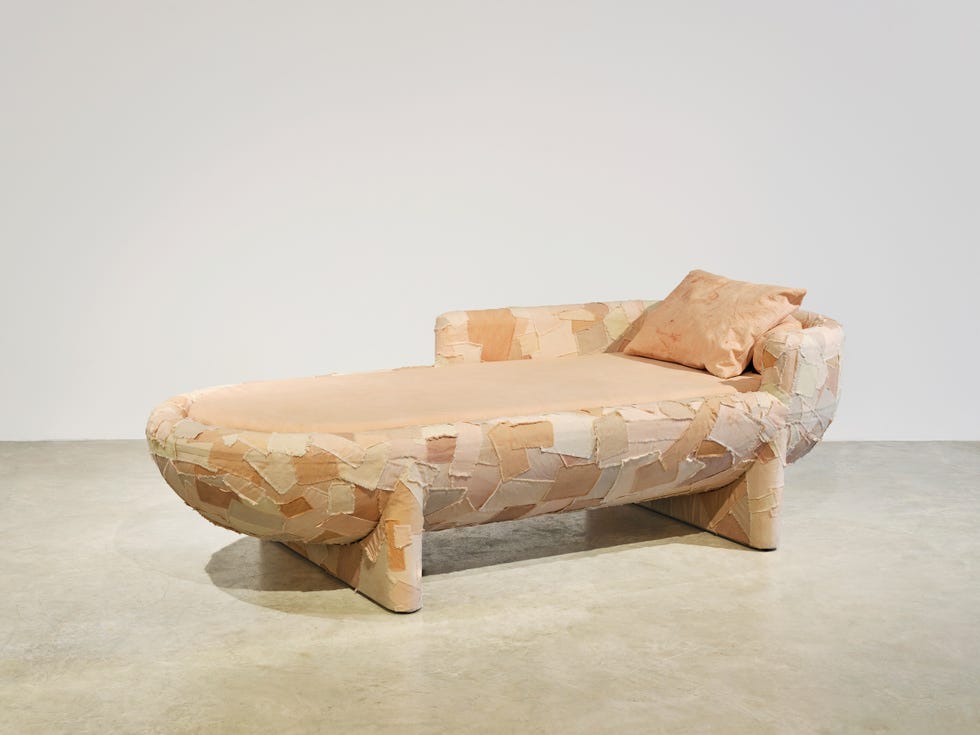
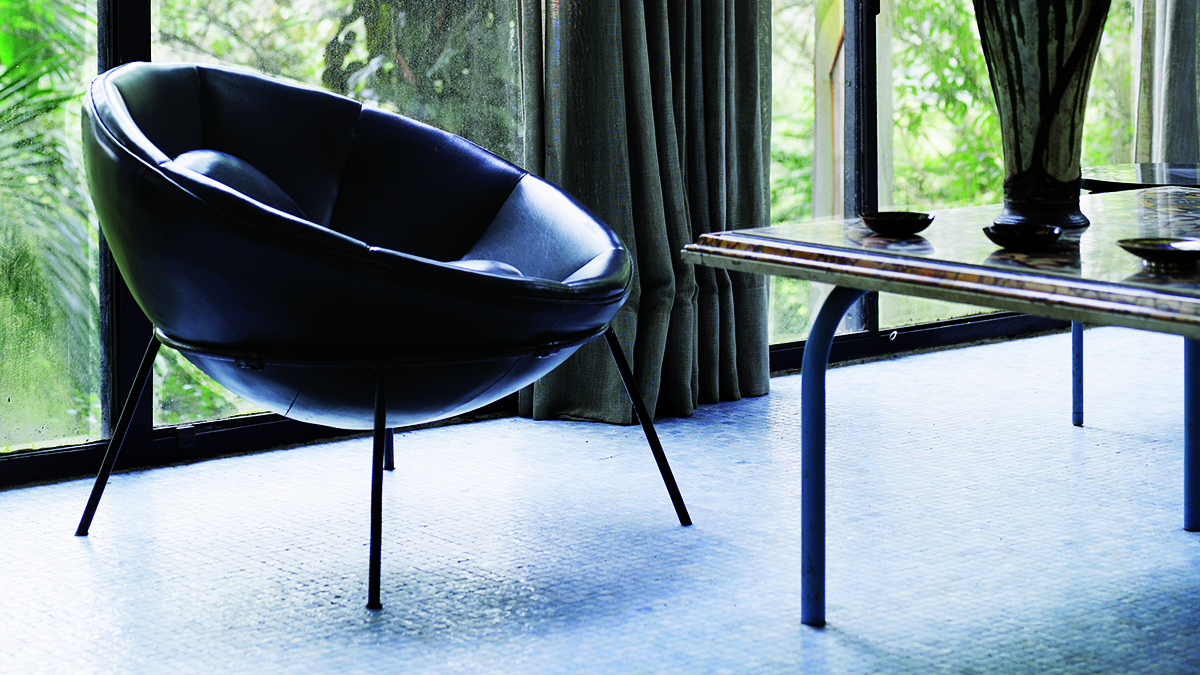
In a recent Brazilian Design Week event in Washington, diplomat Sérgio Amaral highlighted the growing global recognition of Brazilian design, nearly a century after its inception. This movement, now taking its place in the Modernist pantheon, is characterized by an elusive quality known as _Brasilidade_, or Brazilianness. Unlike its Scandinavian or Bauhaus counterparts, Brazilian modernism is defined by "unpretentious sophistication," curves, soothing corners, comfort, and a sensual freedom, as described by those immersed in the field. This unique aesthetic is being brought to North America by distributors like Sossego, founded by Jonathan Durling after he encountered designer Aristeu Pires. Similarly, R & Company co-founders Zesty Meyers and Evan Snyderman have been instrumental in revitalizing the legacies of mid-century Brazilian masters such as Lina Bo Bardi and Joaquim Tenreiro, showcasing their work in New York. There is a clear and growing global appetite for this distinct style.
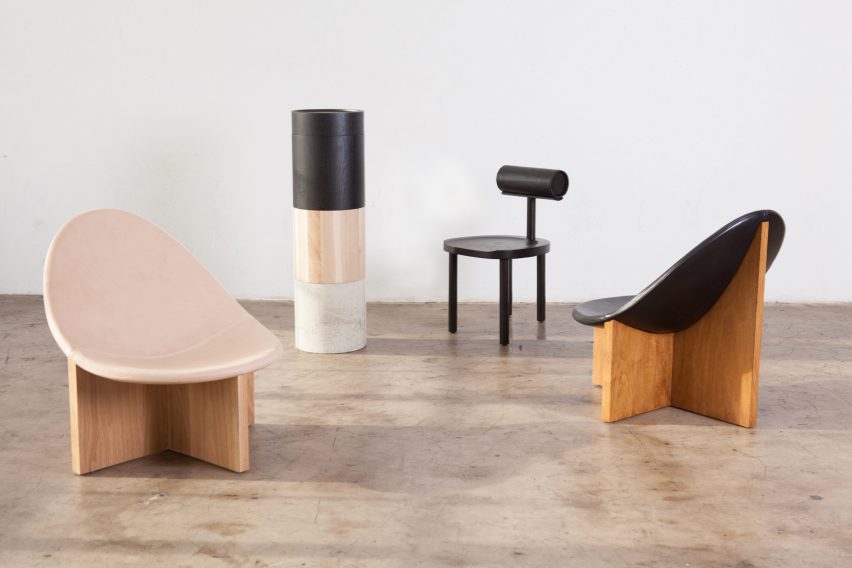
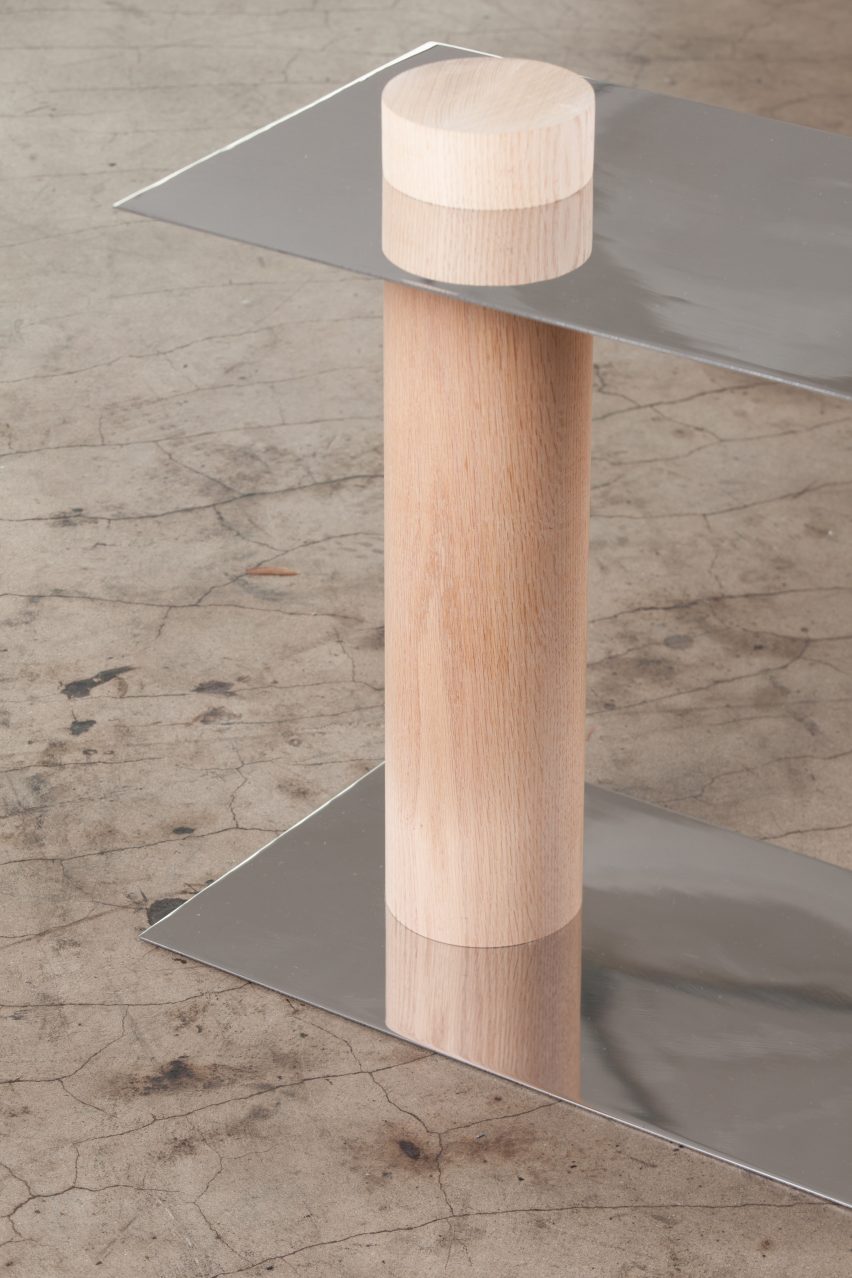
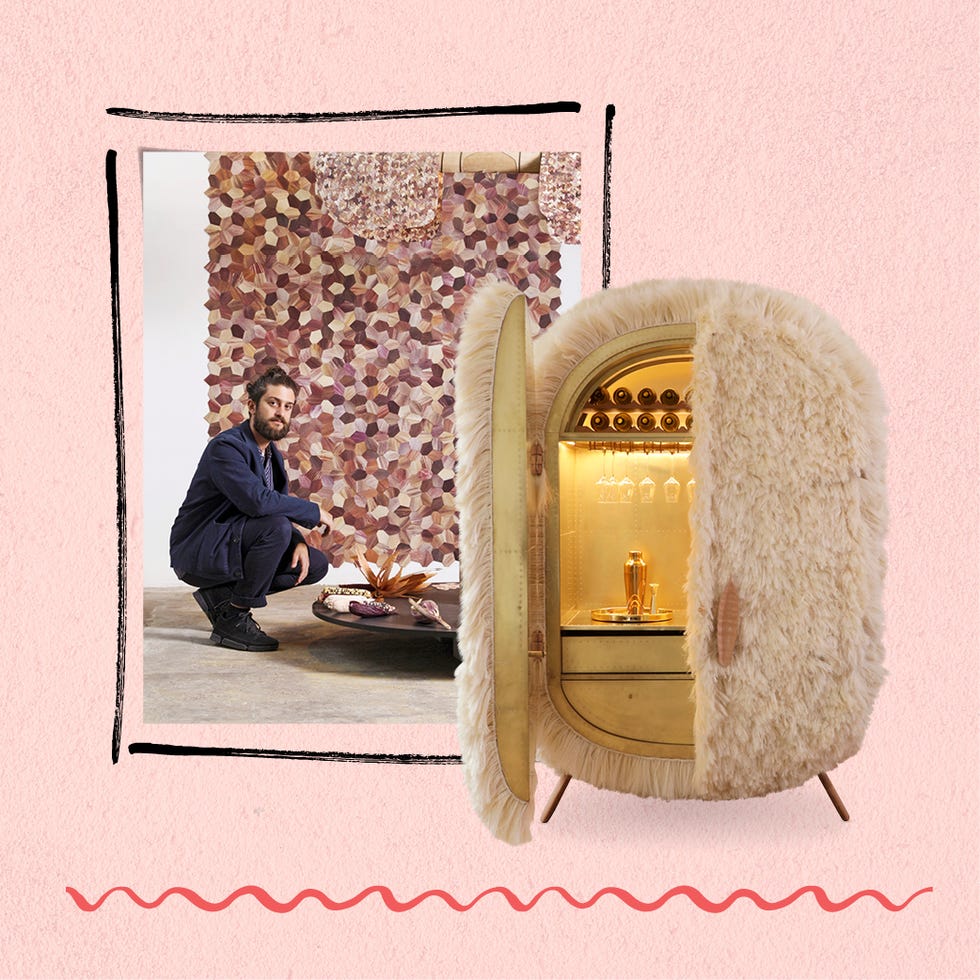
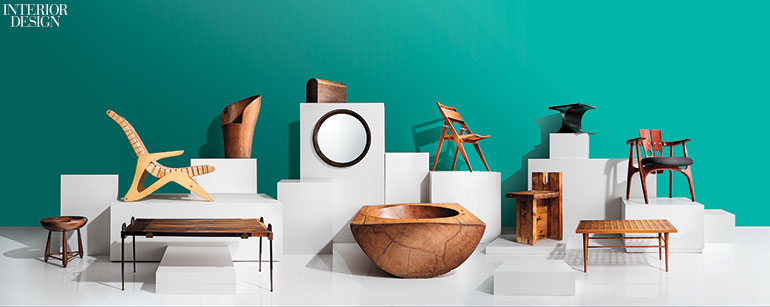
The event also featured an exhibition at the chancery, a 1971 black-glass cube designed by Brazilian architect Olavo Redig de Campos, displaying iconic pieces by Oscar Niemeyer, José Zanine Caldas, Sérgio Rodrigues, Bo Bardi, and Tenreiro, alongside contemporary works from Domingos Tótora, Guilherme Wentz, and Pires. Zesty Meyers recounted his two-decade quest, sparked by Oscar Niemeyer's architecture in Brasília, to uncover the hidden world of Brazilian furniture design. His search began in the late 1990s when he realized that such monumental architecture must have been complemented by equally remarkable local design. With minimal archival resources and no internet, Meyers and Snyderman embarked on detective work, initially finding only small photos in design yearbooks. Their persistence led them to Brazil, where they discovered a vibrant, largely unknown artisan-design scene, characterized by rich woods, intricate carving skills, and a profound sense of beauty. Many custom pieces, they found, remain in private collections, making the discovery process all the more challenging and rewarding.
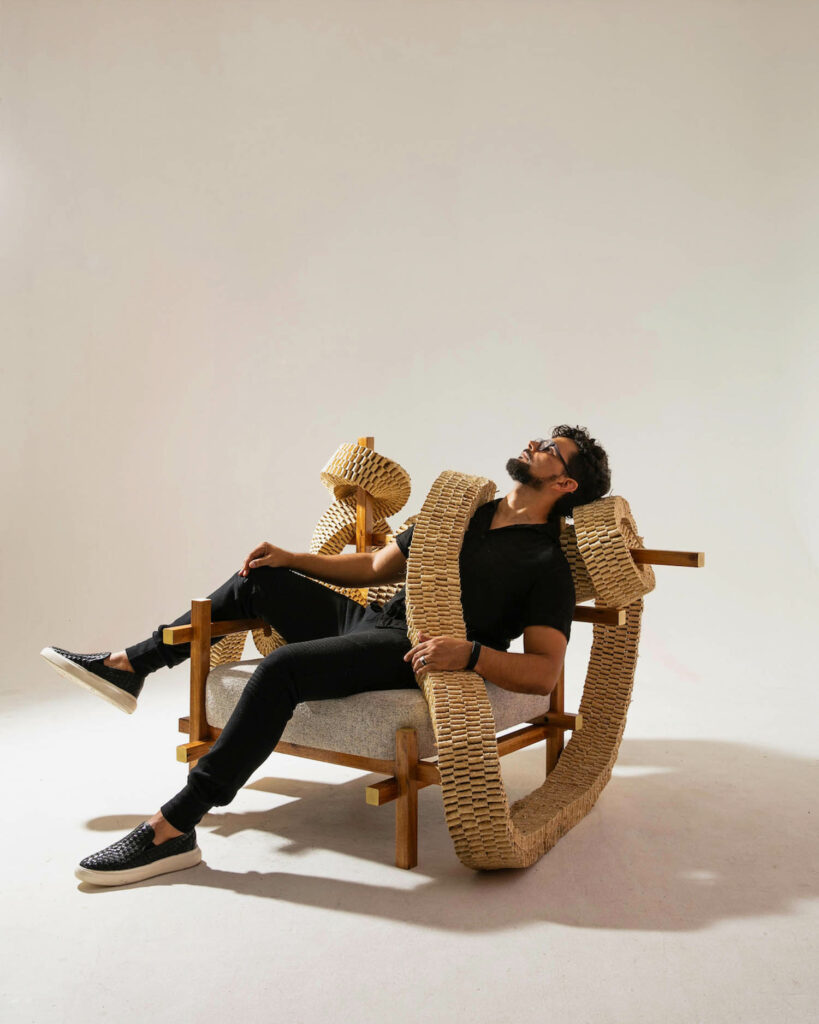
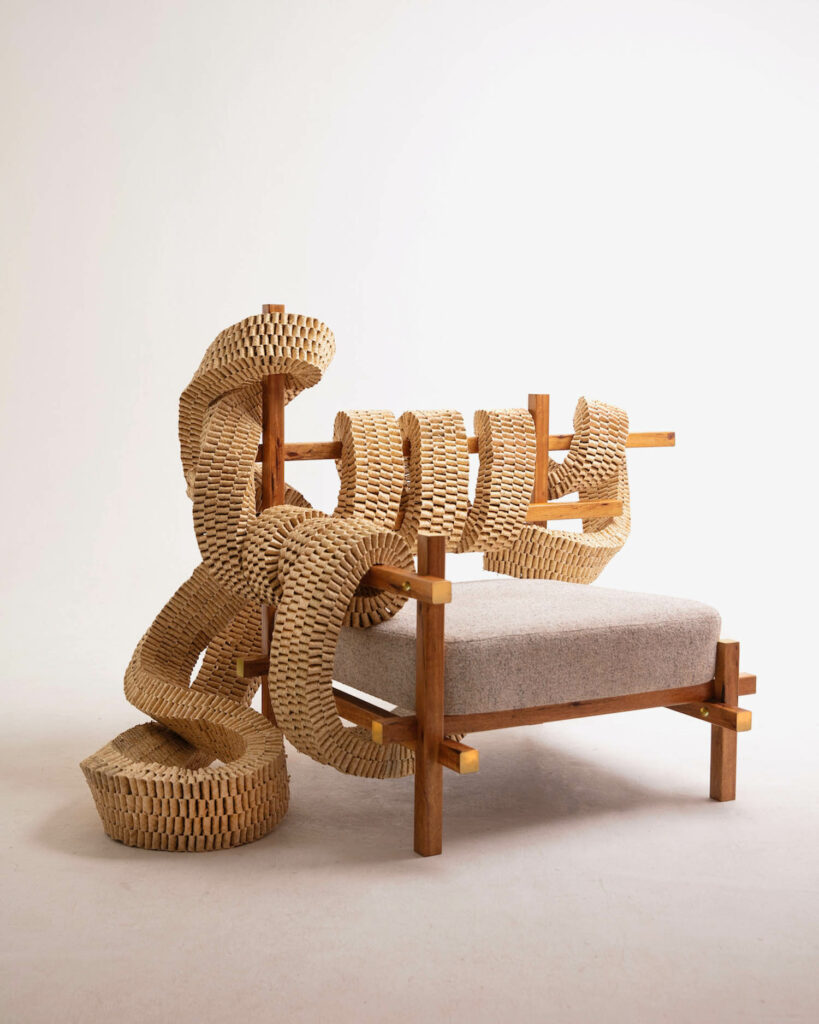
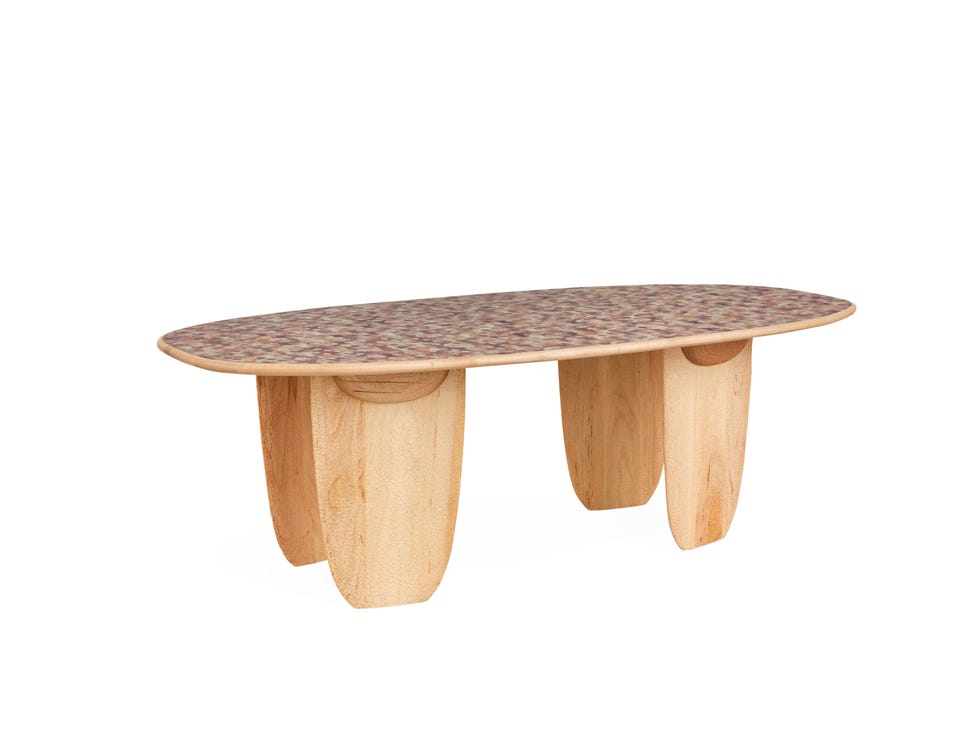
Paradoxically, Brazil's political isolation and delayed industrialization, despite early exposure to European avant-garde and internationalism, fostered a uniquely artisanal and sensual style, free from dogmatic constraints. This environment allowed designers to create without adherence to rigid rules, enabling an aesthetic deeply rooted in nature. Sculptor Domingos Tótora, for instance, integrates the sinuosity and textures of Brazil's mountains into his work, exemplified by his home in Maria de Fe. Facing the endangerment of noble hardwoods like Brazilian rosewood and Pernambuco wood, Tótora has adopted sustainable practices. He crafts pieces like vases, trays, benches, and coffee table bases from recycled cardboard, which he processes with soil, water, and paste, molding and baking the material in natural sunlight, then hand-sculpting and burnishing it to achieve a smooth, silky finish. This resourcefulness embodies _jeitinho_, a Brazilian colloquialism for finding a creative workaround, which, along with _Brasilidade_, remains central to the past, present, and future of Brazilian modernism.
#BrazilianDesign #ModernFurniture #InteriorDesign #Brasilidade #ArtisanDesign #SustainableDesign #CulturalAesthetics #MidCenturyModern #DesignHistory #BrazilianDesign #ModernFurniture #InteriorDesign #Brasilidade #ArtisanDesign #SustainableDesign #CulturalAesthetics #MidCenturyModern #DesignHistory
0 comment in total
 No comments yet
You may also like
Twelve modernist furniture designs by 20th-century architects
25 Types of Sofas, Explained

A São Paulo Apartment Designed Around the Owner’s 5,000 CDs

Is Midcentury Modern Decor Finally Out of Style in 2025? What Designers Really Think

These 5 Furniture Trends Will Dominate 2025

Outdated Furniture Pieces That Are Having A Comeback

The 6 commandments of mid-century modern design
12 Brazilian Design Highlights from the Milan Furniture Fair 2023
This Tropical Modernist Miami Home is at One With its Surroundings
The 11 best places to buy midcentury-modern furniture, according to designers
5 Modern Furnishings With Fun Fringe Accents

These 5 Mexico-Based Furniture Makers Have WILDLY Creative Takes on Traditional Craftsmanship

Here's What You Should Know About Midcentury Modern Style
"I love mid-century modern but it makes me sad"
Inside a Brasília apartment's contemporary renovation

The 20 Best Luxury Furniture Brands Worth Investing In

12 pieces of timeless furniture that will never go out of style |

Estudio Persona's furniture collection channels "Hispanic rock 'n' roll"
8 "Tacky" Home Trends That Are Tragically Dead to Designers in 2026
The enduring appeal of Mid-century Modern