1/10
Why I regret using recessed lights in my kitchen remodel
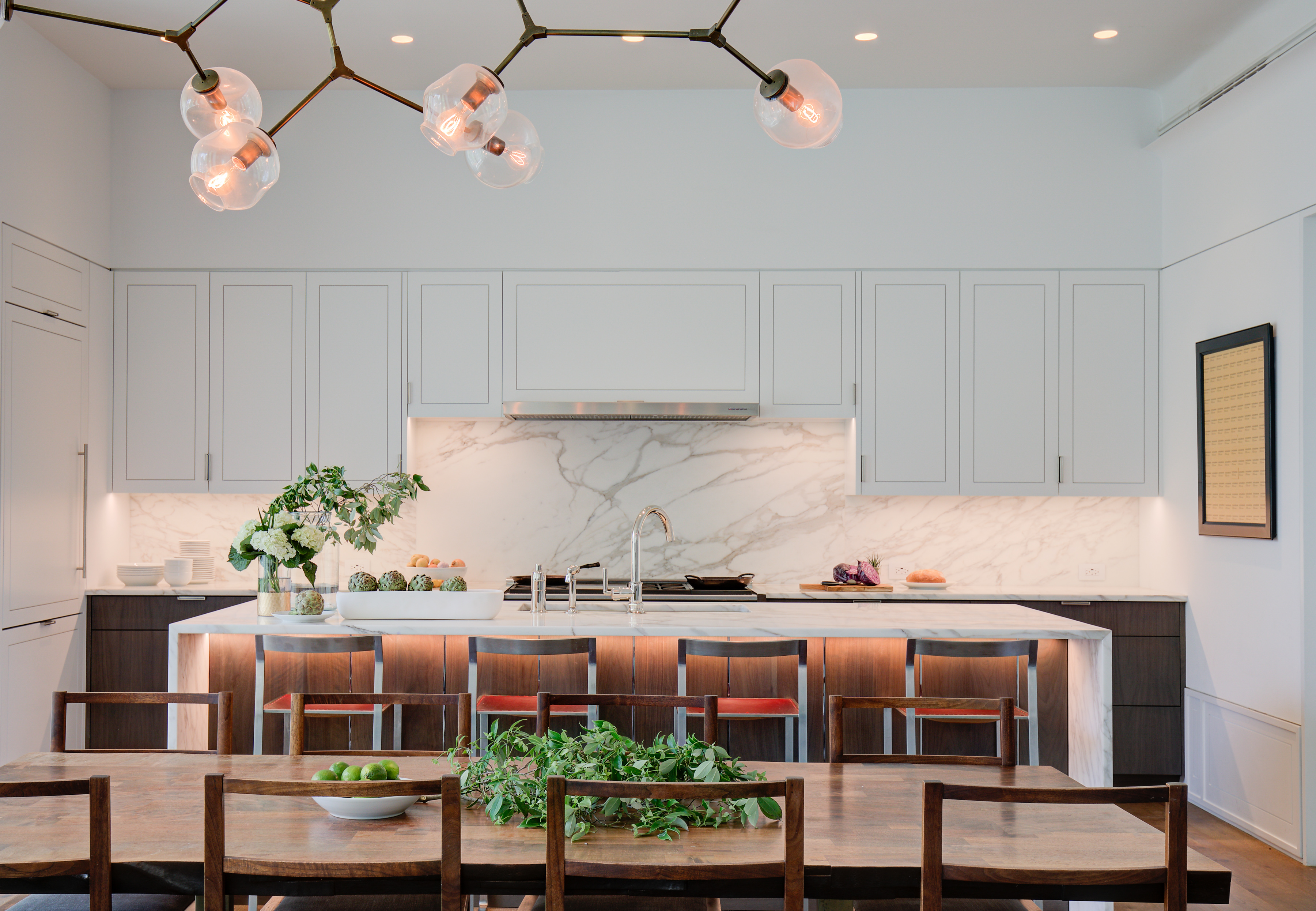
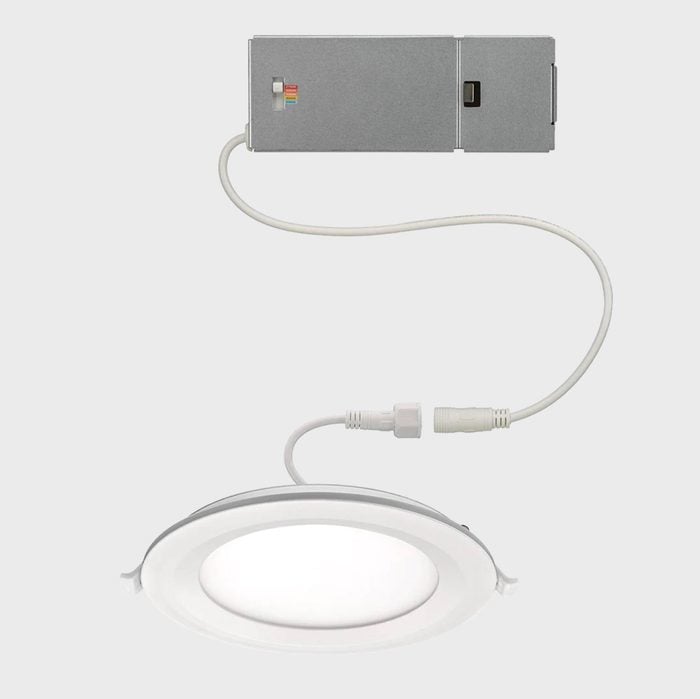
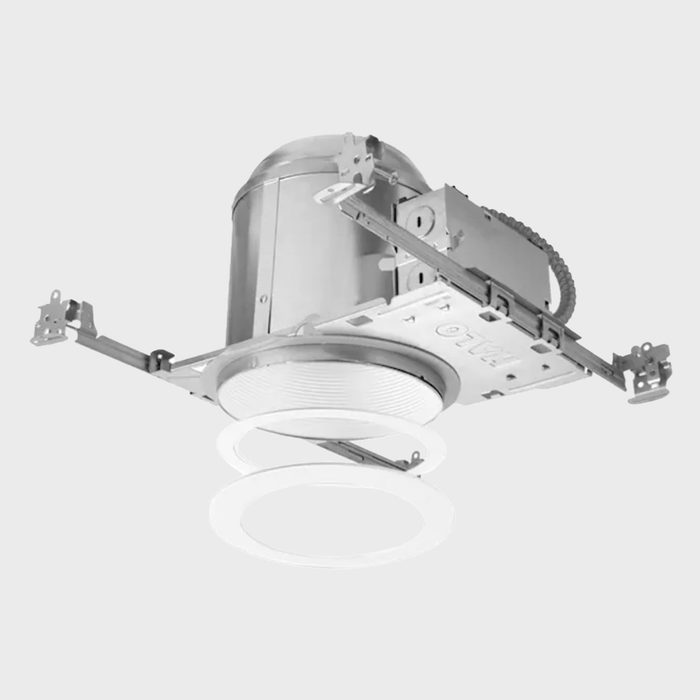
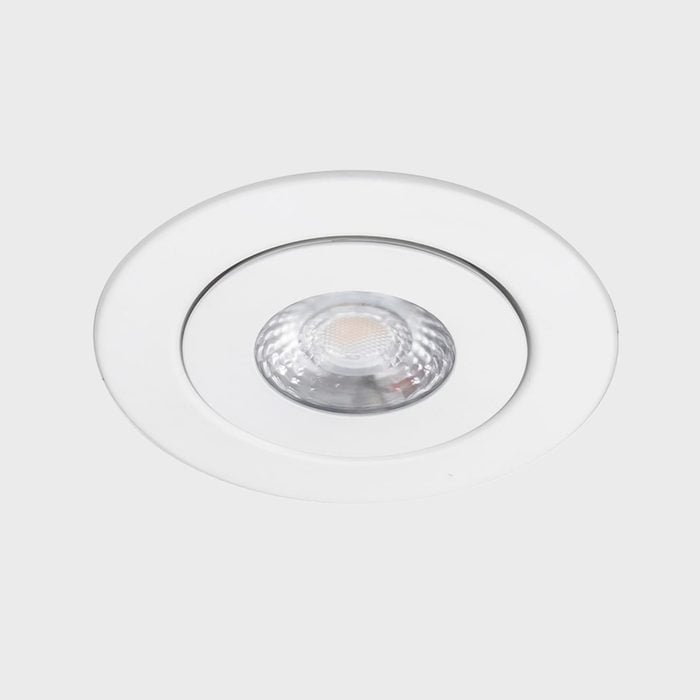
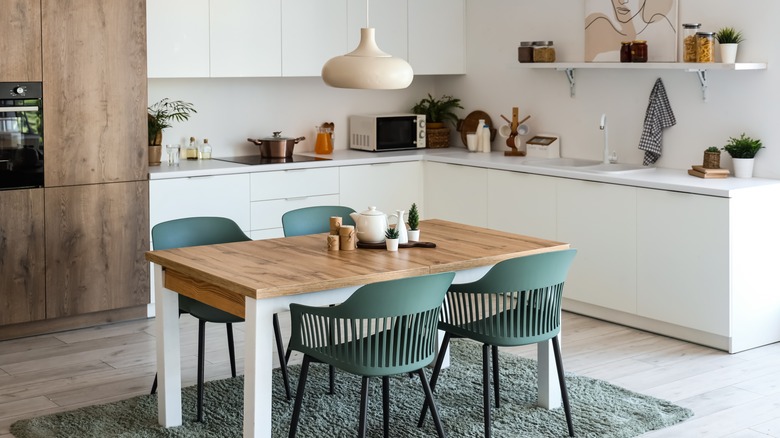
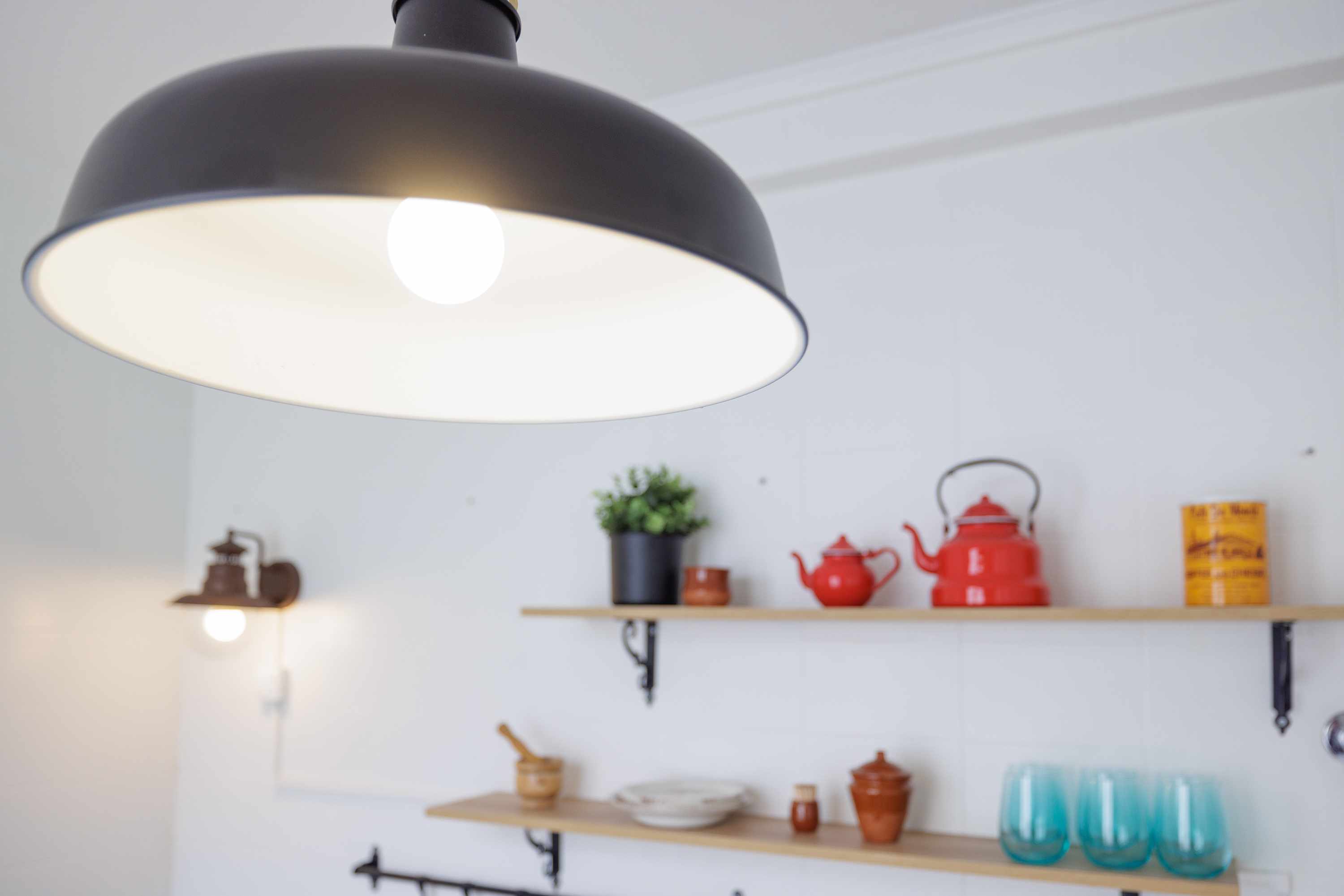
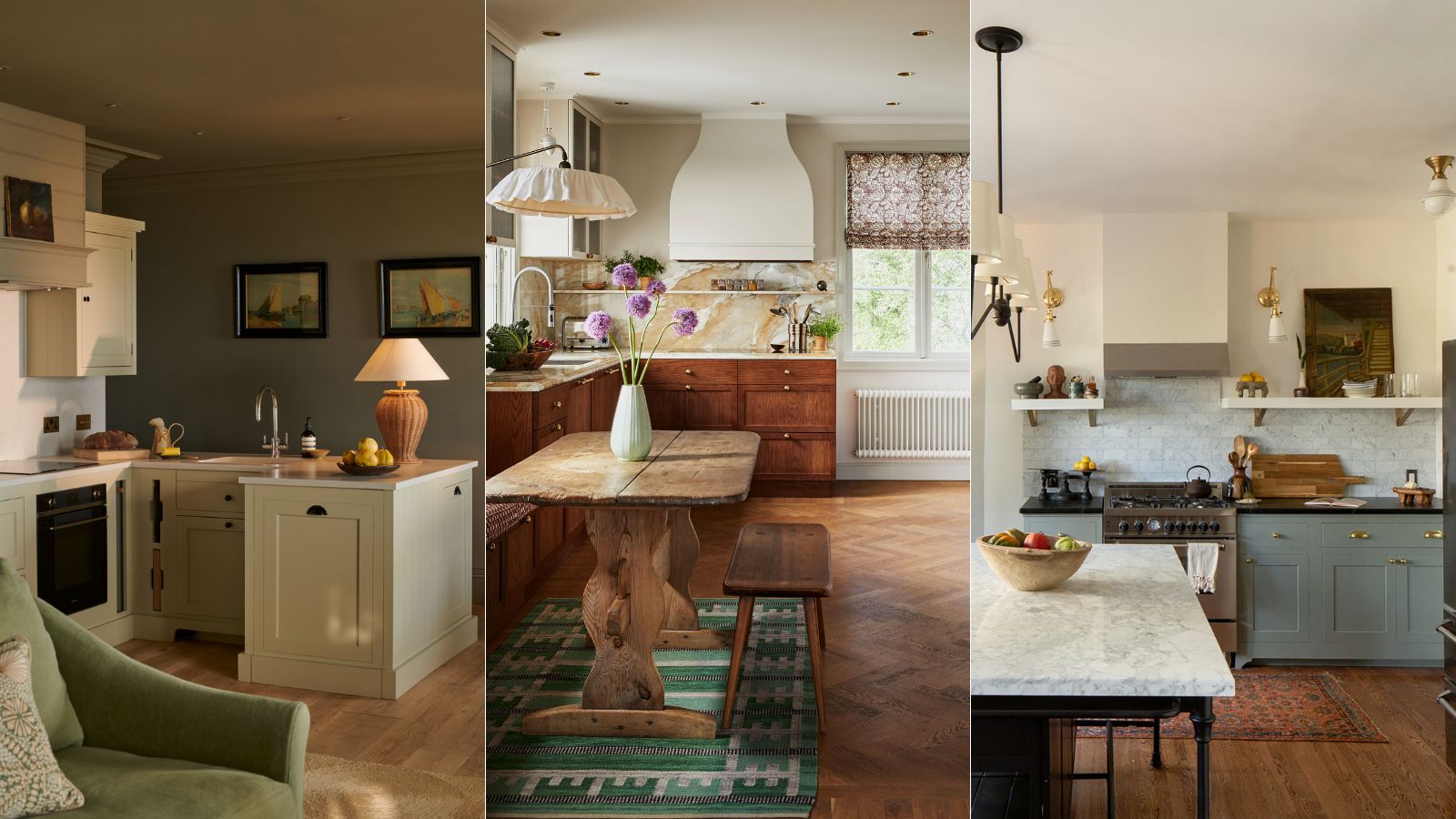
Remodeling a kitchen involves numerous decisions, with lighting being a critical aspect. While the author of this article initially embraced recessed downlights due to their practicality and popular appeal, a year into the kitchen remodel, a significant regret regarding this choice has surfaced. The kitchen, despite being a central part of the home and receiving various lighting installations, including sconces and a pendant light for a breakfast nook, has proven to be less than ideal due to the extensive use of ten recessed spotlights in the ceiling.
The initial decision for these ‘can lights’ was influenced by the kitchen's lack of natural light, despite additions like a Velux window and large windows on one side. The small kitchen in a Victorian home, with its low ceilings, presented limited options, making the clean design and shadow-free illumination of downlights seem like a foolproof choice for a functional space. However, the experience of living with these lights revealed their shortcomings, leading to a feeling of sterility rather than the desired warmth, even with soft butter-yellow paint on the walls.
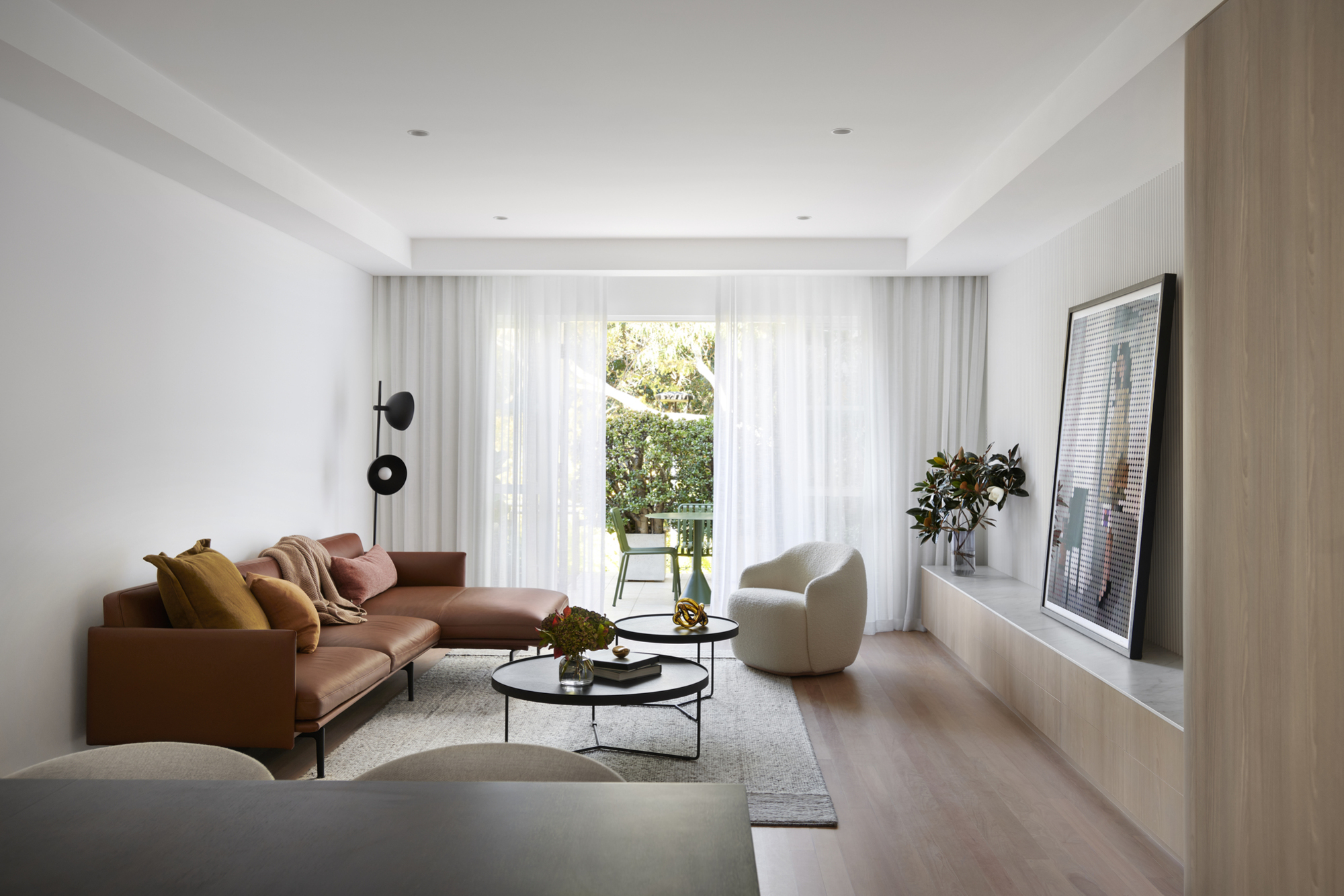
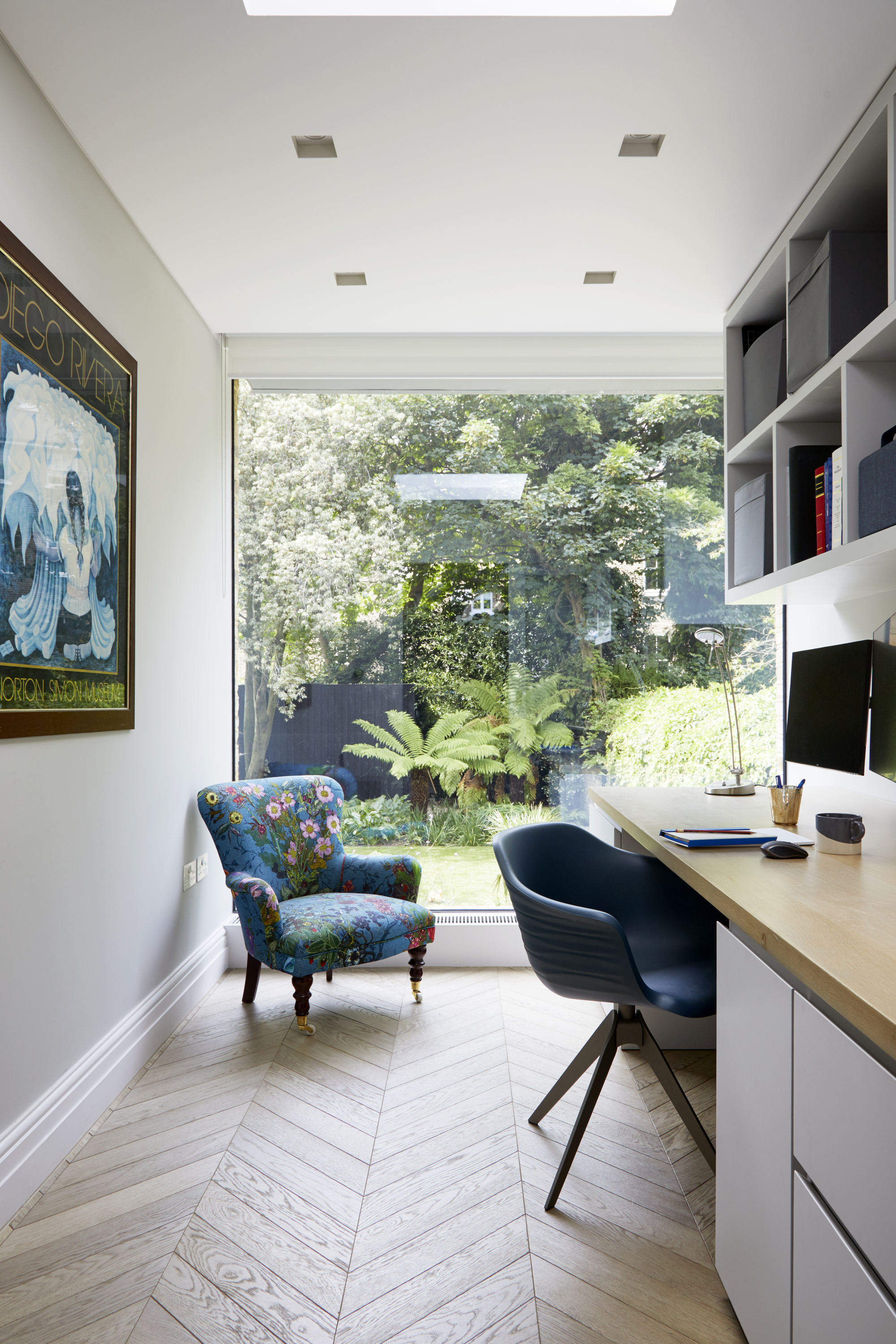
Further research indicated a widespread dislike for spotlights within the interior design community, who often view them as generic builder-grade fixtures. While designers acknowledge a place for recessed lighting, particularly in low-ceiling areas to ensure visibility, they emphasize a more creative and layered approach. The current grid of spotlights in the author's kitchen falls short of truly performing as effective task lighting, prompting a re-evaluation of the lighting strategy.
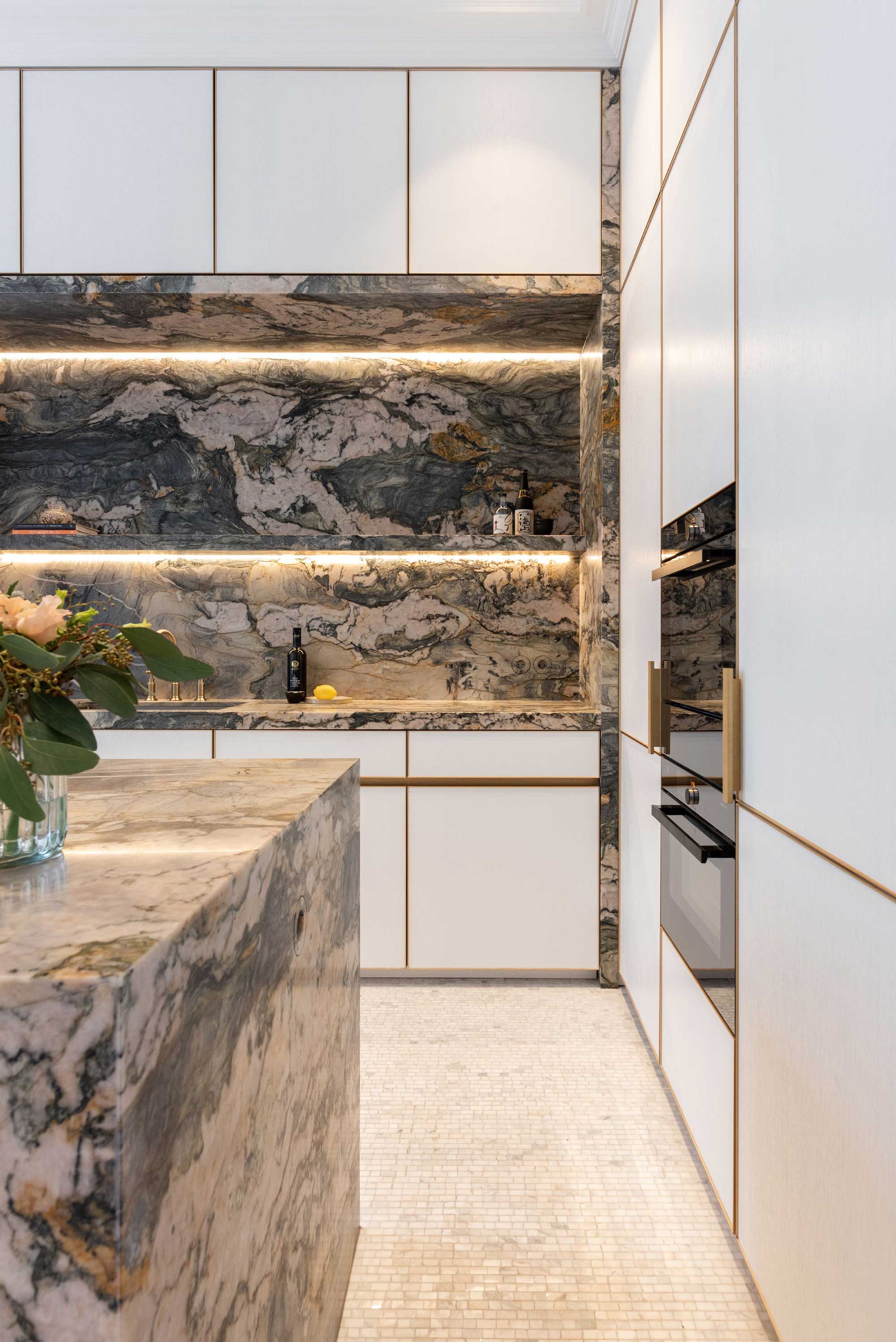
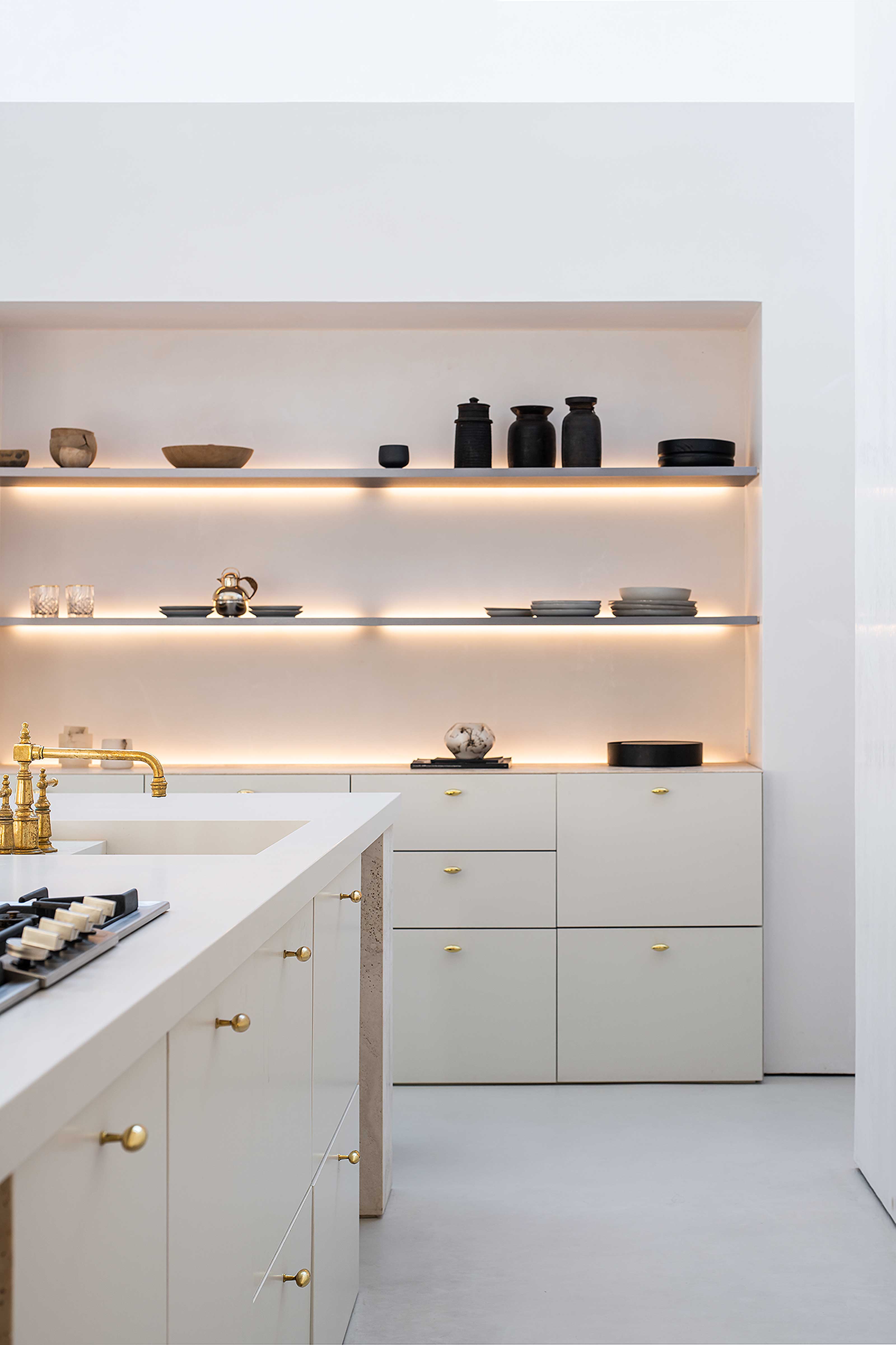
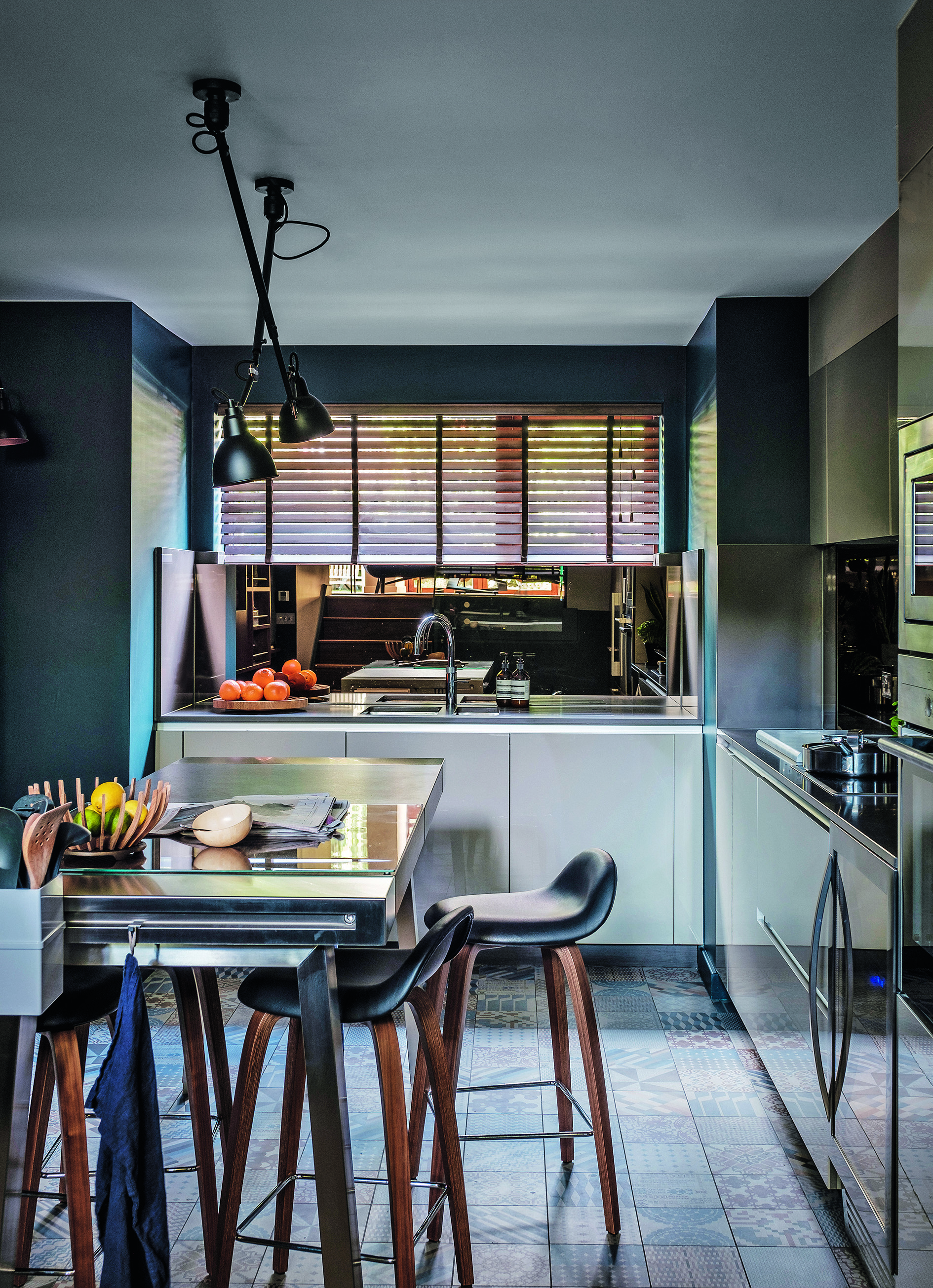
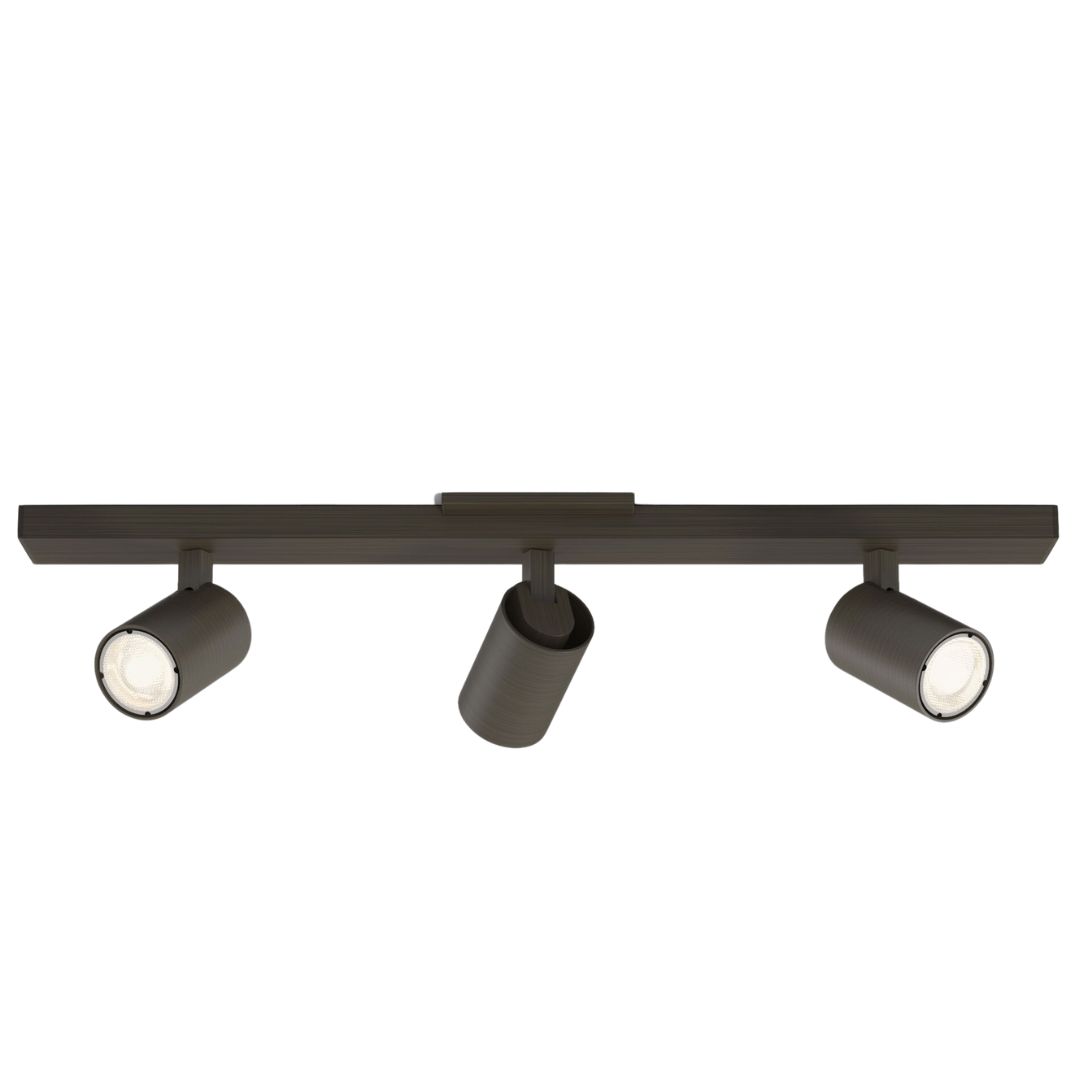
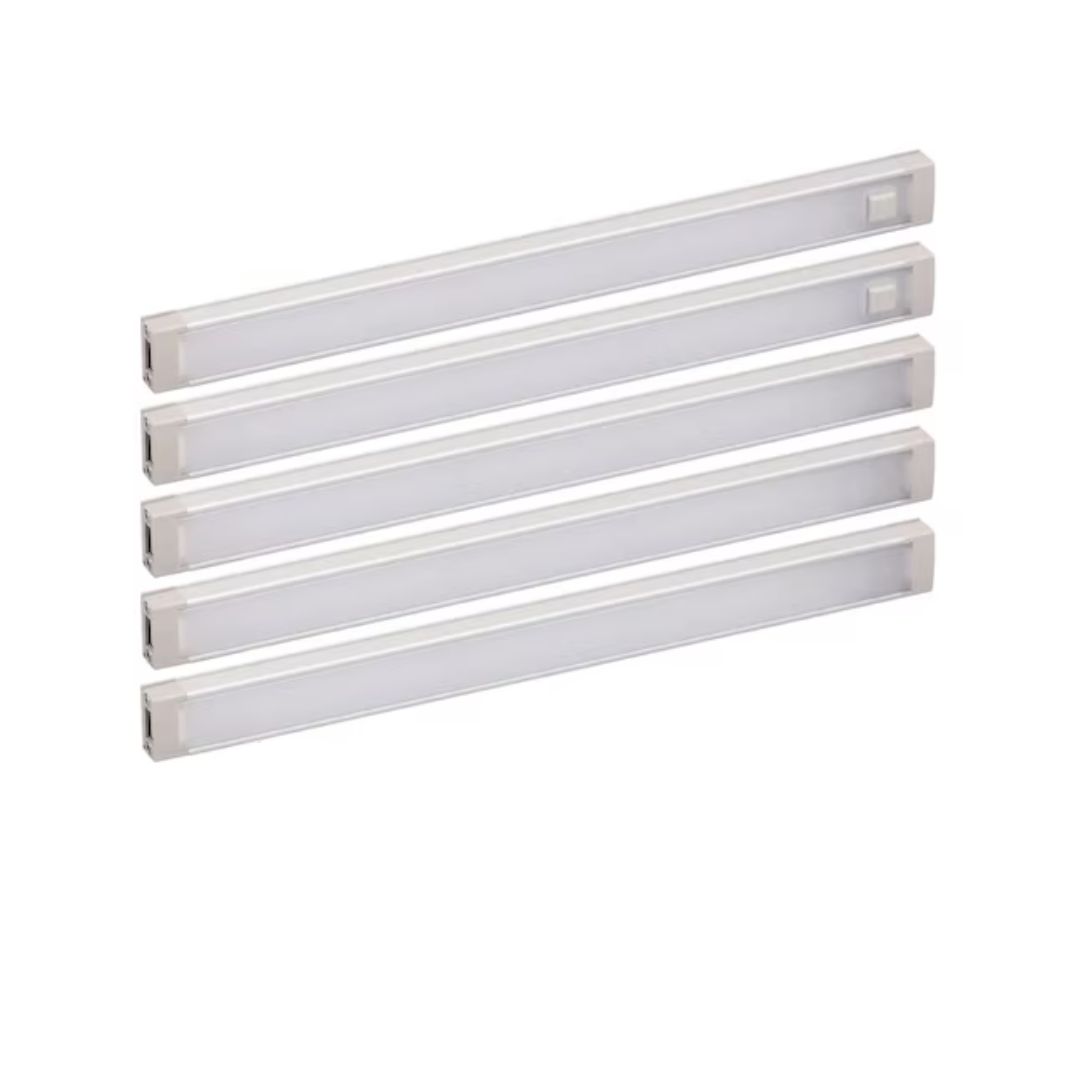
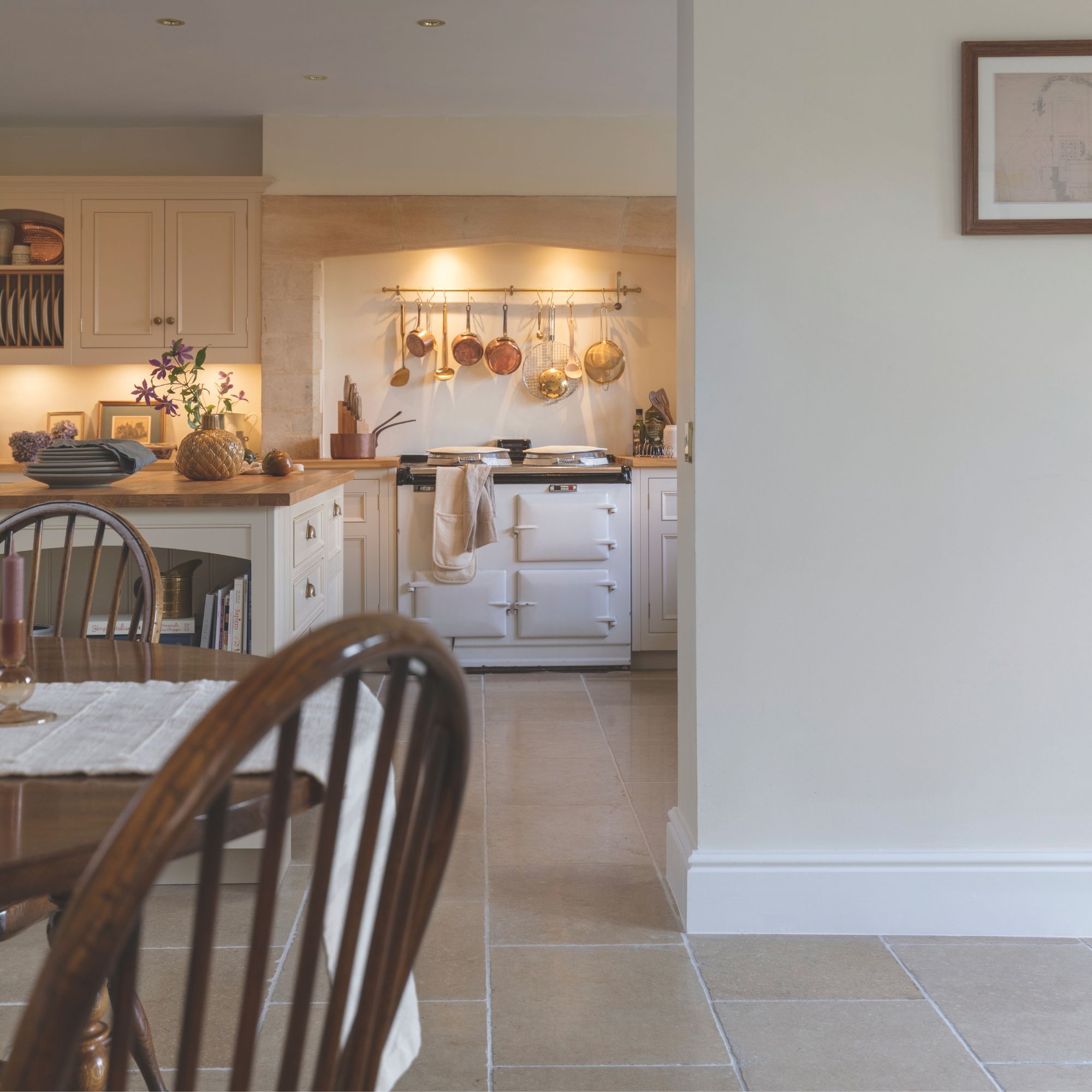
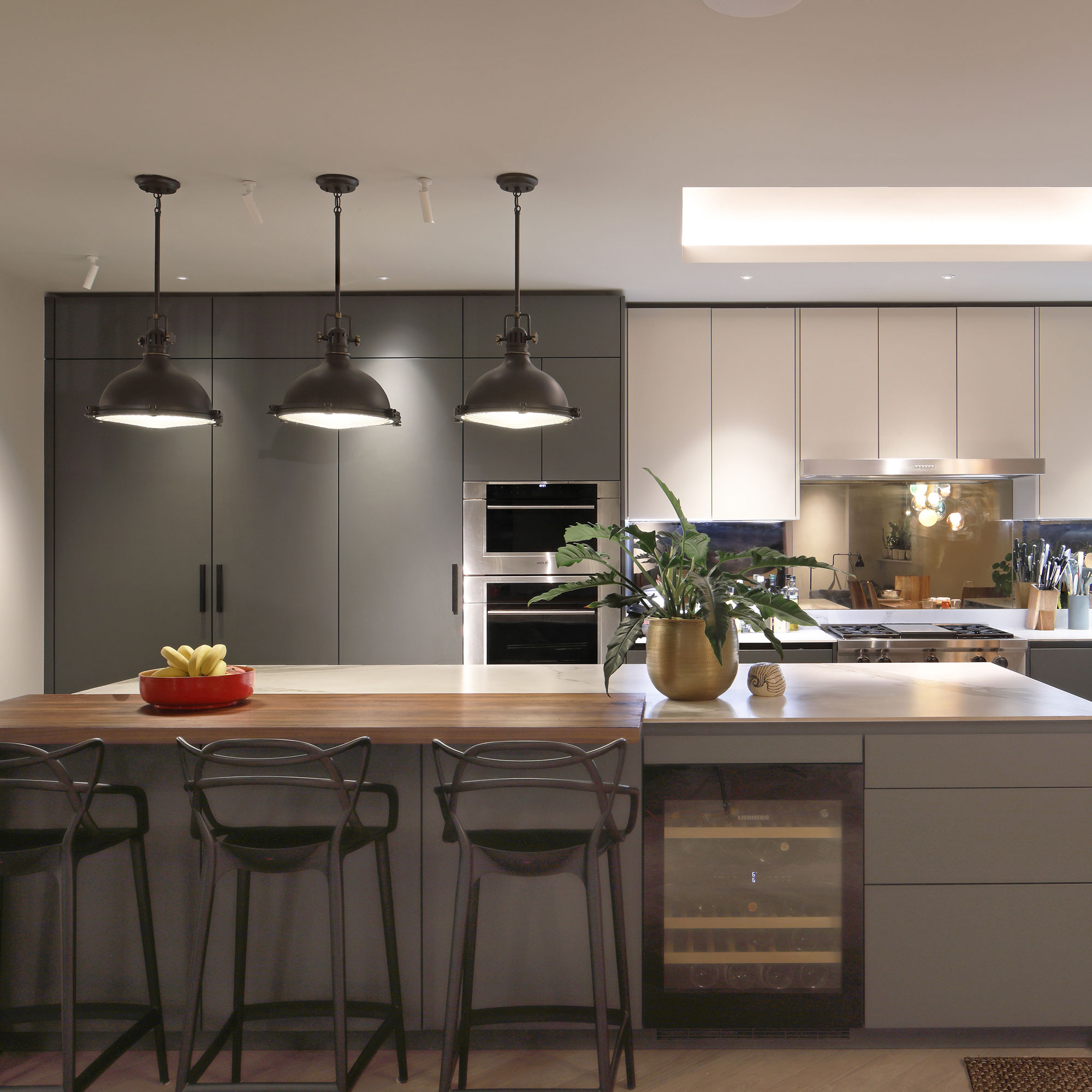
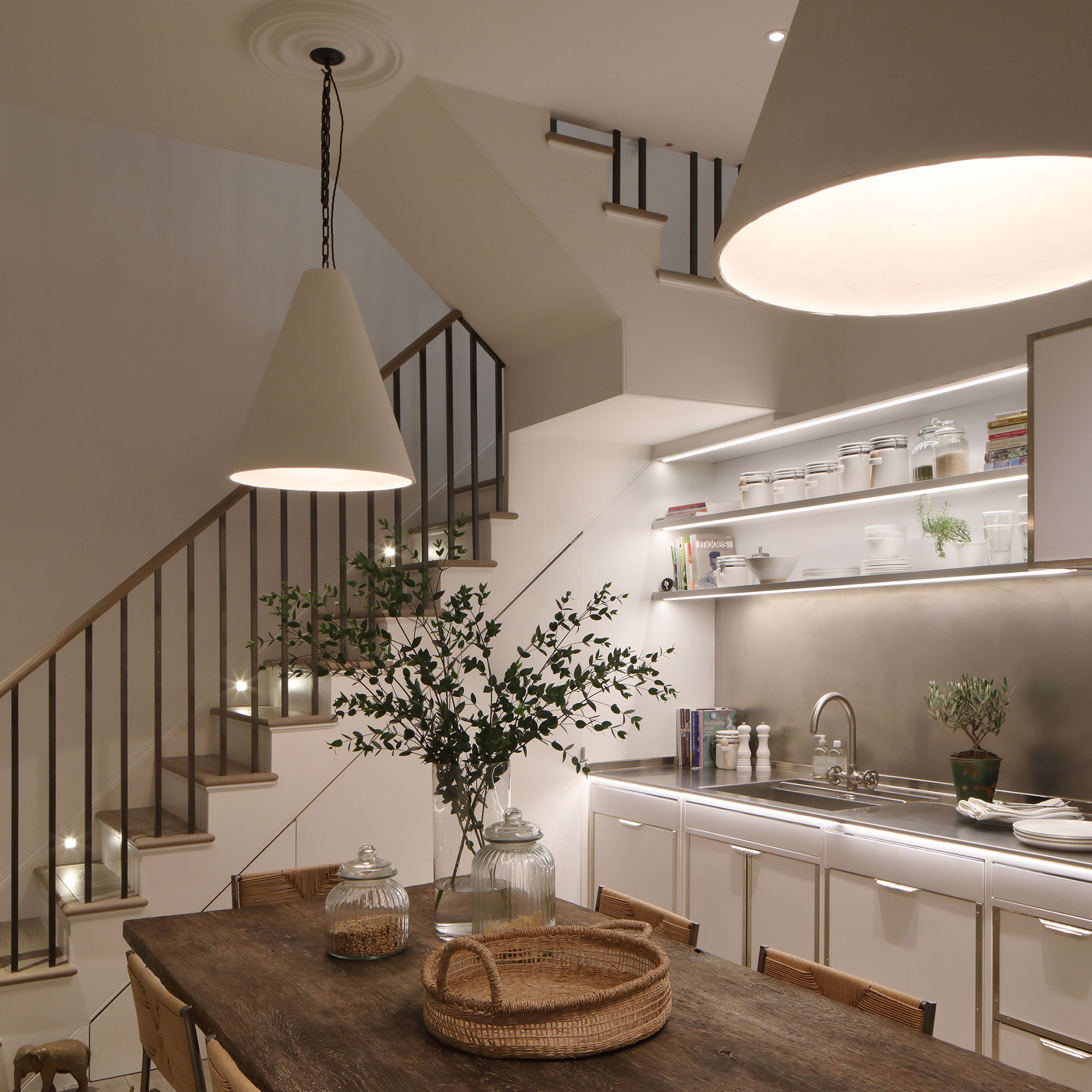
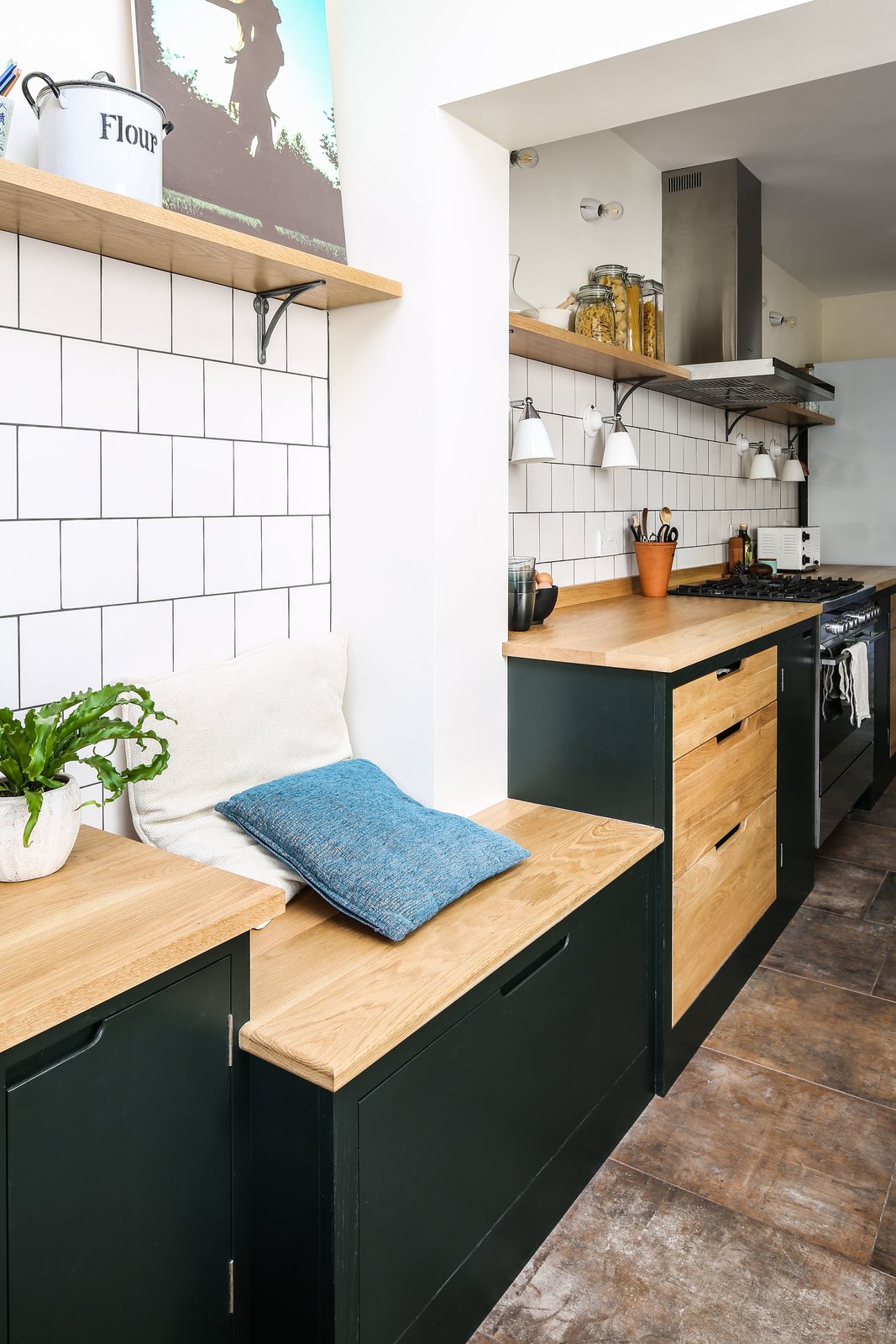
To achieve both ambiance and functionality, a few alternative strategies are proposed. Firstly, improved positioning of spotlights would involve installing a trio directly over countertops instead of in a grid pattern across the ceiling. This would concentrate illumination where tasks are performed, such as at the cooker or sink, and integrate these spotlights as part of a broader, multi-source lighting scheme. Secondly, incorporating under-shelf or under-cabinet lights would further enhance countertop illumination, providing brightness and flexibility for various activities throughout the day. While existing sconces light the shelves effectively, they do not offer sufficient functional light for tasks like chopping vegetables. Therefore, LED under-cabinet lights are considered a necessary addition.
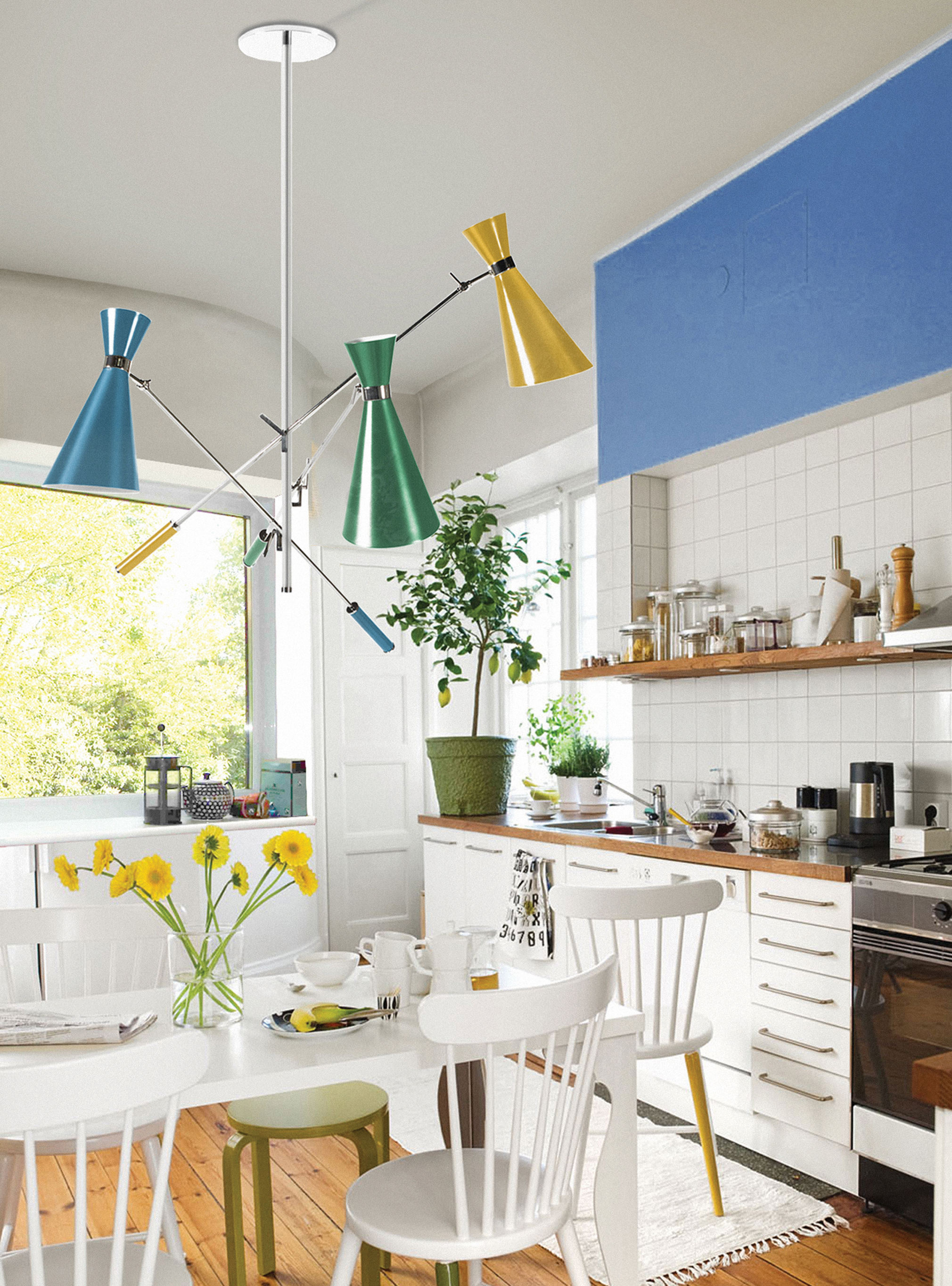
Lastly, to quickly address the lack of warmth and ambiance, the author plans to implement 'lampscaping' by adding unexpected table lamps on kitchen surfaces and islands. This technique would introduce localized, warm pockets of light. Crucially, all lighting would be on separate, dimmable circuits, allowing for adaptability to different moods and needs. This comprehensive approach aims to blend practicality with an inviting atmosphere, drawing lessons from the initial regret of relying too heavily on a single, albeit popular, lighting solution.
#KitchenLighting #HomeRemodel #InteriorDesign #RecessedLighting #TaskLighting #AmbientLighting #Lampscaping #UnderCabinetLighting #KitchenDesign #KitchenLighting #HomeRemodel #InteriorDesign #RecessedLighting #TaskLighting #AmbientLighting #Lampscaping #UnderCabinetLighting #KitchenDesign
0 comment in total
 No comments yet
You may also like
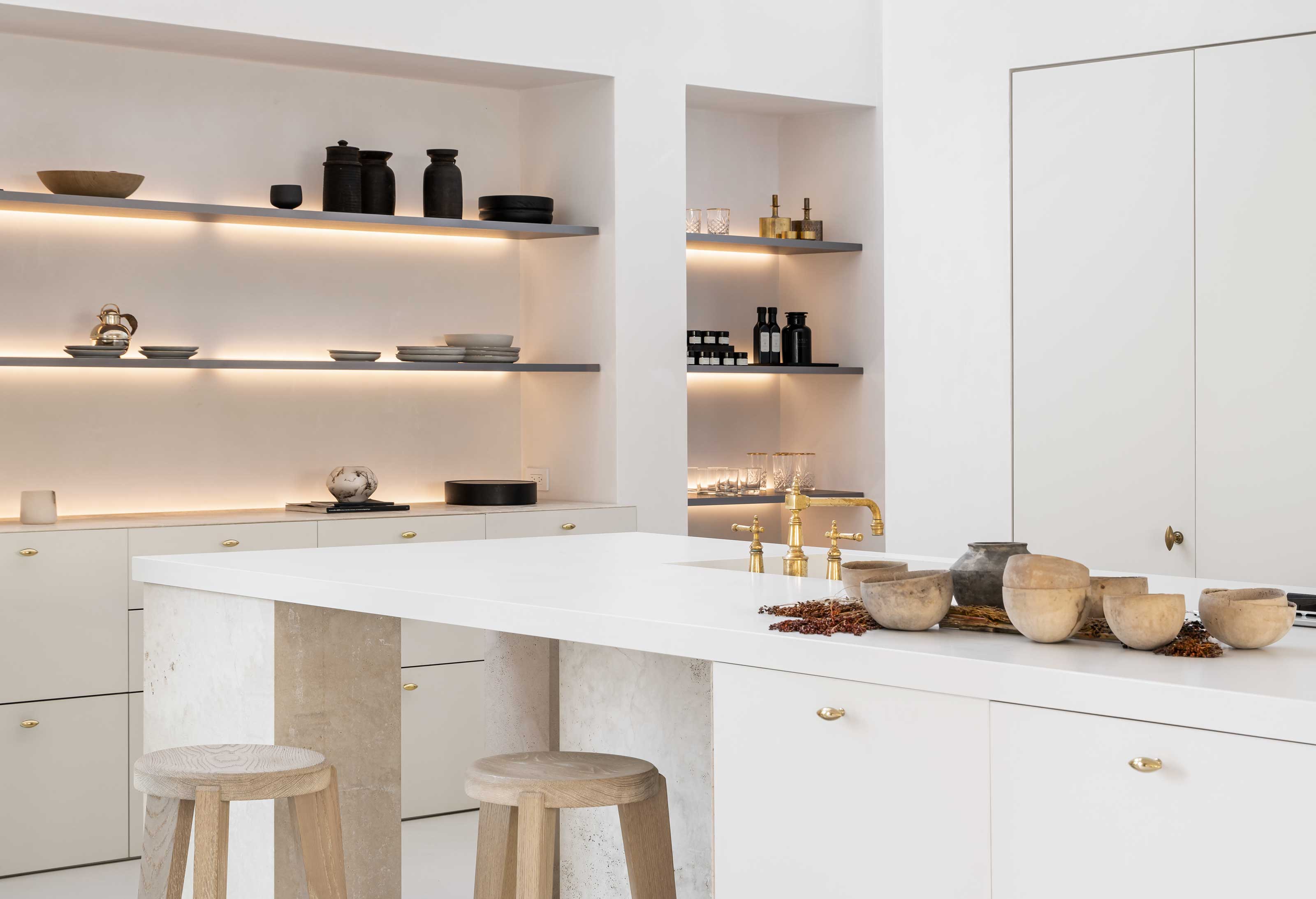
5 ideas for using LED lighting in a kitchen that make me regret not including it in my own remodel

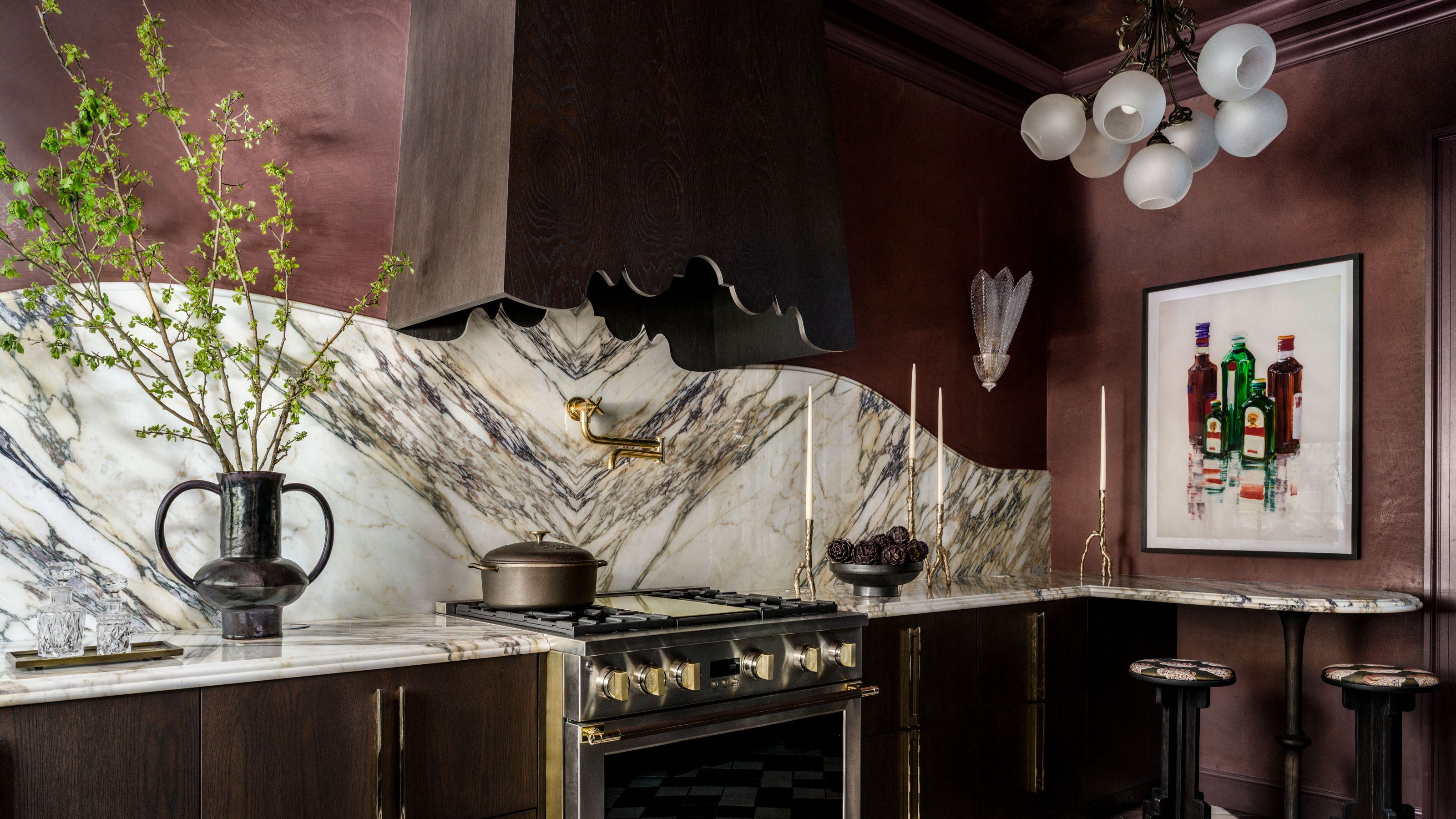
5 Kitchen Lighting Design Rules Interior Designers Warn You Should Never Ignore for a Well-Lit Space
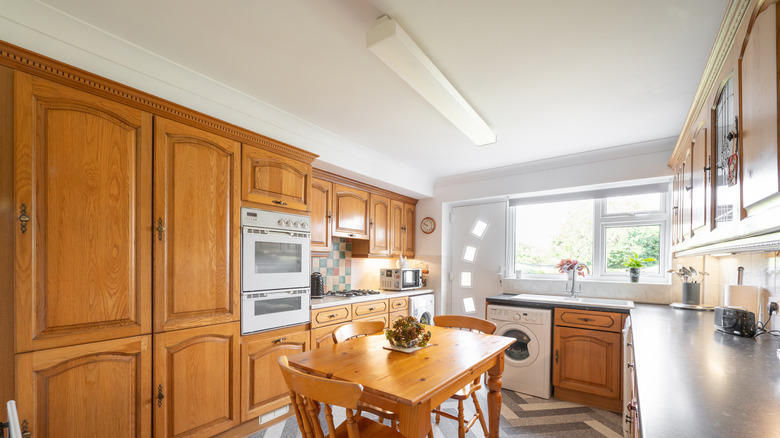
Kitchen Lighting Mistakes That Are Making Your Space Look Dated
6 Outdated Lighting Trends to Skip in 2024, According to Designers
10 Best Recessed Lights to Buy for Your Home in 2025

The BEST Way to Light Your Kitchen Is Not What You Think

Read This Before Installing Recessed Lighting In Your Living Room

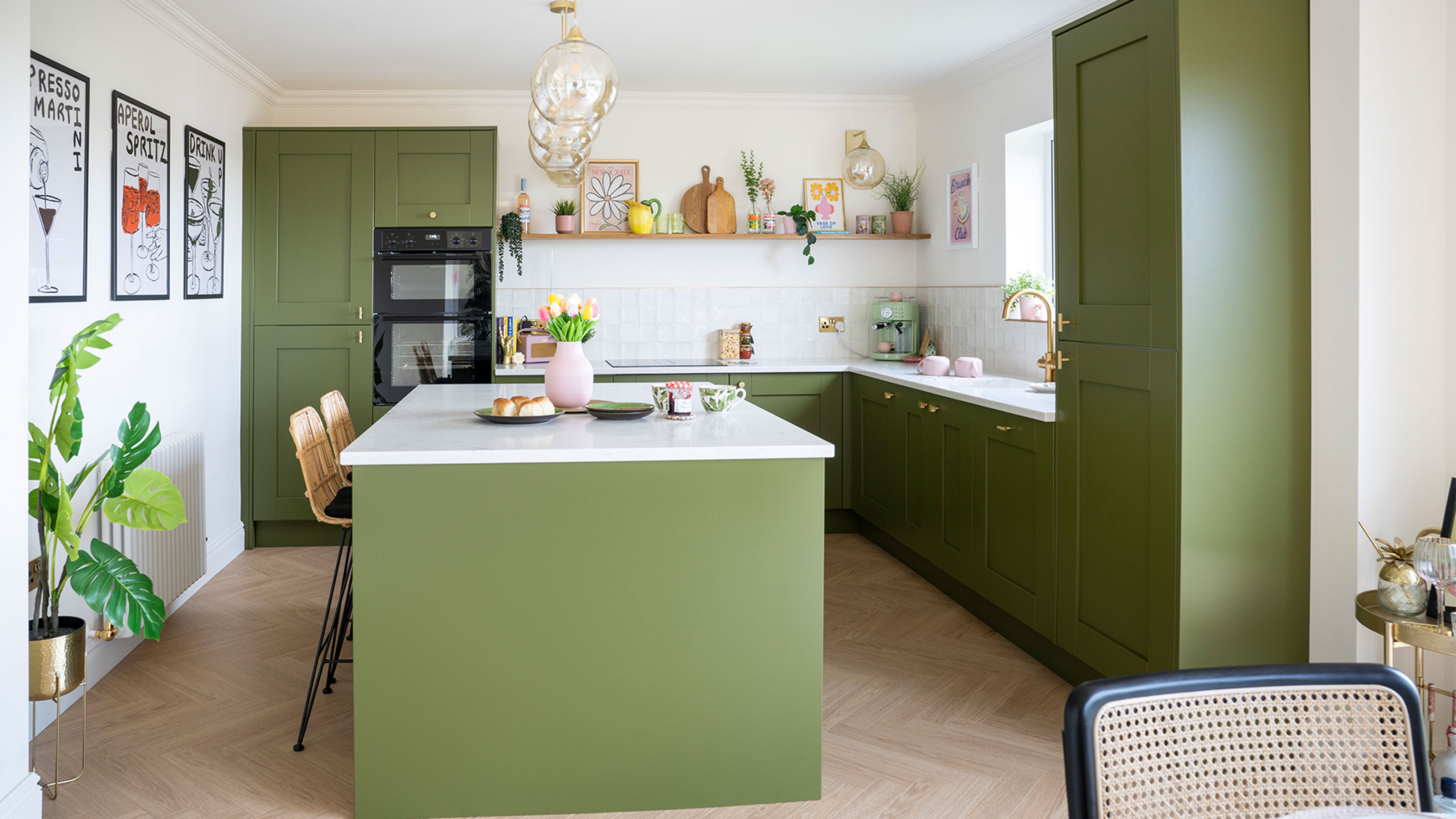
Experts warn this is the biggest mistake people make when choosing lighting for their kitchen
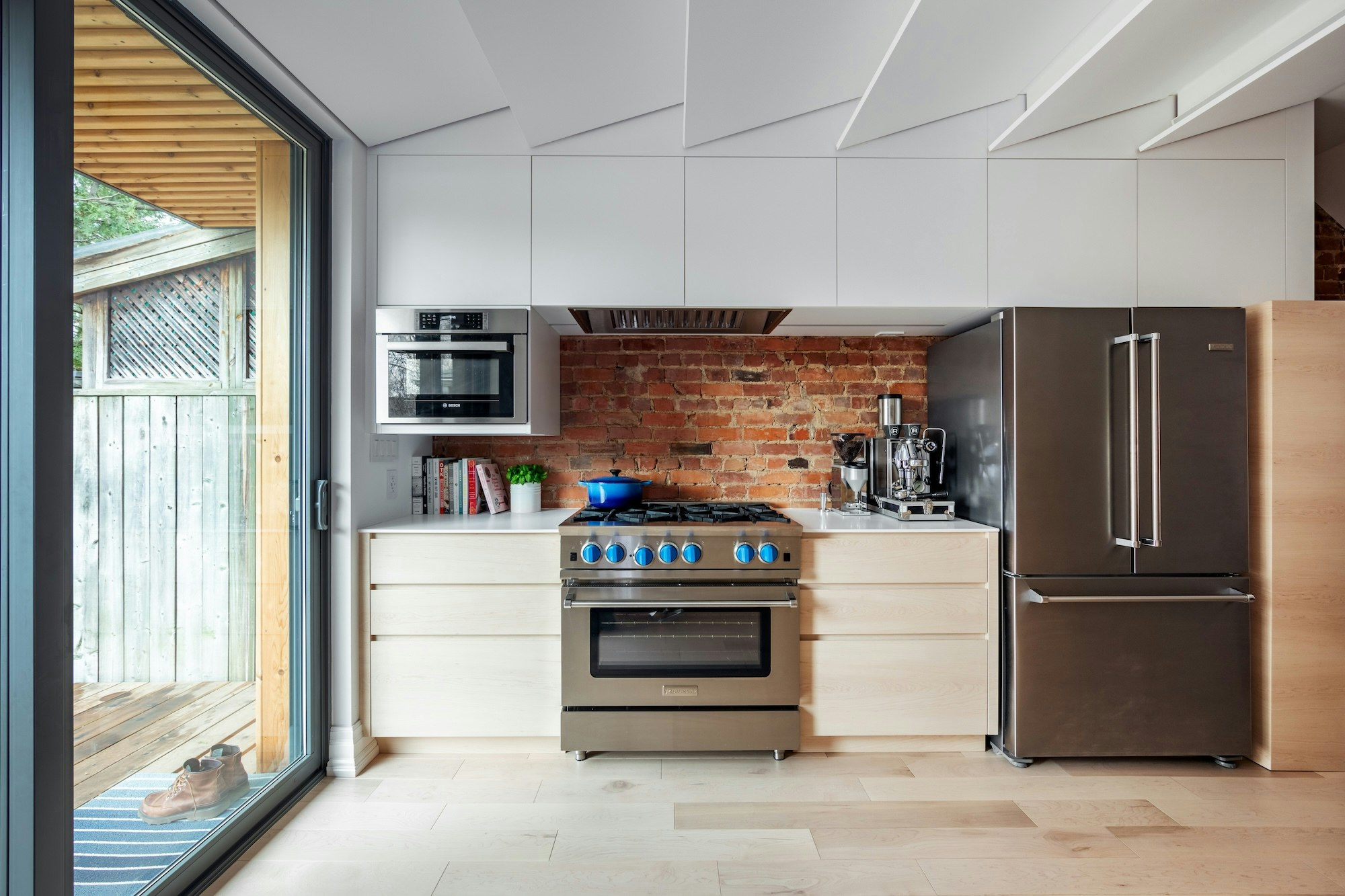
How They Pulled It Off: A Ceiling That Conceals Recessed Lighting

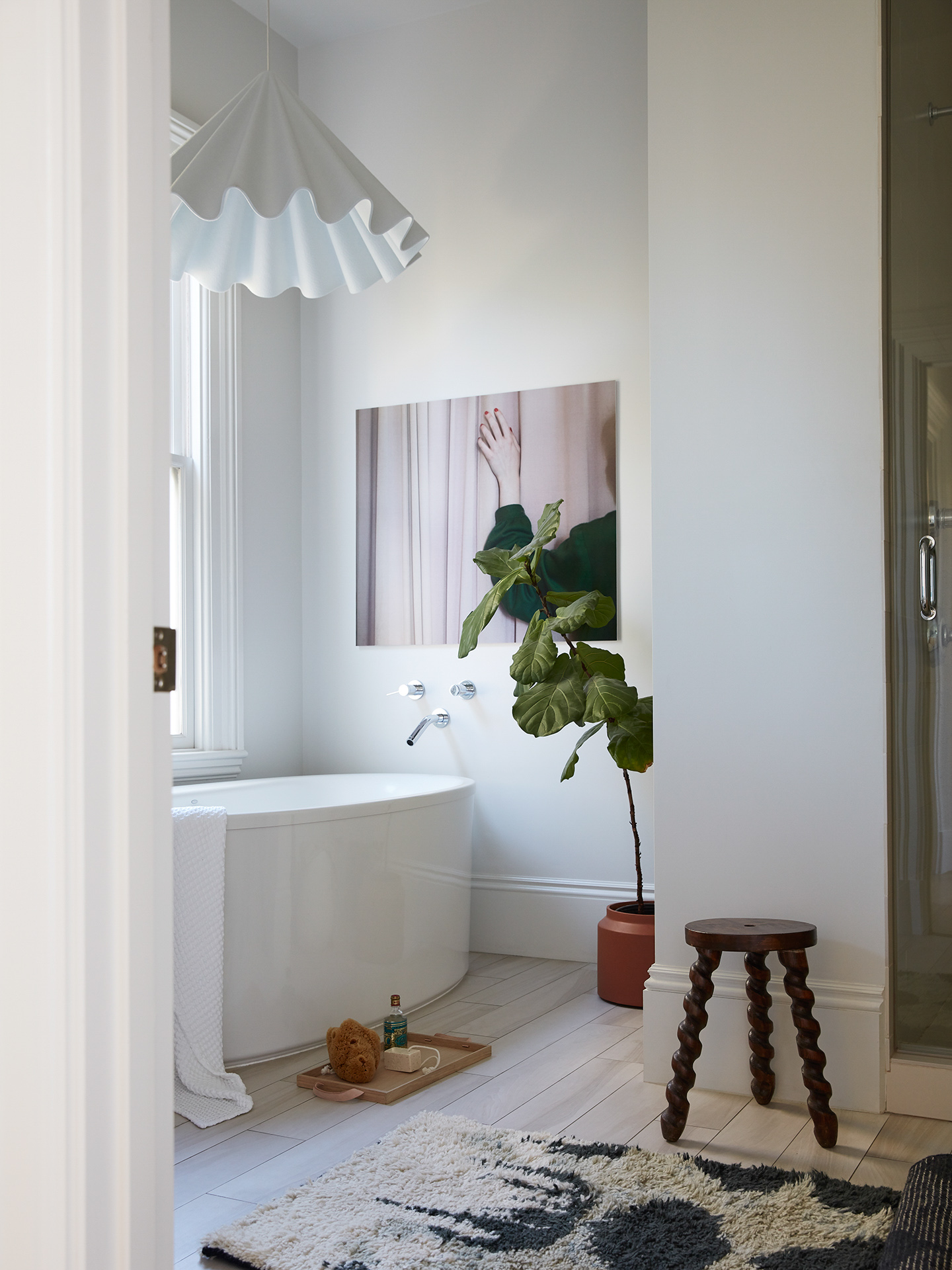
The One Lighting Feature Designers Hate But Home Buyers Love

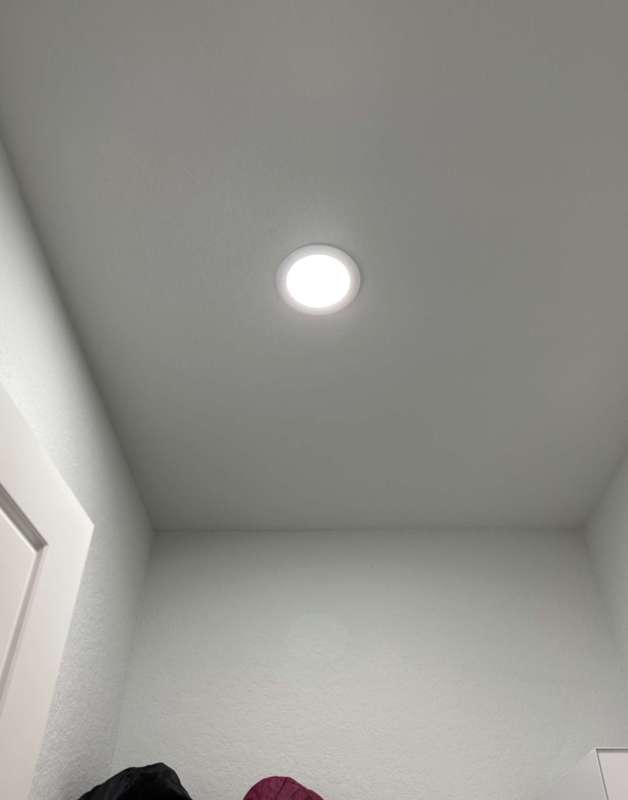
Rollin Light Canless LED Recessed Lighting review – Yes, you can install these yourself!

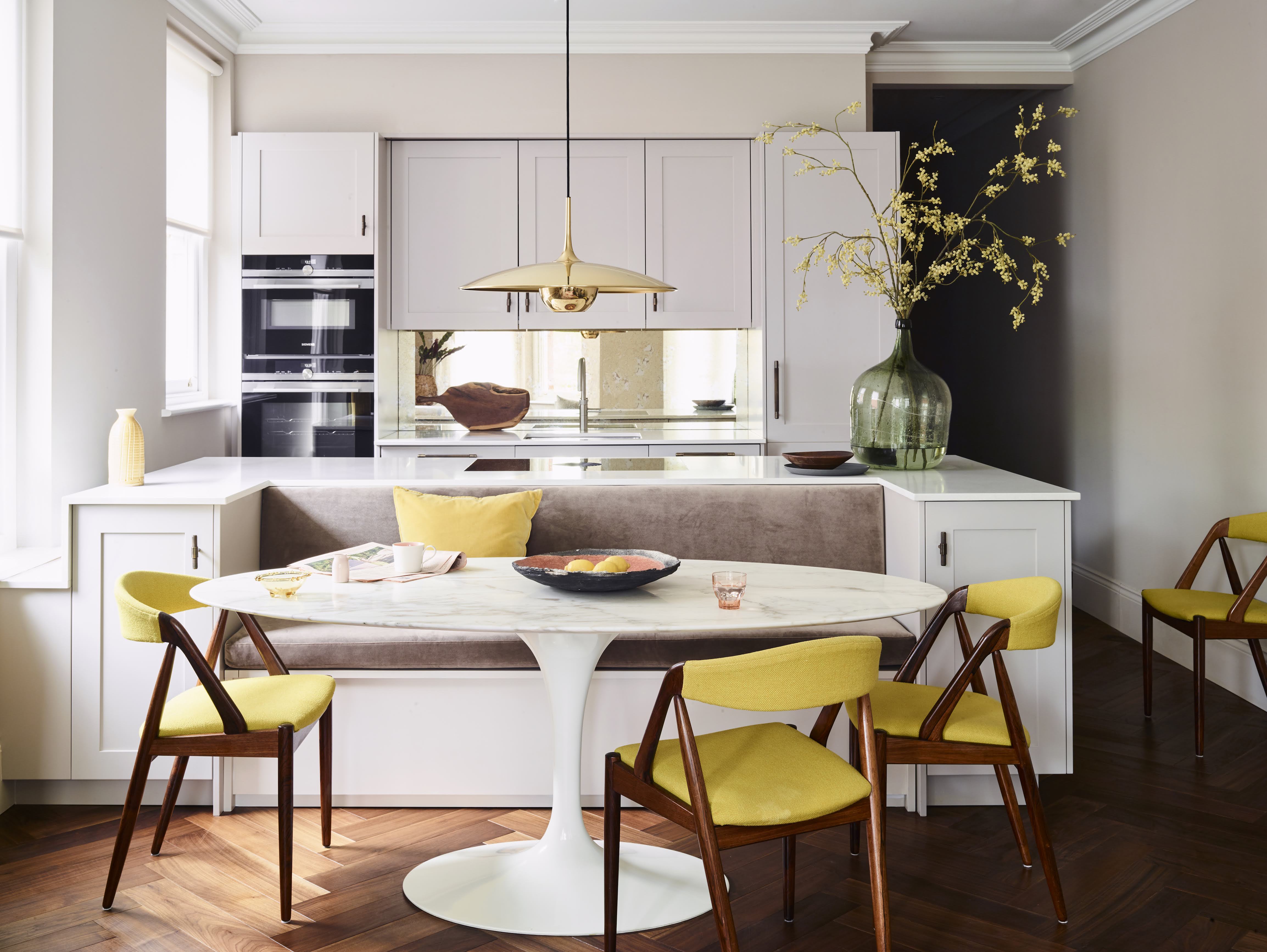
Lighting ideas for small kitchens – 10 ways to brighten up compact rooms

Why Do Homes These Days Have So Much Recessed Lighting?
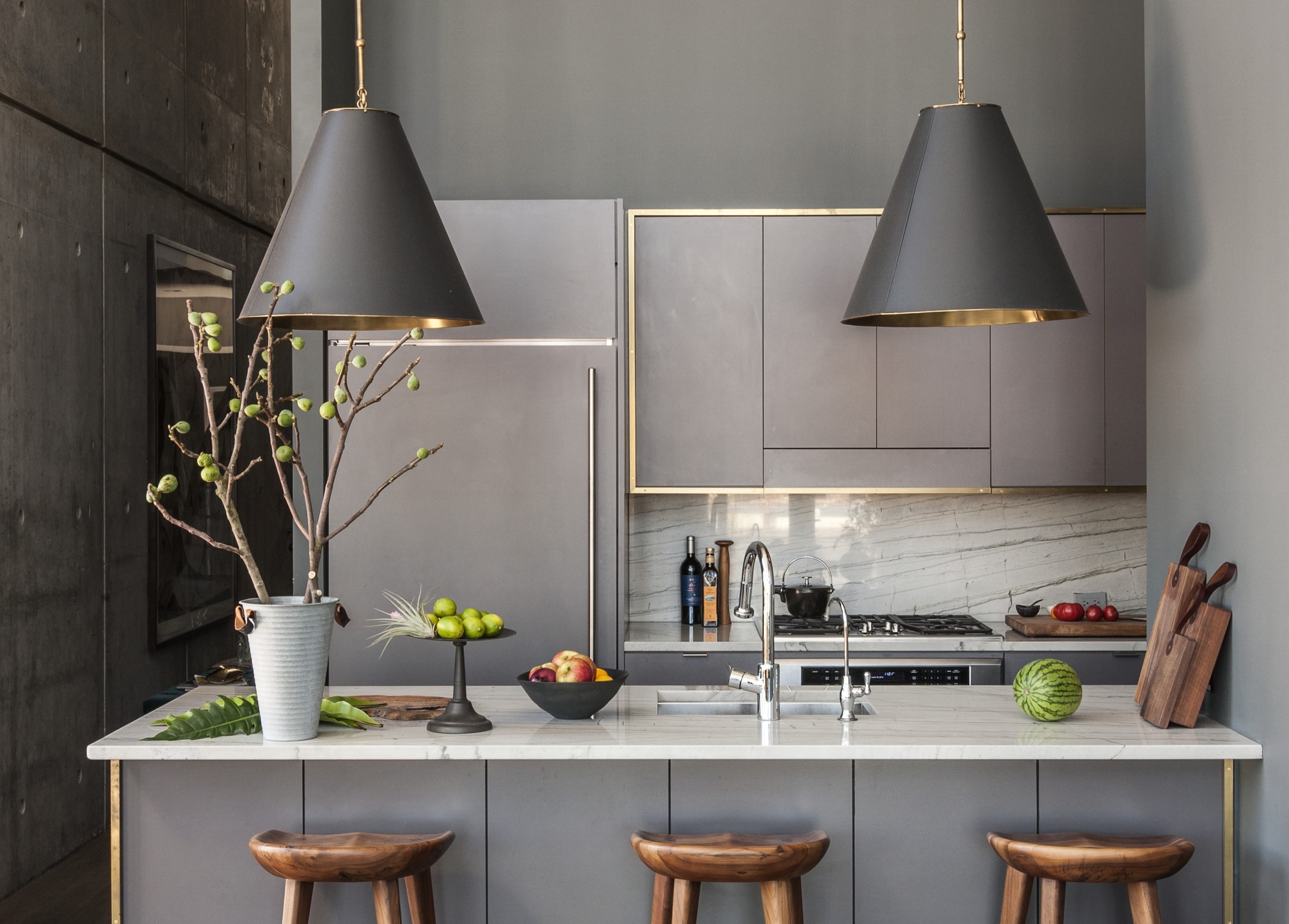
Every Mistake I Made While Designing My Kitchen Lighting Scheme — The 5 Errors I Strongly Advise Against
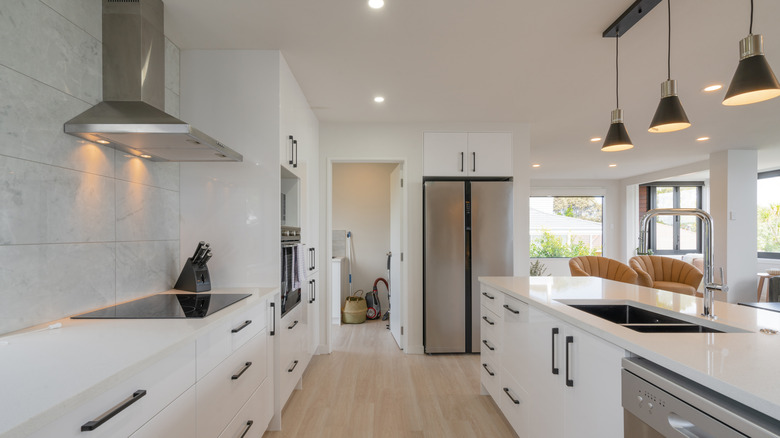
15 Kitchen Lighting Mistakes Everyone Makes

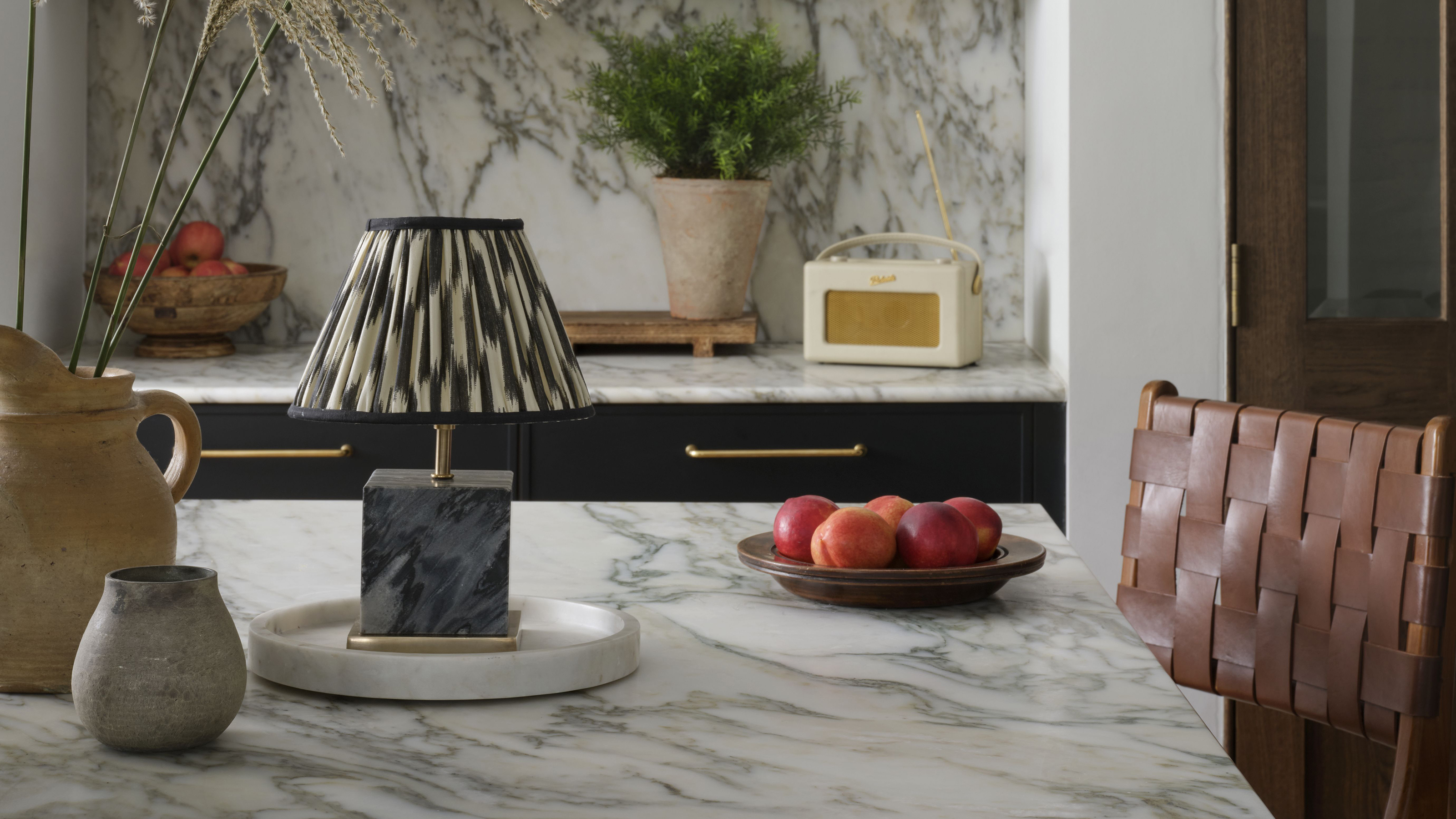
This is my big kitchen lighting ick, and interior designers agree it's an impractical choice – what you should buy instead
How do you layout recessed lighting? Top designers answer your questions
8 Best Kitchen Light Fixtures
We Asked 5 Real Home Cooks the Kitchen Upgrade They Totally Regret, and Here’s What They Said
Small Kitchen, Big Impact: 5 Lighting Ideas Designers Actually Use to Instantly Brighten a Space