1/6
Bed Stuy Brownstone Gets "Wabi-Sabi" With Reclaimed Wood
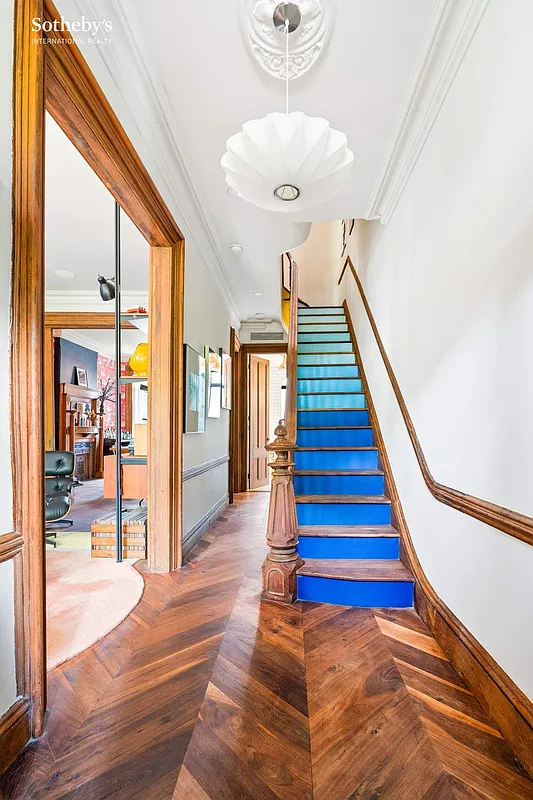
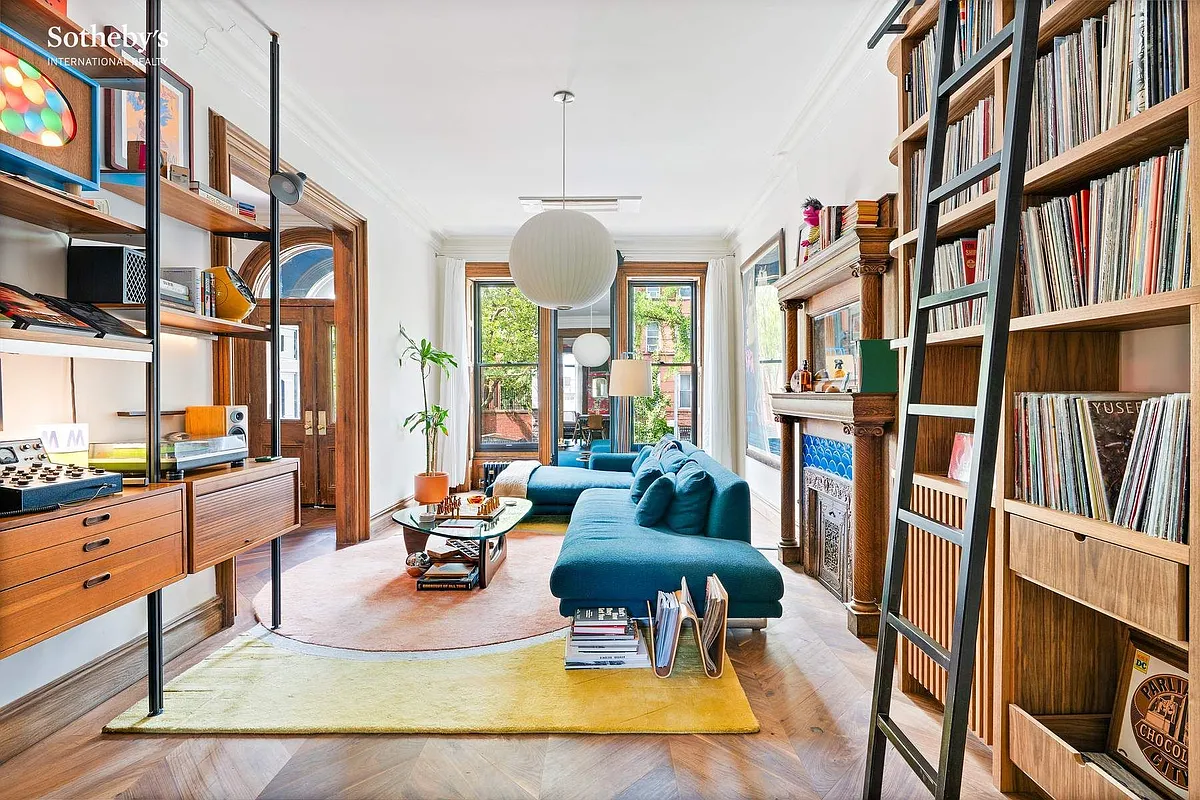
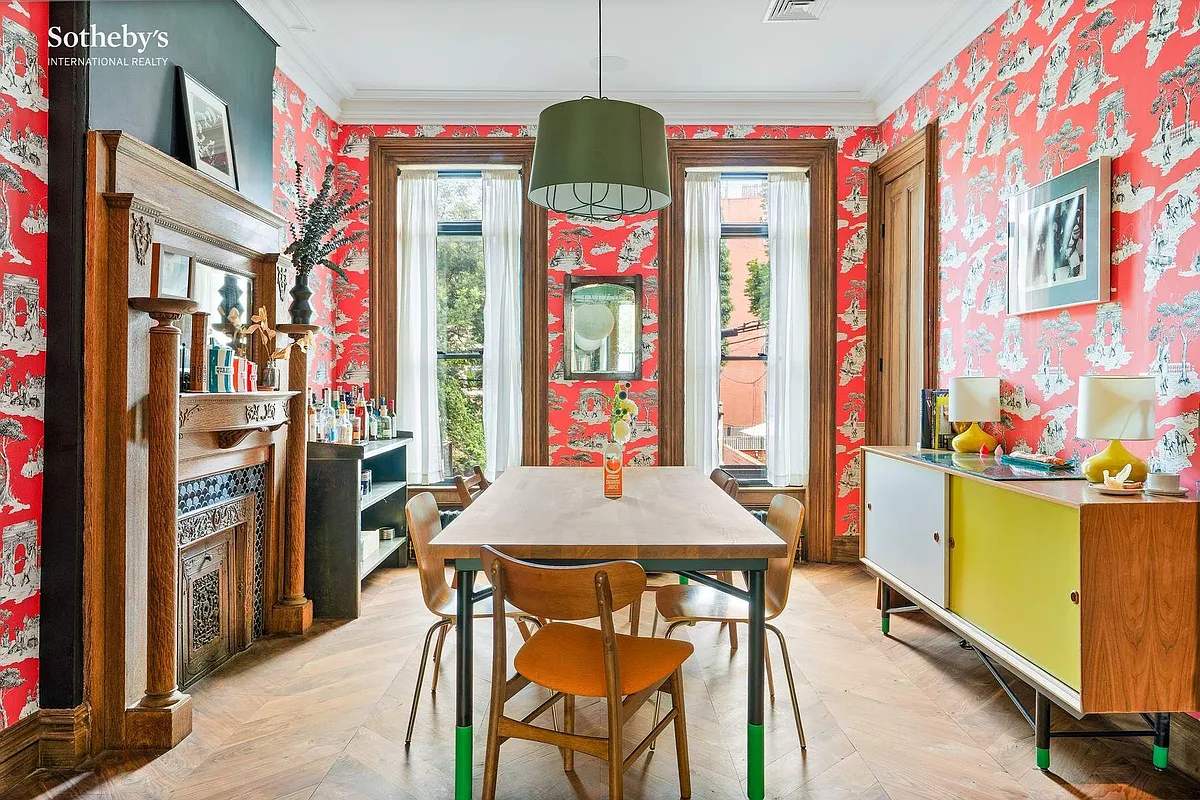
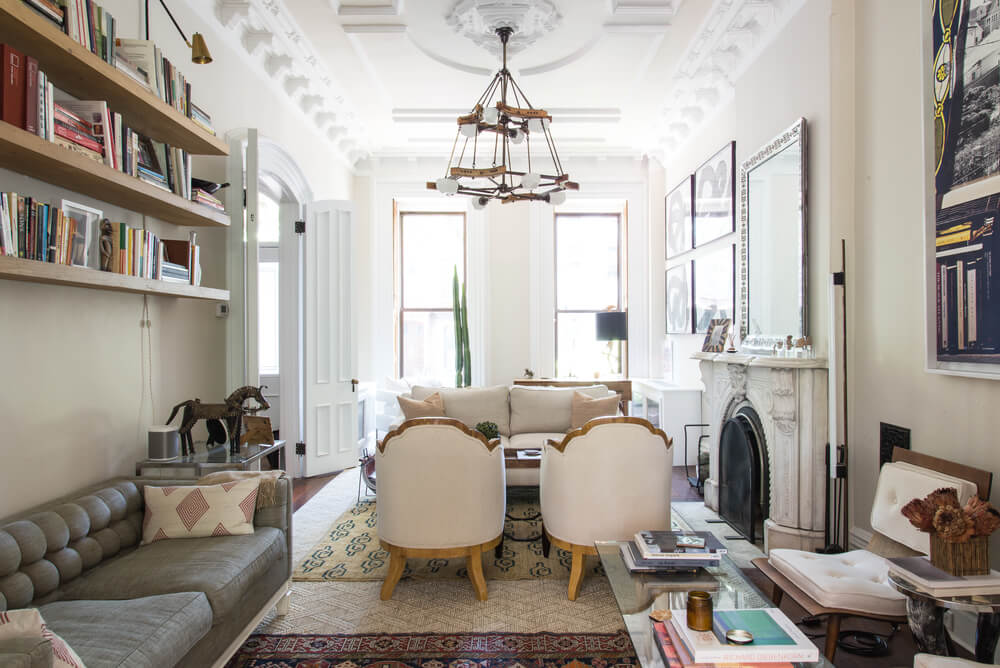
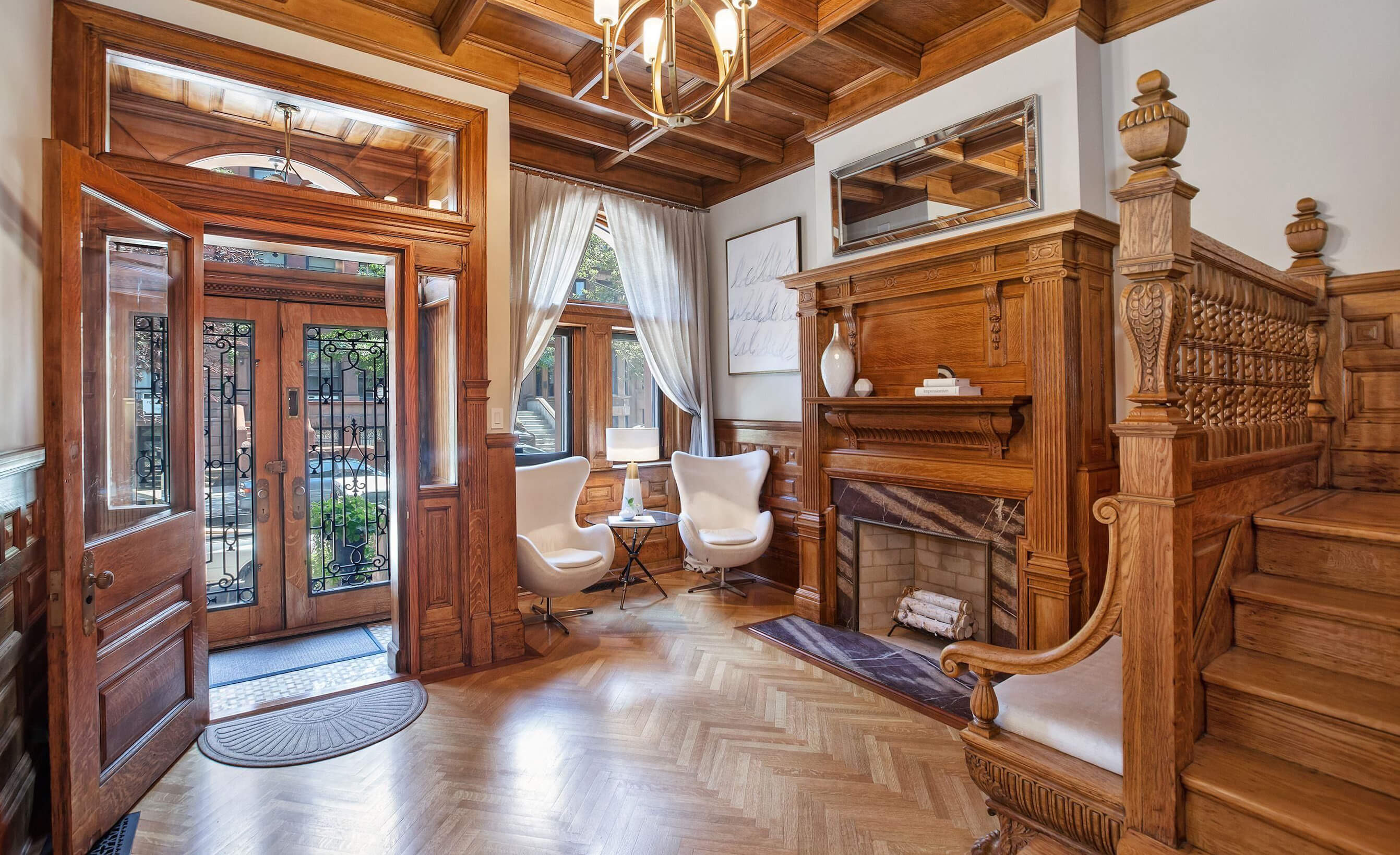
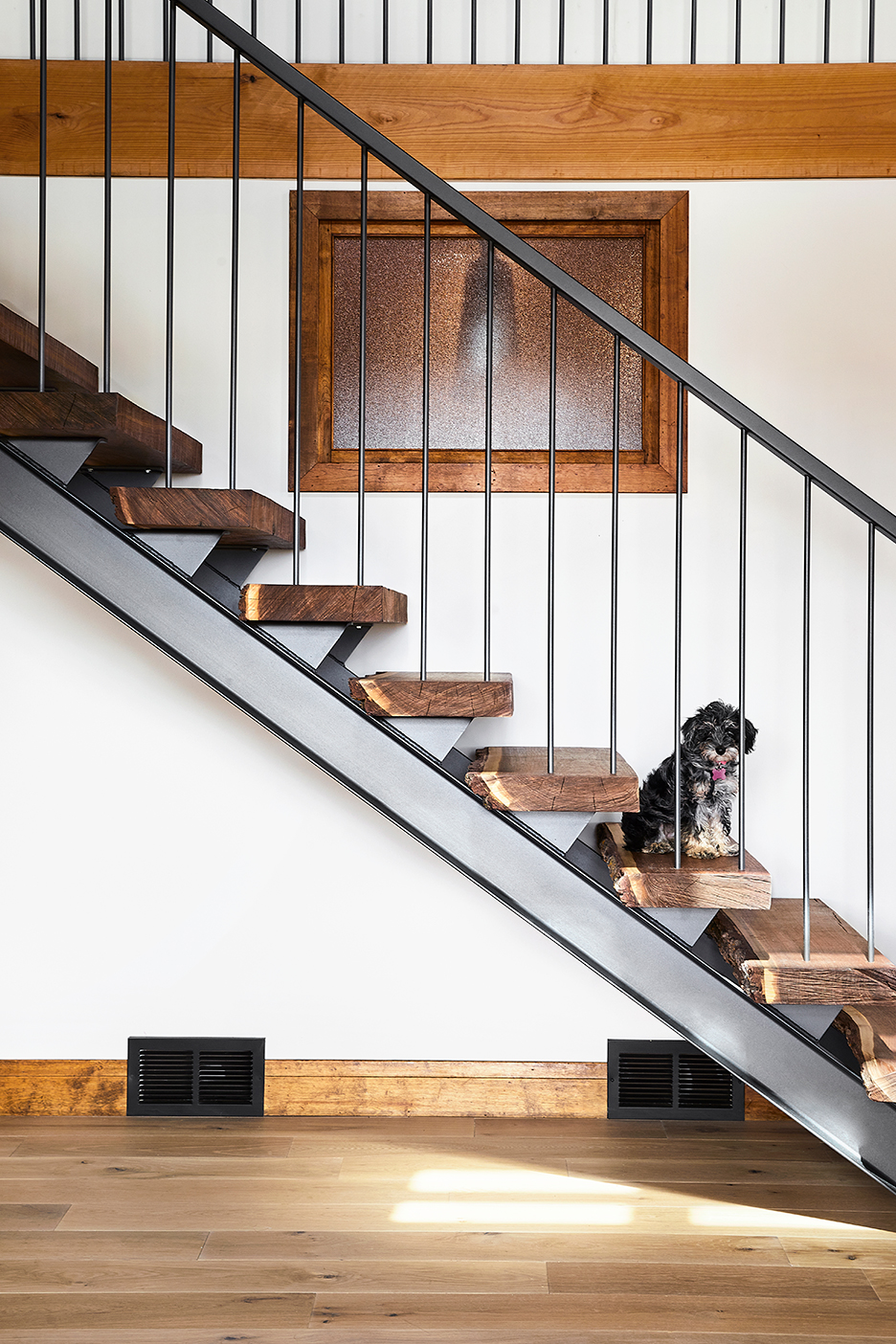
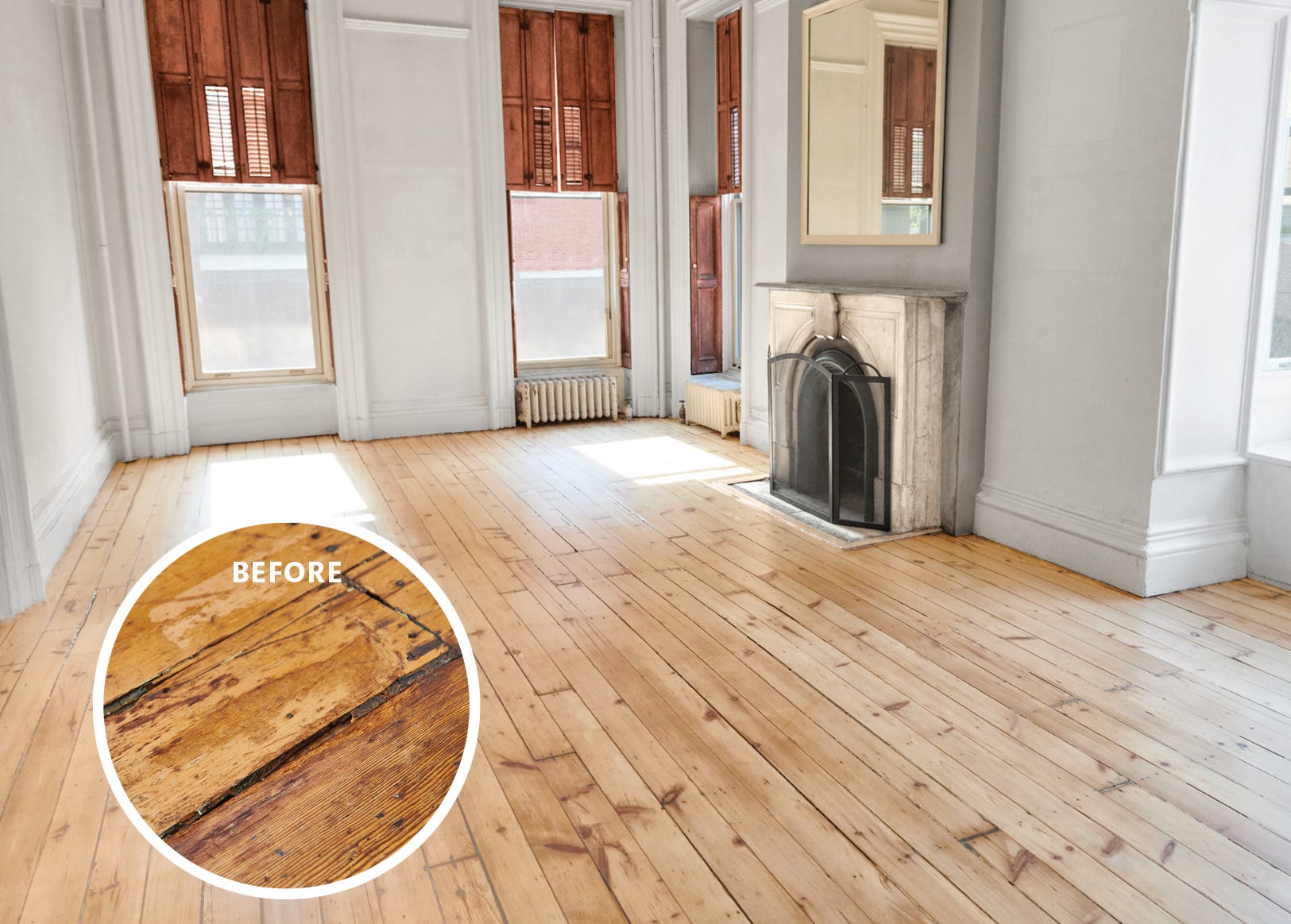
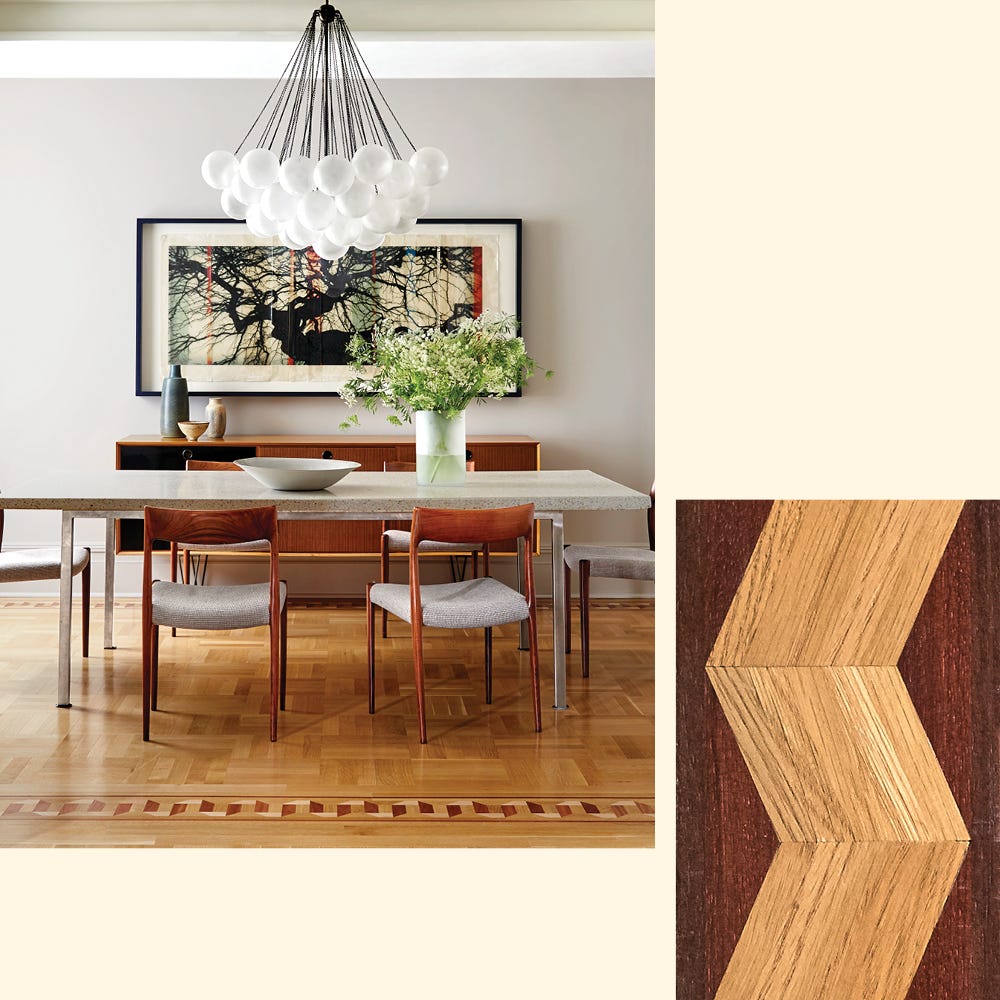
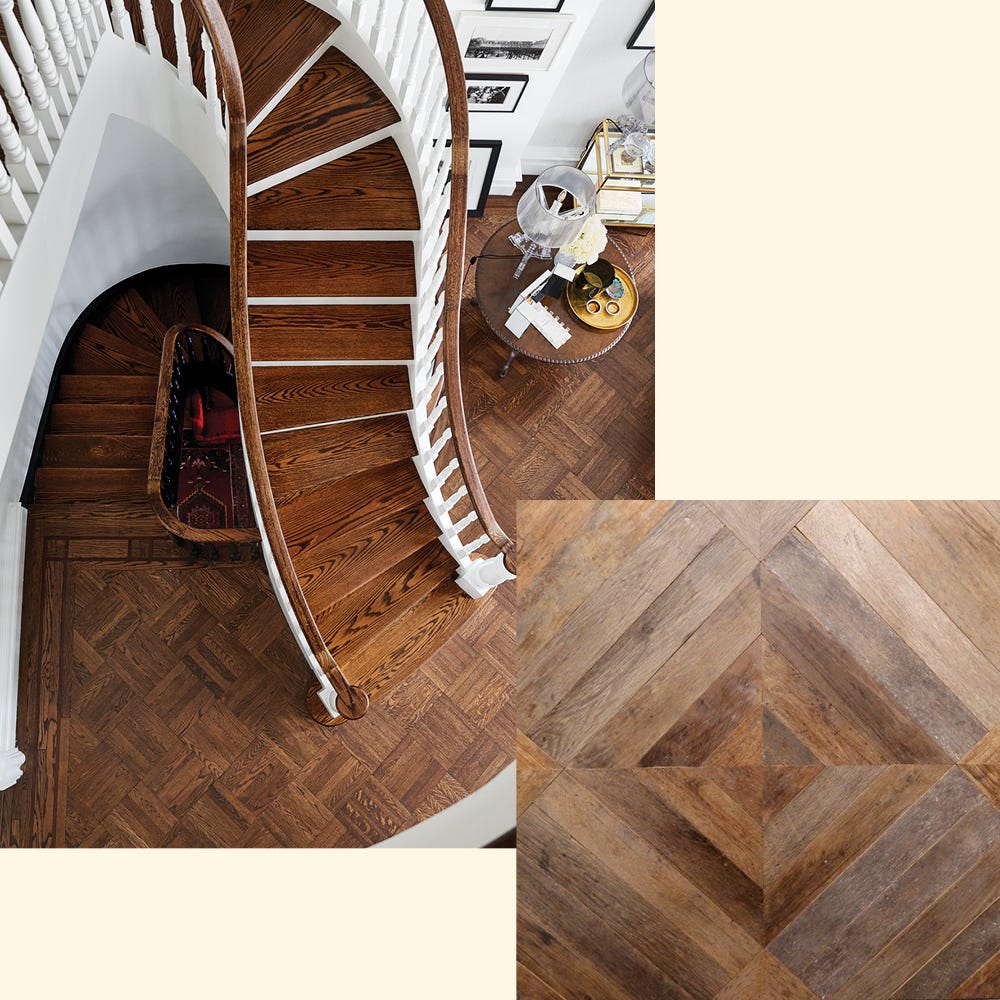
A client approached Madera, a provider of sustainable wood flooring and products, with a desire to replicate a unique herringbone floor from their childhood in their four-story brownstone located in Bed Stuy. James Robb, co-owner of Madera, recommended reclaimed wood for the project, citing three key benefits.
First, reclaimed wood embodies the Japanese concept of "wabi-sabi," which refers to a worn elegance and imperfection that cannot be replicated with new materials. Robb emphasized that while embracing this aesthetic, they aimed to avoid a rustic appearance resembling a barn. This quality offers a unique character that new products simply cannot provide, aligning with a desire for authenticity and a connection to history.
Second, reclaimed wood exhibits greater durability and forgiveness compared to new wood. New wood is prone to seasonal contraction during cold, dry winters, leading to shrinkage and potential damage. In contrast, reclaimed wood has already undergone much of its expansion and contraction cycles, making it more stable and less susceptible to environmental changes. This inherent stability reduces the likelihood of damage and extends the lifespan of the flooring, making it a practical choice for residential applications.
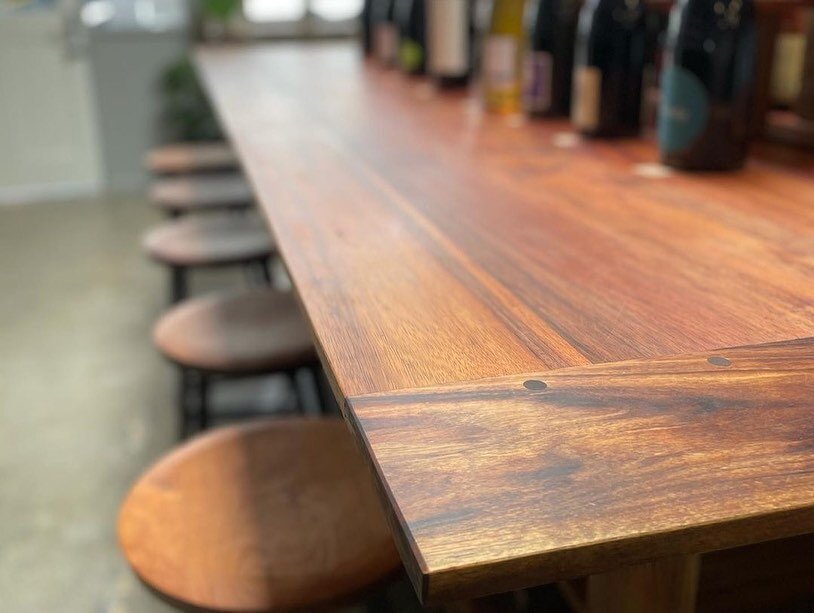
Third, utilizing reclaimed wood contributes significantly to environmental sustainability by diverting materials from landfills. Madera sources its reclaimed wood from historical and iconic structures such as old tobacco barns and warehouses in the Carolinas, a bourbon distillery in Kentucky, and the Domino Sugar Factory in Williamsburg. Robb highlighted that this practice not only preserves wood that would otherwise be discarded but also imbues the material with a rich history. For this specific project, the wood was sourced from wine tanks at the Pleasant Valley Winery in the Finger Lakes region of New York, notably retaining a subtle scent of wine.
Before the installation, the Madera team, in collaboration with Reggie Young of Brooklyn Lime Work, conducted a consultation to assess site conditions and determine the most suitable product. Factors such as the presence of concrete slabs, radiant heating, and the owner's aesthetic preferences influenced the selection process. These considerations are crucial in deciding between various reclaimed wood options, such as wide-plank barn oak or heart pine, and whether to use wood with a clean interior face or an original dirty face. Young, a conservation consultant and project manager, is known for integrating sustainable technologies into his projects, and his involvement further underscores the eco-conscious approach of the renovation. Madera has observed a growing demand for reclaimed wood products in Brooklyn over the past five years, with Robb noting a strong market driven by residents' craving for authenticity and a genuine connection to real materials and heritage. Madera offers a local option for Brooklyn residents seeking sustainable wood flooring, eliminating the need to visit Manhattan showrooms.
#ReclaimedWood #SustainableDesign #WabiSabi #HerringboneFloors #WoodFlooring #HomeRenovation #BedStuy #Madera #HistoricMaterials #ReclaimedWood #SustainableDesign #WabiSabi #HerringboneFloors #WoodFlooring #HomeRenovation #BedStuy #Madera #HistoricMaterials
0 comment in total
 No comments yet
You may also like

A Brownstone Dweller Brings Back the Glorious Details on a Distinguished Bed Stuy Block

To Paint or Not to Paint the Original Woodwork? It Depends Who You Ask
The Best Wooden Bed Frames Go Beyond the Farmhouse Aesthetic

Textured, character-rich wood offers relief from white

This Old-School Bed Is Having a Major Revival

Cutting Horse Cowgirl At Home: Elizabeth Brumbaugh Quirk’s Signature Style


The Stunning Accent Wall That Stole Buyers' Hearts On HGTV's My Lottery Dream Home

Scrap Wood Doors and a School Chalkboard Backsplash—This Lodge Is an Ode to Salvaging

Updated Bed Stuy Brownstone With Pops of Color and Pattern Asks $2.95 Million
Materials 101: The Versatility of Wood with Manomin Resawn Timbers


The Best Wooden Bed Frames That Bring A Natural Element To Any Bedroom

Bolefloor brings natural wood appearance to floorboards
Jim Beam Barrel House Reclaimed Wood Could Be Your New Flooring

These Cozy Wooden Bed Frames Are Instant Heirlooms
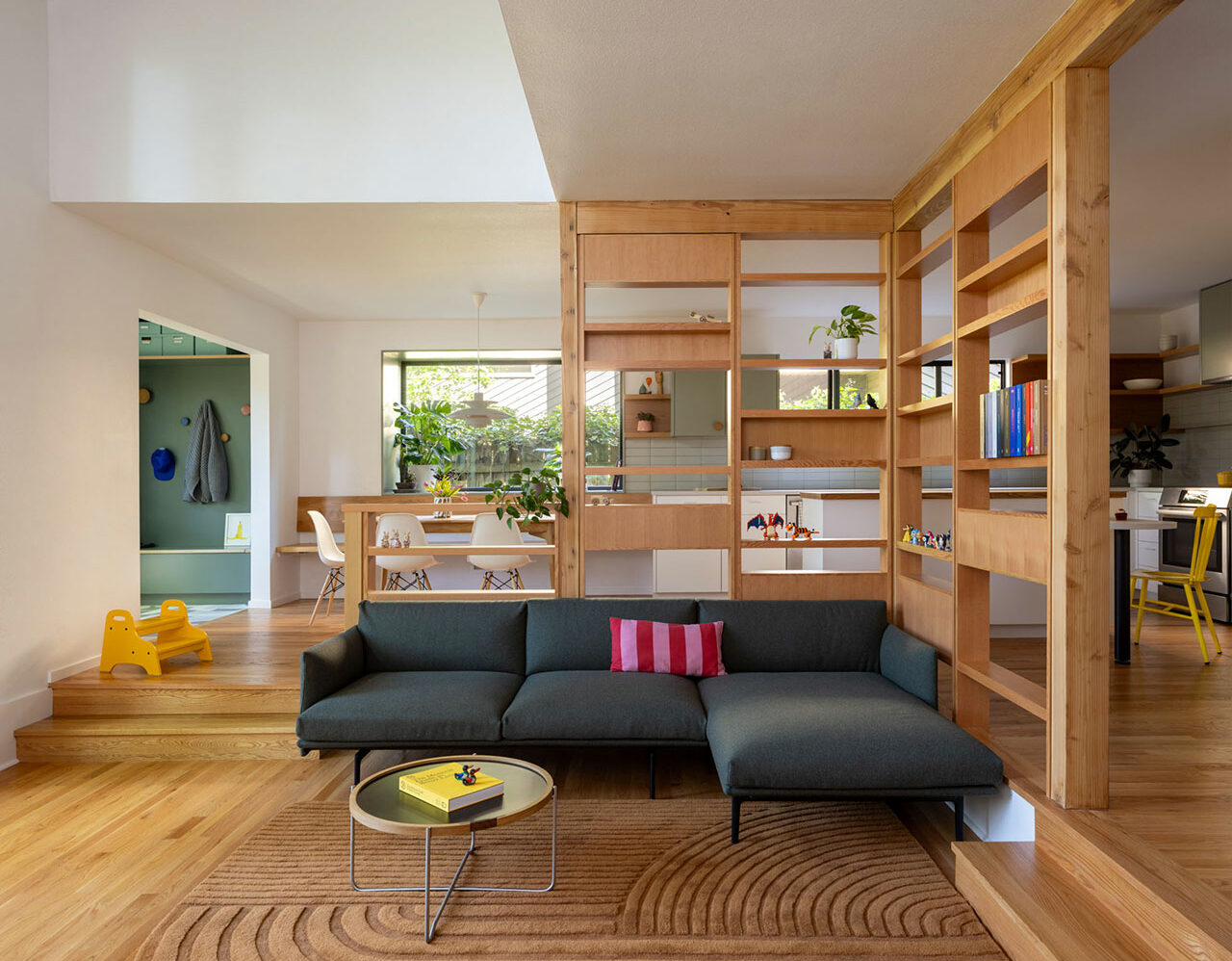
The Wedge(wood) House Breathes New Life Into a 1970s Classic
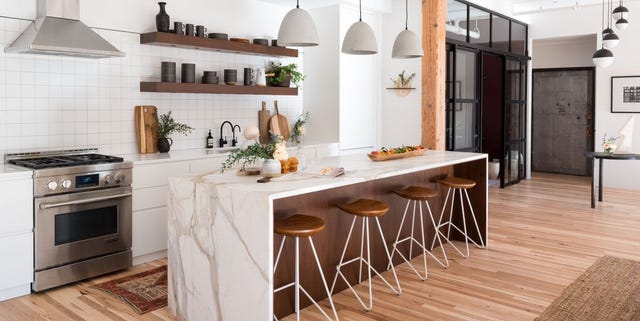
Here's Everything You Need to Know About Wood Flooring

Brodie Neill's ReCoil Table, Made from Hydrowood Off-Cuts

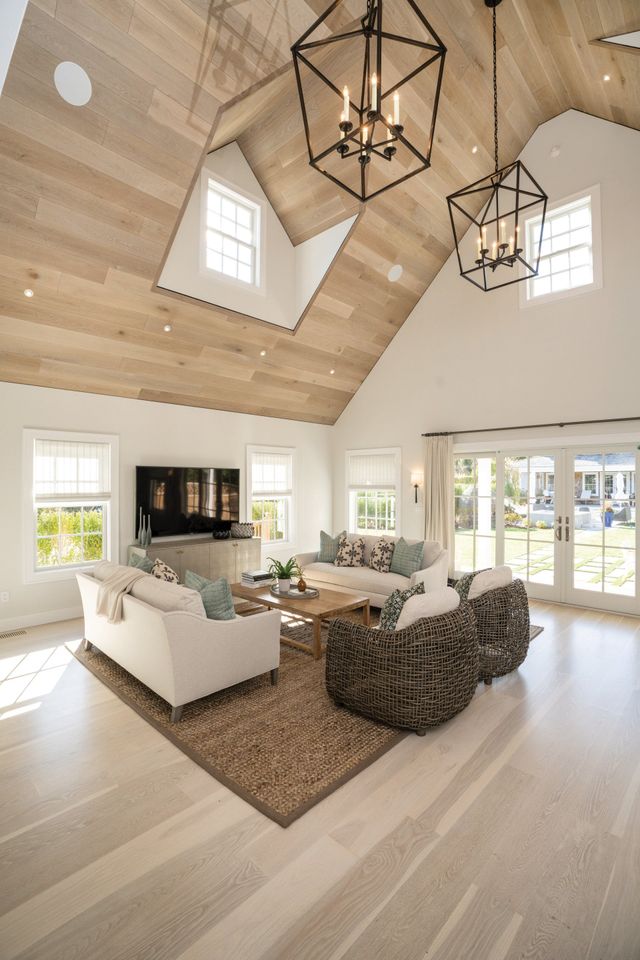
BEHIND THE VENEER

Timber

sculptural daybed emerges from gun-tufted wool rug by BUDDE and nando studio