
1/11
Brodie Neill's ReCoil Table, Made from Hydrowood Off-Cuts
The furniture industry inherently produces off-cuts during the manufacturing process, particularly when working with prized and rare materials. This blog post highlights an innovative approach to utilizing these remnants, specifically focusing on Hydrowood, an exceptionally well-preserved timber harvested from an underwater forest in Tasmania. The material is renowned for its quality and unique aesthetic.
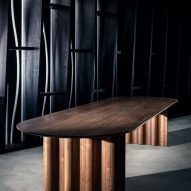
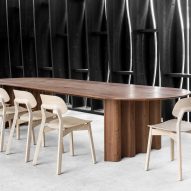
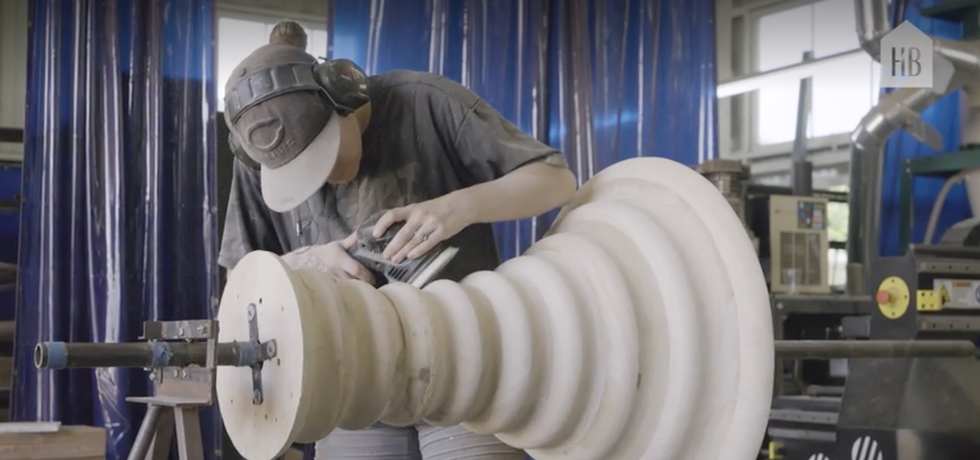
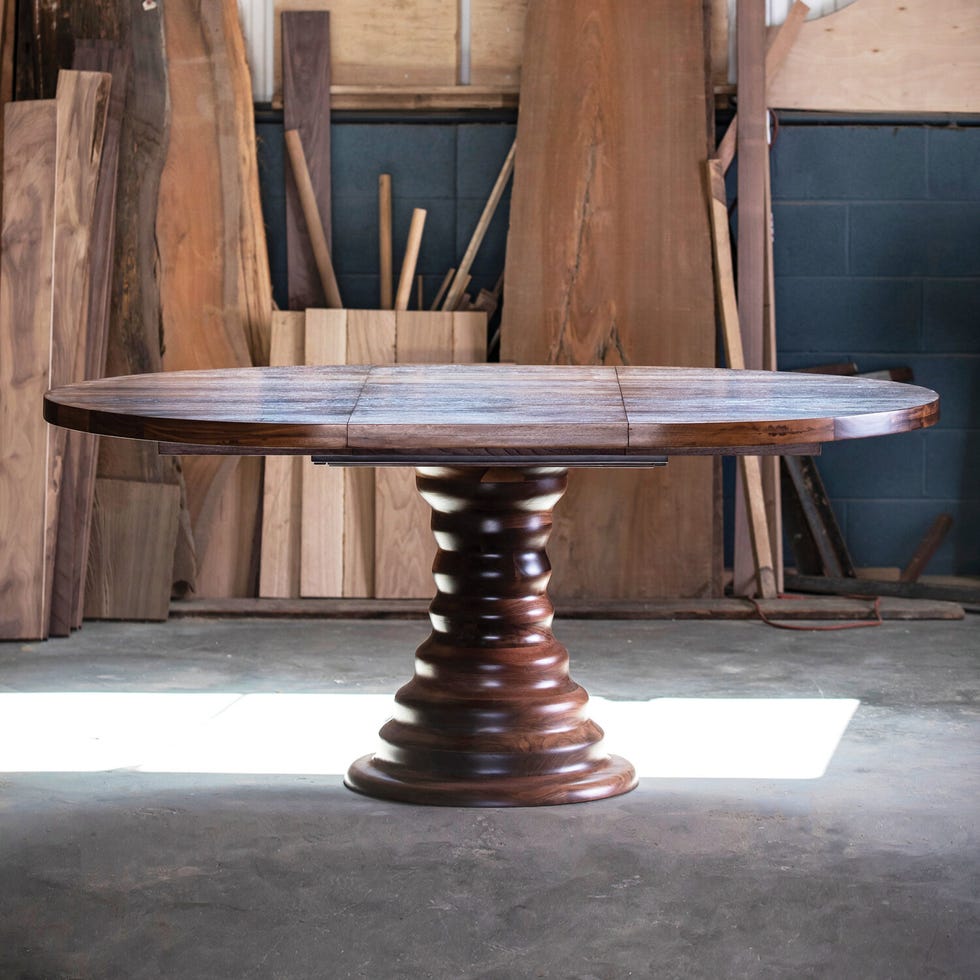
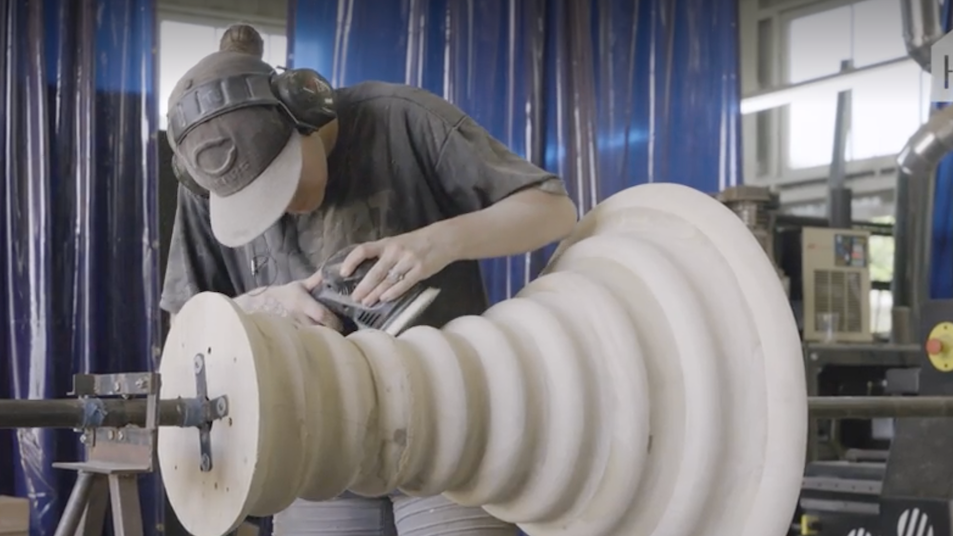
London-based furniture designer Brodie Neill has ingeniously repurposed Hydrowood veneer off-cuts to create a unique piece of furniture: the ReCoil table. The design involves coiling over three kilometers of these veneer strips, transforming what would otherwise be waste into a functional and aesthetically compelling object. This method not only reduces material waste but also celebrates the inherent beauty of the wood, even in its smaller, leftover forms.
The ReCoil table's design is notable for its visual pattern, which is said to evoke the annual growth rings characteristic of old-growth trees. This design choice serves as a direct homage to the origin of the Hydrowood, connecting the finished product back to the natural processes that formed the timber. The table was showcased at a retrospective of Neill's work, drawing attention to both the material's unique provenance and the designer's sustainable approach.
The project sparked discussions regarding material sustainability and design efficiency. While some observers questioned the labor intensity and the amount of material consolidated into a single piece, others praised the innovative use of off-cuts, diverting them from landfills. The core argument in favor of the ReCoil table is its effective utilization of waste material, transforming otherwise discarded veneer strips into a valuable product. The use of off-cuts in such a significant quantity for a single table raised questions about maximizing material usage versus creating a singular artistic piece.
Despite the varying perspectives on efficiency and material use, the ReCoil table stands as an example of creative repurposing within furniture design. It demonstrates a commitment to valuing every part of a precious resource like Hydrowood and explores how design can contribute to minimizing waste while producing distinctive objects. The project underscores the importance of considering the entire lifecycle of materials, from harvest to production and beyond, in the pursuit of more sustainable design practices.
#FurnitureDesign #SustainableDesign #Hydrowood #MaterialRepurposing #BrodieNeill #WoodVeneer #Craftsmanship #WasteReduction #TasmanianTimber #FurnitureDesign #SustainableDesign #Hydrowood #MaterialRepurposing #BrodieNeill #WoodVeneer #Craftsmanship #WasteReduction #TasmanianTimber
0 comment in total
 No comments yet
You may also like
The Man, the Wood, and the River

Beautiful, Potentially Short-Lived Tabletop Made from Pallet Wood
Curtain table by Läufer & Keichel for Zeitraum
Buy Timber Floating Shelf | by Connollys Timber Online
Roc H Biel Turns Wood Dust Into Column-Inspired Furniture
Timber

Why you should shop at Michigan's first Nadeau furniture store
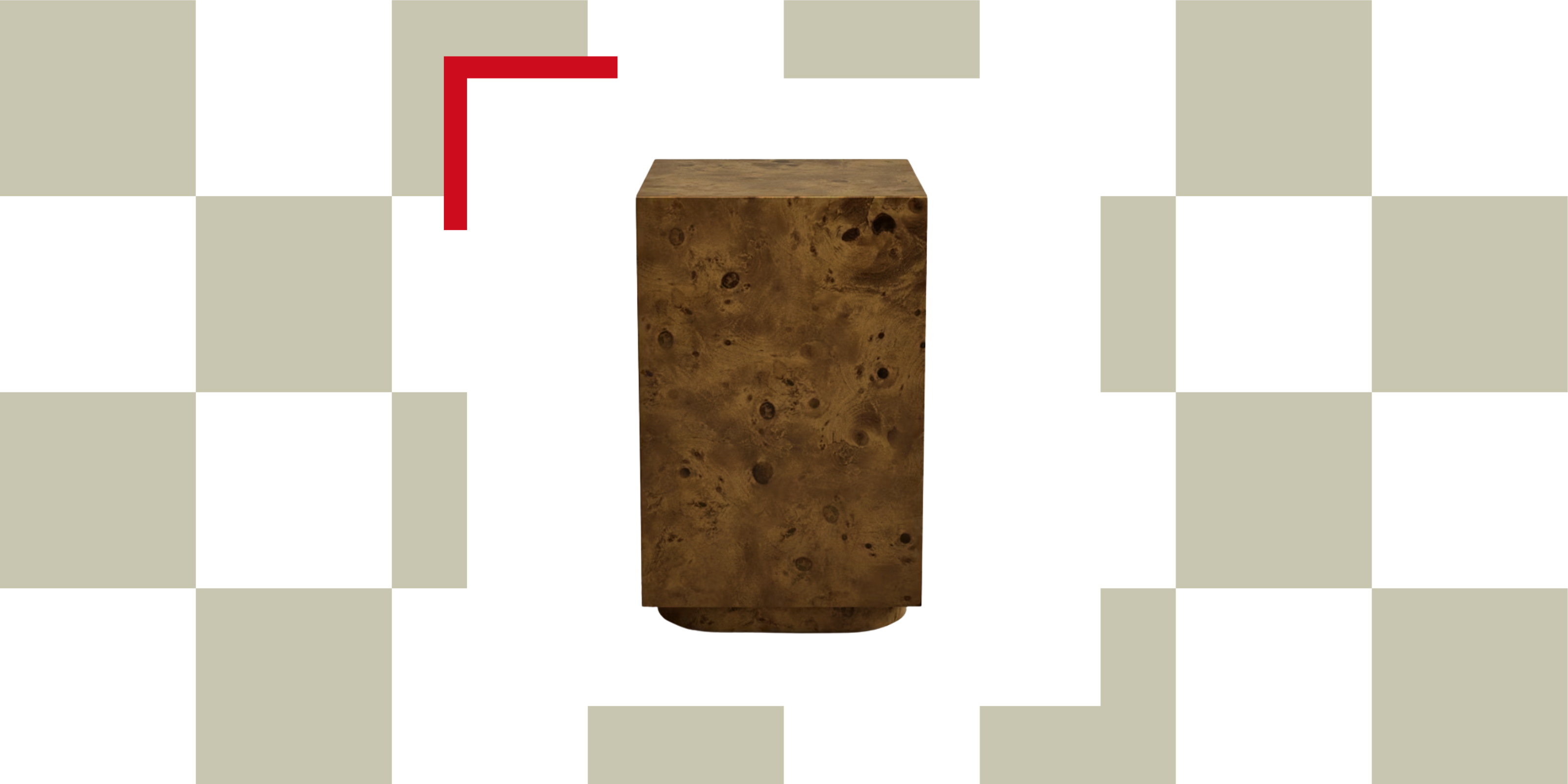
At Last — This Designer-Looking Burl Side Table (That I've Been Obsessing Over for Months) Is Now on Sale at 30% Off

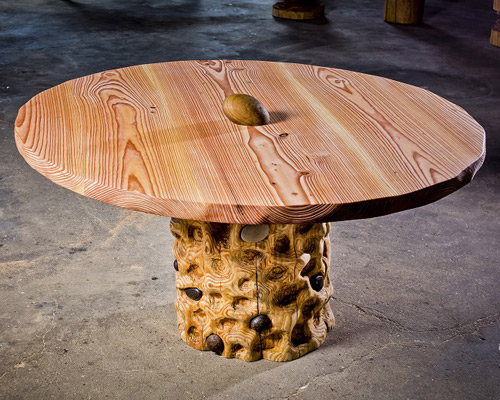
bente hovendal of woodnwonder handcrafts round table with stone inlay
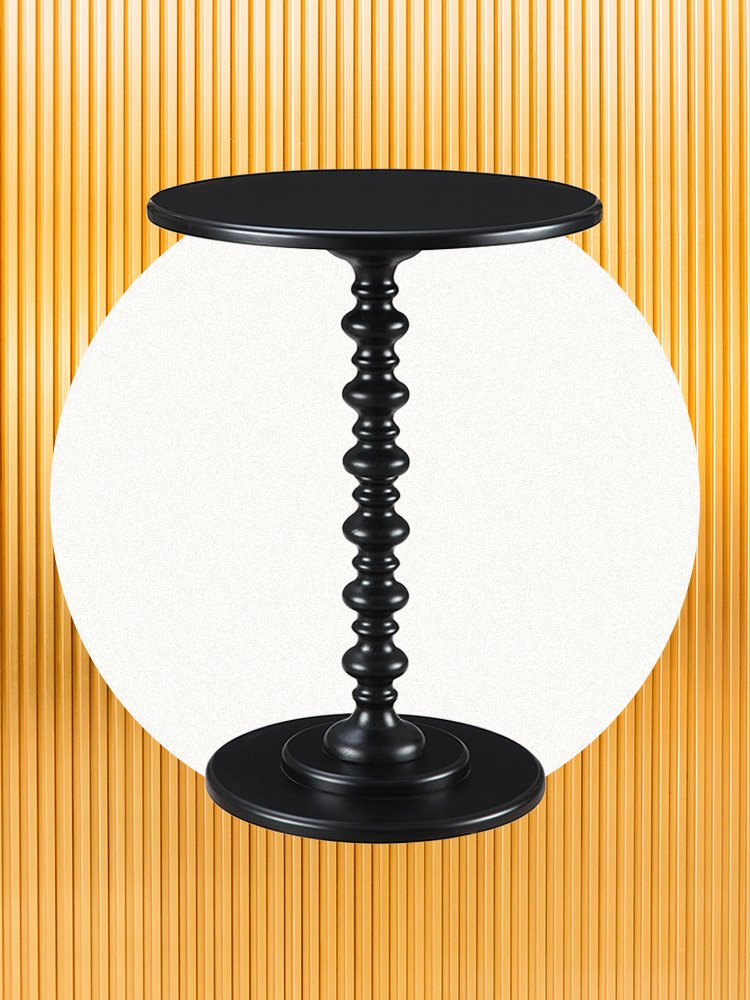
The $50 Spindle Side Table Amazon Reviewers Call Surprisingly Substantial and Elegant

5 nifty pool noodle DIY projects that make a splash

This New Table Collection Shows the Richness of Natural Stone

How to Build a Poker Table: Simple DIY Woodworking Project
TT shelves and table with floating surfaces by Ron Gilad | design
This beautiful adjustable side table was made for accessibility and uses reclaimed wood

See How This New Orleans Furniture Brand Makes Unique Pedestal Tables