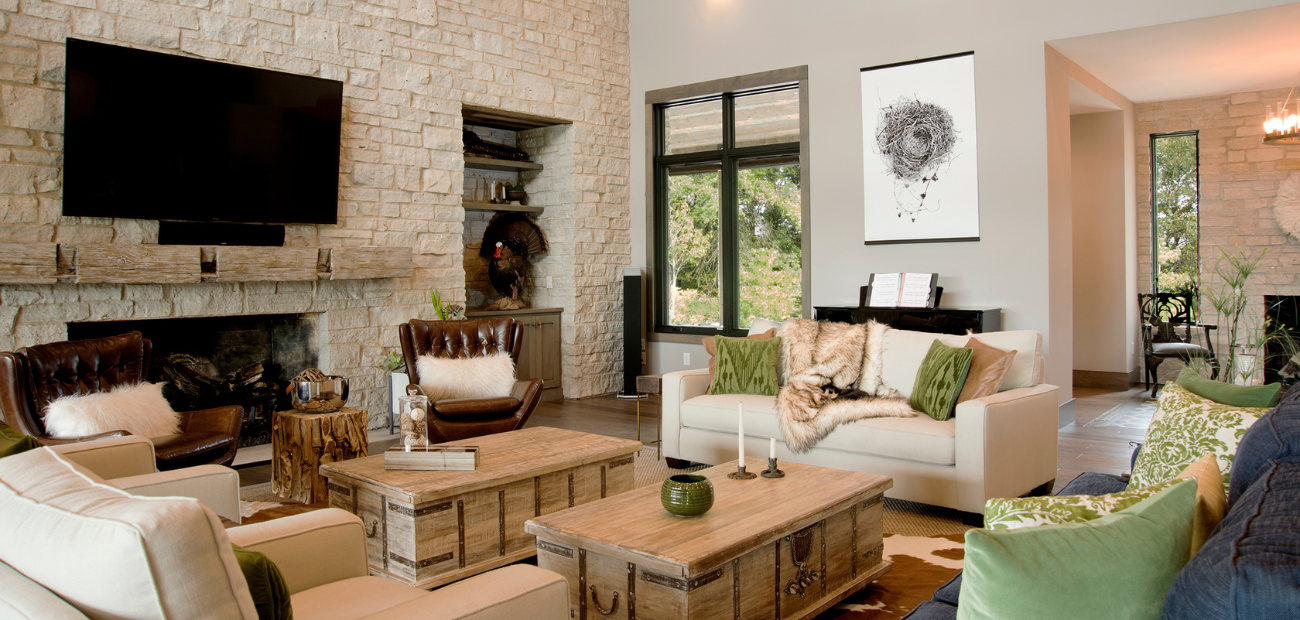
1/2
Sustainable Material Spotlight: Reclaimed Wood
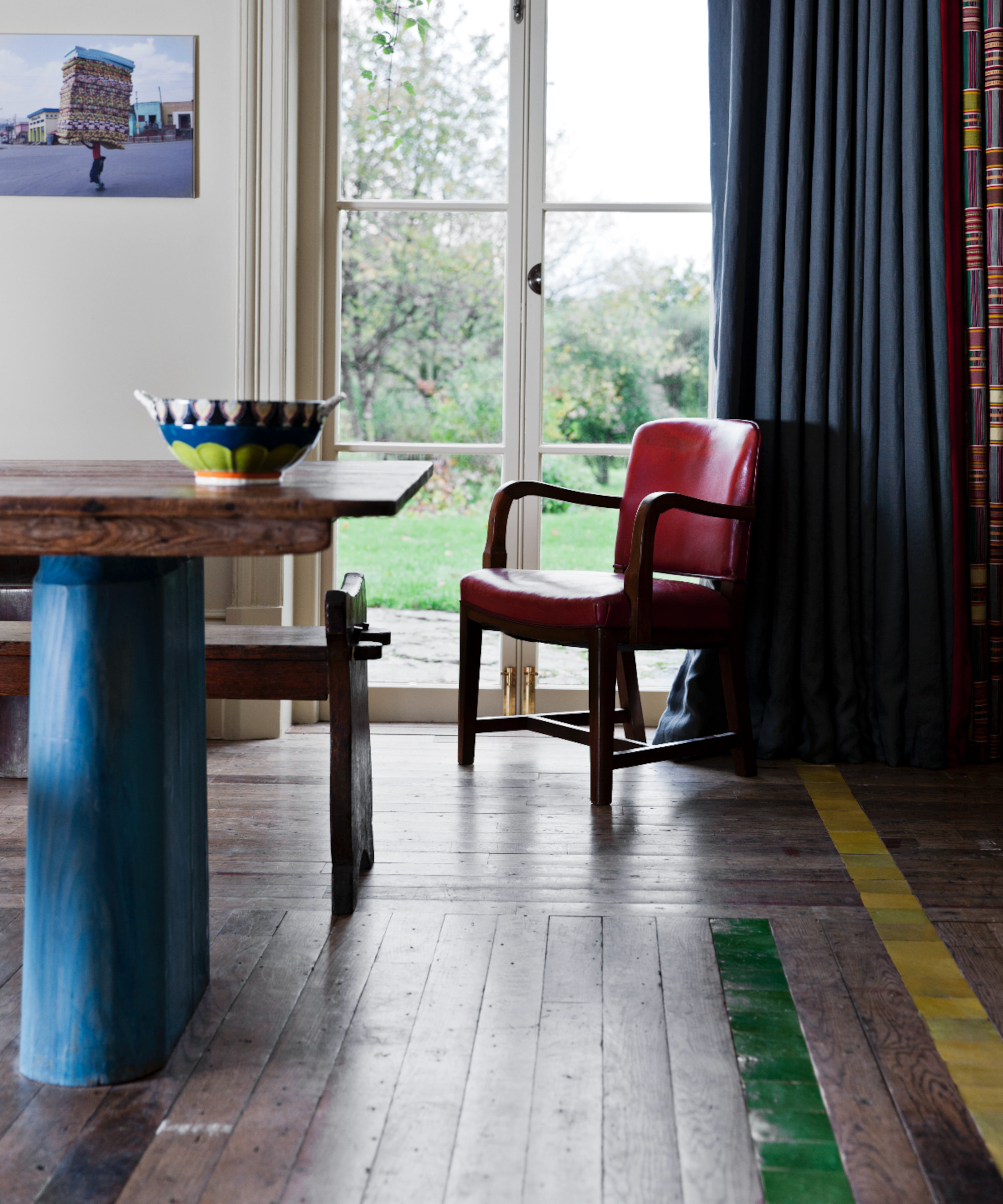
The increasing interest in sustainable building practices has brought reclaimed wood into the spotlight as a preferred material for home construction, renovation, and interior design projects. Unlike new lumber that is chemically treated or distressed to appear aged, reclaimed wood offers authentic character and environmental benefits. The market for reclaimed lumber is projected to expand significantly, demonstrating its growing appeal.
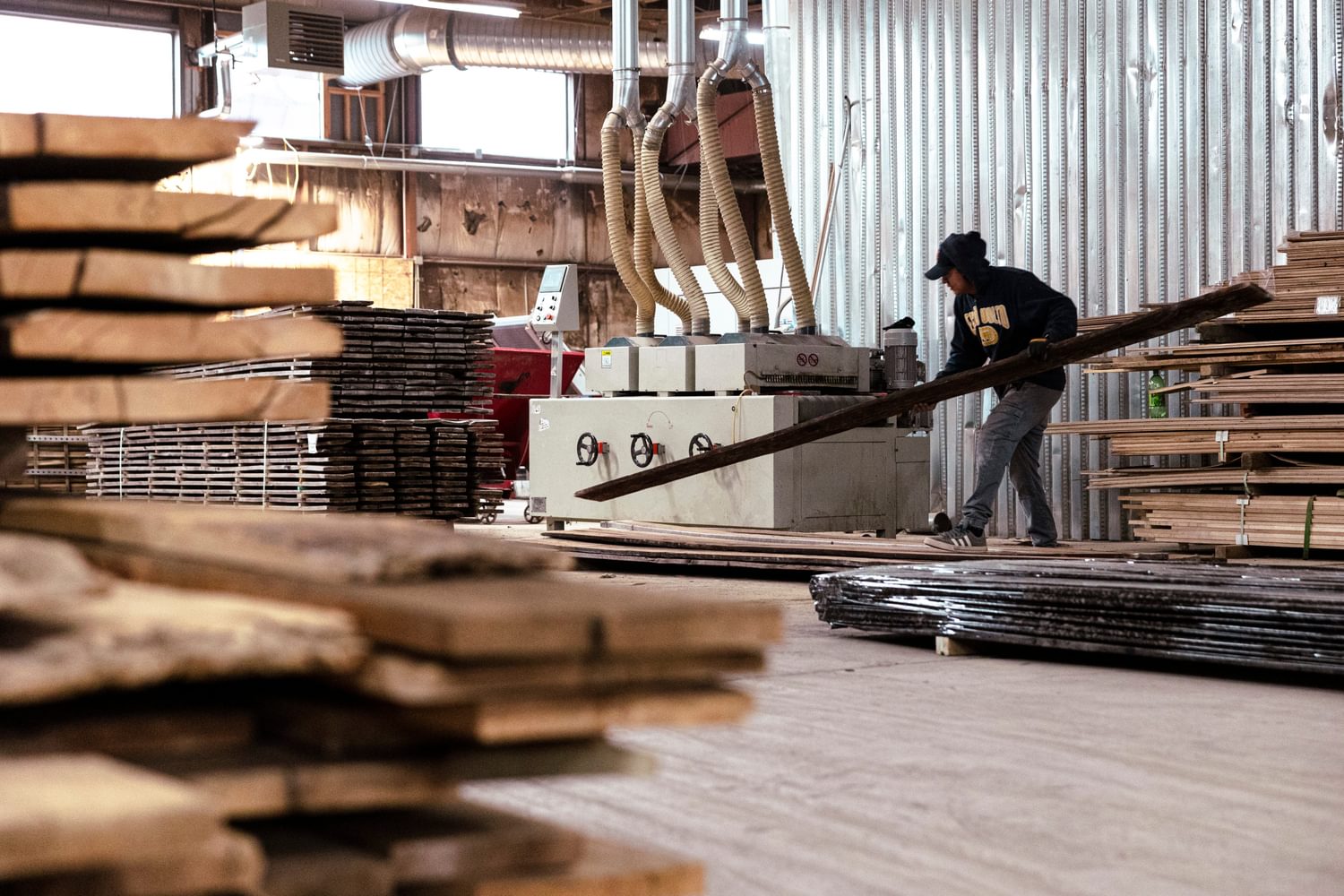
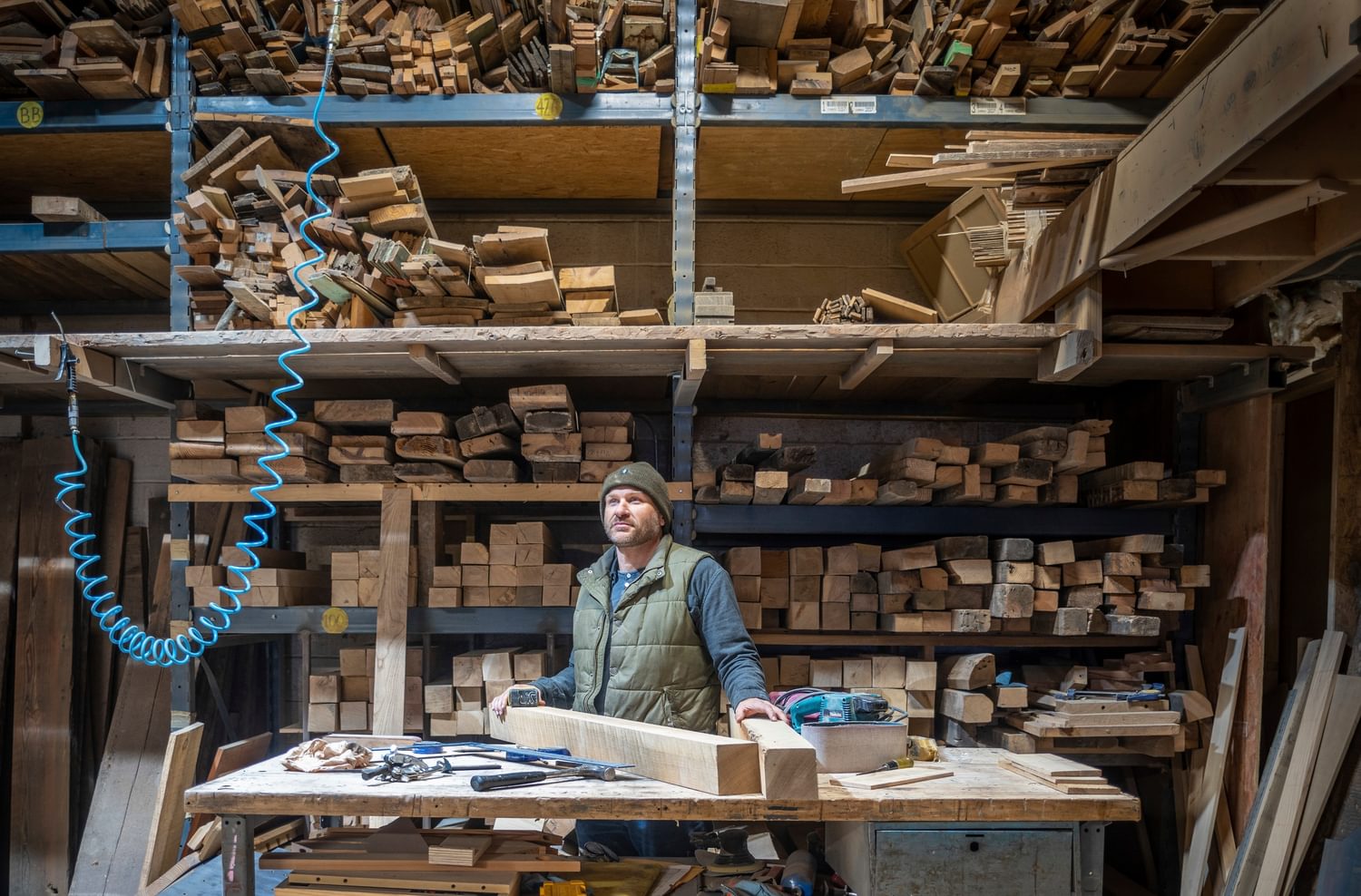
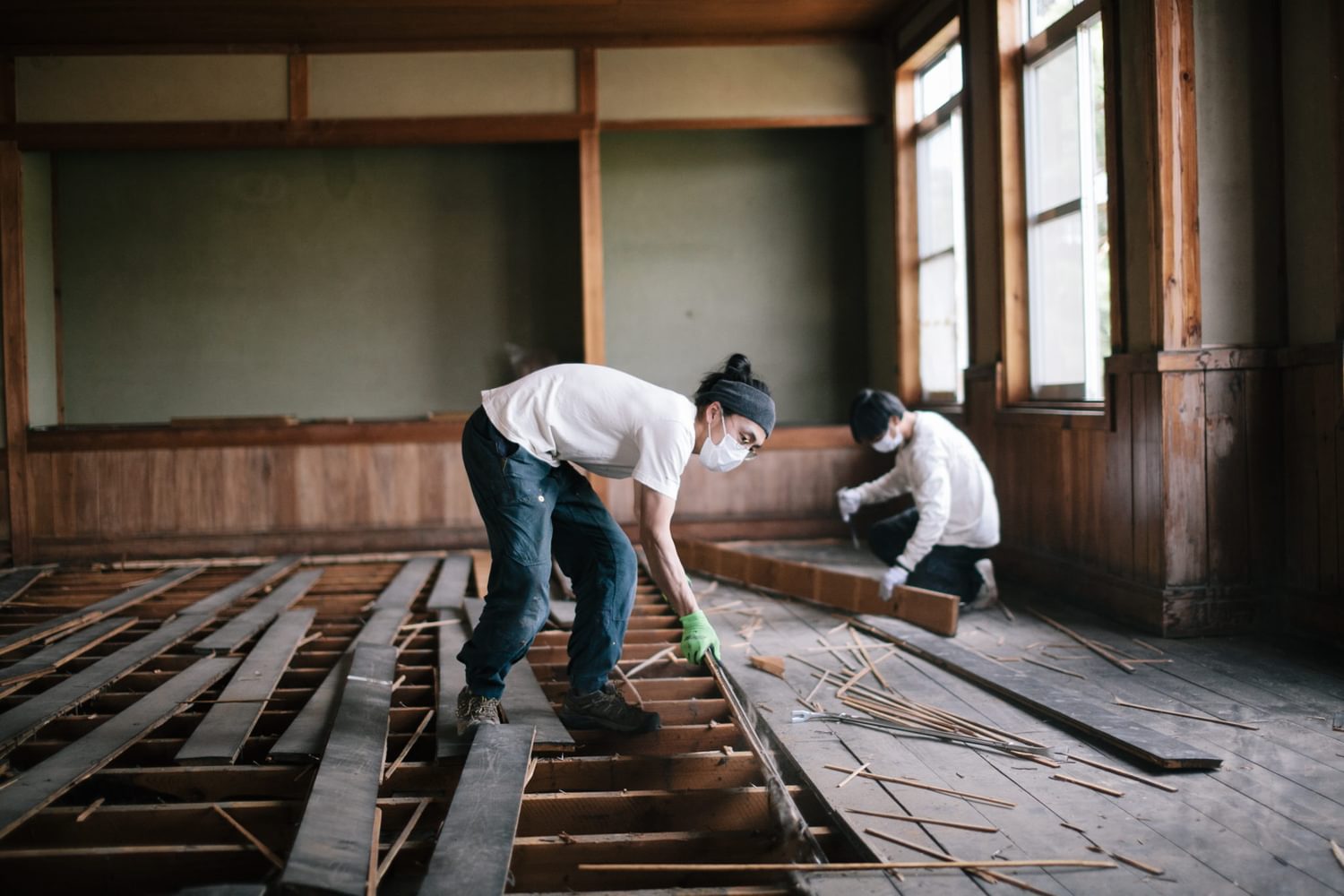
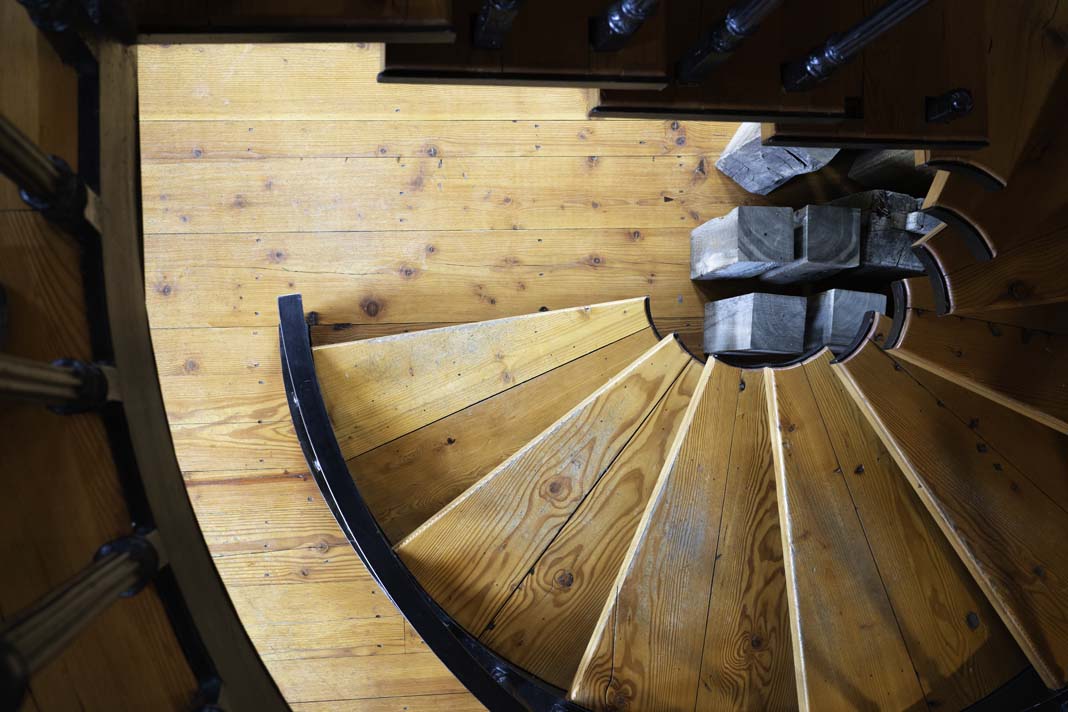
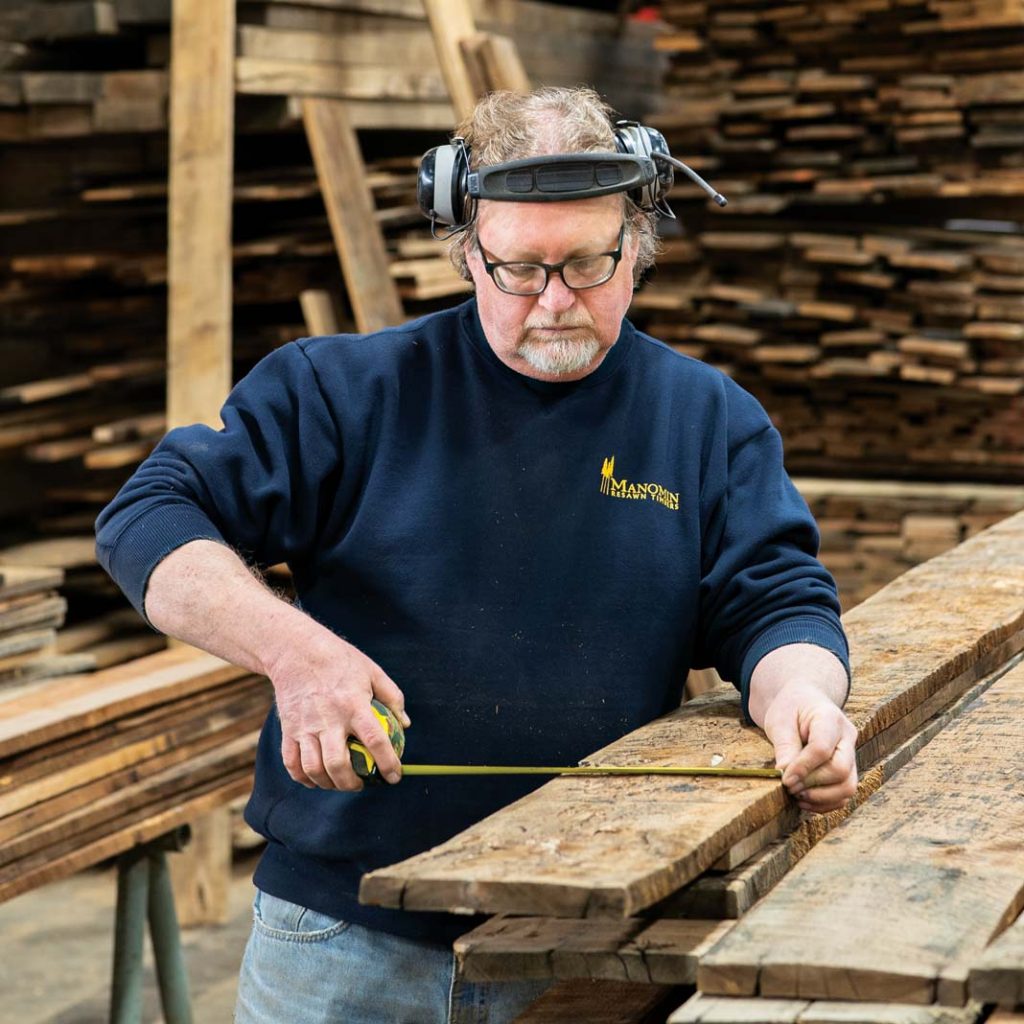
Reclaimed wood is defined as timber previously used for other purposes, such as in barns, gymnasiums, bleachers, or industrial buildings. Its production requires substantially less energy compared to new framing lumber or wood flooring, making it a highly eco-friendly option. Additionally, innovative manufacturers are developing methods to reclaim bark from sustainable forestry waste, further enhancing the material's environmental credentials.
This versatile material brings warmth and texture to any space while maintaining a strong commitment to environmental sustainability. Several prominent trends showcase its application in contemporary home design:
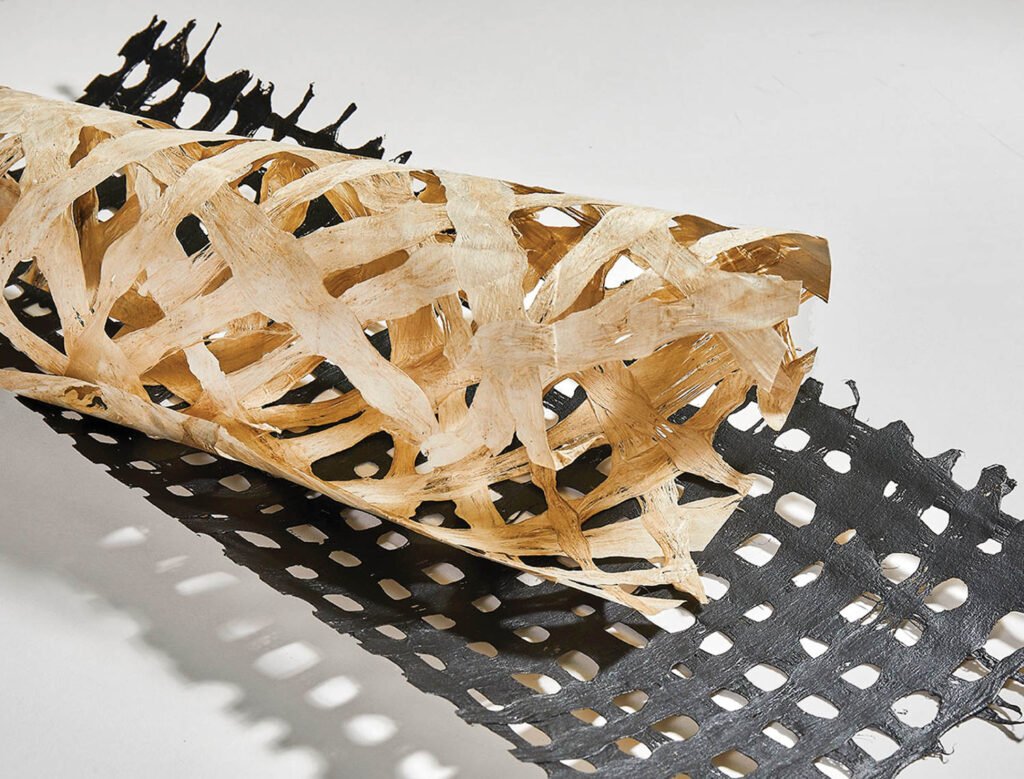
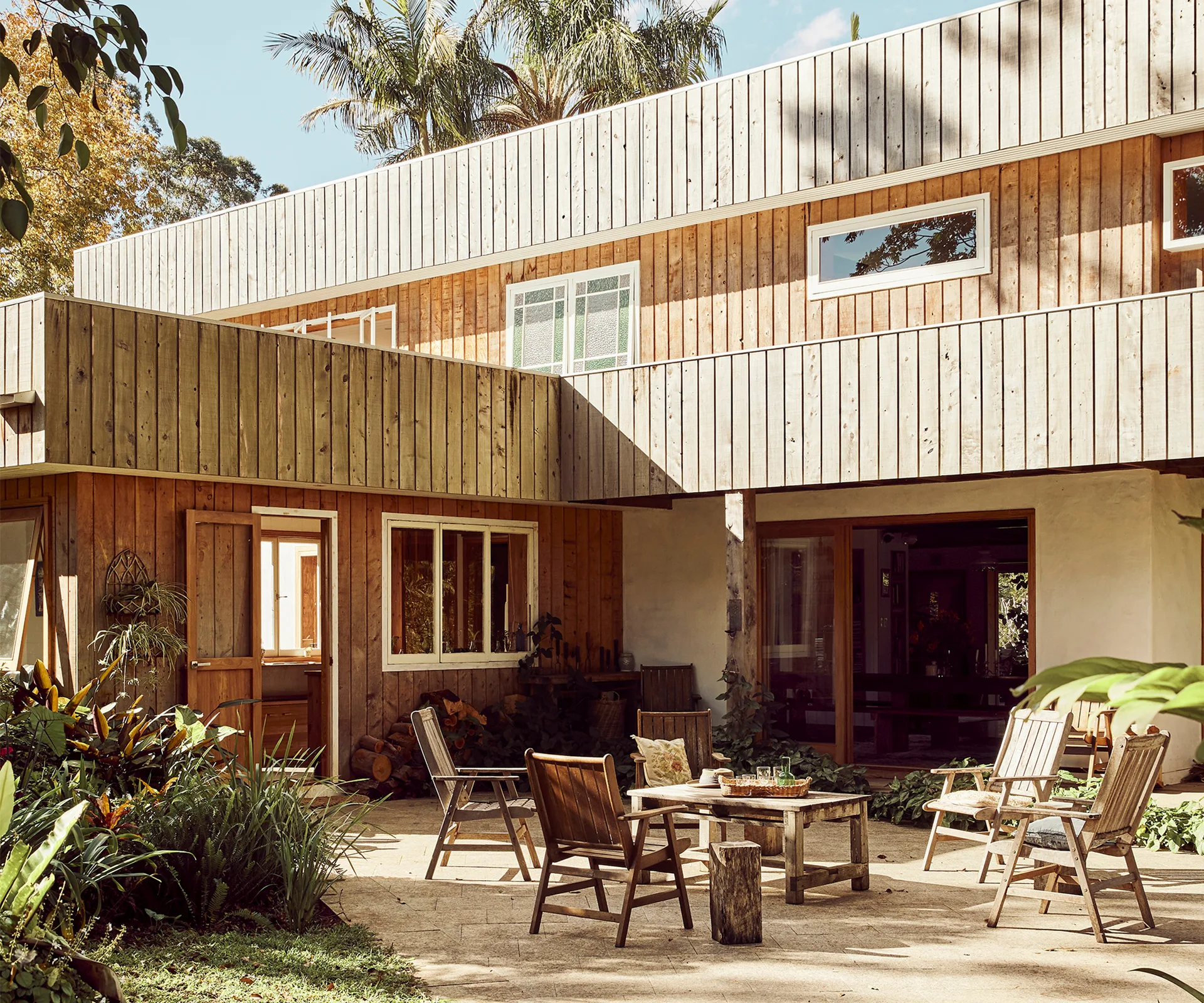
Reclaimed wood and tree bark siding: Historically used as a protective covering, bark siding is now meticulously processed from forest waste into durable, element-resistant shingles or sheets. This method provides unique, sustainable siding options.
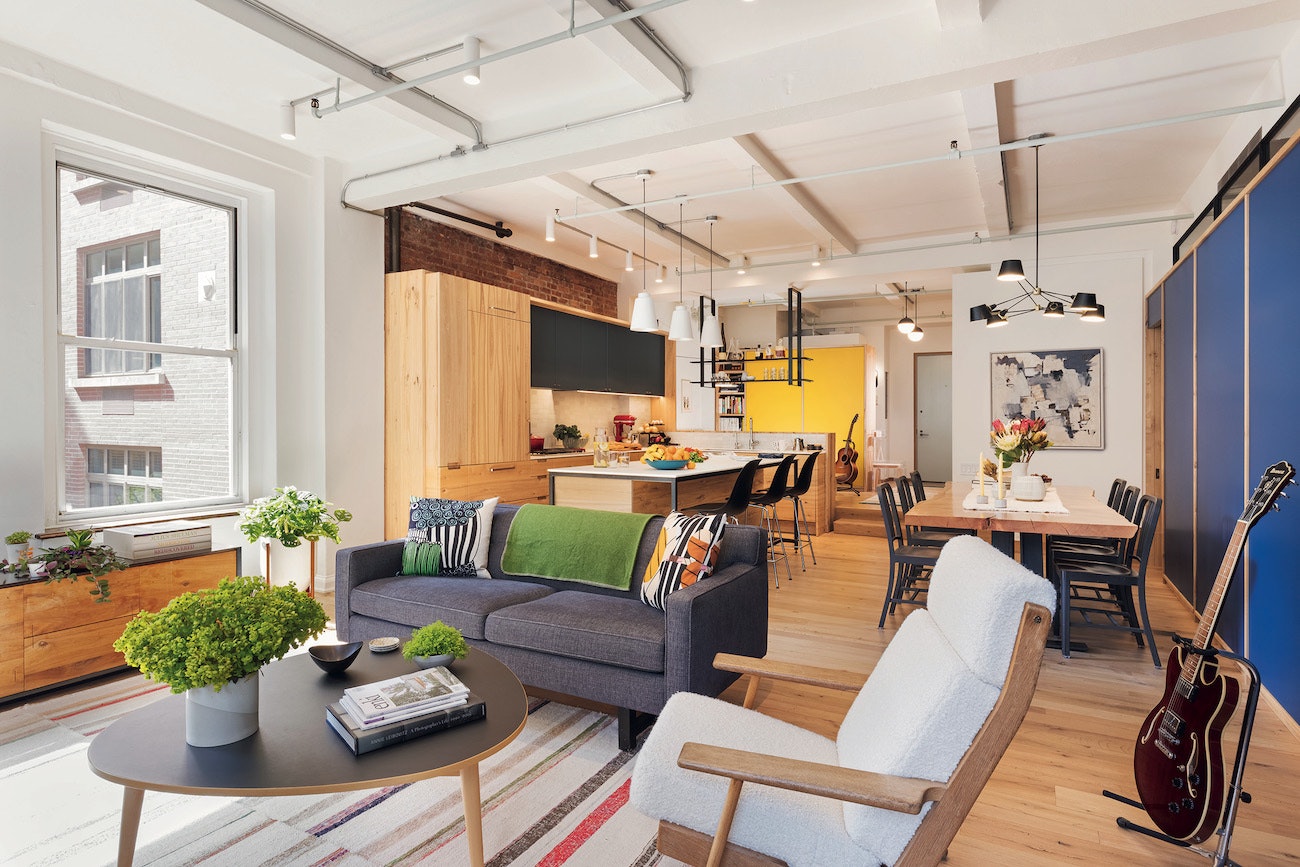
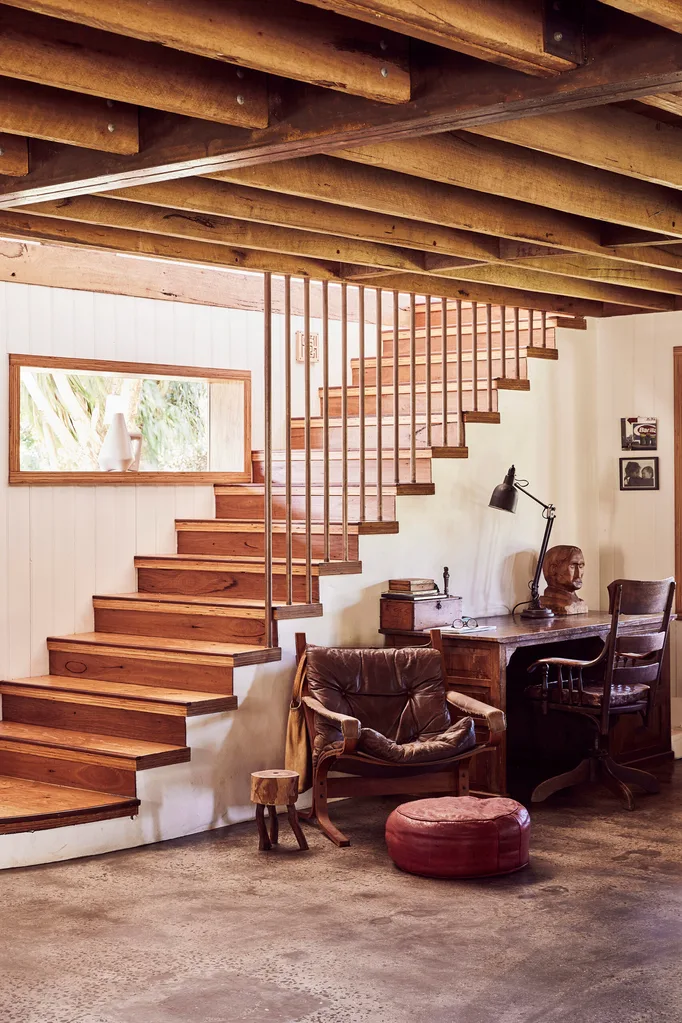
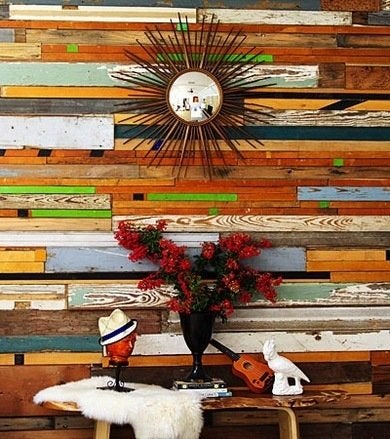
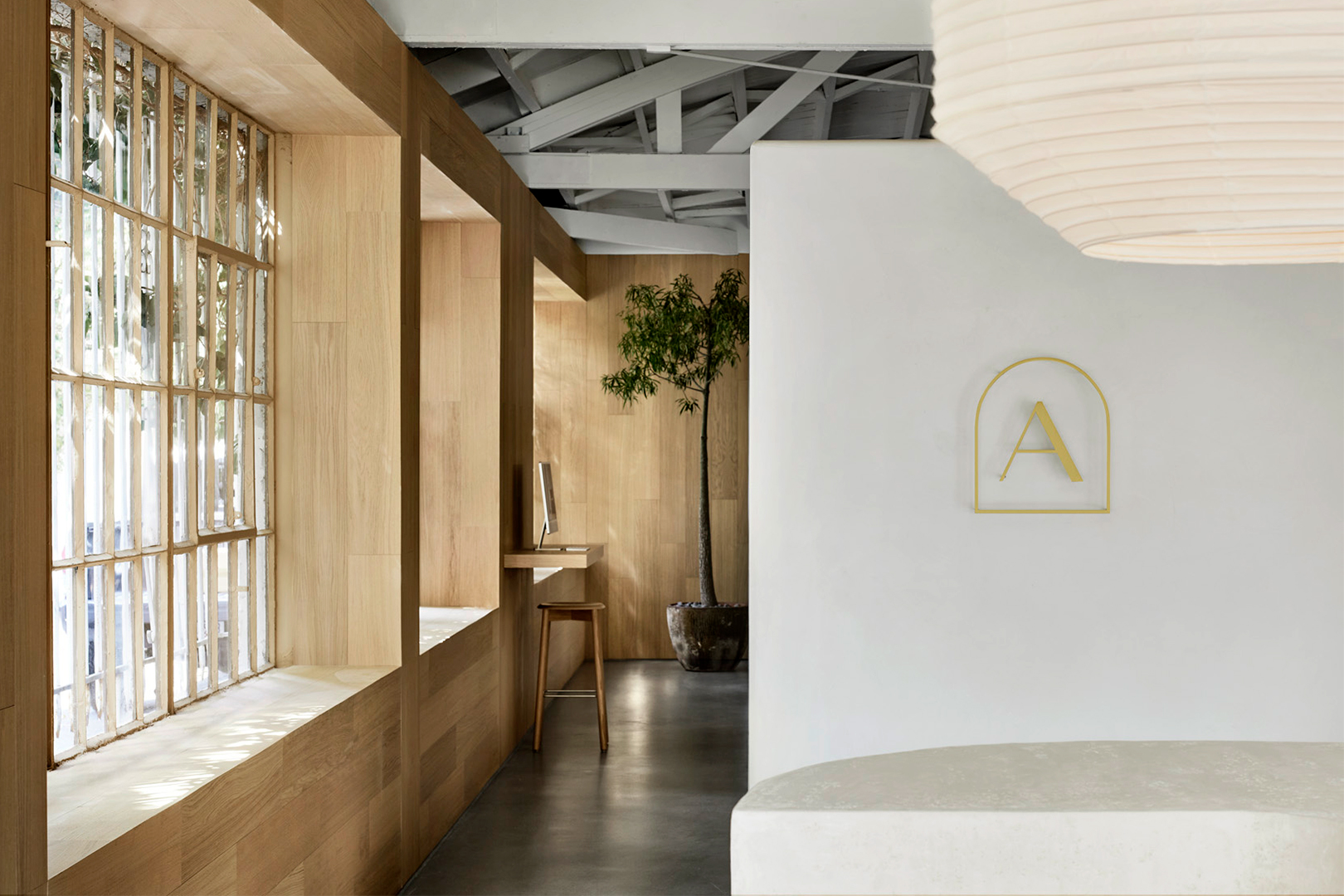
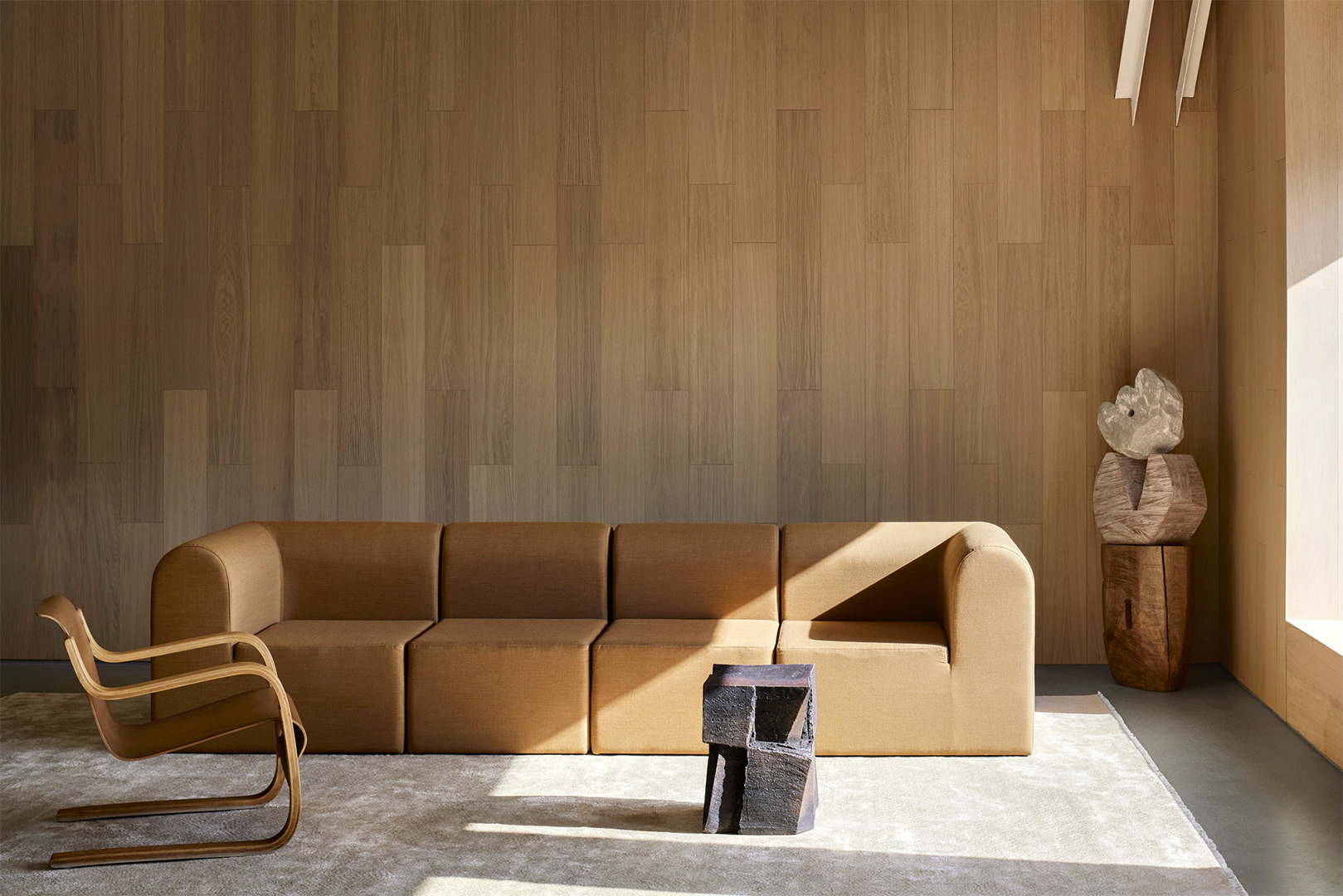
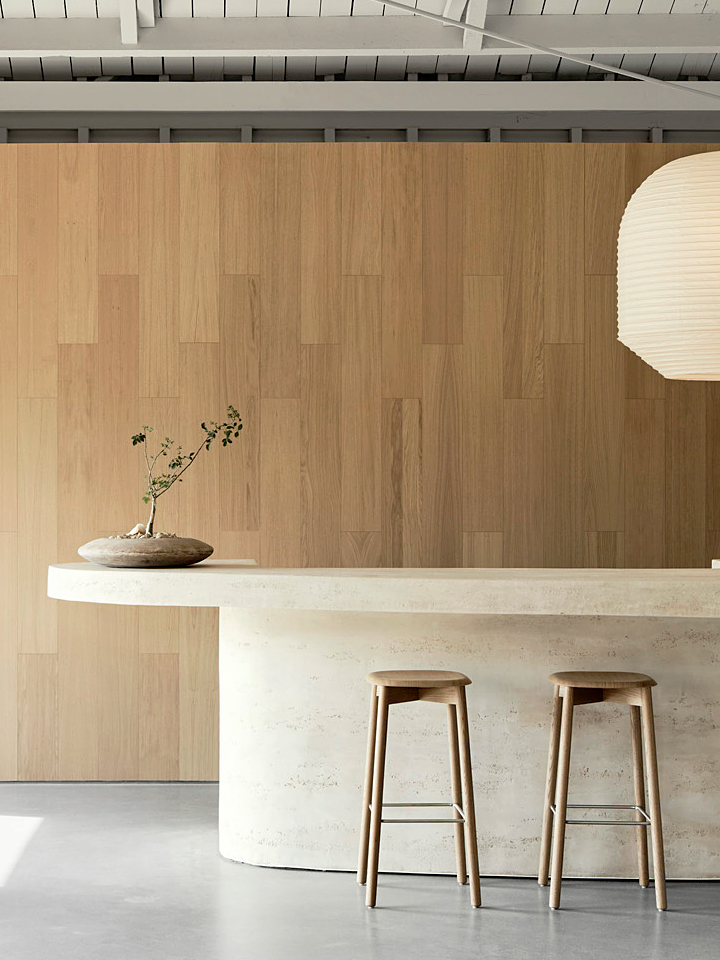
Reclaimed wood paneling: Modern applications of reclaimed barn wood planks elevate traditional designs. They are utilized to create accent walls, shiplap, or paneled ceilings, offering a rustic yet sophisticated aesthetic. Vertical paneling can enhance the cozy atmosphere of cabin- or lodge-style homes and add natural texture to industrial settings.
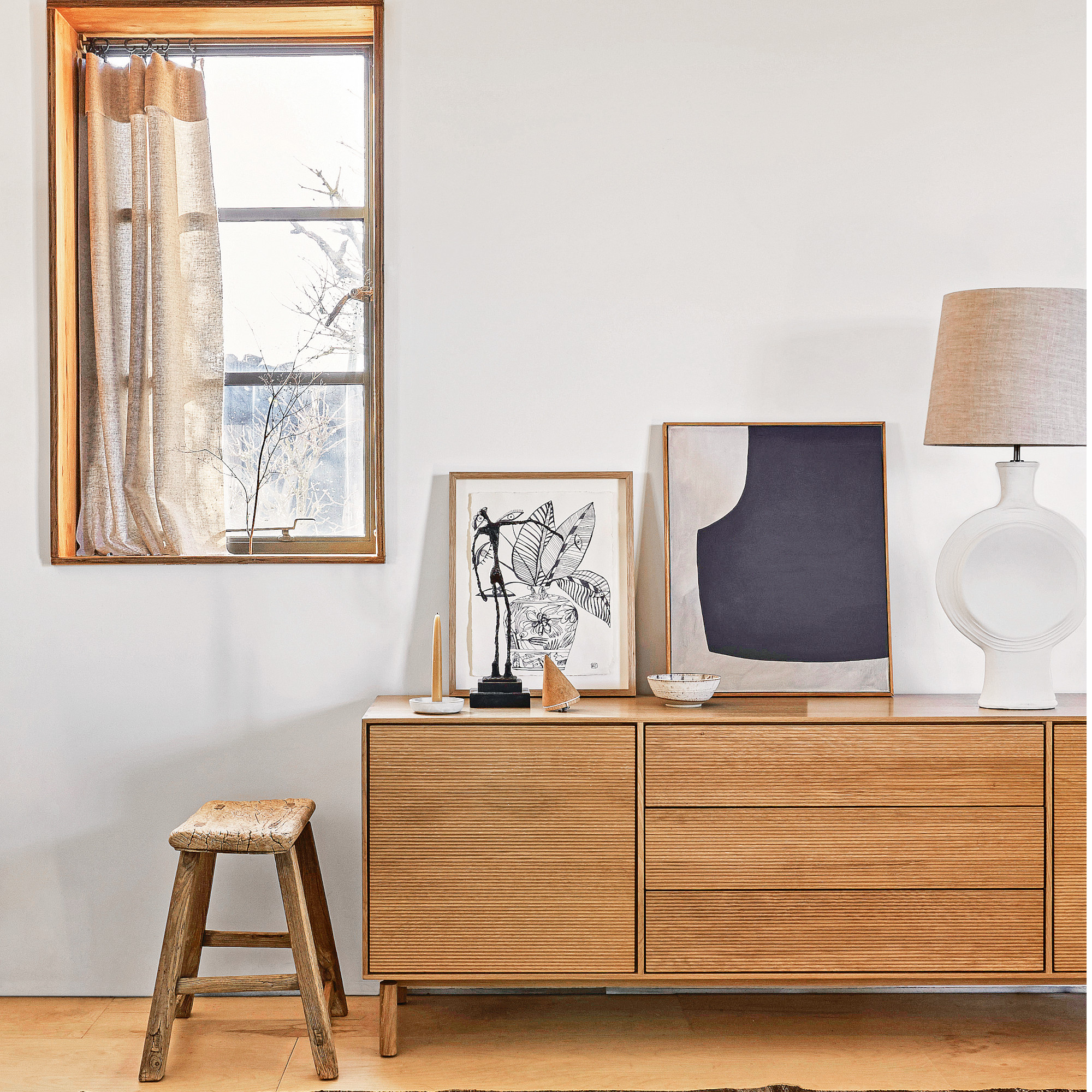
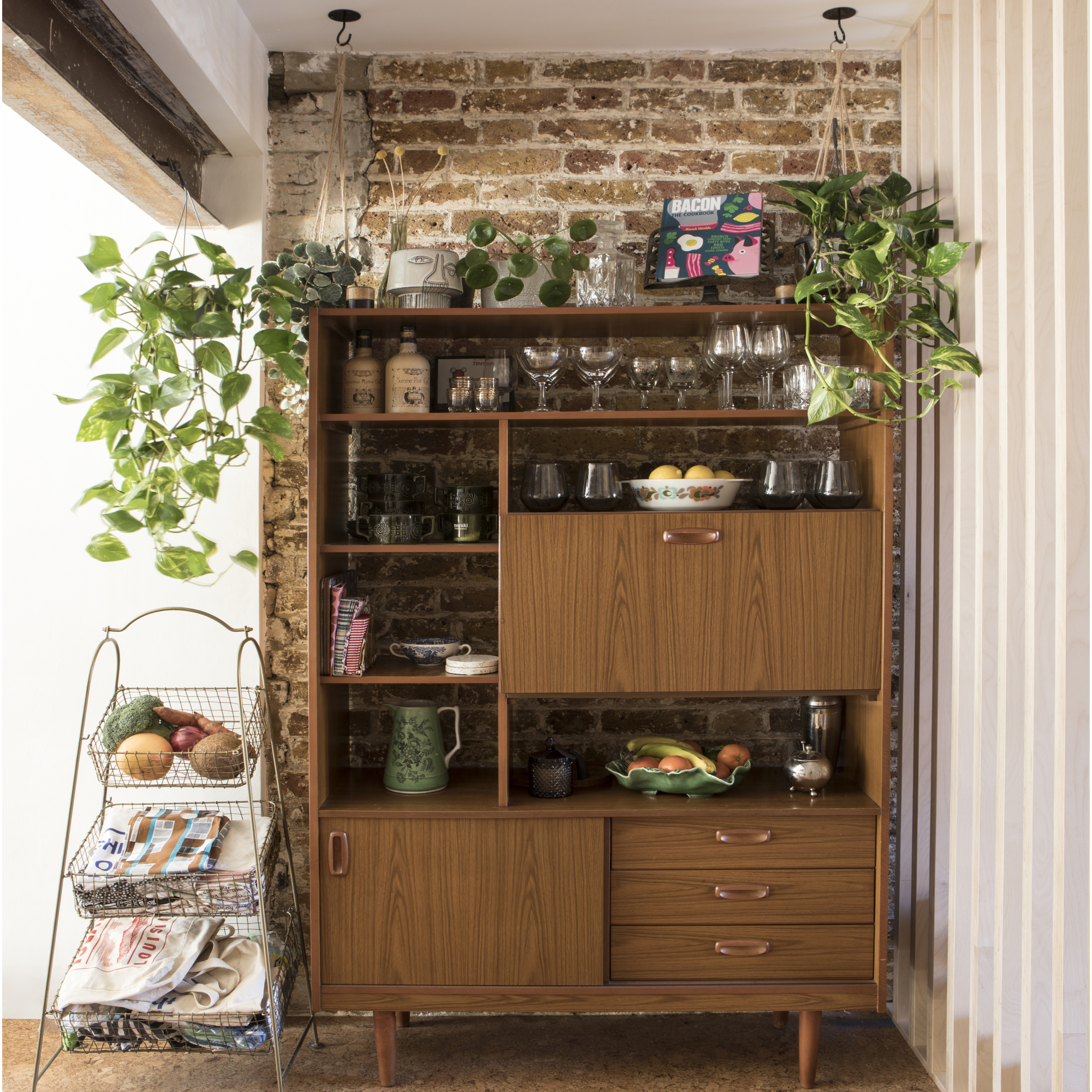
Reclaimed wood custom shelving and furniture: Homeowners increasingly seek distinctive pieces, and reclaimed wood allows for the creation of unique consoles, headboards, and shelving. Designers can craft custom items that highlight the natural grain and shape of salvaged wood, turning a functional piece into a focal point, such as a floating fireplace mantel.
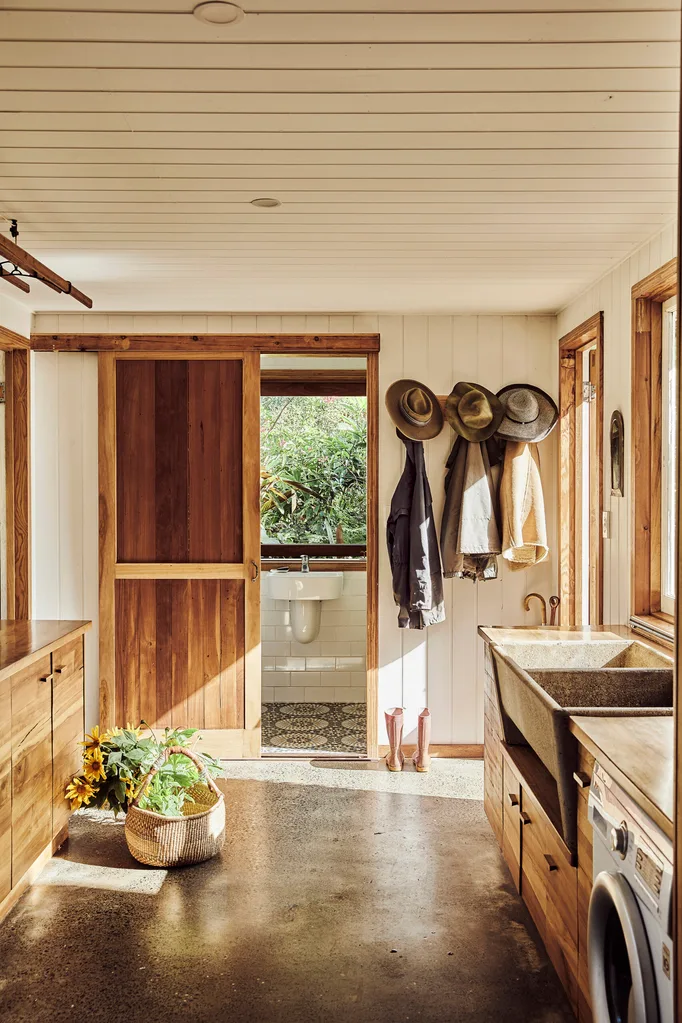
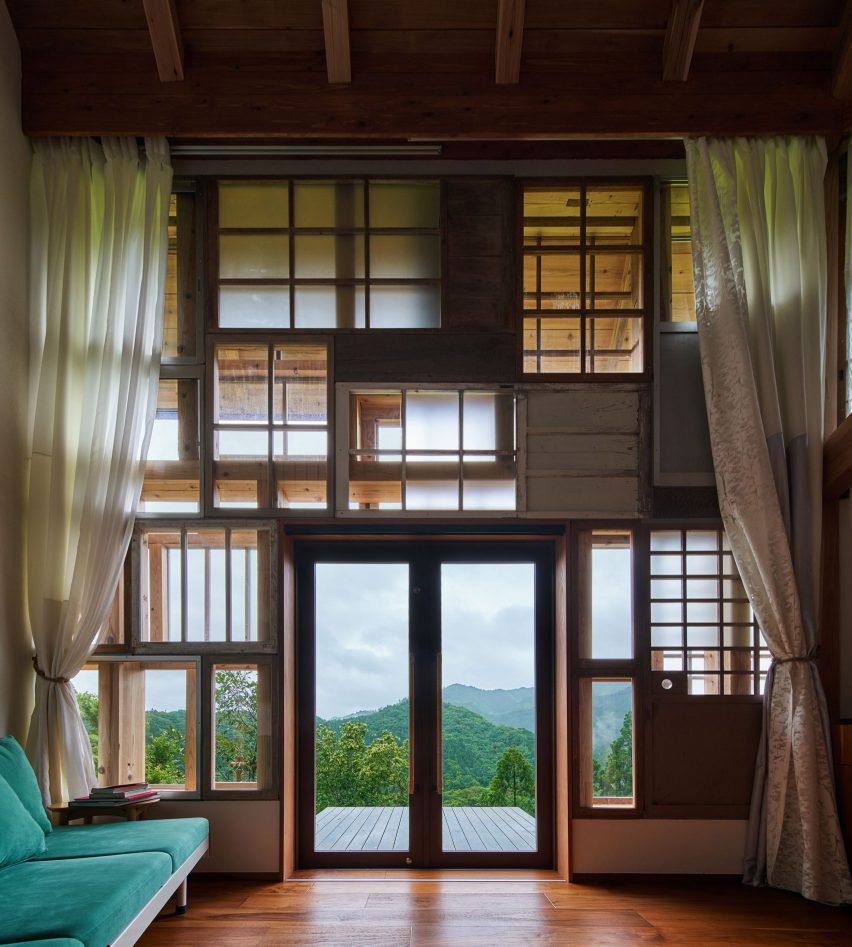
Reclaimed wood doors and window frames: Utilizing reclaimed wood for door and window frames and trim adds architectural character and authenticity. Custom barn doors, made from actual barn wood, offer an environmentally friendly and stylish alternative to traditional doors, often installed on visible tracks to slide along walls, providing flexibility in design.
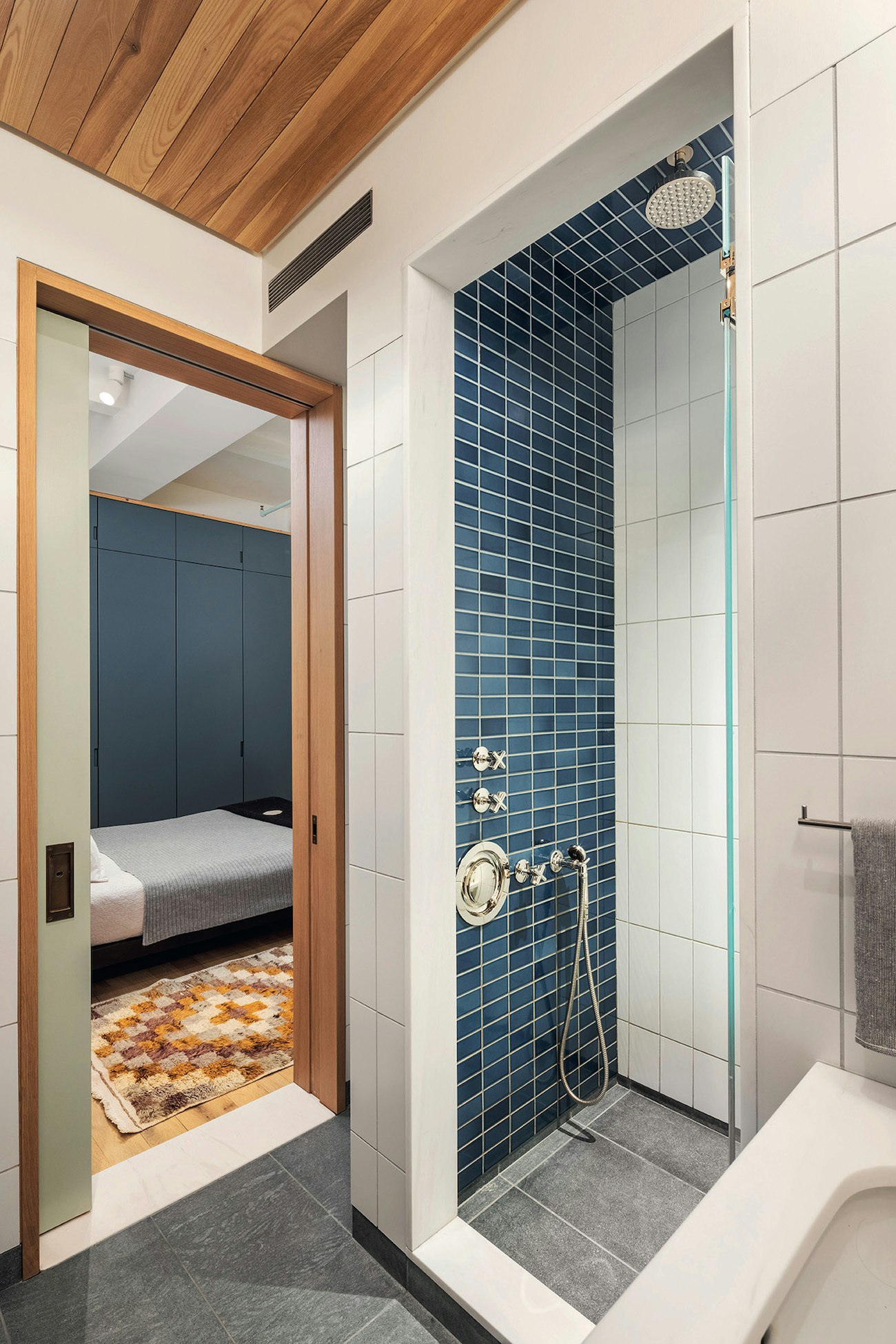
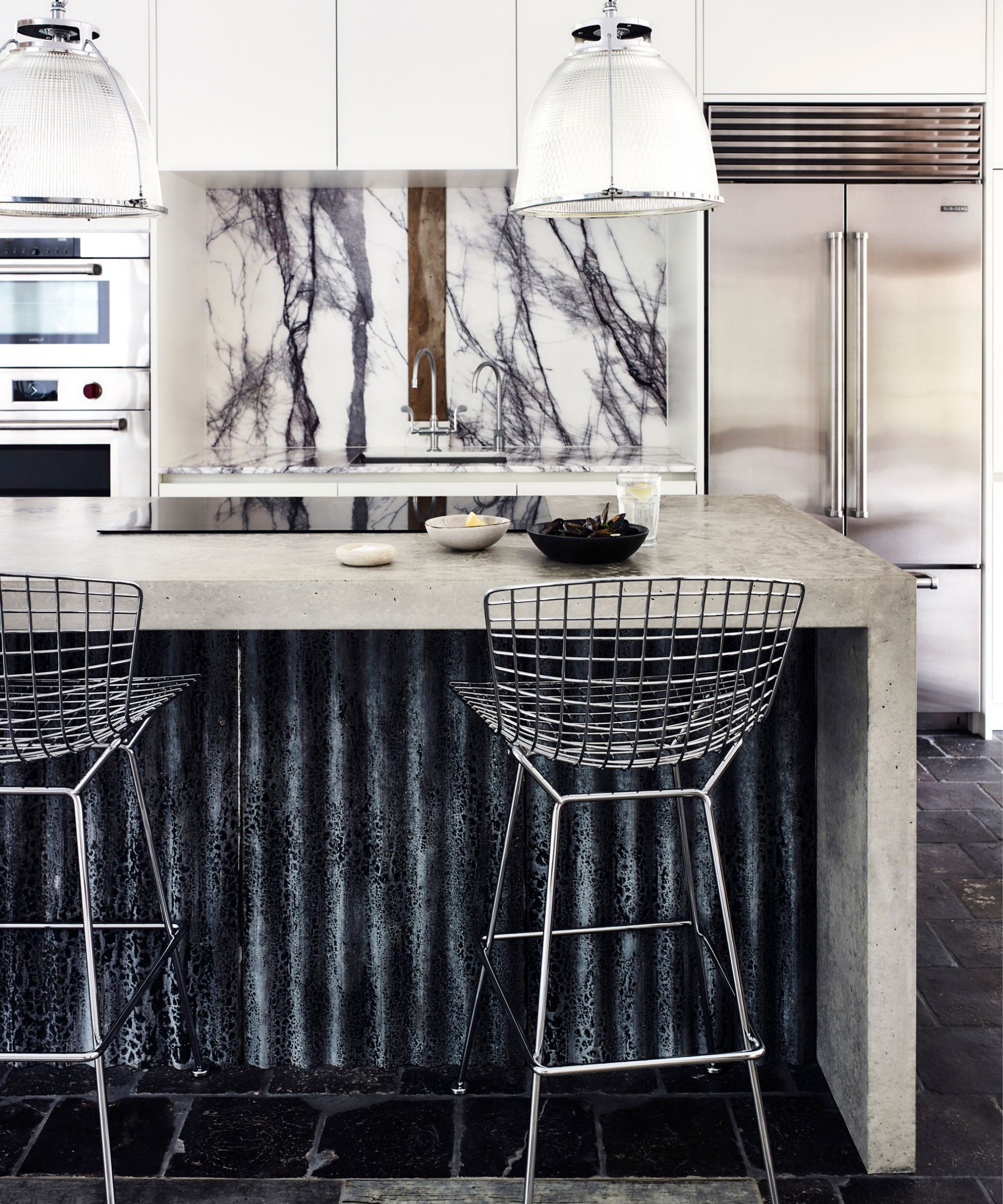
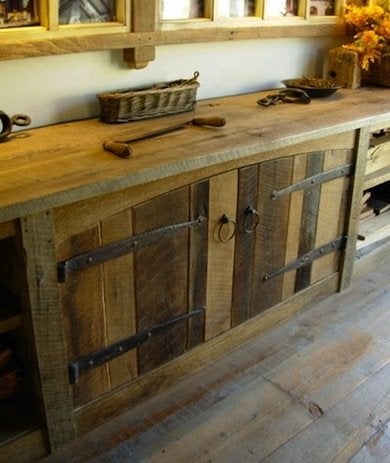
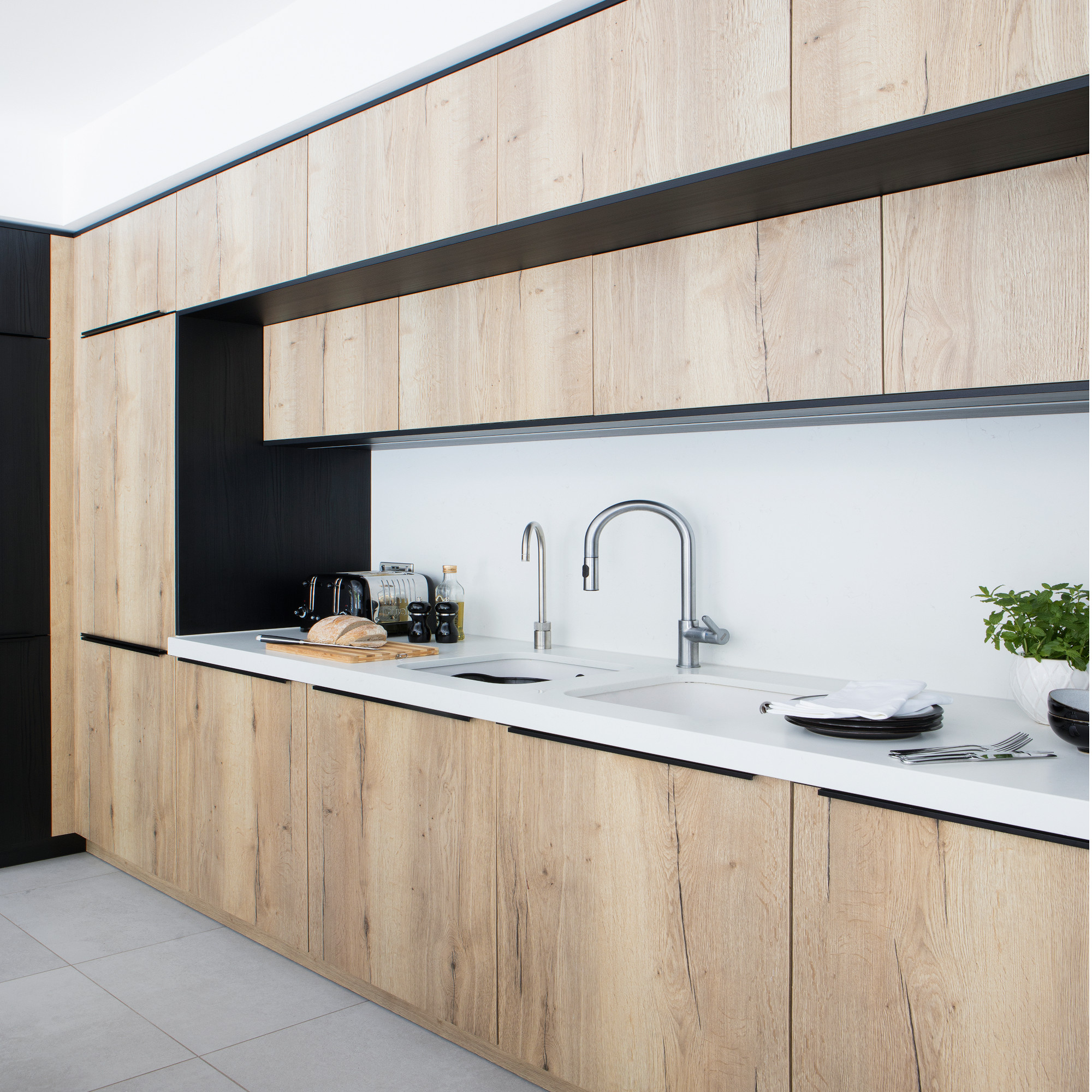
Reclaimed wood built-ins: Although moisture-prone areas like kitchens and bathrooms might seem unconventional for wood built-ins, old-growth reclaimed wood is inherently solid, pre-cured, and rot-resistant. This makes it suitable for kitchen islands, bathroom vanities, cabinets, and shelving, providing durability and a unique aesthetic.
Sourcing reclaimed wood locally is recommended, with options like Craigslist, Nextdoor, and Facebook Marketplace offering access to locally sourced materials for DIY projects or custom furniture. For specialized products like bark siding, reputable suppliers such as BarkClad, Hardin Creek, and Bark House, which is Cradle to Cradle–certified, provide high-quality, sustainable options. Bark House also extends its offerings to interior bark wall finishes.
#SustainableMaterials #ReclaimedWood #HomeDesign #InteriorDesign #EcoFriendlyBuilding #ArchitecturalDesign #GreenBuildingMaterials #RenovationTrends #WoodPaneling #SustainableMaterials #ReclaimedWood #HomeDesign #InteriorDesign #EcoFriendlyBuilding #ArchitecturalDesign #GreenBuildingMaterials #RenovationTrends #WoodPaneling
0 comment in total
 No comments yet
You may also like

Turning reclaimed timber power poles into architectural products
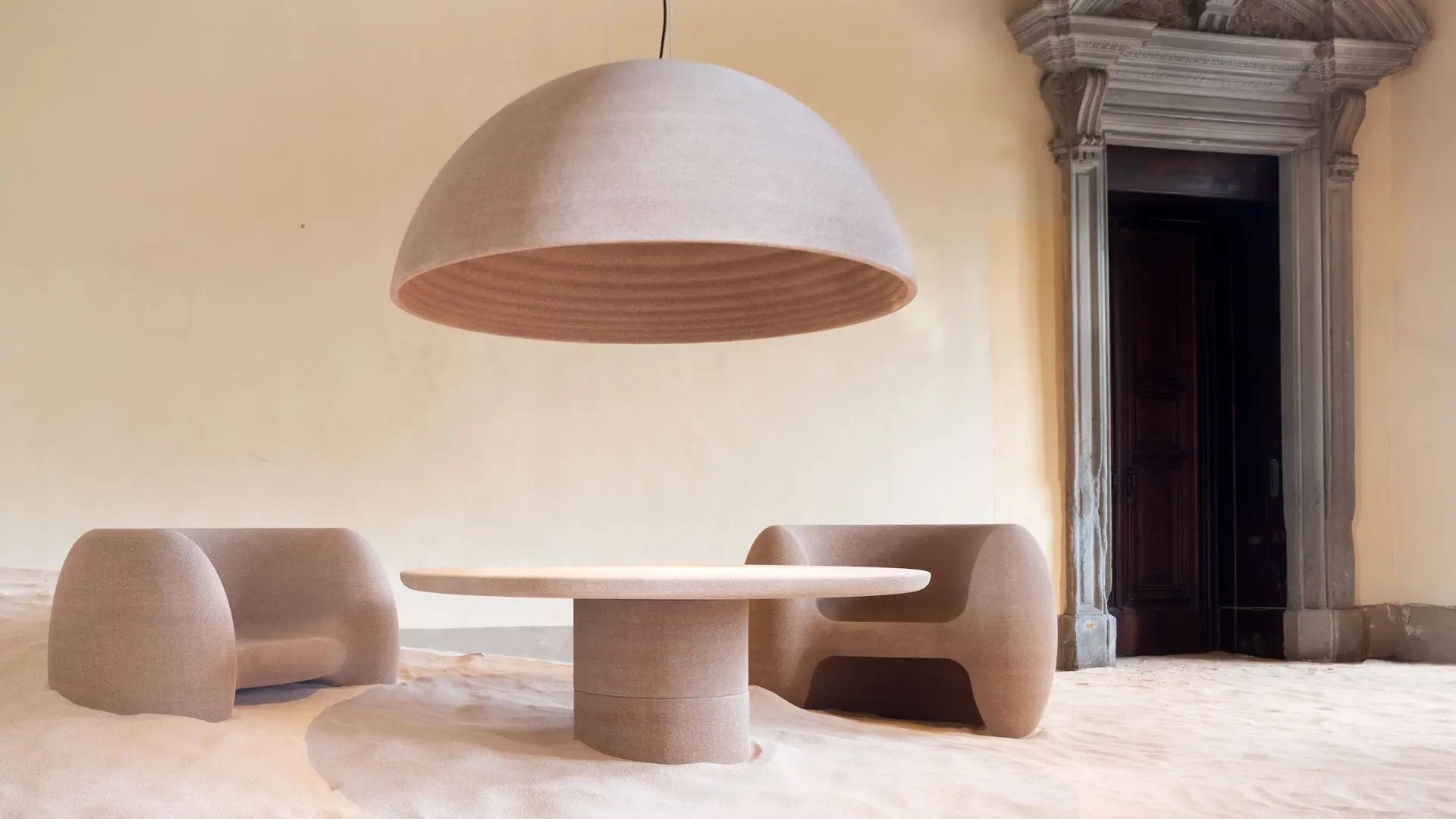
econitWood™ turns timber scraps into new material resources

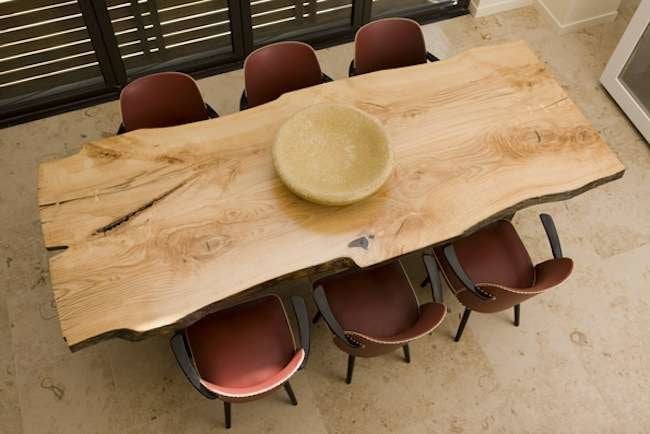
15 Ways to Use Salvaged Wood in Your Home

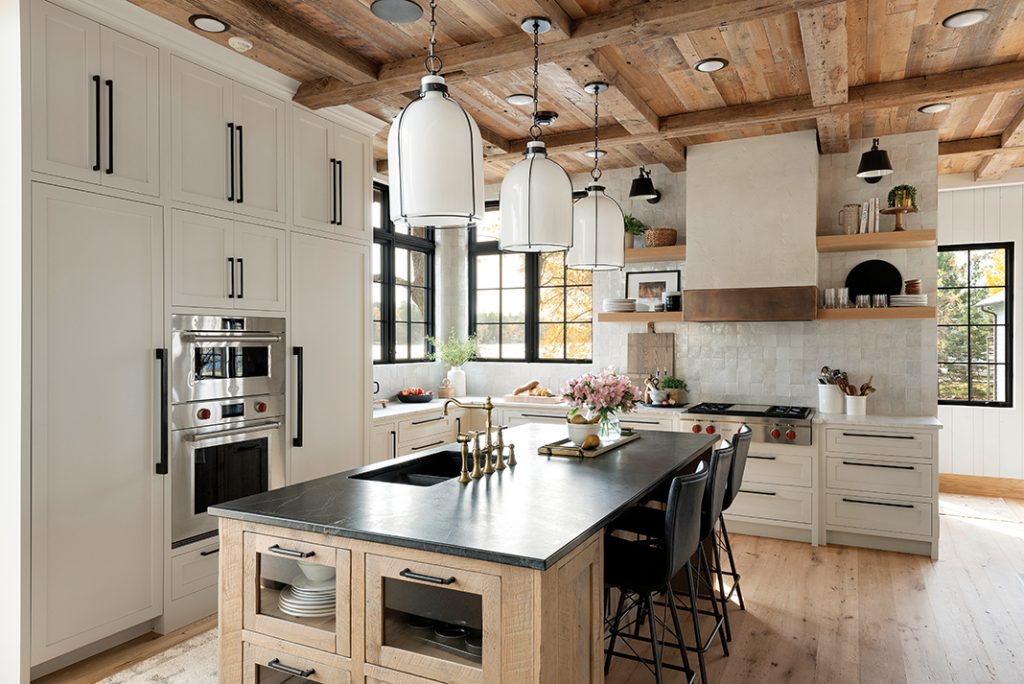
Materials 101: The Versatility of Wood with Manomin Resawn Timbers

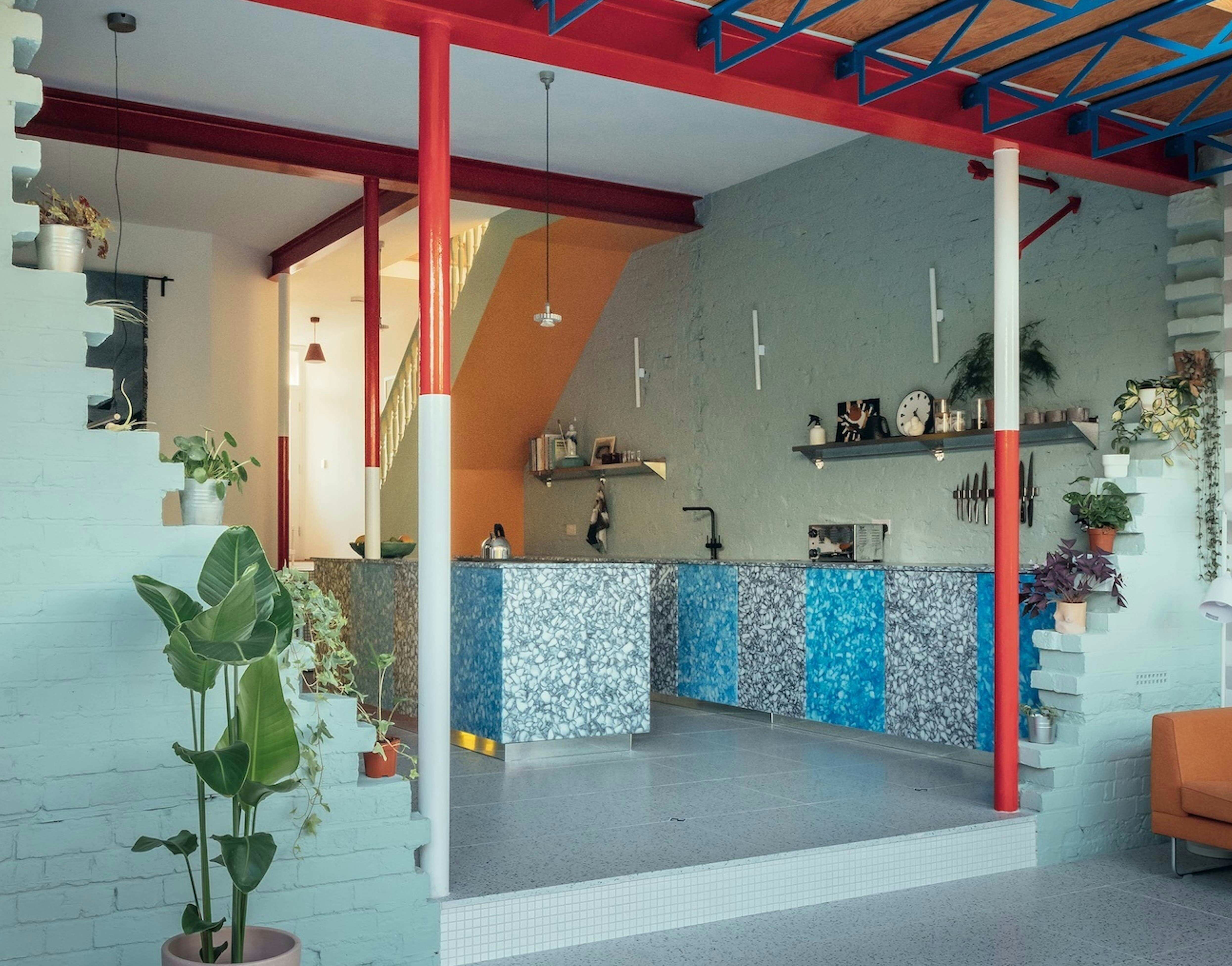
For These Designers and Homebuilders, the Best Materials Are Ones That Have Already Been Used


Deconstructing Buildings: The Quest for New Life for Old Wood

The One Design Trend You Should Try, Designers Say (and It's Not Color Drenching)


Meet the designers using revolutionary eco materials


Where in the World Did This Wood Come from?

Wood Innovation: Sustainability Becomes More Important, Companies Seek to Develop Wood-Based, Eco-Friendly Products


7 Innovative Home Decor Items With Sustainable Origins

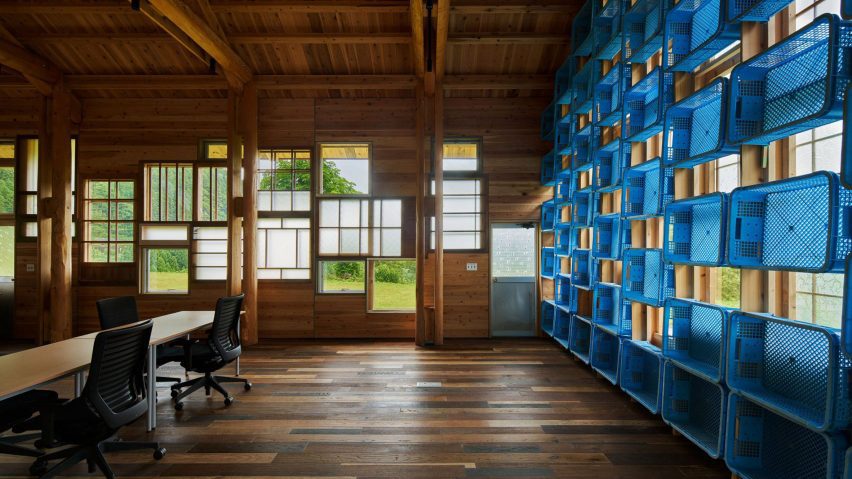
Eight interiors that feature reclaimed and recycled materials

Reclaimed Lumber Market Size, Share | CAGR of 4.5%
Sustainable Material Spotlight: Cork

Manomin Resawn Timbers Reclaims History—One Plank at a Time
The Wood Paneling Trick That Makes Any Space Feel Instantly Homey

How can you be more sustainable in your interior design? 10 things to always consider

A multi-generational family home built from sustainable and recycled timbers

Experts reveal the new way to upcycle secondhand furniture in 2023

Sustainable Material Spotlight: Recycled Glass