Stone Secrets: 2025 Trends and the Marble vs Quartzite Truth
The article explores crucial information for homeowners considering installing quartz countertops in Dallas, focusing on emerging 2025 stone trends, prevalent durability myths, and a deceptive marketing practice concerning marble and quartzite. It emphasizes the importance of informed decision-making to avoid common pitfalls and financial losses.
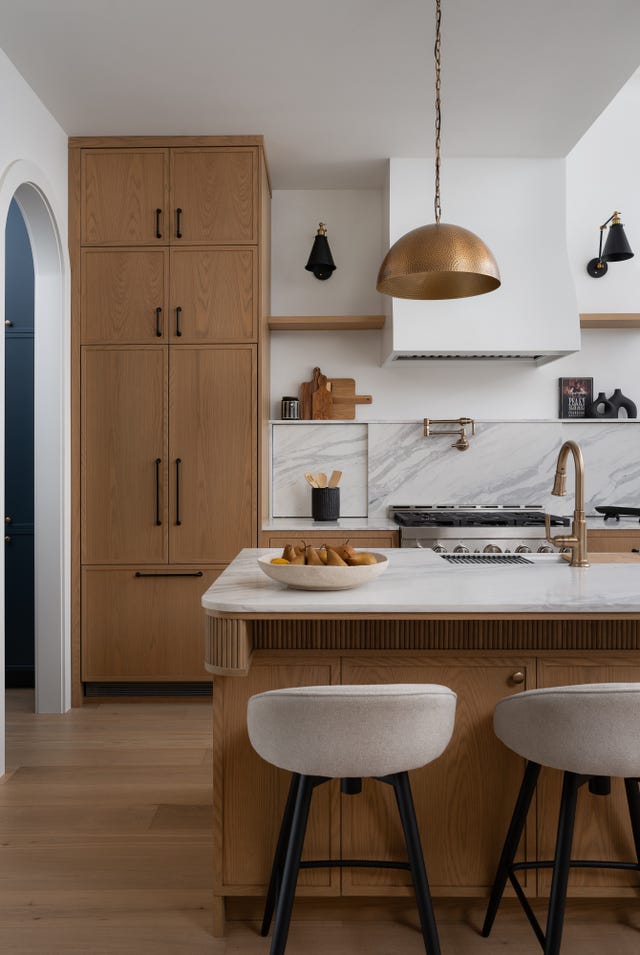
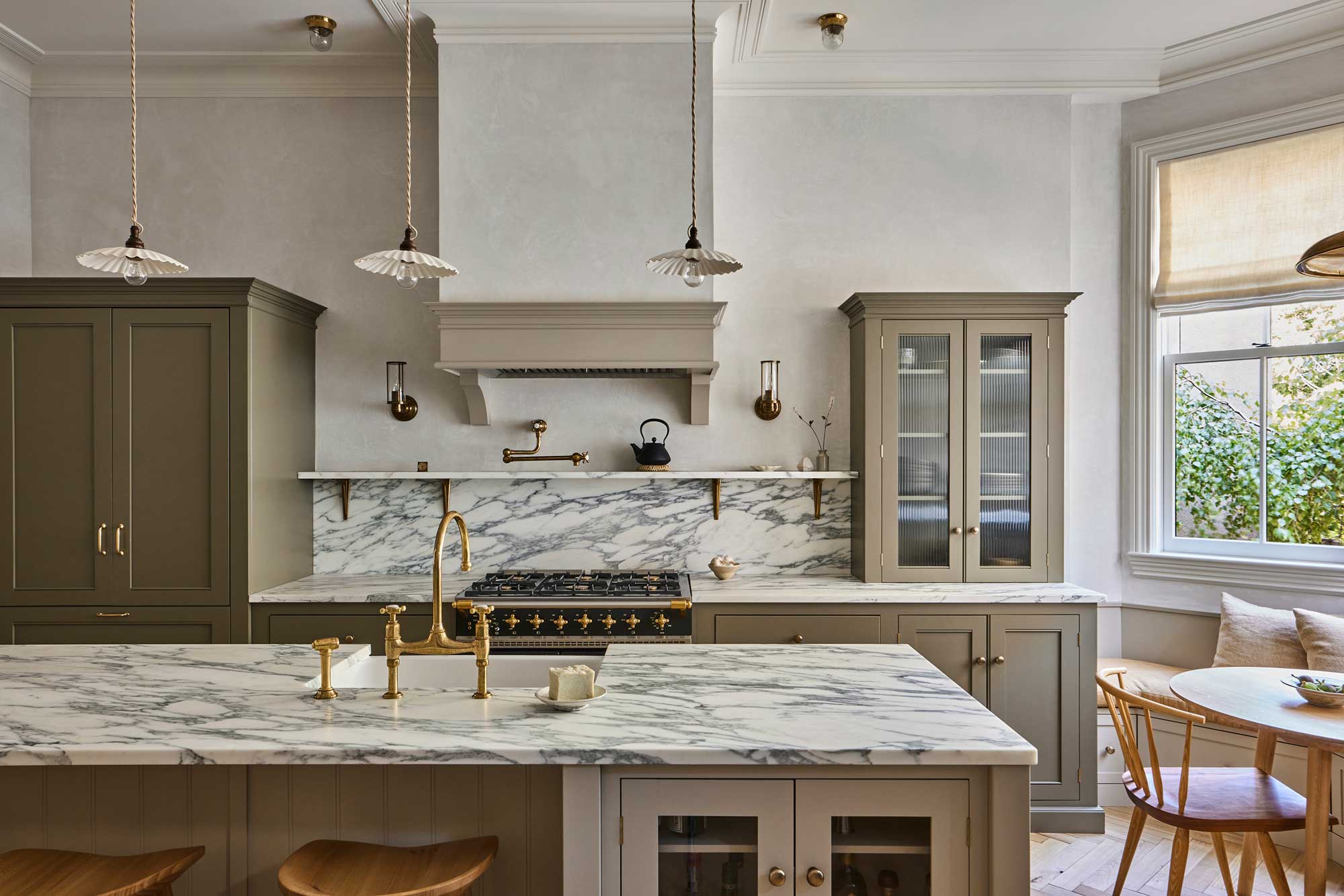

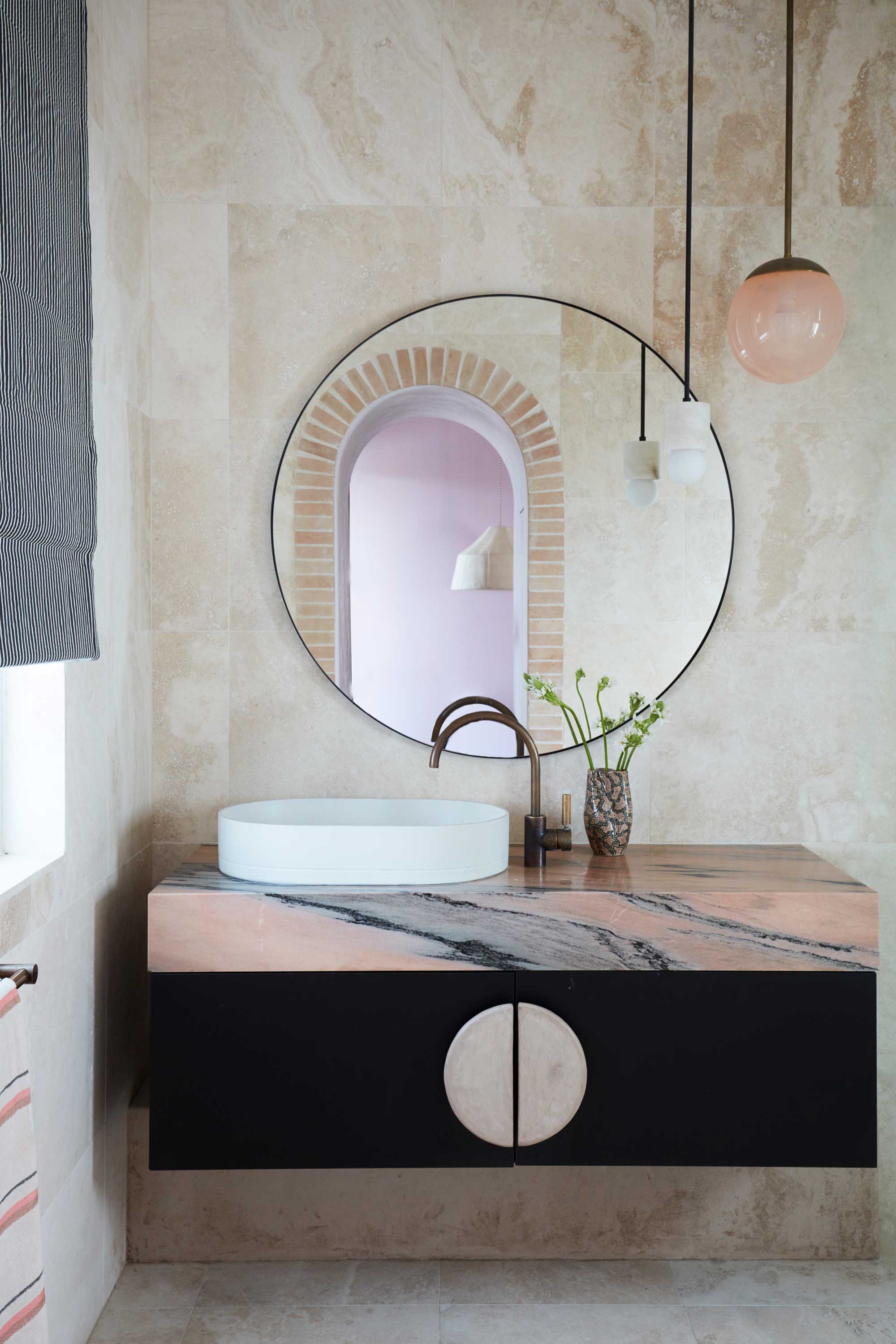
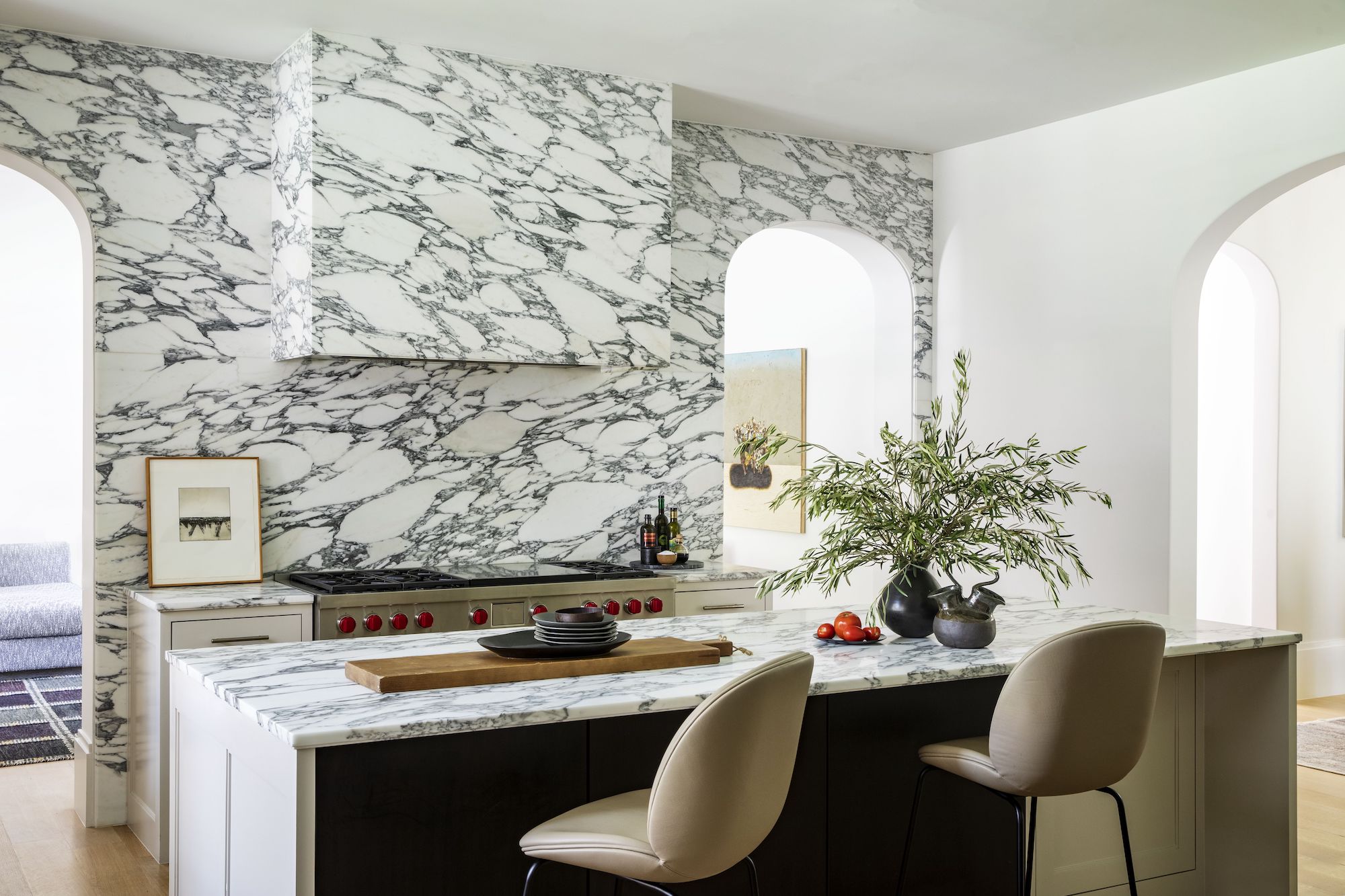
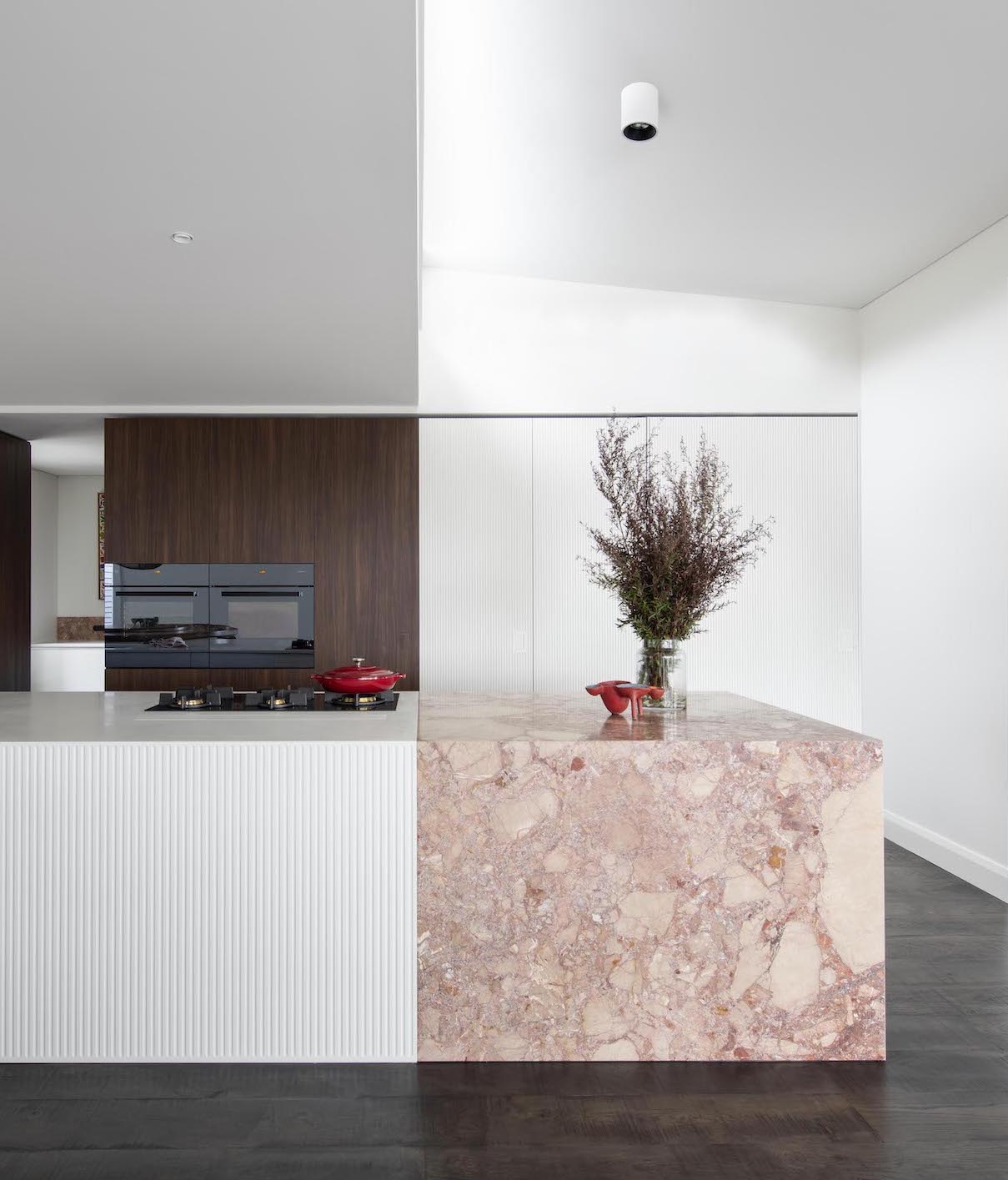
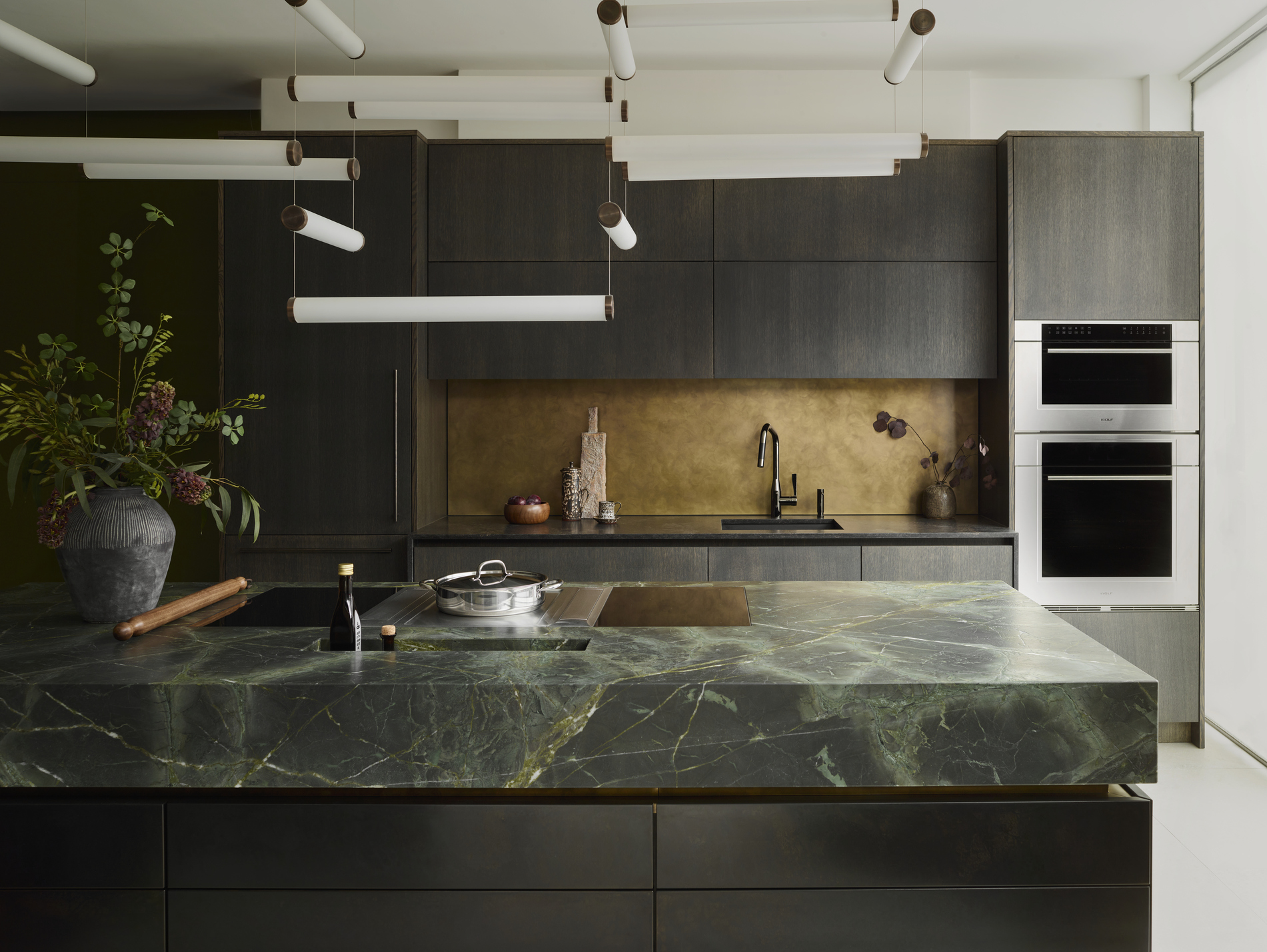
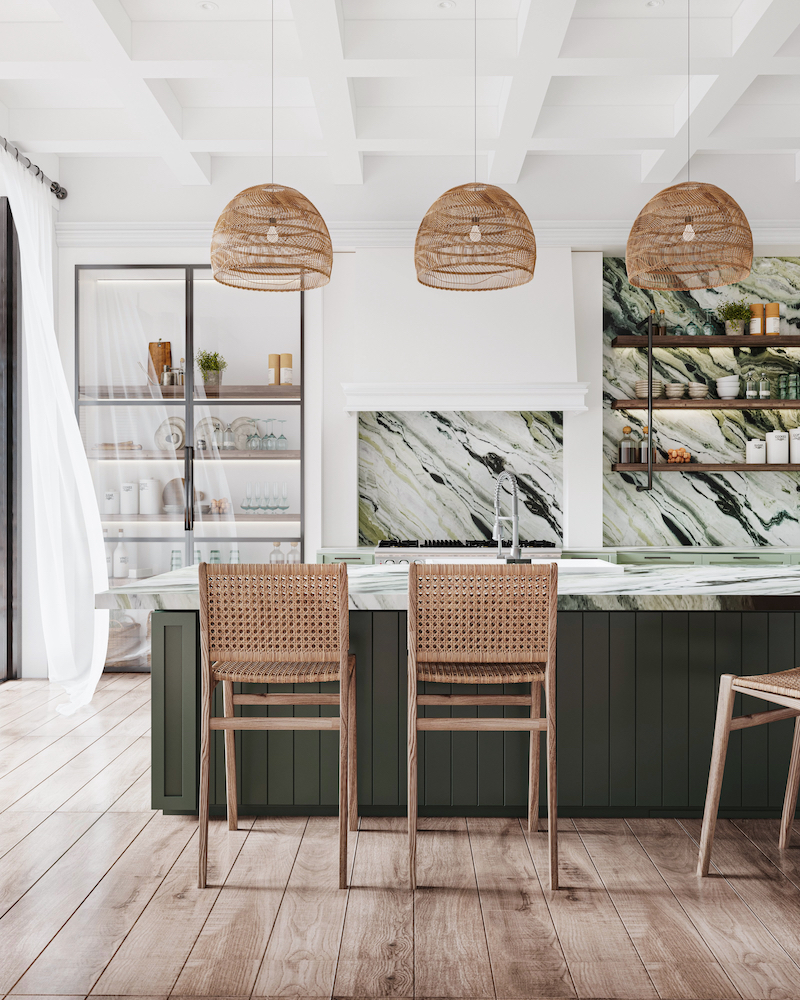
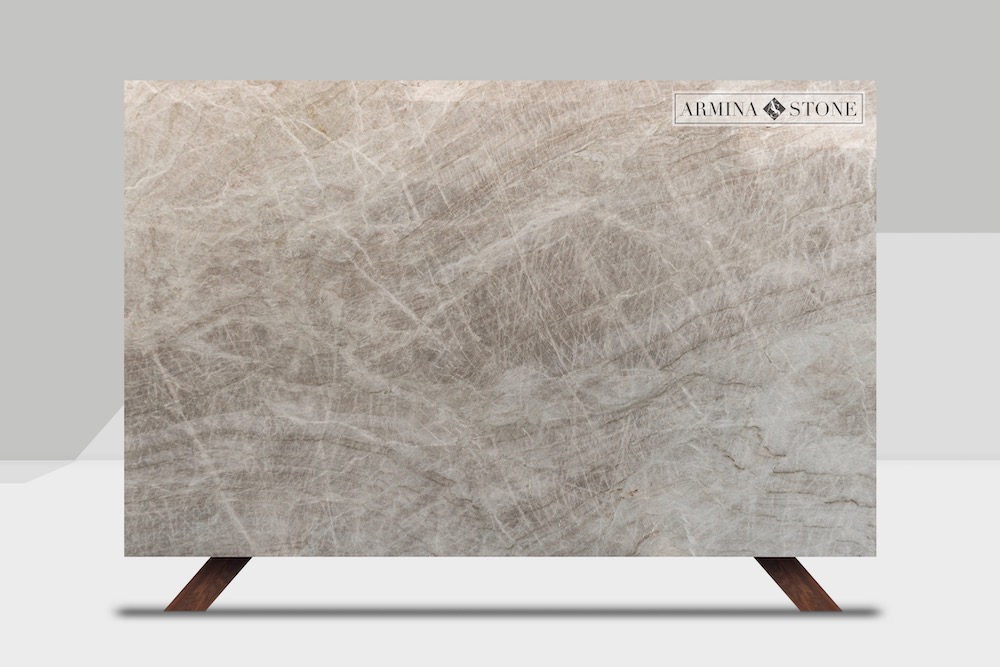
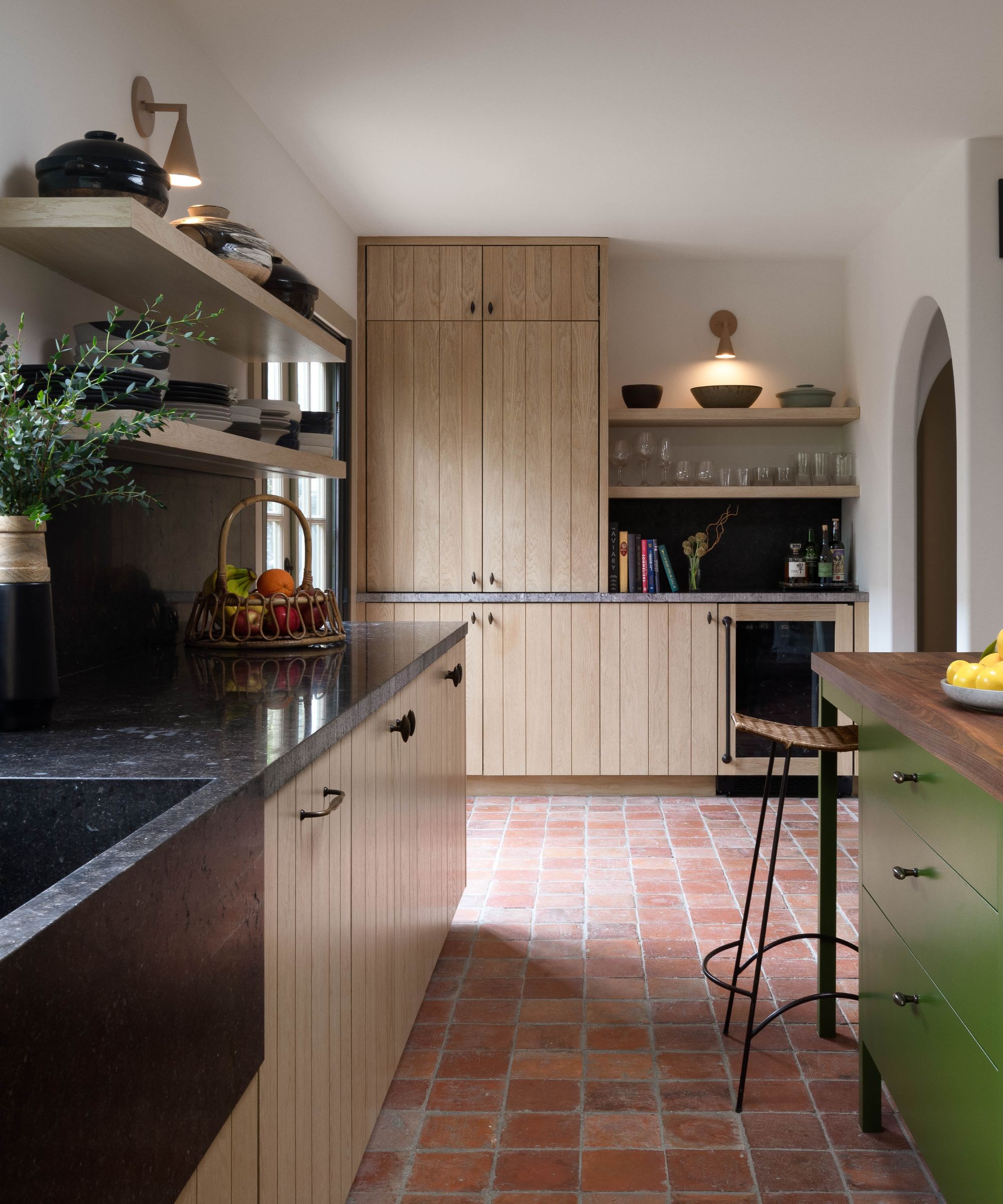
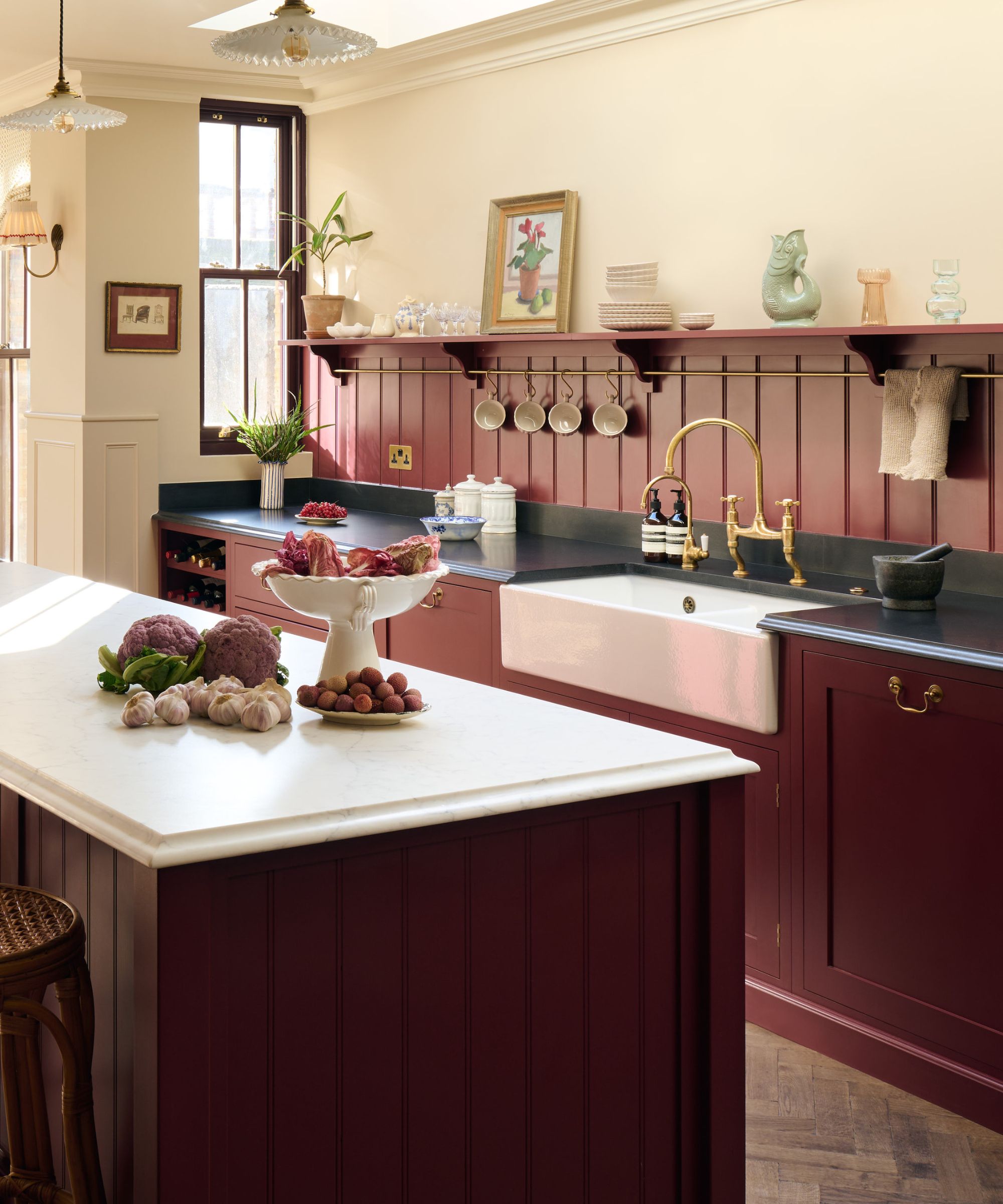
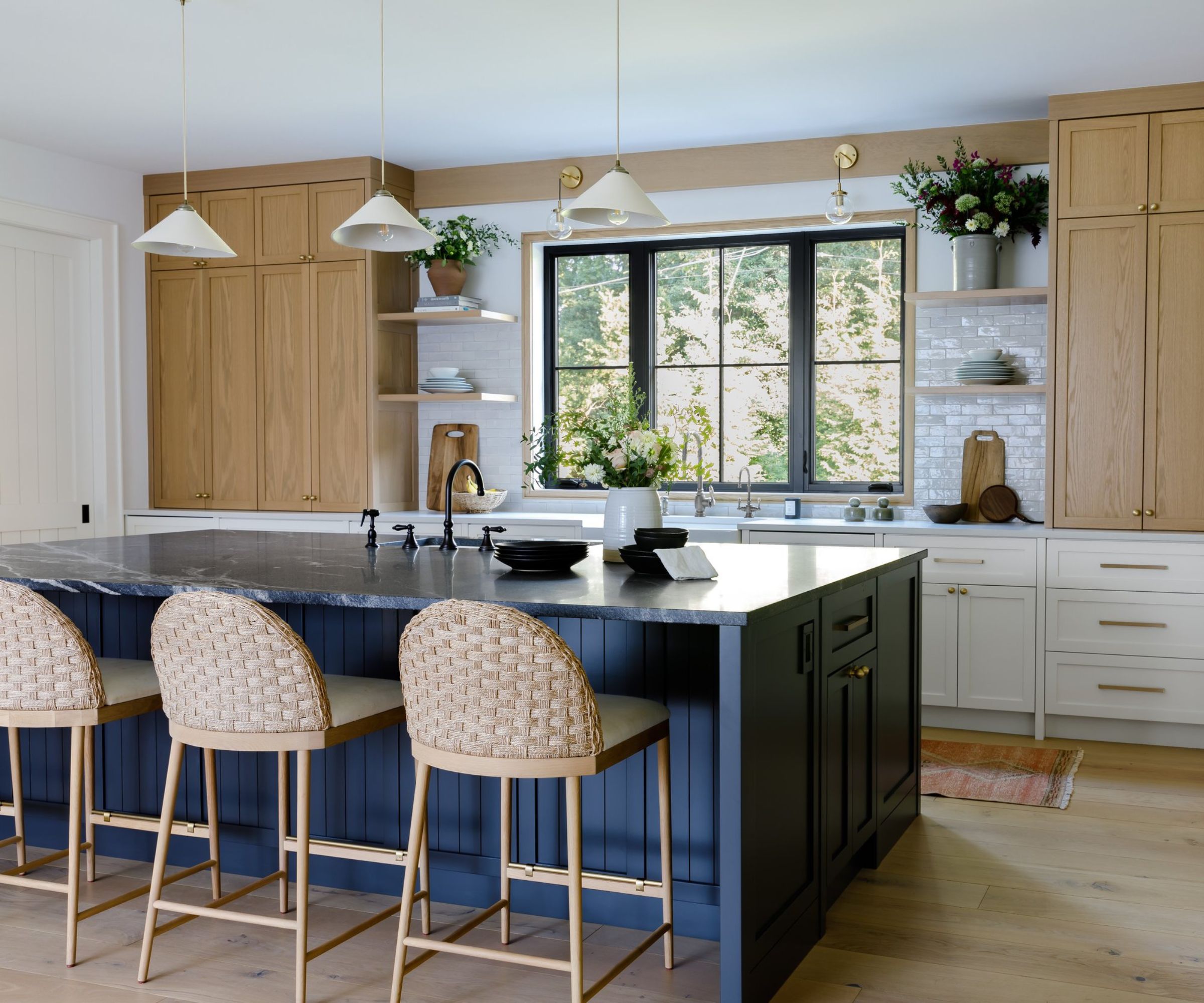
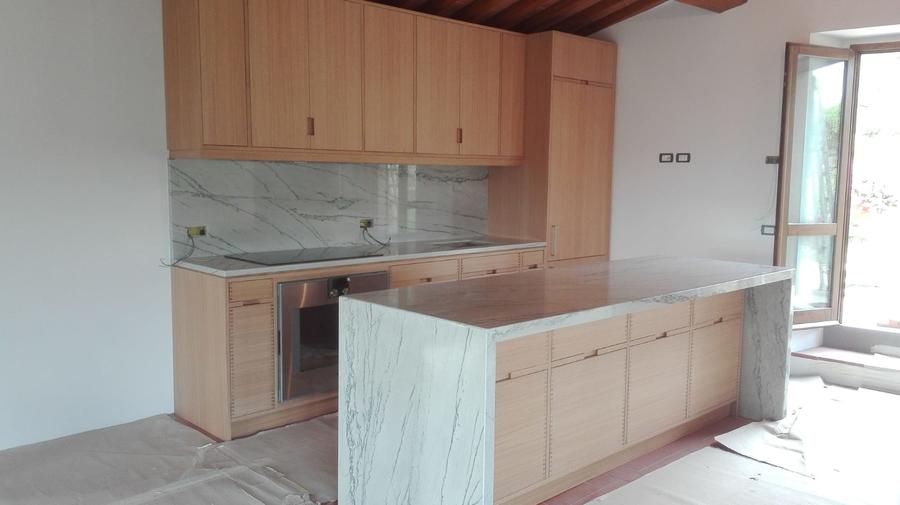
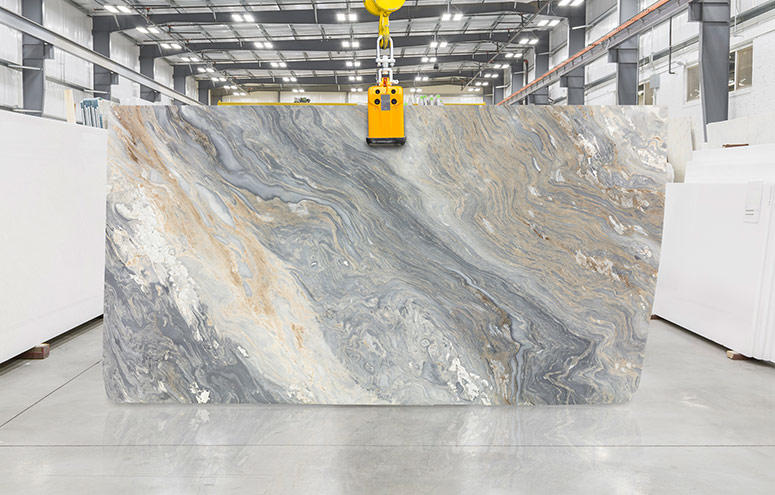
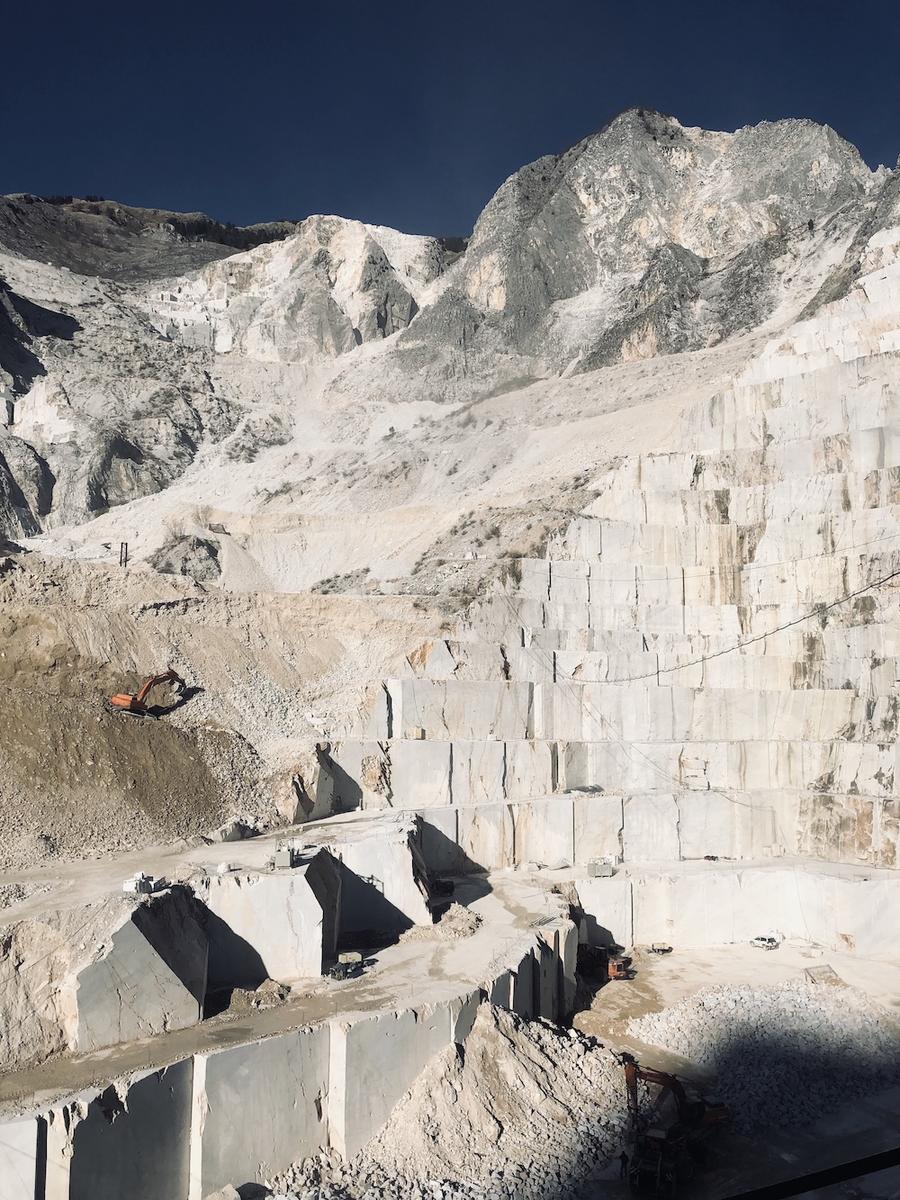
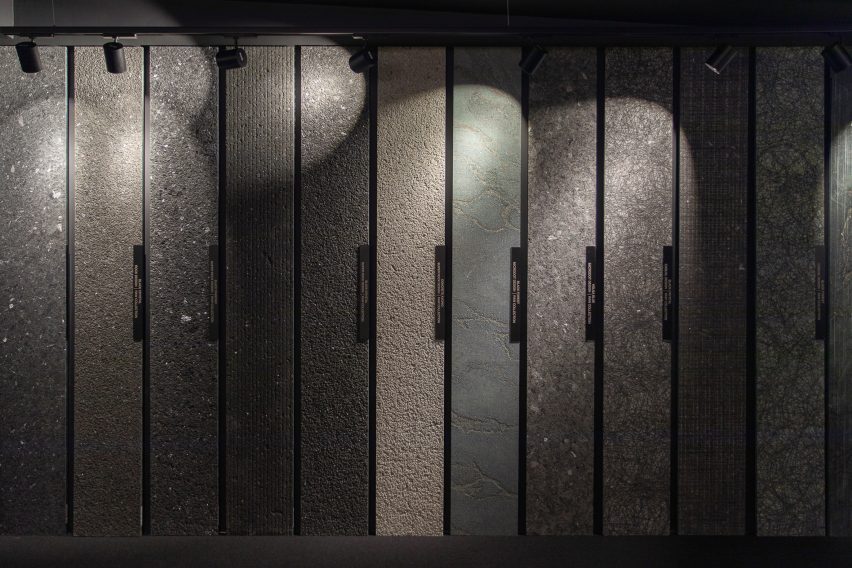
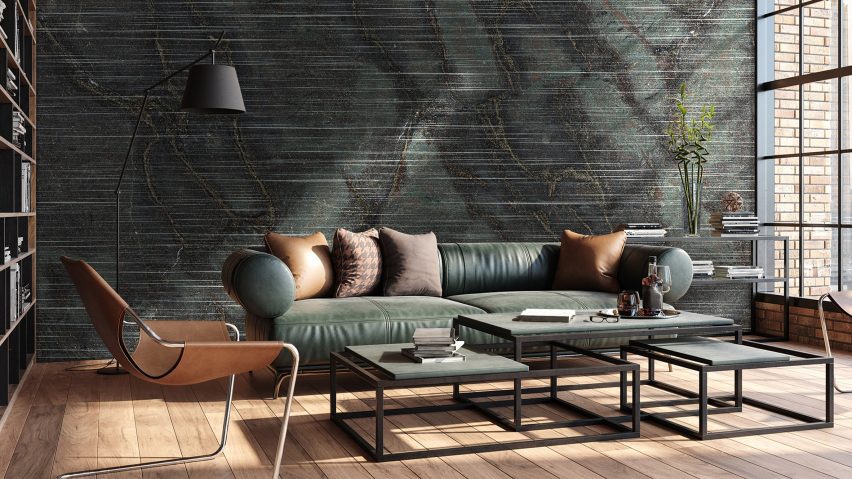
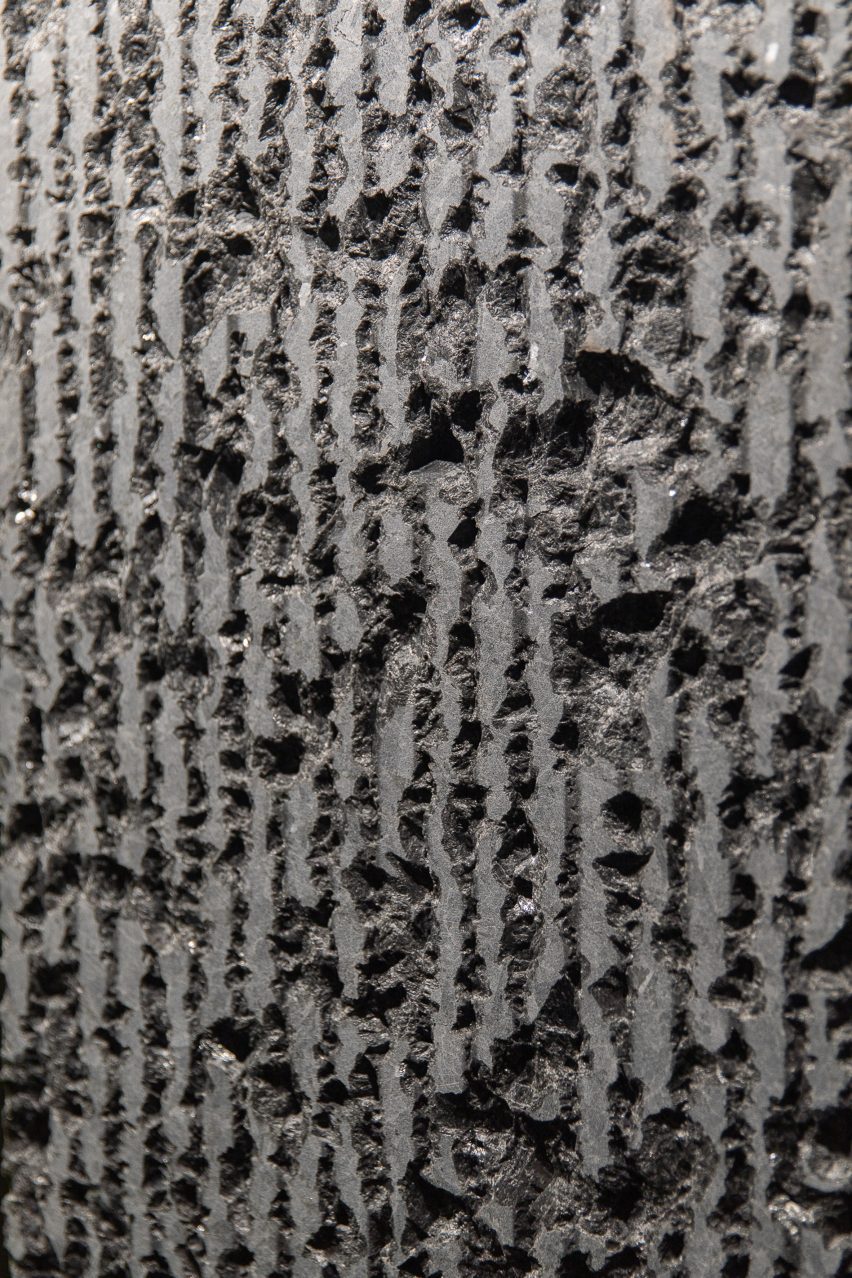
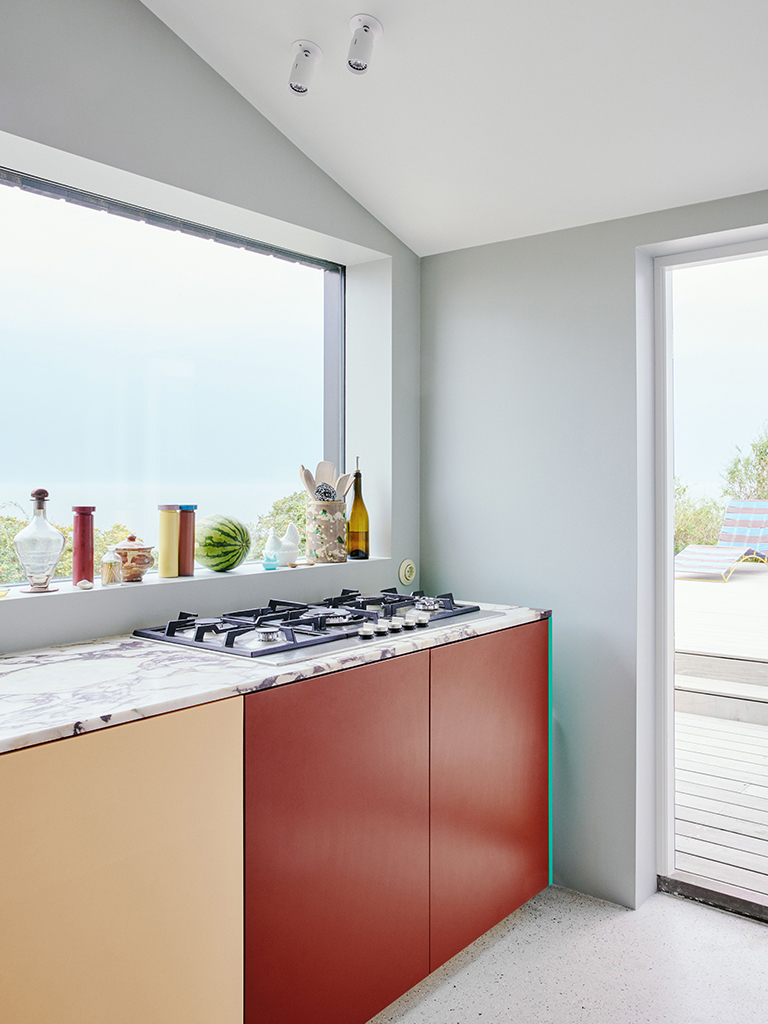
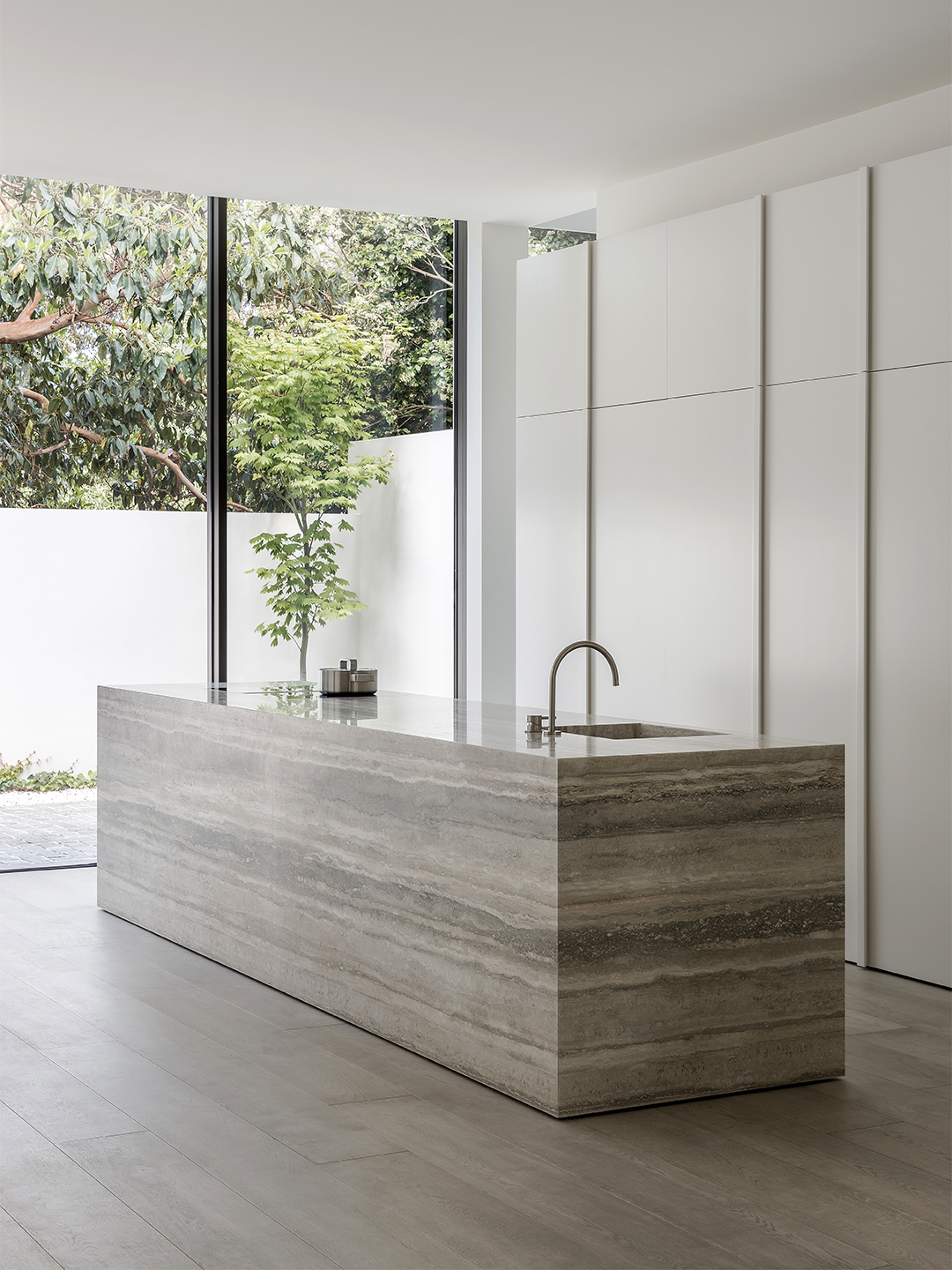
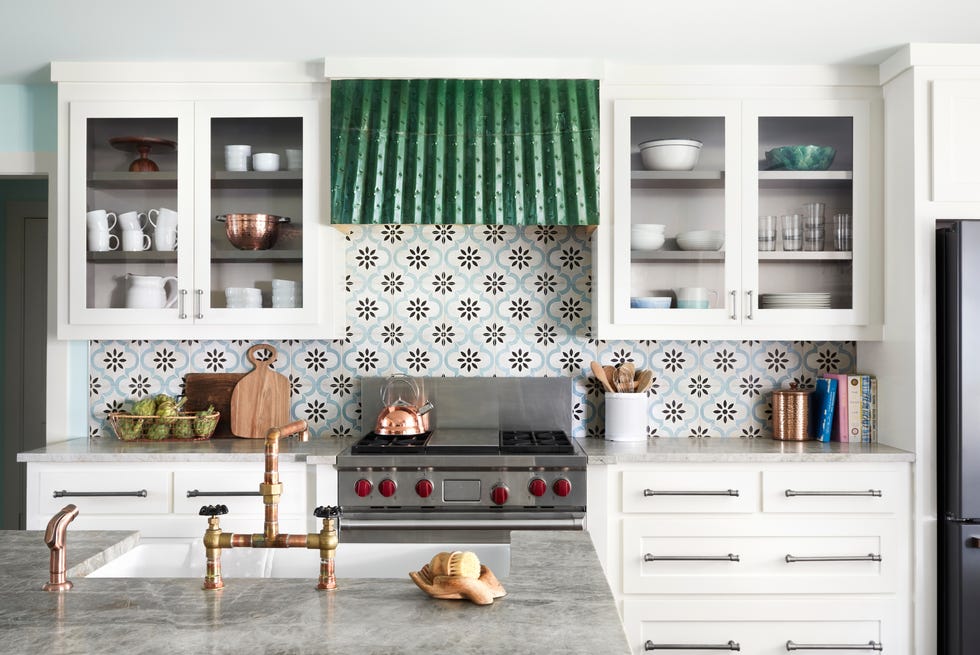
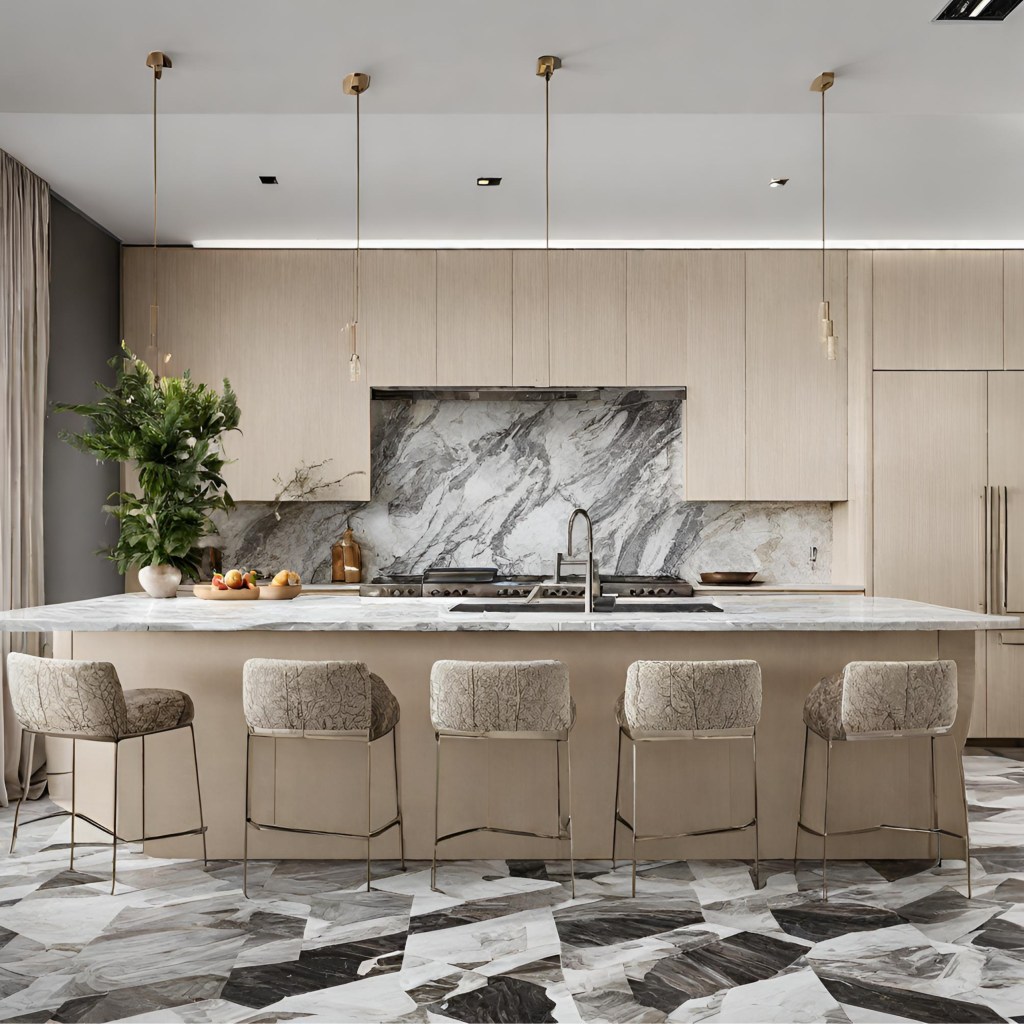
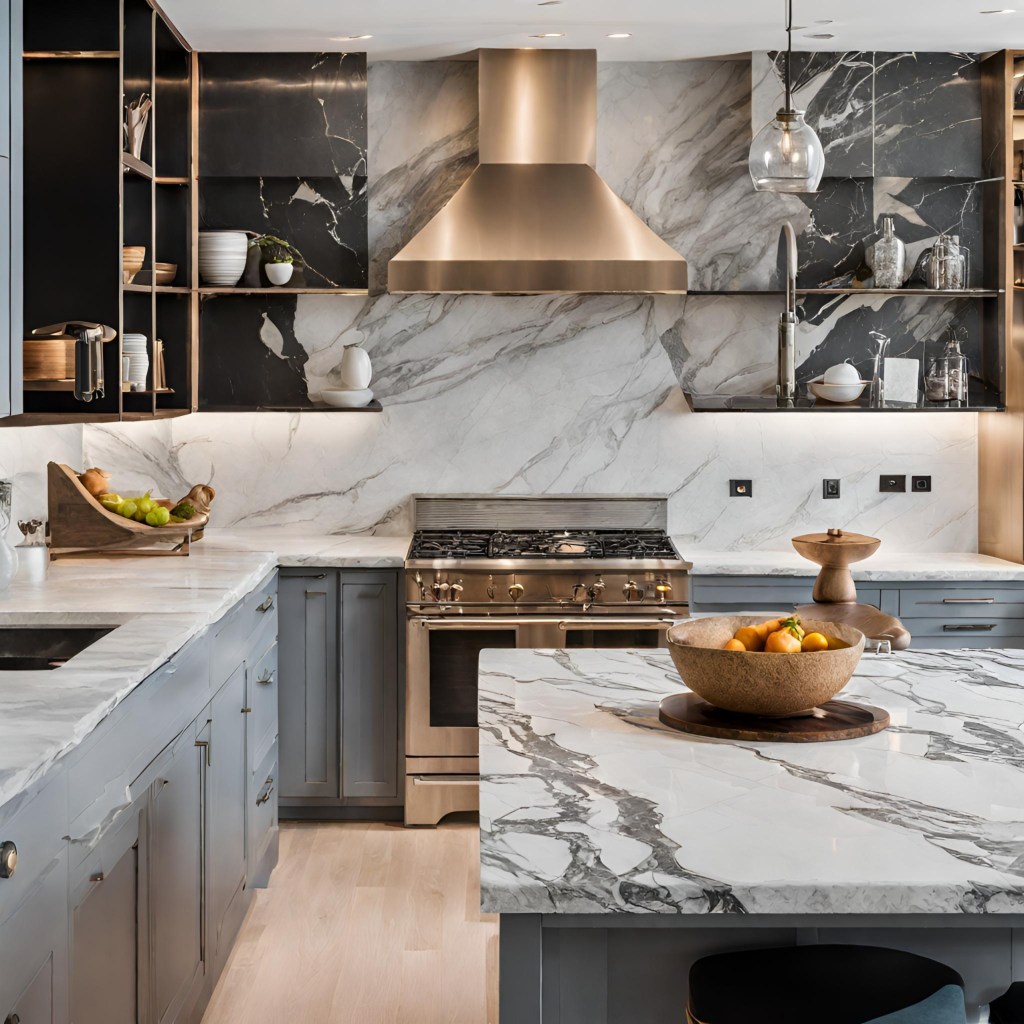
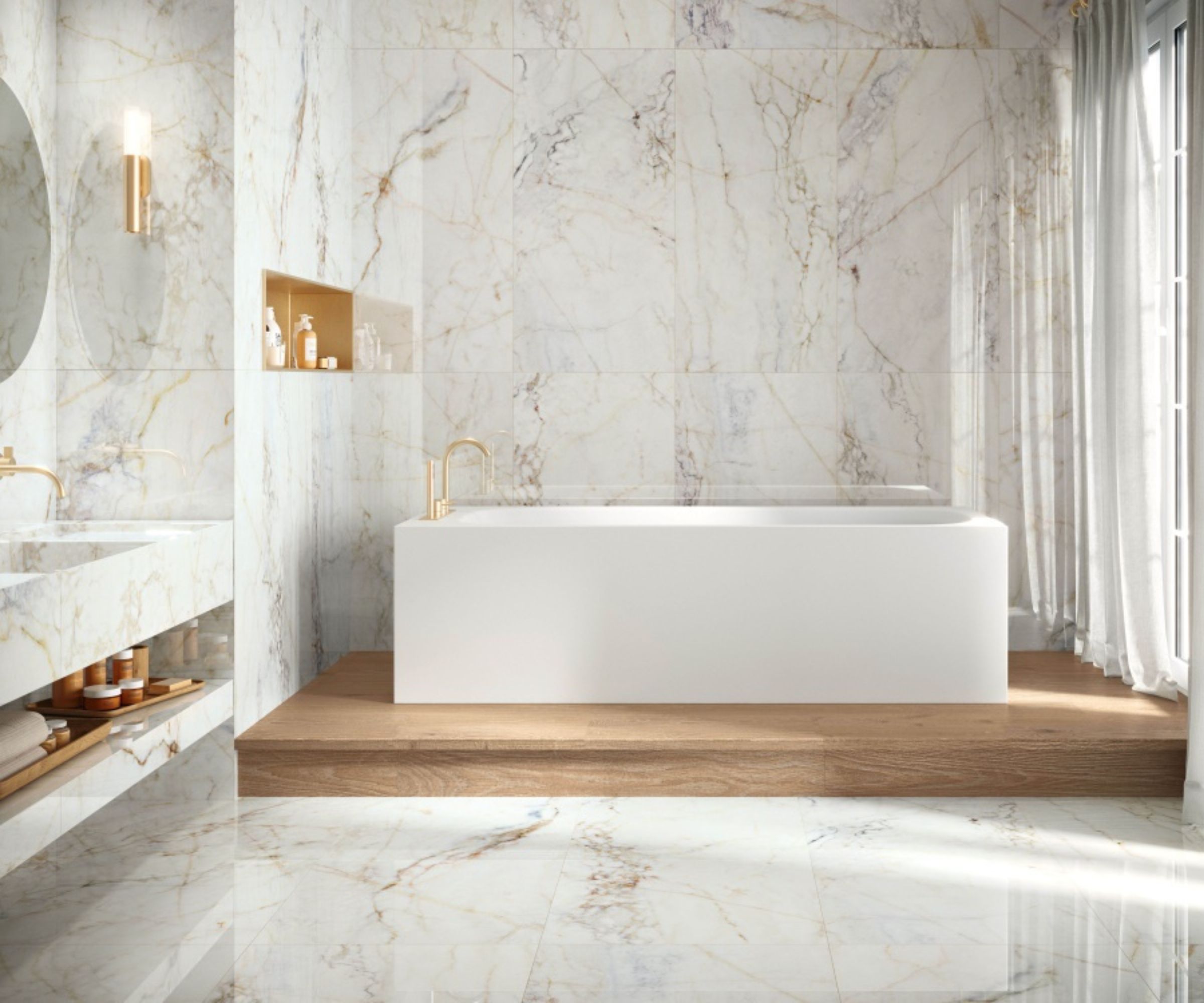
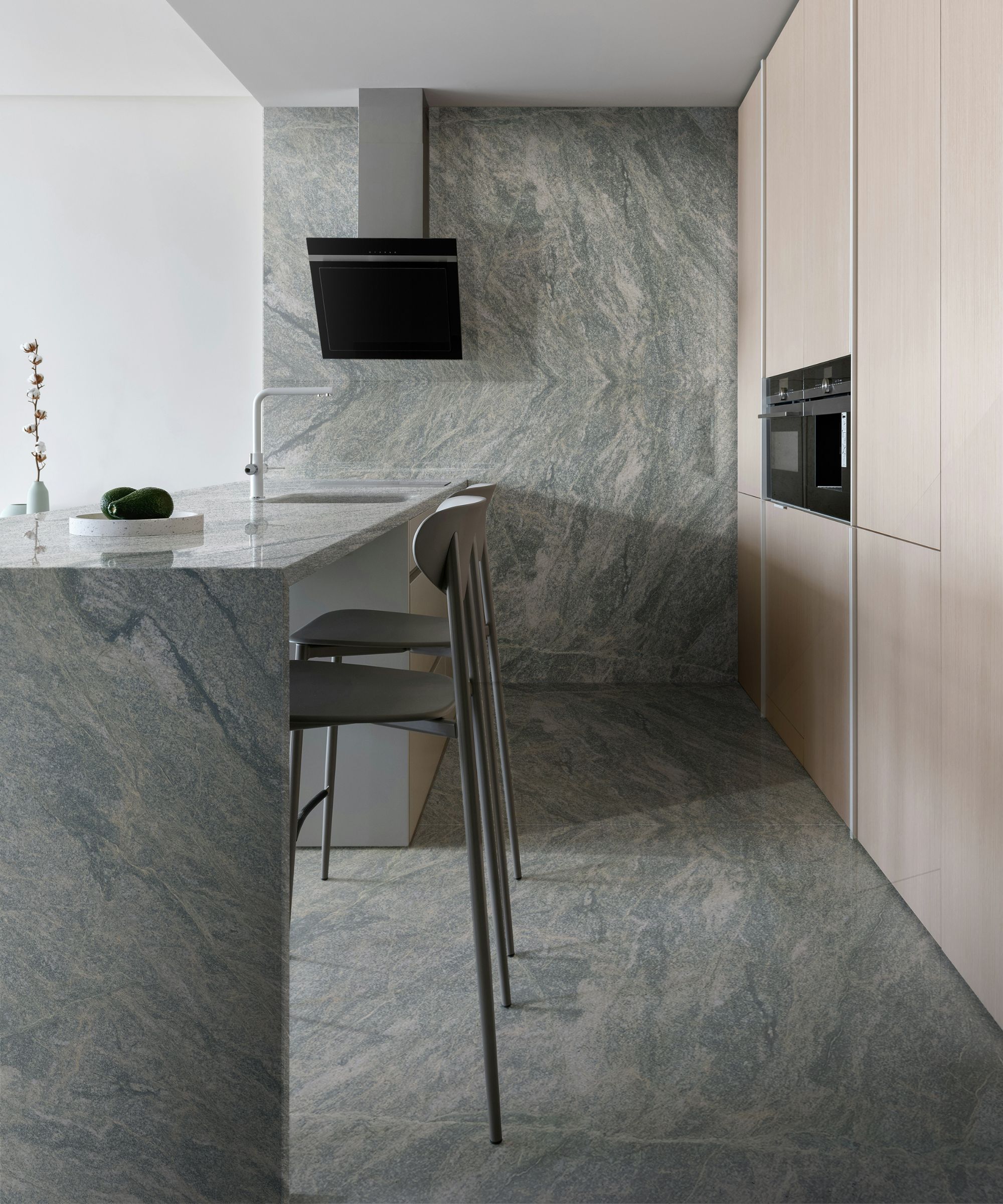
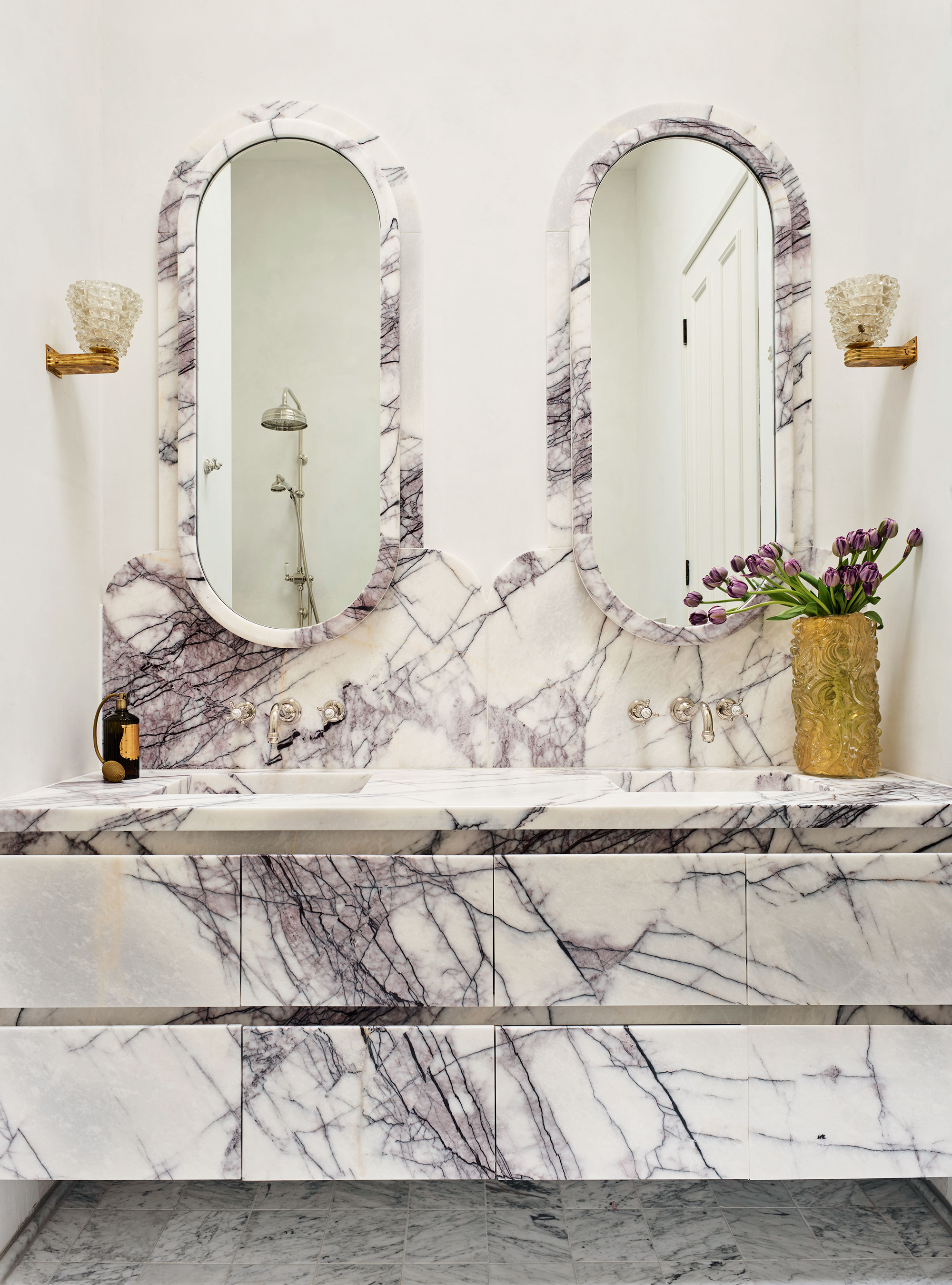
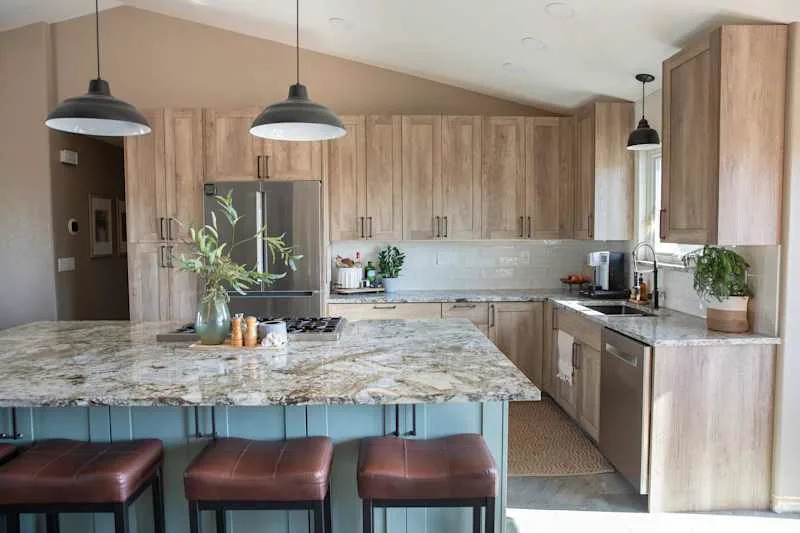
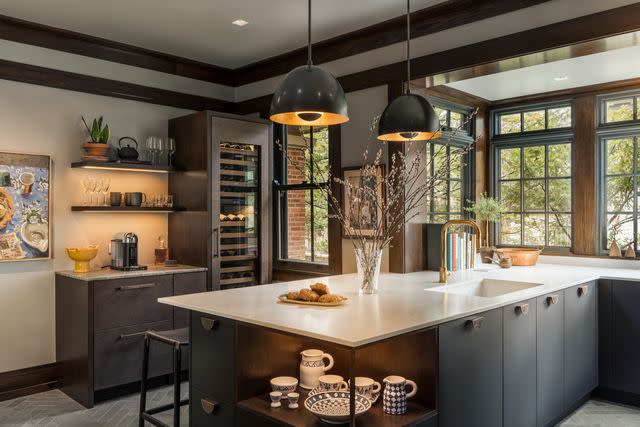
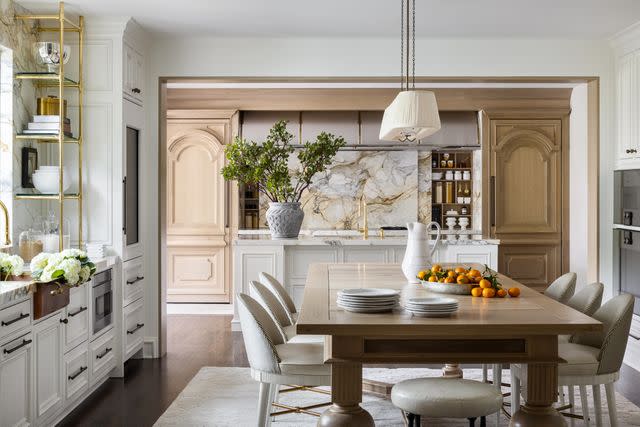
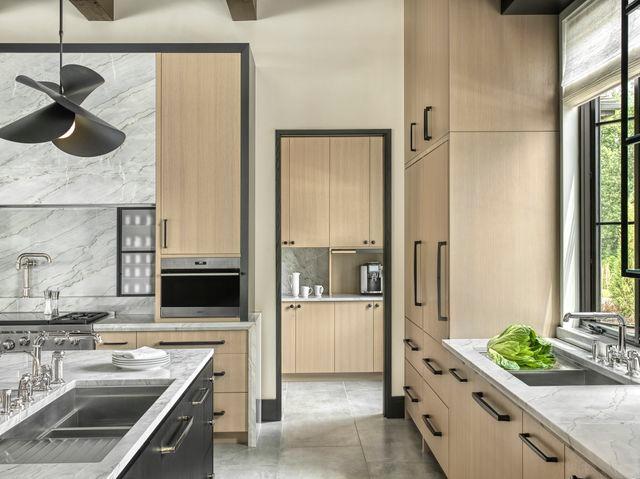
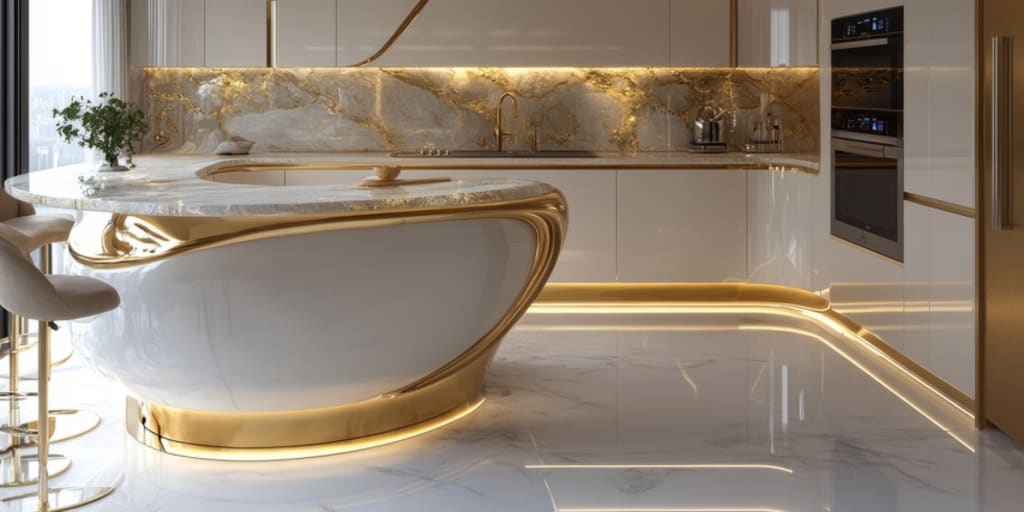
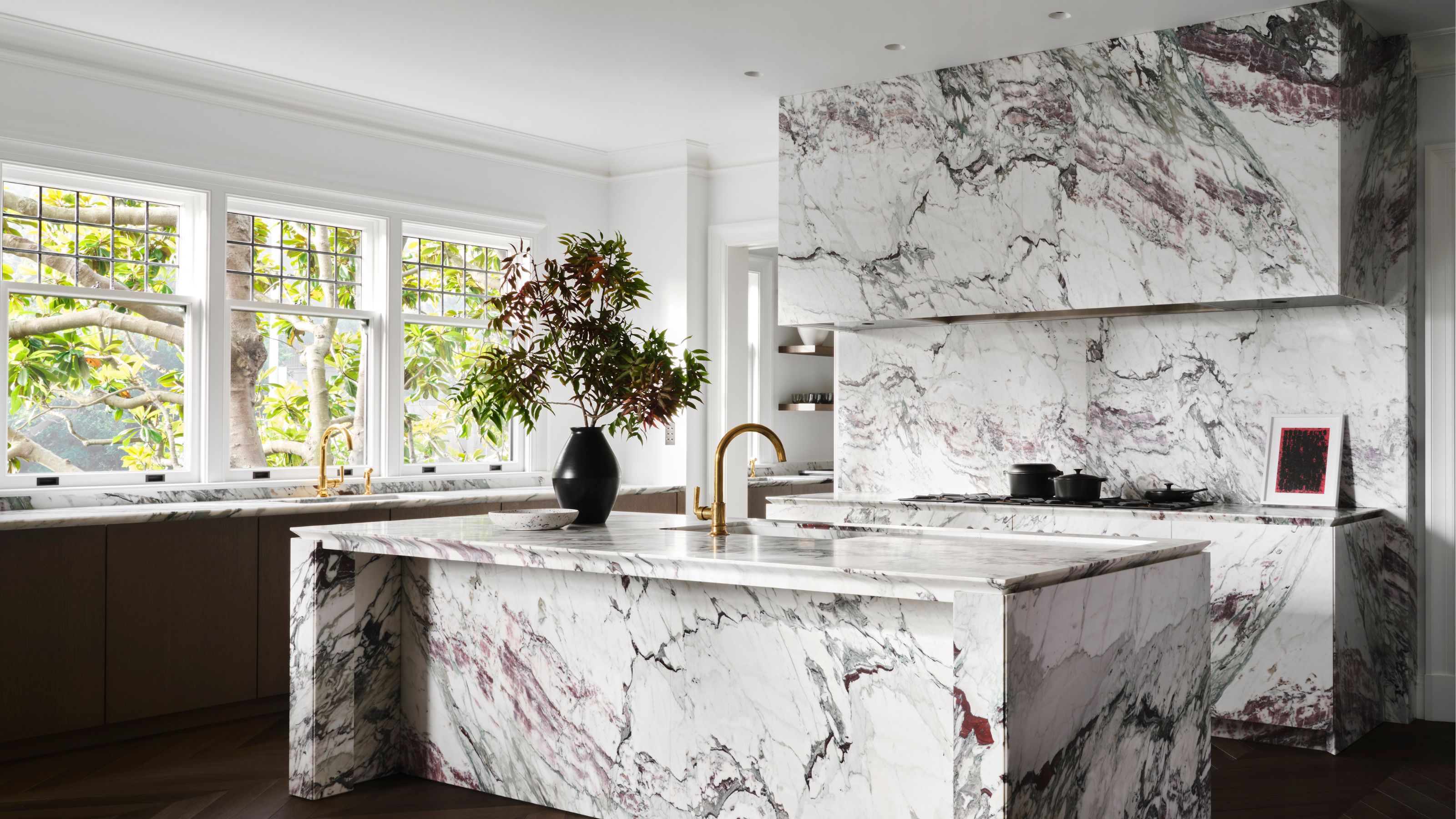
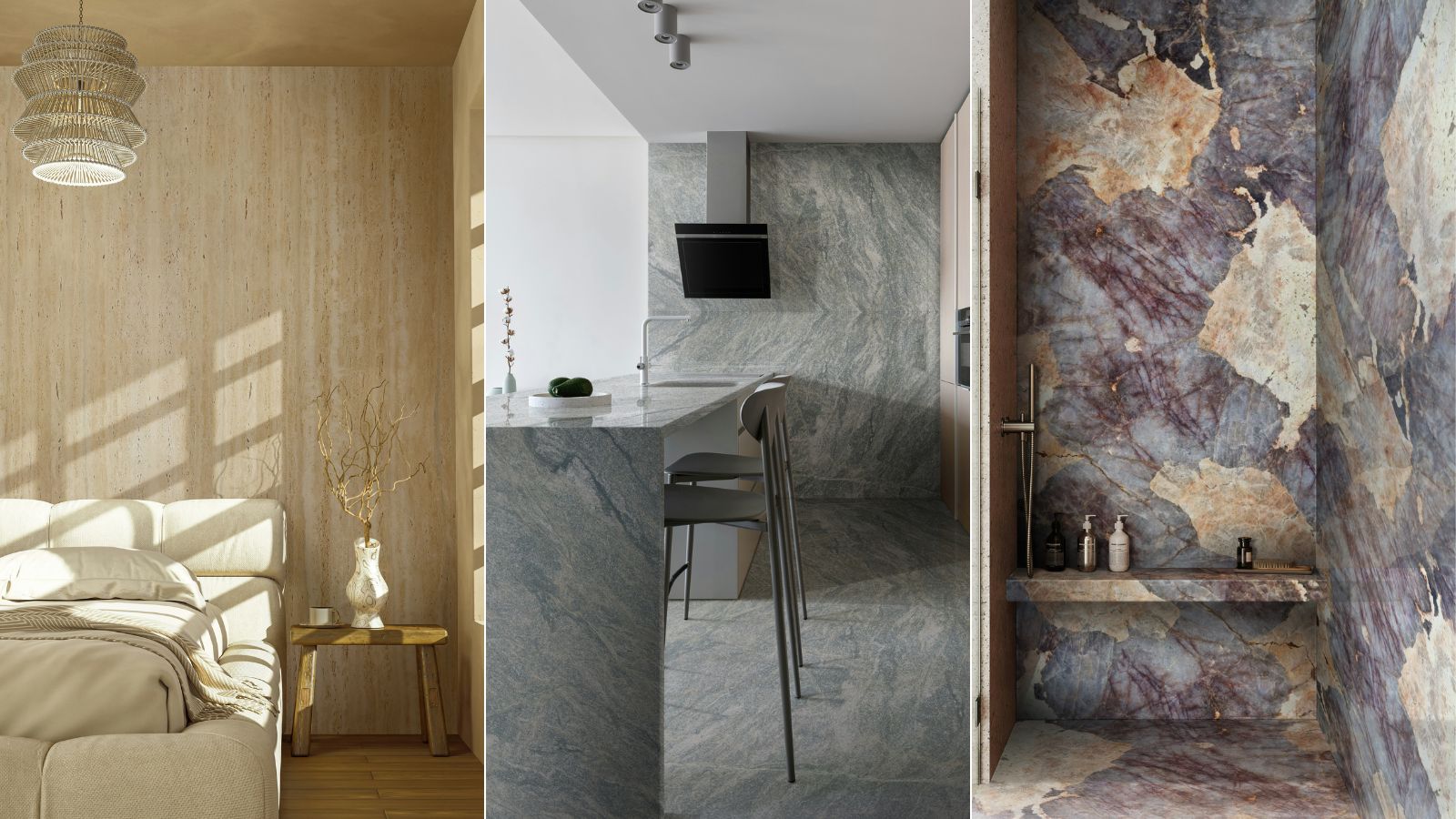
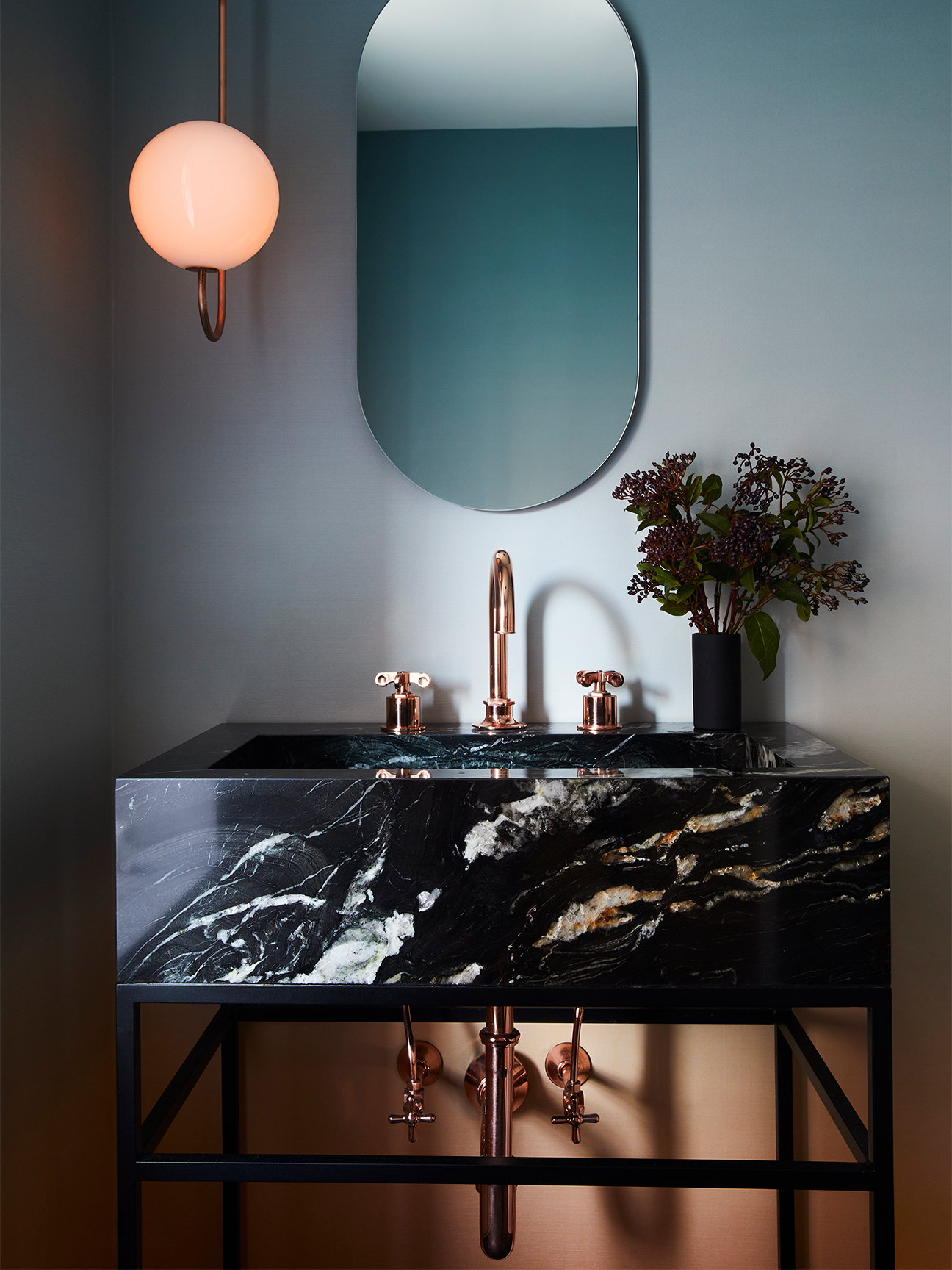
In 2025, stone trends are characterized by a return to bold patterns and dramatic veining, with a particular emphasis on “bookmatched” slabs that create mirrored designs. There is also a growing interest in eco-friendly and reclaimed stone options, including surfaces made from recycled stone chips and a preference for materials from local quarries. Hybrid surfaces, which combine quartz with natural stone fragments or feature a terrazzo-style aesthetic with embedded marble or glass chips, are gaining popularity. Furthermore, color and contrast play a significant role, with dark, moody tones like deep blues and greens trending, alongside design elements such as contrast edges. These aesthetic shifts are visibly reflected in the updated displays at stone yards in Dallas.
Several myths surrounding stone durability continue to mislead homeowners. Contrary to popular belief, etching and staining often cause more significant damage than light scratches, with many misinterpreting dull spots as scratches and inadvertently worsening the issue through improper buffing. The notion that thicker slabs are inherently stronger is also debunked; a 3 cm slab is typically sufficient if properly supported, and installation quality is more critical than thickness. The article also clarifies that not all sealers offer equal protection, with some “entry-level” options providing a false sense of security. It highlights that even the most durable stone requires regular maintenance, especially in high-use areas like kitchens, to withstand exposure to acids, heat, and heavy use.
A significant concern highlighted is the “marble vs. quartzite scam,” where some dealers market quartzite as “better marble” to justify premium pricing. This practice can lead consumers to pay marble-level prices for potentially weaker stone that is prone to scratches or chipping, as some “quartzite” may be re-branded sandstone or lower-grade material with misleading treatments. To identify this scam, the article advises consumers to request technical specifications, including Mohs hardness ratings and porosity data, and to ask for scratch and acid test demonstrations. It also recommends comparing similar stones from multiple distributors and consulting trusted local stone stores to validate claims.
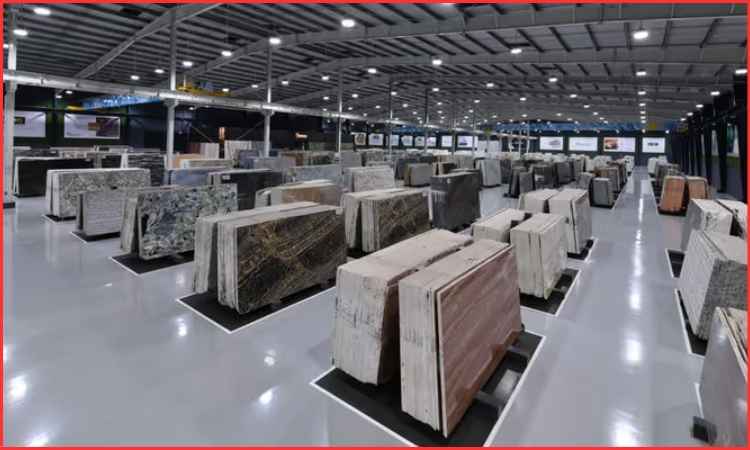
To ensure a well-informed purchase, the article provides actionable steps. Homeowners should visit local stone yards to view slabs under natural light and conduct simple tests, such as applying lemon juice to a hidden spot to check for acid reactivity and performing a scratch test with a coin. Requesting certifications, manufacturer’s warranties, and Mohs hardness ratings is crucial. Comparing offerings from various quartz, granite, and countertop distributors helps in assessing prices, quality, and supplier transparency. Finally, insisting on proper installation by experienced professionals is paramount, as even the highest quality slab can fail if installed poorly. The article cites real-world examples of homeowners who faced issues due to misleading product descriptions or faulty installations, underscoring the importance of vigilance and due diligence in the stone selection process.
#StoneTrends2025 #QuartzCountertopsDallas #MarbleVsQuartzite #HomeRenovation #CountertopSelection #StoneDurabilityMyths #InteriorDesignTrends #MaterialComparison #ConsumerAwareness #StoneTrends2025 #QuartzCountertopsDallas #MarbleVsQuartzite #HomeRenovation #CountertopSelection #StoneDurabilityMyths #InteriorDesignTrends #MaterialComparison #ConsumerAwareness
0 comment in total
 No comments yet
You may also like
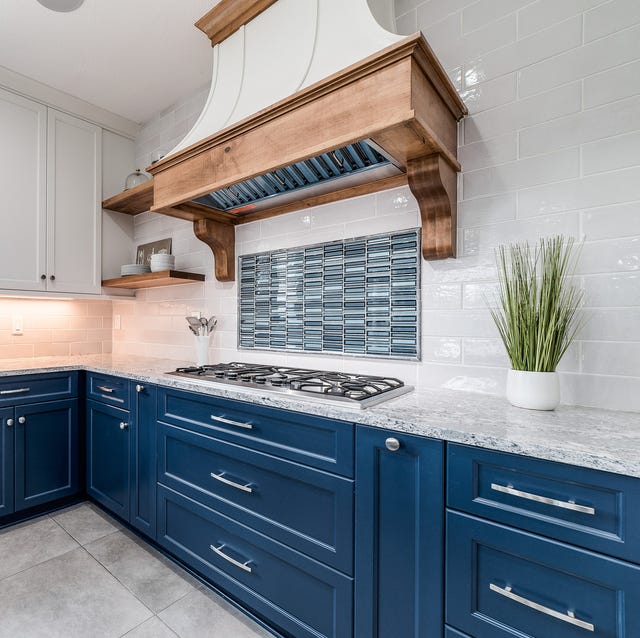
This Stone Is About to Be More Popular Than Marble, According to Designers

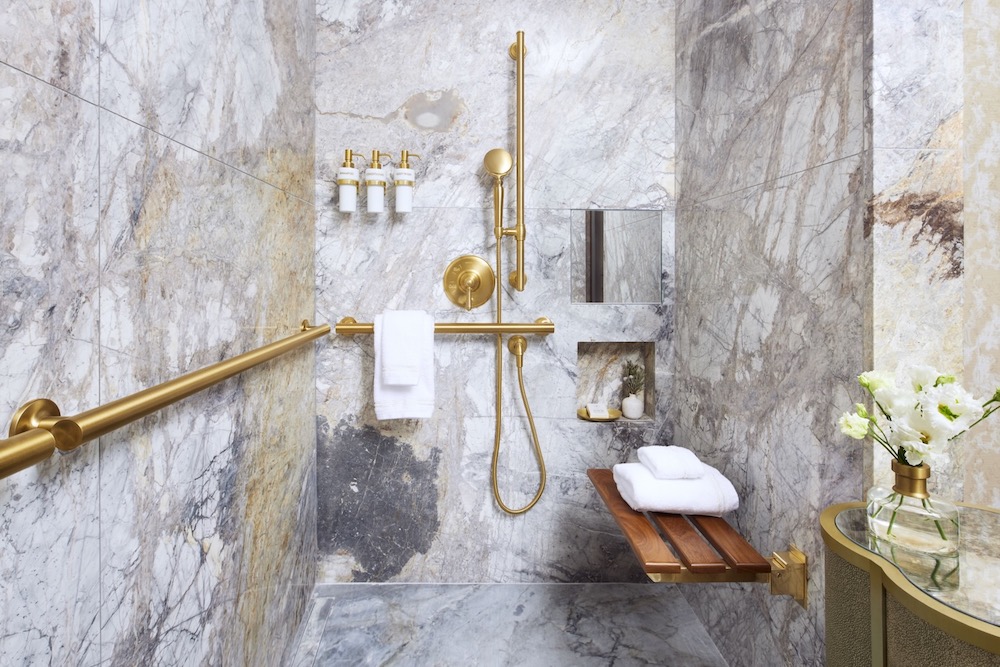
Top Stone Trends in 2025: Color Revival

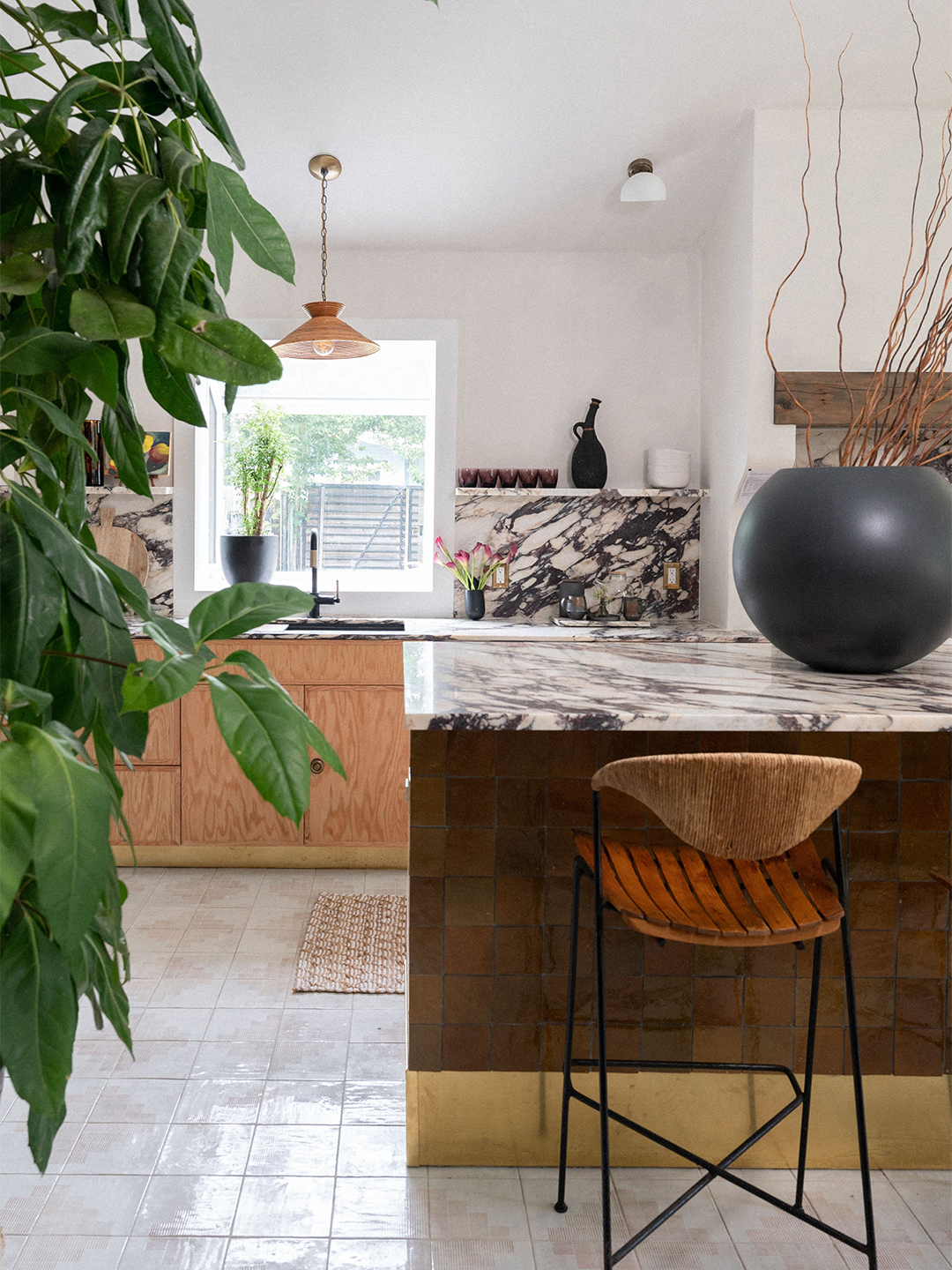
Burgundy Marble Counters Are In, But Designers Also Love These 4 Stones

Into the palette: Exploring trends in natural stone
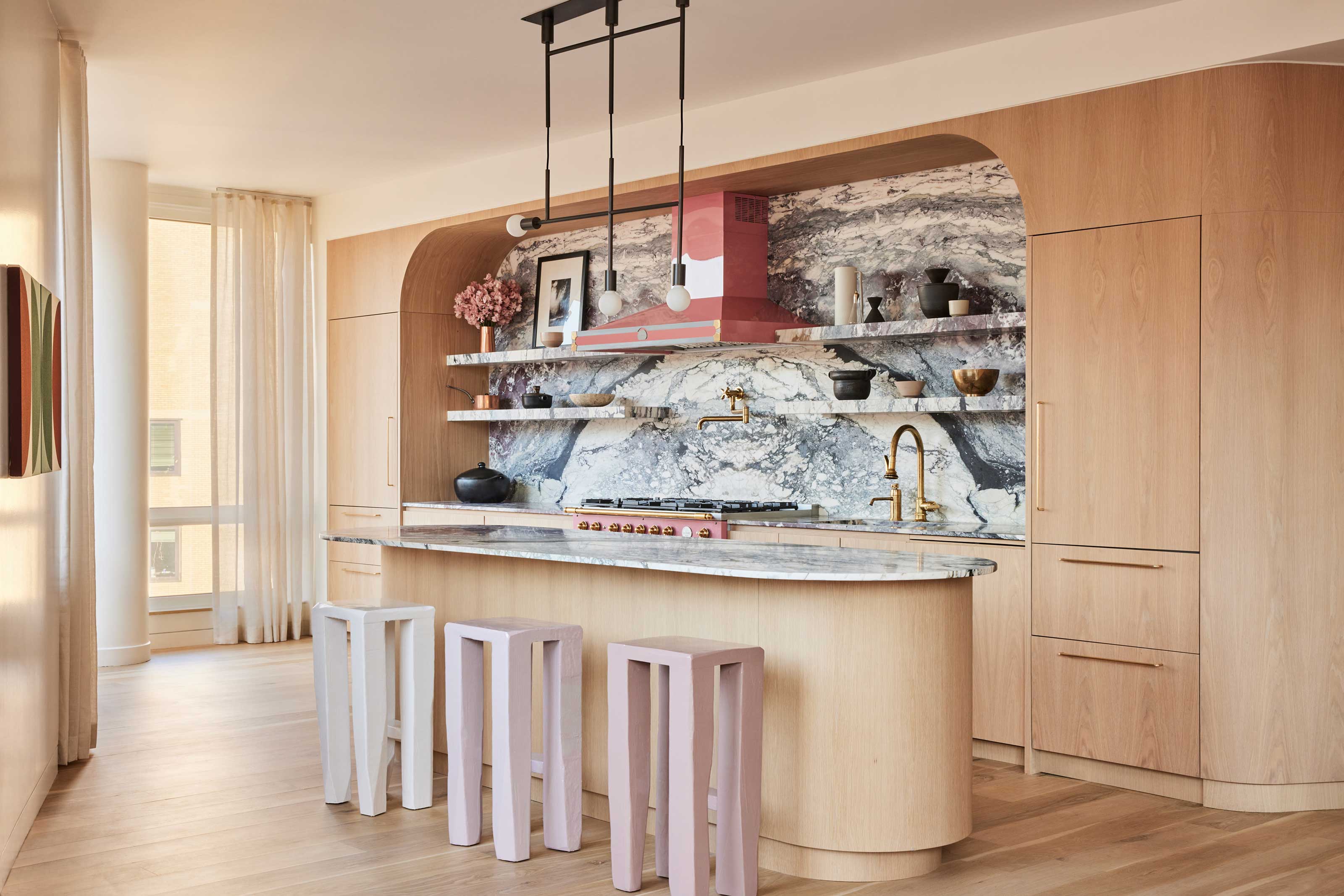
Forget Carrara – these incredible types of marble are what the world's best designers are using instead

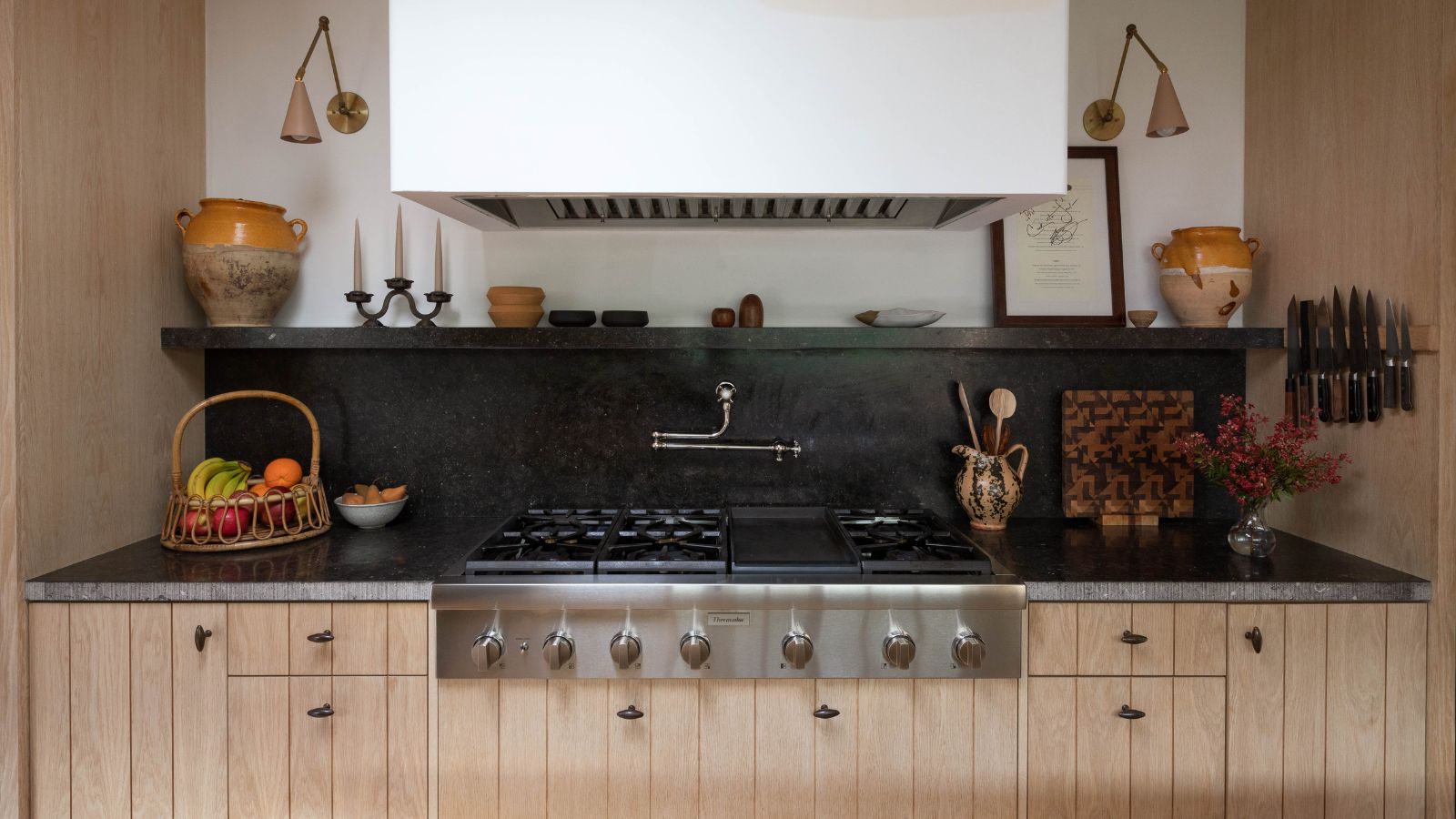
This is the One Material Designers Are Choosing Over Marble in 2026

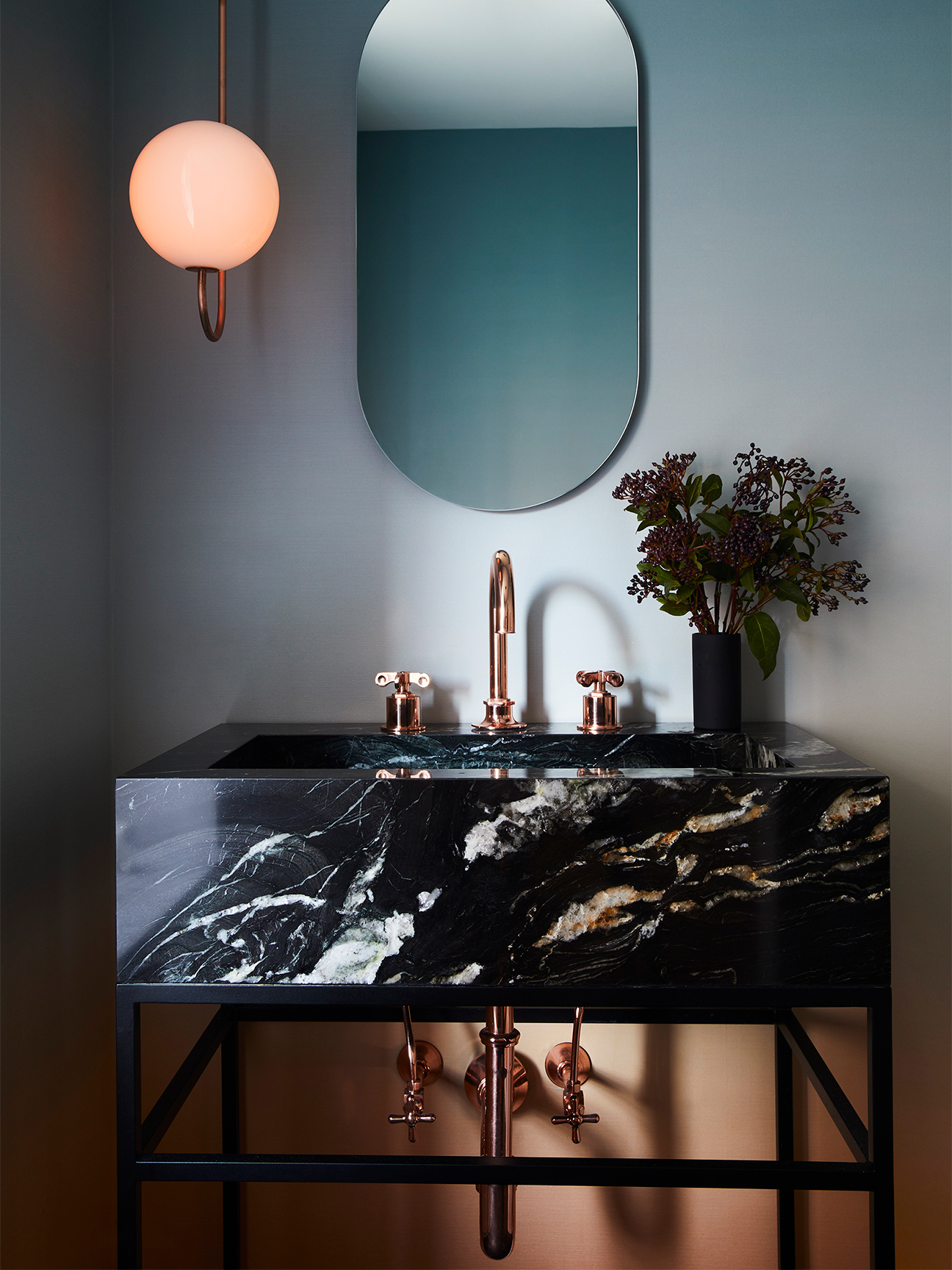
What Comes After Carrara Marble?

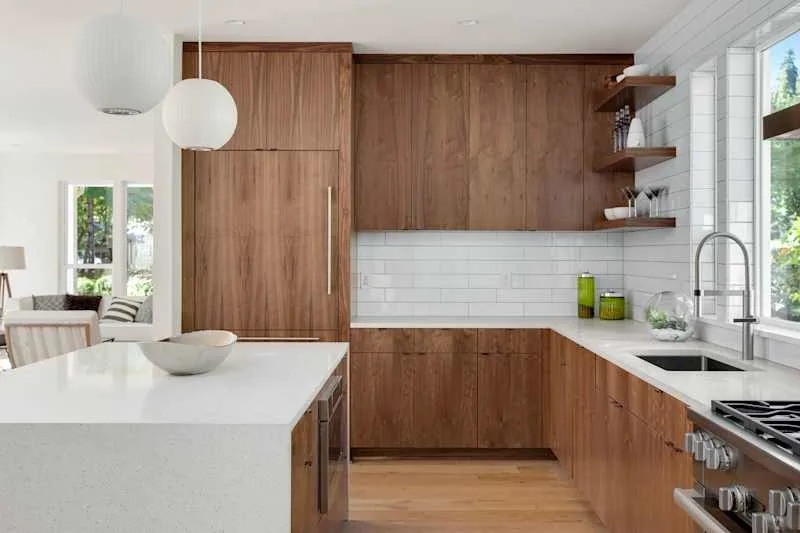
6 Kitchen Countertop Trends That Are on Their Way Out This Year (and What to Do Instead)
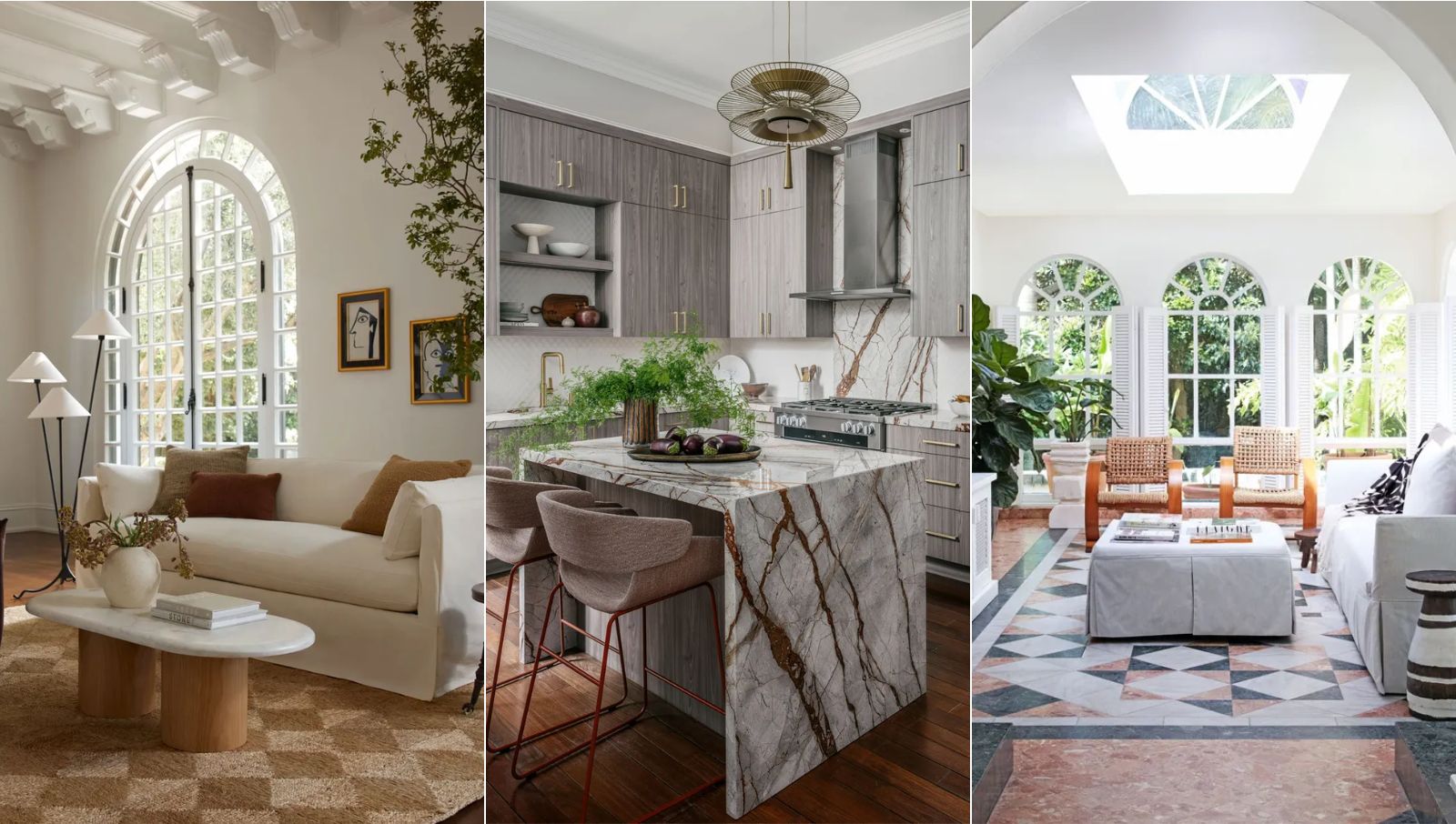
Is marble still on trend? Interior designers have their say
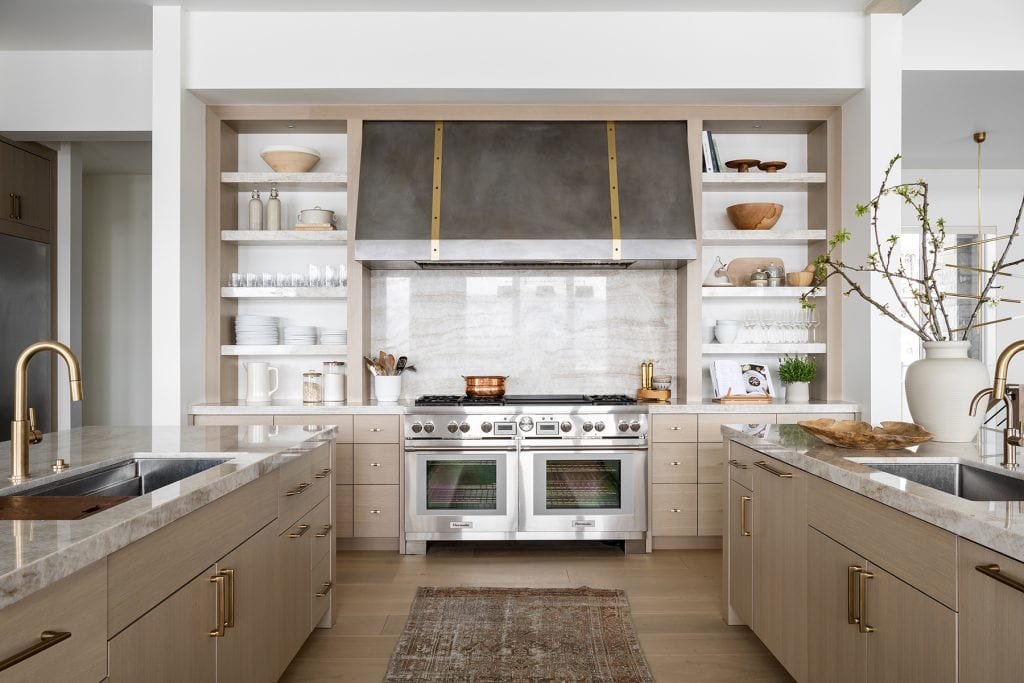
Inside The Trend | Statement Stone
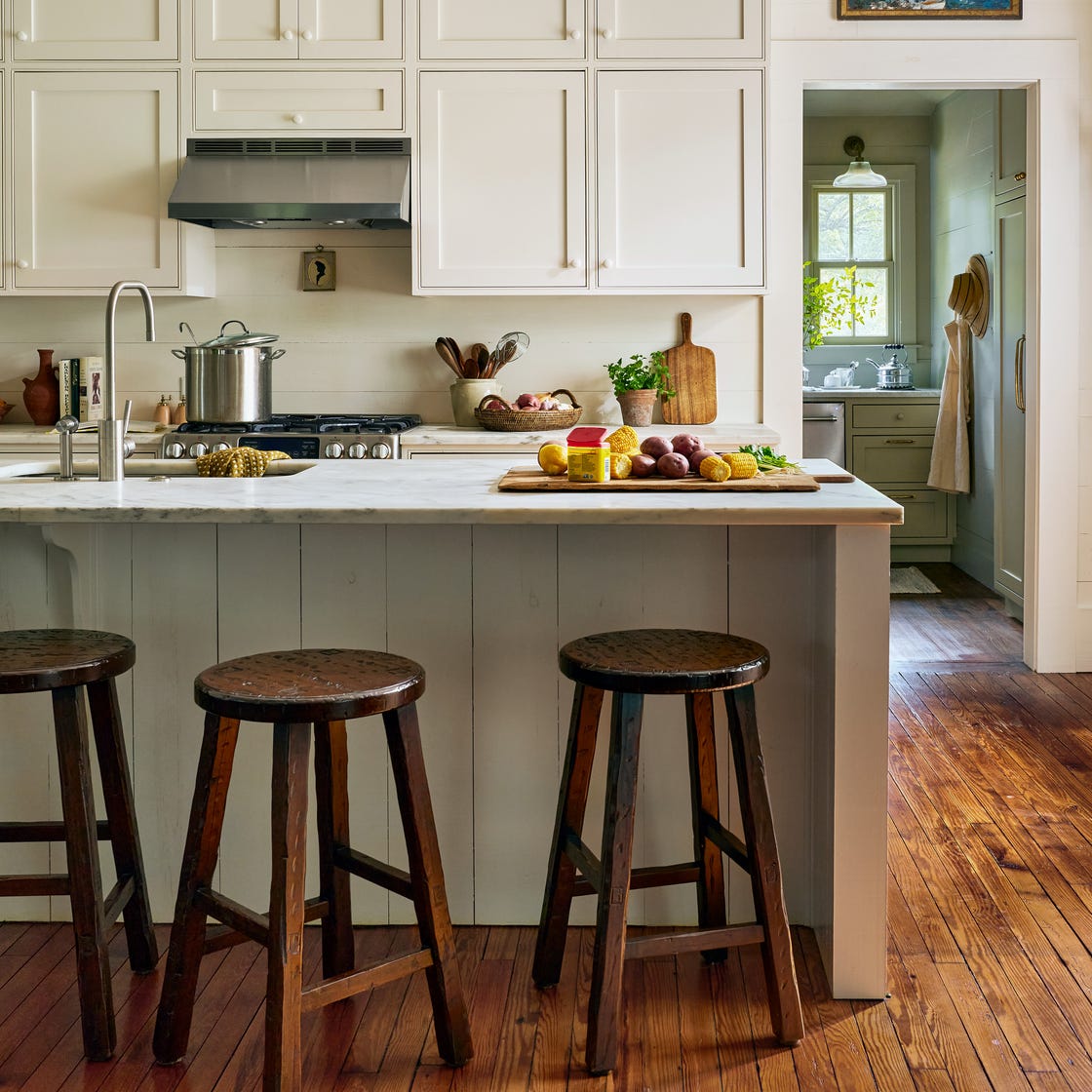
Marble vs. Quartz Countertops: Which Is Better?

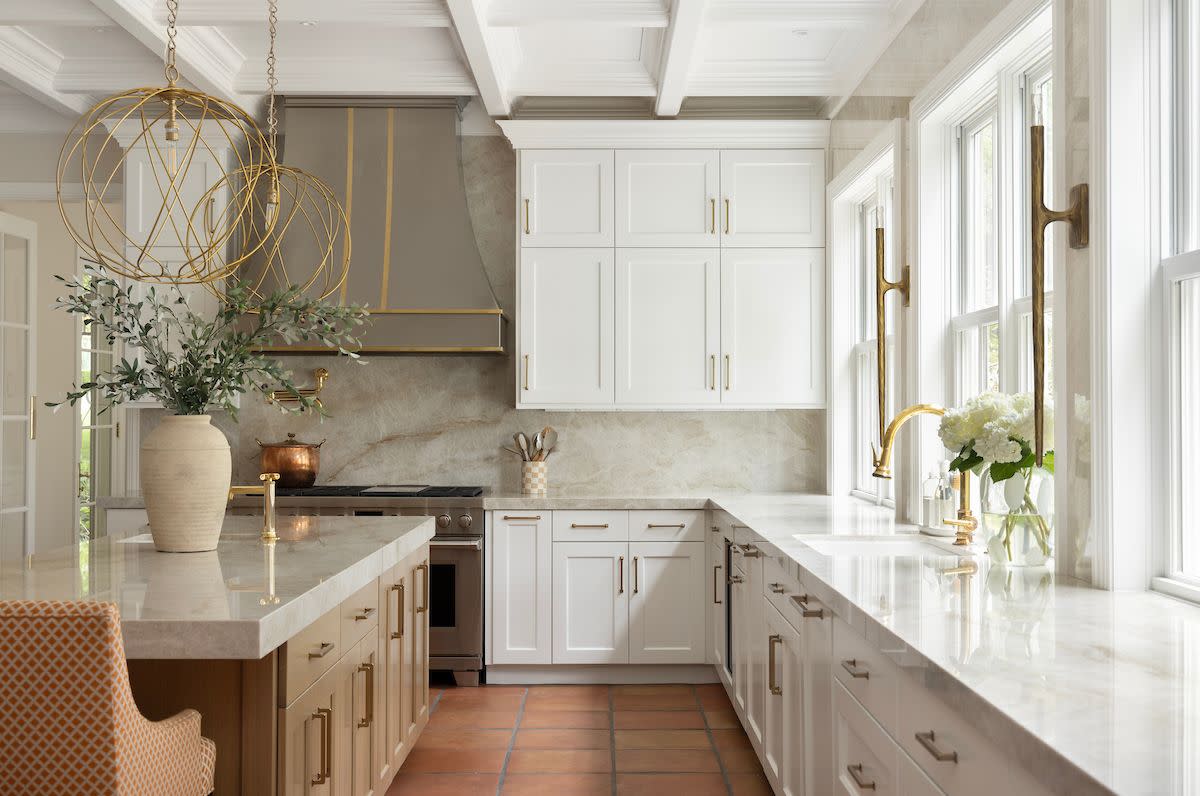
Say Goodbye to Granite and Marble—This Countertop Material Will Be Everywhere Next Year, New Kitchen Report Says
Ask the Experts: The Stone (and Tile) Age

The new rules of marble

Tips and Tricks with Statement Stone
Best Marble Companies in India | Top 10 Manufacturers

3 Kitchen Stone Trends We’ll See in 2025
Piatraonline unveils Raw stone collection that "adds elegance and warmth to a room"
Stone drenching is set to be a huge trend in 2025 – it's the boldest, most sophisticated approach for a luxurious scheme
What Comes After Carrara Marble?