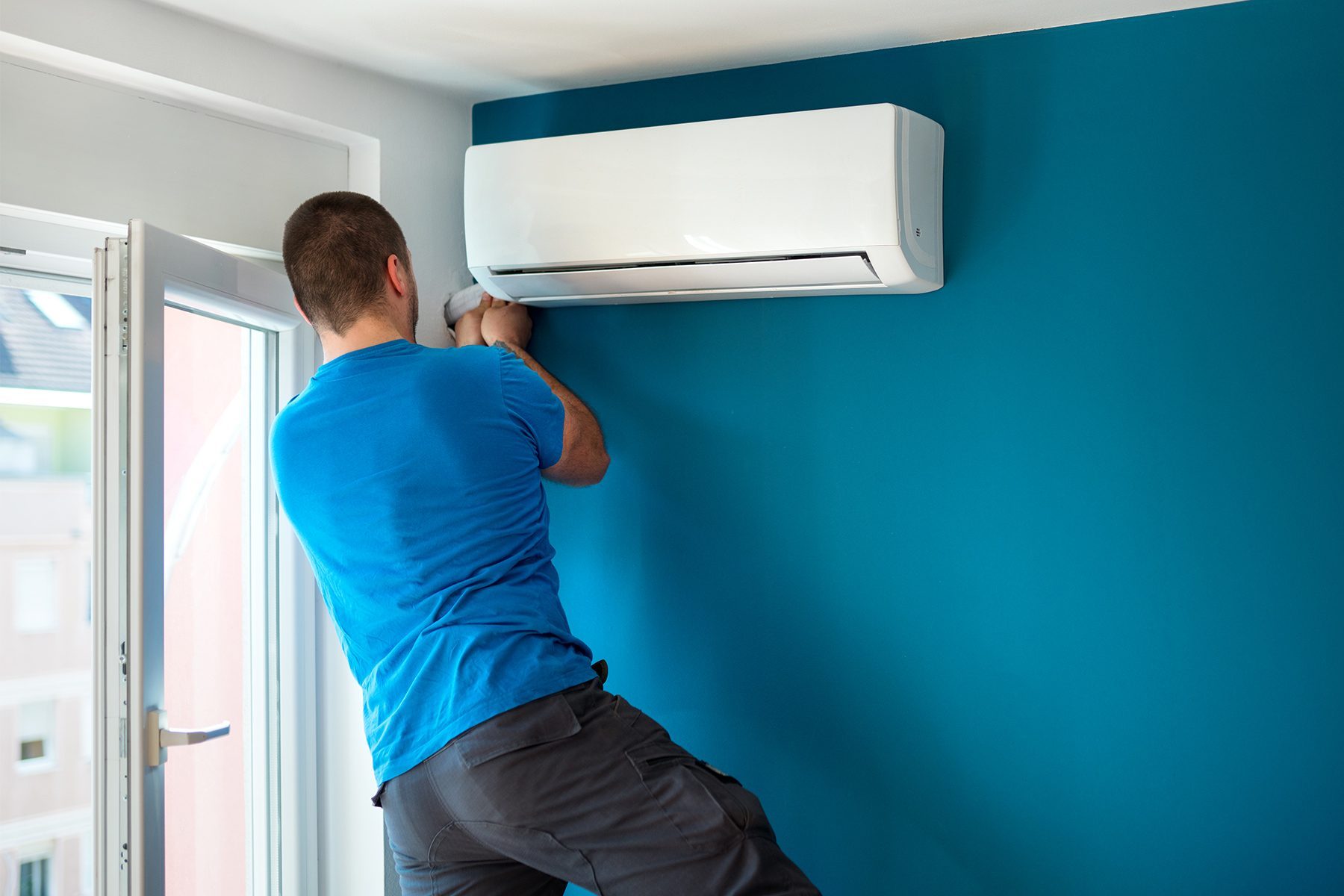
Practical Advice for Installing an Air Conditioner
In areas experiencing extreme heat, such as Dallas, Texas, where temperatures consistently reach 100 degrees Fahrenheit, an efficient air conditioning system is essential. While window units offer a basic cooling solution, central air conditioning systems provide superior ease of use, energy efficiency, and quiet operation. This article, penned by an experienced electrician, delves into the critical considerations for homeowners looking to invest in or upgrade their central air conditioning, drawing insights from HVAC experts Micah Sherman and Jay Kline.
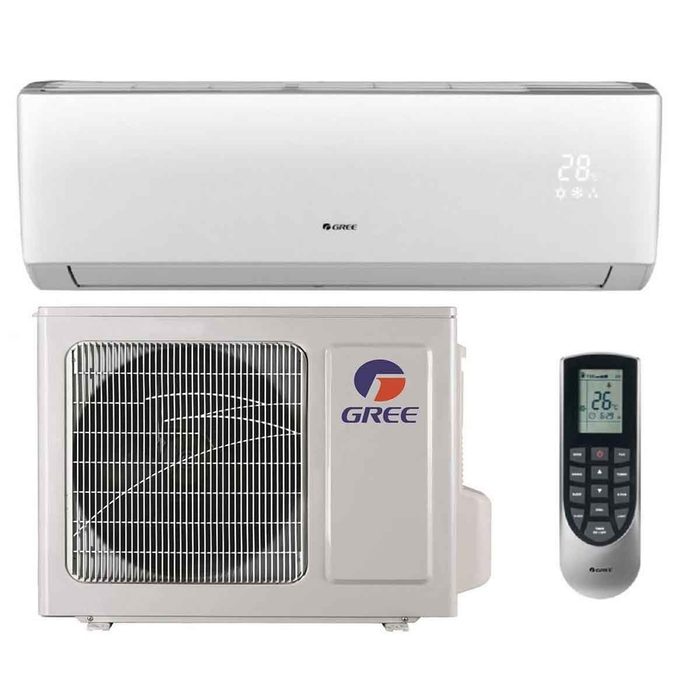
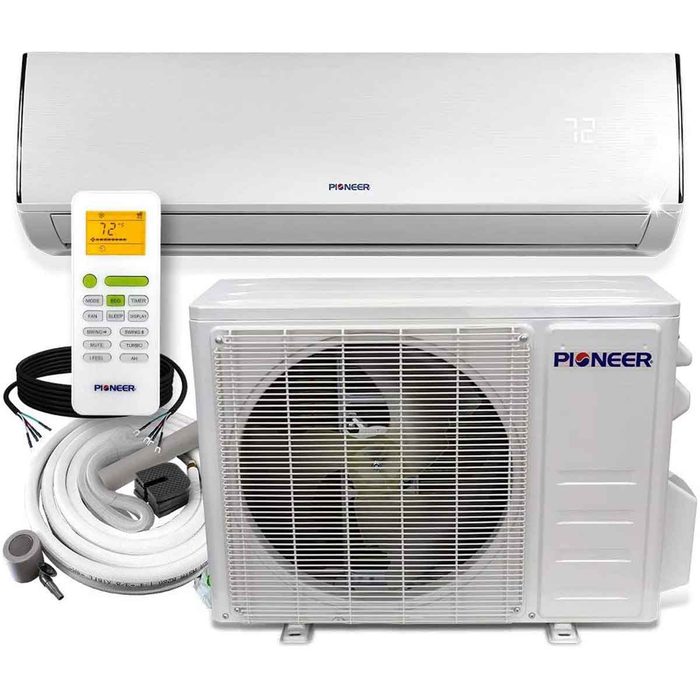
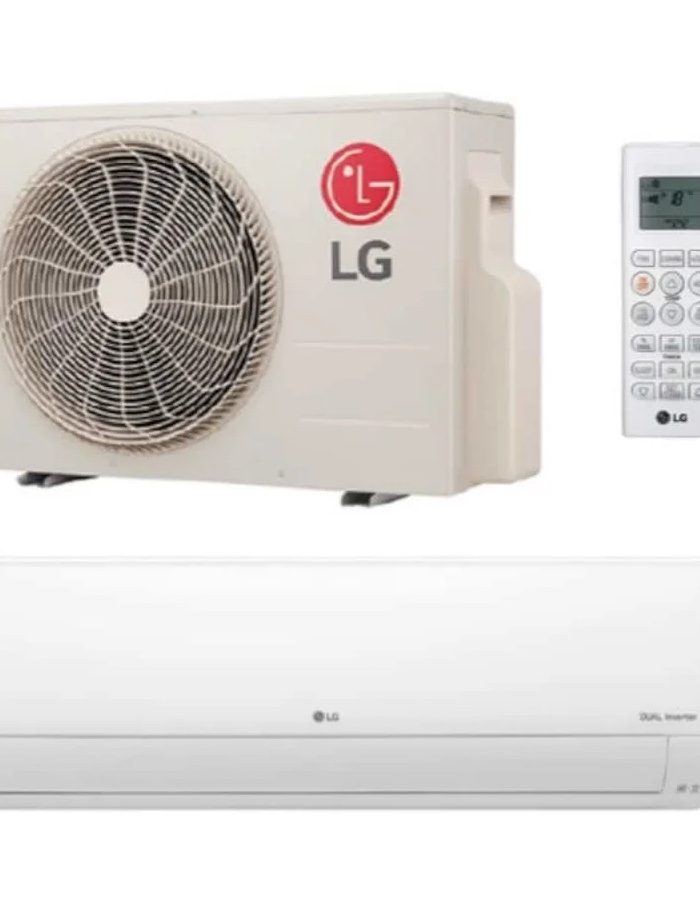
The article begins by outlining the two primary types of central air conditioning systems: split systems and package systems. A split system, the more common of the two, consists of an outdoor condensing unit and an indoor air handler or furnace. These systems are generally more efficient and offer greater flexibility in outdoor unit placement due to their smaller external footprint. Conversely, package systems integrate all components into a single cabinet, typically installed outdoors on a slab or roof. While easier to install and service, requiring no indoor access for technicians, package systems can be noisier as all mechanical parts are housed together.
Energy efficiency is a paramount concern for air conditioners, given their significant energy consumption. Homeowners are advised to prioritize the Seasonal Energy Efficiency Rating (SEER) when selecting a system. A higher SEER rating indicates greater cooling capacity relative to energy usage, translating to lower utility bills. The U.S. Department of Energy sets minimum SEER standards, which vary by region. For warmer climates where ACs run frequently, a high SEER-rated system offers substantial benefits, while in cooler regions, its value might be less pronounced.
Proper sizing of the air conditioner is crucial for optimal performance and comfort. The article stresses that a larger unit is not always better. An oversized system can cool a home too rapidly, leading to poor humidity control and discomfort. Conversely, an undersized system will struggle to maintain desired temperatures, resulting in increased energy costs and premature system wear. To determine the correct size, HVAC contractors perform a “Manual J” load calculation. This comprehensive assessment considers various factors, including a home's square footage, local climate, insulation type, window and door characteristics, and the number of occupants, to accurately ascertain the British Thermal Units (BTU) needed for effective cooling. This complex calculation is best left to professionals.
Ductwork also plays a significant role in a central AC's efficiency. Ducts that are too small can create static pressure, overworking the unit and generating noise. Oversized ductwork can lead to inefficient airflow, particularly to rooms further from the unit. Generally, existing ducts are adequate if correctly sized, though a new transition duct might be needed to connect to a new system. Homeowners are advised to ensure their ductwork is in good condition, as damaged ducts can compromise system performance.
Selecting the right outdoor placement for the condenser unit is another important consideration. HVAC contractors determine the ideal spot based on system design, building codes, and safety. A location that avoids constant direct sunlight and water runoff is preferable. Placing the unit on the north side of a home, where it receives the least direct sun, helps keep it cooler. Additionally, sufficient clearance around the unit (two to three feet on each side) is necessary to prevent obstructions that can hinder cooling efficiency and impede technician access for maintenance.
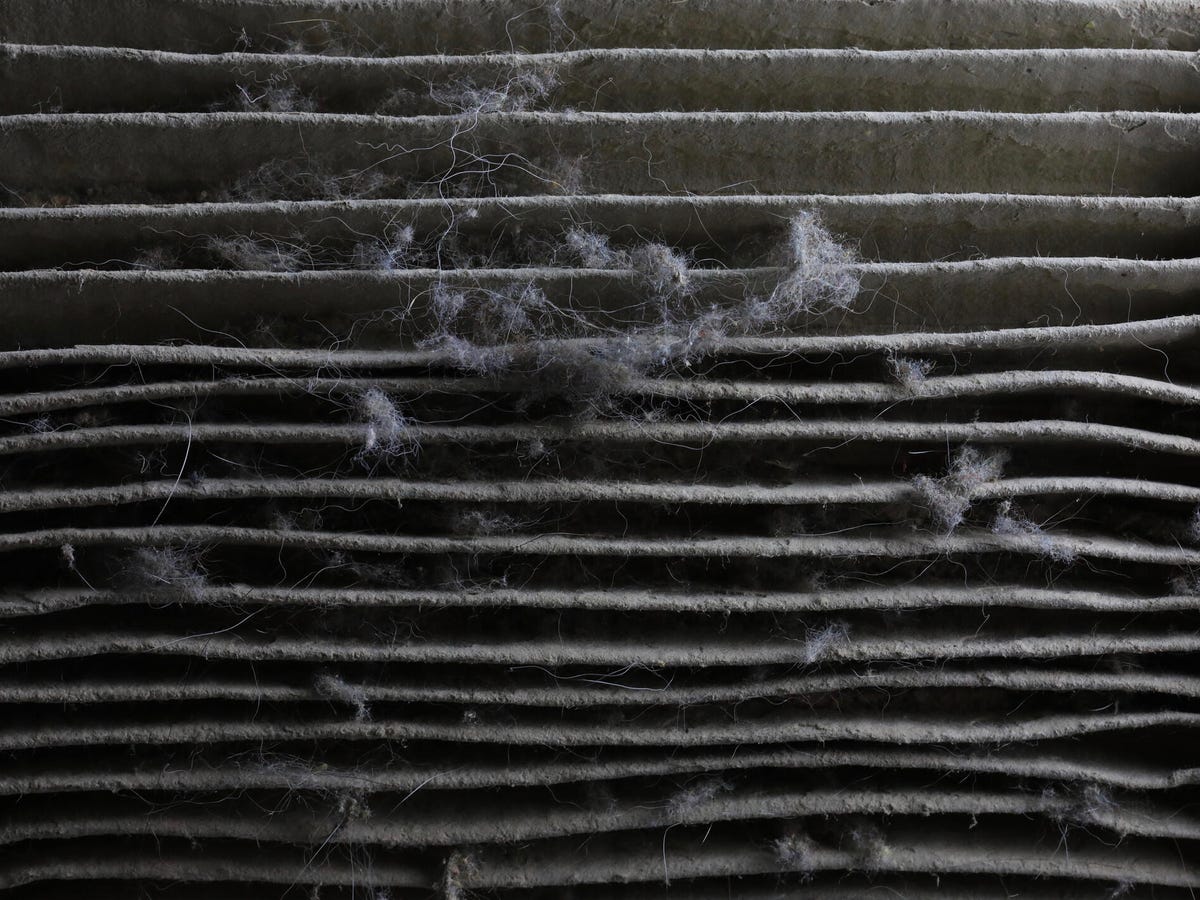
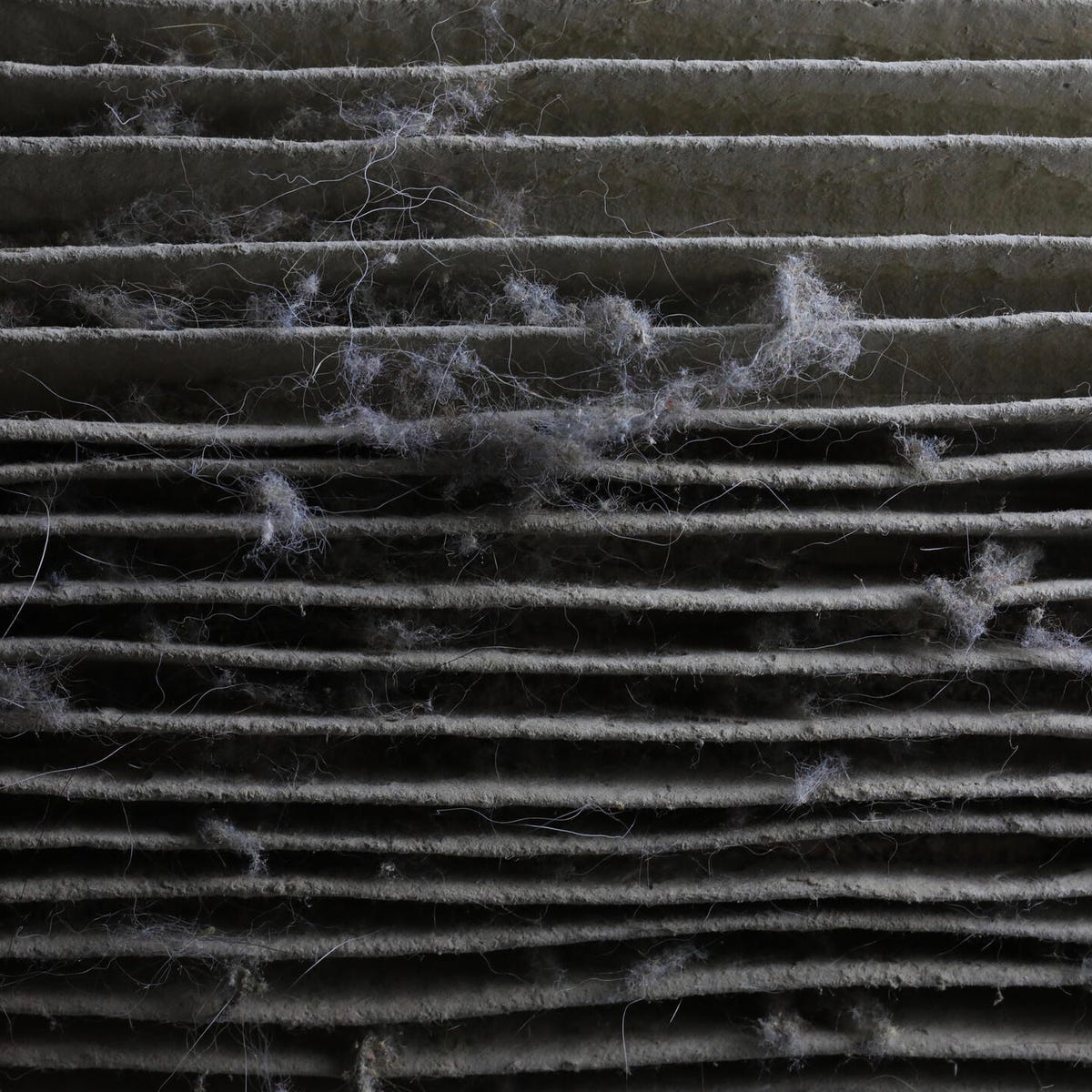
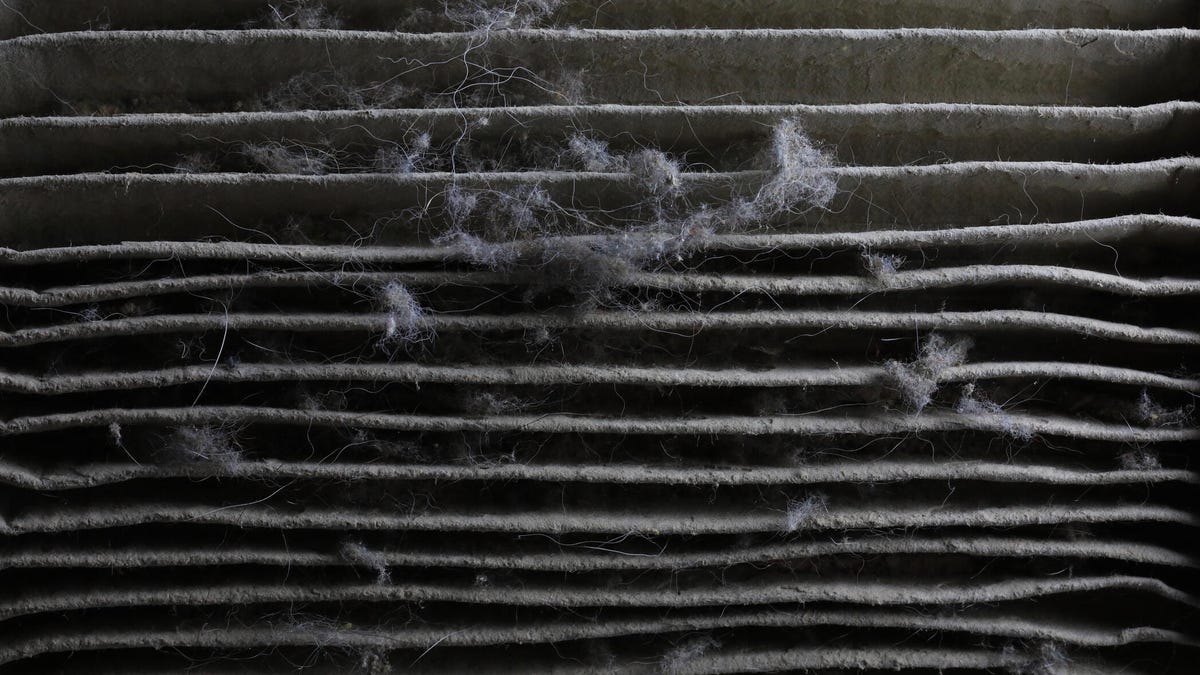
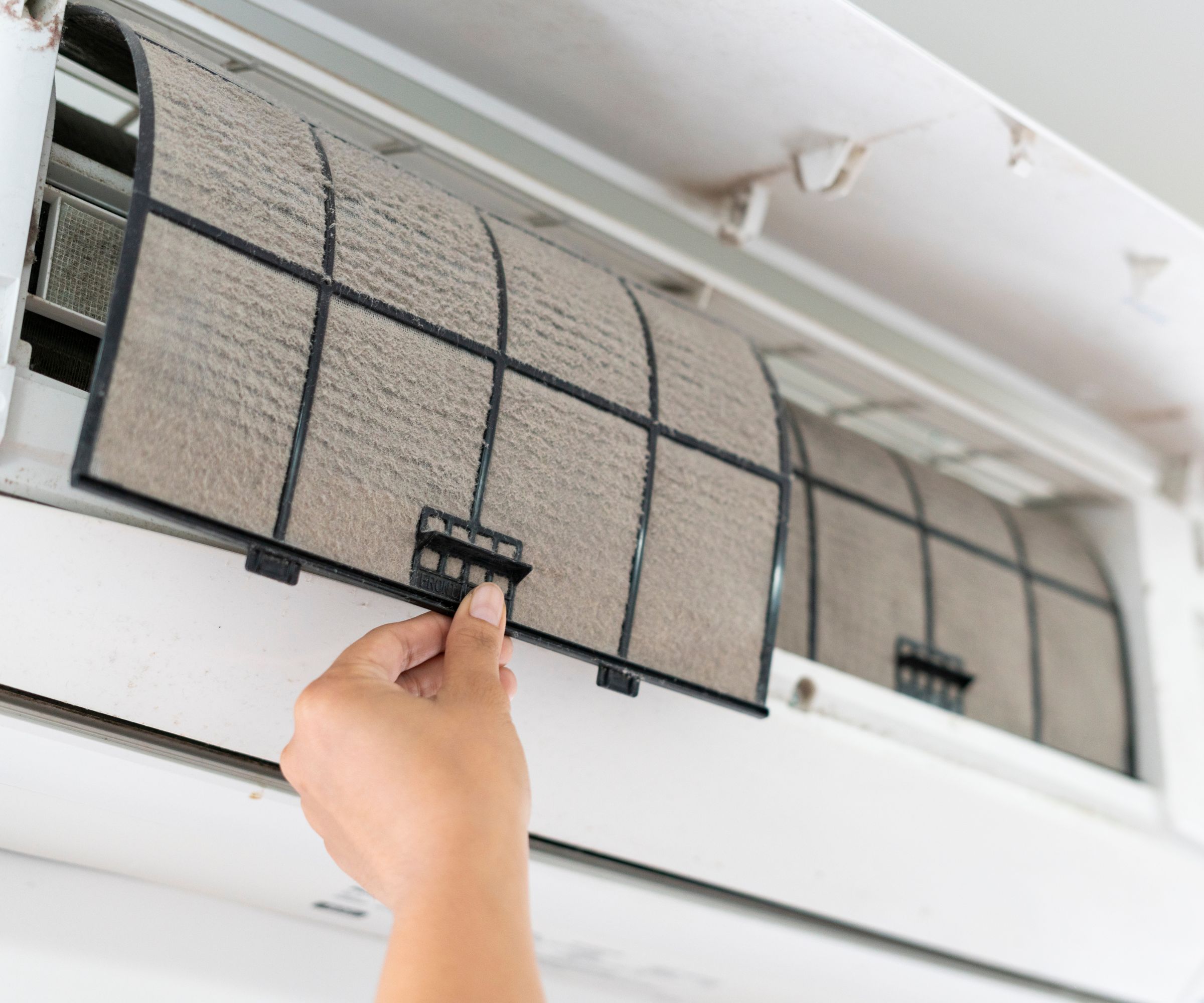
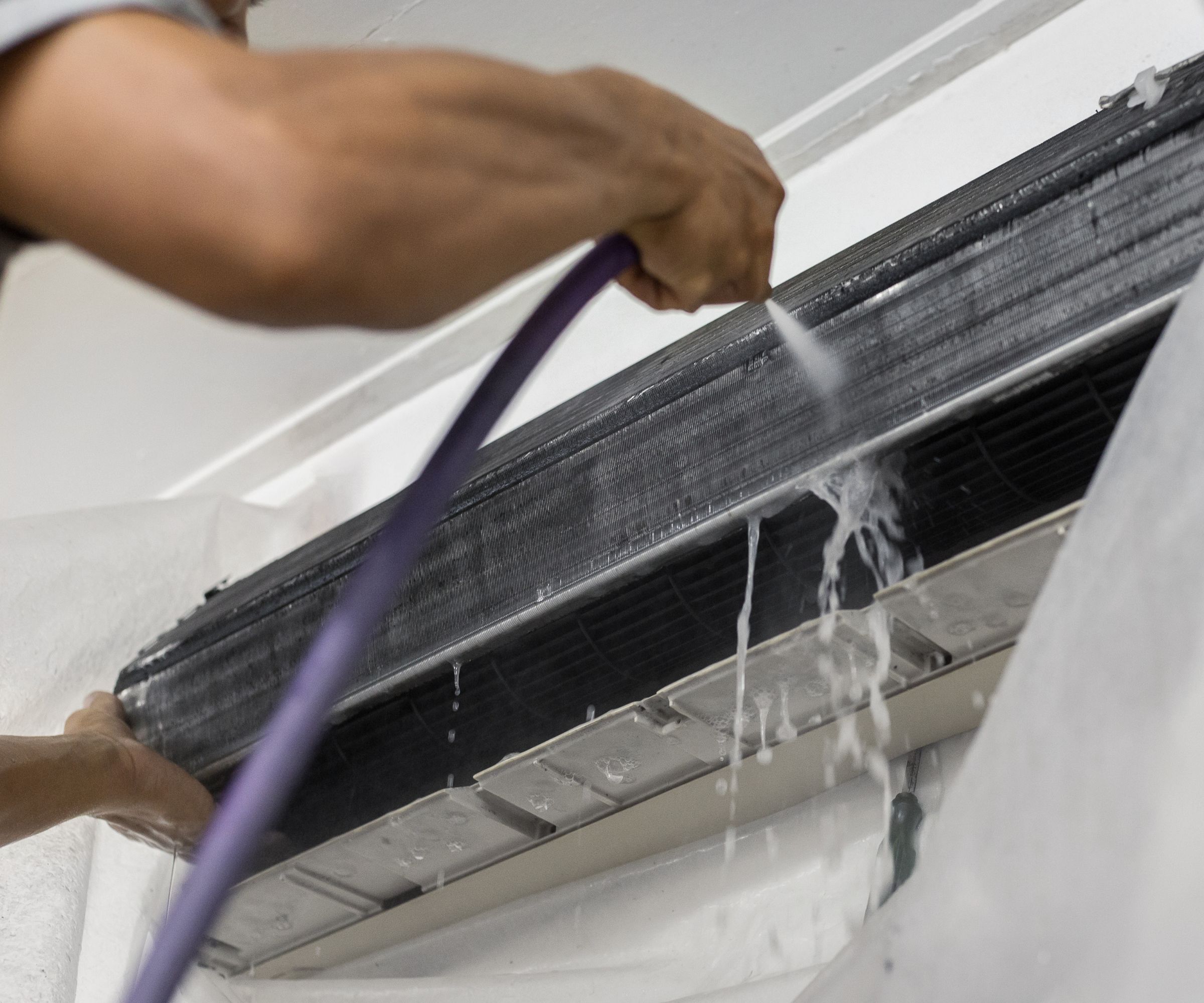
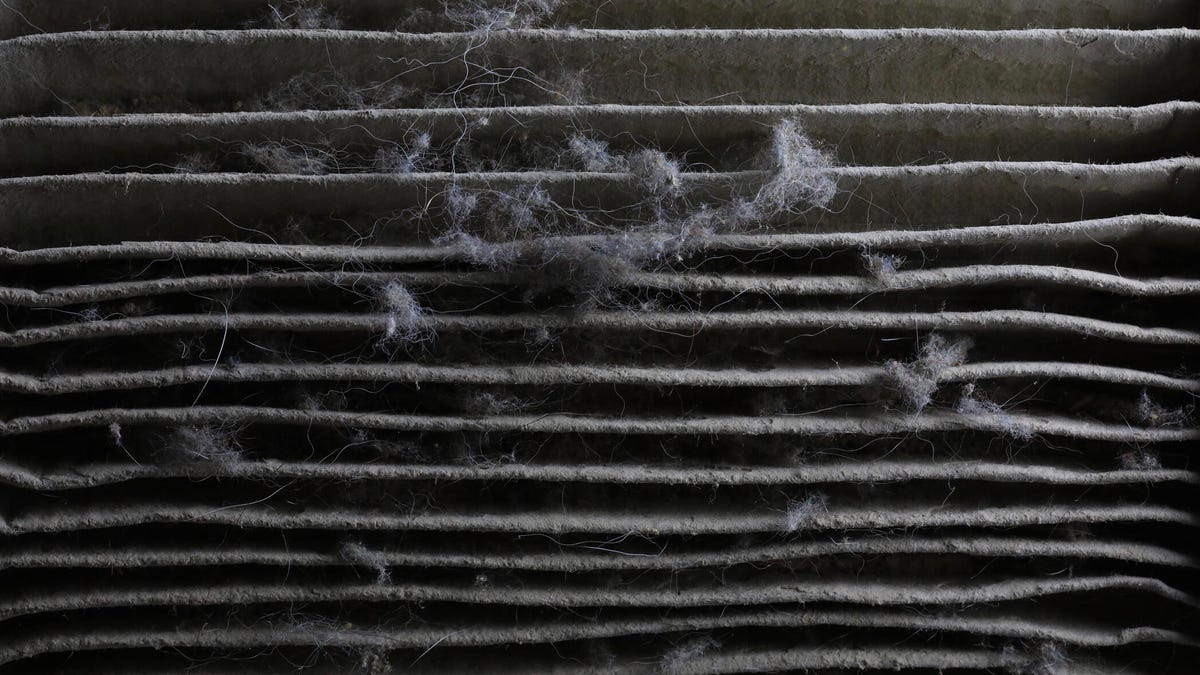
Finally, regular maintenance is vital for prolonging the life and efficiency of an air conditioner. Experts recommend at least one, and preferably two, maintenance checks annually—before the major heating and cooling seasons. Routine tasks such as changing air filters every three months (or more frequently if needed) and clearing debris like leaves and branches from around the outdoor unit can be done by homeowners. Monitoring energy bills for unusual spikes and listening for loud noises can signal potential issues that require professional attention. While some minor repairs can be guided by experts, complex tasks should be handled by HVAC professionals.
#AirConditioningInstallation #HVACMaintenance #HomeCooling #EnergyEfficiency #SplitSystem #PackageSystem #SEERRating #DuctworkSizing #CondenserUnitPlacement #AirConditioningInstallation #HVACMaintenance #HomeCooling #EnergyEfficiency #SplitSystem #PackageSystem #SEERRating #DuctworkSizing #CondenserUnitPlacement
0 comment in total
 No comments yet
You may also like
Our Favorite ACs Keep You Cool Quietly and Efficiently
6 Small Window ACs That Take Minutes to Install and Seconds to Start Cooling

The 6 Best Window Air Conditioners Of 2025: Our Top Energy-Efficient Picks

We Asked HVAC Pros When We Should Turn On Our ACs, and It’s Sooner Than We Thought

I had air con installed in my bedroom and was shocked how quick and easy it was
5 Best Ductless Air Conditioners of 2025
11 Tips to Keep Your Window Air Conditioner Running All Summer Long

How to clean your HVAC system – 6 expert tips to make this essential task DIY-friendly


The Best Garage Air Conditioners for Garages and Workshops

Yes, you can install central AC in your co-op or condo unit. Here's how

Why is my upstairs always hot even with AC on? Experts reveal why and how to fix it

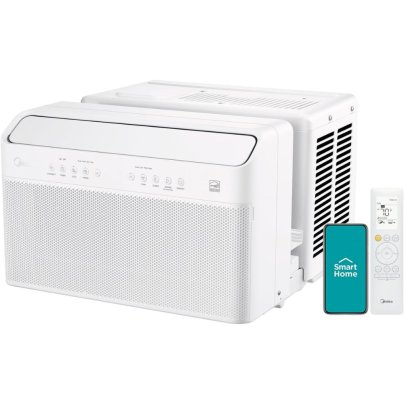
We Installed 5 U-Shaped Air Conditioners to Find the Best for Quiet, Efficient Cooling
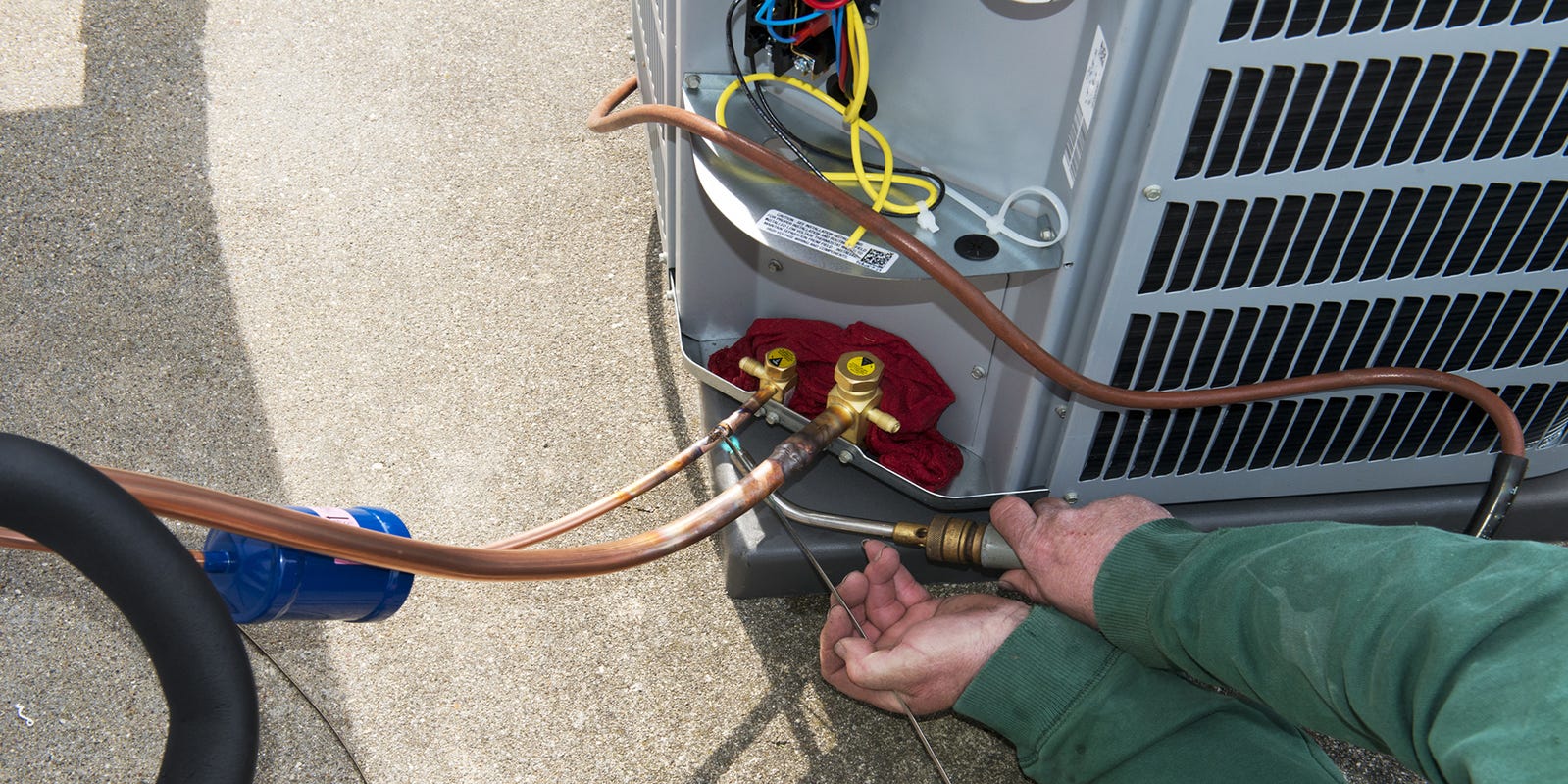
Ask Angi: What should I do when the AC goes out?

The 2 Best Window Air Conditioner Brackets of 2026 | Reviews by Wirecutter


Cooling Canvas: When Air Conditioning Meets Interior Design


The Best HVAC Service Companies in America
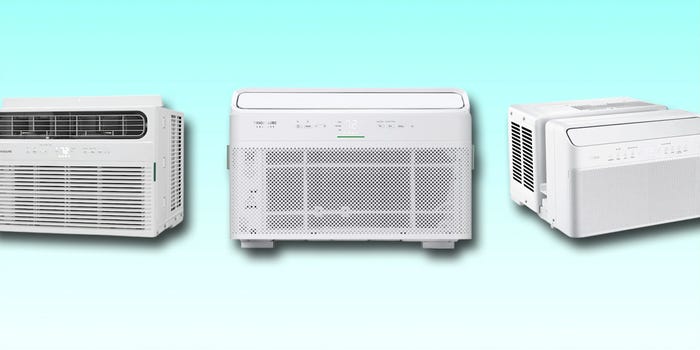
The best air conditioners, and why we still recommend the Midea U
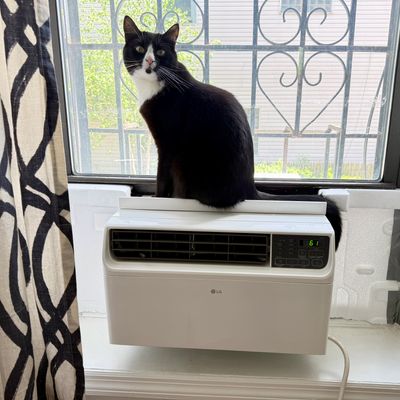
There’s a New Generation of Window AC Units. We Found the Best Ones.
HVAC Maintenance Guide: What to DIY and When to Call a Pro


Spring Maintenance Tips to Extend the Efficiency of Your HVAC System