11 Tips to Keep Your Window Air Conditioner Running All Summer Long
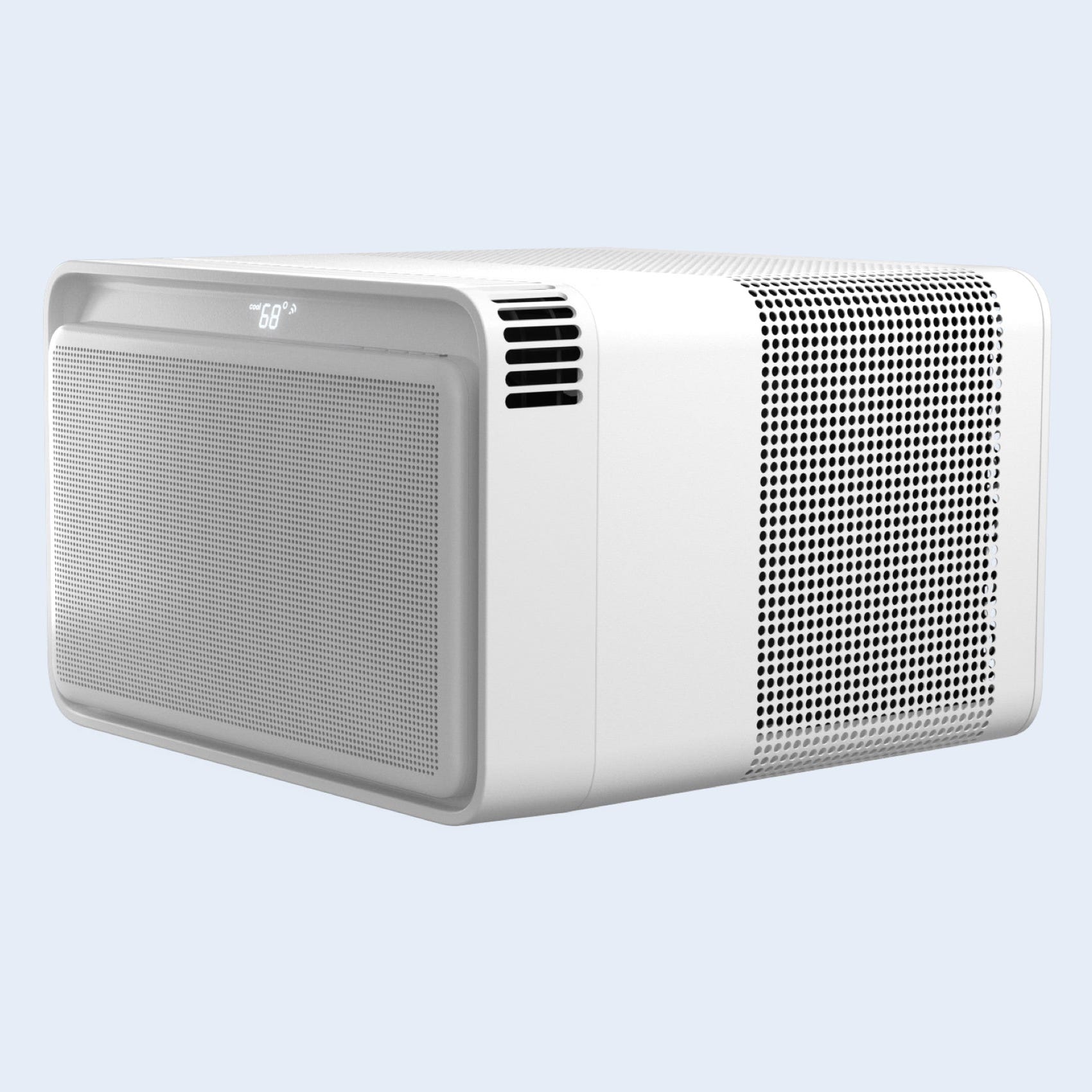
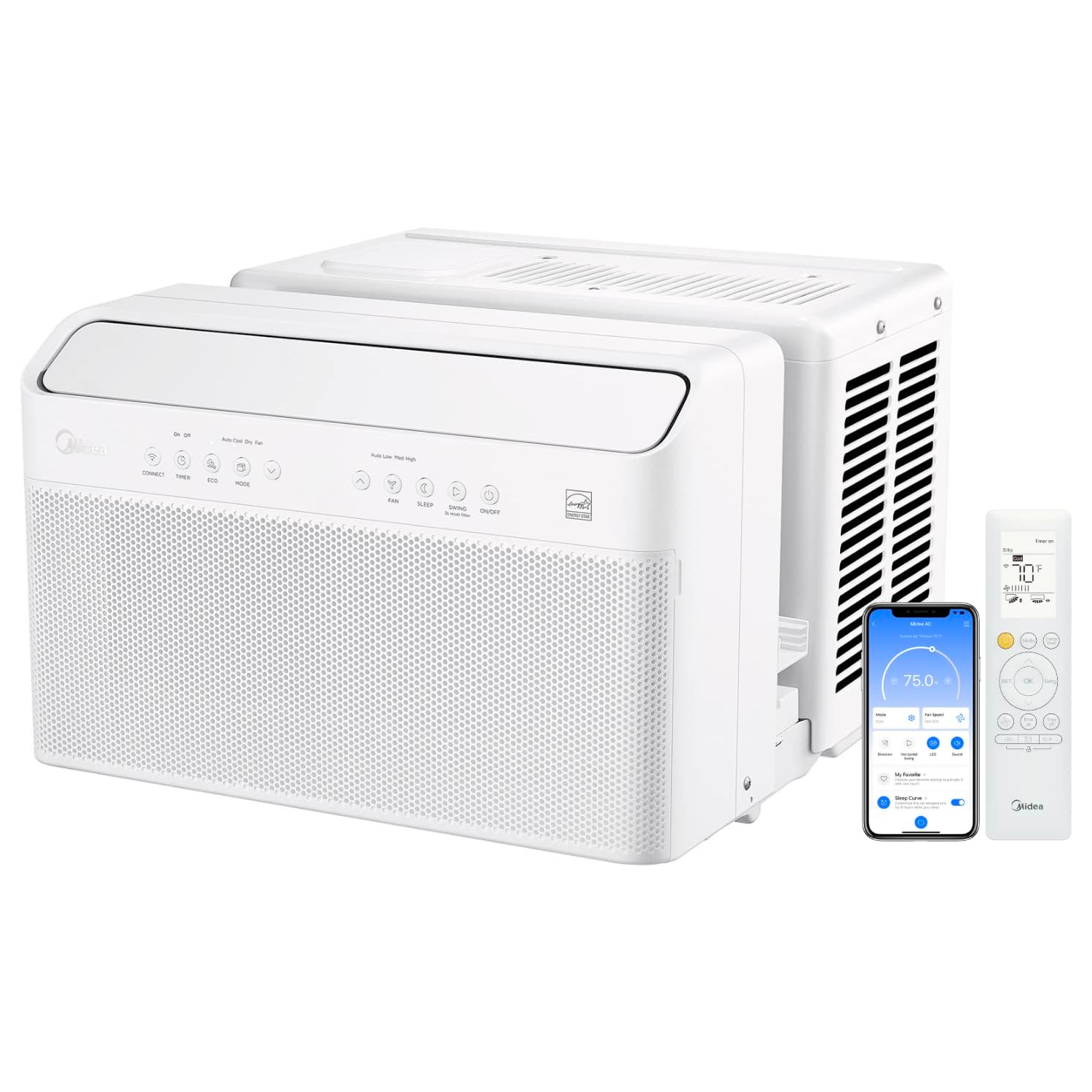
With summer temperatures projected to be hotter than average across most of the country, it is crucial to ensure that window air conditioning units are properly maintained to keep homes cool and prevent heat-related illnesses, especially among older adults. Proper maintenance not only extends the appliance's lifespan but also improves efficiency and reduces energy costs. Experts suggest that a well-maintained window unit can last between five and ten years.
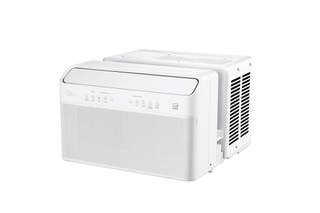
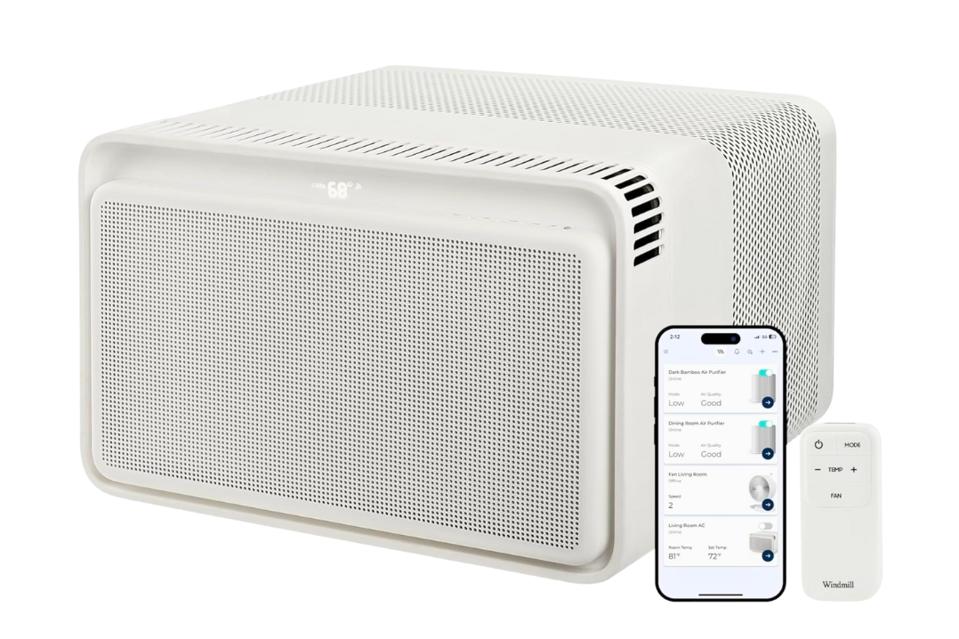
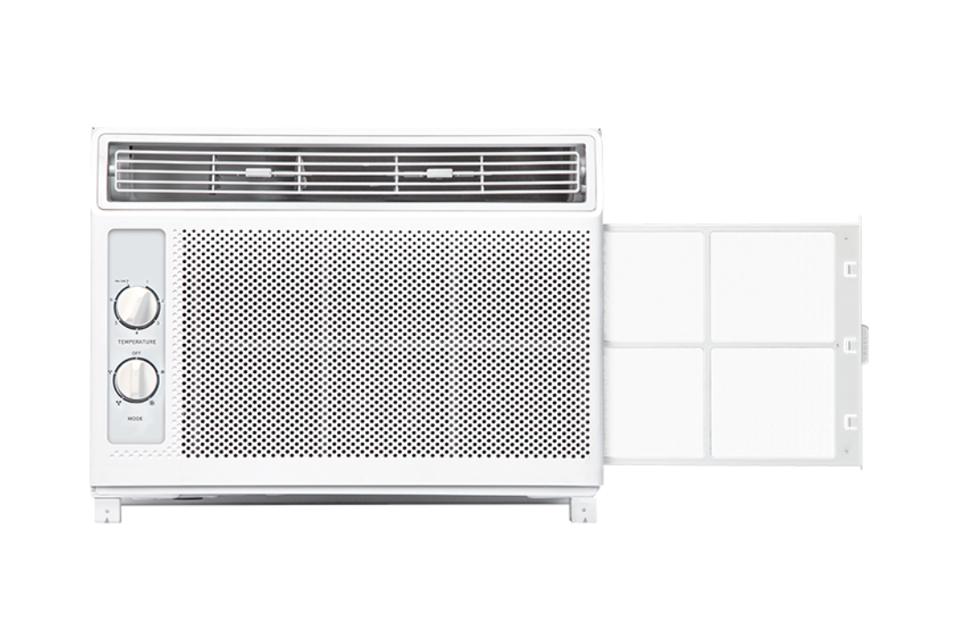
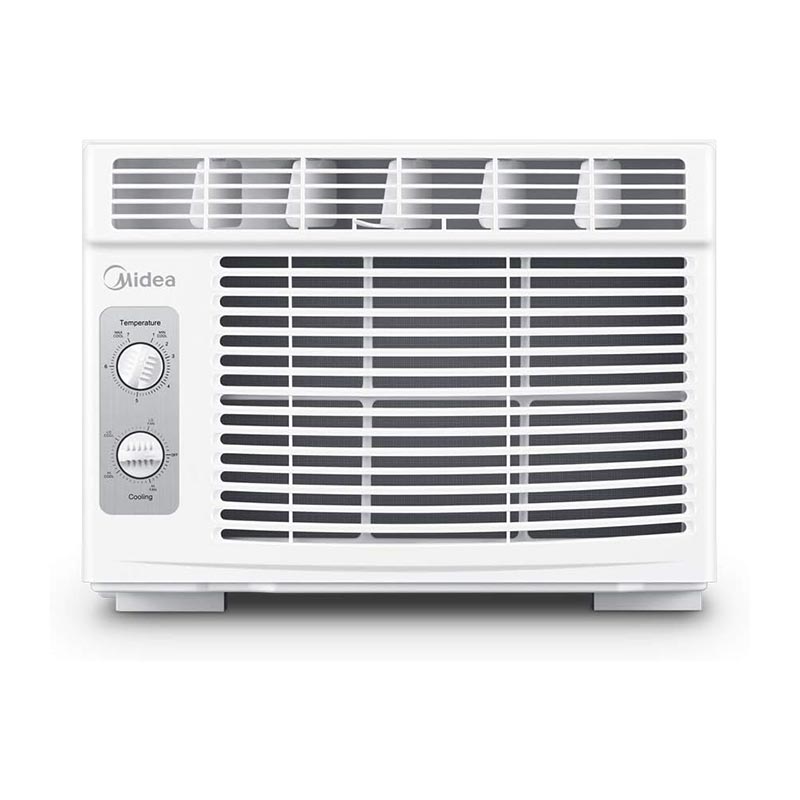
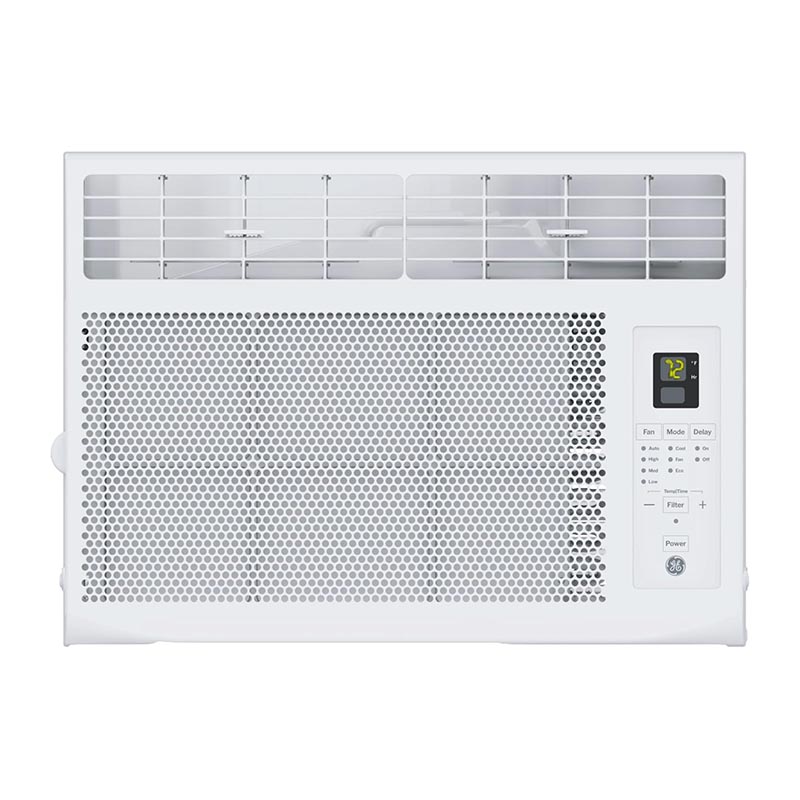
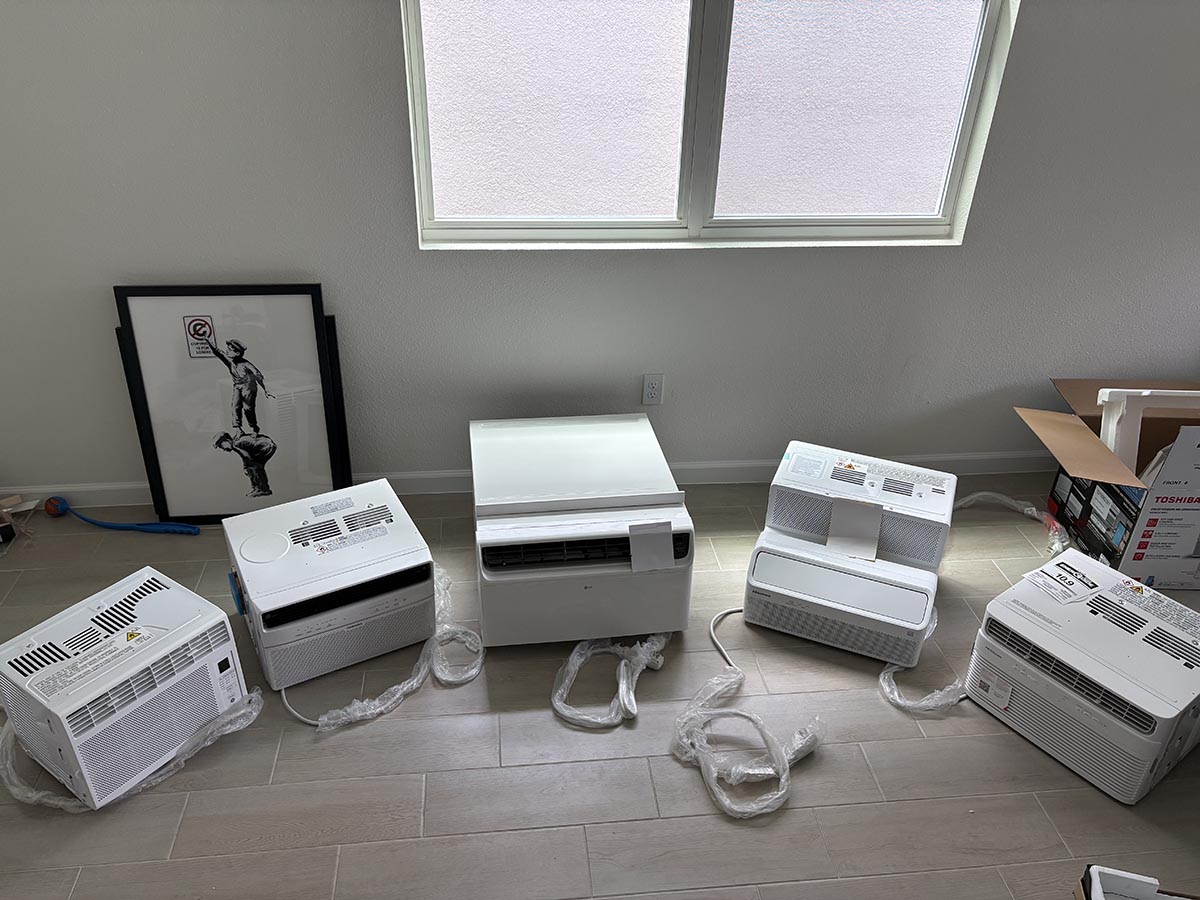
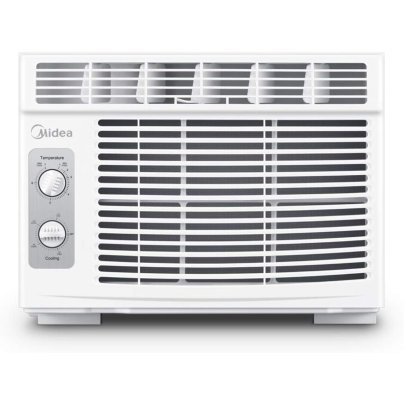
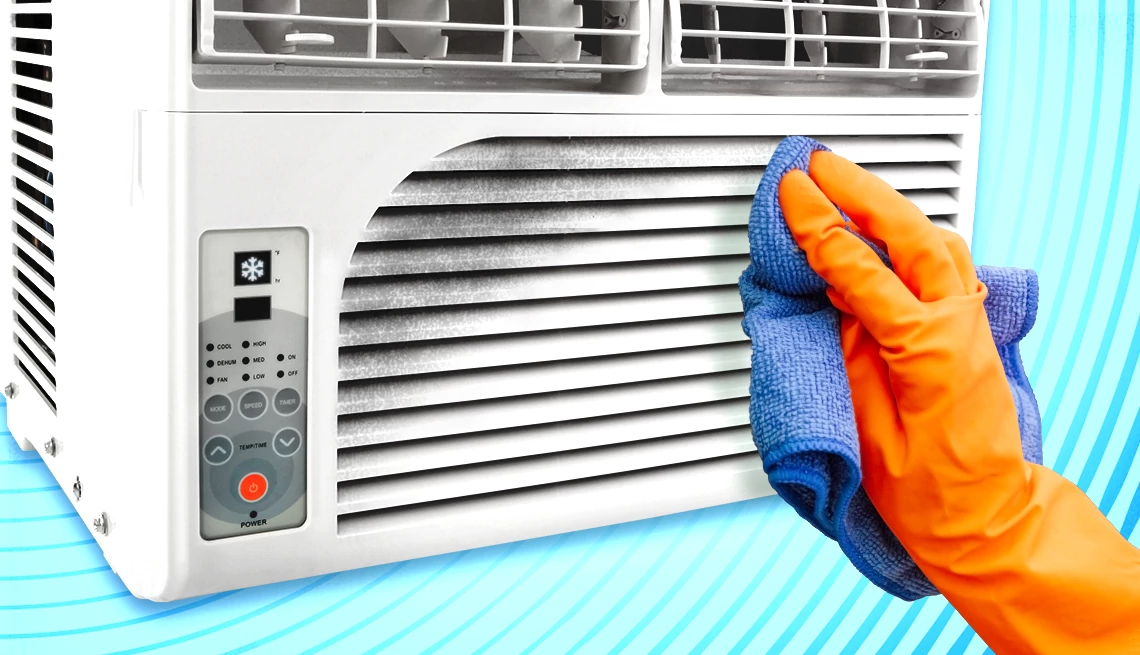
Several key steps are recommended for maintaining a window air conditioner. Firstly, before installation or use, the exterior, including the vents, should be cleaned with a soft, damp cloth to remove dust and debris, ensuring unimpeded airflow. Secondly, the air filter, a critical component for cooling efficiency and energy consumption, should be cleaned monthly or as per the manufacturer's guidelines. Dirty filters can significantly hinder performance, and most are washable, requiring thorough air drying before reinsertion.
Thirdly, other internal components such as condenser coils and fins need gentle cleaning with a vacuum or soft brush to avoid damage. Hoses and seals should be inspected to ensure they are secured and tightened. Fourthly, proper drainage is essential to prevent water damage and rot to windowsills. The condenser drain must be kept clear of debris, and the unit should be slightly tilted outwards with the drain hose angled away from the windowsill to facilitate effective drainage.
Fifthly, mold inspection is vital. Mold can develop on evaporator coils, drain pans, air filters, and ducts due to condensation, affecting air quality and potentially causing health issues, particularly for older adults with weaker immune systems. Michael Golubev, CEO of Mold Busters, advises inspecting and cleaning for mold at least once a year, preferably before or after the cooling season. Mild mold can be cleaned with mold remover or soapy water; extensive or inaccessible mold may require professional help. Applying a mold inhibitor is also recommended as a preventive measure.
Sixth, the power cord and other electrical parts should be checked for wear or damage. While some with electrical knowledge might replace a power cord, it is safer to consult a professional. Seventh, testing the AC unit before summer is crucial. Turning it on and setting it to the lowest temperature helps identify issues like poor cooling or unusual noises, which may indicate a refrigerant leak requiring professional attention. An annual service contract with an HVAC professional can help ensure ongoing maintenance.
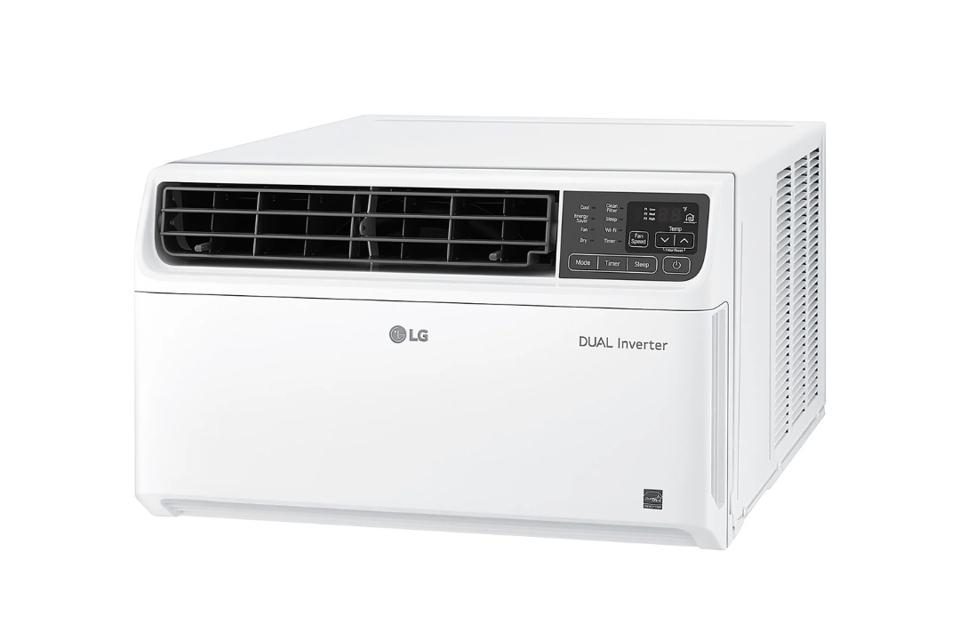
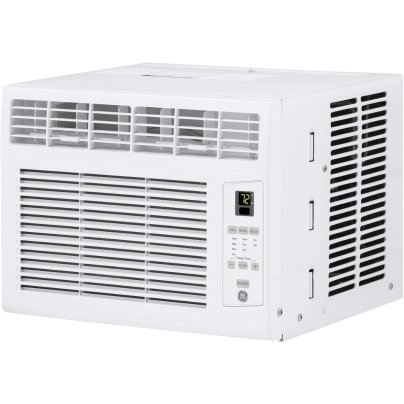
Eighth, selecting the right location for the unit is important. The chosen window must be large enough, provide adequate support, and be close to an electrical outlet, as extension cords are not recommended. Small units typically use 120-volt outlets, while larger units or those with heating functions require 240-volt outlets. Before purchasing, consumers should measure the window and the room's square footage to select a unit with appropriate British Thermal Units (BTUs) for effective cooling. For instance, a 6,000 BTU unit can cool a 250-square-foot room.
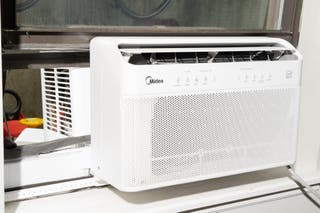
Ninth, the window area should be cleaned before installation, and obstructions like curtains or blinds removed to allow cool air to flow freely. Tenth, a support bracket is often necessary, especially for larger units (40 to 100 pounds), to ensure stability and level placement. Manufacturers' instructions will specify if a bracket is needed and usually provide one. Local building codes should also be checked regarding support bracket requirements. Finally, for installation, individuals should follow manufacturer instructions. While smaller units might be manageable for some, heavier units often require assistance. Nonprofit organizations in many areas offer handyman services for older adults. After installation, the window should be lowered tightly against the unit, side panels extended to seal gaps, and foam insulation or weather-stripping tape used to prevent air leaks. Installing window locks is also advised for safety.
As an alternative, portable air conditioners are suitable for small spaces, for those needing mobility between rooms, or where window units are prohibited. These units are generally less expensive and easier to install, though they are less energy-efficient than window units or central air. They cool by drawing in warm air, cooling it with refrigerant, and venting warm air outside. Single-hose units are less efficient than dual-hose units. Maintenance for portable units is similar to window units, focusing on cleaning and filter care, and users should check for washable or replaceable HEPA filters. Prices range from about $100 to $650 for portable units, compared to $200 to $850 for window units, and several thousand for central air.
#WindowAirConditioner #HomeMaintenance #EnergyEfficiency #SummerHeat #MoldPrevention #DIYHomeImprovement #ApplianceCare #CoolingSolutions #ElderlySafety #WindowAirConditioner #HomeMaintenance #EnergyEfficiency #SummerHeat #MoldPrevention #DIYHomeImprovement #ApplianceCare #CoolingSolutions #ElderlySafety
0 comment in total
 No comments yet
You may also like

Your Apartment + These Top-Rated Window A/C Units = True Summer Love
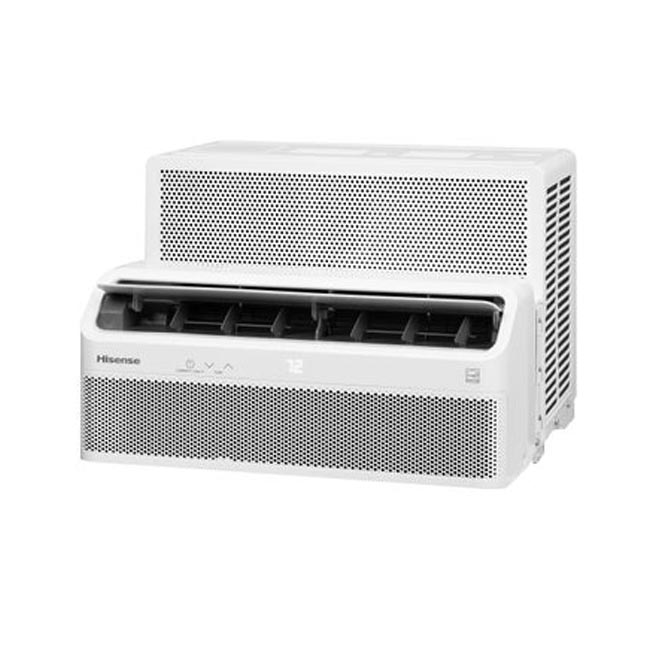
We Tested the Best Window ACs for Every Room, Budget, and Heat Wave

How to get the most life out of your AC and Heating system
Invest in a ceiling fan to keep your cool this summer

How to keep a top-floor apartment cool in summer


How to Cool Down Your Sunroom — 5 Simple Methods to Stop This Spot Overheating in Summer


Until Outdoor AC Exists, Here's How to Prep Your Backyard So It Stays Cool All Summer

Beat the heat: 7 DIY natural ways to summer-proof your house | Lifestyle News

Our Favorite ACs Keep You Cool Quietly and Efficiently
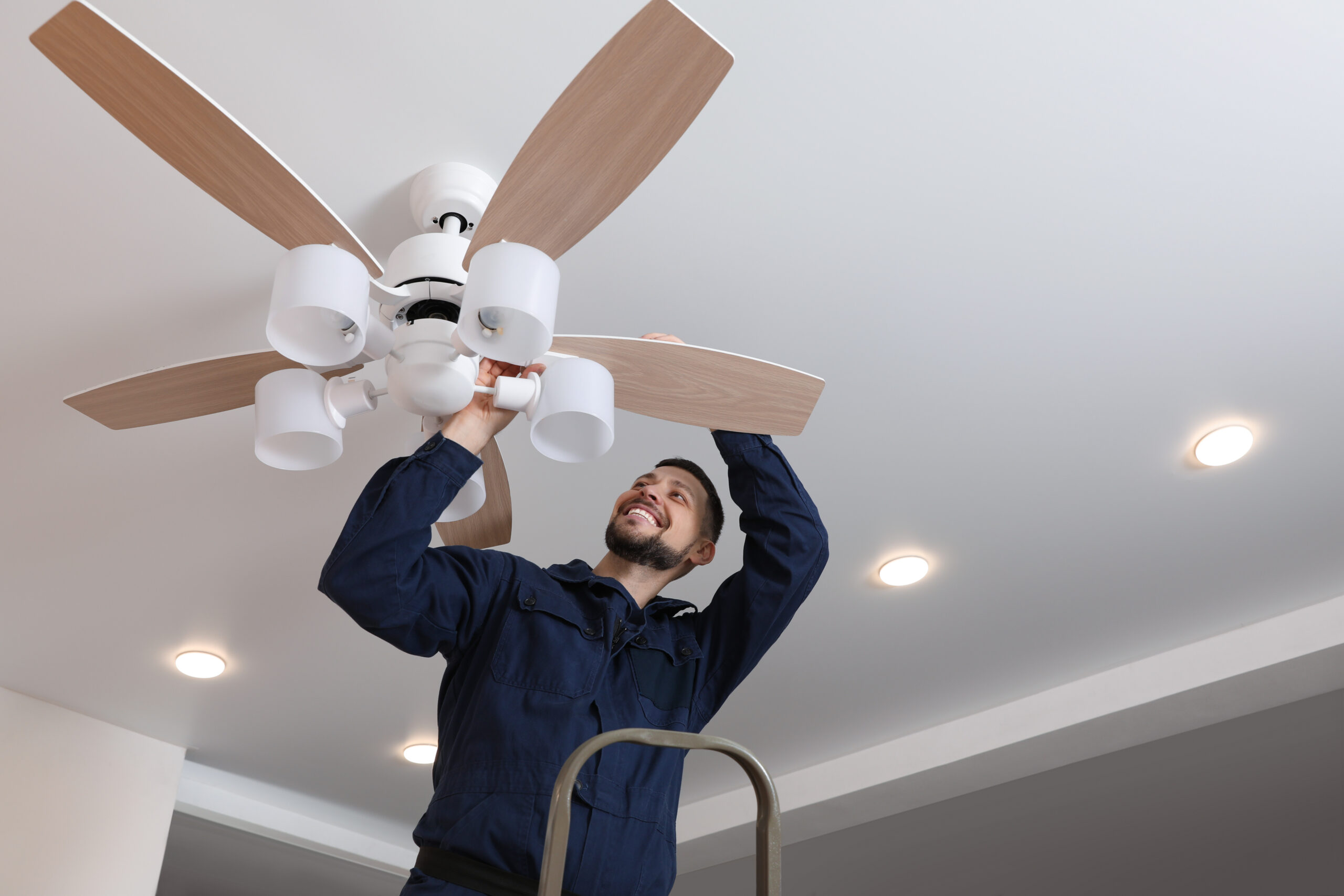
Stay cool this summer with ceiling fans

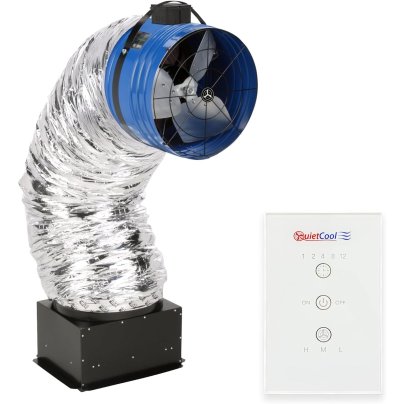
Beat the Summer Heat With One of Our Favorite Whole-House Fans
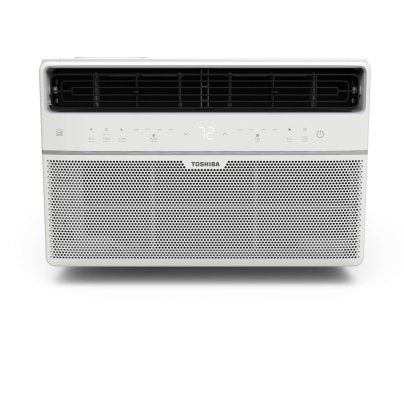
6 Small Window ACs That Take Minutes to Install and Seconds to Start Cooling
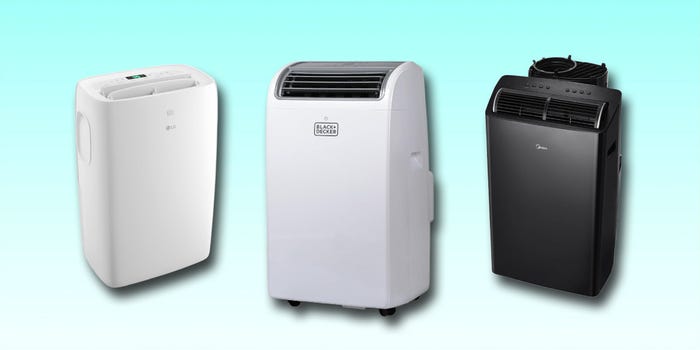
Halfway through the summer and the heat isn't giving up — here are the best portable ACs we tested to keep you cool

Sick of the heat? Here's how to keep your home cool, heatwave or not, if you don't have AC
How to keep a pantry cool in hot weather – 6 ways to keep things fresh

7 summer window treatment ideas that designers say are worth the investment
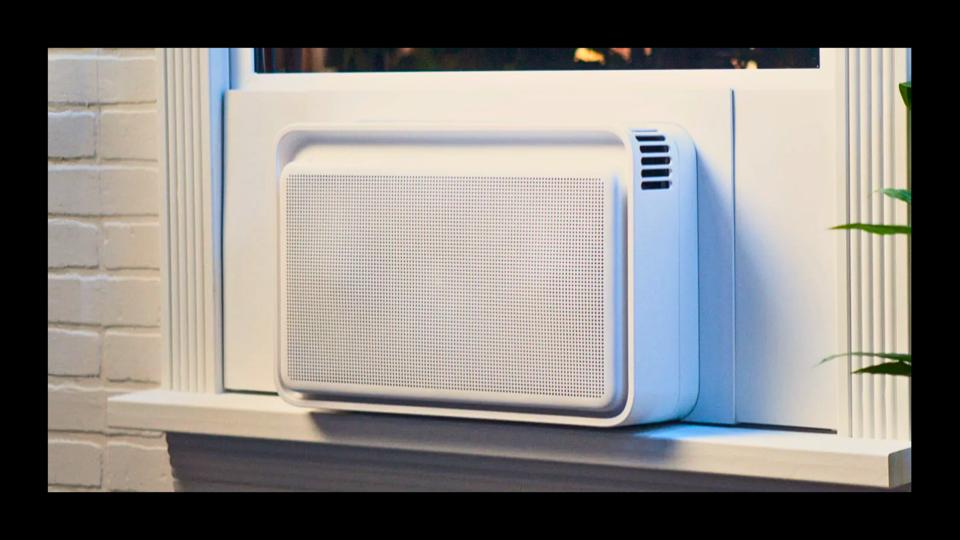
The 6 Best Window Air Conditioners Of 2025: Our Top Energy-Efficient Picks


Patio shade ideas – 11 stylish ways to stay cool this summer

This is How People Dealt with Summer Heat Before Air Conditioning
Installing a new fan? Tips to stay cool in Arizona's summer heat