These 4 Countertop Colors Instantly Date Any Kitchen, Designers Say
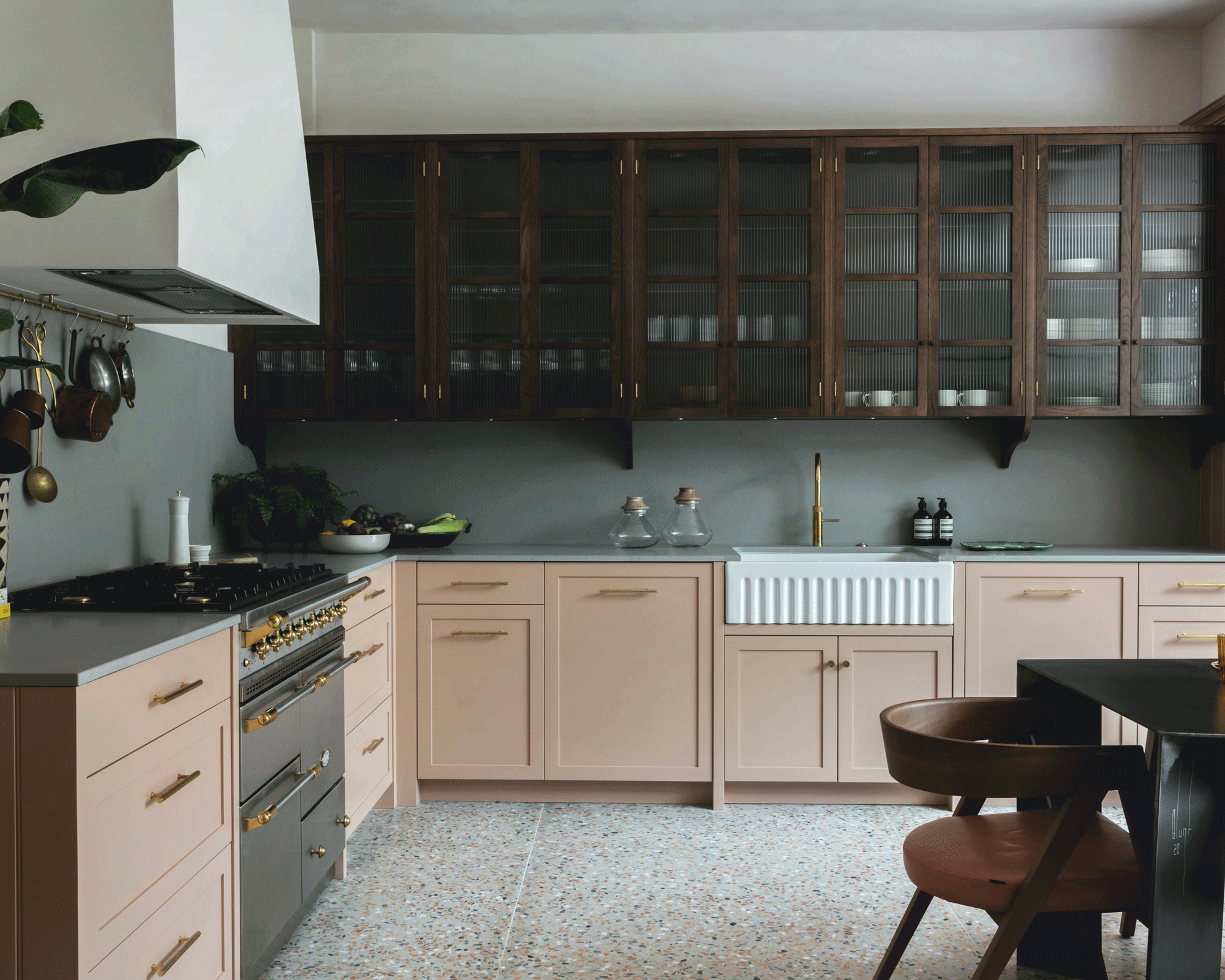
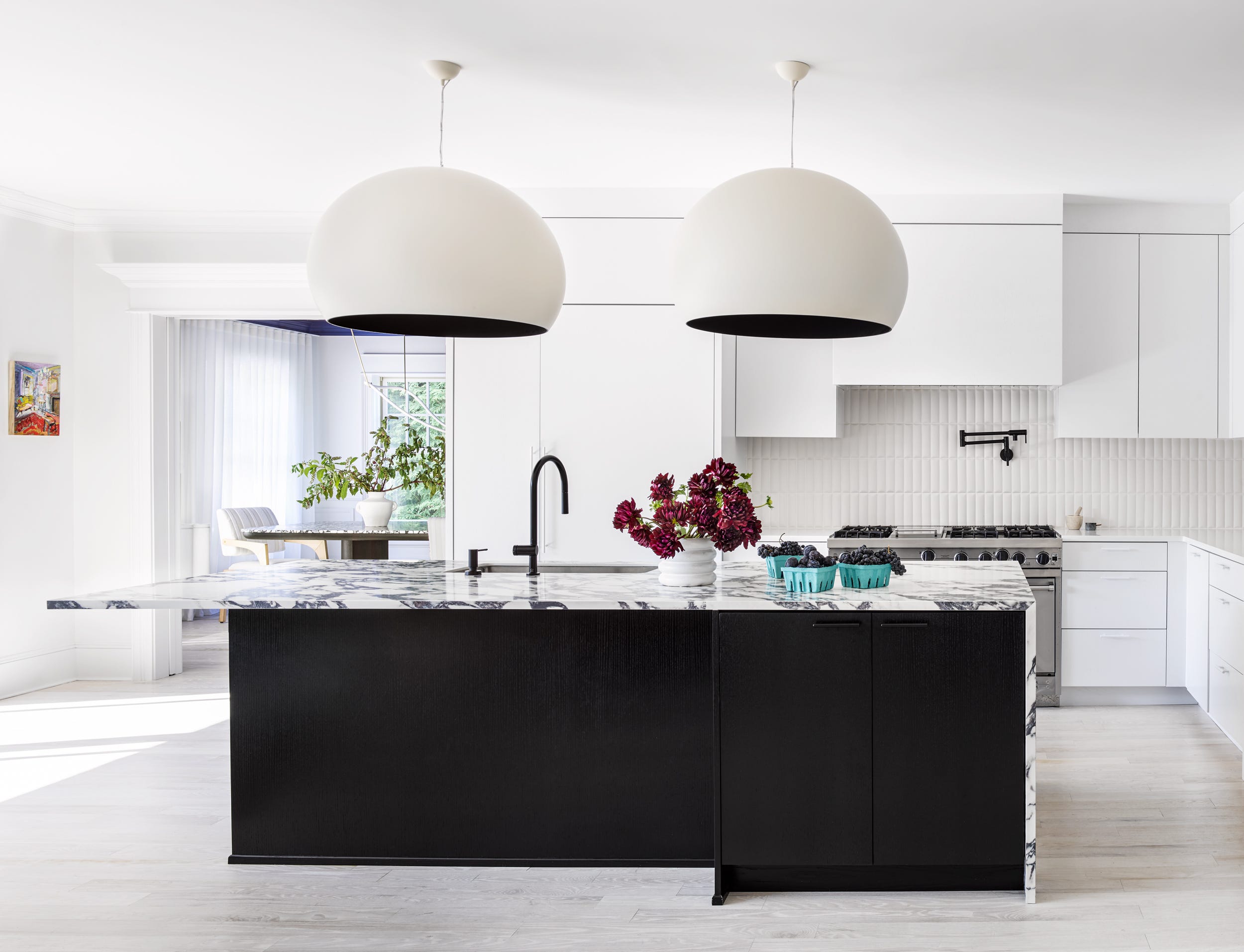
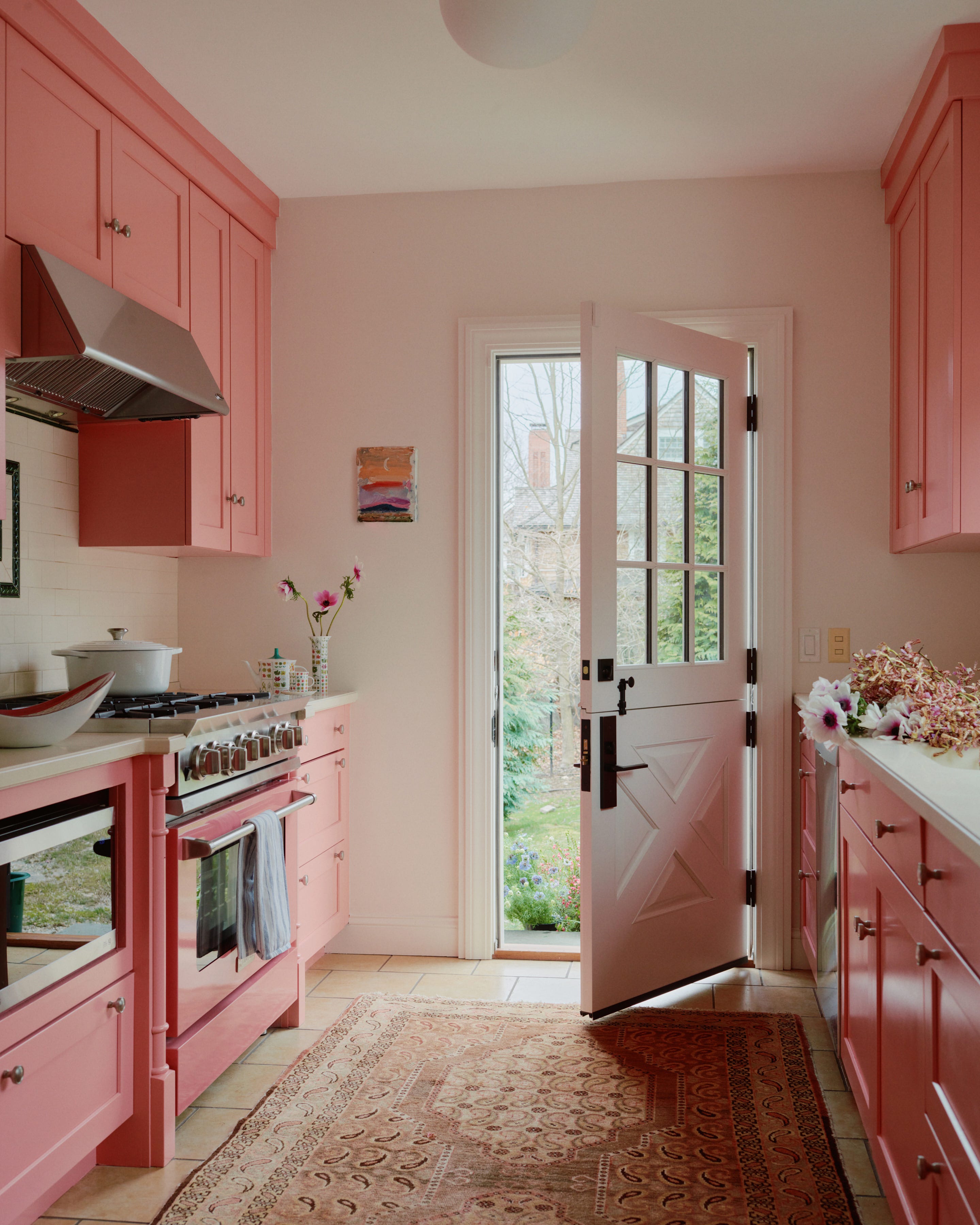
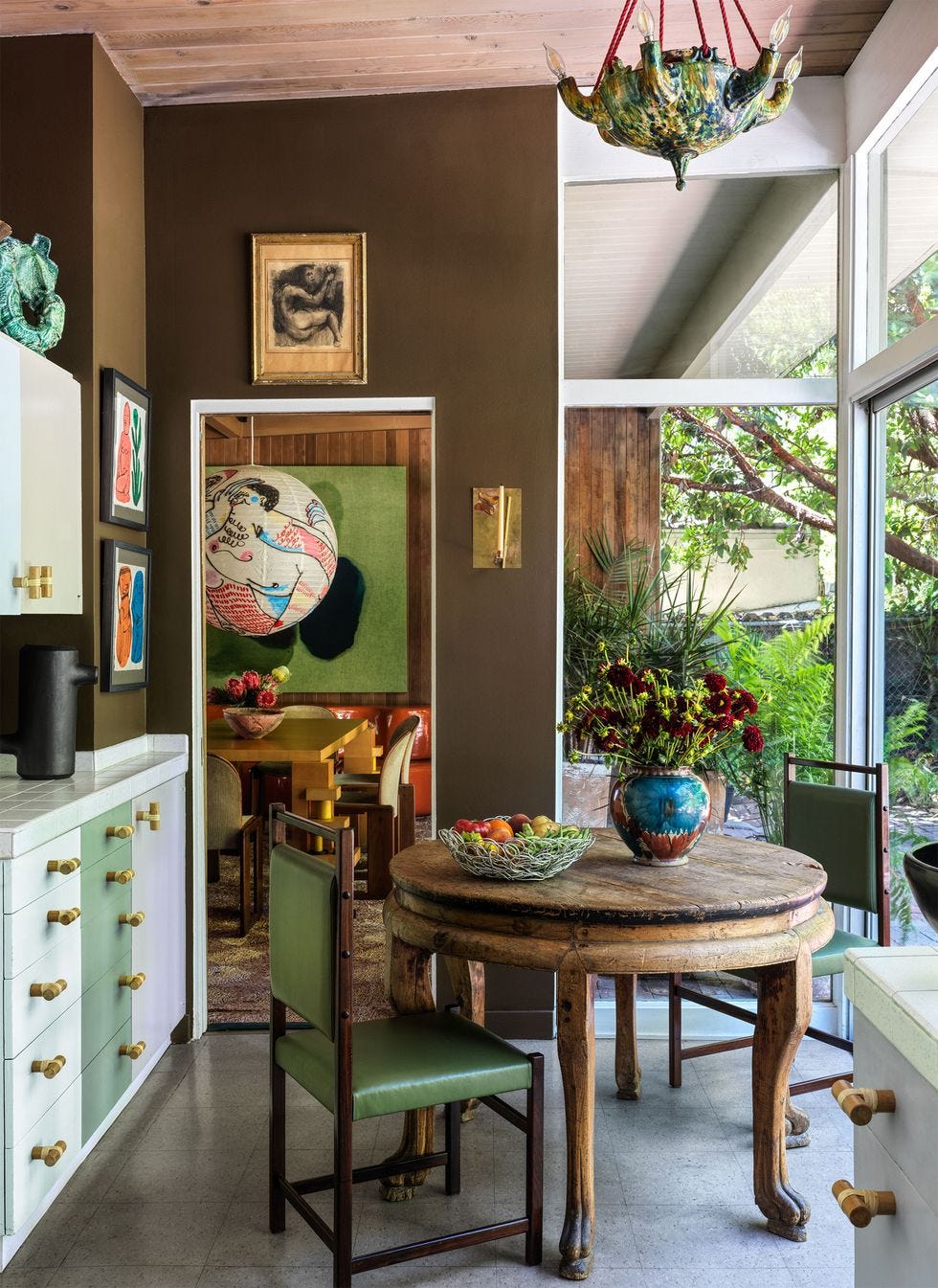
The aesthetic appeal and functionality of kitchen countertops are critical elements in creating a contemporary and inviting kitchen space. Industry experts, including designers Danielle Davis, Rebecca Ward, and Danielle Chiprut, have identified certain countertop materials and colors that can inadvertently make a kitchen appear outdated. Their insights highlight a shift towards materials that offer both visual appeal and practical longevity.
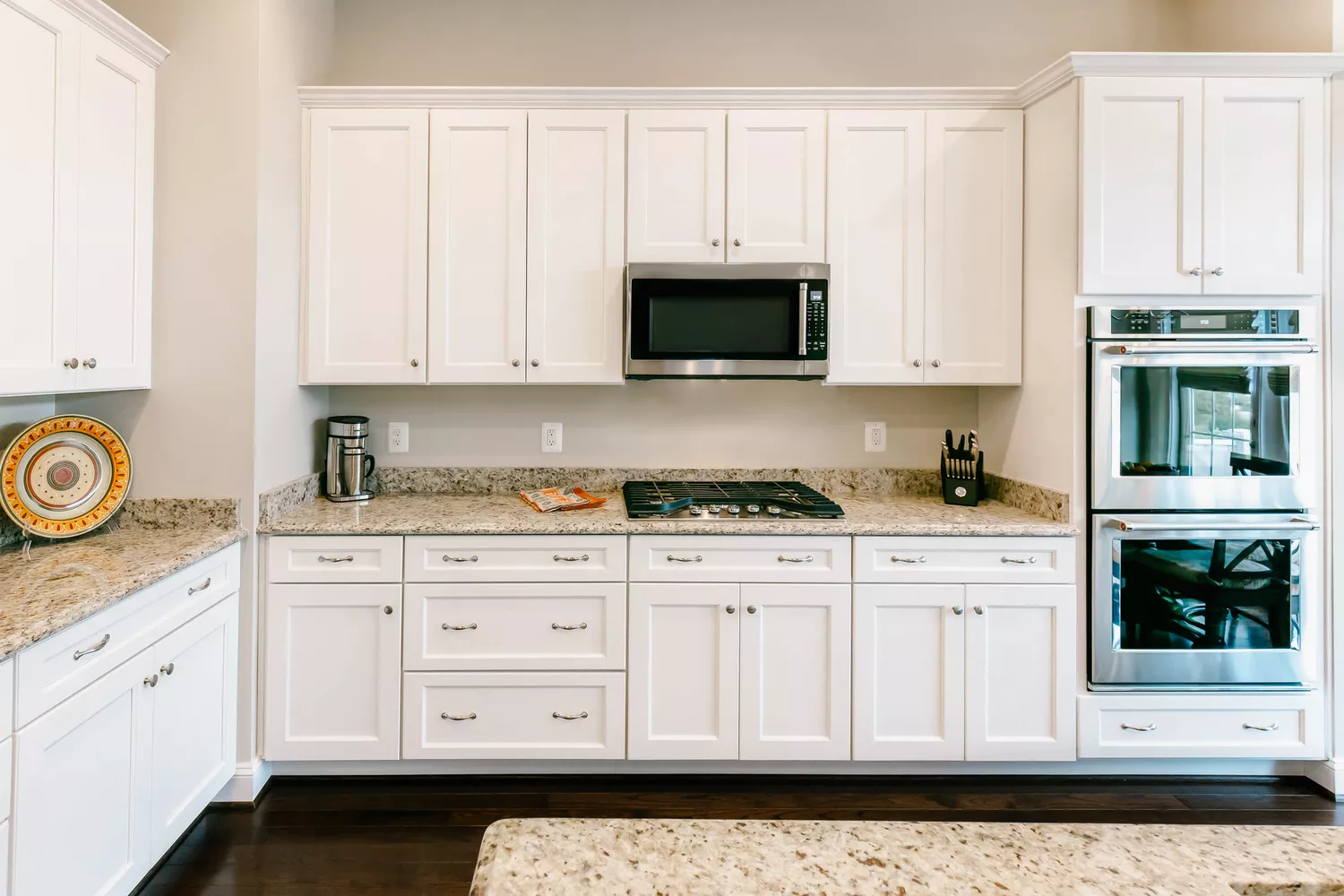
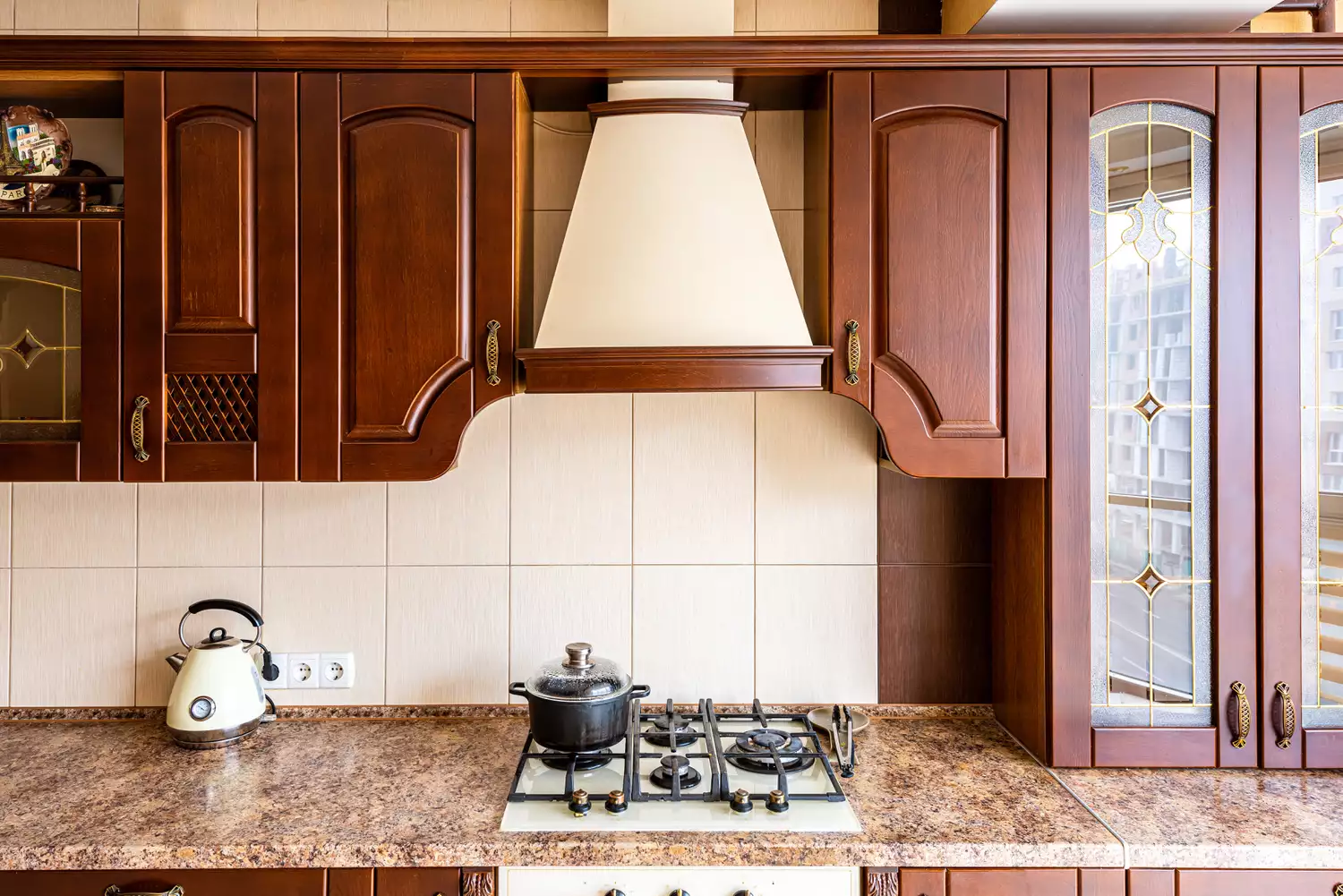
Granite countertops, regardless of their color, are frequently cited as a material that can instantly date a kitchen. Despite its perceived durability, granite is often associated with early 2000s new builds, leading designers to recommend alternatives. Specifically, brown granite is singled out as a significant contributor to an outdated look, despite the potential resurgence of brown tones in other design elements. The widespread overuse of Baltic brown granite during the early 2000s solidified its dated perception among design professionals.
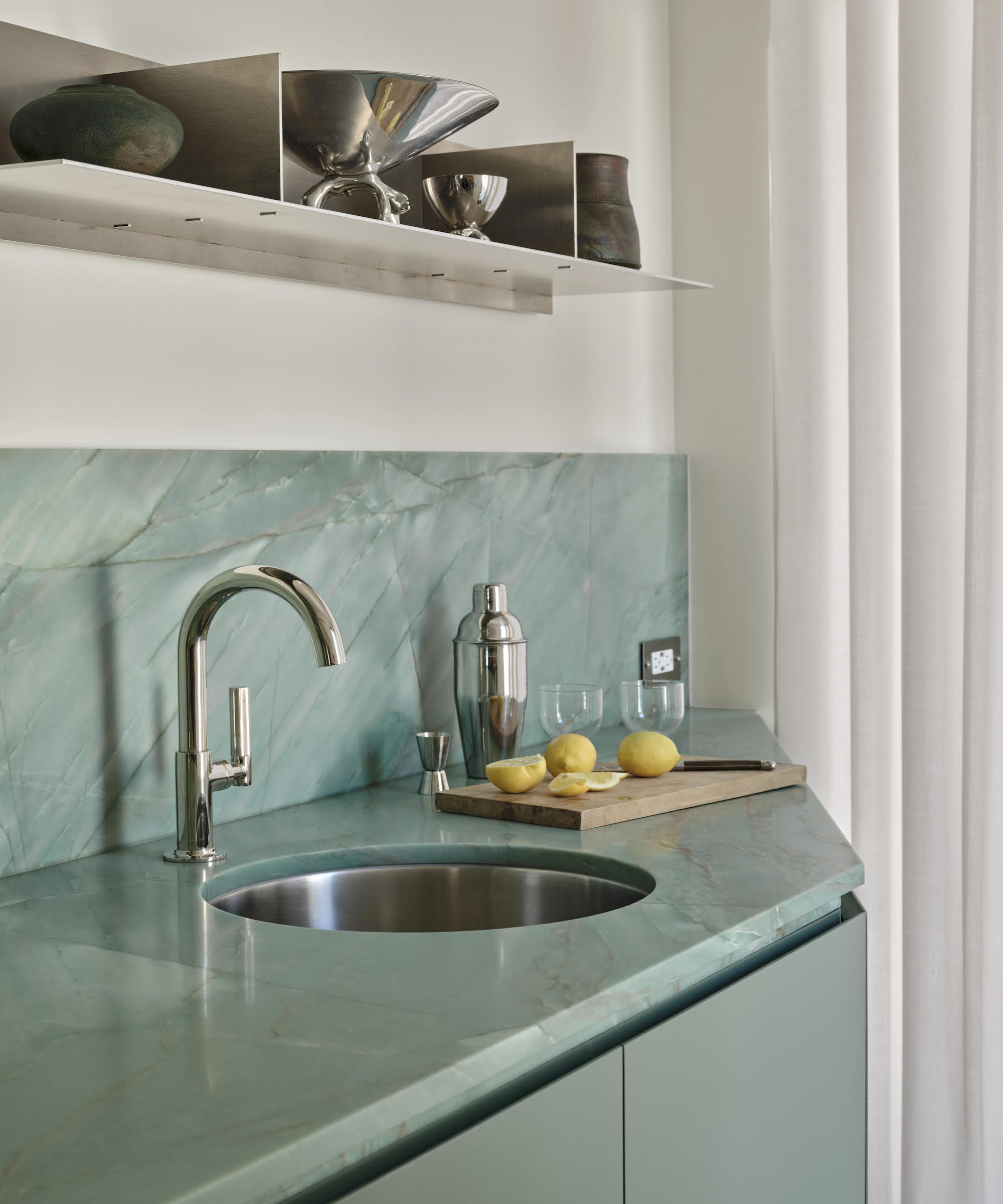
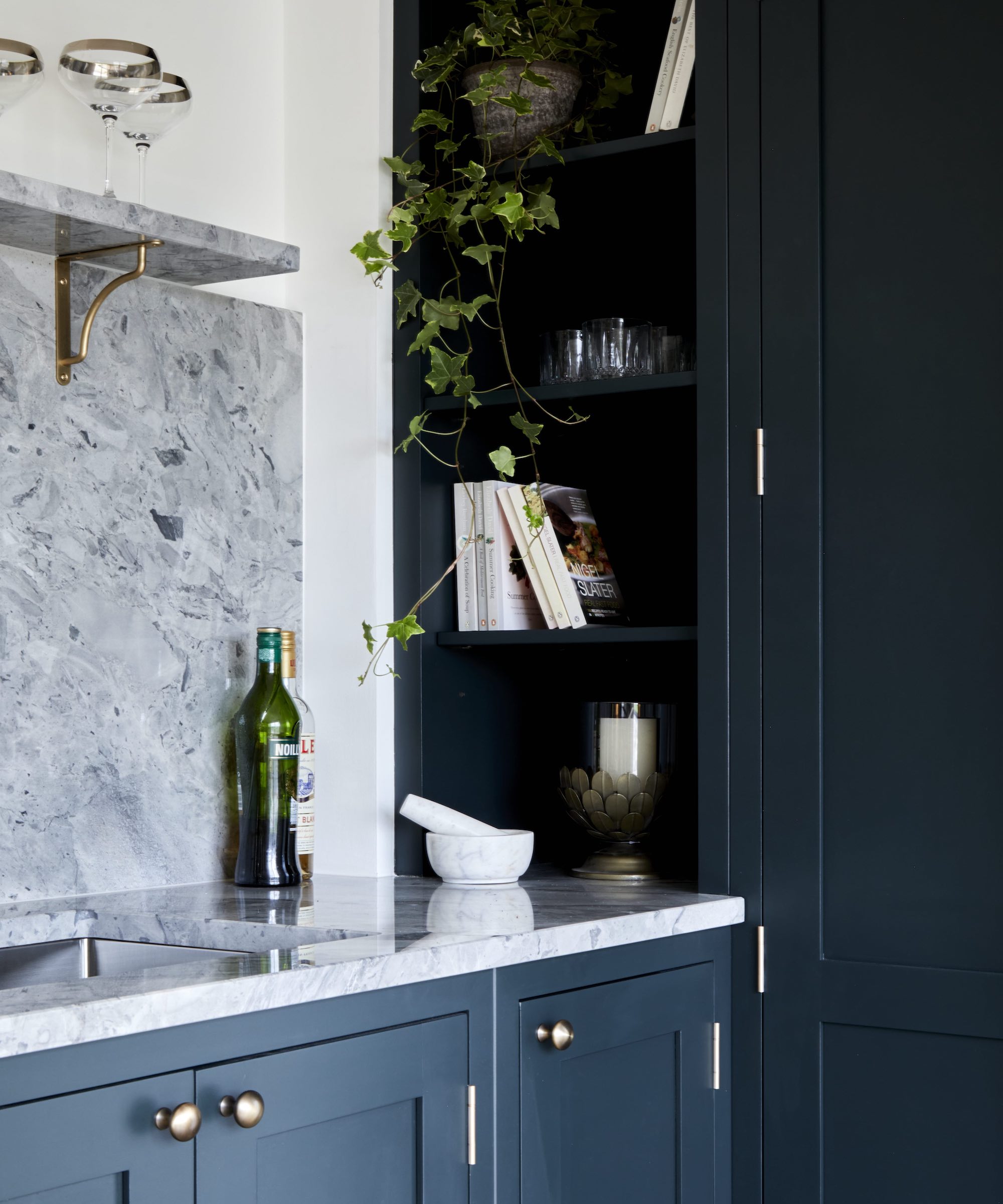
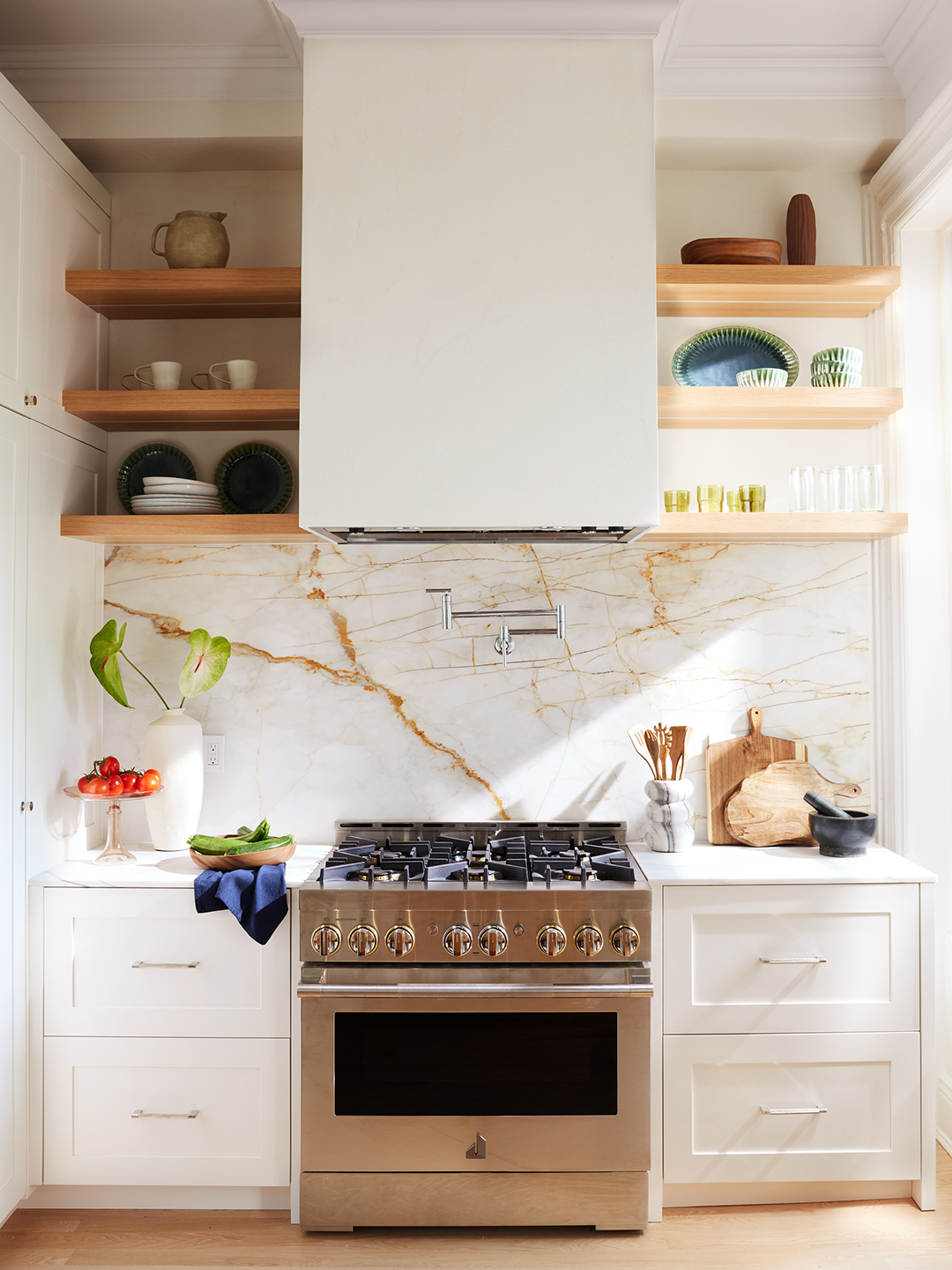
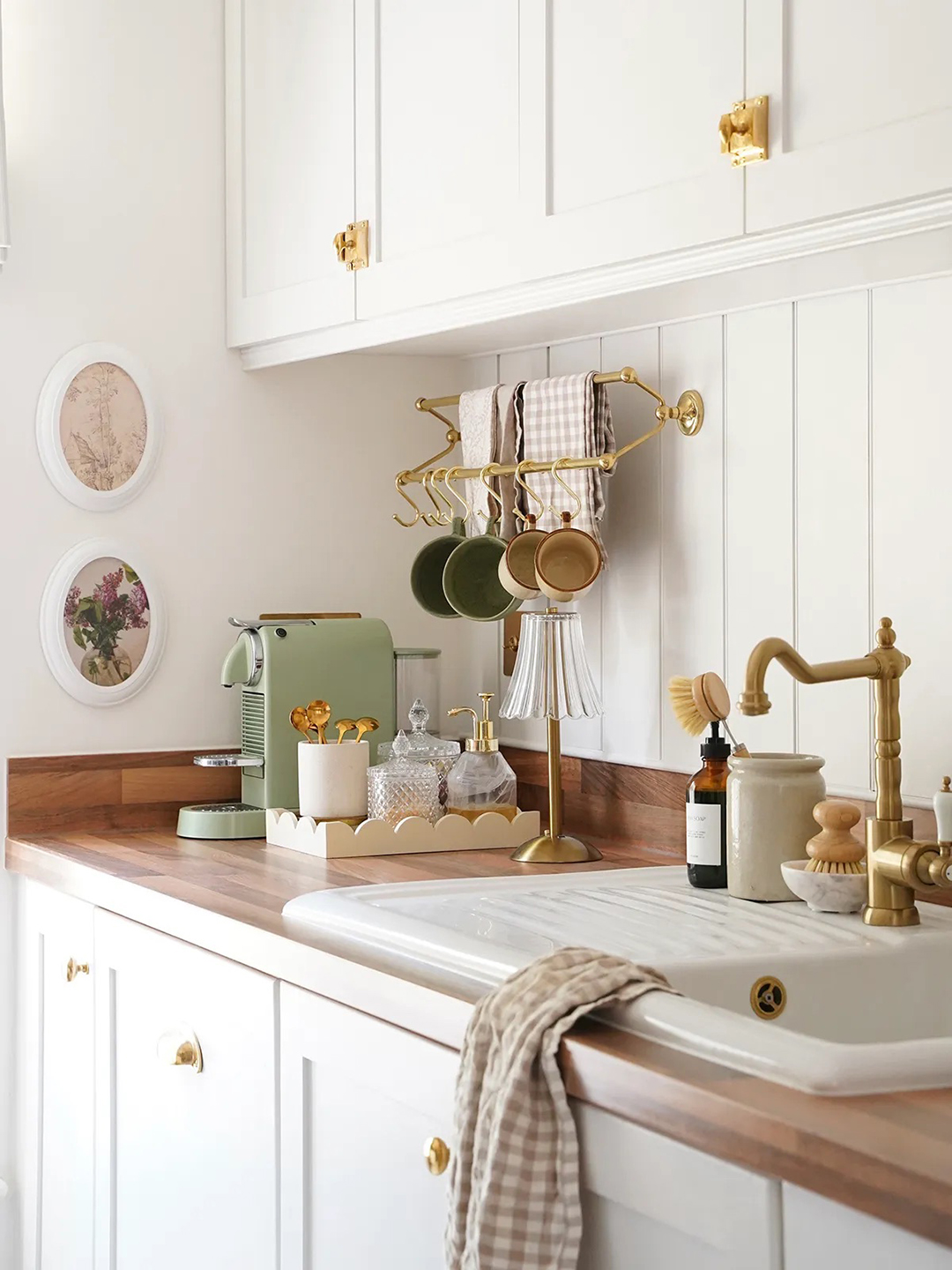
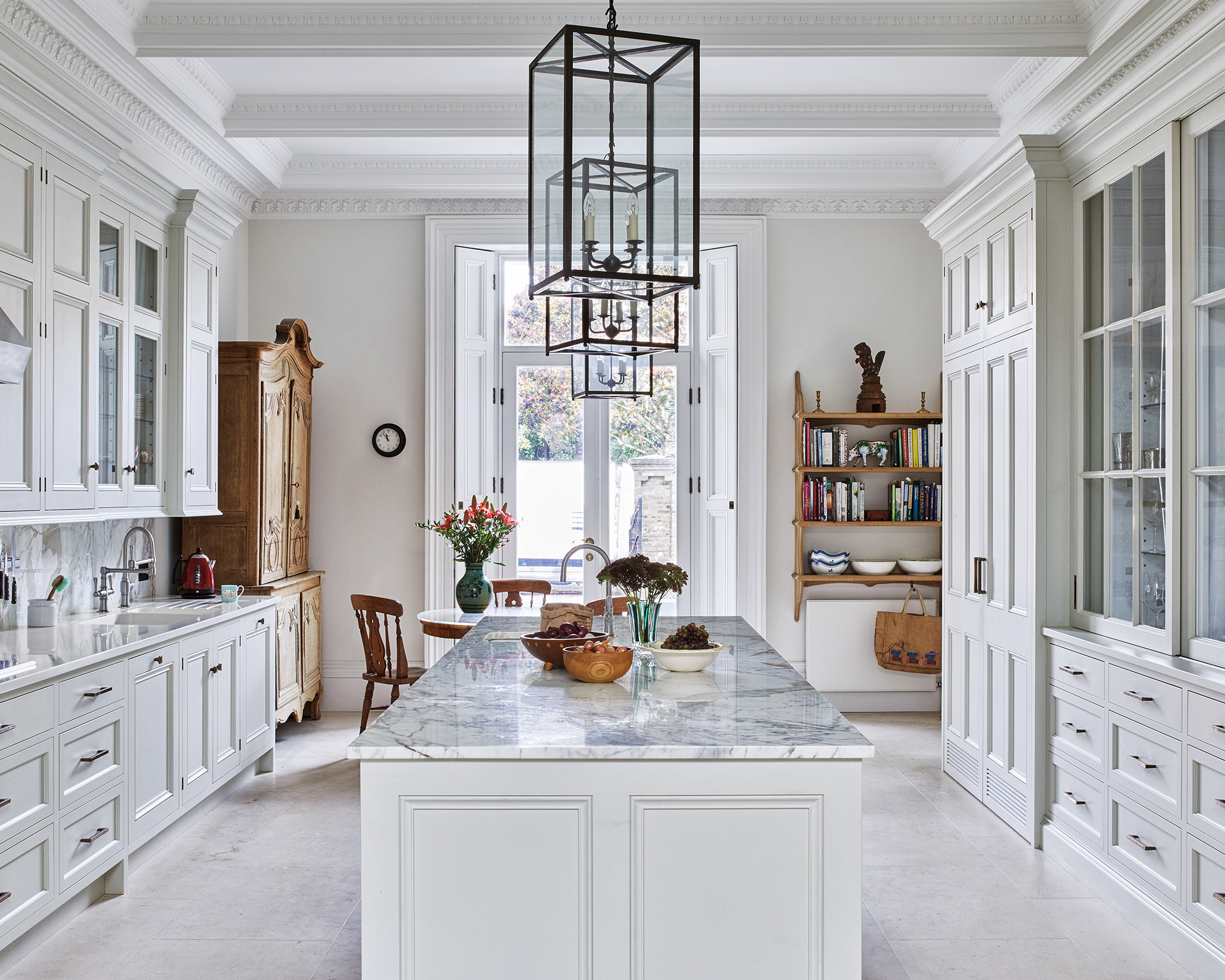
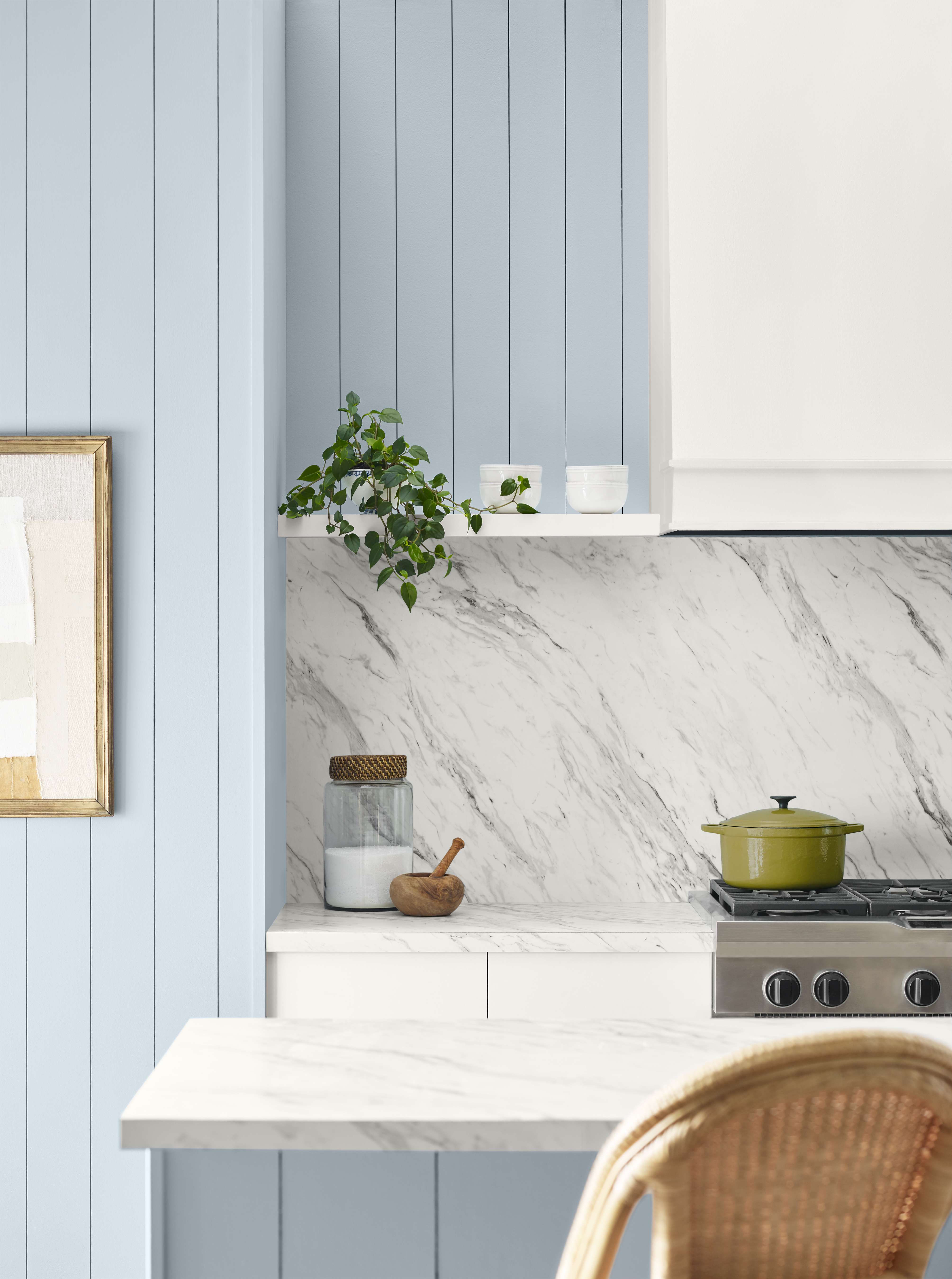
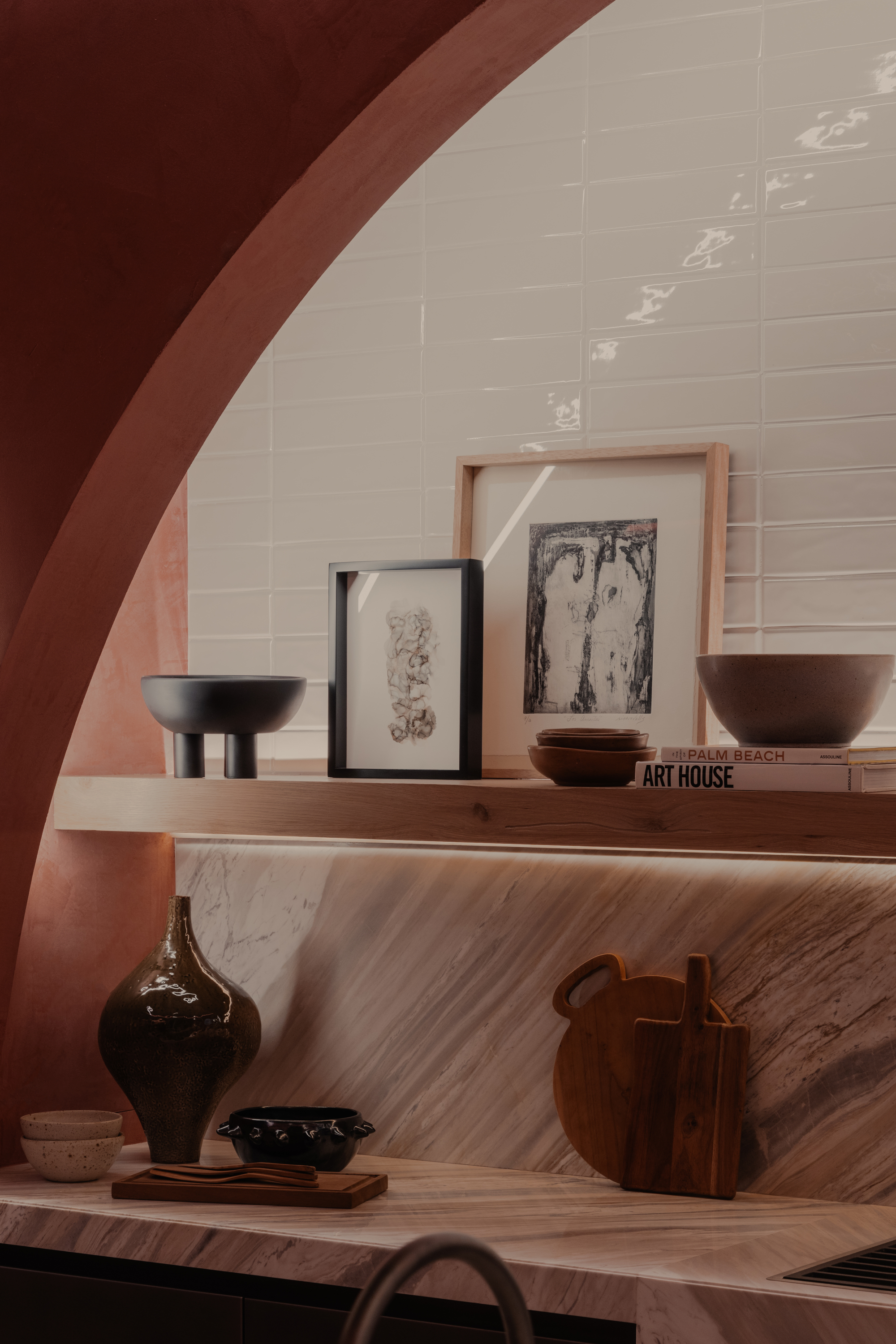
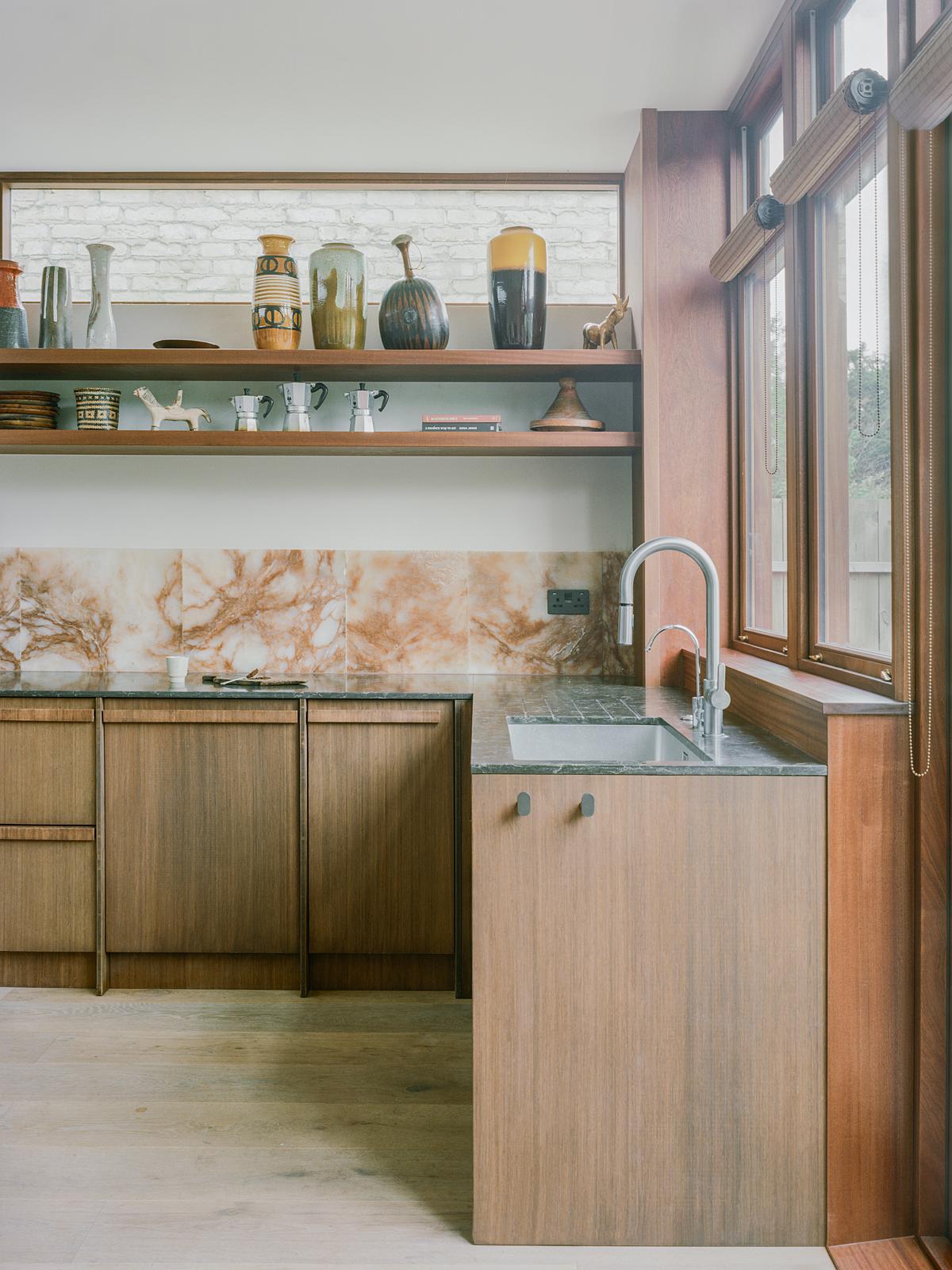
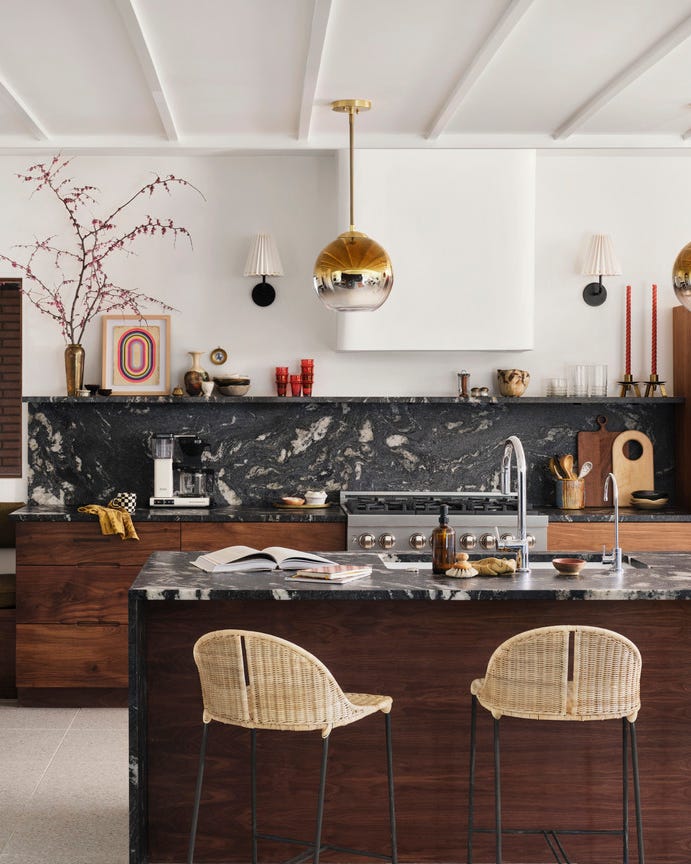
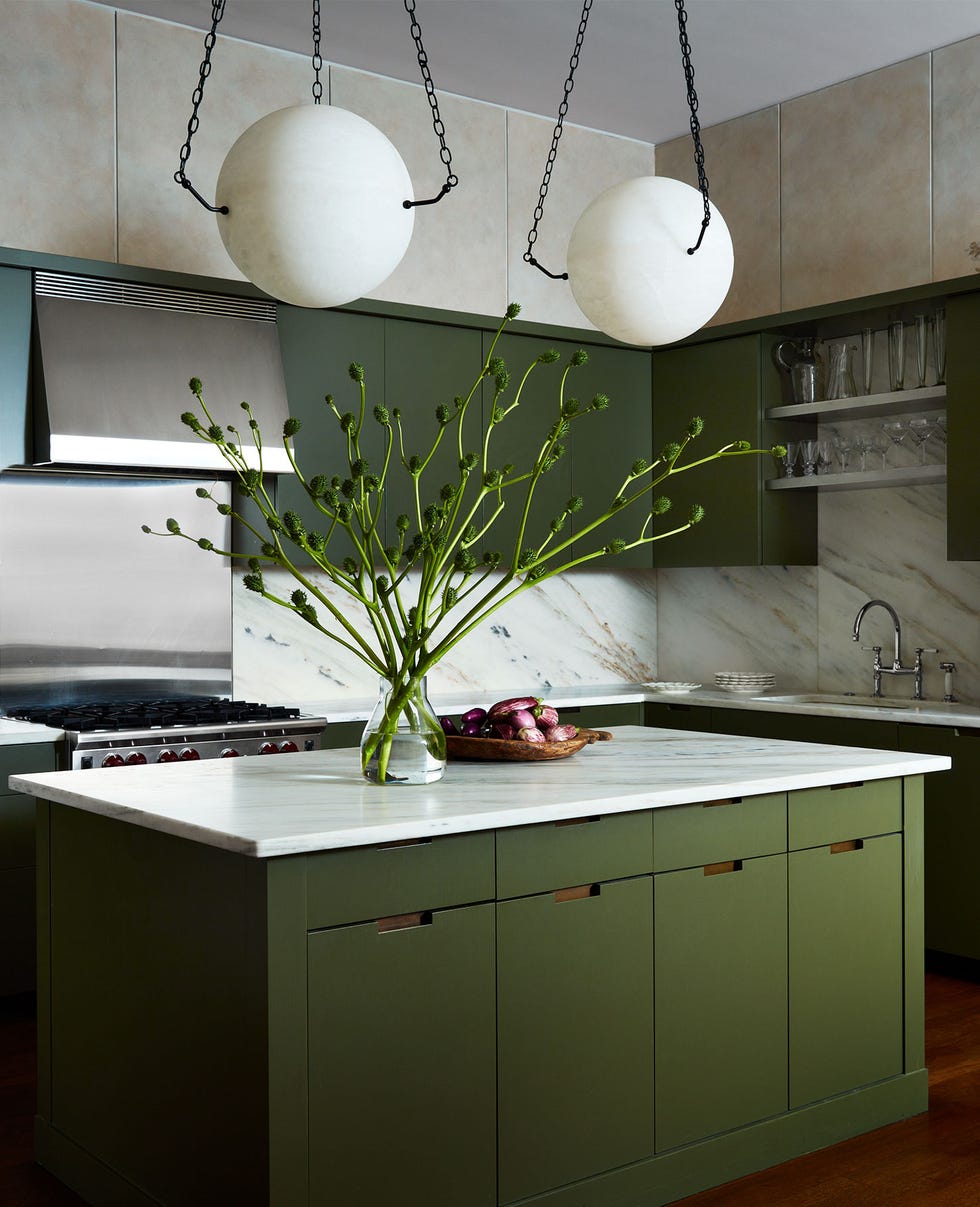
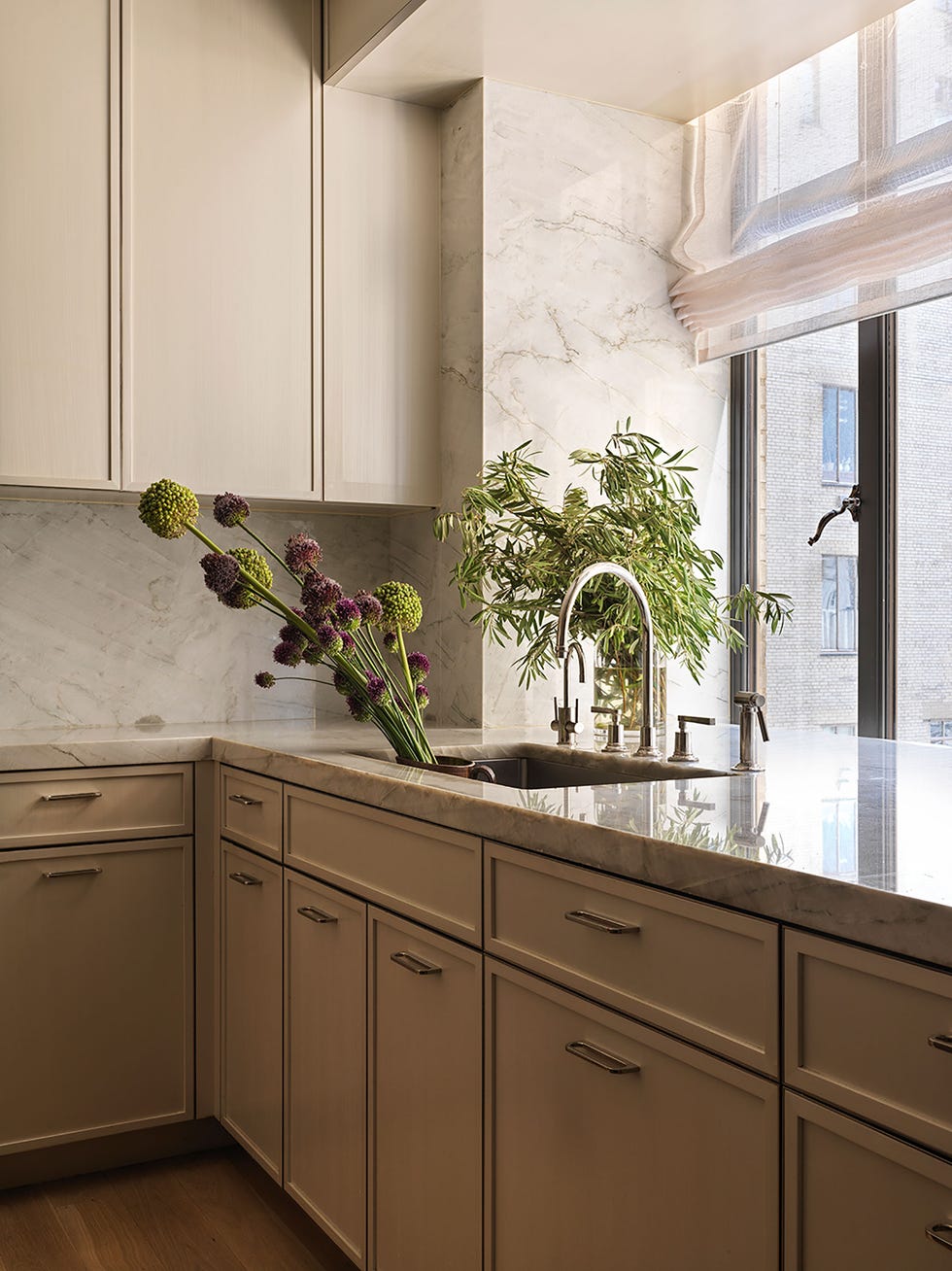
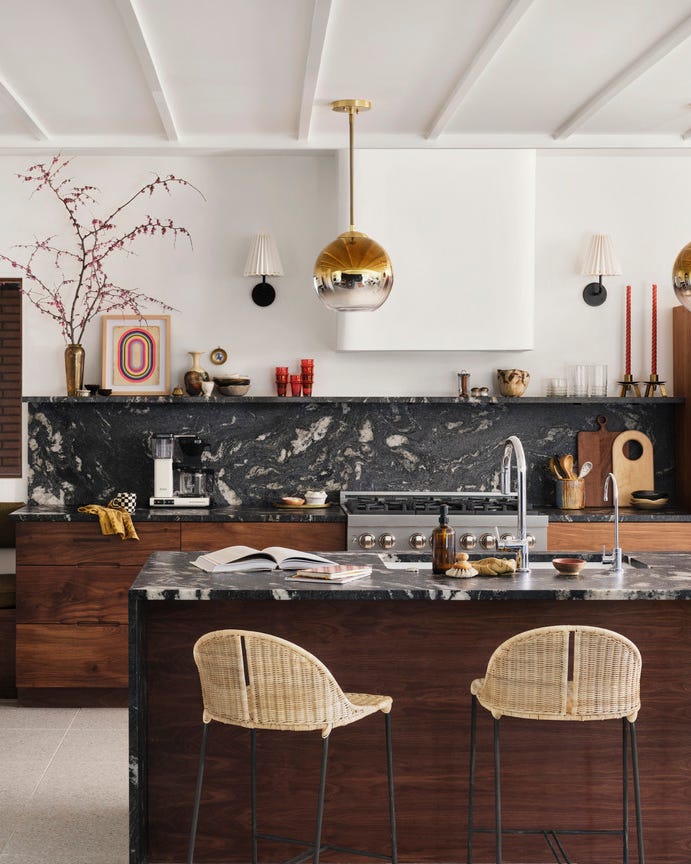
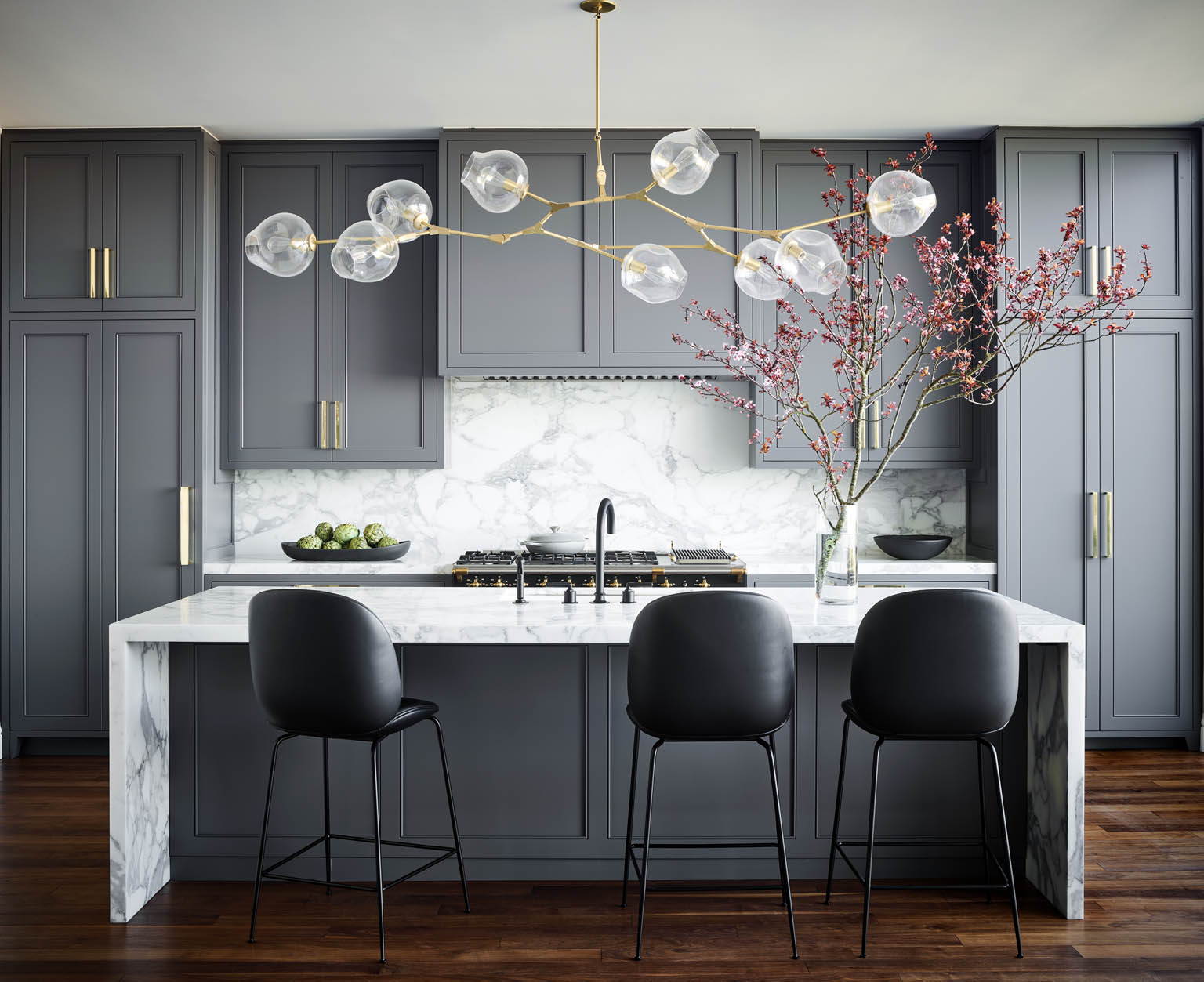
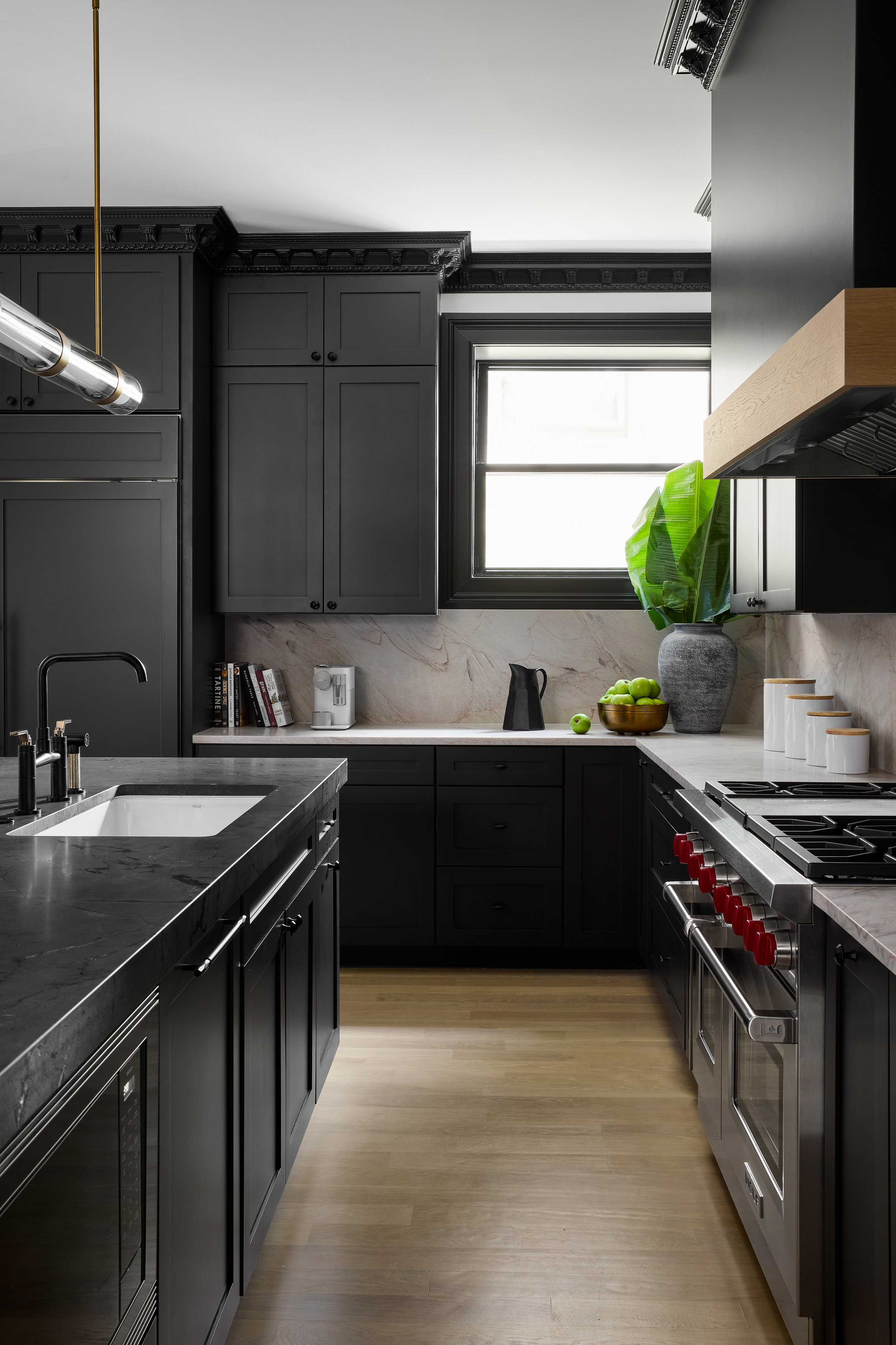
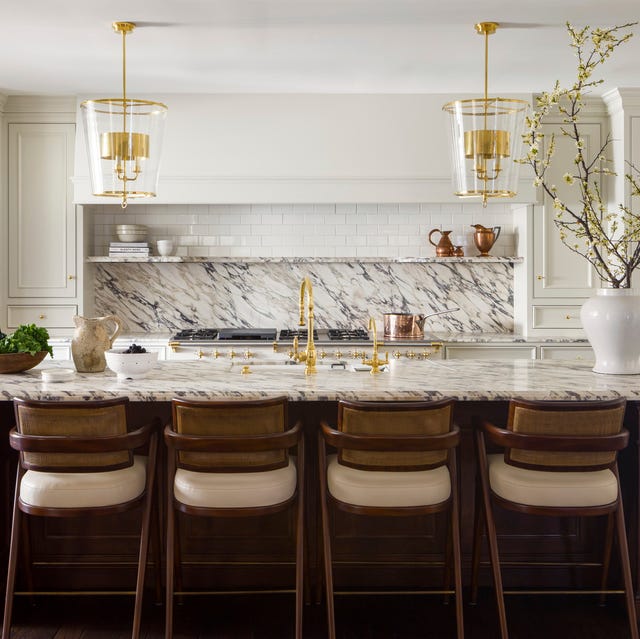
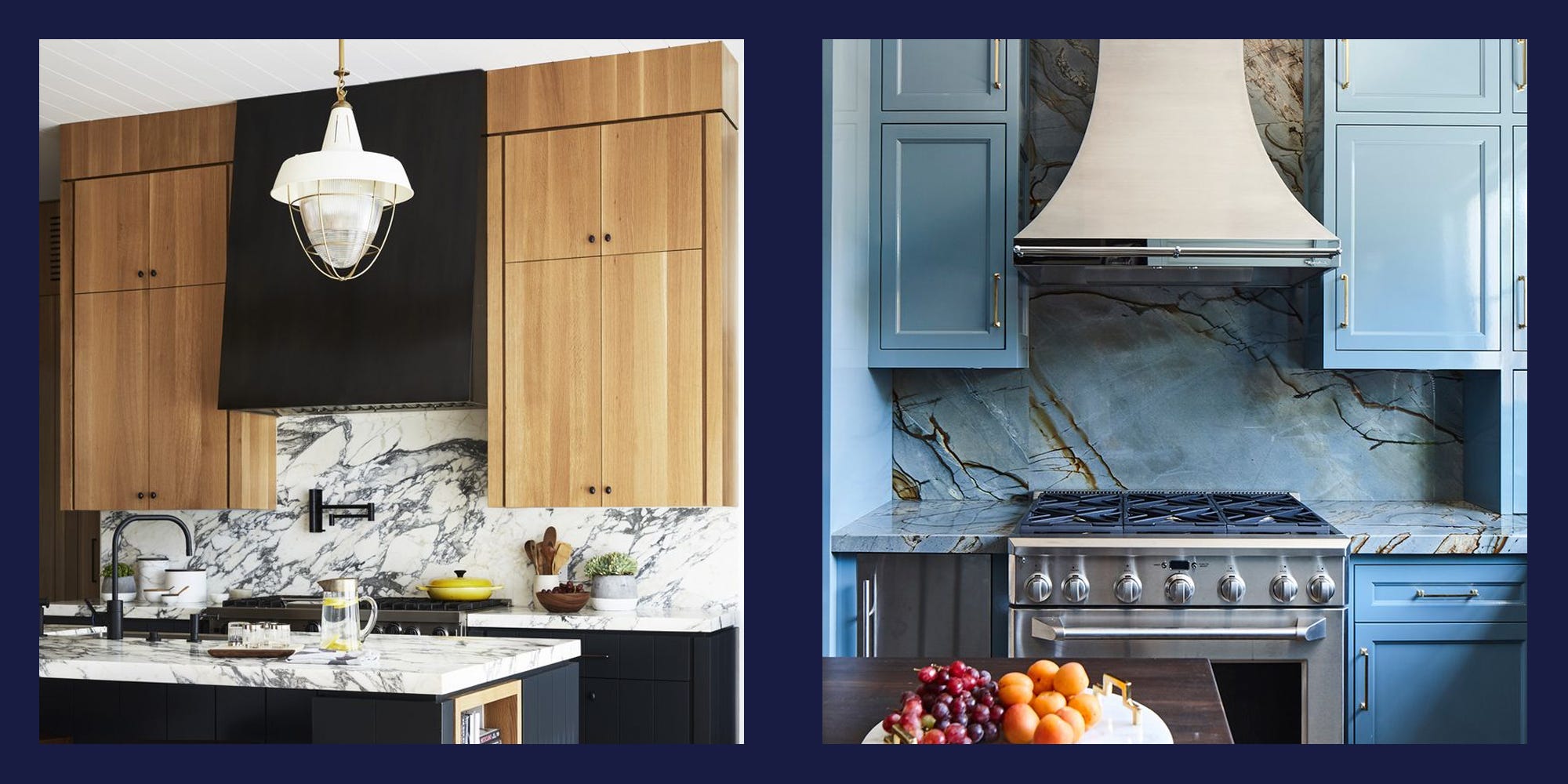
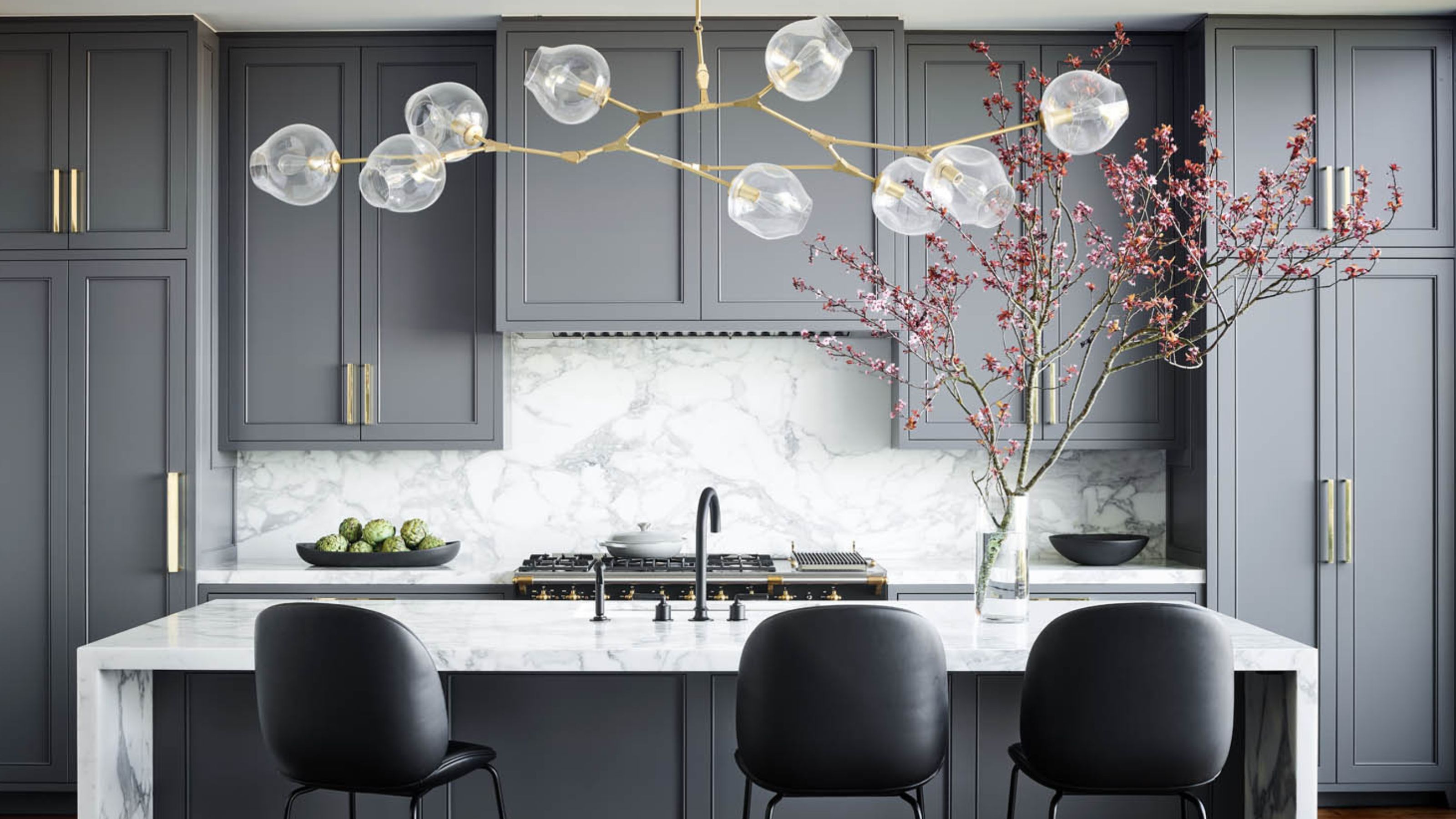
Quartz countertops, while popular for their uniform and unblemished appearance, are also beginning to fall out of favor. The artificial perfection of quartz is seen as lacking the natural character and aging qualities that contemporary design trends now emphasize. Designers are increasingly advocating for natural materials that develop a unique patina over time. Marble and soapstone are suggested as preferred alternatives because they age gracefully, adding warmth, character, and a sophisticated elegance to the kitchen environment. Soapstone, though a more recent trend for countertops, is valued for its soft texture, heat resistance, and inherent durability, despite being prone to scratches. Marble, on the other hand, is noted for its relative affordability compared to other premium materials and offers a diverse range of finishes, from warm Calacatta to cool Carrara and dramatic black options.
Laminate countertops are another material designers advise against for permanent kitchen installations. While recognized for their affordability and ease of installation, laminate's primary drawbacks include a lack of functionality and susceptibility to chipping. A significant practical concern with laminate is its repairability; damage often necessitates replacing an entire section, making it less ideal for high-traffic areas. This contrasts sharply with the durability and repair flexibility of natural stone options.
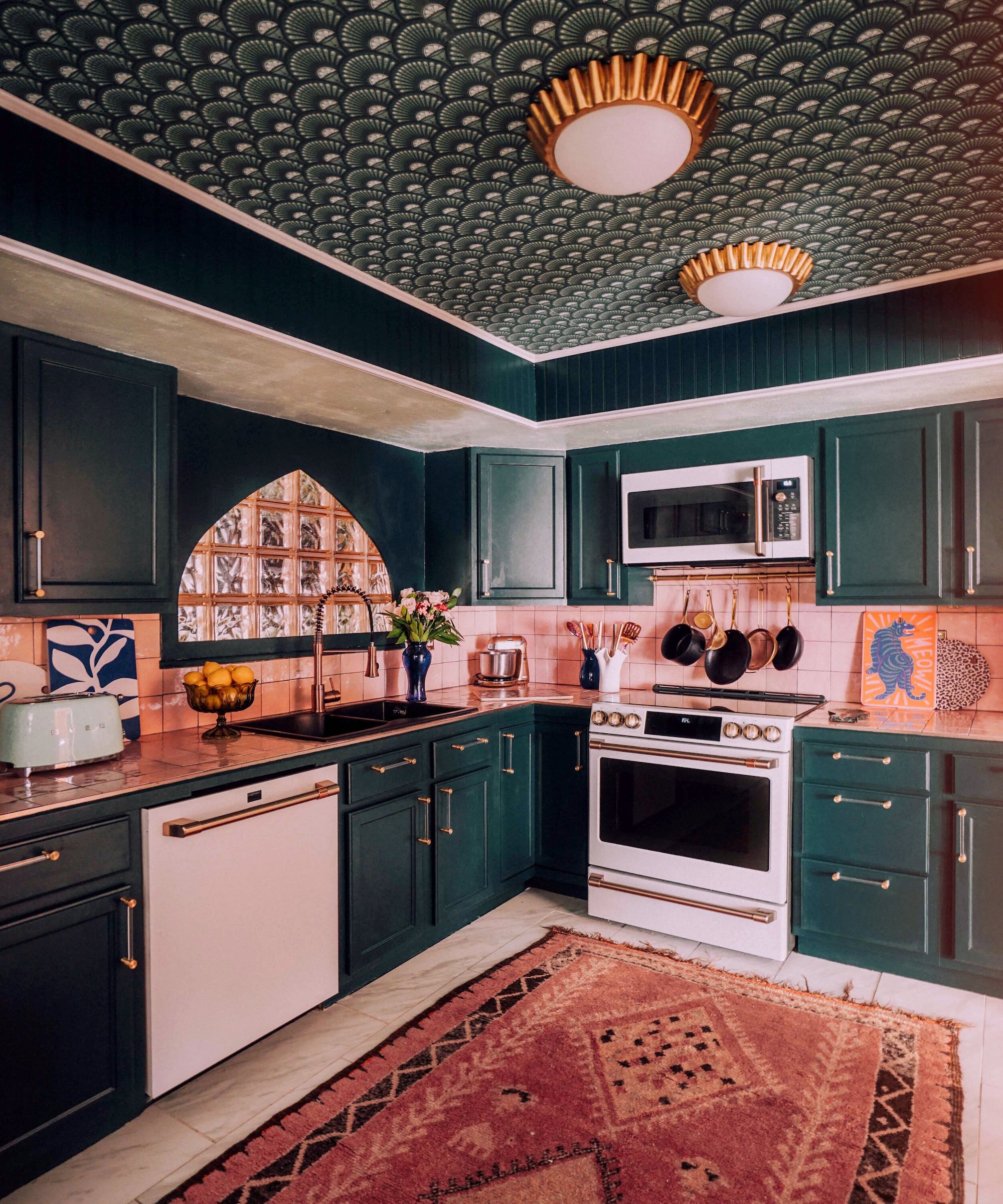
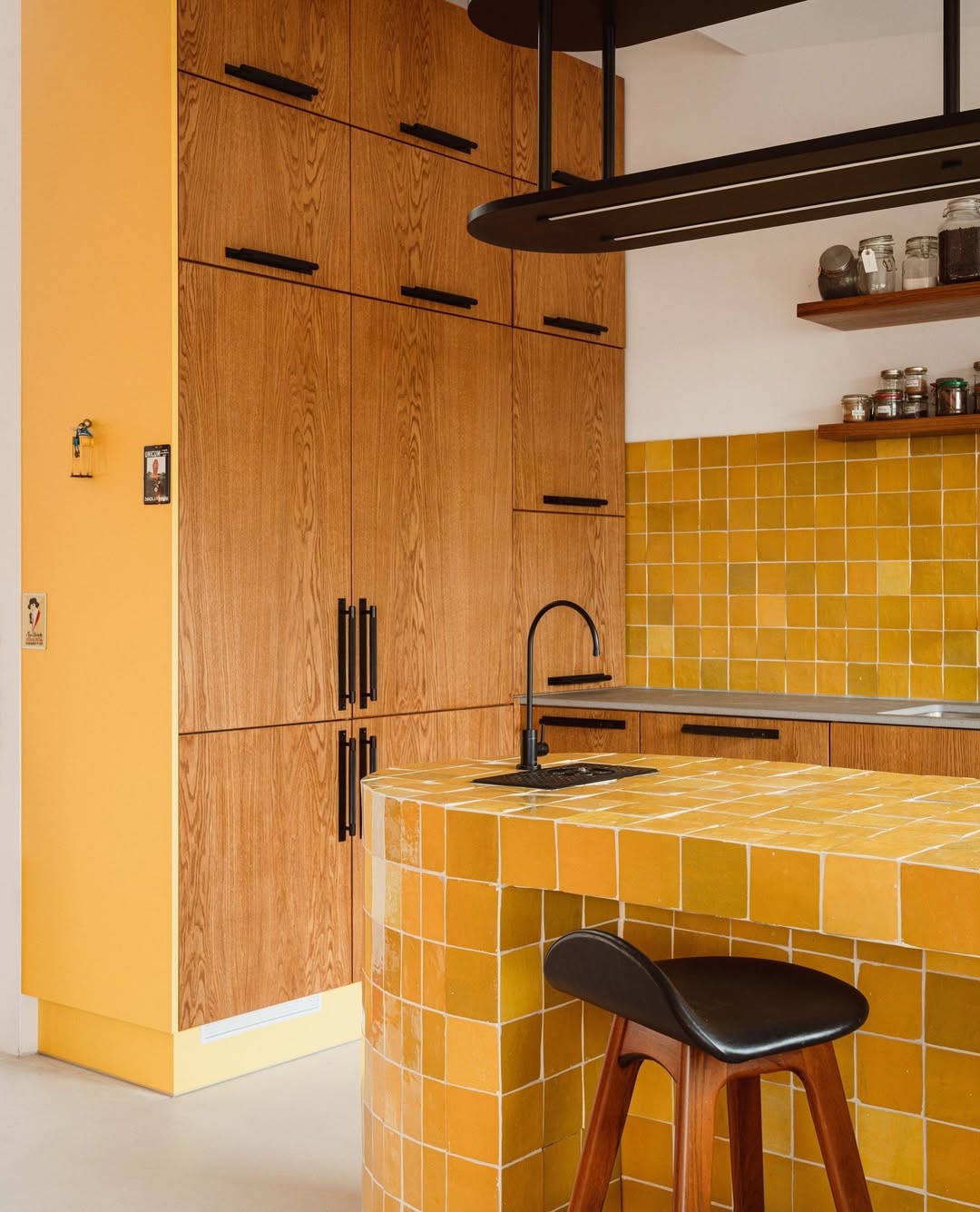
Ceramic tile countertops are also considered unsuitable for modern kitchens, despite ceramic being a common flooring material. The main issue with ceramic tiles in a kitchen setting is the grout, which is difficult to maintain and clean, particularly in an area subjected to daily wear and tear from food preparation. The accumulation of dirt and grime in grout lines can quickly make the countertop appear unhygienic and dated. To address these concerns, designers recommend seamless, low-maintenance surfaces that can withstand the demands of a busy kitchen. Marble and soapstone are again presented as superior alternatives, capable of enduring constant use while retaining their aesthetic appeal over time.
In essence, the prevailing design philosophy for kitchen countertops leans towards natural materials that offer both enduring beauty and practical functionality. The move away from materials like granite, quartz, laminate, and ceramic tile reflects a desire for kitchens that are not only stylish but also durable, easy to maintain, and capable of developing character through natural aging processes.
#KitchenDesign #CountertopTrends #InteriorDesign #HomeDecor #KitchenRemodel #MaterialSelection #GraniteAlternatives #NaturalStone #KitchenDesign #CountertopTrends #InteriorDesign #HomeDecor #KitchenRemodel #MaterialSelection #GraniteAlternatives #NaturalStone
0 comment in total
 No comments yet
You may also like
7 kitchen countertop color ideas designers say "will infuse your kitchen with tons of personality

The Kitchen Colors Designers Call “Forever Favorites”

5 Kitchen Paint Color Trends to Watch in 2024

Designers say the key to kitchen paint colors in 2024 is to go bold

4 Kitchen Countertop Materials About to Make a Comeback

5 kitchen cabinet colors interior designers are avoiding for 2024 - and the shades they're picking instead

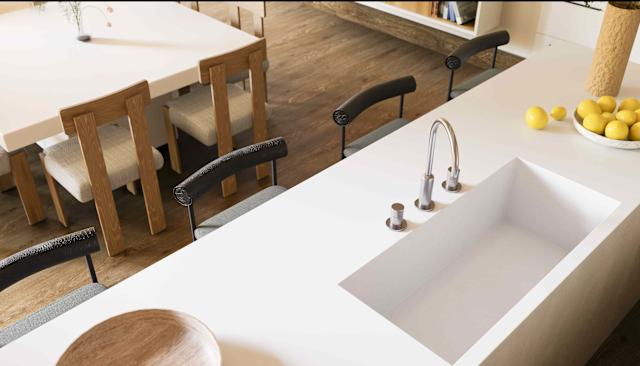
6 Kitchen Countertop Colors That Make Your Home Look Outdated

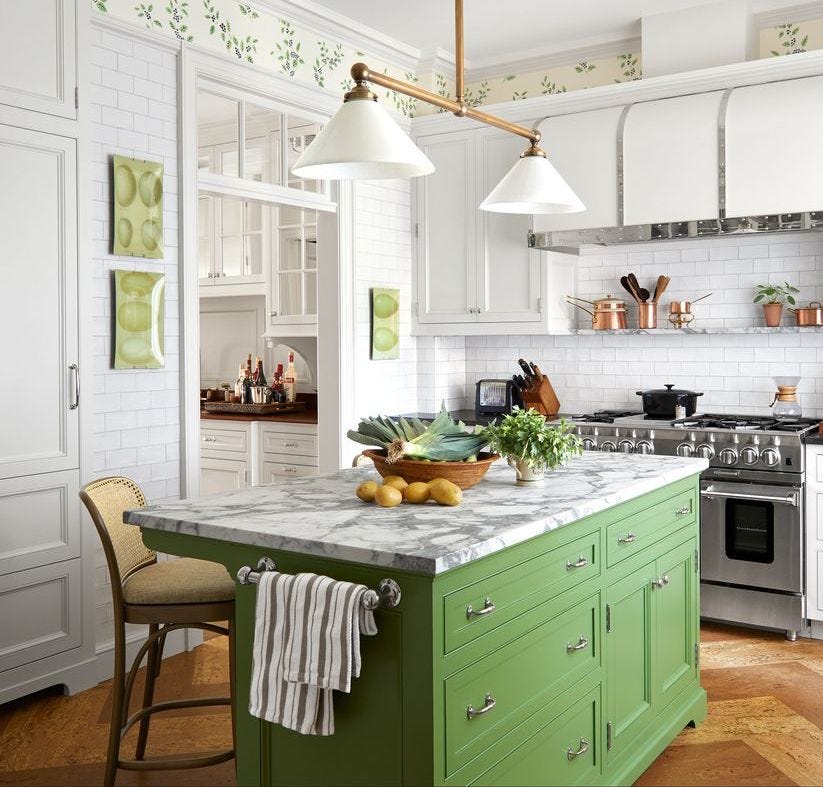
It’s Official: These are the Best Kitchen Paint Colors, According to Designers
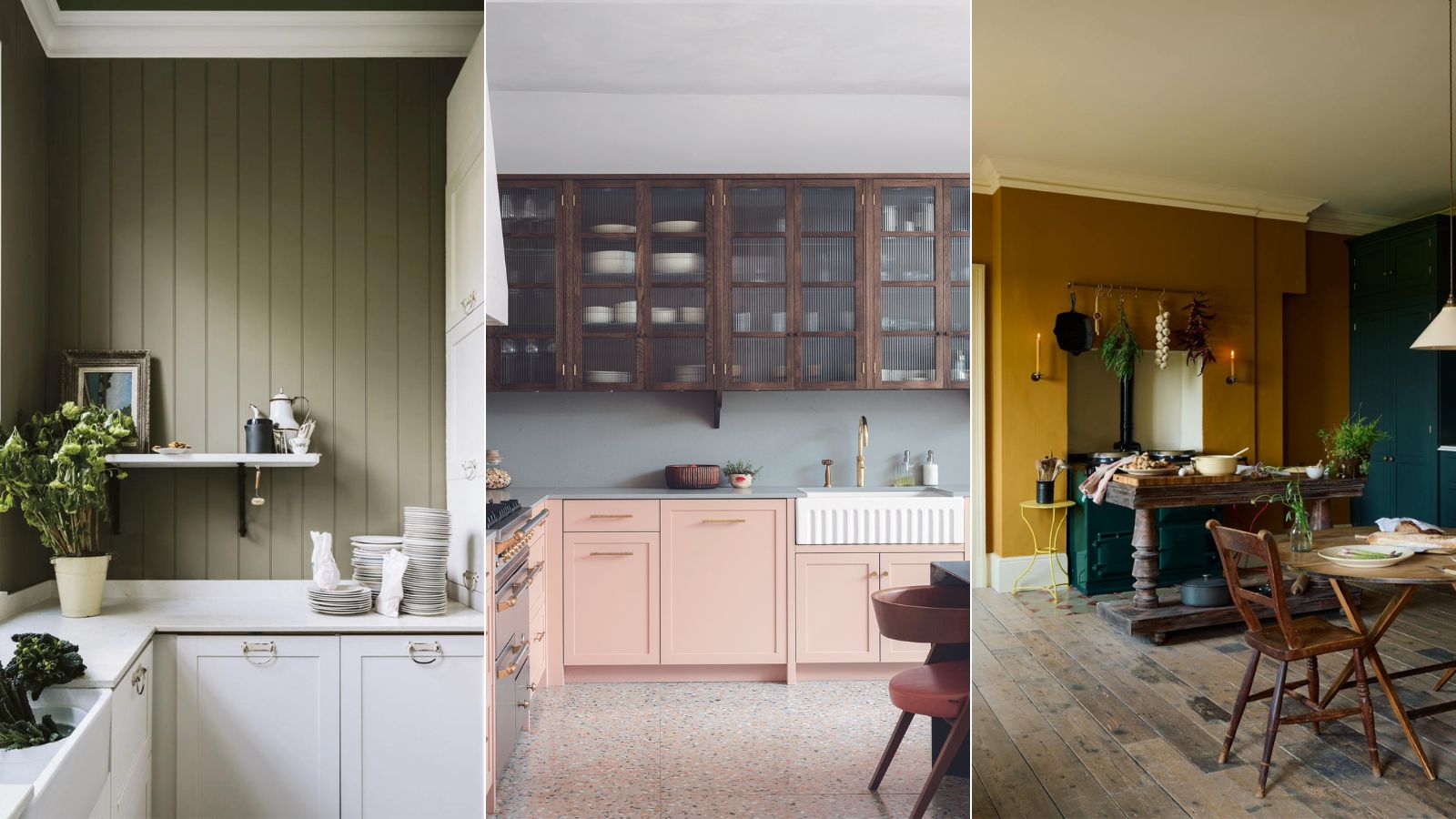
5 outdated kitchen cabinet color trends to avoid if you don't want your kitchen to look unfashionable, say designers

We Asked Designers Which Countertop Colors Instantly Make a Kitchen Look Tacky—And They Chose These 5
5 fail-safe kitchen cabinet color combinations that always work
10 Trendy Kitchen Cabinet Colors You Should Try In 2025
We Asked Designers for the Countertop Colors That Instantly Upgrade a Kitchen—And They Chose These 4

These Kitchen Paint Colors Will Be Everywhere in 2025
Five Mistakes People Make When Selecting Kitchen Cabinets—and How to Avoid Them
These kitchen paint colours will be everywhere in 2025 – and there's even one for neutral lovers
16 Designer-Approved Kitchen Color Schemes You’ll Want to Steal
Top Designers Say These Kitchen Trends are Long-Lasting
What Kitchen Color Should I Choose? 12 Ideas That Feel Right for Schemes in 2025
7 Kitchen Trends That Will Never Go Out of Style