
From Venice to Vanderbilts: A Brief History of Terrazzo
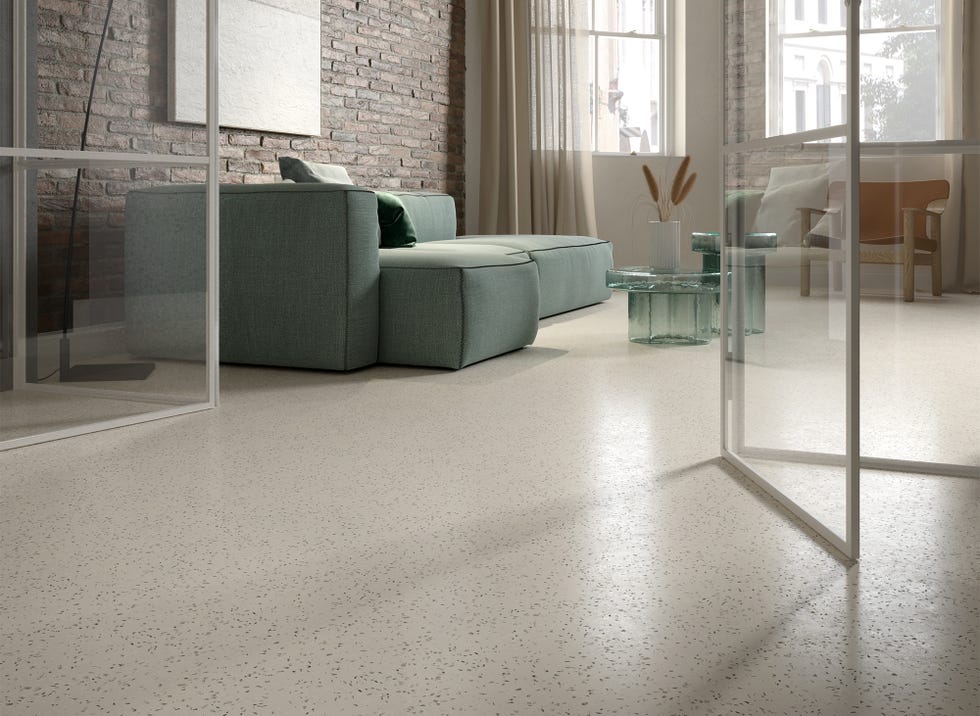
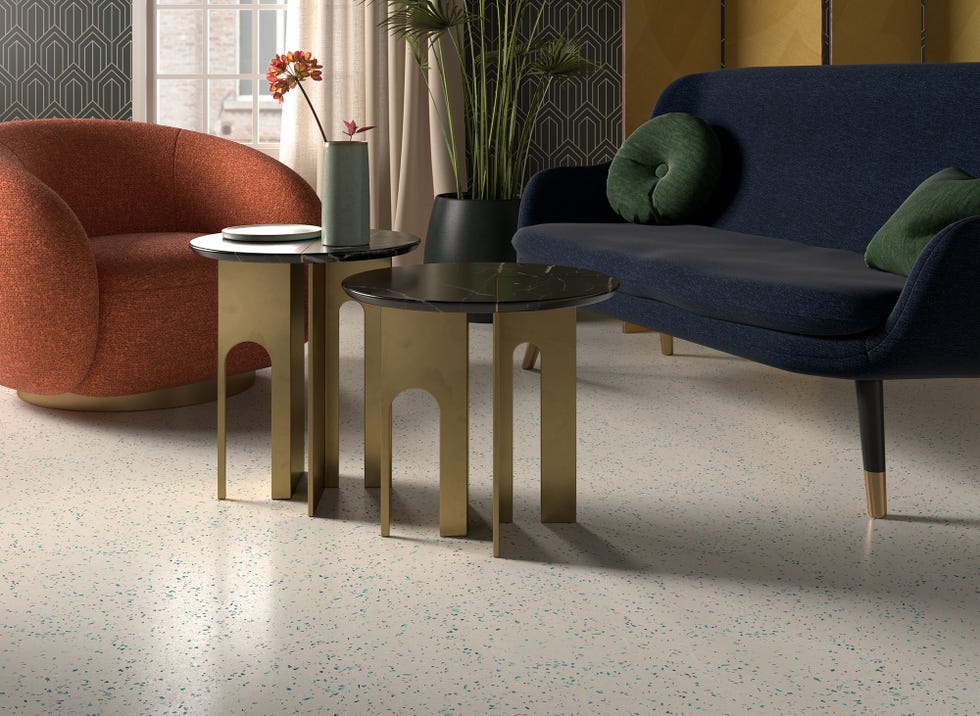
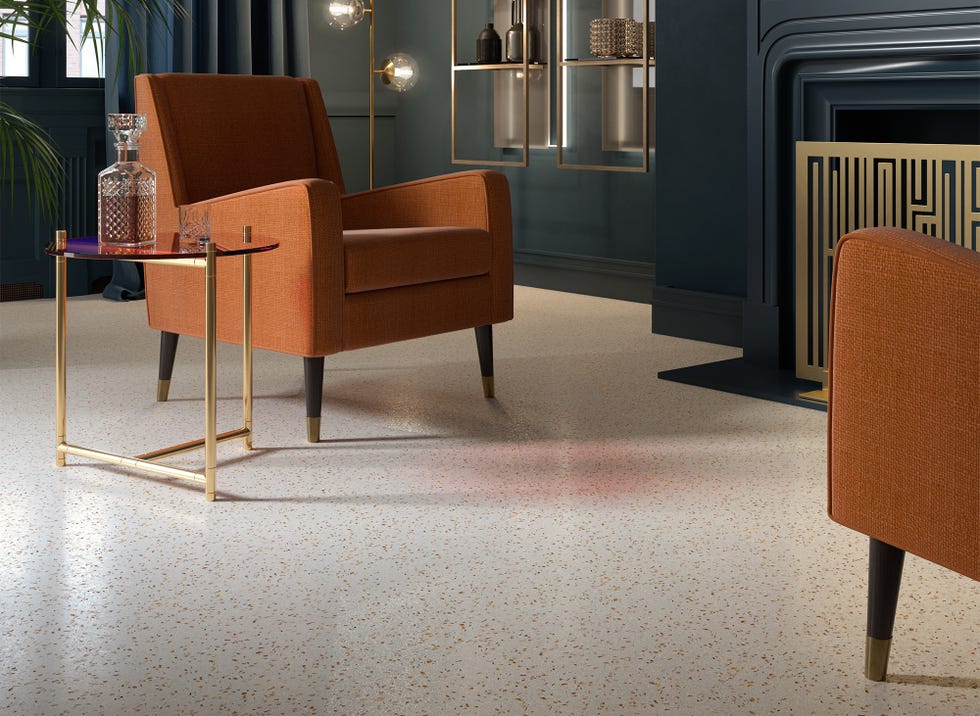
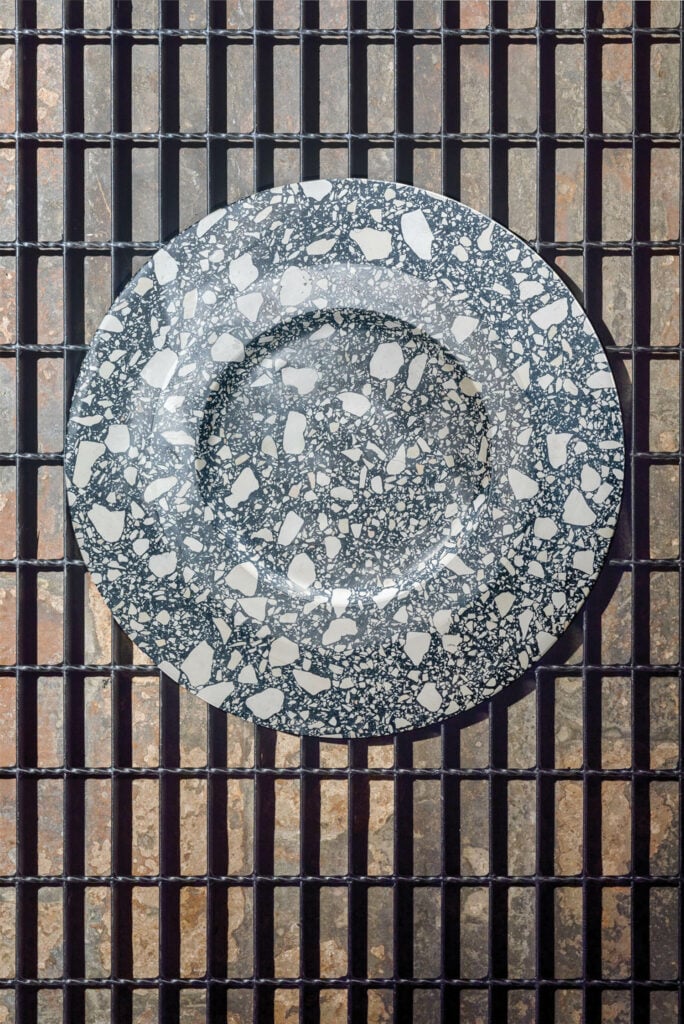
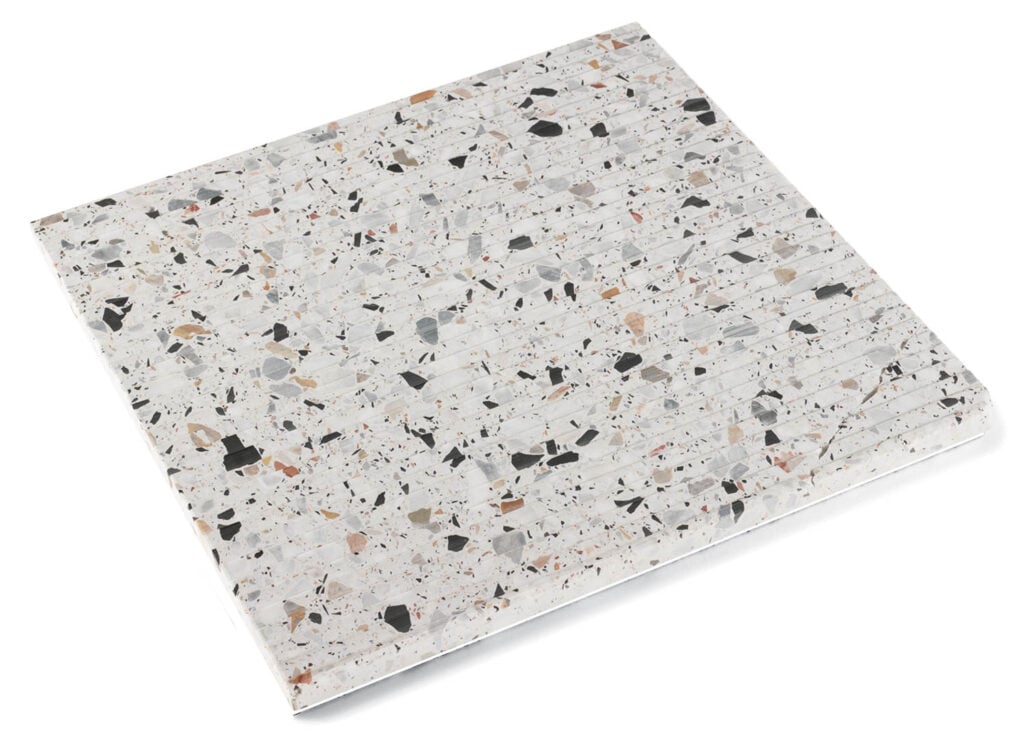
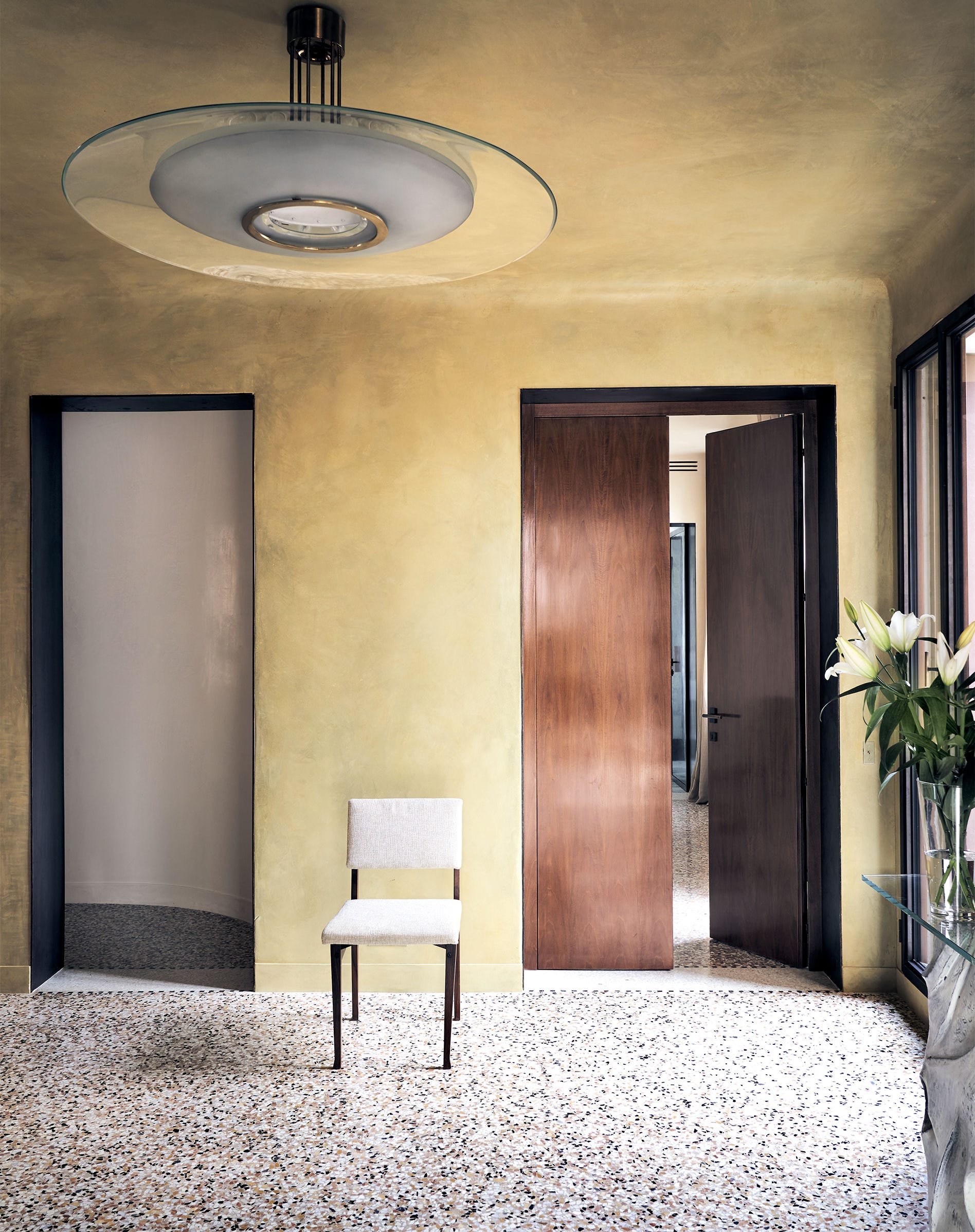
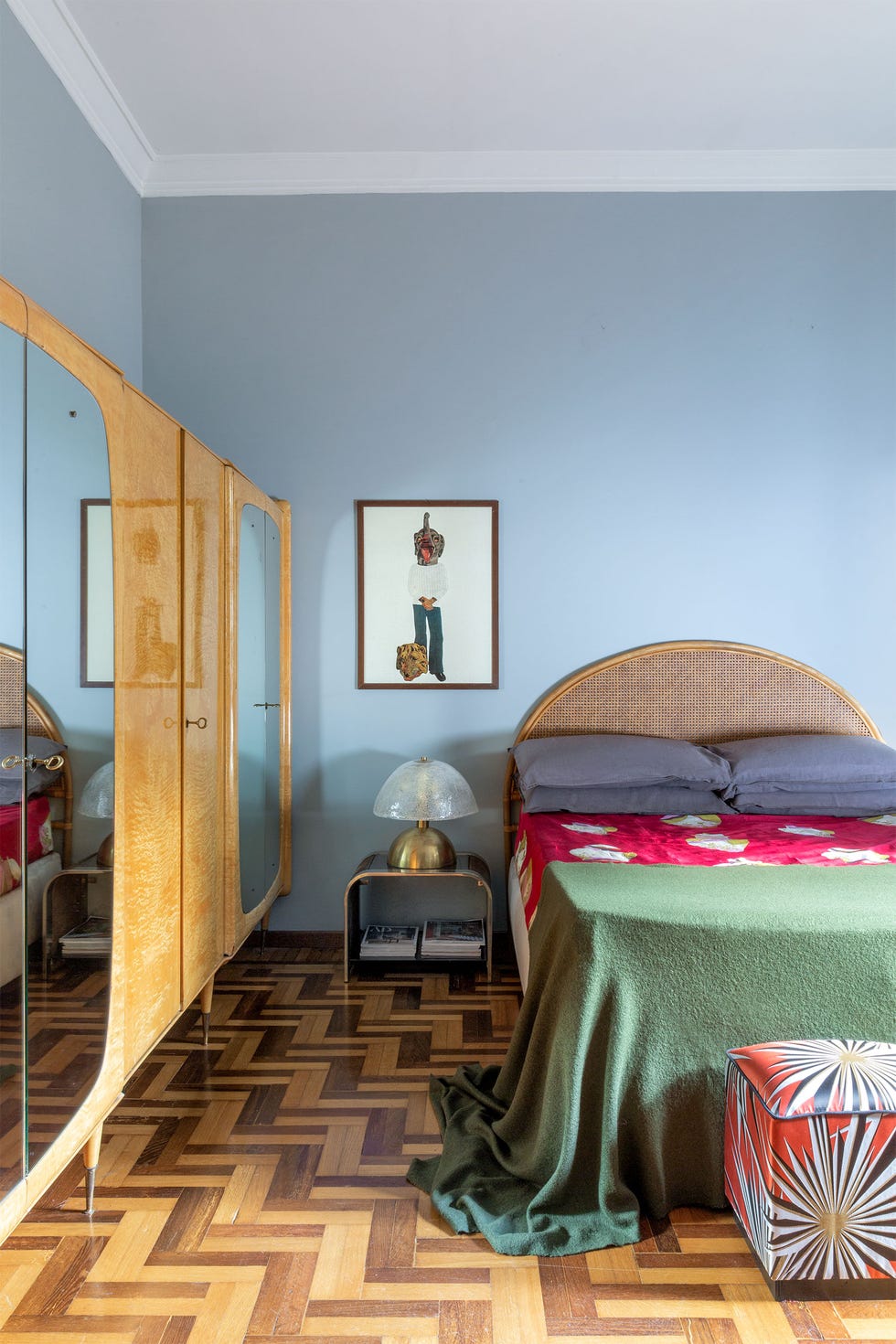
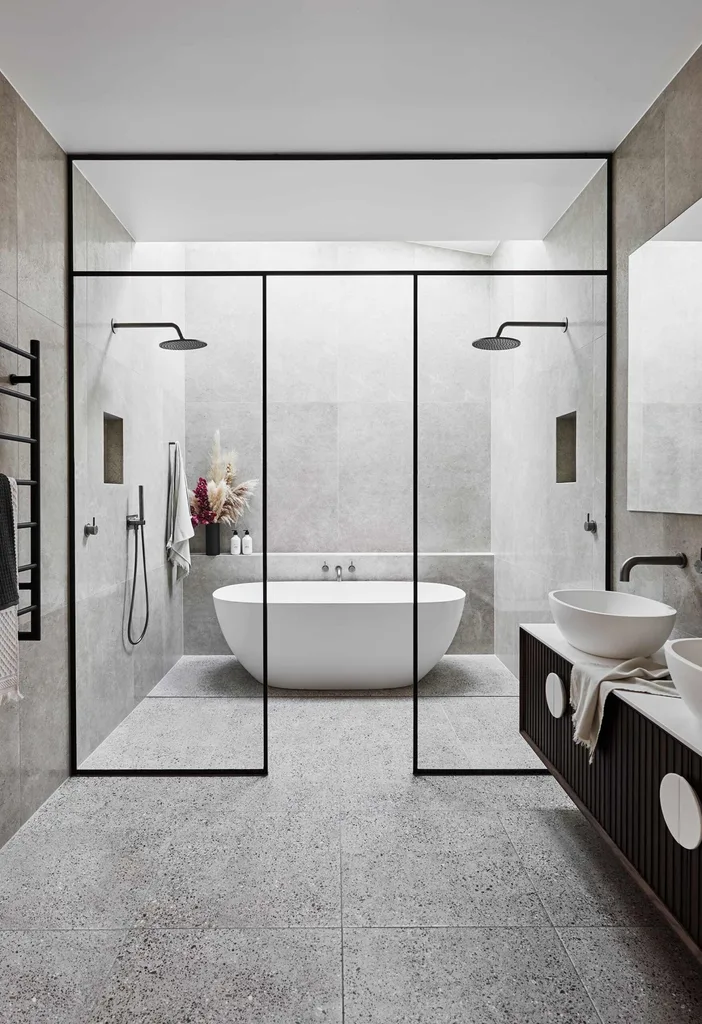
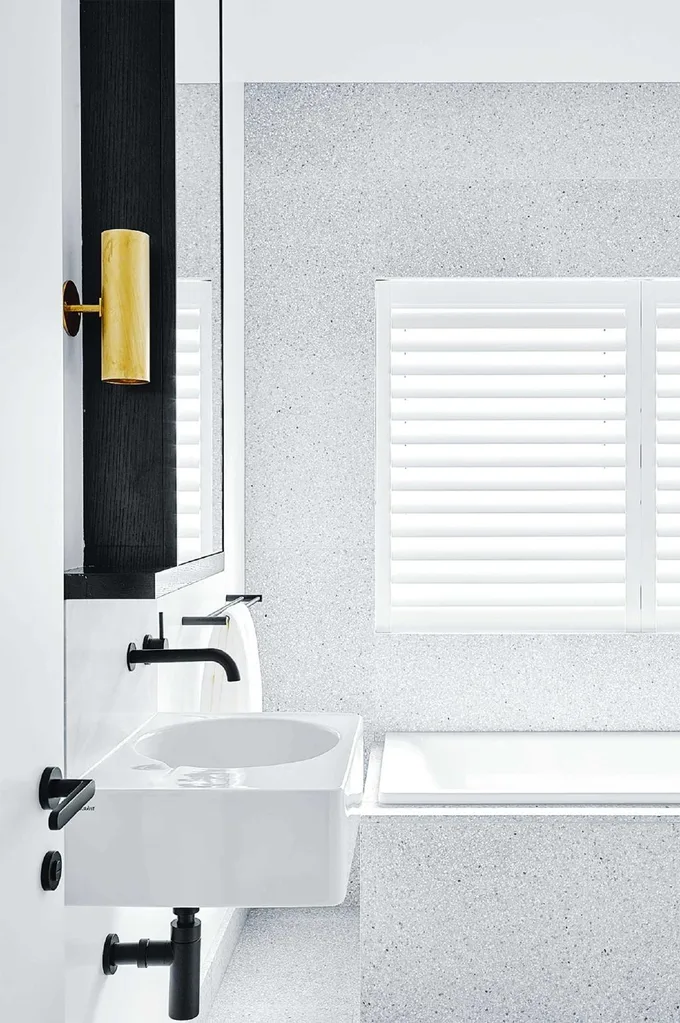
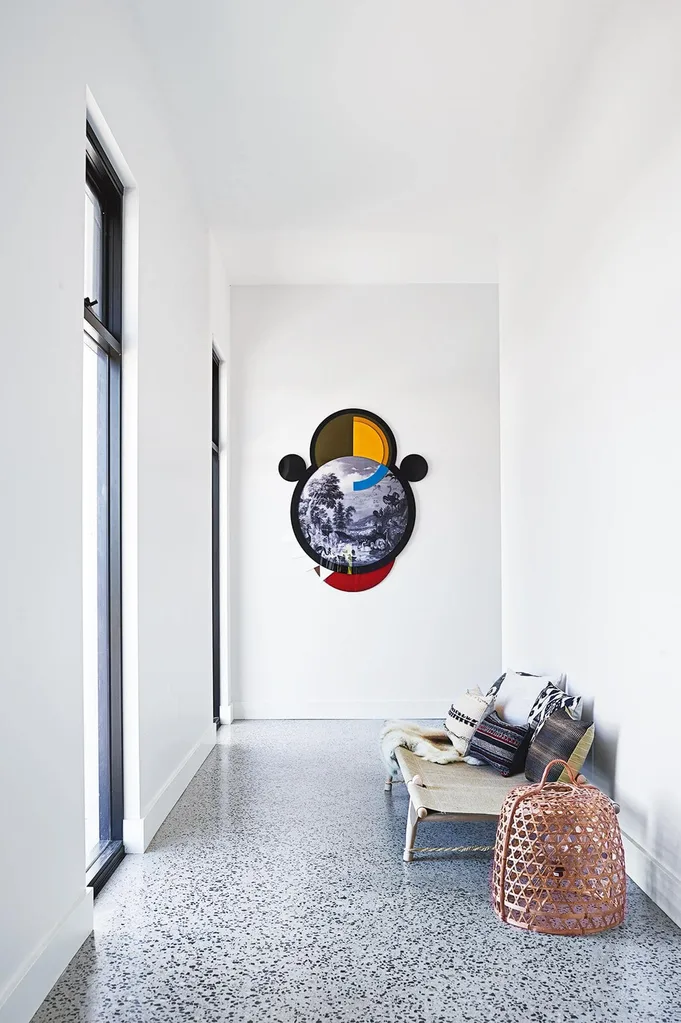
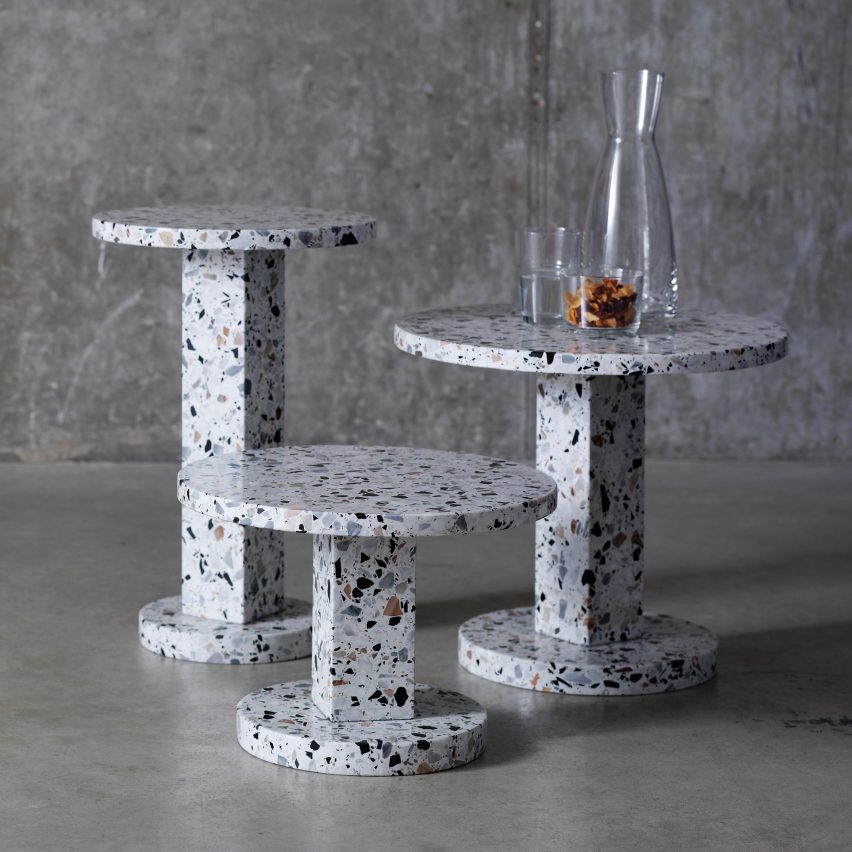
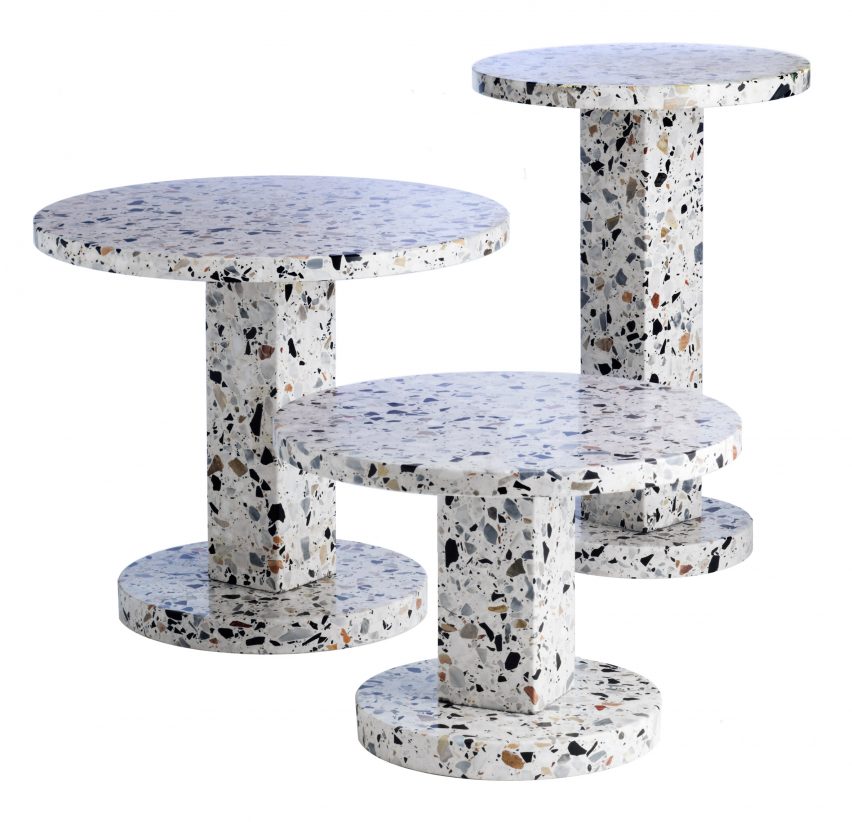
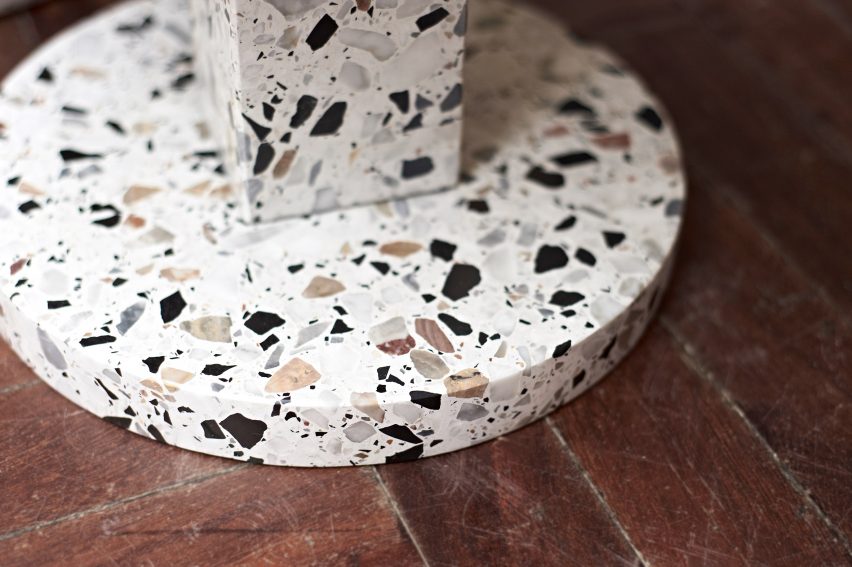
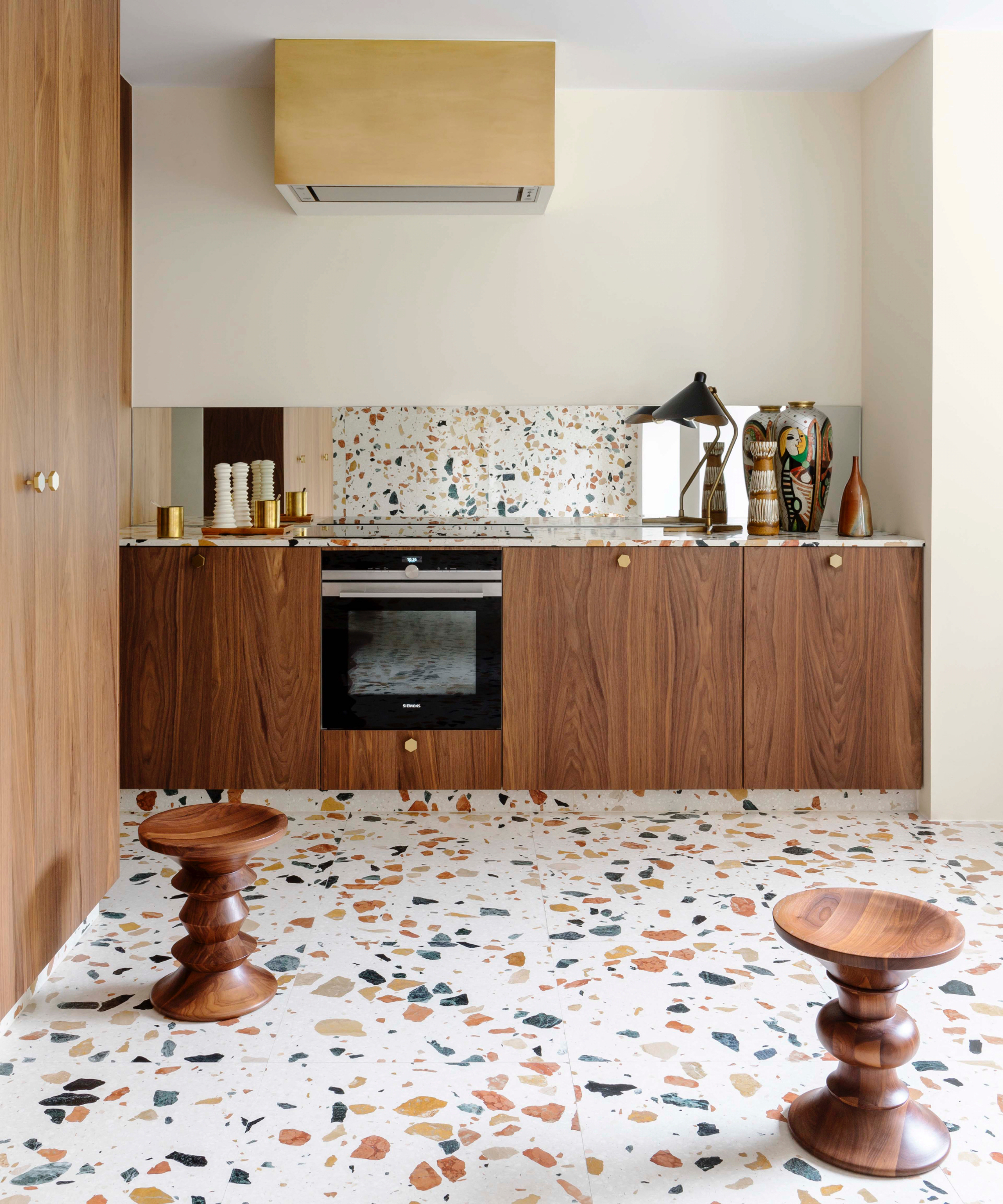
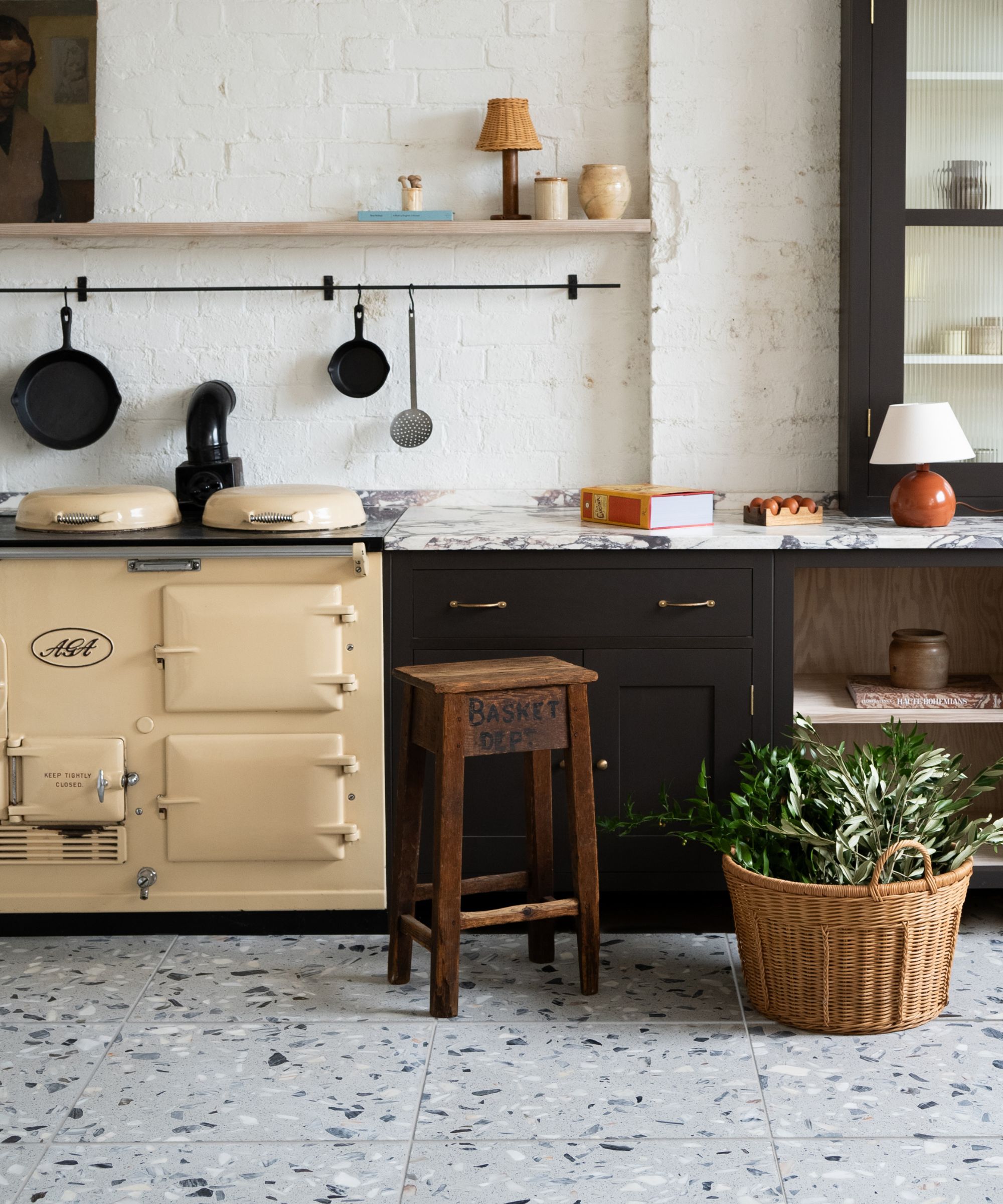
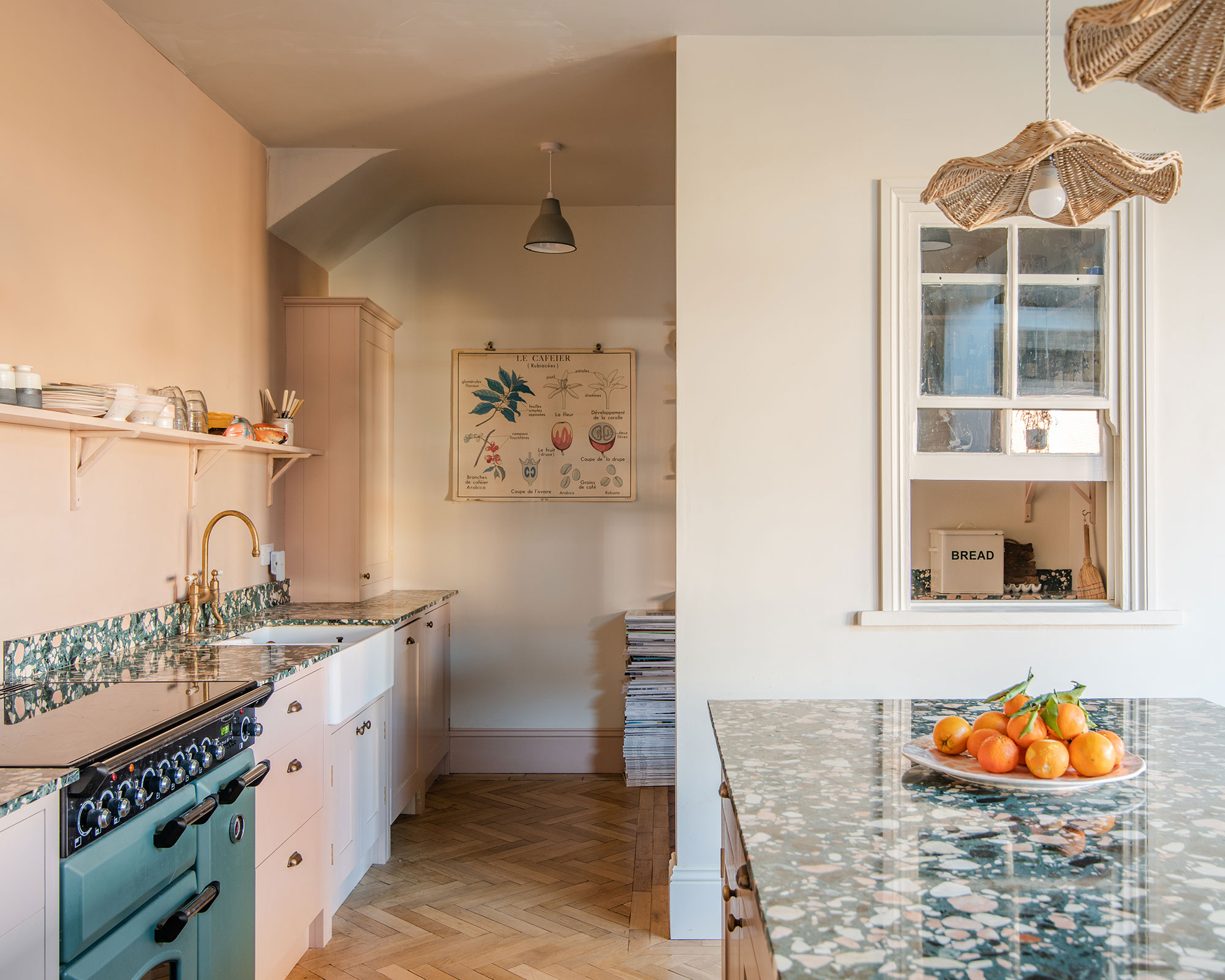
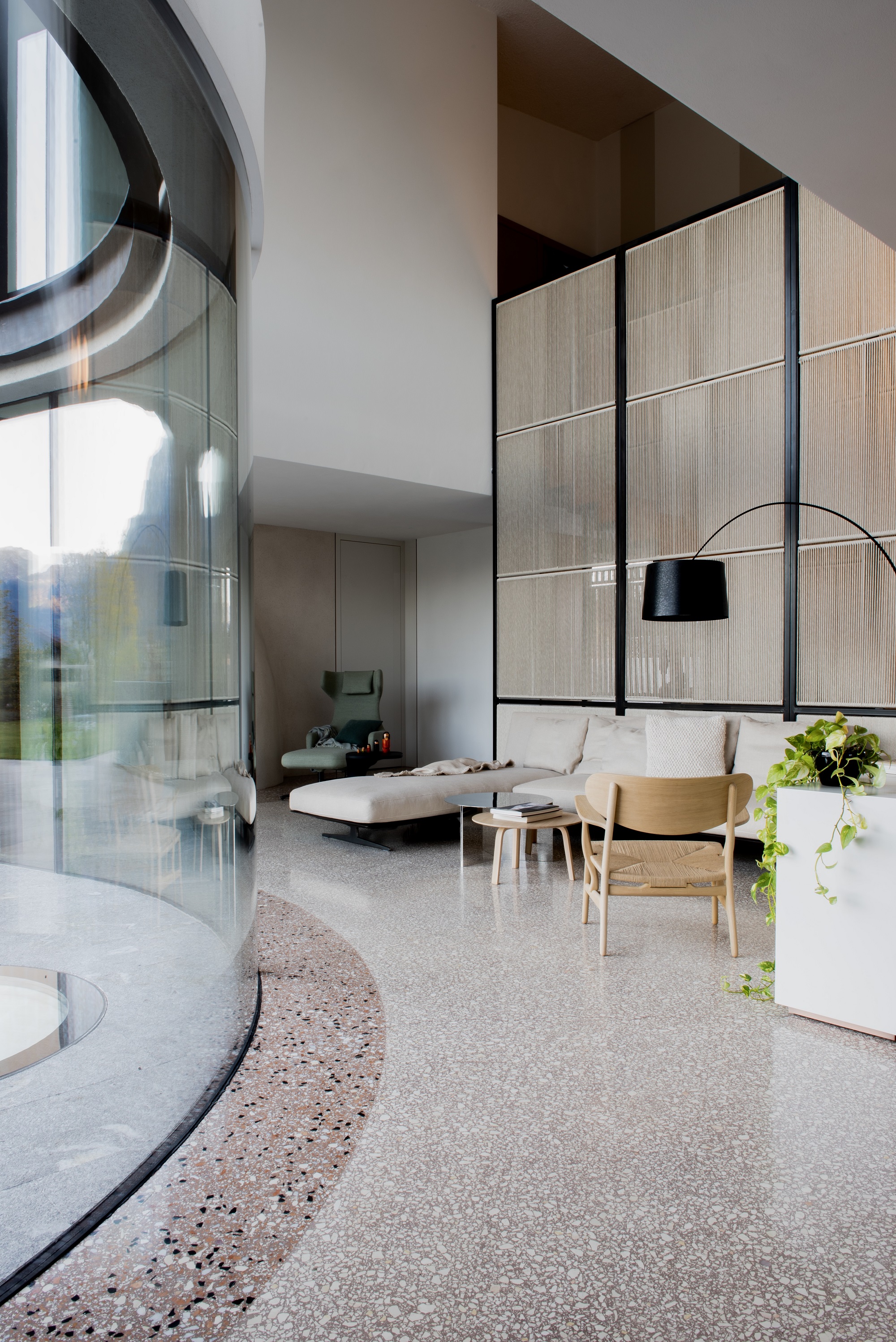
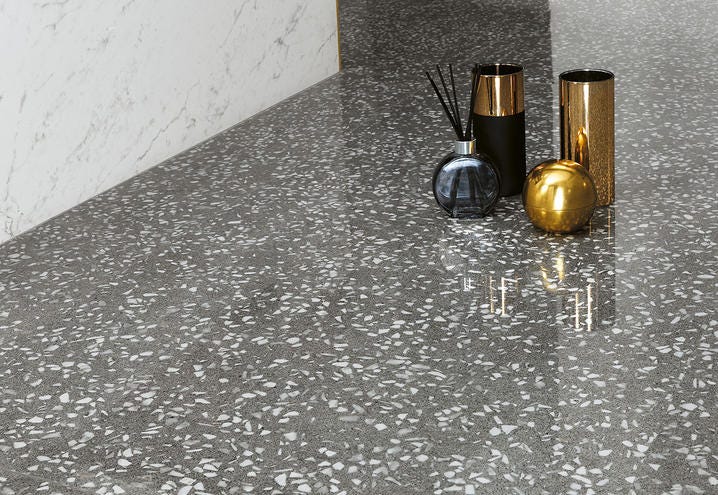
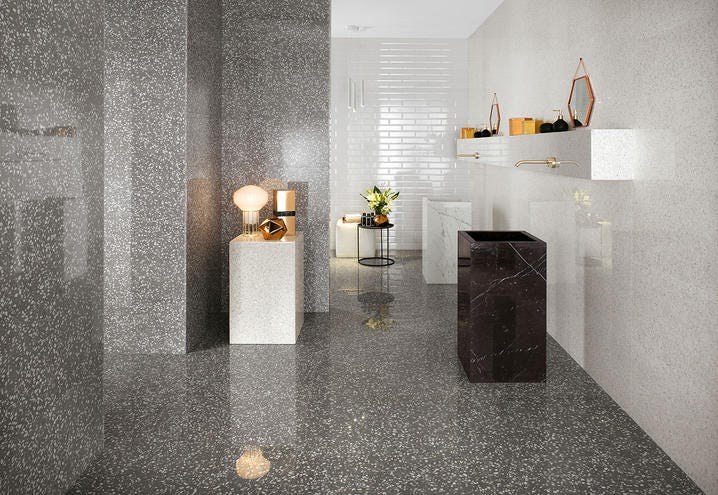
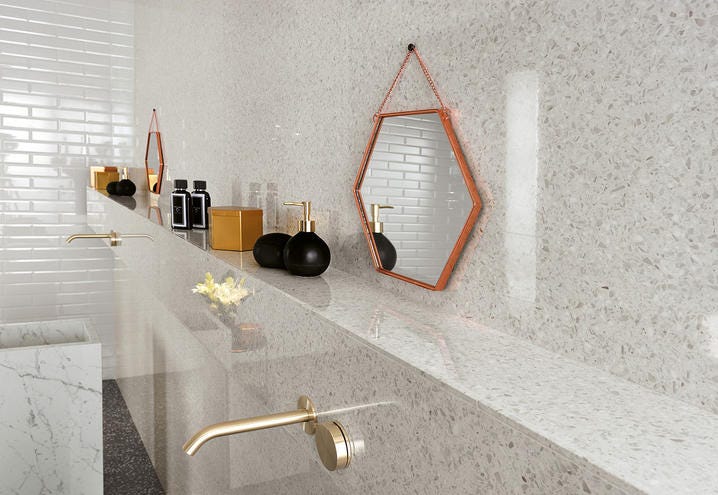
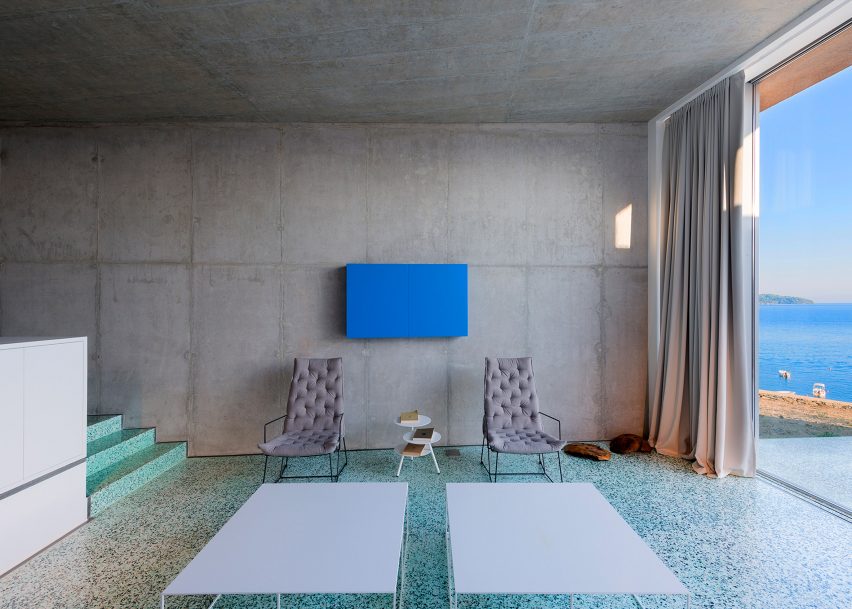
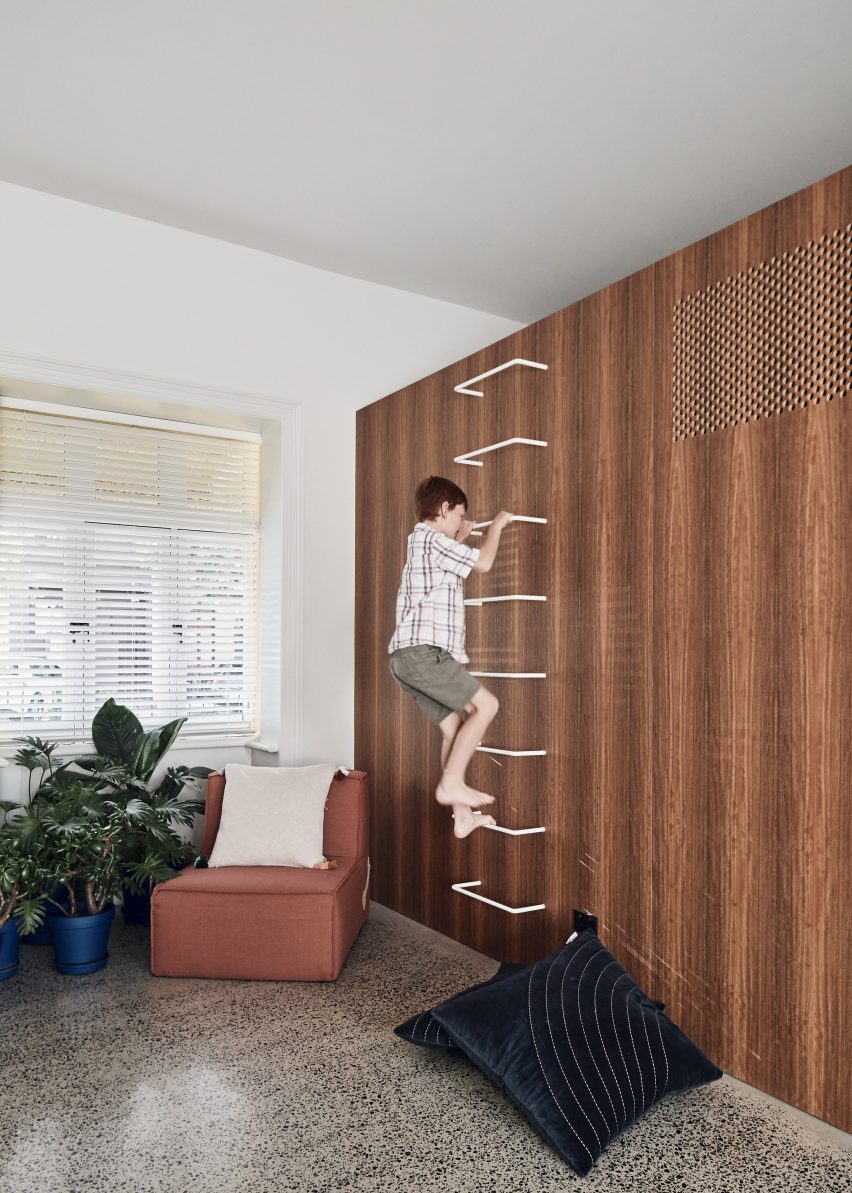
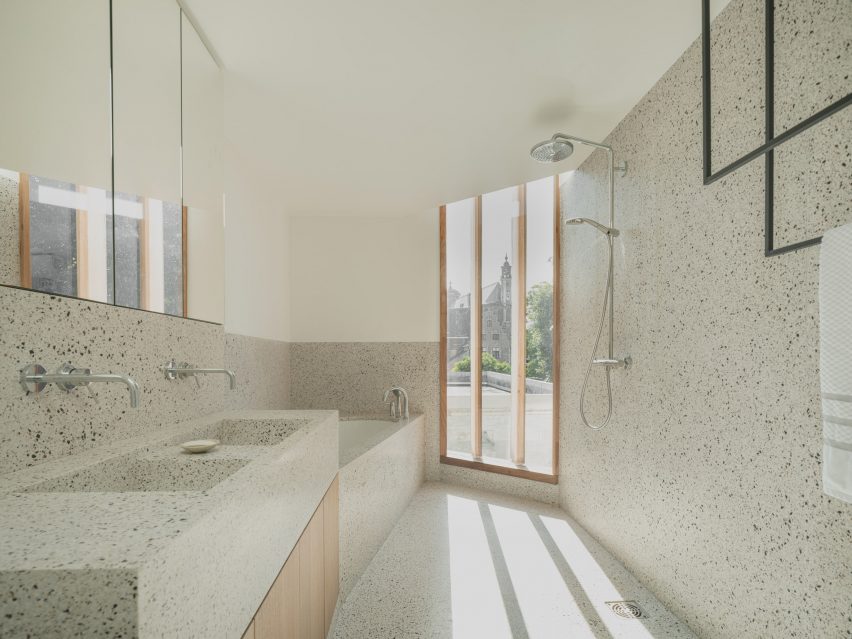
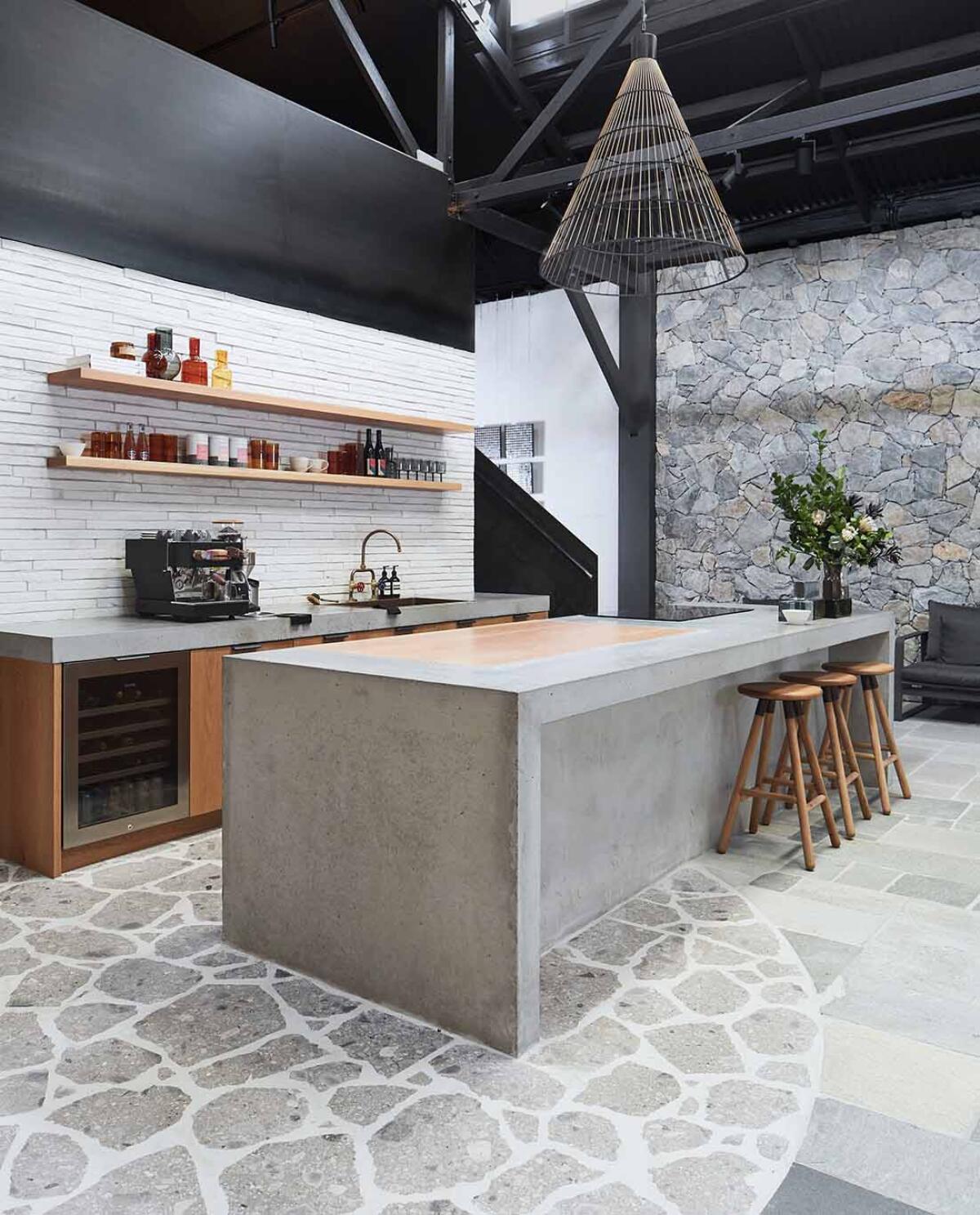
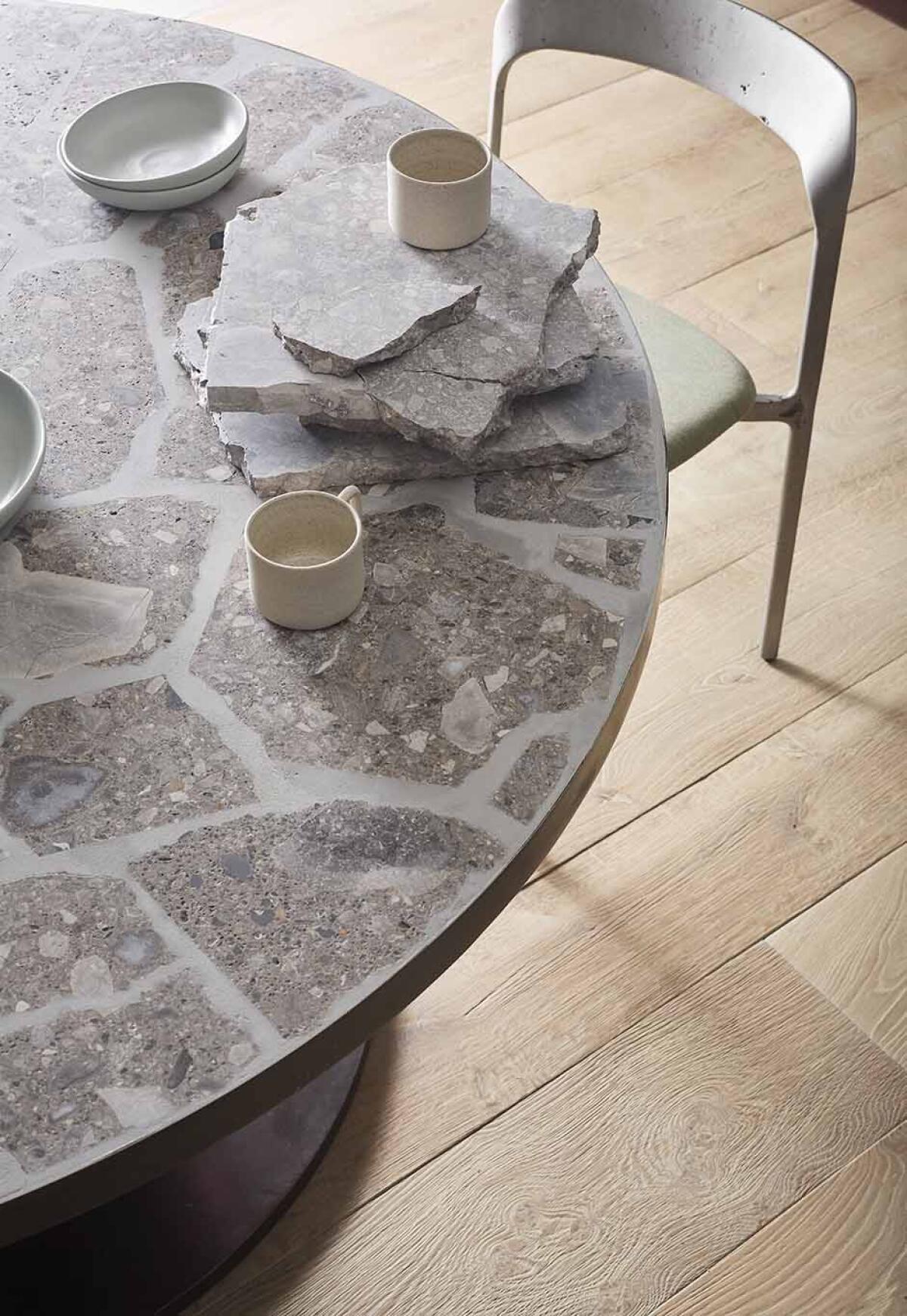
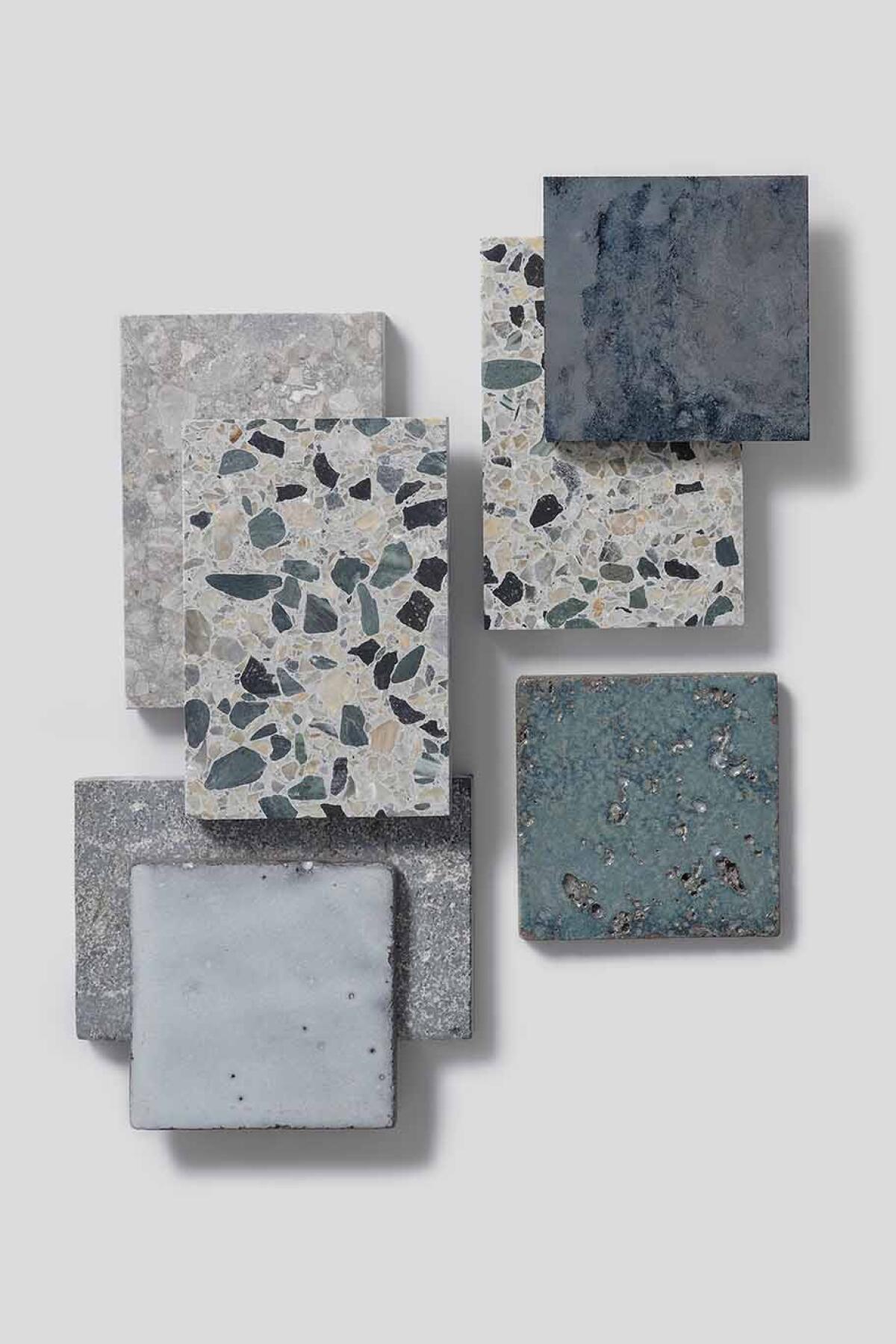
Terrazzo flooring, a Venetian technique involving the use of chipped marble, granite, glass, or quartz embedded in a cement binder that is then ground and polished, gained popularity in the United States after the Vanderbilt family incorporated it into their Fifth Avenue mansion during the Gilded Age. This introduction by the Vanderbilts not only spurred a wave of Italian artisan immigration but also ignited a significant aesthetic movement in American design. Following its initial adoption, terrazzo flooring experienced widespread use across the United States throughout the 1900s, appearing in diverse projects from the Hoover Dam floors to the iconic stars on Hollywood Boulevard. Notably, architect Richard Neutra frequently utilized terrazzo in his Midcentury Modern homes in Southern California.
The Maestrelli family of Florence, inspired by this tiled tradition, continues to champion terrazzo's allure in Venice. For their new hotel, Violino d’Oro, slated to open in the fall, Sara Maestrelli and her aunt Elena collaborated with the Asin family, one of Italy's most established flooring clans, to bring the property's vision to life. The Maestrellis have a long-standing history of working with the Asins on various renovations, including their other properties like the Grand Hotel Minerva in Florence and Villa Roma Imperiale in Forte dei Marmi.
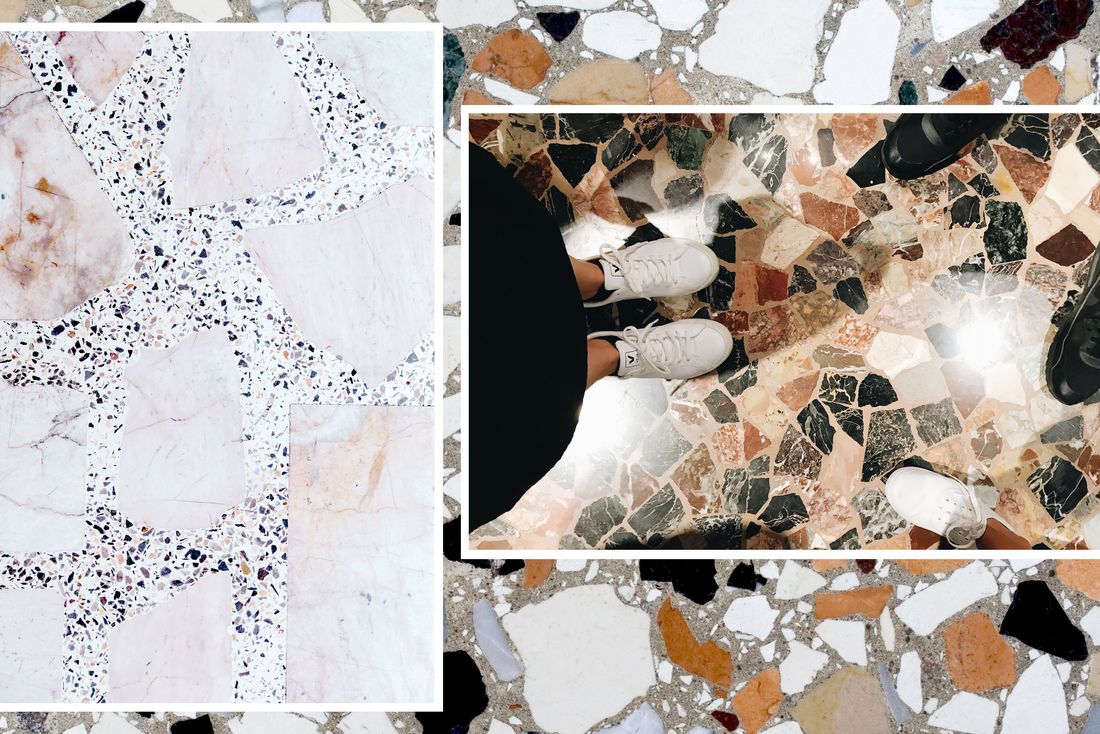
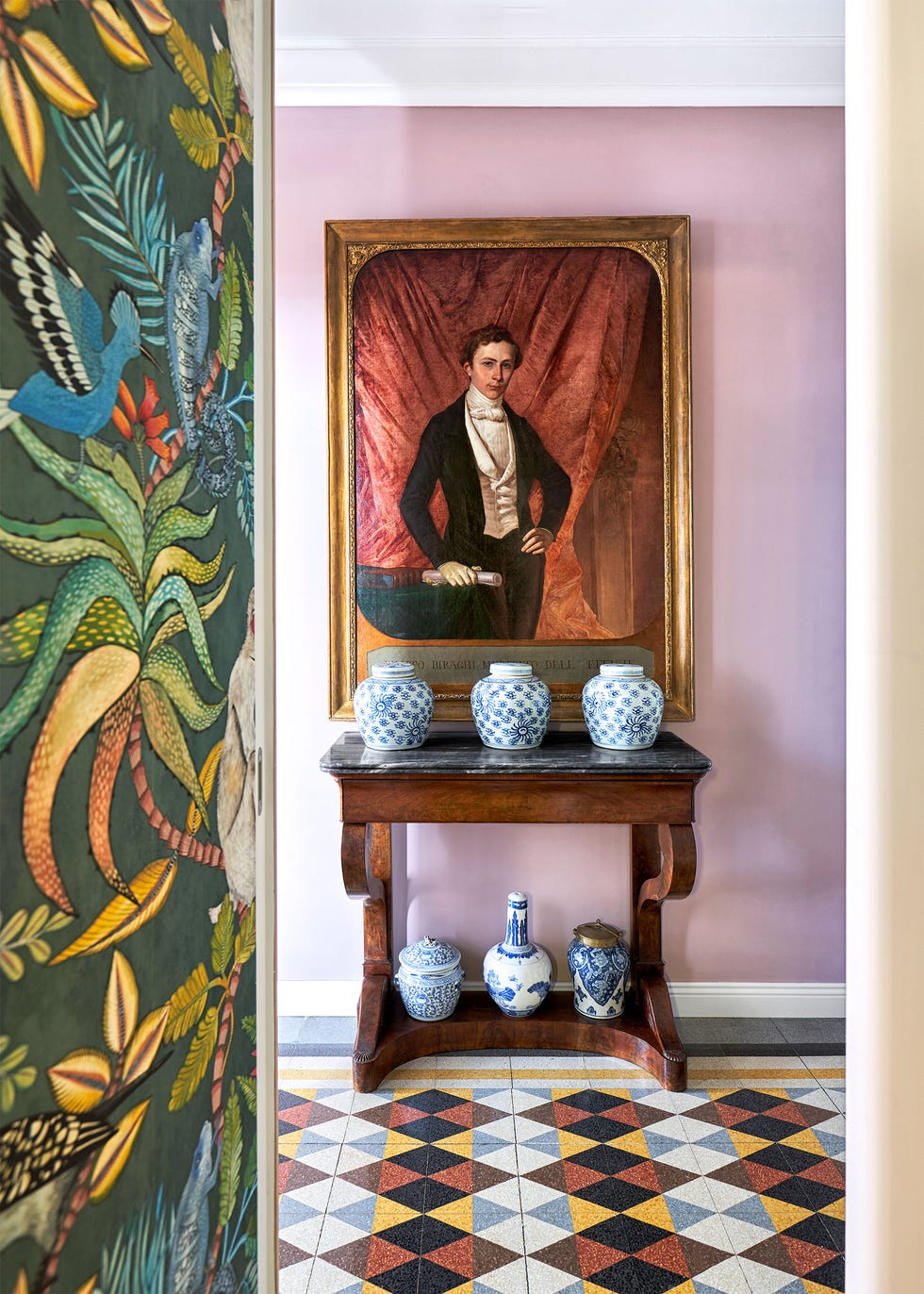
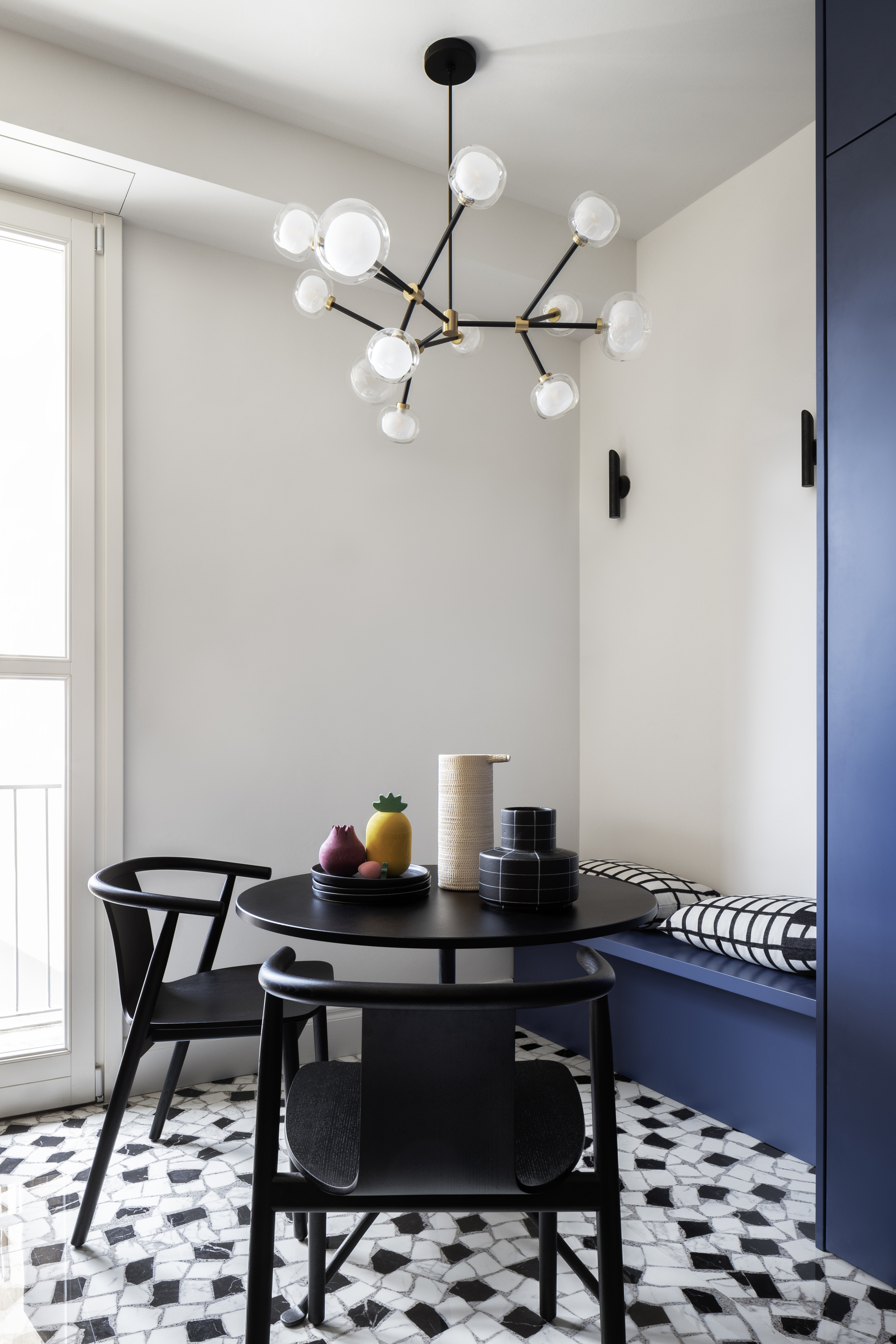
The Violino d’Oro, housed within a 17th-century building near Rio S. Moisé, features a Renaissance facade. However, architects Piera Tempesti Benelli, Riccardo Burigana, and Tiziana Folin have modernized its interiors. The design integrates traditional decorative elements with contemporary touches. The mosaics adorning the hotel's floors serve as a powerful metaphor for the essence of Venice itself. Sara Maestrelli explains that while tourists often perceive Venice as a singular entity, the city is, in fact, a rich amalgamation of numerous precious pieces, encompassing a multitude of colors, shades, and historical moments—a characteristic mirrored by the diverse components of terrazzo.
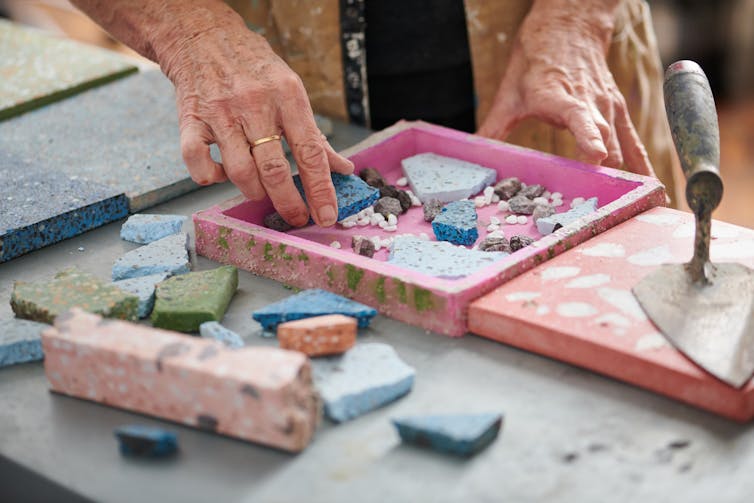
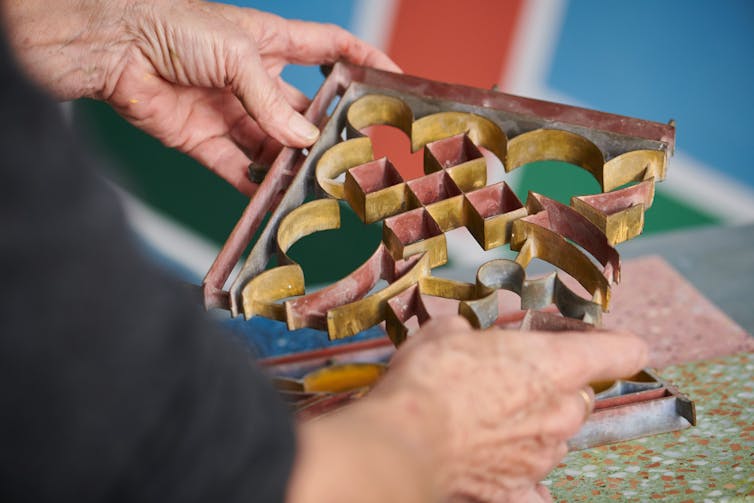
The creation of the hotel's elaborate terrazzo floors is a meticulously slow and steady process. Each individual piece is laid by hand, with each floral motif requiring approximately two hours of dedicated work. Asin Ermino, the company's official name, boasts a diverse portfolio that includes intricate mosaics in private residences, modern patterns in museums, and even installations in a Belgian theater. Eraldo Asin, 90 years old, currently leads the family business as a third-generation craftsman, with his son Luca representing the fourth generation. The Asins meticulously crafted the floral motifs for the Violino d’Oro, where every detail, from vibrant petals to delicate stigmas, necessitates the careful cutting and precise layering of marble cubes. This intricate handcraft ensures that the flowers are uniquely formed. The Maestrellis emphasize their commitment to this time-honored, slower process, believing that such enduring craftsmanship creates flooring that will withstand the test of time, contrasting with items produced quickly that often have a shorter lifespan. This story is featured in the September 2023 issue of Town & Country.
#TerrazzoFlooring #VenetianTechnique #ItalianArtisanry #ArchitecturalDesign #ViolinoDOroHotel #MaestrelliFamily #AsinFamily #HistoricPreservation #InteriorDesign #TerrazzoFlooring #VenetianTechnique #ItalianArtisanry #ArchitecturalDesign #ViolinoDOroHotel #MaestrelliFamily #AsinFamily #HistoricPreservation #InteriorDesign
0 comment in total
 No comments yet
You may also like
Venetian Terrazzo reinterpreted in a modern key takes to residential and contract spaces
Why terrazzo is on trend for tiles and flooring

Palladiana Terrazzo straddles Italian Grandeur and Modern Cool

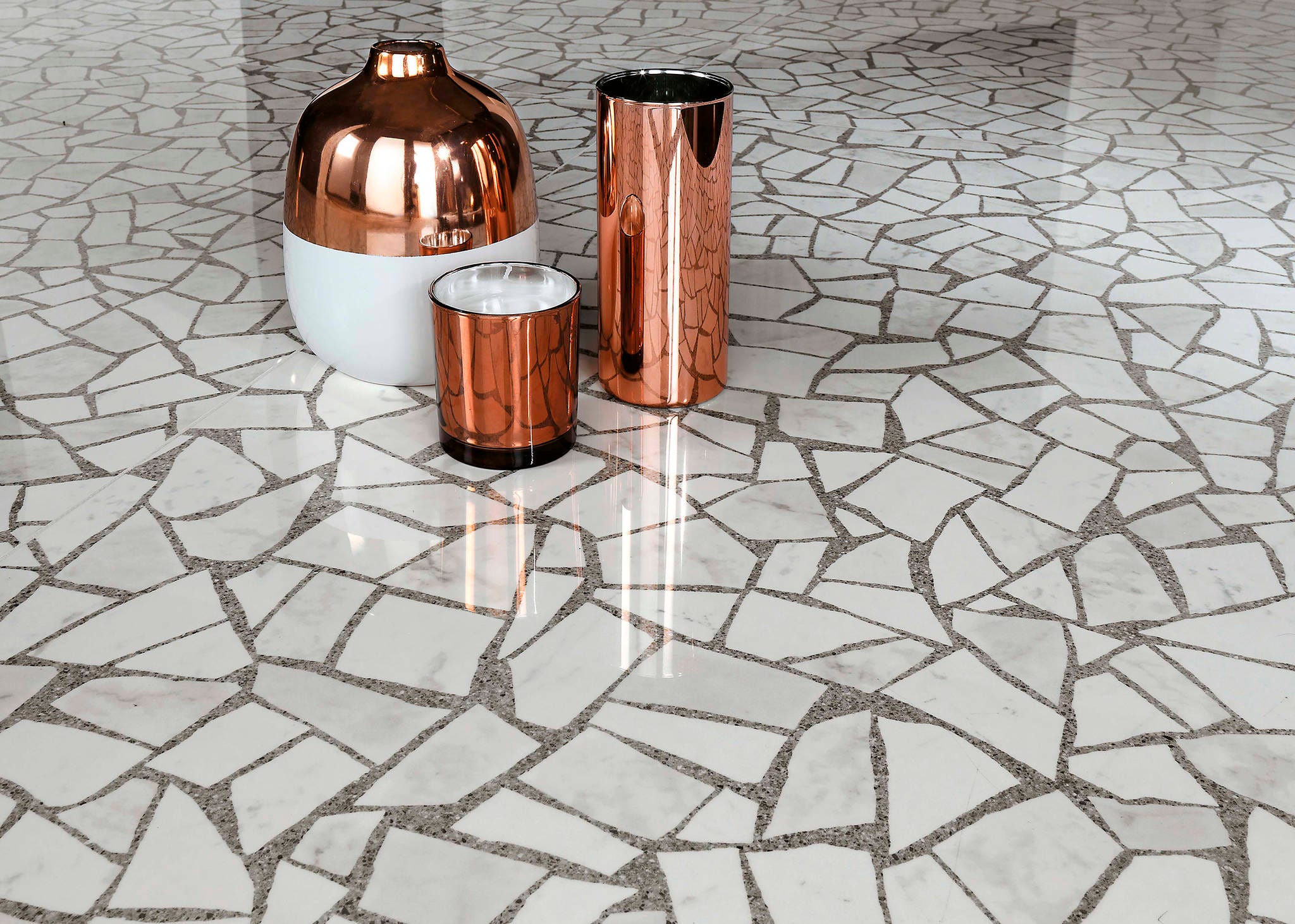
Terrazzo - the stuff of old hallway flooring - goes upscale
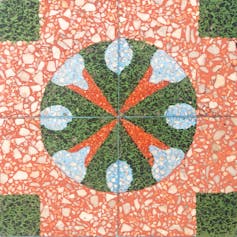
Layer upon layer: uncovering the terrazzo treasures of the west and celebrating legacy floors

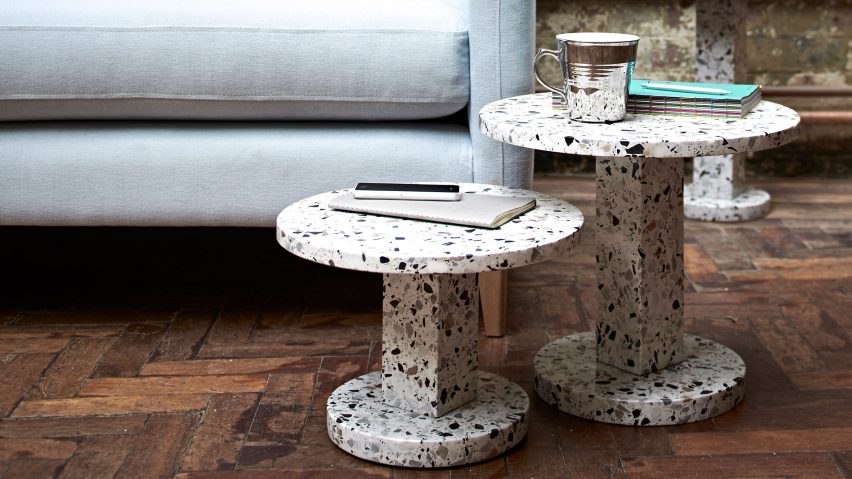
Another Brand exploits "endless potential" of terrazzo for table collection
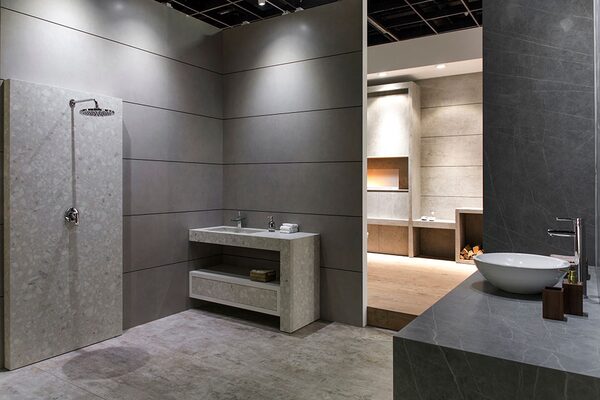
Terrazzo is the new terrific

This Incredible Renovation of a 1970s California Home Is a Terrazzo Lover’s Dream

Old-World Style Meets Modern Sentiments in These Flecked Surfaces

Terrazzo enjoying a resurgence
Marvel gems: fragments of light
There's a new interiors trend you'll be obsessed with this year
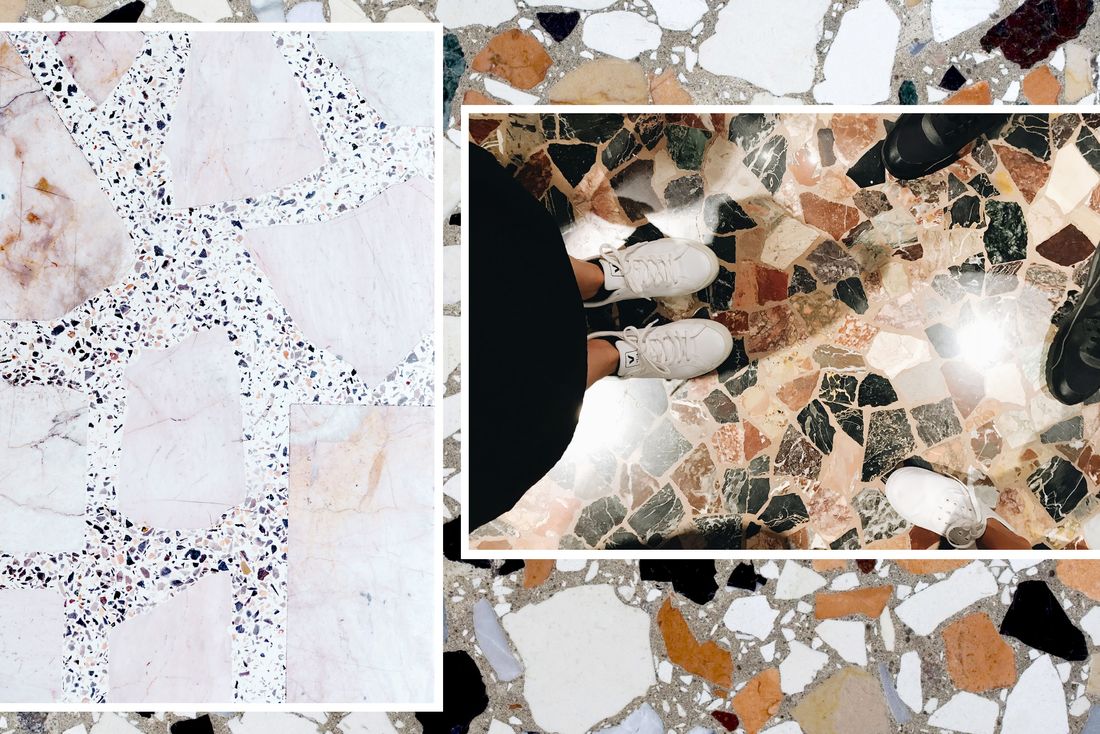
How Terrazzo Made a Comeback
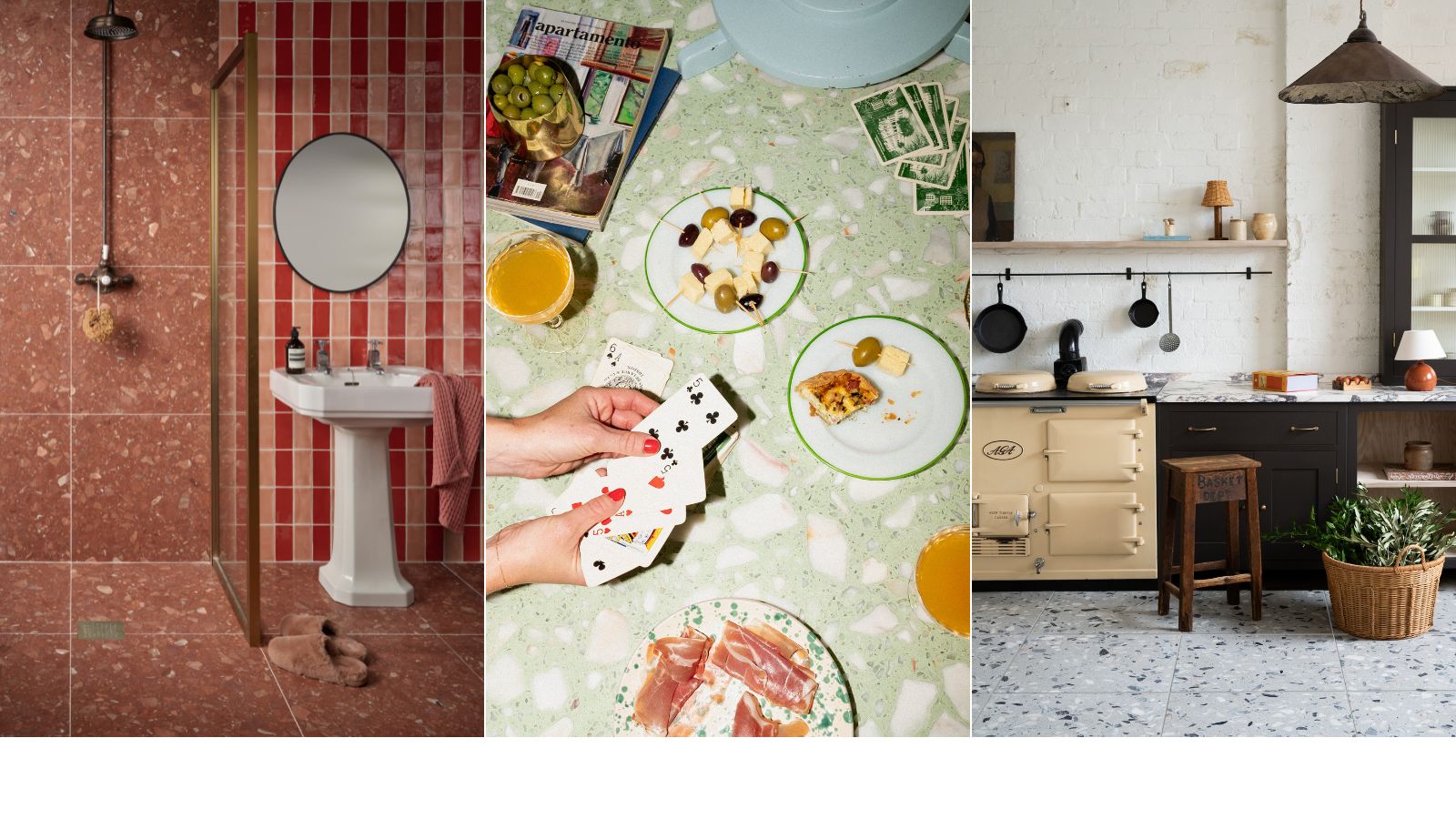
Interior designers say this dated tile trend is making a reappearance in 2024 – is terrazzo back on trend again?

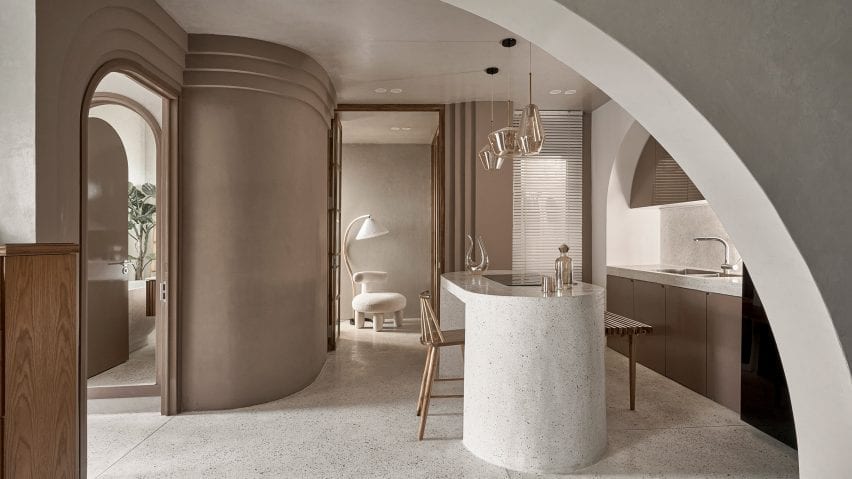
Ten home interiors with distinctive terrazzo floors
The Enduring Artistry of Vintage Tiles

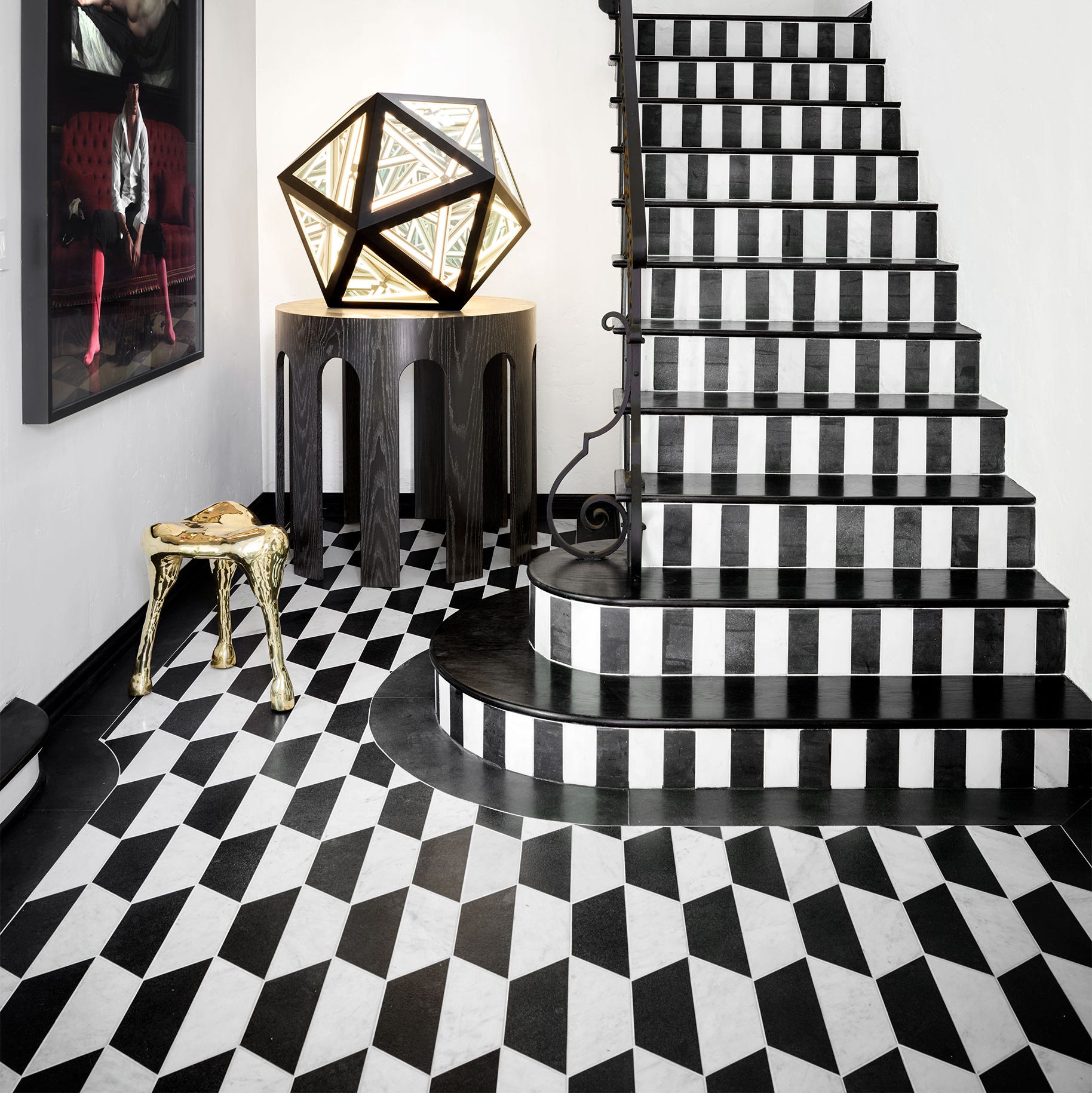
Italy Has the Most Eye-Popping Floor Tiles | Italian Tile

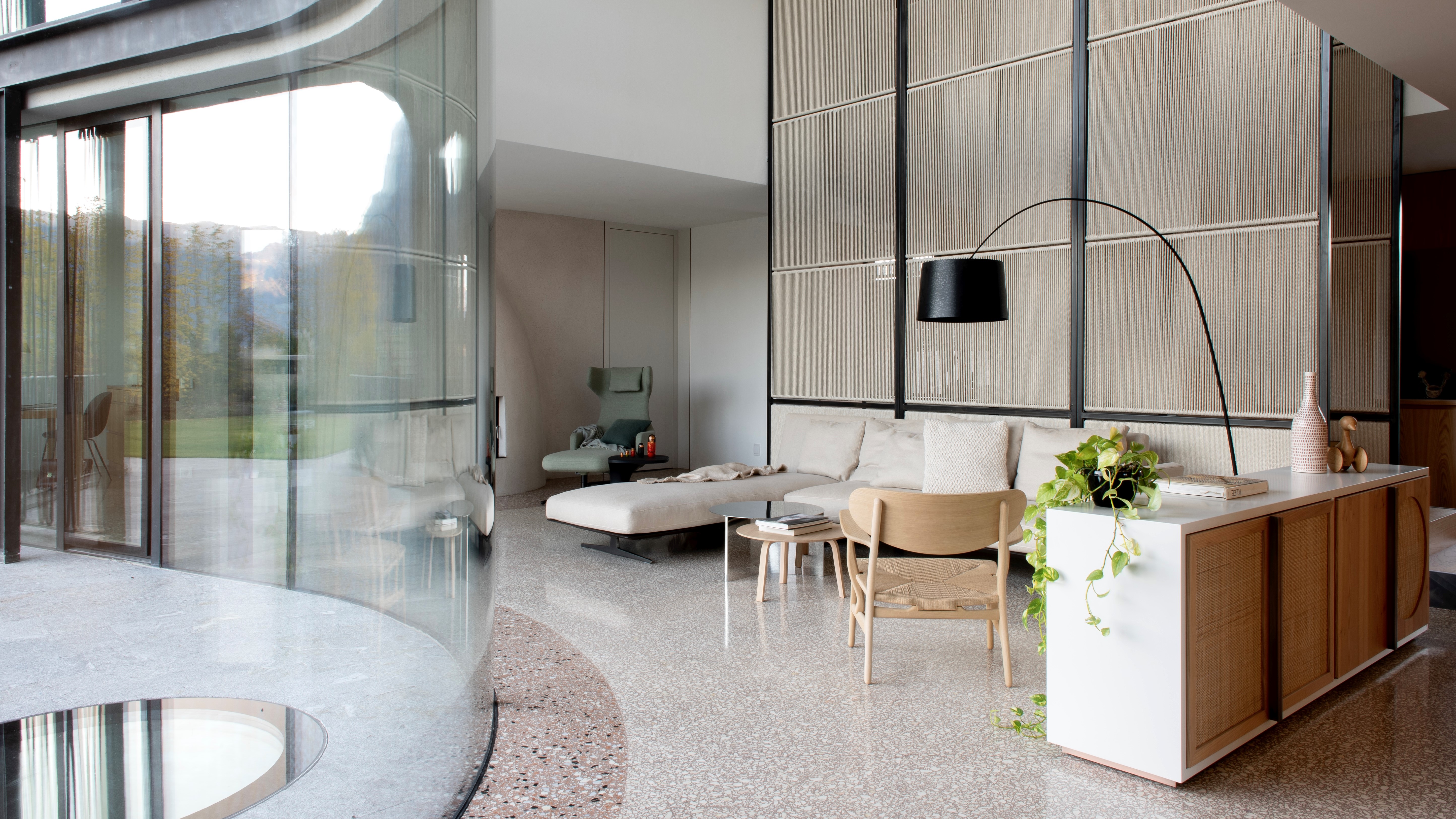
I've never seen terrazzo flooring like this minimalist villa
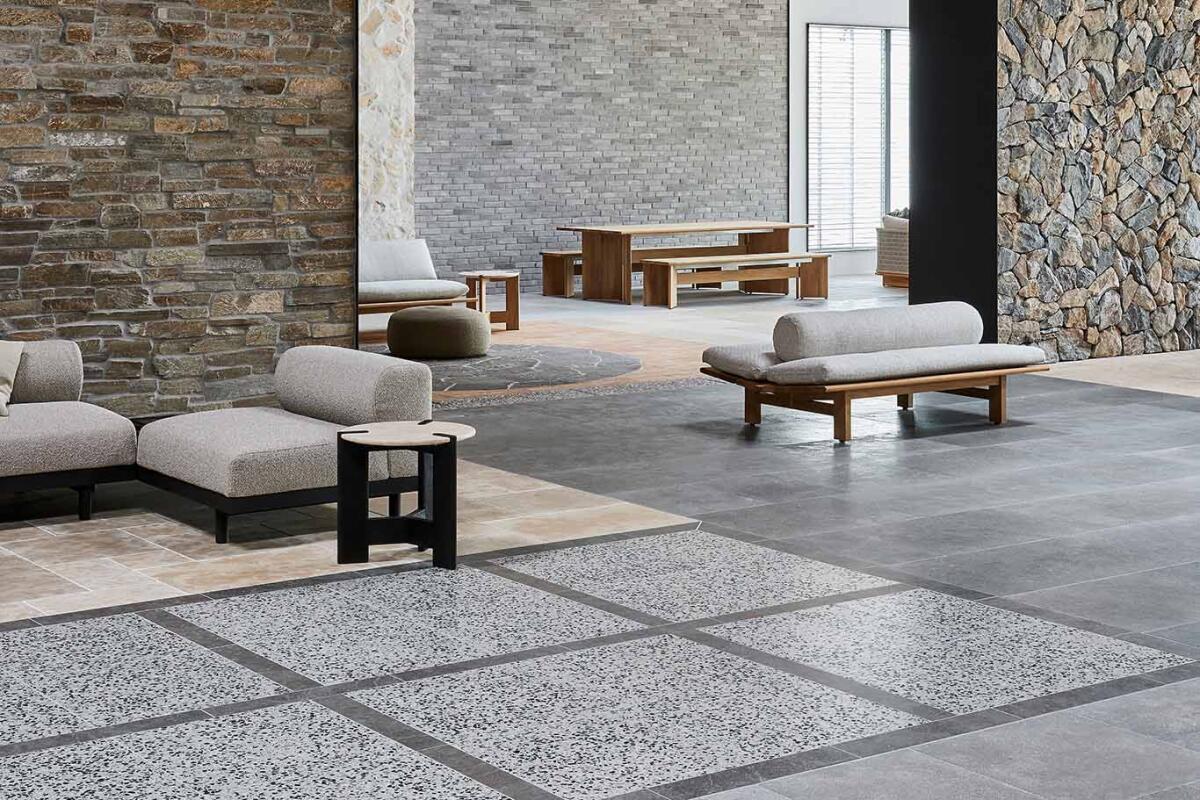
Terrazzo Flooring Guide: How to Master the Art of Sustainable, Circular Design

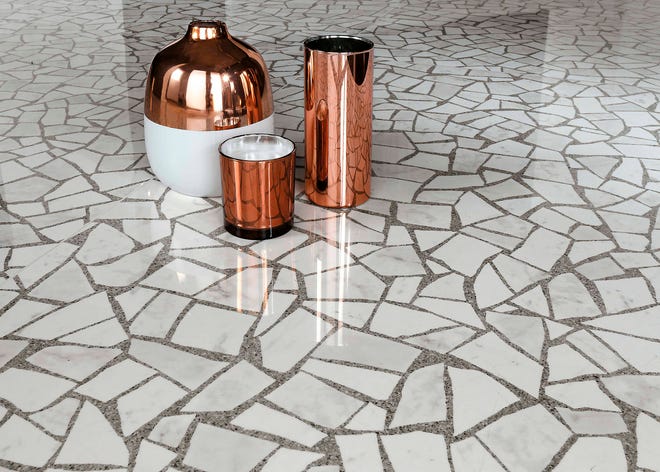
Terrazzo _ the stuff of old hallway flooring _ goes upscale