1/8
Palladiana Terrazzo straddles Italian Grandeur and Modern Cool
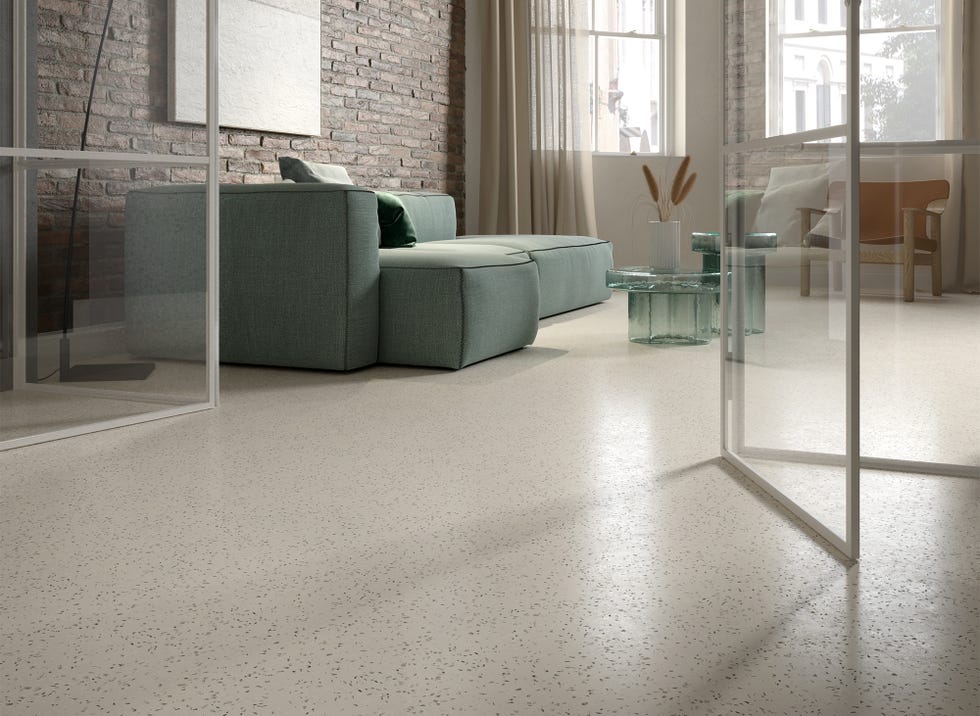
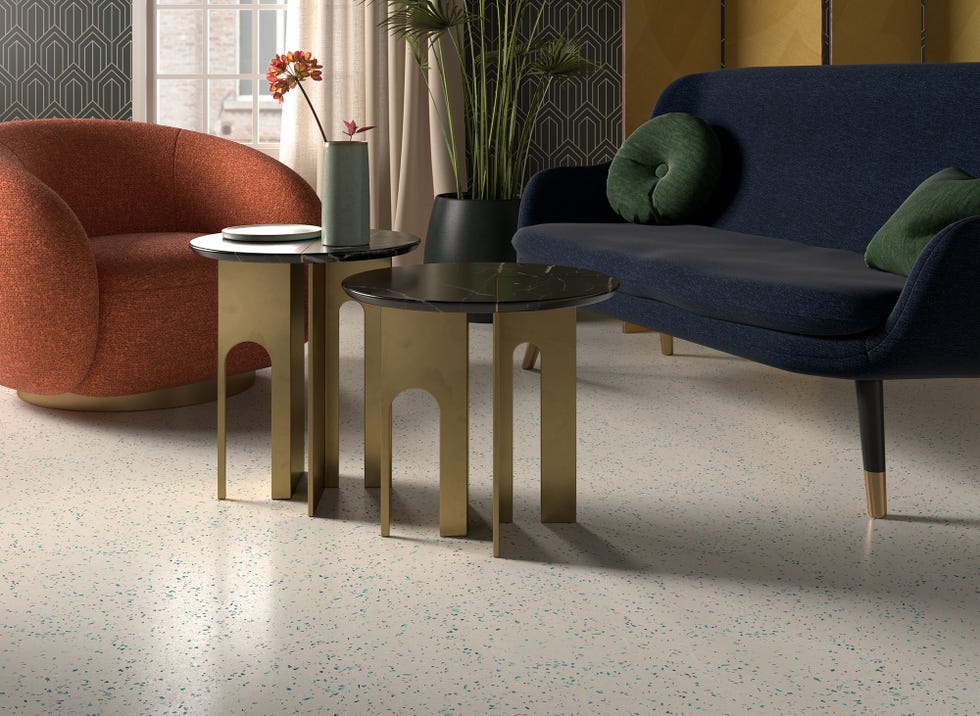
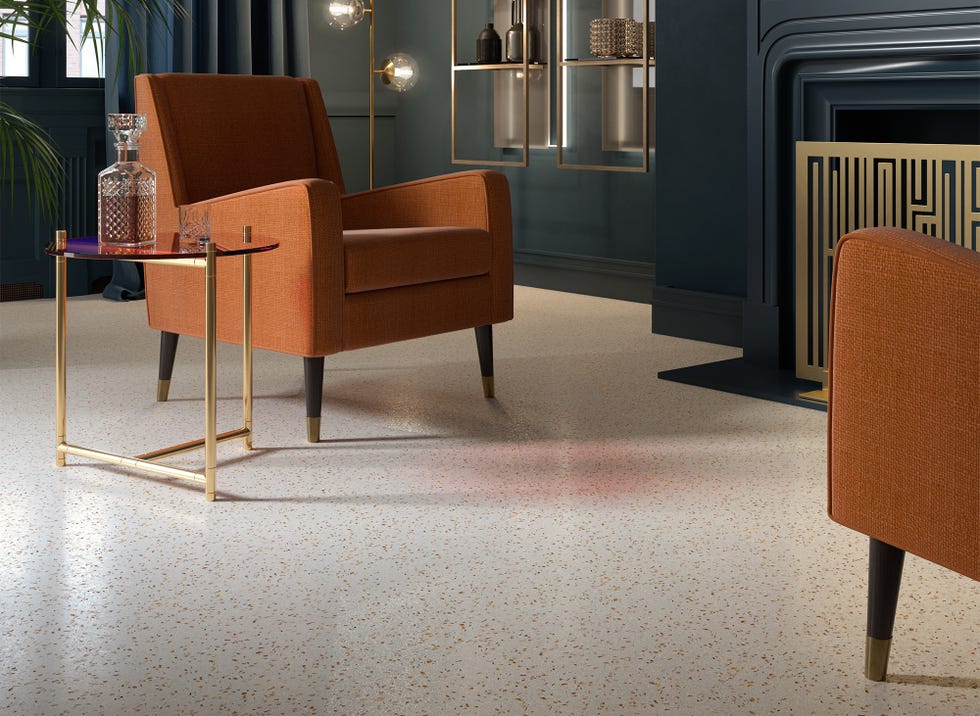
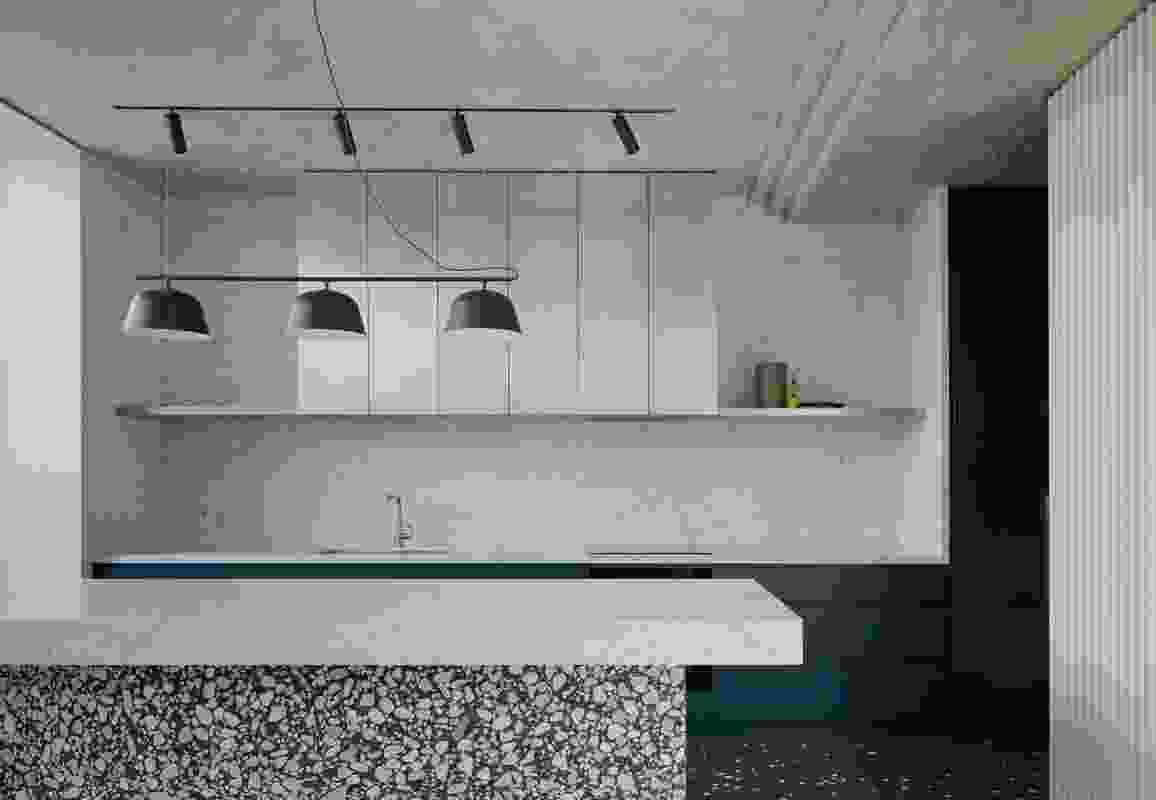
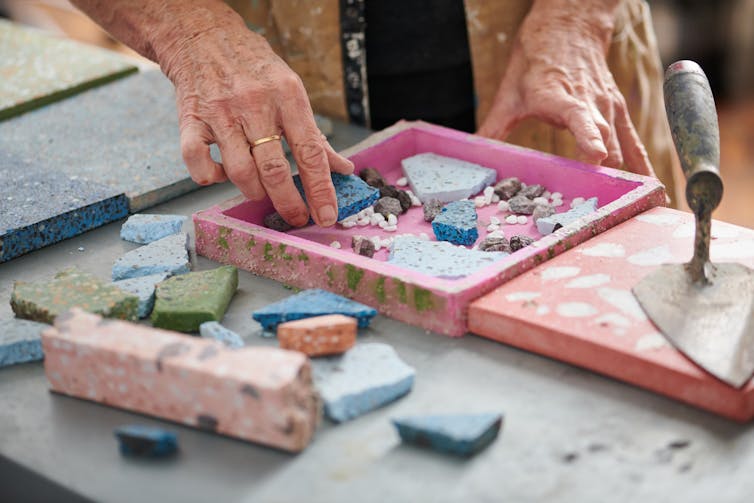
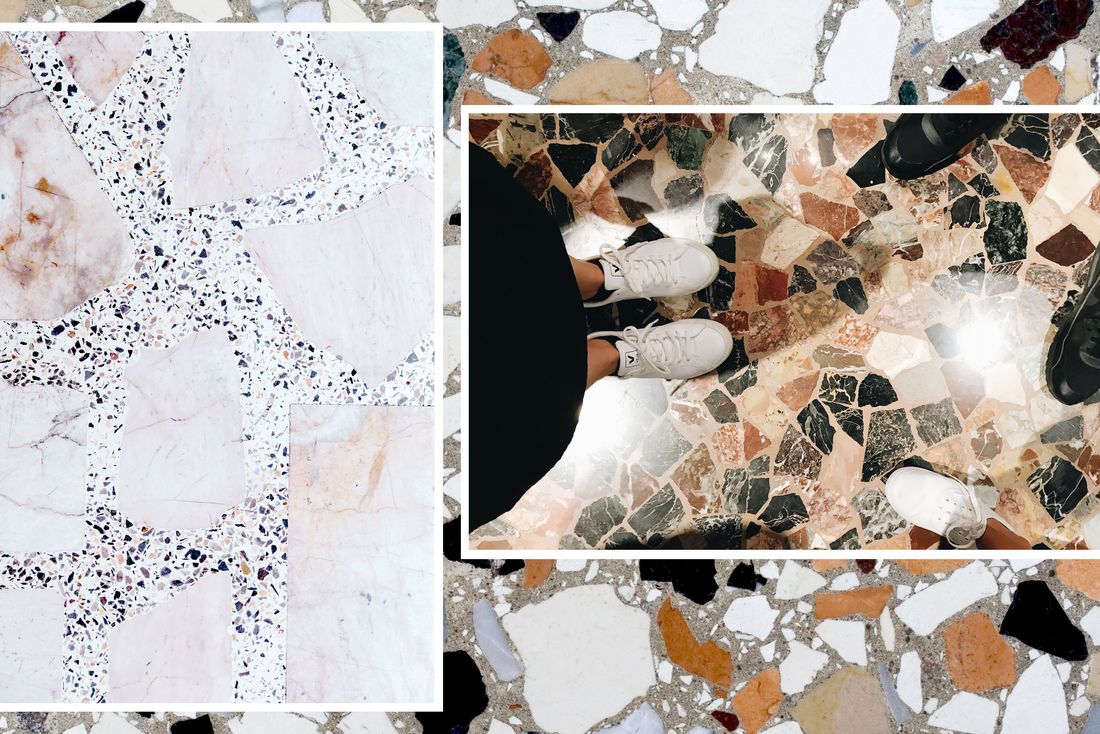
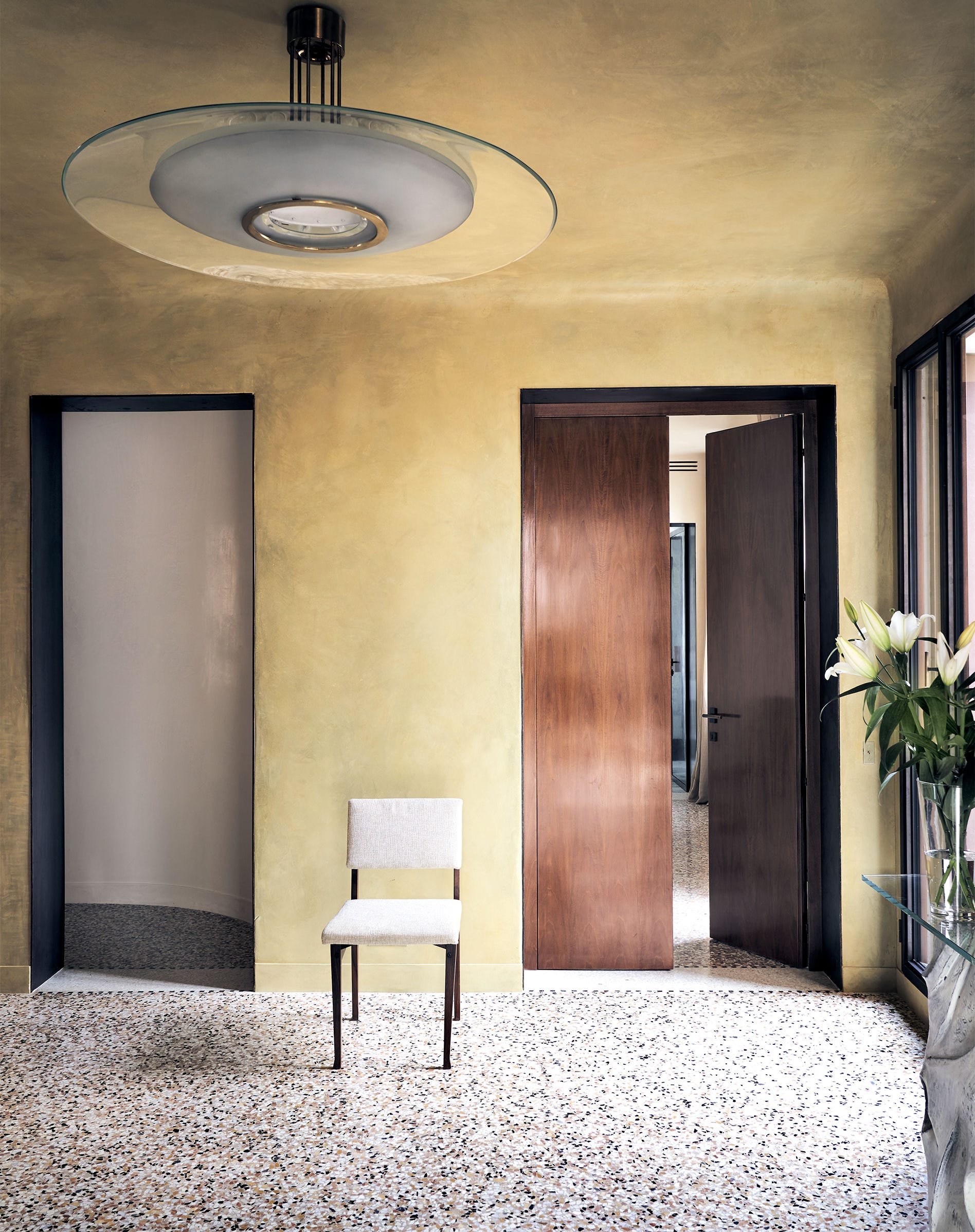
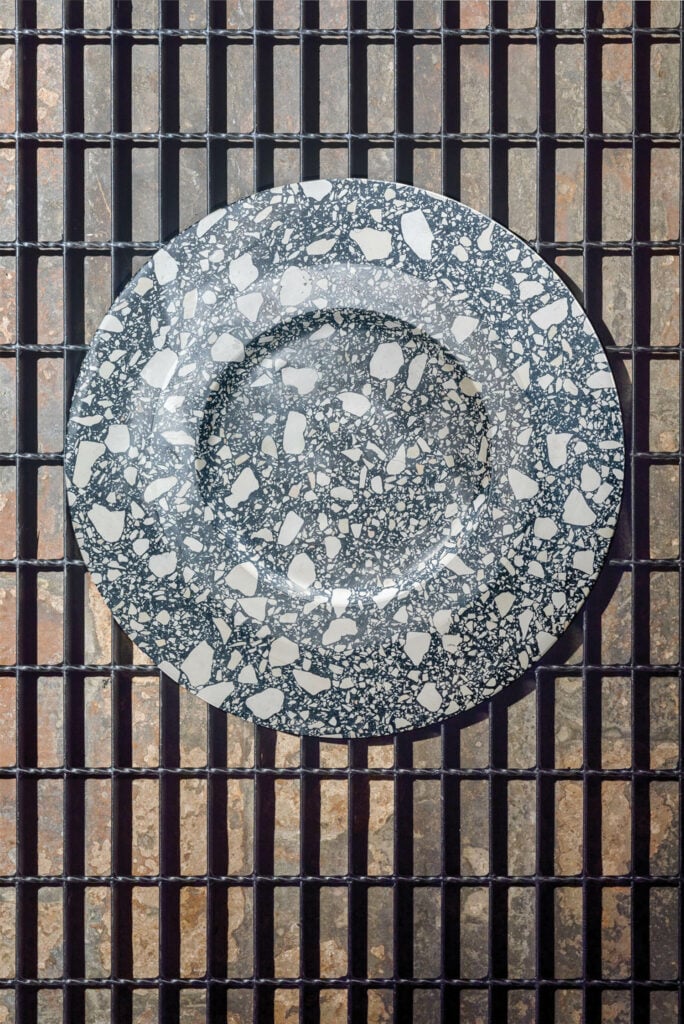
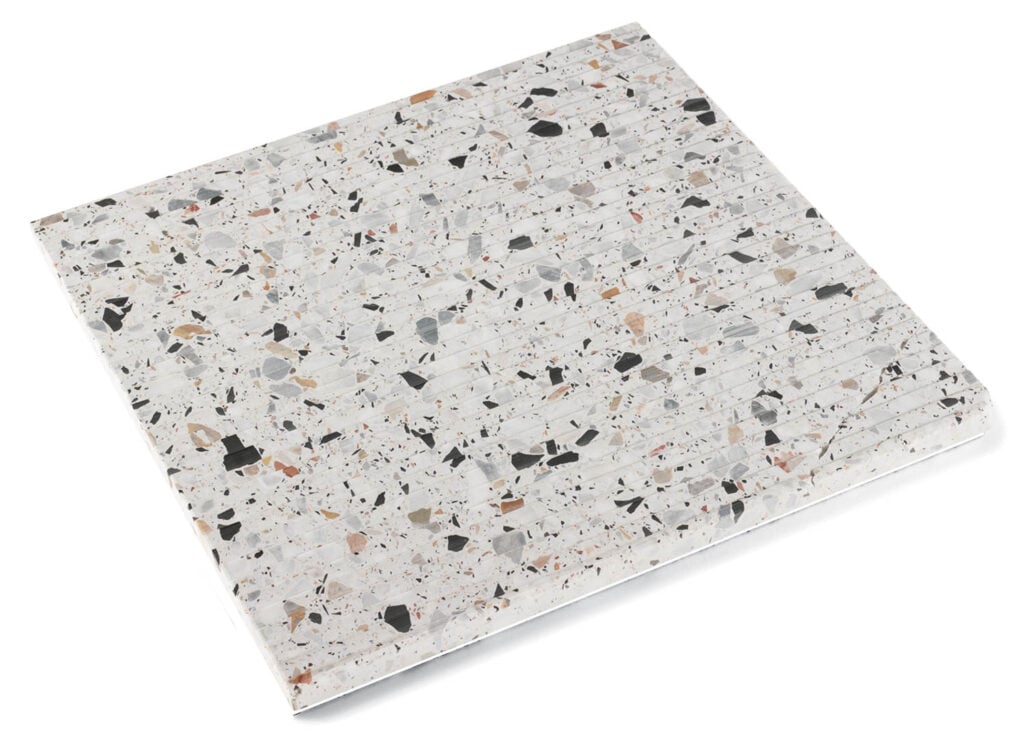
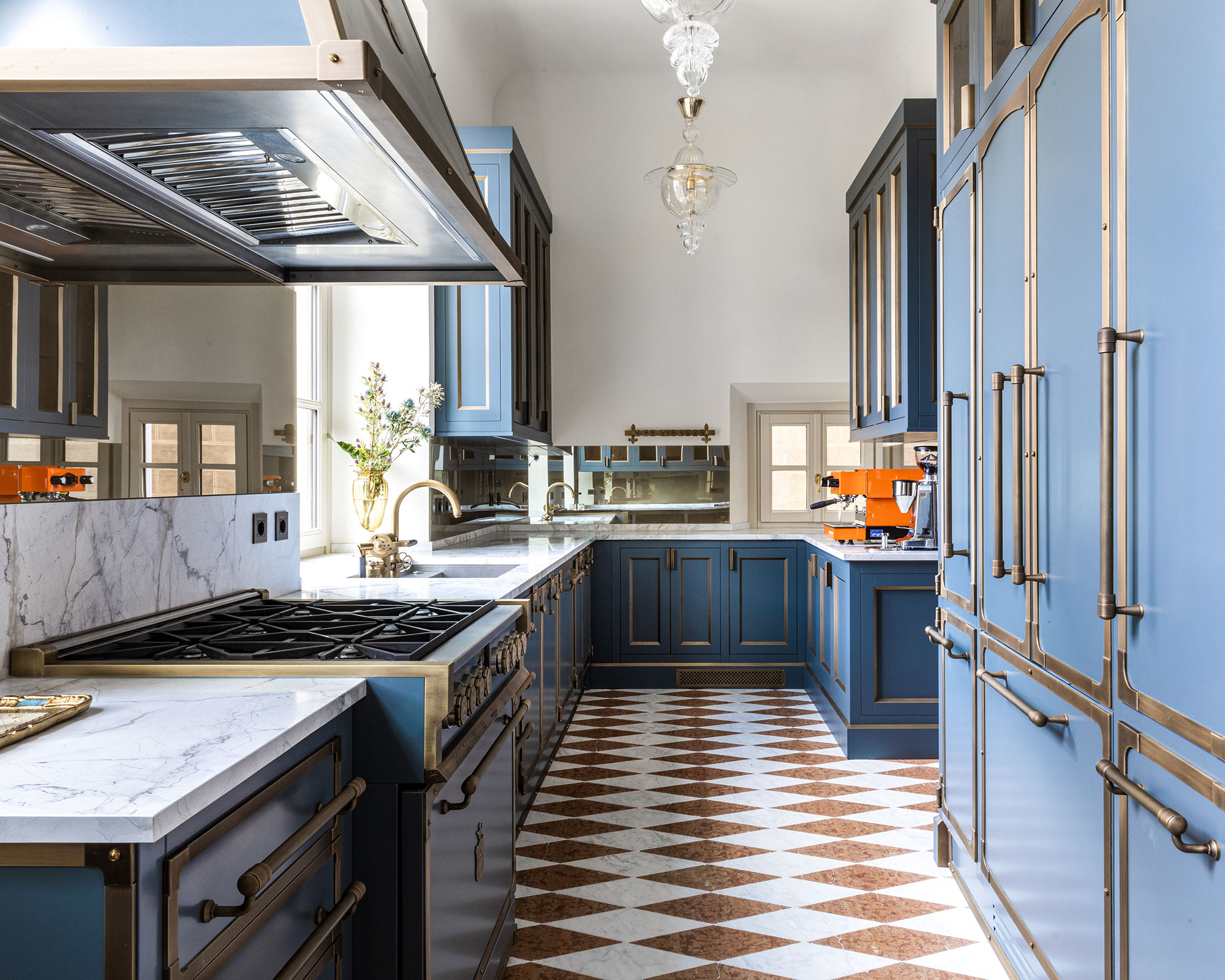
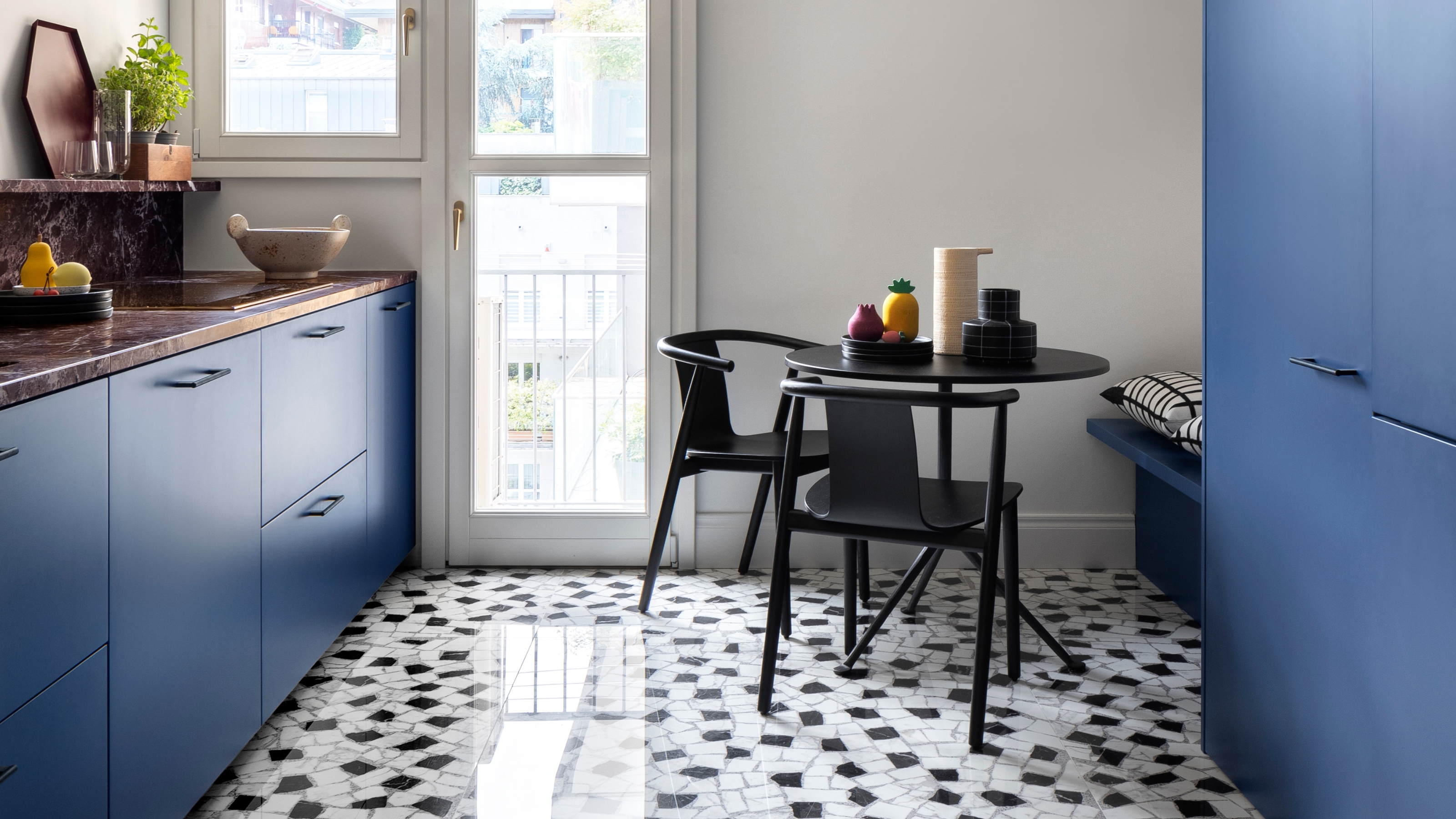
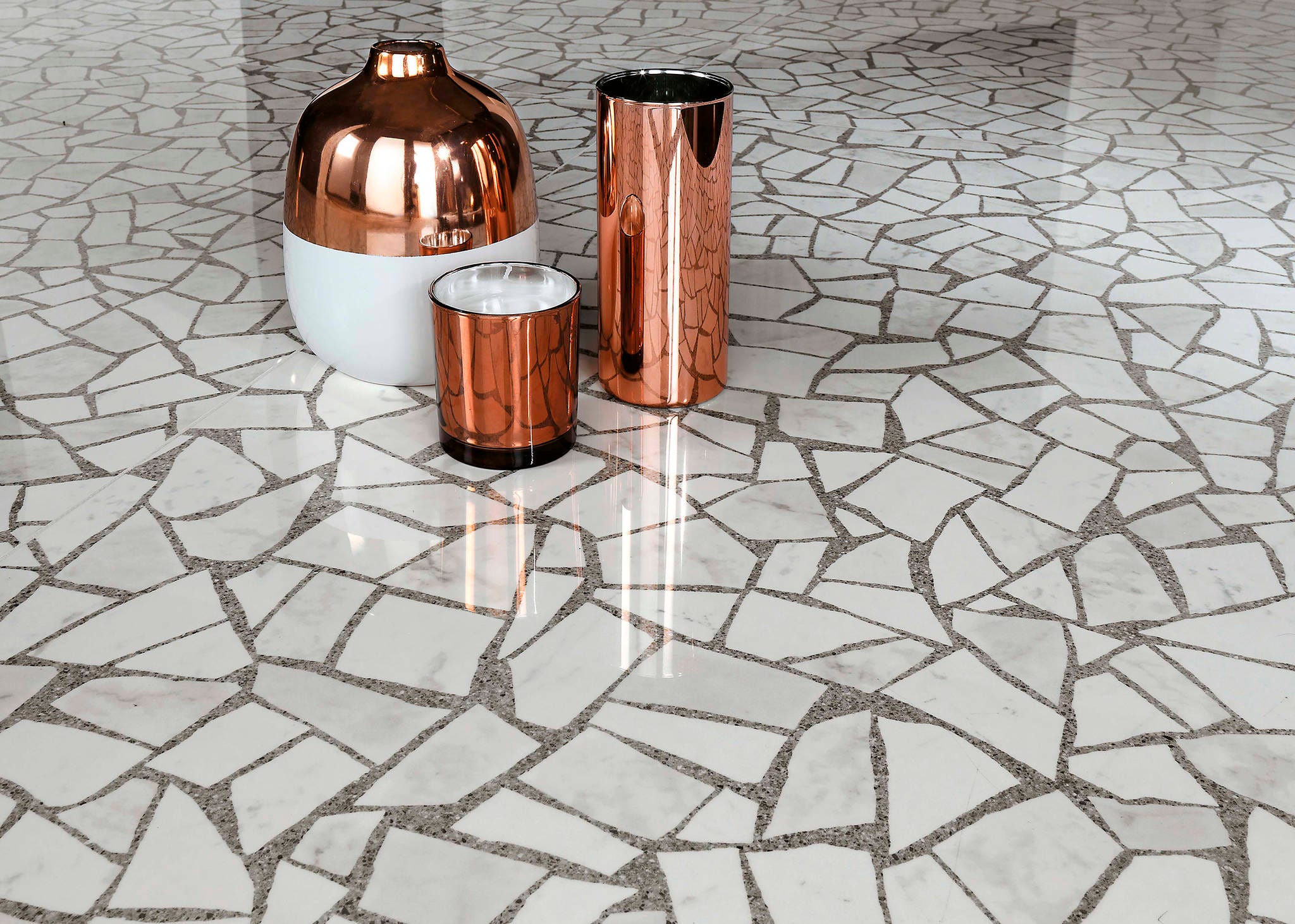
The article explores the resurgence and unique characteristics of Palladiana terrazzo, a centuries-old Italian tiling style poised to become a significant trend in interior design. This bespoke iteration of terrazzo distinguishes itself through the use of larger, irregularly shaped marble pieces, offering a more dramatic and sculptural aesthetic compared to traditional terrazzo's uniform, speckled appearance. The spaces between these large stones are typically filled with cement, which can sometimes incorporate smaller terrazzo aggregate or colored pigment, before being smoothed and polished to a high-gloss finish. This meticulous process, while labor-intensive, results in a striking and unique mosaic-like flooring for each installation.
The origins of Palladiana terrazzo trace back to the Roman Empire, where a technique known as Opus Incertum utilized irregular stones for both internal and external flooring. Andrea Palladio, an Italian Renaissance architect, significantly contributed to the refinement and popularization of this flooring style, leading to the highly artistic and refined applications seen today. The technique experienced widespread use in Italian interiors during the 1950s and 1960s.
A notable advantage of Palladiana terrazzo is its environmental friendliness, as it often utilizes recycled materials such as irregular marble or glass cutoffs from production waste. This aspect makes it a sustainable flooring option. Beyond sustainability, Palladiana terrazzo injects personality, craftsmanship, and a sense of soul into a space. It adds texture, movement, and depth, acting as an anchor that elevates even minimalist rooms.
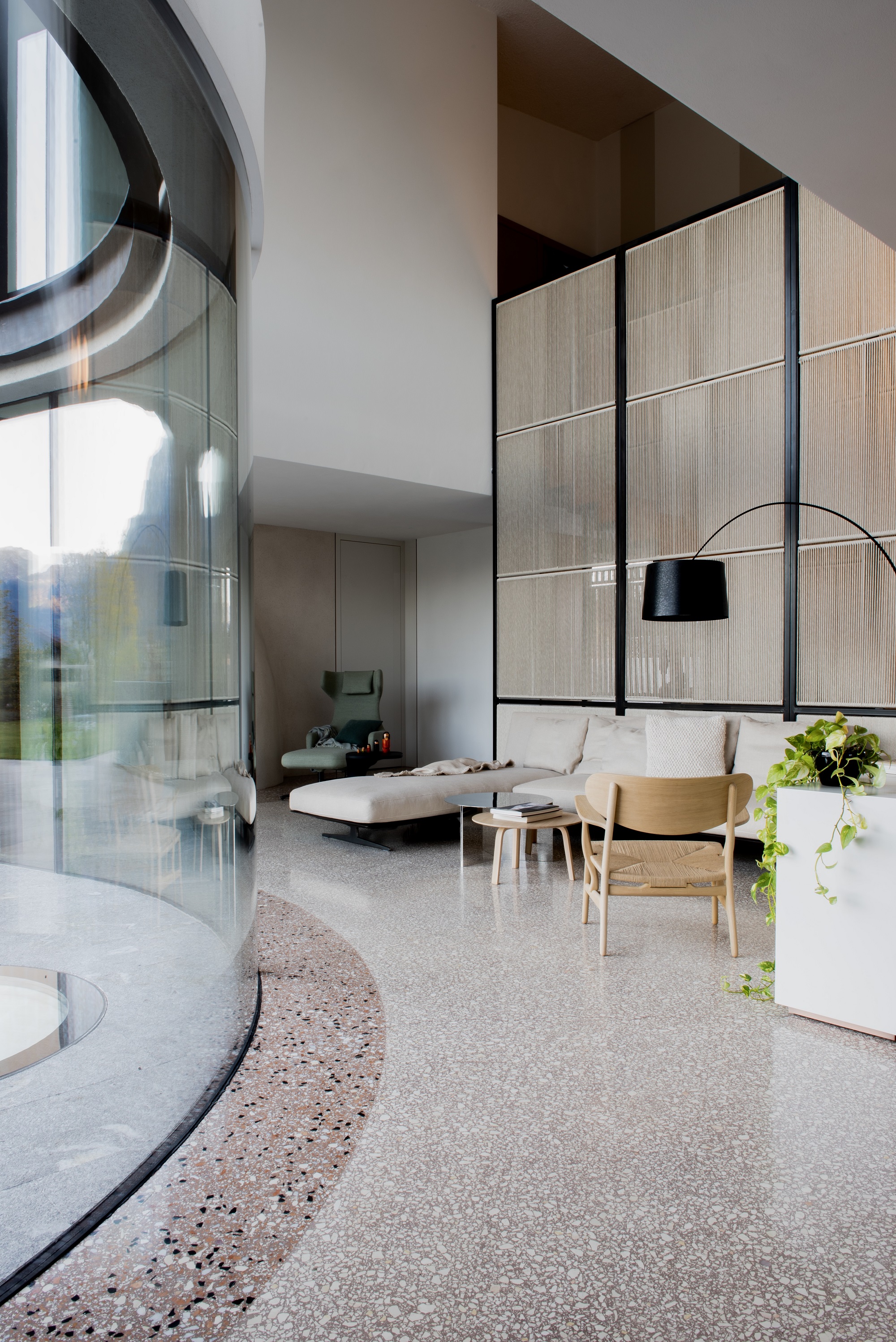
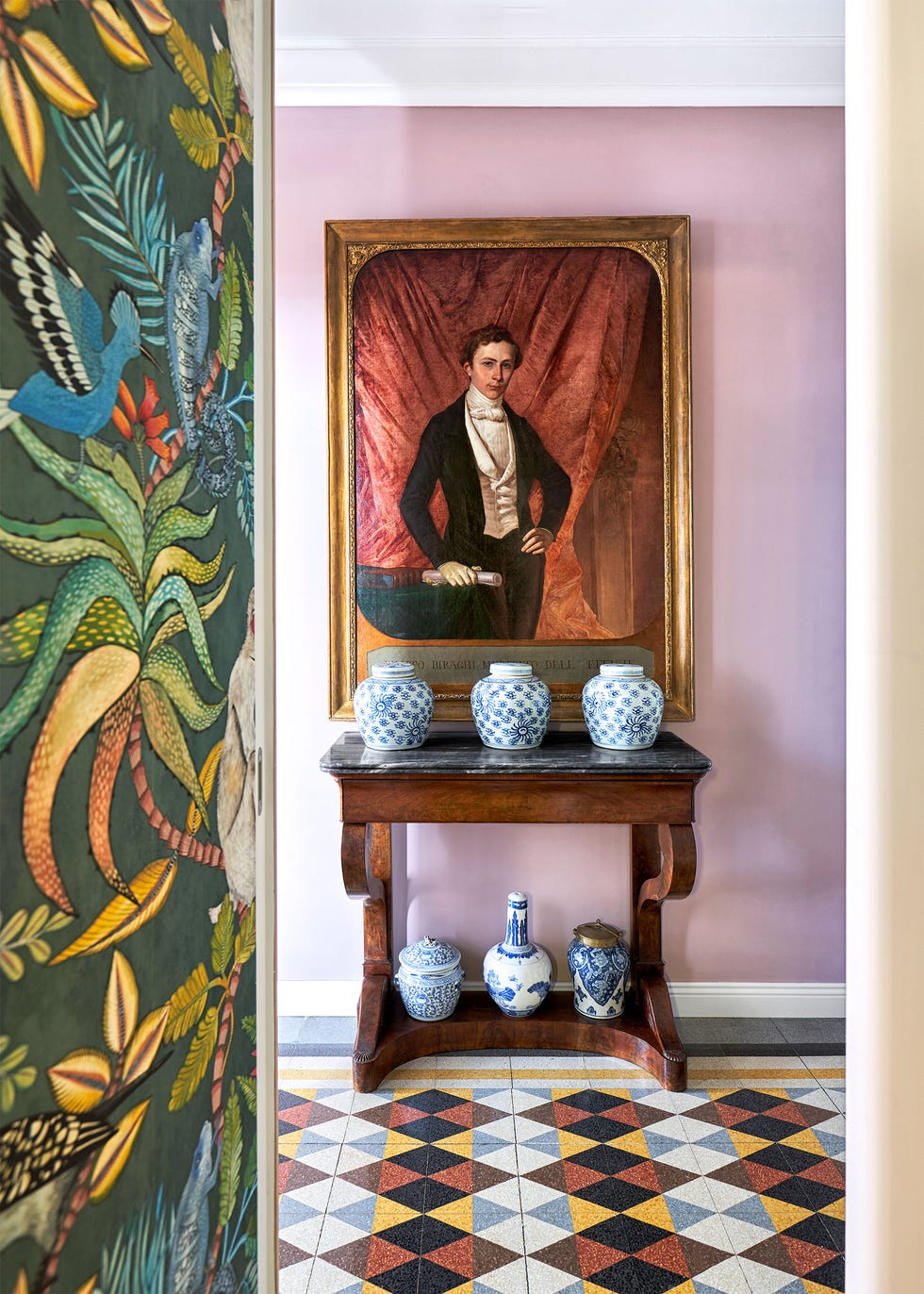
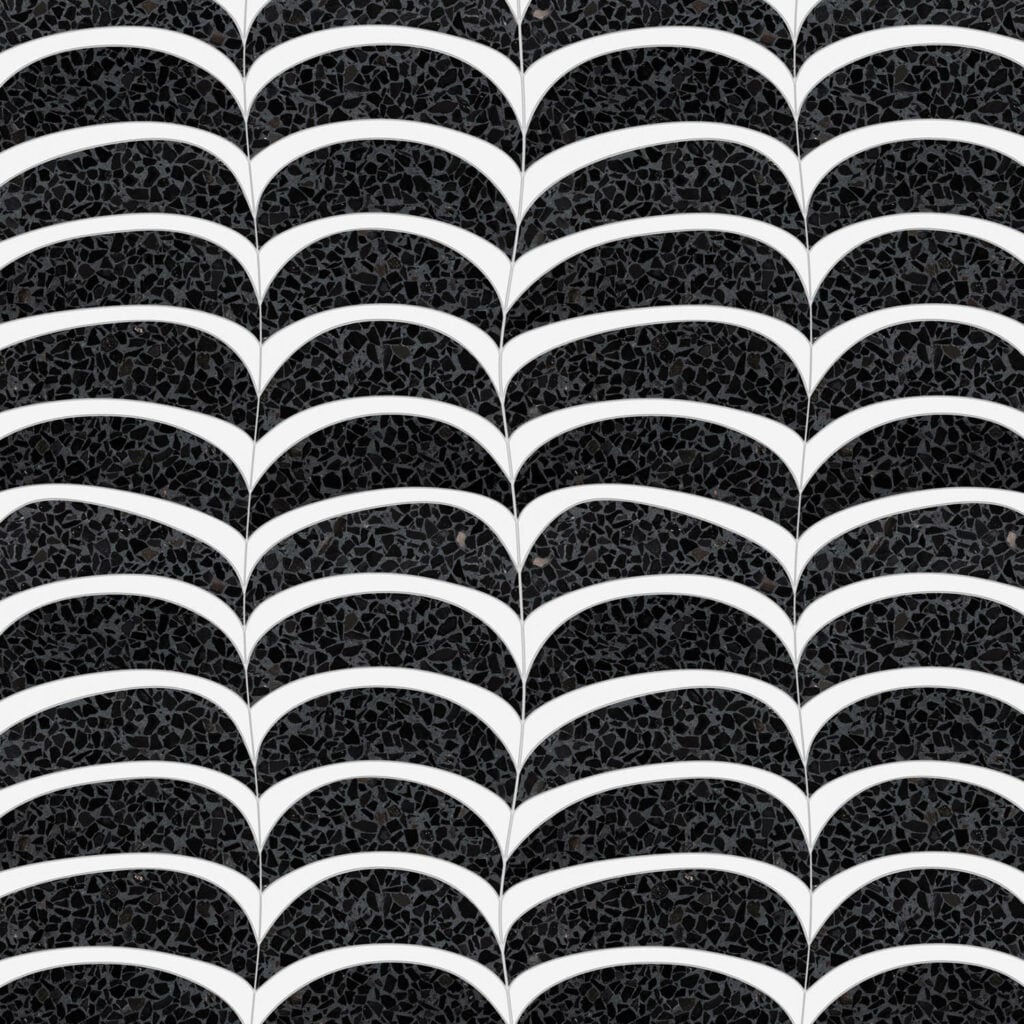
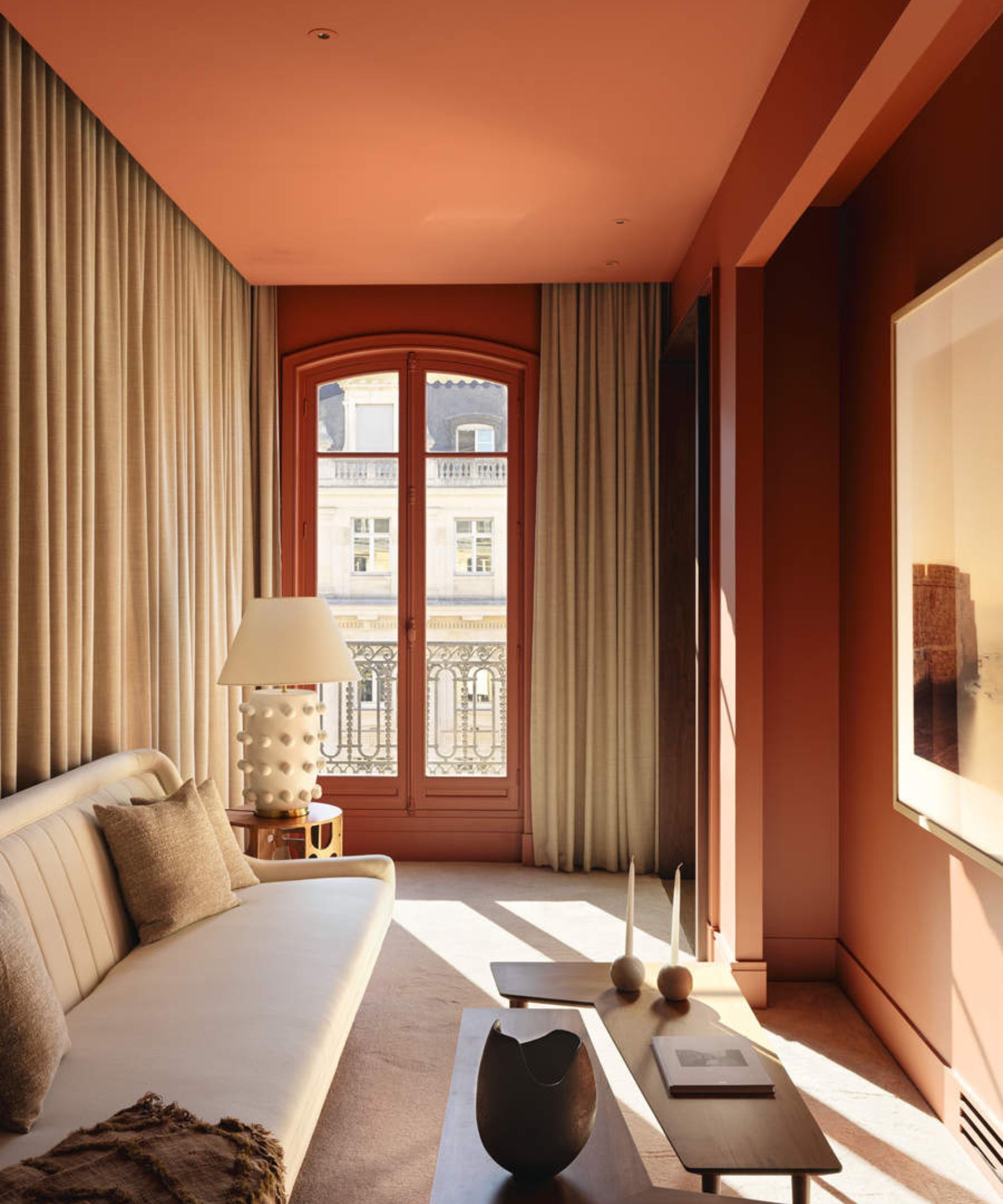
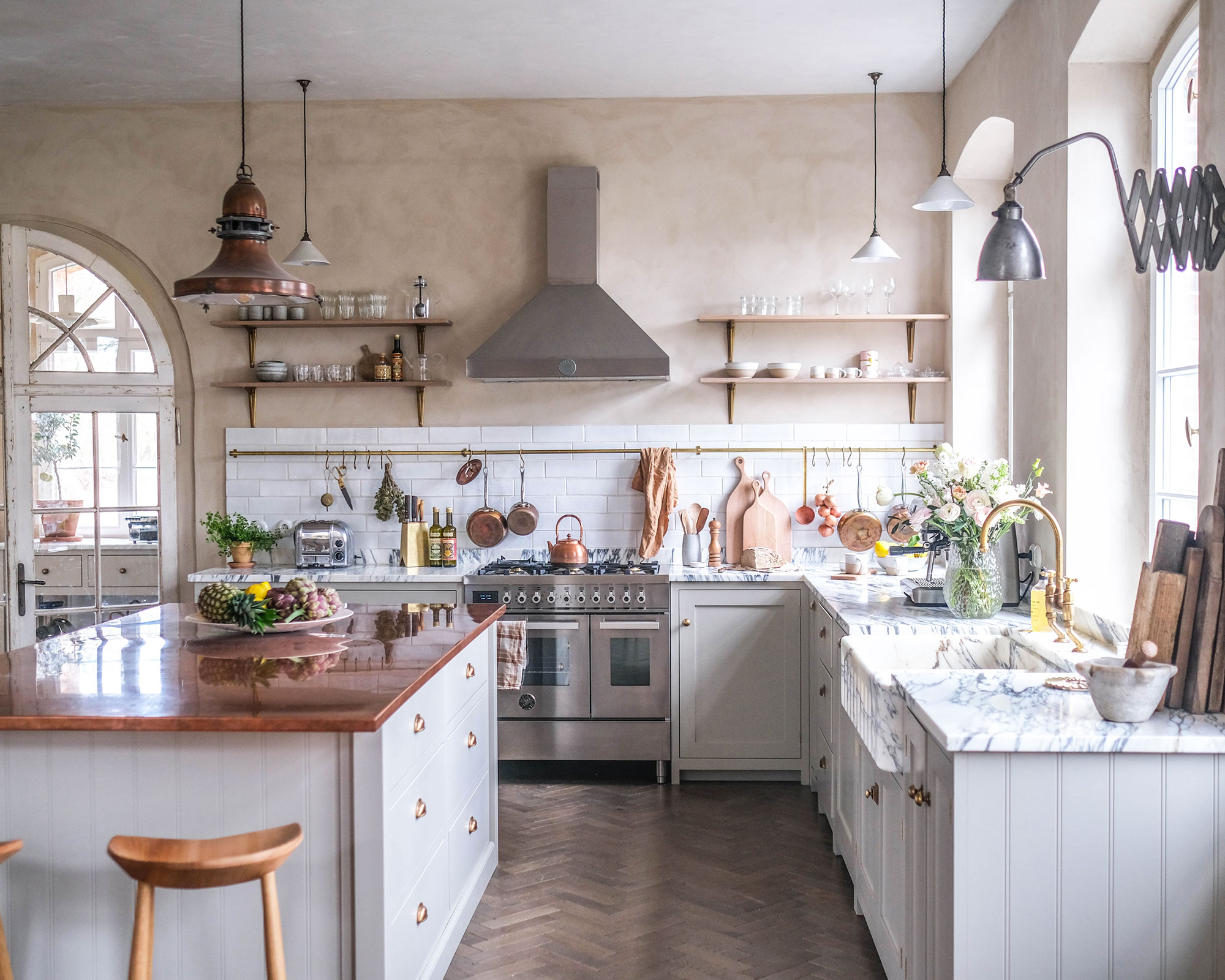
Interior designers suggest that when styling Palladiana terrazzo, it is best to allow the tile to be the focal point. This can be achieved by pairing it with natural materials like wood or plaster and avoiding overly busy elements in the surrounding decor. For a timeless look, pale stones and muted tones are recommended, while darker marble with contrasting grout can create a bold and elegant statement. The choice of complementary monochromatic materials for multi-colored Palladiana flooring is also advised to maintain design balance.
Historically found in mid-century modern homes, particularly in living rooms, hallways, and kitchens, Palladiana terrazzo is now considered suitable for any room, especially larger spaces where its intricate design can be fully appreciated. It also works well in bathrooms and outdoors, though slip resistance considerations are important for external applications. While highly durable once properly installed and sealed, the larger pieces and wider grout lines of Palladiana terrazzo may require slightly more effort to clean compared to traditional terrazzo.
#PalladianaTerrazzo #FlooringTrends #InteriorDesign #SustainableFlooring #HomeDecor #ItalianDesign #TilingStyles #ArchitecturalHistory #MarbleFlooring #PalladianaTerrazzo #FlooringTrends #InteriorDesign #SustainableFlooring #HomeDecor #ItalianDesign #TilingStyles #ArchitecturalHistory #MarbleFlooring
0 comment in total
 No comments yet
You may also like
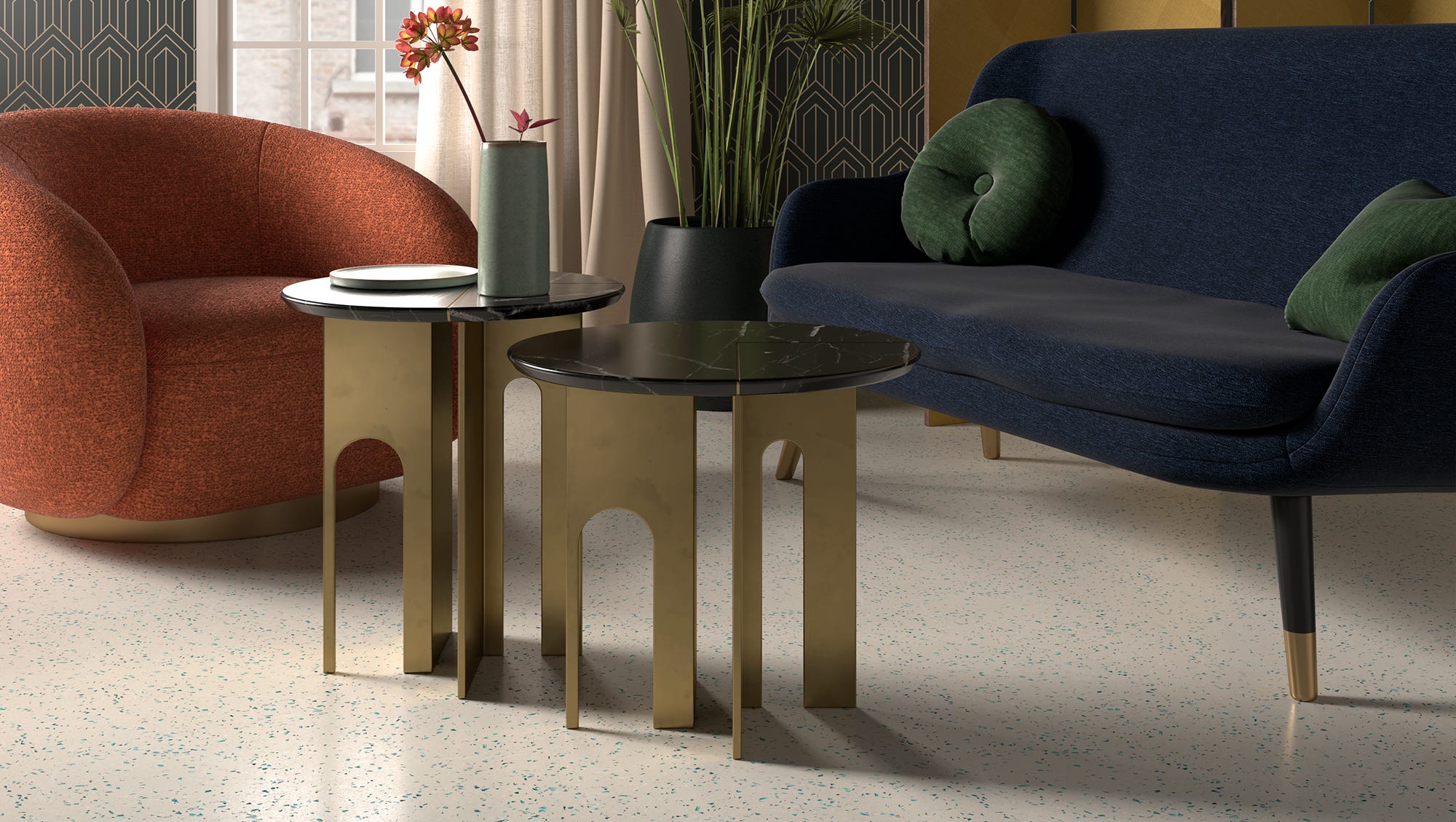
Venetian Terrazzo reinterpreted in a modern key takes to residential and contract spaces
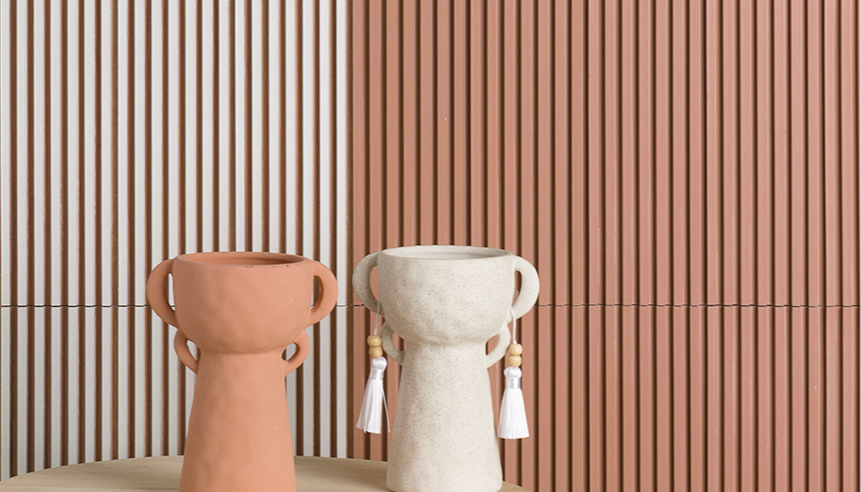
Terracotta tiles are back – Mediterranean charm meets modern design
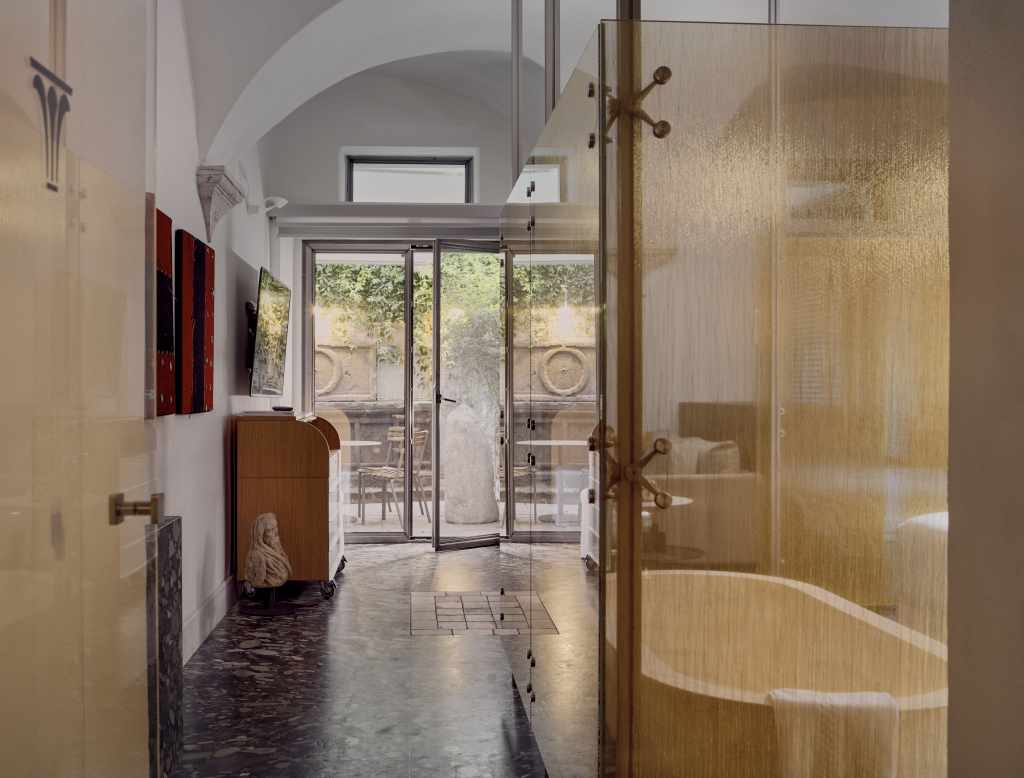
Living Like a Roman: The Artful Dialogue of Past and Present at Palazzo delle Pietre
Terrazzo enjoying a resurgence
Concrete classic: South Melbourne House
6 beautiful homes with Italian influences

Terrazzo - the stuff of old hallway flooring - goes upscale
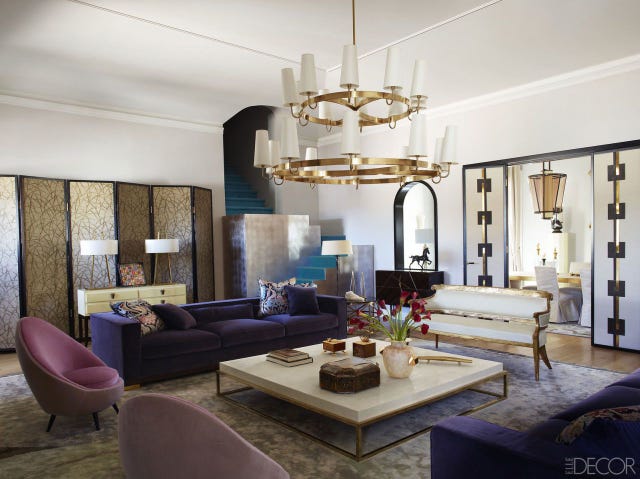
How to Master a Modern Italian Look at Home
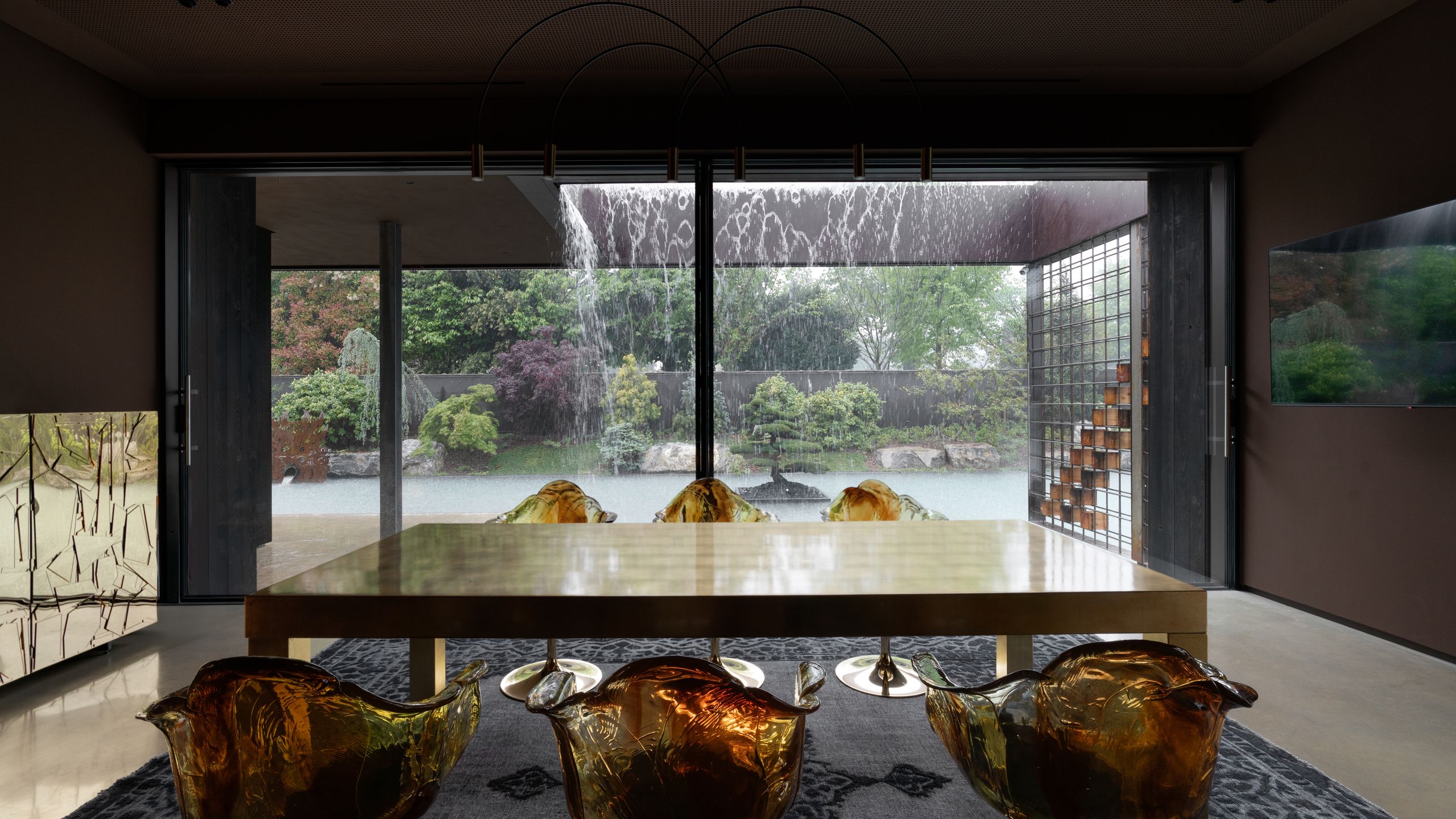
This Modernist Pavilion Blends Italian Luxury With a Japanese Zen Garden
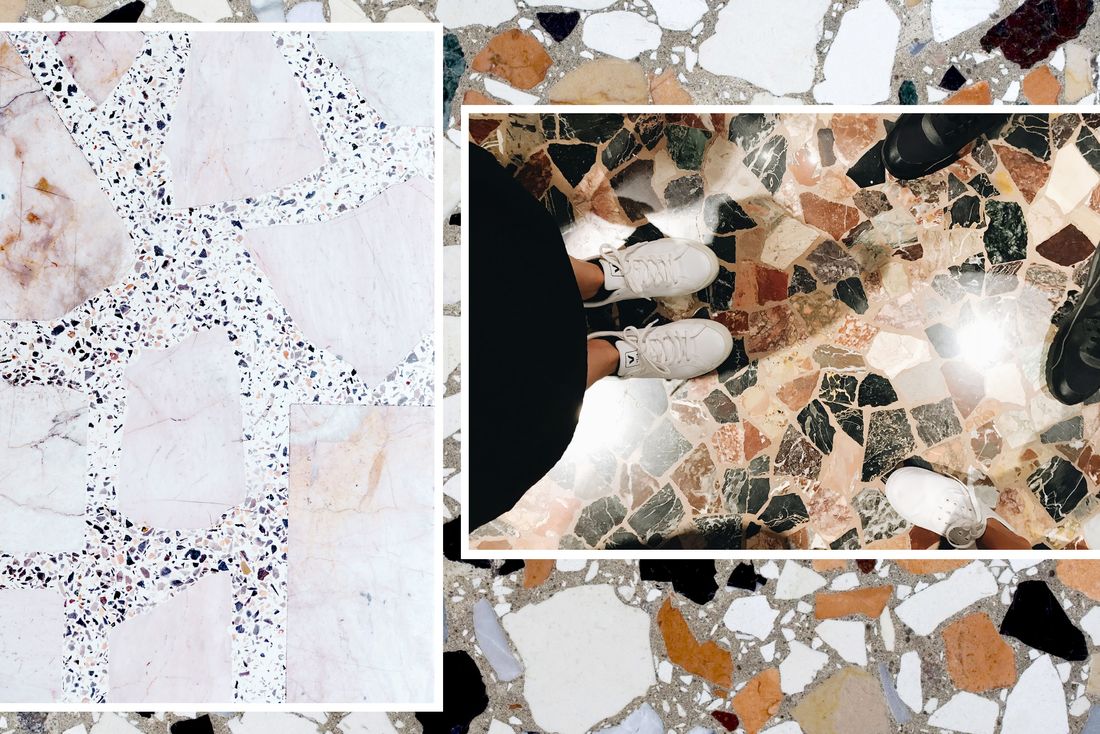
How Terrazzo Made a Comeback
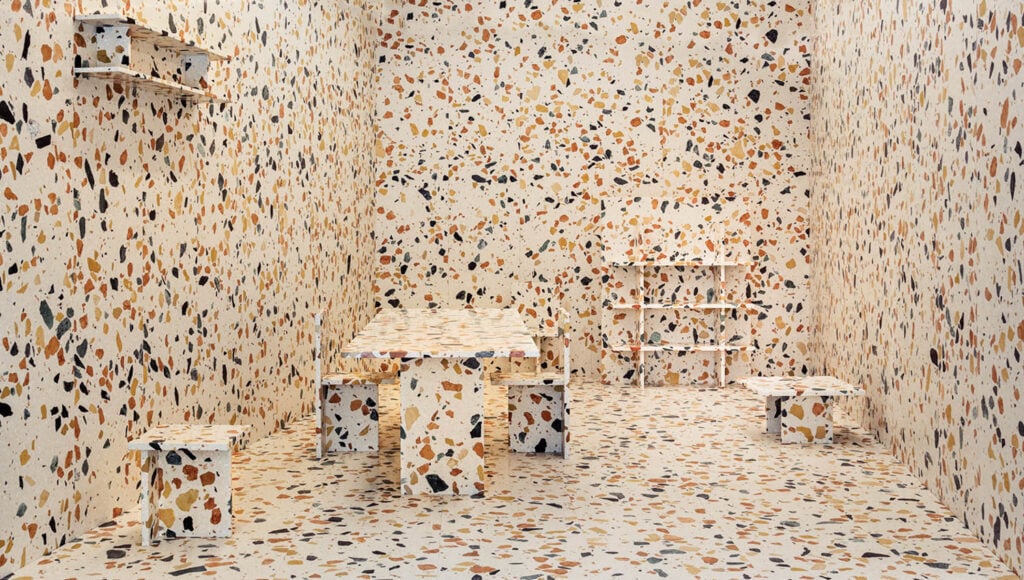
Old-World Style Meets Modern Sentiments in These Flecked Surfaces

Ten rustic Italian interiors that evoke the history of the Mediterranean
From Venice to Vanderbilts: A Brief History of Terrazzo

I've never seen terrazzo flooring like this minimalist villa
I've just come back from summer in Italy – these are the 5 must-have decor trends I need


This Incredible Renovation of a 1970s California Home Is a Terrazzo Lover’s Dream

Layer upon layer: uncovering the terrazzo treasures of the west and celebrating legacy floors

Italy Has the Most Eye-Popping Floor Tiles | Italian Tile

Outside the box: Bold architecture meets sophisticated style


Amanda & Alan's Italian Job