1/2
These Retro Kitchen Countertops Were Especially Popular After World War II
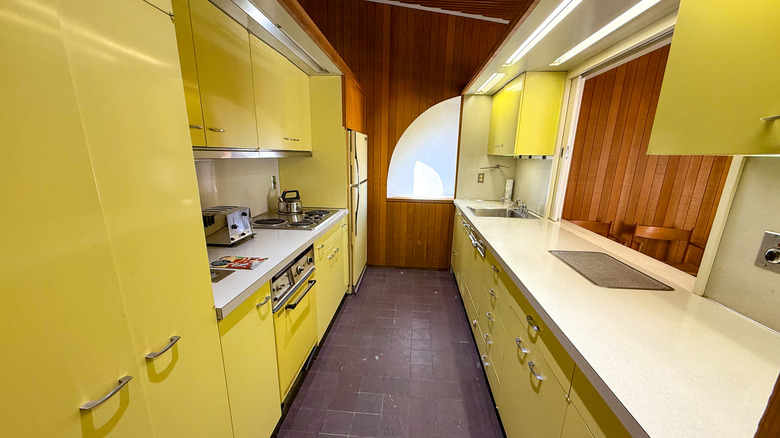
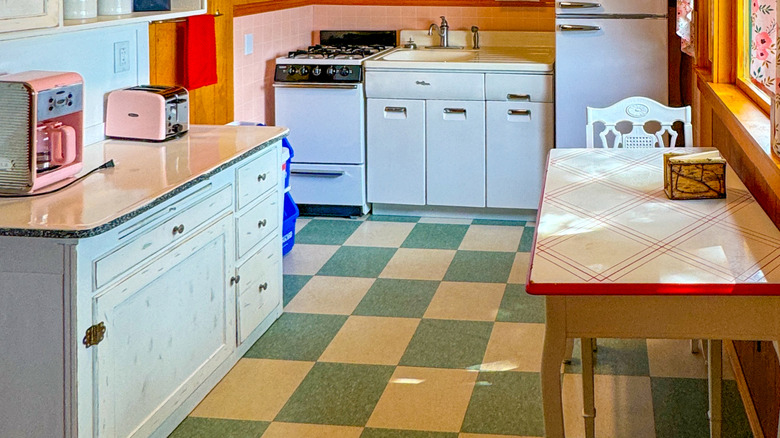
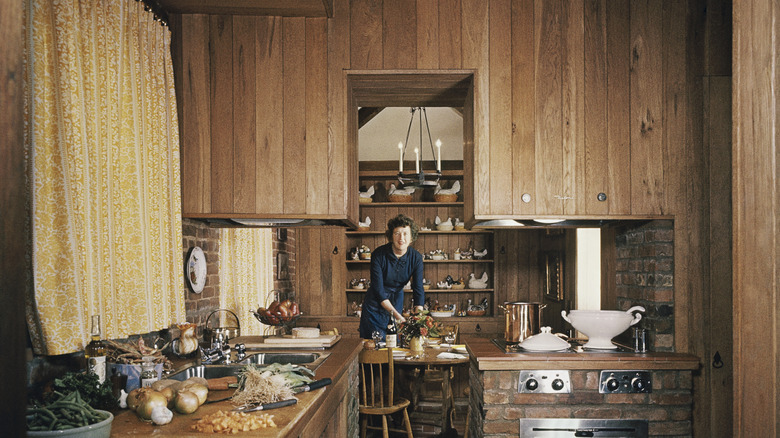
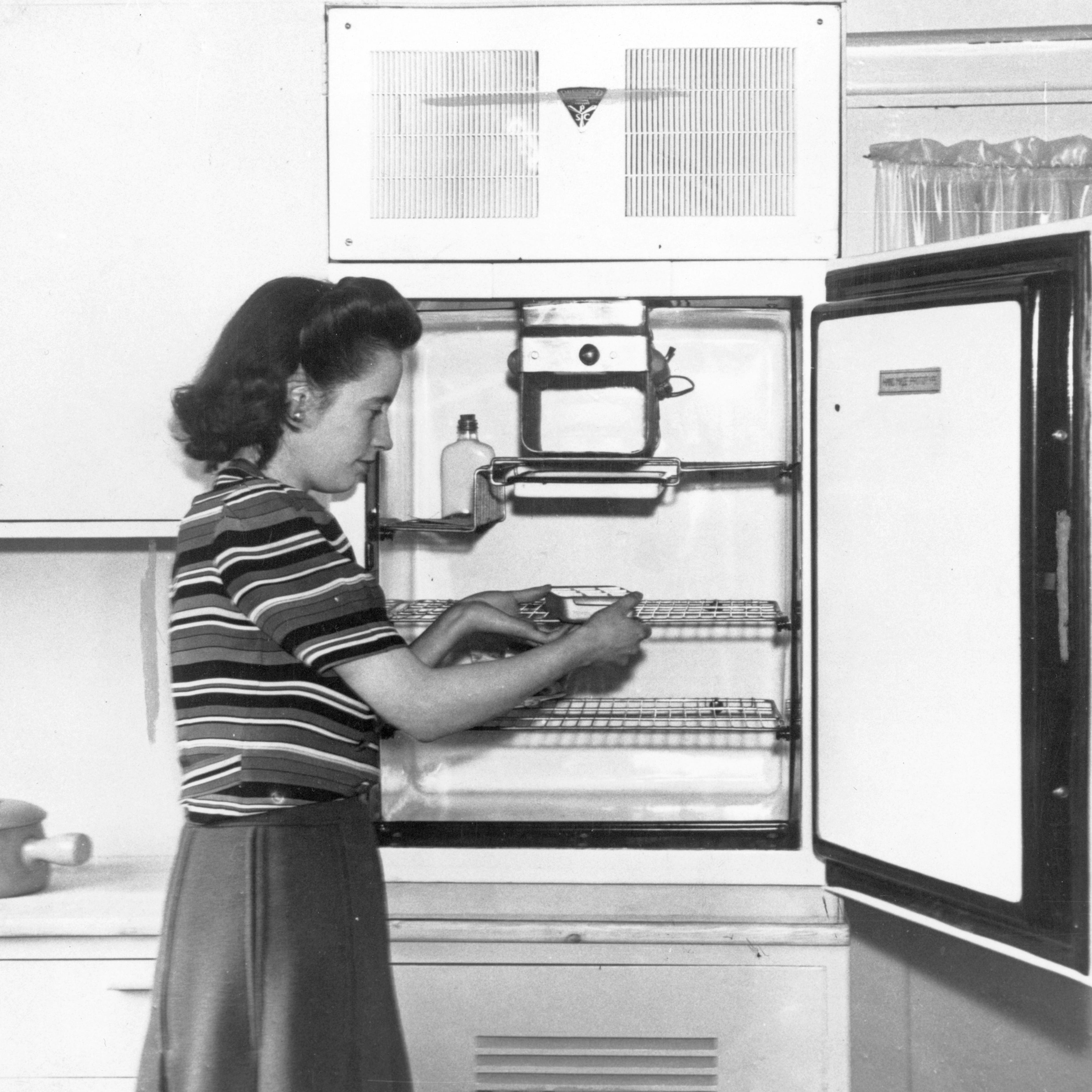
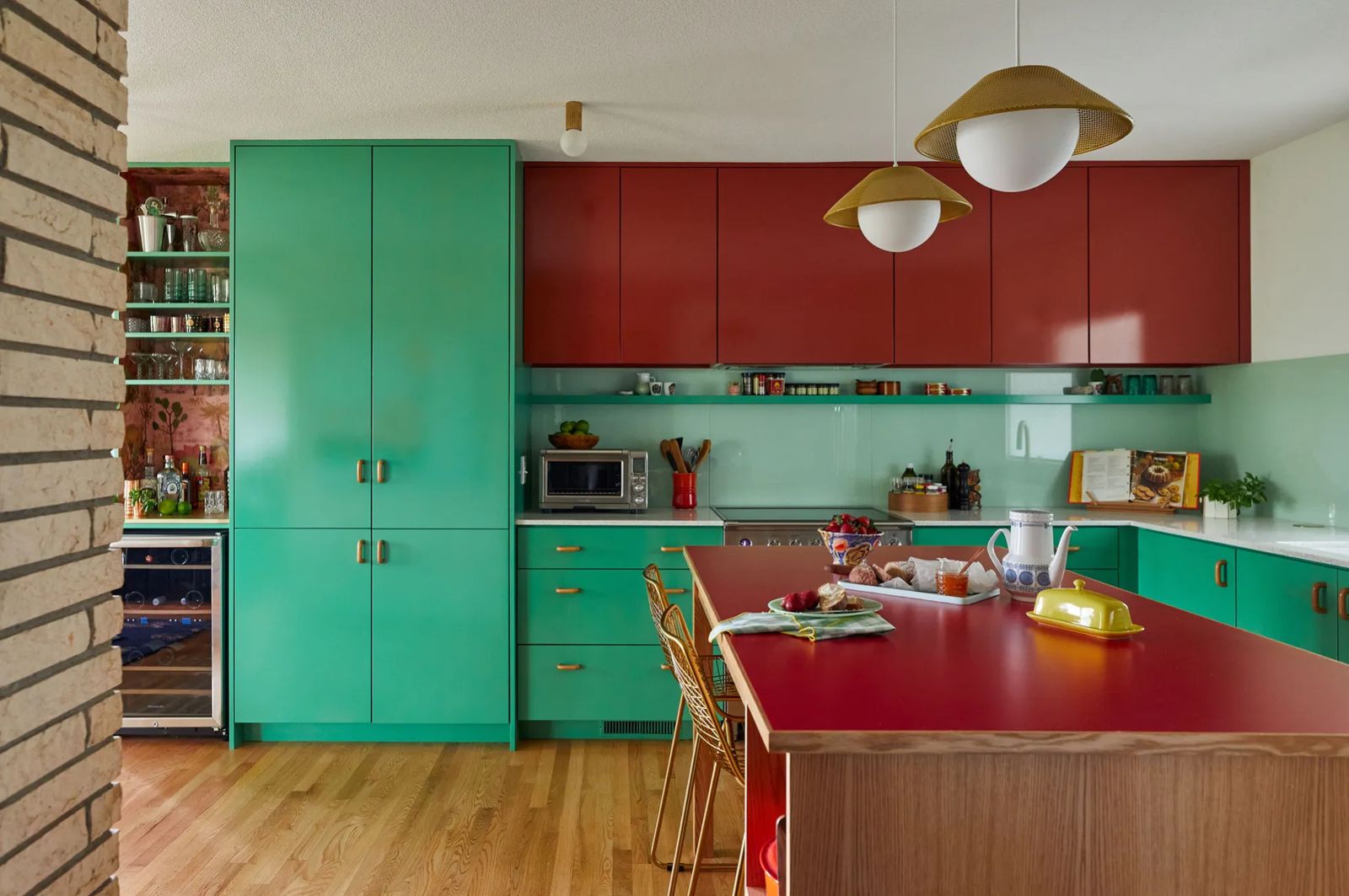
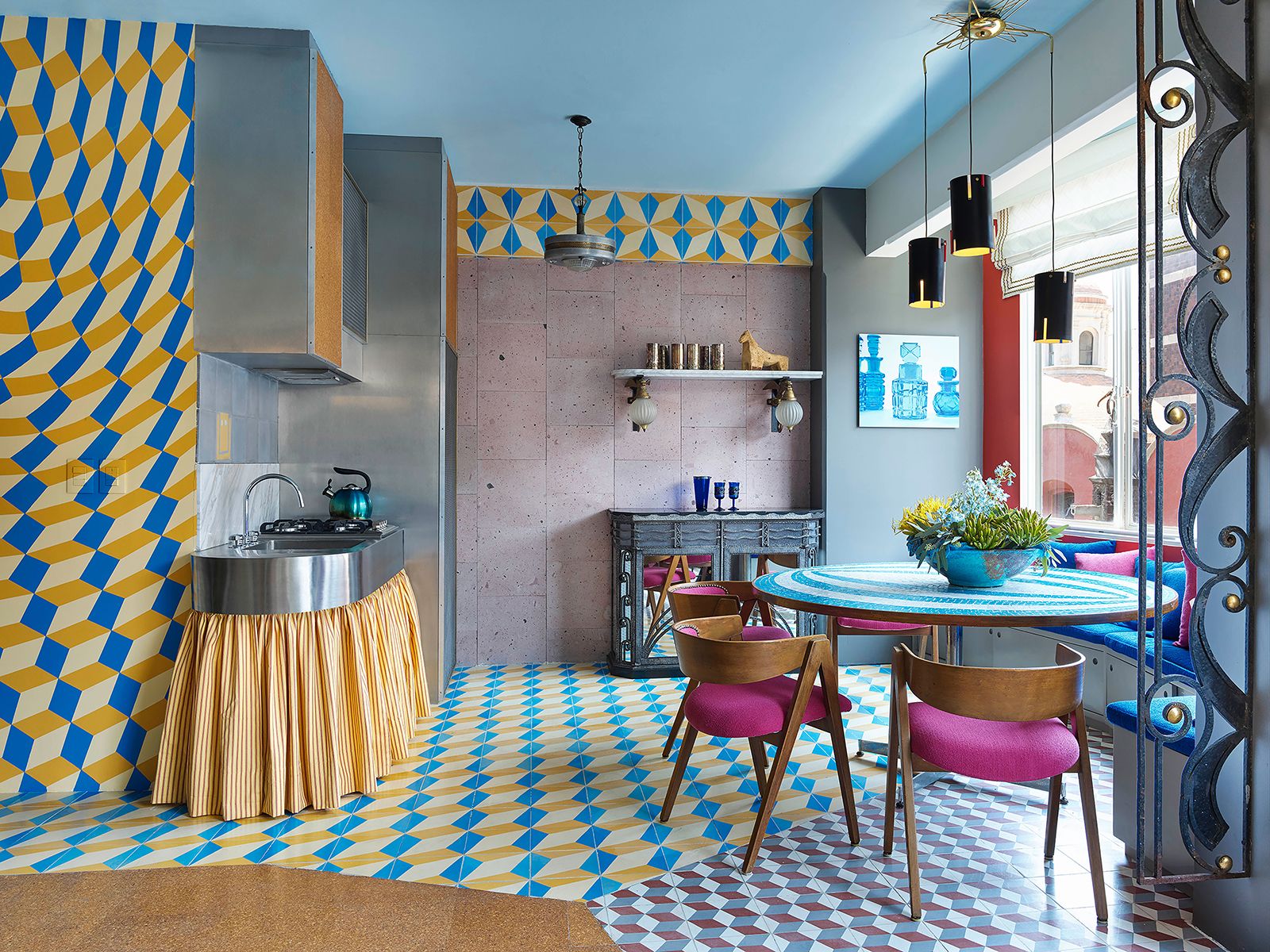
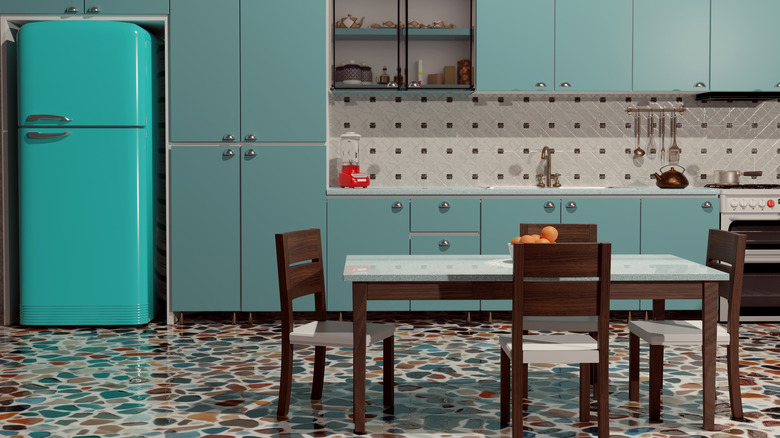
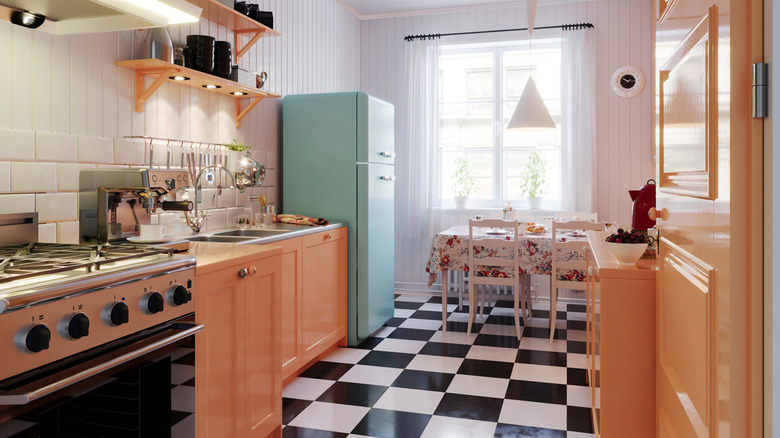
Laminate countertops, once a revolutionary and highly sought-after kitchen design element, have experienced a resurgence in popularity, particularly among younger generations. Initially developed by the Formica Corporation, laminate countertops were first available in a basic caramel brown. However, by the late 1930s, advancements allowed for the production of a variety of colors. The true boom for laminate countertops began after World War II, fueled by a recovering American economy and the introduction of melamine, a clear resin. This new resin, when pressed with sheets of paper, enabled manufacturers to create laminate countertops in virtually any color and pattern that could be printed. This innovation made laminate not only aesthetically versatile but also incredibly practical for homemakers due to its sturdiness, stain resistance, and ease of cleaning.
Historically, laminate countertops were ubiquitous throughout the late 1940s and 1950s, symbolizing modern kitchen design. However, their popularity waned as natural stones like granite, marble, and quartz became more accessible and fashionable, leading many to view laminate as an outdated material. Despite this period of decline, recent trends indicate a renewed interest in laminate. A 2024 survey conducted by Formica revealed that a significant majority of Generation Z homeowners, 86%, would consider using laminate countertops in their kitchens. This contrasts sharply with Baby Boomers, only 56% of whom would consider it, while Generation X and Millennials showed moderate interest at 73% and 78% respectively.
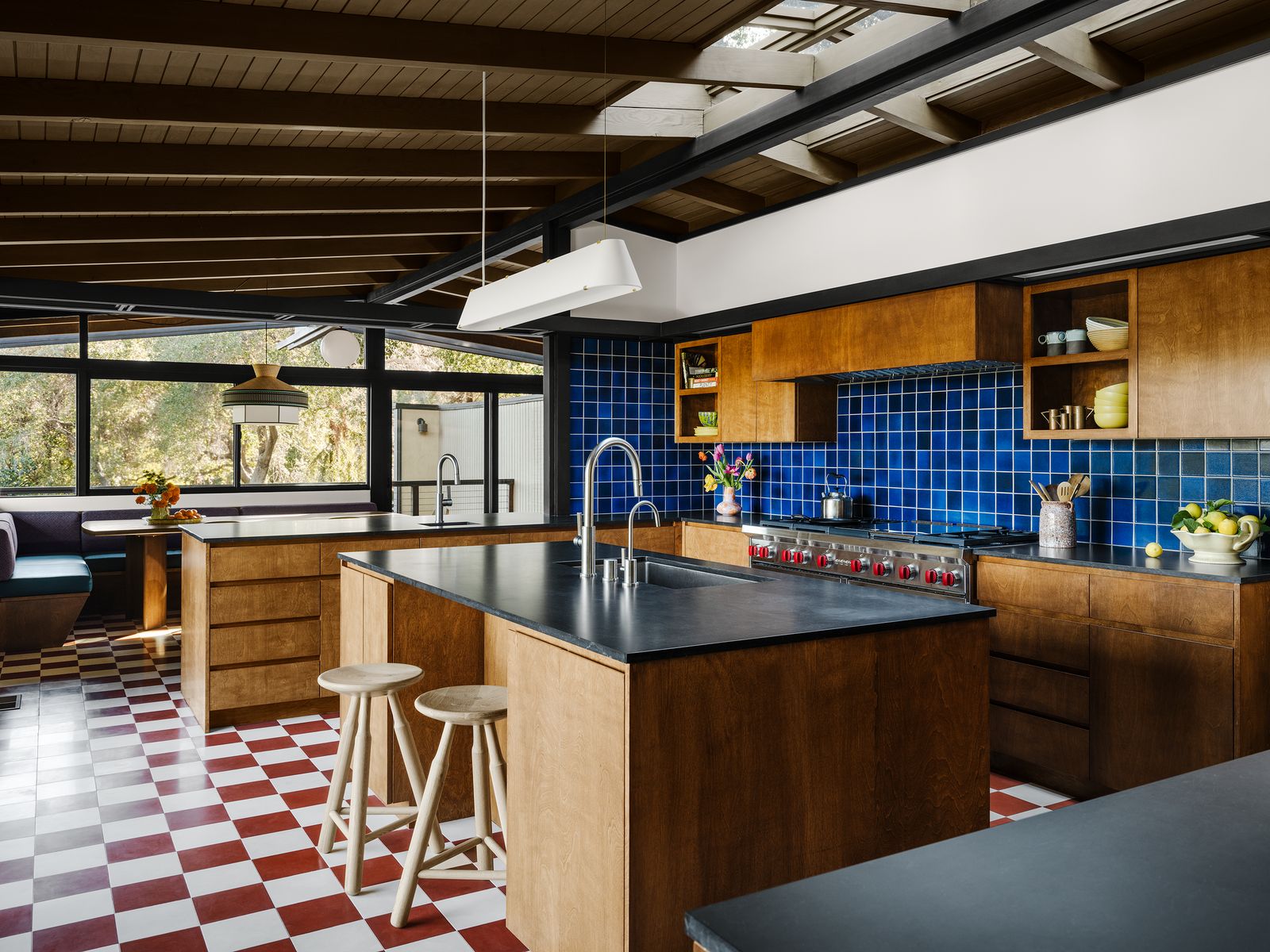
The renewed appeal of laminate among younger homeowners can be attributed to several factors. Unlike older generations who may associate laminate with their parents' kitchens, Gen Z often perceives the material without the stigma of being dated. Furthermore, modern laminate technology has brought significant improvements in design and aesthetics, allowing for the replication of contemporary looks, such as sleek matte finishes, that were not previously possible. Economic considerations also play a role; with older generations controlling a larger share of wealth, they may be more inclined to invest in expensive natural stone options. Younger individuals, in contrast, are often seeking cost-effective yet stylish solutions, making laminate an attractive choice. The article also notes that the current trend favoring retro kitchen aesthetics further contributes to laminate's comeback, aligning with a broader appreciation for vintage designs.
#RetroKitchen #LaminateCountertops #KitchenDesign #PostWorldWarII #Formica #HomeDecorTrends #GenZHomeowners #BudgetFriendlyDesign #RetroKitchen #LaminateCountertops #KitchenDesign #PostWorldWarII #Formica #HomeDecorTrends #GenZHomeowners #BudgetFriendlyDesign
0 comment in total
 No comments yet
You may also like
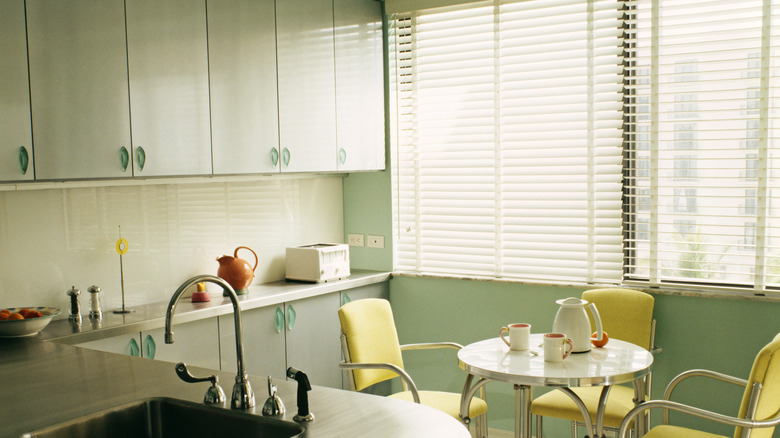
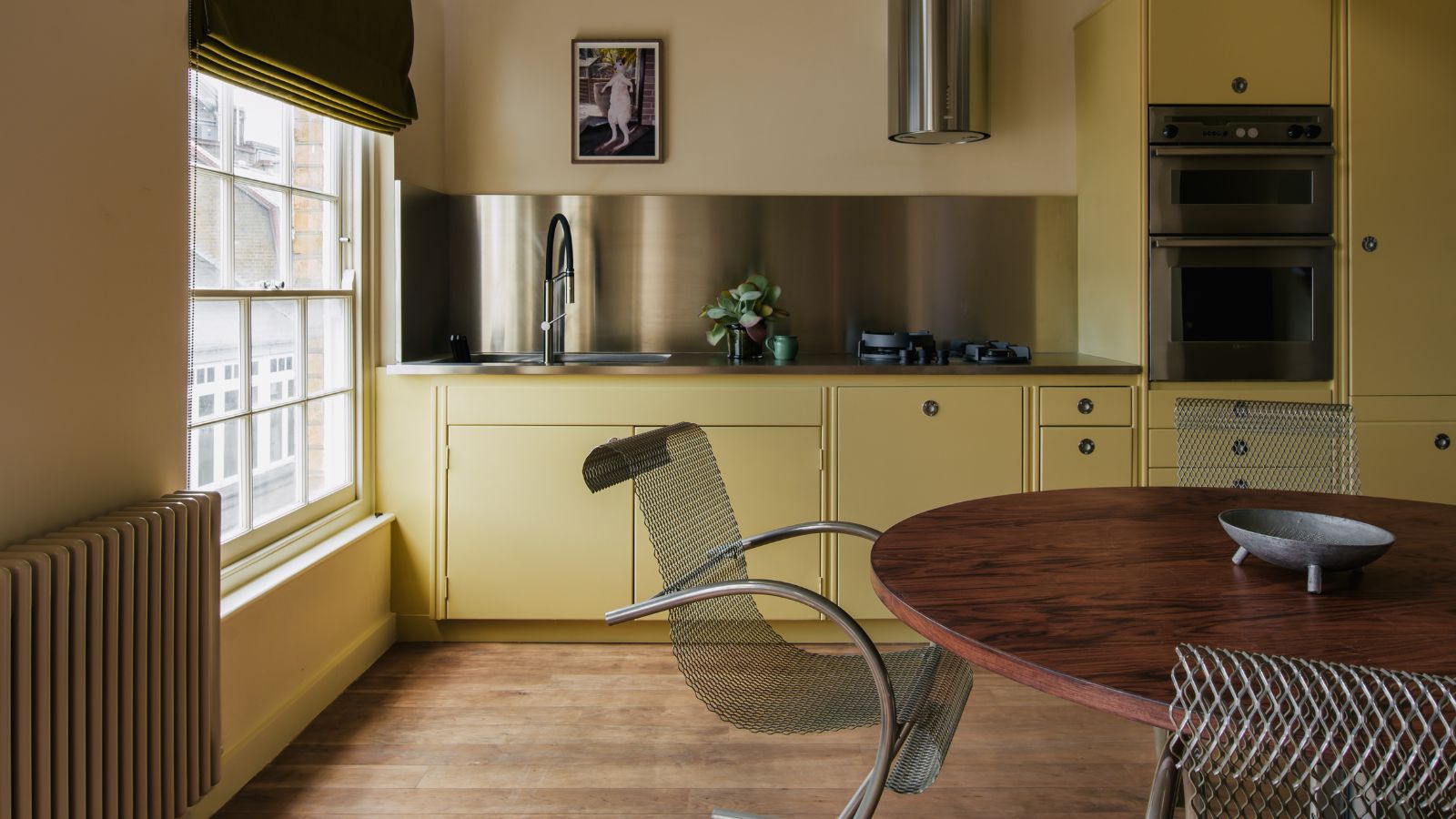
7 Vintage Kitchen Design Trends Boomers Remember Fondly

6 outdated kitchen countertop trends to leave behind in 2025
These Are the Top Kitchen Hardware Trends for 2025, According to Experts

The Retro Kitchen Flooring Style That Deserves A Comeback

21 Retro Kitchen Photos That Will Transport You Back In Time

9 ideas to steal from the kitchens of the 1990s and how to make them actually look chic in 2025
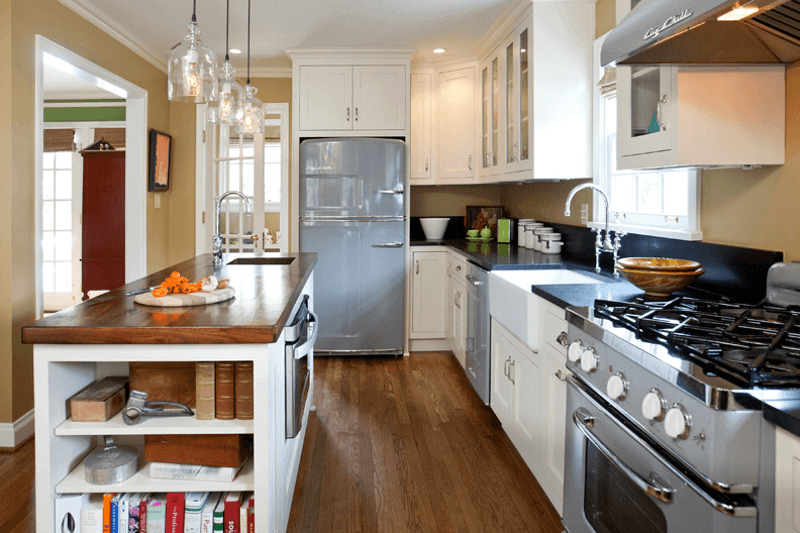
This Retro Kitchen Is a Modern Blast From the Past

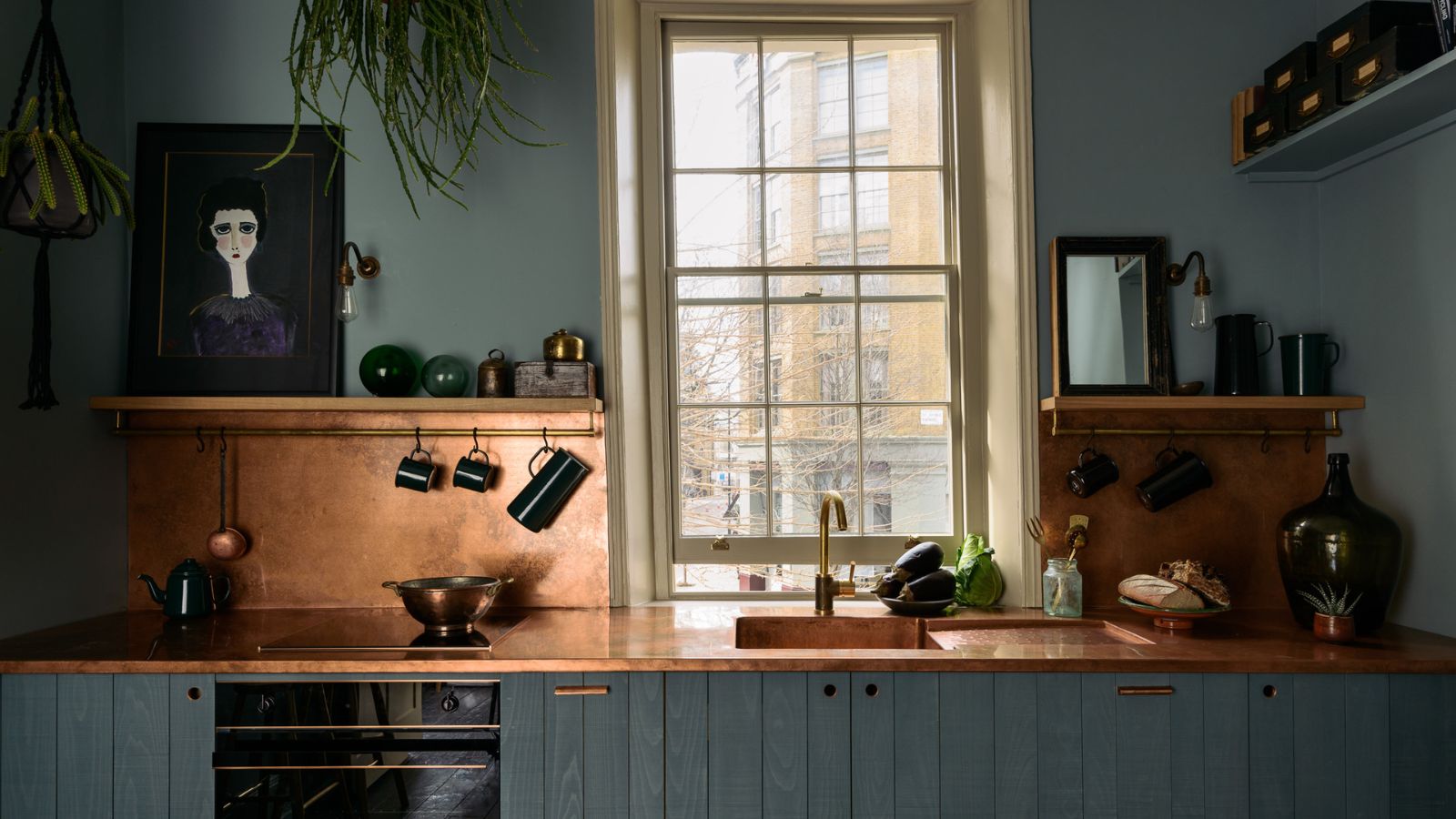
Designers say to ditch black kitchen countertops and try these 5 alternatives instead

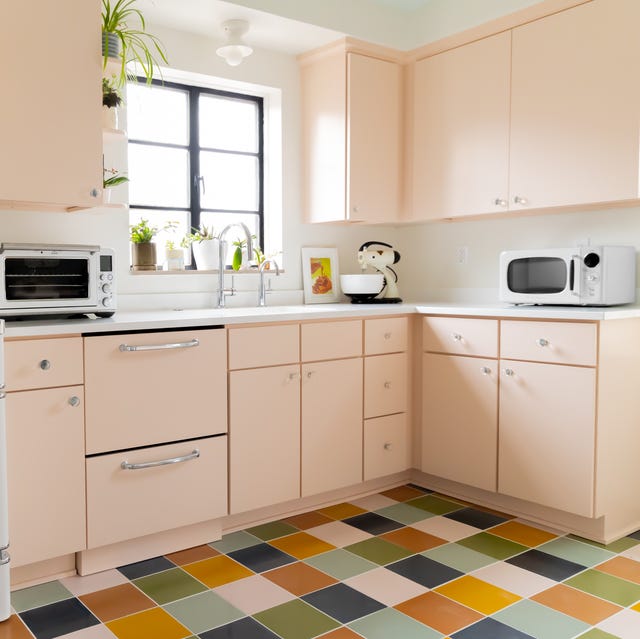
The Surprising Retro Kitchen Design That's Making a Major Comeback

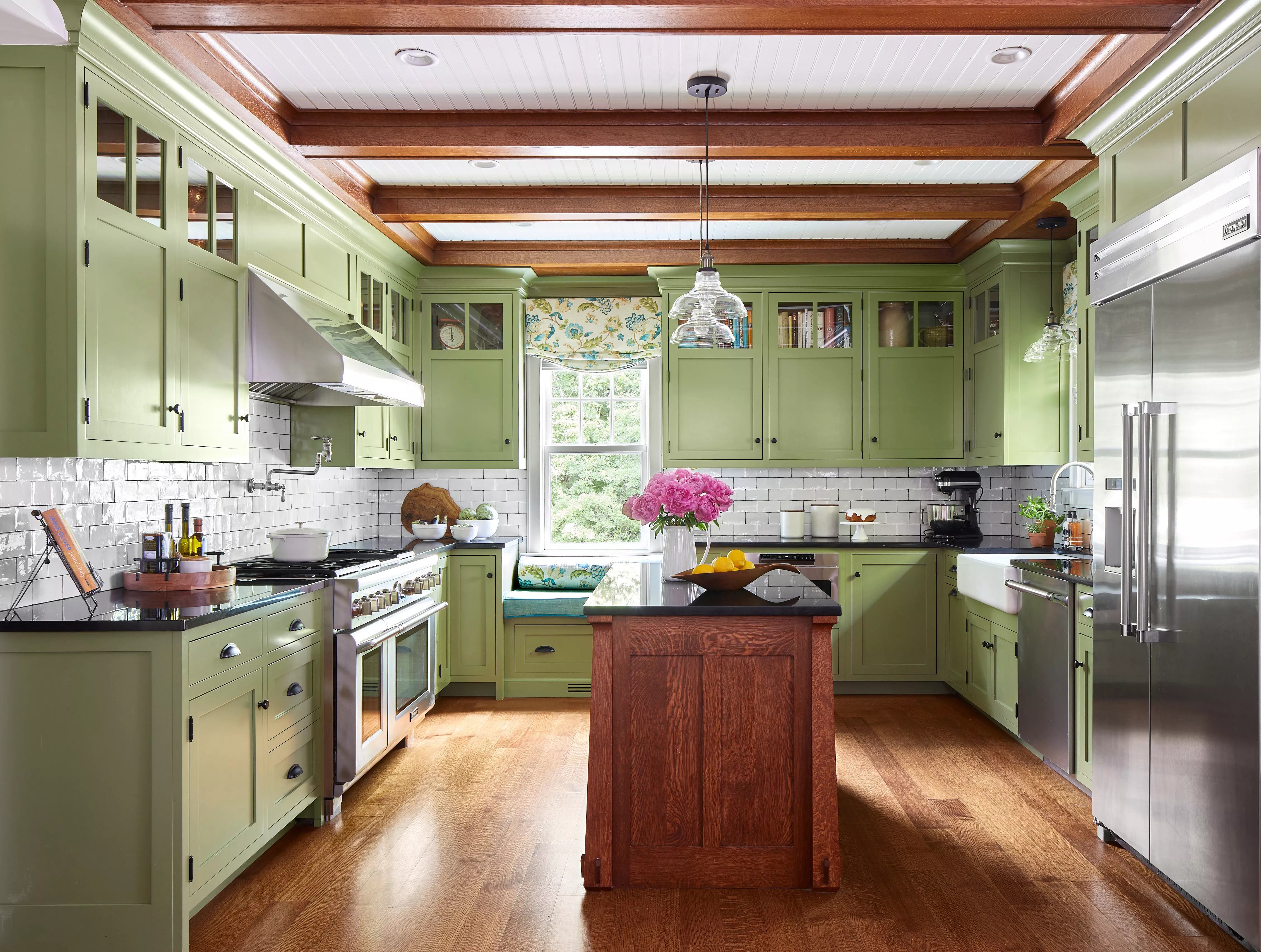
Retro Kitchens Are Back—Designers Share Their Best Tips to Get the Nostalgic Look

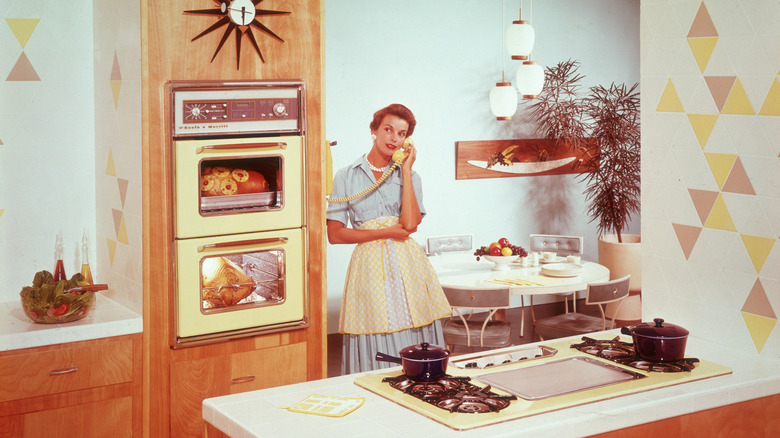
12 Vintage Kitchen Design Trends We Want To Bring Back

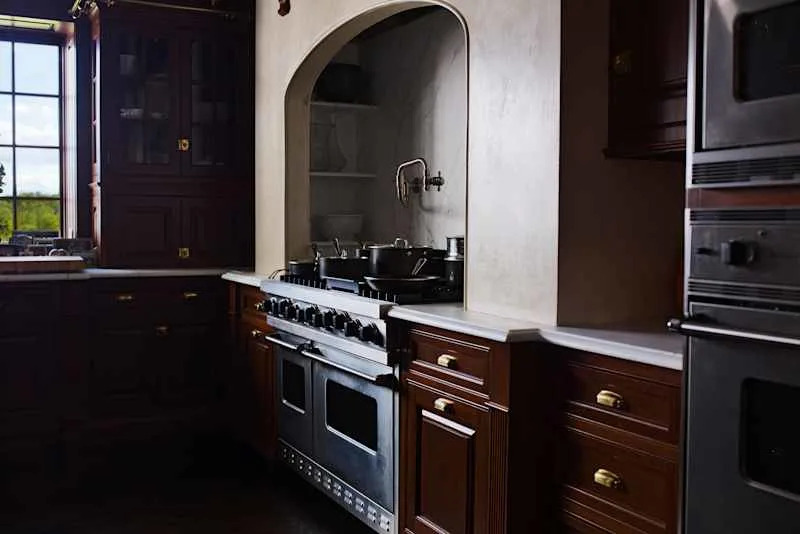
This Is the Old-World Interior Design Trend Taking Over Kitchens Again
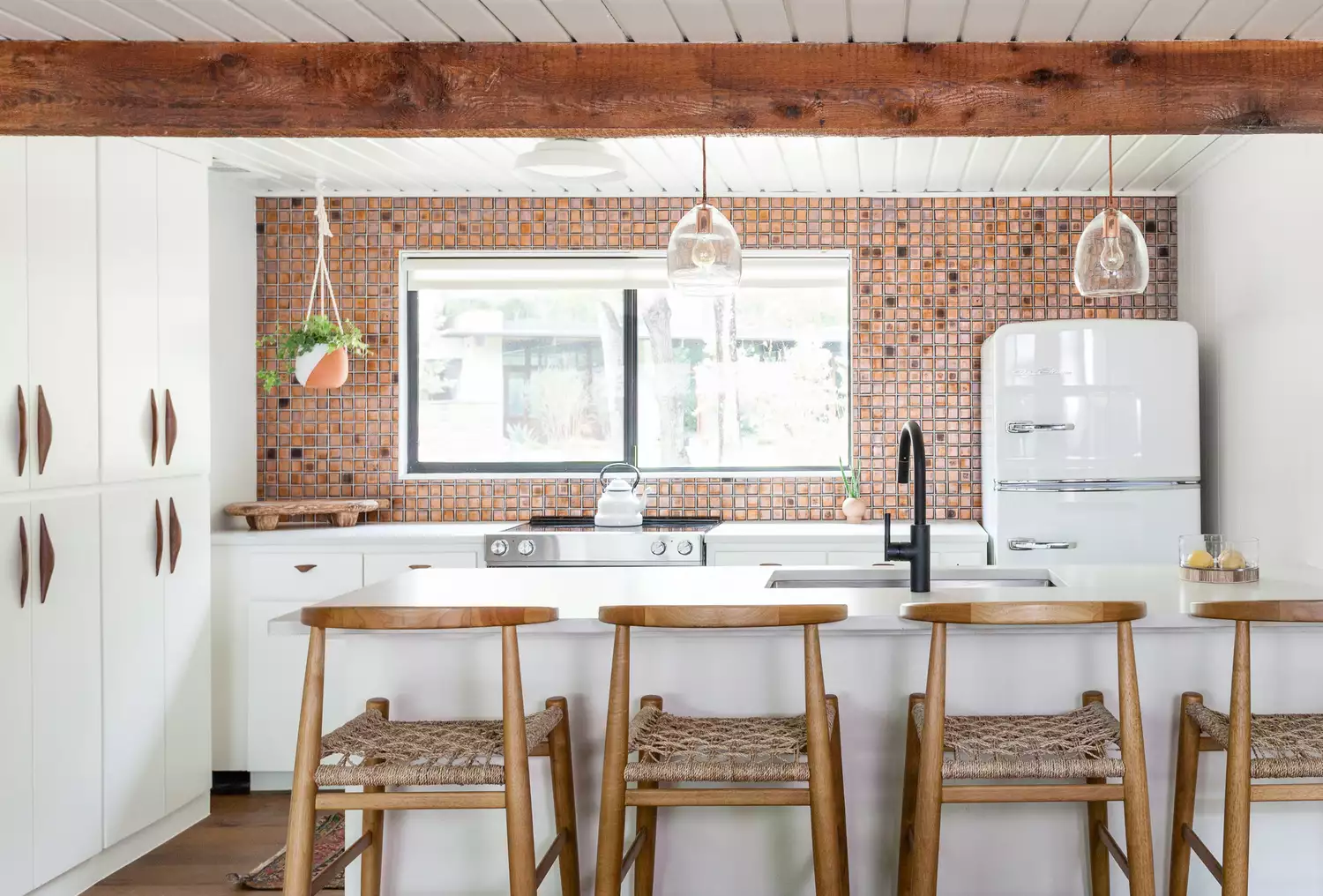
Wait, Are Retro Kitchen Appliances Still in Style? Here's What Designers Think

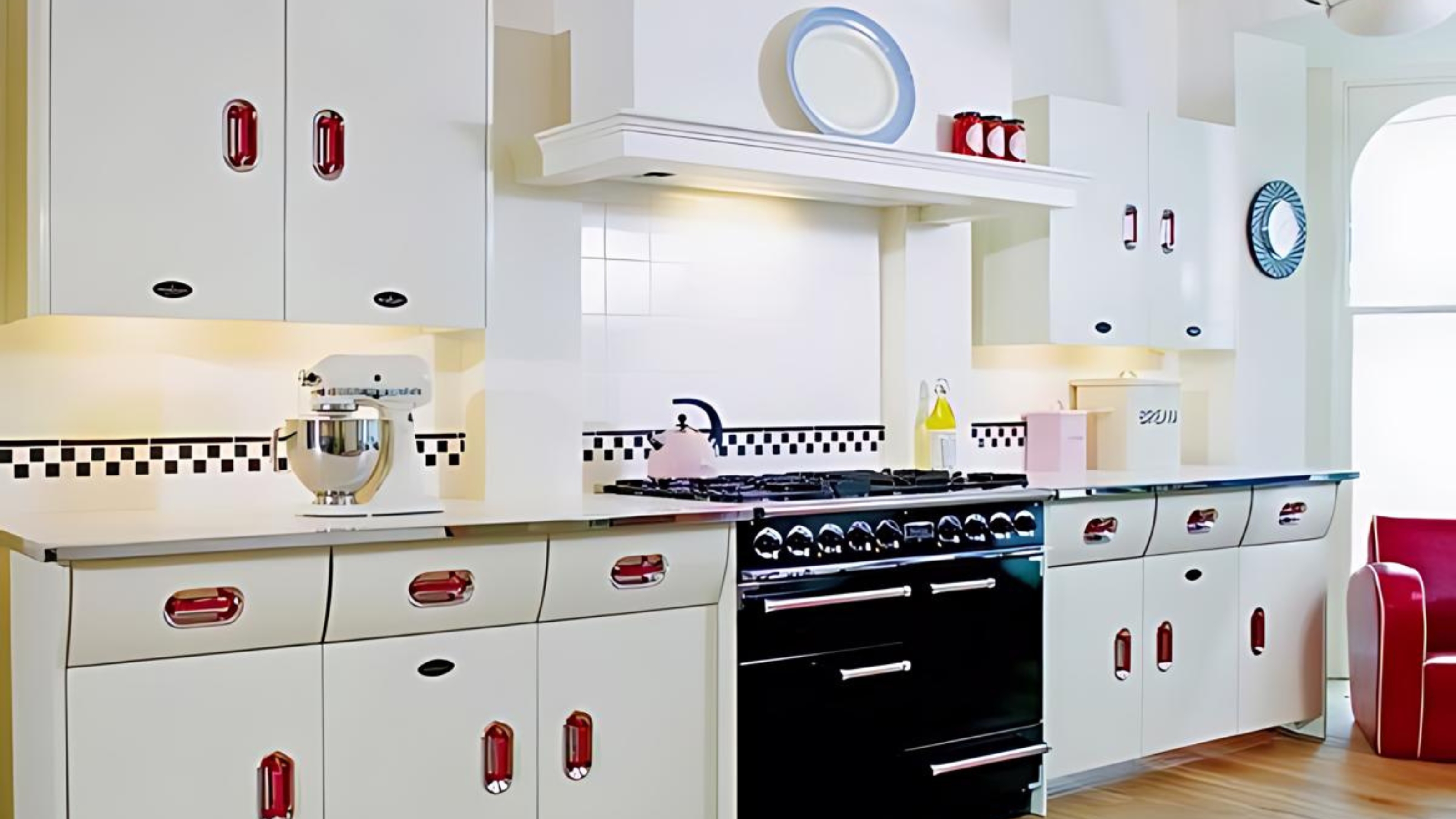
50s diner kitchen ideas — 10 ways to embrace this retro look

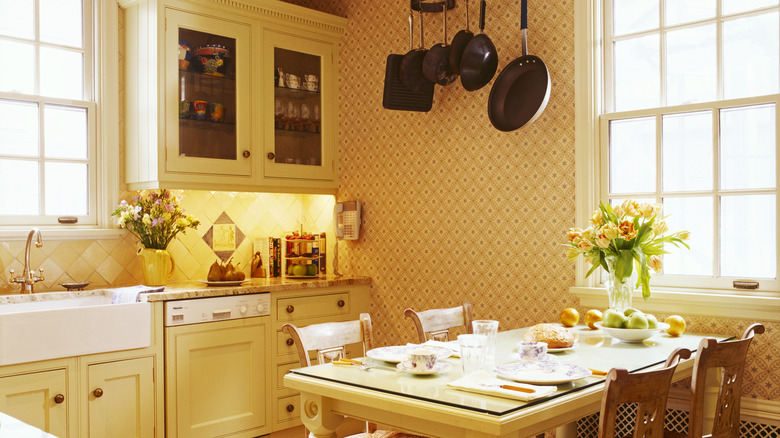
7 Kitchen Styles That Dominated The Early 2000s

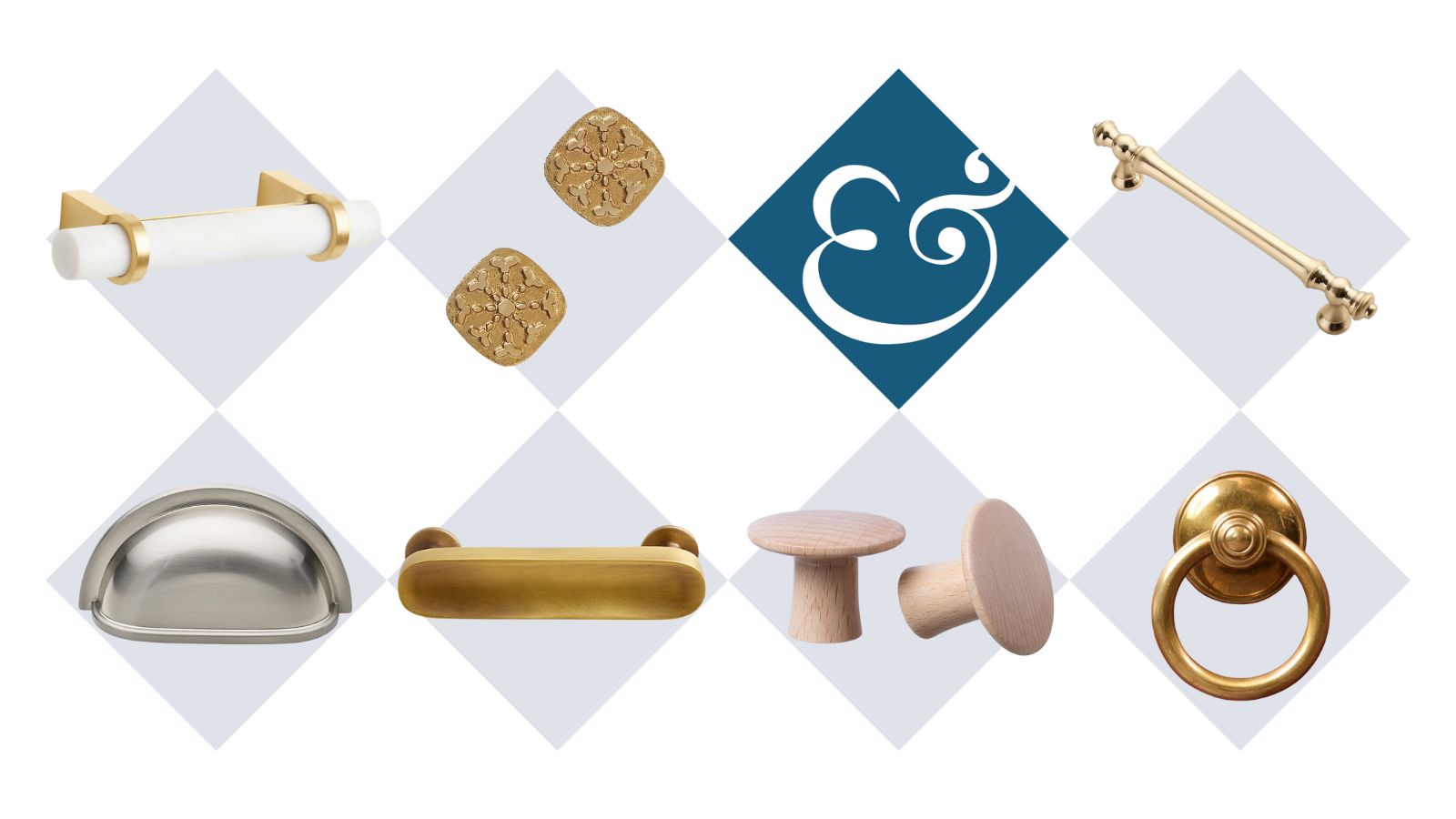
Sourced by Homes & Gardens: Where to Buy Kitchen Hardware That is Elevated, Functional, and Suits Every Budget
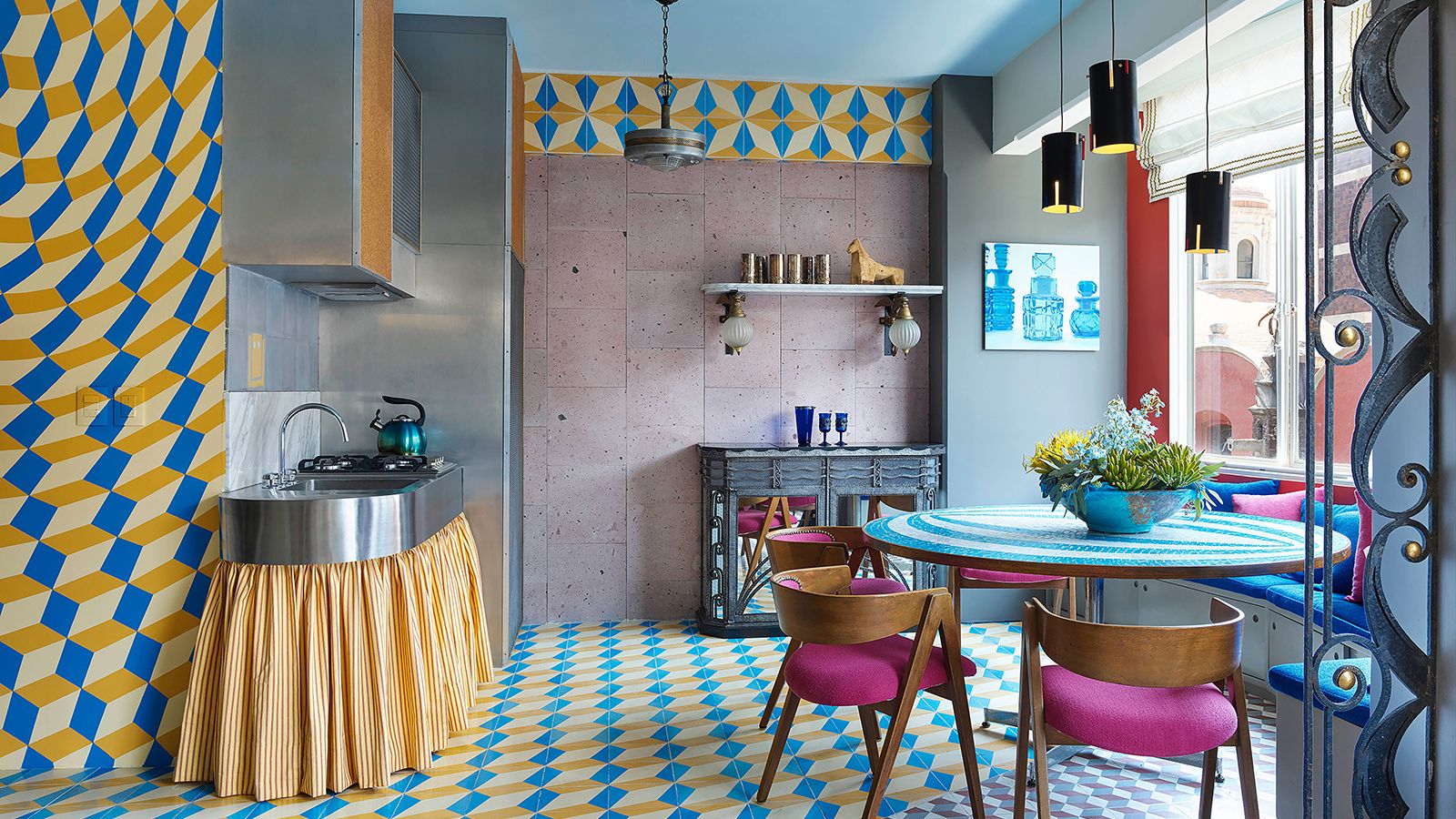
11 Retro Kitchens We Love From AD PRO Directory Designers

9 Kitchen Trends From The '90s That Are Making A Comeback
Give Your Kitchen A Historical Touch With 5 Vintage Hardware Styles
These 15 Retro Kitchen Ideas Still Look Great in 2025