1/2
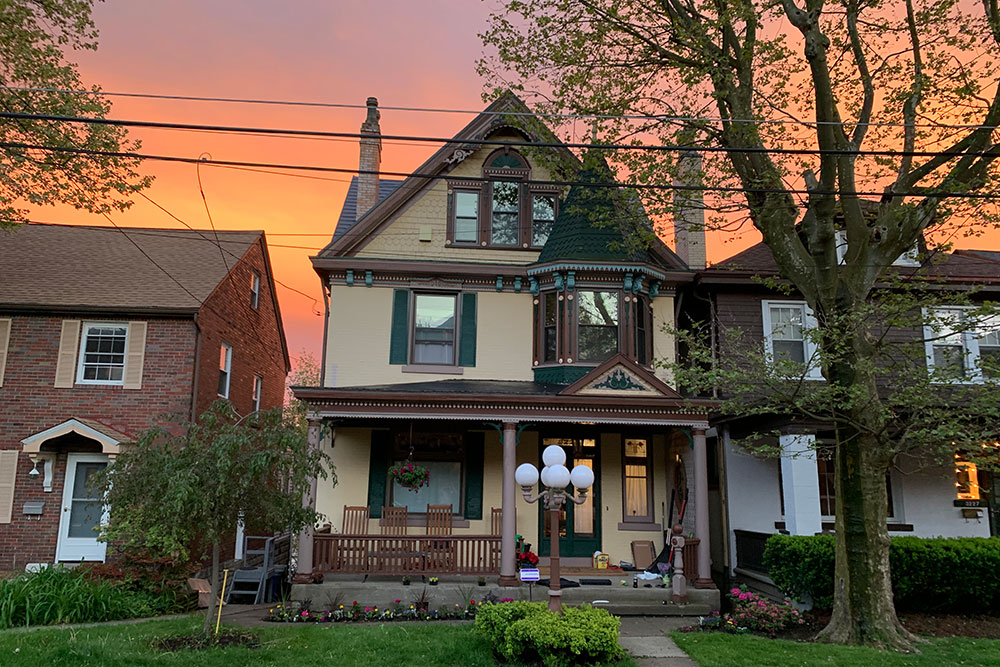
Where We Live: 1890s Queen Anne Victorian style Durham-Davis house
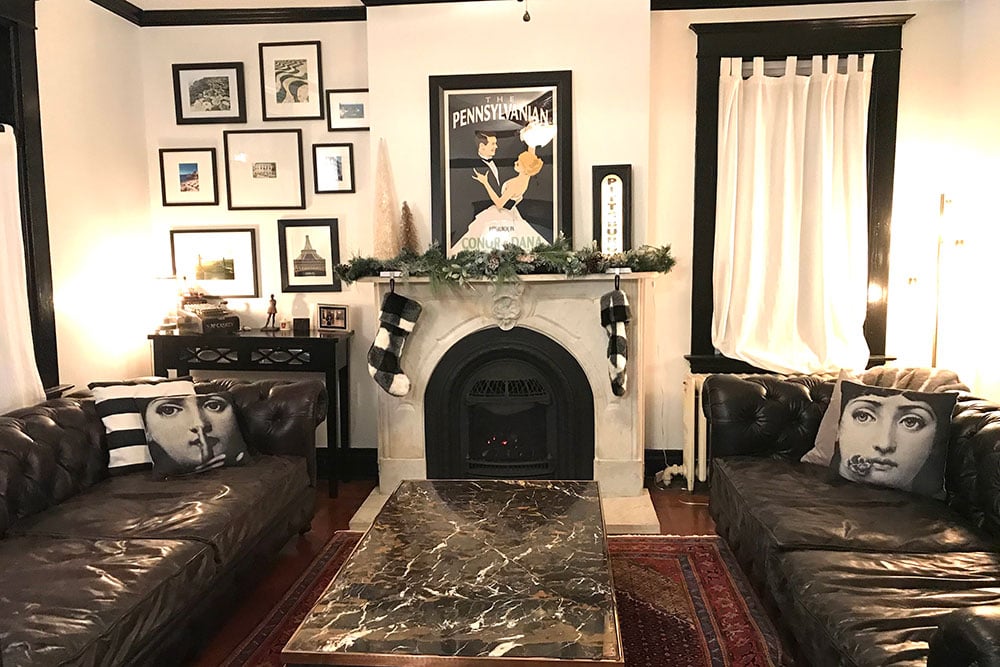
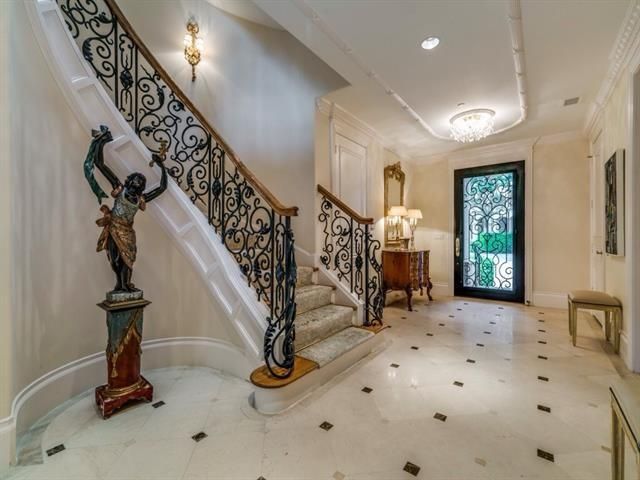
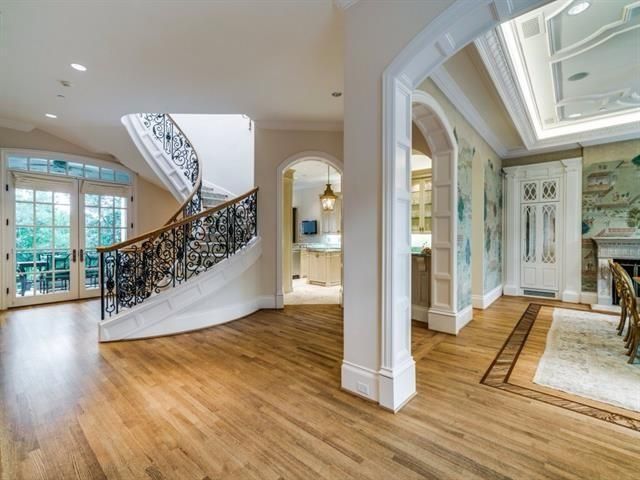
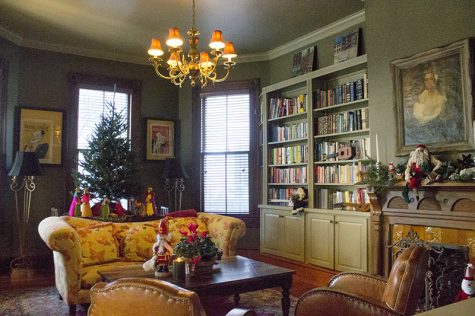
The article profiles the 1890s Queen Anne style Victorian Durham-Davis house in historic downtown Wilmington, currently owned by Robert and Sydney Powers, who also operate Jester’s Cafe on Castle Street. The house, 127 years old, is characterized by its historical features such as stained glass windows, triple-hung windows, and nine fireplaces. Sydney Powers describes the house as "alive," noting its creaks and shifting elements as signs of its age. The interior boasts eleven-foot ceilings and intricate woodworking, which necessitate larger furniture pieces to fill the vast spaces. Powers mentions that paint alone was insufficient, leading them to incorporate wallpaper and drapes to complete the formal rooms and combat an empty feeling.
The home’s original design incorporated floor-to-ceiling windows on the first floor, a feature that was once practical for natural temperature regulation, allowing drafts to cool the house even without air conditioning. While these windows have since been sealed and painted over, they continue to provide ample natural light. Powers explains that the house's 1890 construction reflects the lifestyle focus of the Victorian era, characterized by an ornate architectural style that she describes as having a "panache" and "drama," contrasting with the more utilitarian designs often found on the West Coast influenced by Frank Lloyd Wright. She highlights a specific detail in the kitchen where exposed brick, something Victorians would have disliked, is visible, illustrating a modern update within the historic structure.
Powers views the Durham-Davis house as an architectural prototype, suggesting that the Victorian model, with its emphasis on decoration over function, eventually gave way to more practical housing designs. She contrasts this with Frank Lloyd Wright's philosophy of "form follows function," where unnecessary ornamentation is removed. Despite these differences, Powers, as an actress, appreciates both styles, adapting to the environment the house provides. She addresses the common misconception that older homes are always expensive to maintain, arguing that well-built Victorian homes, constructed with old-growth wood, are often more durable than newer constructions. The old-growth wood, she explains, has hardened over time, providing a sturdy foundation and protection for the siding and foundation.
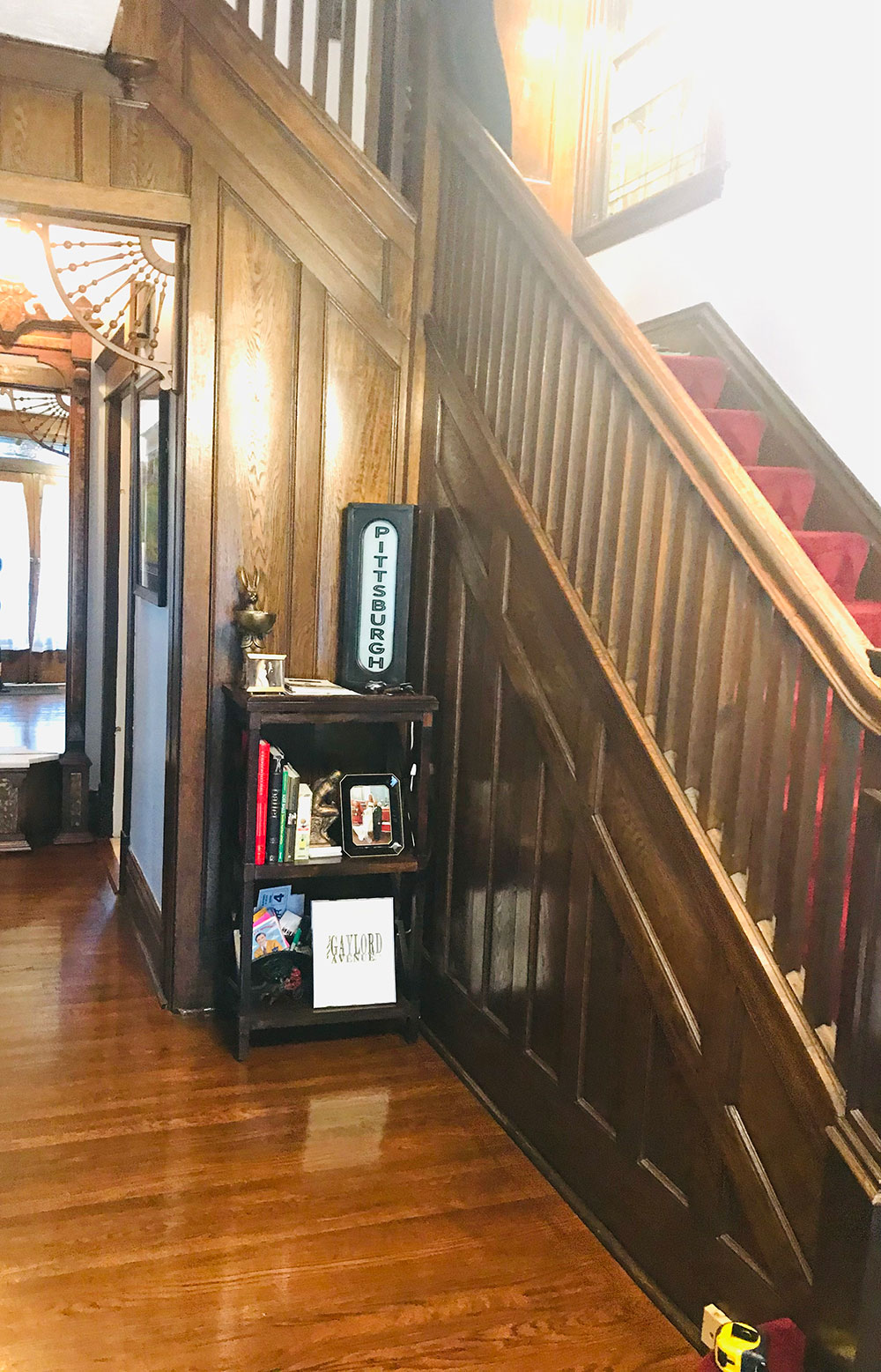
The house features heart of pine hardwood floors and woodwork, which, having not been painted over, have mellowed from bright colors to a deep caramel, adding to the home’s aged charm. The Durham-Davis house is recognized by the Historic Wilmington Foundation and was recently featured in the Lower Cape Fear Historical Society’s Old Wilmington by Candle Light Tour. Powers concludes by reflecting on society's tendency to discard old things in favor of new methods, advocating for the preservation of structures that have stood the test of time, finding value in being part of something enduring.
#QueenAnneVictorian #DurhamDavisHouse #HistoricHome #WilmingtonNC #VictorianArchitecture #OldGrowthWood #HomePreservation #InteriorDesign #ArchitecturalHistory #QueenAnneVictorian #DurhamDavisHouse #HistoricHome #WilmingtonNC #VictorianArchitecture #OldGrowthWood #HomePreservation #InteriorDesign #ArchitecturalHistory
0 comment in total
 No comments yet
You may also like
What is a Queen Anne-style home? 5 iconic properties that showcase this traditional American architecture at its best
Explore this Edwardian house which is perfect for modern living
Courtyard House / D'WELL

A Melbourne interior designer’s Sydney base is light, bright and cosier than any hotel
Princess Diana's childhood bathroom is beautiful in very rare photo
Hot Property: How to Find “Narnia” in Dormont


A Brunswick house that’s down to earth
Daniel Arsham’s modernist home informs his domestic installation in Miami

$1.15M home in Dauphin County is a contemporary masterpiece: Cool Spaces
Clive Daniel Home

Place des Vosges; Urban Hideaway in Dallas’ French Countryside

All About Anmer Hall, the Historic Country Residence Where Kate Middleton Is Reportedly Recuperating
Step inside this suburban ranch home and you'll swear it's a Victorian mansion
Take a tour of this gorgeous Victorian home...

Look Inside This Interior Designer’s Custom Home!

Windowless facade conceals "quiet grandeur" of Woodend bungalow

A Home For Everyone: The Danube Family Welcome Bazaar Into Their Extraordinary Mansion

Homestead in Victoria given family friendly restoration

A traditional Queenslander home with all-white interior

A Renaissance of a Geist Estate