What Really Makes A House A Cottage?
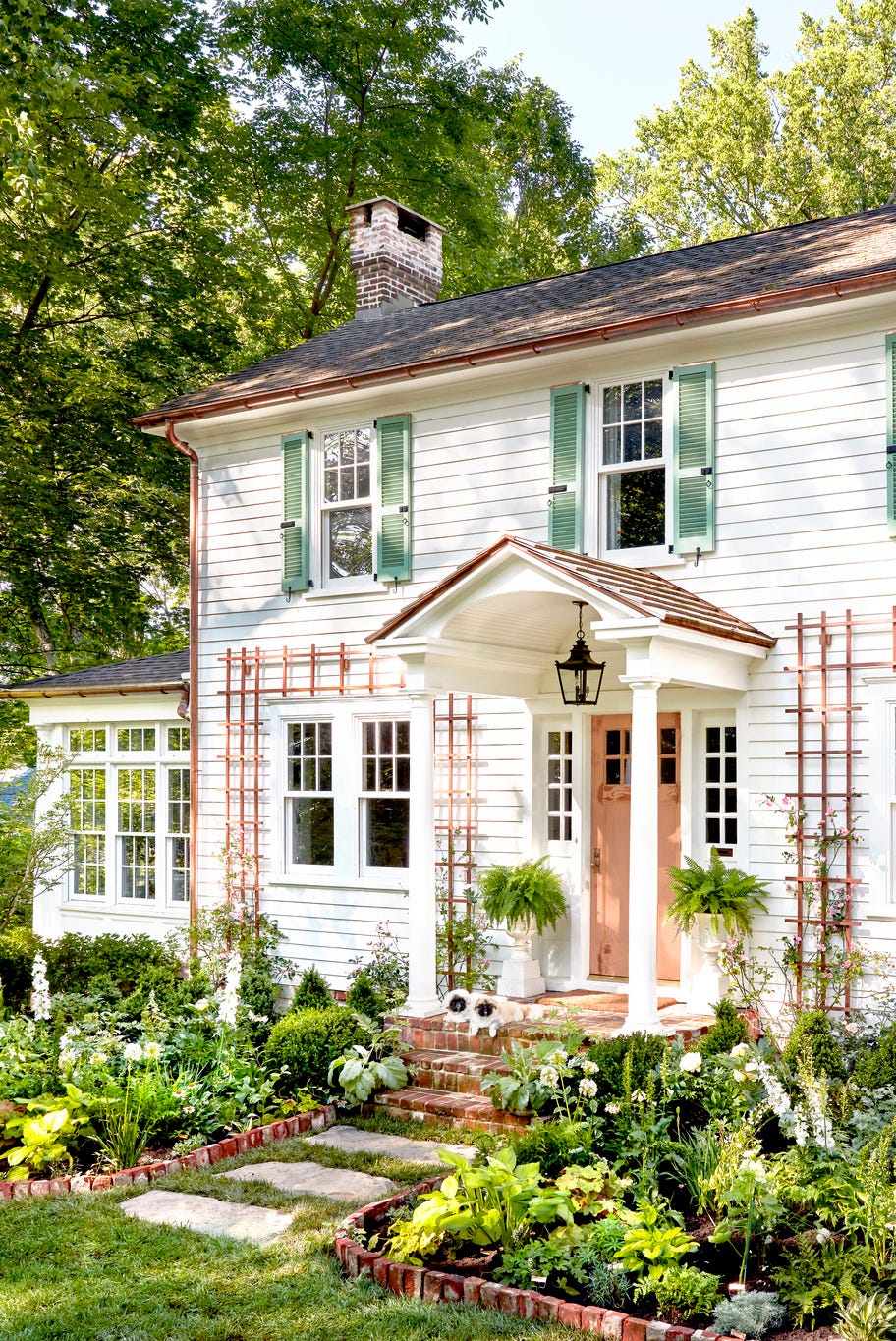
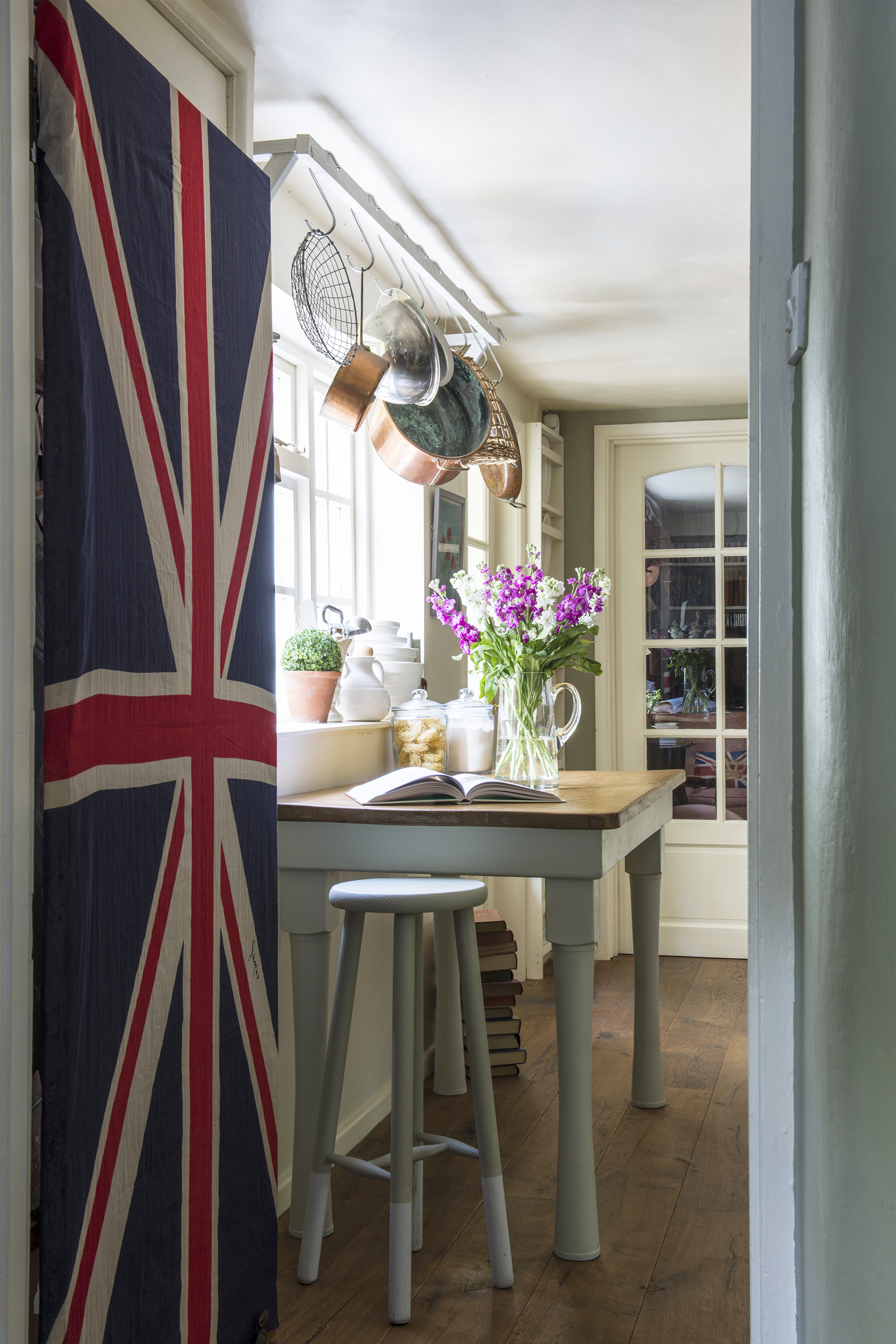
The term "cottage" refers to a category of house rather than a specific architectural style, encompassing small homes characterized by charm. Its origins trace back to the Middle Ages in England, where peasant farmers, known as "cotters," resided in modest, rural dwellings. Historically, English cottages were simple structures designed to provide warmth, typically featuring a single large living room on the ground floor and two bedrooms upstairs, often beneath a thatched roof. These homes were functional and cozy, prioritizing protection from the cold climate.
In the United States, the concept of a cottage evolved to include small-frame vacation homes situated near beaches or lakes, as well as secondary, smaller residences on larger properties intended for guests or laborers. Despite this diversification, American cottages maintained their inherent charm and widespread appeal across both urban and rural settings. During the Gilded Age, the ultra-wealthy adopted the term for their vacation homes, which, while still called "cottages," were significantly larger and incorporated modern amenities such as electricity, plumbing, and heating.
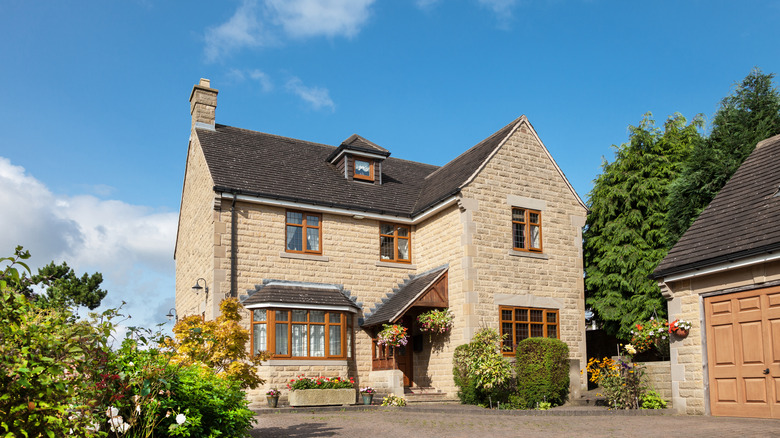
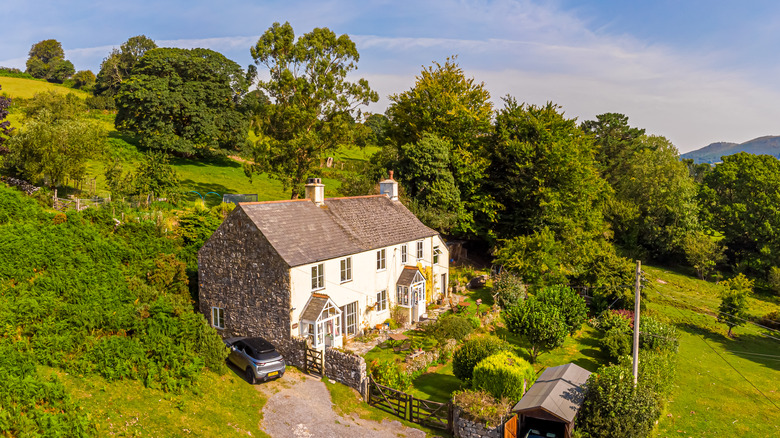
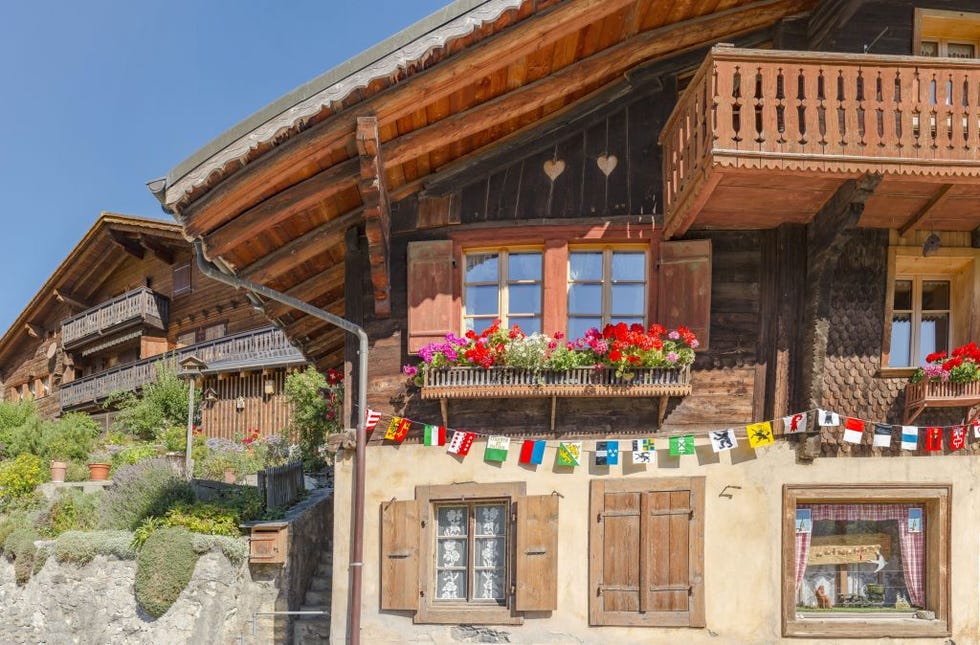
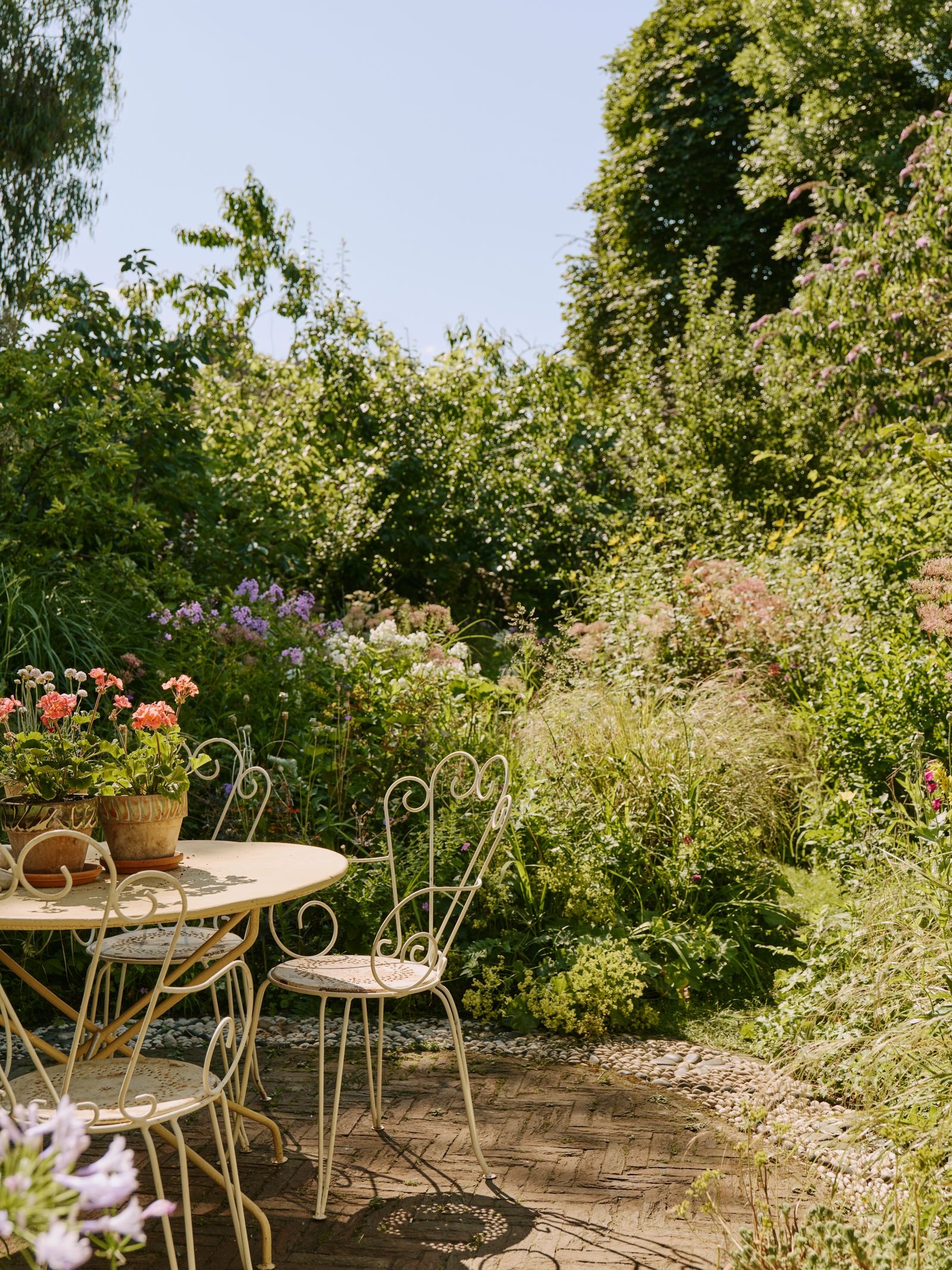
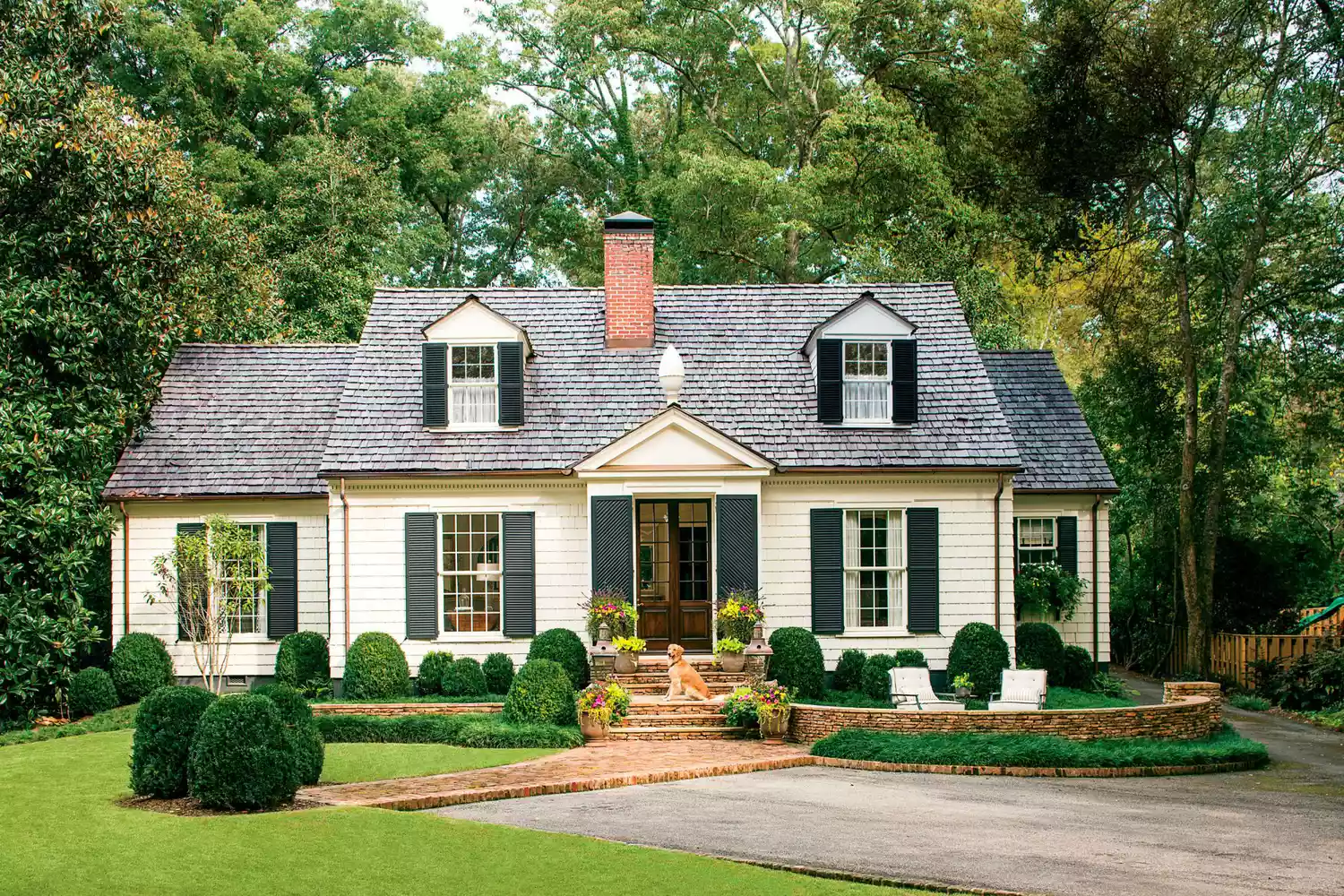
Several distinct types of cottage houses exist globally. Coastal Cape Cod cottages, originating in the northeastern U.S., are compact, one-and-a-half-story homes with dormer windows and steeply pitched roofs, designed to withstand harsh winters. These homes are frequently found near coastal areas, featuring cedar shingles, and are now seen across the United States. Southern cottages, particularly Creole cottages in New Orleans, are narrow, one-story homes with front porches and side-gabled roofs, emphasizing outdoor living due to the warmer climate. English cottages, still prevalent in the British countryside, often feature thatched roofs and are characterized by lush, overgrown gardens that blend with the natural surroundings. Nordic cottages, found in regions like Sweden and Norway, are typically wooden, often painted bright red, and combine coziness with minimalist interiors. Bungalows, while a specific architectural style, can be considered cottages if they incorporate features like sloping roofs, dormer windows, and overhanging porches, though not all cottages are bungalows.
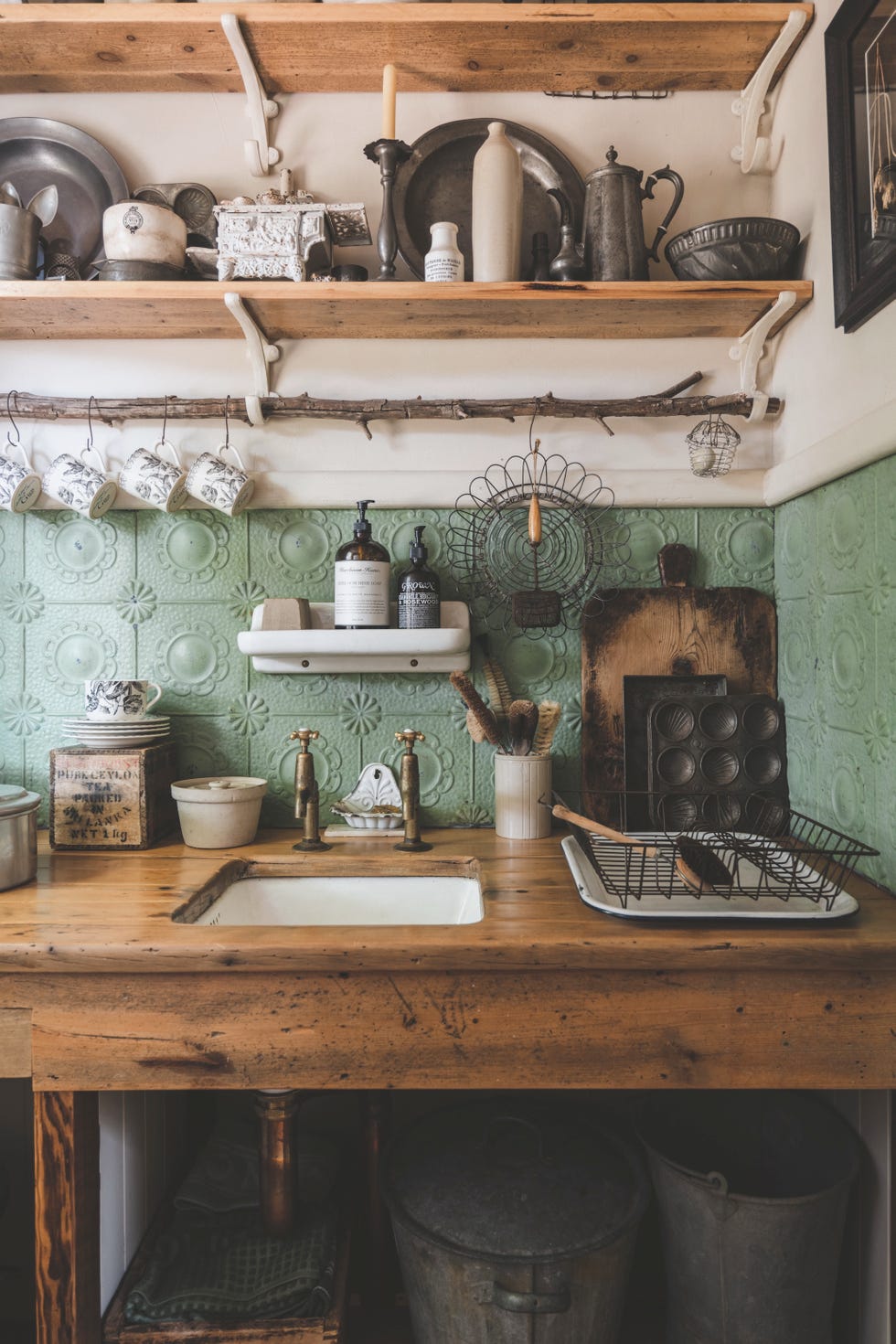
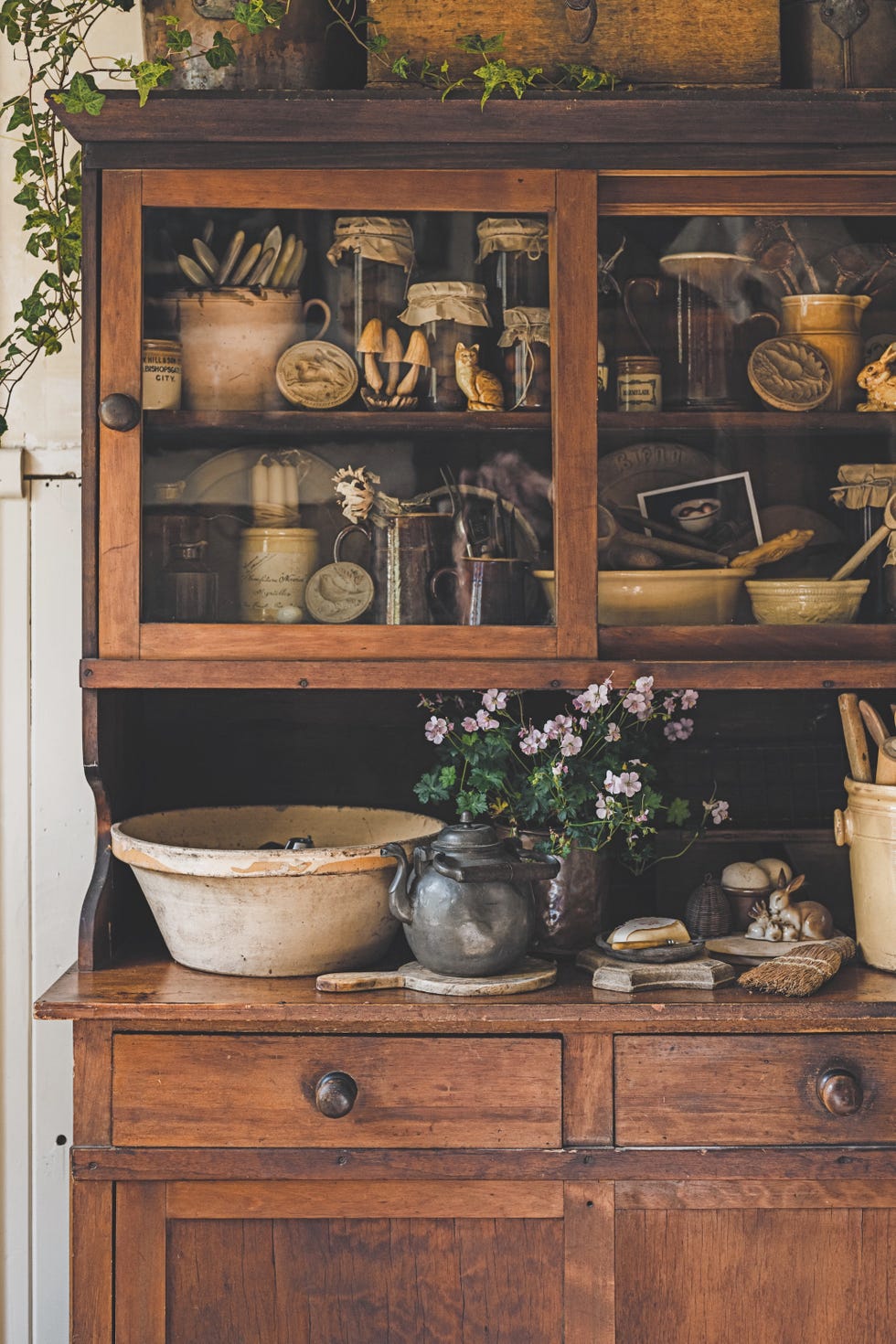
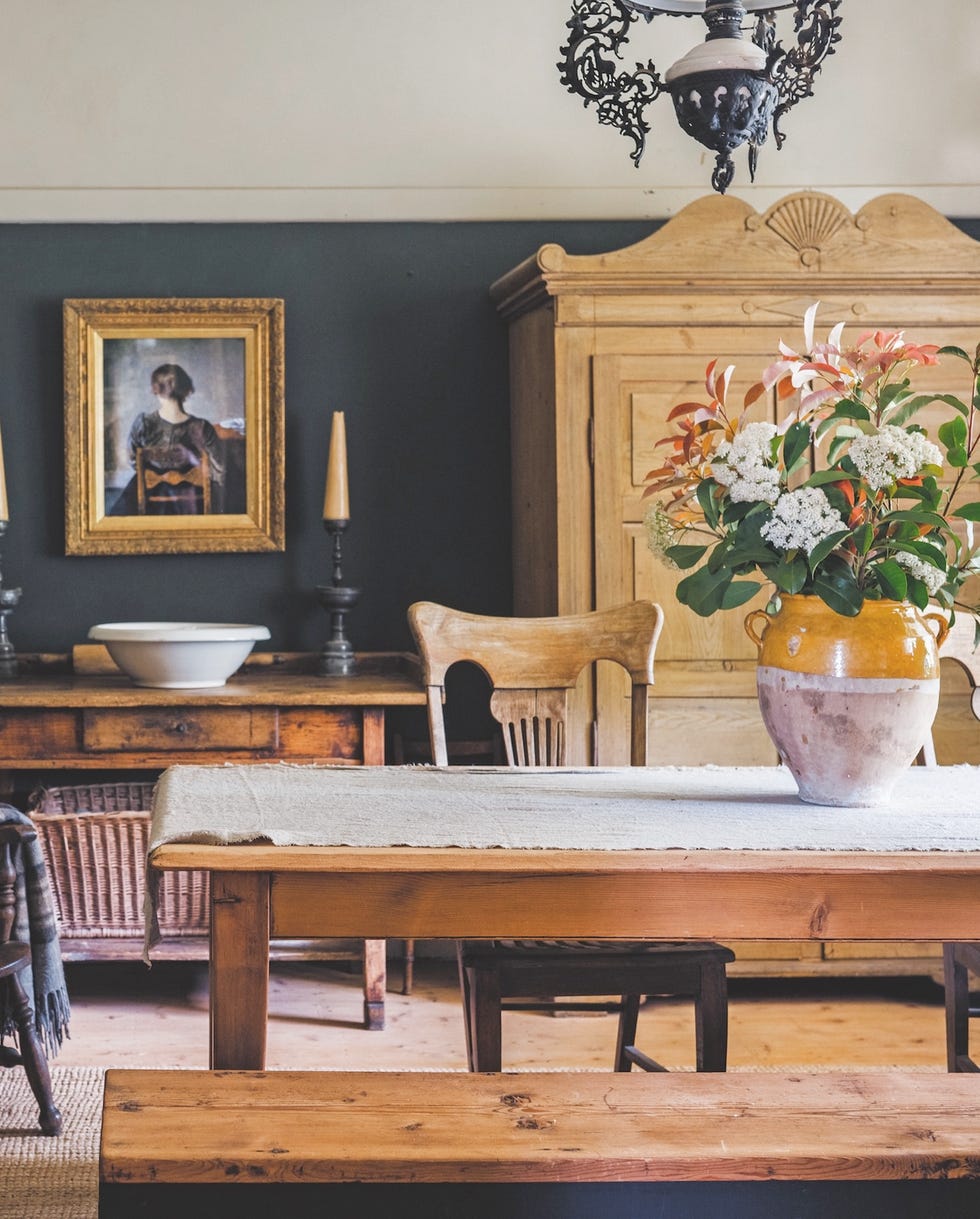
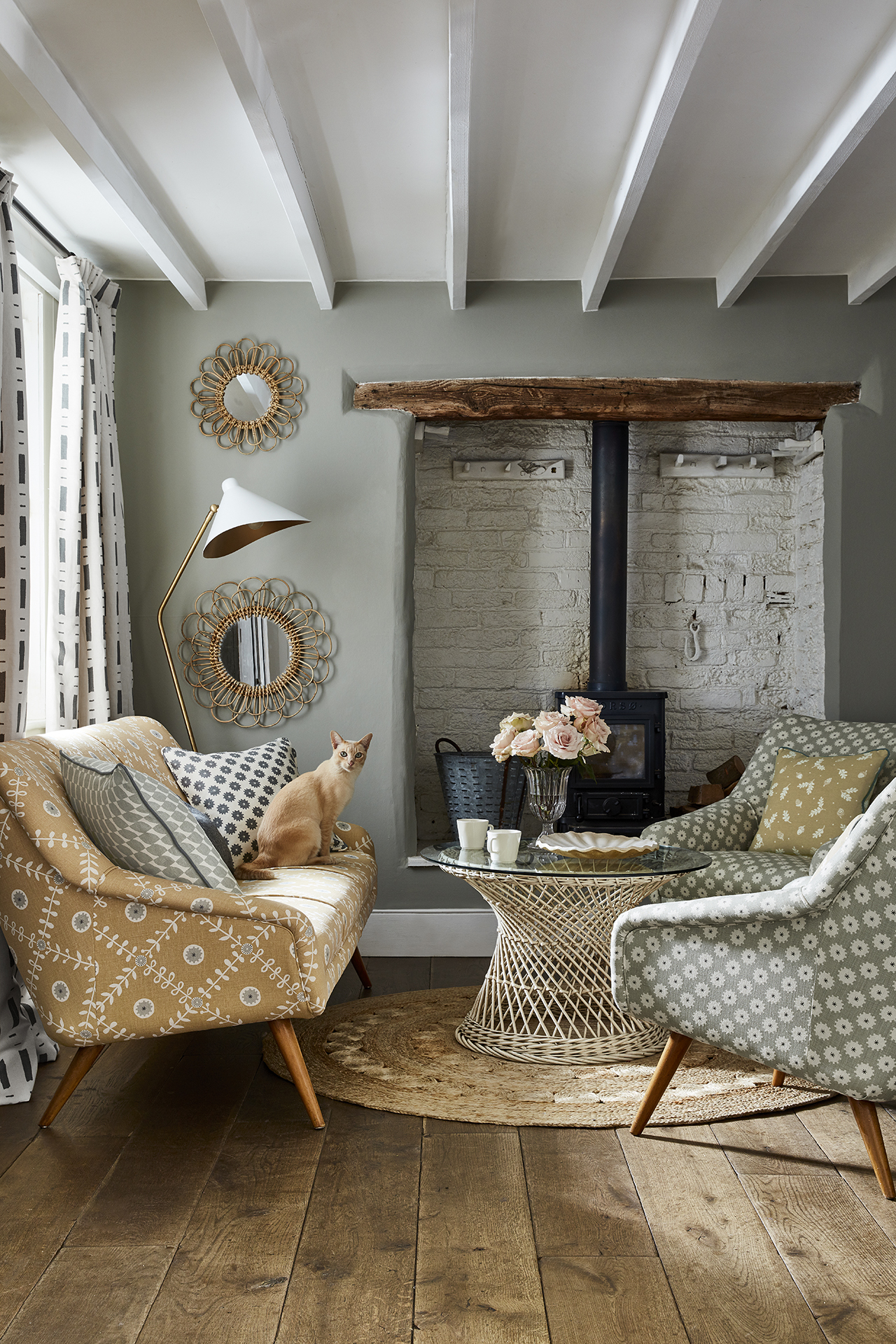
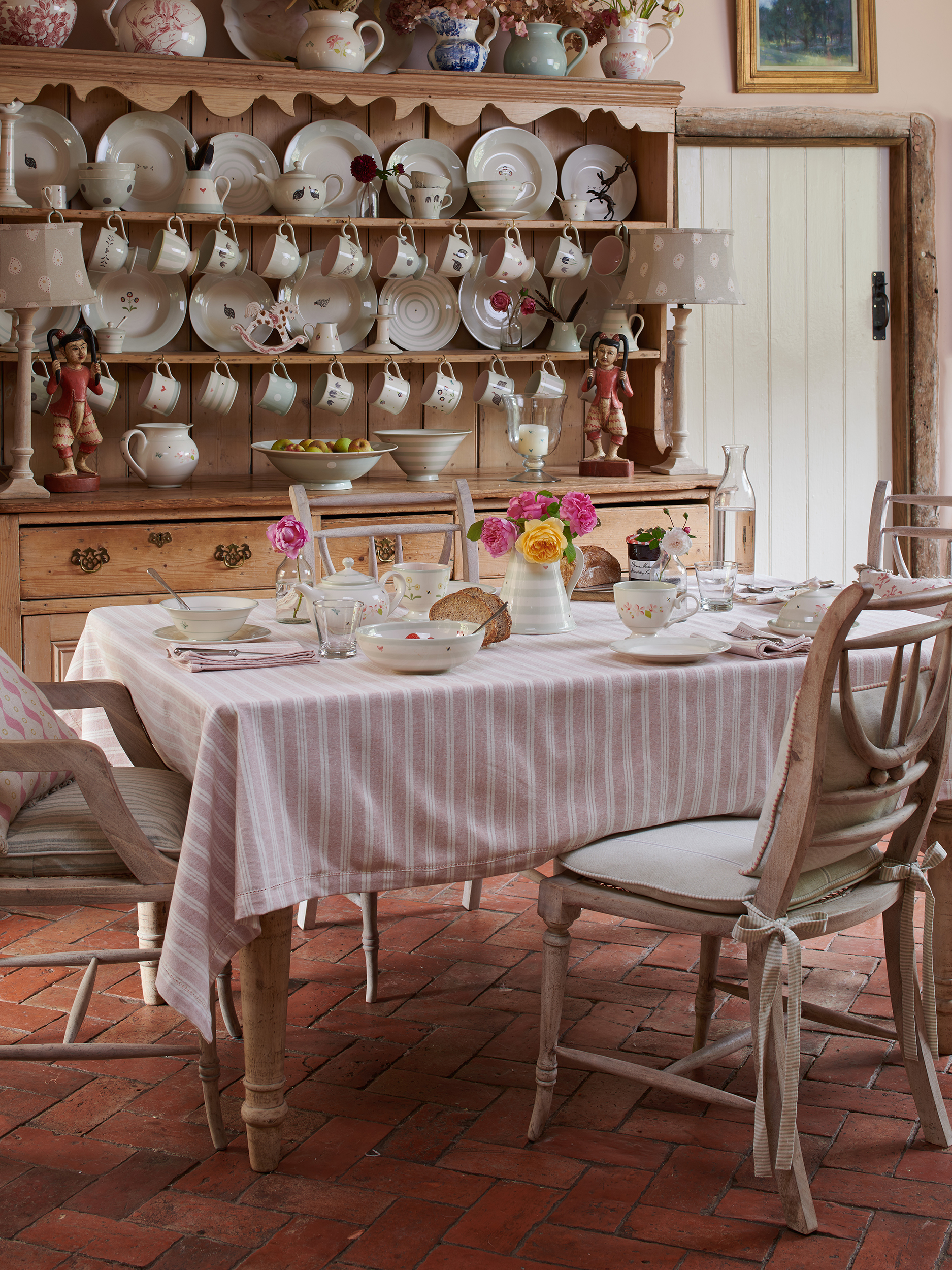
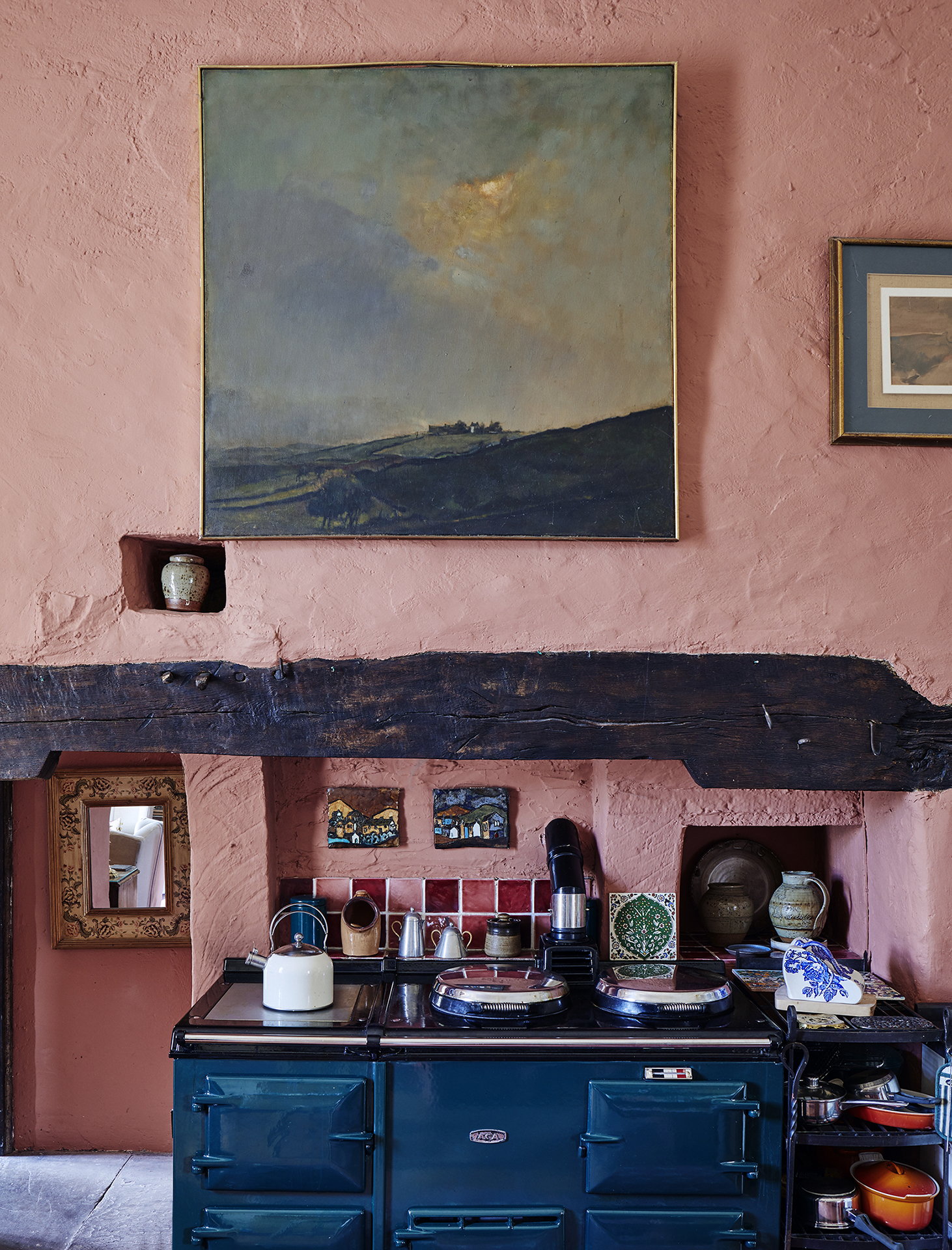
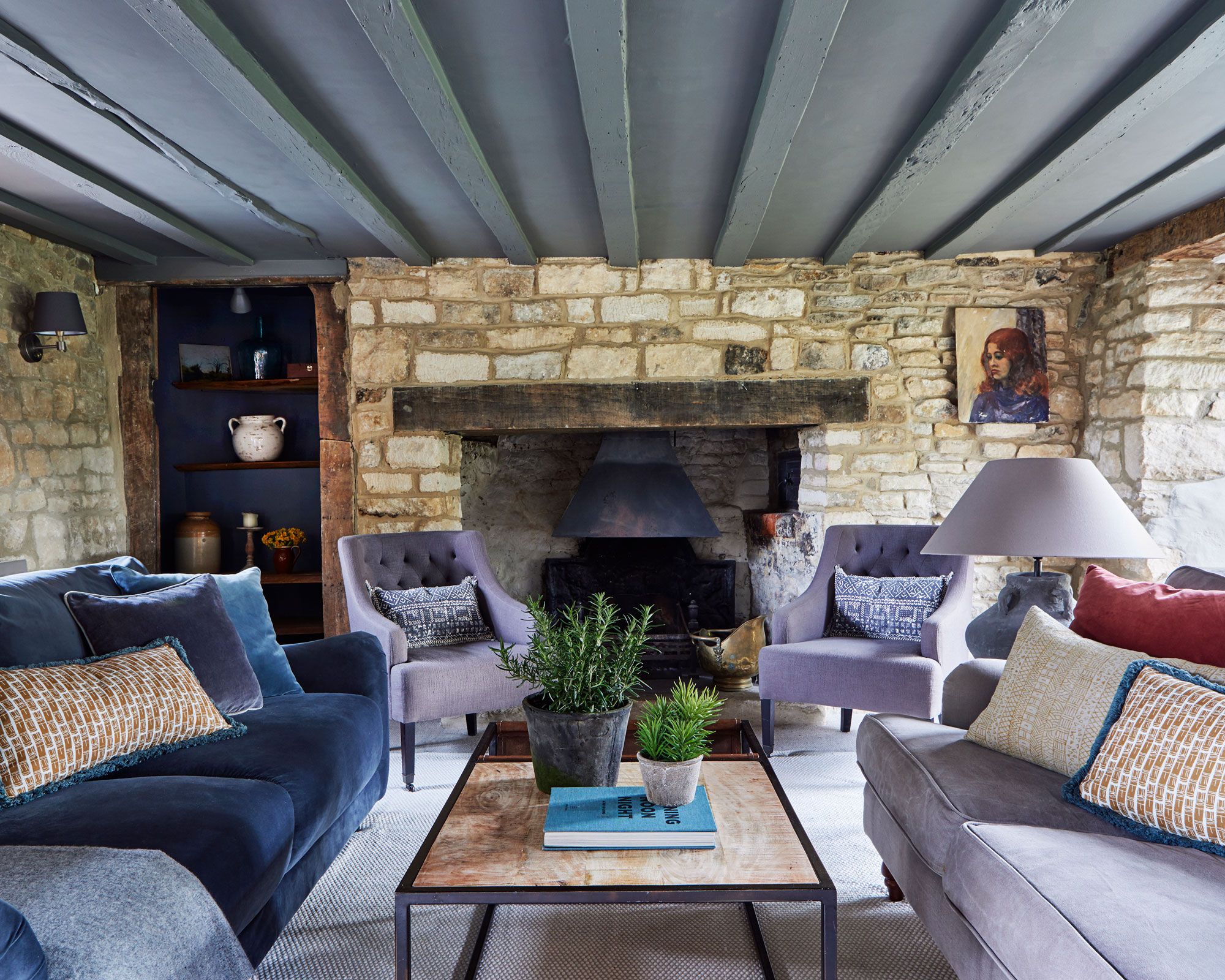
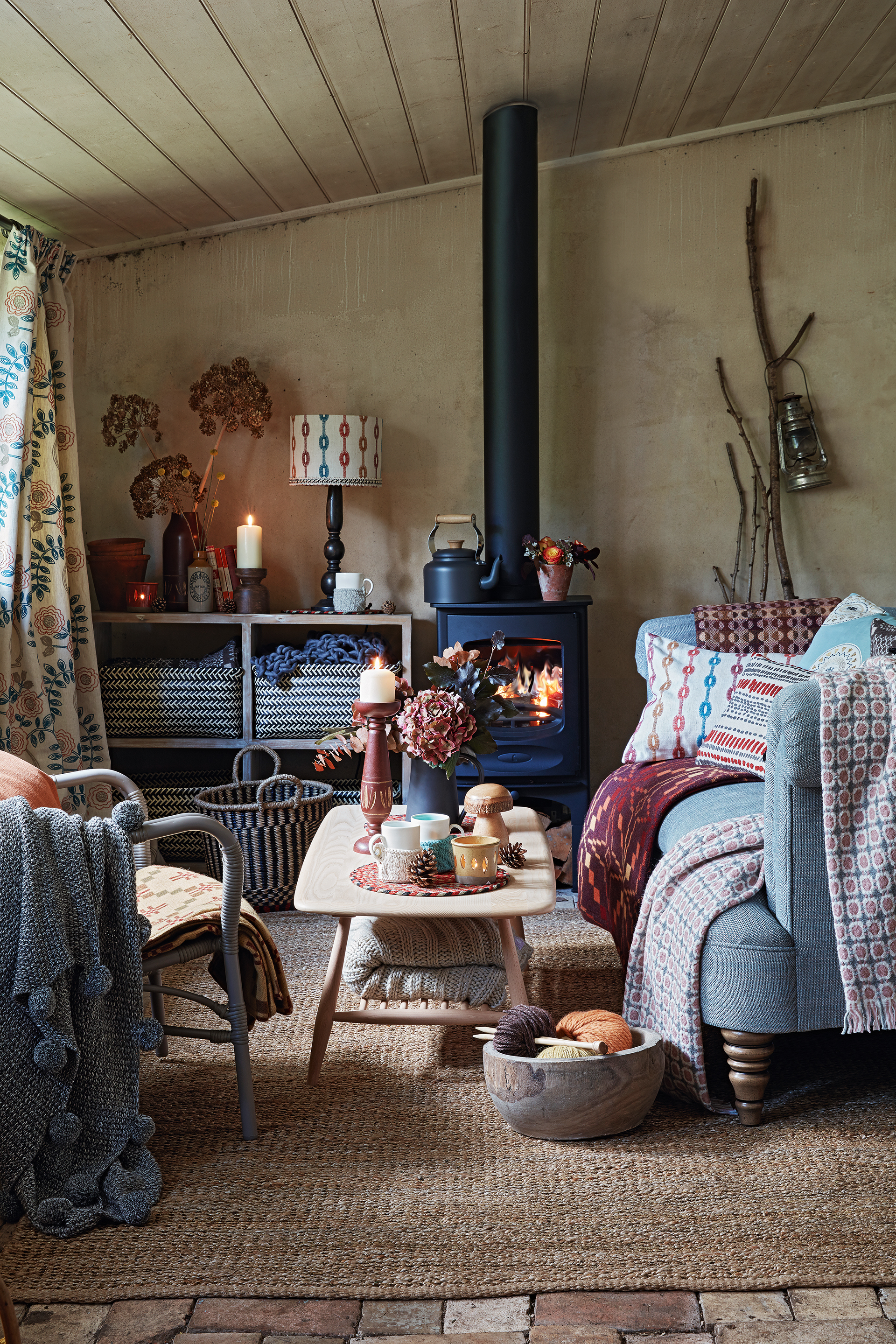
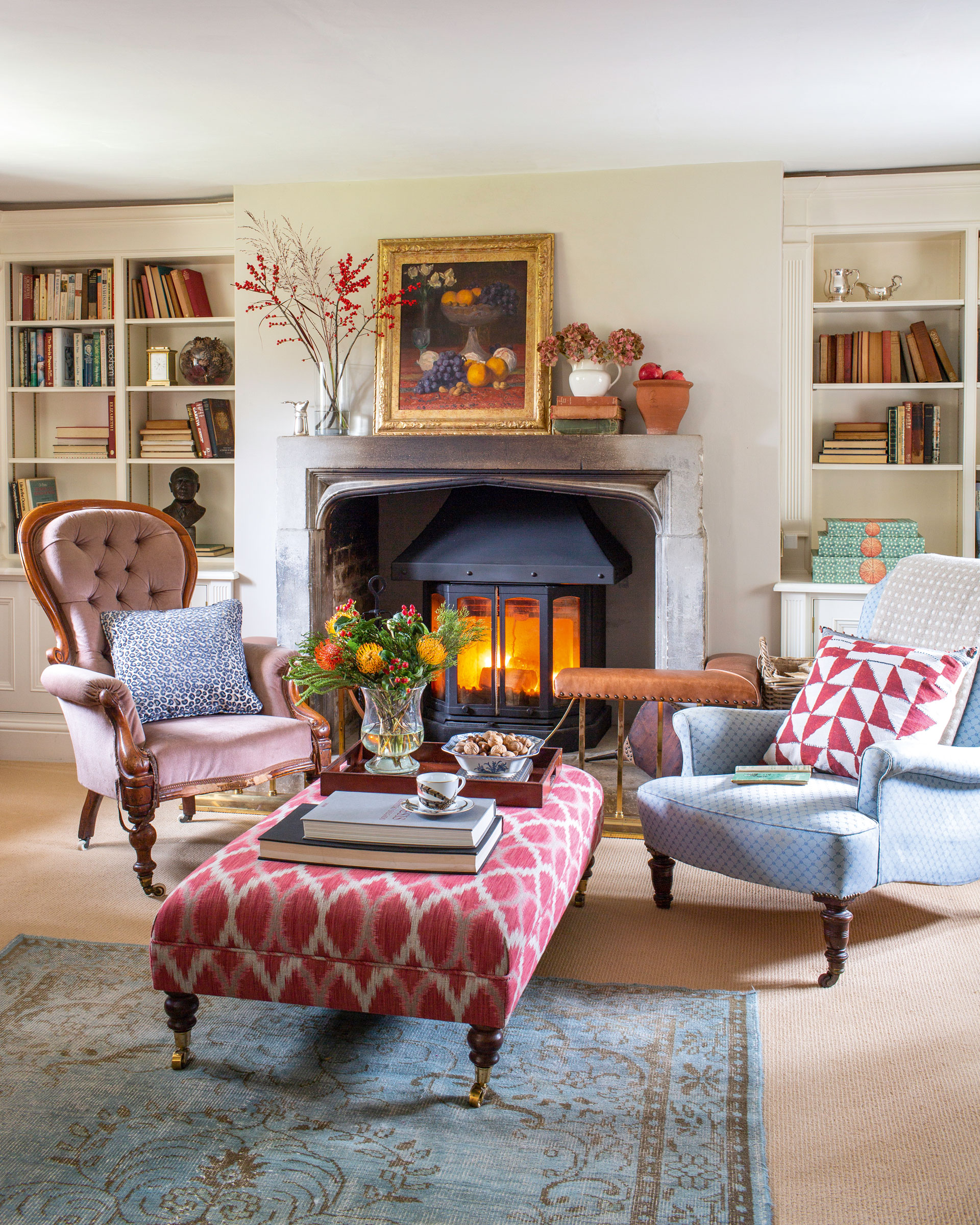
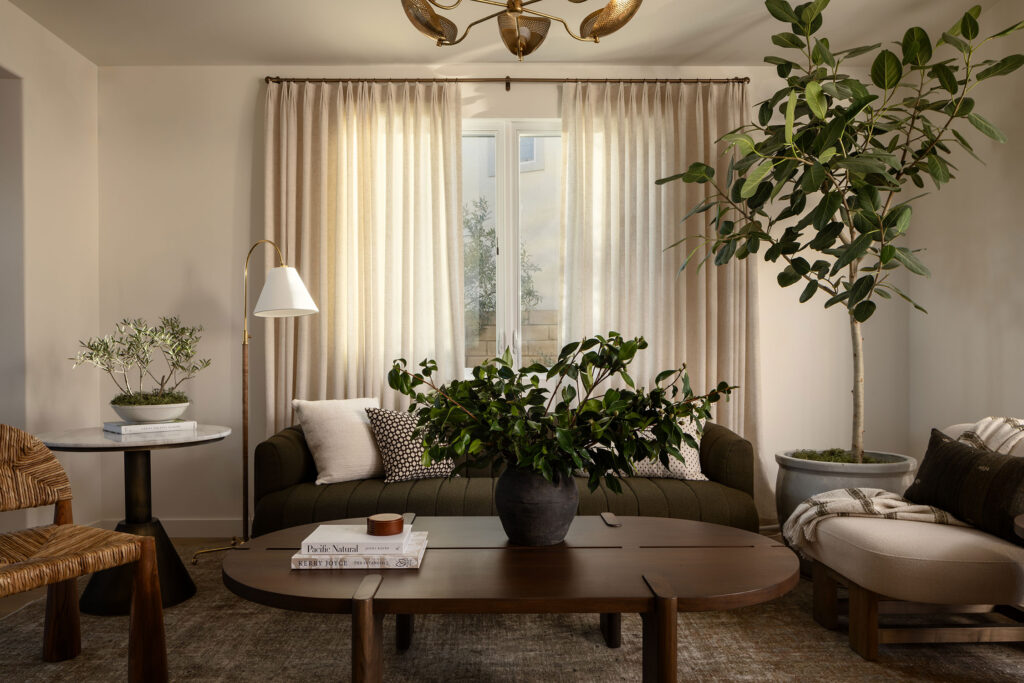
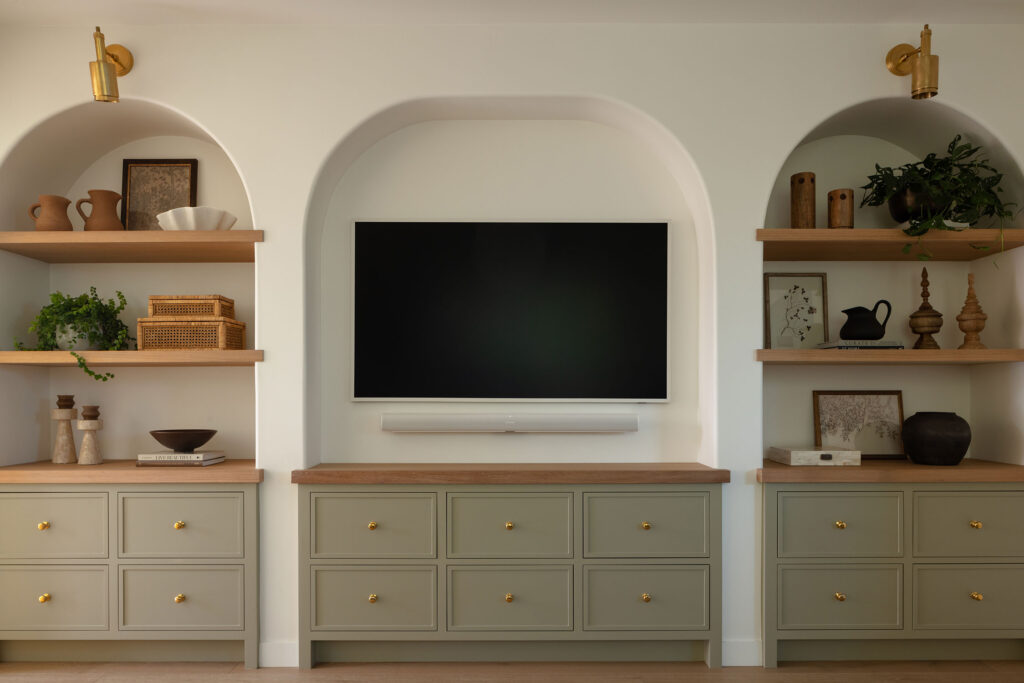
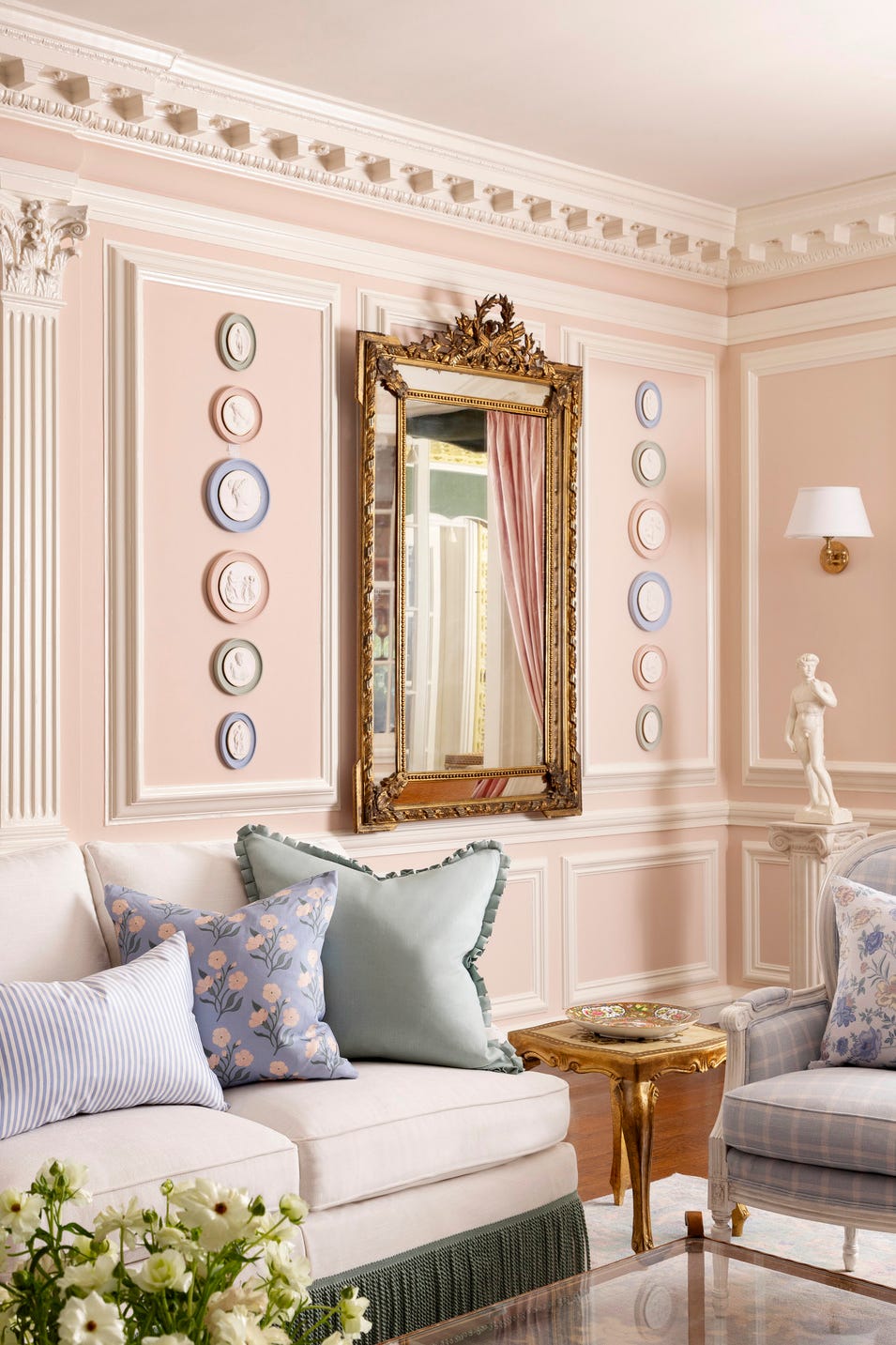
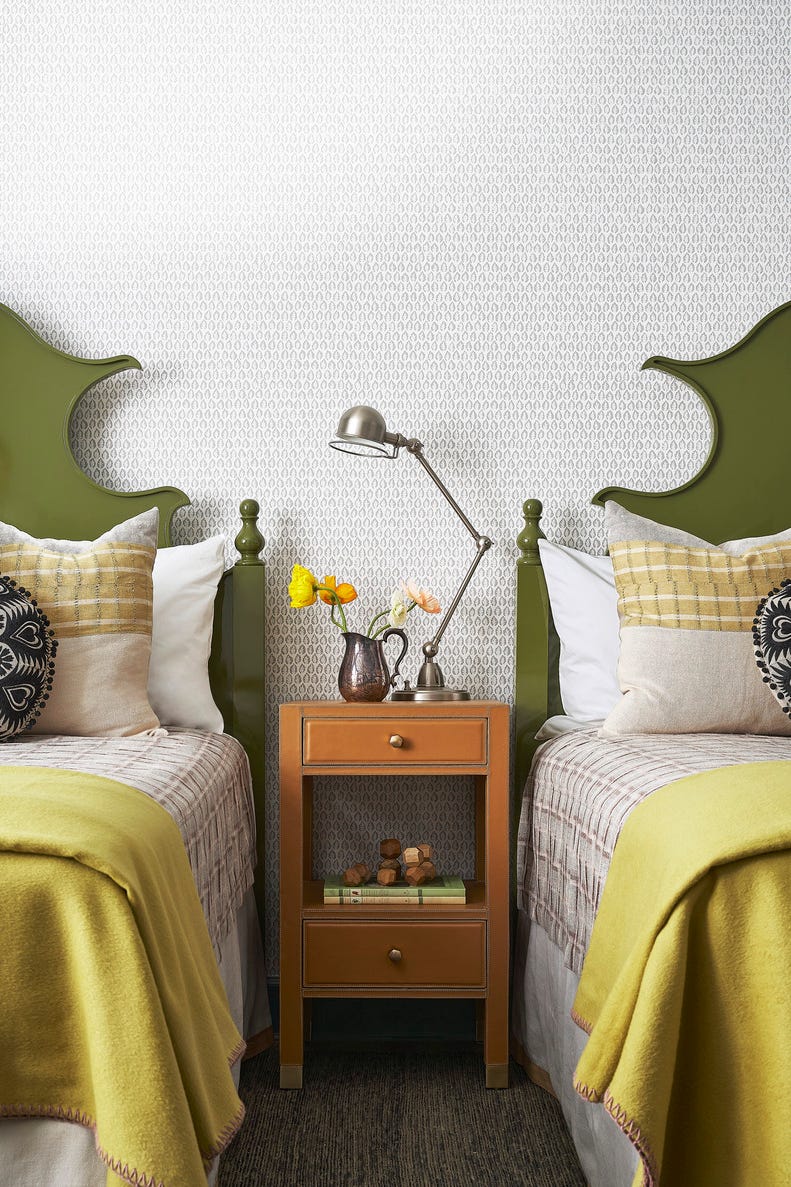
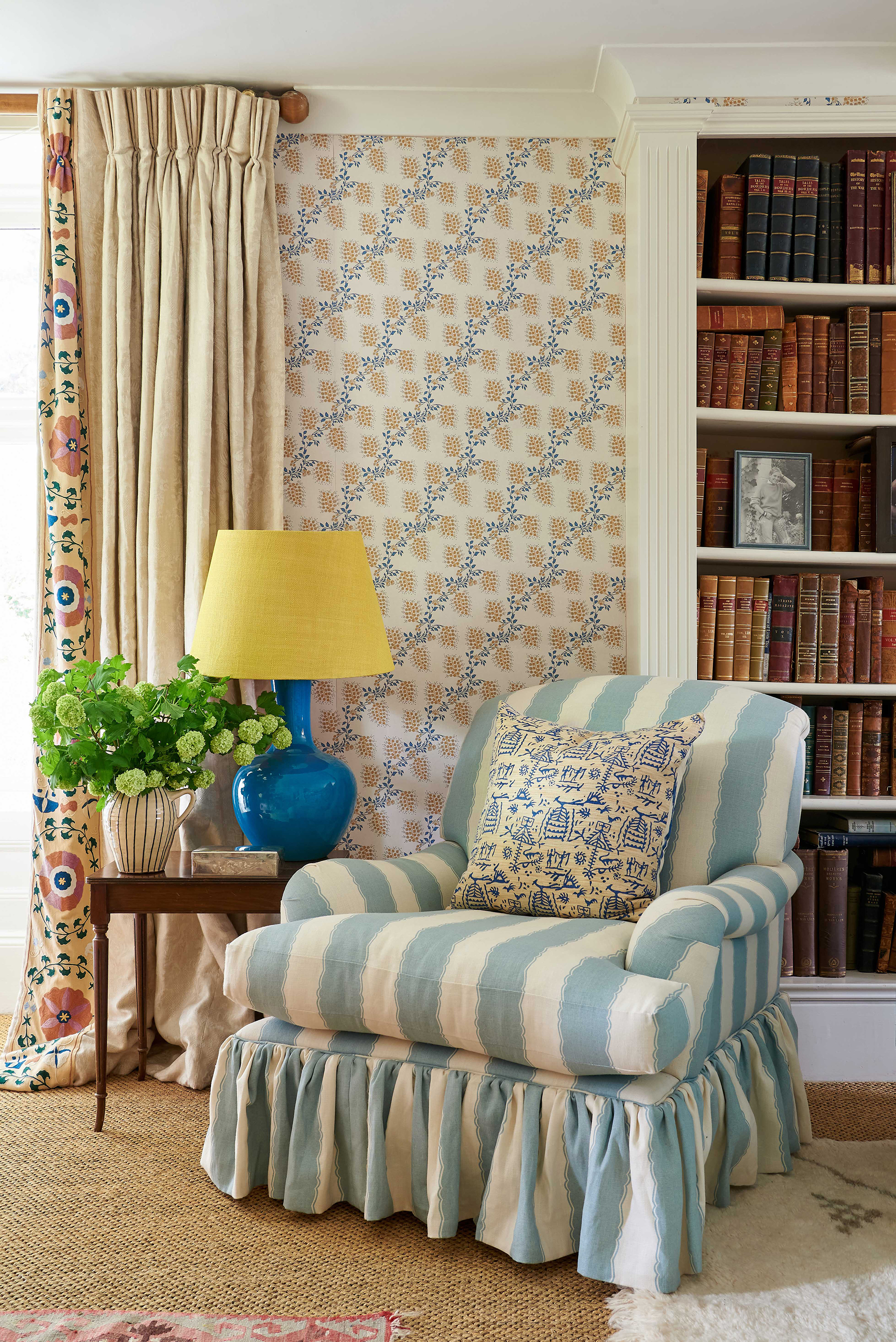
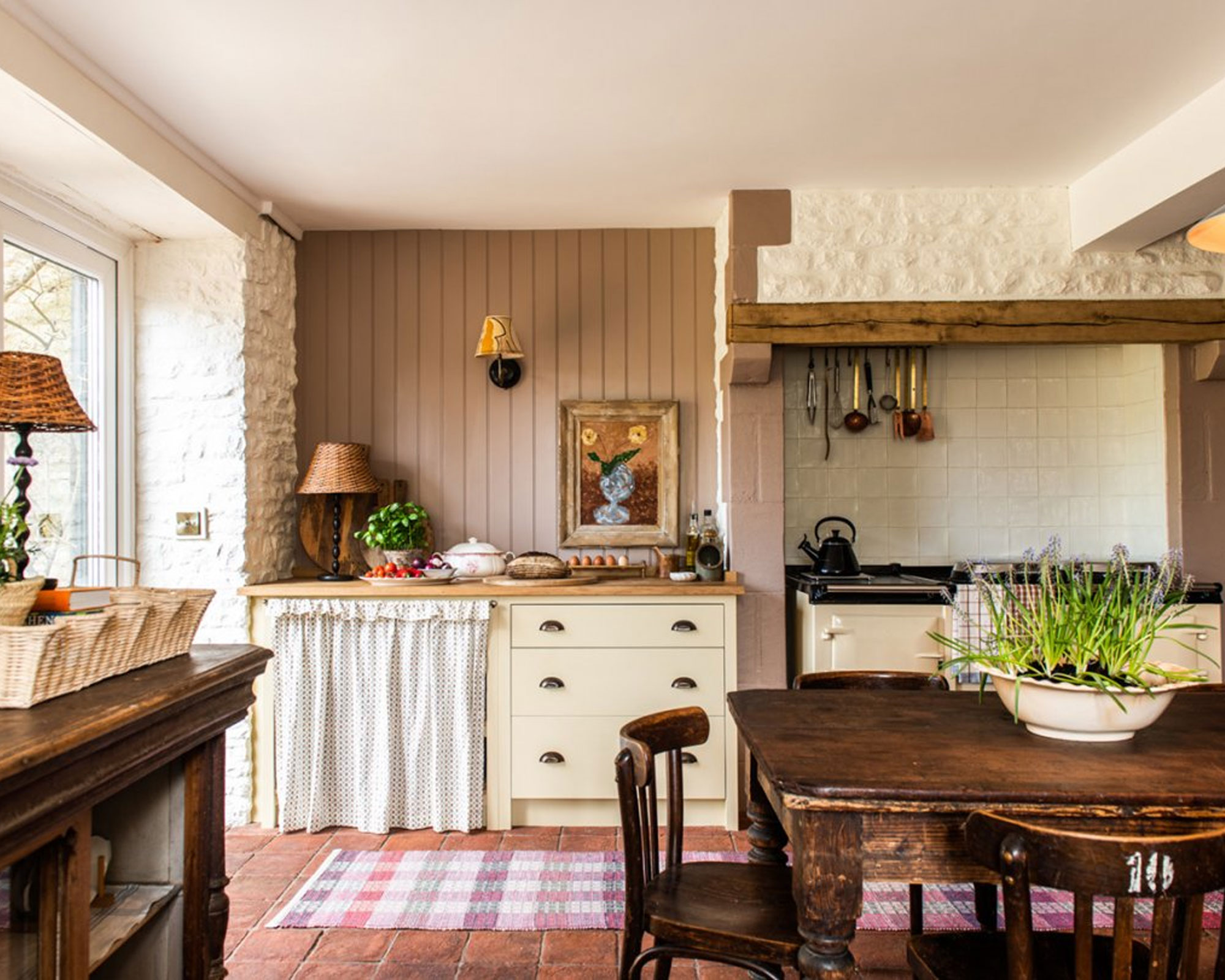
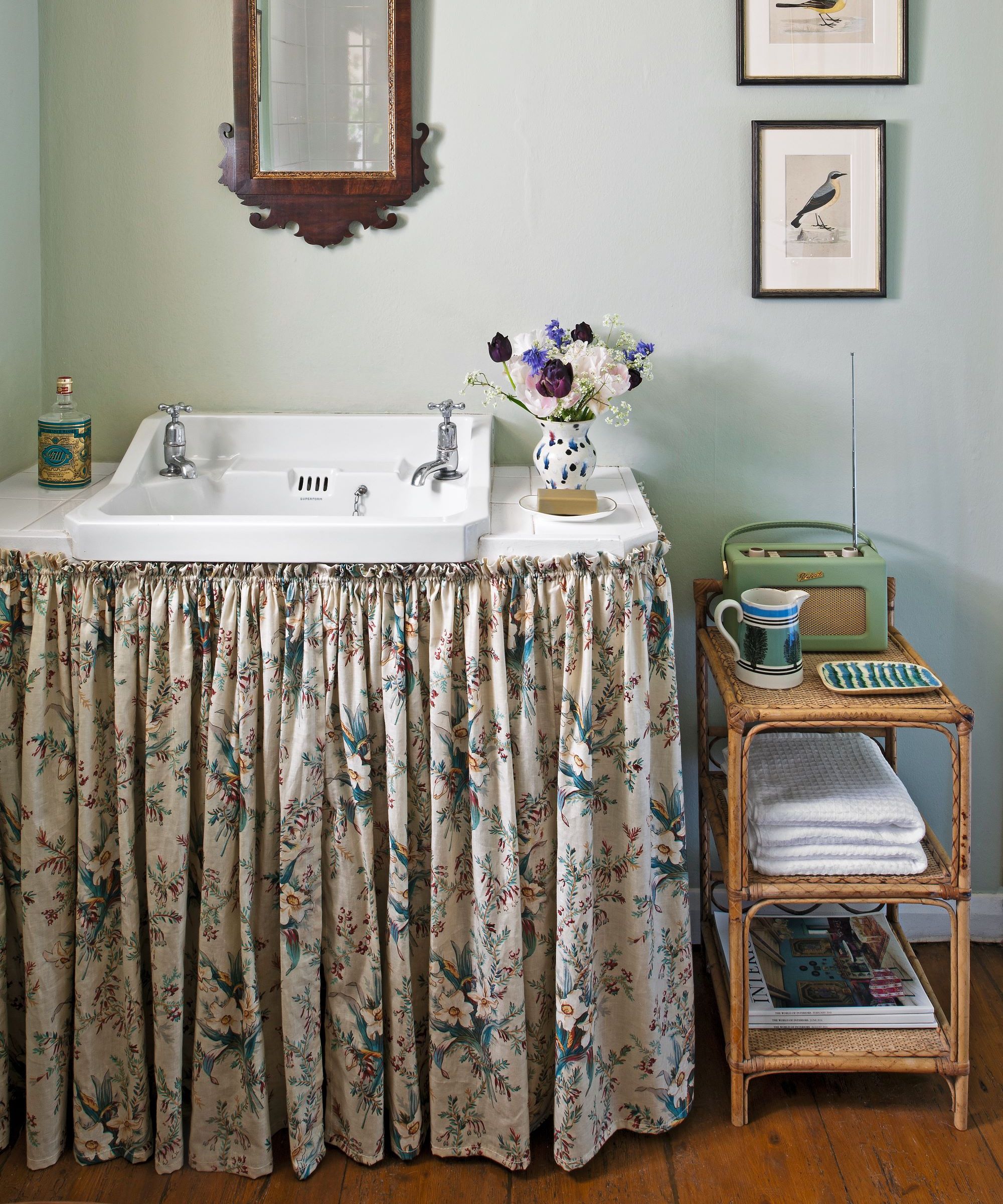
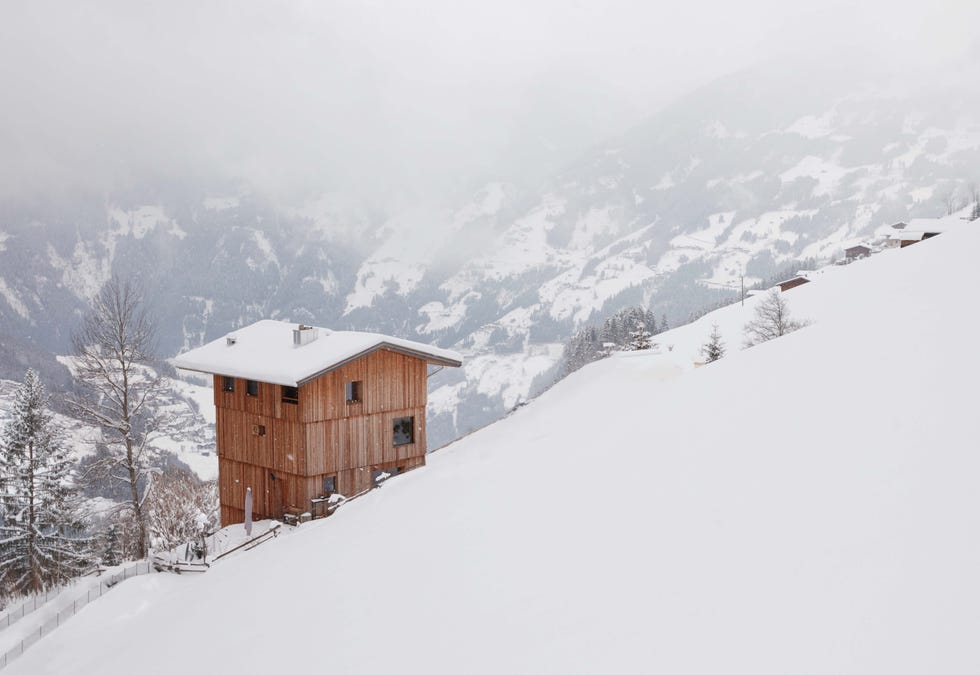
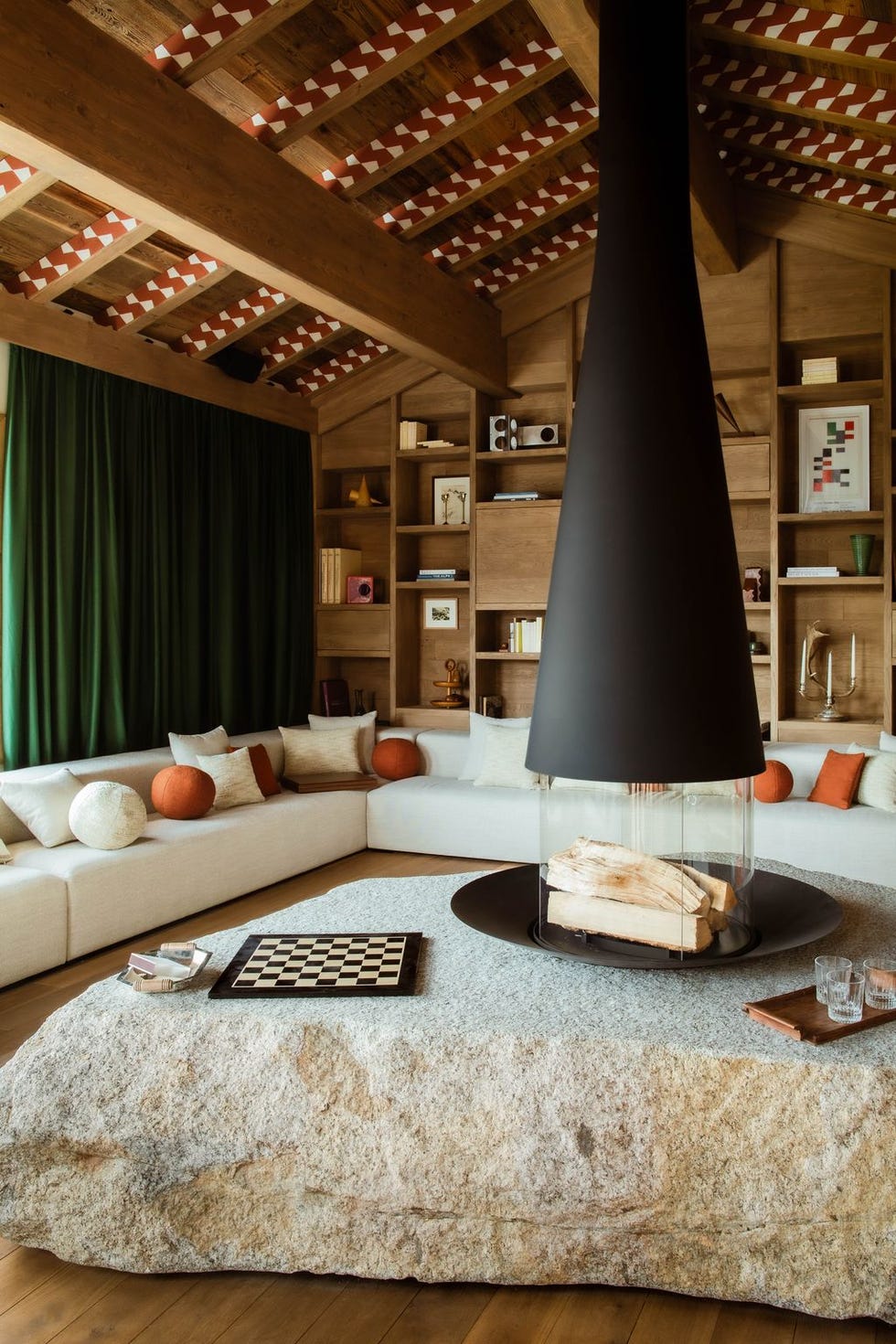
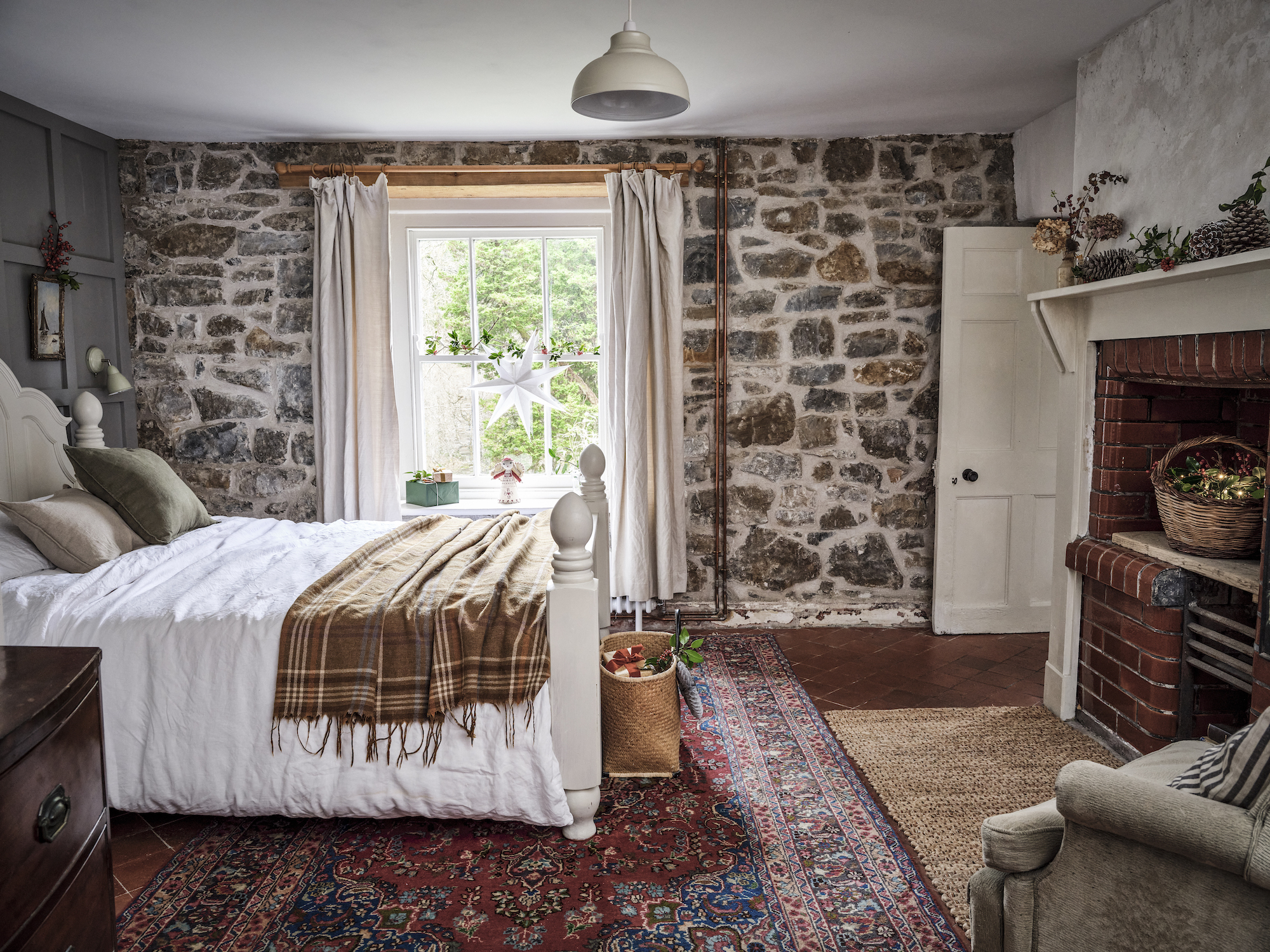
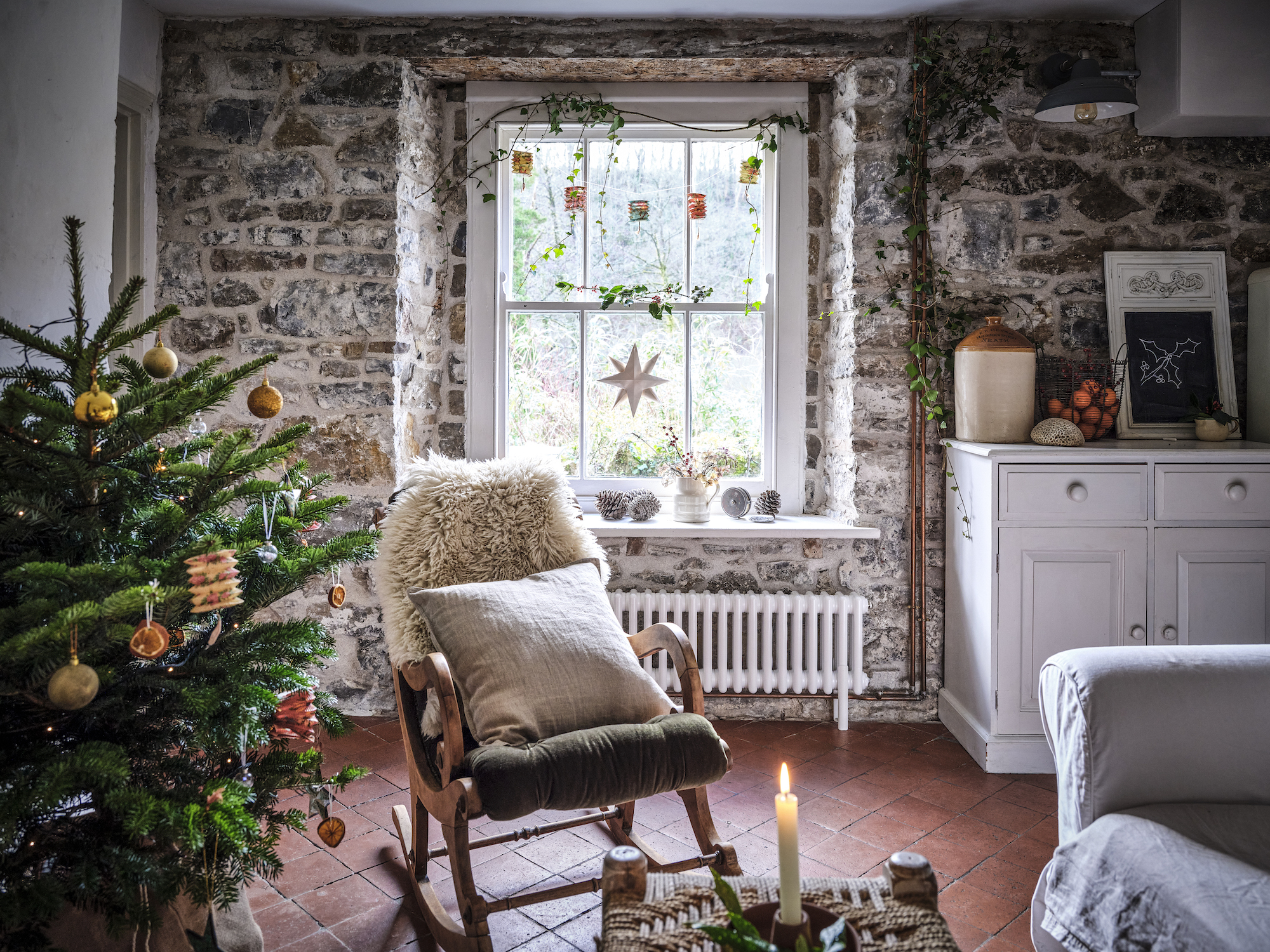
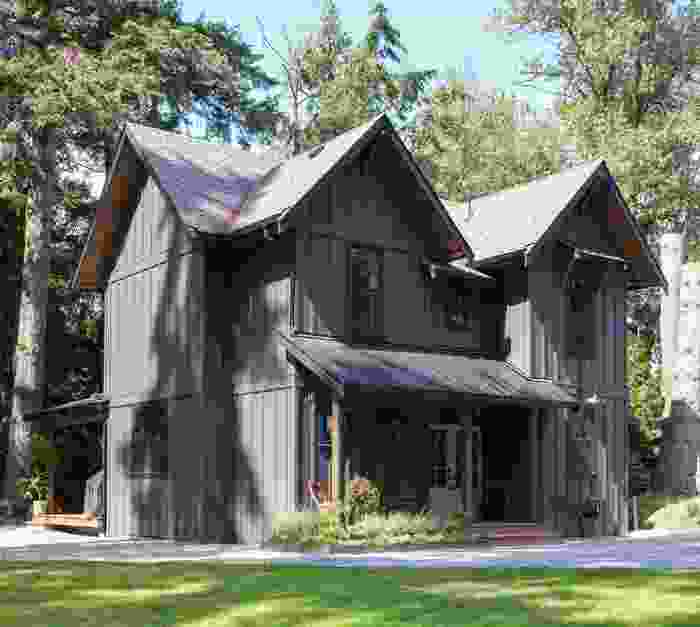
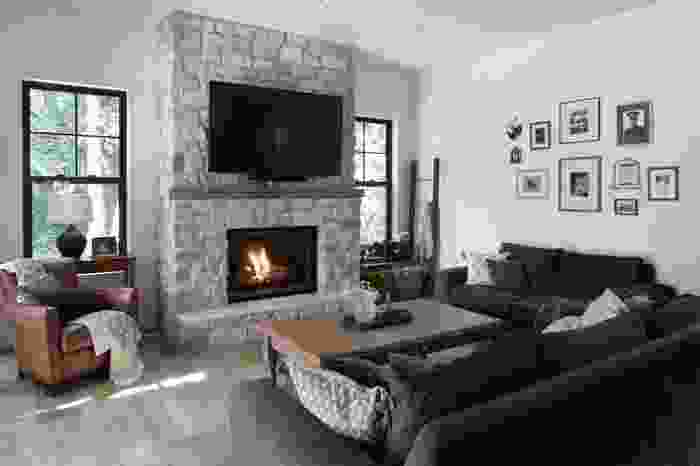
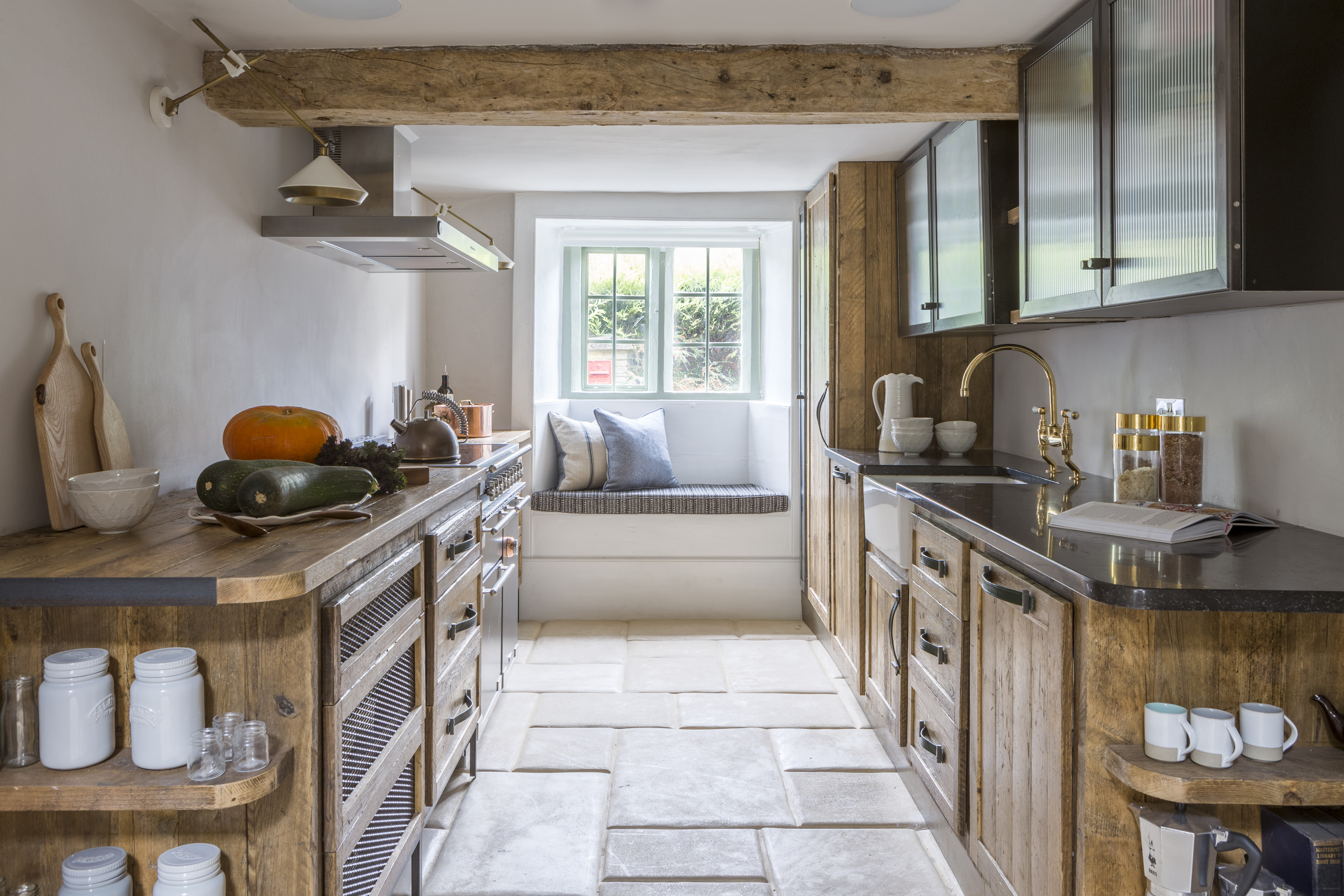
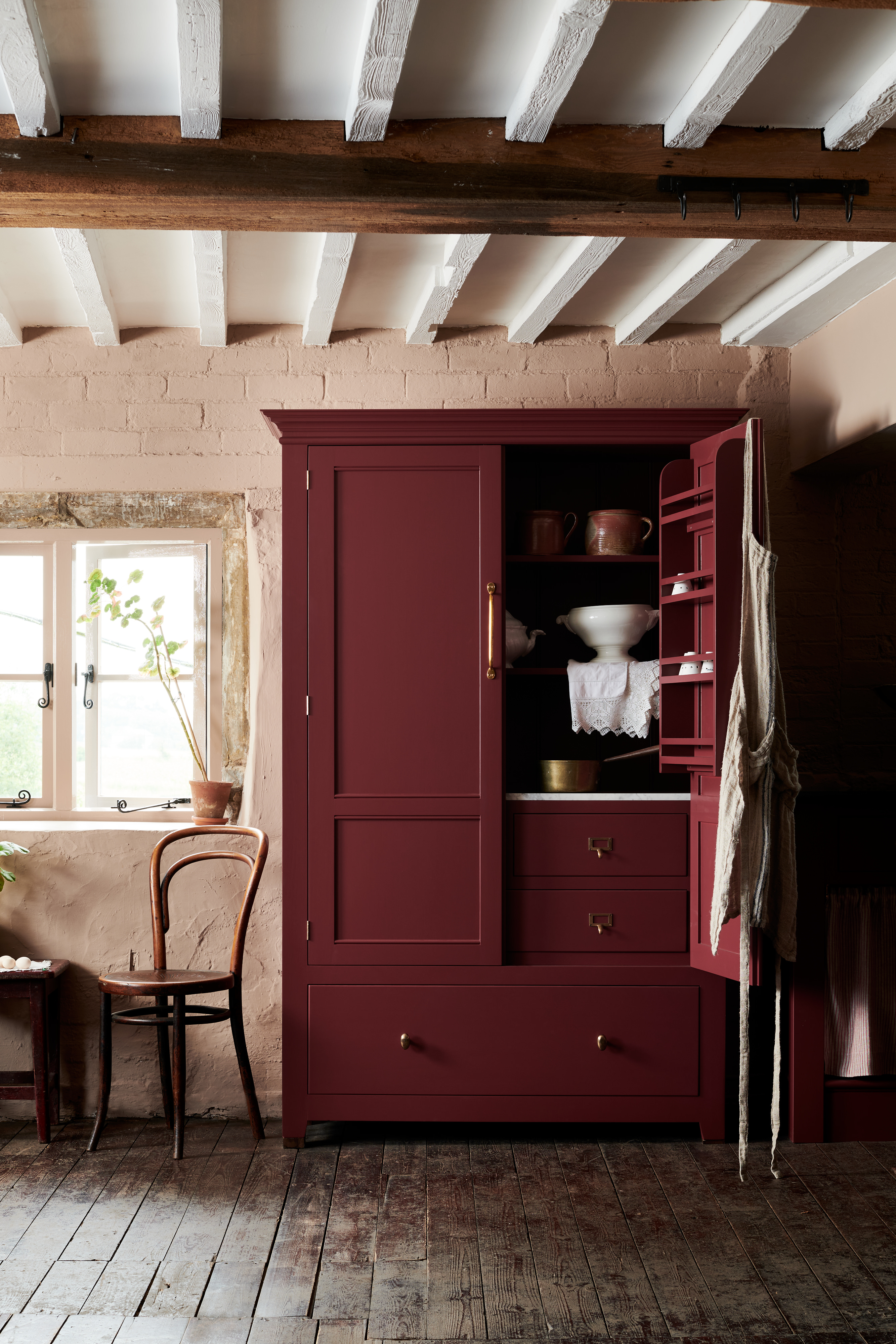
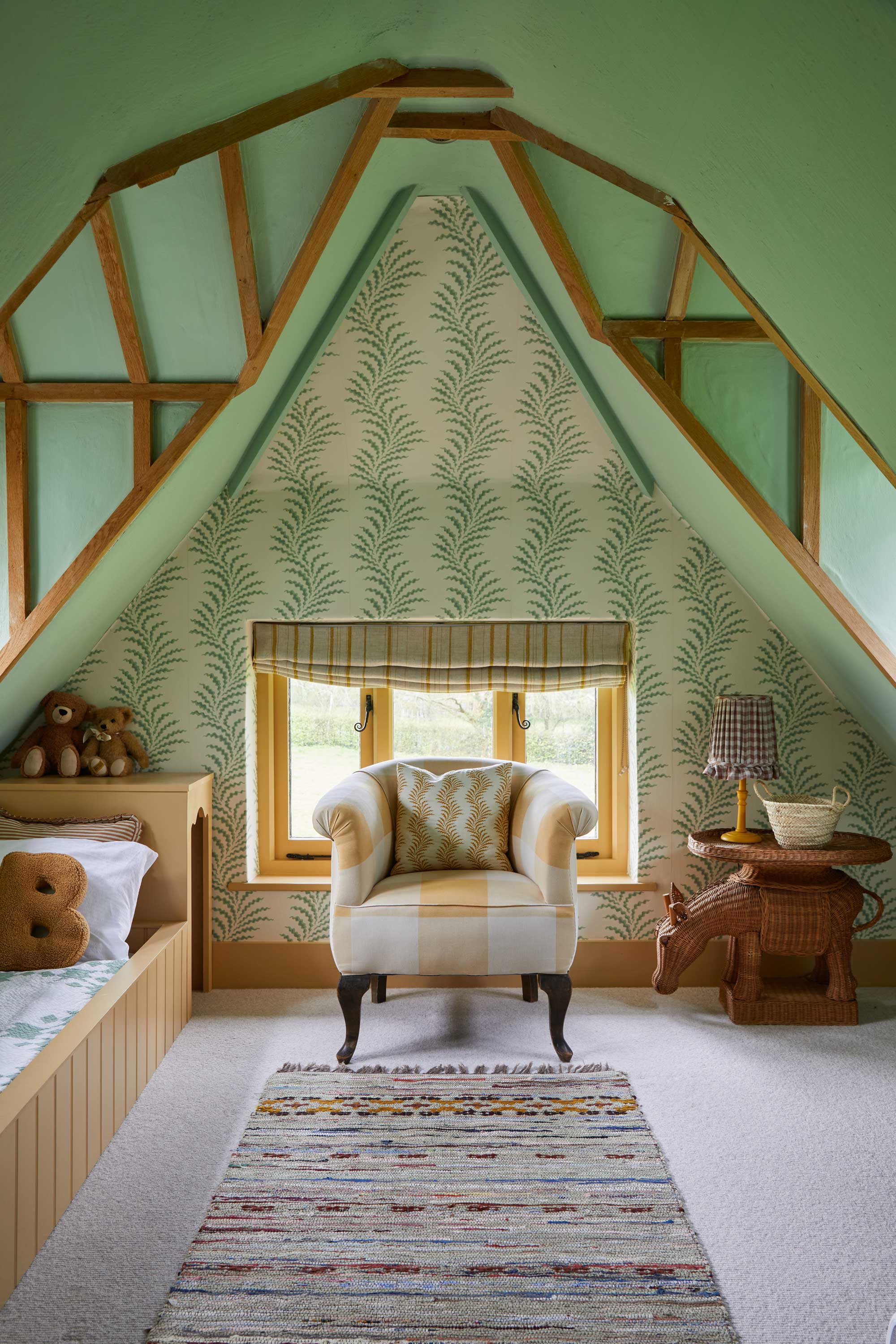
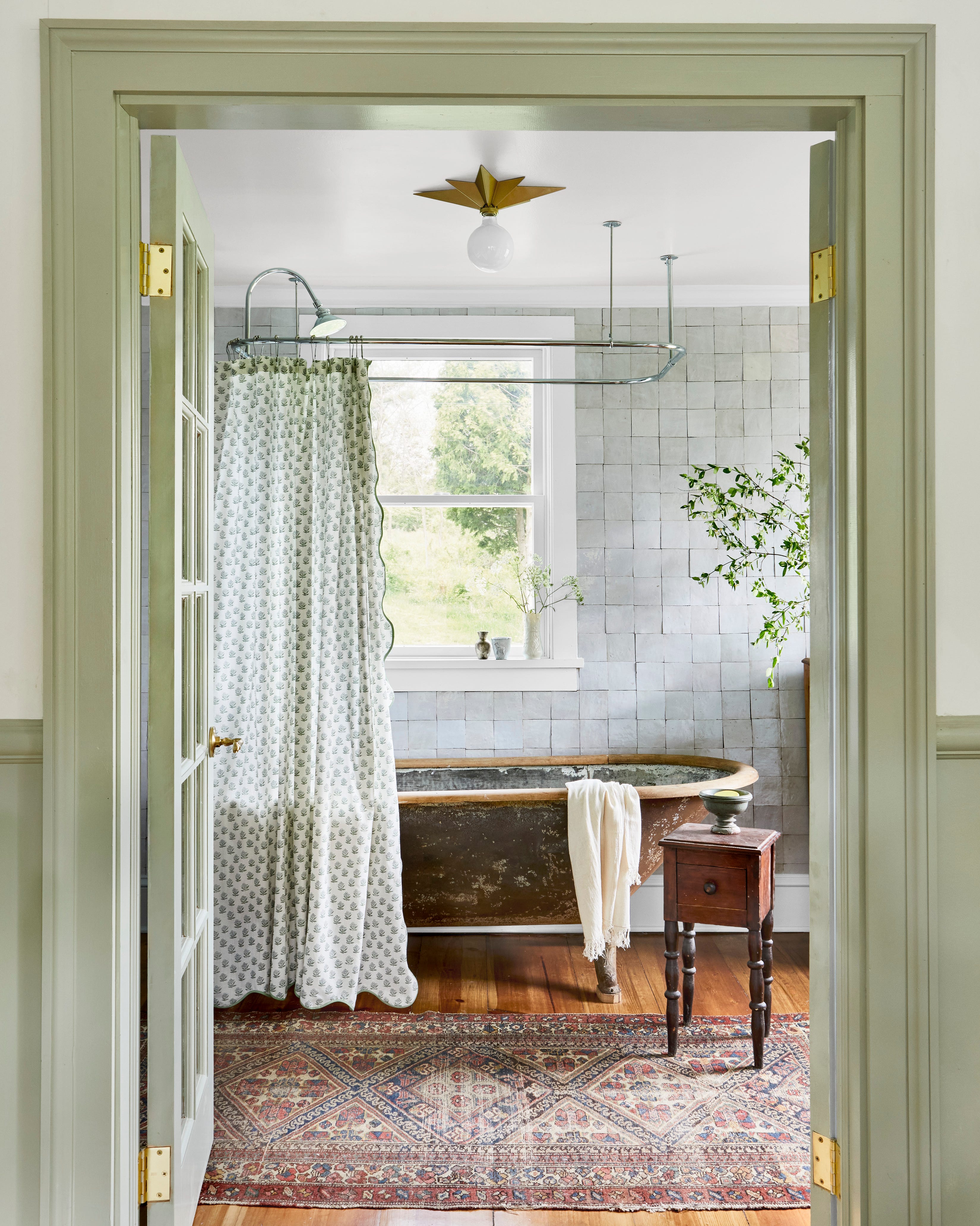
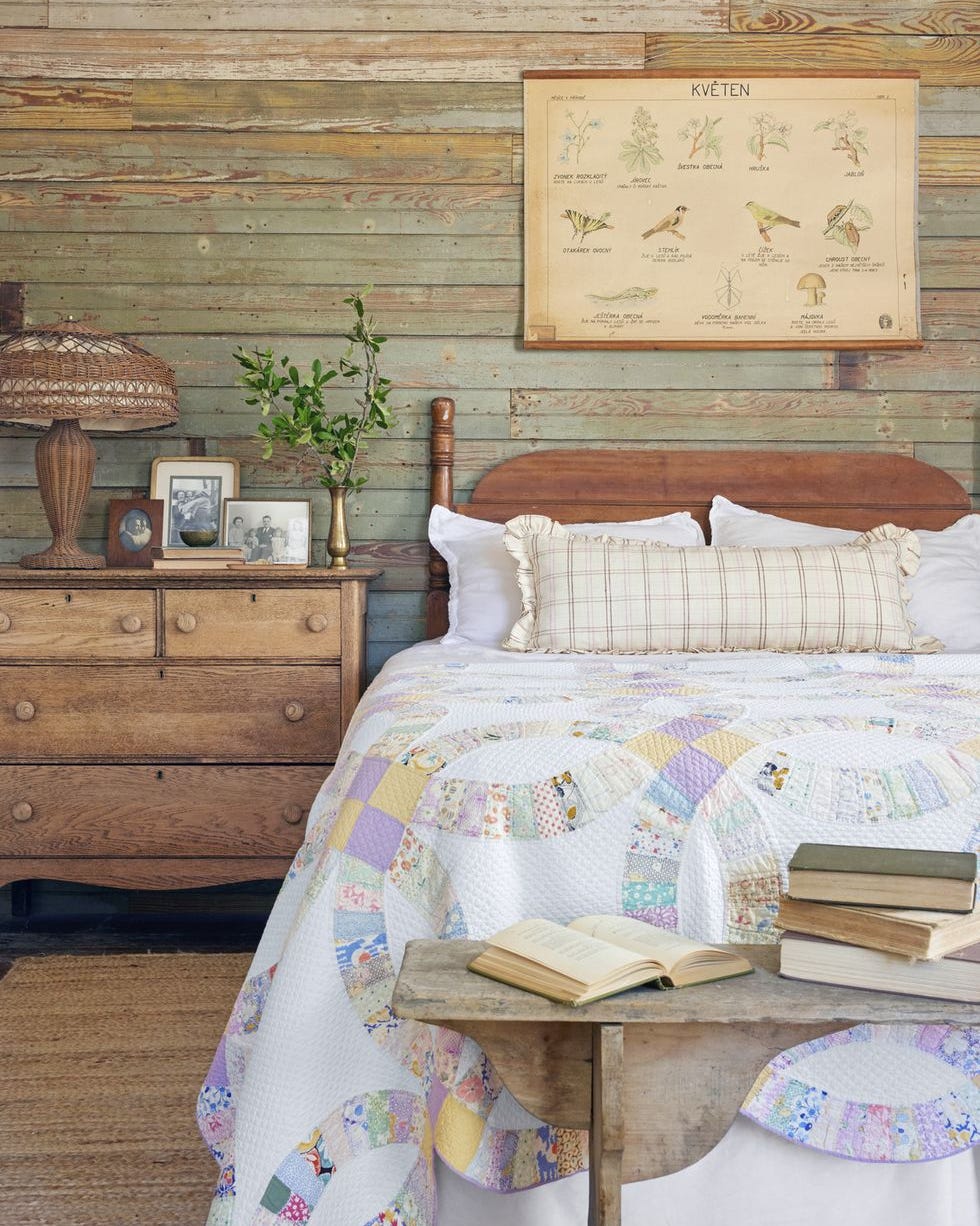
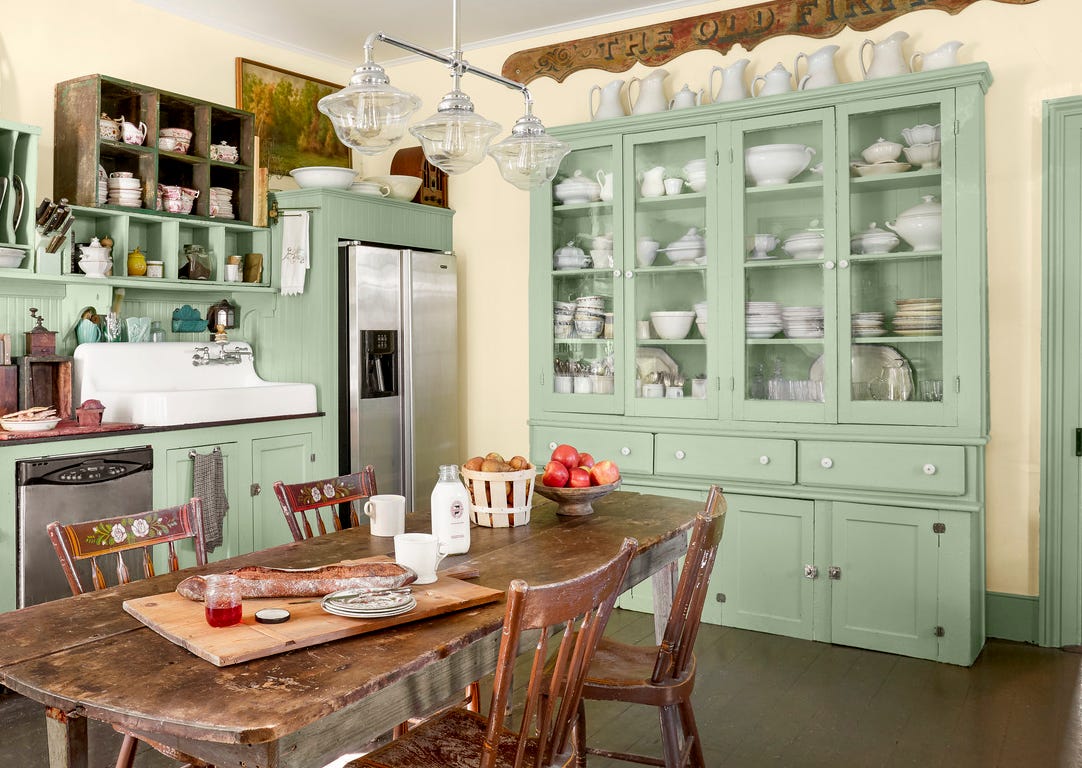
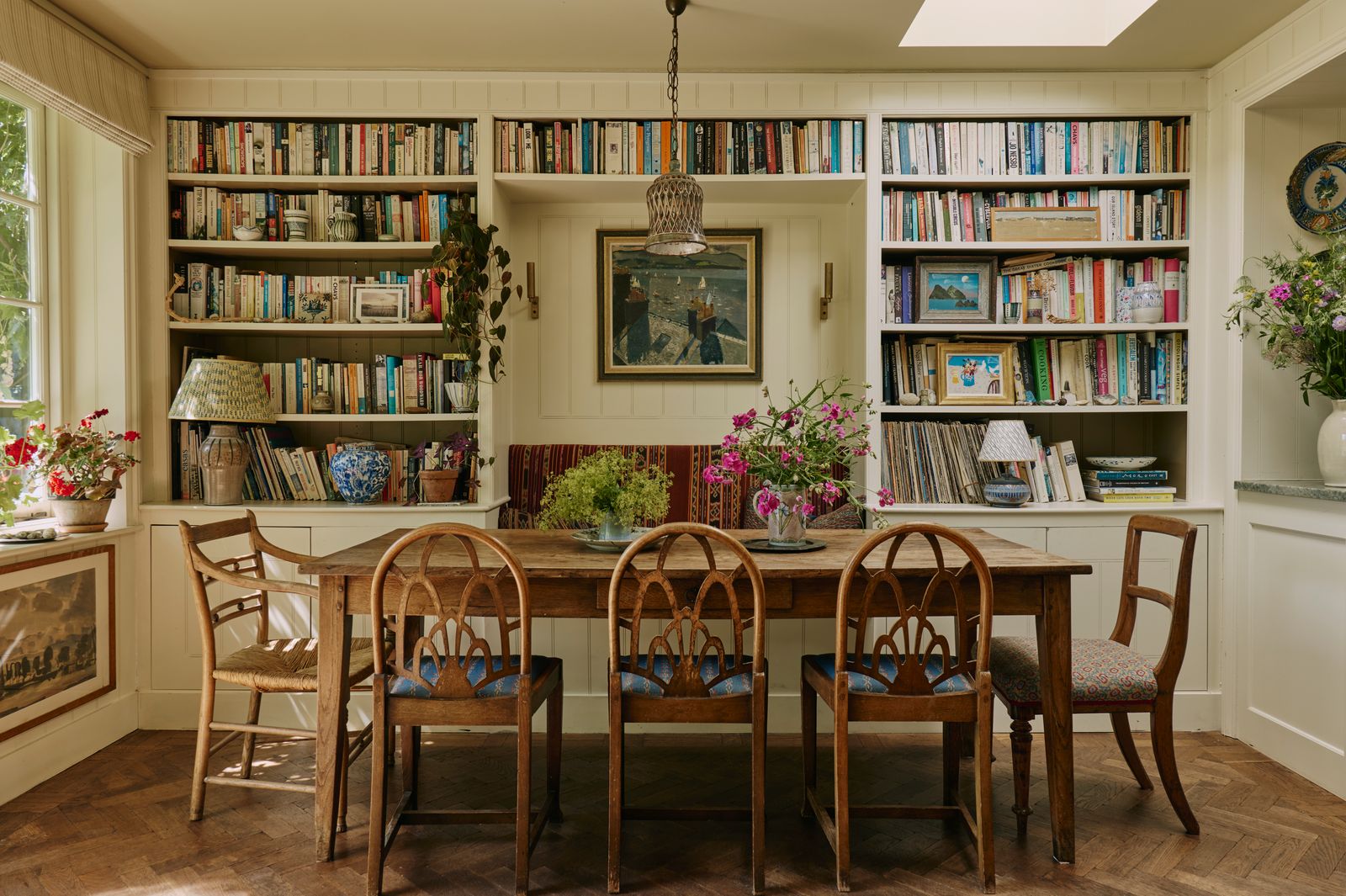
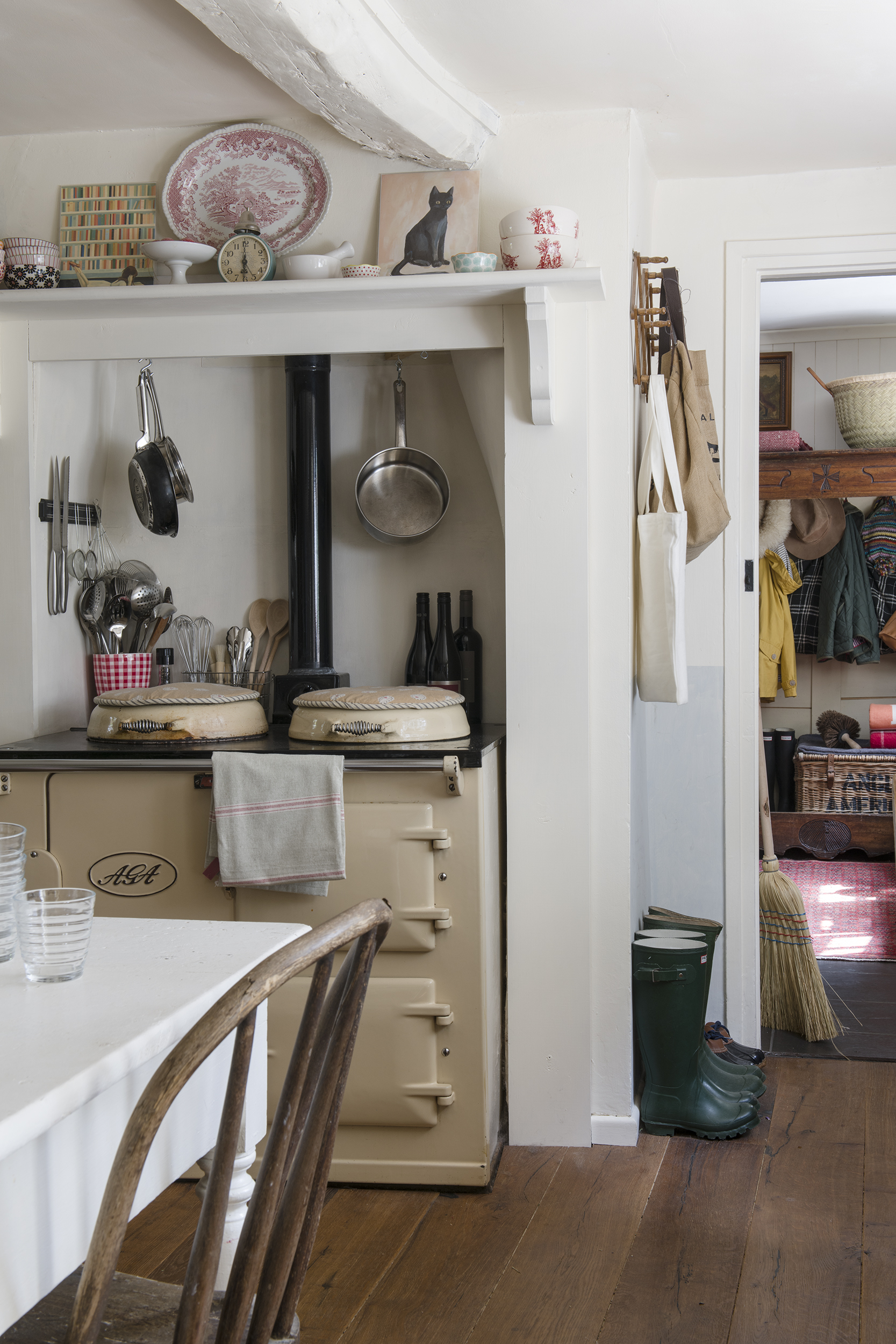
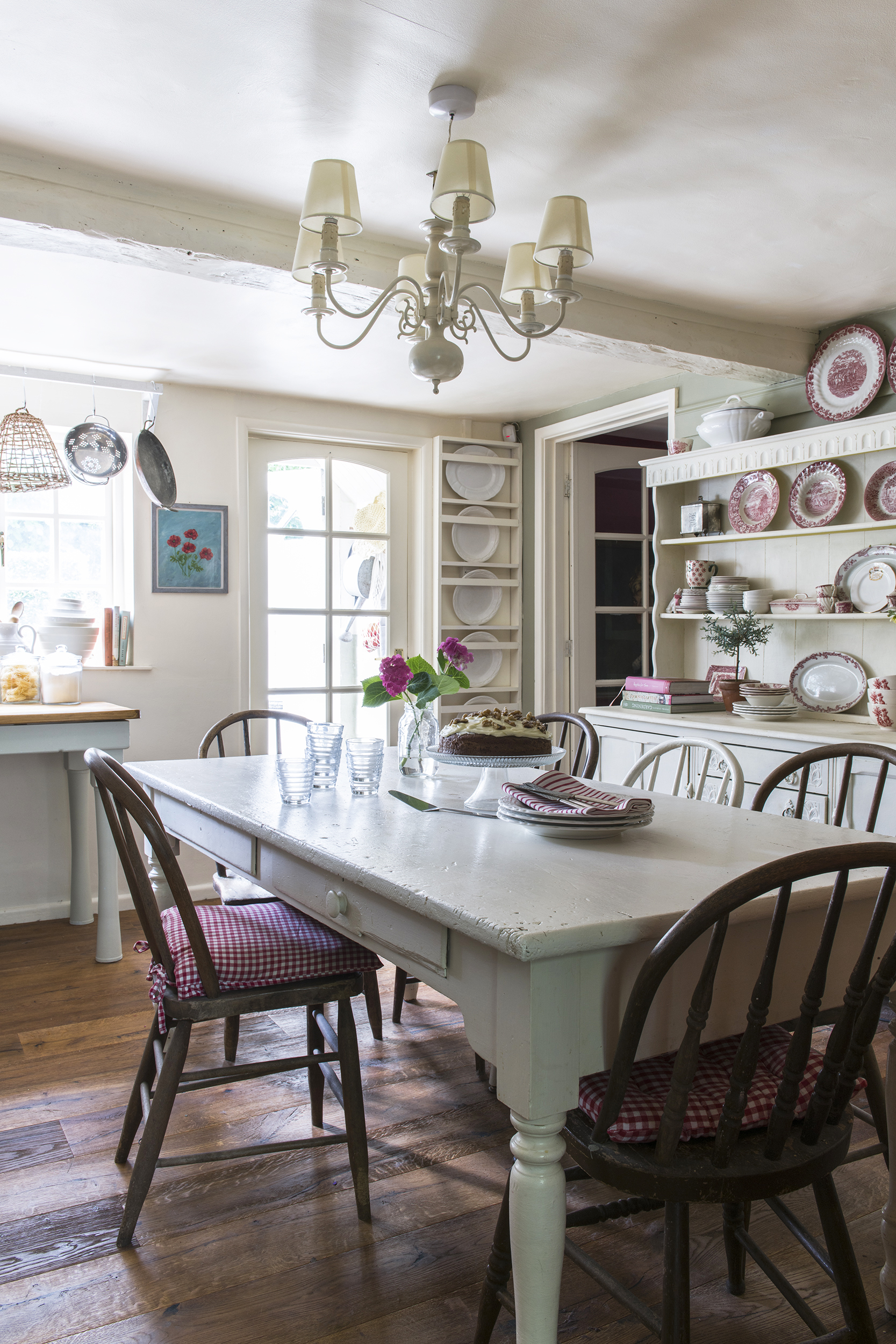
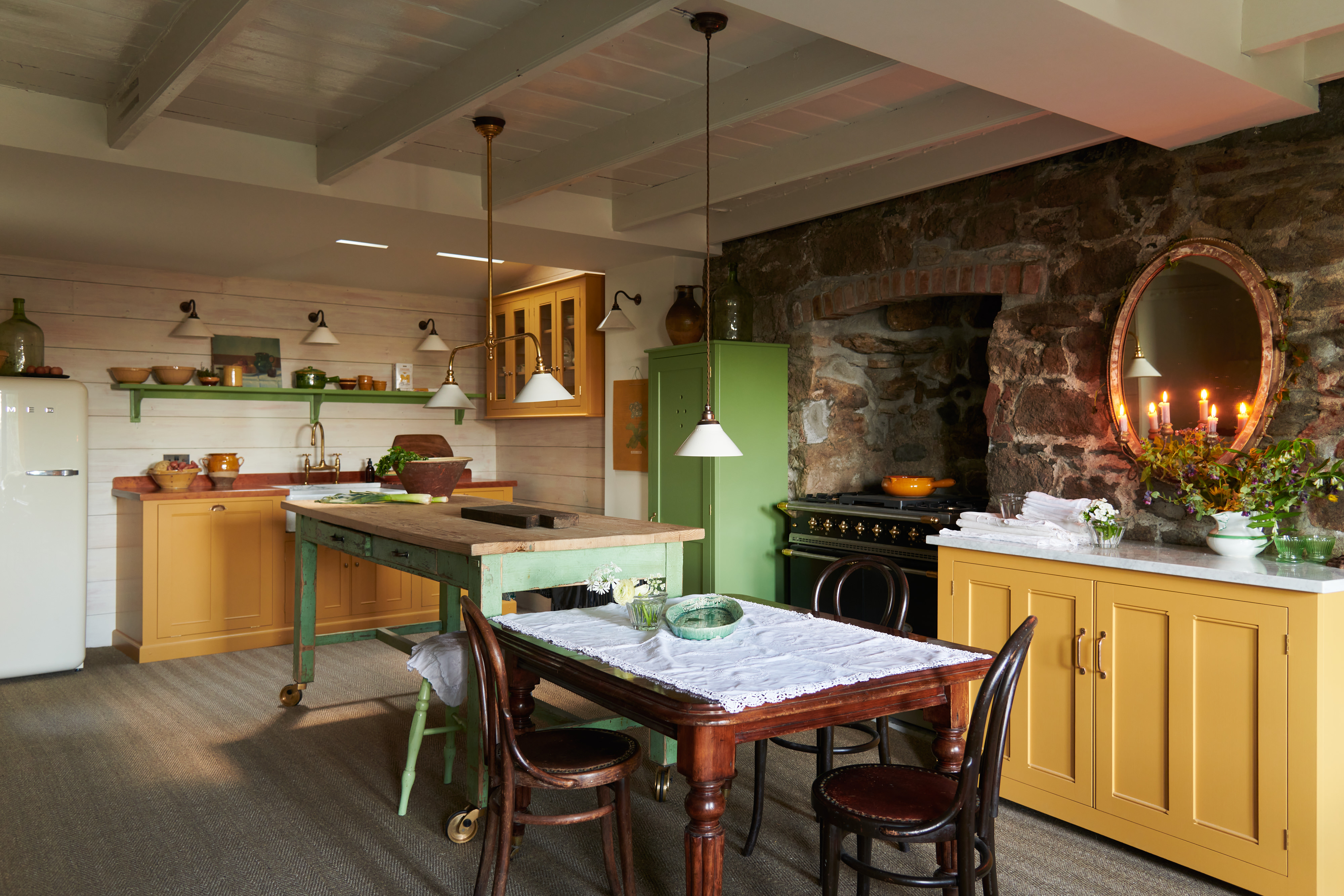
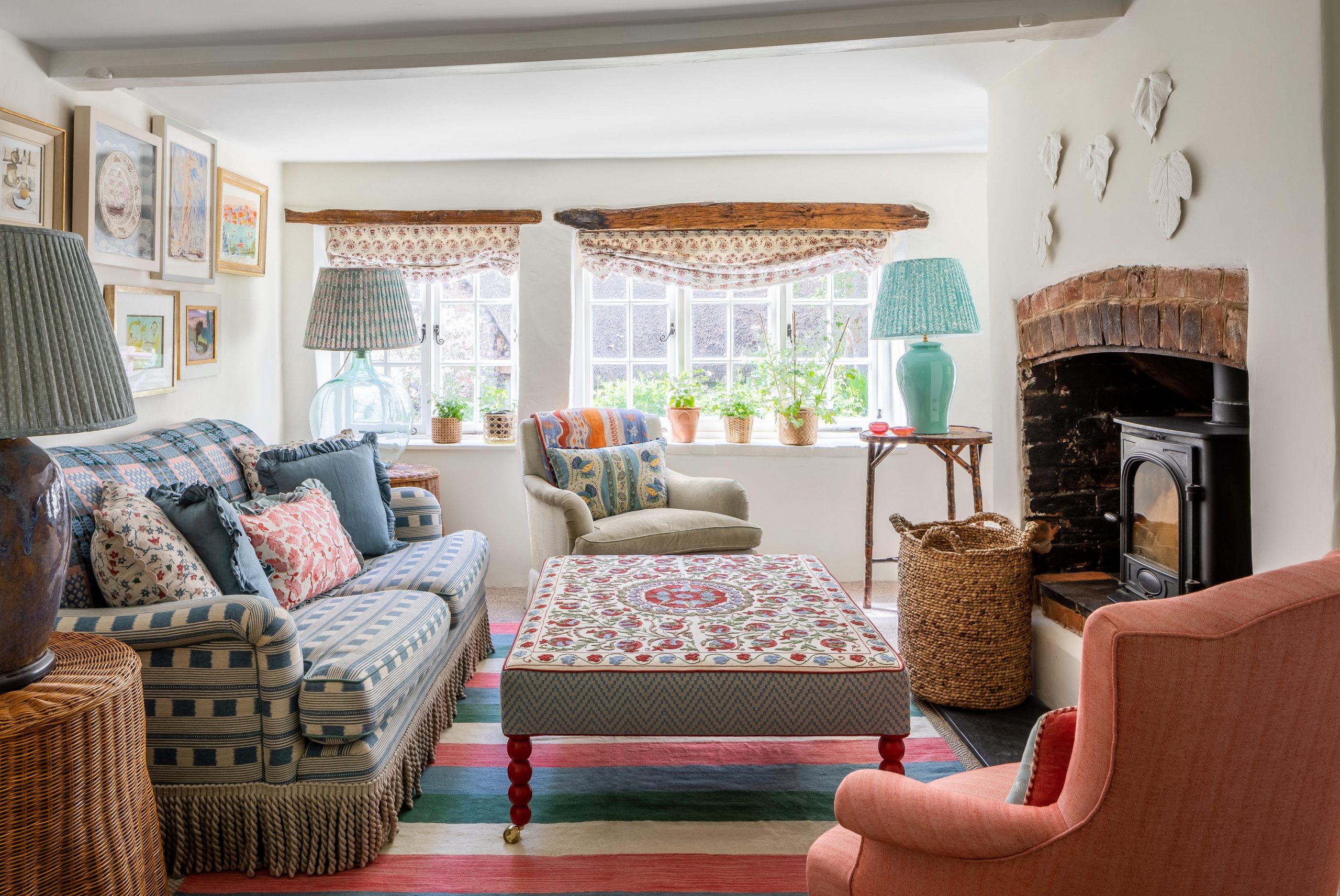
Despite the architectural variations, all cottage houses share consistent fundamental elements. Coziness and comfort are paramount, often achieved through layering textures and textiles such as pillows, blankets, rugs, and curtains. Natural materials, including wood post-and-beams or brick exteriors, are frequently used, seamlessly integrating the homes into their landscapes. An open floor plan is another key element, maximizing the efficiency of the small living spaces. Built-in features enhance the craftsmanship, and earthy elements complement the warm, inviting furnishings. Cottages are generally defined by their small size, typically ranging from 1,000 to 1,200 square feet, which is about half the size of an average American home. Their exteriors often include pitched roofs, covered porches, and natural elements, while interiors are warm, cozy, and may incorporate pastel colors, floral motifs, and vintage decor. The primary distinction between a cabin and a cottage lies in their location and amenities: cottages are usually more centrally located in towns or near destinations, whereas cabins are more secluded and minimalist, designed to encourage interaction with nature.
#CottageHome #HouseStyles #ArchitecturalHistory #HomeDesign #CoastalCottages #EnglishCottages #SouthernCottages #Bungalow #SmallHomes #CottageHome #HouseStyles #ArchitecturalHistory #HomeDesign #CoastalCottages #EnglishCottages #SouthernCottages #Bungalow #SmallHomes
0 comment in total
 No comments yet
You may also like
Inside A Character-Filled Cottage That Captures The Spirit Of English Country Living
A Basic Tract House Gets Infused with Charm and Character
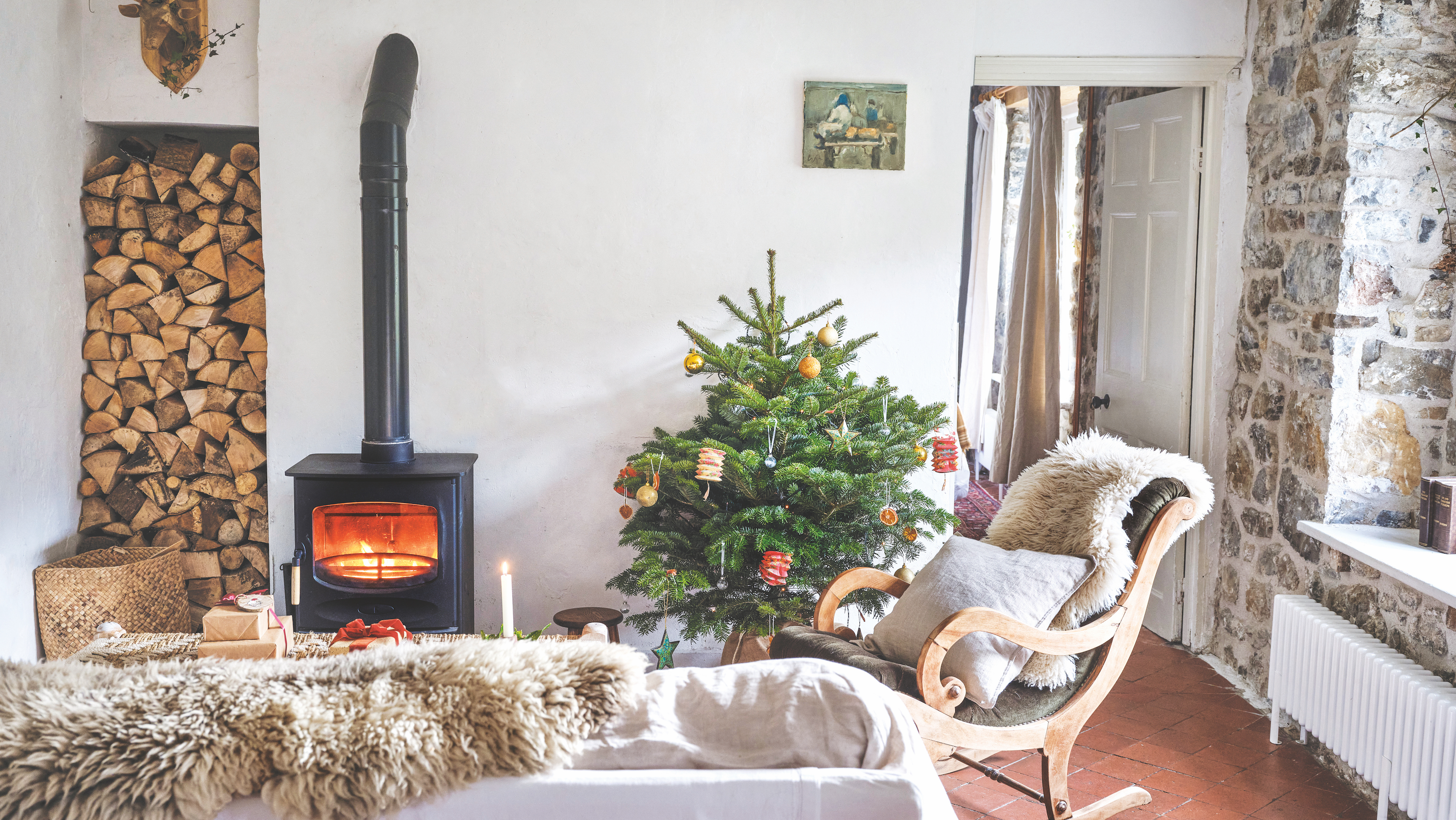
This pretty stone cottage is like something out of a fairytale – 10 tips designers used to create festive style

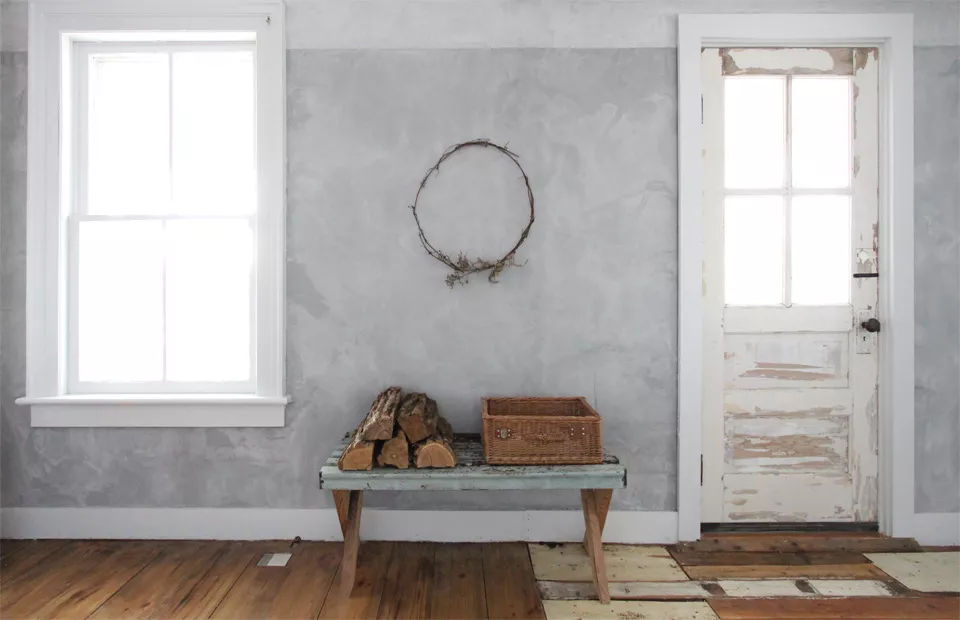
This Is What Modern Cottage Style Is (And How to Incorporate It)

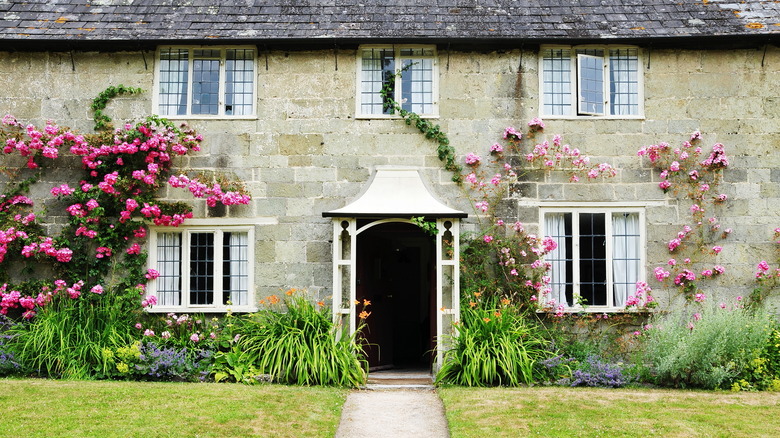
30 English Cottage Design Ideas That Radiate Charm

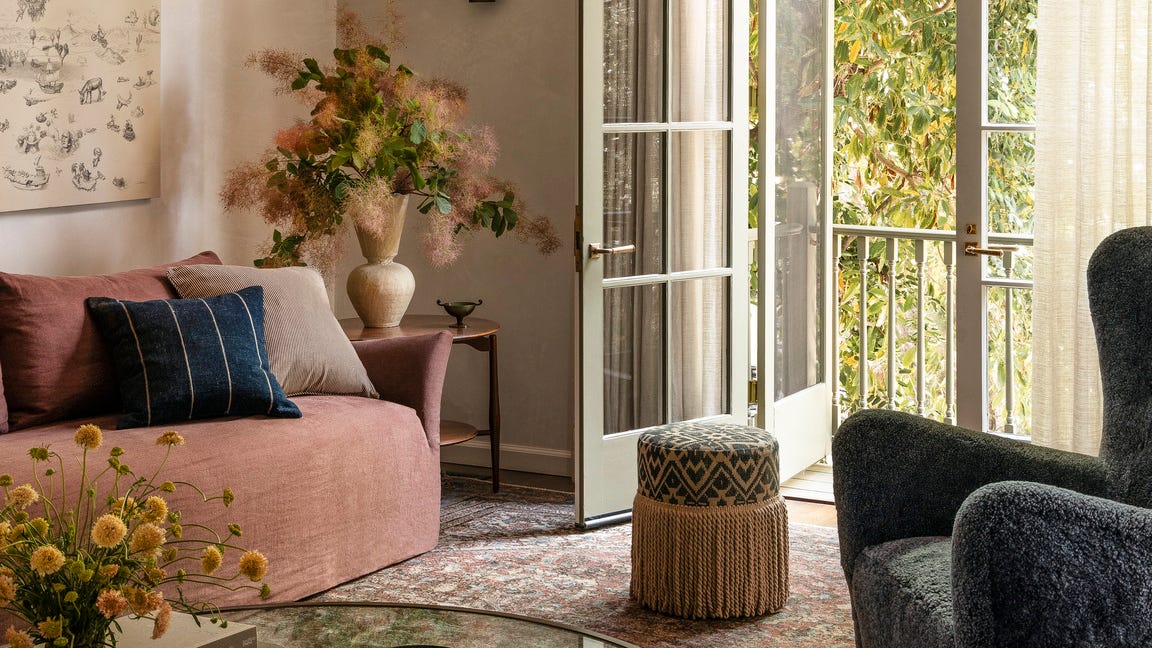
These Homes Are a Cottagecore Dream

28 English Cottage Style Ideas to Charm Your Inner Jane Austen

How to Decorate the Cottage of Your Dreams
Cottage decorating ideas – 13 ways to get a charming, characterful look
This Quaint Cottage is Rich With Charm

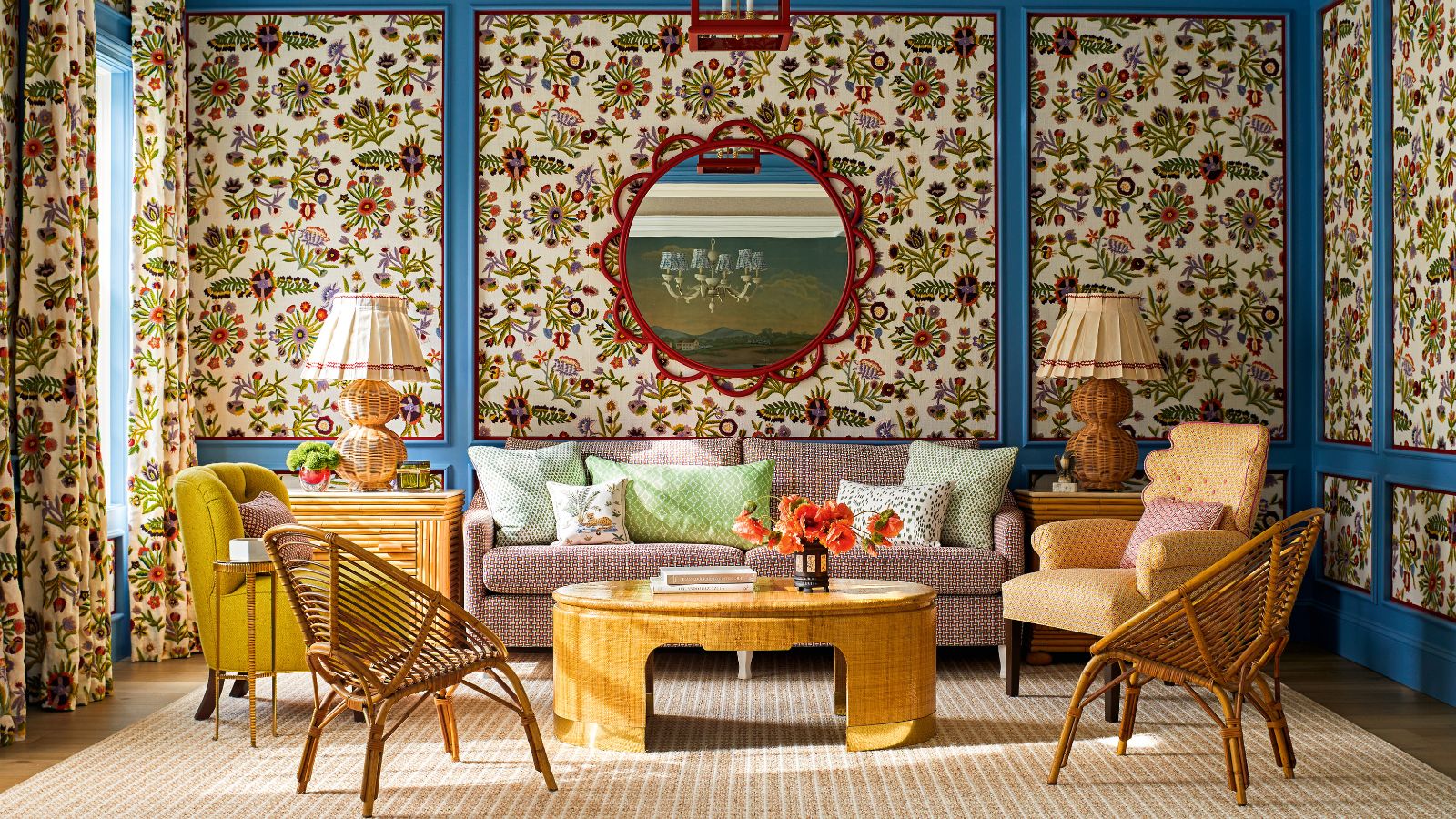
This house is a lesson on how to design an elegant home that authentically tells the story of the people who live there
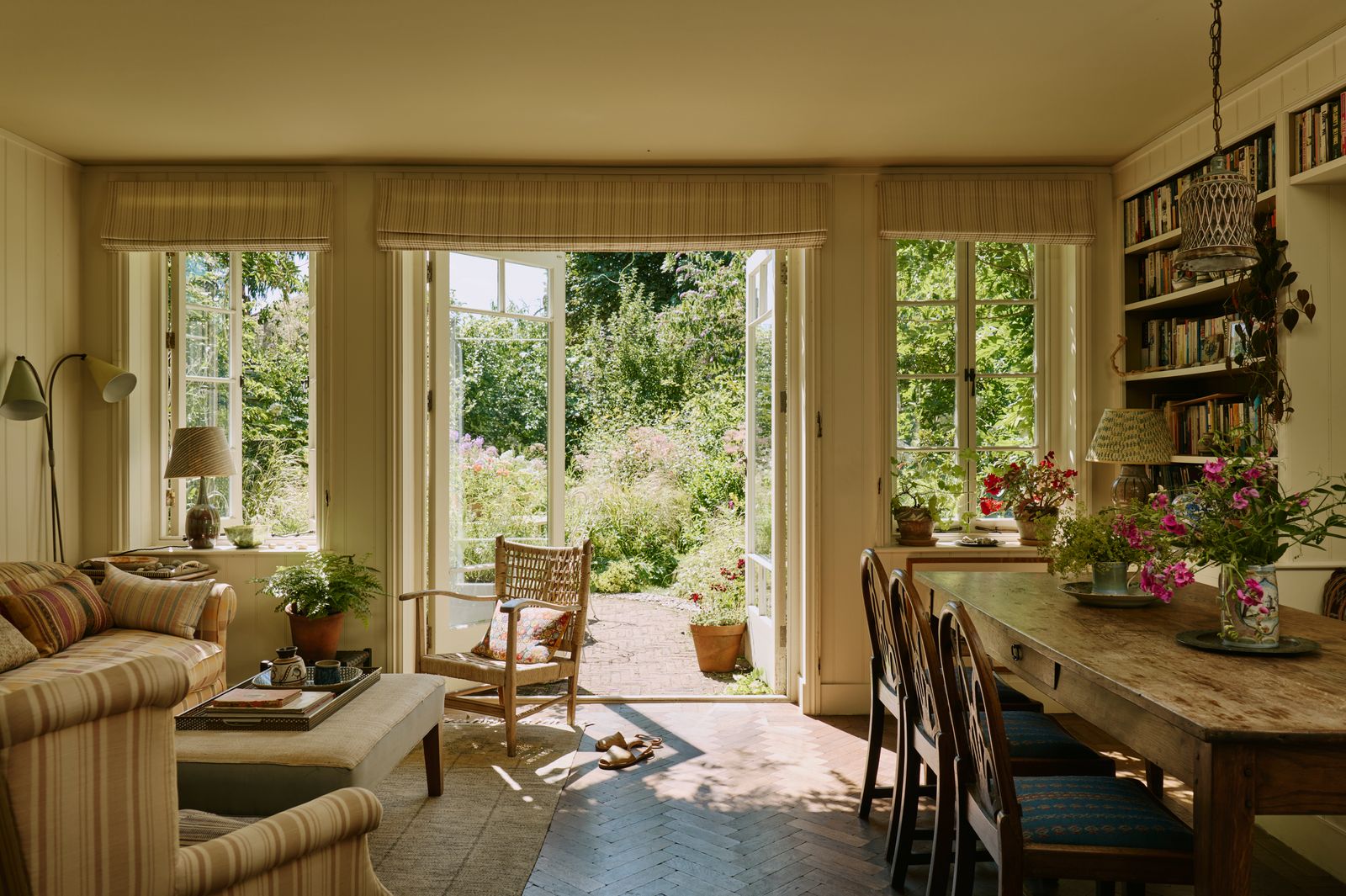
A designer's idyllic urban cottage where nature and intuition inform every detail
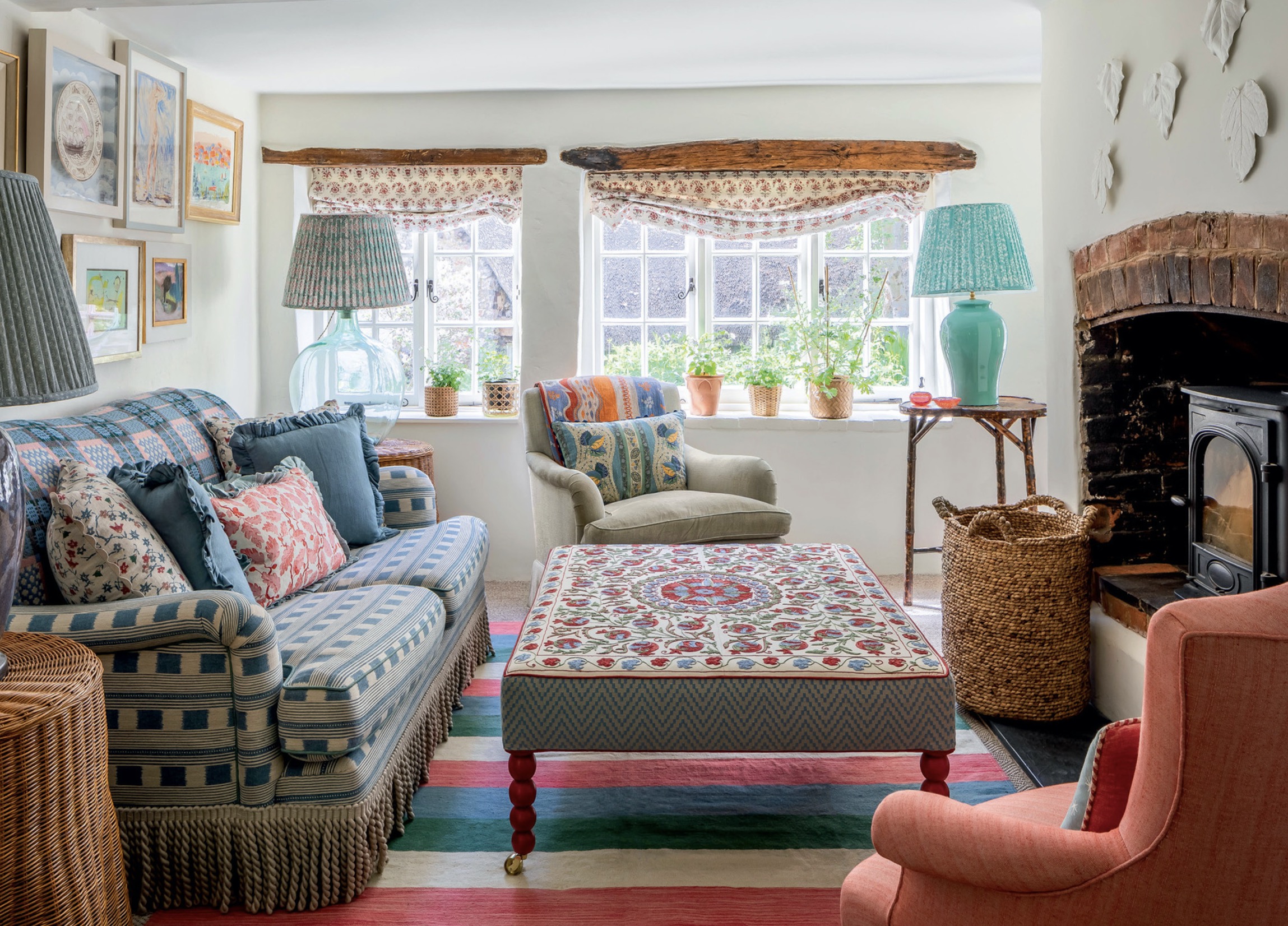
How to make a cottage that feels country and cosy rather than fuddy duddy
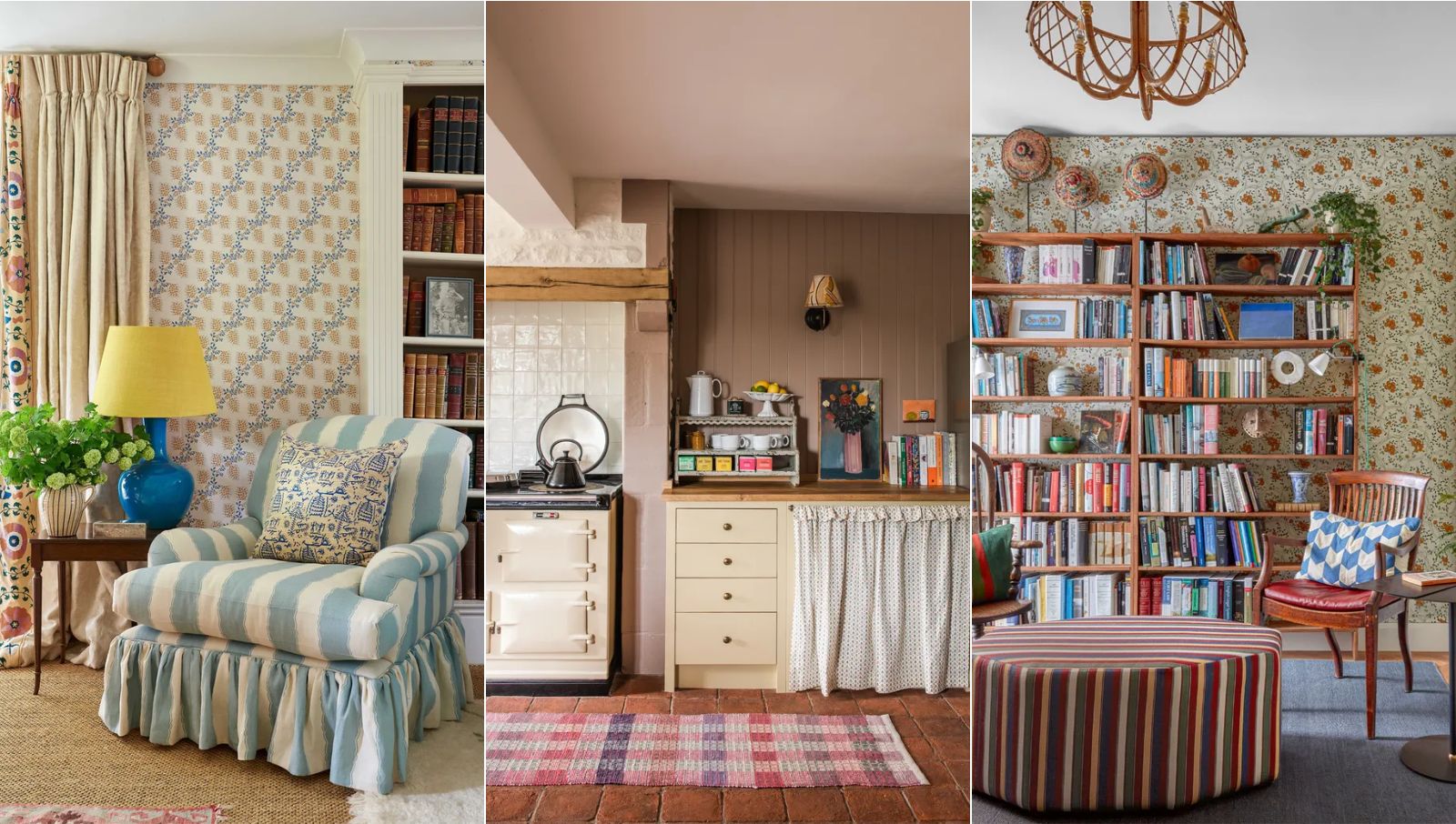
How to recreate an English cottage style, no matter what style of home you live in
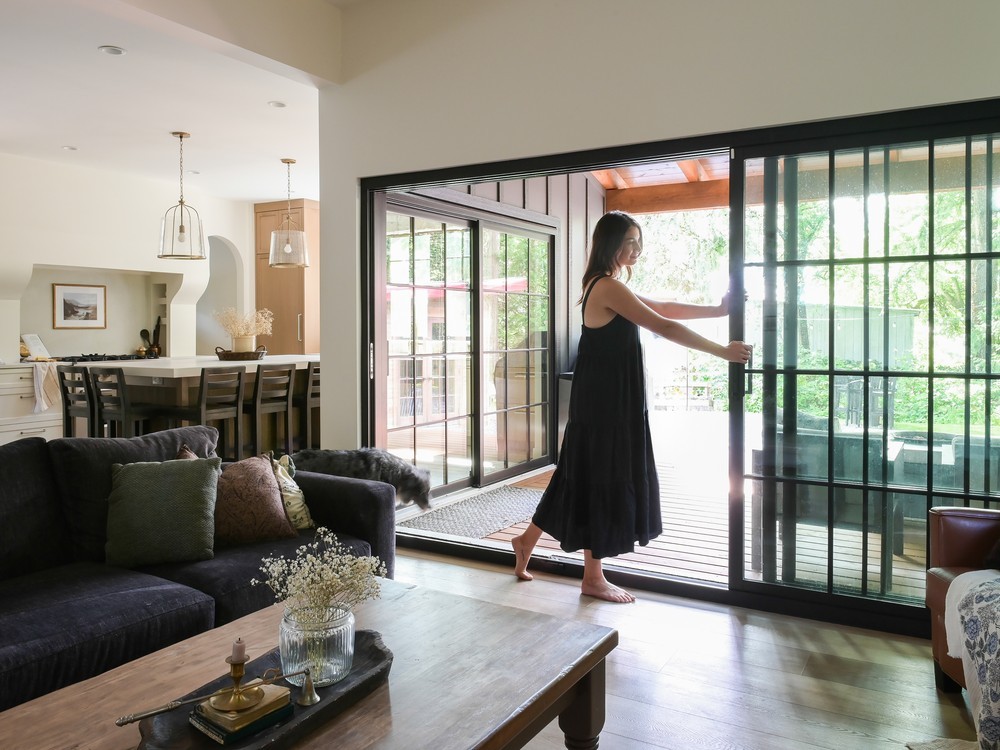
Set against a forest backdrop, this family abode is stylishly cottagecore yet timeless

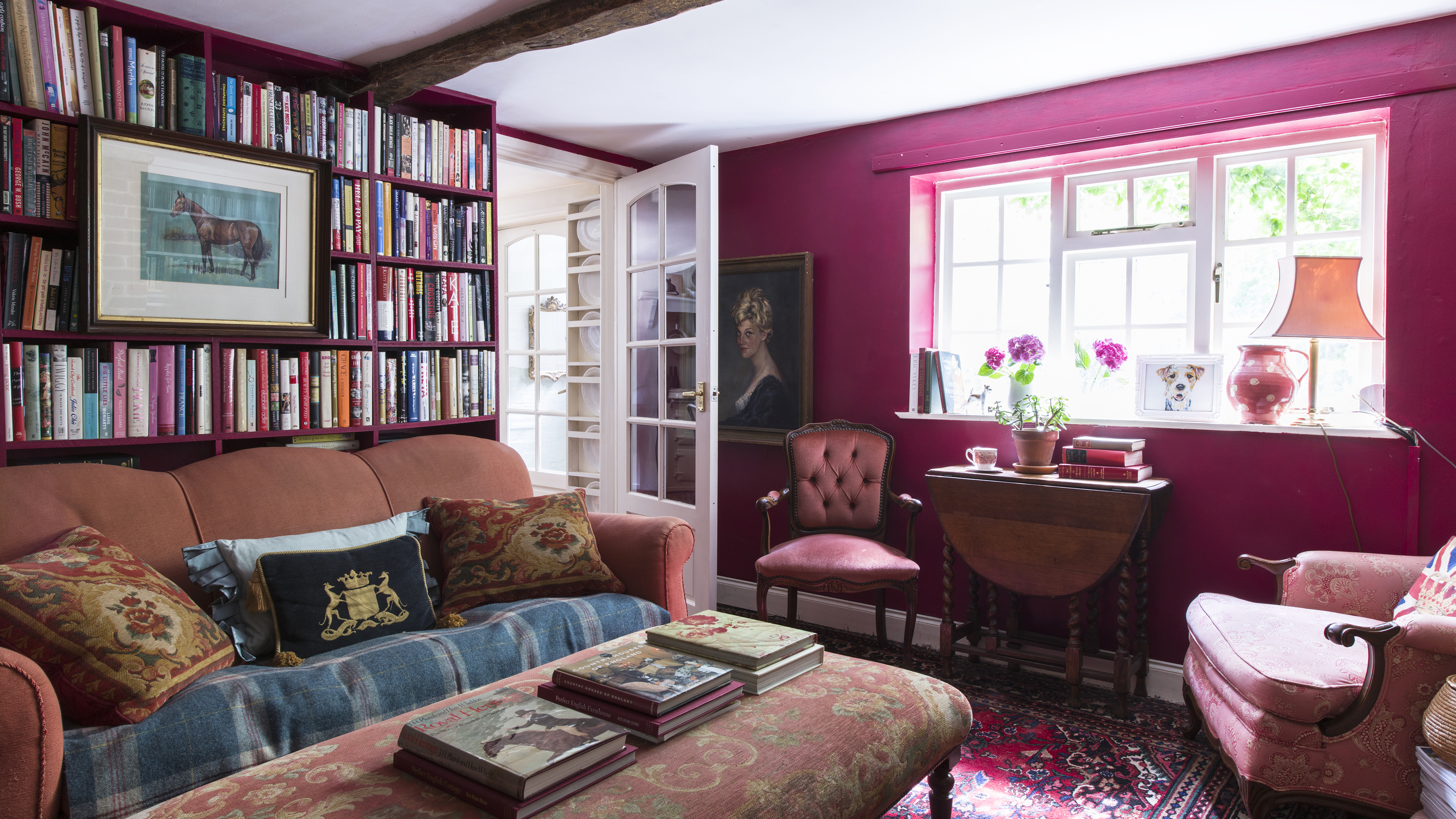
an 18th century thatched cottage brimming with classic country style

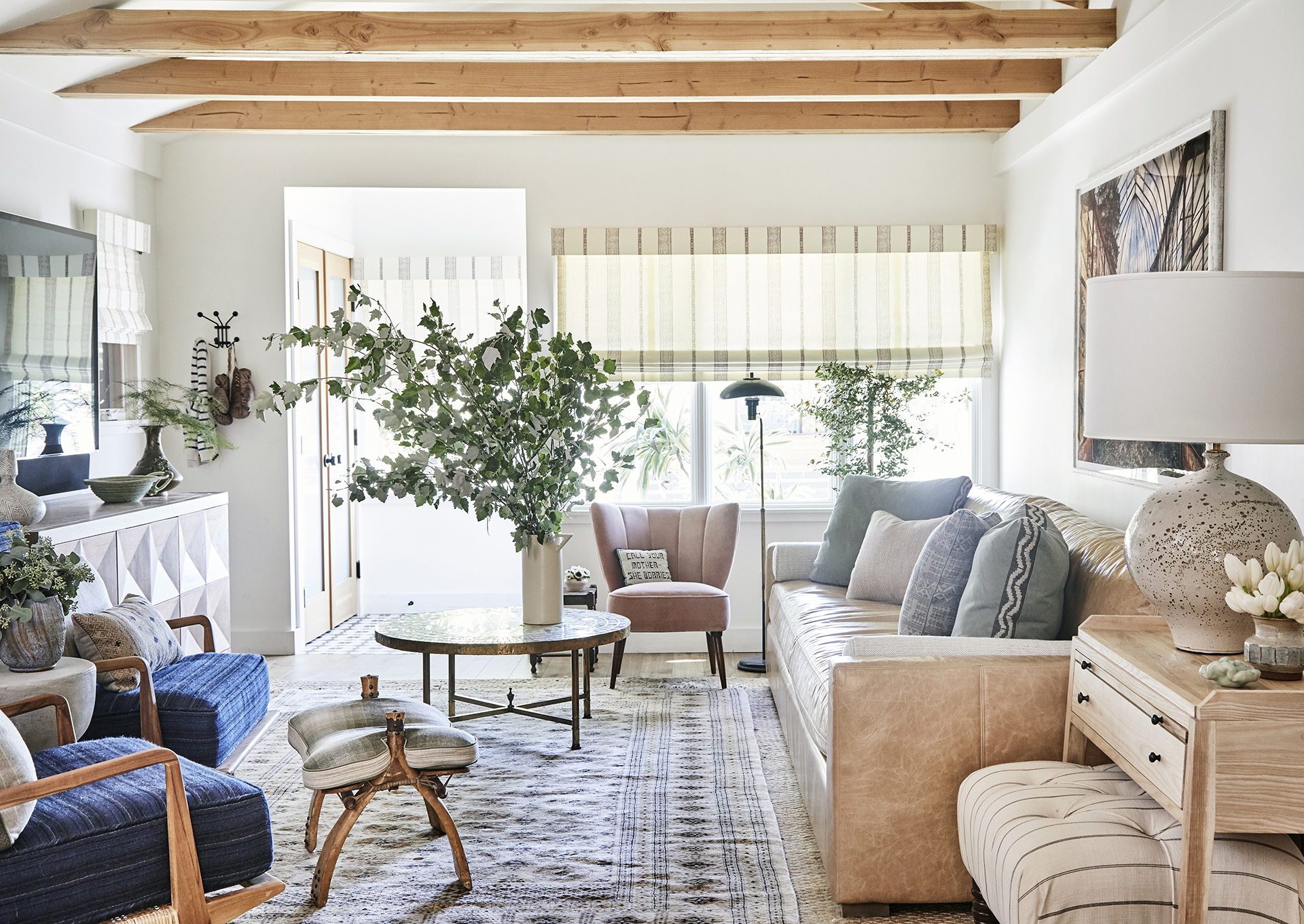
Cottage living room ideas – 13 inspirational ways to add comfort and style
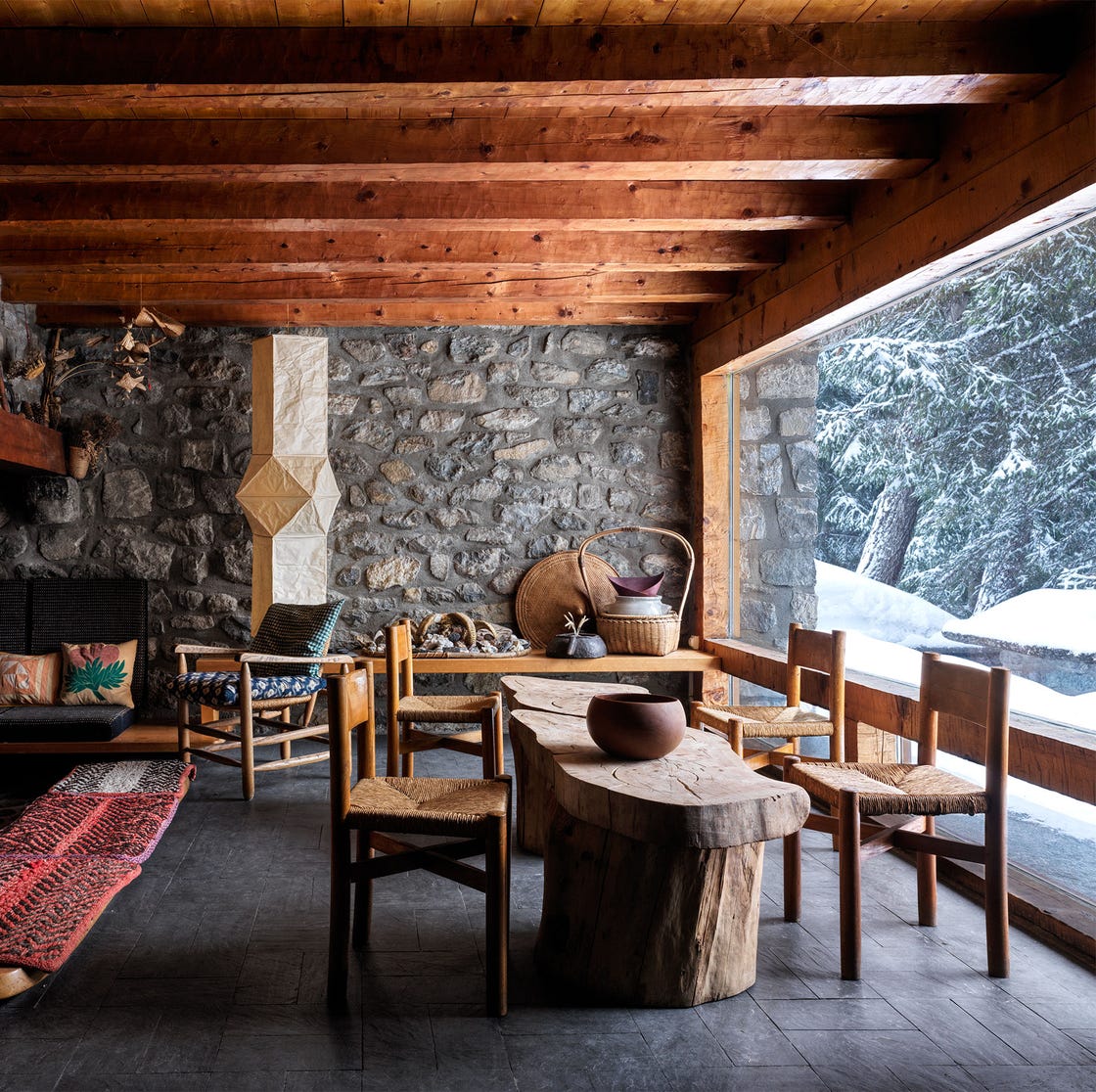
Everything You Need to Know About Chalet-Style Homes

'It's decorating like The Holiday' - 5 style lessons to steal from English cottages that feel cozy and quaint, yet still modern

Revolution or evolution? The reinvention of cottage interiors