1/8
Hans J Wegner's CH24 Wishbone Chair "captured the essence of modern Danish design"
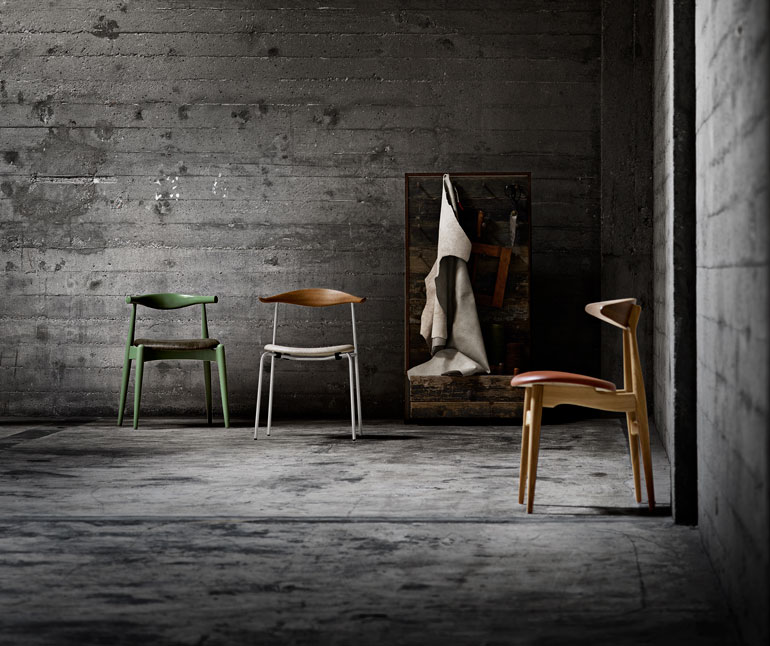
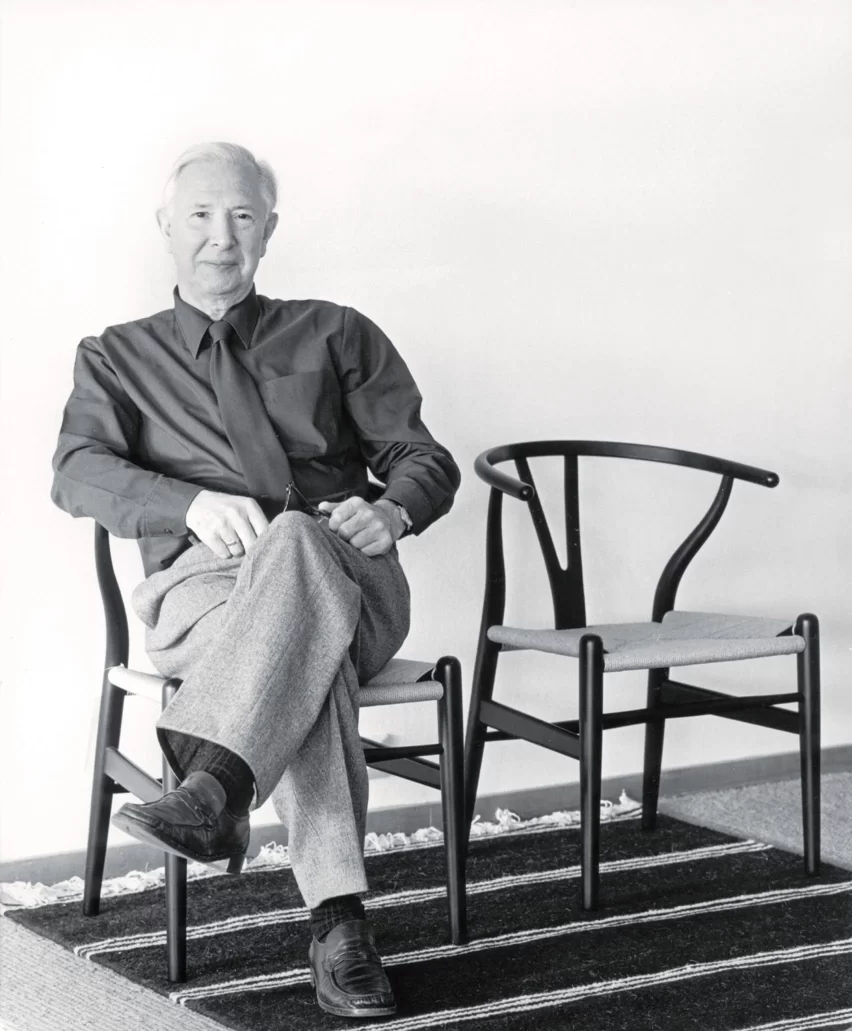
The CH24 Wishbone Chair, designed by Hans J Wegner for Carl Hansen & Son in 1949, is a significant piece in the mid-century modern design canon, known for its distinctive Y-shaped back support. This chair has remained in continuous production since its introduction in 1950, a testament to its enduring appeal and functional design. While Wegner created over 500 chairs, the Wishbone Chair stands out as his most recognizable work.
The chair's design features a combined back and armrest crafted from steam-bent wood, which gracefully curves to meet the seat. The central Y-shaped support is a defining characteristic, providing both structural integrity and aesthetic lightness. The manufacturing process of the CH24 Wishbone Chair is intricate, involving over 100 distinct steps, including the meticulous hand-weaving of its seat from approximately 120 meters of paper cord. This commitment to craftsmanship contributes to the chair's quality and longevity.
Knud Erik Hansen, CEO of Carl Hansen & Son, highlights the historical context of the Wishbone Chair's launch, noting that it coincided with Denmark's rise as a global design leader. At that time, Danish designers were exploring various approaches: some, like Kaare Klint and Børge Mogensen, favored a functionalistic and mathematical method focused on ergonomics and practical integration into daily life. Others, such as Ole Wanscher and Finn Juhl, leaned towards a more sculptural and artistic expression, prioritizing form.
Wegner's design philosophy distinguished him from his contemporaries by successfully merging both functional and sculptural elements. The Wishbone Chair embodies this balanced approach, offering a functional seating solution while possessing a soft, aesthetically pleasing, and distinct expression. This synthesis, according to Hansen, perfectly encapsulates the essence of modern Danish design.
Hans J Wegner, born in 1914, was a pivotal figure in mid-century modern Danish design, particularly renowned for his prolific chair designs. His career began with an apprenticeship under master cabinetmaker H F Stahlberg, followed by studies at the School of Arts and Crafts in Copenhagen. His early significant commissions included furniture for Aarhus City Hall in collaboration with architects Arne Jacobsen and Erik Møller, and a partnership with cabinetmaker Johannes Hansen. In 1943, Wegner established his own design studio, creating iconic pieces like the China Chair, influenced by 17th and 18th-century Chinese furniture.
The CH24 Wishbone Chair was initially commissioned by Carl Hansen & Son, who sought a high-quality, mass-producible chair. Alongside the CH24, Wegner designed three other chairs—CH22, CH23, and CH25—for the same commission. While all entered production, the CH24 achieved the greatest commercial success and enduring popularity. Hansen attributes its lasting appeal to its simple yet impactful form, a hallmark of Wegner's style. The chair's soft lines and strong, almost graphical silhouette contribute to its timeless aesthetic. Wegner's focus on distilling designs to their essential elements, combining elegance with stability and durability, is evident in the Wishbone Chair. His forward-thinking approach also embraced serial production, making his designs more accessible and democratic. These principles—quality, aesthetics, and accessibility—continue to define Danish design and form the legacy upon which Carl Hansen & Son builds.
#HansJWegner #CH24WishboneChair #MidCenturyModern #DanishDesign #CarlHansenAndSon #FurnitureDesign #IconicChair #DesignHistory #Craftsmanship #HansJWegner #CH24WishboneChair #MidCenturyModern #DanishDesign #CarlHansenAndSon #FurnitureDesign #IconicChair #DesignHistory #Craftsmanship
0 comment in total
 No comments yet
You may also like
23 of the Most Important Chair Designs of All Time

The five most impactful chair designs of mid-century modernism
The Master of Minimalism Debuts a New Furniture Collection
Prediction: This Is the It Chair of 2019
The VLA26 Vega Chair Finally Has Its Day in the Sun
This sculpturally shaped side table serves as a book rack

norm architects looks 'wingback companion' opens up to envelop you in
Danish Modern
Carl Hansen & Søn Teams Up with Edelman Leather for a New Take on Old Favorites

The Ekstrem Chair Isn’t for Everyone, but It’s More Comfortable Than You Think

The quirky charm of Norwegian design
10 Questions with… Daniel Rybakken
JSN design assembles diamond-shaped tiles into chair
The New PK4™ Lounge Chair + Upholstered Ant™ Chair Come Home to Fritz Hansen

23 Types of Chairs, Explained

5 Copenhagen-Based Creatives Pushing the Boundaries of Danish Design

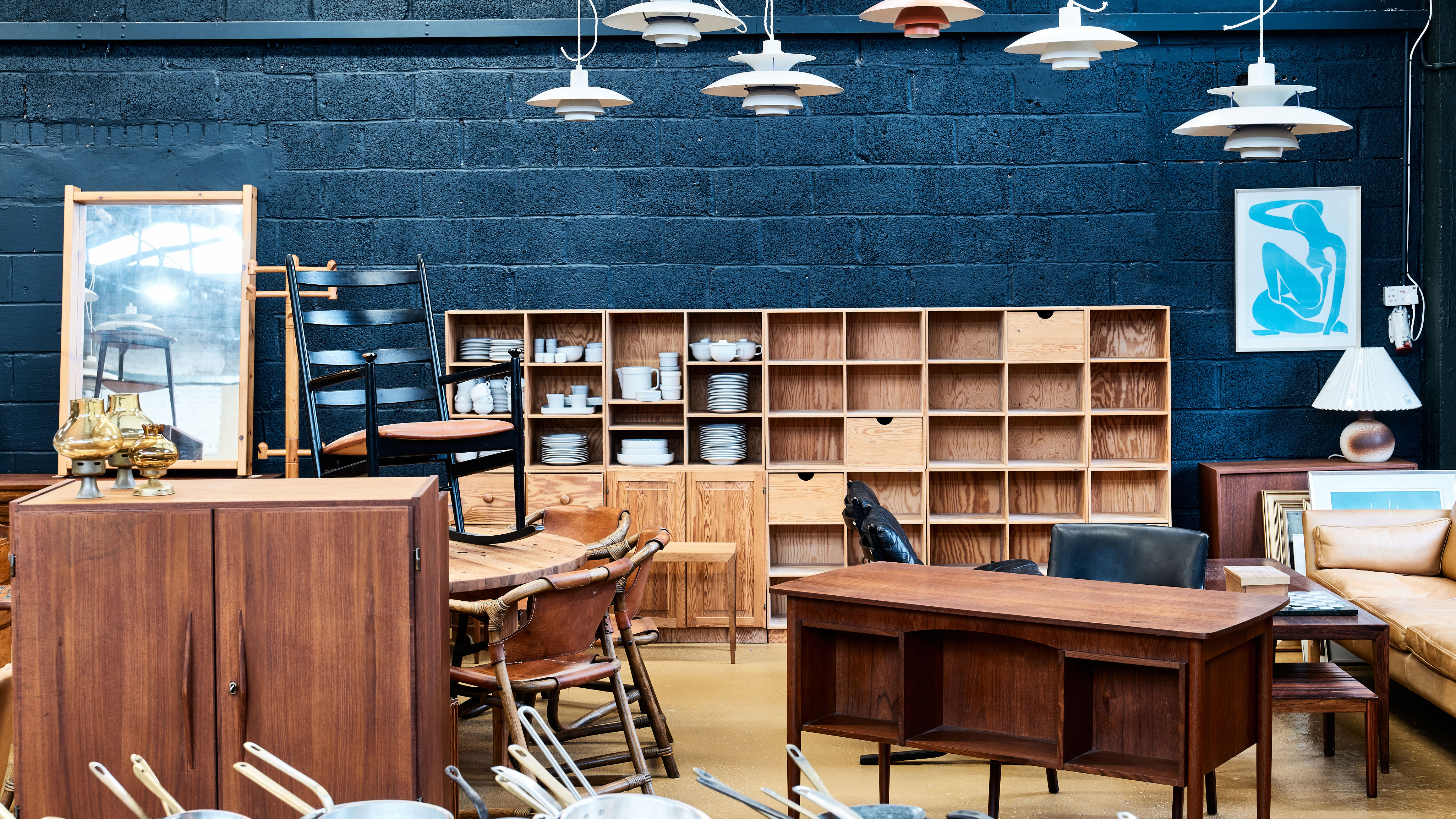
Ælfred: the new east London destination for vintage Scandinavian design
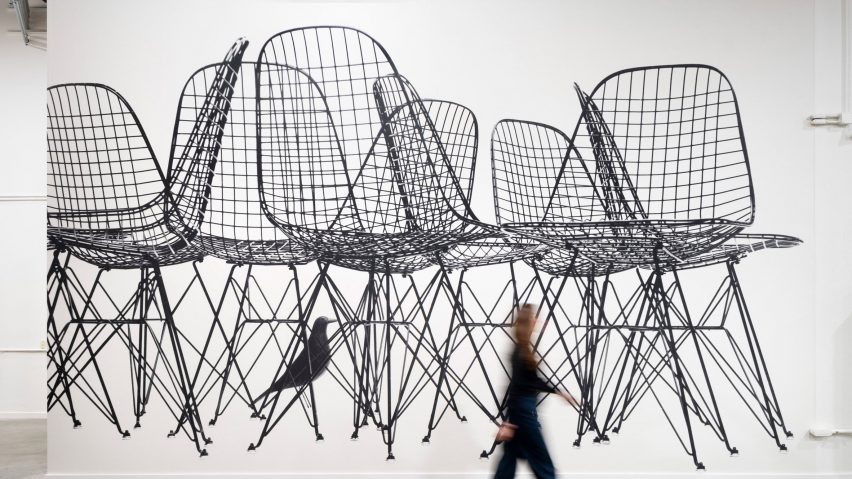
"Mid-century modern is classic, it's never going away" says Cara Greenberg
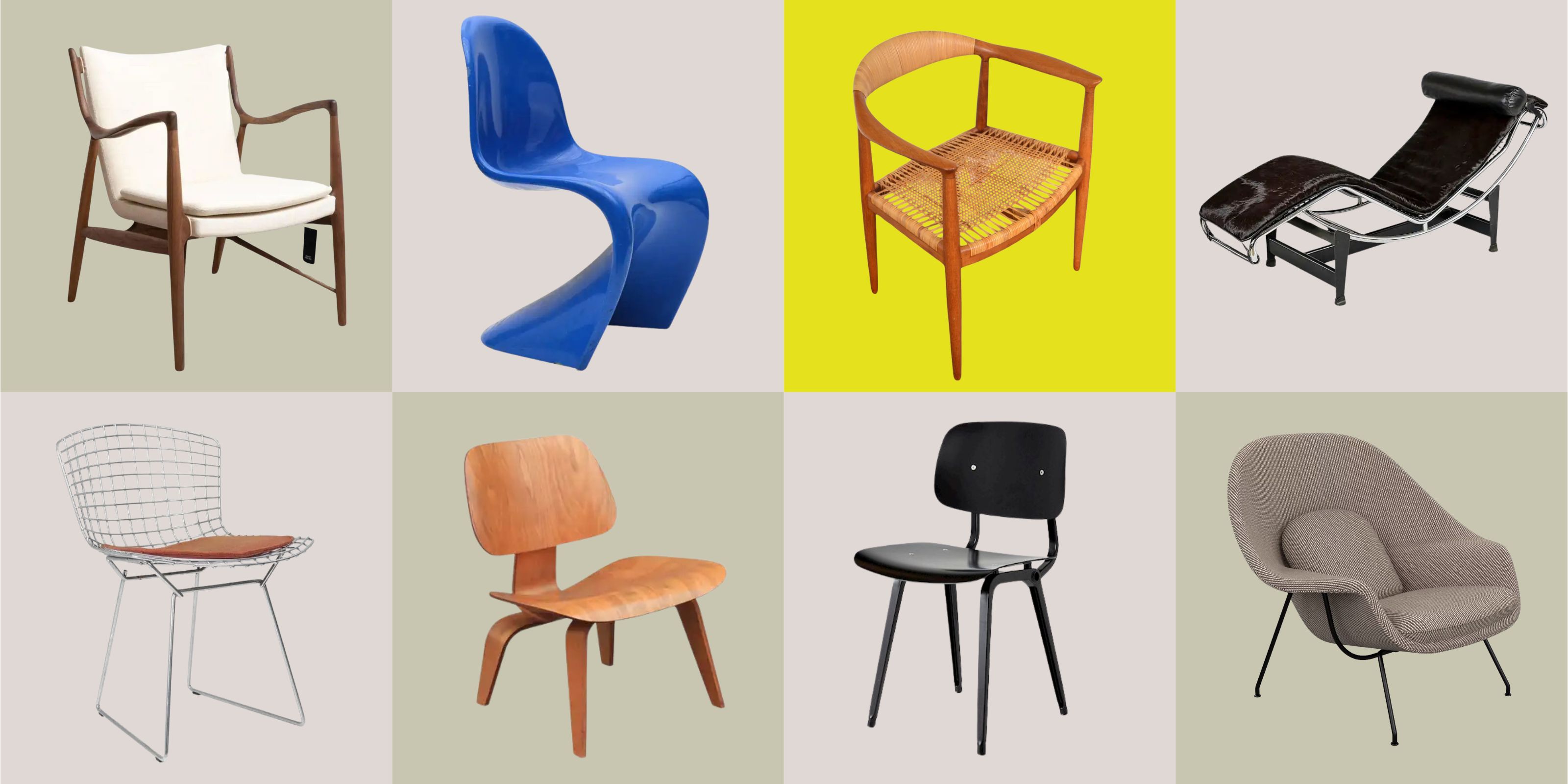
10 Iconic Mid-Century Modern Chairs That Are a 'Must-Know' for Any Design Enthusiast

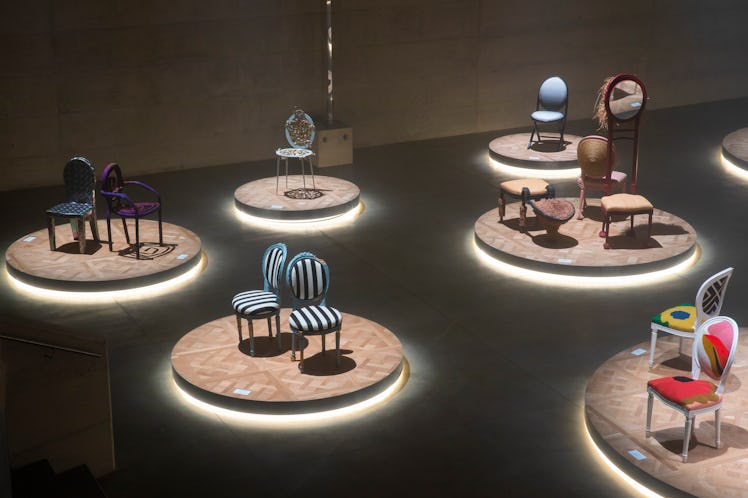
17 Artists Offer Their Take on an Iconic Dior Symbol