Fiber Optic Lighting Dries Out
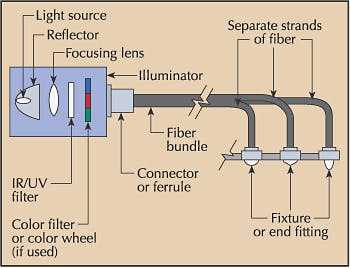
Fiber optic (FO) lighting, traditionally confined to underwater applications like pools and fountains, has evolved to become a versatile solution for diverse specialized lighting needs on dry land. The technology's primary advantage is its minimal heat emission, making it suitable for various indoor environments and architectural applications. An FO system fundamentally comprises an illuminator, which acts as the light source, and a series of fiber optic cables, or light guides, responsible for transmitting the concentrated light beam. These cables are engineered with a light-carrying core encased in a thin protective cladding. The core-cladding interface facilitates total internal reflection, ensuring that light introduced into the fiber optic tube remains trapped and continuously reflects as it travels its length, eventually exiting at the end or being diverted. Fiber optic cables come in different forms: end-emitting fibers, typically shielded by plastic, rubber, or metal for protection and support, and side-emitting fibers, which distribute light along their entire length, similar to neon lighting.
Three primary types of fiber optic cabling are commonly used. Small-core plastic fibers, with diameters ranging from 0.005 to 0.08 inches, are solid polymer optical fibers clad with a material of lower refractive index. They are flexible, available in custom lengths, and can be cut in the field. Large plastic fibers, measuring 0.08 to 0.47 inches in diameter, are also solid polymer but are less flexible than small plastic or glass fibers, requiring larger bend radii. Connectors and specialized cutters are needed for these. Glass fiber bundles (GFB) consist of multiple cylindrical glass light guides, each 0.002 to 0.006 inches thick. Unlike plastic fibers, GFBs are usually factory-cut and assembled, necessitating careful installation to avoid bending beyond manufacturer specifications, which can lead to individual fiber breakage and reduced light output. Bending glass fibers beyond 90 degrees can significantly impair their performance.
Since fiber optic products are not standardized, components from different manufacturers are generally not interchangeable. Fixtures are designed around specific light sources and fiber types. The wattage and type of light source required are determined by the size of individual fibers and the desired illumination level, with options ranging from 20W to 75W MR16 lamps to 70W to 250W metal-halide lamps. The optical fiber's specification depends on factors like the lamp's beam spread, the fiber's angle of acceptance, its position relative to the light source, and how the fibers are bundled. Illuminators can incorporate dichroic glass color filter wheels for continuous or fixed color changes, and these movements can be computerized for special effects like timed light changes or strobe bursts. Multiple illuminators can also be synchronized, making FO lighting ideal for dynamic color-changing effects, often controlled by DMX 512 protocol, common in theatrical lighting. While photometric data sheets are available, they differ from standard lighting fixture distribution charts. The National Electric Manufacturers Association (NEMA) Remote Illumination Systems Section provides guidelines for FO lighting.
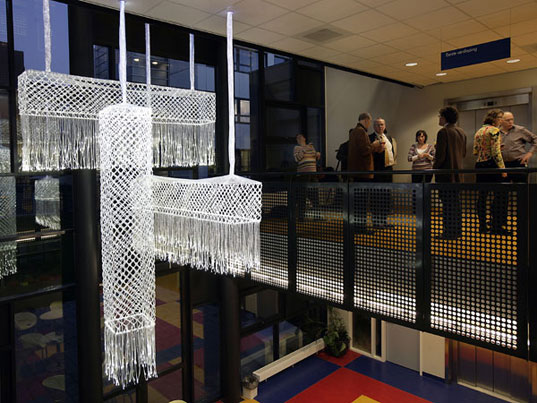
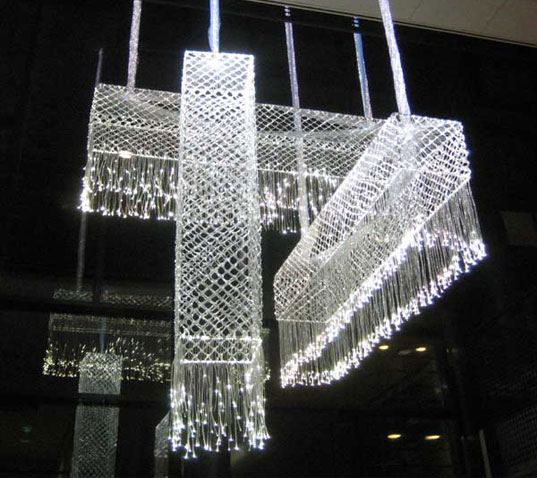
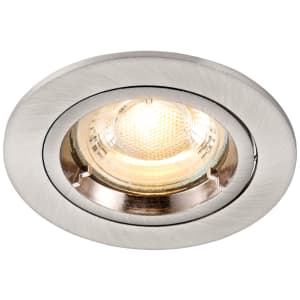
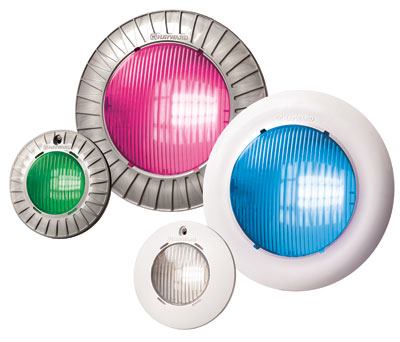
Fiber optic lighting offers distinct advantages in both new constructions and renovations. The light source can be conveniently placed in an accessible location, simplifying maintenance, especially for displays or showcases where direct access to the illuminated object is undesirable. Only the end housing hardware is visible in a downlighting system, and thin optical fiber cabling can be easily retrofitted into existing ceilings or walls. Many architectural and decorative elements, including furniture, handrails, and artwork, can be illuminated using fiber optic end fittings. A significant benefit is the ability of the illuminator to filter out infrared (IR) and ultraviolet (UV) energy, which protects sensitive materials like textiles, paintings, and graphic art from damage and fading, making FO lighting ideal for museum applications. Furthermore, because no electrical power is present near the light-emitting parts, FO lighting does not generate electromagnetic fields (EMF), rendering it suitable for environments with EMF-sensitive electronic equipment, such as MRI rooms. The versatility of fiber optic lighting allows for a wide selection of application-specific fixtures, including downlighting (molded plastic or cast aluminum with lenses, offering various designs and finishes), wall washer and accent fixtures (adjustable for aiming and beam focusing), landscape and exterior fixtures (often decorative, for gardens, sidewalks, or patios, some with flexible arms or designed for burial), underwater application fixtures (ideal for pools and fountains due to absence of electrical components), and specialty fixtures (providing tiny points of light, often made of glass). This technology is no longer a mere novelty but a functional solution for diverse illumination needs.
Key terms in fiber optic lighting include acceptance angle (maximum beam spread that enters the fiber), attenuation (light reduction per unit length), color rendering index (object's color shift under illumination), and various hardware devices like connectors, couplers, and ferrules that join system parts. A fiber optic port or master ferrule is a metal or plastic connector attached to a fiber optic bundle for insertion into an illuminator. A fixture, distinct from the electrical industry's general term, is a hardware device at the end of an end-emitting fiber that distributes light in a specific pattern. Numerical aperture (NA) describes the fiber's acceptance angle, determined by the refractive index difference between the core and cladding, impacting how light is guided. These concepts are fundamental to understanding and applying fiber optic lighting systems.
#FiberOpticLighting #LightingTechnology #ArchitecturalLighting #SpecializedLighting #InteriorDesign #MuseumLighting #ElectromagneticFields #LightingApplications #FiberOpticLighting #LightingTechnology #ArchitecturalLighting #SpecializedLighting #InteriorDesign #MuseumLighting #ElectromagneticFields #LightingApplications
0 comment in total
 No comments yet
You may also like
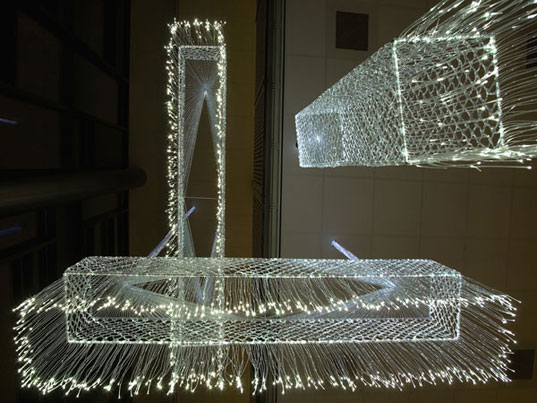
WOVEN FIBEROPTIC CHANDELIERS
Banish the “Big Light” Completely With Some Snazzy Lamps

Matter makes Govee’s new light strip less groovy
Goodbye, Fluorescent Lighting; Hello, Beautiful Kitchen Pendants
Downlights
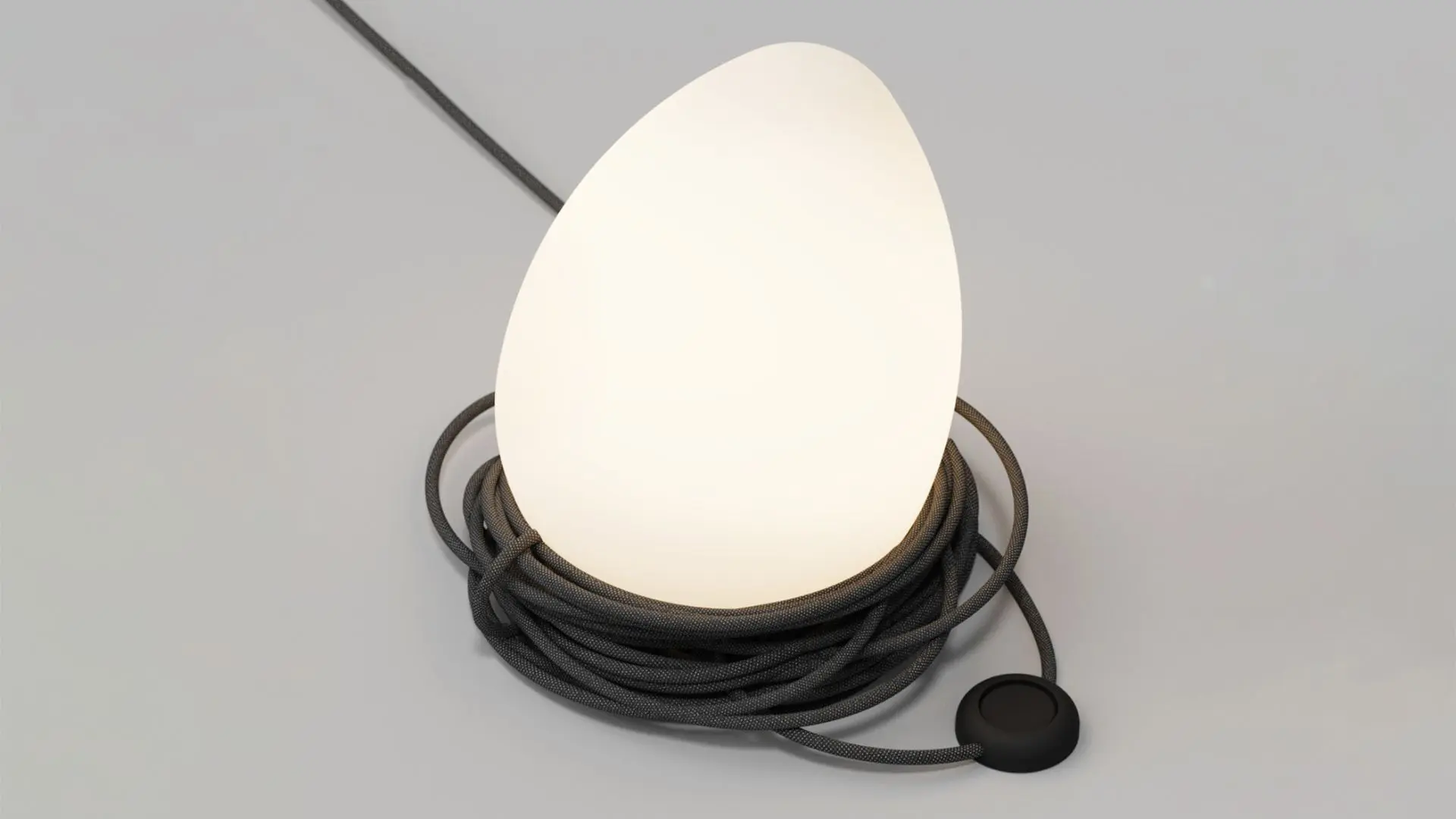
Transforming a messy pile of cables into an illuminating everyday product


Keeping the Light On
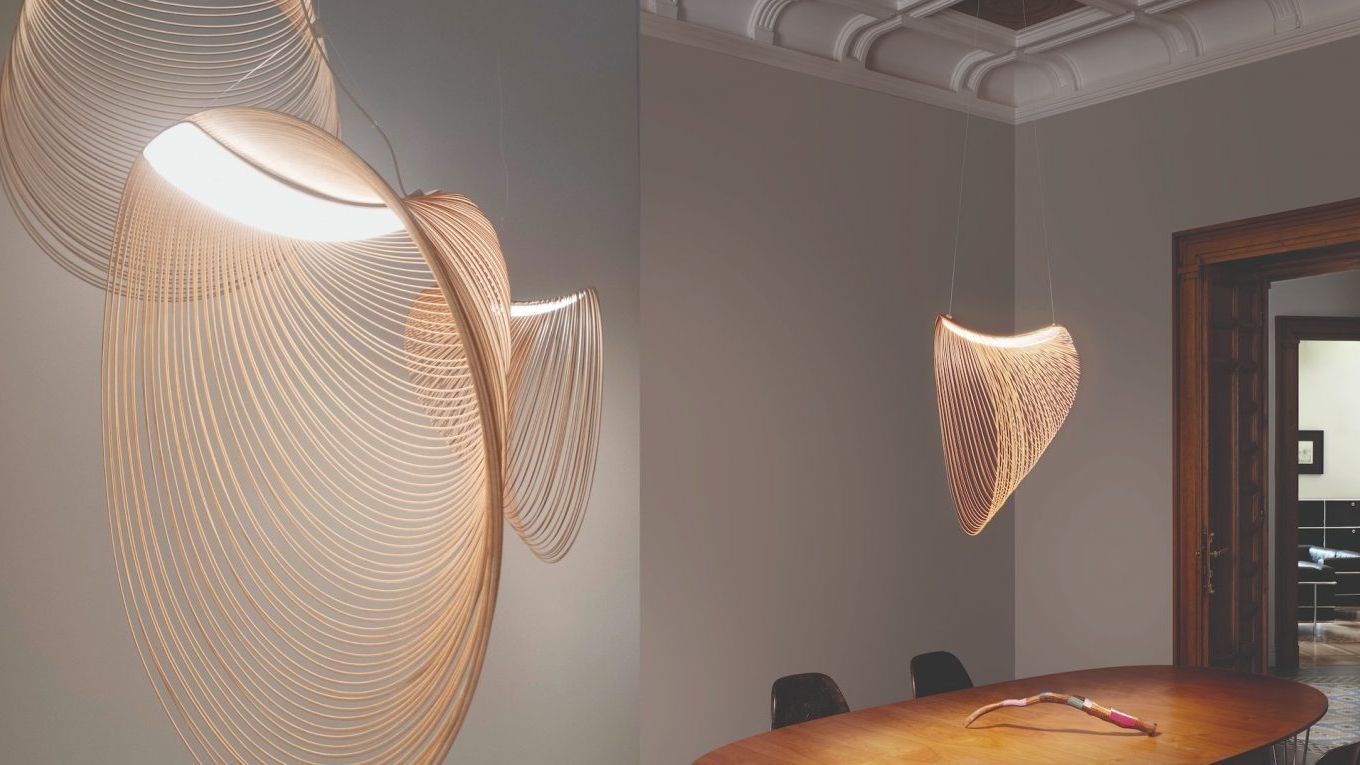
Home Decor: A pendant lamp that appears to be floating in air

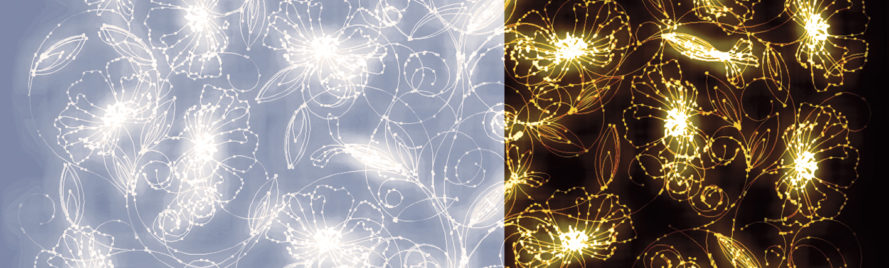
Luminescent Fiber Optic Wallpaper by Camilla Diedrich
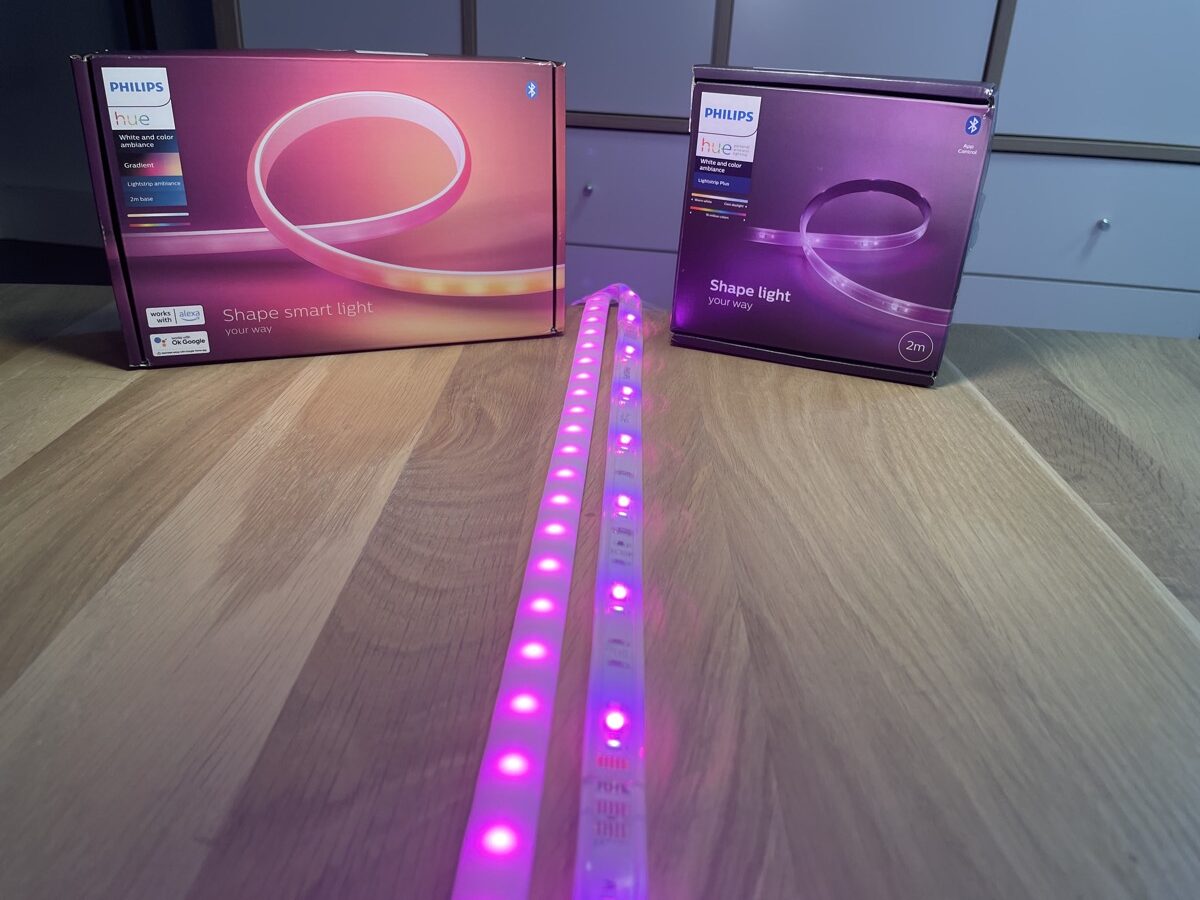
Philips Hue is reportedly working on new light strips with COB technology

Designers are ditching overhead lighting in the bathroom – and using this flattering source to illuminate spaces instead

Lucifer Lighting's fixtures are designed to ‘define and disappear’

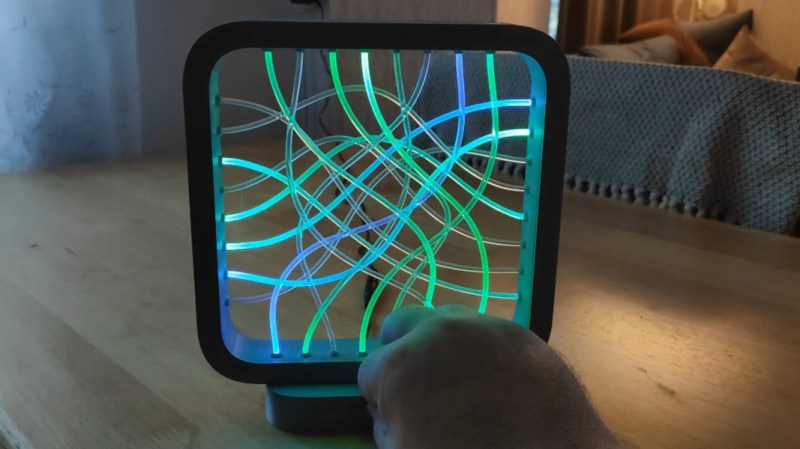
Transmit Your Gaze To This Fiber Optic LED Lamp


Flush Ceiling Lights
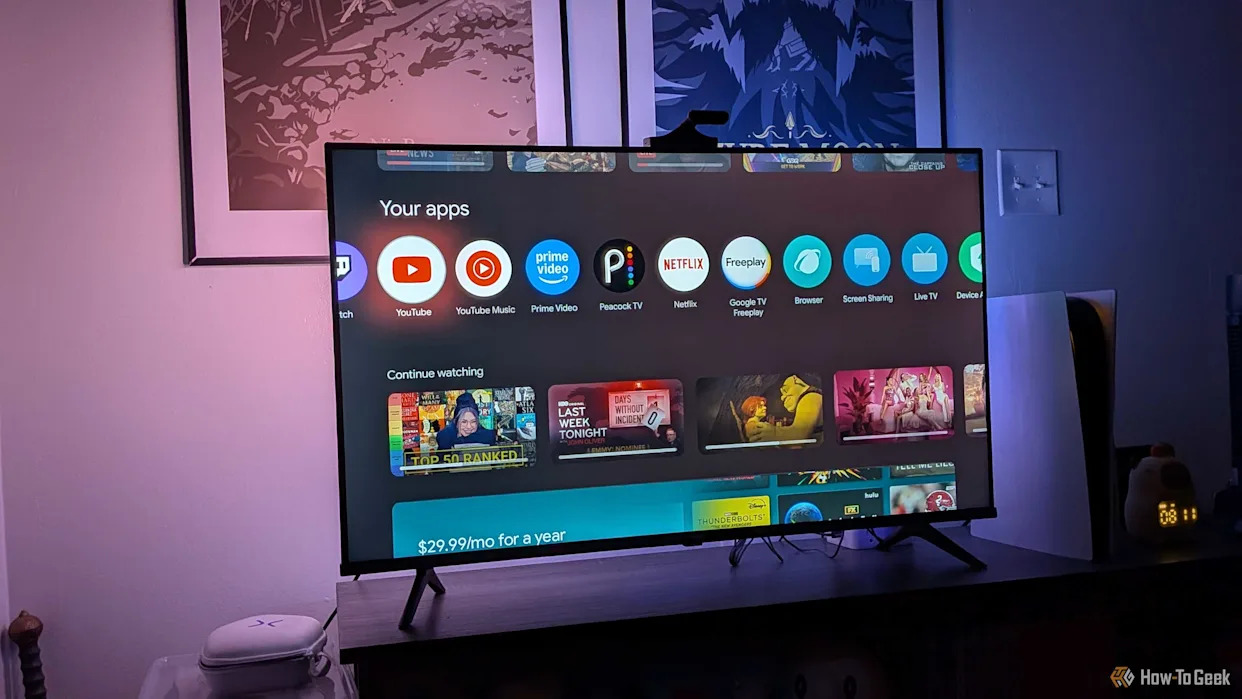
Govee’s Newest TV Backlight Produces Vivid Colors in the Light and the Dark
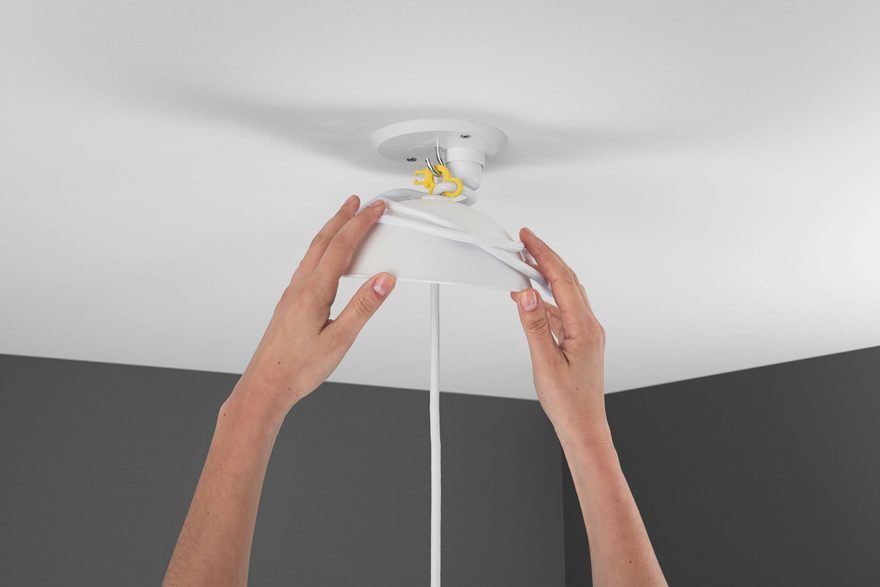
The CableCup: A Ceiling Cup You Can Turn Inside Out to Ease Installation and Fit of Ceiling Fixtures
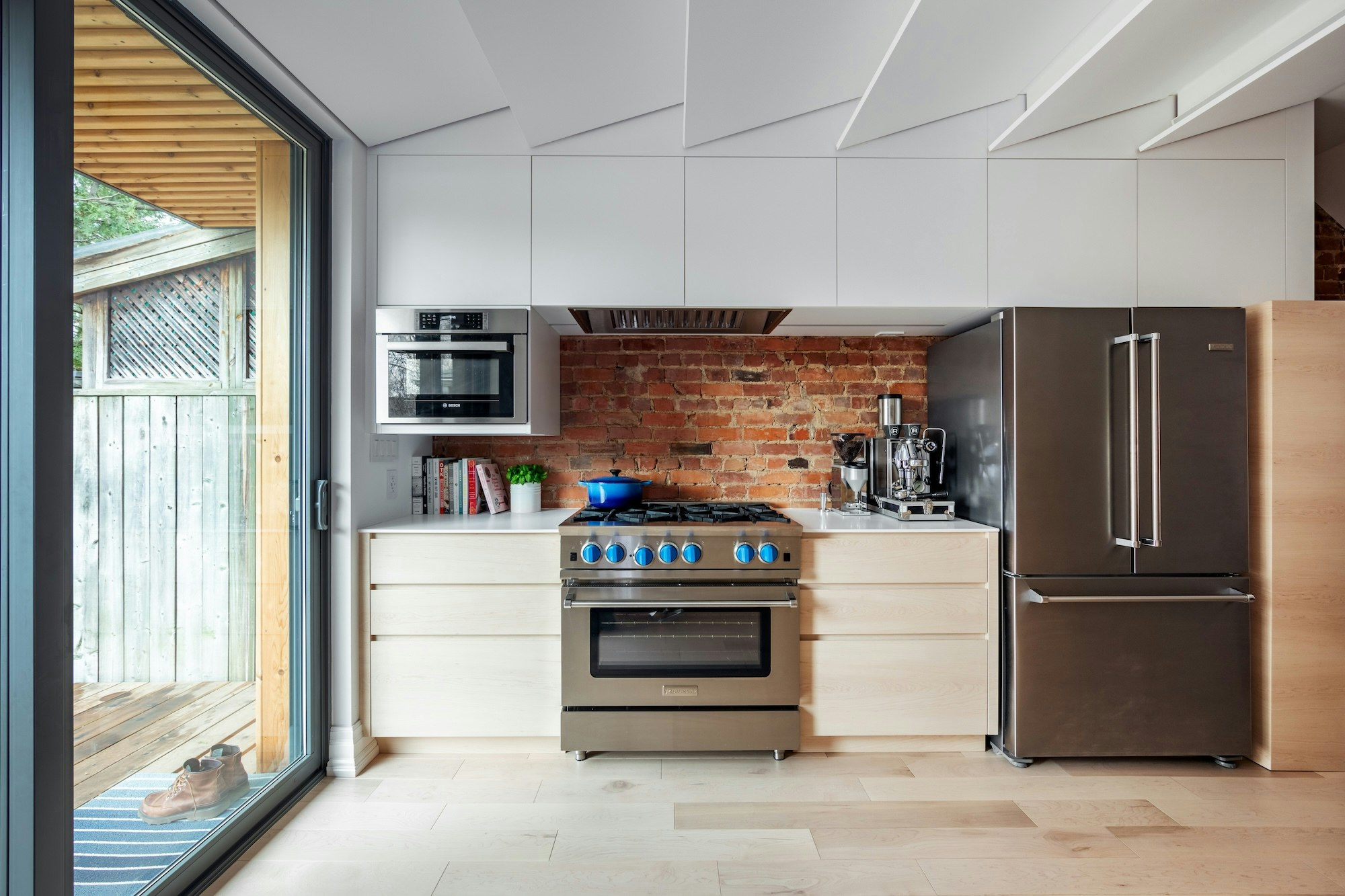
How They Pulled It Off: A Ceiling That Conceals Recessed Lighting
Lighting Up


iguzzini pioneers nearly invisible smart lighting infrastructure with filorail track & newfo spot
Goodbye, Fluorescent Lighting; Hello, Beautiful Kitchen Pendants