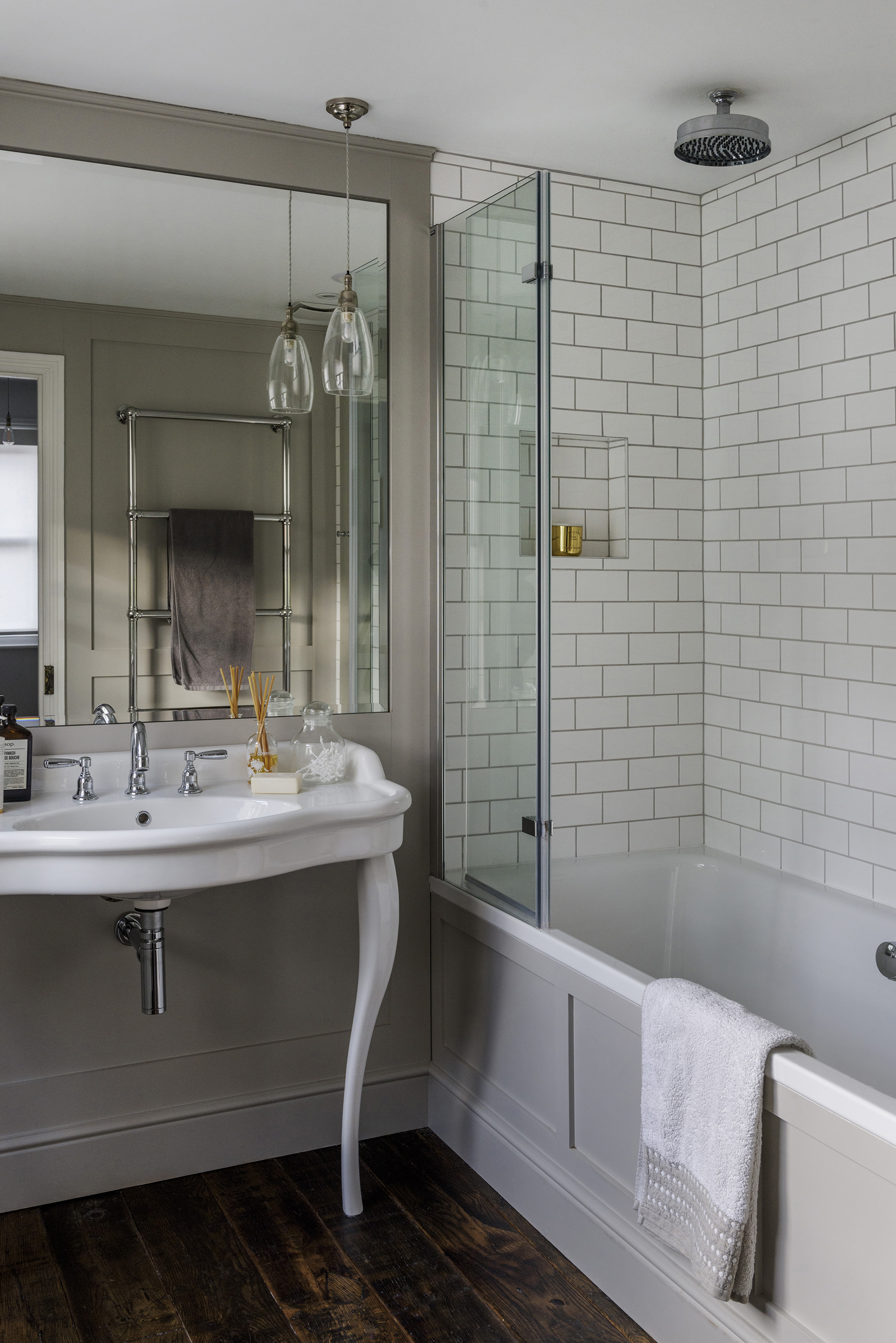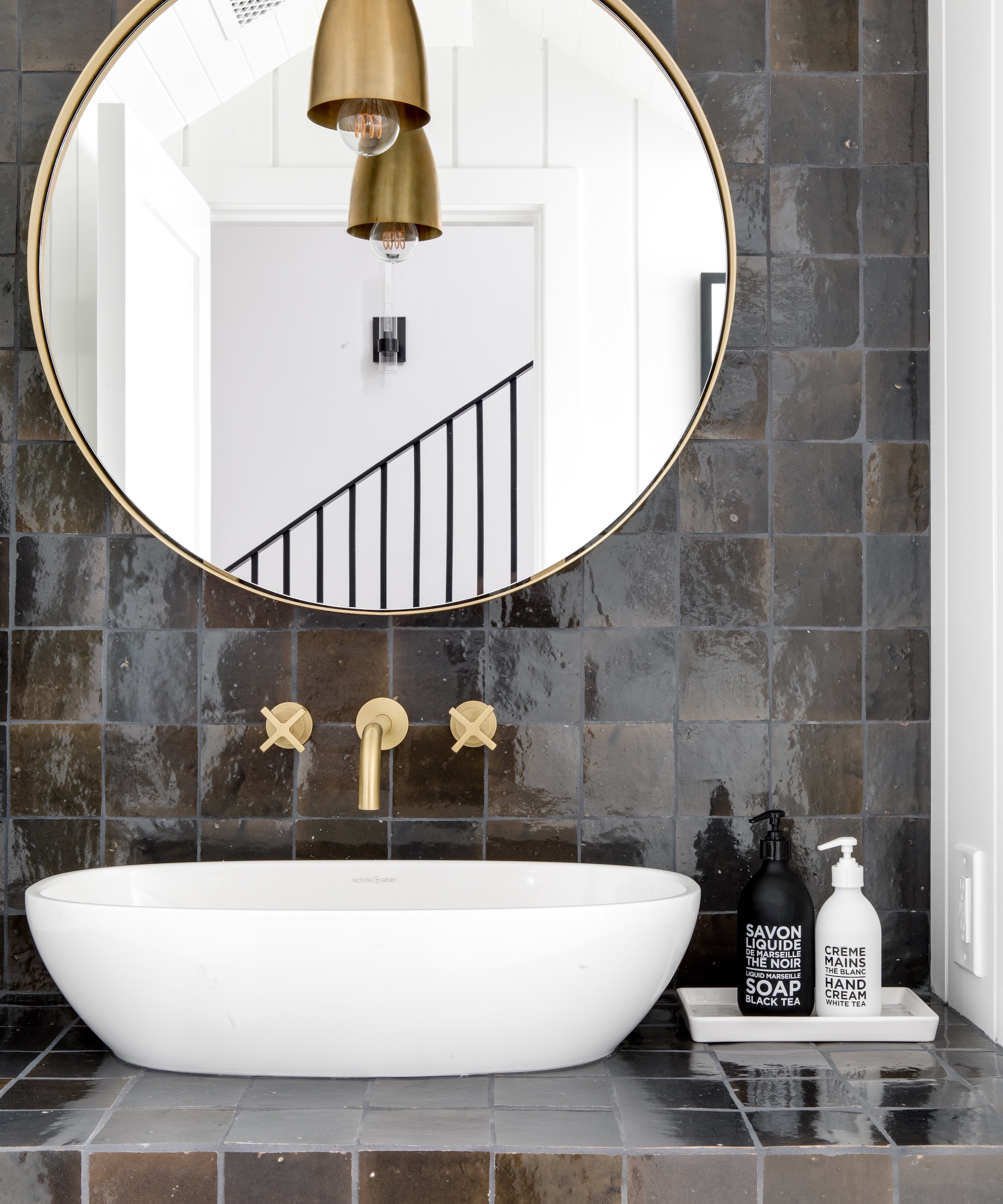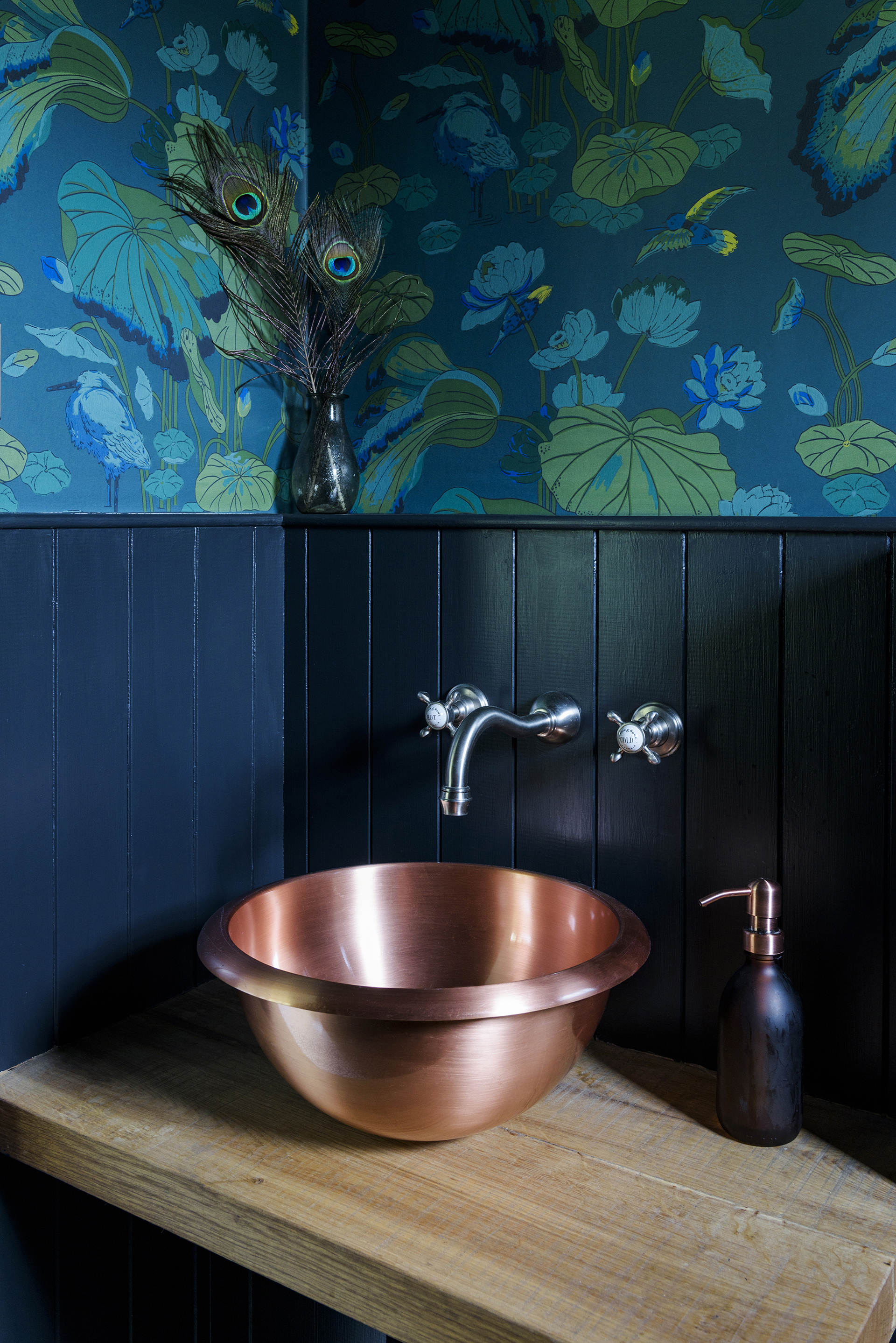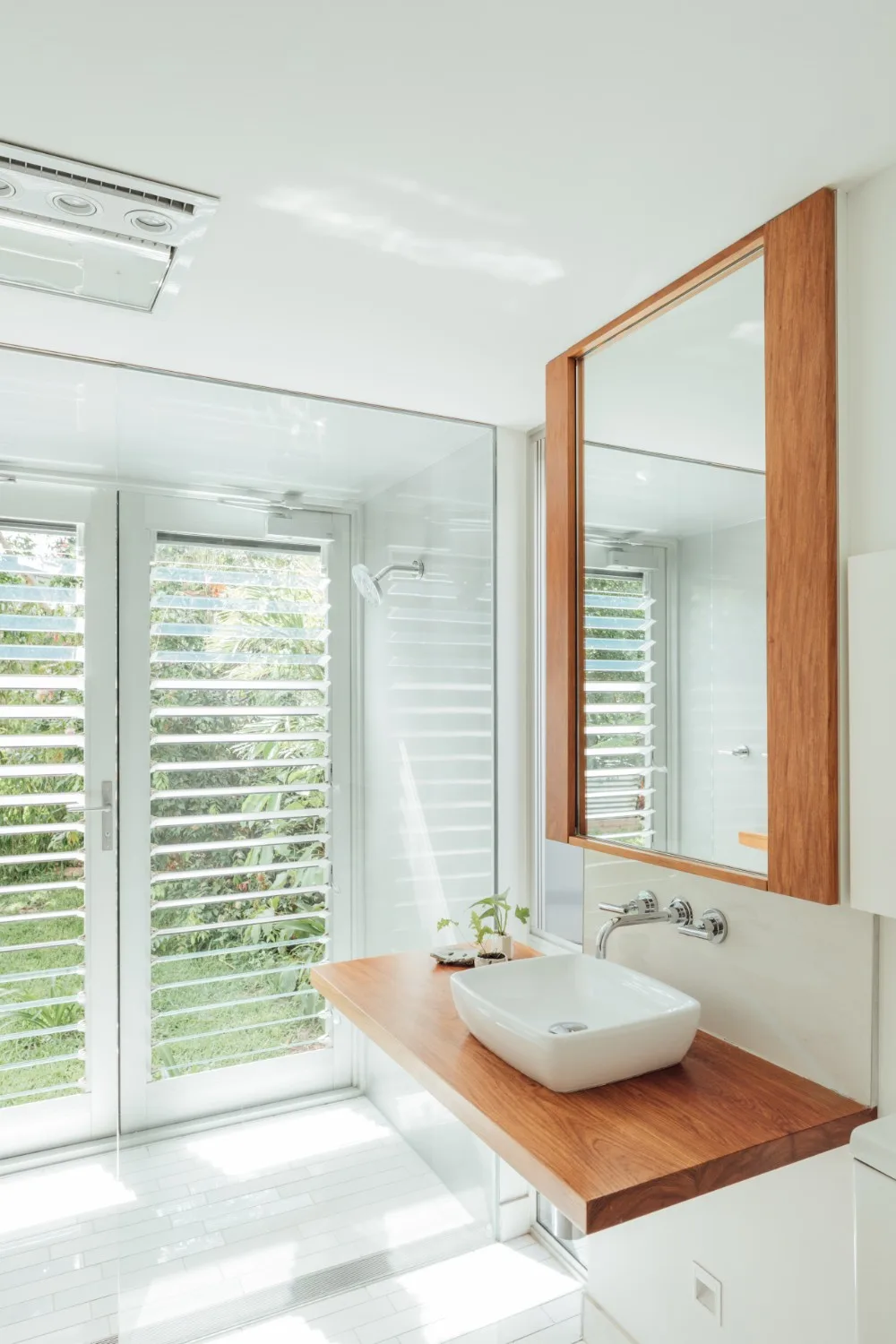
1/2
Open plan bathrooms: the worst design concept ever?
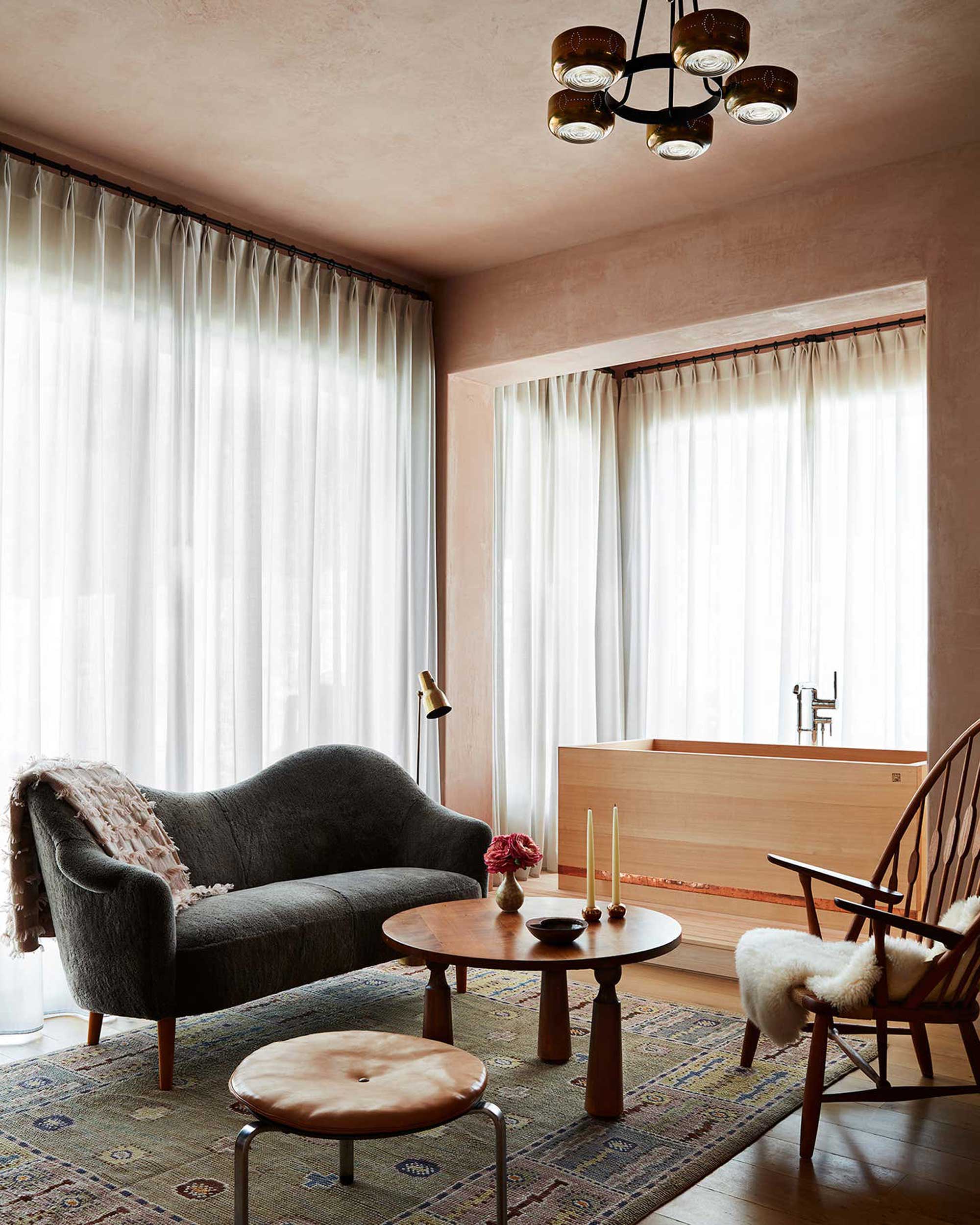
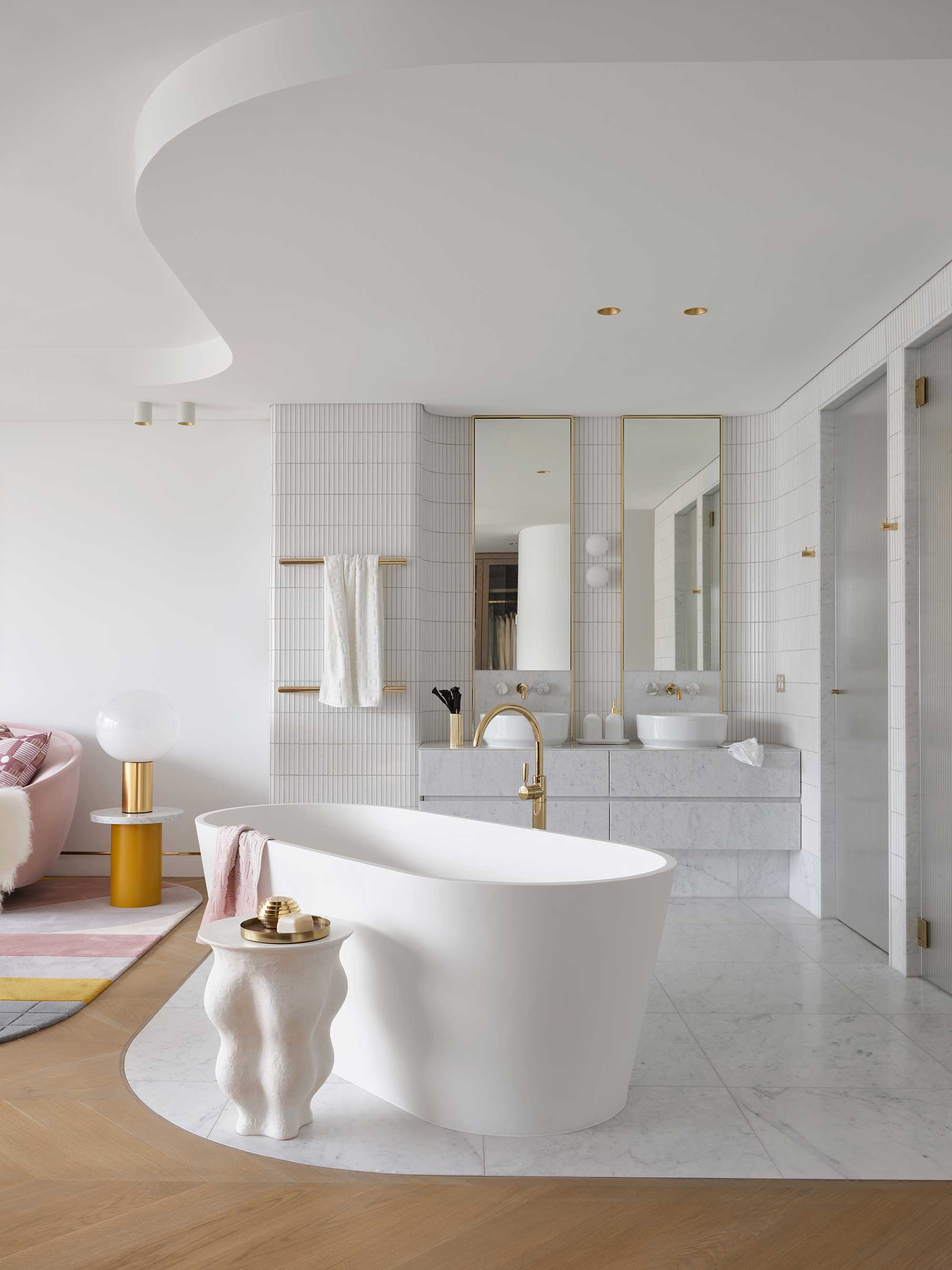
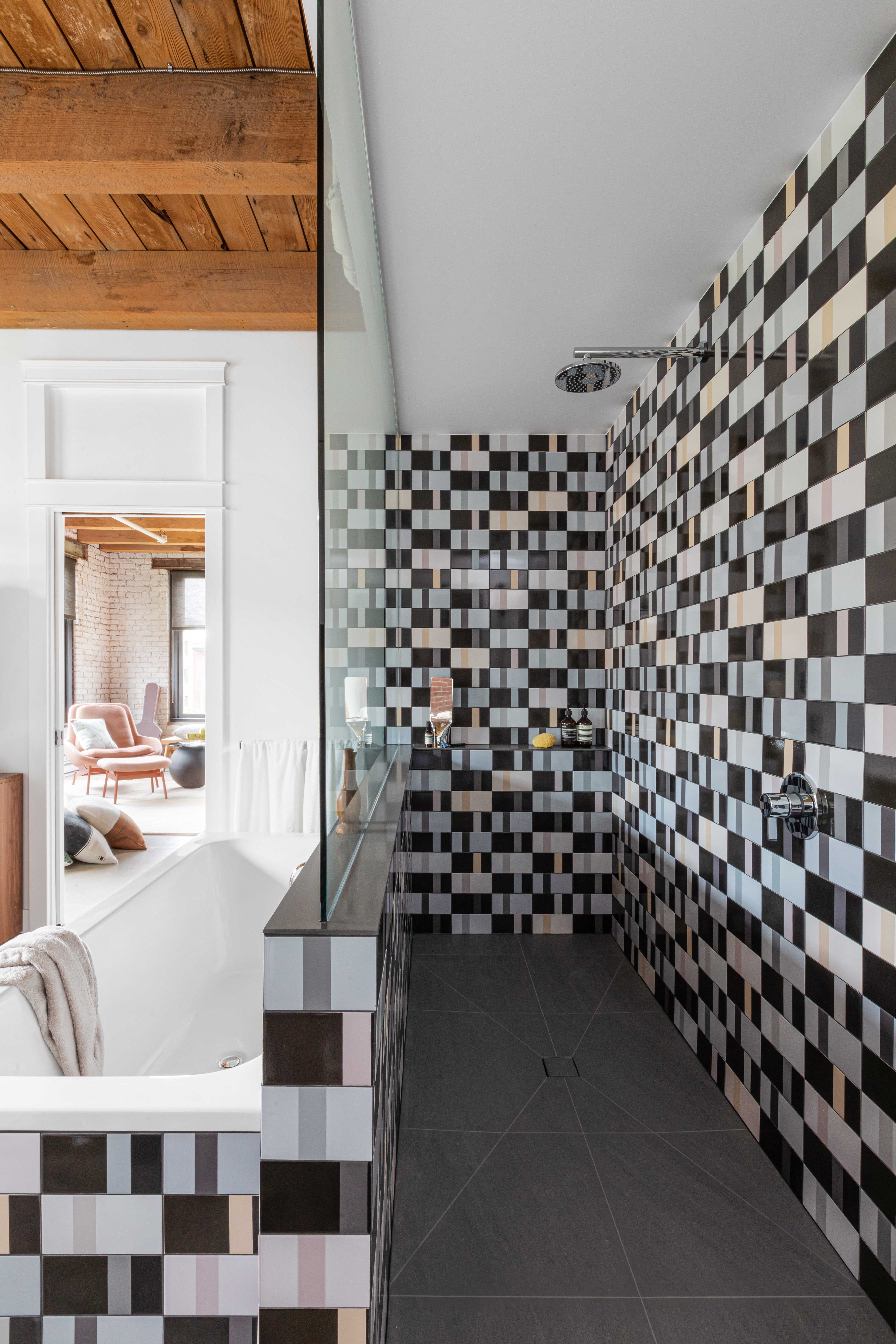
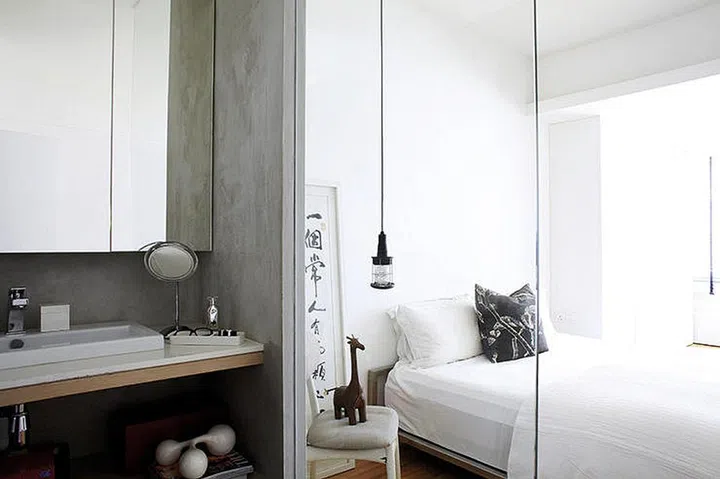
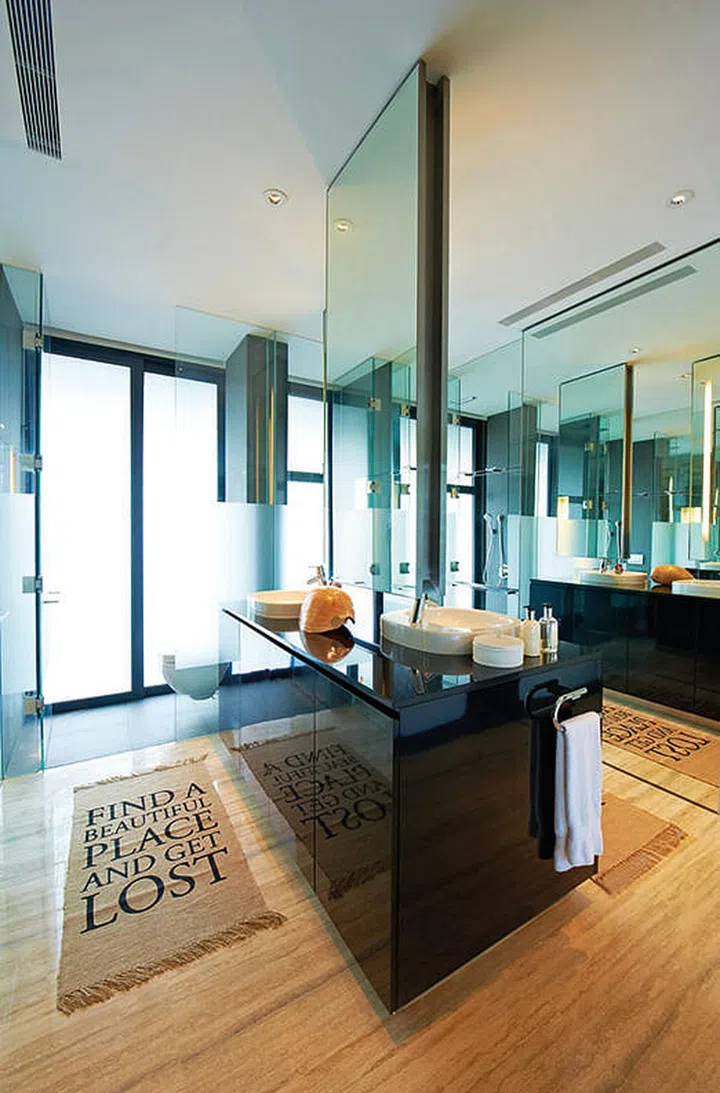
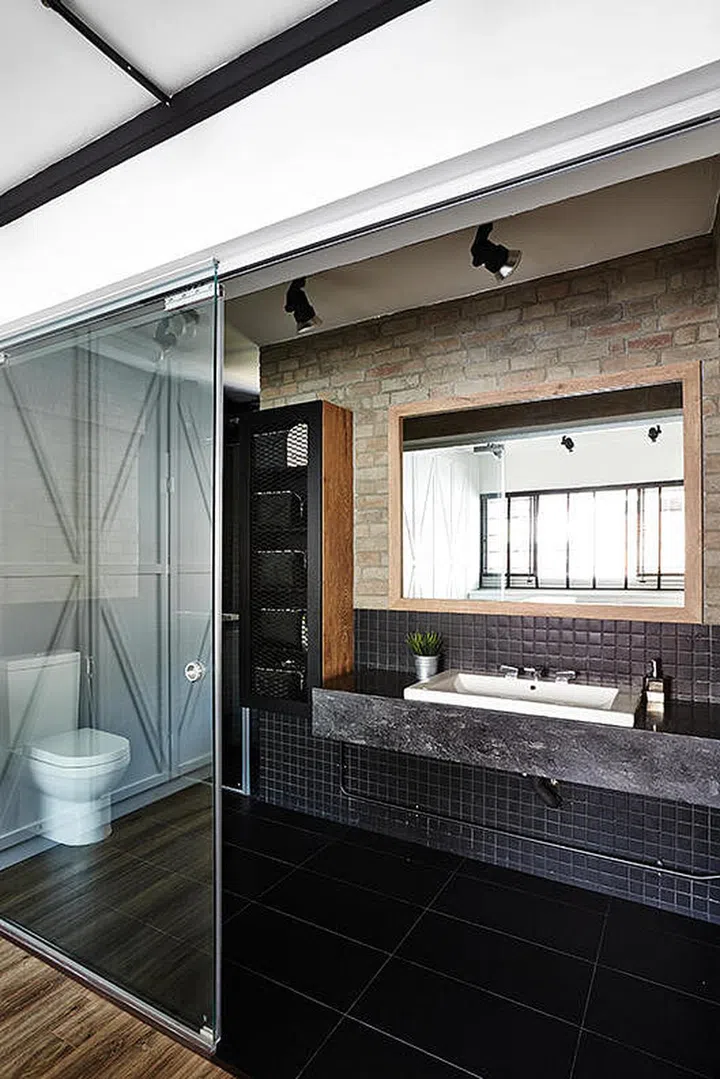
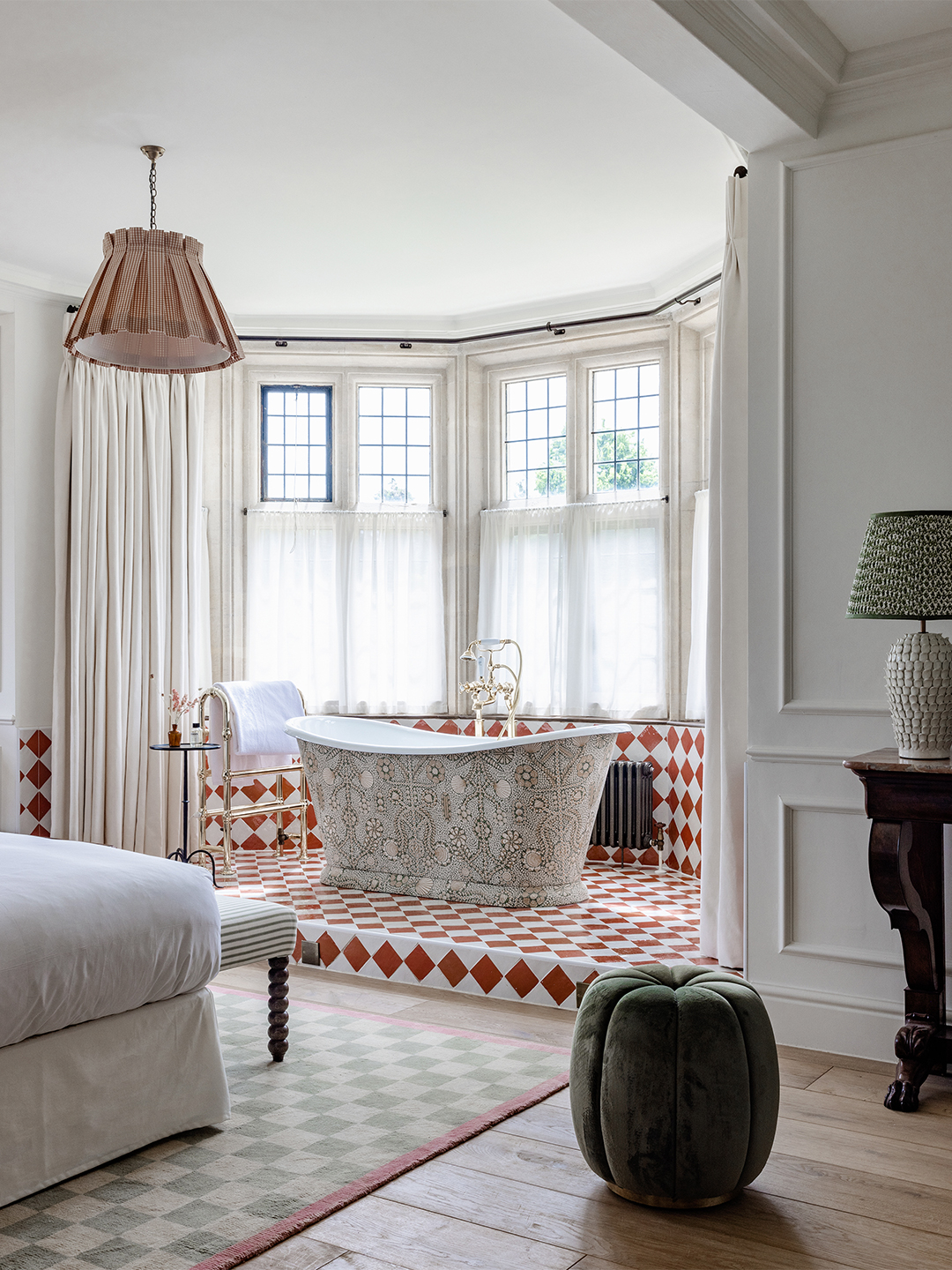
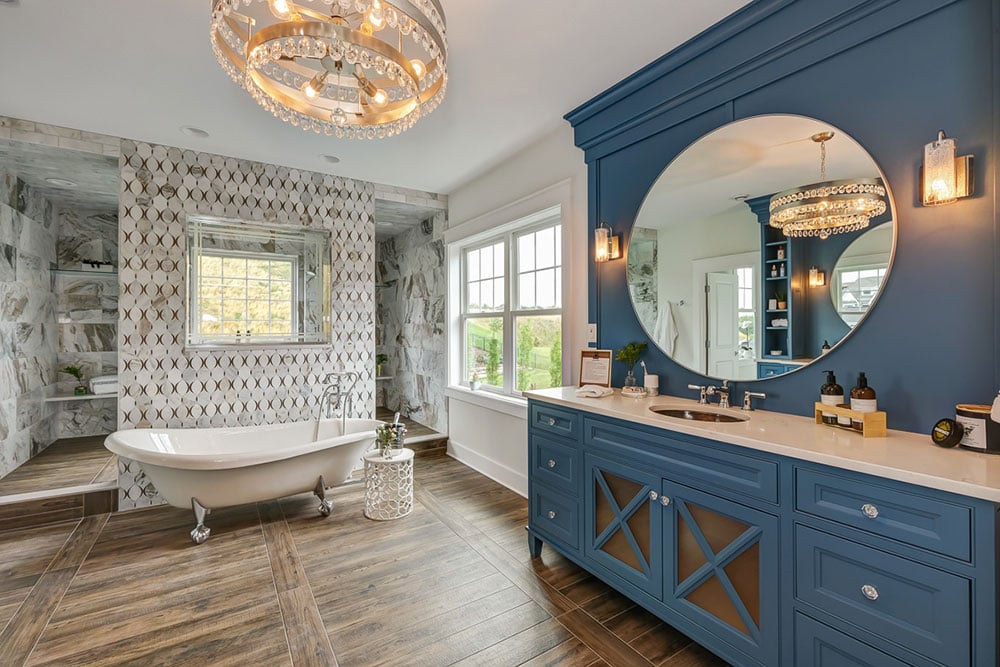
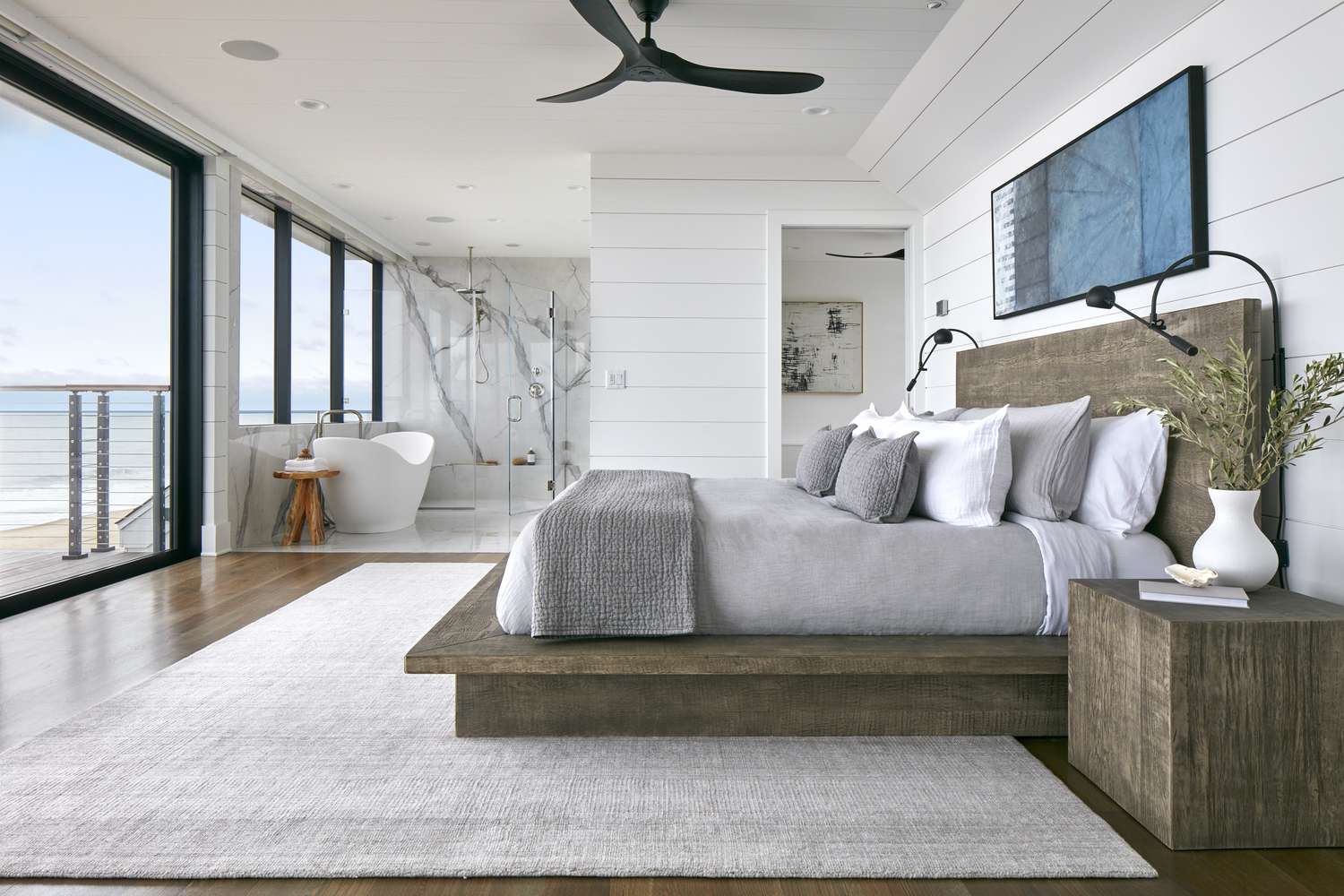
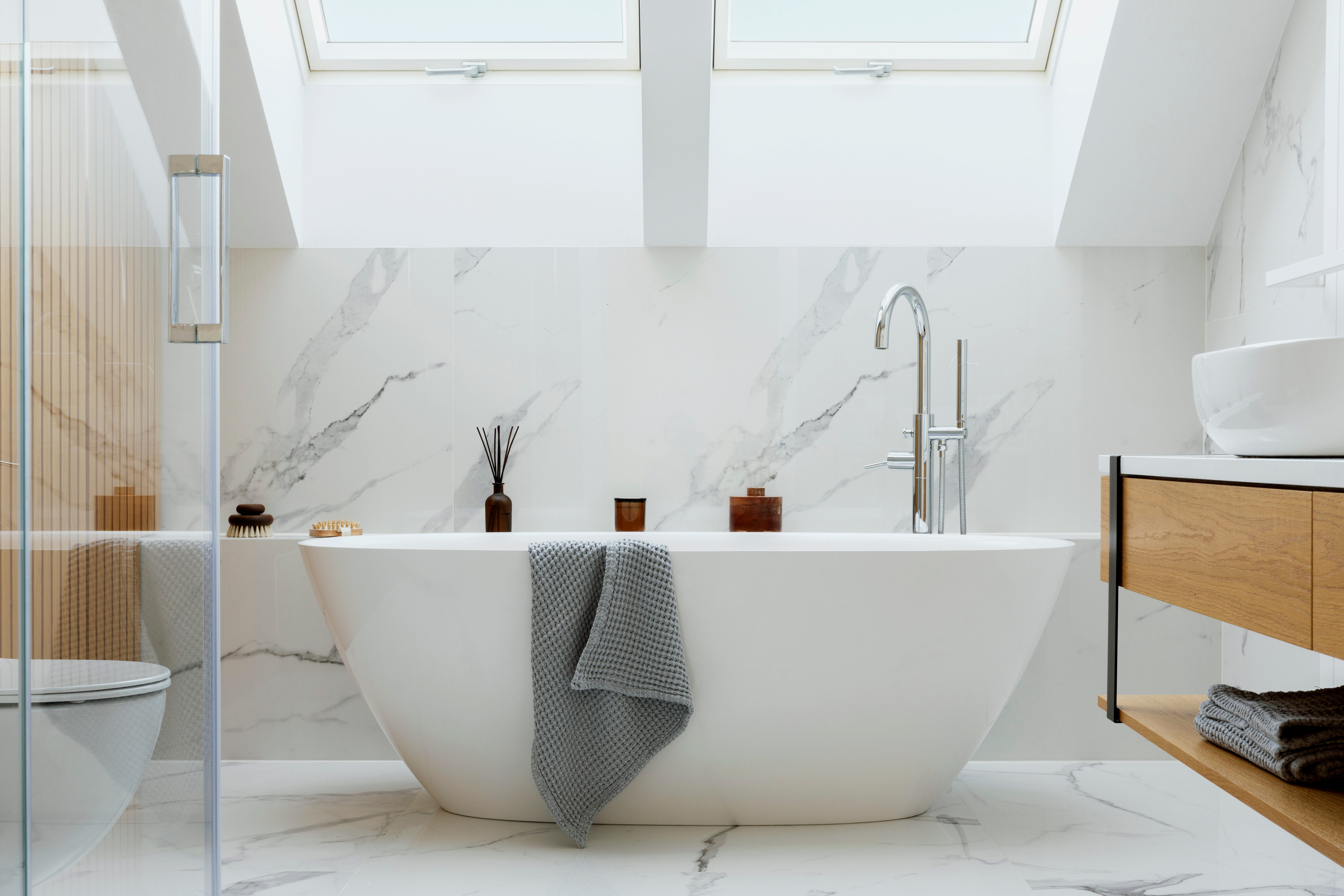
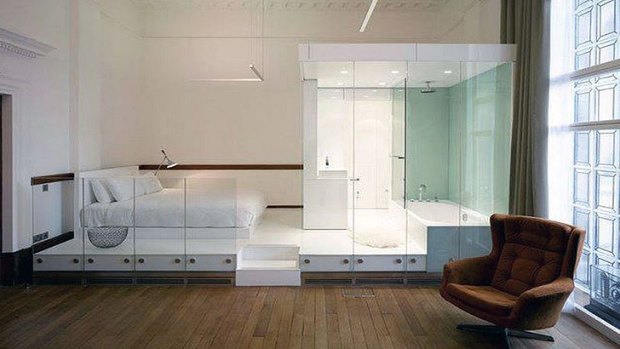
The concept of open-plan bathrooms, where the bathroom seamlessly integrates with the bedroom or other living spaces, has transitioned from a necessity in cramped urban dwellings and budget hotels to a signature feature in luxury accommodations and increasingly, private homes. This design approach, characterized by the removal of traditional walls, the use of glass partitions, and even the complete absence of separation, aims to maximize natural light and airflow while offering a sense of openness and a spa-like aesthetic. Initially prevalent in luxury hotels like New York City’s Standard Hotels, known for their exhibitionist-friendly glass exteriors and in-room glass showers, this trend emphasizes a 'design-forward spa-like sex appeal.' These hotels often feature integrated bathing areas that blur the lines between private and public, creating an environment that some might find sensually liberating, but others logistically awkward, especially when sharing a space with non-intimate companions.
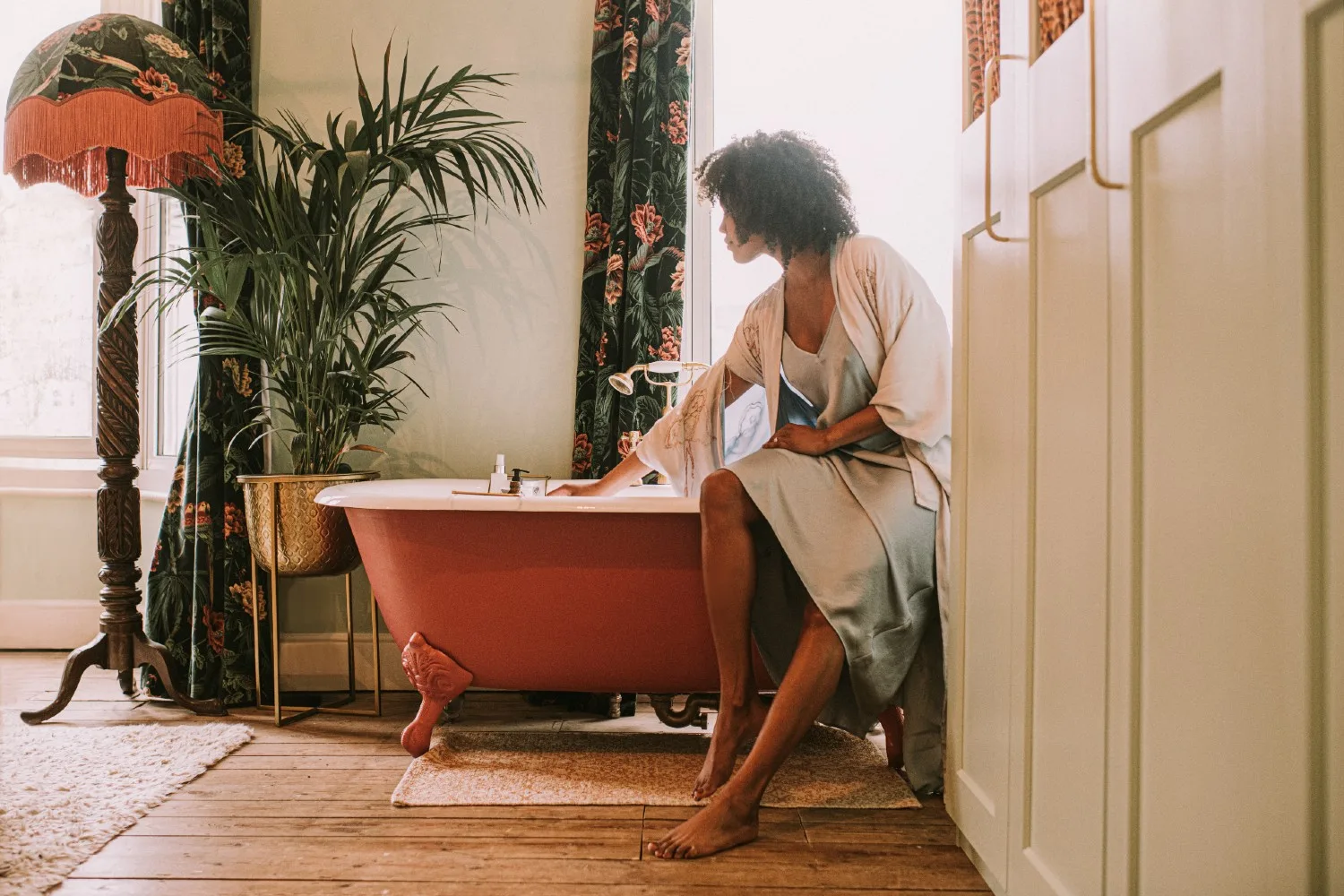
Examples of innovative open-plan designs can be found in hotels such as the Lloyd Hotel and Cultural Embassy in Amsterdam, which utilizes the concept to optimize space and light in its two-star rooms, and even features a fold-out bathroom that doubles as a room divider. The Hotel Particulier Montmartre in Paris showcases a claw-footed bathtub as a central furniture piece in its top-floor suite, further integrating bathing into the living area. The proliferation of this hotel trend into residential architecture prompts a re-evaluation of traditional notions of privacy within shared living spaces. The article raises questions about the psychological and social implications of eliminating the bathroom as a private sanctuary—a place traditionally reserved for personal reflection, an escape from conflict, or simply a space guaranteeing implicit privacy with a locked door. It also touches on the practical challenges for couples with differing sleep schedules, where the noise and light from one partner’s morning routine could disturb the other.
Designer Morgane Rousseau, known for her work on Hotel Particulier Montmartre, views bathrooms as extensions of living rooms, describing them as spaces for both privacy and sharing. She is currently applying this philosophy to a private Parisian apartment, designing bathrooms that resemble salons, complete with fireplaces, armchairs, and vanity tables, intended for relaxation and social interaction. This perspective suggests a shift in how personal spaces are perceived and utilized, moving beyond mere functionality to incorporate elements of luxury and comfort traditionally associated with living areas. The article explores whether the open-plan bathroom is a natural evolution of broader open-concept living trends, such as open kitchens and loft-style residences, or if it reflects a deeper societal comfort with increased exposure and reduced privacy in an age where public and private boundaries are continually blurring. Rousseau, however, points to a generational divide, noting that while younger generations might embrace such designs, older individuals tend to prefer and require more privacy, indicating a nuanced acceptance of this design choice across different demographics.
Ultimately, the discussion revolves around whether this design concept aligns with contemporary lifestyles and preferences. It questions if the erosion of privacy in public life has made individuals more accepting of overexposure in their private homes. The trend could be seen as an extension of the idea that bathrooms are not just functional necessities but integral, spa-like focal points within a home, contributing to an overall sense of sanctuary. Conversely, it challenges deeply ingrained cultural norms surrounding modesty and personal space, particularly in intimate settings. The article, while presenting various viewpoints and examples, encourages readers to consider the multifaceted implications of this architectural choice, from aesthetic appeal and spatial efficiency to personal comfort and social dynamics.
#OpenPlanBathroom #HomeDesign #LuxuryHotels #InteriorArchitecture #PrivacyInDesign #SpatialPlanning #ModernLiving #DesignTrends #OpenPlanBathroom #HomeDesign #LuxuryHotels #InteriorArchitecture #PrivacyInDesign #SpatialPlanning #ModernLiving #DesignTrends
0 comment in total
 No comments yet
You may also like
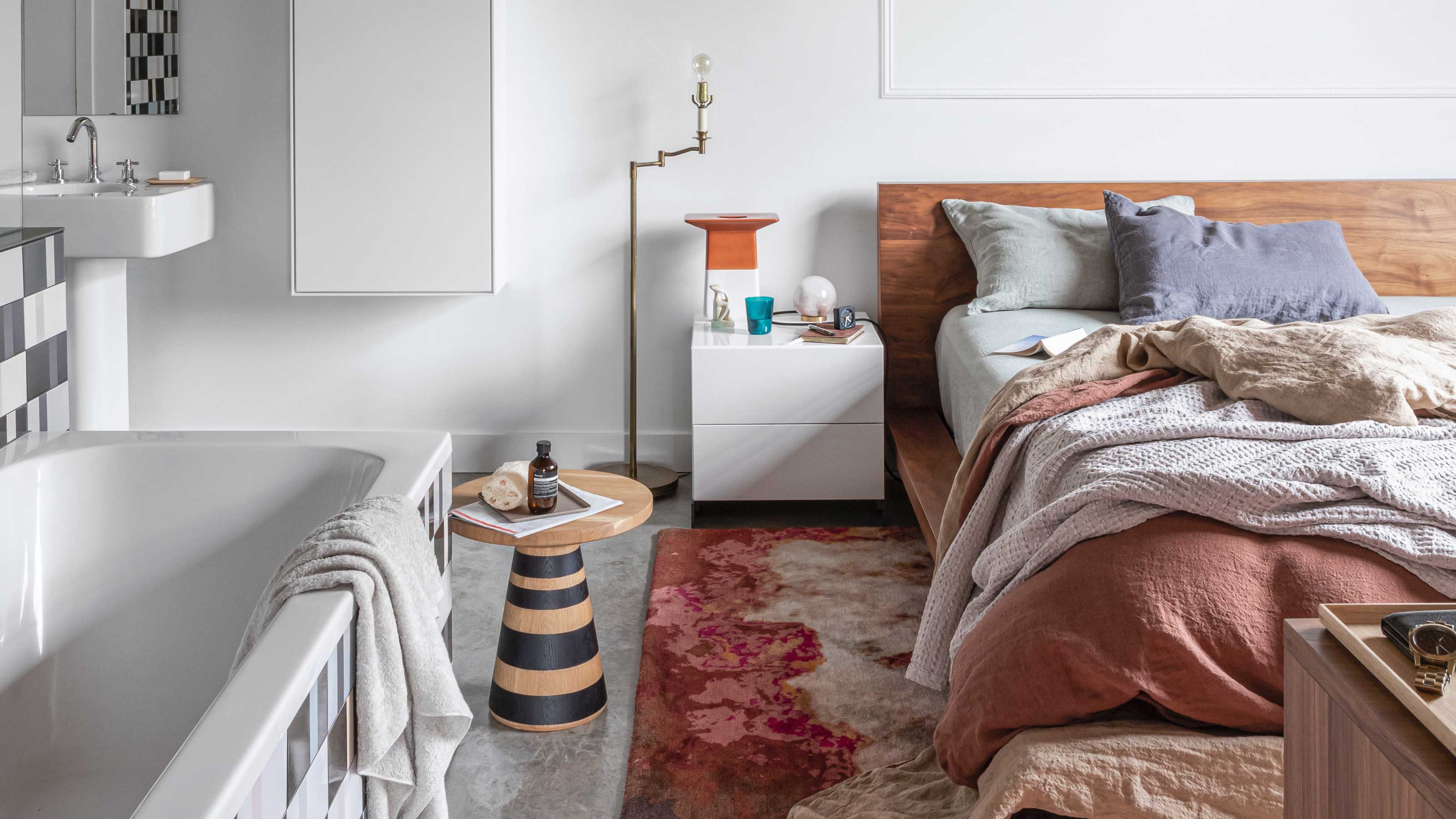
We're calling it – the "open" bathroom trend might divide the crowd, but its pros far outweigh its drawbacks

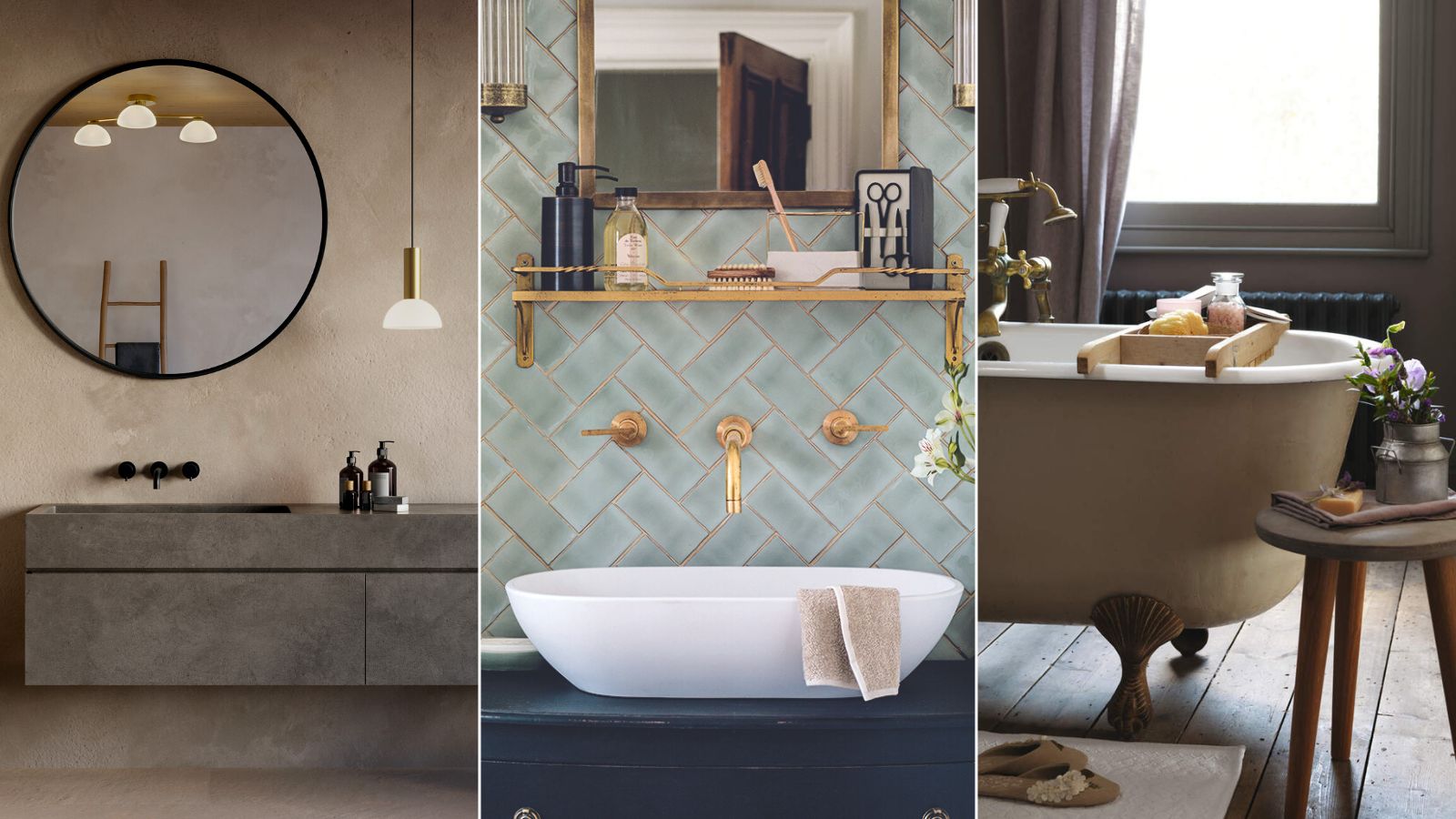
13 bathroom design mistakes to avoid at all costs, according to experts

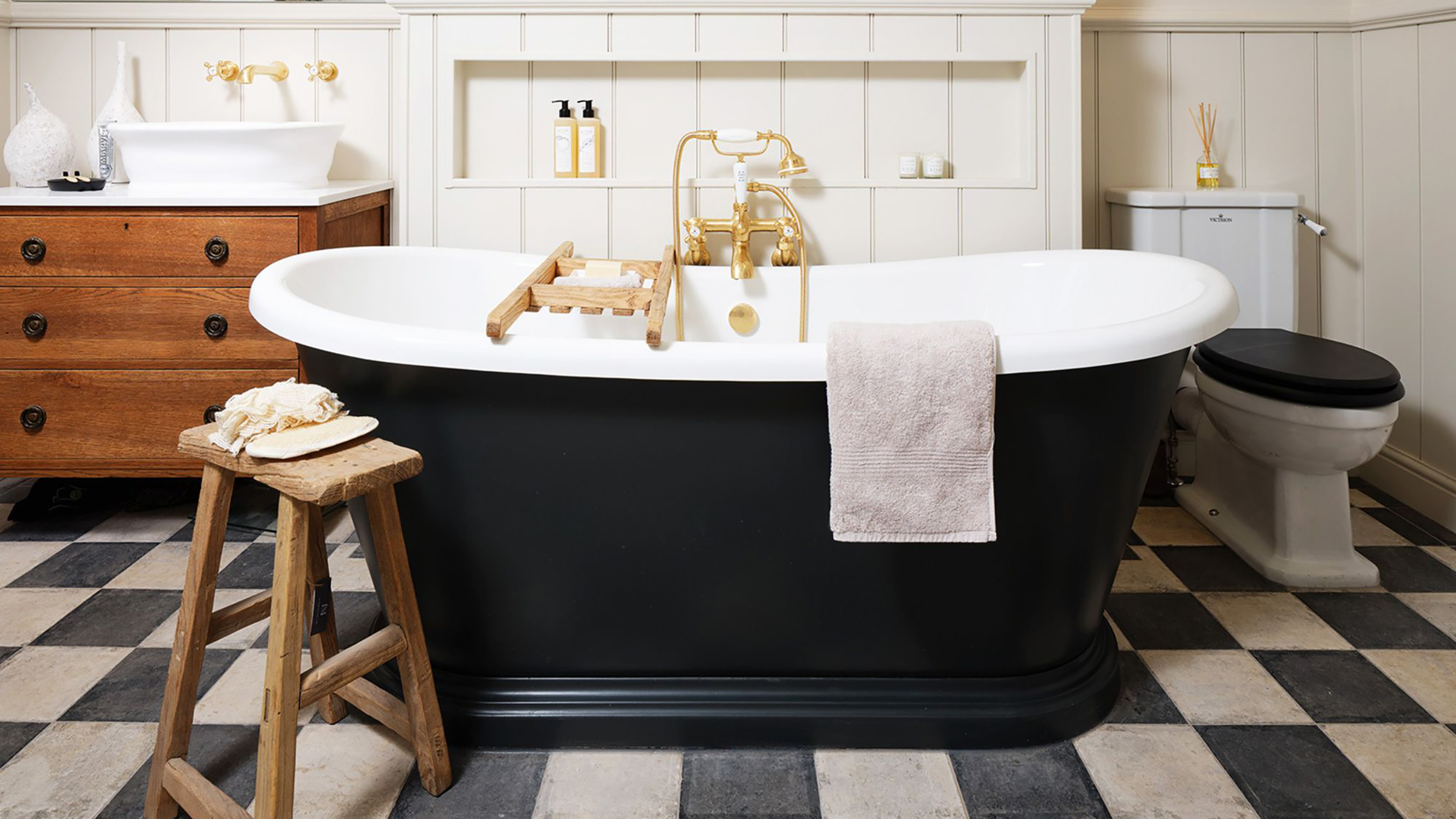
5 Family bathroom layout mistakes to swerve for a functional space
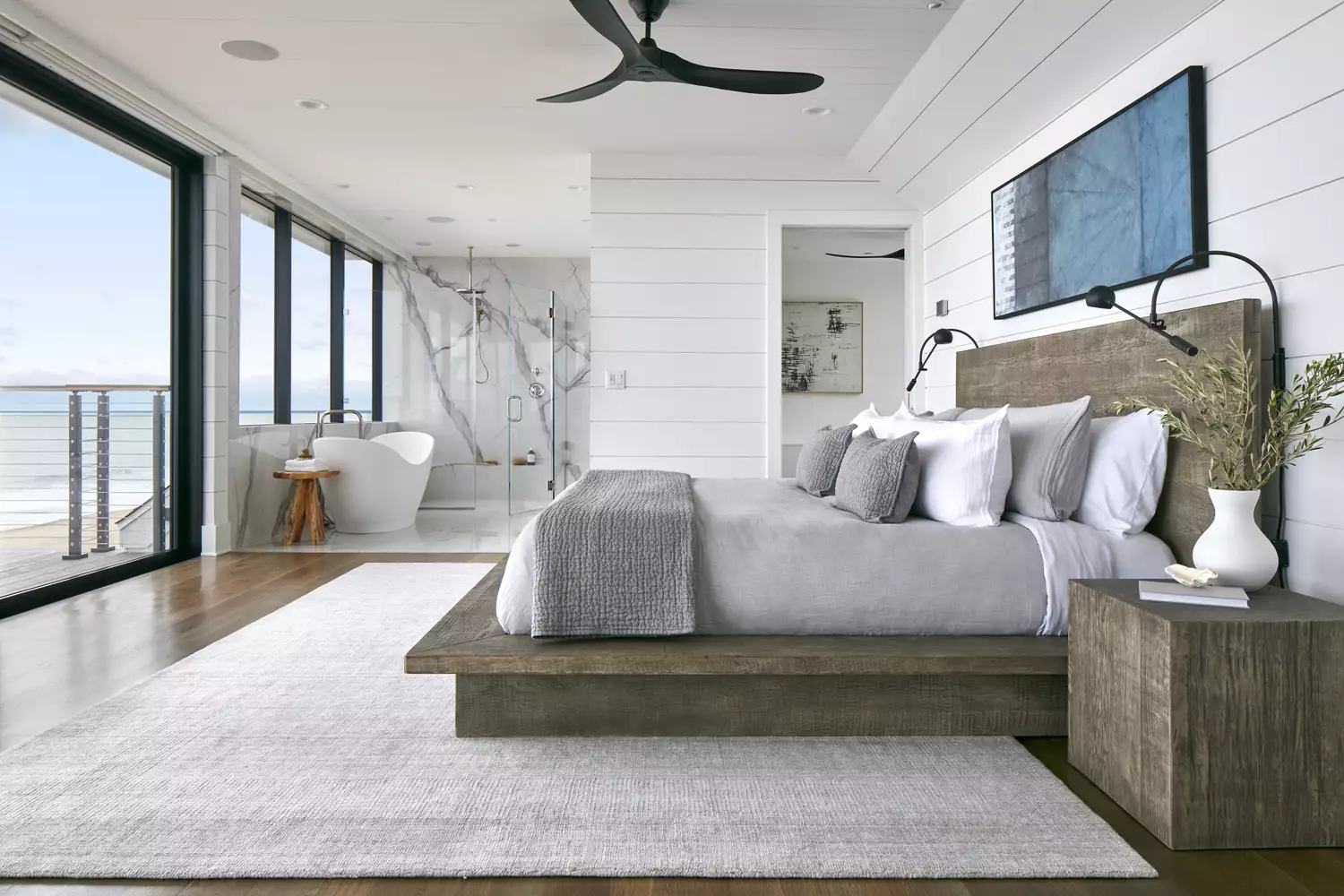
Considering an Open Concept Bathroom? Here's What Pros Want You to Know

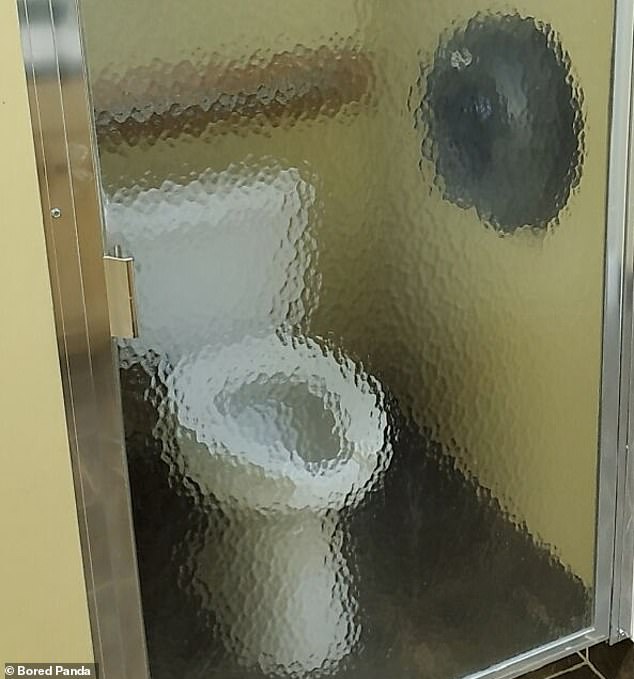
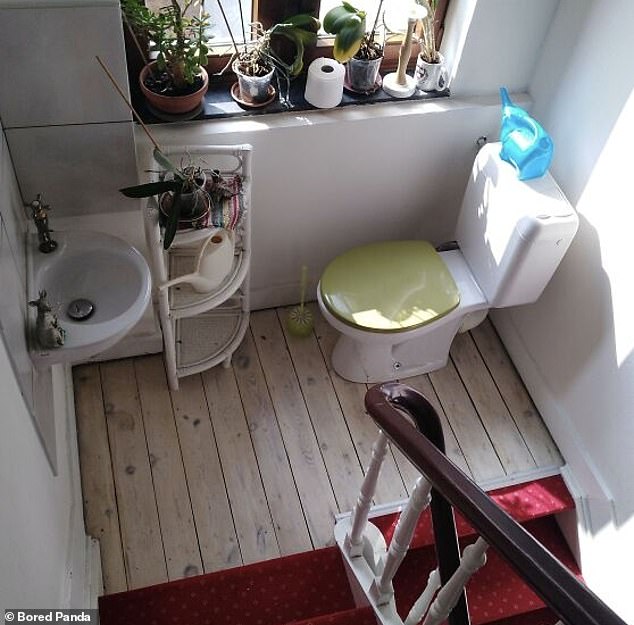
Loo-k at that! People share the worst bathroom design fails - including one toilet on a staircase
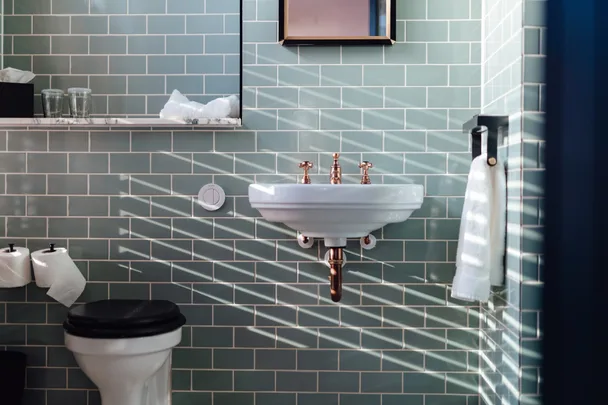
“Toilet with a view”: the bathroom trend quickly gaining in popularity

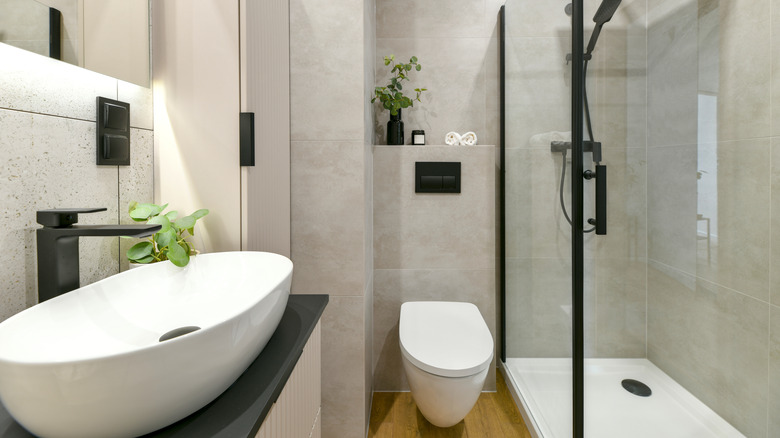
The Bathroom Design Trend That Experts Are Seriously Conflicted On (Is It An Eyesore?)
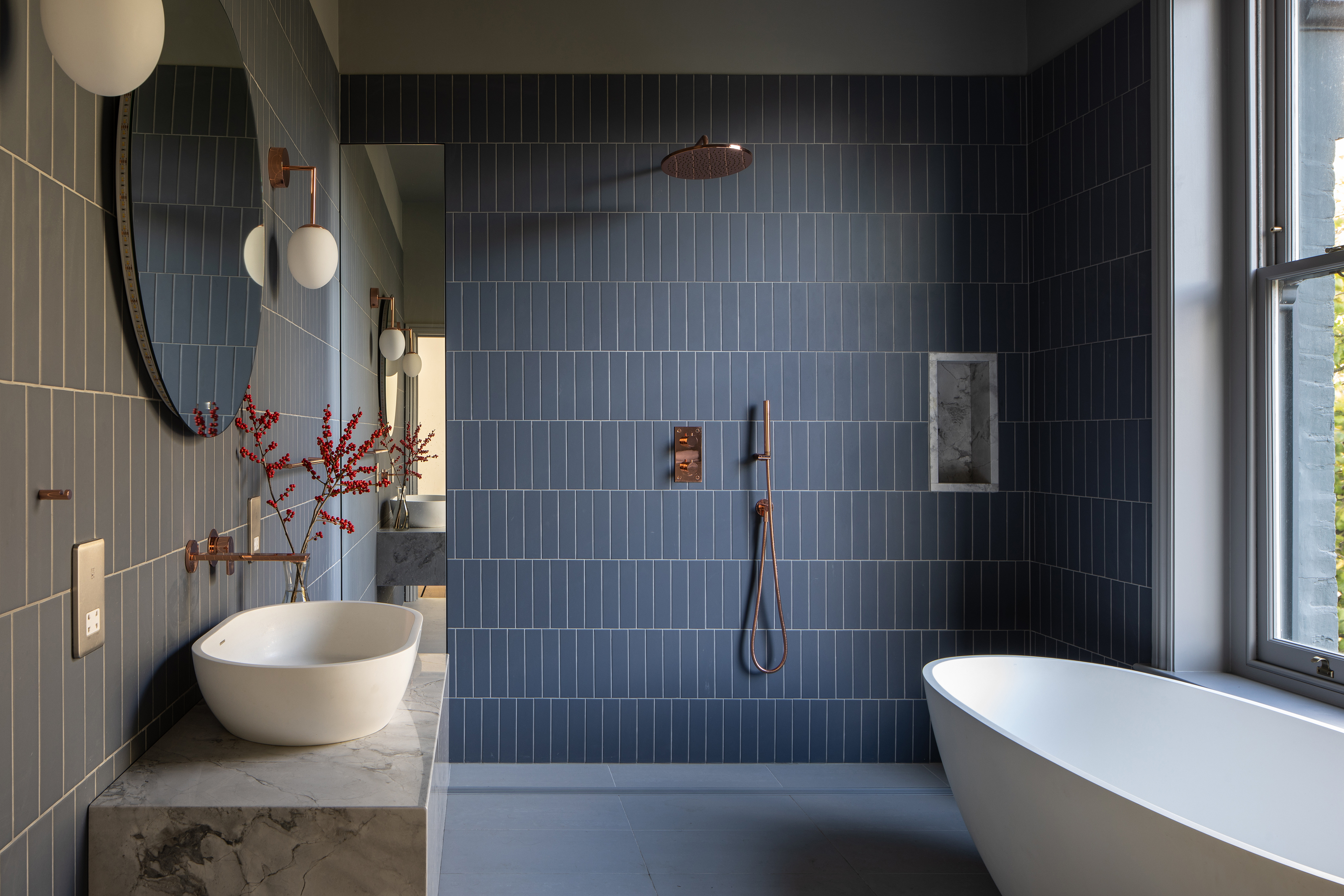
Designers are going bold with bathroom niche ideas – here's how to hop on the trend
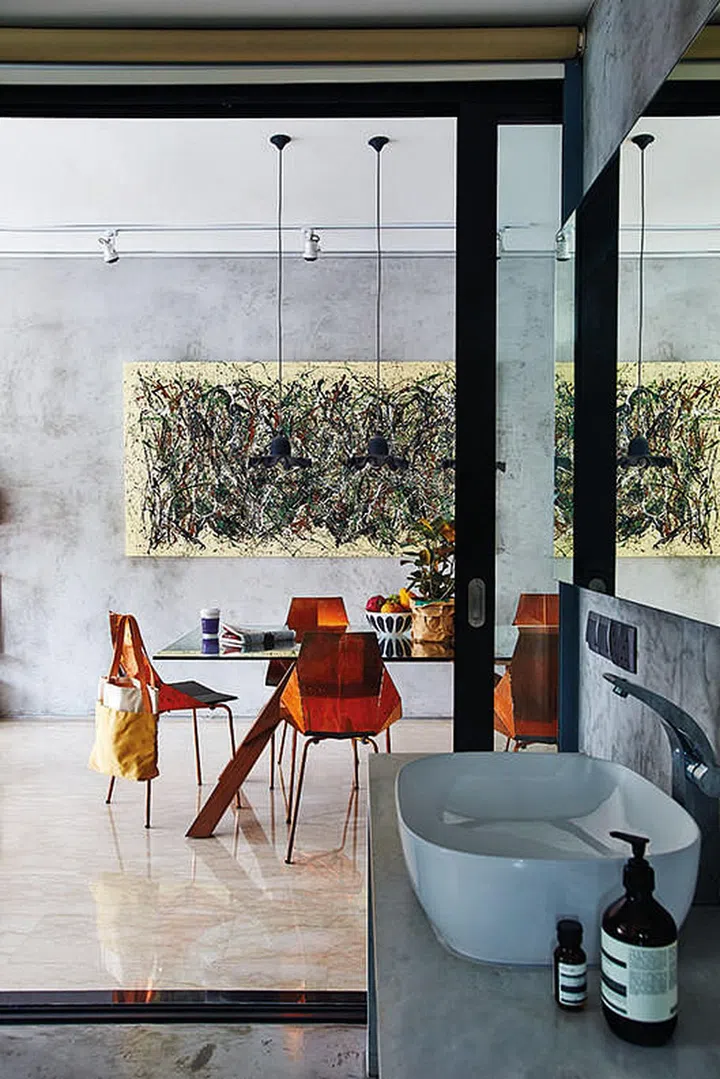
Bathroom design ideas: 6 vanity counters in open-concept spaces
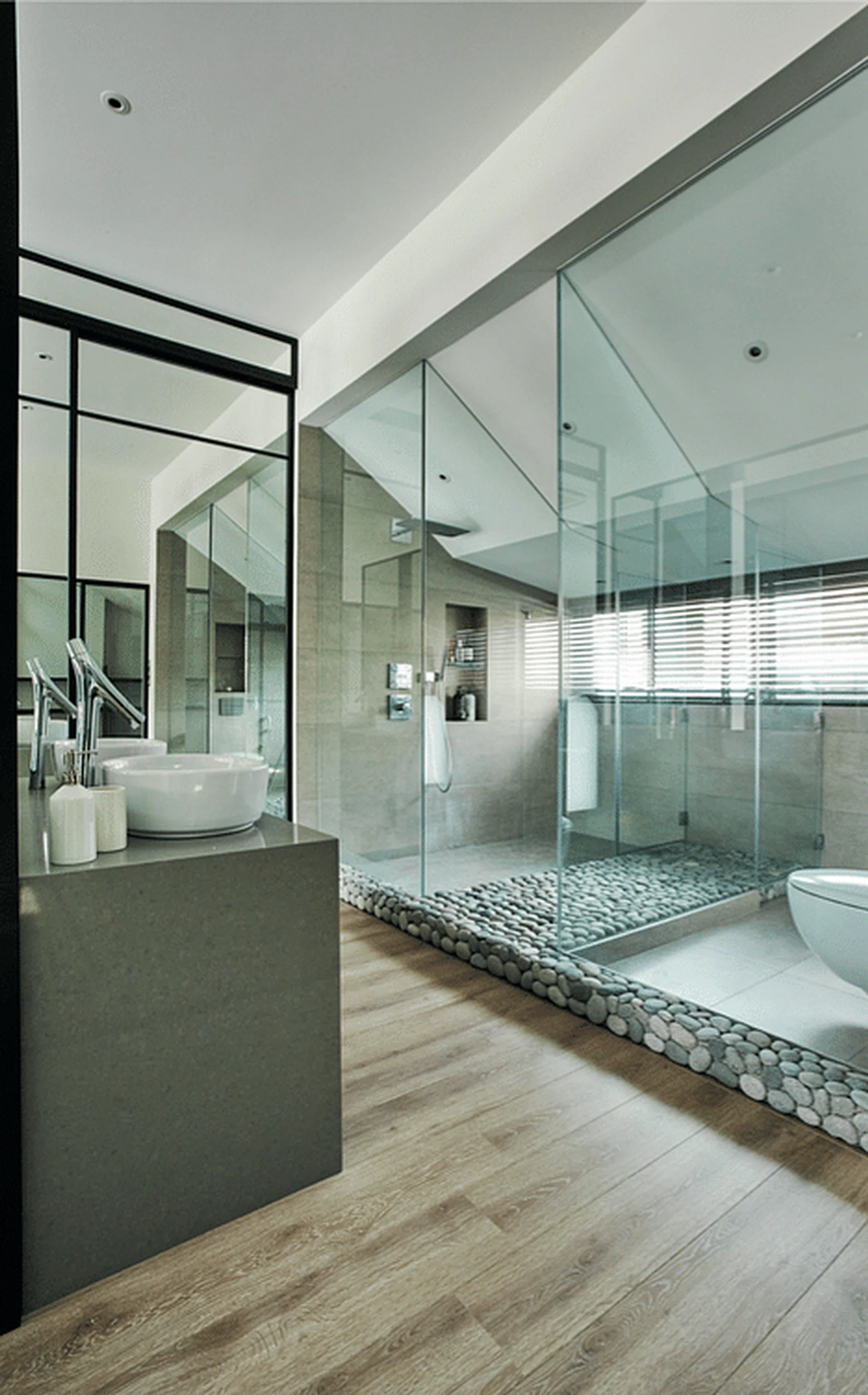
5 open-concept bathroom designs you'd want in your home
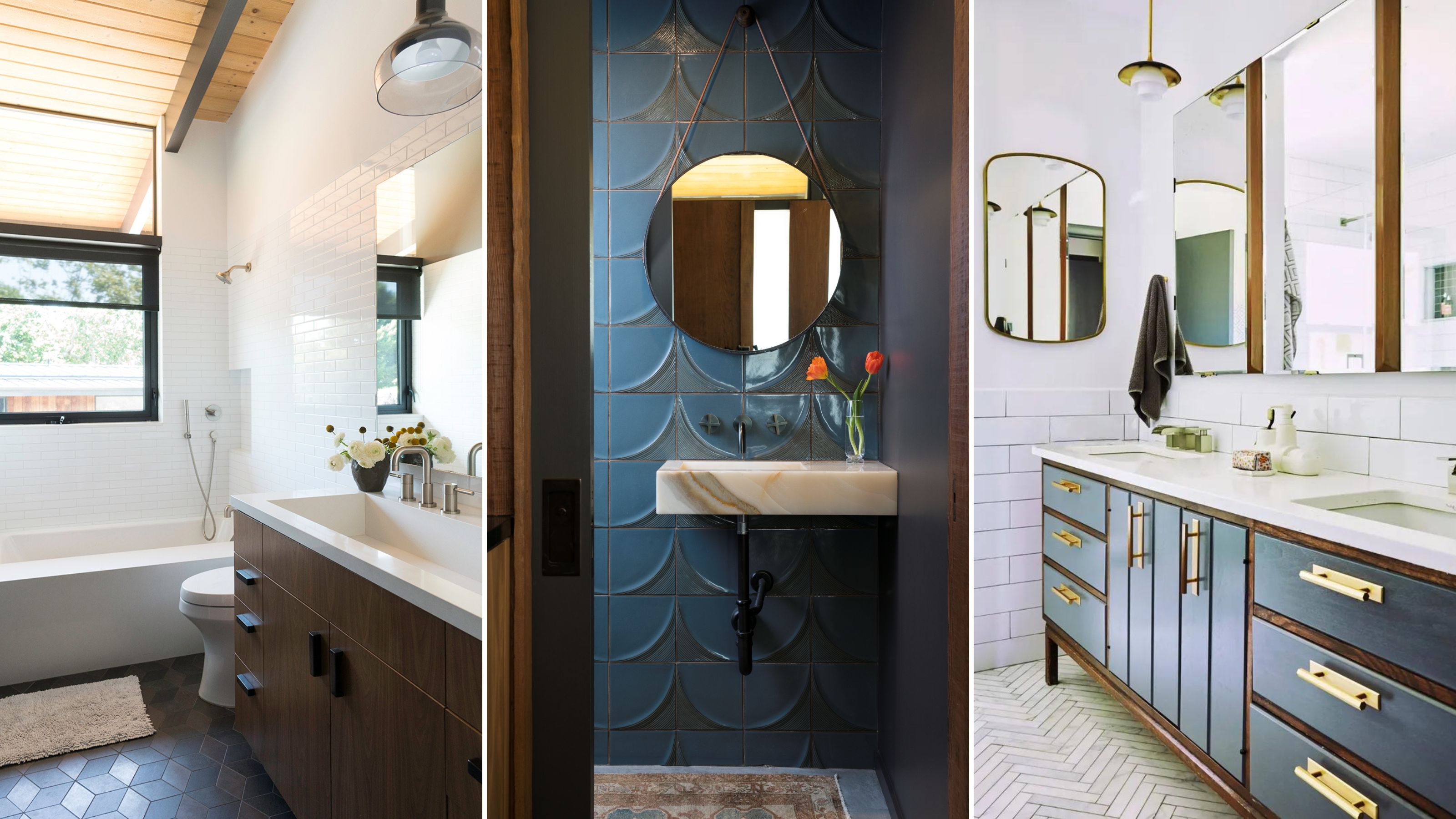
7 small bathroom layout mistakes — designers say to swerve these to "maximize potential"

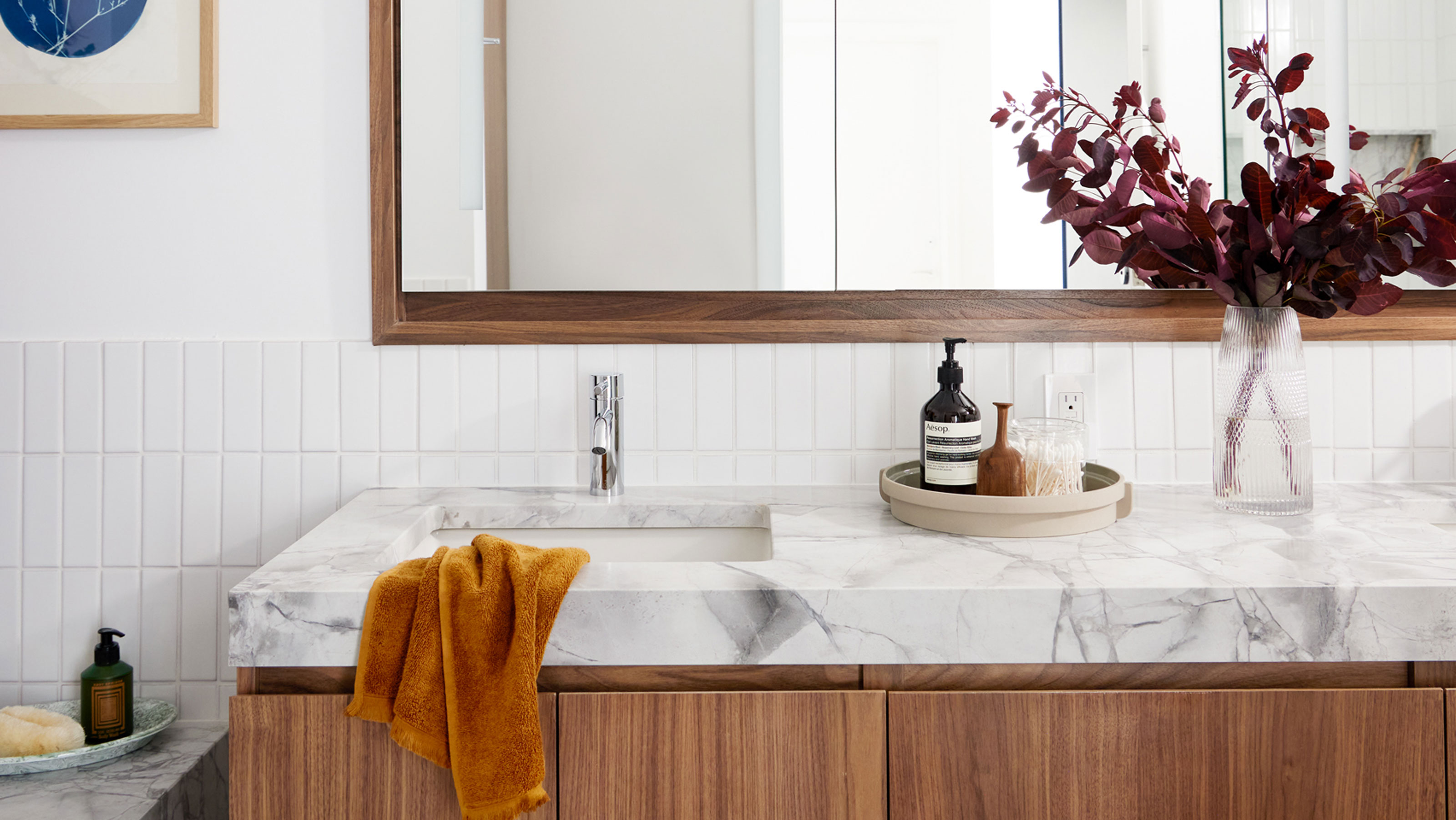
5 "Impractical" Choices to Avoid in a Bathroom — These Make Your Spaces More Difficult to Use
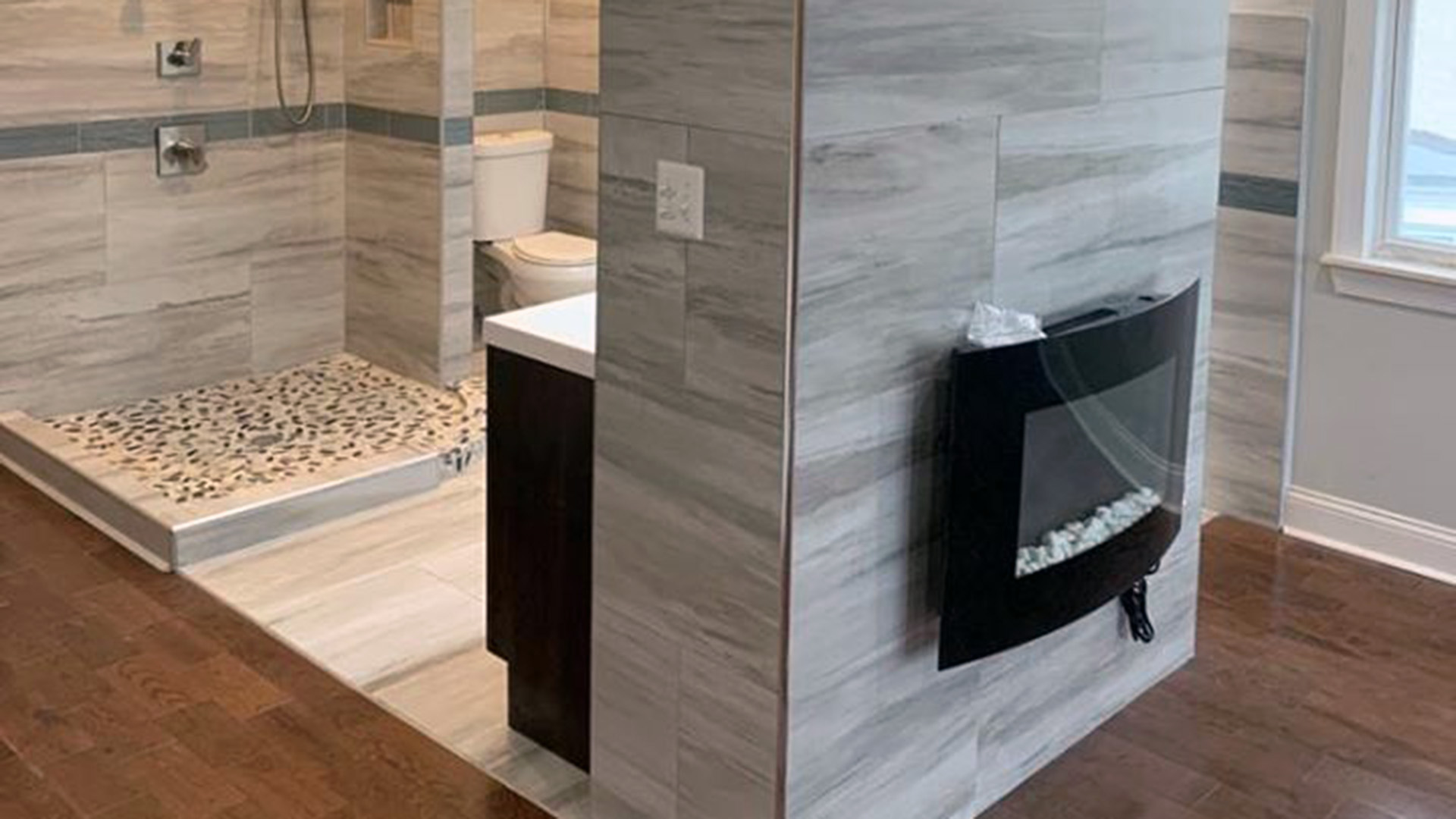
Please Let’s Not Let Open-Concept Bathrooms Become a Thing
The Monochromatic Bathroom Idea That Gave These Designers Their “Bingo!” Moment

5 Bathroom Layouts That Look Dated in 2025 and How to Fix Them
Awkward bathroom layout? These clever products solve common design problems
18 WORST Bathroom Design Mistakes You're Probably Making

Best of Design: New Bathroom

7 Disastrous Bathroom Layouts to Avoid — Including One Mistake Our Own Editor is Guilty of Making

Designers Swear This Bathroom Feature Is so Overrated