1/11
How the latest porcelain surfaces offer both form and functionality
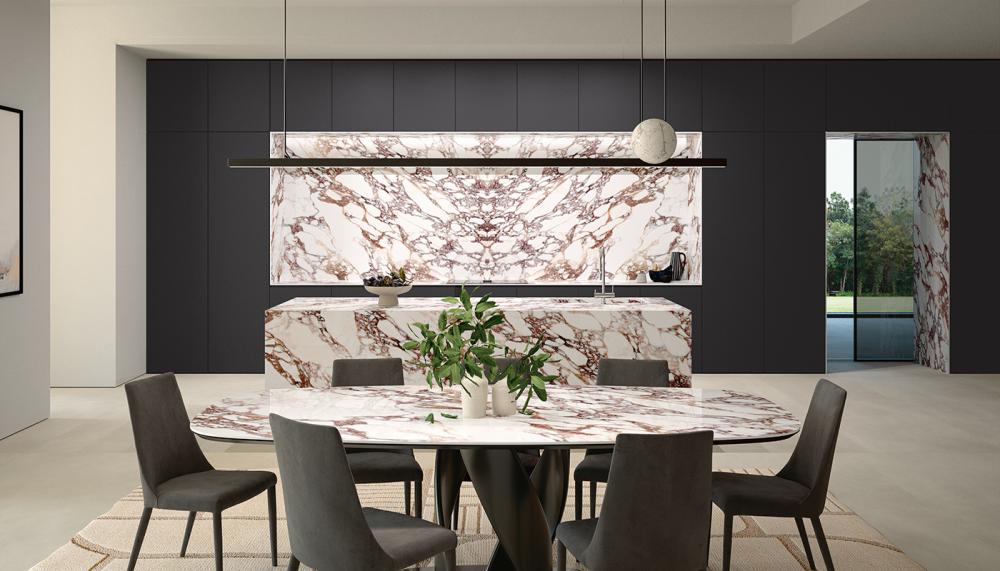
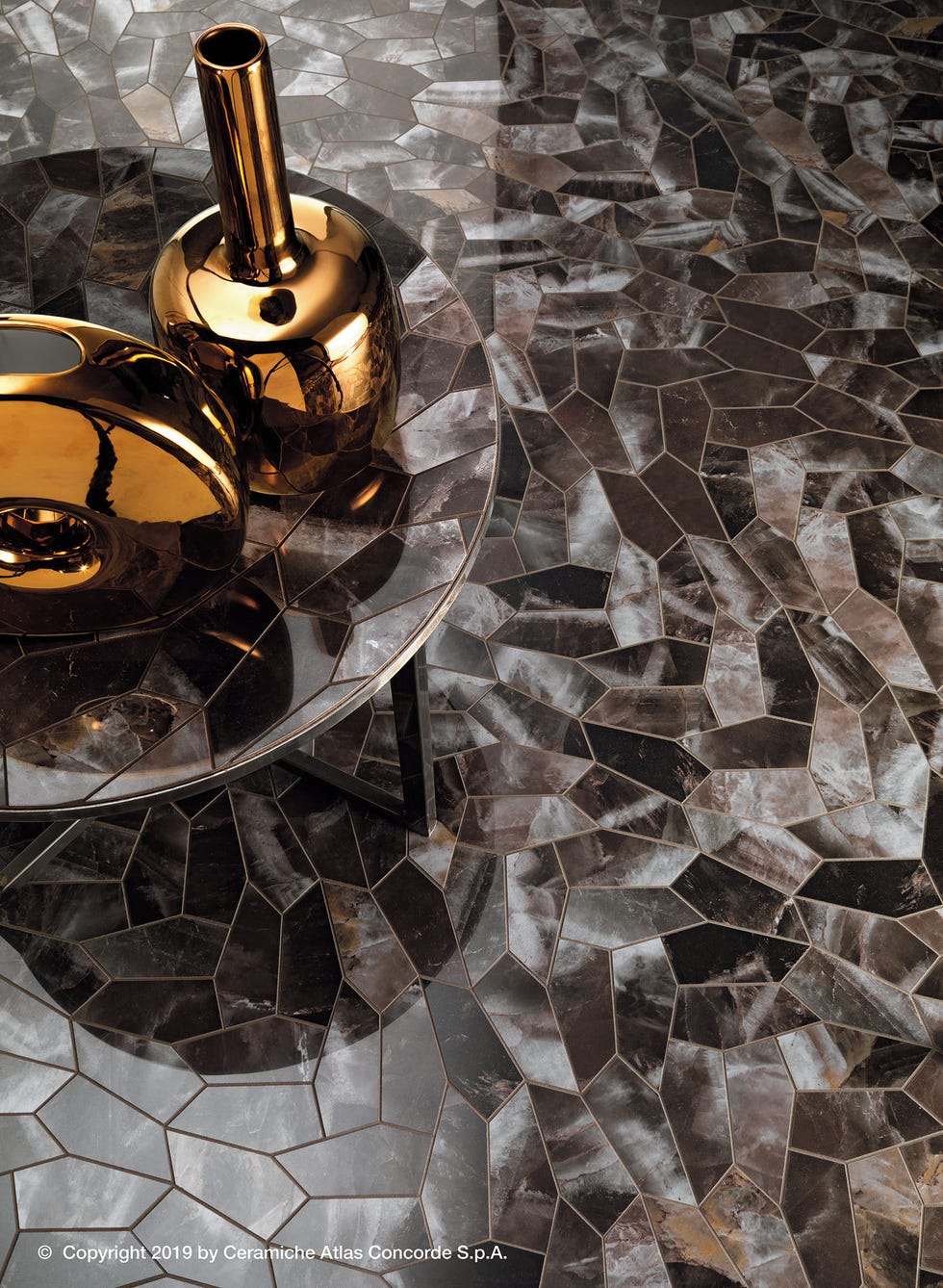
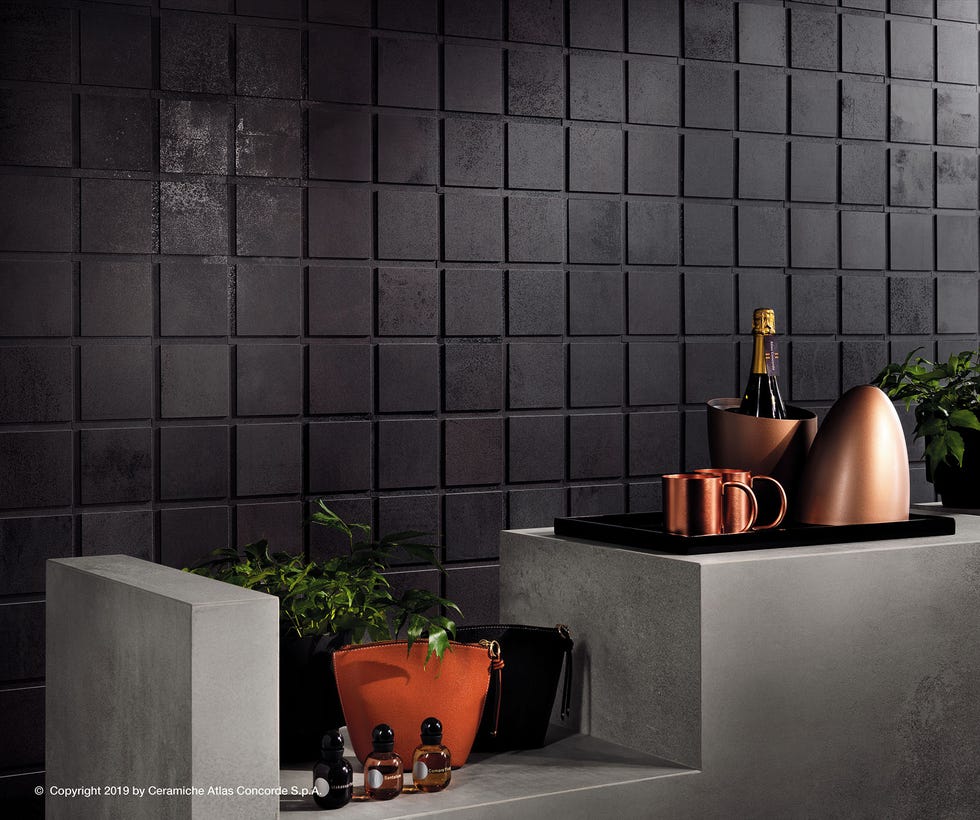
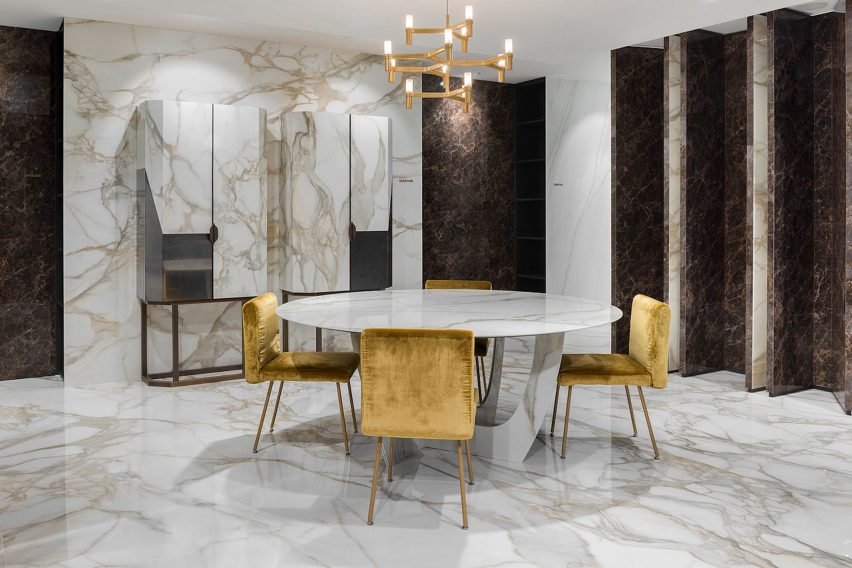
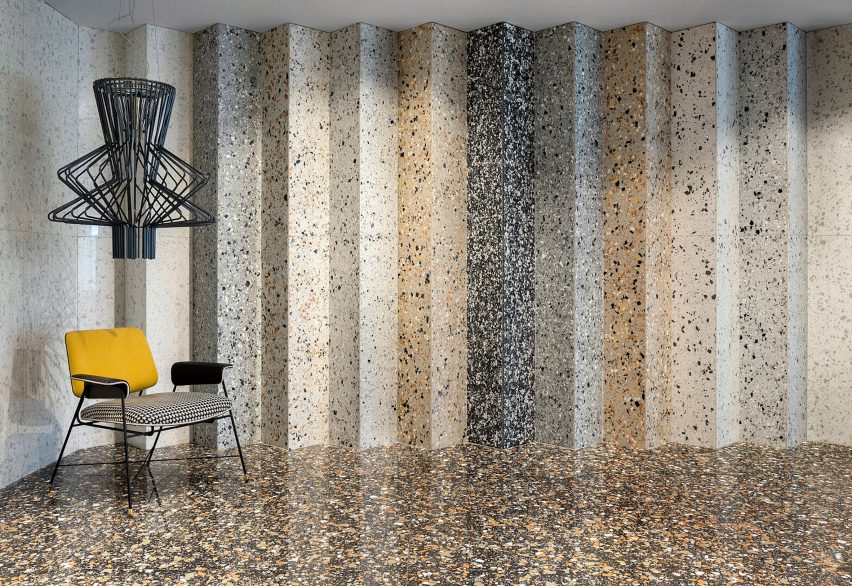
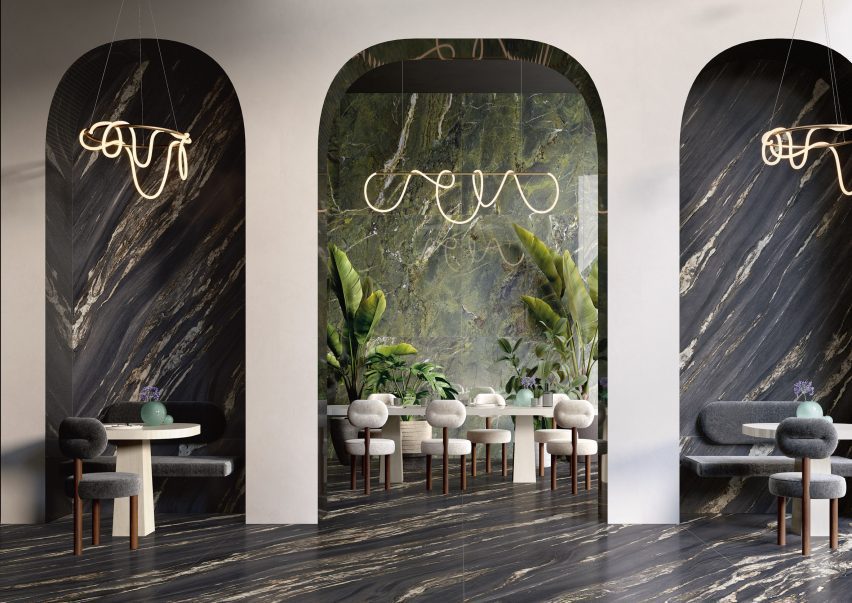
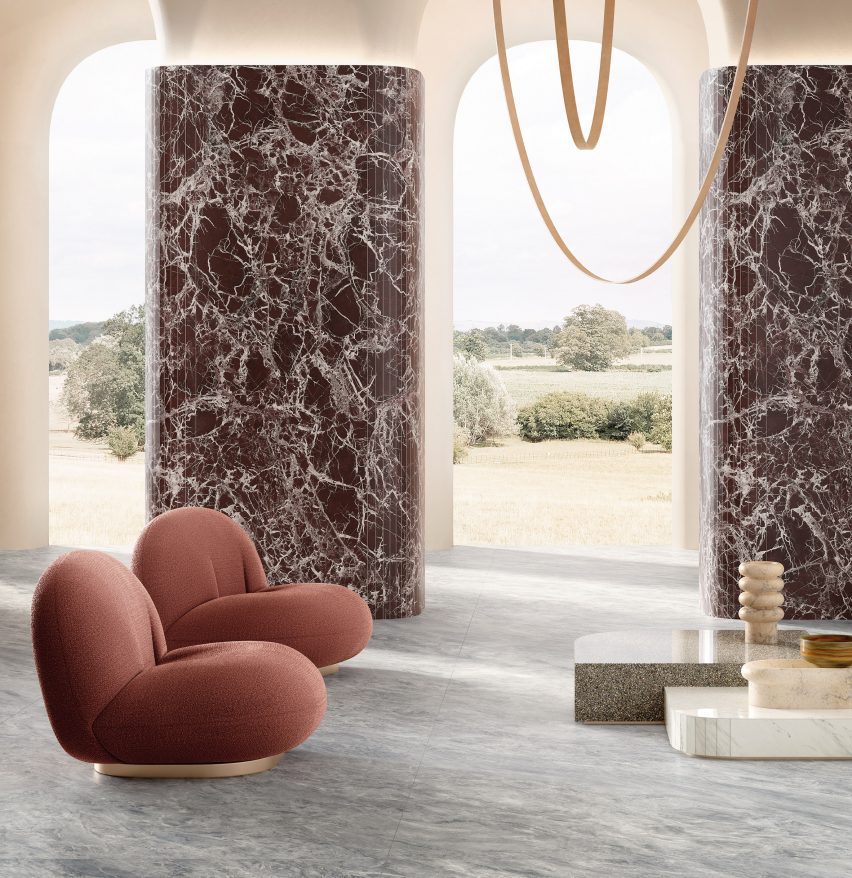
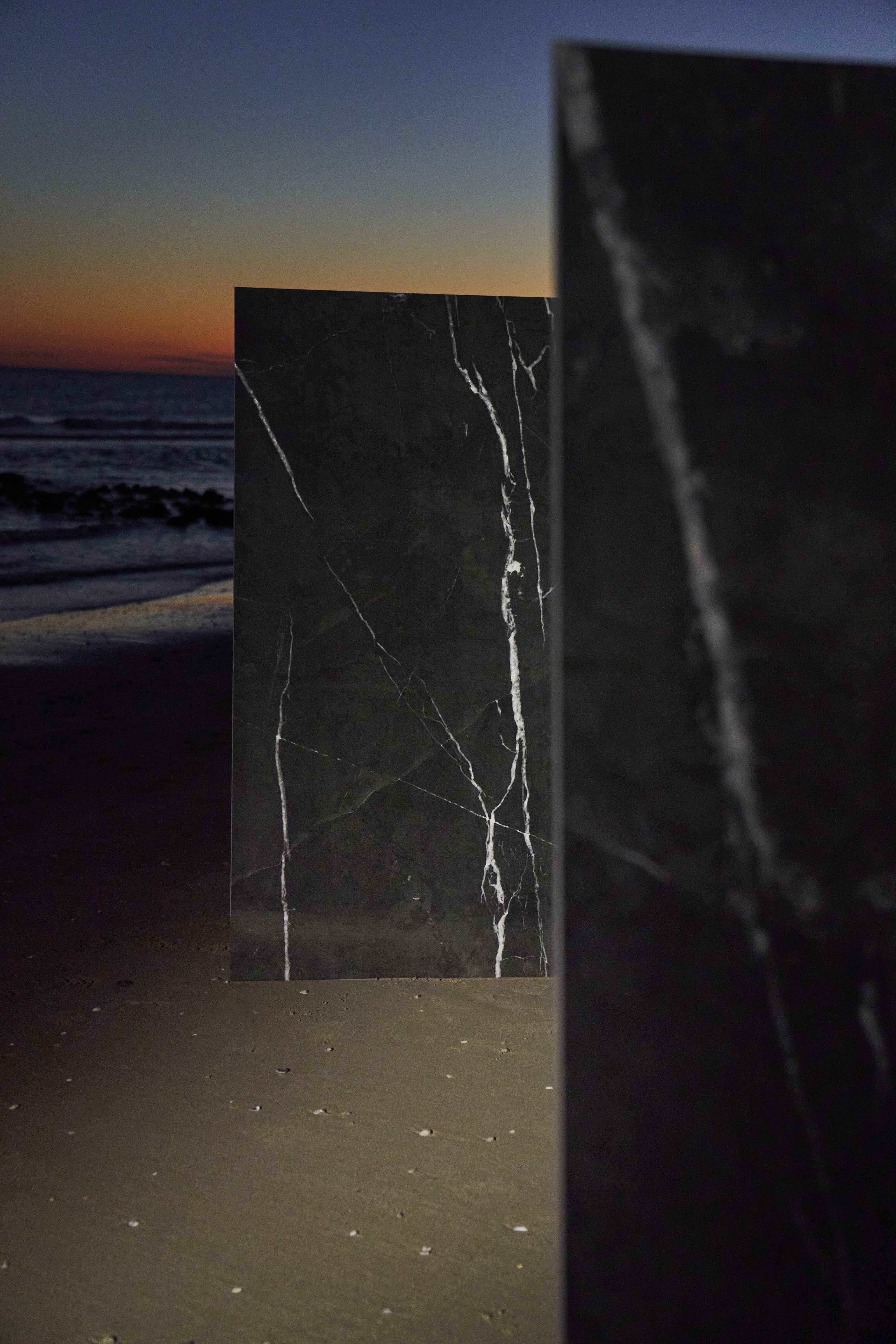
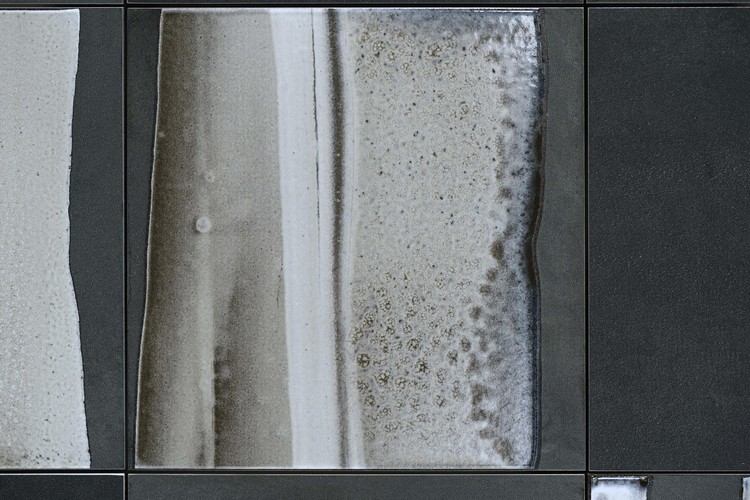
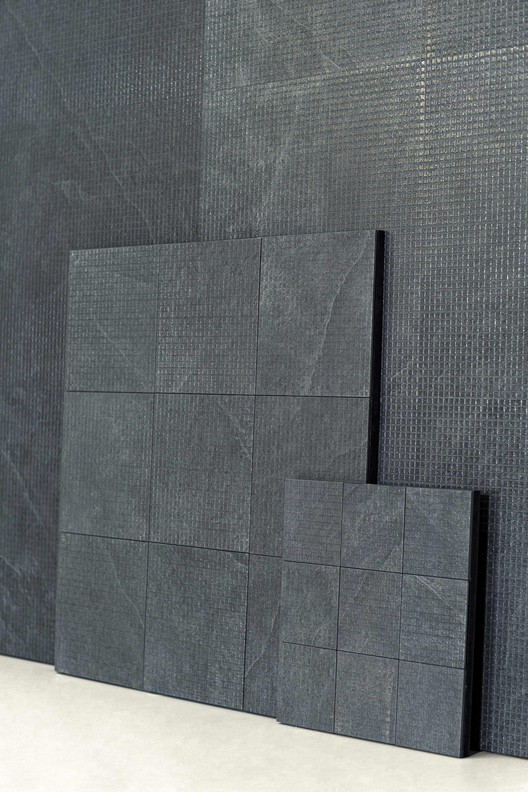
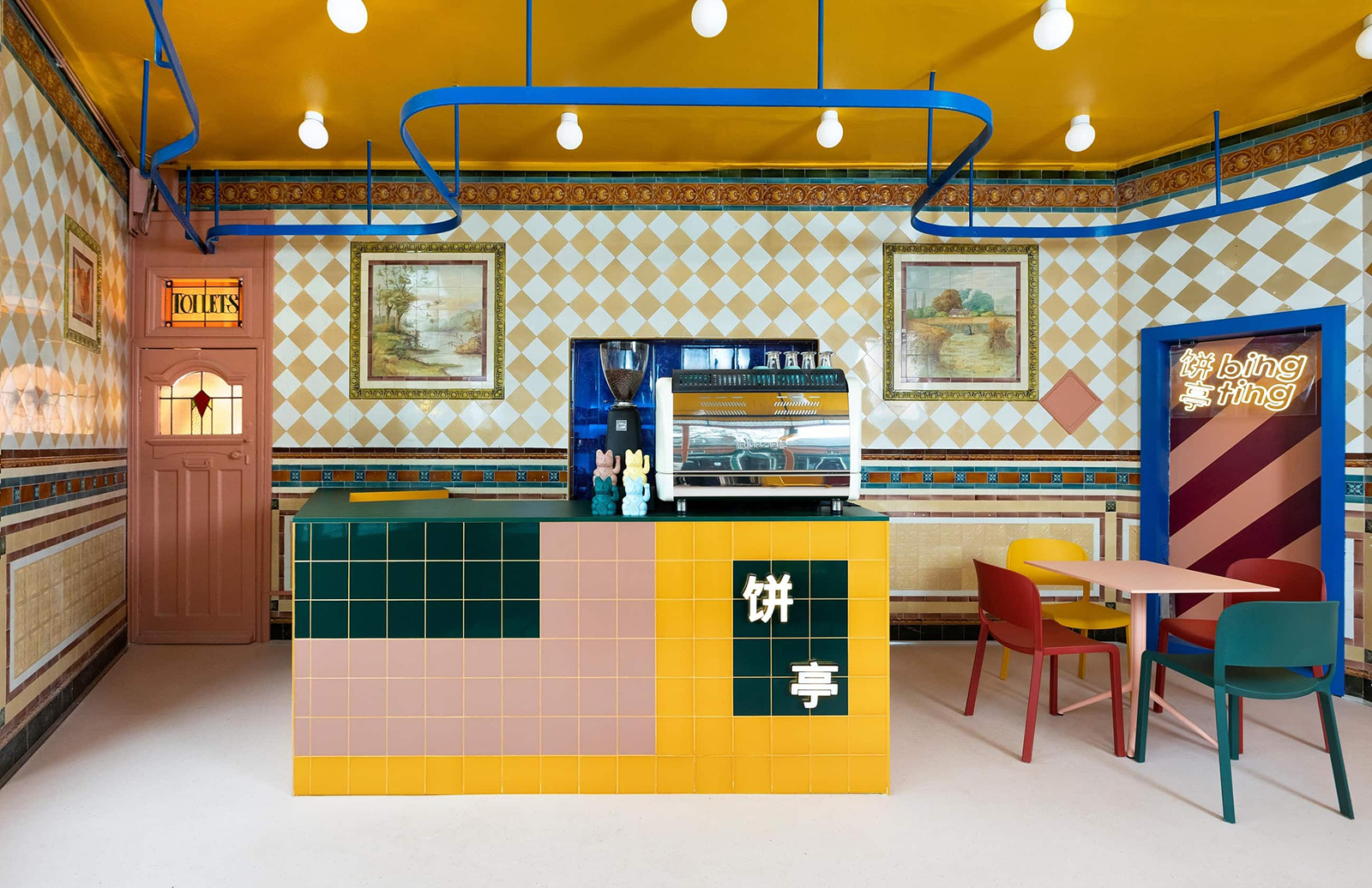
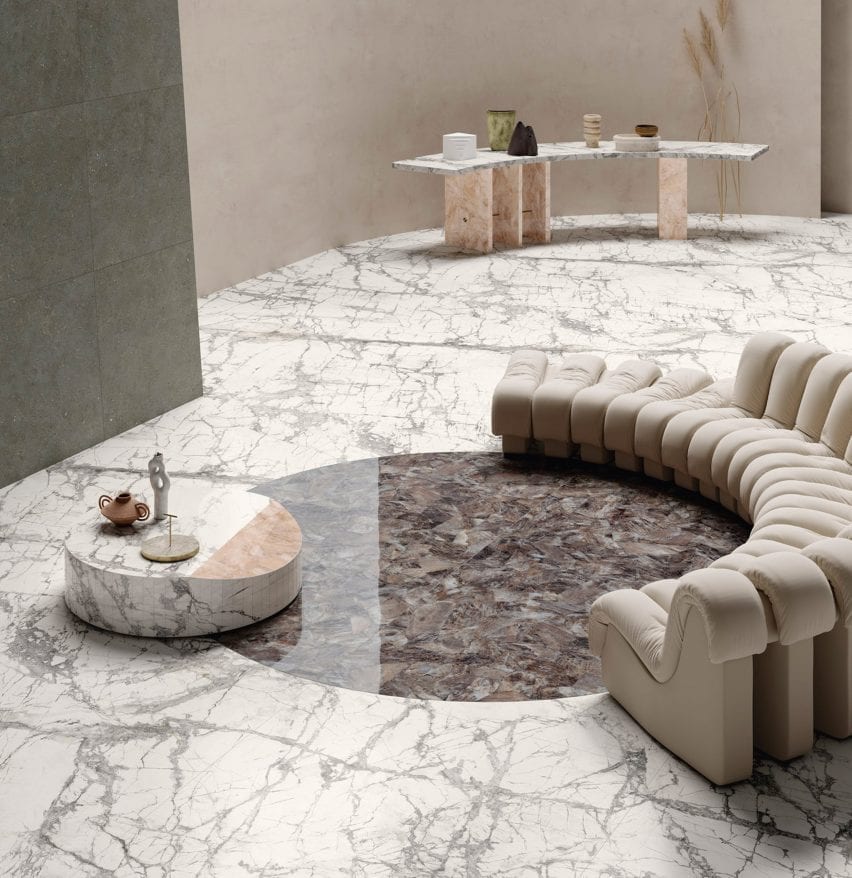
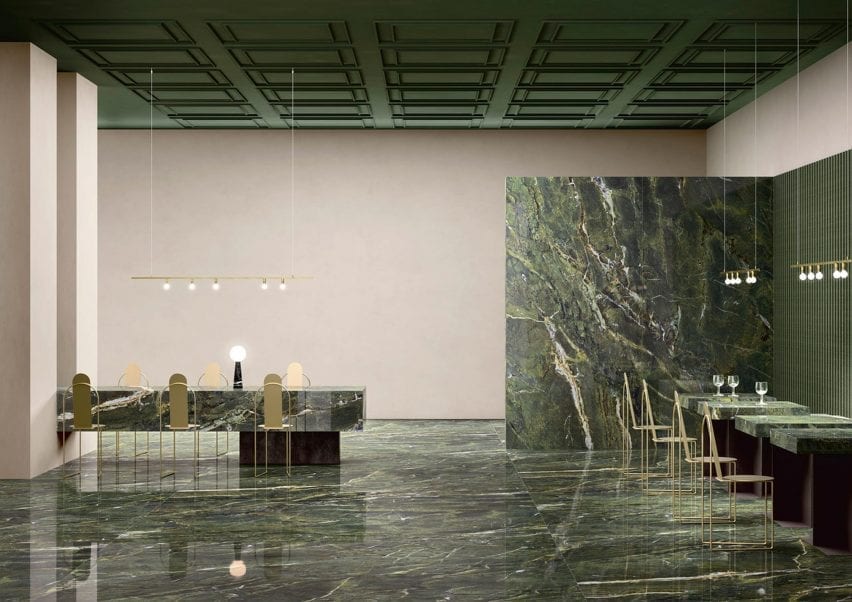
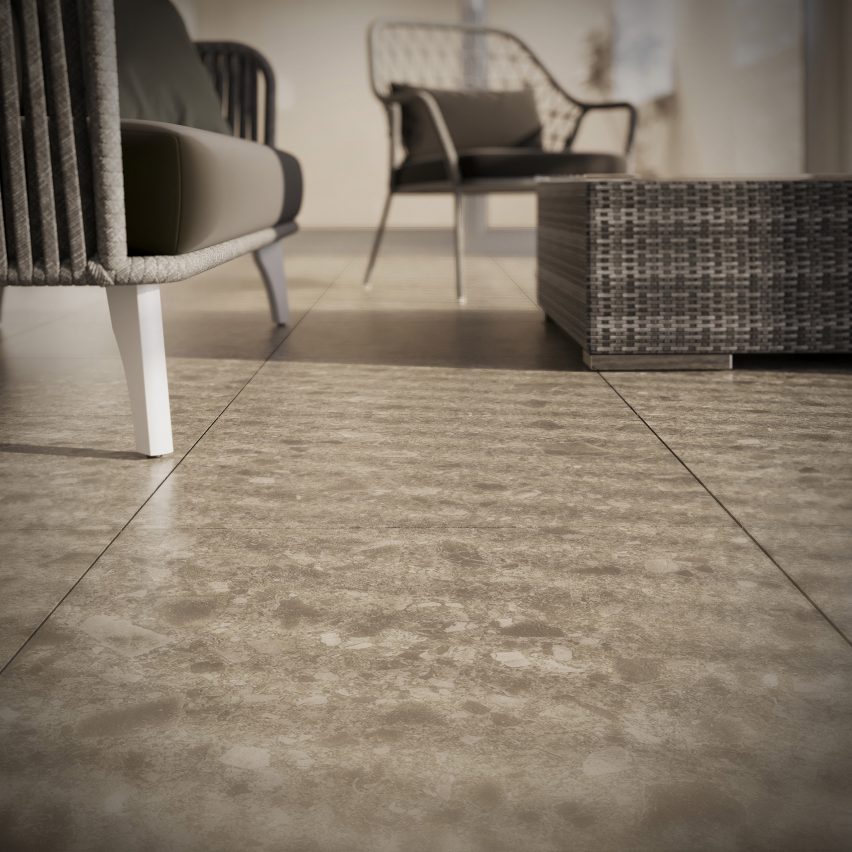
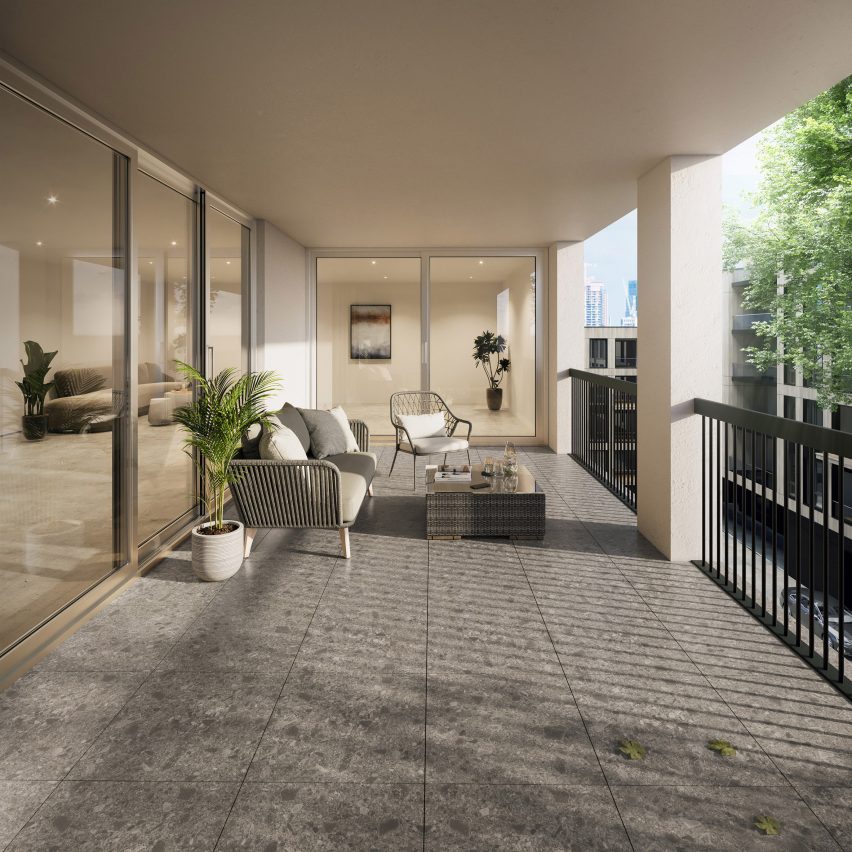
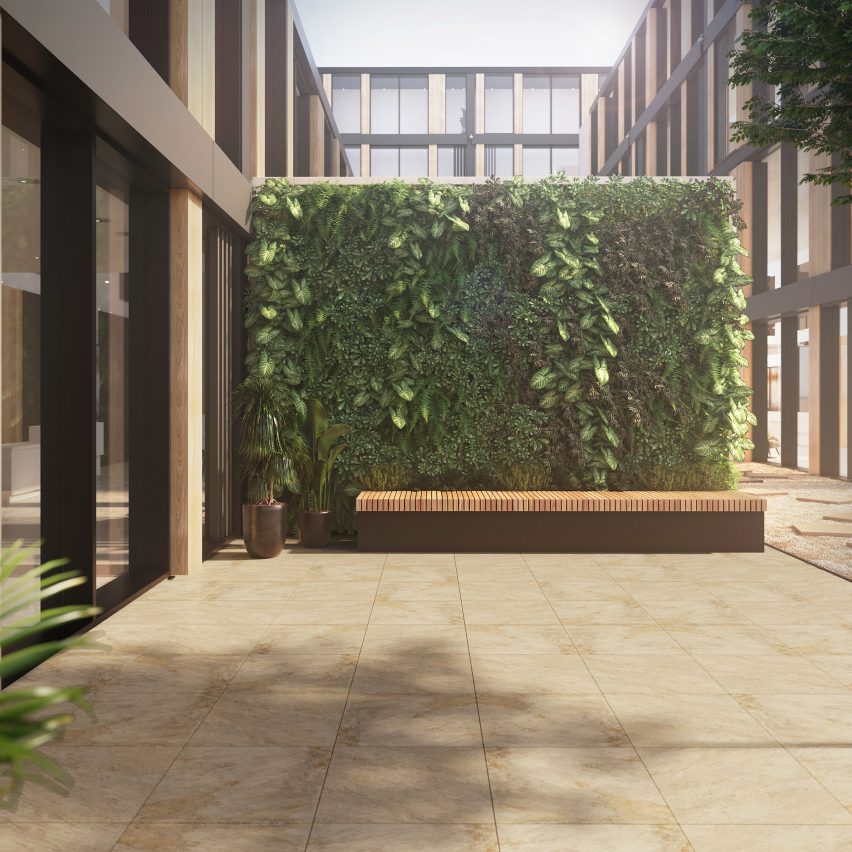
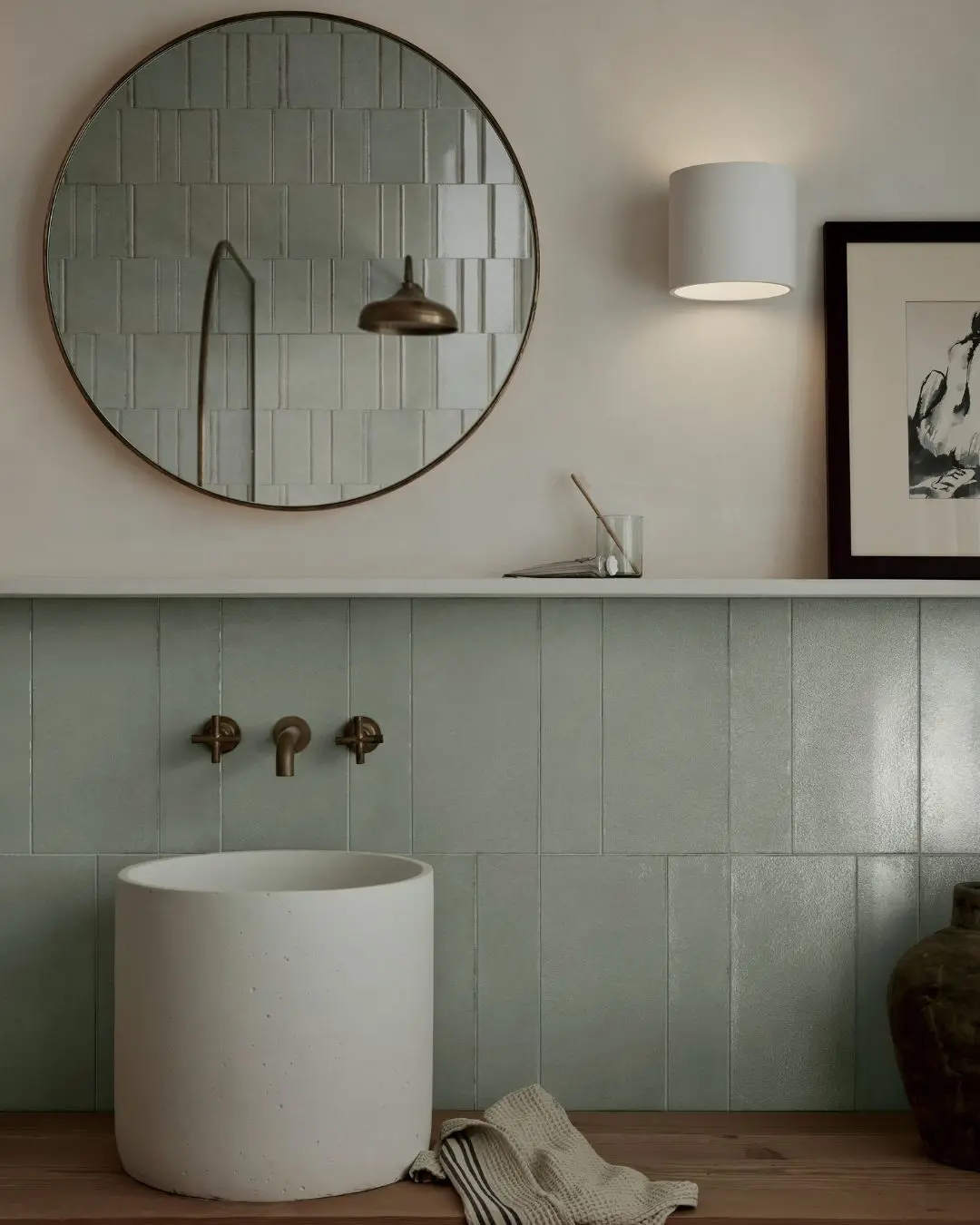
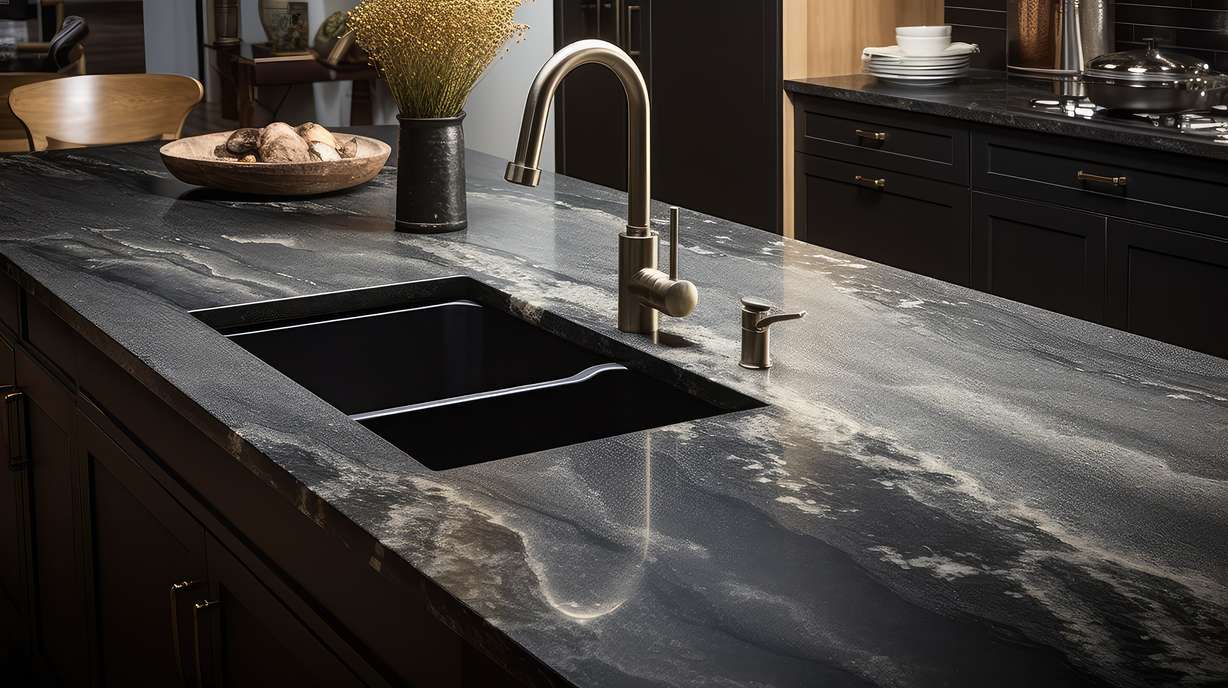
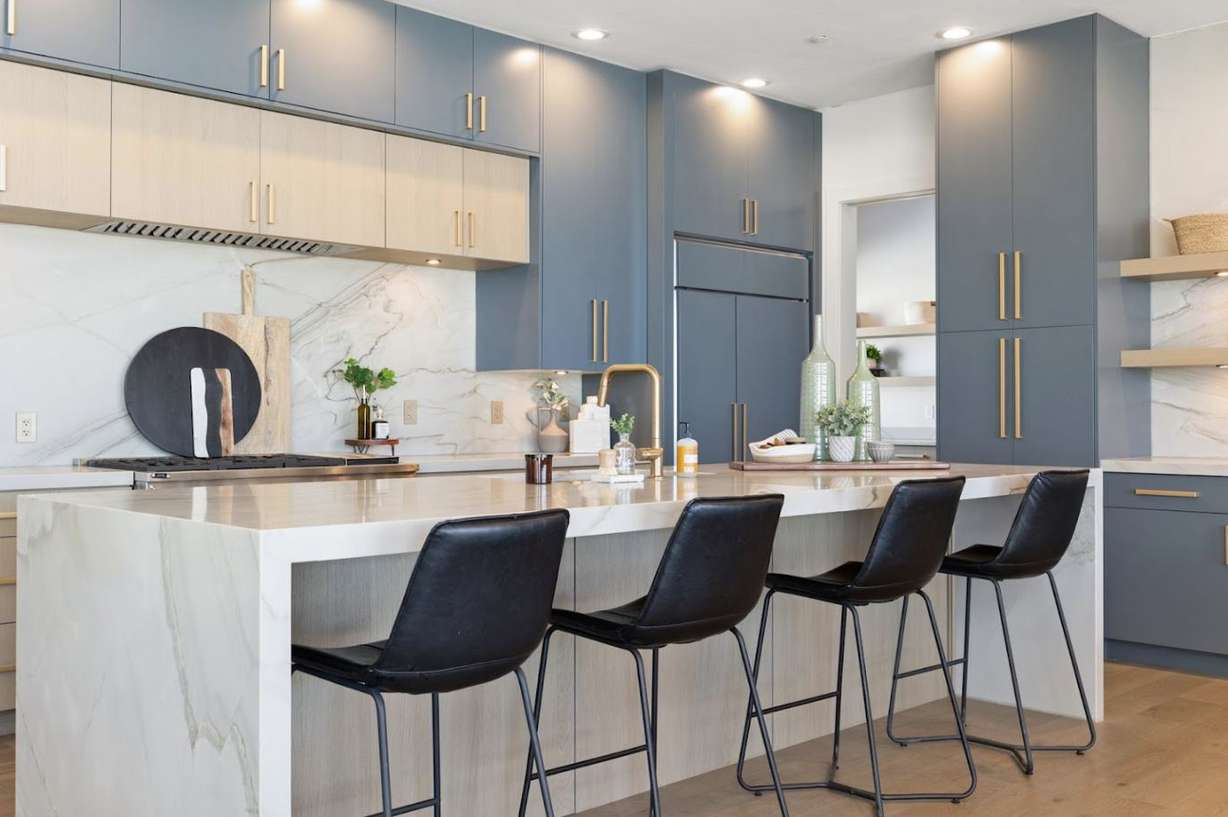
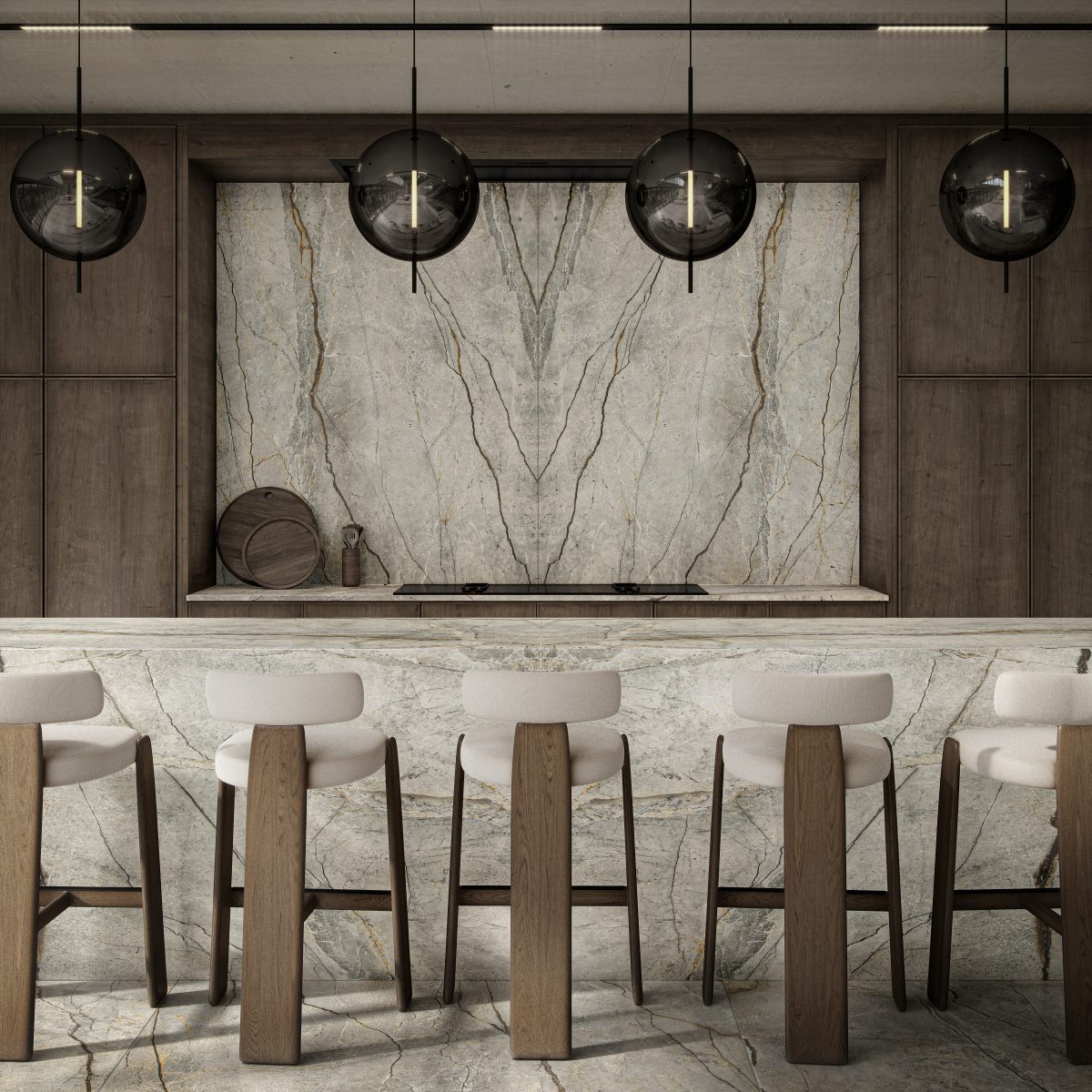
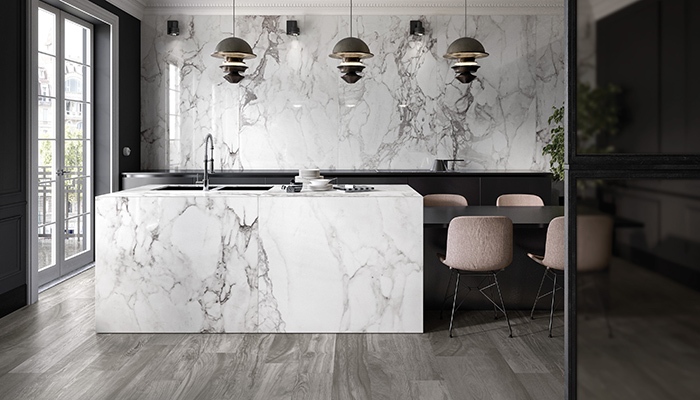
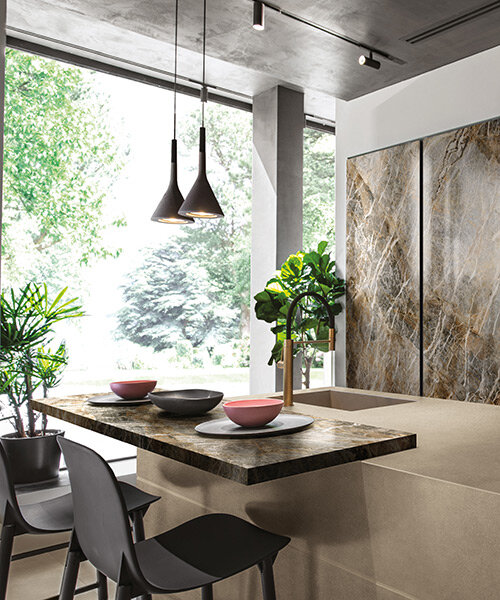
The market for porcelain and ceramic surfaces in kitchen design has seen significant growth, driven by consumer demand for low-maintenance, durable, and aesthetically pleasing worktops that convey a high-end impression. While natural materials like marble, granite, and concrete are popular for industrial-style kitchens, porcelain and ceramic alternatives make these looks more accessible and affordable without compromising quality. These materials offer numerous advantages, including durability, ease of maintenance, and versatility, making them a popular choice for various kitchen applications, such as splashbacks and island surfaces.
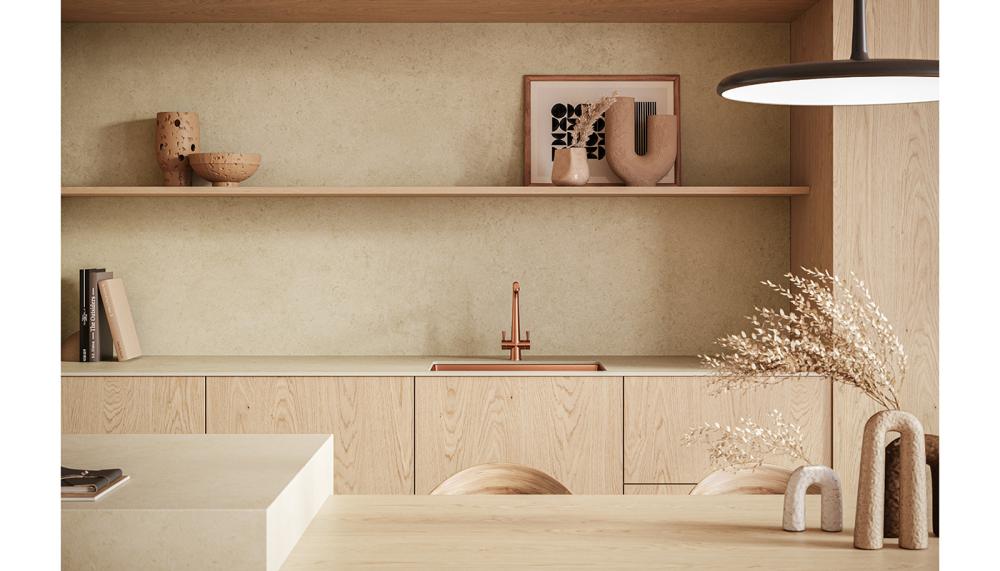
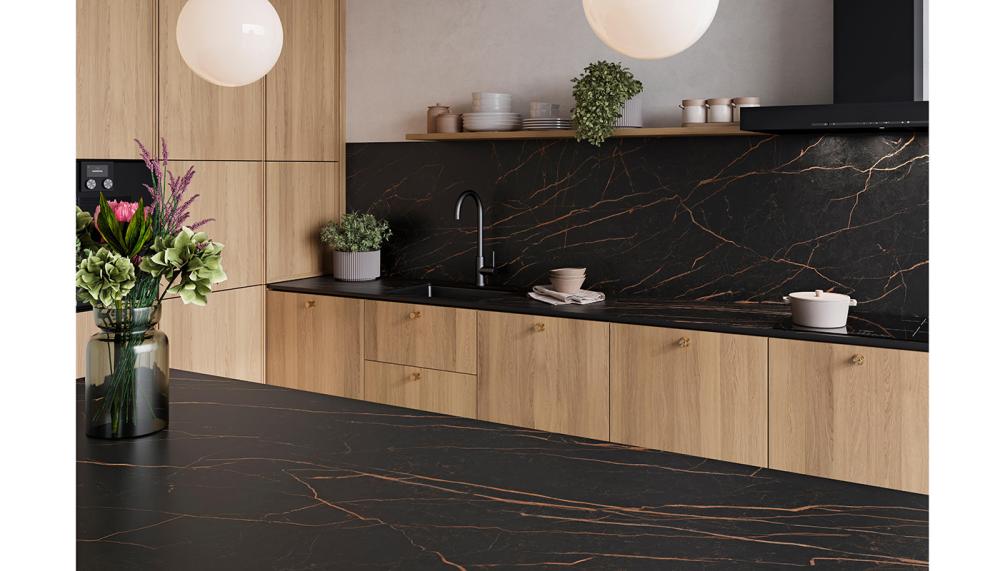
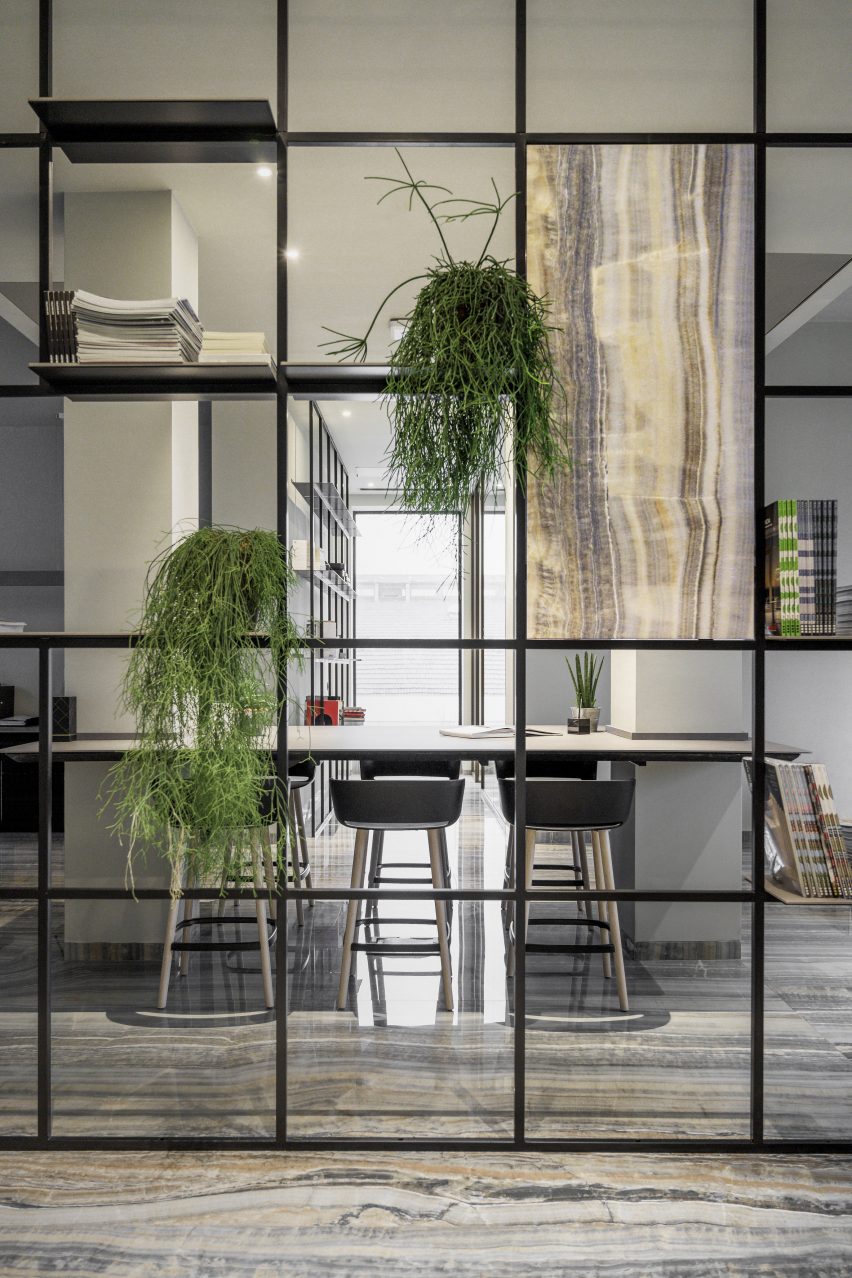
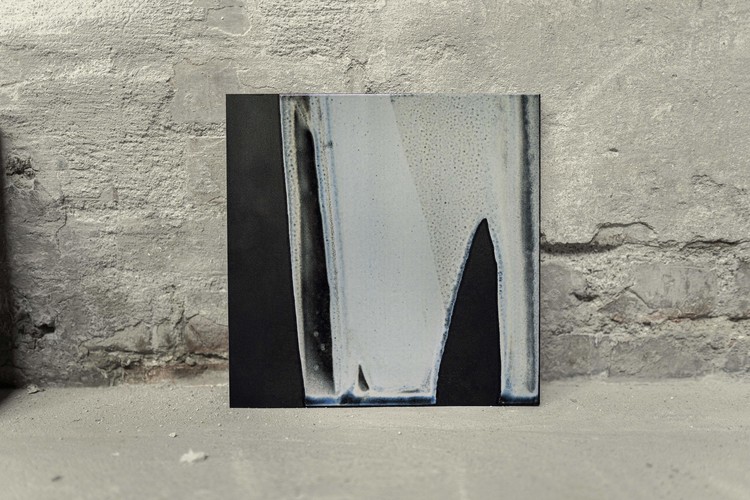
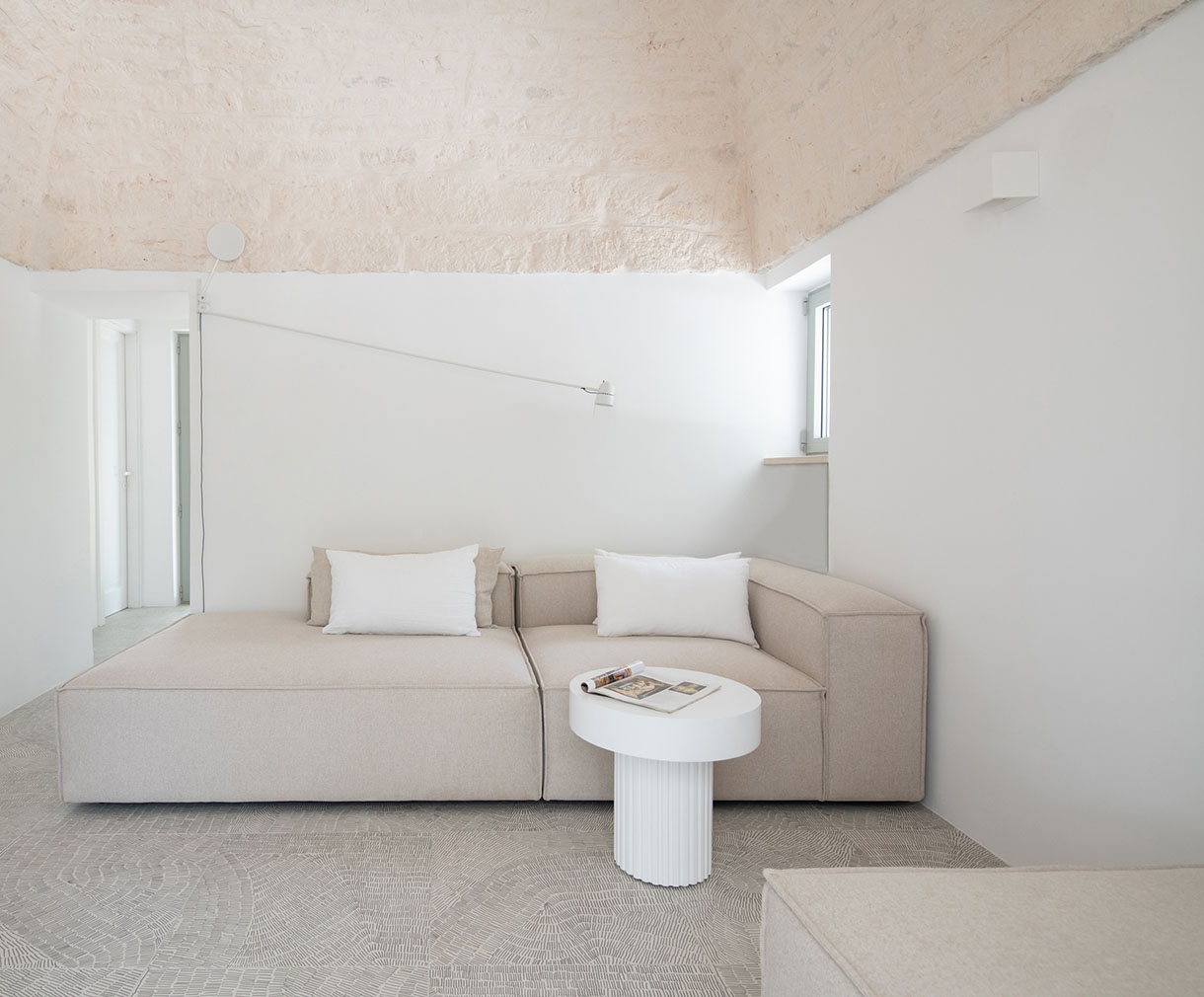
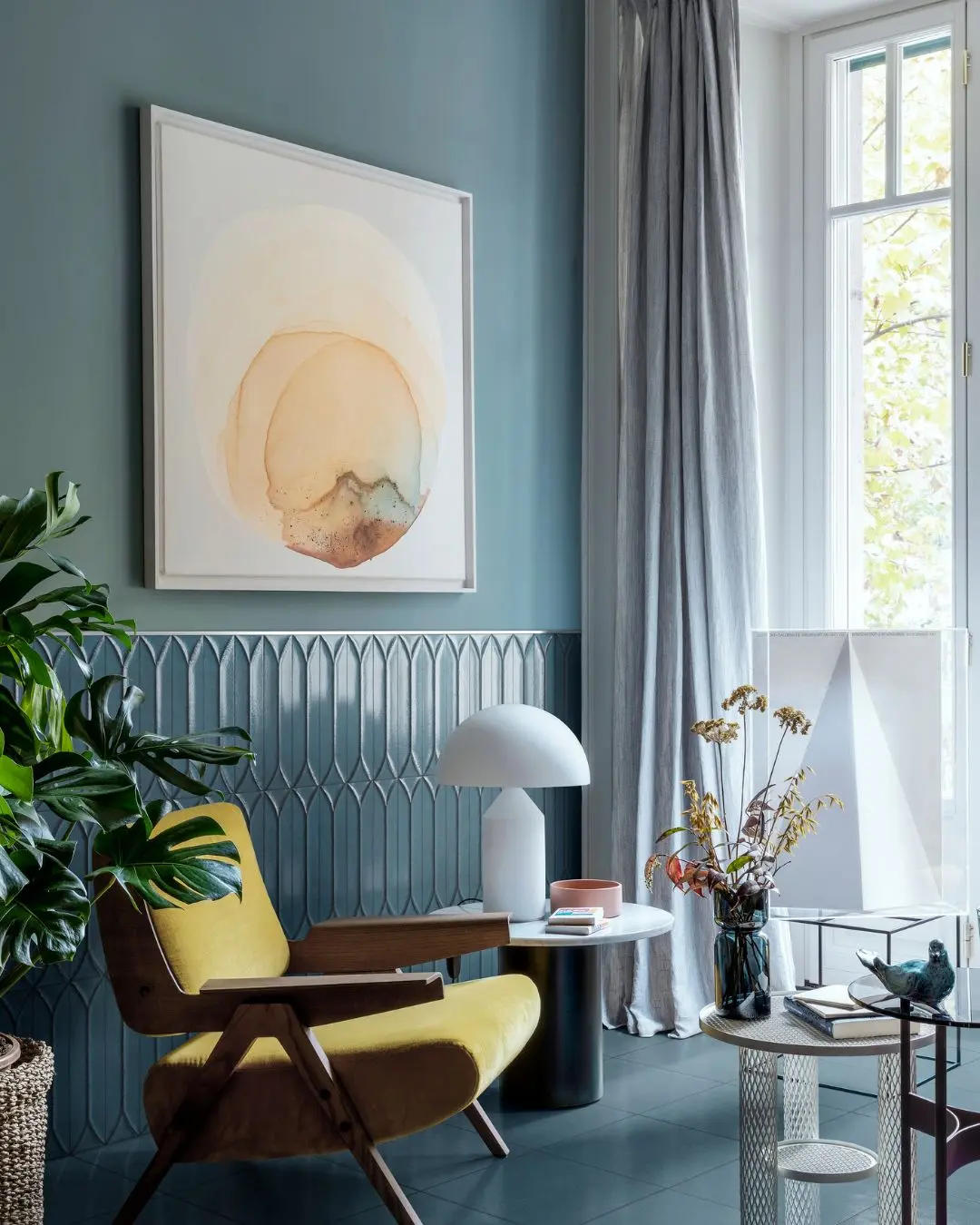
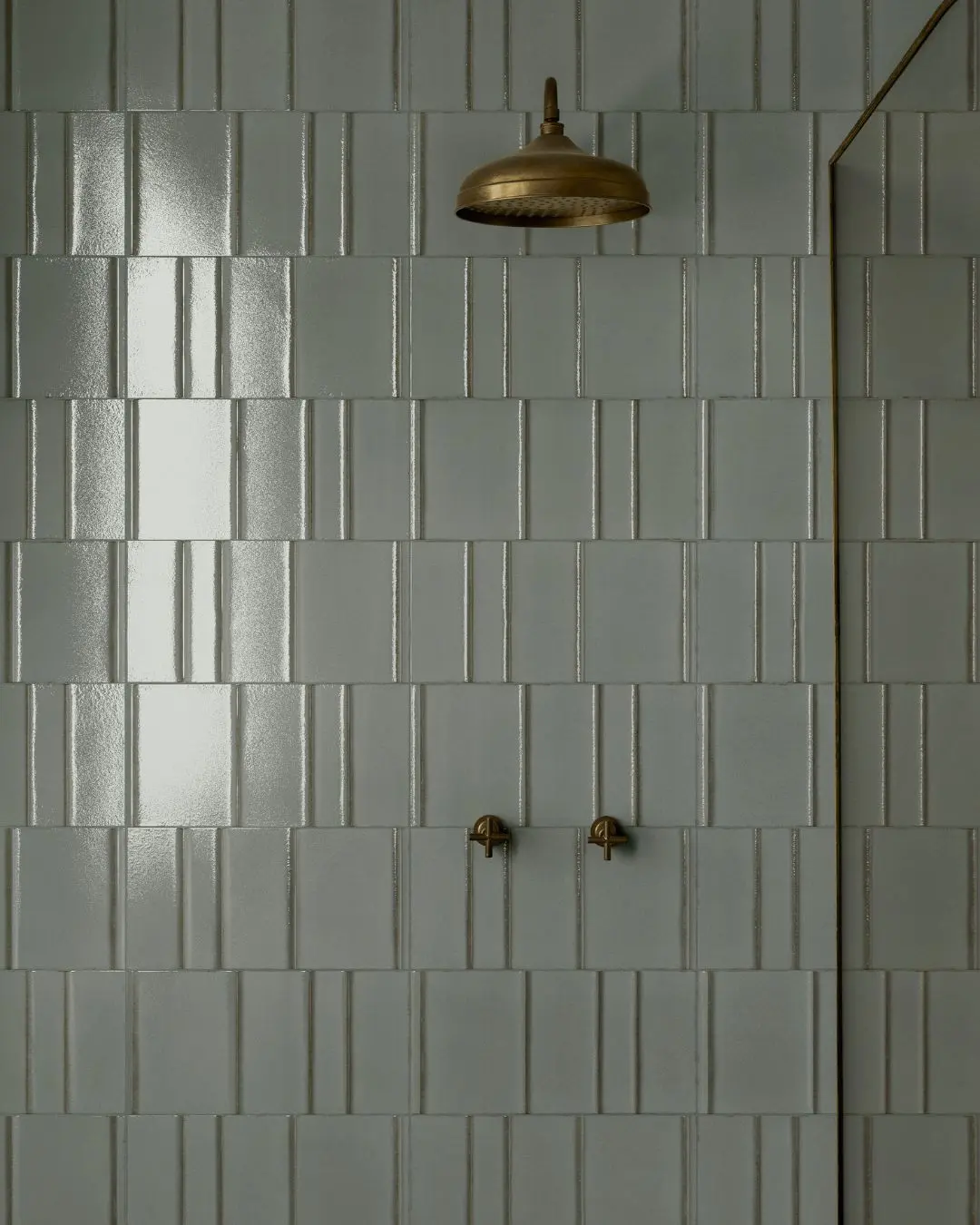
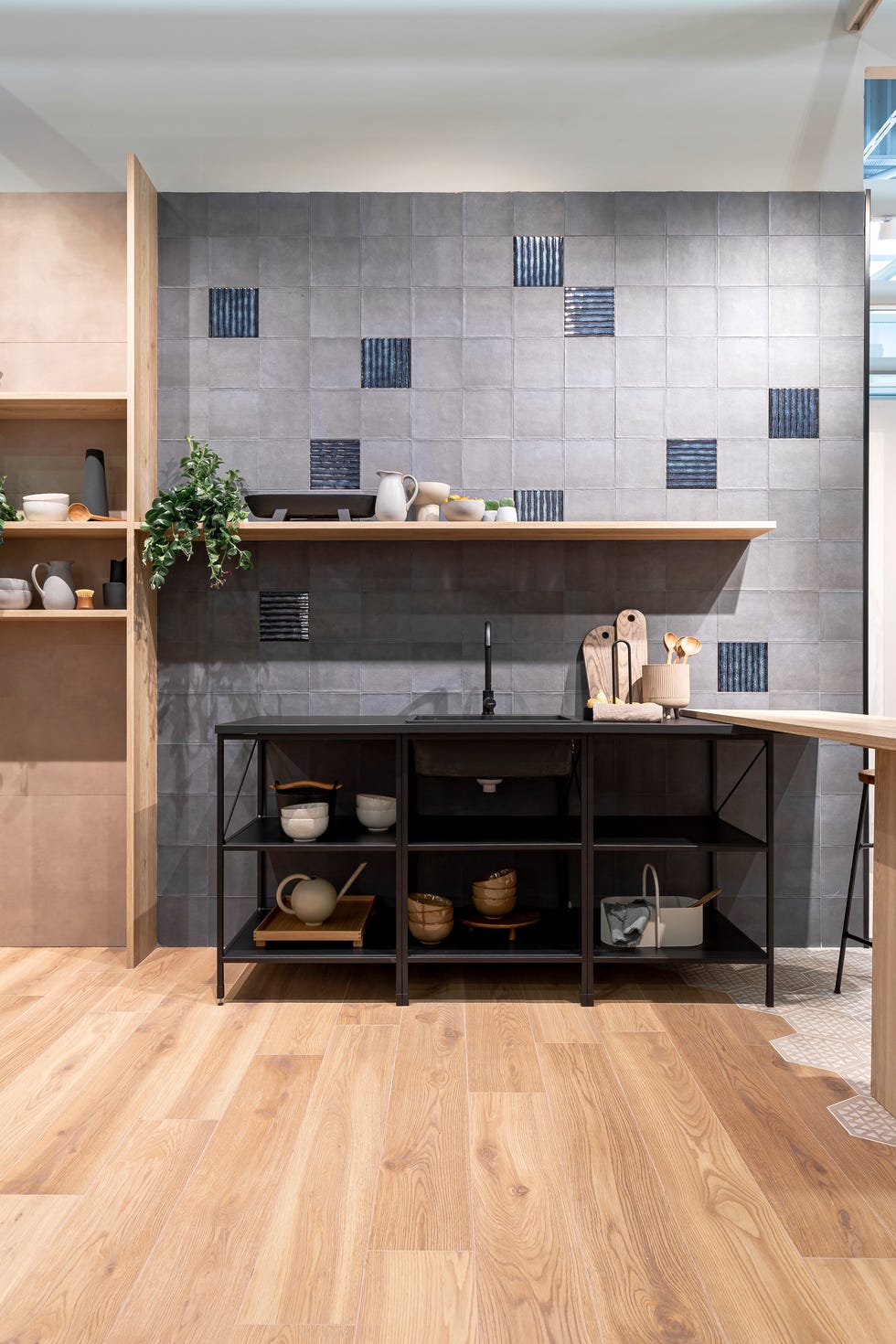
Porcelain and ceramic surfaces can effectively incorporate organic textures and earthy tones into kitchen designs, aligning with a growing trend to create calming, nature-inspired environments. These materials help bring a sense of the outdoors in through raw materials and designs, uplifting the kitchen and connecting it to the natural world. Neutral surfaces also offer flexibility, allowing homeowners to update their kitchen décor seasonally. The inherent durability of porcelain means that desired aesthetics can be achieved without sacrificing practical benefits, whether the goal is a bold, dramatic kitchen with darker hues or a light, natural atmosphere with softer tones.
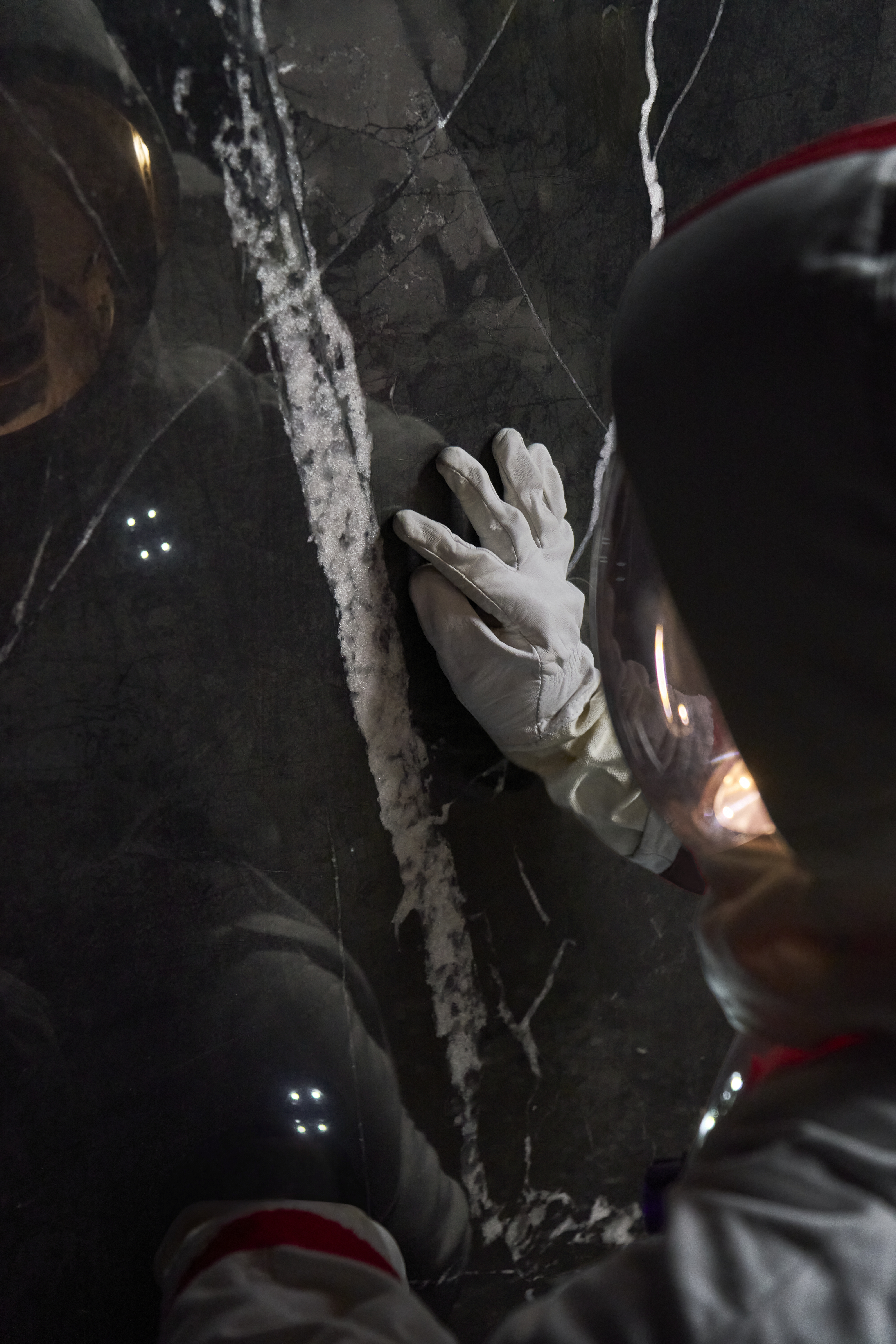
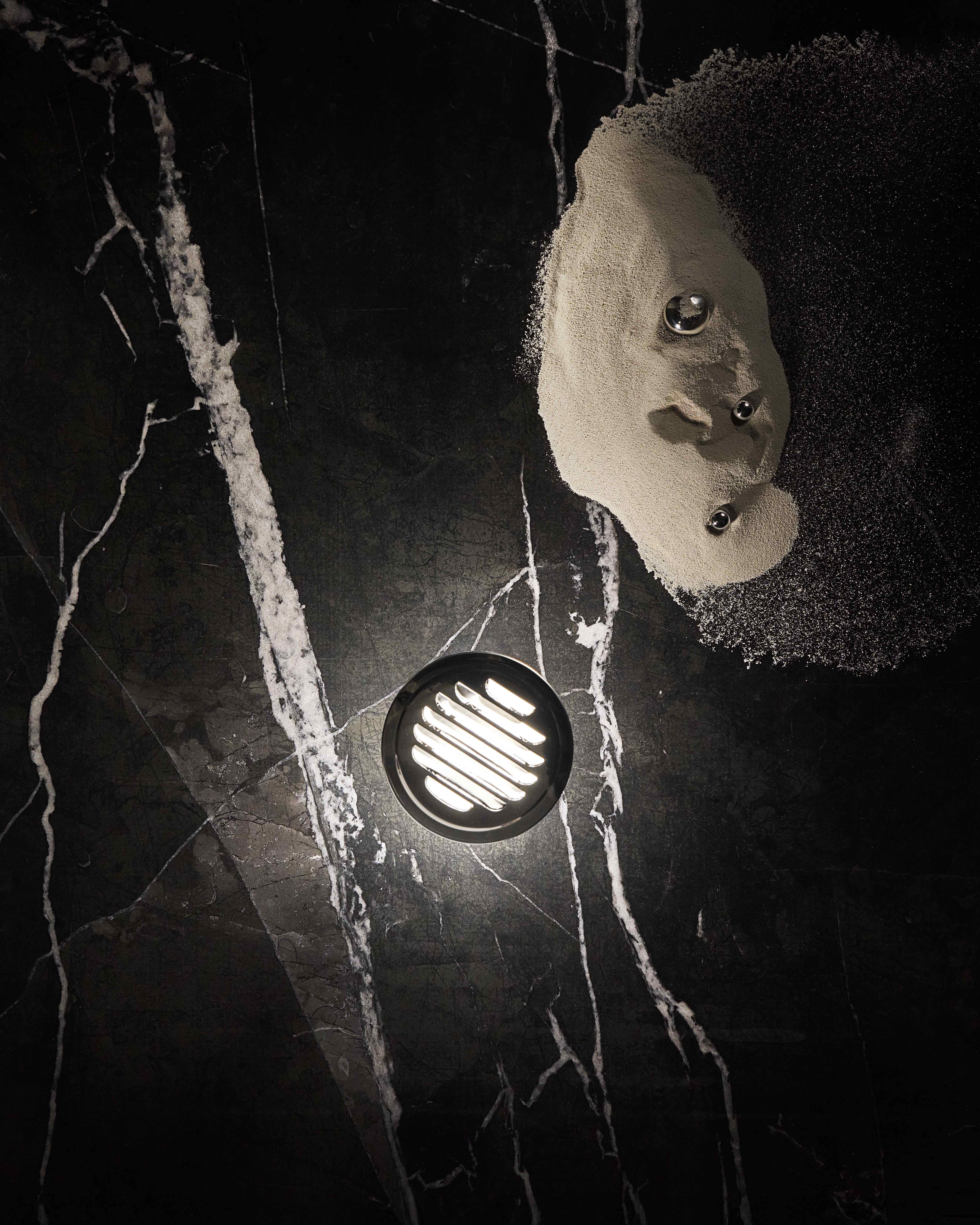
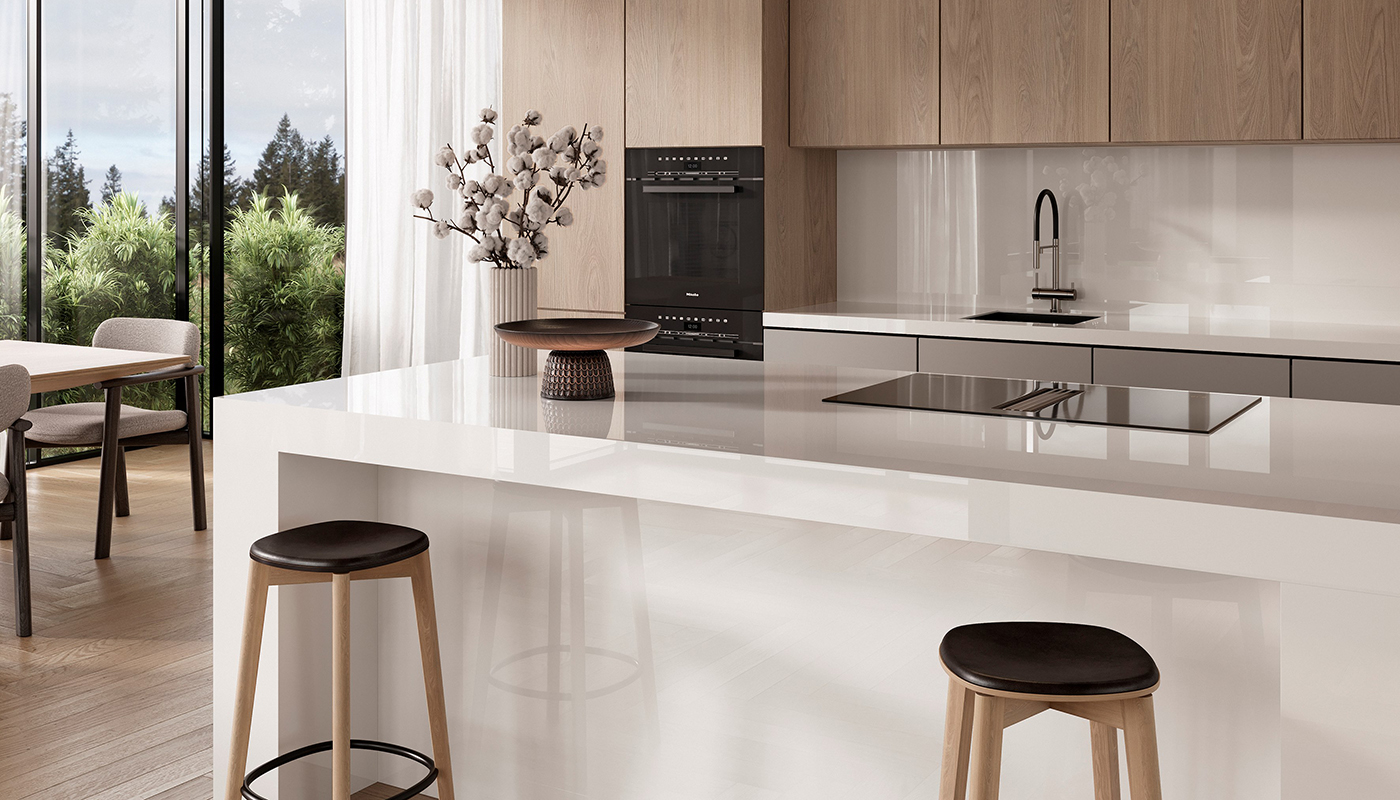
Porcelain worktops are highly resistant to scratches, stains, and high temperatures, making them suitable for direct chopping and placing hot pots and pans without damage. They are also resistant to UV rays and many common cleaning chemicals. Ceramic surfaces share these characteristics, offering extreme durability and resistance to various environmental factors. For instance, SapienStone worktops, crafted from ceramic clays and mineral colorings, come in a range of colors and finishes, catering to diverse consumer tastes from contemporary to traditional. Their UV resistance allows for outdoor use, and their patterns, derived from digital photographs, can be adapted to market demands. With a thickness of just 12mm, SapienStone creates sleek finishes in kitchen designs.
Retailers are advised to strategically display these materials to highlight their versatility and practical benefits. Effective use of point-of-sale materials, brochures, and providing samples enables customers to envision and color-match products in their own homes. Demonstrating the practical qualities, such as wiping away spills, can effectively showcase the durability and ease of maintenance, which are significant selling points for porcelain and ceramic surfaces.
#Kitchens #PorcelainSurfaces #CeramicSurfaces #KitchenDesign #WorktopMaterials #HomeInteriors #MaterialDurability #DesignTrends #KitchenTrends #Kitchens #PorcelainSurfaces #CeramicSurfaces #KitchenDesign #WorktopMaterials #HomeInteriors #MaterialDurability #DesignTrends #KitchenTrends
0 comment in total
 No comments yet
You may also like
Why top designers are turning to porcelain for contemporary surface solutions
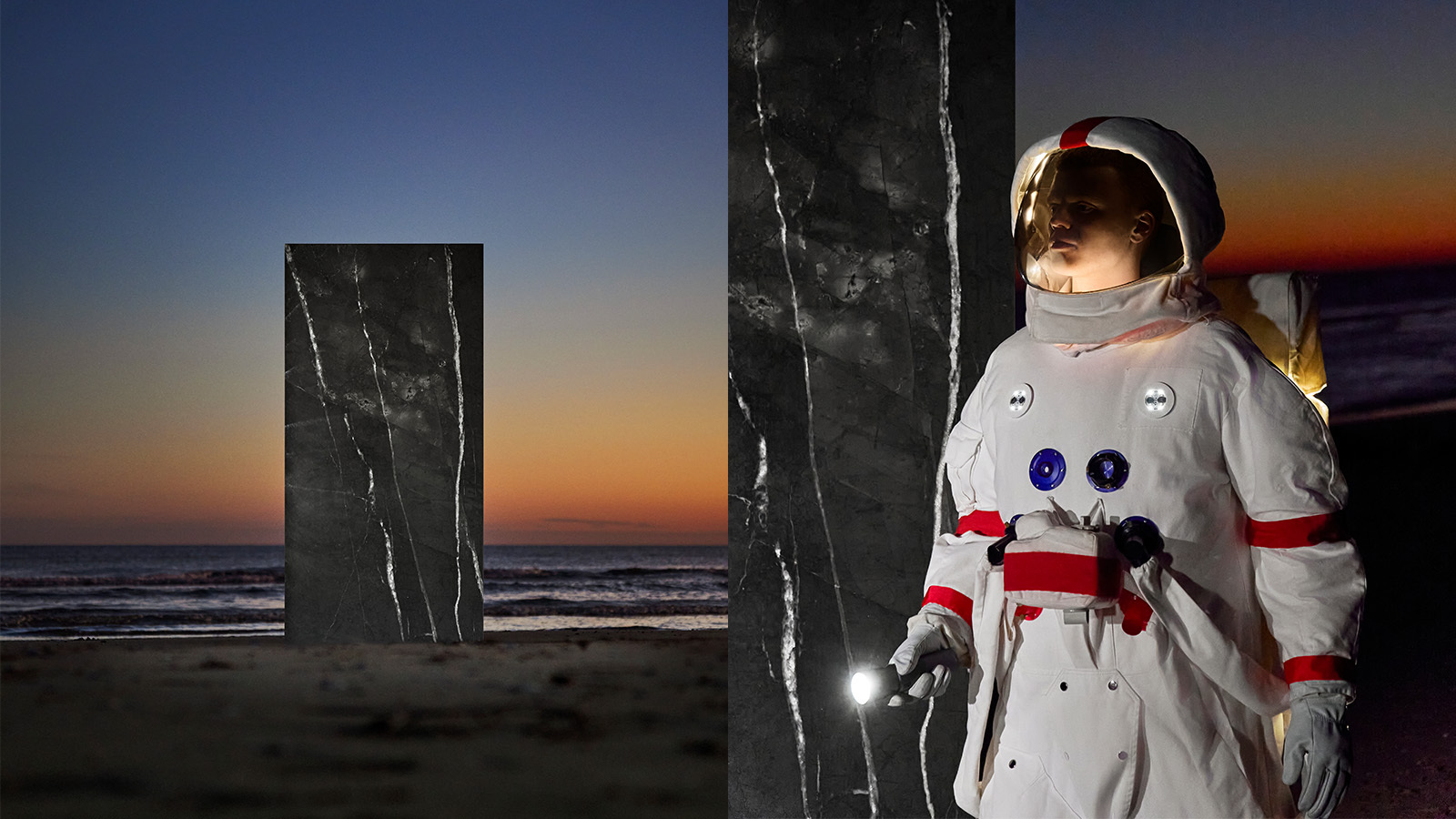
FMG’s technical ceramics, an astronaut, and a brave new world: watch the campaign

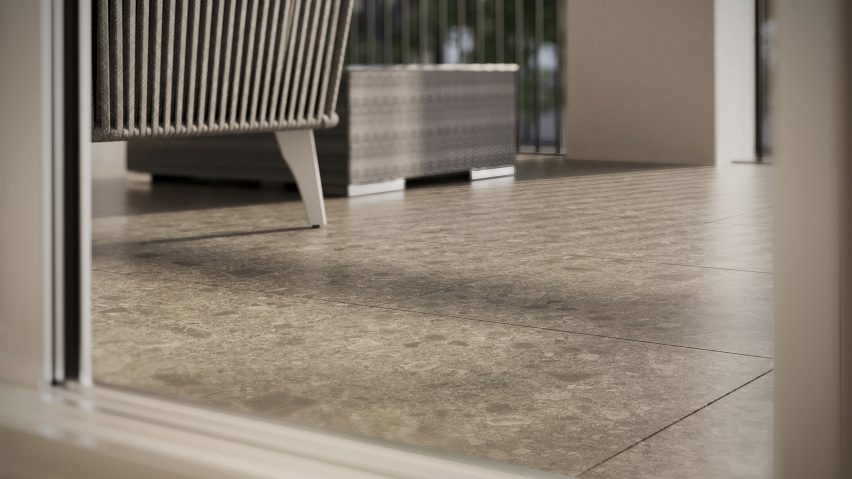
Ryno releases porcelain paving designed to combine style and durability
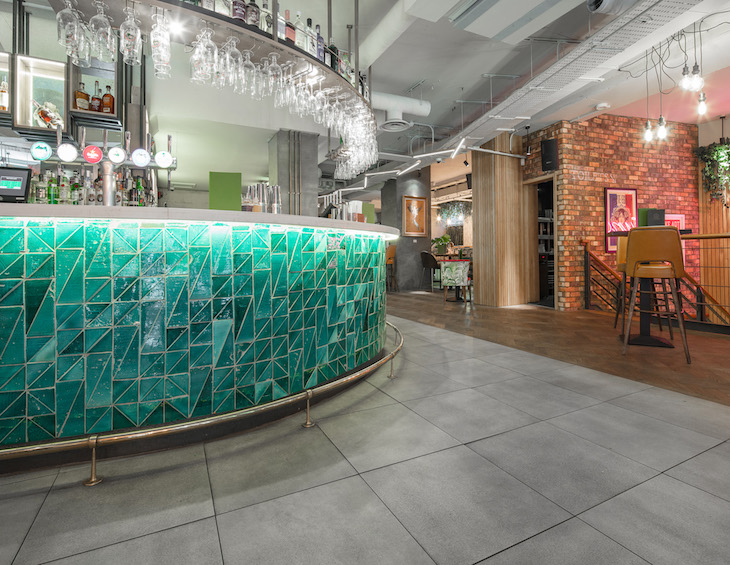
Case study: Specifying the surfaces at Juno Rooms

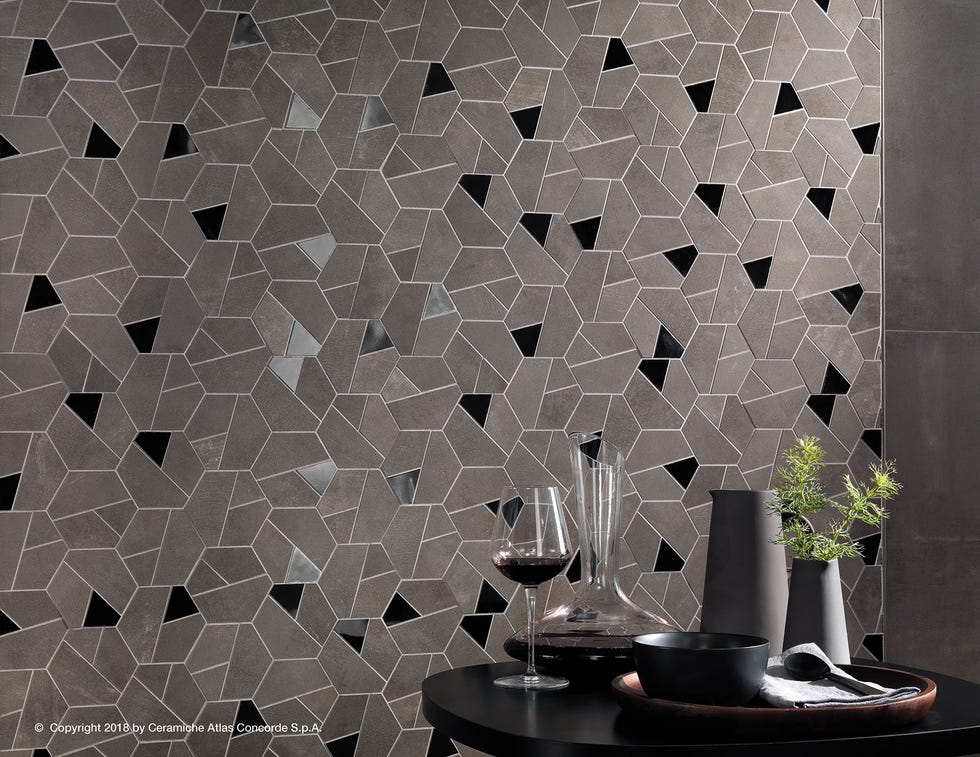
Ornament is no longer a crime. And the new trims on the coatings confirm it
The Manufacturing Process Behind Ceramic District's Porcelain Tiles

Why You Might Want Porcelain Slab Countertops

6 inspiring sensory surface trends to expect in 2023
FMG releases collection of tiles that can be applied to any interior surface
FLORIM stone surfaces enhance the indoors with fluid visual transitions
Terramater: the new sustainable porcelain stoneware by Marazzi

Must-See Tile and Stone Designs From Coverings 2023

Porcelain Surfaces

Surprising ways interior designers are using tiles
Glazed Porcelain Tiles - Wooden from Love Tiles

Countertop and solid surface trends: Texture, sustainability, and drama

Marmi Maximum tiles by Fiandre Architectural Surfaces
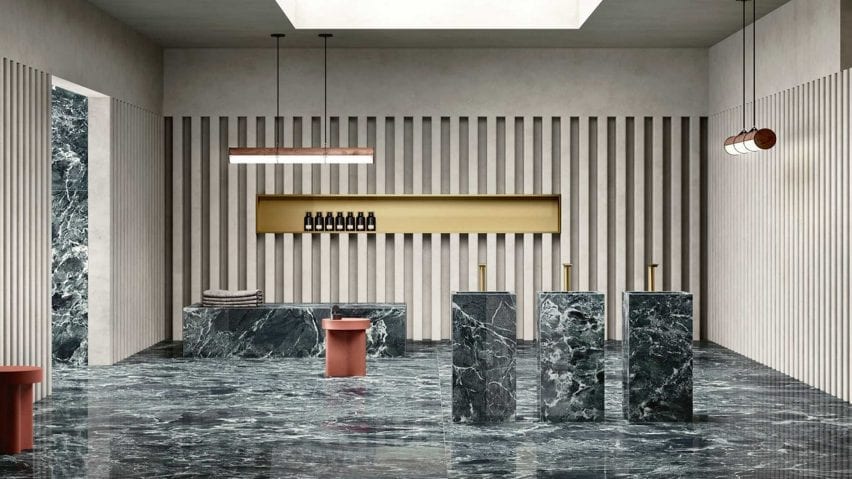
Maximum Marmi tiles by Fiandre Architectural Surfaces
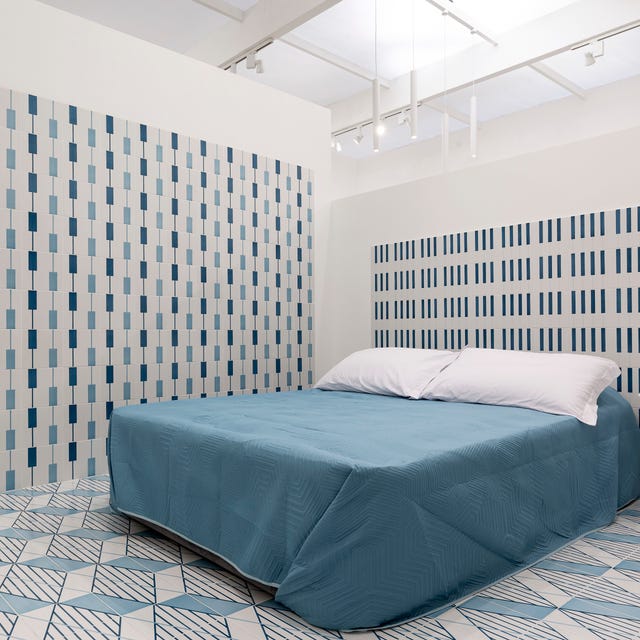
The New Horizons of Decorated Ceramic Tiles
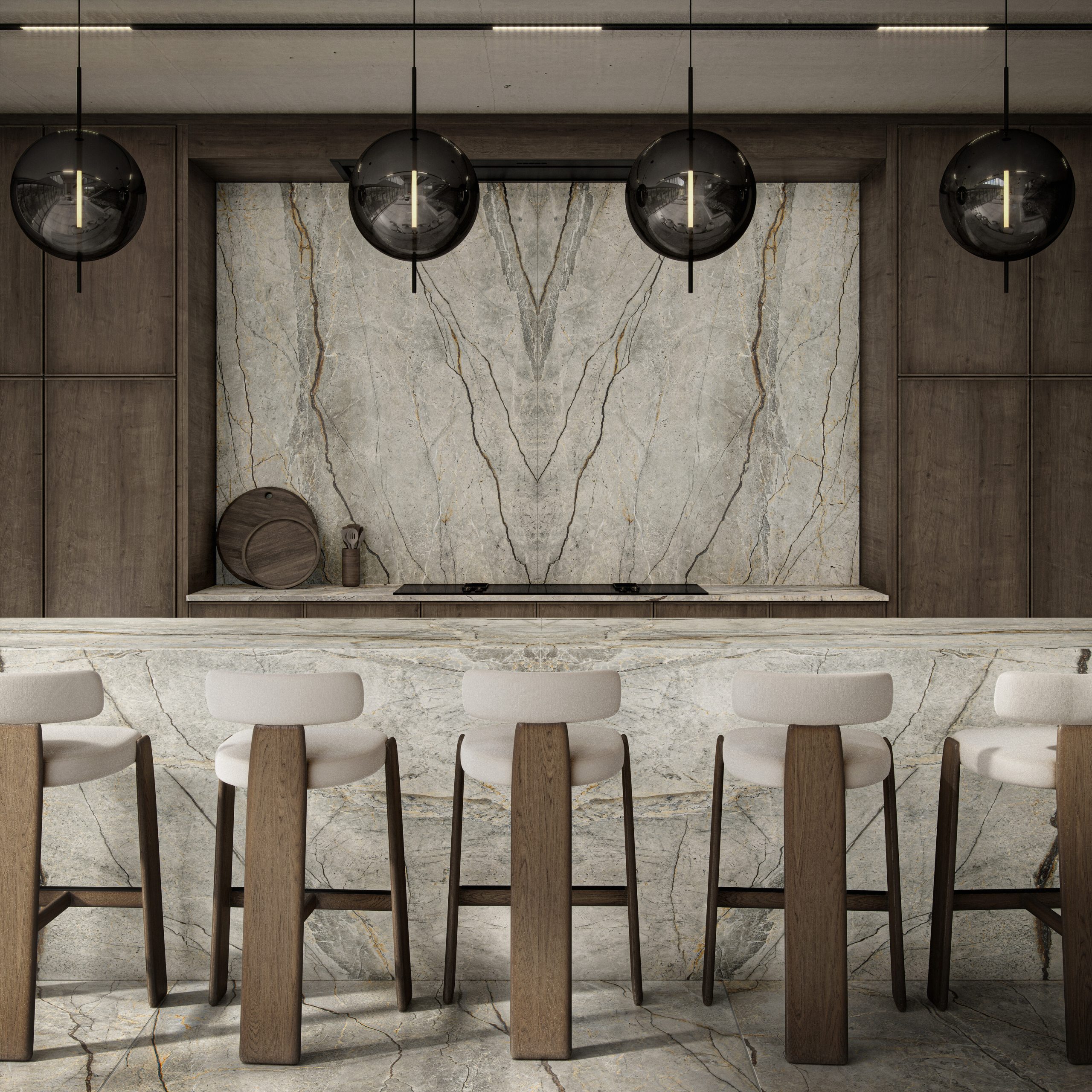
Marble-Look Porcelain Slabs