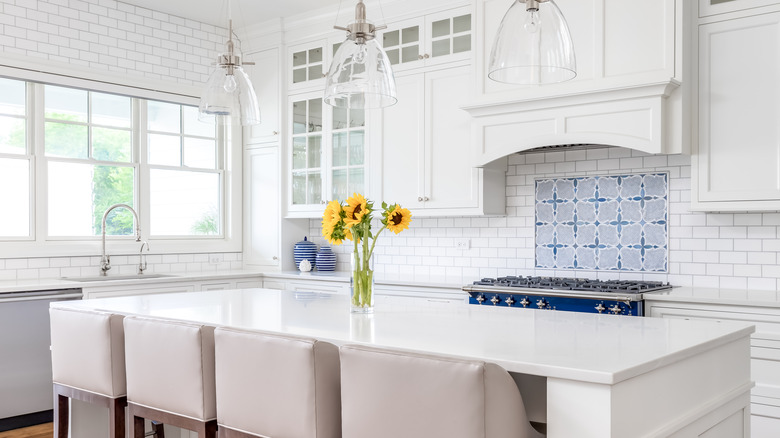
1/2
The Erin Napier-Adored Cabinet Choice That Will Brighten Up Your Kitchen
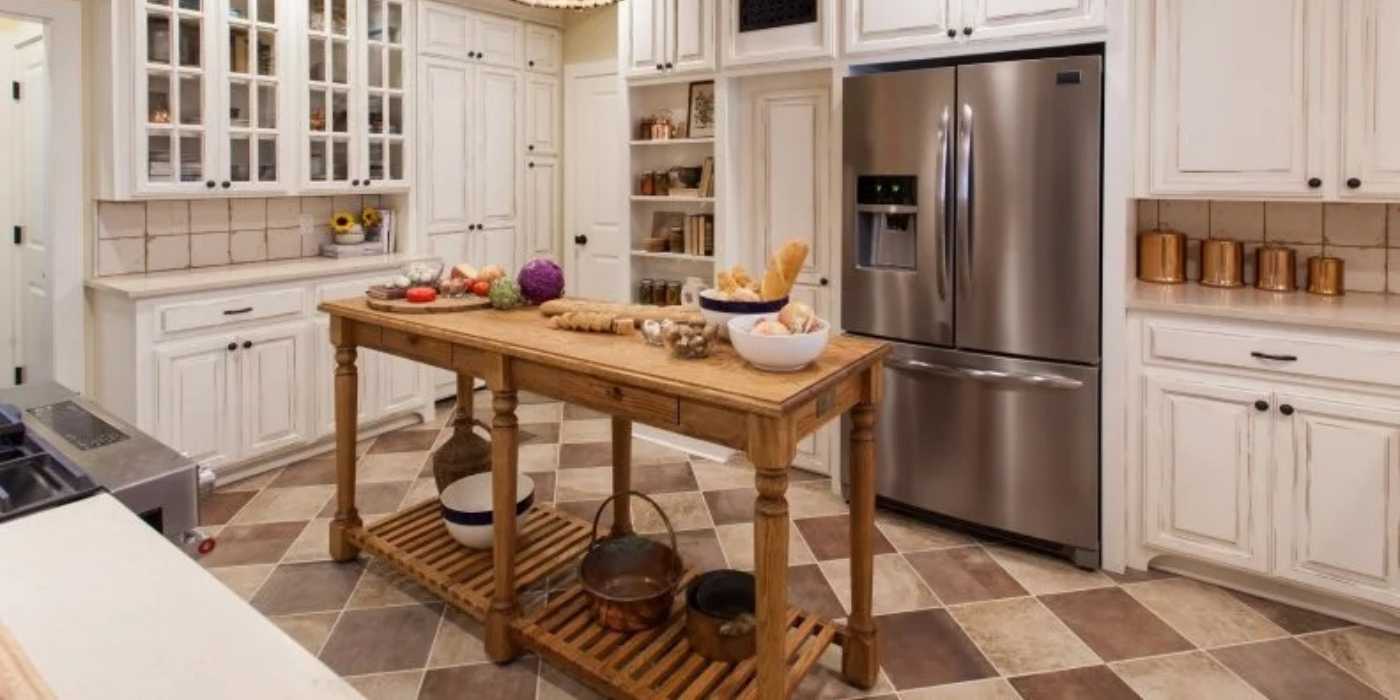
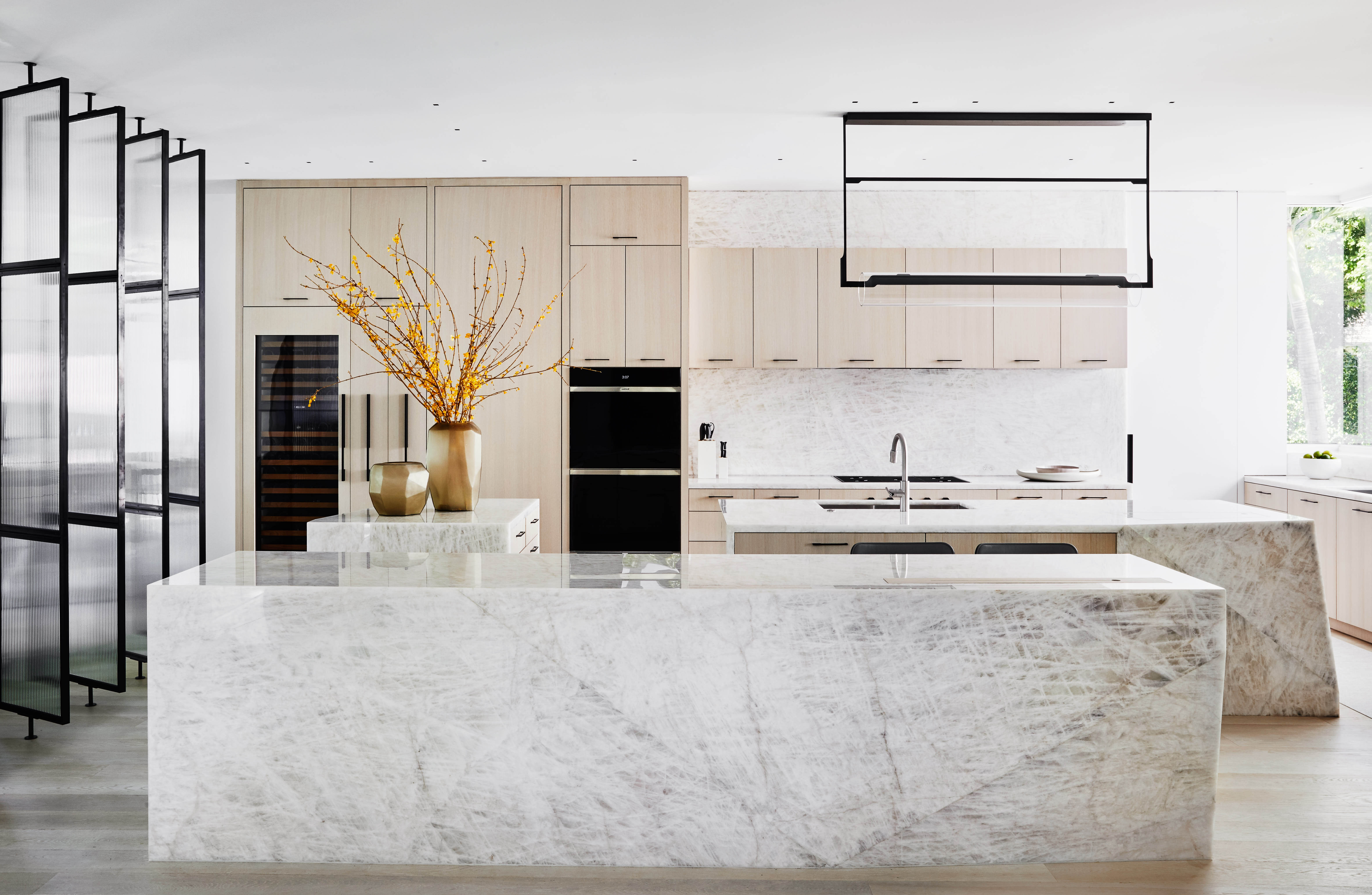
The article discusses the cabinet choice adored by Erin Napier, specifically cerused wood, and its ability to brighten kitchens. Originally, ceruse was a lead-based powder used in vintage makeup, which later became a method for lightening oak furniture in France. While the original lead-based ceruse was banned in cosmetics due to its toxicity, modern ceruse woodwork is safe and free of lead. This technique offers a beautiful alternative to painting natural wood cabinets, particularly appealing to those who appreciate the warmth of wood but desire a modern and bright kitchen aesthetic. Light wood furniture and home decor are experiencing a resurgence in popularity, making cerused cabinetry a timely choice.
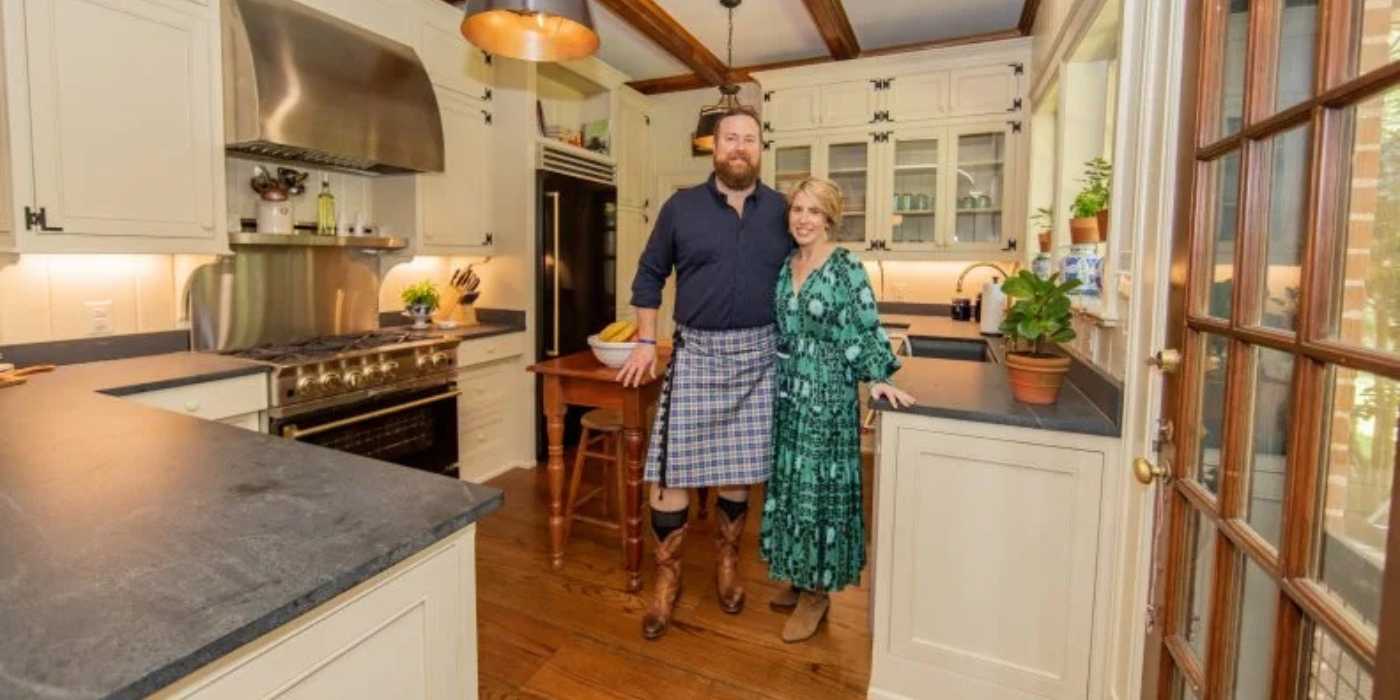
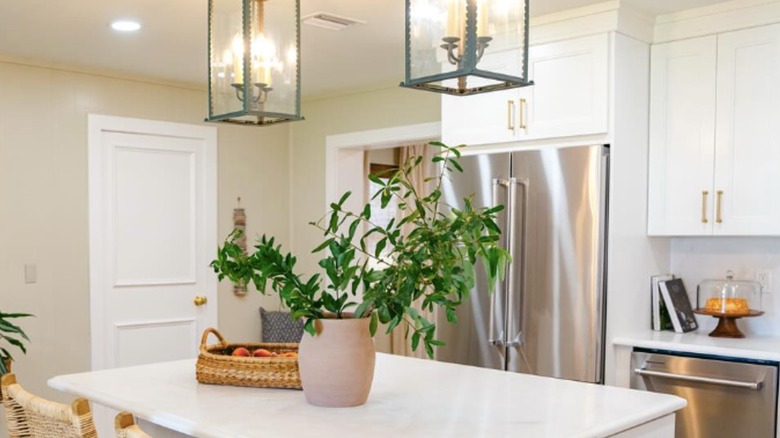
Erin Napier herself champions cerused finishes for their ability to update traditional spaces. She explains that in her 1920s Craftsman home, while cabinetry would typically be darker for the era, she opted for a ceruse finish to align with a contemporary interpretation of the 1920s. She highlights the subtle white touch visible in the wood grain, which contributes to the brightening effect. The article emphasizes that cerused cabinetry is versatile and can be adapted to various kitchen styles and eras, offering numerous variations to explore.
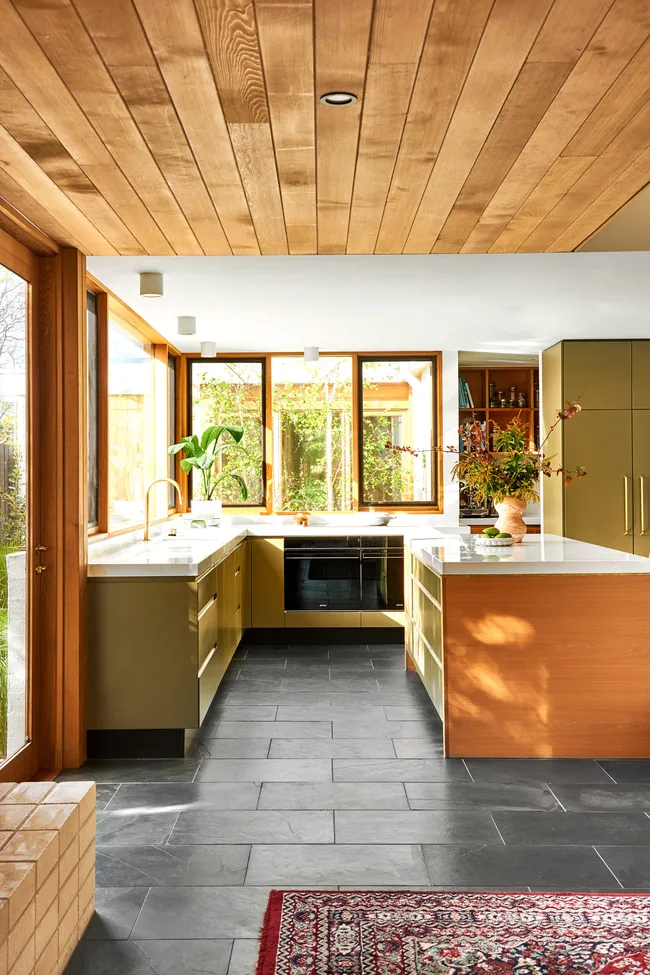
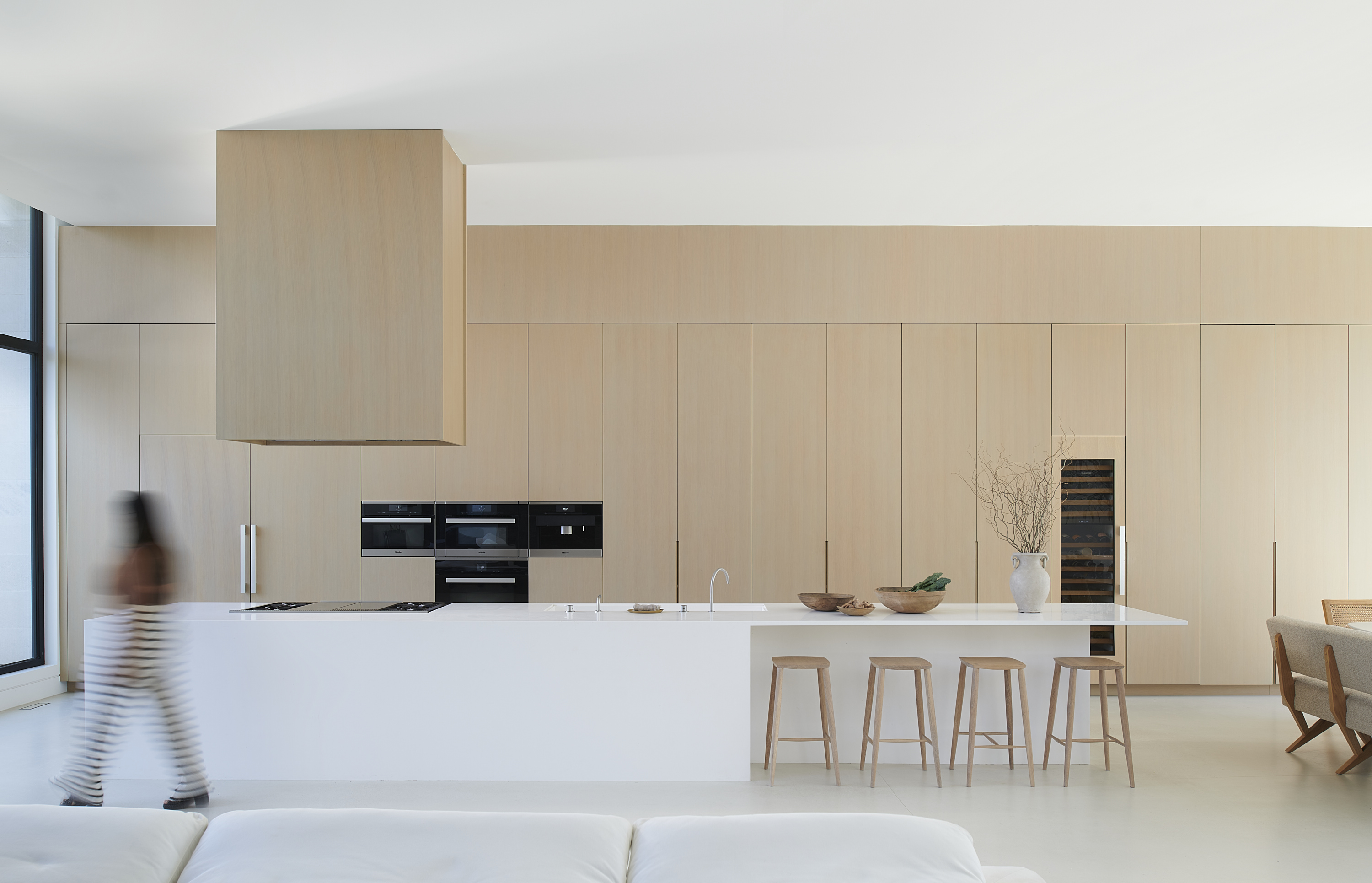
Incorporating ceruse into a kitchen is presented as a timeless and creative application, akin to using limewash paint for home transformation. Homes with extensive cabinetry, in particular, can benefit significantly from cerused wood. Napier notes that the "lime finish," or very light whitewashing, prevents her kitchen with solid wood cabinets extending to the ceiling from feeling heavy or oppressive. This is especially advantageous for homes lacking ample natural light, as cerused cabinets allow for an all-wood aesthetic without darkening the interior.
Furthermore, cerused wood can effectively update dated, orange-toned cabinets into a more neutral and textured look. While pre-cerused cabinetry is available for purchase, a DIY approach offers a more affordable option. The technique, similar to limewashing walls, can be applied to solid wood cabinetry. However, it is most effective on ring-porous woods such as red oak, white oak, ash, elm, and chestnut. The DIY process involves prepping the surface by stripping any existing paint or finish and then wire brushing the wood grain. After selecting a desired stain color to show through, a mineral-based paint diluted by at least 25% is applied. After approximately 10 minutes, a wire brush is used again to remove some of the paint, revealing the cerused effect.
#ErinNapier #KitchenDesign #CerusedWood #Cabinetry #HomeImprovement #InteriorDesignTrends #DIYHome #LightWood #Renovation #ErinNapier #KitchenDesign #CerusedWood #Cabinetry #HomeImprovement #InteriorDesignTrends #DIYHome #LightWood #Renovation
0 comment in total
 No comments yet
You may also like

Erin Napier Just Revealed the Next Biggest Kitchen Trend We’re All Going To Be Obsessed With

Skip the cookie-cutter cabinets and add pops of personality with these designer ideas

17 bright kitchen cabinet colour ideas to try in your home


HGTV's Erin Napier's Spin On Scandinavian Design Has Everyone's Attention
5 Kitchen Cabinet Details That Will Make Your Home Look More Expensive

These 5 features make kitchen cabinets look dated, designers warn us


HGTV's Erin Napier Reveals Two Perfect Neutral Paint Colors For Kitchen Cabinets
5 Upper Kitchen Cabinet Designs to Fuel Your Reno Dreams
Obsessed With Nancy Meyers's Kitchens? Same. Here's The Secret Sauce That Makes Them So Swoon-Worthy

It's Not Complicated—How to Get the Nancy Meyers Kitchen of Your Dreams

6 details interior designers are choosing for kitchen cabinetry to make cooking spaces look more expensive
9 Colors That Designers Say Will Make Your Kitchen Look Much More Expensive

HGTV's Erin Napier Is No Stranger To One Timeless Kitchen Cabinet Paint Combo
15 Cabinet Paint Colors That Look STUNNING in Any Kitchen

39 Kitchen Cabinet Design Ideas to Give Your Space an Ultimate Makeover

5 Ways to Make Your Kitchen Look Instantly More Expensive, According to Designers

10 kitchen cabinet color mistakes to avoid for a cool and contemporary result

Erin Napier’s Clever Design Trick That Works in EVERY Room

Emma Roberts’ Cozy Vintage Kitchen Shows Why Neutrals Like Beige Can Be Just as Warm, Inviting, and Stylish as Bold Colors

Erin Napier's Stunning Kitchen Backsplash Idea Will Make Your Space Stand Out