It's Not Complicated—How to Get the Nancy Meyers Kitchen of Your Dreams
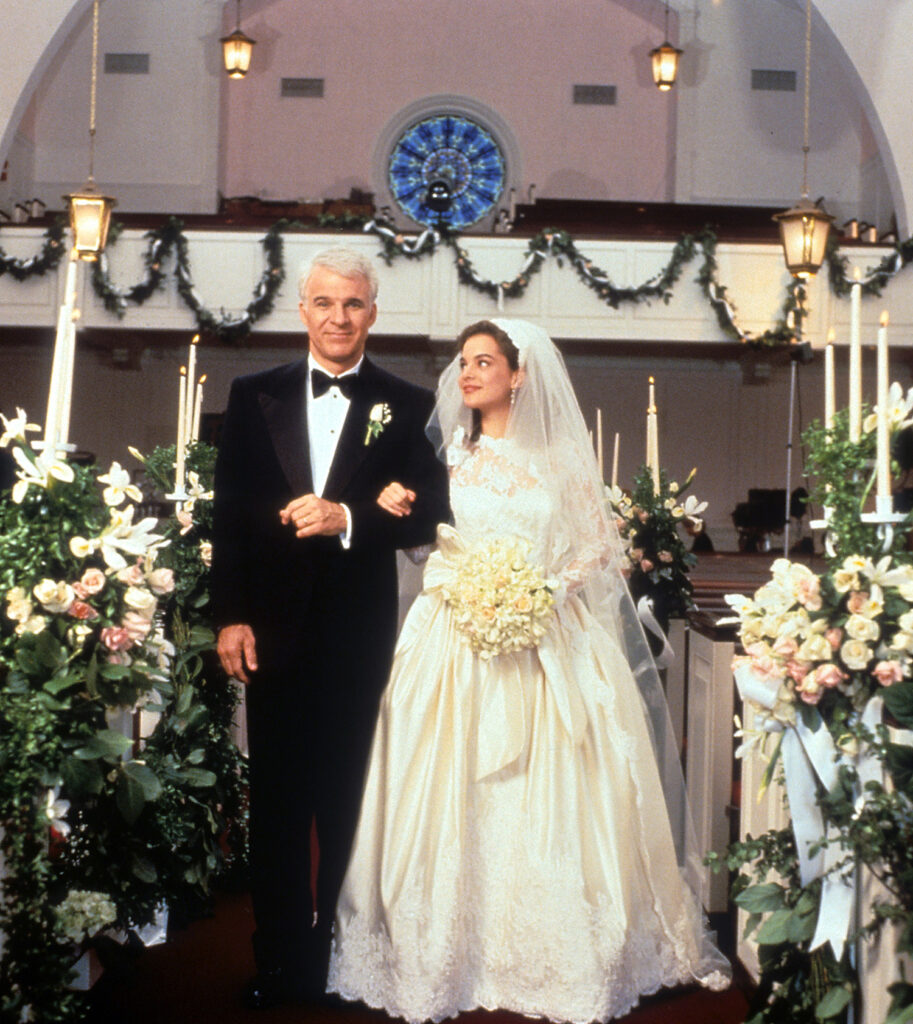
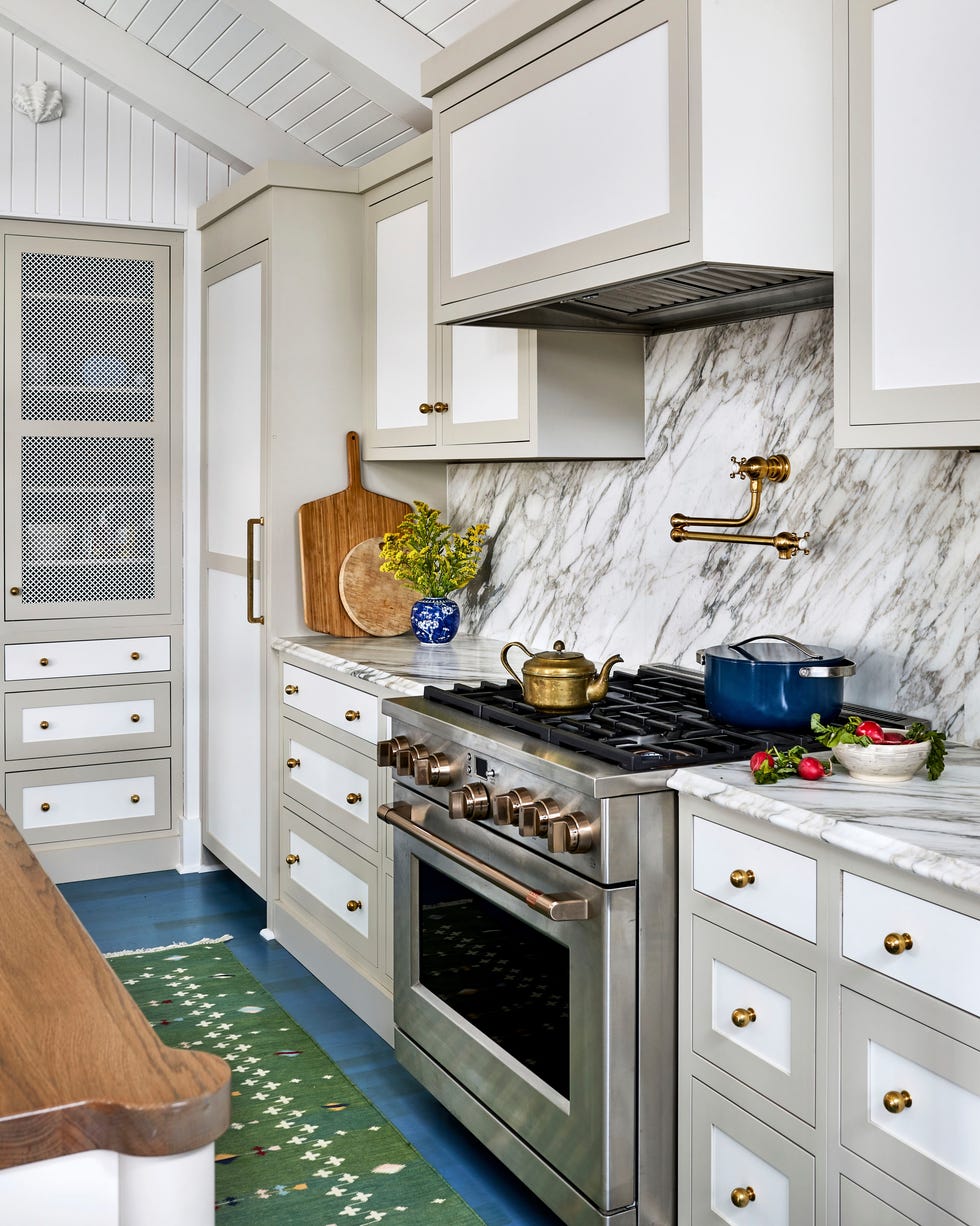
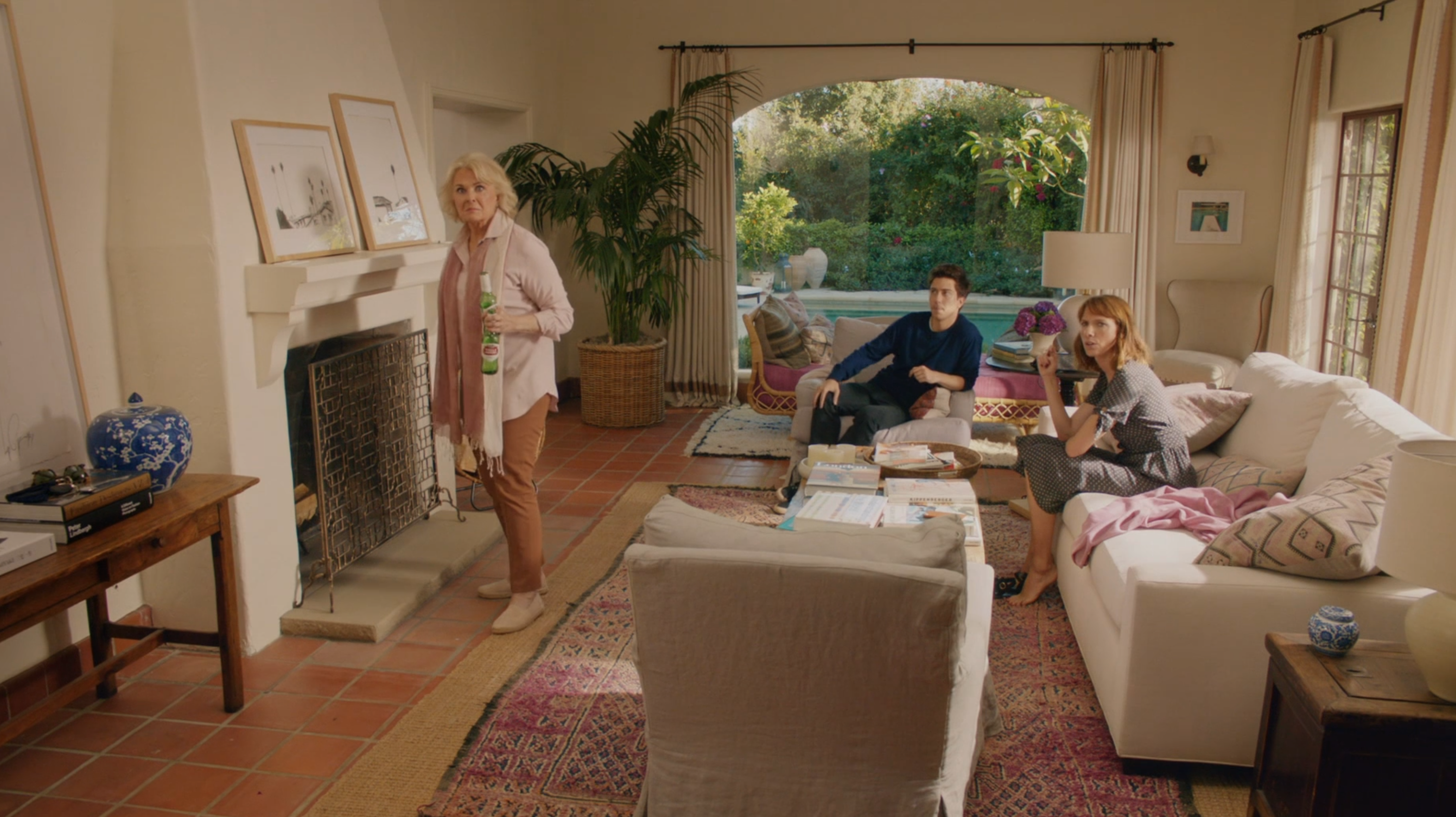
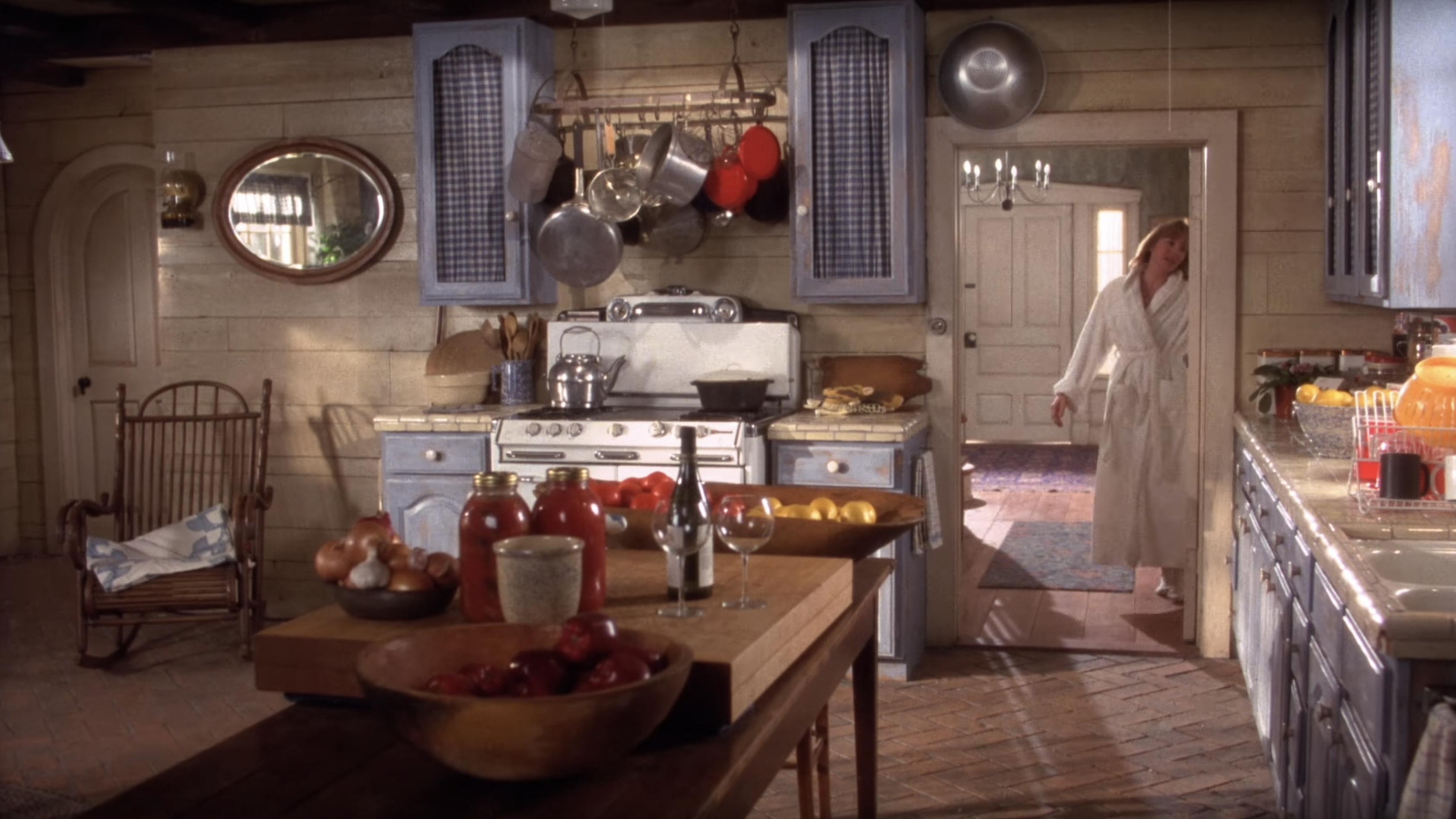
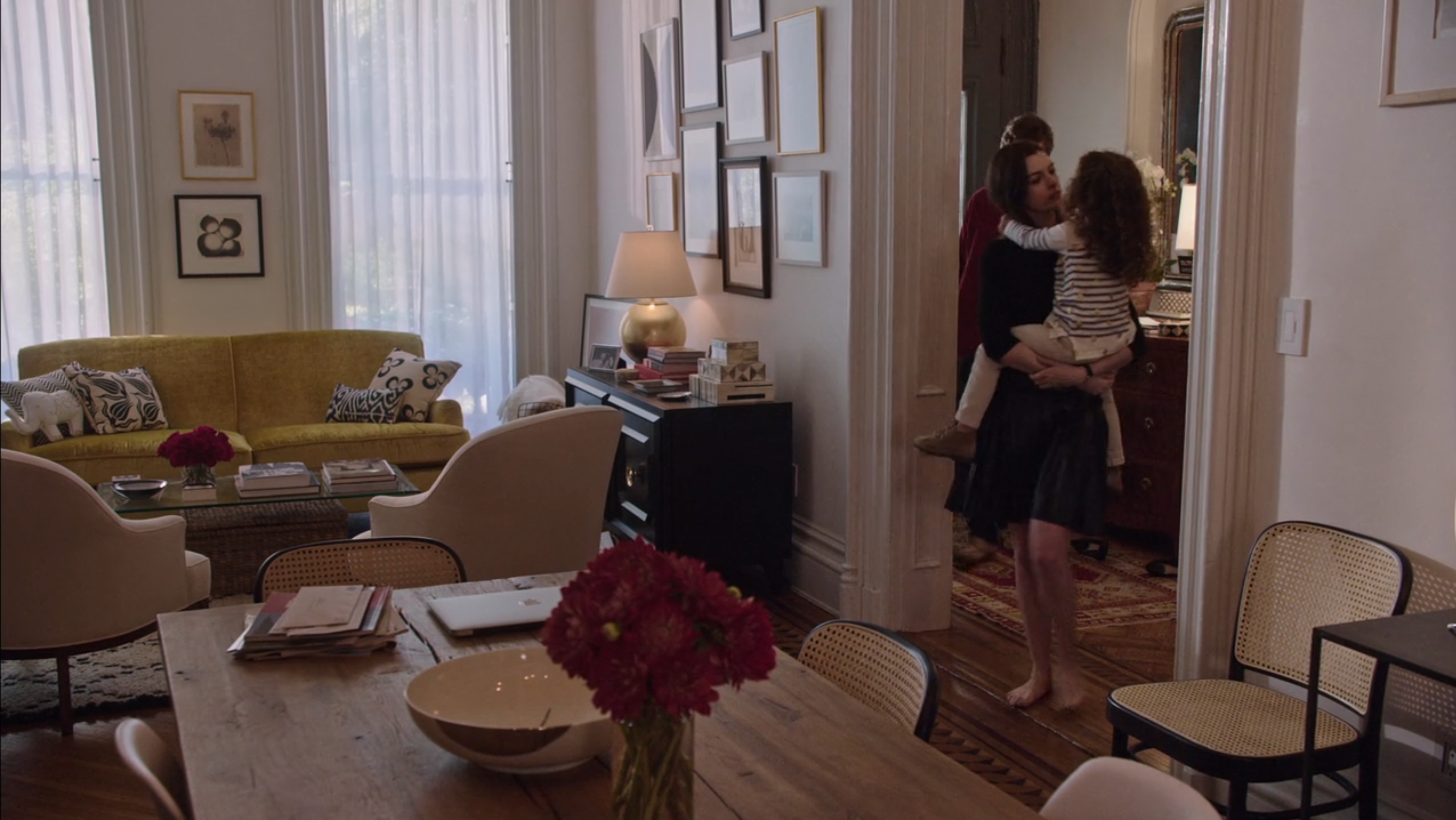
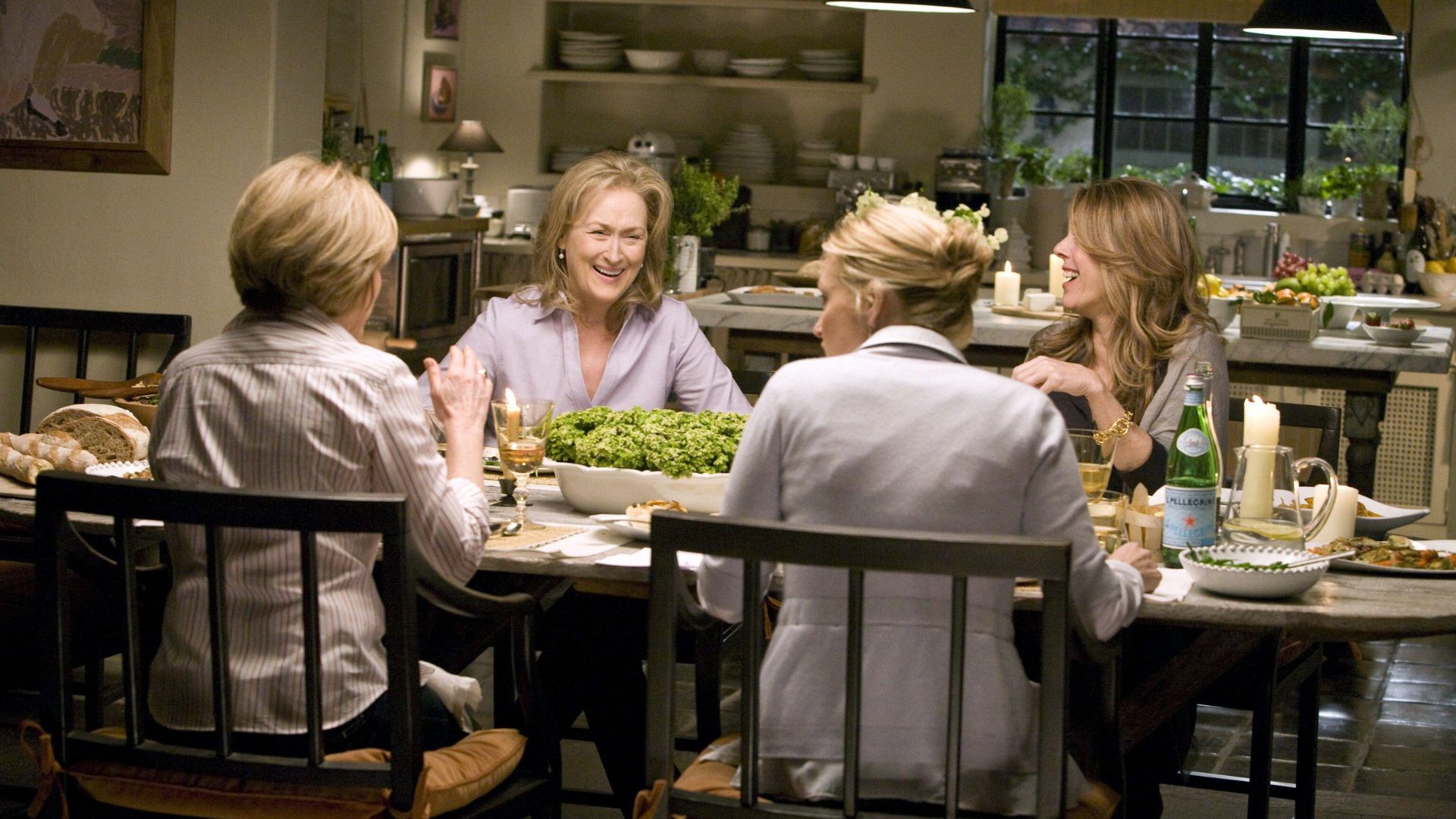
Nancy Meyers' films are renowned for their comforting aesthetic, particularly the kitchens, which consistently serve as the emotional core of the family home. An analysis of her movies, including 'It's Complicated,' 'Something’s Gotta Give,' 'Father of the Bride,' 'The Holiday,' 'The Intern,' and 'The Parent Trap,' reveals recurring design elements that define these iconic spaces. These kitchens are not merely backdrops but carefully curated environments that enhance the characters and narrative.
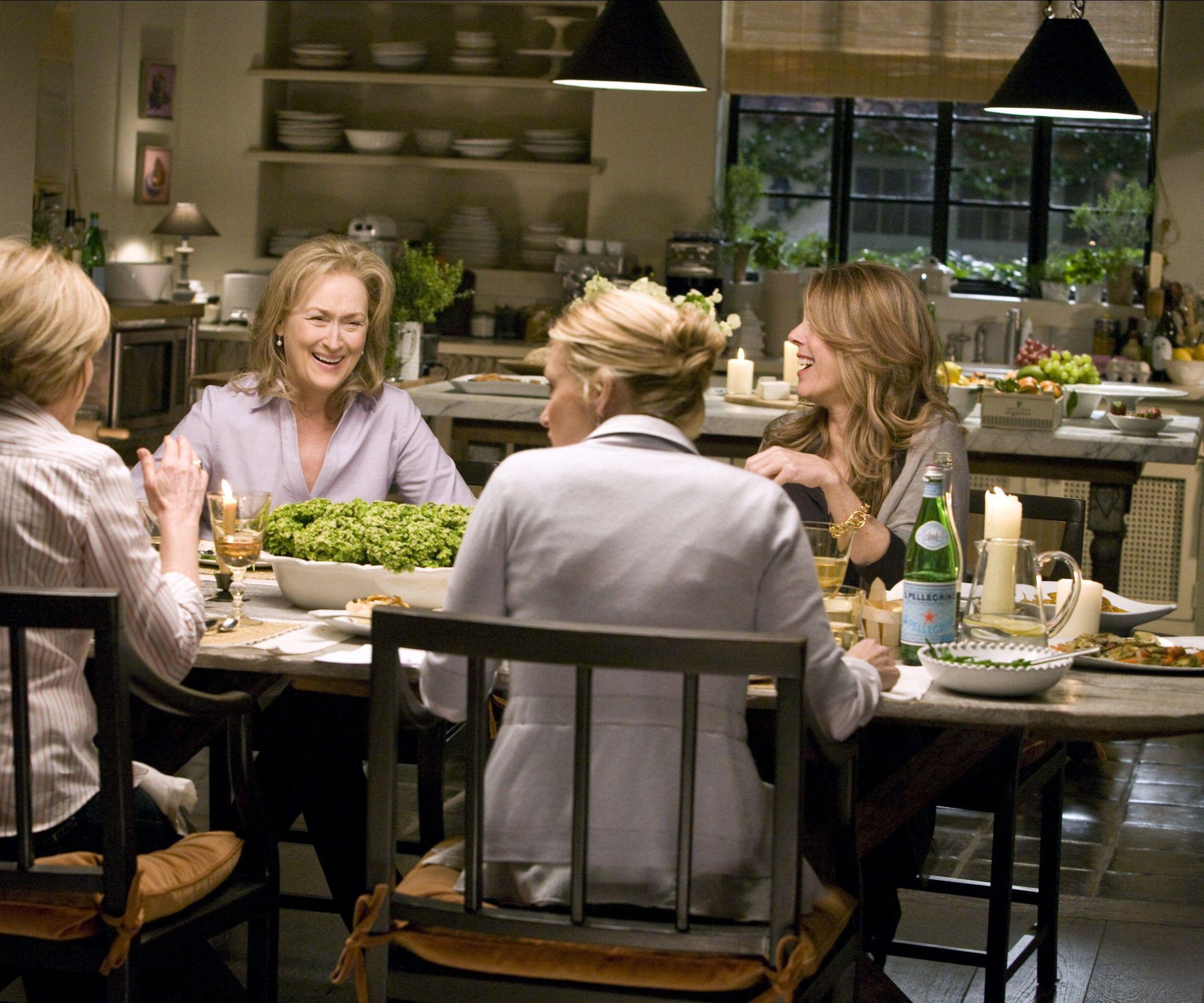
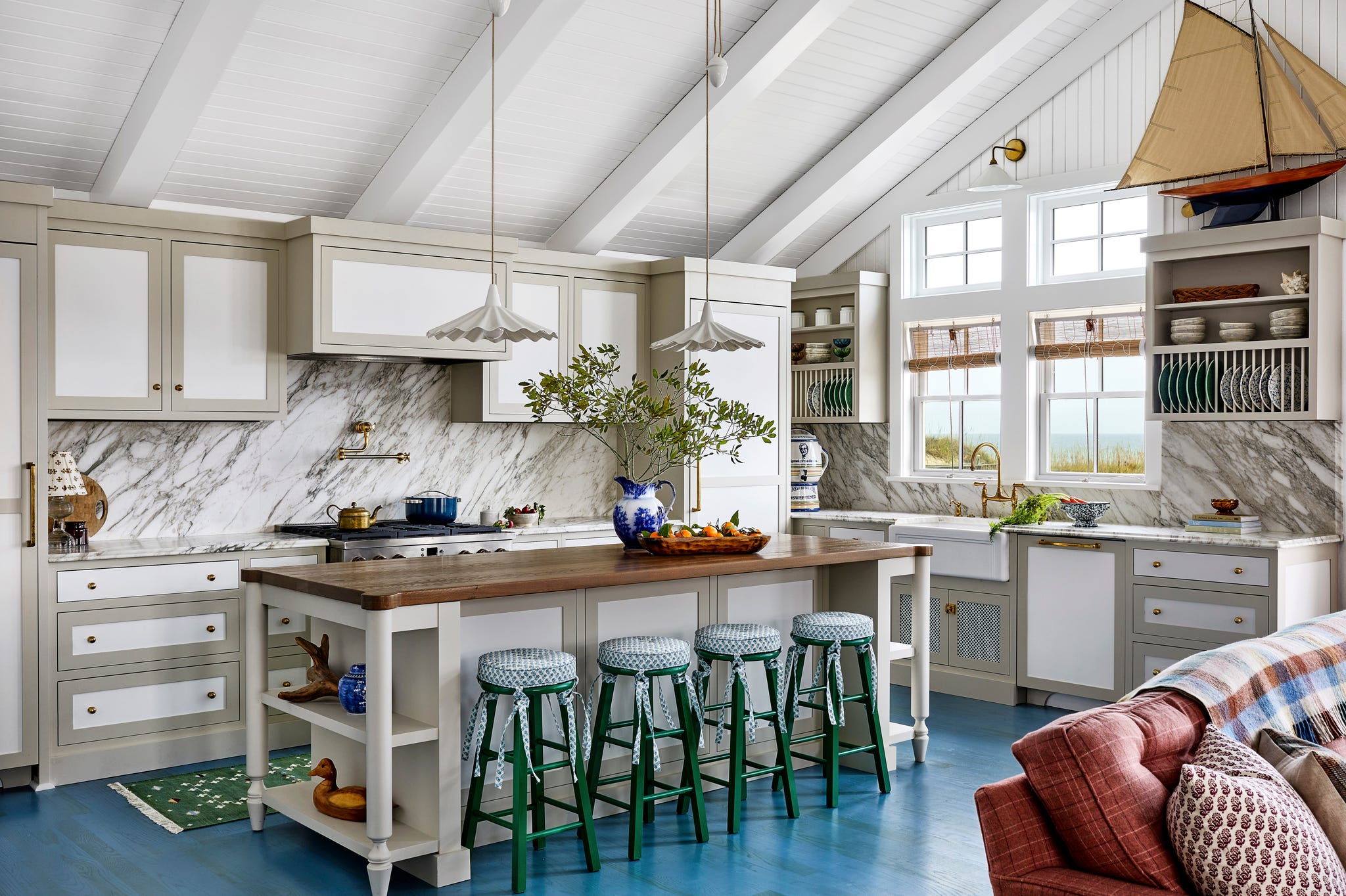
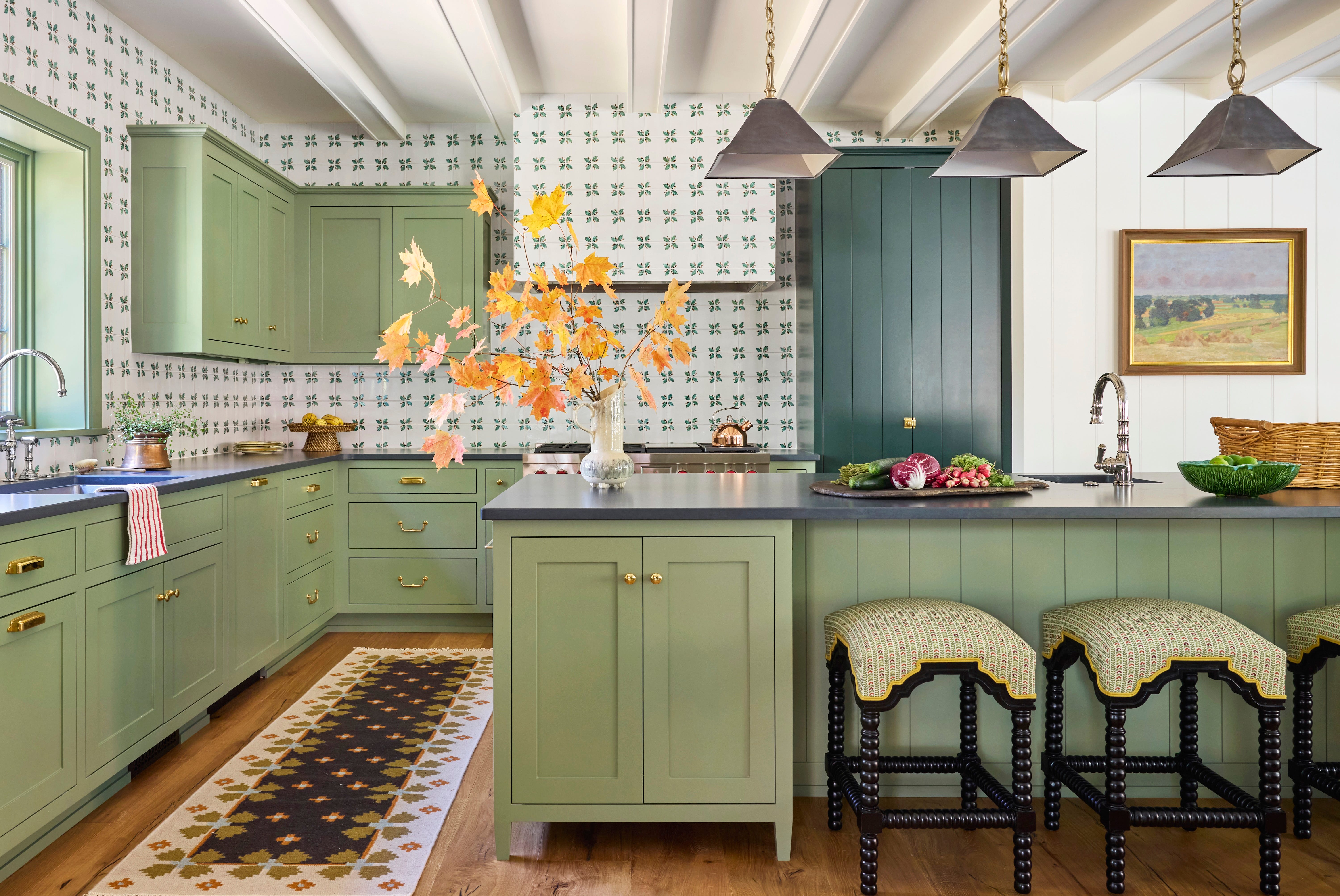
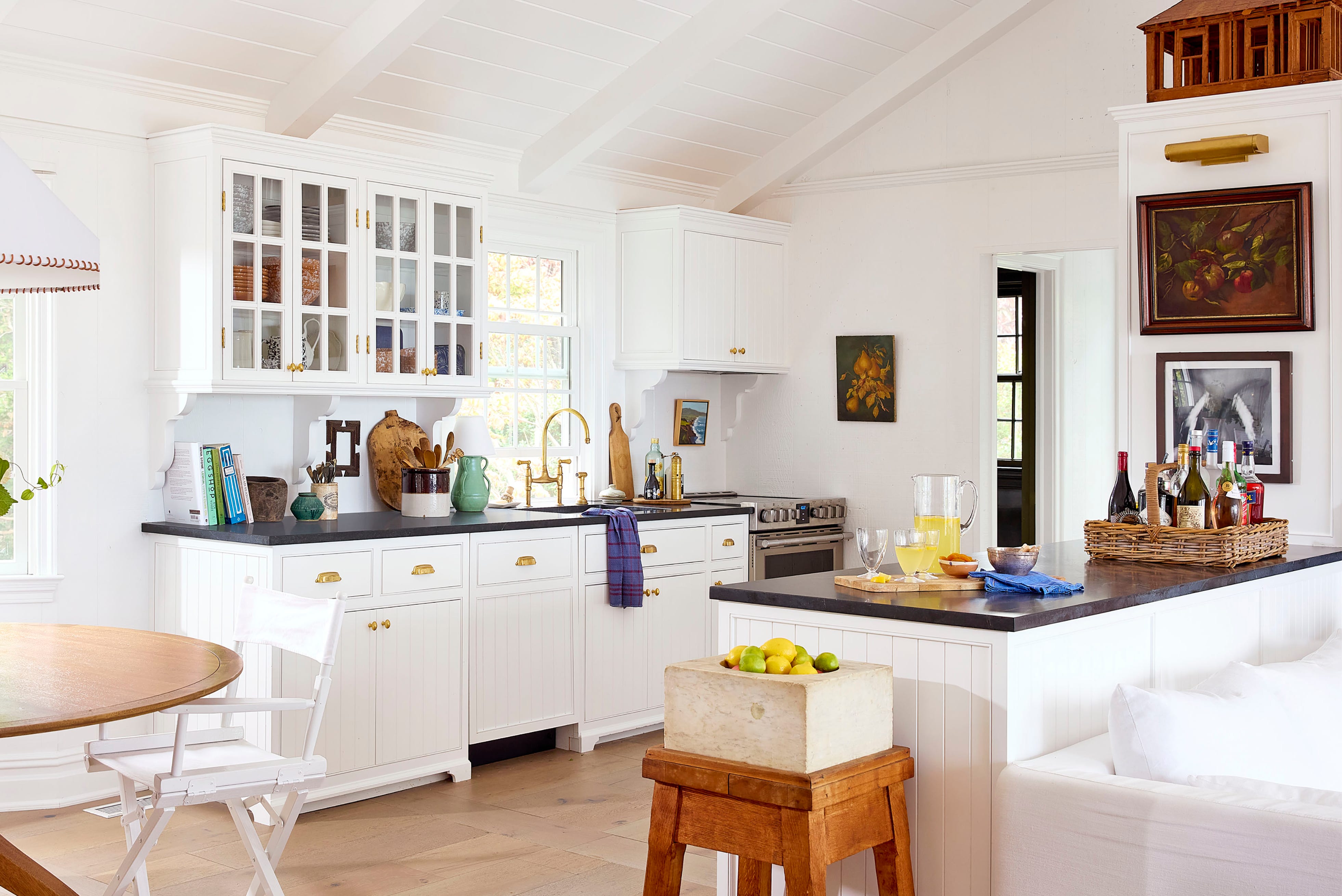
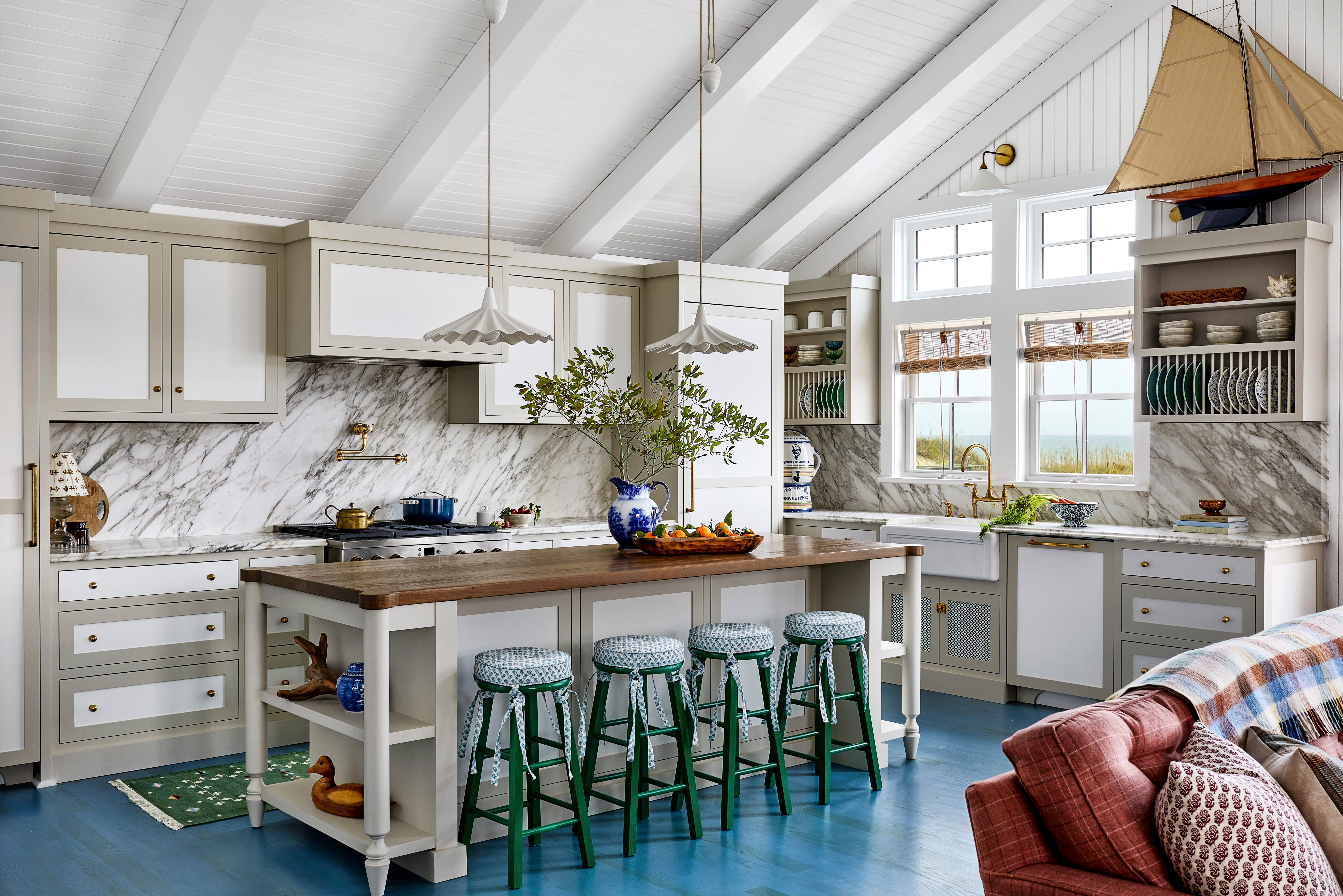
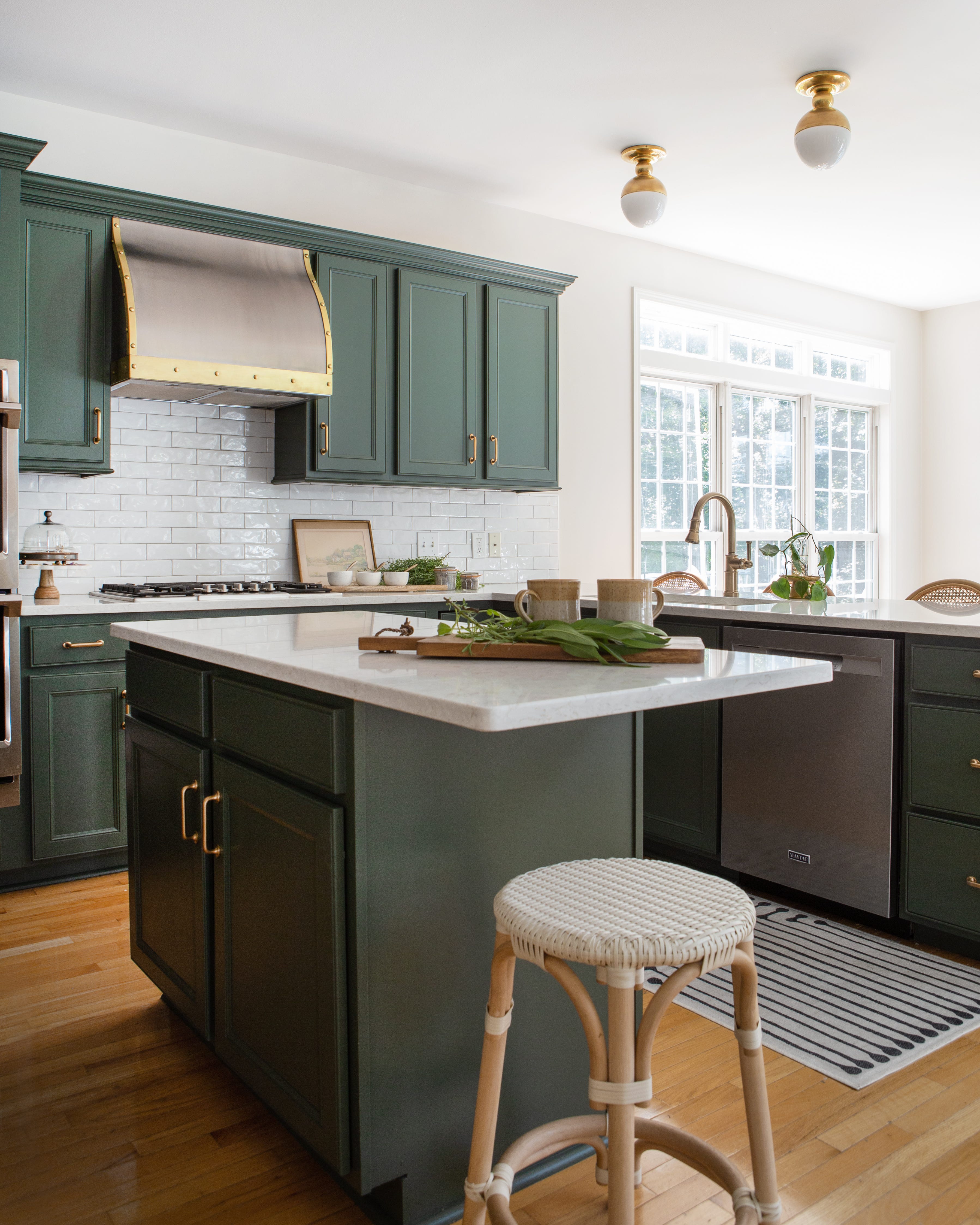
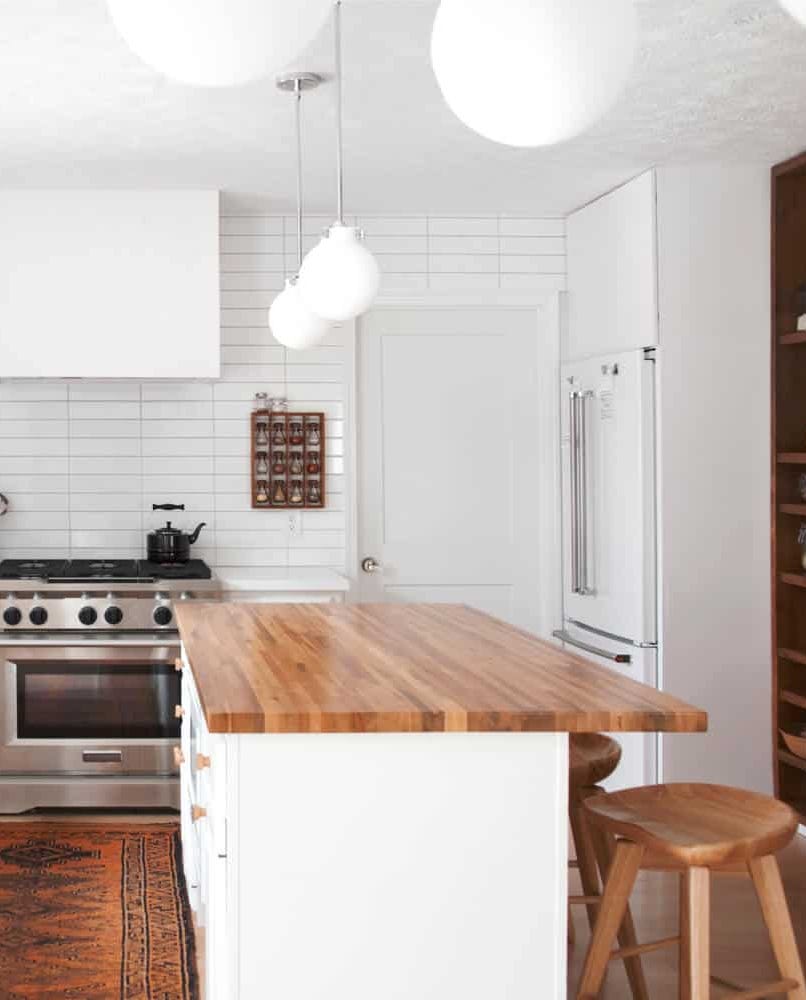
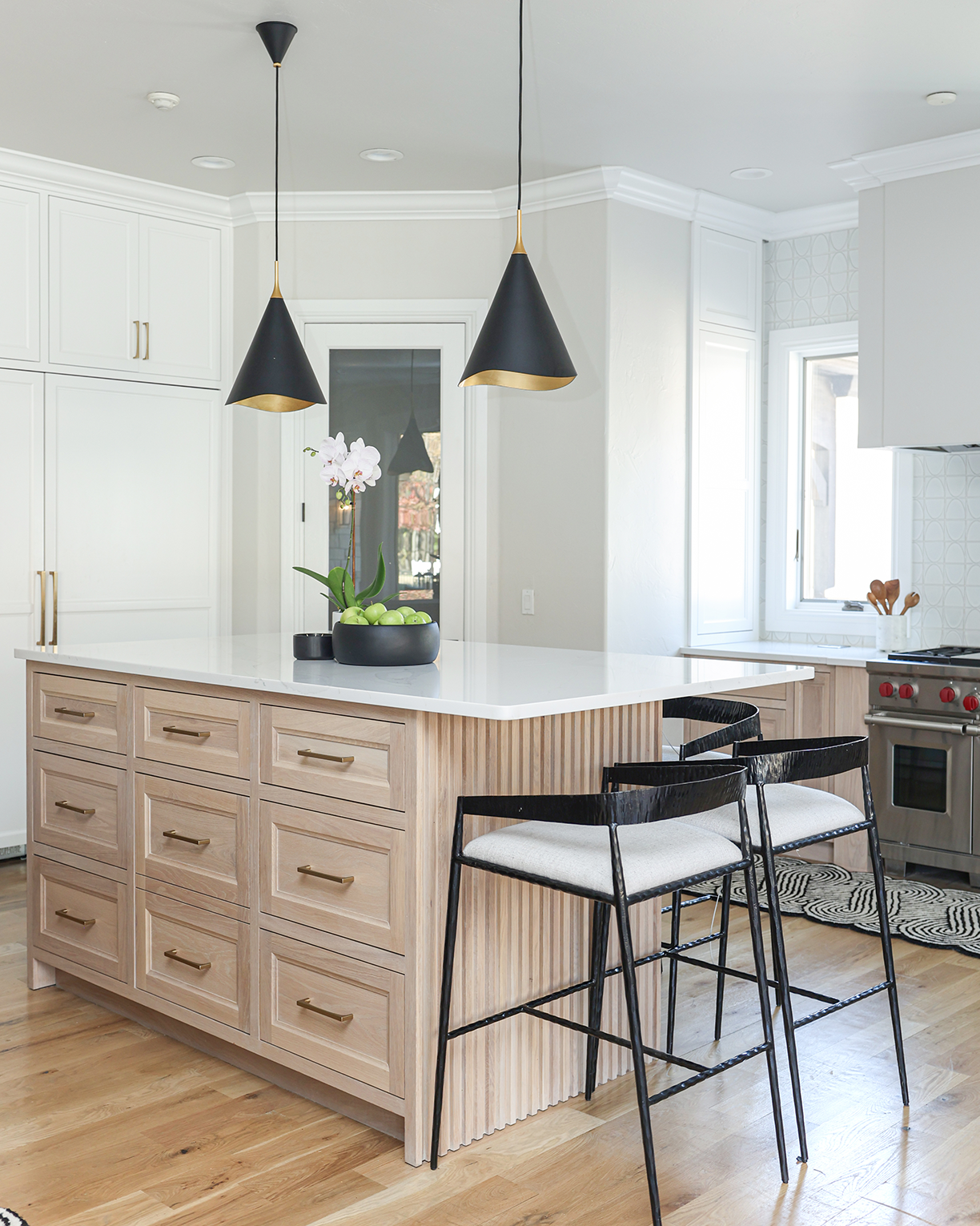
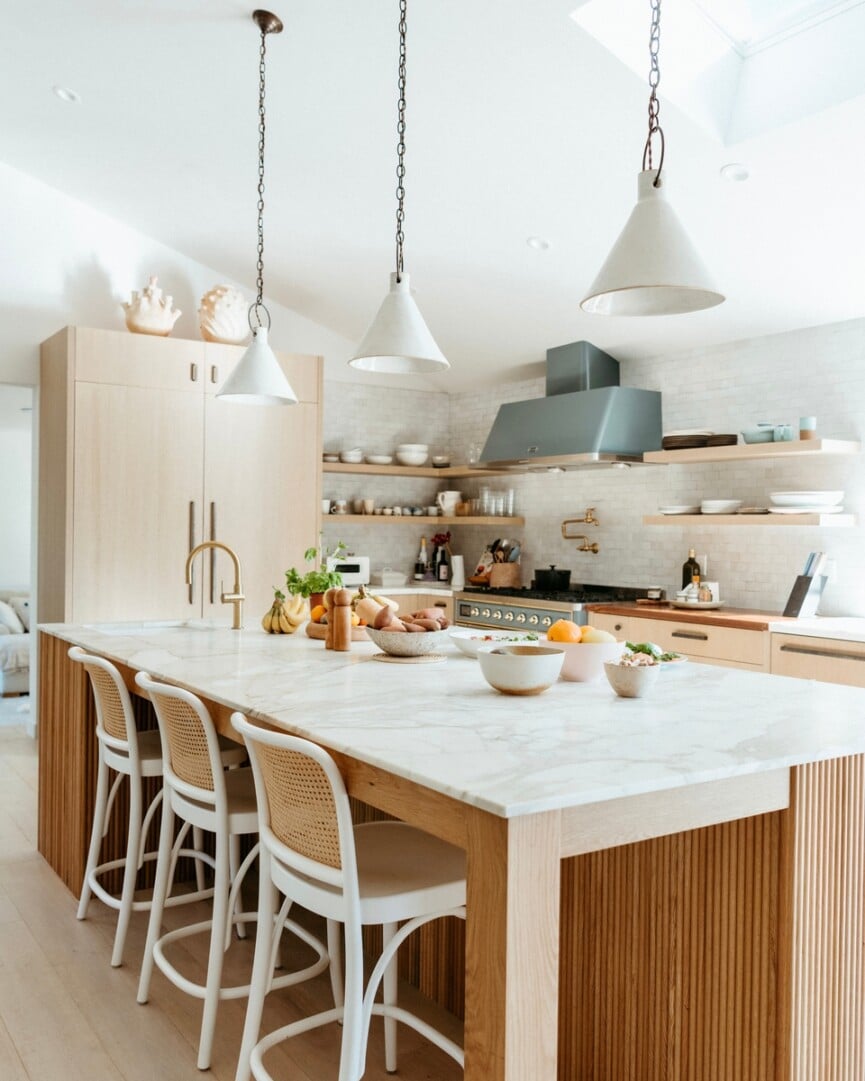
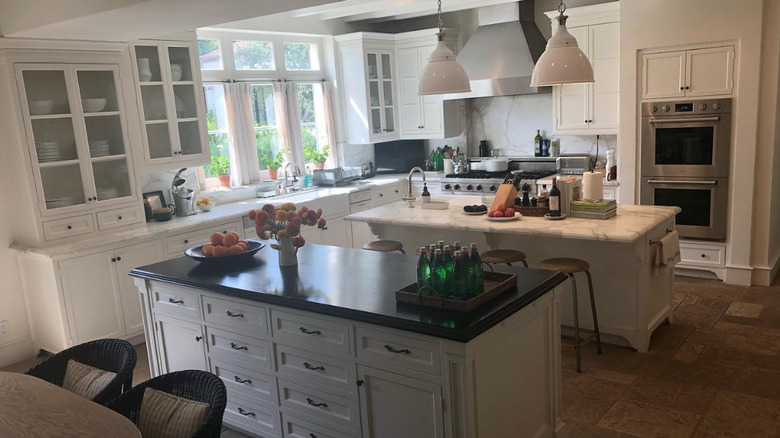
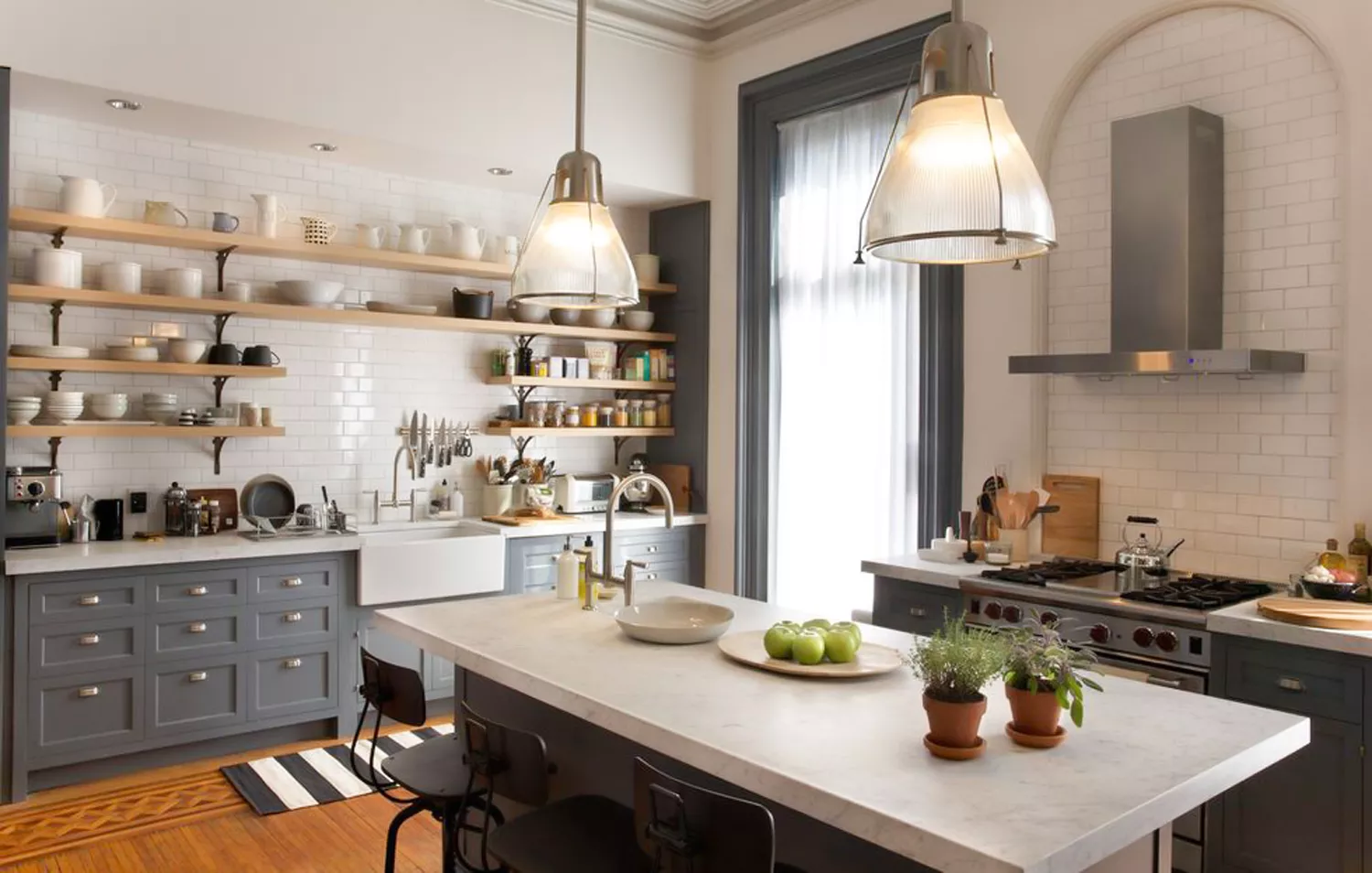
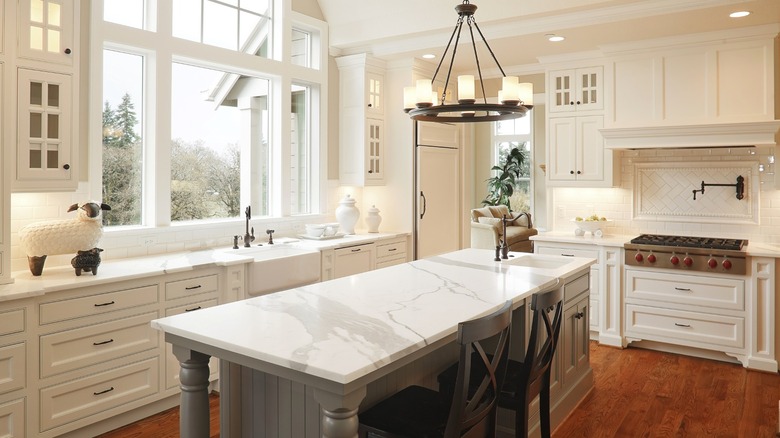
Central to every Nancy Meyers kitchen is a generously sized island, often depicted as a gathering point for family interactions, even if these interactions are brief and chaotic. Unlike typical household islands cluttered with everyday items, Meyers' islands are presented as pristine, functional worktops, yet they also facilitate intimate moments like sharing wine and discussing personal dilemmas. The emphasis is on an aspirational, yet relatable, vision of family life.
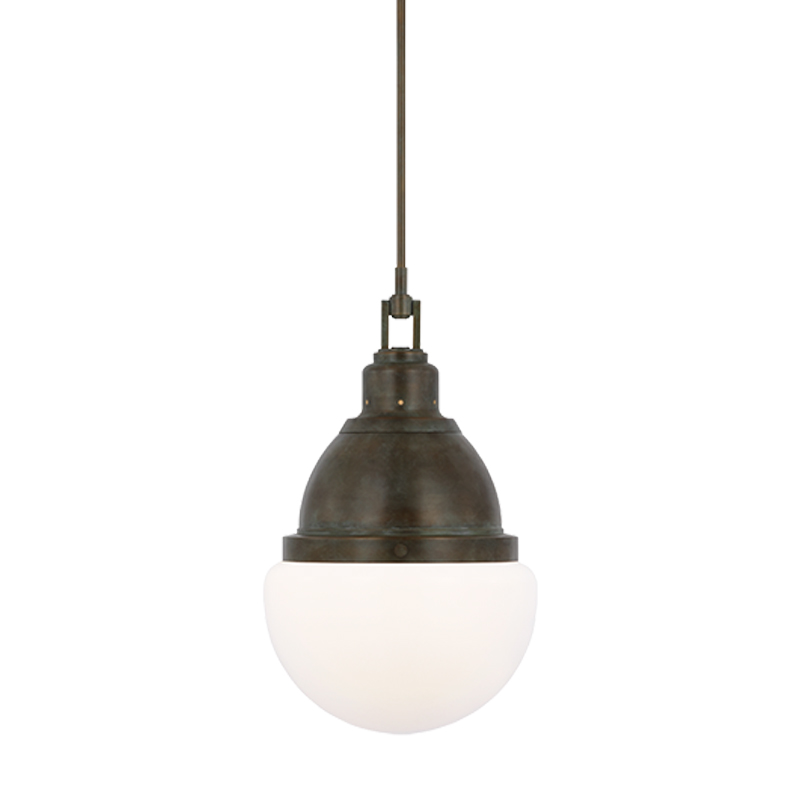
Pendant lights are another signature feature, serving as primary sources of ambient lighting and artistic focal points. These lights are selected for their aesthetic appeal, making them significant design elements rather than mere utilitarian fixtures. While recessed lighting and large windows are present, the pendant lights stand out, contributing to the kitchen's overall character and warmth.
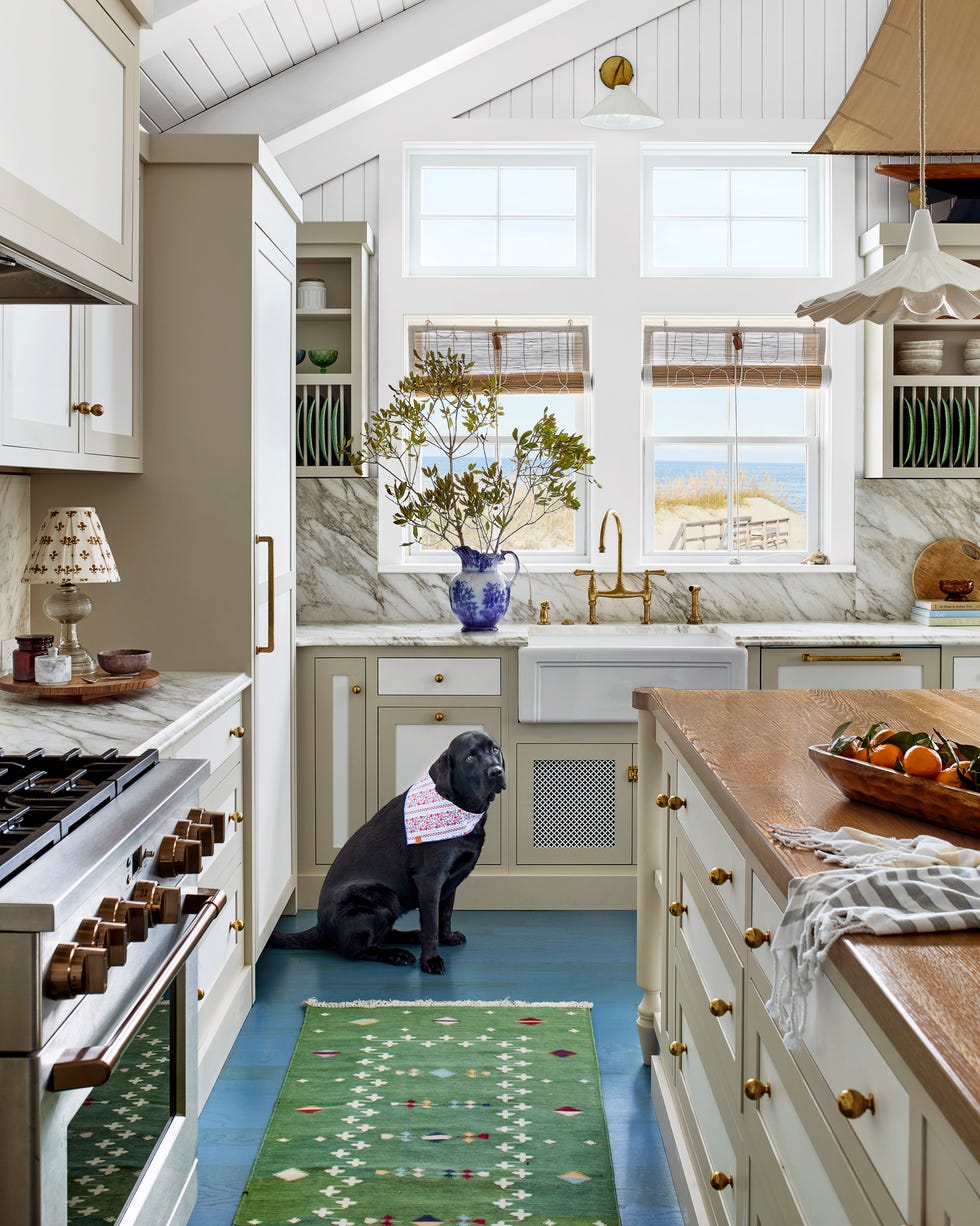
The farmhouse sink is a ubiquitous element, despite its practical downsides. Meyers' portrayal romanticizes the farmhouse sink, showcasing it as an ideal spot for mundane tasks like washing dishes or arranging flowers, thereby elevating its perceived charm and functionality within the domestic sphere.
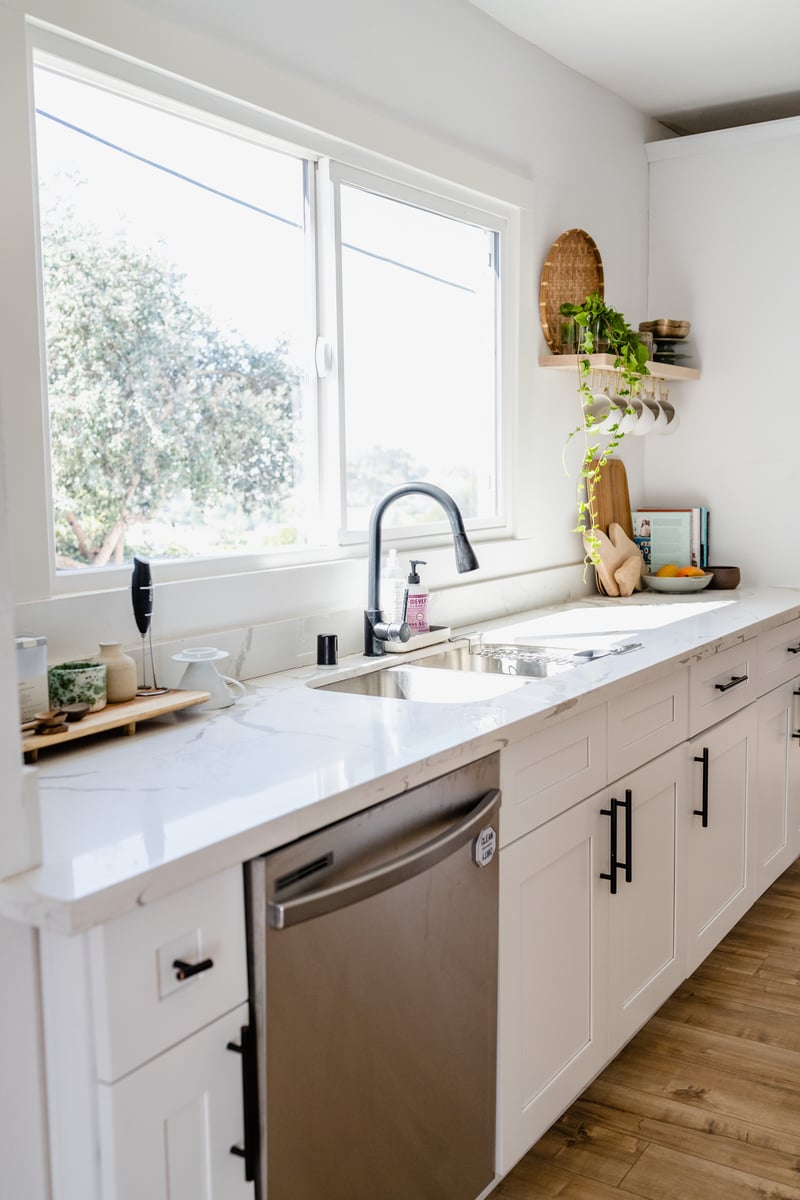
Lush, living accents are essential, with potted plants, windowsill herb gardens, and fresh flowers consistently appearing. These botanical elements provide a sense of life, freshness, and comfort, making the spaces feel lived-in and welcoming without appearing overly manicured.
Open shelving and glass-front cabinets are also prominent, meticulously styled with neutral-toned, slightly mismatched plates and glassware. This design choice emphasizes order and organization, showcasing a curated collection rather than a chaotic display, and highlighting the visual appeal of everyday items.
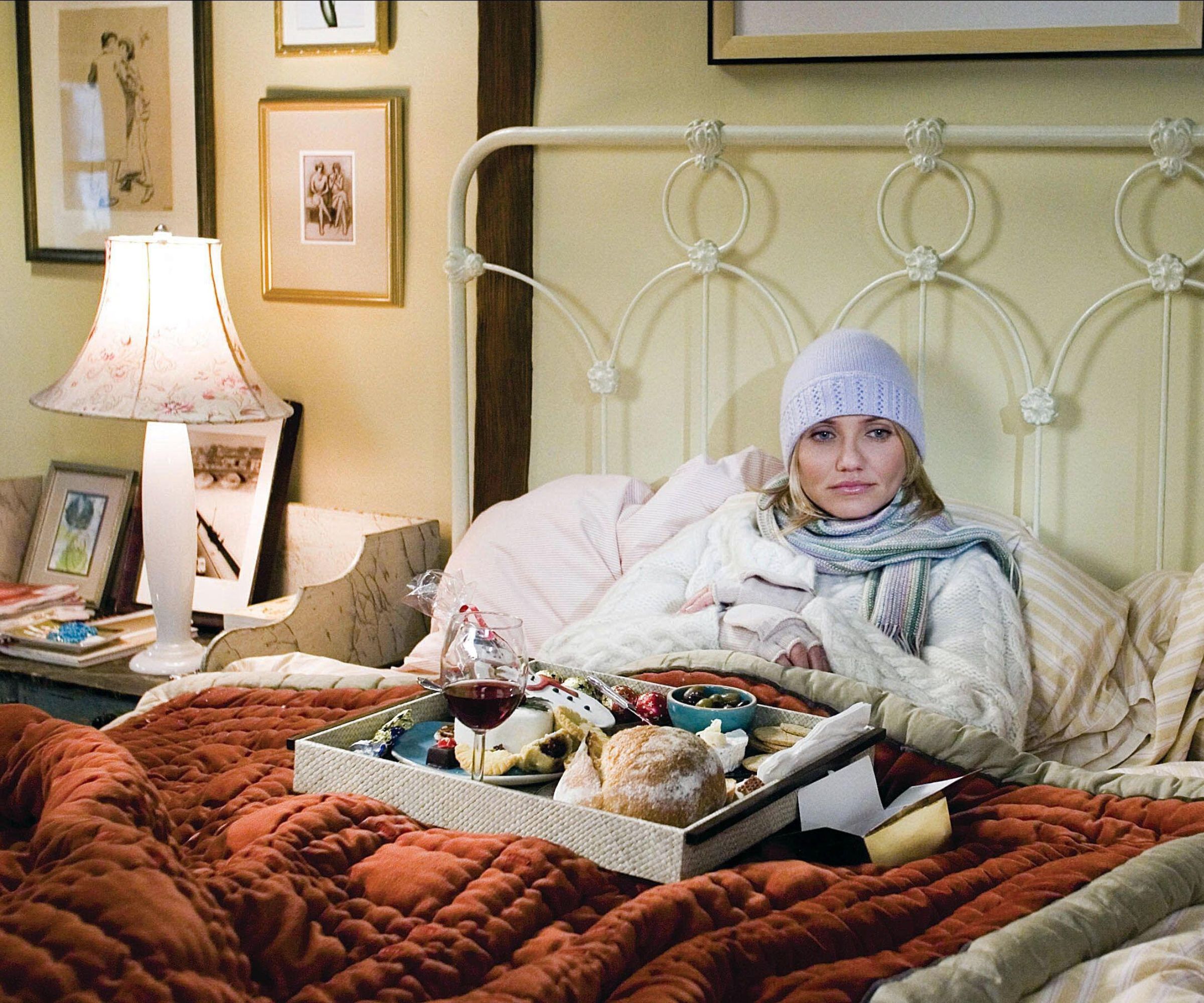
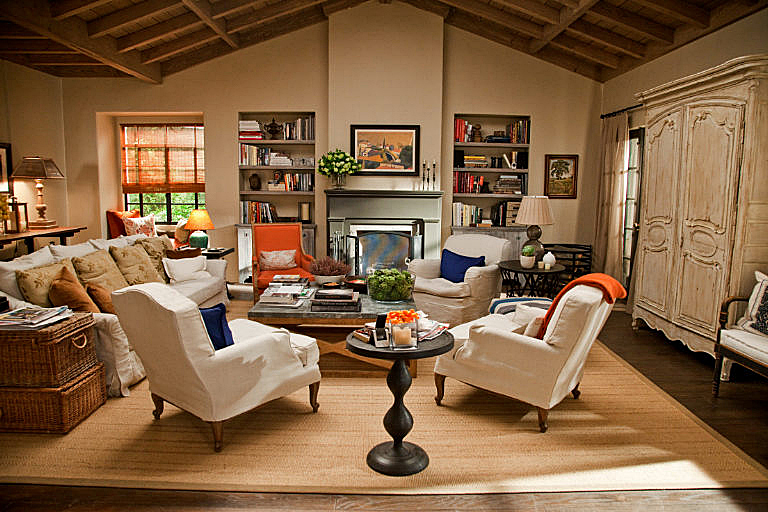
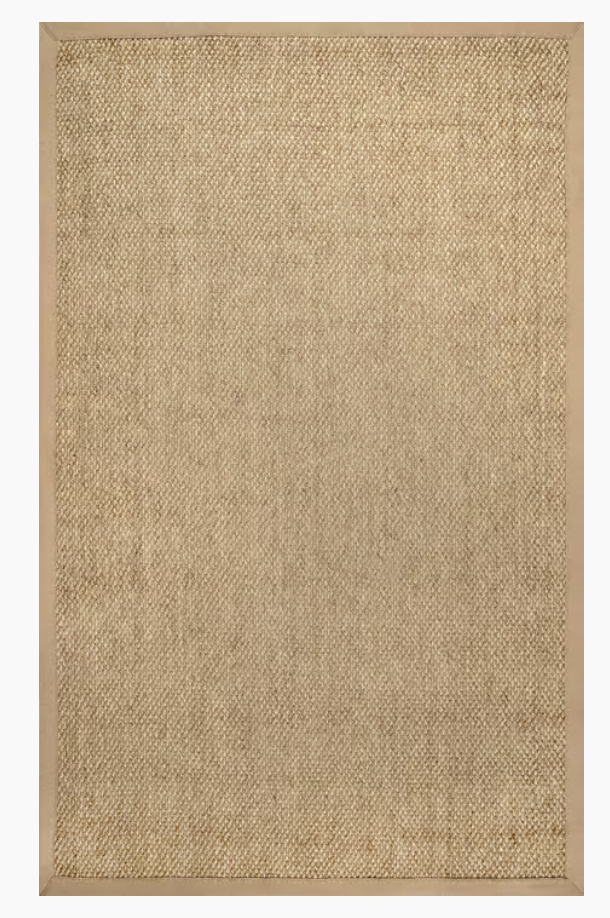
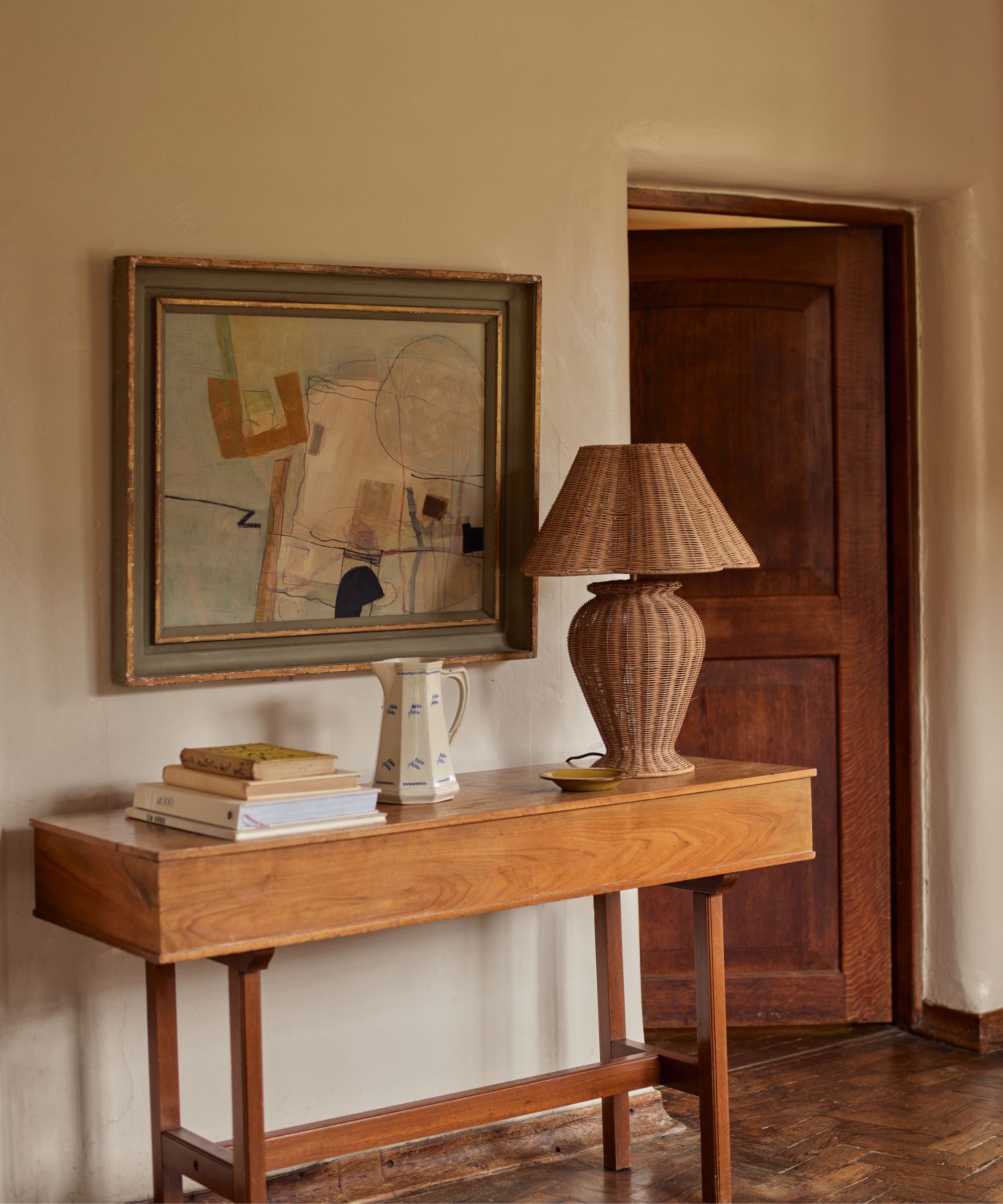
A softer side is incorporated through textiles and decor, such as area rugs, thoughtful table linens, and vintage plates with scalloped edges. These elements prevent the kitchen from feeling cold or purely utilitarian, instead infusing it with warmth and a sense of history, suggesting that love and care are central to the home.
Finally, the color palette consistently features warm neutrals, crisp whites, and cozy beiges, often resembling Diane Keaton's wardrobe in interior design form. Occasionally, earth tones like rusty oranges or calming navies are introduced, but the overall aim is to create a subtle backdrop that allows the characters and their personalities to shine. These kitchens are designed to be inviting, aspirational, and deeply connected to the emotional narratives of Meyers' films.
#NancyMeyers #KitchenDesign #FilmSetDesign #HomeDecor #InteriorDesign #FarmhouseSink #PendantLights #OpenShelving #NeutralPalette #NancyMeyers #KitchenDesign #FilmSetDesign #HomeDecor #InteriorDesign #FarmhouseSink #PendantLights #OpenShelving #NeutralPalette
0 comment in total
 No comments yet
You may also like
Turns Out, There’s a Secret Formula to Creating a Nancy Meyers-Inspired Home

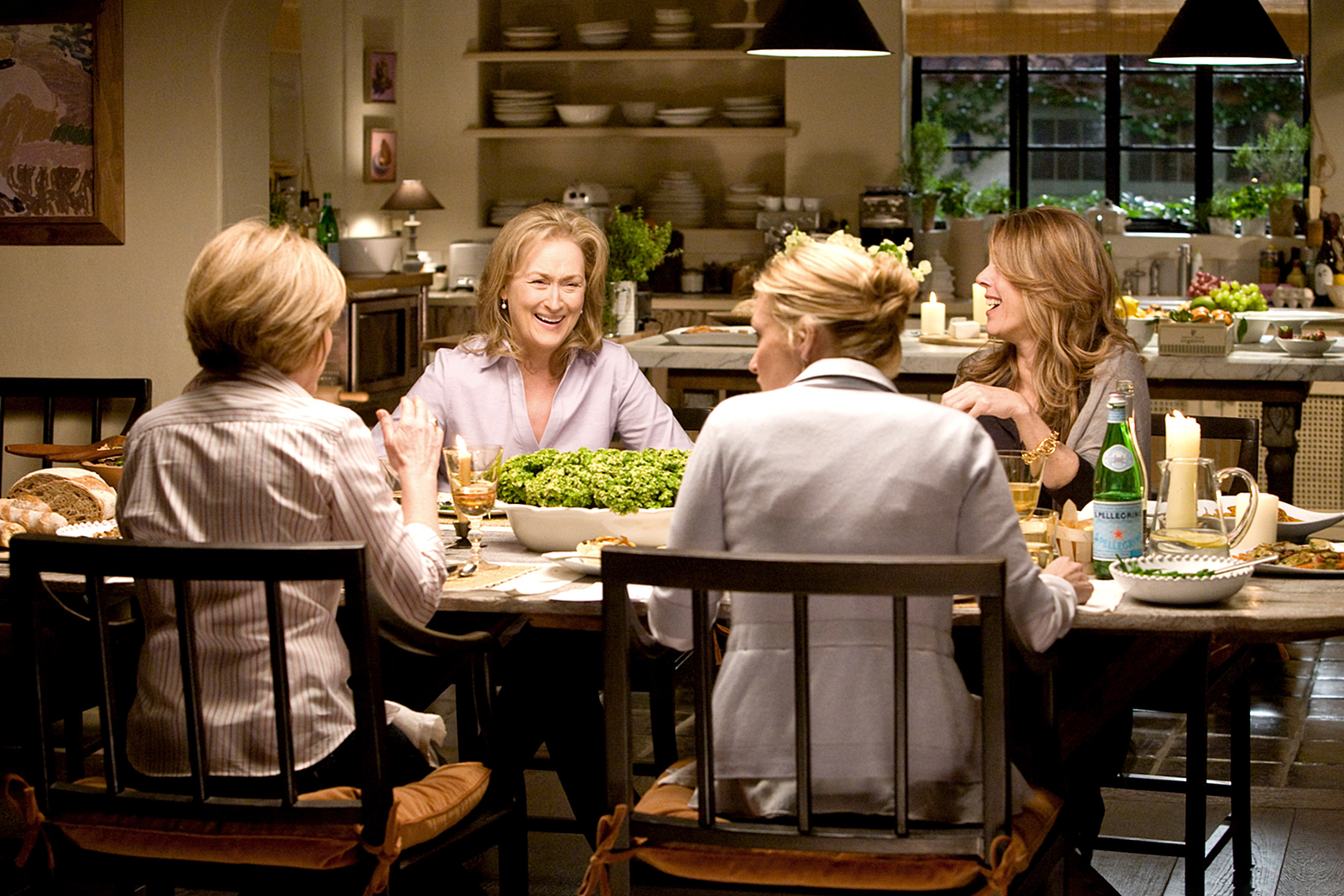
8 Steps to Make Your Living Room Look Like a Nancy Meyers Movie

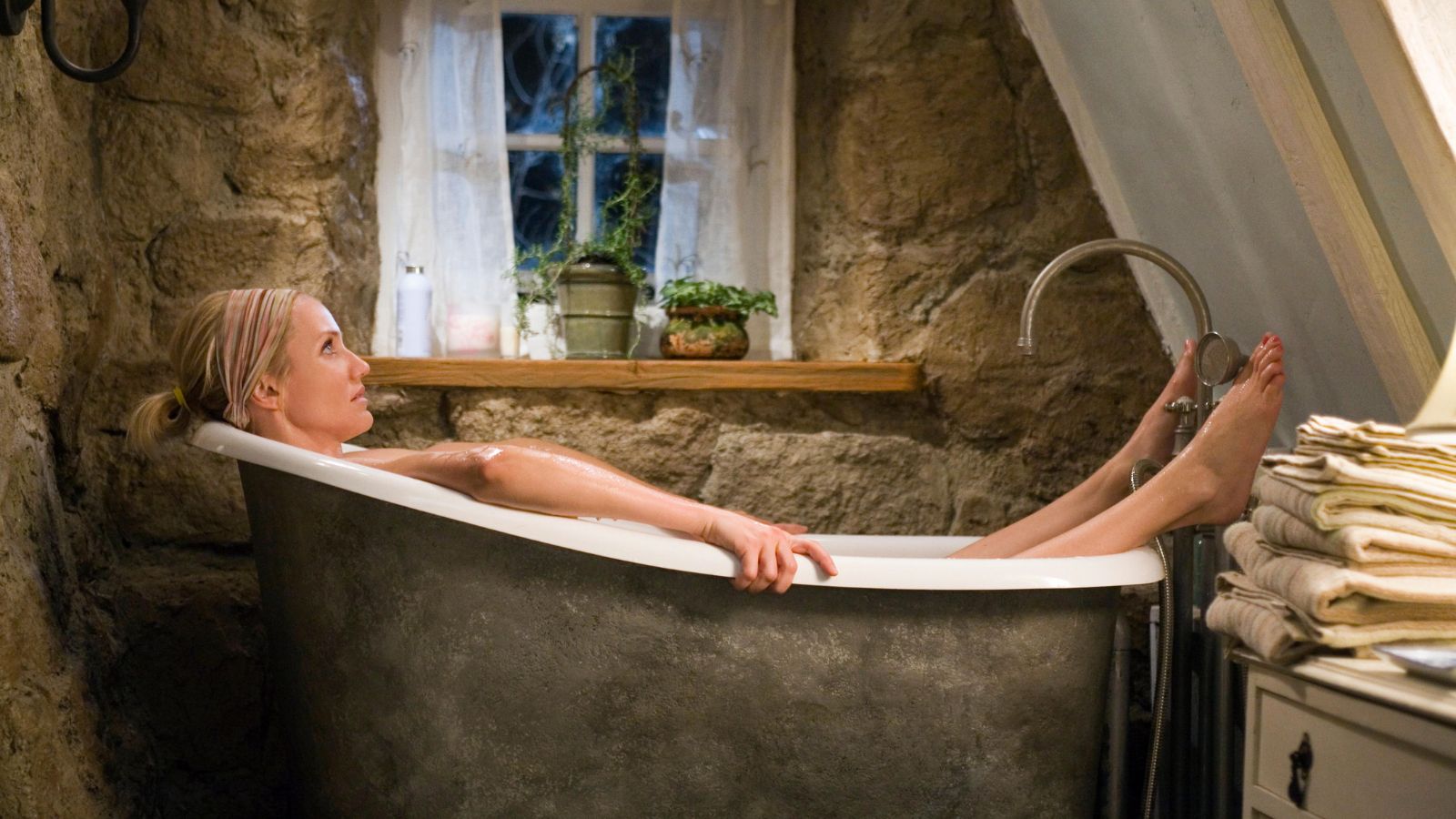
5 tips to help you create a Nancy Meyers bathroom

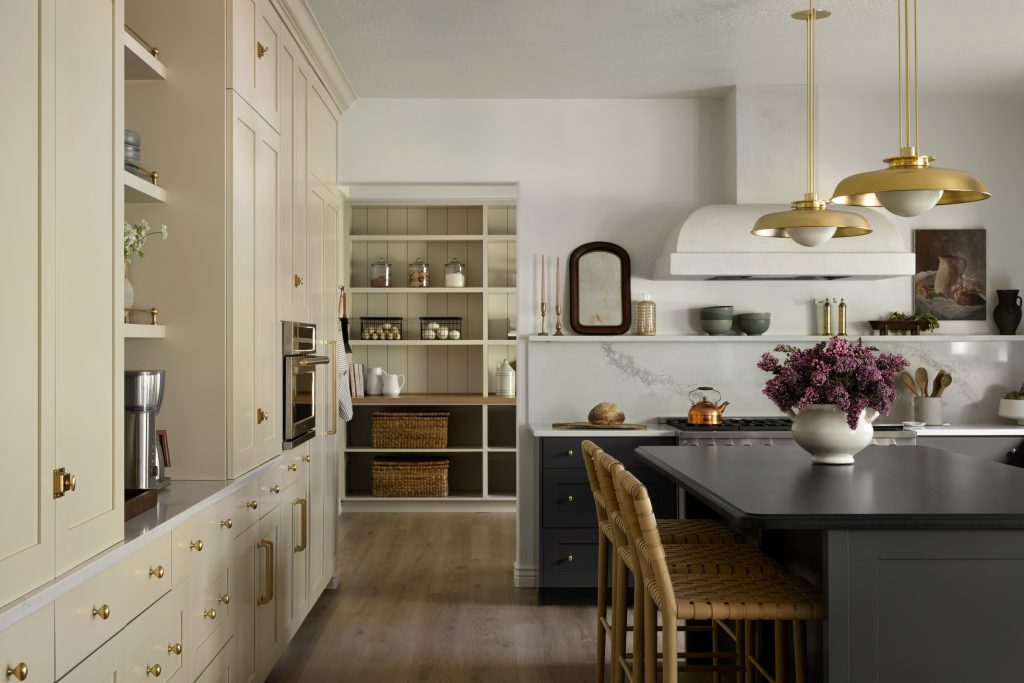
Netflix Deep Dive | The Cottonwood Kitchen Remodel
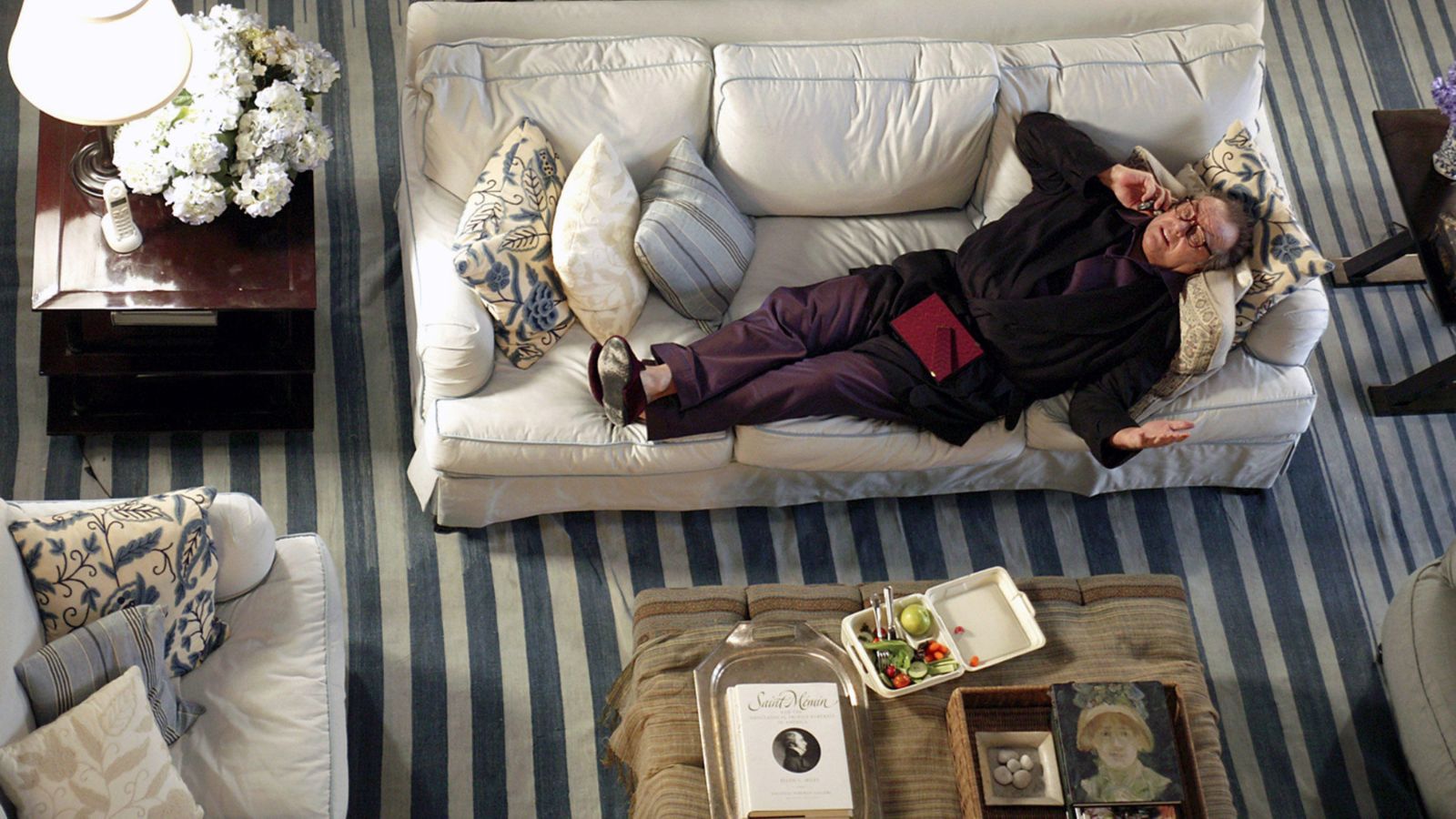
How to get the Nancy Meyers aesthetic in your home
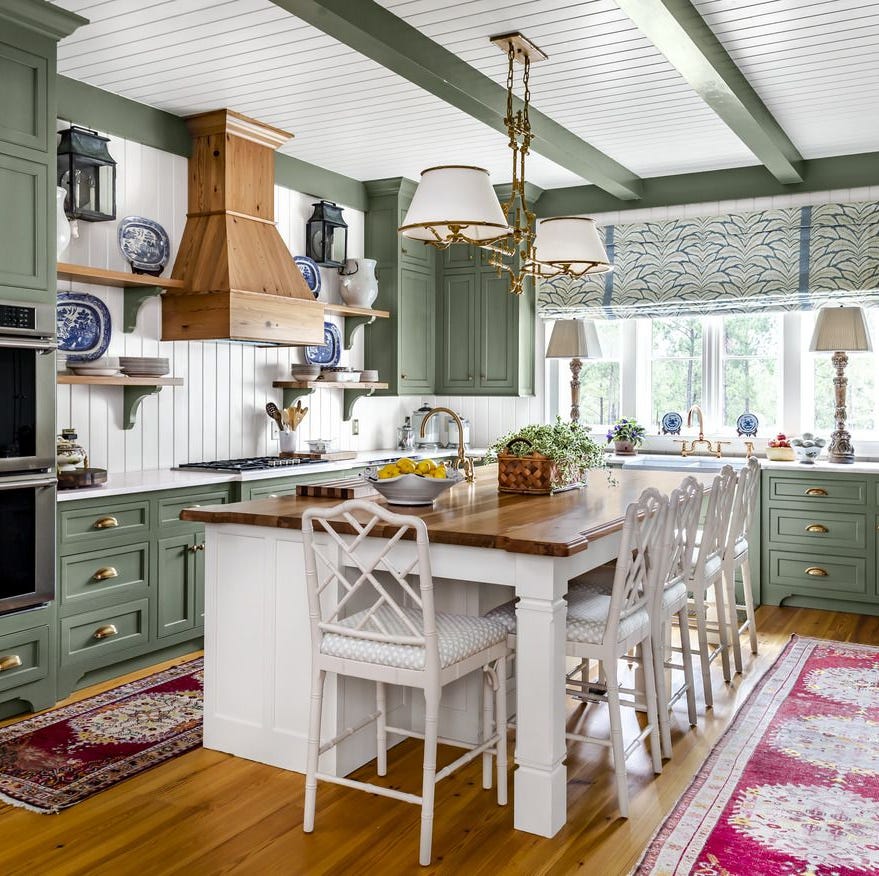
The Kitchen of Your Dreams Is Just a Paintbrush Away
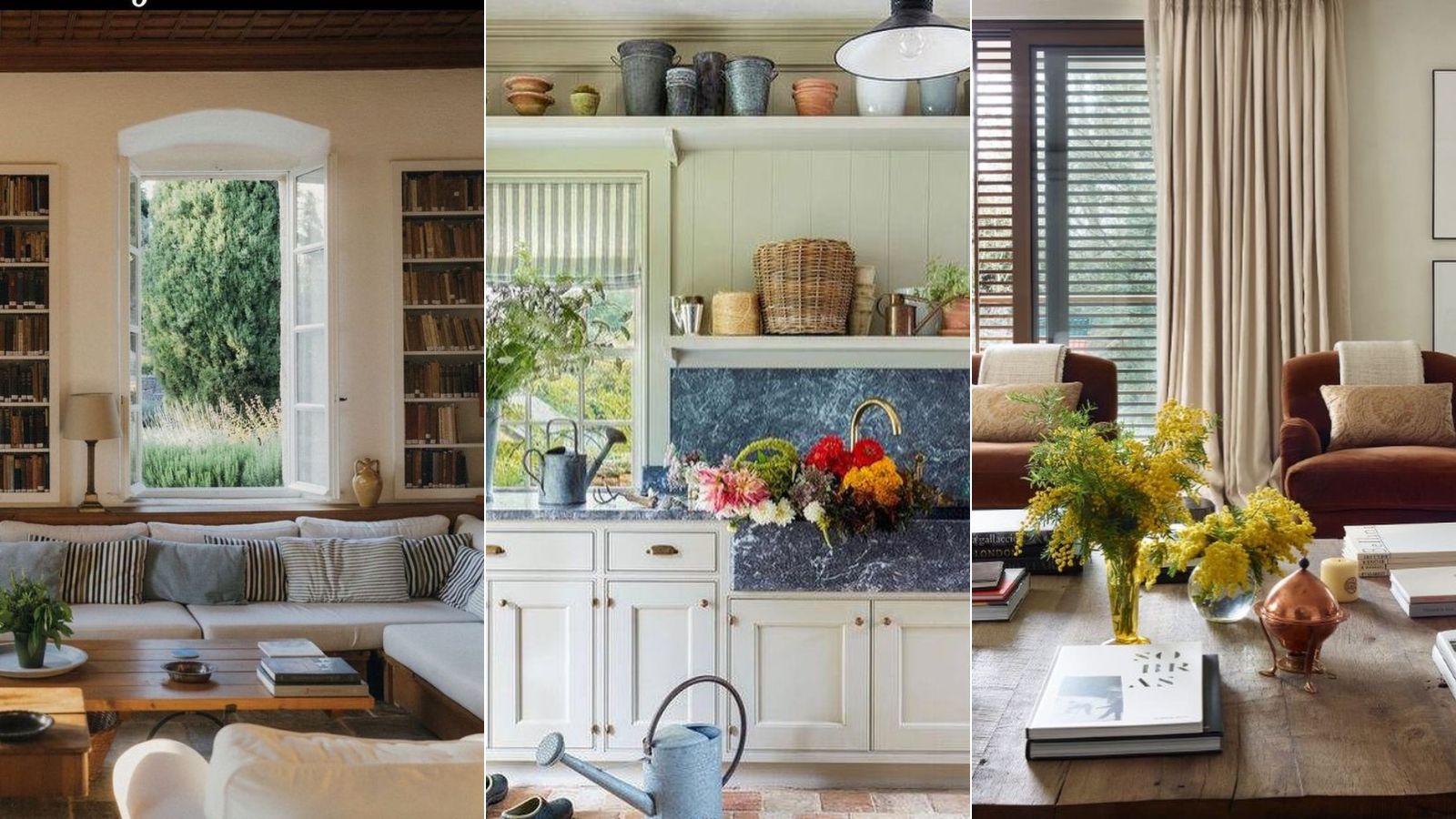
We've just found Nancy Meyers' daughter's home renovation account – and it's full of rom-com style interiors
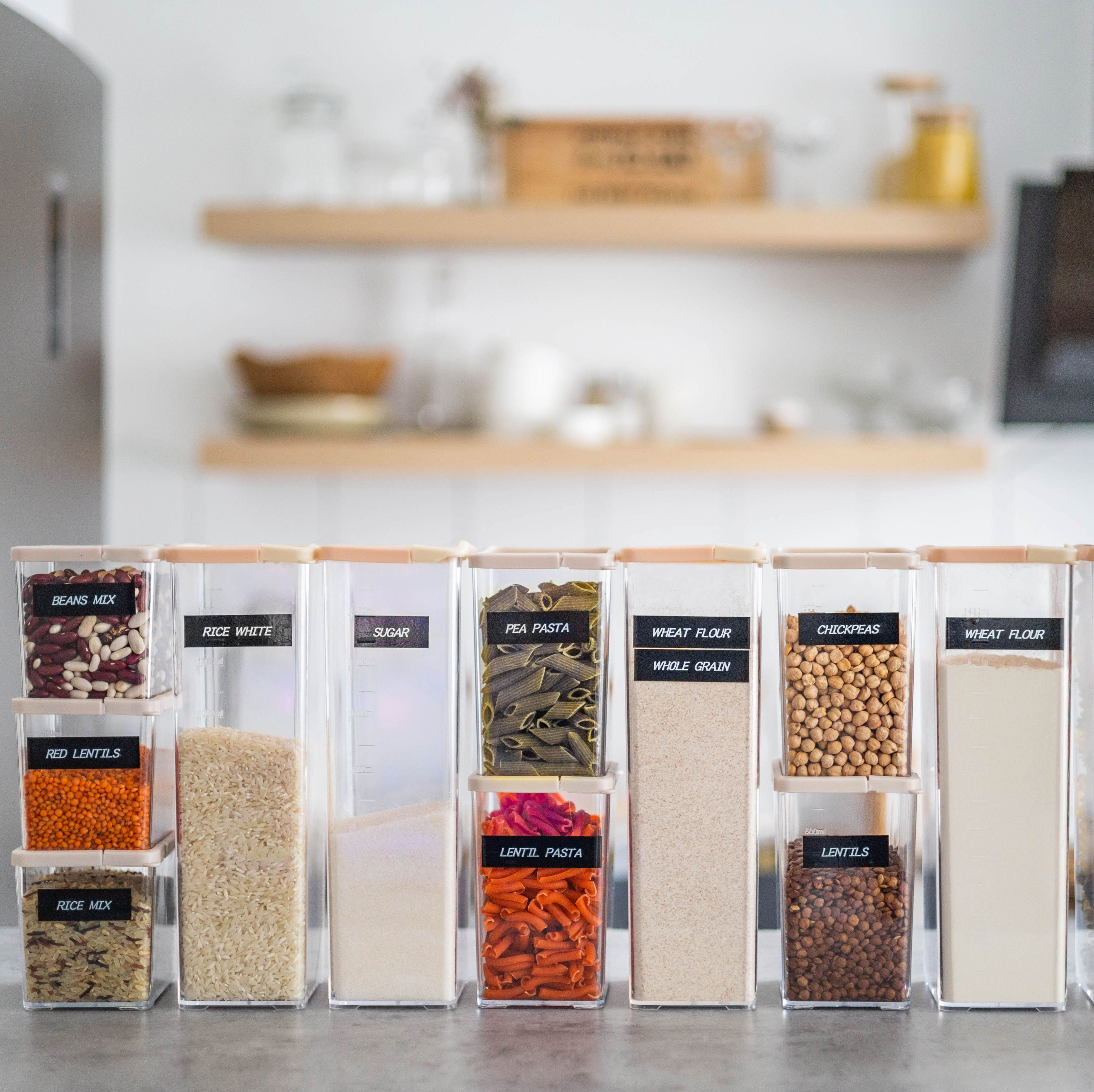
The Organized Kitchen of Your TikTok-Fueled Dreams Is Just an Amazon Prime Day Away

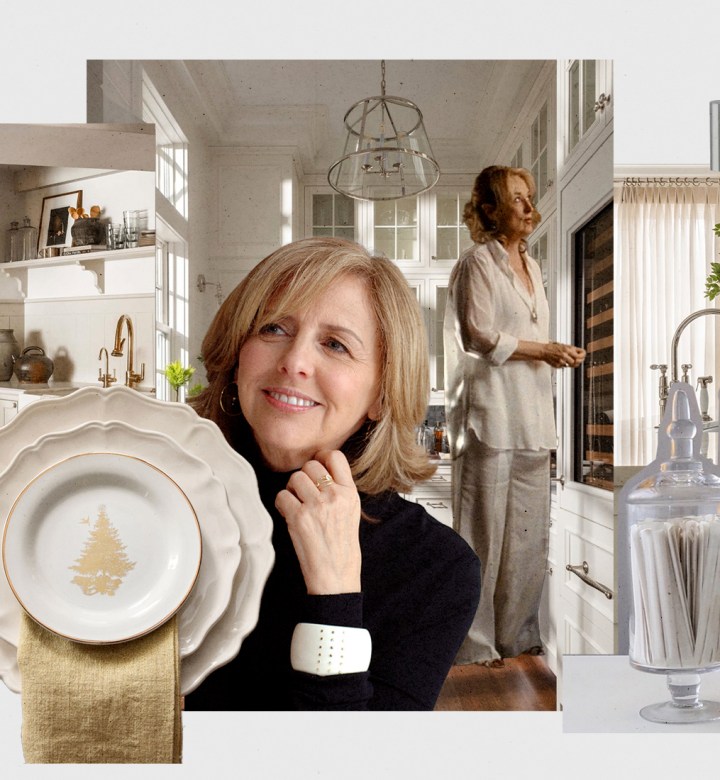
Obsessed With Nancy Meyers's Kitchens? Same. Here's The Secret Sauce That Makes Them So Swoon-Worthy

The false promise of the Nancy Meyers kitchen

A Definitive Ranking of the Homes in Nancy Meyers's Movies
30 Amazon Home Finds That’ll Make Your Space Feel Like a Nancy Meyers Movie
Where's the Fridge?

This is how Nancy Meyers keeps her entryway interesting
The Nancy Meyers interior trend is here to transform homes into our favourite feel-good films

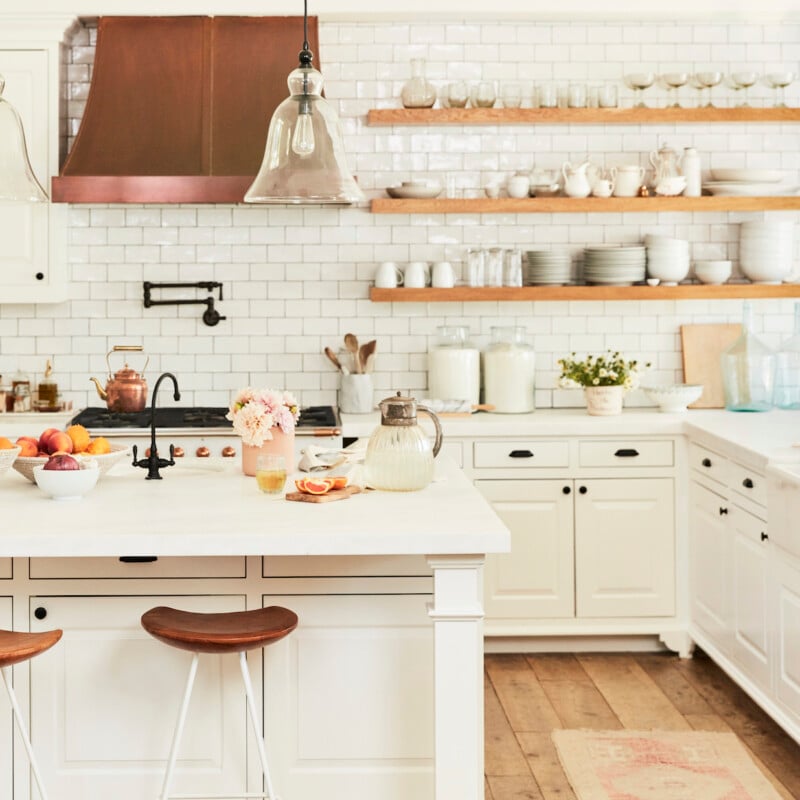
Emily Henderson’s Step-by-Step Guide To Remodeling Your Kitchen

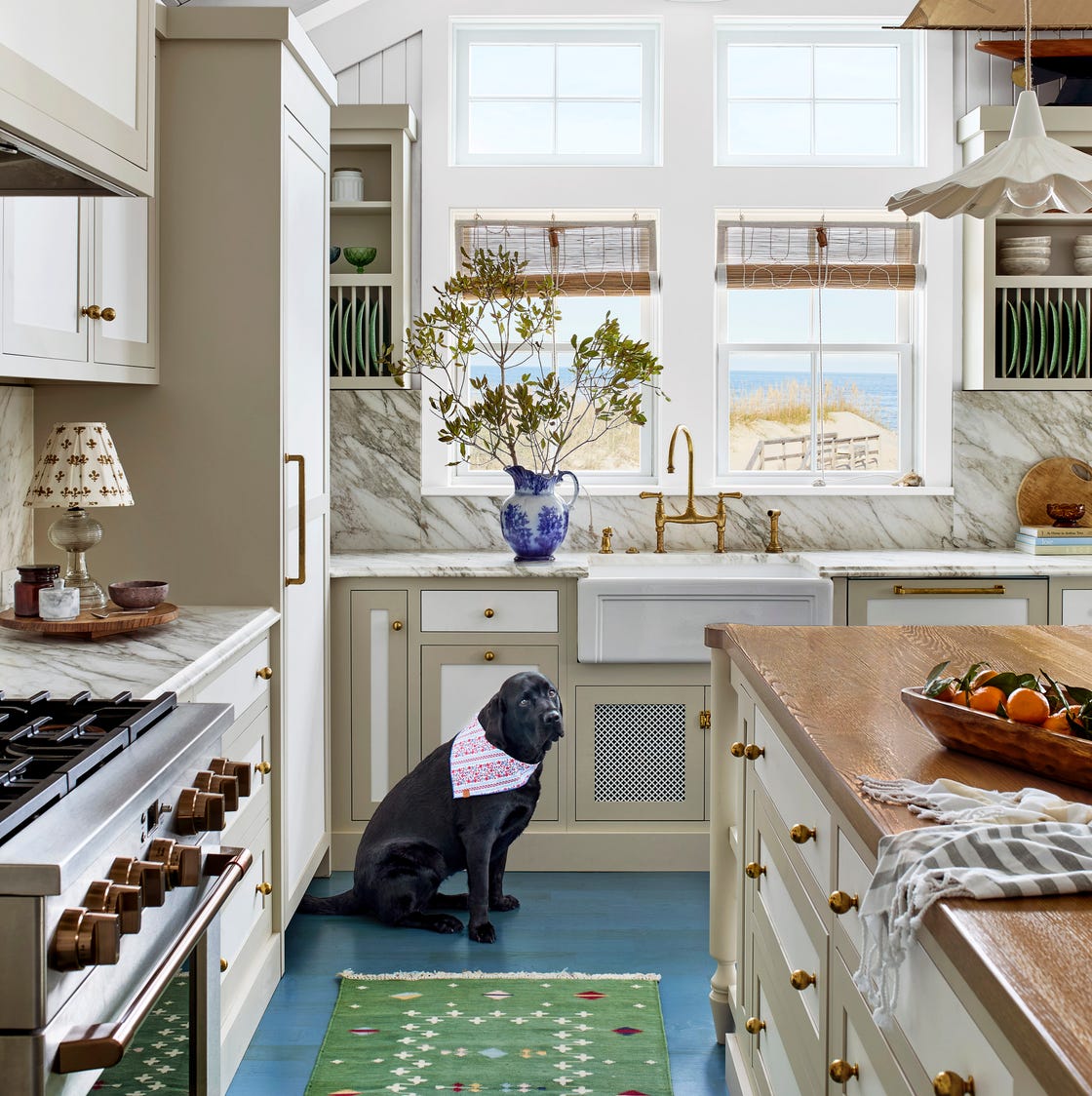
This Breezy Coastal Kitchen is Basically a Nancy Meyers Movie IRL
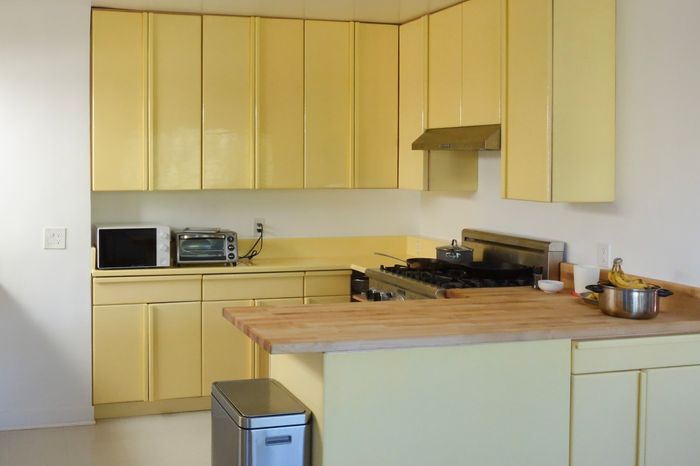
How to Build a Kitchen for Miranda July
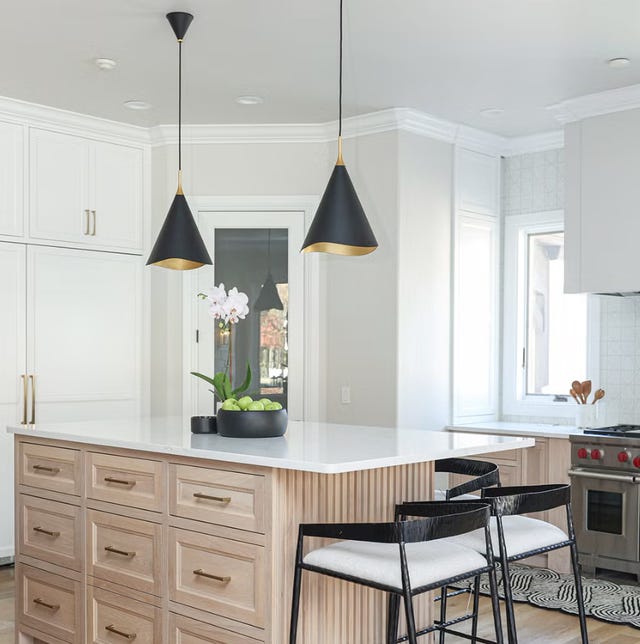
Small Kitchen? Here's How You Can Still Have the Island of Your Dreams

The 2000s Rom-Com You Should Remodel Your Kitchen After