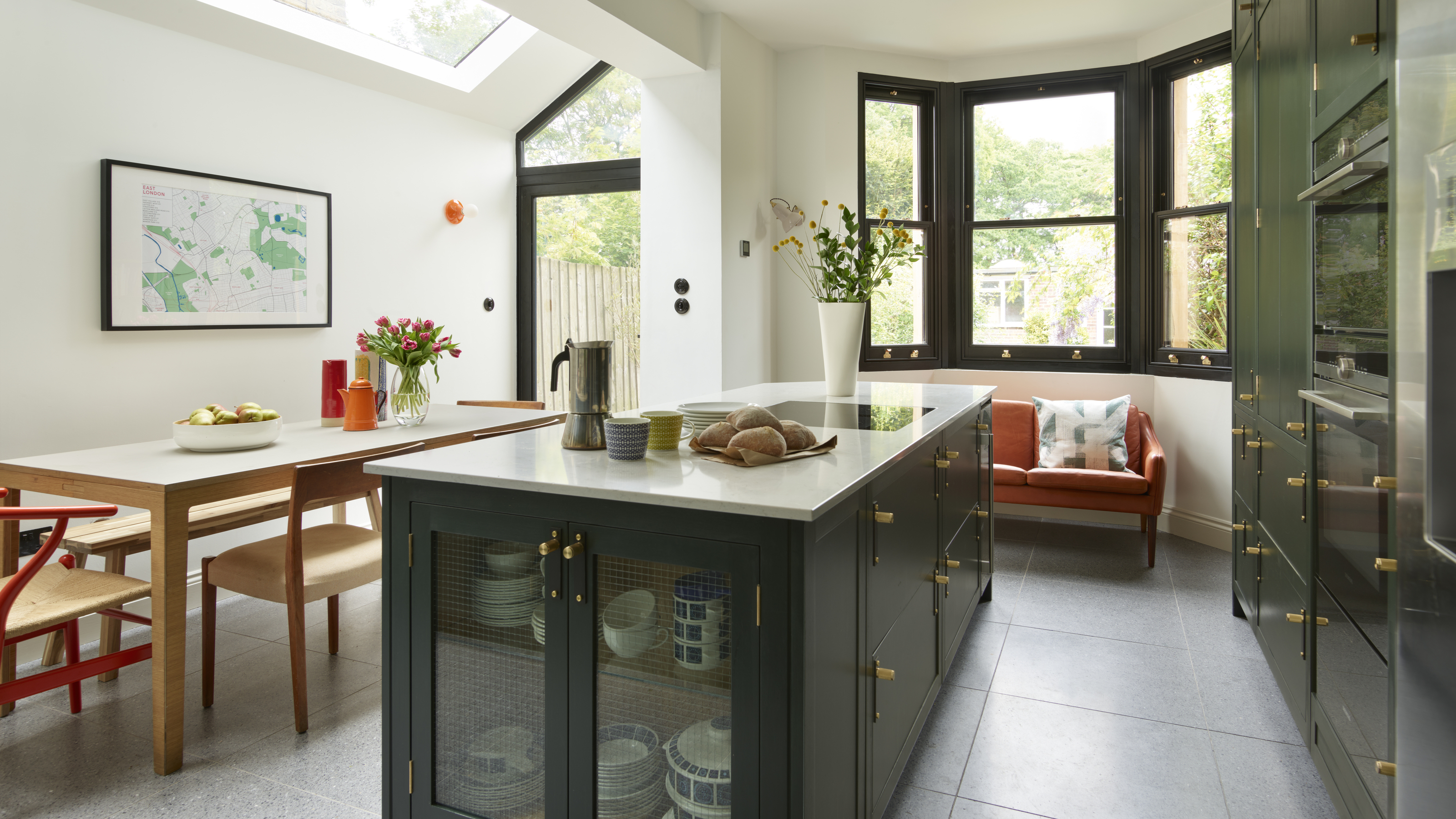
1/5
5 Kitchen Cabinet Details That Will Make Your Home Look More Expensive
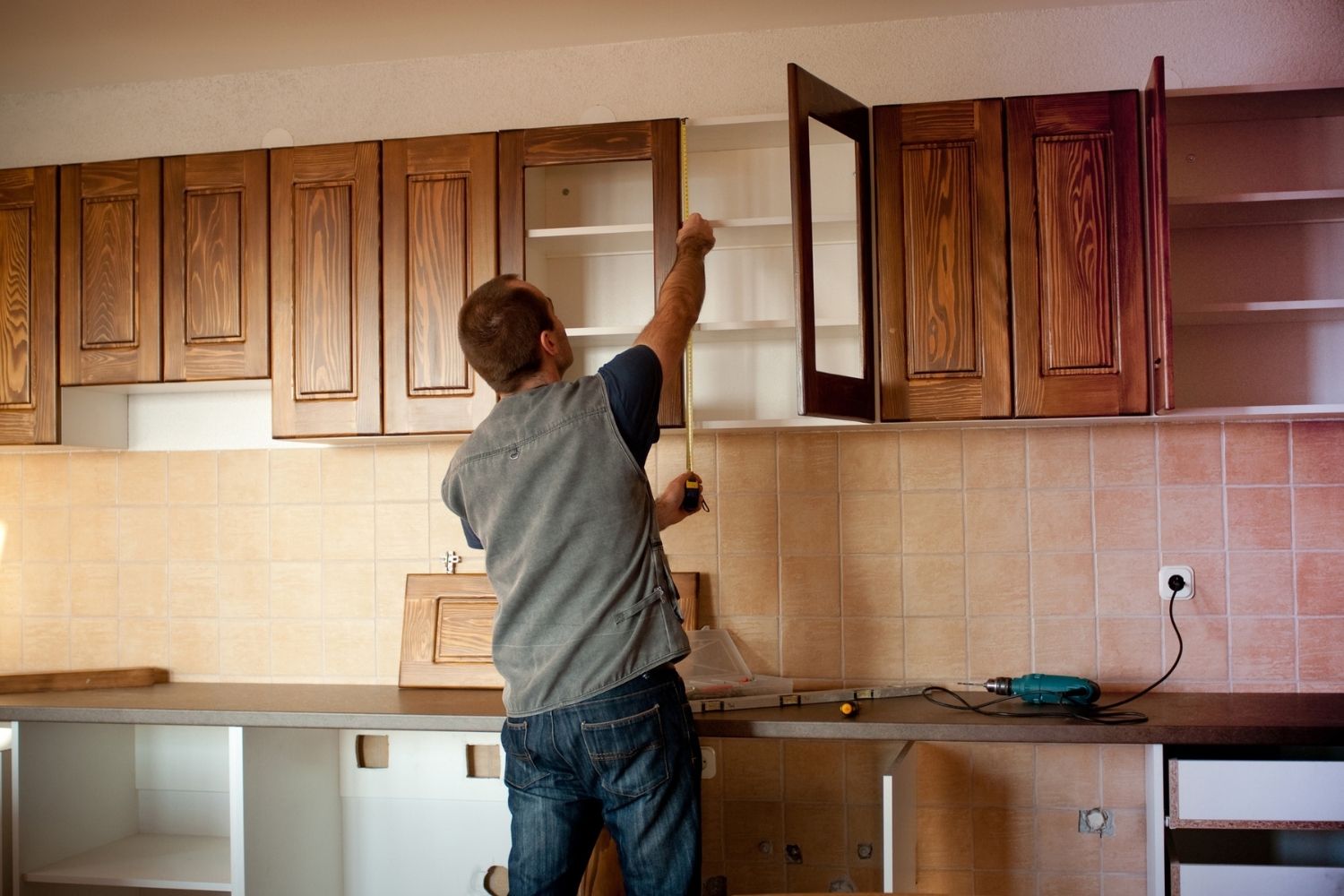
The aesthetic appeal and perceived value of a kitchen are significantly influenced by the details of its cabinetry. While basic cabinet colors and door styles form the foundation, thoughtful and refined detailing can elevate the entire space, giving it a high-end and curated feel. Kitchen cabinets are often the most prominent feature in this area of the home, thus playing a crucial role in establishing its overall style and character. Without deliberate attention to detail, even well-chosen cabinets can appear generic or lack sophistication.
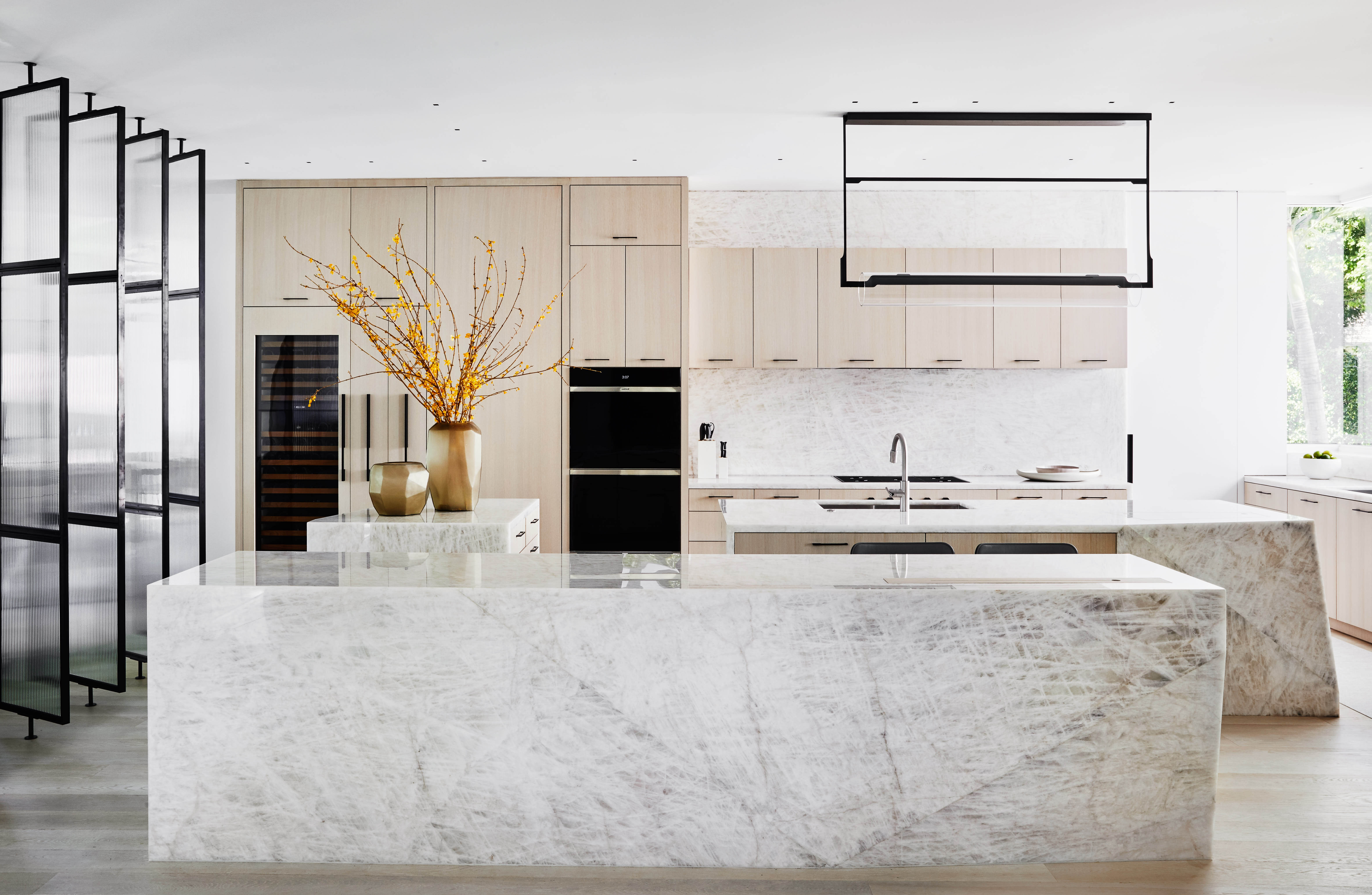
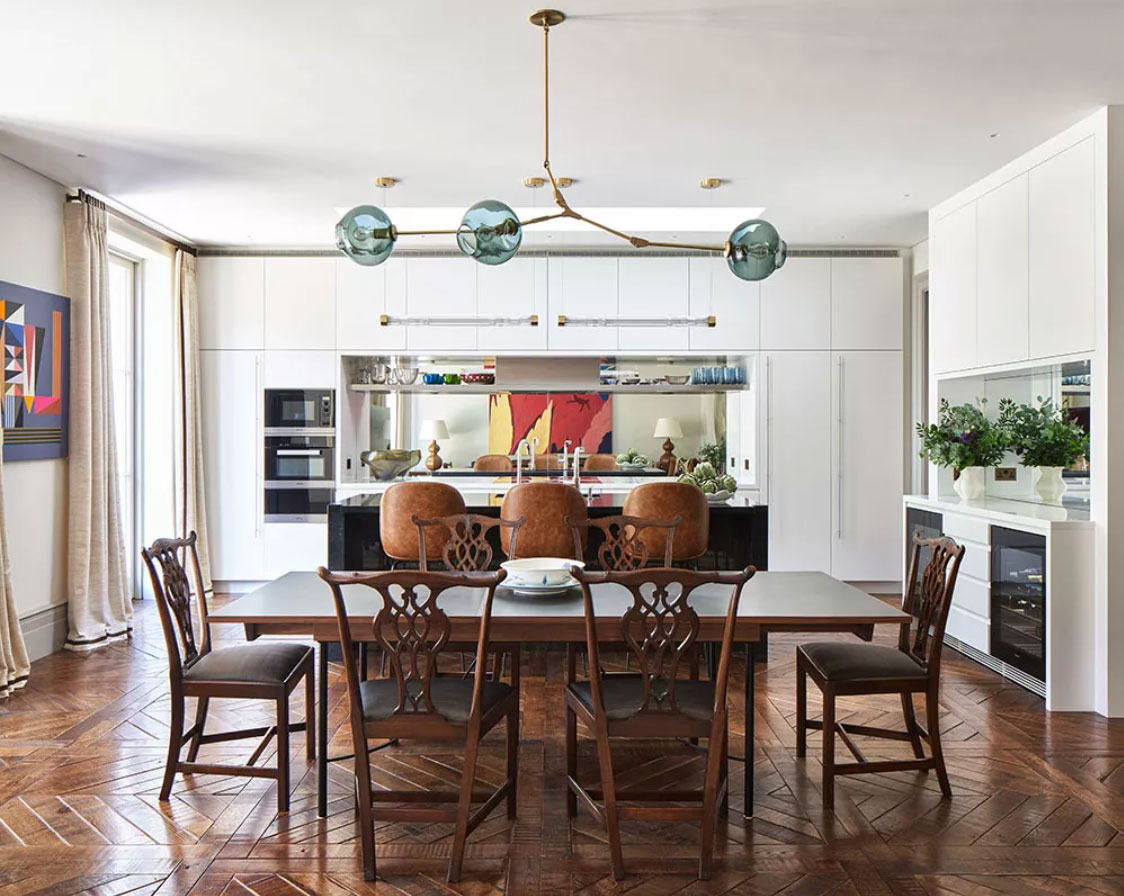
Adding elements such as luxury hardware, bespoke moldings, and textured finishes transforms ordinary cabinets into distinctive features that not only reflect personal style but also increase the perceived value of the kitchen. Richard Davonport, a Kitchen Designer at Davonport, emphasizes that creating a truly high-end kitchen relies heavily on these finer points. He notes that premium hardware, meticulously honed worktops, and balanced proportions all contribute to a refined and considered look, highlighting the craftsmanship involved in their design and execution. The article outlines five specific cabinet details that can make a kitchen appear more expensive, moving beyond mere functionality to achieve a luxurious aesthetic.
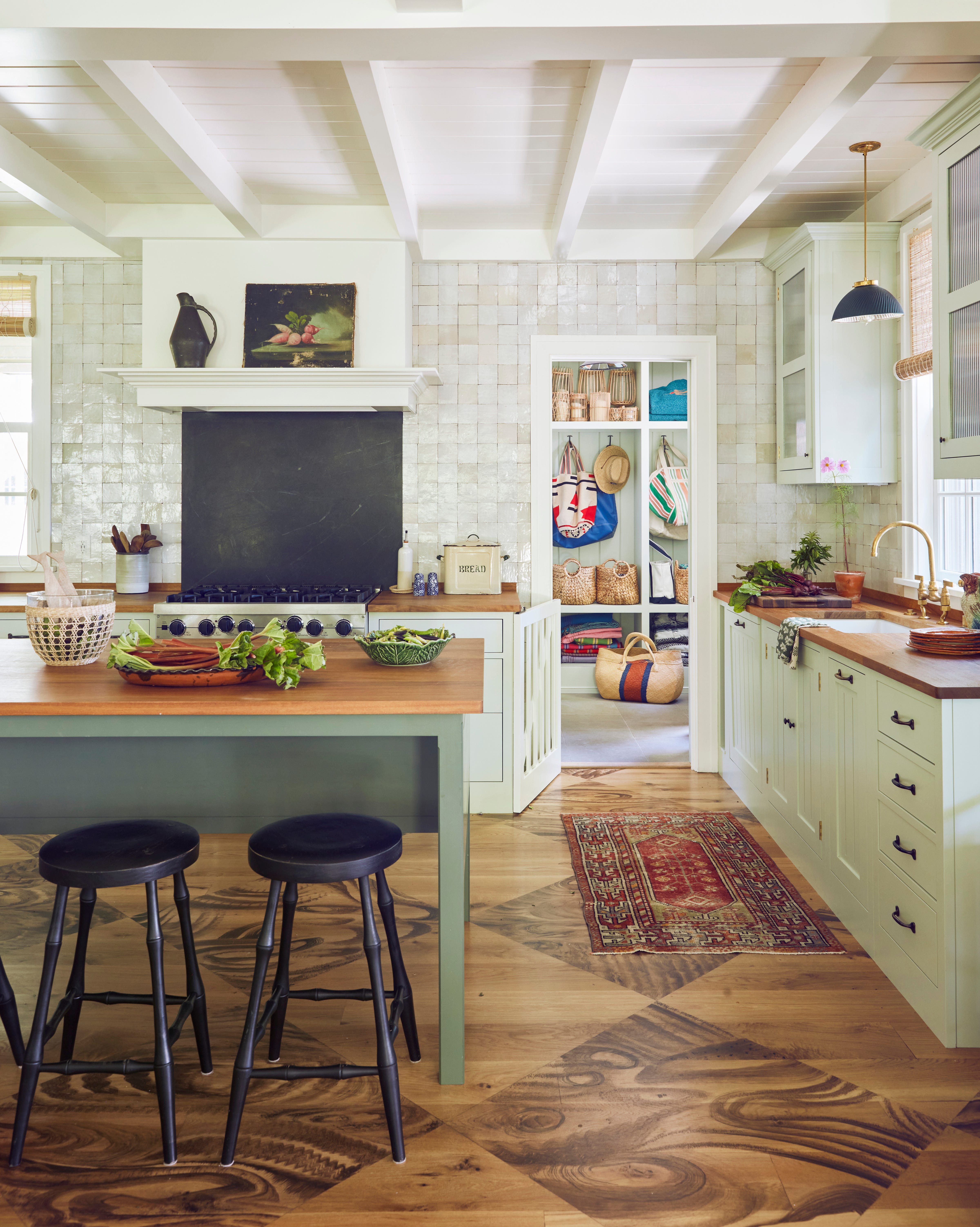
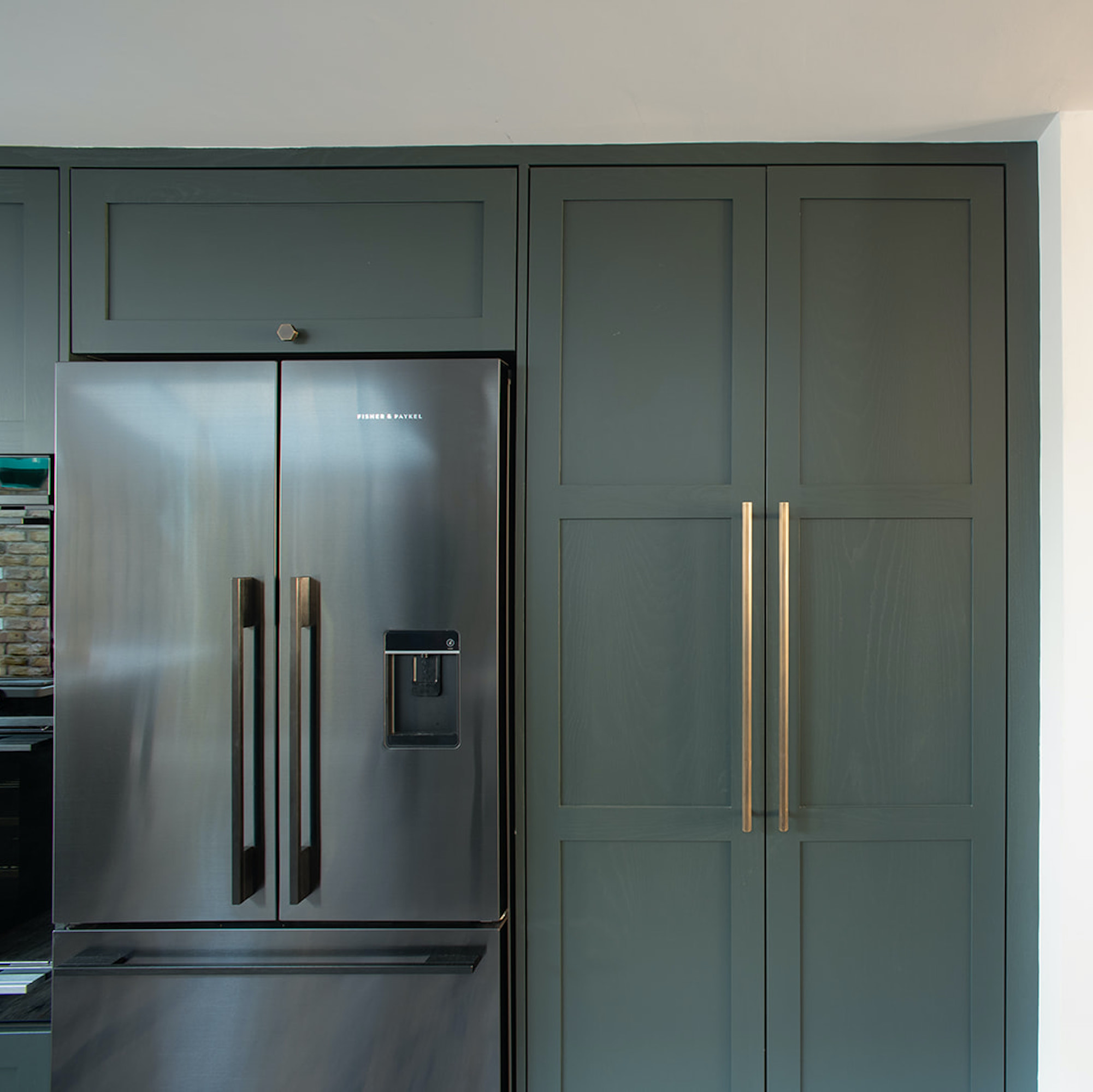
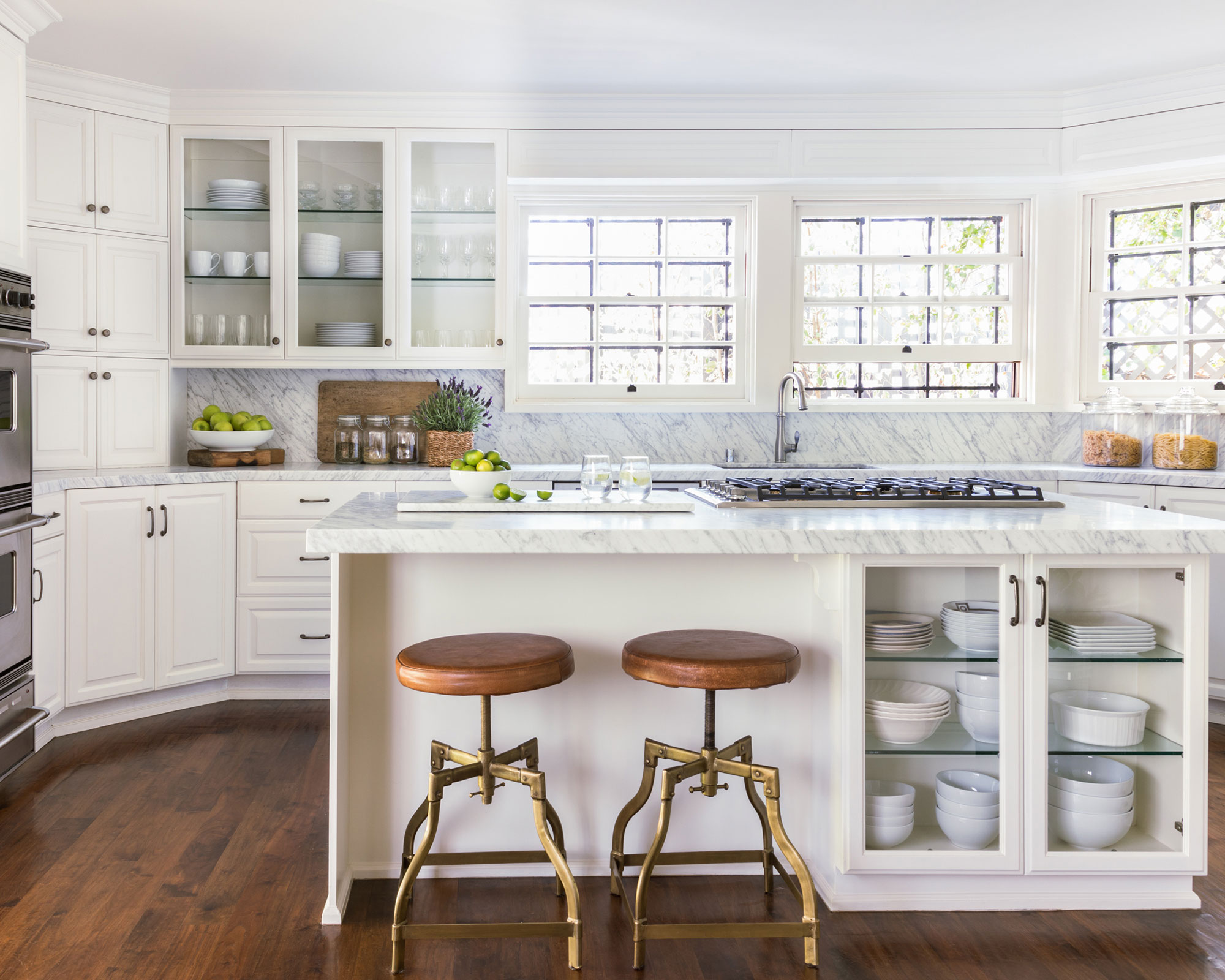
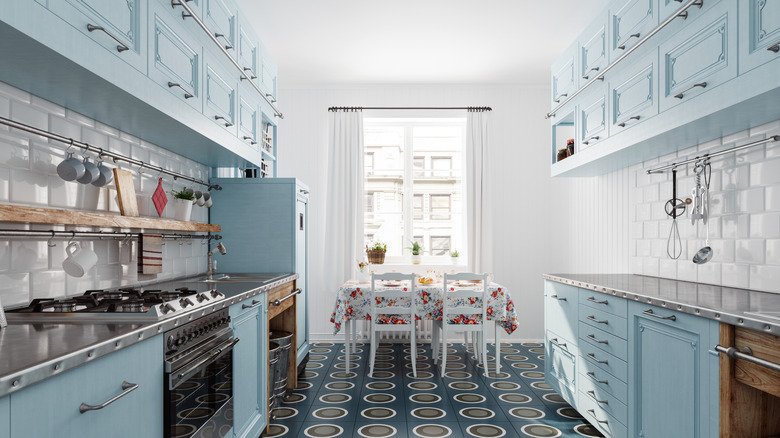
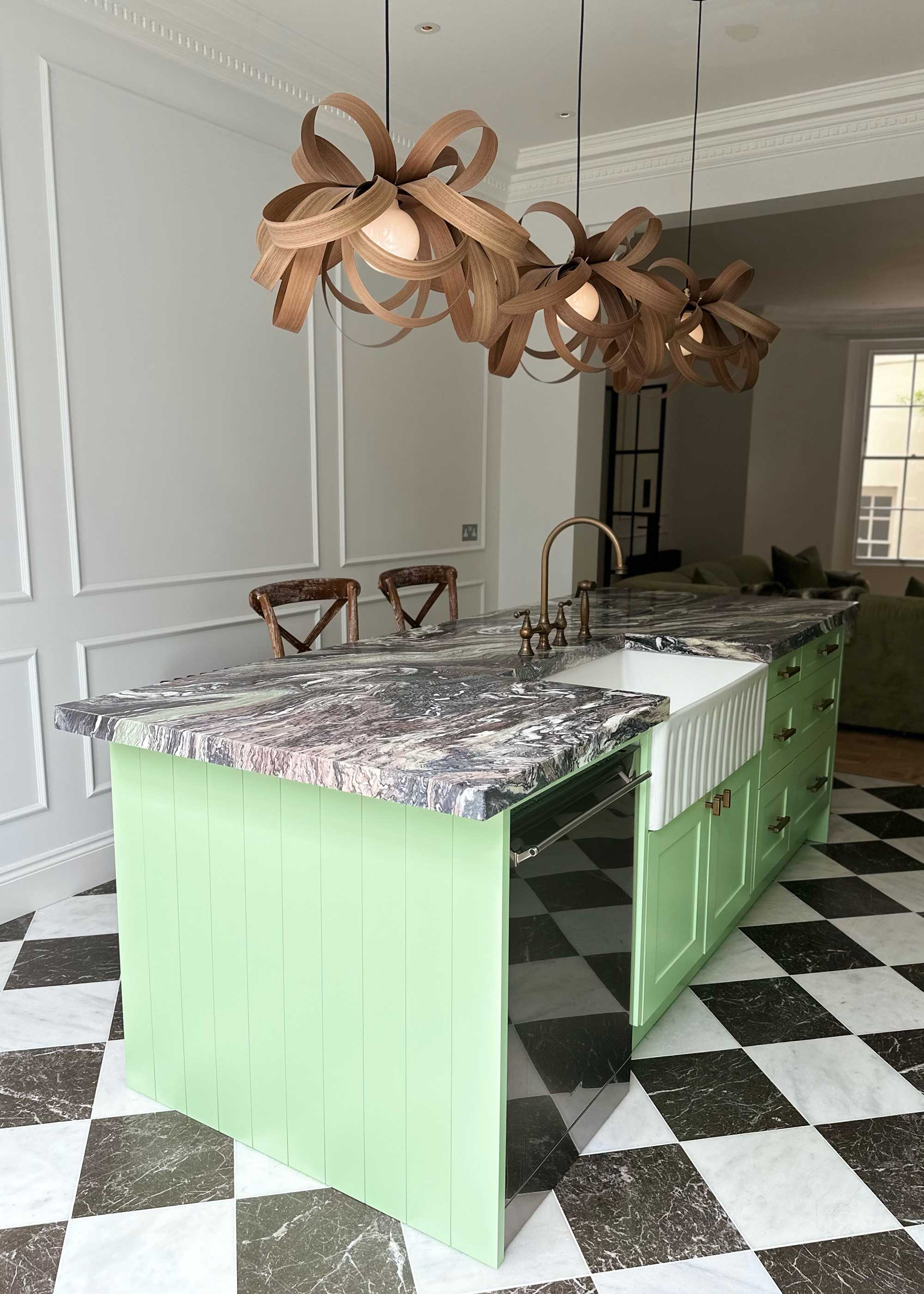
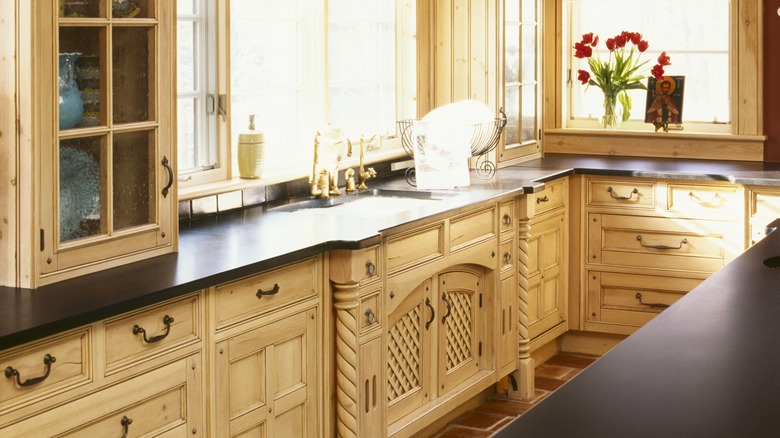
The first detail is focused on detailed joinery. While Shaker cabinets are a popular and timeless choice due to their classic appeal, exploring variations beyond the standard design can add significant value. Options such as modern 'skinny' Shaker cabinets, those with decorative beadboarding, fluted designs, or glass-fronted options provide opportunities for a more considered and expensive look. Al Bruce of Olive & Barr points out the rising trend of 'skinny' Shaker cabinetry, which aligns with a shift towards understated luxury in kitchen design. These variations maintain the heritage of the Shaker style while introducing a more refined and contemporary feel through clean lines and exceptional craftsmanship.
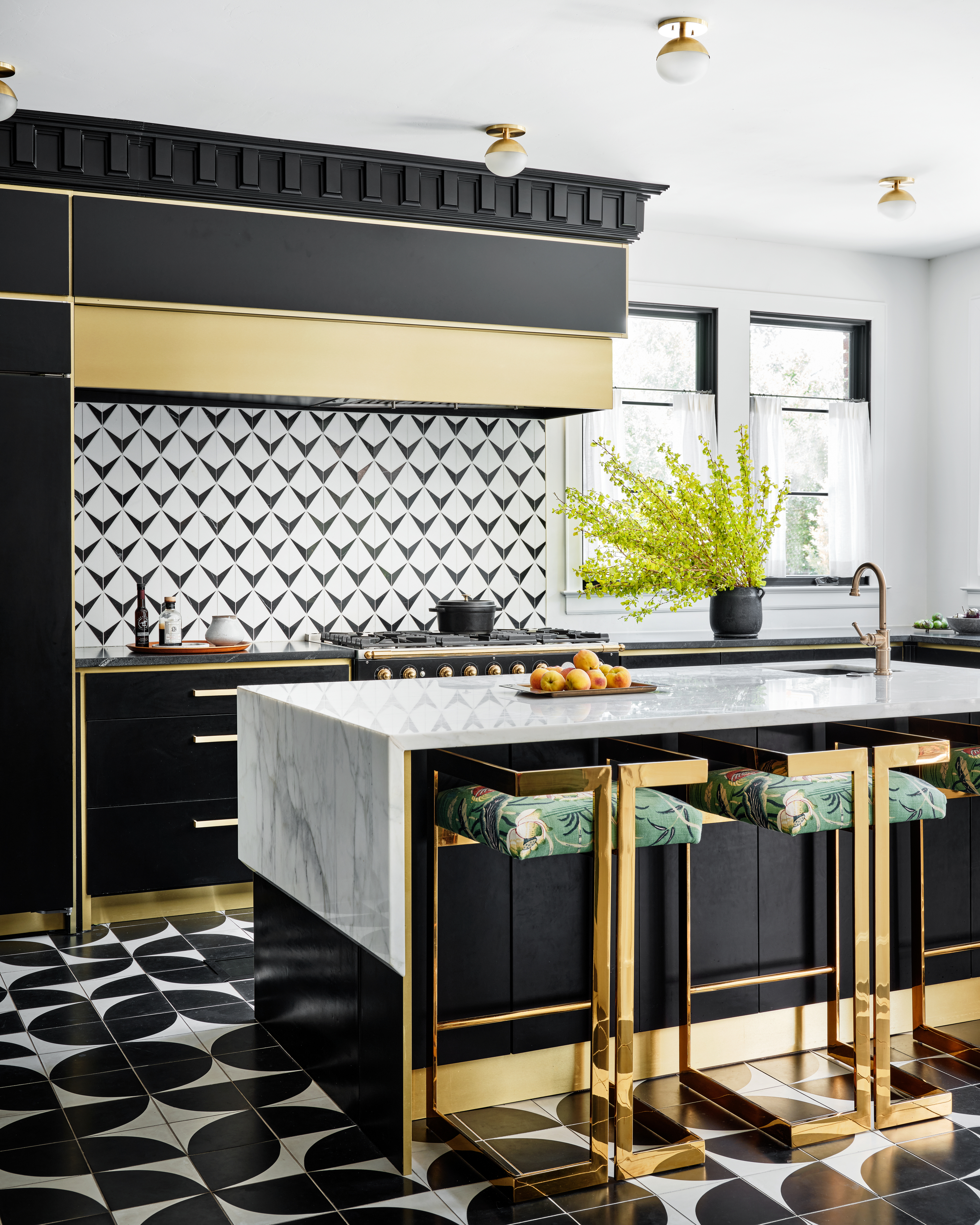
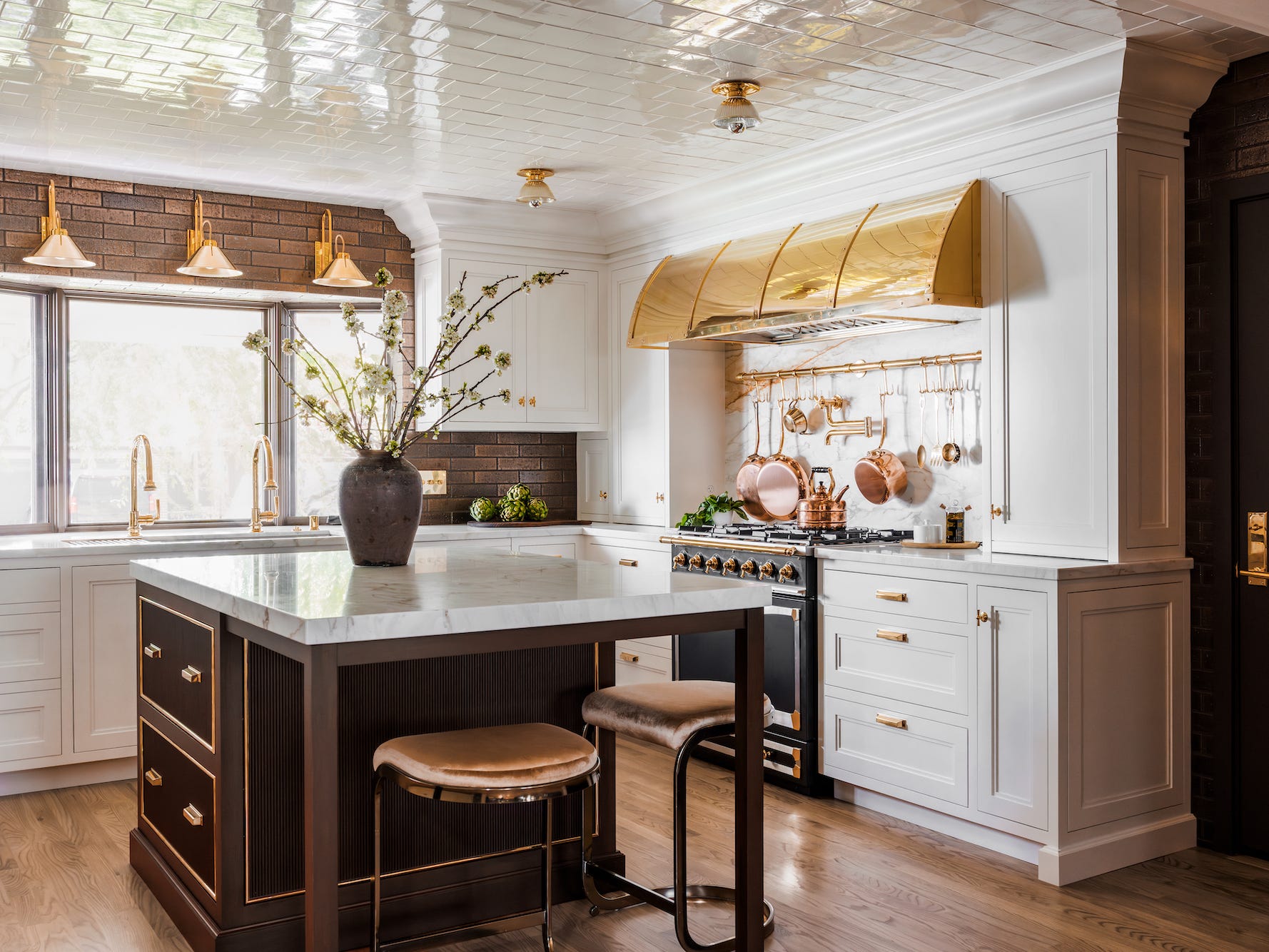
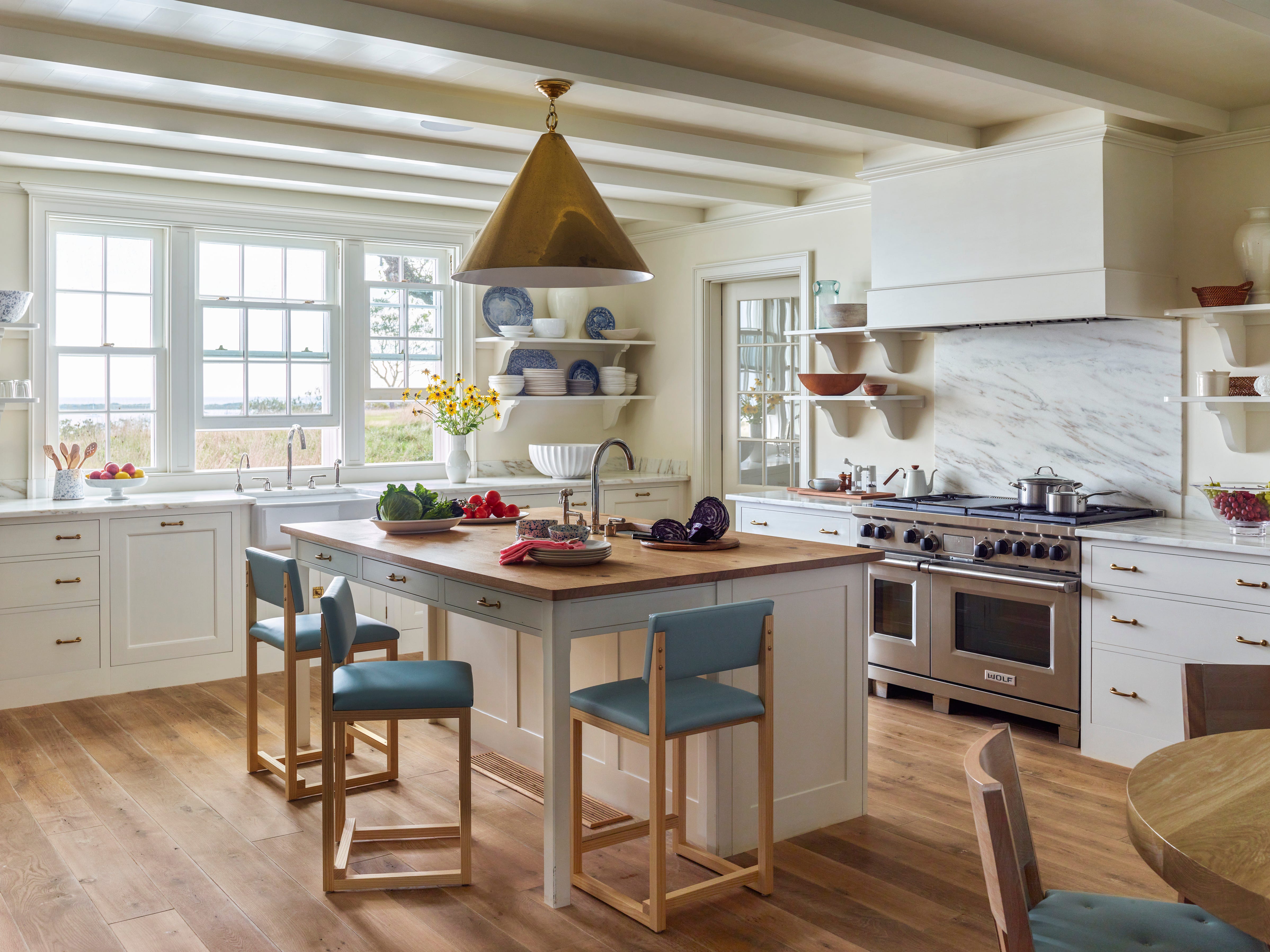
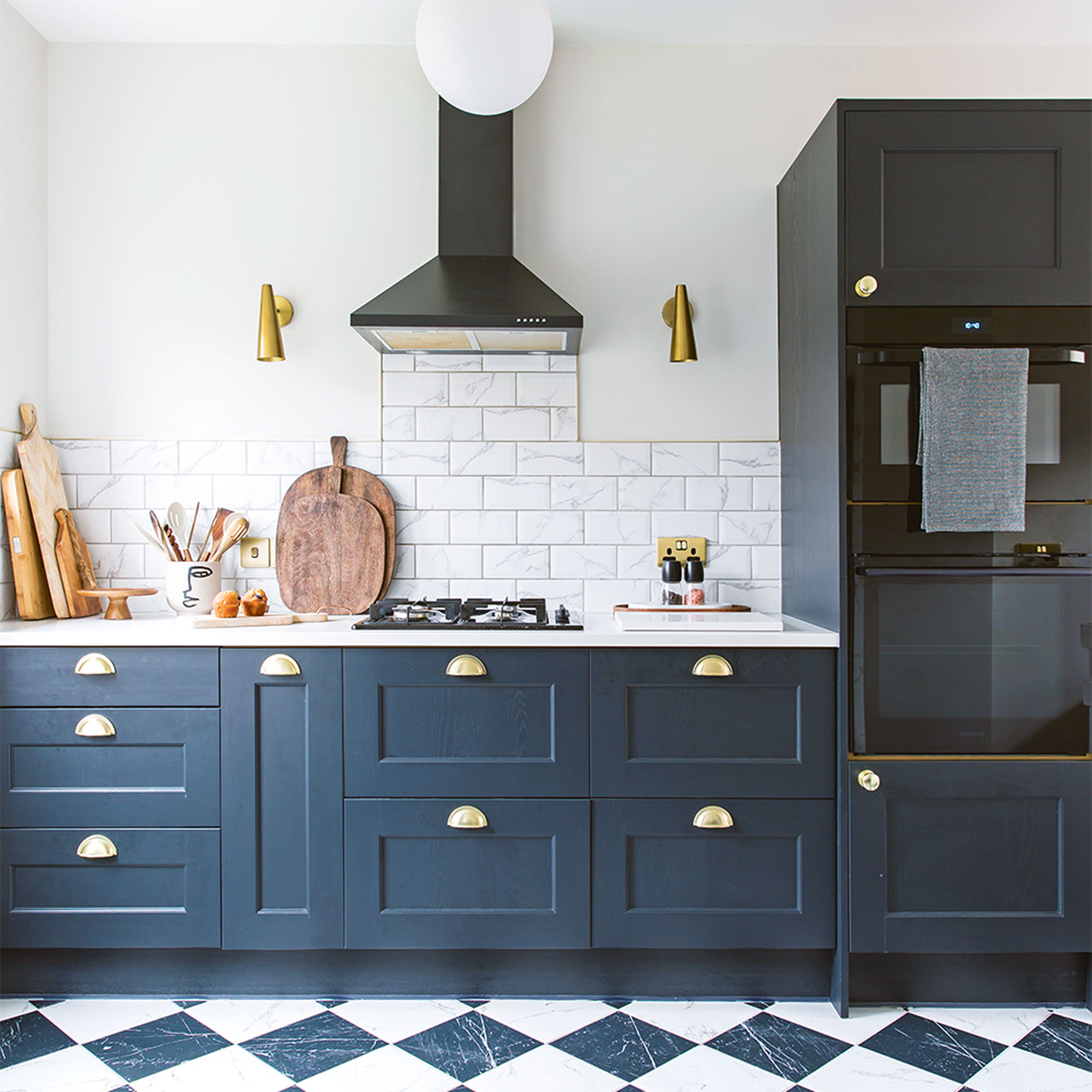
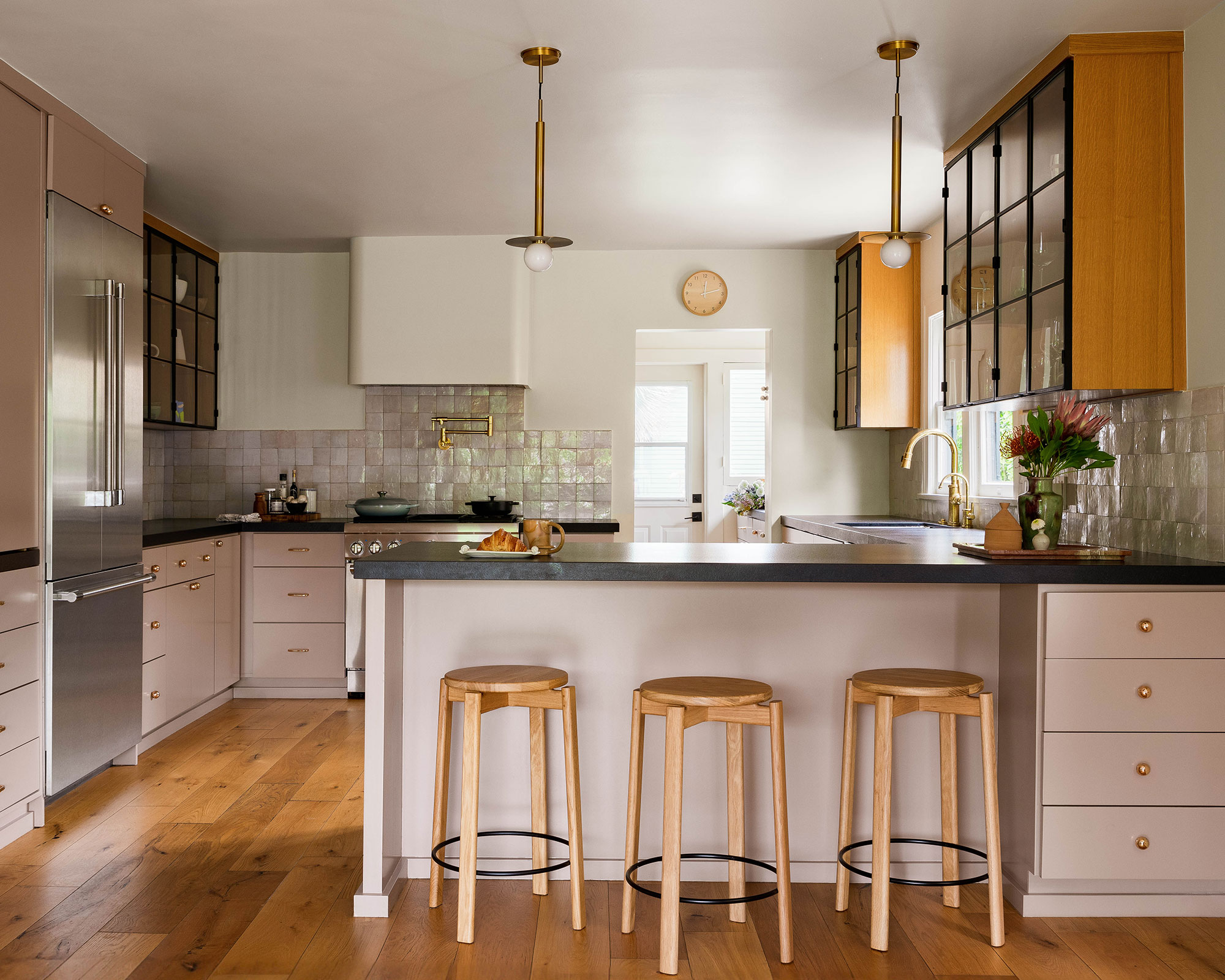
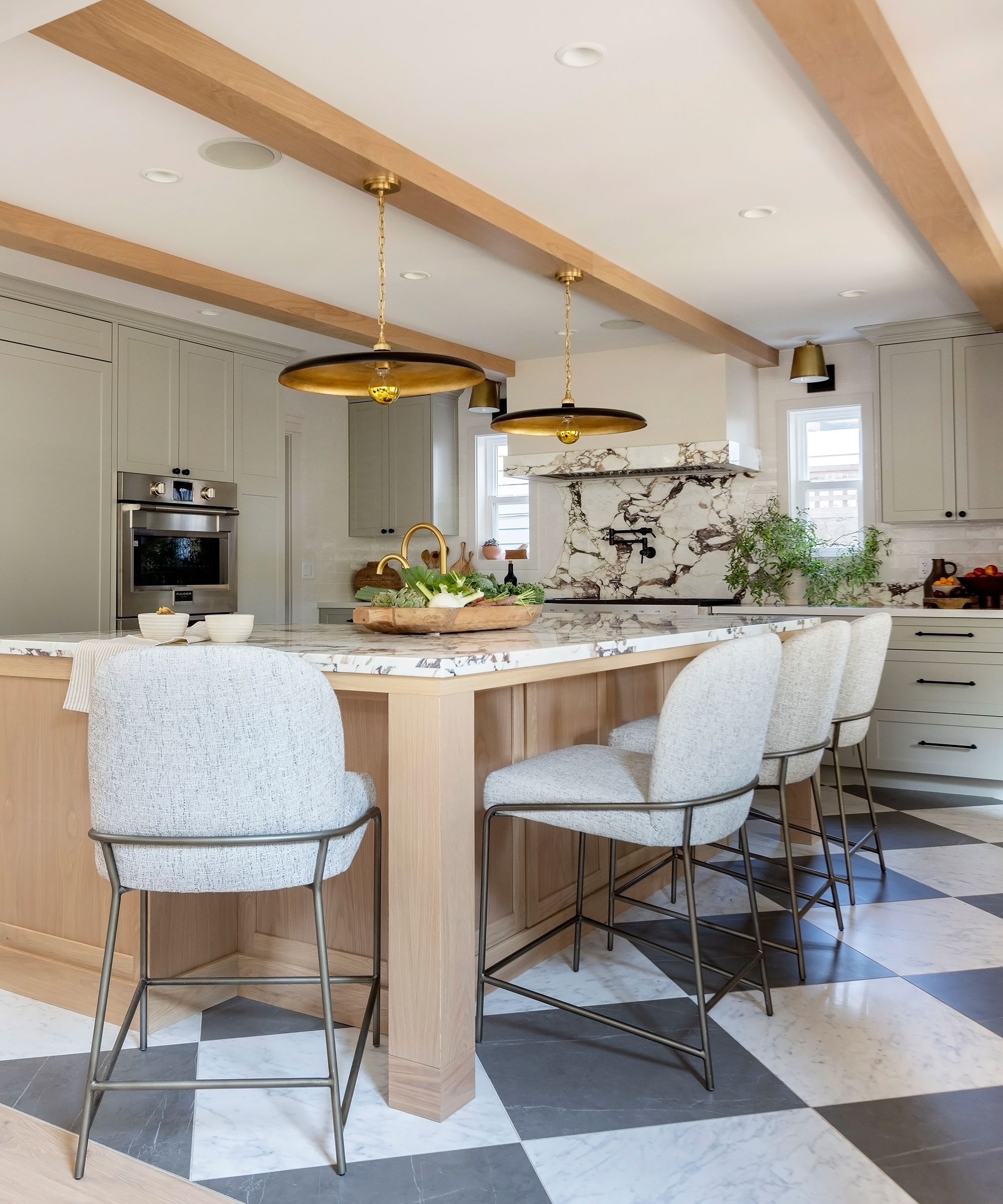
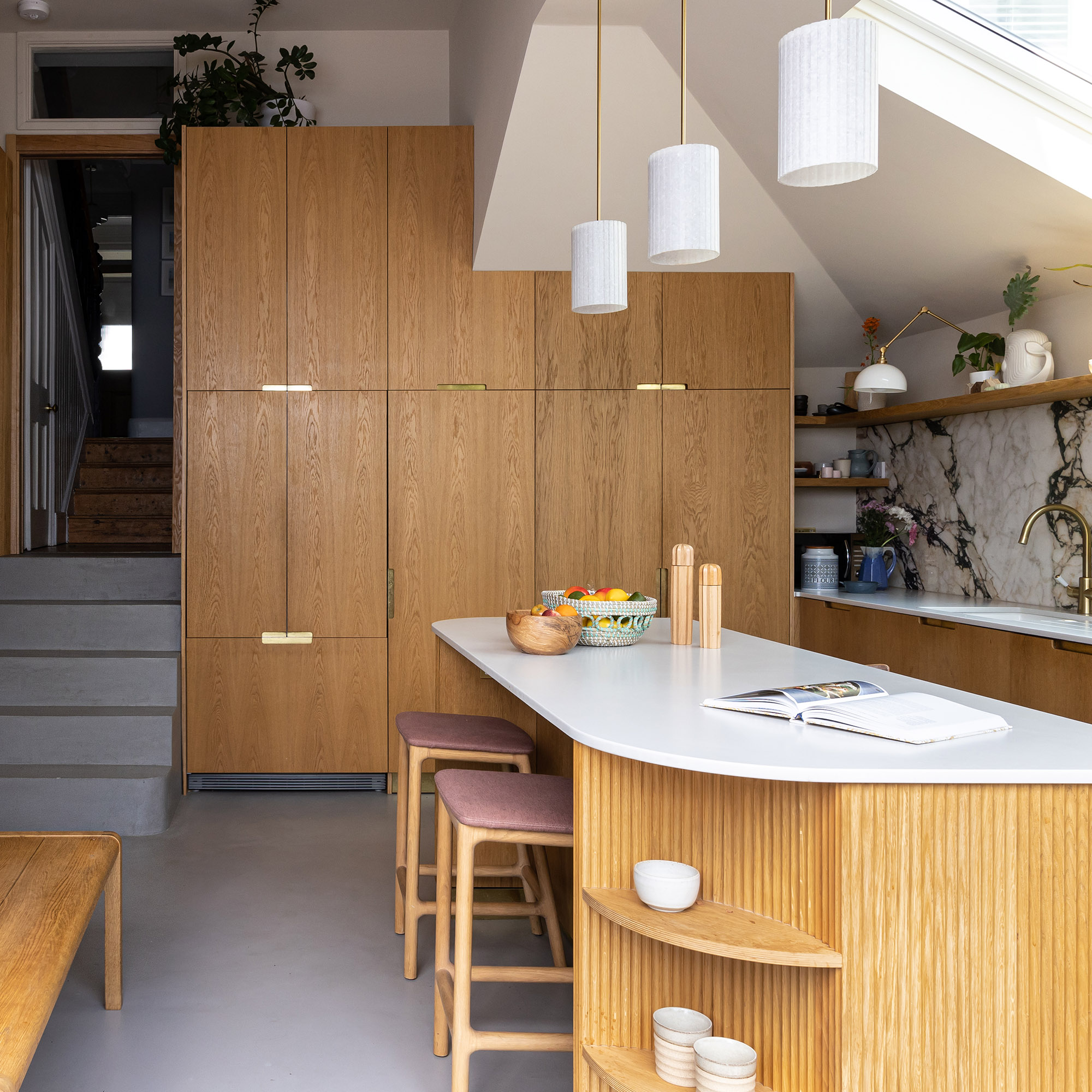
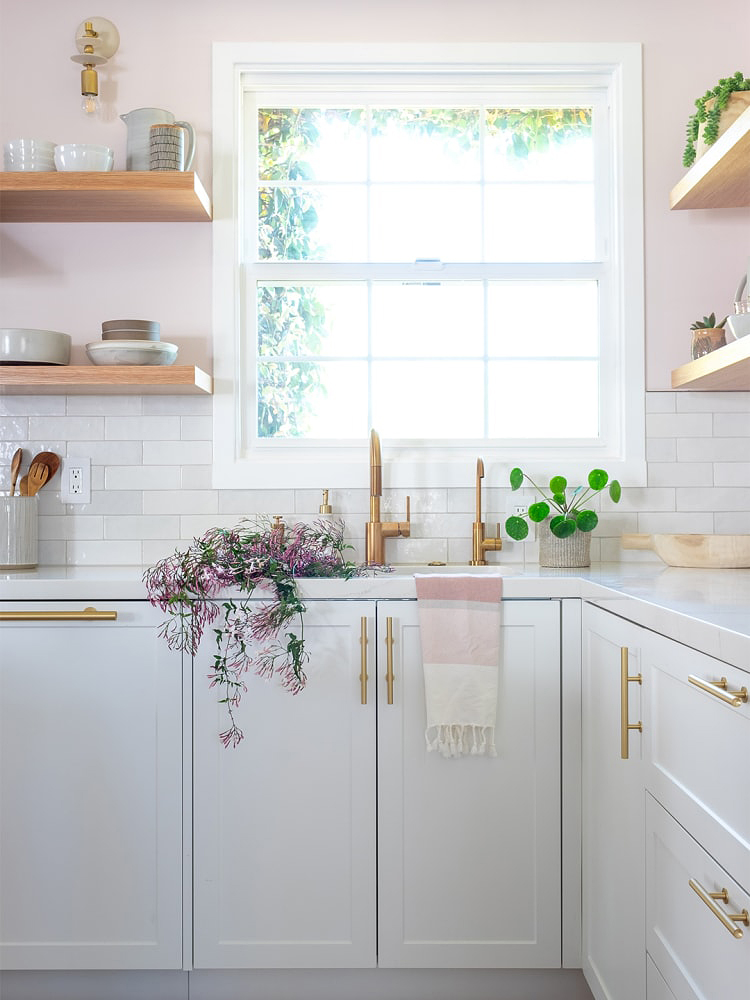
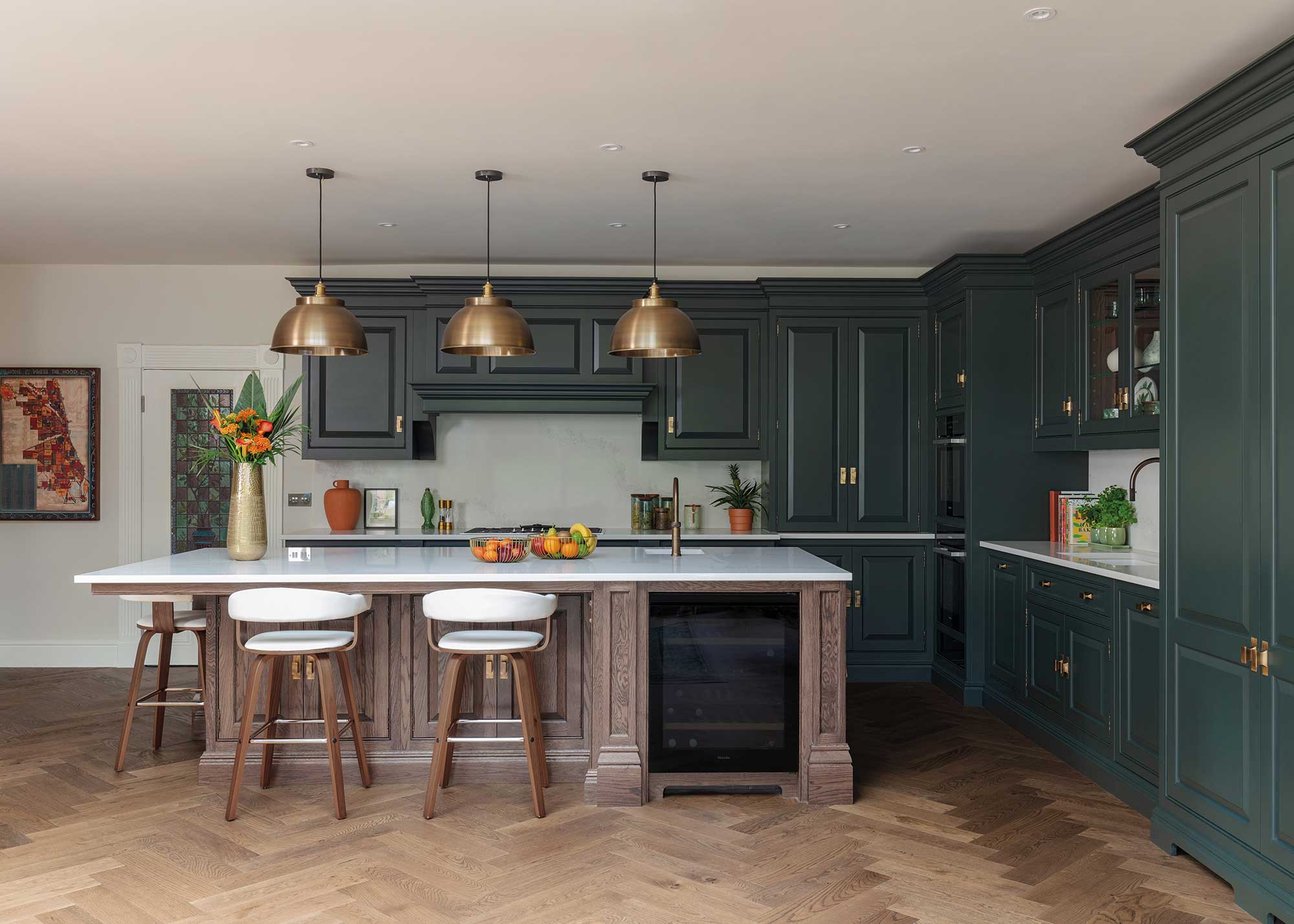
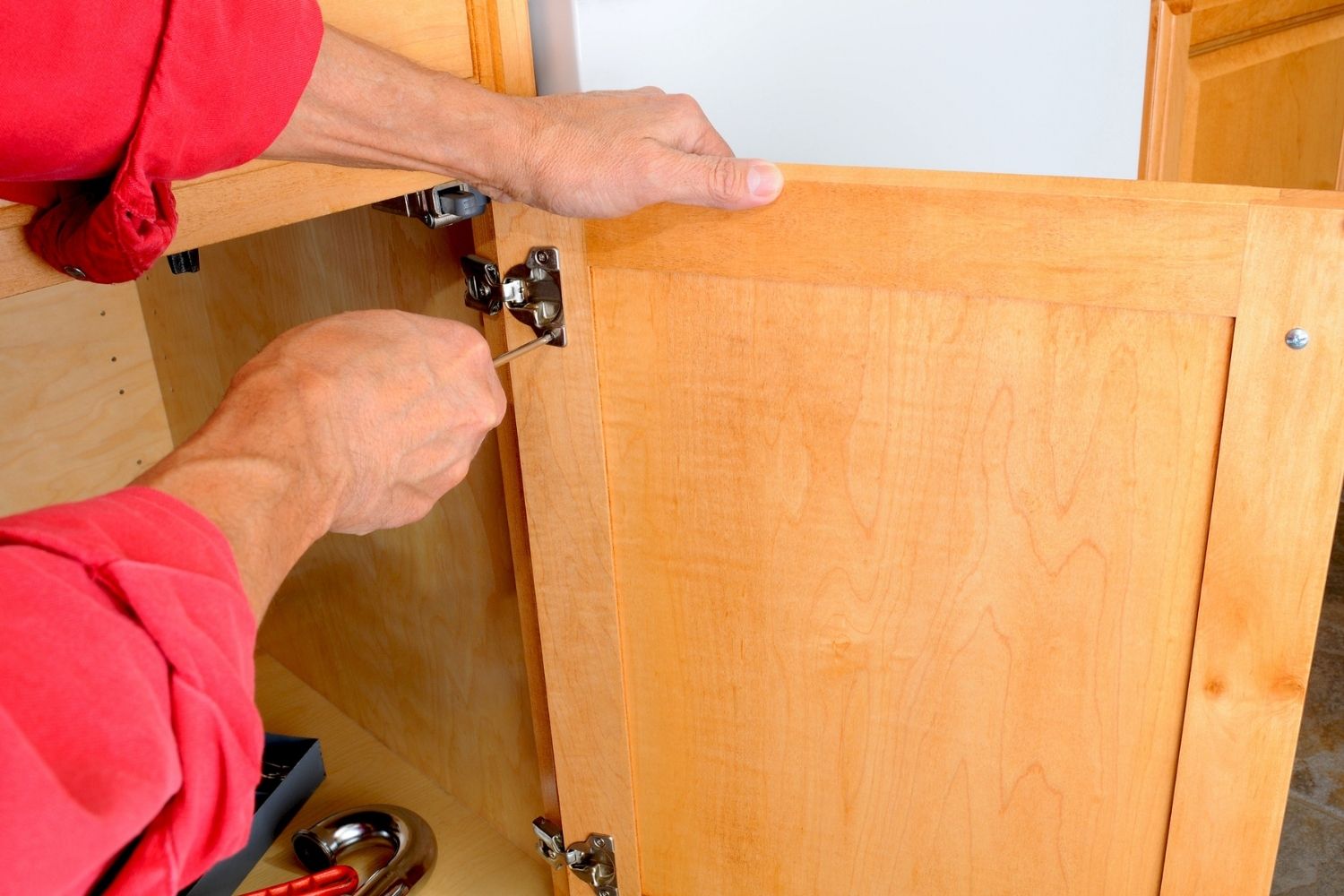
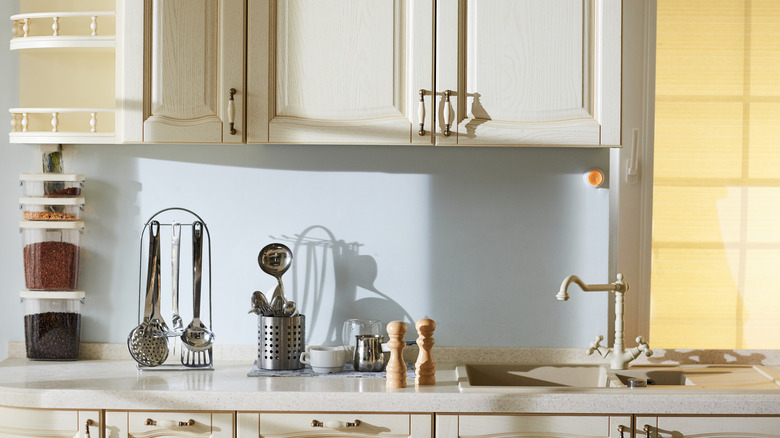
Secondly, bespoke hardware plays a pivotal role in elevating kitchen cabinetry. Hardware, including pulls, knobs, and hinges, serves as both functional components and decorative elements. Opting for bespoke hardware instead of off-the-shelf options allows for personalization and a more high-end appearance. Gareth Hull, Design Lead at Hendel & Hendel, stresses the importance of quality hardware, describing it as a powerful design tool that draws the eye and is interacted with daily. He suggests selecting weighted handles in sophisticated finishes like dark brushed brass, brushed nickel, or bronze brass to instantly enhance the space. Additionally, considering exposed hinges that match the cabinet handles can create a cohesive and decorative touch.
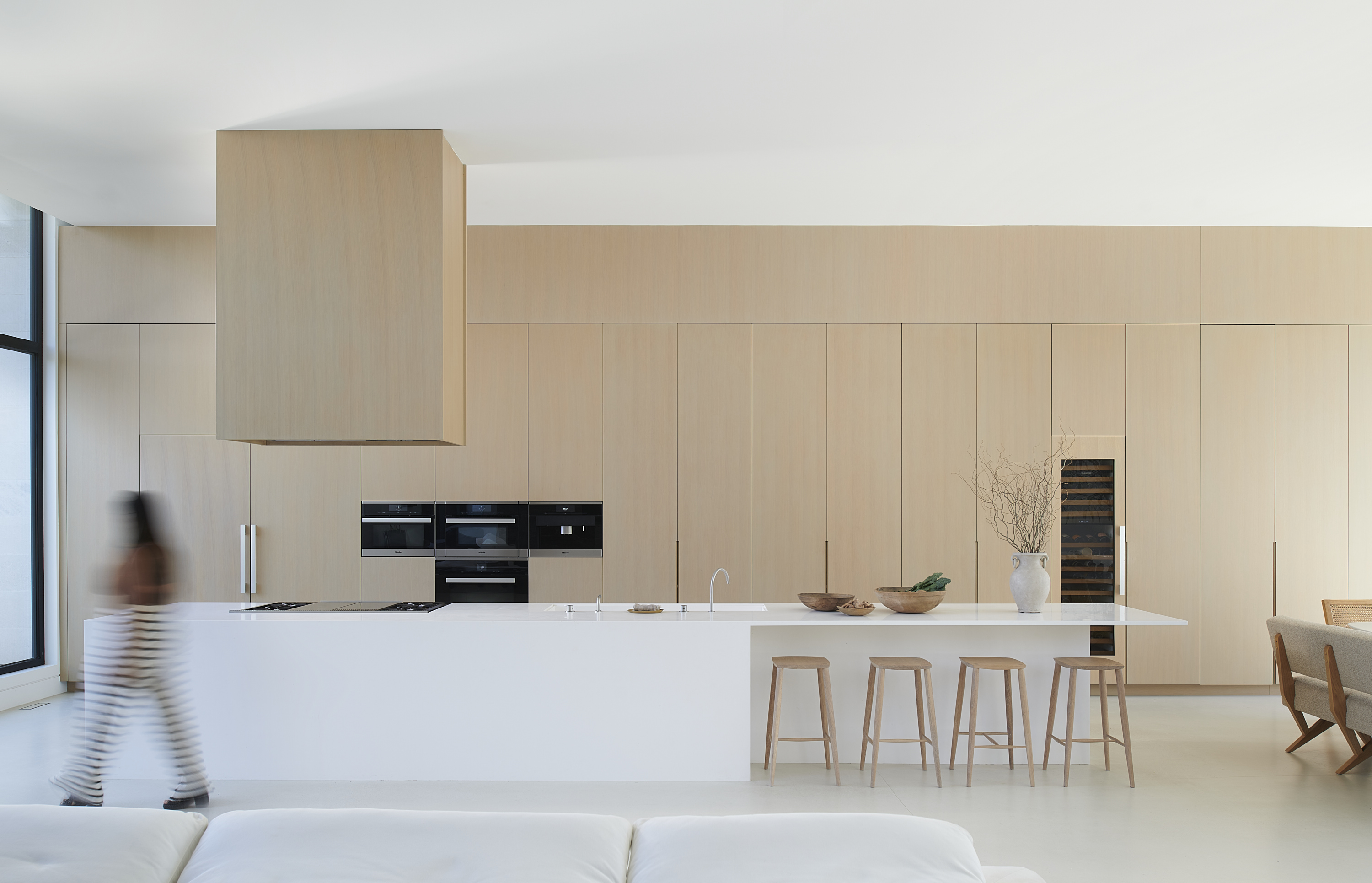
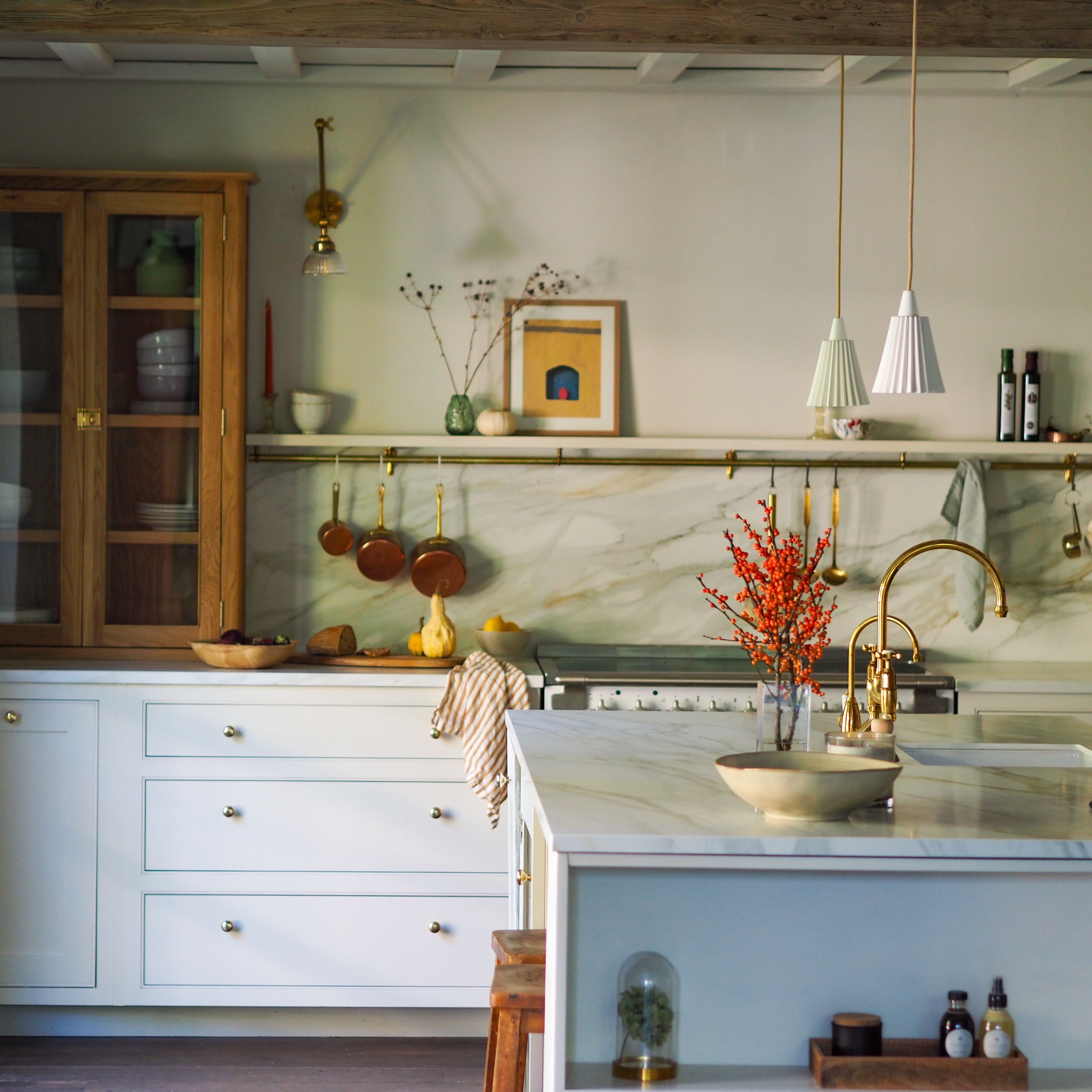
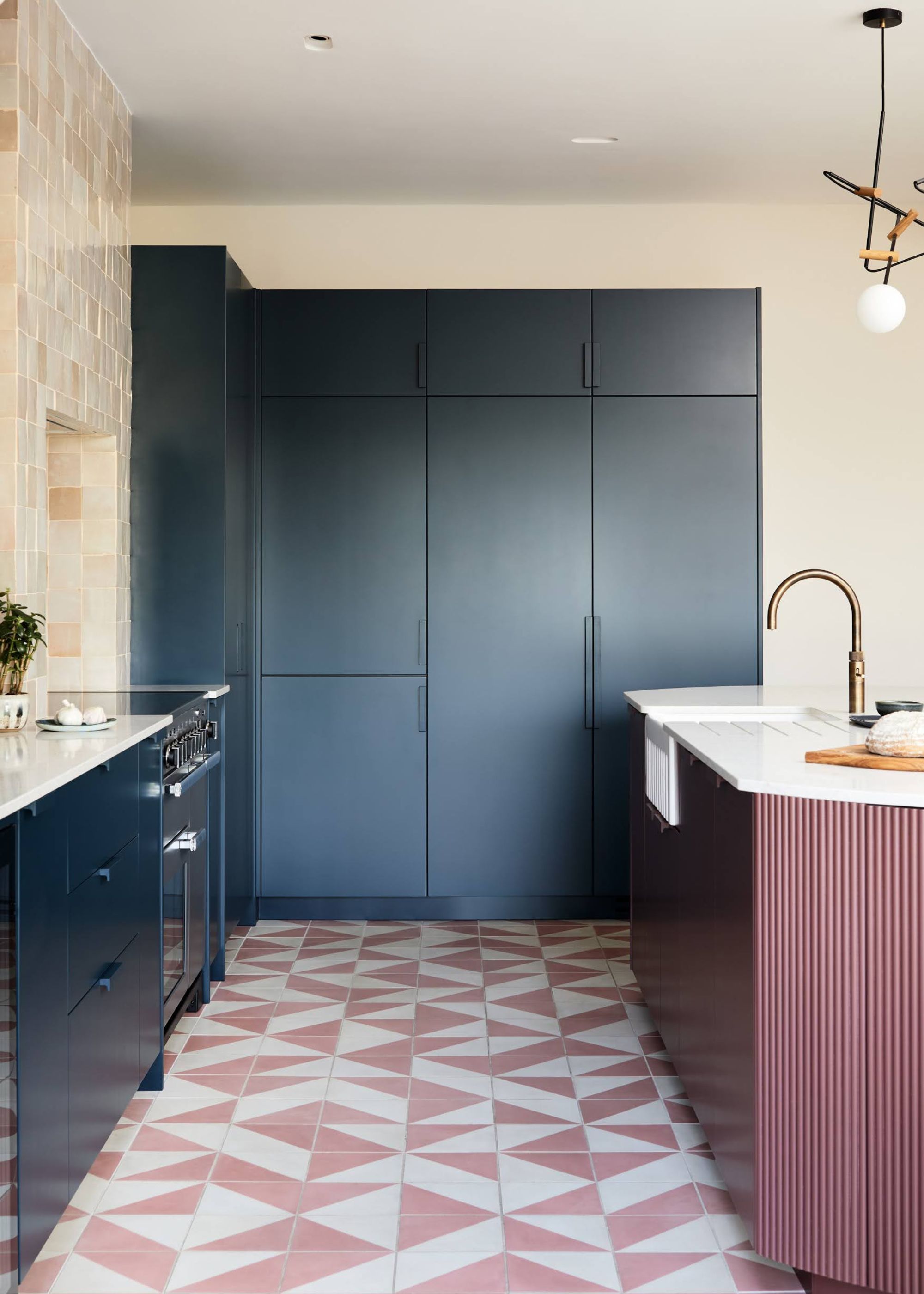
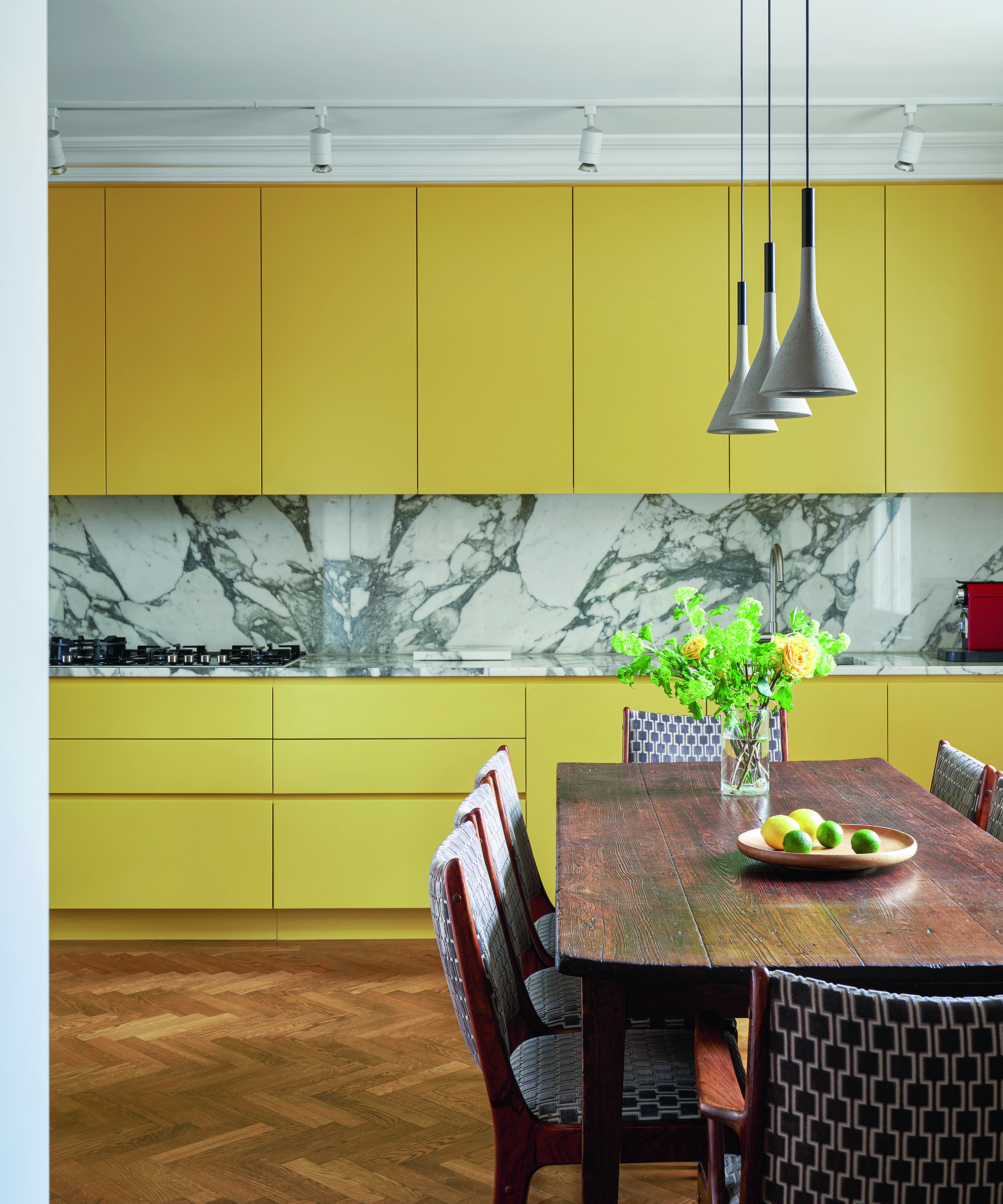
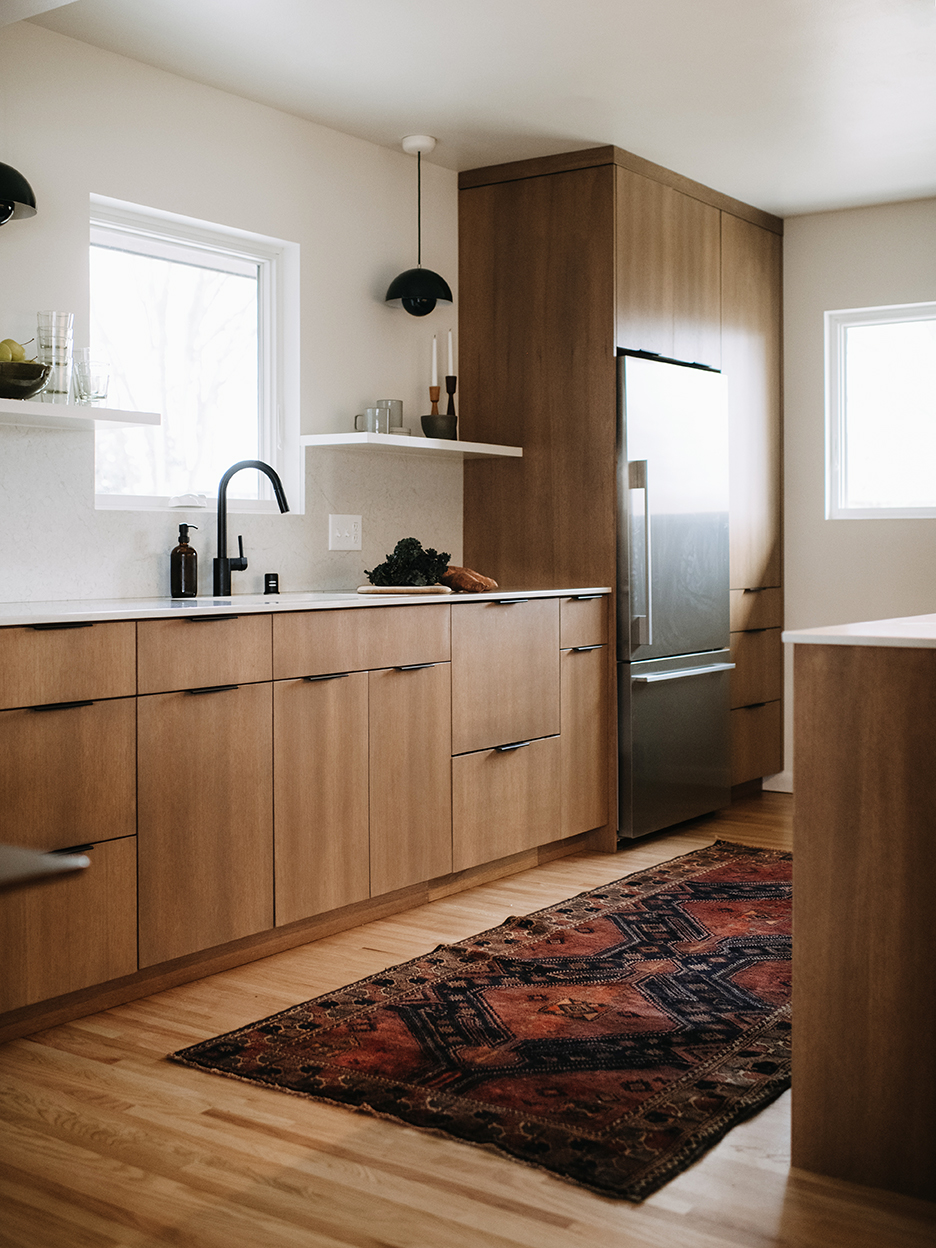
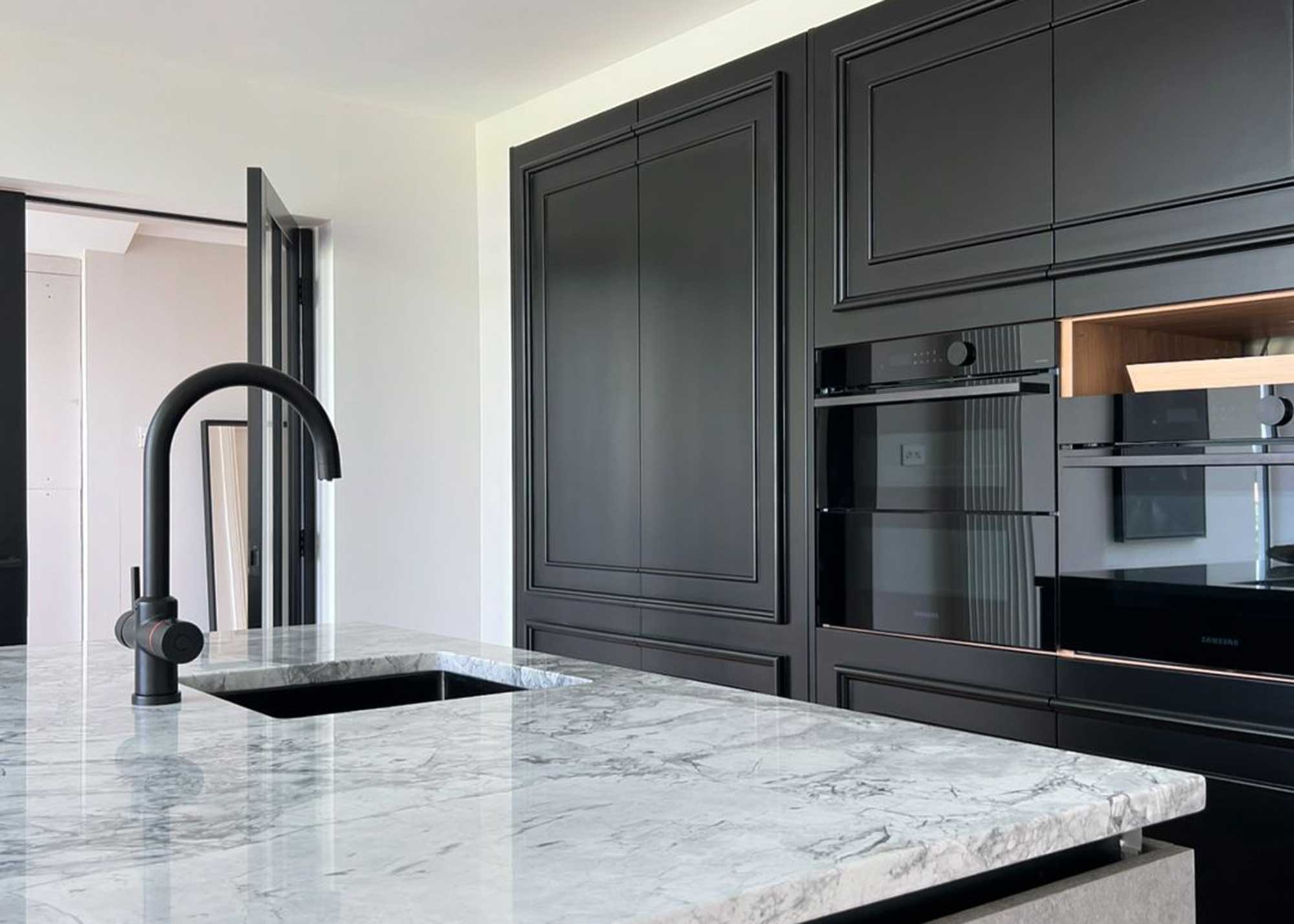
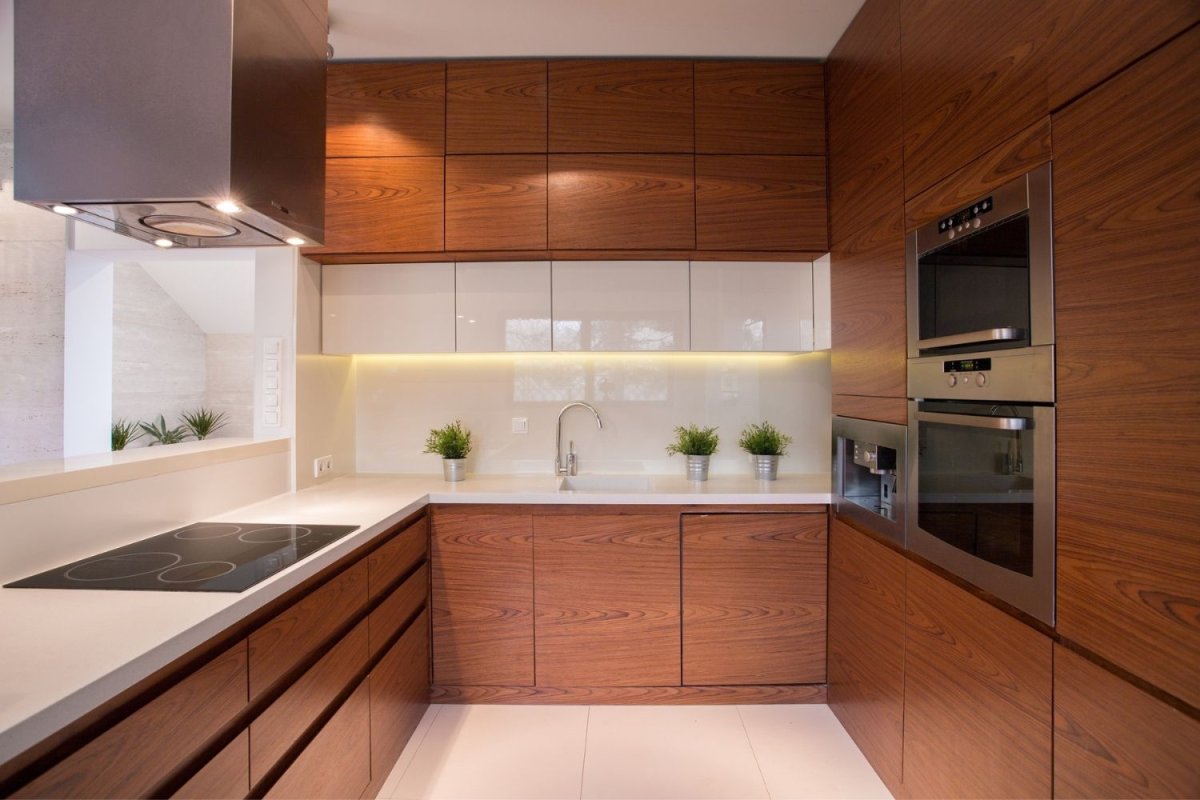
The third detail involves achieving seamless, uninterrupted lines through either streamlined design or inset cabinetry. Sometimes, enhancing the appearance of expense means removing unnecessary elements rather than adding them. A seamless kitchen design typically conveys more luxury. This can be achieved by eliminating filler panels between cabinets to create a sleek, unbroken look. Inset cabinetry, where doors and drawers sit flush within the cabinet frame, also contributes to this streamlined aesthetic. Integrating appliances, such as hidden dishwashers or refrigerators, further enhances this seamlessness by allowing the cabinetry to remain the focal point, ensuring a consistent flow throughout the kitchen, as highlighted by Richard Davonport.
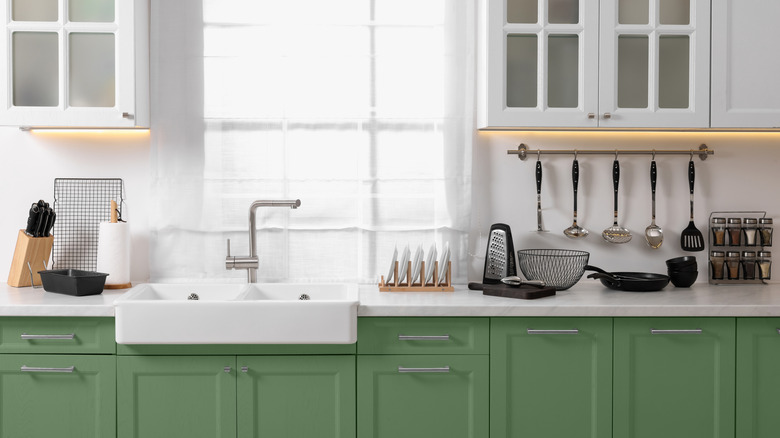
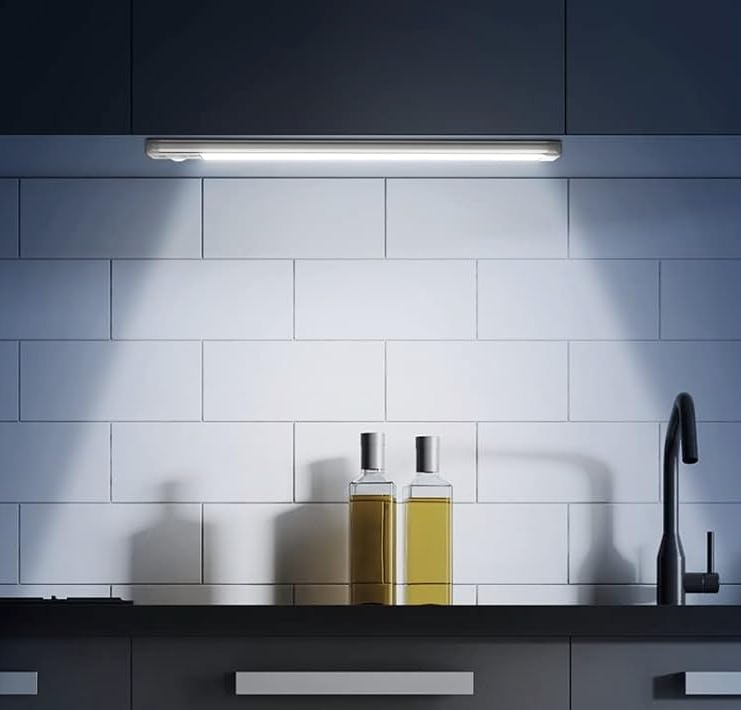
Fourthly, under-cabinet lighting combines both style and function to create an elevated kitchen environment. Installing LED strips beneath upper wall cabinets provides essential task lighting for cooking while also contributing to the overall atmospheric lighting of the kitchen. This detail adds a thoughtful and considered layer to the kitchen's lighting scheme, enhancing its ambiance. It is also an accessible and often budget-friendly upgrade, with motion-sensored options adding convenience and a modern touch.
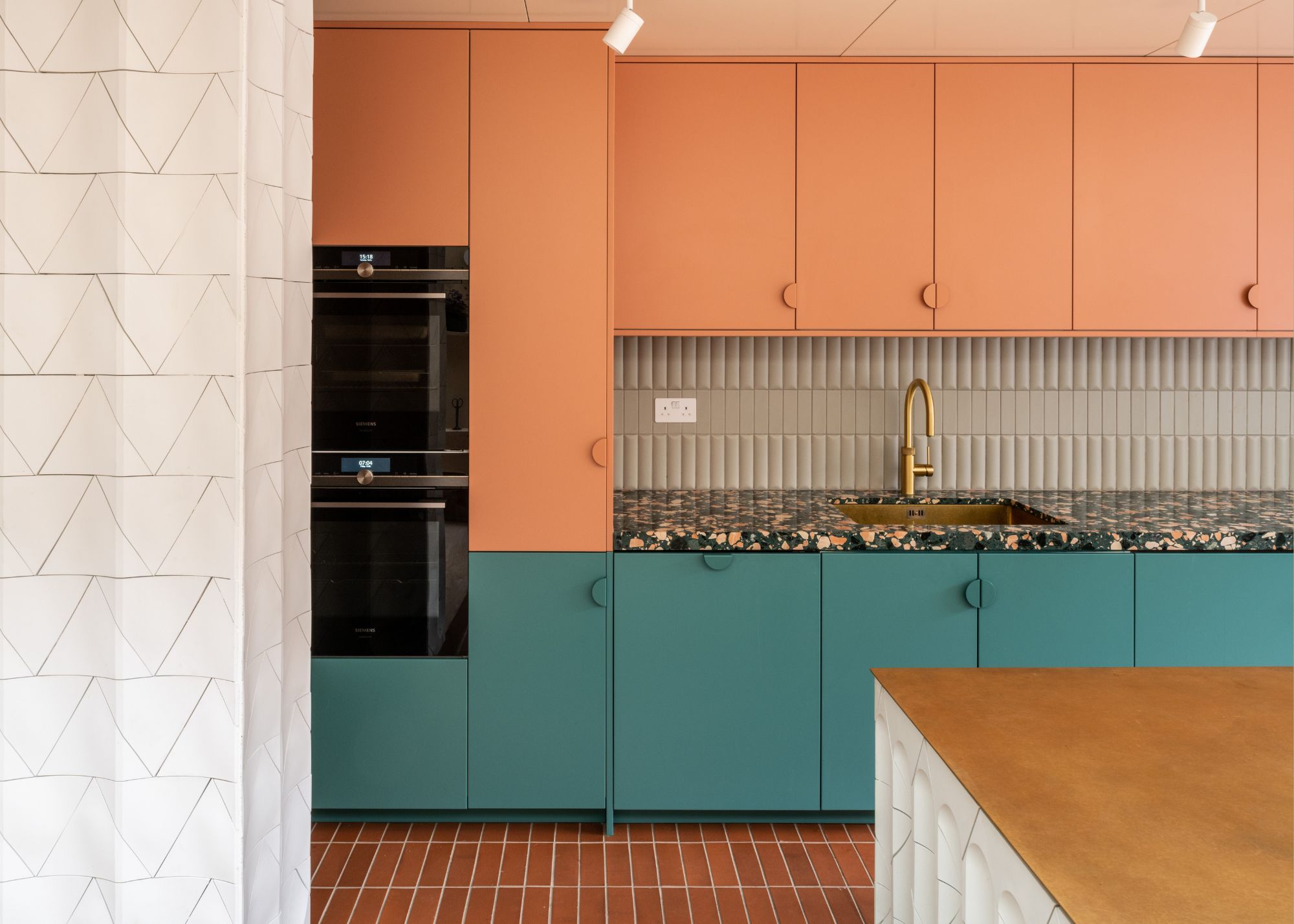
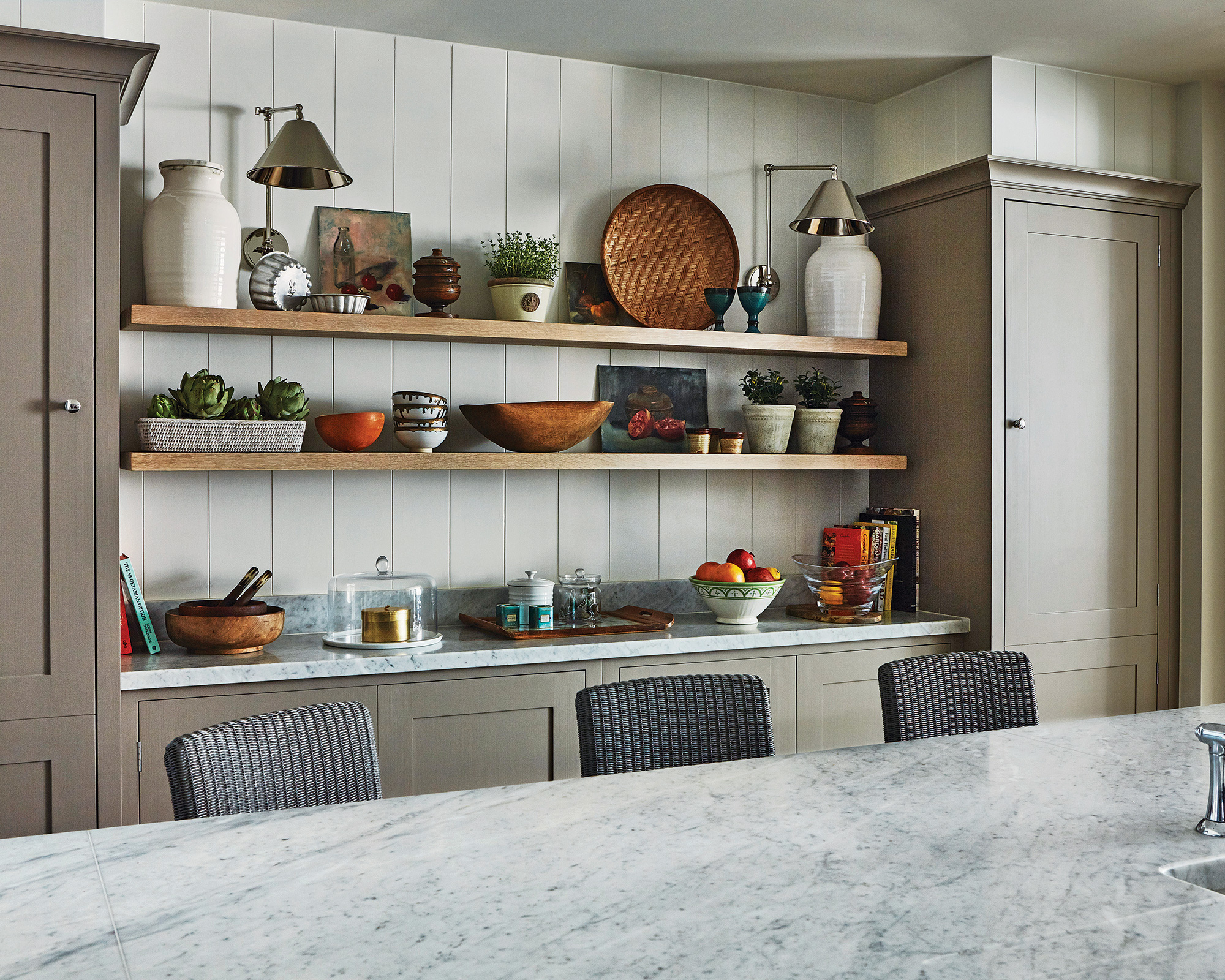
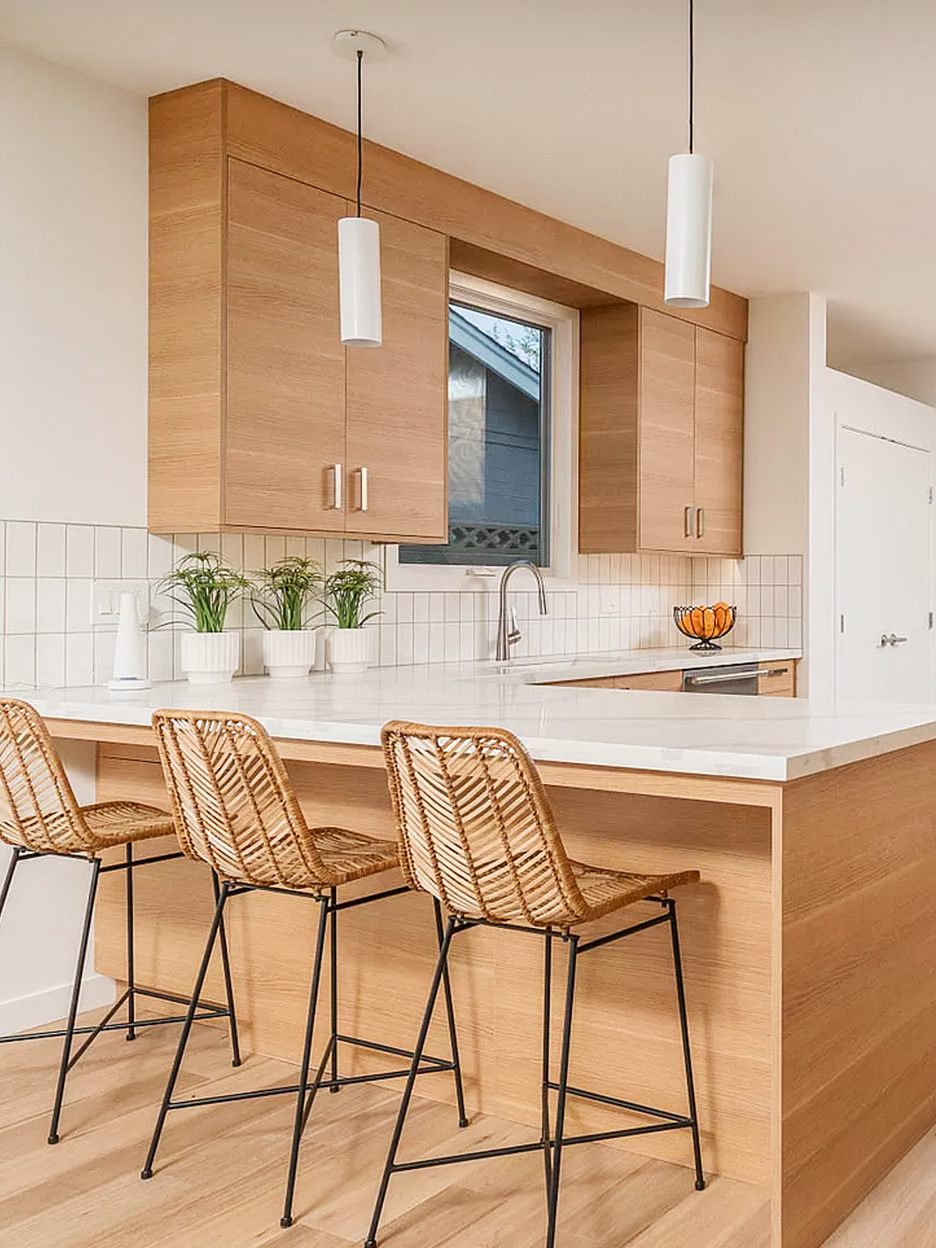
Finally, incorporating textural details adds depth and dimension, preventing cabinets from appearing 'flat'. Elements like beadboard doors offer subtle variations in light and color, while fluted or knurled handles provide refined elegance. Gareth Hull notes a trend toward softer, sculptural shapes in hardware, emphasizing that these understated details contribute to a bespoke and intentional feel, bringing cohesion and craftsmanship to the kitchen. The key is to ensure hardware complements the cabinetry without competing with it, resulting in a thoughtfully finished space. Conversely, using ill-fitted, mass-produced hardware or opting for low-quality materials like MDF instead of solid wood can make a kitchen look inexpensive and lack durability, undermining the overall design effort.
#KitchenDesign #Cabinetry #HomeRenovation #InteriorDesign #LuxuryKitchen #HardwareDetails #TexturalFinishes #SeamlessDesign #UnderCabinetLighting #KitchenDesign #Cabinetry #HomeRenovation #InteriorDesign #LuxuryKitchen #HardwareDetails #TexturalFinishes #SeamlessDesign #UnderCabinetLighting
0 comment in total
 No comments yet
You may also like
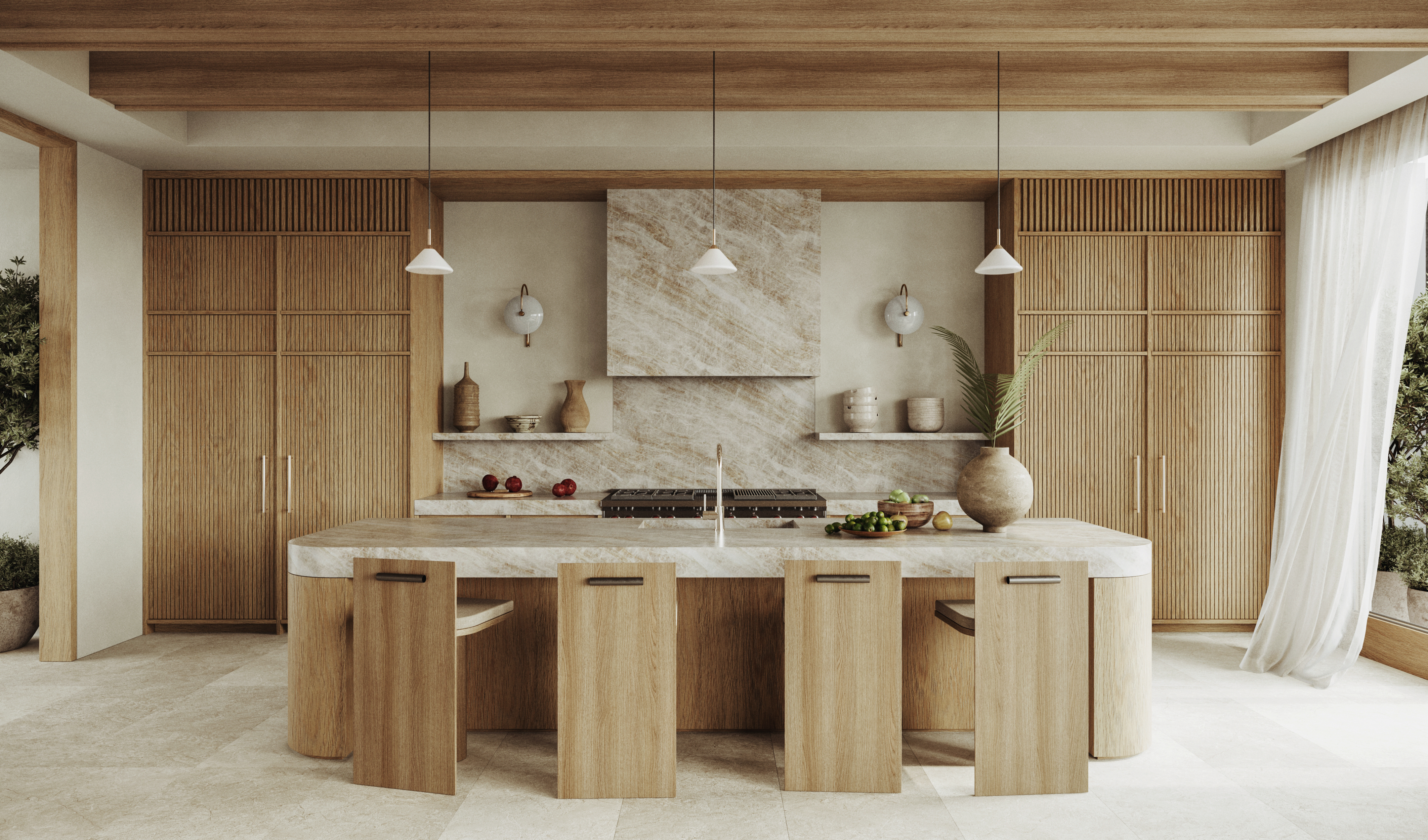
6 details interior designers are choosing for kitchen cabinetry to make cooking spaces look more expensive
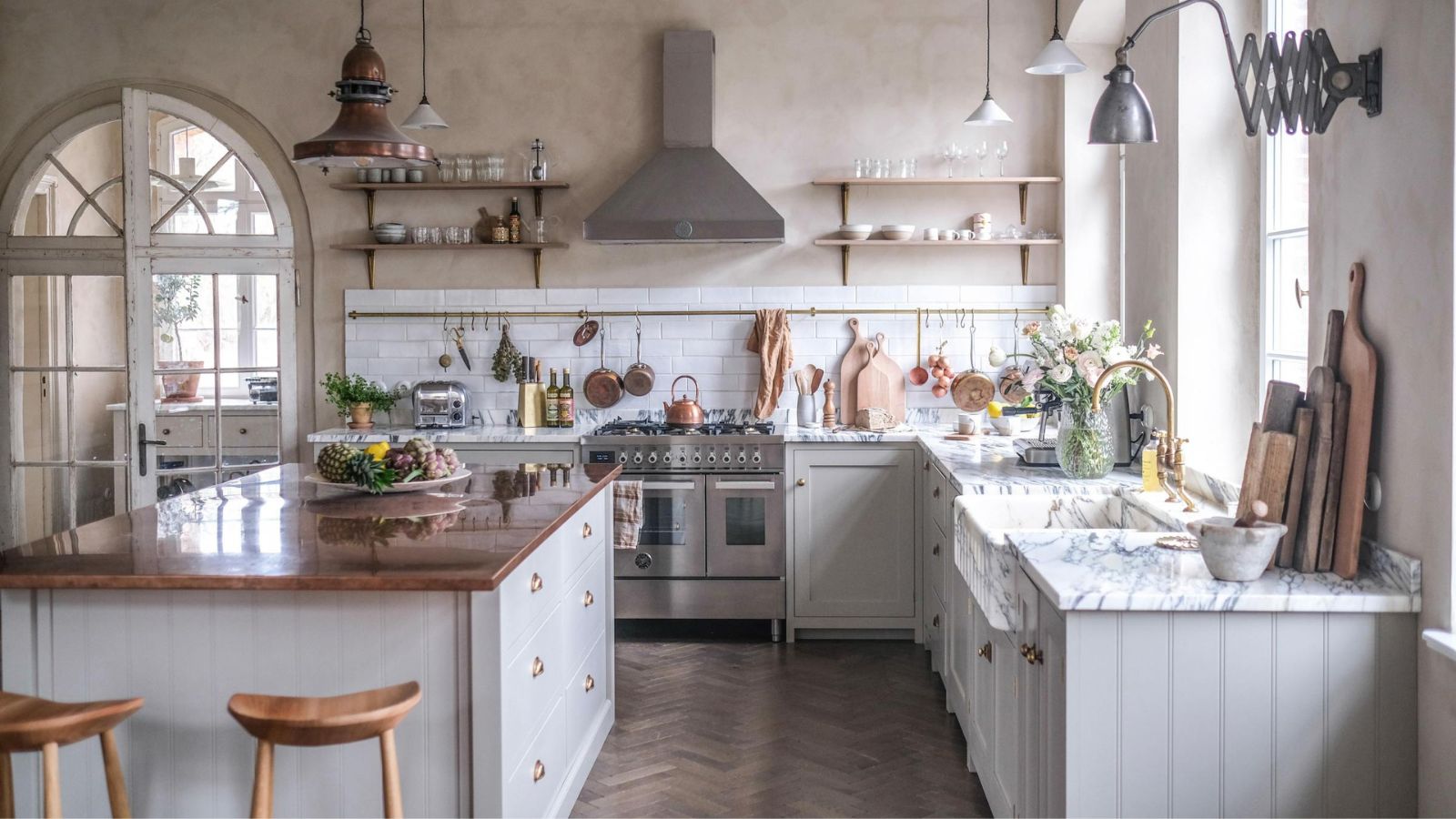
5 effortless ways to make a kitchen island look more expensive

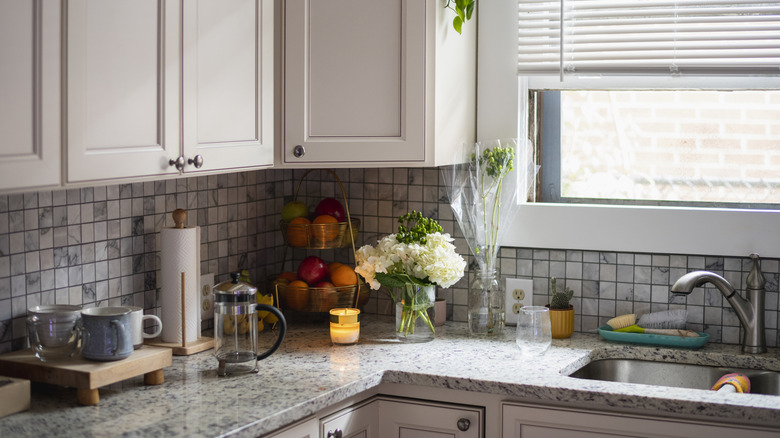
13 Subtle Ways To Make Your Kitchen Backsplash Look More Expensive

7 Clever (and Cost-Saving) Ways to Make Your Kitchen Look Expensive

5 Ways to Make Your Kitchen Look Instantly More Expensive, According to Designers

These 5 features make kitchen cabinets look dated, designers warn us
8 Secrets That Will Make Your Kitchen Look Expensive, According to Designers

What Is the Cost of Kitchen Cabinets?
7 clever hacks to make kitchen cabinets look expensive – and fake the stealth wealth look
5 Ways to Make Your Kitchen Look Instantly More Expensive, According to Designers

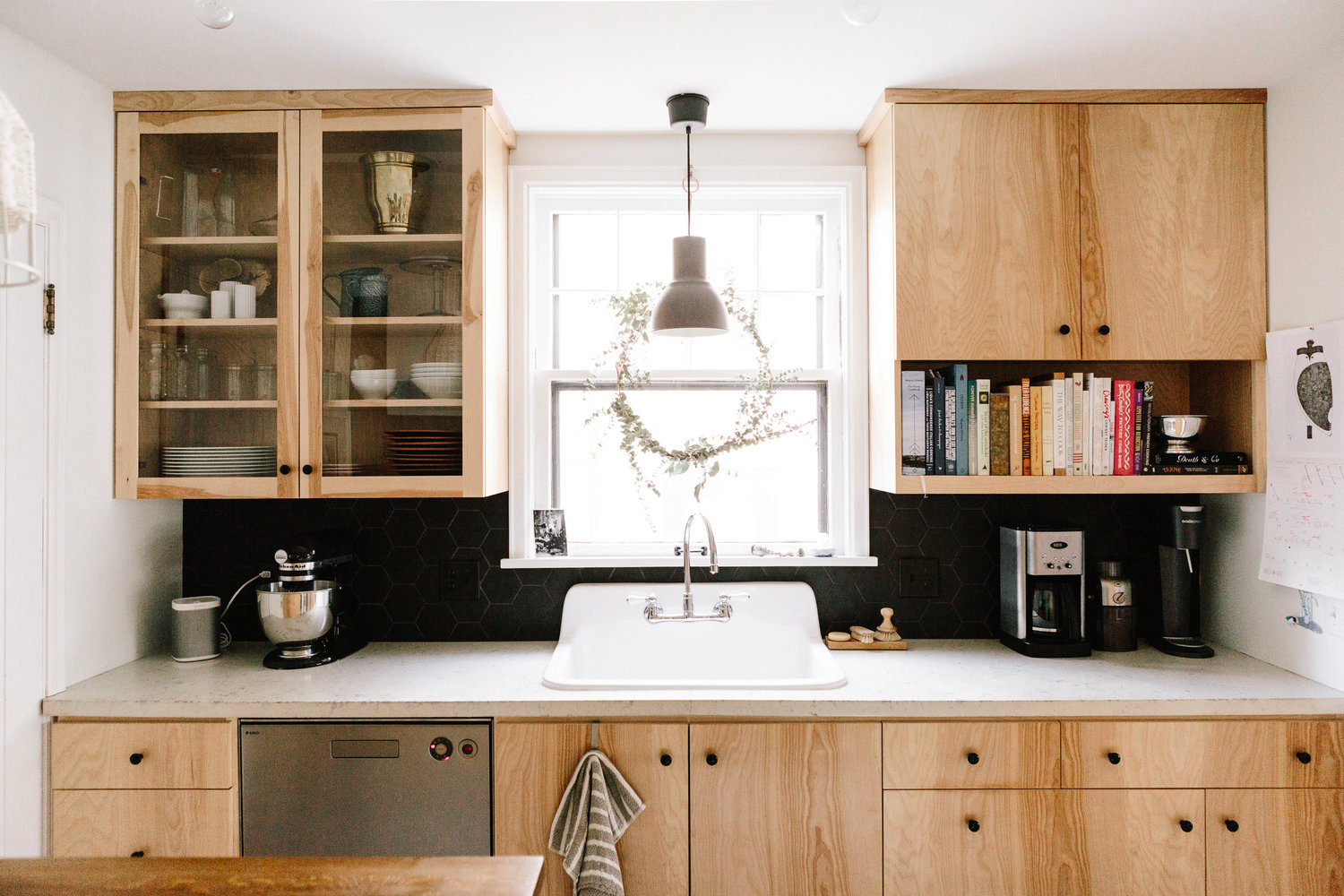
Kitchen Renovations Can Be Expensive, But Your Cabinets Don’t Have to Be
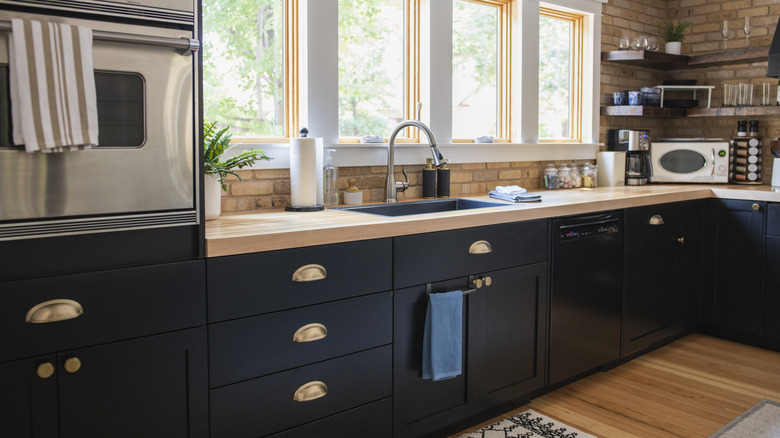
19 Unexpected Cabinet Styles That Totally Upgrade Any Kitchen
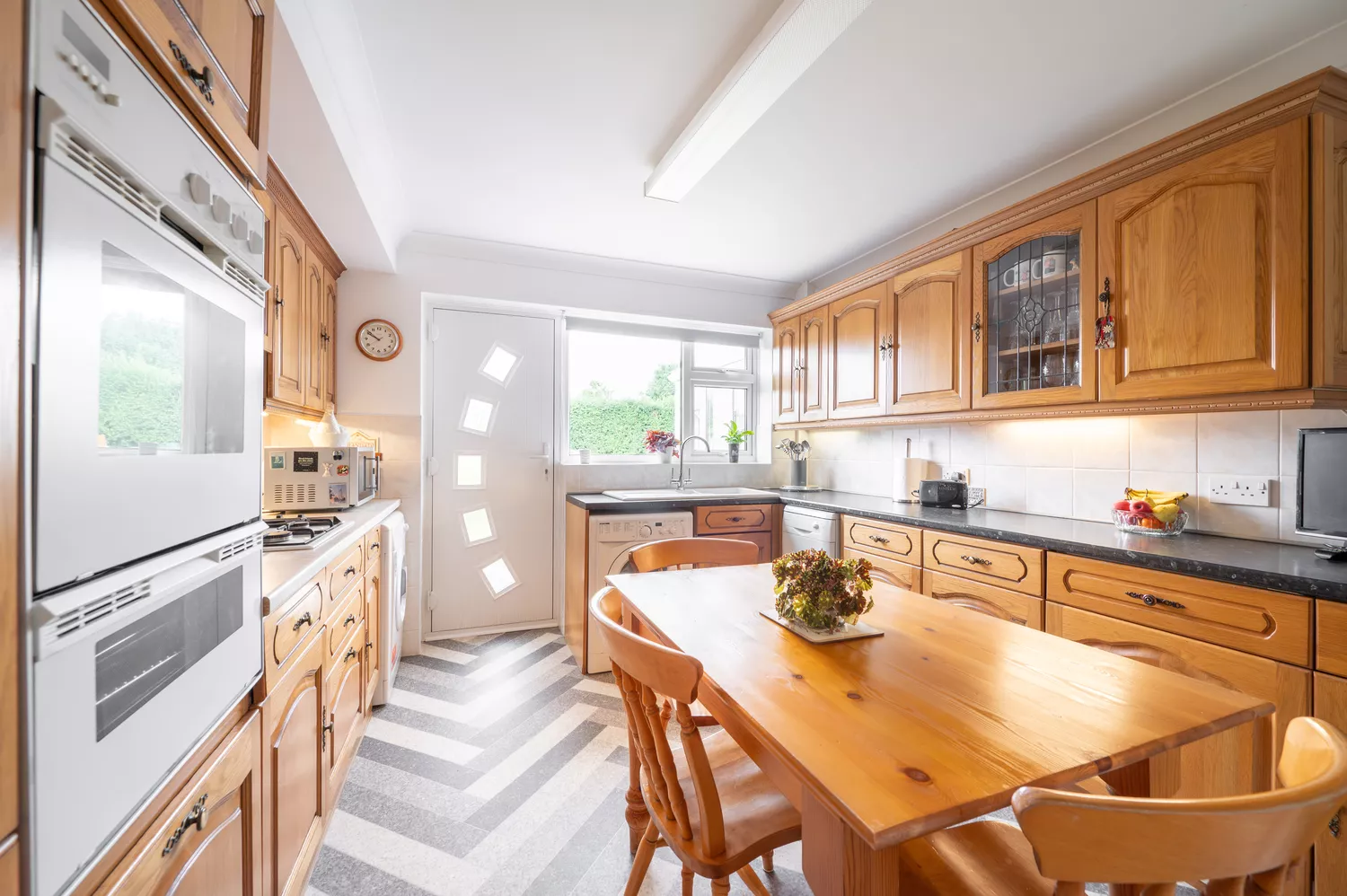
5 Tricks That Make Your Dated Kitchen Cabinets Look Expensive, According to Designers
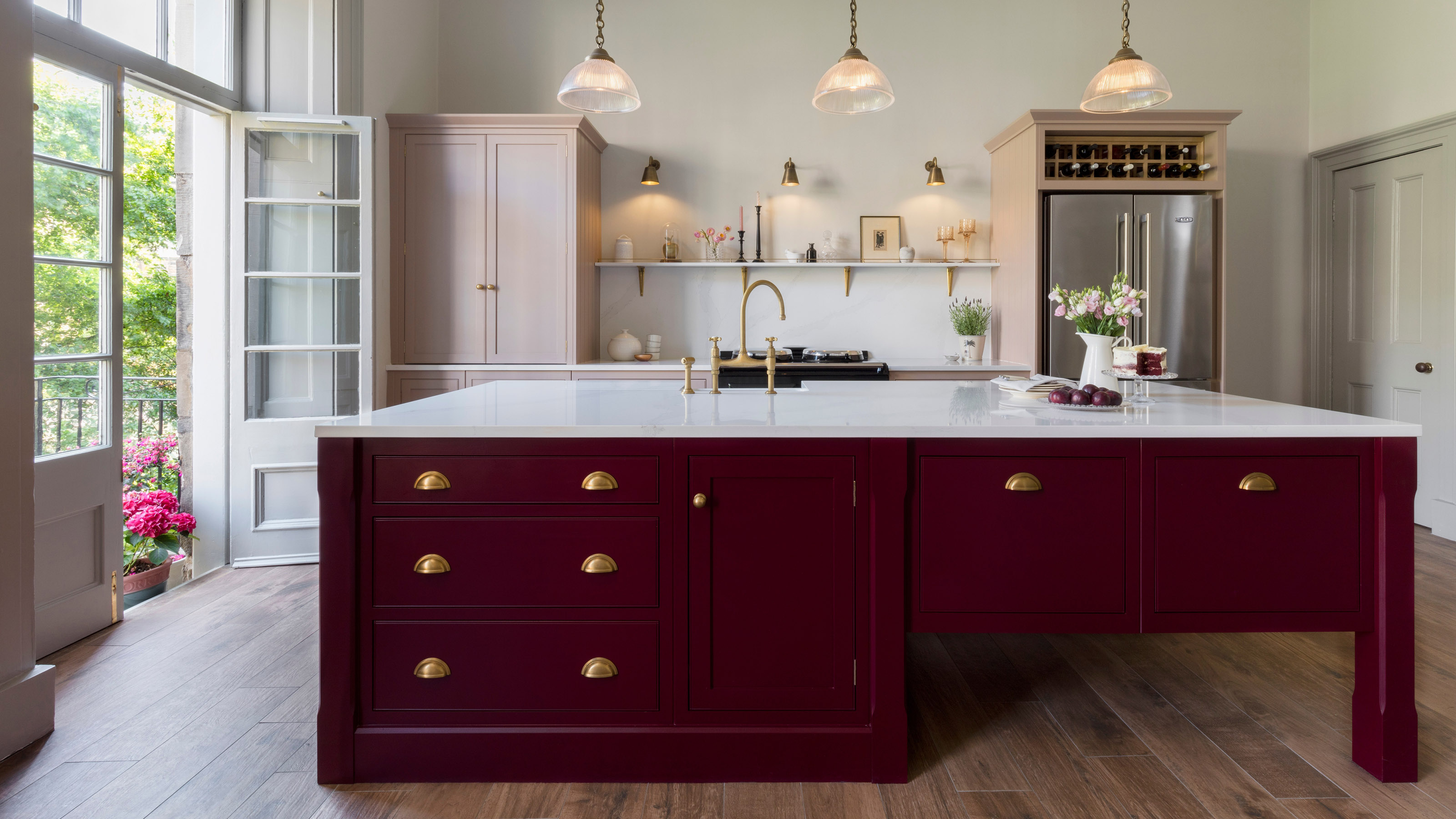
The secret to making your kitchen island look more expensive, according to design experts
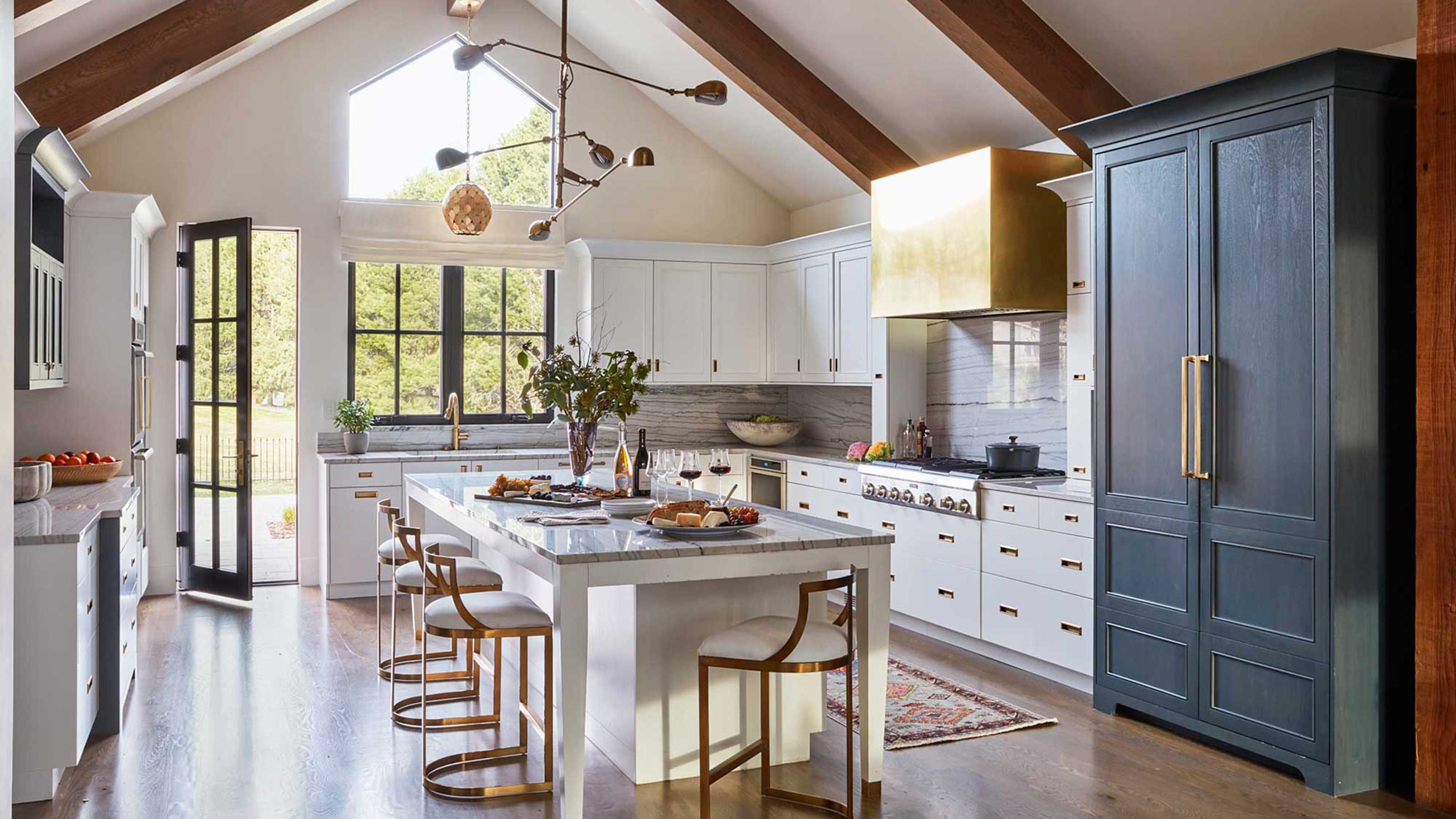
9 Colors That Designers Say Will Make Your Kitchen Look Much More Expensive
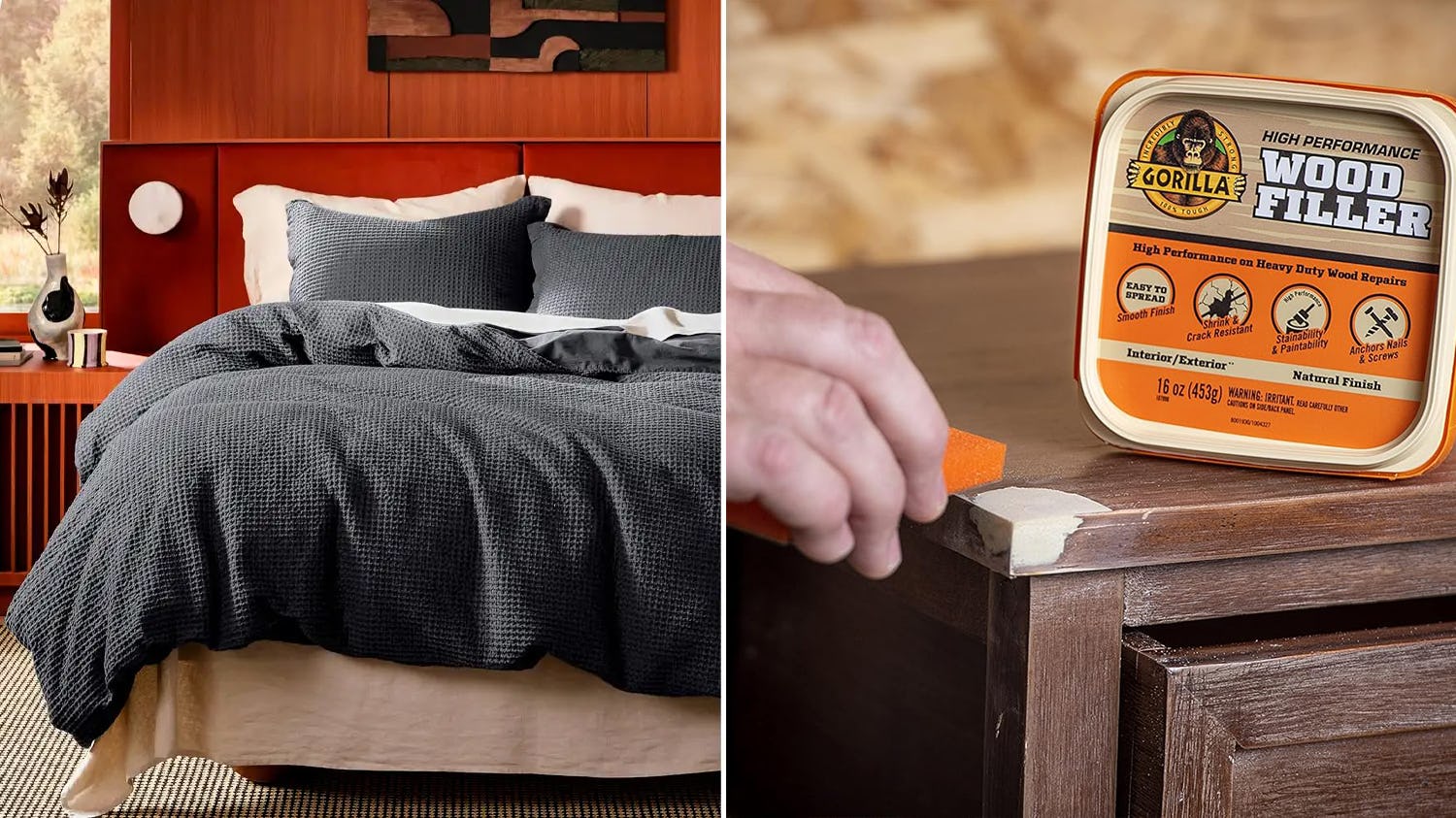
Contractors Swear By These Weird Things That Make Your Home Look Way More Expensive

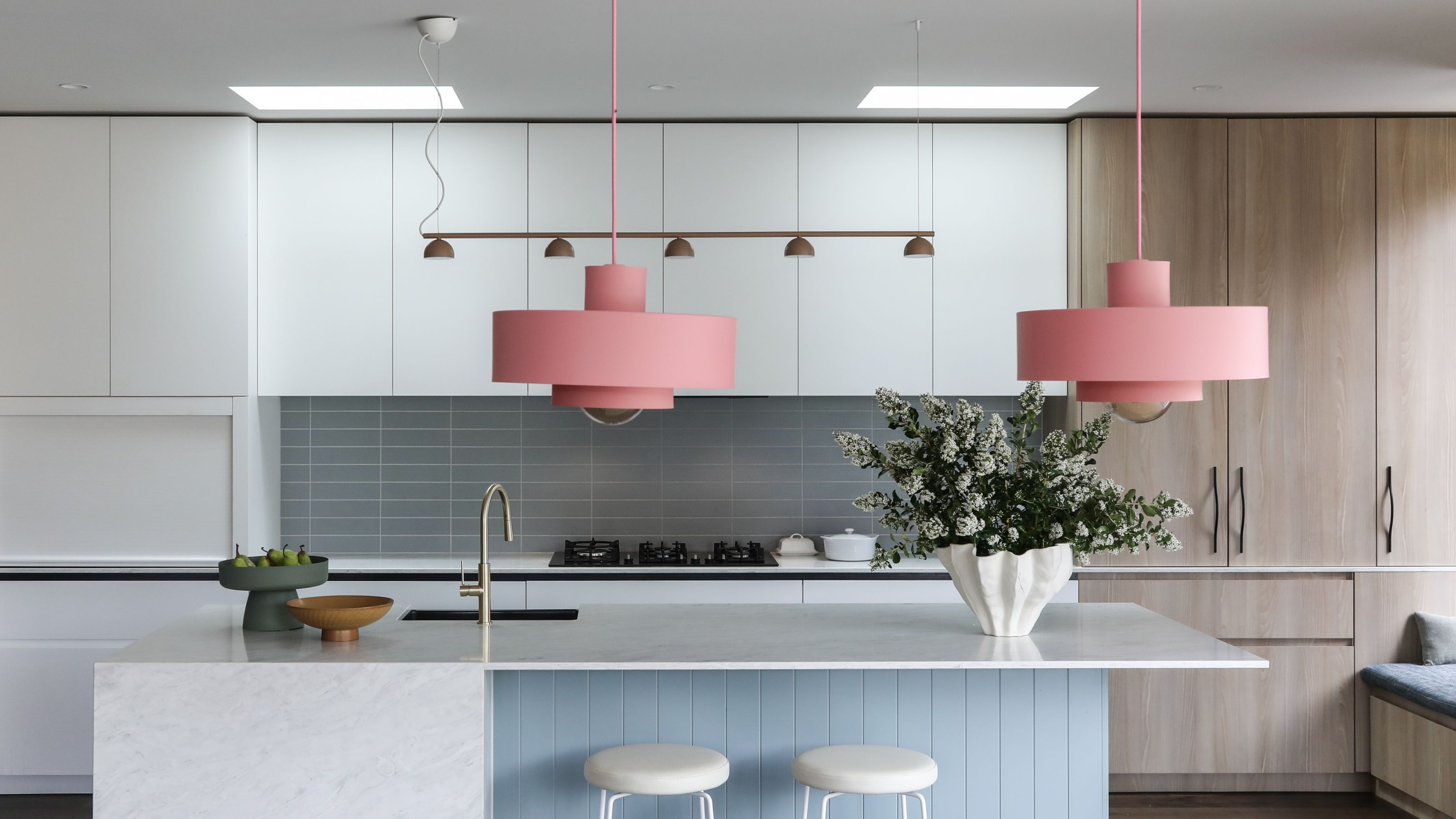
5 Kitchen Cabinet Details to Avoid If You Don't Want Your Space to Look Old-Fashioned
10 Items That Make Your Home Look WAY More Expensive

5 Things You Should Be Lighting in Your Home to Make Your Rooms Look More Expensive
5 Kitchen Cabinet Details to Avoid If You Don't Want Your Space to Look Old-Fashioned