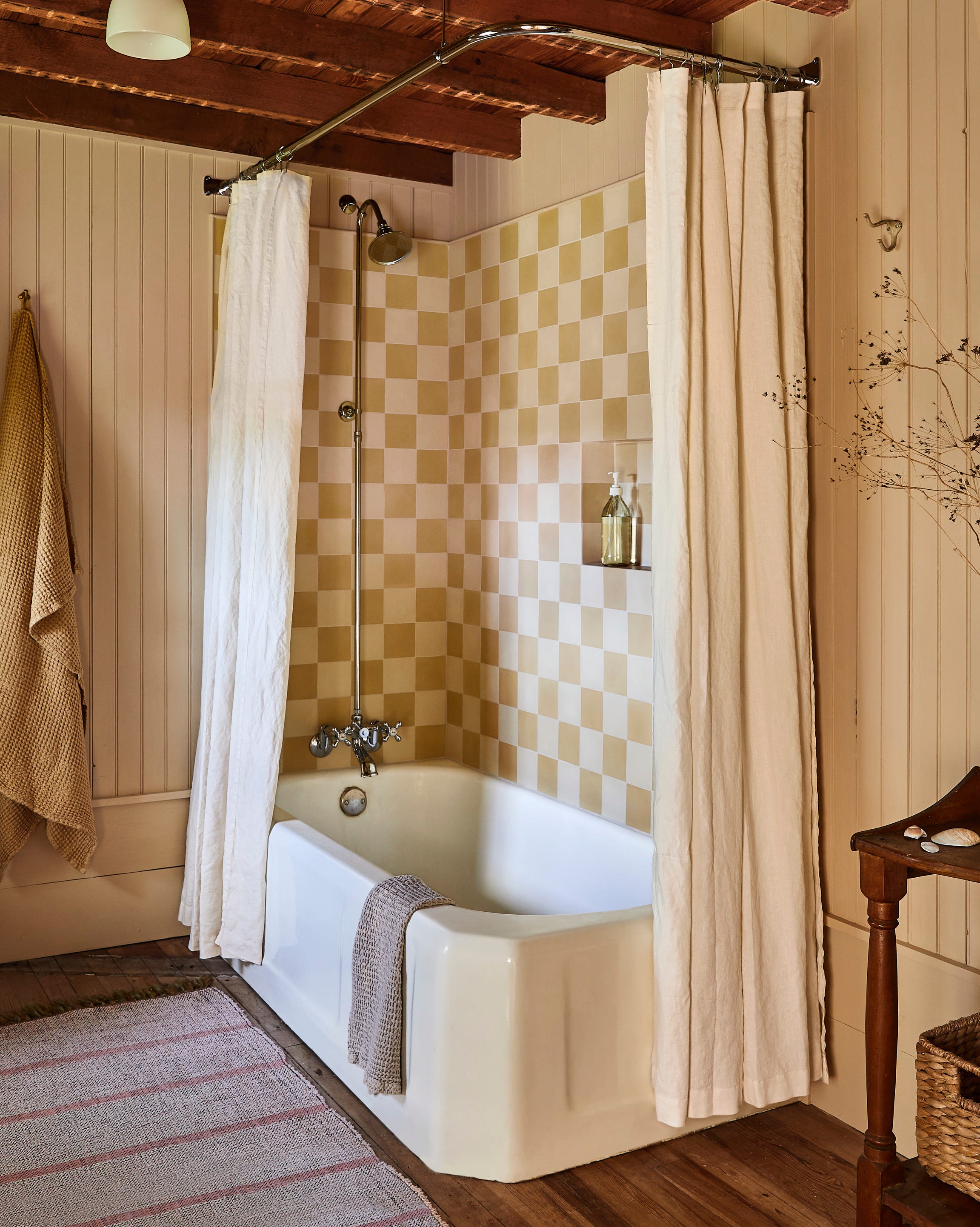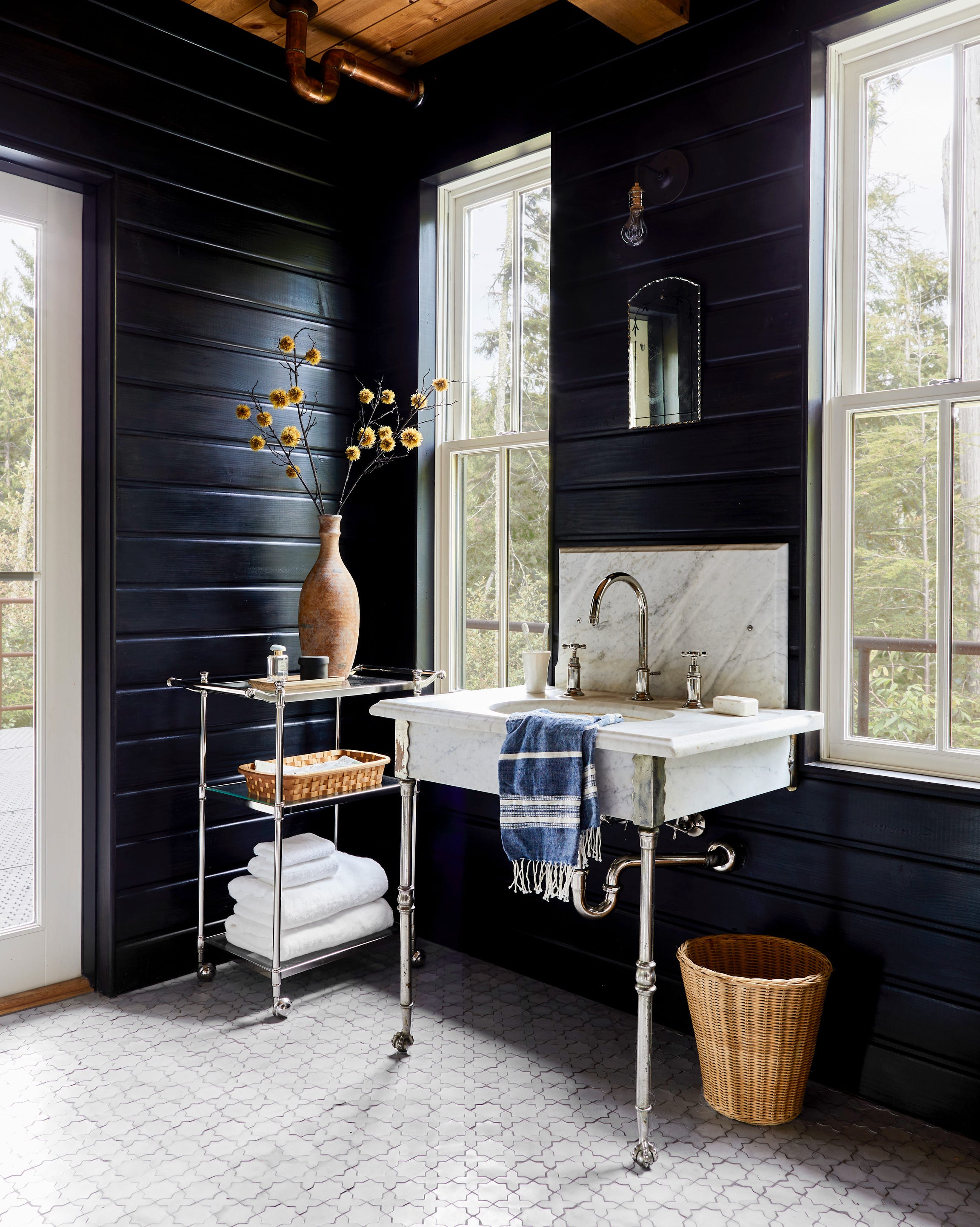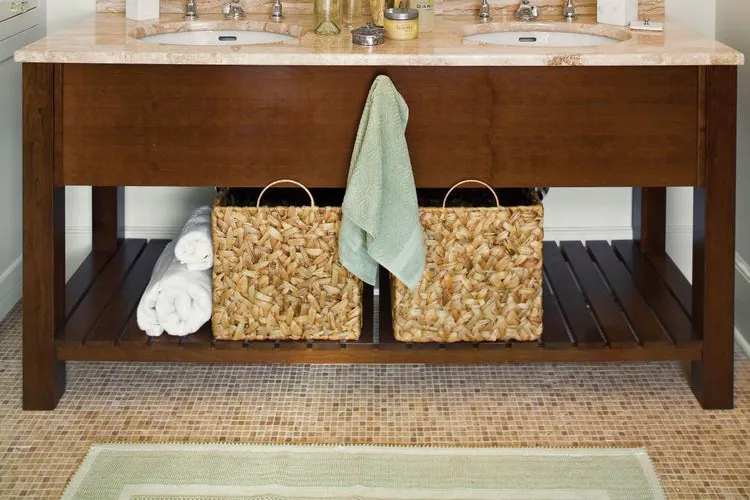
6 Bathroom Tile Patterns Designers Are Ready To Say Goodbye To
This article highlights six specific bathroom tile patterns that Southern designers are advising against for modern home renovations, deeming them dated or problematic. The insights come from Jennie Rebecca Springer of Jennie Rebecca Design, Rainey Richardson of Rainey Richardson Interiors, and Patti Wilbourne of PWD Studio, offering a guide for those looking to create an elevated and contemporary bathroom space.
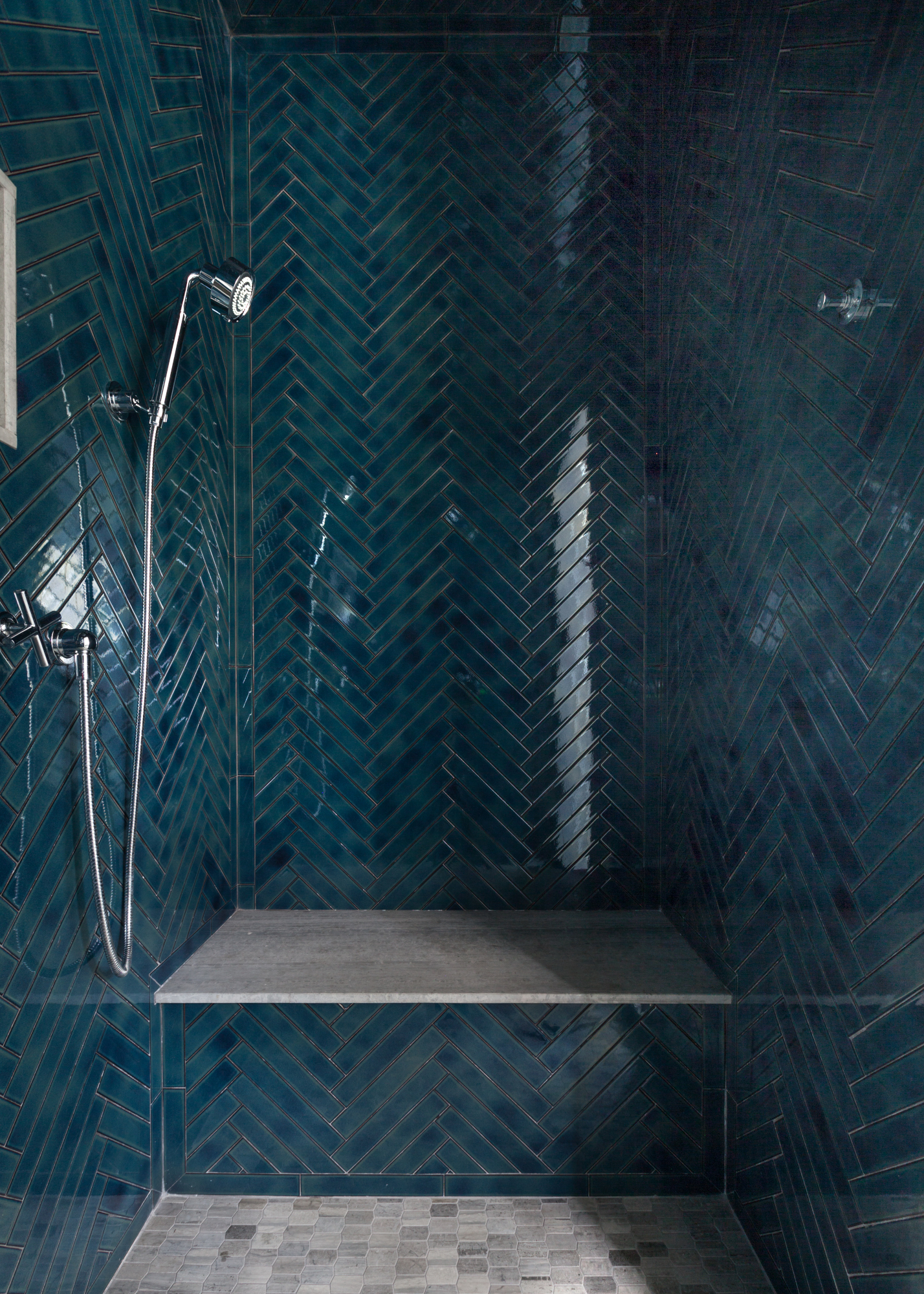
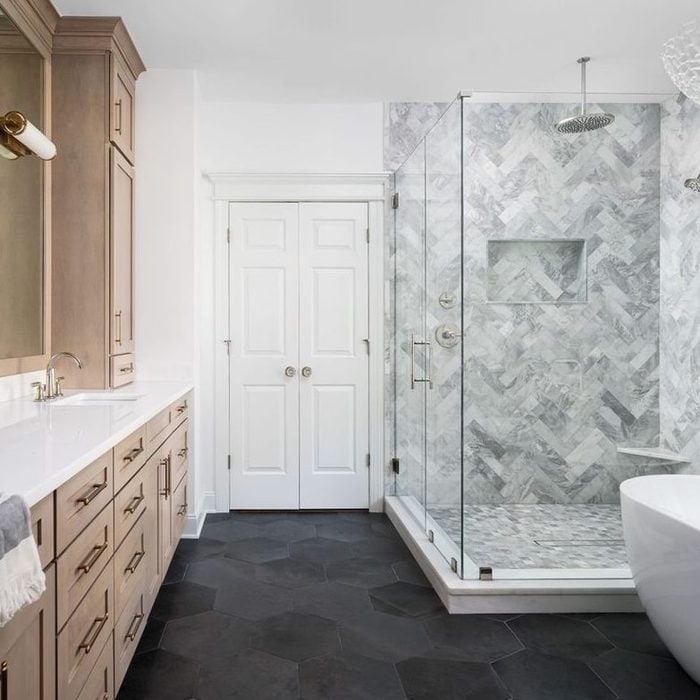
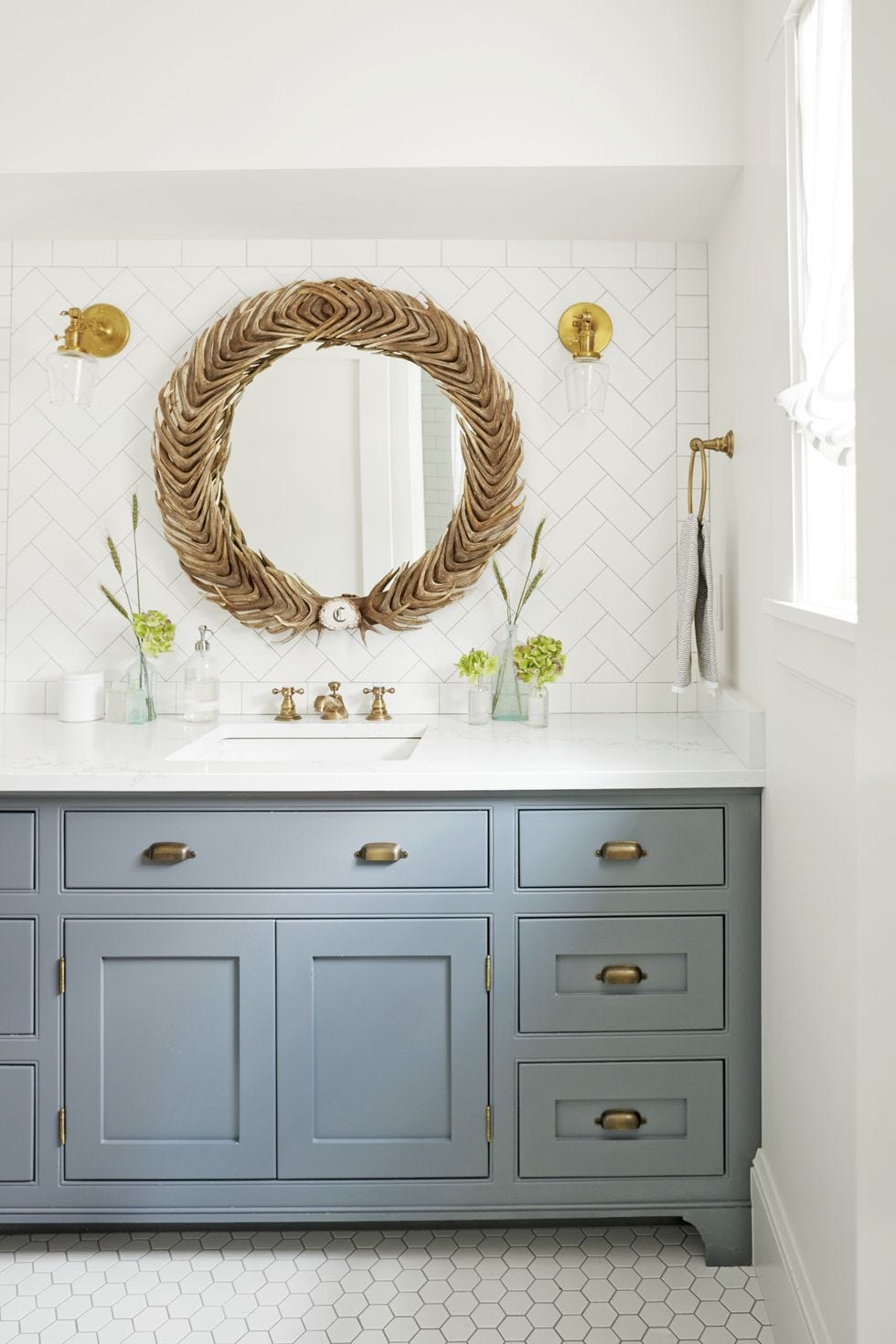
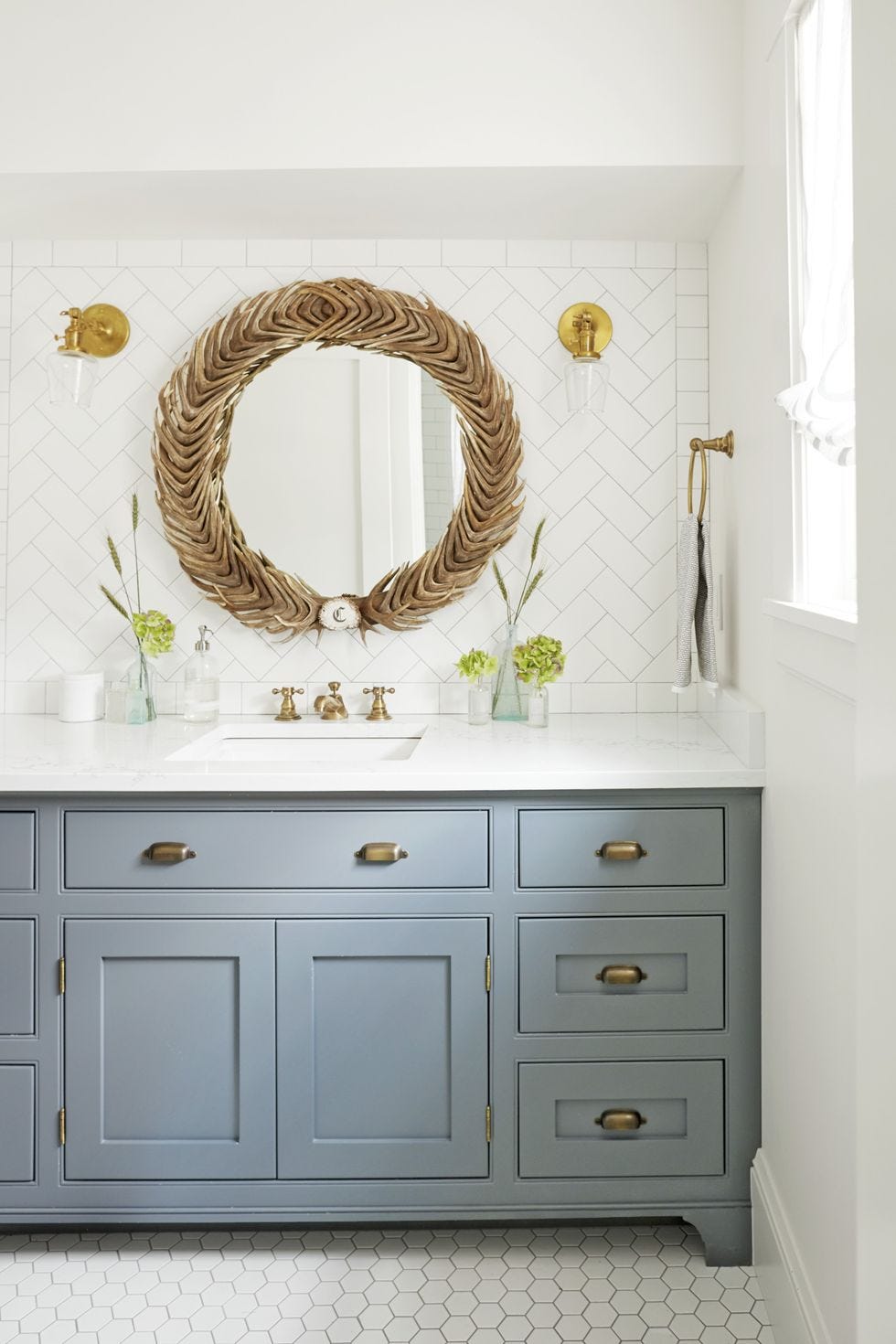
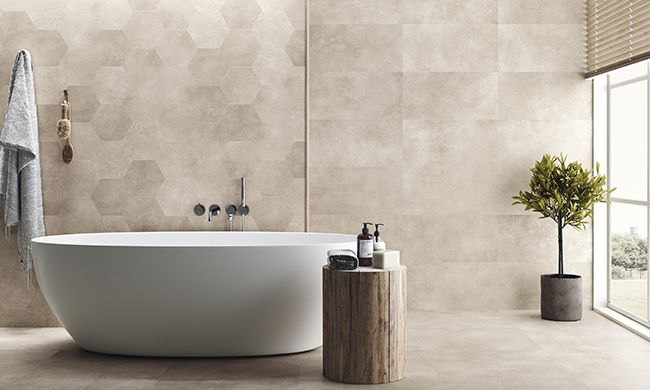
First, chevron tile is identified as a pattern that has become dated. While its visual appeal might still attract some, designers suggest opting for a more traditional and enduring herringbone pattern as an alternative. The herringbone pattern offers a similar geometric interest but with a timeless quality that chevron tile currently lacks, according to experts.
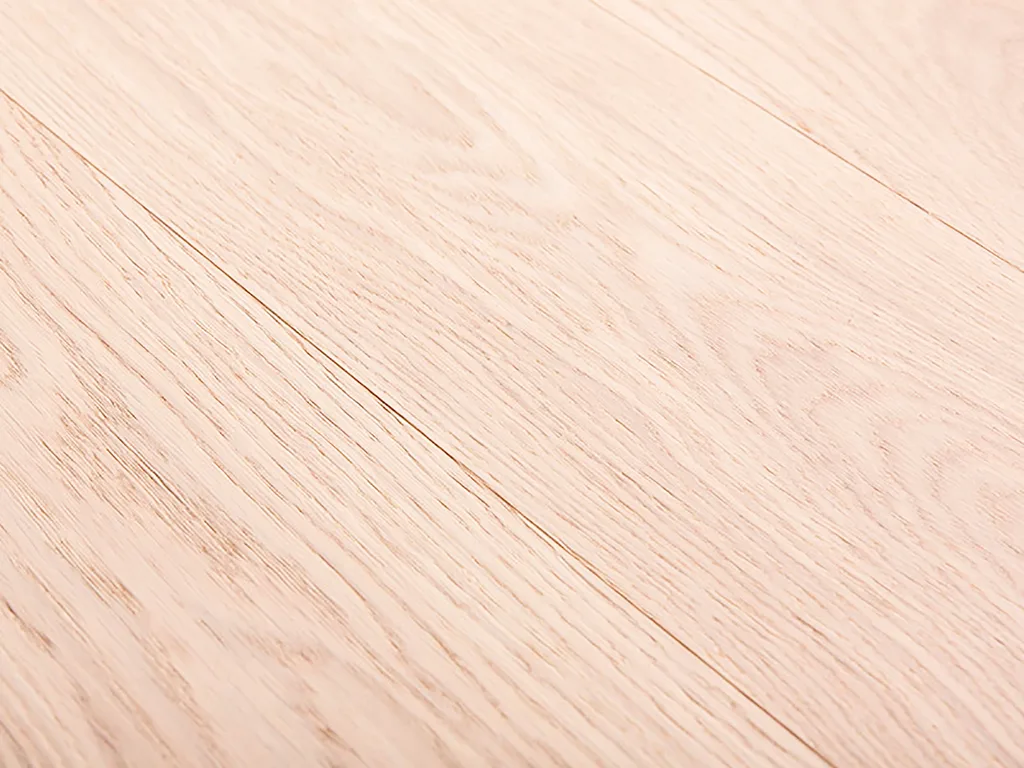
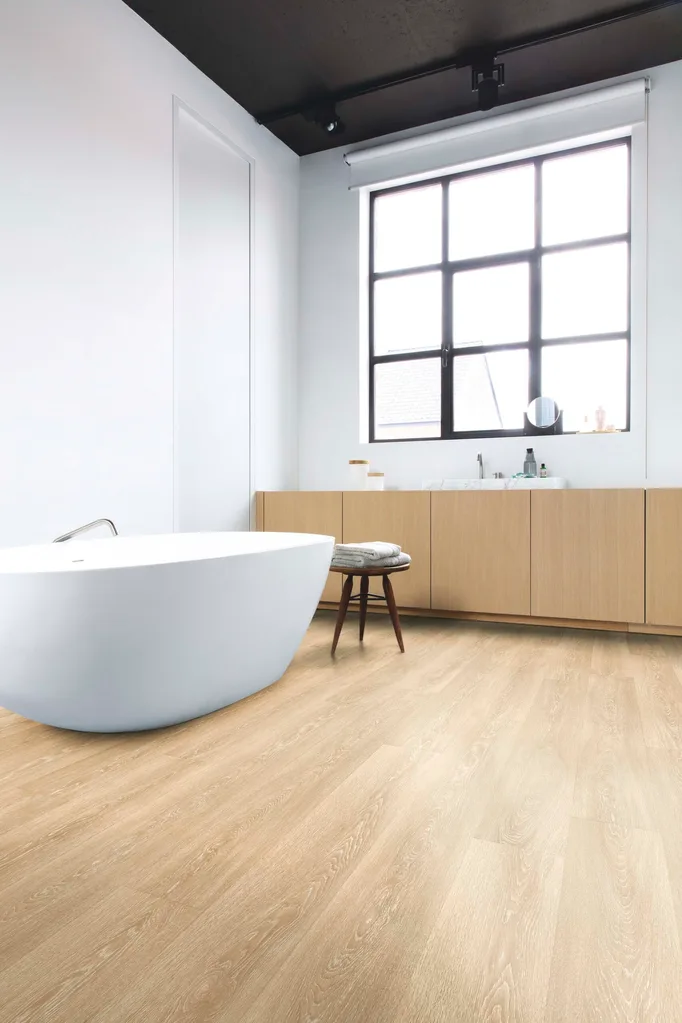
Next, faux hardwood tile is discouraged. The rationale here is that tile should embrace its own identity rather than attempting to mimic another material. Designers emphasize that genuine hardwood and tile are distinct materials, and attempts to make tile appear as hardwood often result in a less authentic and less appealing aesthetic. The recommendation is to allow each material to stand on its own merits without disguise.
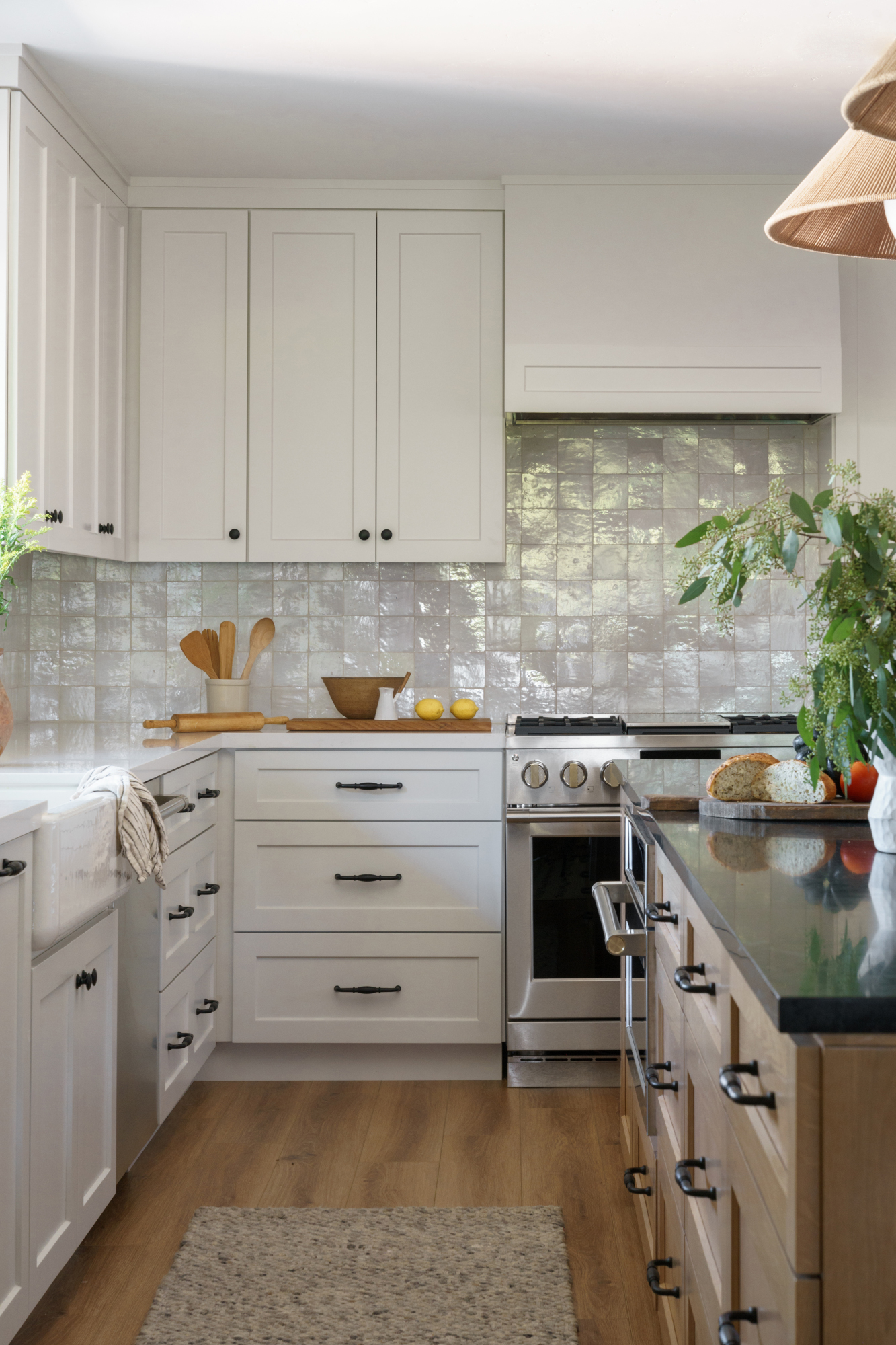

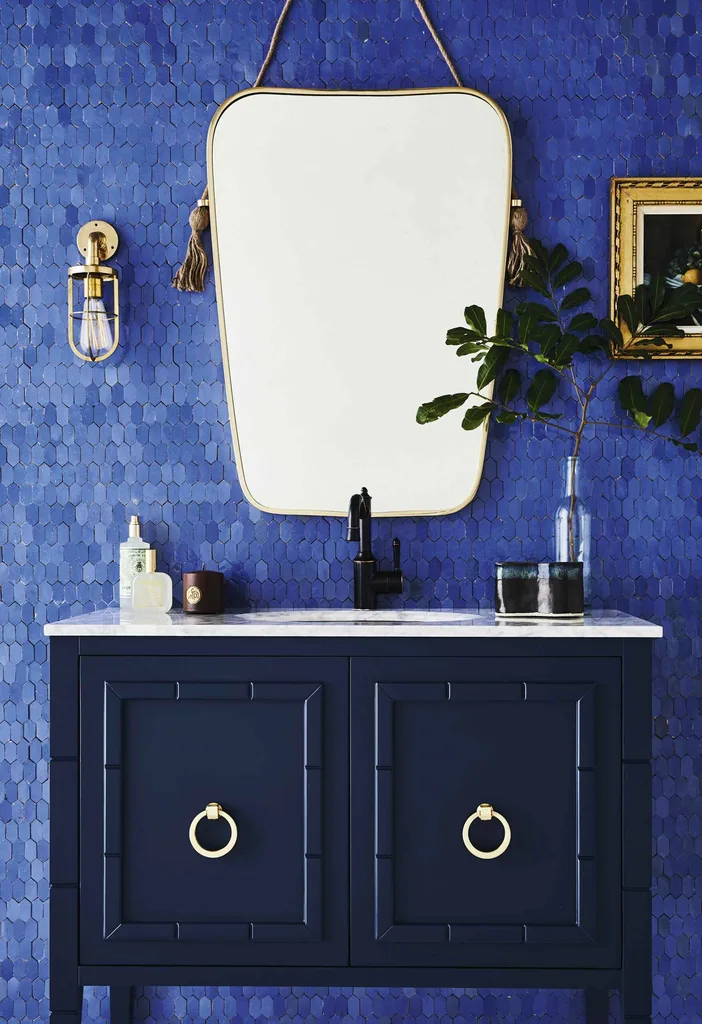
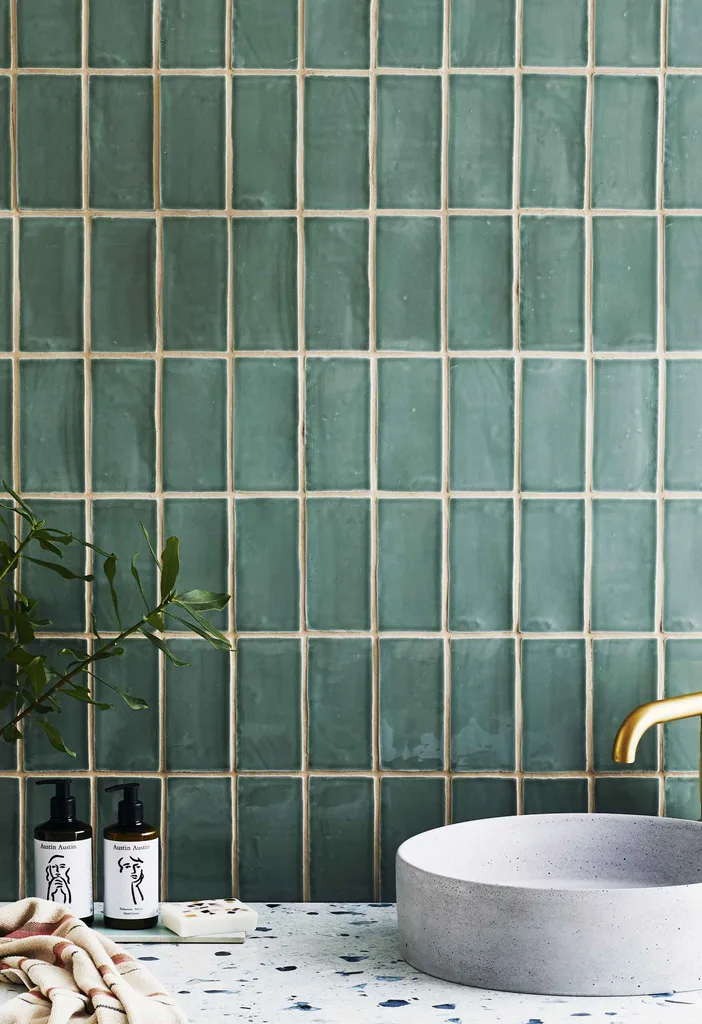
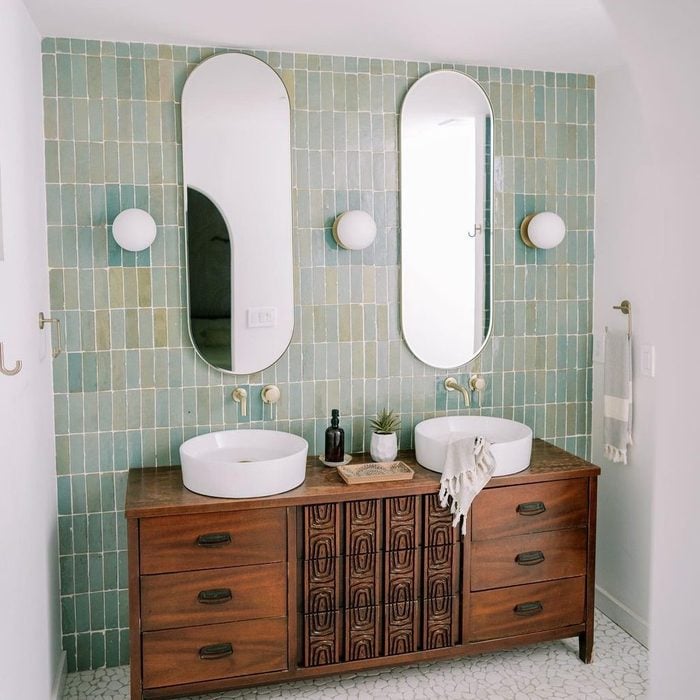
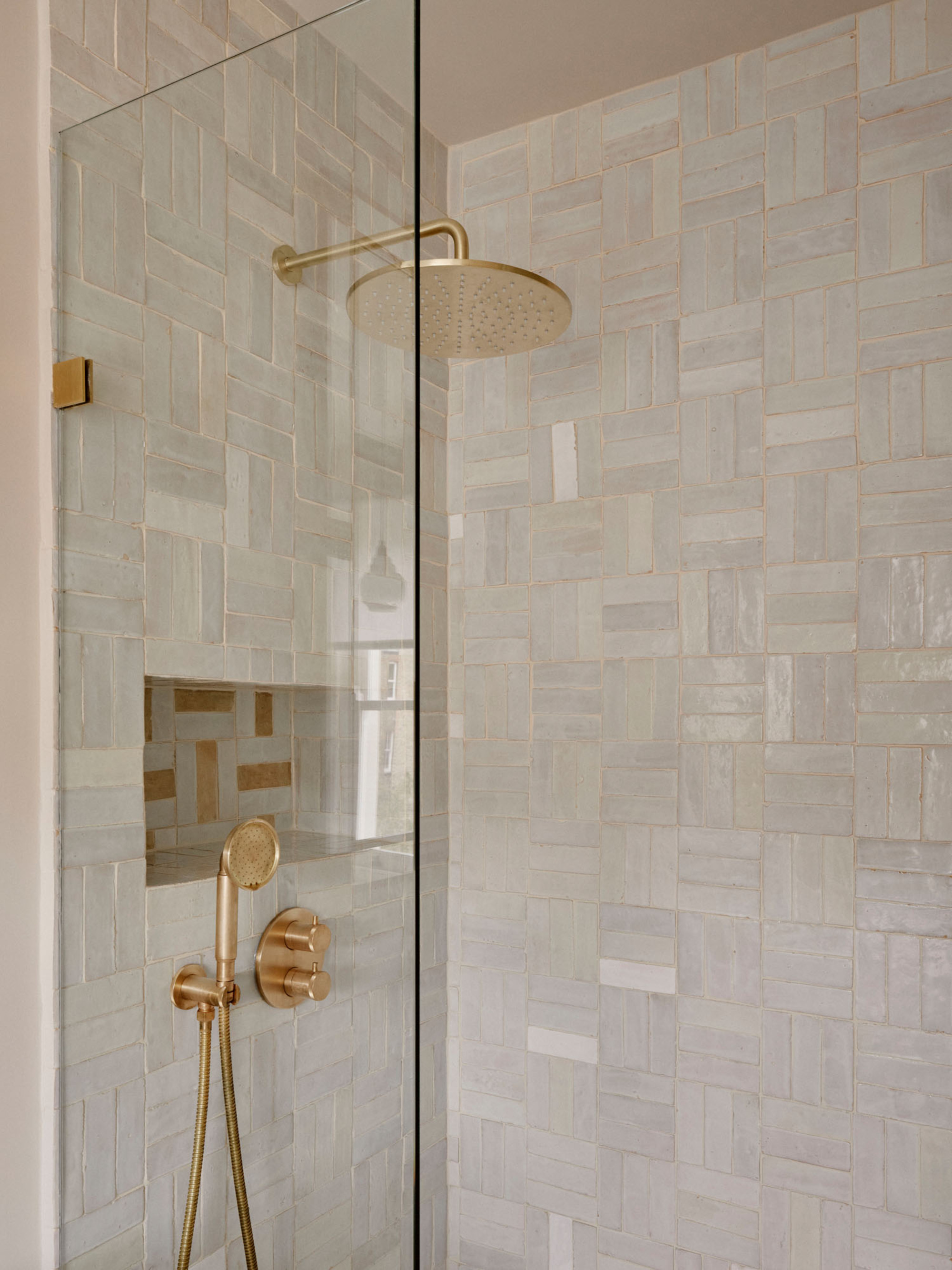
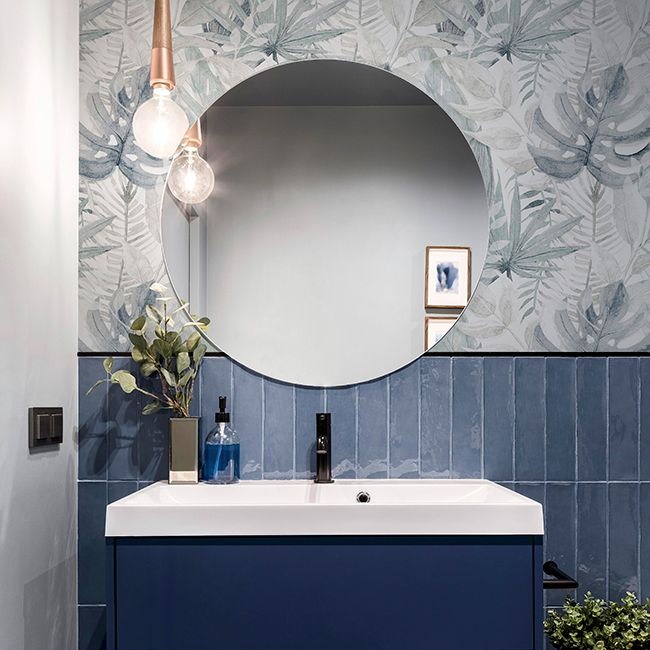
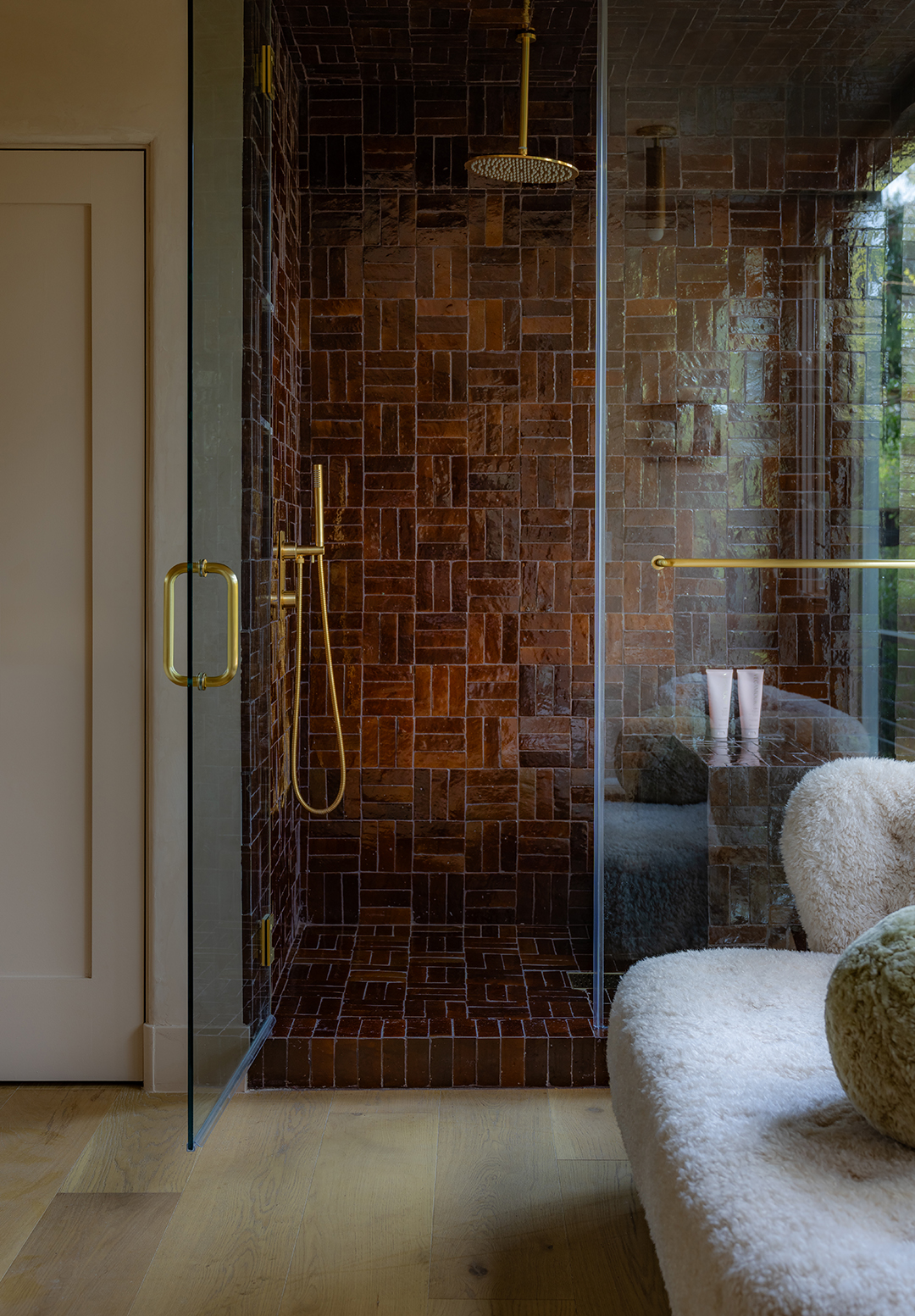
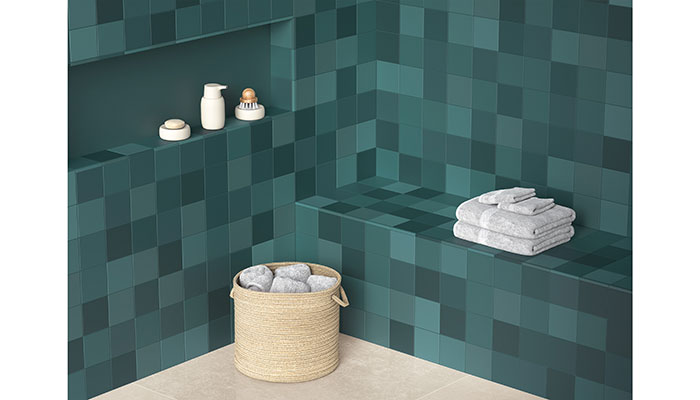
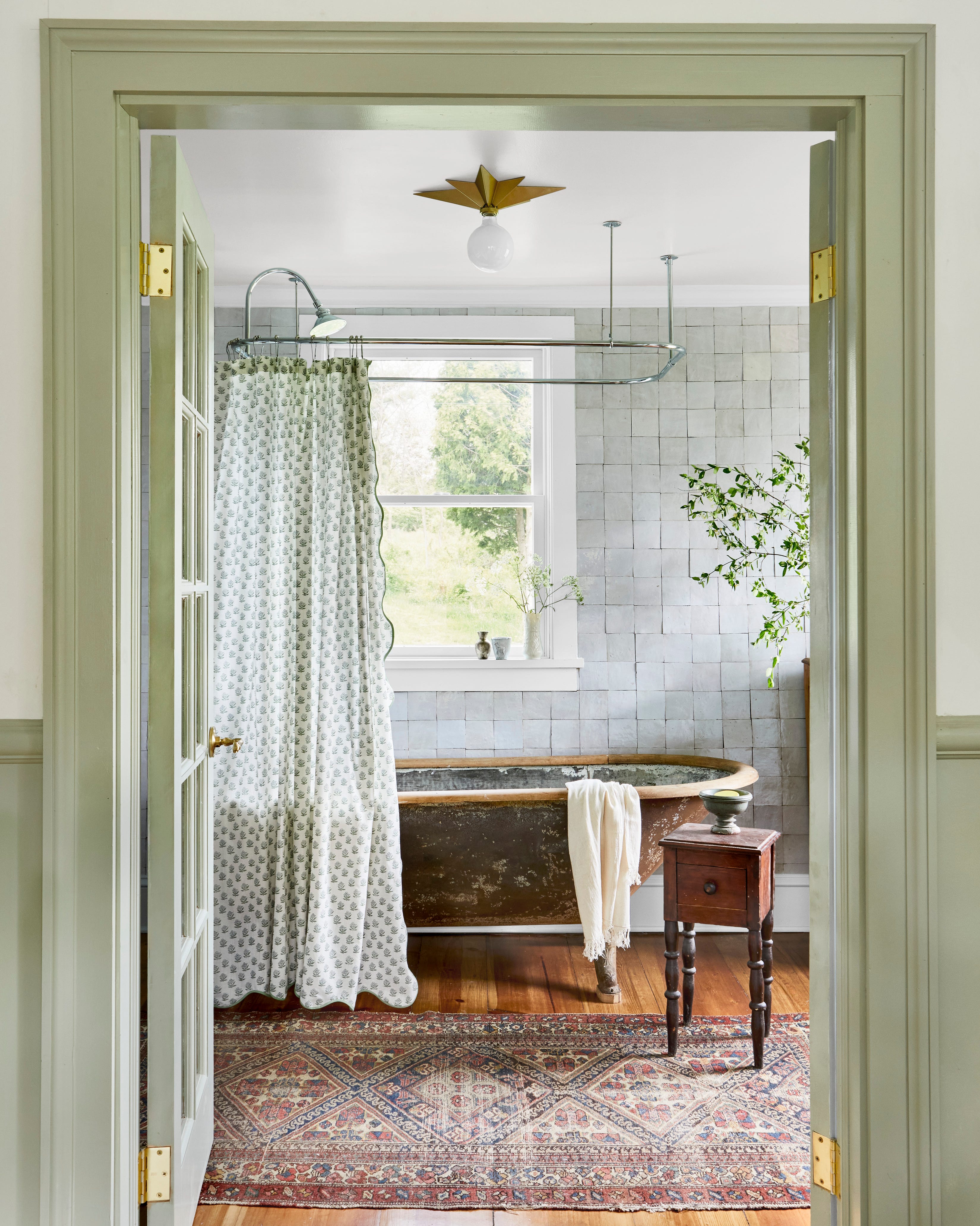
Square zellige tile is also listed among the patterns designers are moving away from. Although zellige tile itself is popular, the square shape is considered a less imaginative choice given the current market's availability of diverse shapes and colorways. Designers are now encouraging experimentation with more unique and innovative zellige forms to create a more distinctive and contemporary look.
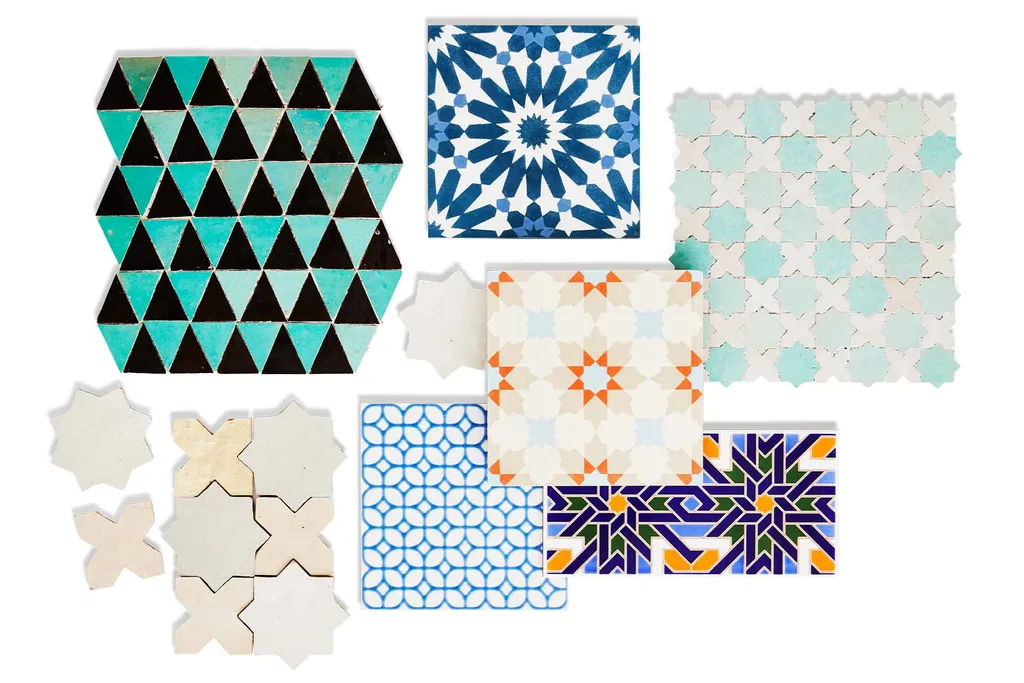
Arabesque tile, known for its ornate and artful design, is another pattern that designers are ready to retire. The primary criticisms include its dated appearance, limited versatility in application, and the difficulty in seamlessly integrating or terminating the pattern without creating visually disruptive interruptions. These factors contribute to an overall effect that can make a space feel less polished and more outmoded.
Glass mosaic tiles, which were particularly popular in the early 2000s, are strongly advised against. Their strong association with that specific era instantly dates any space where they are used. This type of tile acts as a clear marker of a past trend, making it difficult to achieve a fresh and modern aesthetic in contemporary bathroom designs.
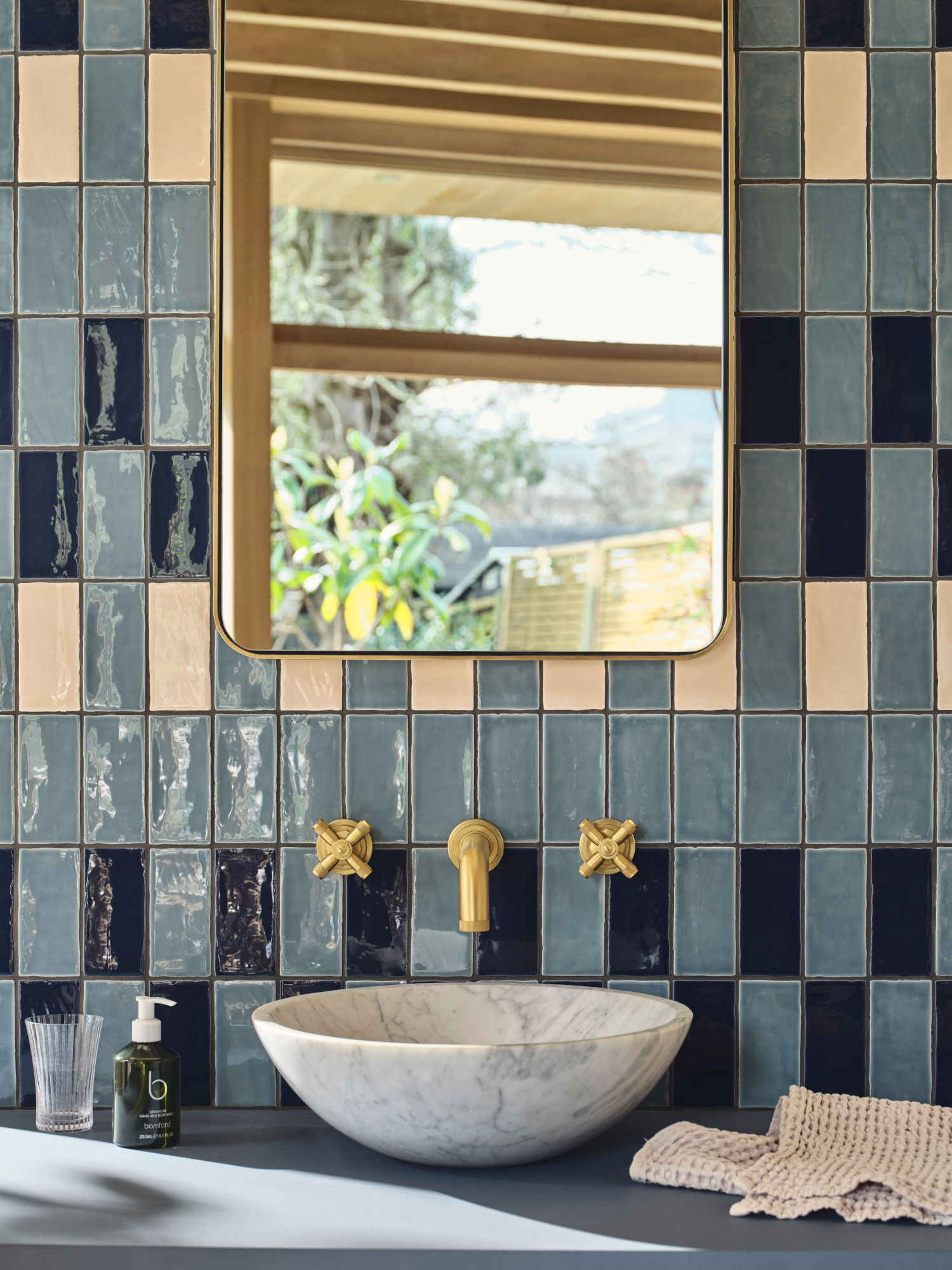
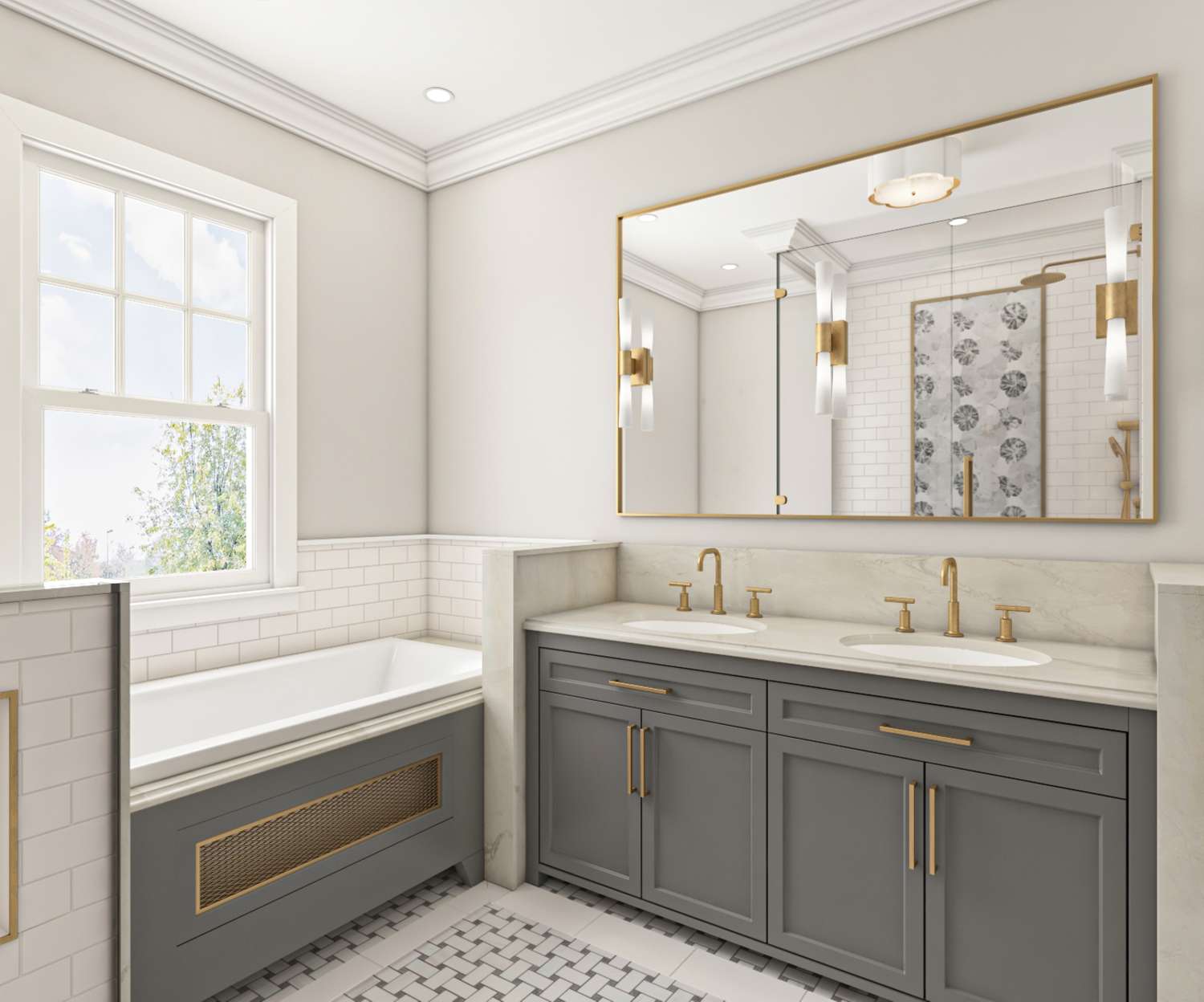
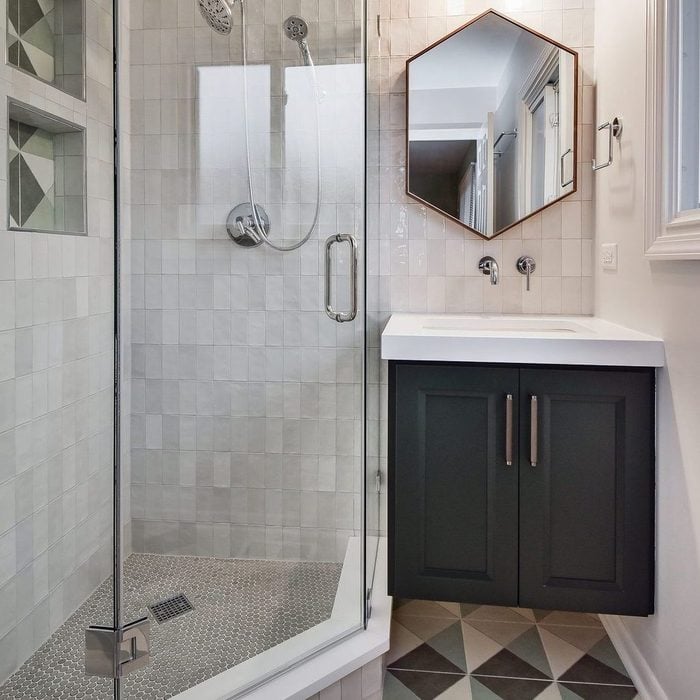
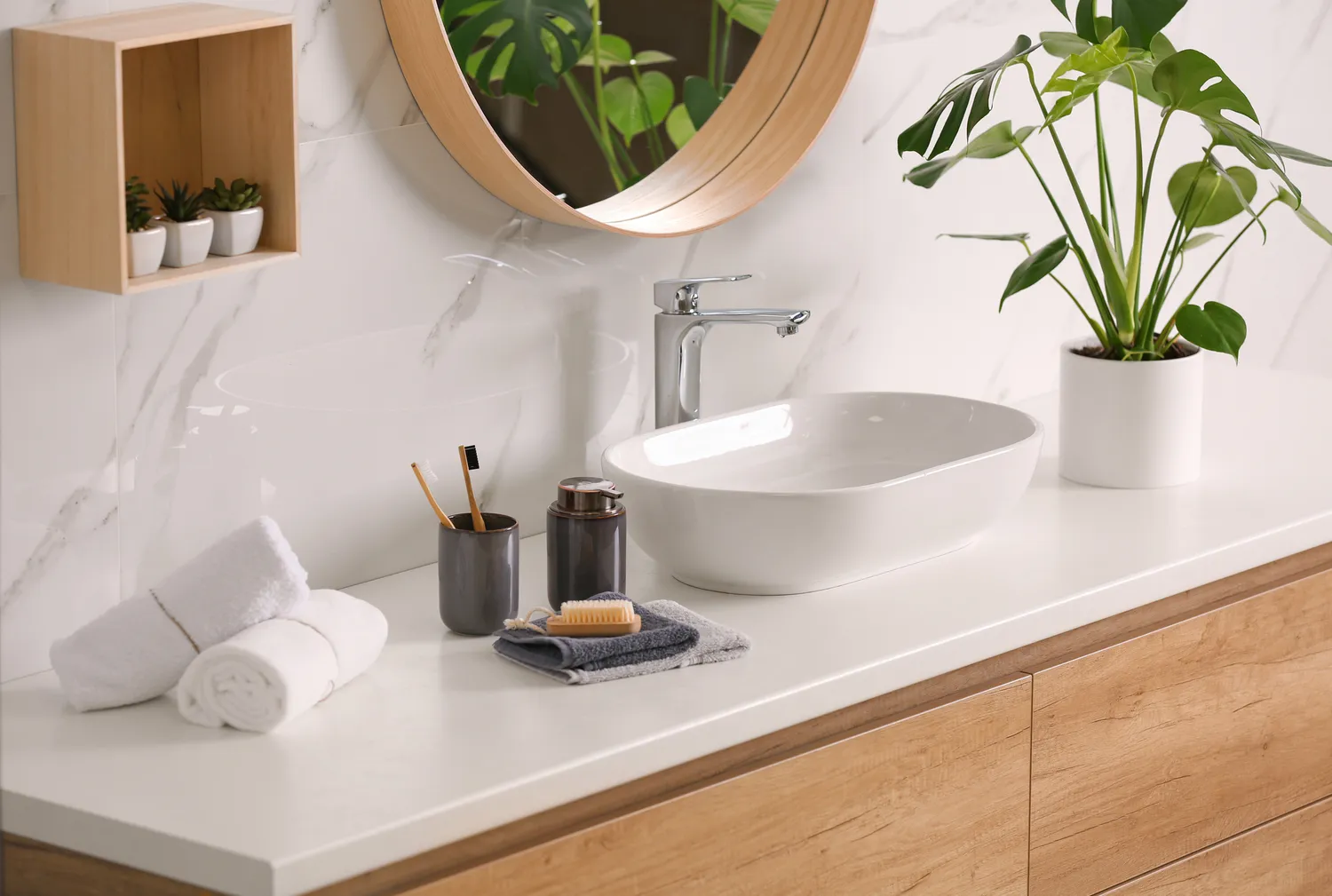
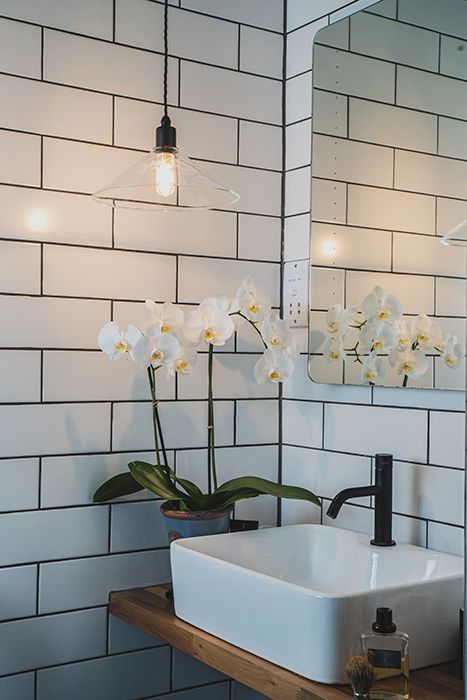
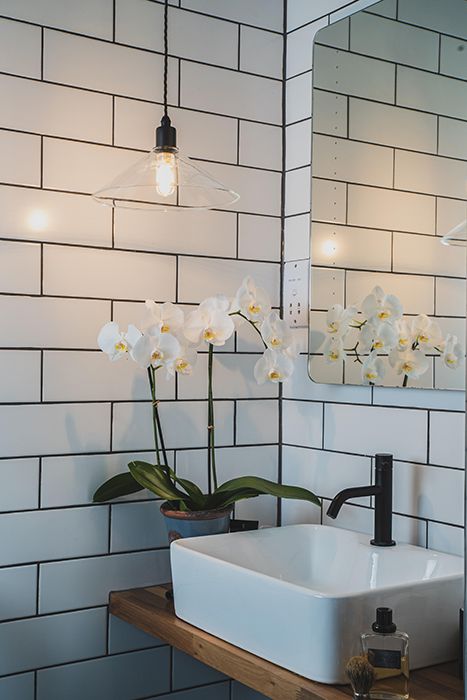
Finally, the practice of combining various shades of white tiles within a single bathroom design is cautioned against. While the intention might be to create a clean and cohesive look, designers note that the absence of sufficient contrast actually accentuates subtle inconsistencies in undertone, size, texture, and style among the different white tiles. This lack of harmonious integration can make the bathroom appear disjointed and less sophisticated rather than unified and seamless.
#BathroomDesign #TileTrends #HomeRenovation #InteriorDesign #DesignTips #DatedDecor #ModernBathroom #BathroomDesign #TileTrends #HomeRenovation #InteriorDesign #DesignTips #DatedDecor #ModernBathroom
0 comment in total
 No comments yet
You may also like
6 Outdated Tile Choices That Interior Designers Aren't Using Anymore — And What They Say to Try Instead

10 Bathroom Tile Trends That We Love

6 Bathroom Trends Designers Can't Wait to Say Goodbye to in 2026

Interior designers share 6 bathroom trends that'll be huge this season and 4 that will be out
6 of the latest bathroom flooring options

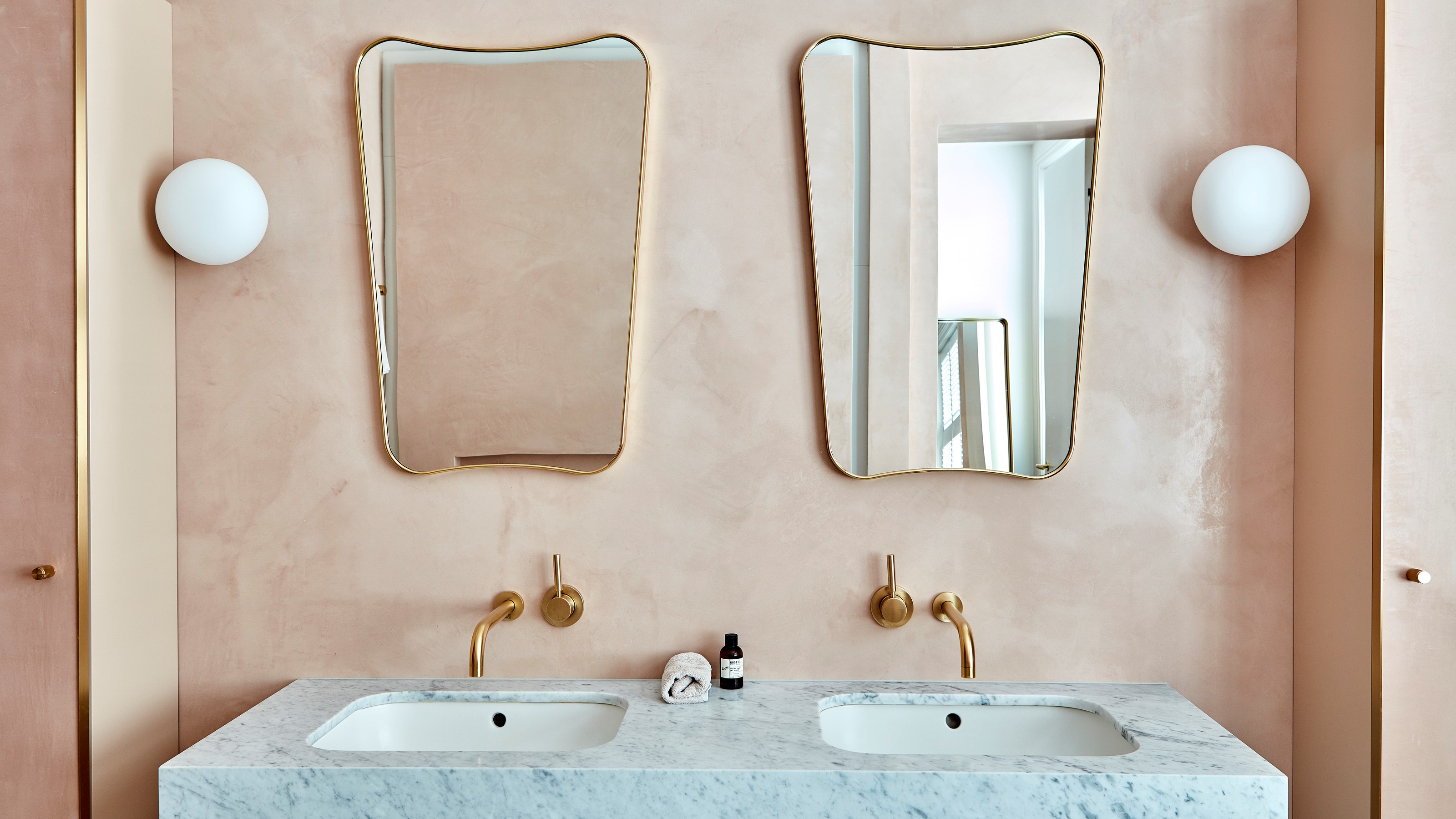
If you want to bring on-trend texture to bathroom walls, these 6 ideas are your best options say interior designers
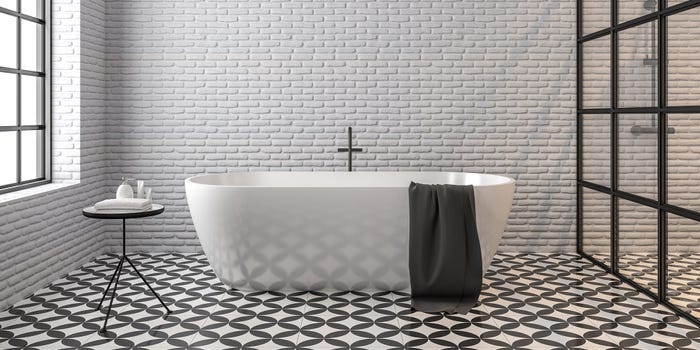
21 bathroom tile design ideas, from trendy to timeless
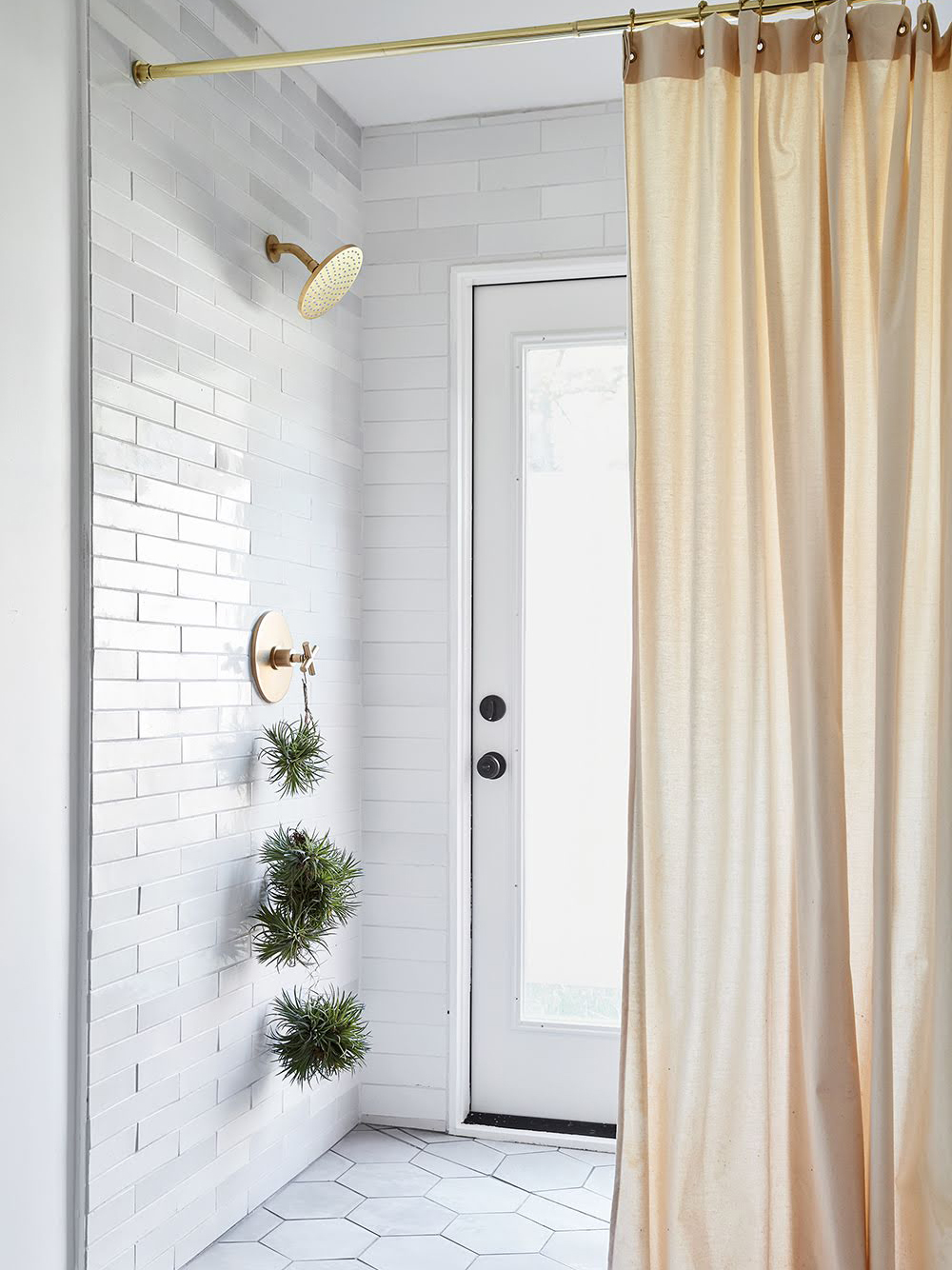
One-Third of Renovators Choose This Bathroom Tile Pattern, But We've Got Other (Just as Timeless!) Ideas

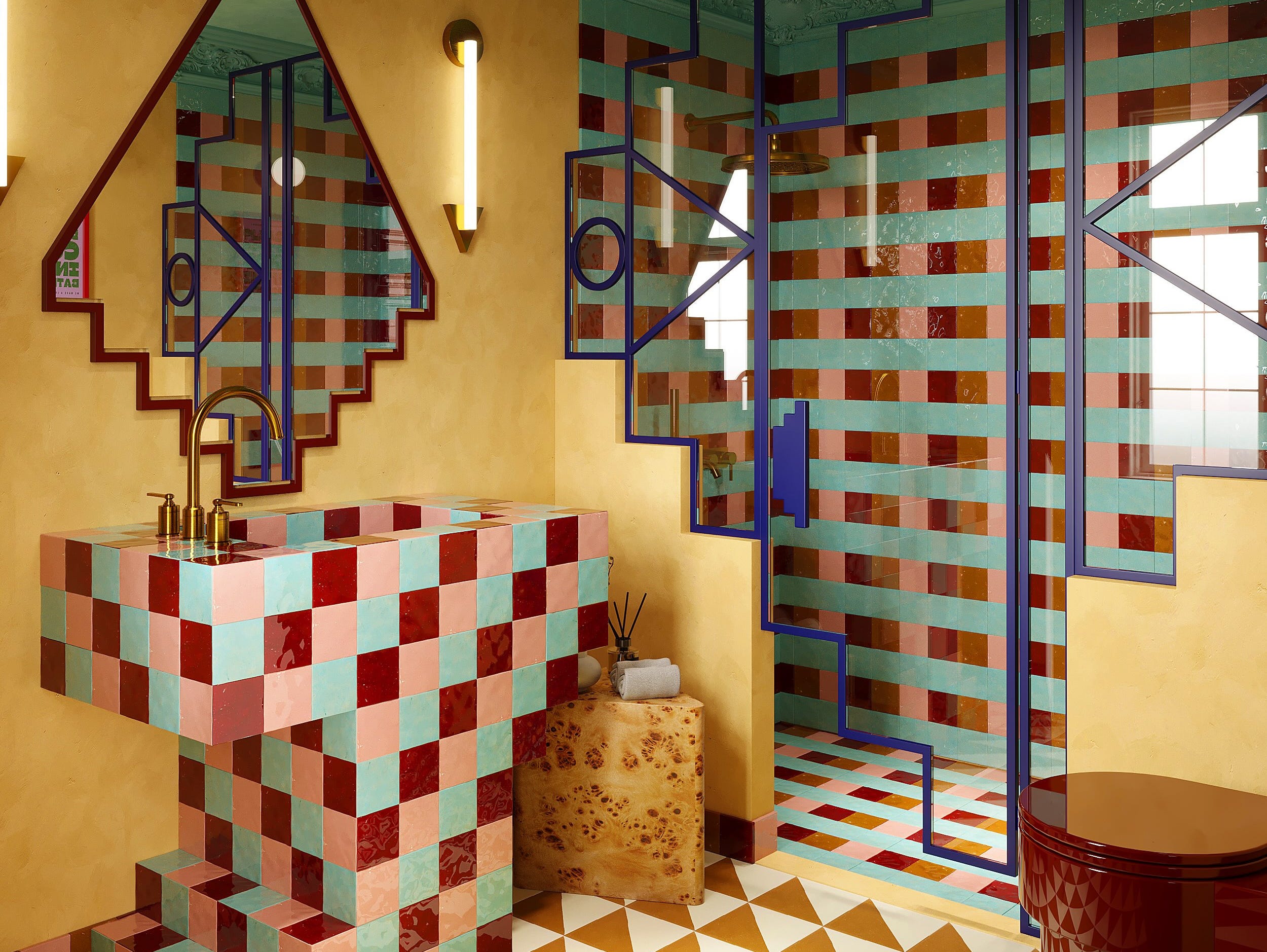
Interior designers believe these are the bathroom tiling trends to follow (and avoid)

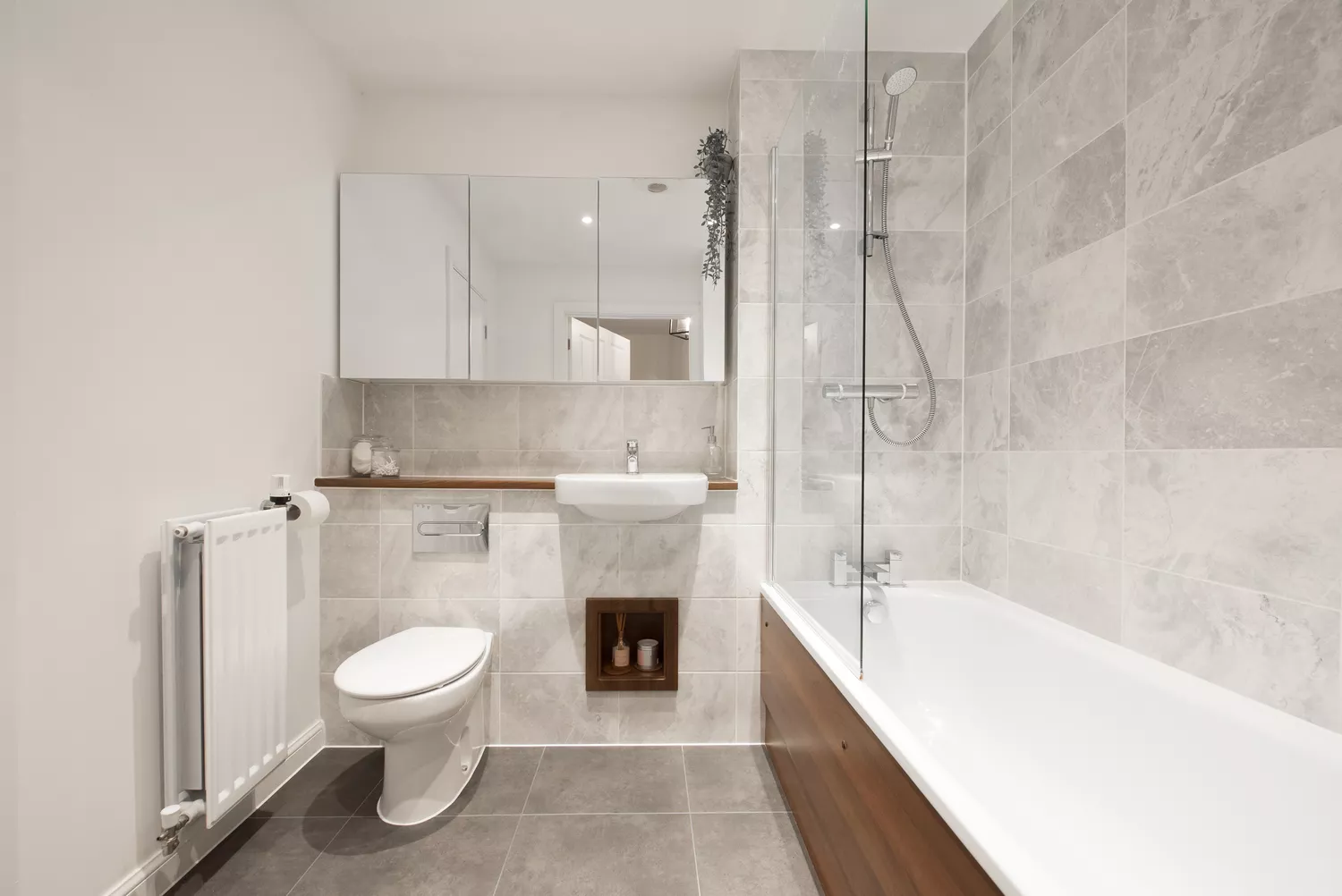
4 Bathroom Tile Trends That Are So Outdated, According to Designers

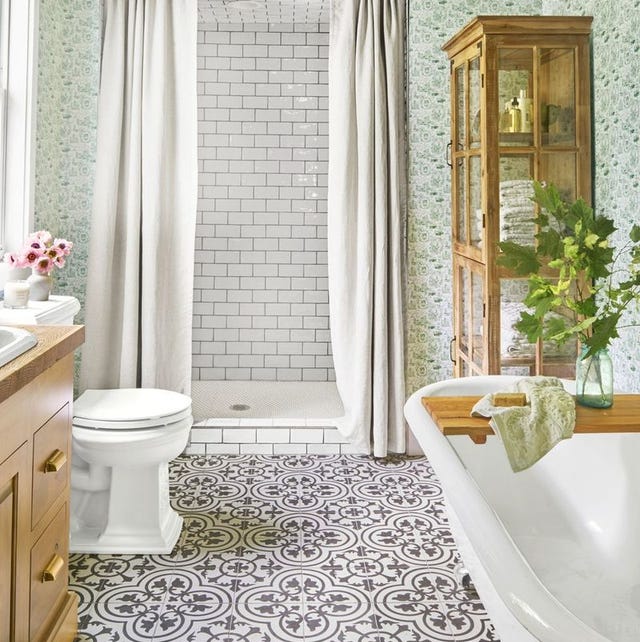
20 Bathroom Tile Ideas That Make a Major Design Statement

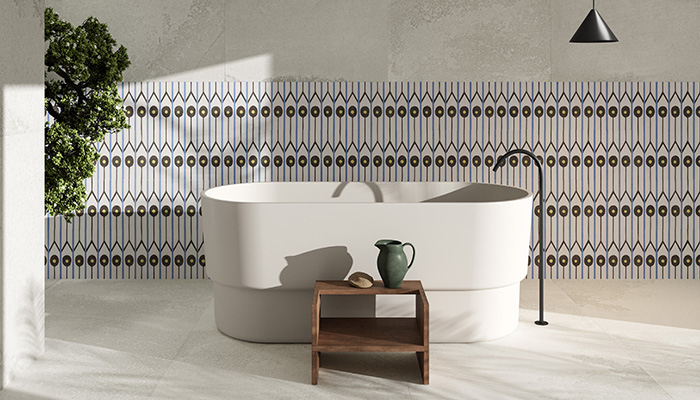
Design focus: 5 new bathroom tile trends you need to know about now
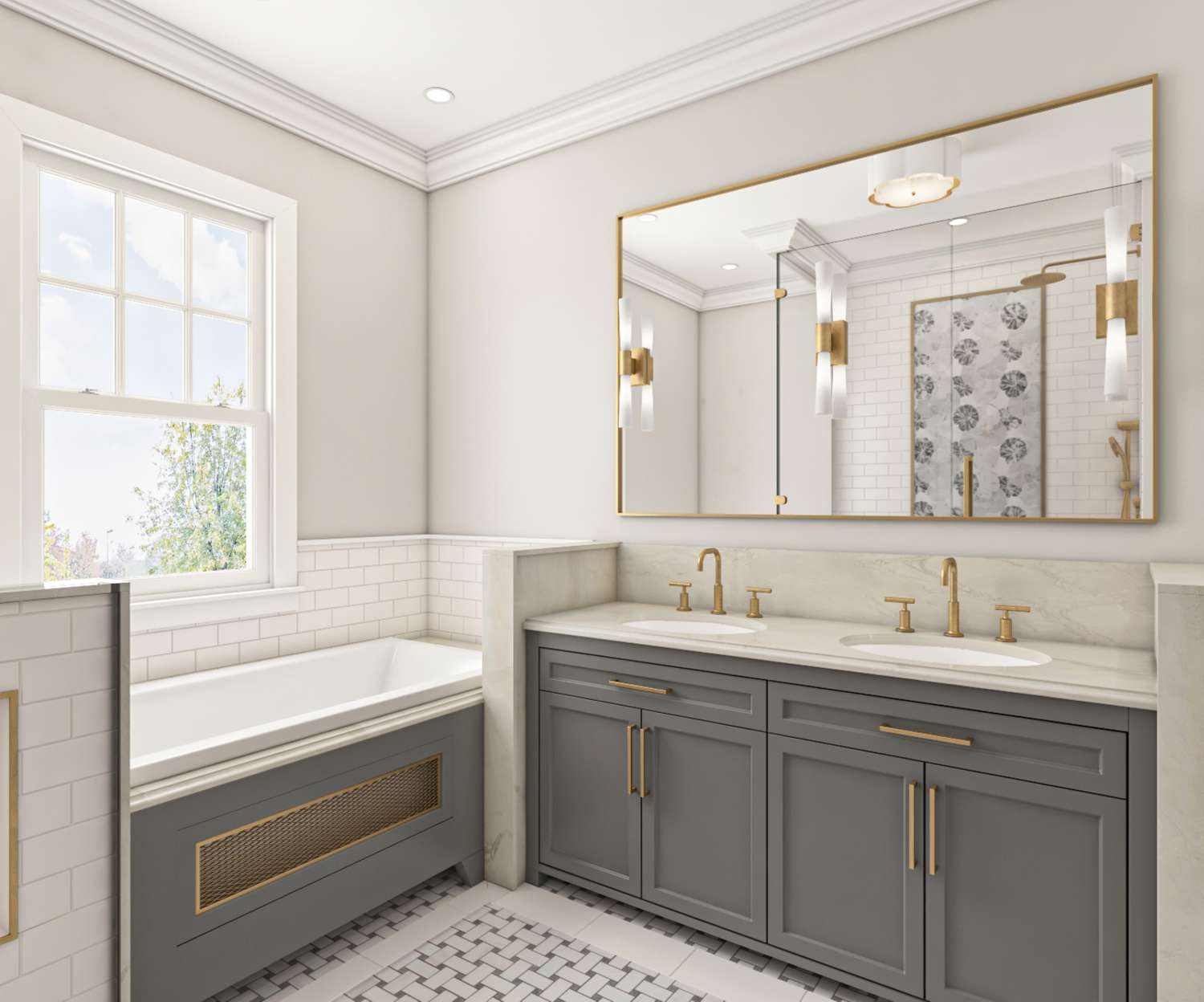
7 Tacky Bathroom Tile Patterns That Designers Are So Tired of Seeing
Outdated bathroom trends – 6 overdone looks that designers like to avoid, and here's why you should too

16 bathroom tile ideas to transform your space

These Beautiful Bathroom Tile Ideas Will Make You Want to Renovate
5 tile trends that are taking over the bathroom

These Bathroom Tile Ideas Make a Major Design Statement
16 bathroom tile ideas to transform your space

7 Bathroom Trends Designers Are Leaving Behind In 2026