Growing African vegetables on buildings can save space and feed cities – new study
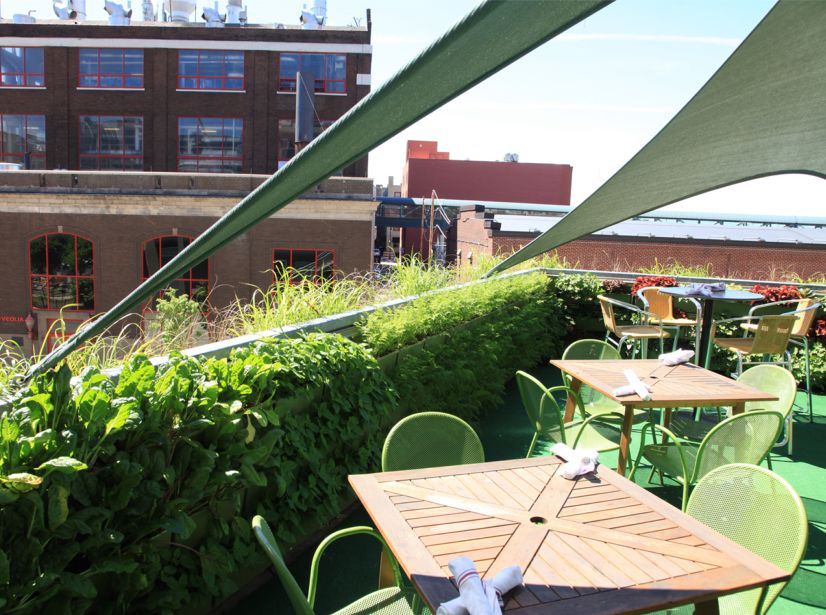
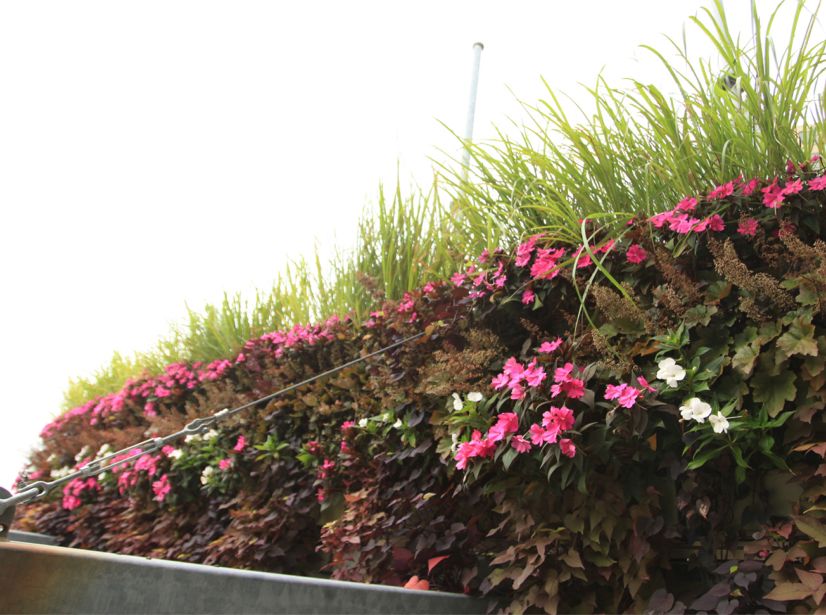
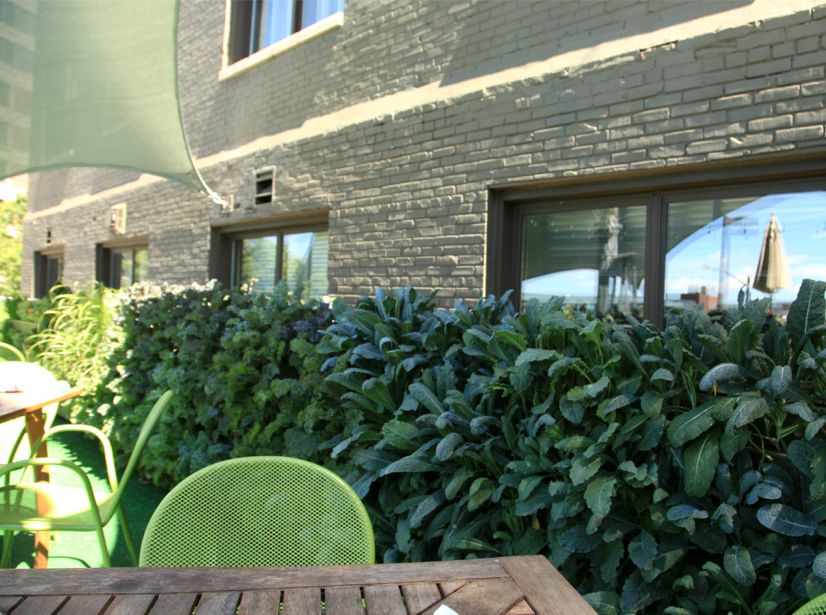
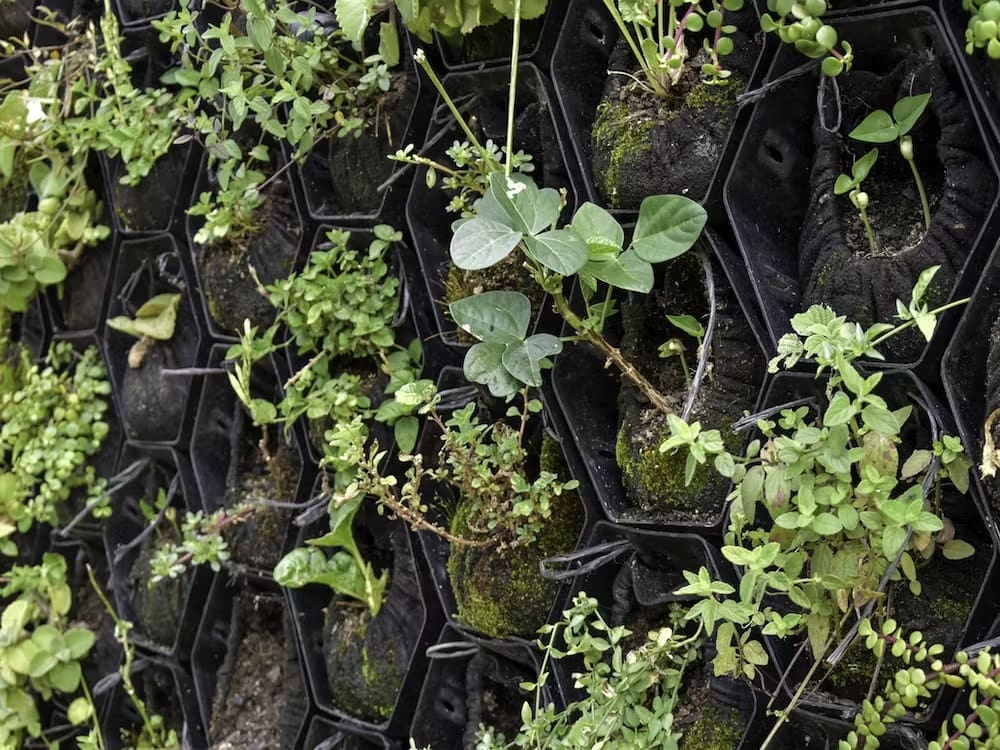
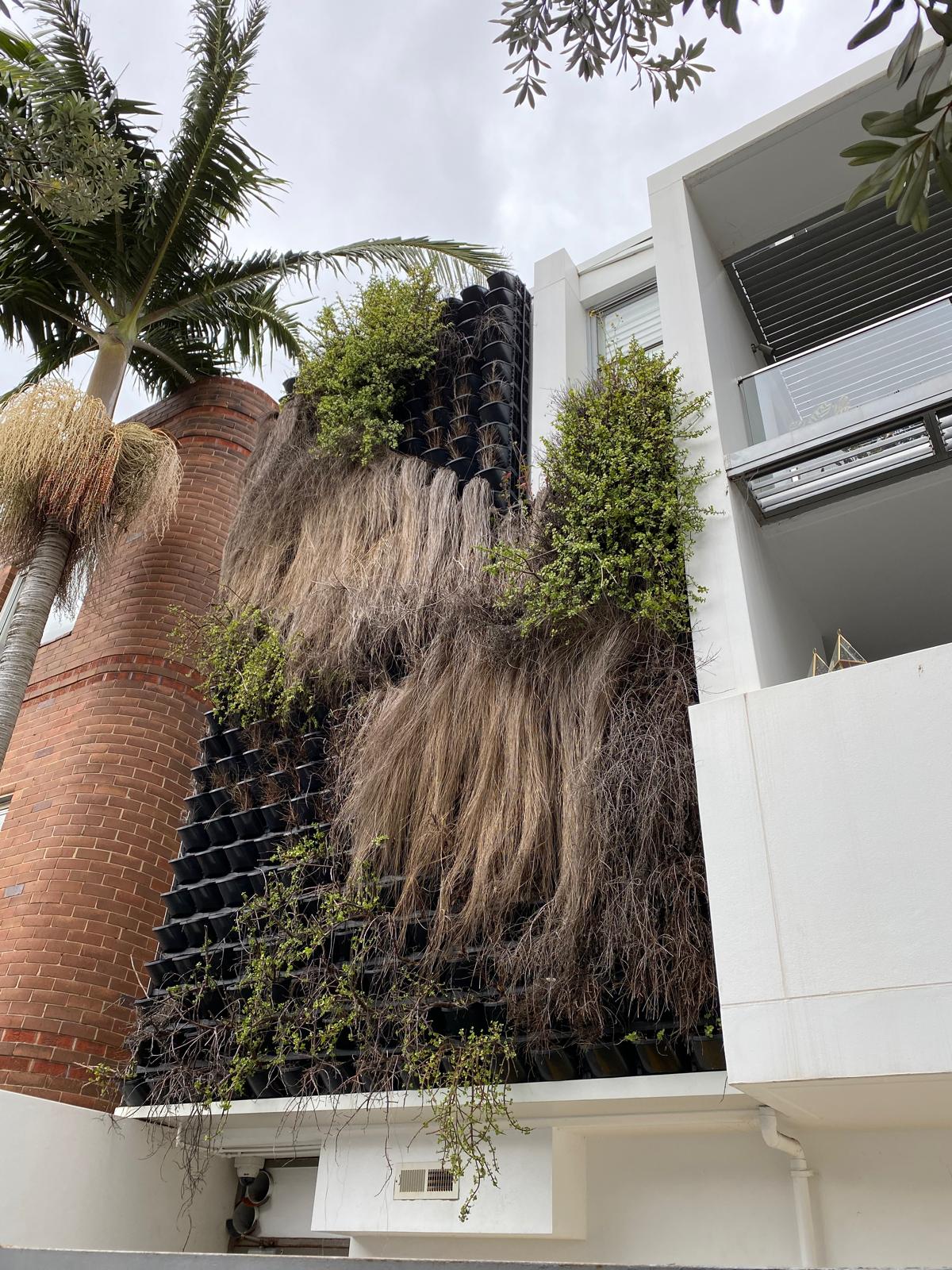
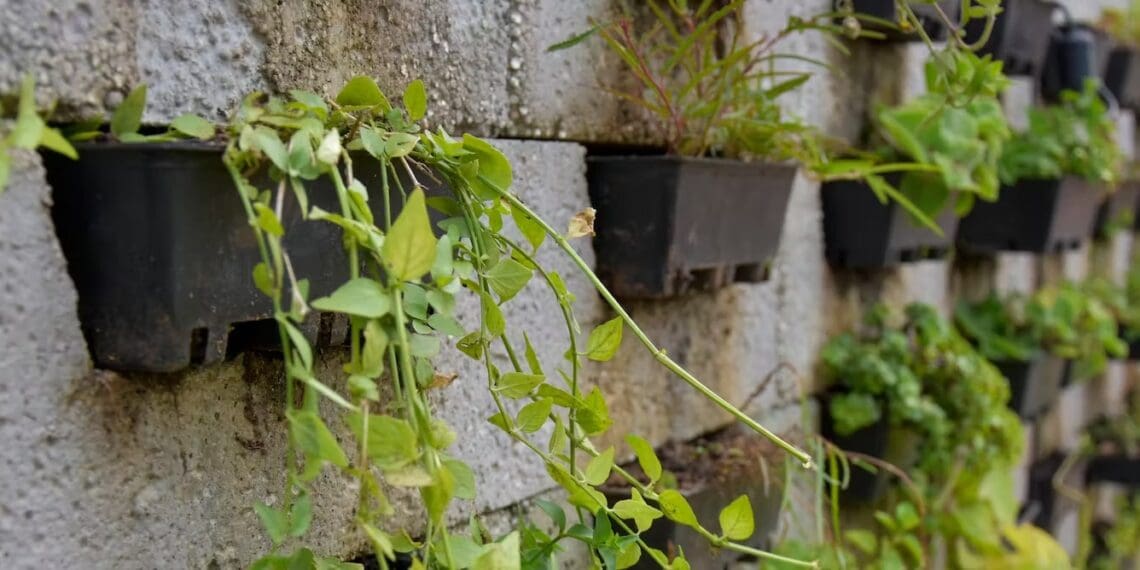
As urban populations continue to expand, cities face increasing challenges in providing adequate food resources, compounded by limited space for traditional agriculture. Living wall systems, vertical growing platforms integrated into building facades, offer a promising solution to this dilemma. These systems can be either continuous, using lightweight screens with felted substrates or hydroponic nutrient-rich fluids, or modular, featuring irrigated plant trays or pots affixed to a building's vertical surface. Modular systems are particularly favored for their aesthetic impact and ease of plant replacement.
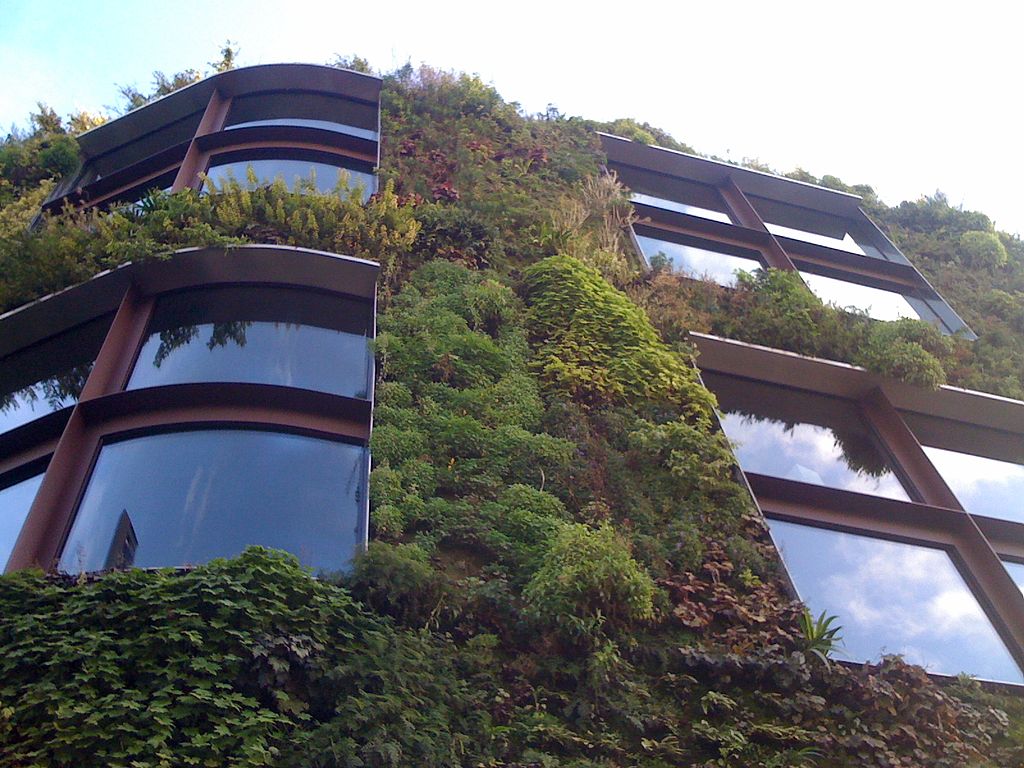
Beyond food production, living walls offer a multitude of environmental benefits. They contribute to urban biodiversity, help cool buildings and their surroundings, purify air, and reduce noise pollution. They also possess significant aesthetic value, known to alleviate stress, and enhance productivity and overall well-being. By enabling households to grow edible crops directly on their buildings, these systems reduce the environmental footprint associated with long-distance food transportation and minimize waste. Research indicates that urban gardening can also encourage healthier eating habits among city dwellers, as observed in various regions globally.
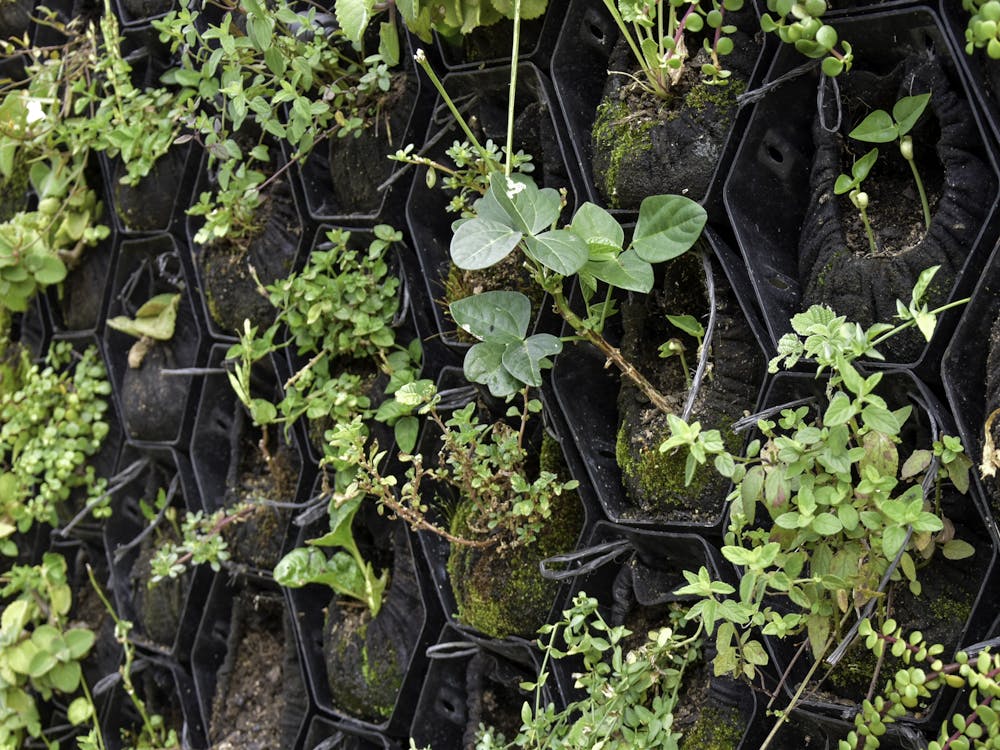
A study conducted in Pretoria, South Africa, explored the efficacy of living wall systems for cultivating traditional African vegetables. The research compared two modular systems—the Vicinity wall and the Eco Green Wall—assessing crop yields and plant health against traditional soil-based agriculture. The Vicinity wall is an integrated system with water tanks, a pump, and a filter, utilizing drip irrigation and gravity circulation. The Eco Green Wall, designed for economic feasibility and sustainability, uses interlocking blocks made from recycled materials and pots with a soil volume of approximately 1.5 liters. This study analyzed environmental variables such as temperature, humidity, precipitation, soil conditions, and leaf biomass yield.
The findings revealed that local production of living wall components reduced costs and carbon footprints. The study emphasized the importance of low-technology designs, requiring basic assembly and simple irrigation systems to reduce reliance on electricity and water, thereby enhancing performance. Selecting appropriate plant species is crucial for the resilience and sustainability of these systems. Seven traditional African vegetable species—creeping foxglove, Indian borage, jute plant, pink ribbons, water mint, dwarf elephant’s food, and black-eyed pea—were identified as suitable for household food production in living wall systems due to their high nutritional value, disease resistance, and ability to thrive in sub-Saharan Africa's harsh climate with minimal irrigation and chemicals.
Despite the significant potential, living wall systems face barriers, including high installation and maintenance costs, and challenges in maintaining optimal growing conditions for plants. Many systems also depend on electricity and water, and some require specialized skills. To improve feasibility, strategies include limiting sun exposure on pots to prevent overheating (as demonstrated by the Eco Green Wall), using pots with at least three liters of lightweight, well-aerated soil (200mm depth) to increase yield and reduce plant stress, and implementing efficient drip or wick irrigation systems. Furthermore, proper positioning of the system is essential to ensure efficient sun exposure for selected plants and prevent contamination from polluted environments. The research concluded that modular living wall systems, particularly those growing traditional African vegetables, can significantly enhance food security and improve urban environments in sub-Saharan Africa by maximizing vertical space and yielding over four times the produce per square meter compared to conventional soil-based agriculture.
#UrbanAgriculture #LivingWalls #FoodSecurity #SustainableLiving #AfricanVegetables #BuildingDesign #ClimateChangeAdaptation #GreenInfrastructure #PretoriaStudy #UrbanAgriculture #LivingWalls #FoodSecurity #SustainableLiving #AfricanVegetables #BuildingDesign #ClimateChangeAdaptation #GreenInfrastructure #PretoriaStudy
0 comment in total
 No comments yet
You may also like
Sanctuaries in the city – NYC garden designer reveals how to transform urban rooftop gardens into green oases


Green roofs and walls increase urban sustainability

The Urban Jungle Needs More Trees
The B.O.B. Sky Patio
Turf wars: 13 reasons why you would install a green wall and 3 reasons why you might not

Architecture Inspired by Permaculture: How to Integrate Its Design Principles Across Diverse Contexts

'ukuta wa maisha' is a rammed earth housing proposal for tanzania
Living wall systems: A space where veggies grow vertically

Living green walls are having a moment but face a steep challenge

Sustainable Buildings: Pioneering a Green Revolution in Urban Design

Why the Urban Jungle Needs More Trees