1/11
I’m Planning to Use the Christmas Break to Finally Label My Pantry — This Is How Professional Organizers Recommend Doing It
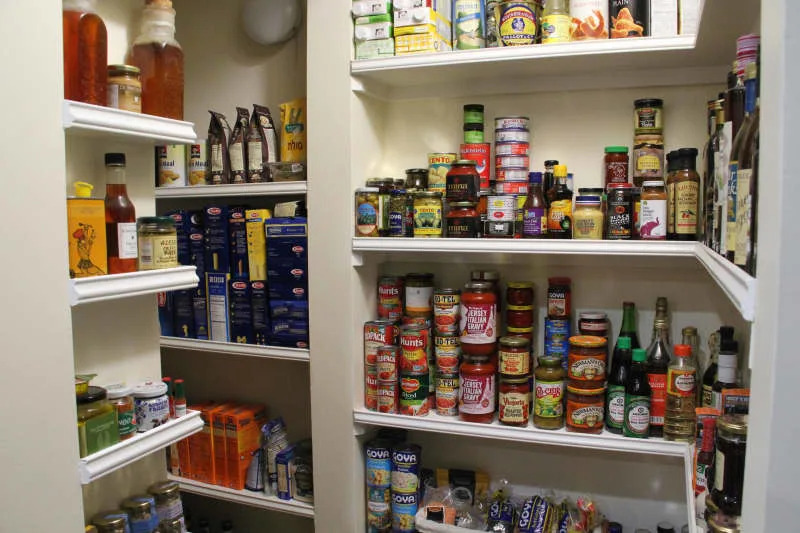
The aspiration for a perfectly labeled and functional pantry is a common desire, addressing frustrations arising from disorganization and mismatched storage. The goal is to create a pantry where items are easily located, containers are uniform, and storage solutions effectively accommodate their contents. This process involves a structured approach, starting with a clear vision and progressing through several key organizational steps, drawing on the expertise of professional organizers.
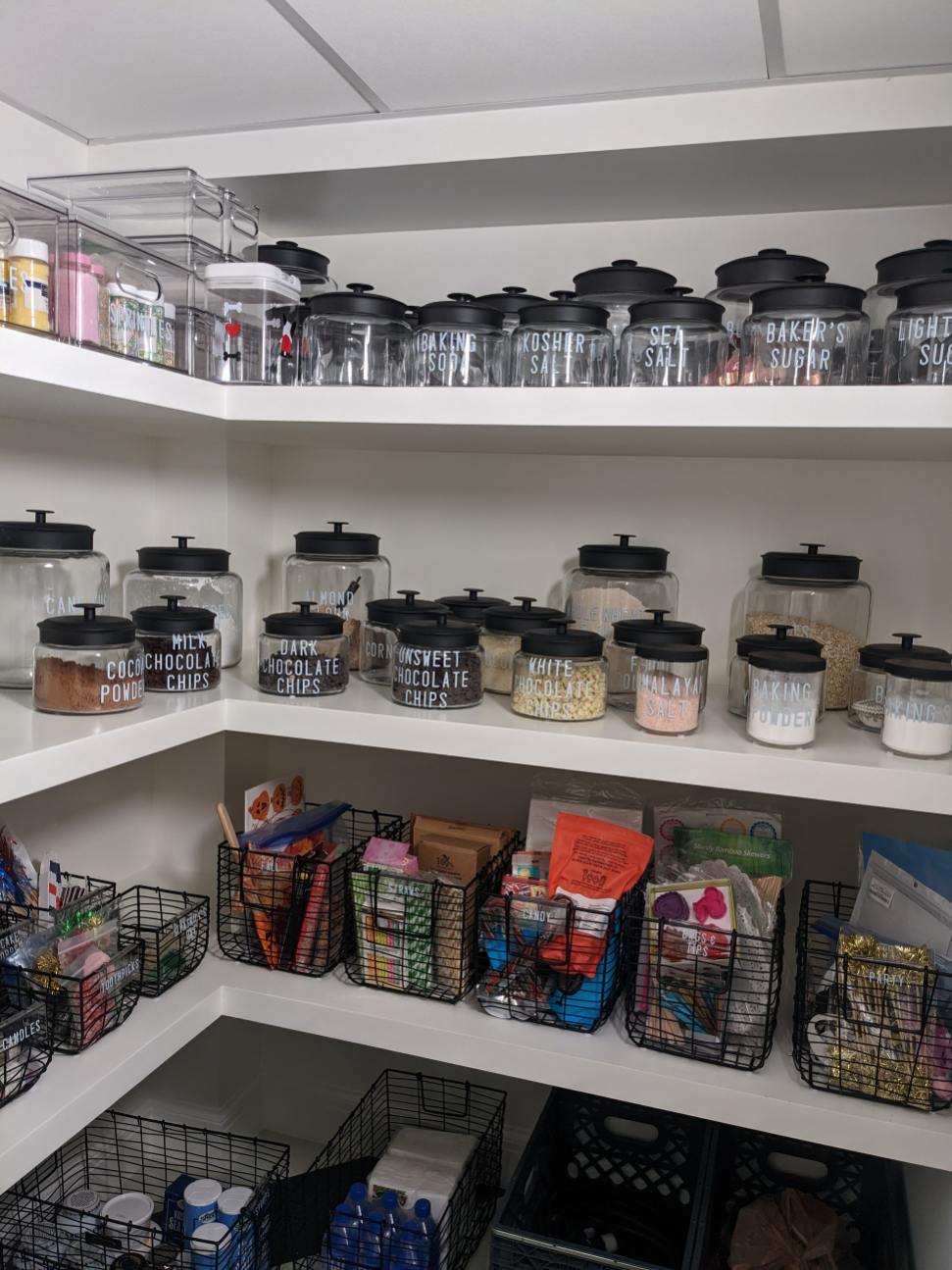
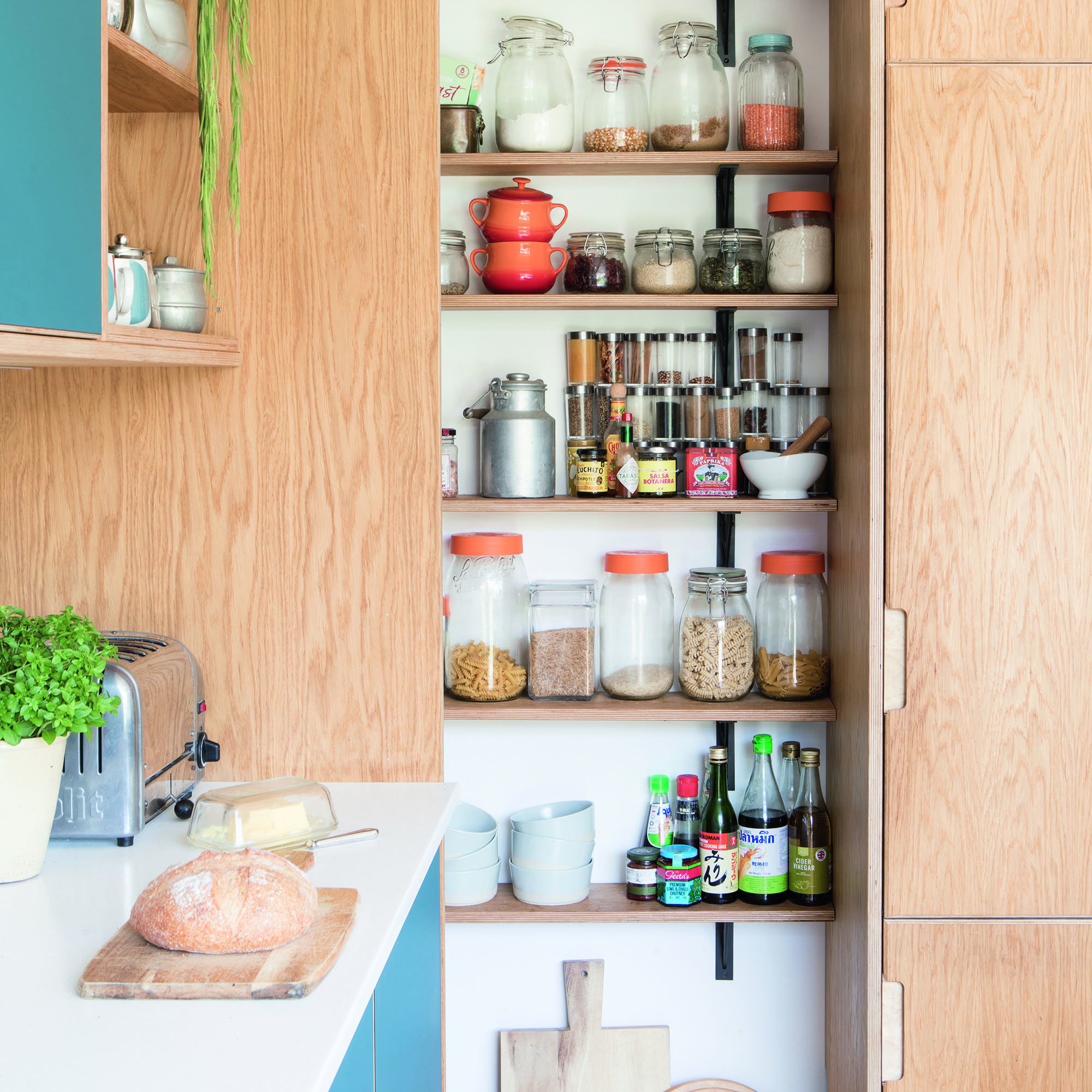
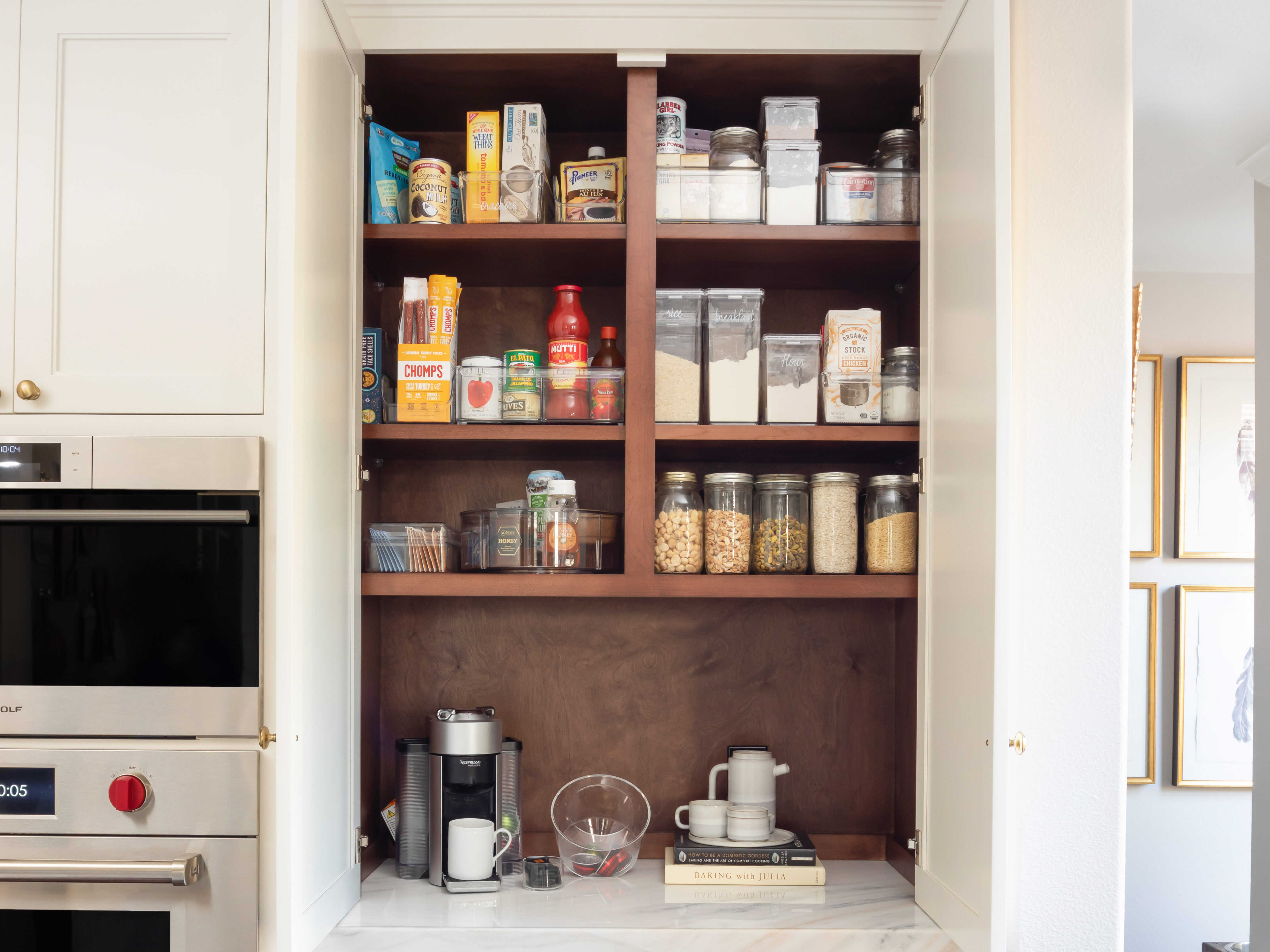
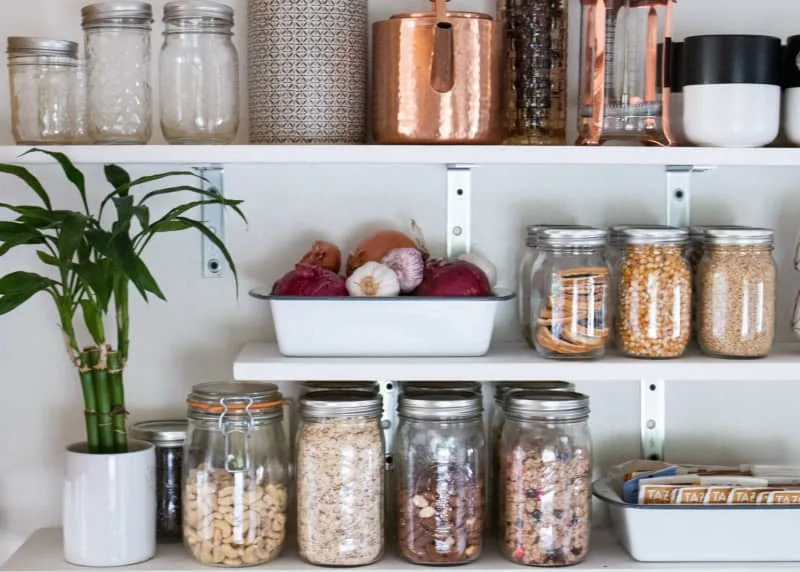
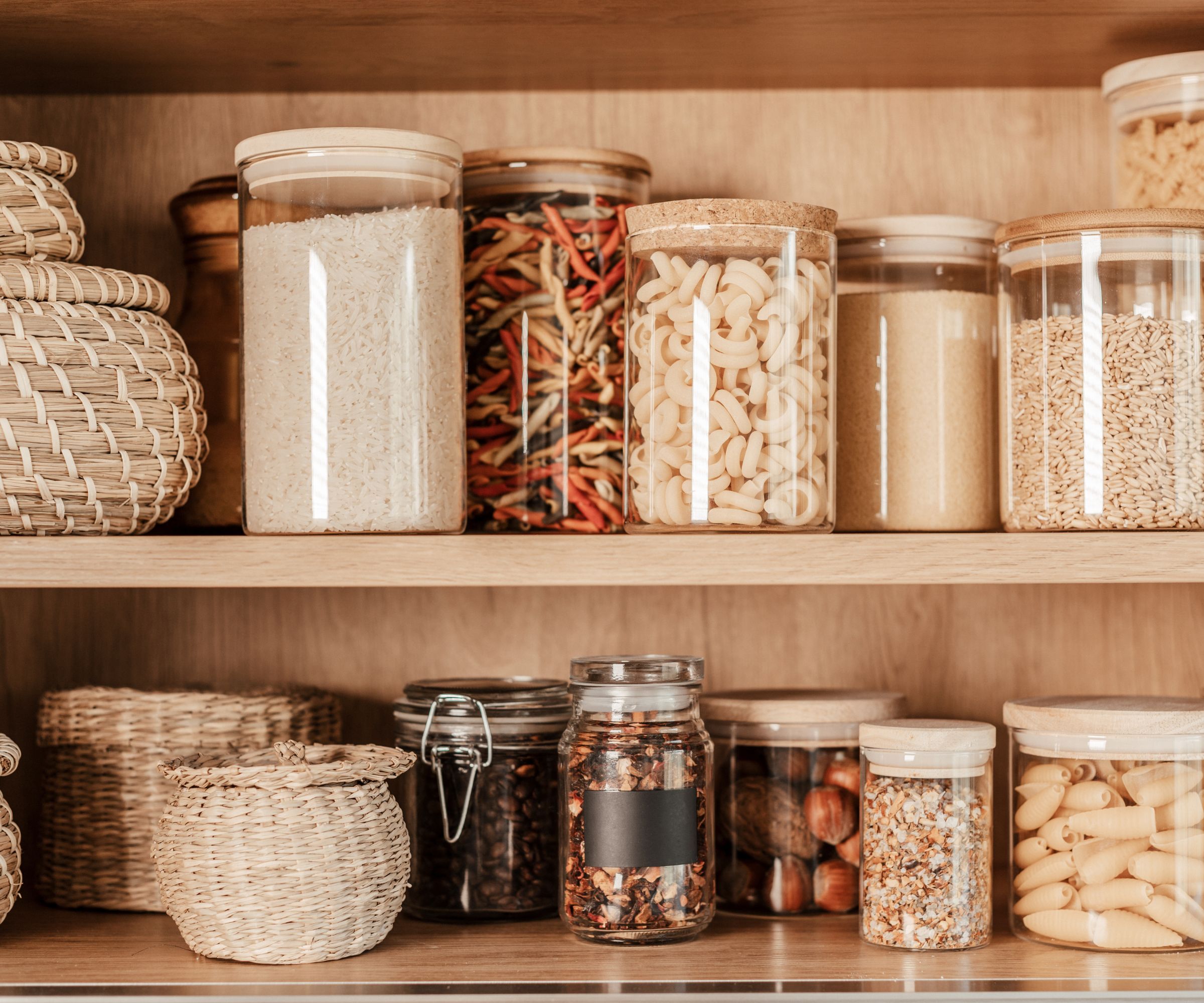
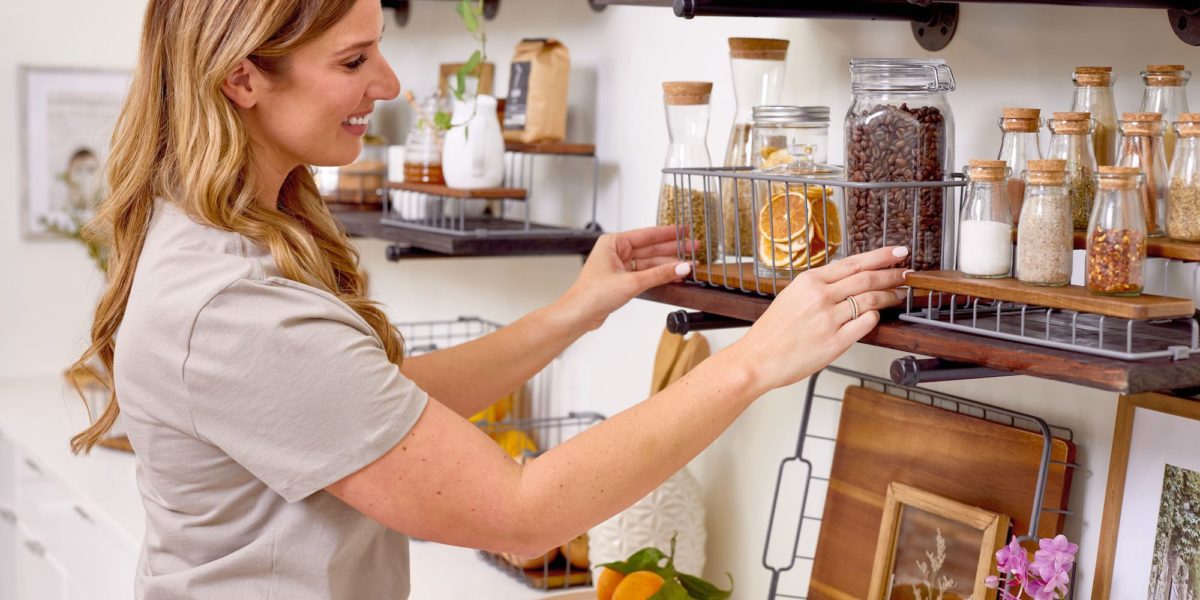
Establishing a clear vision is the foundational step. Before commencing any physical reorganization, it is crucial to define the desired outcome. This involves considering the aesthetics and functionality of the pantry, including whether to label shelves, categorize items in open bins or baskets with labels, or implement a combination of both. Reflecting on the desired feeling when interacting with the organized pantry—whether it's visual clarity or an inspiring cooking environment—guides decisions on container types, such as opaque storage for a minimalist look or visible recipe cards for culinary motivation. Linda Samuels, owner of Oh, So Organized!, emphasizes the importance of these preliminary questions to tailor the organization system to individual needs and preferences, preventing the task from becoming overwhelming.
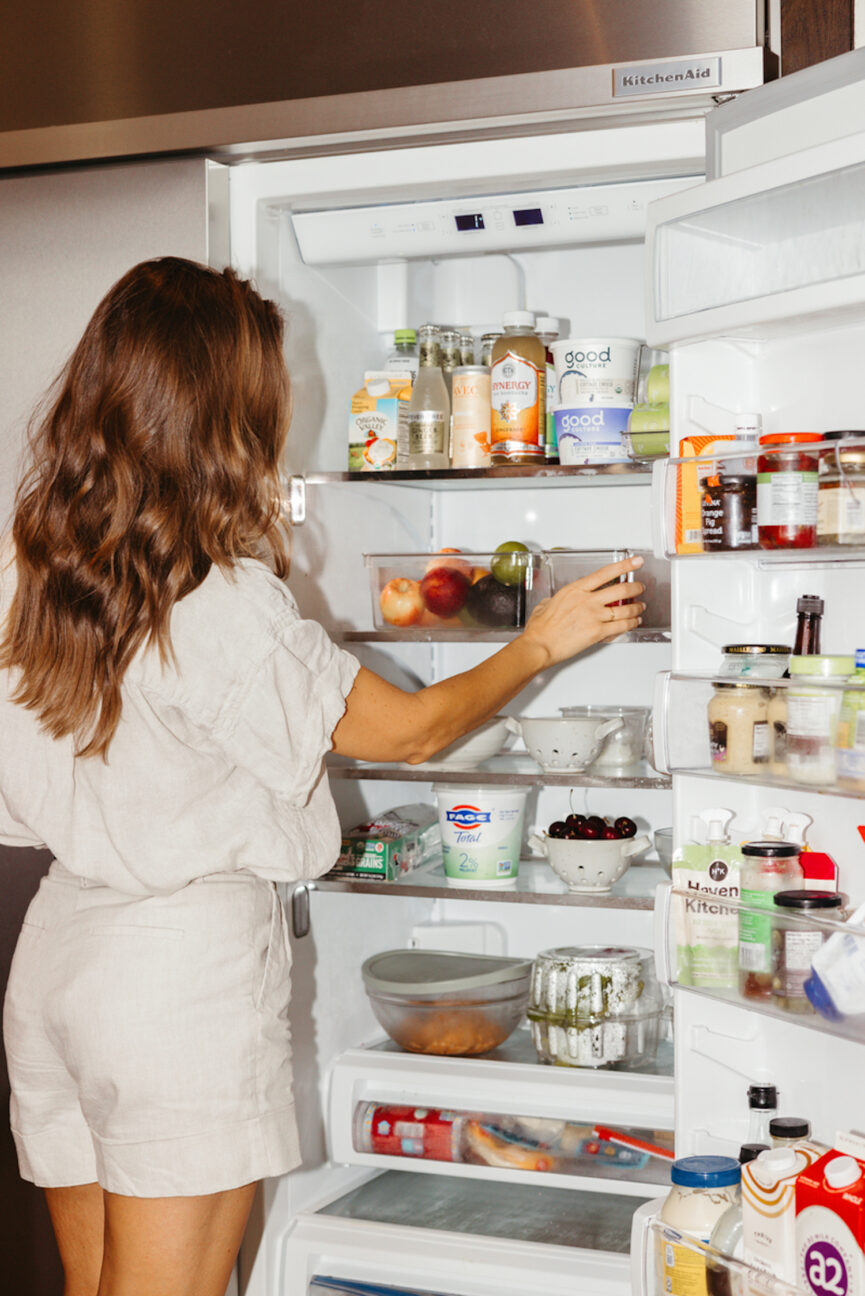
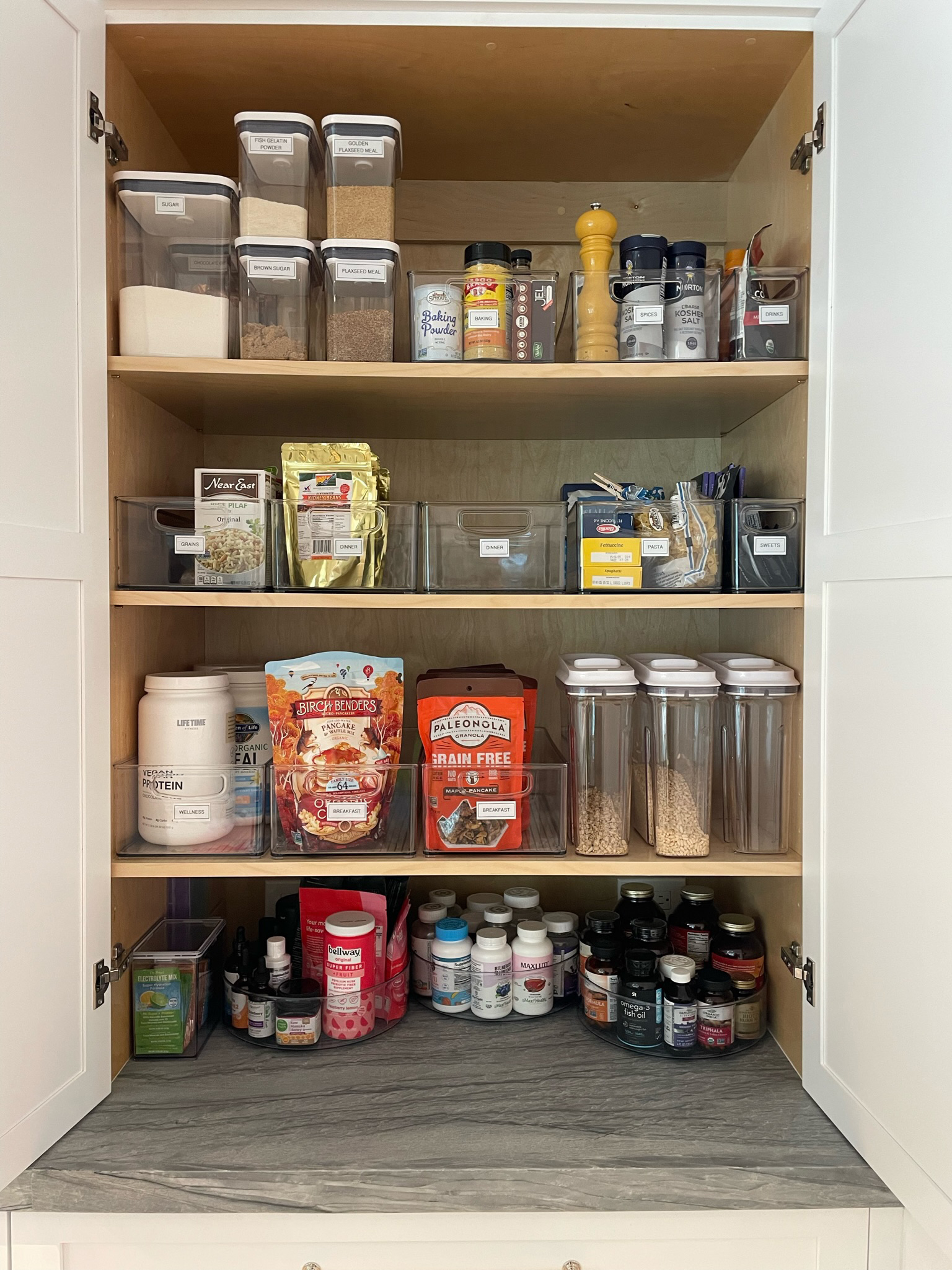
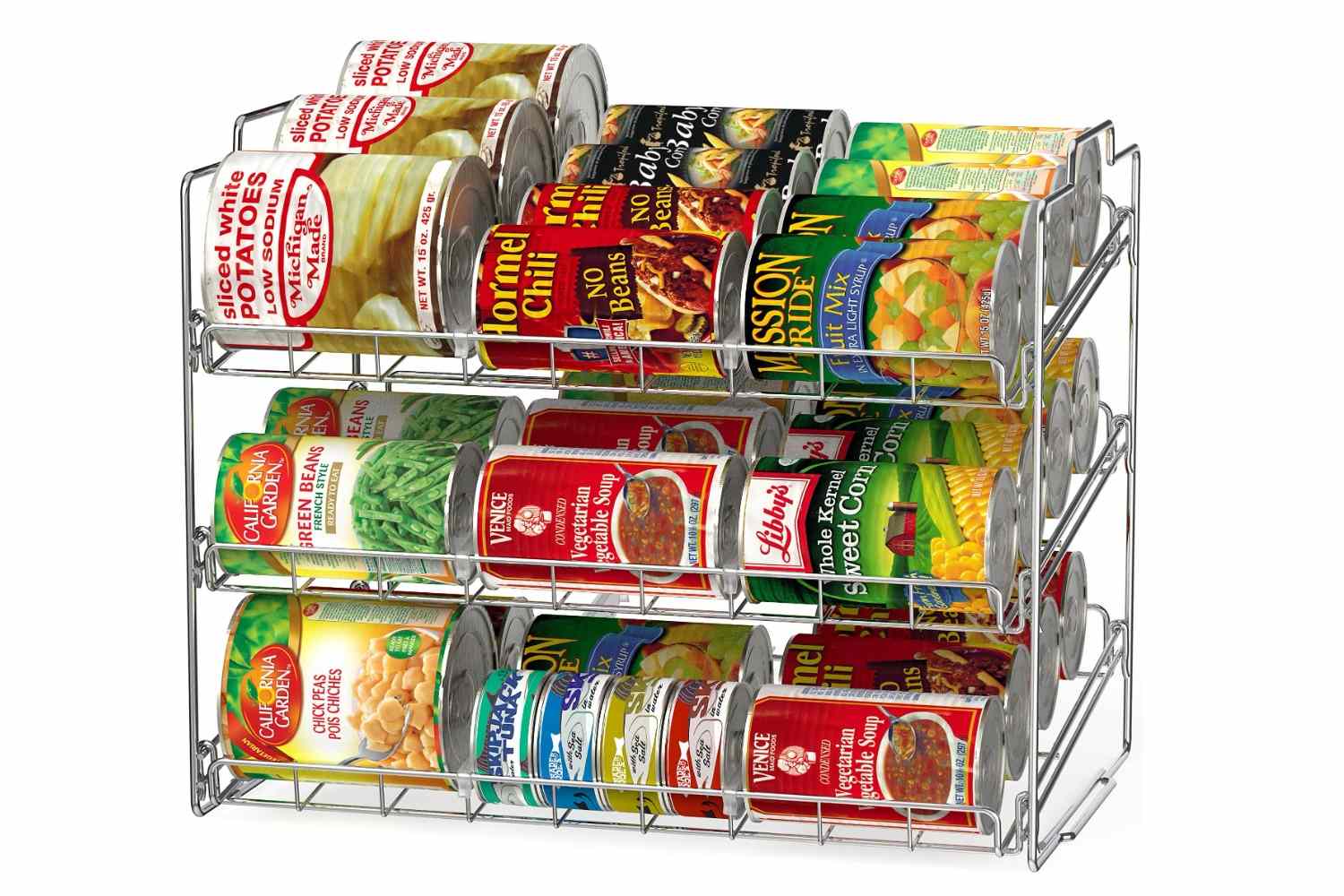
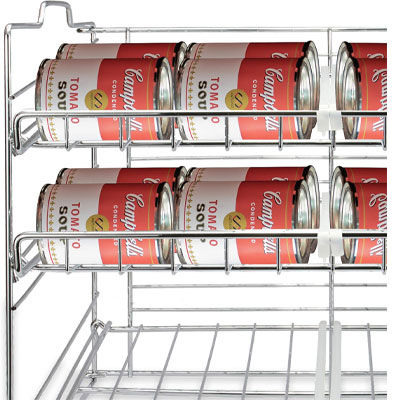
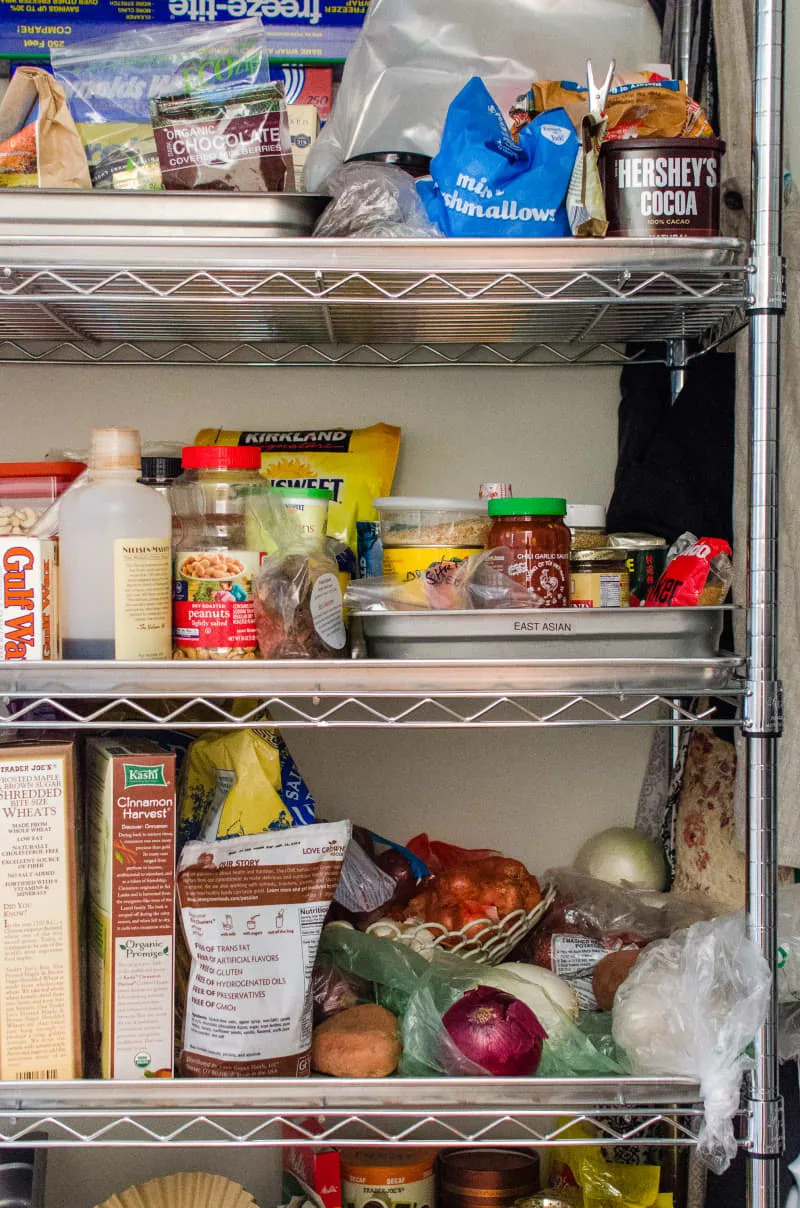
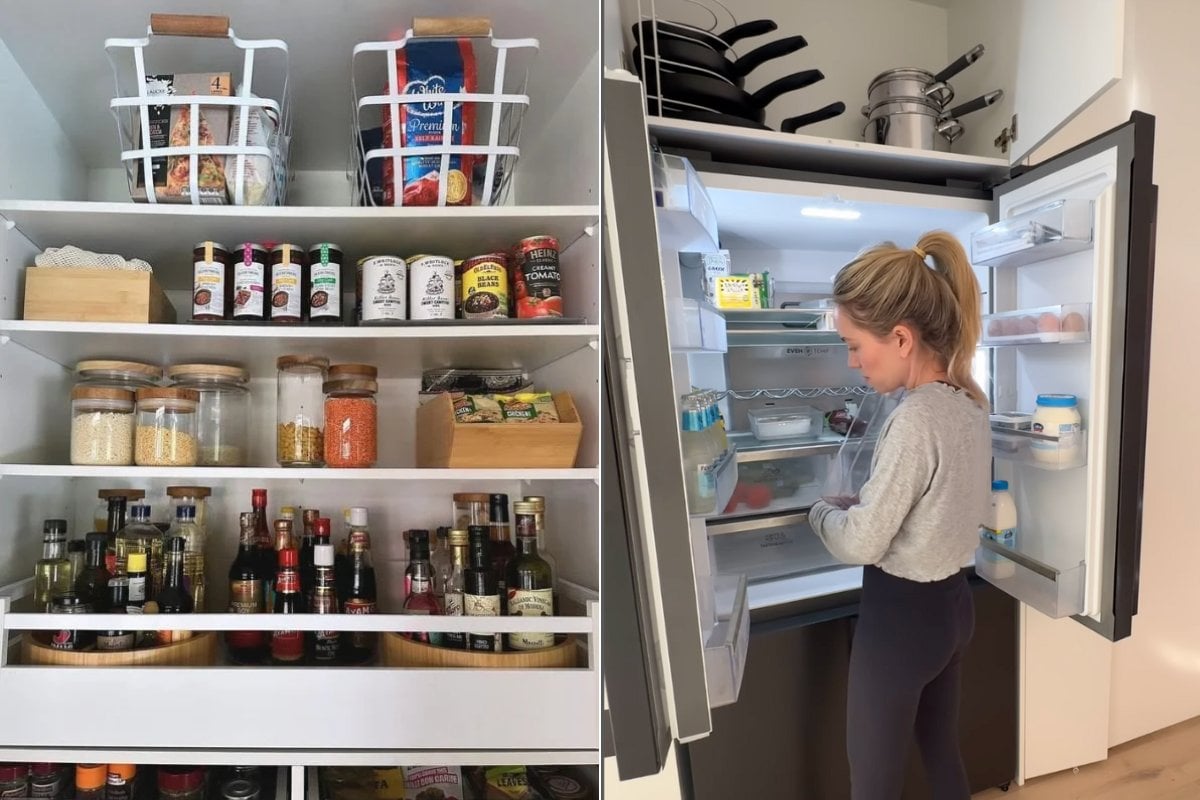
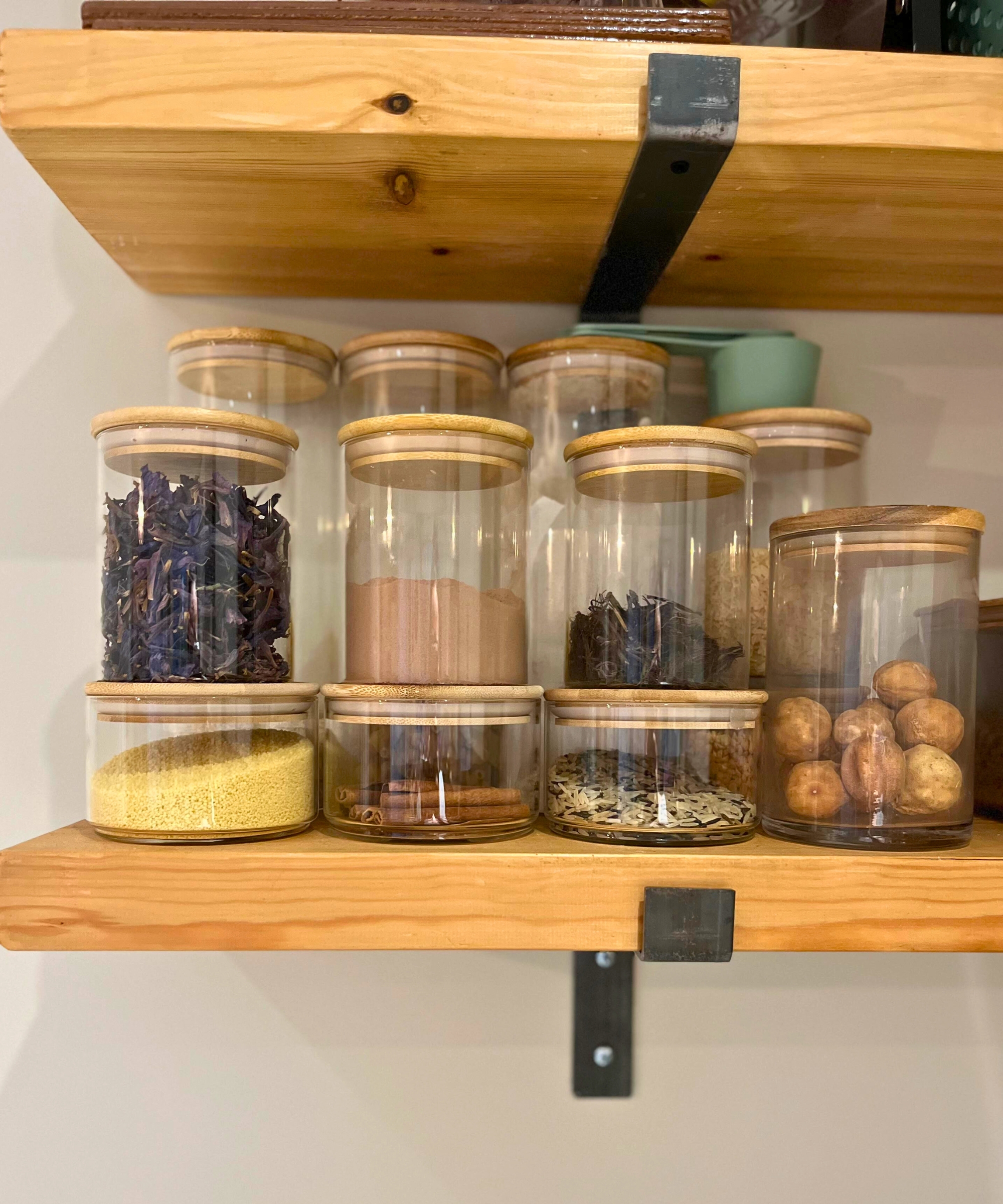
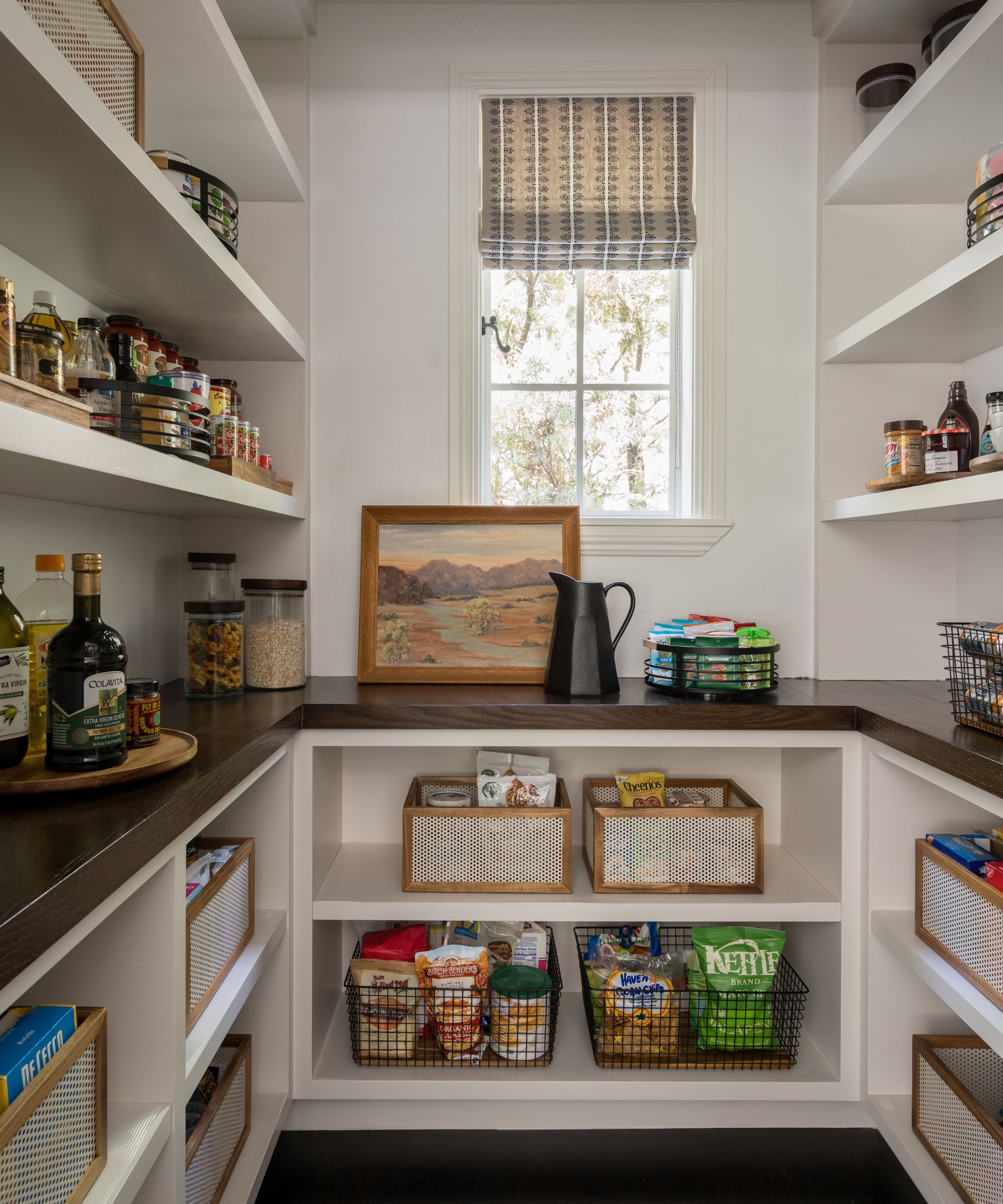
Following the vision-setting, the next critical phase involves emptying the pantry entirely and categorizing its contents. This step allows for a comprehensive inventory of all items, identifying what is present and facilitating a strategic approach to organization. Cheryl Arzewski and Jordan Marks, co-owners of It's Organized LLC, advise against attempting to organize without first assessing the existing items, particularly in previously unorganized spaces. They recommend spreading all items on a large, flat surface to clearly visualize categories and their potential placement. This provides an opportunity to declutter expired or unused items and to group similar products. The suggested categories include snacks (placed for easy access, especially for children), breakfast items, meal staples (pasta, sauces, rice, grains), canned goods (displayed for visibility), perishable items (breads, fresh fruit), baking supplies (often decanted for easier storage), and drinks. Considering where each category will ultimately reside within the pantry is beneficial at this stage, particularly for smaller spaces.
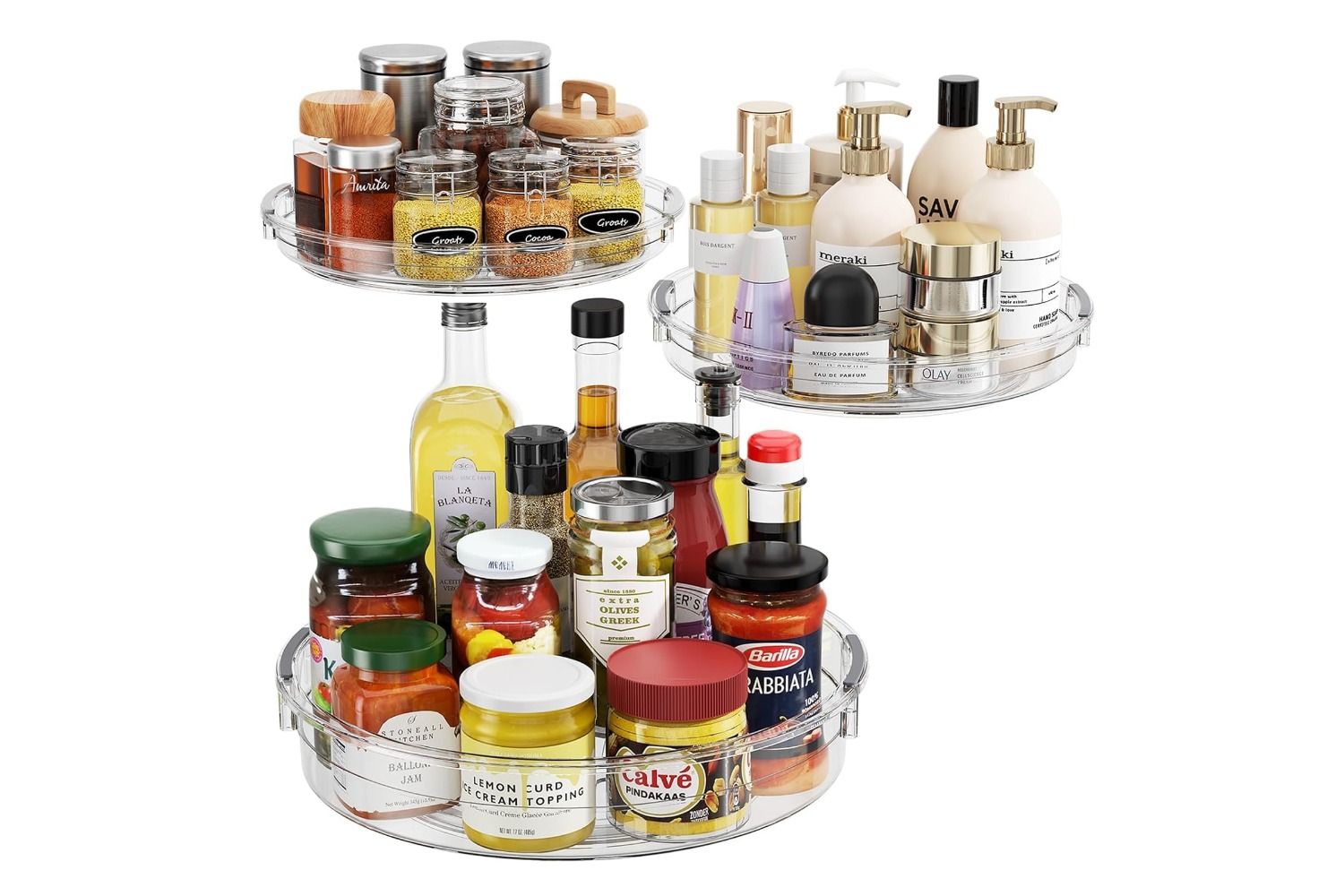
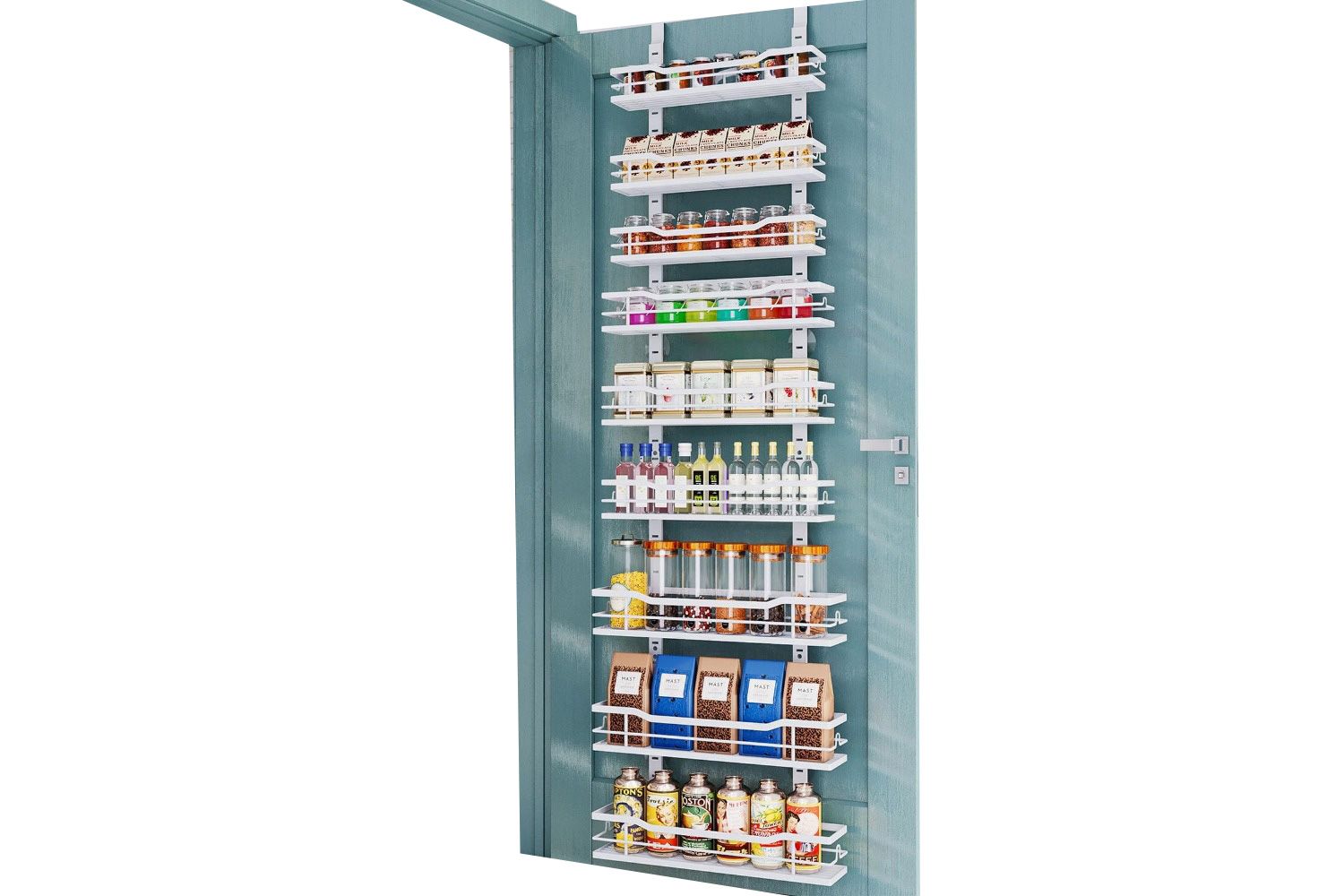
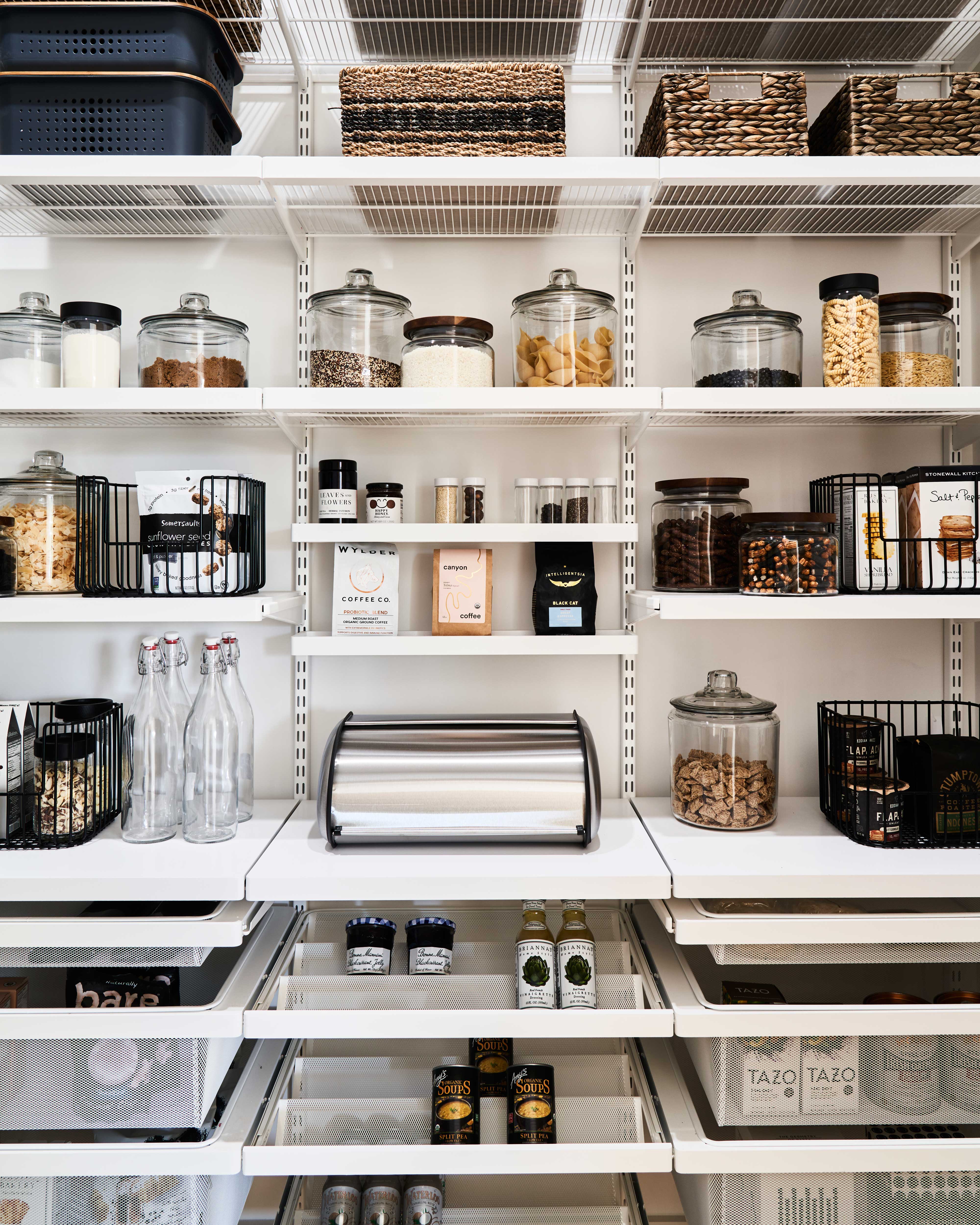
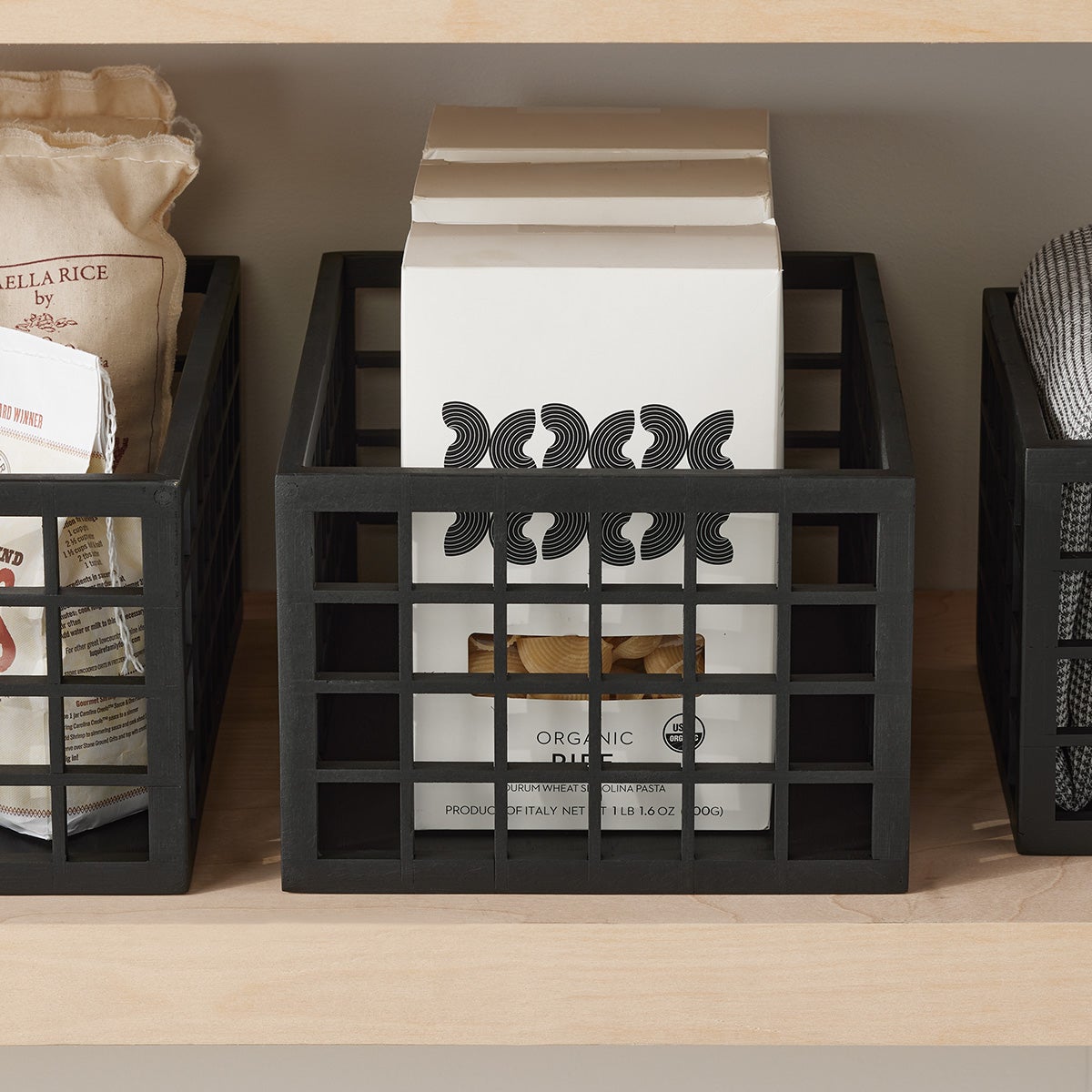
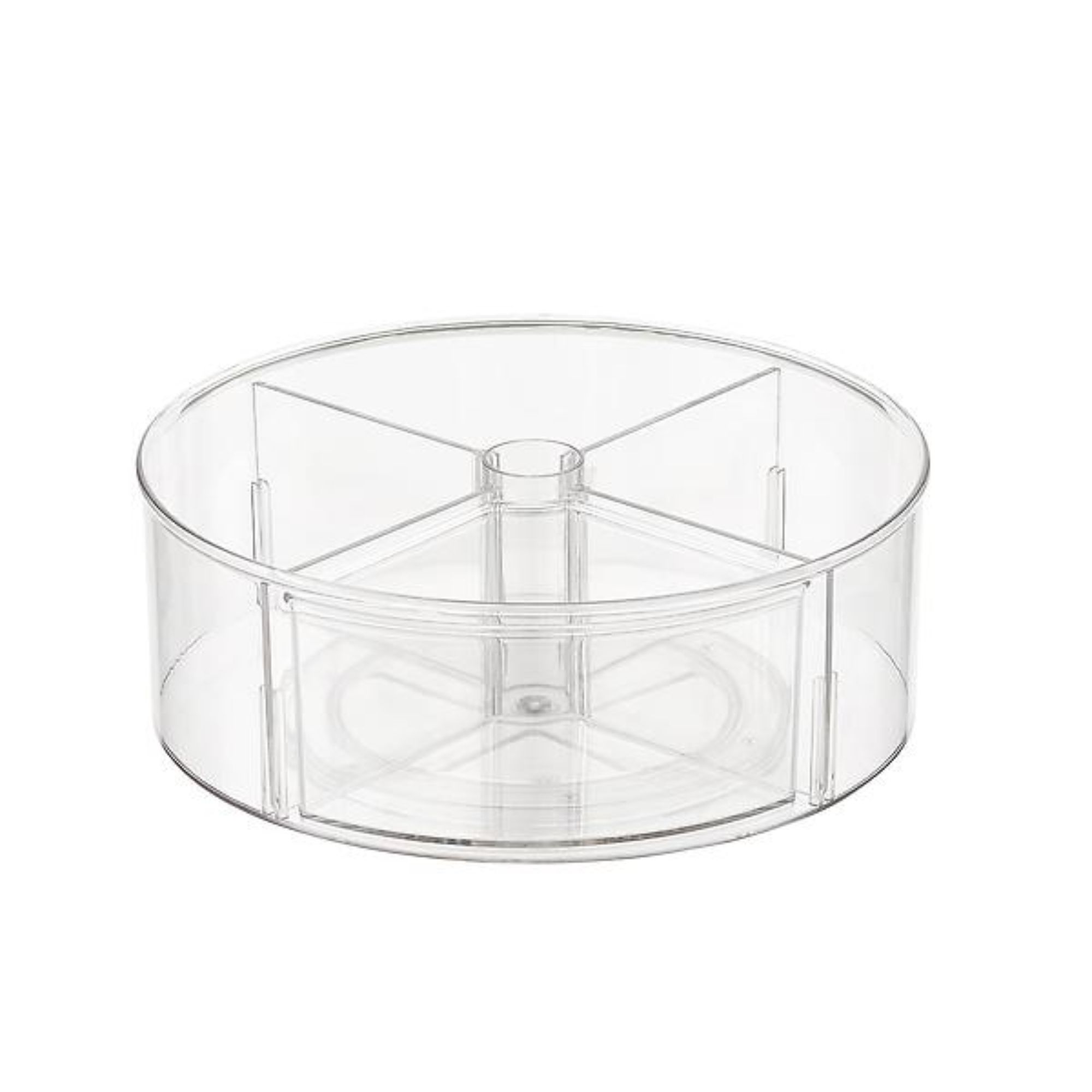
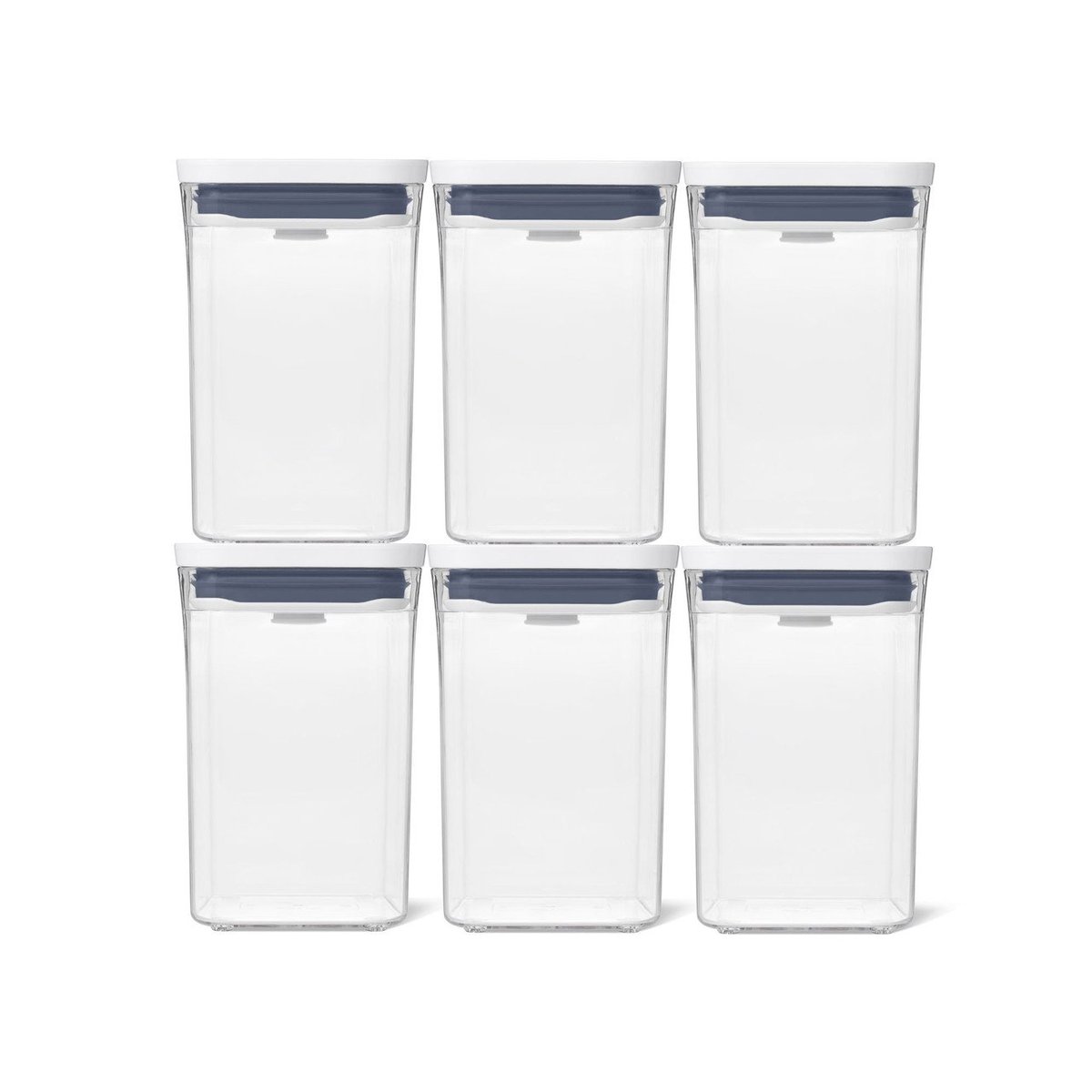
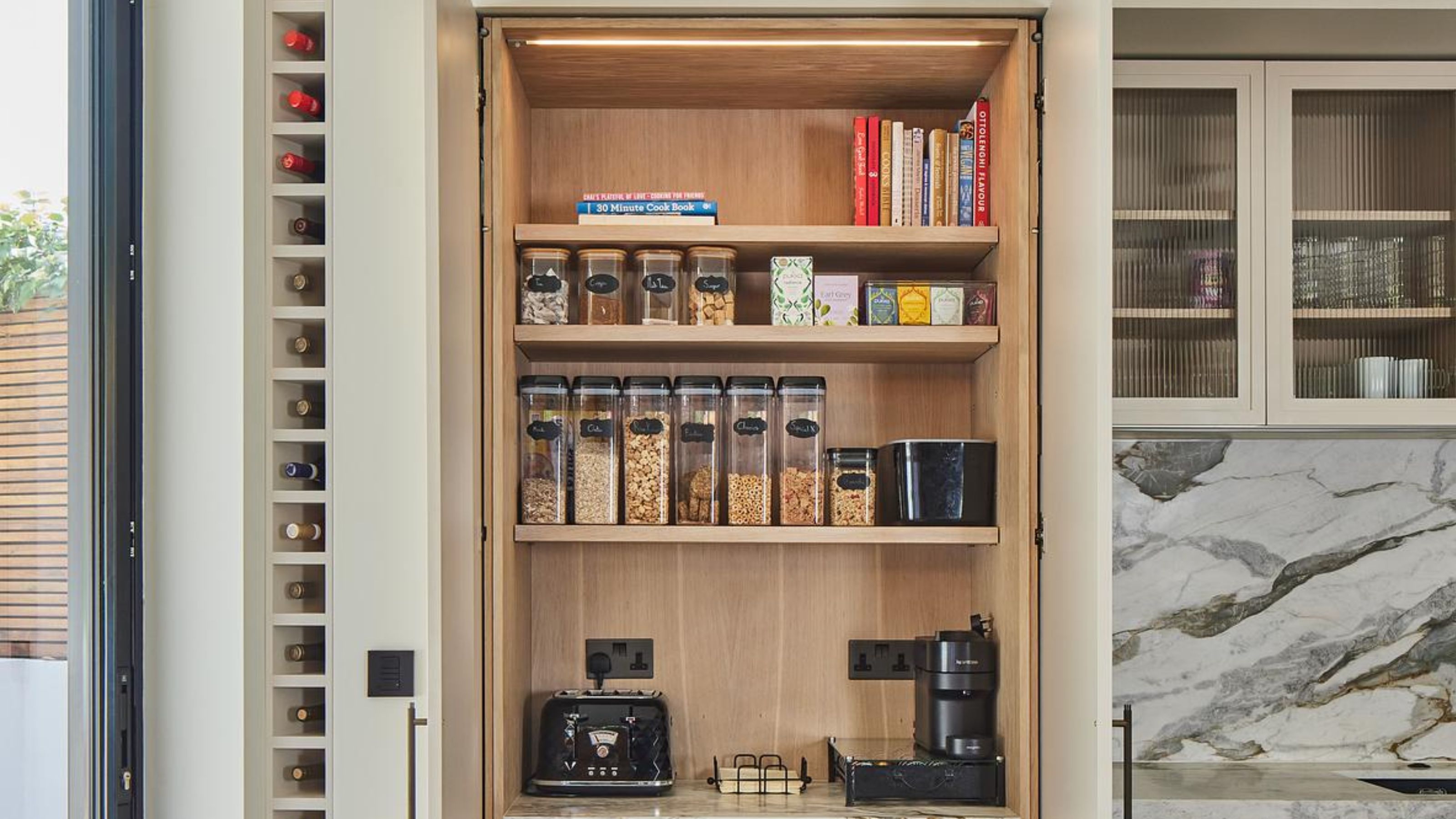
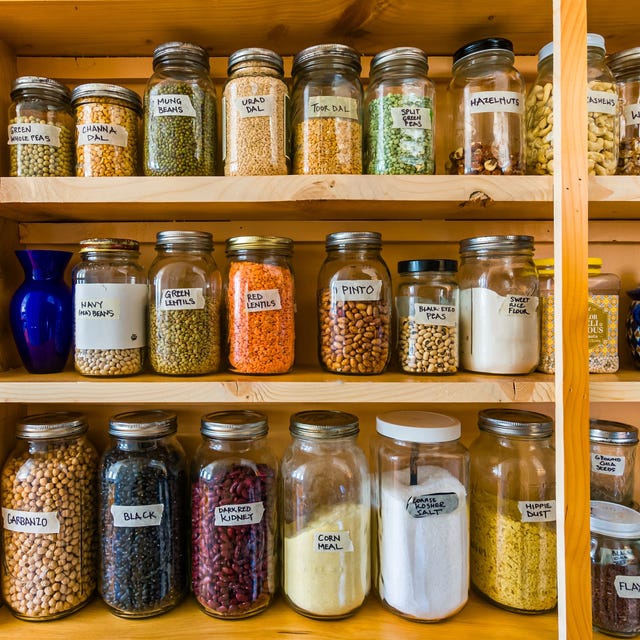
The third step focuses on crafting the labeling system itself. It is often more practical to acquire storage containers and labels after a clear understanding of the necessary storage types has been established. This ensures that purchased items align with the determined categories and subcategories. Linda Samuels suggests further breaking down main categories into subcategories, such as separating 'Salty Snacks' from 'Sweet Snacks,' to refine the organization. The choice of label type—typed for a uniform look, handwritten for a personal touch, or labels directly on shelves—depends on personal preference and functionality. Various labeling products are available, including label makers, plastic label holders for shelves, and clip-on labels for baskets, catering to different container and shelving types.
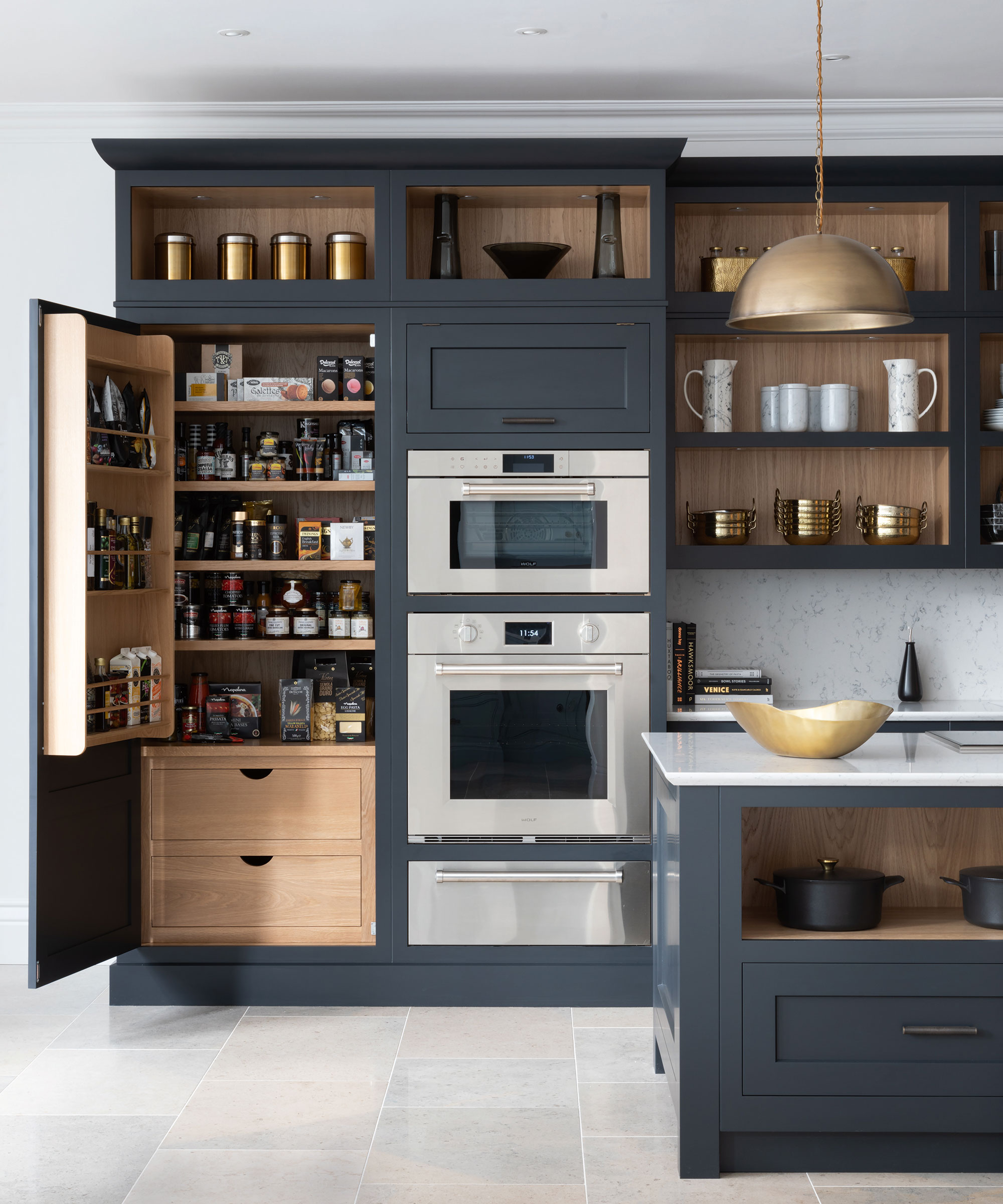
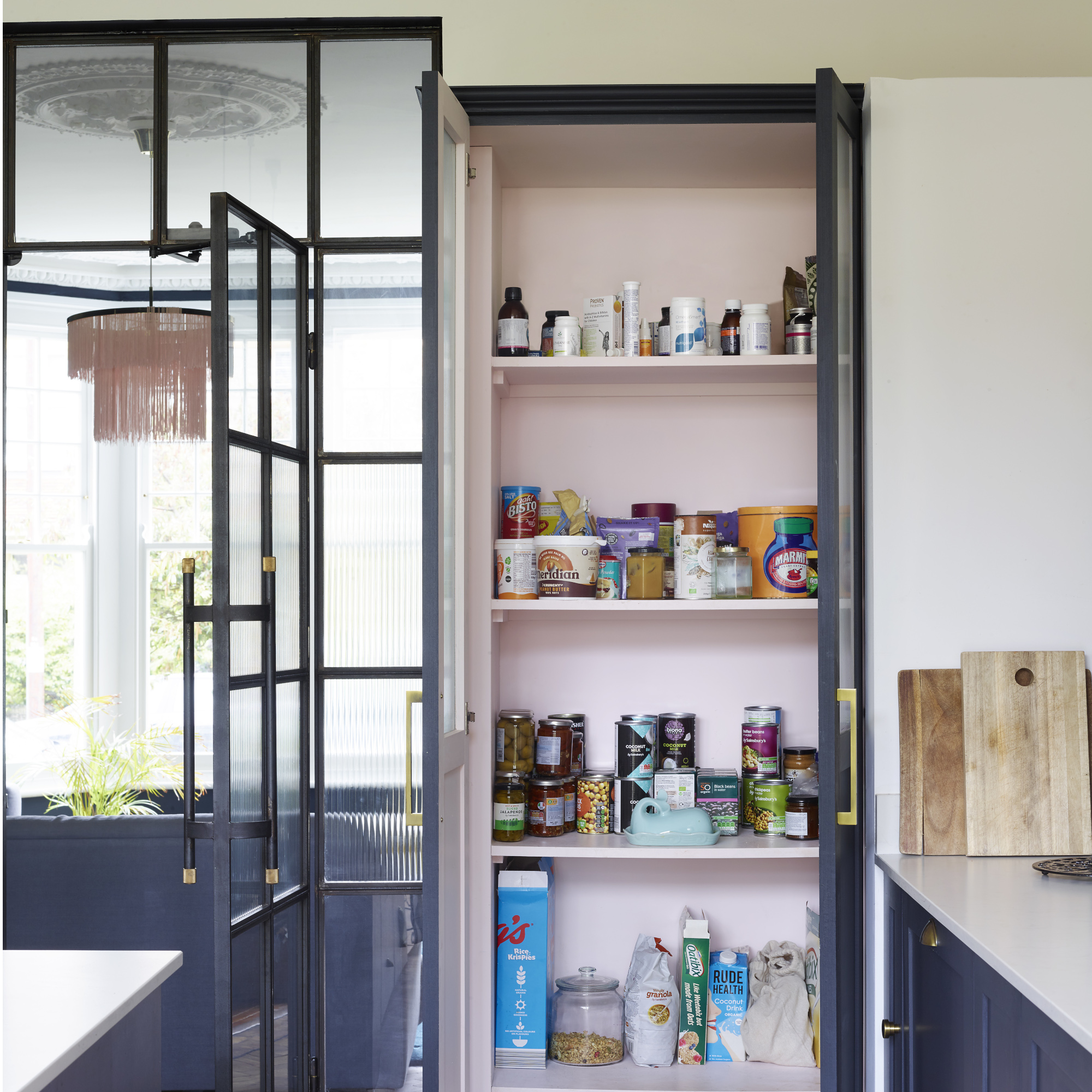
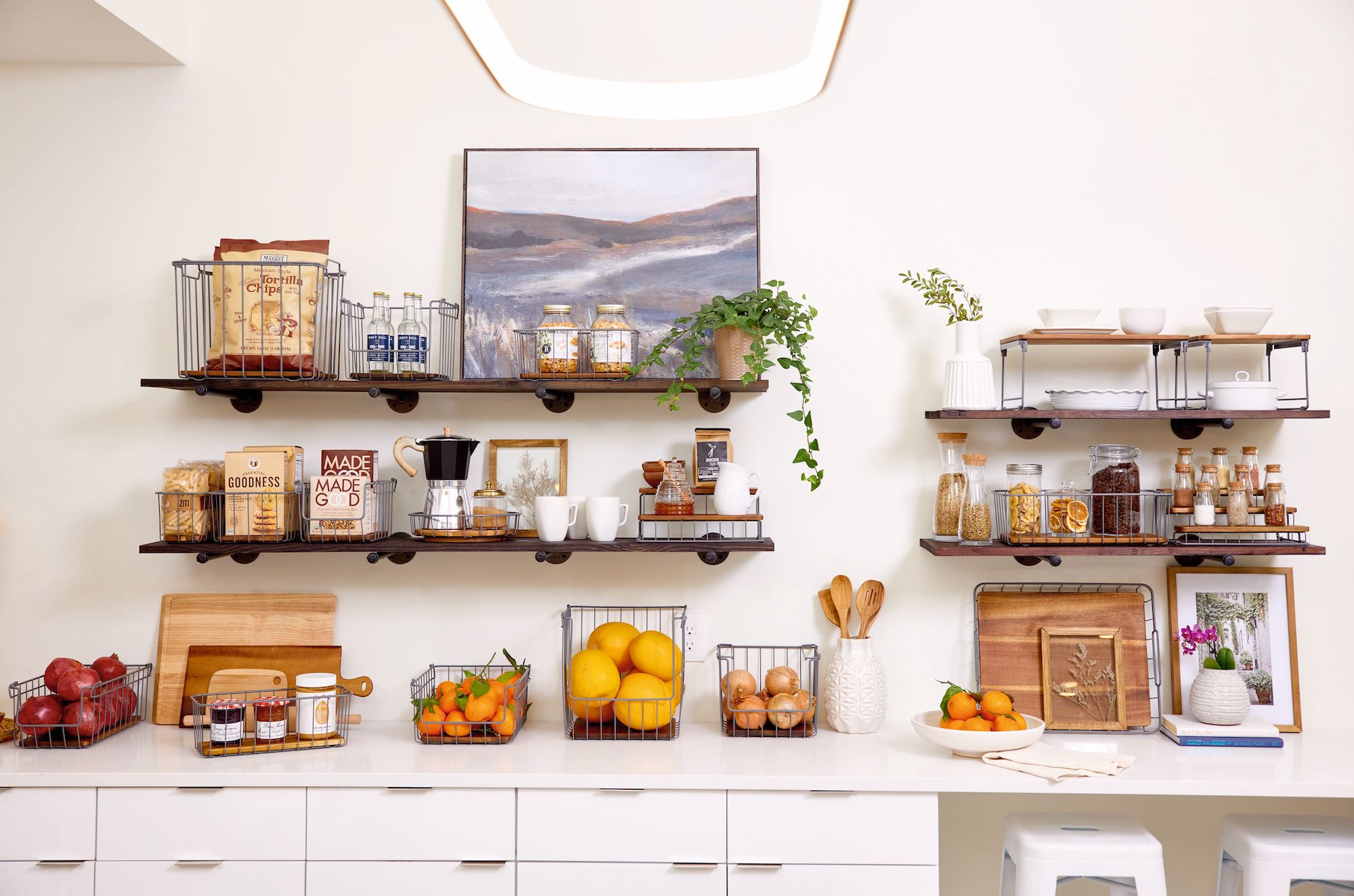
The final stage involves meticulously returning items to the pantry in an ordered manner. Before restocking, it is advisable to clean the pantry interior thoroughly. Lisa Jacobs, founder and CEO of Imagine It Done, highlights that the strategic placement of items is as crucial as the labeling itself. She advises considering lifestyle and usage patterns: frequently accessed and lighter items should be placed within easy reach, while heavier or less frequently used items, such as baking supplies, can be stored on lower or higher shelves. Testing reachability from an empty pantry helps determine the most ergonomic placement for different categories. This ensures that the organized pantry remains functional and easy to maintain, facilitating daily routines and contributing to an overall sense of order and calm within the home.
#PantryOrganization #HomeOrganization #KitchenStorage #Decluttering #LabelingSystem #ExpertAdvice #FunctionalDesign #HomeImprovement #InteriorDesignTips #PantryOrganization #HomeOrganization #KitchenStorage #Decluttering #LabelingSystem #ExpertAdvice #FunctionalDesign #HomeImprovement #InteriorDesignTips
0 comment in total
 No comments yet
You may also like
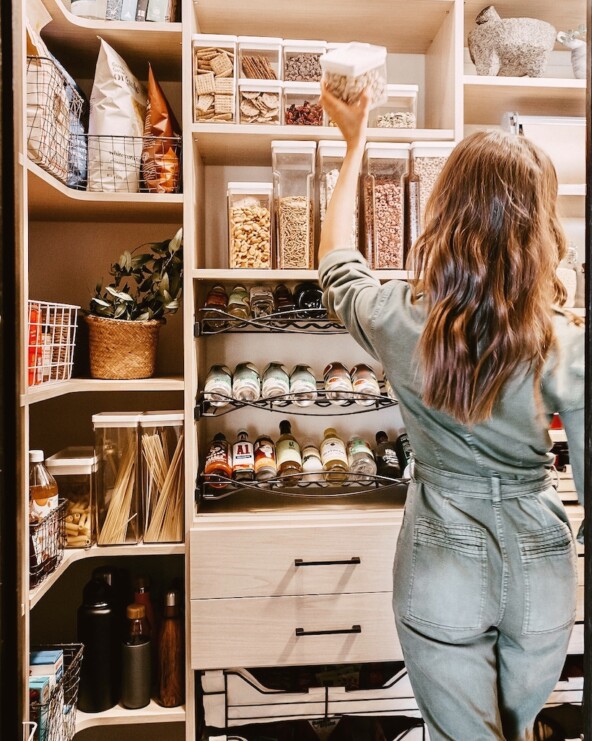
How to Organize Your Pantry Once and for All, According to a Pro

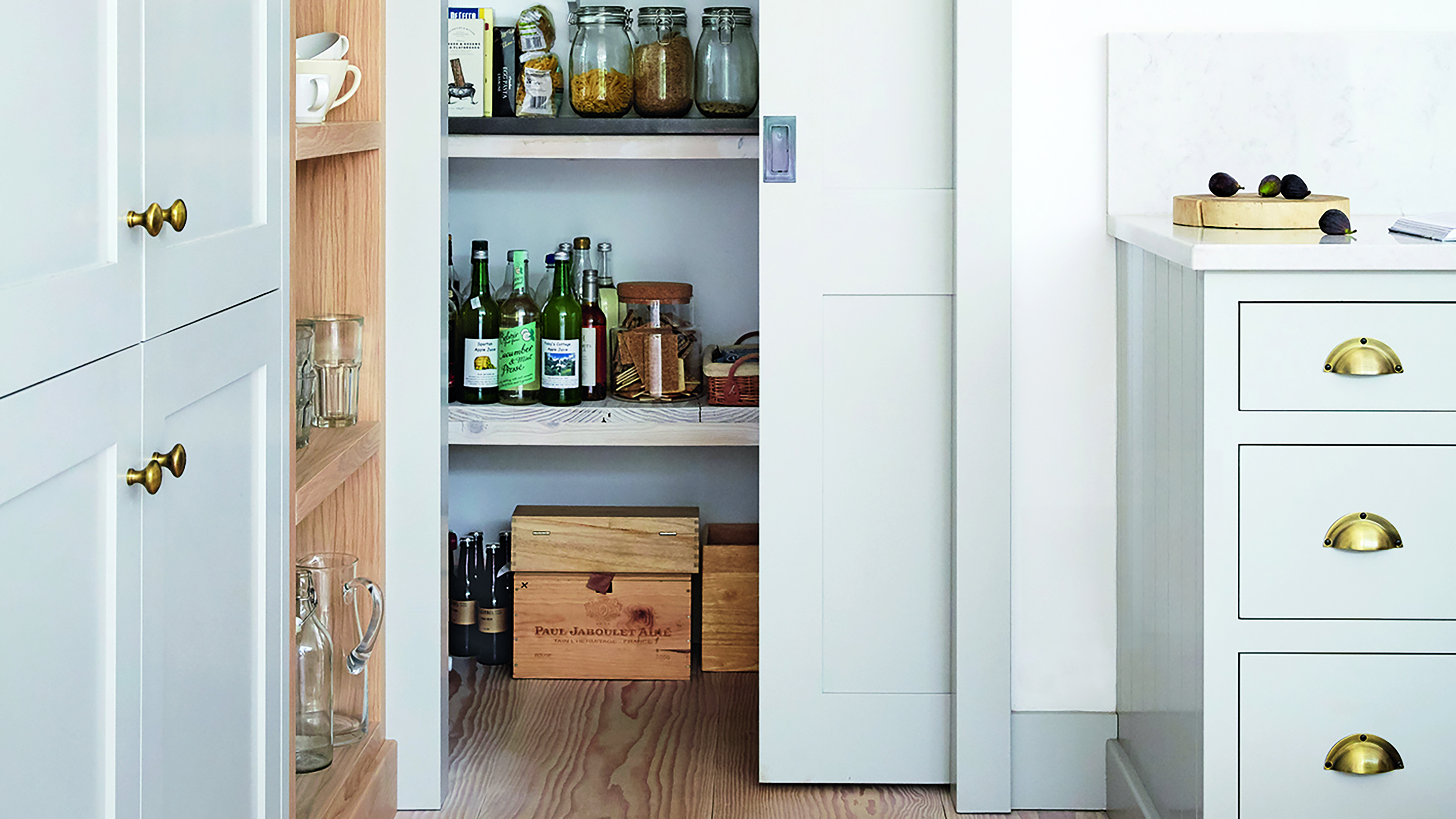
9 pantry storage solutions organising experts swear by for a perfectly tidy store cupboard
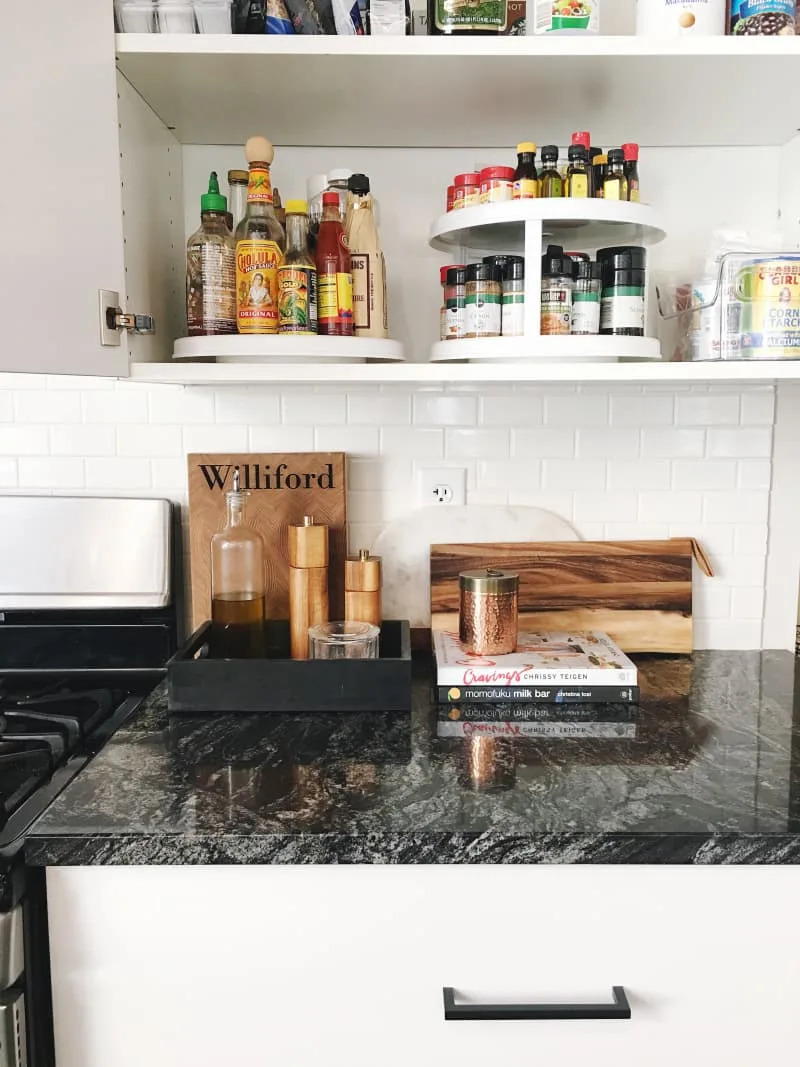
The Best Advice I Got from 2 Pro Organizers About the Smartest Way to Organize a Pantry

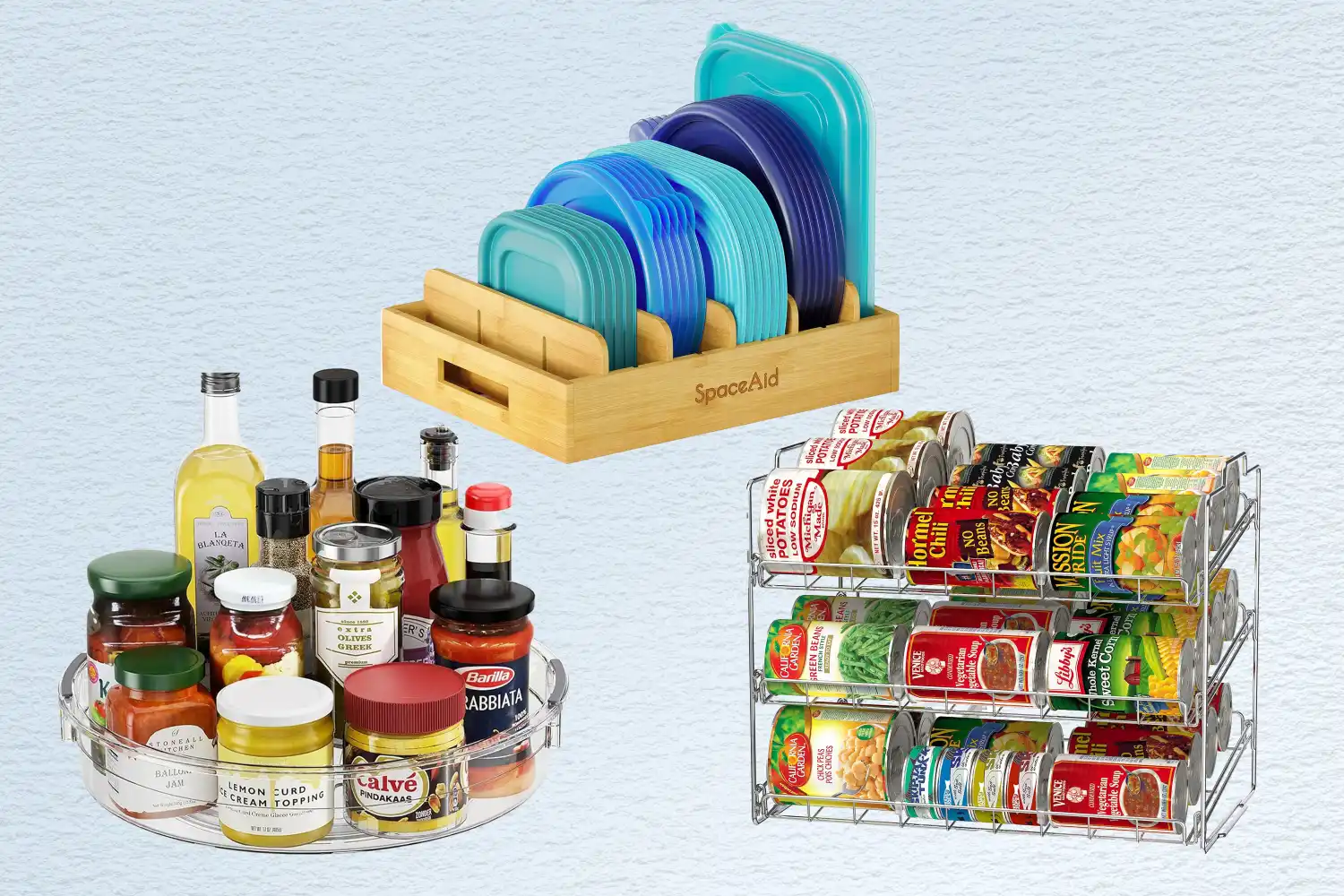
10 Organizers That'll Get Your Pantry In Tip-Top Shape Before The Holiday Cooking Marathon

How to organize your pantry for Christmas – 8 tips for a stress-free holiday

The Anti-Spring Cleaning Guide: How to Keep an Organized Pantry All Year
6 Easy Ways To Start The Year More Organized

'I asked an expert to help me organise my pantry and the advice was game-changing.'

Don’t Skip These 6 Tasks When Organizing Your Pantry
The Home Edit On How To Sort, Organize, & Maintain Your Pantry

How to Organize Your Kitchen and Pantry, According to Professional Organizers
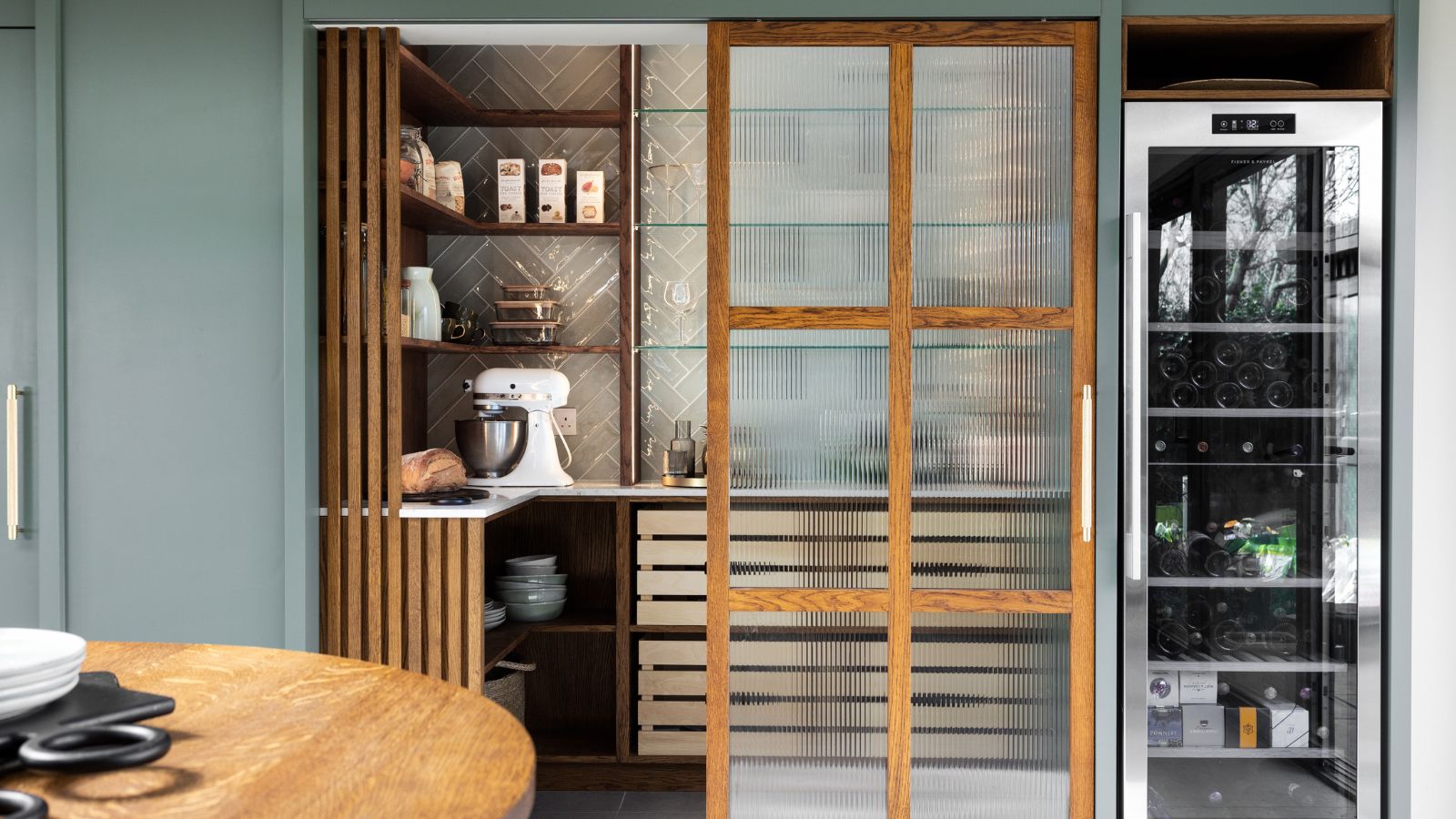
Pros warn never to keep these 8 things in your pantry
7 Surprising Things Pro Organizers NEVER Do in Their Own Pantry

9 Chic Pantry Storage Gems to Tame Festive Kitchen Chaos: They're On Sale

'They'll Change Your Life' – 5 Organizer Buys Endorsed by Professionals That Promise to Start 2024 off Right

3 easy and effective wrapping paper storage solutions pro organizers swear by
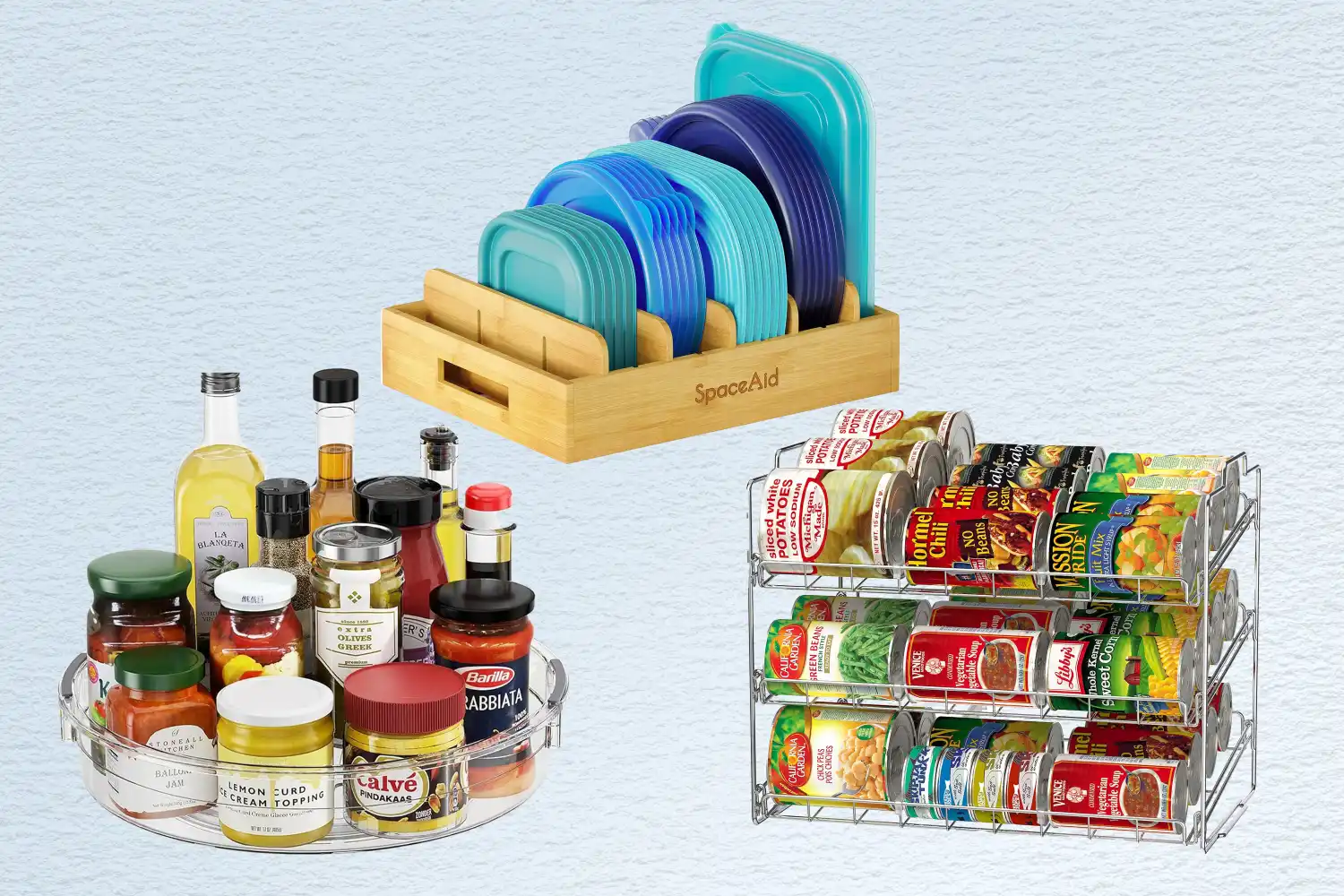
10 Organizers That'll Get Your Pantry In Top Shape Before Your Holiday Cooking Marathons

5 seasonal storage ideas to get your home holiday-ready

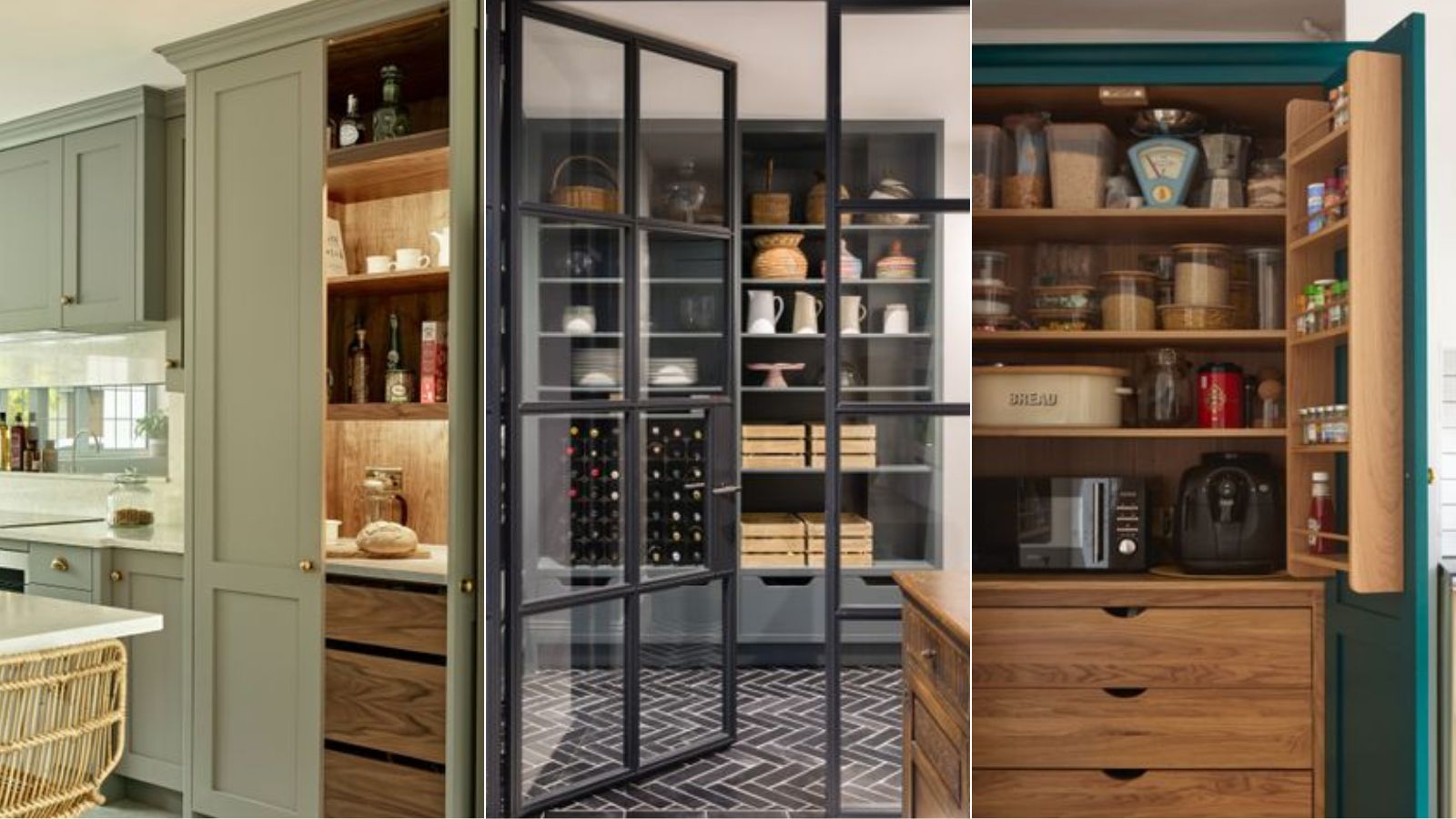
8 pantry organizers professionals always buy
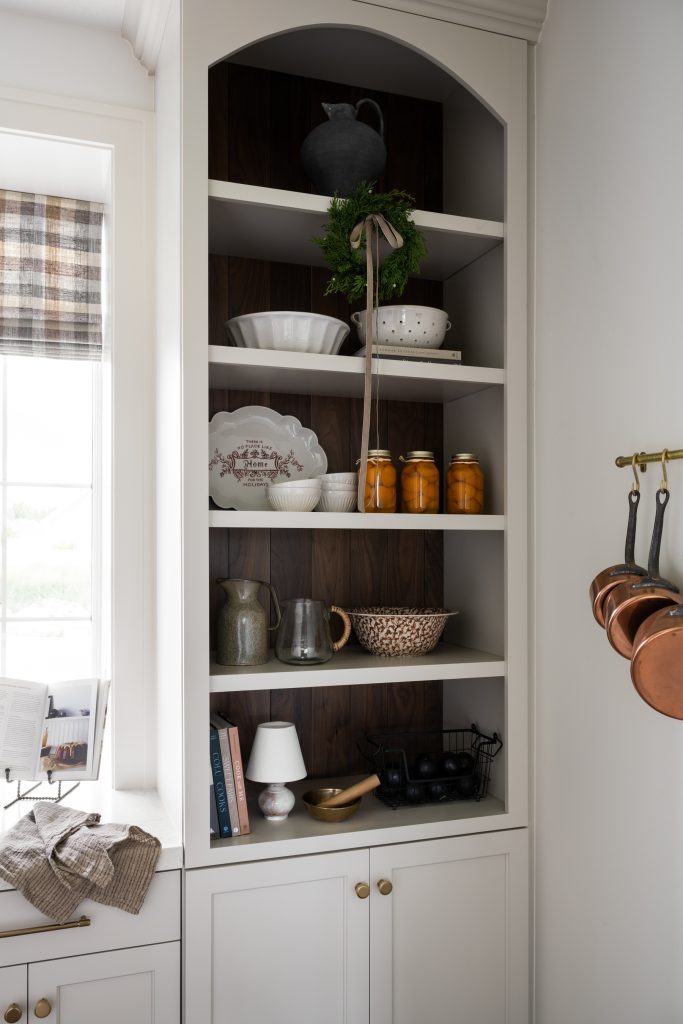
How To Style Pantry Shelves For The Holidays