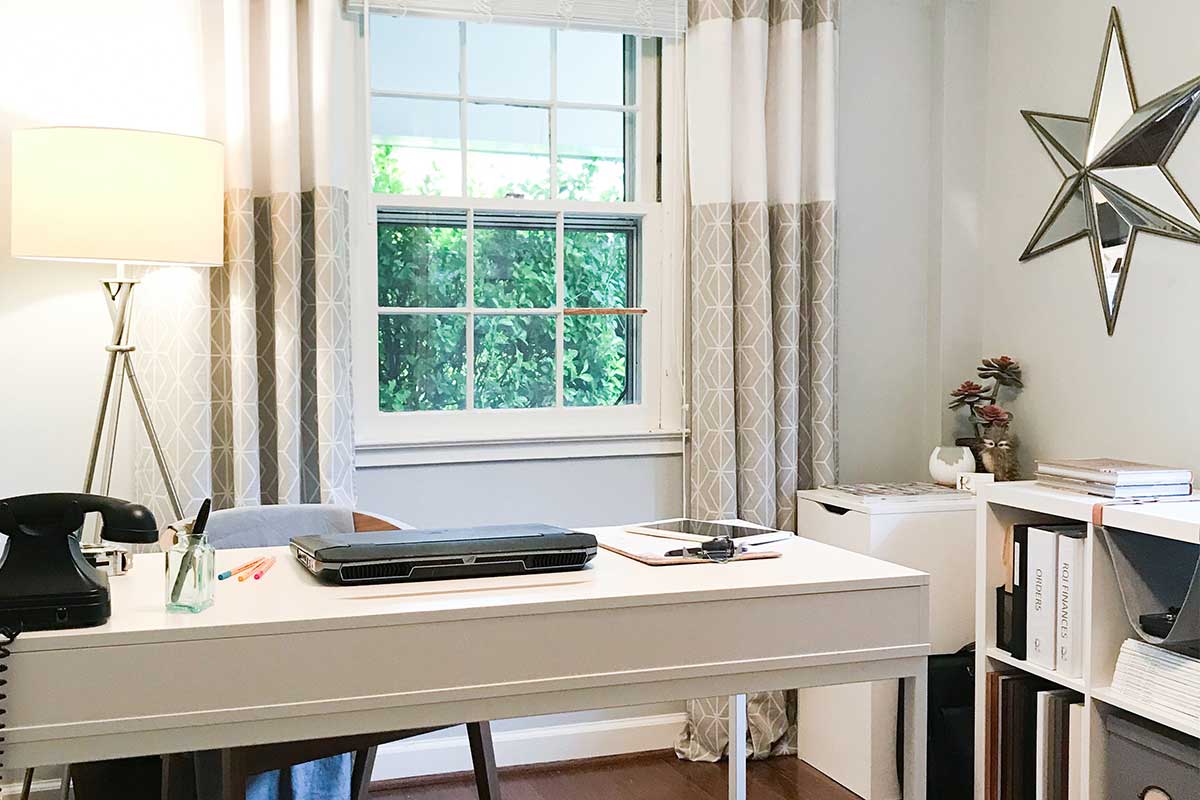
Still working from home? Here’s how to make the most of your space
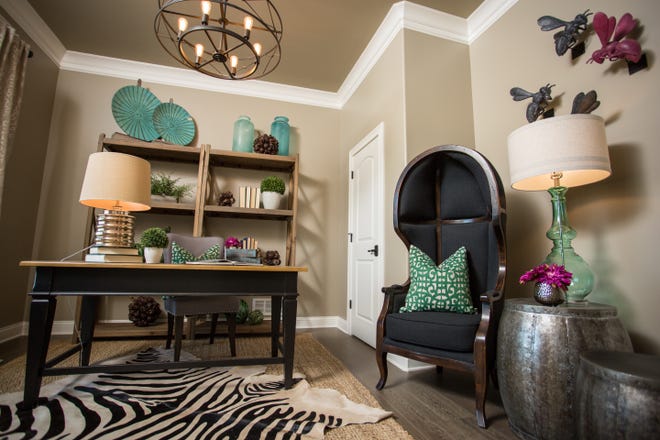
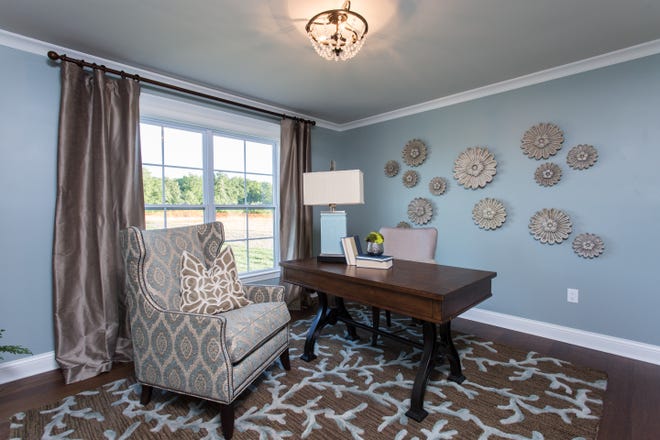
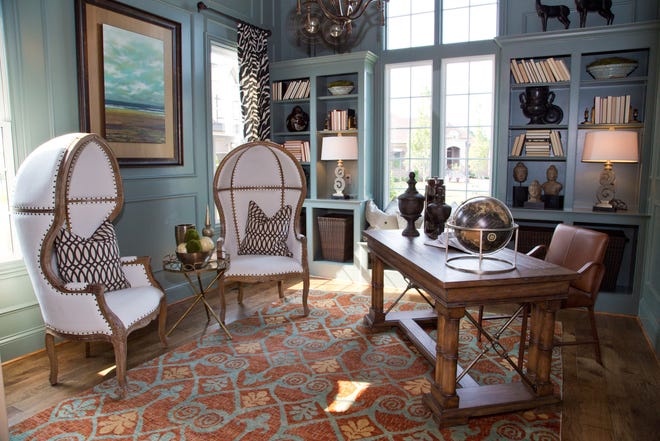
The year 2020 saw a significant shift in work dynamics, with many individuals transitioning to remote work for an extended period, potentially for the foreseeable future. This change prompted a re-evaluation of home environments to create spaces that are comfortable, stylish, and efficient for work. Arlington-based interior designer Rebecca Quandt shares her insights on adapting living spaces to this new reality, discussing the impact of remote work on interior design trends and offering practical advice for optimizing home offices, even on a budget.
Rebecca Quandt, a full-service interior designer specializing in residential projects, particularly kitchen and bathroom renovations, experienced a shift in her practice due to the pandemic. While she had a six-month waiting list for traditional projects, these were largely put on hold as clients faced financial uncertainties. Quandt quickly re-established her virtual design services, a practice she had utilized in the past, dusting off old questionnaires and instructions for remote client engagement. This pivot proved successful, leading to a resurgence in demand for her services, particularly for virtual consultations and projects focused on creating functional home workspaces. The initial financial apprehension among clients eventually subsided, leading to renewed interest in home improvement, albeit with a new focus.
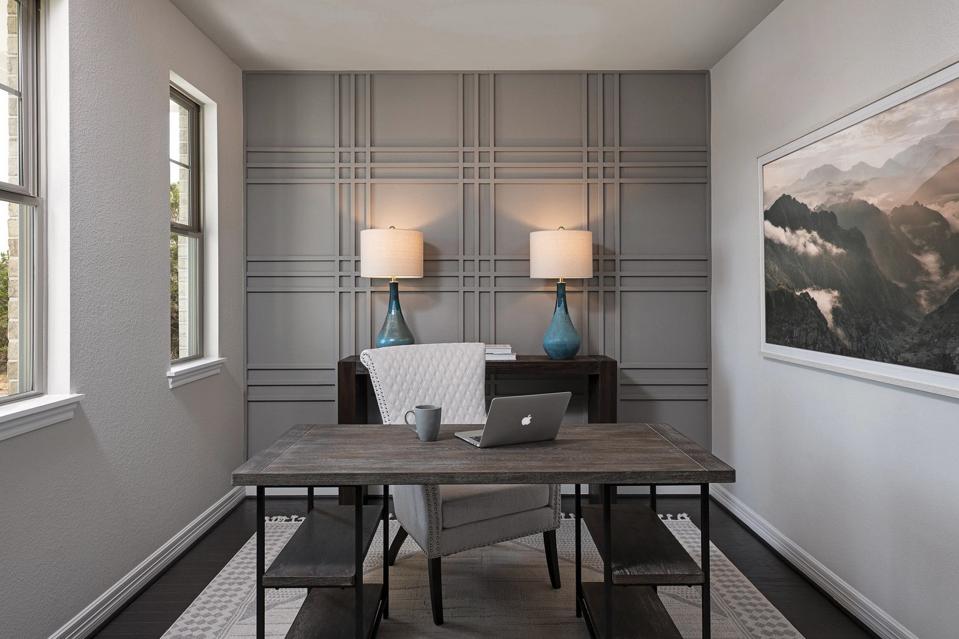
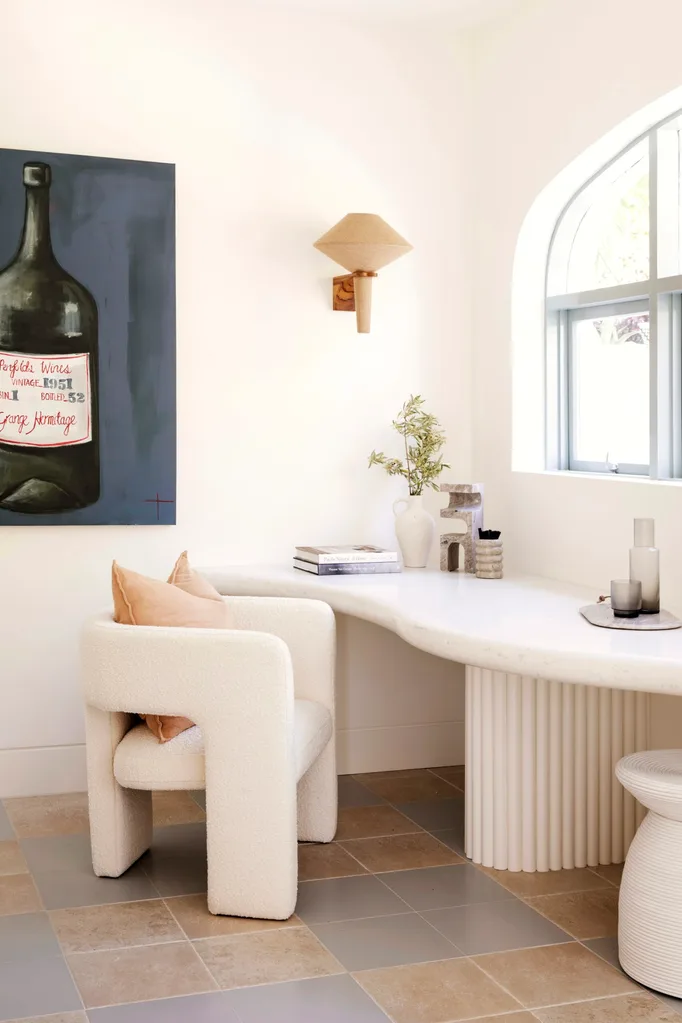
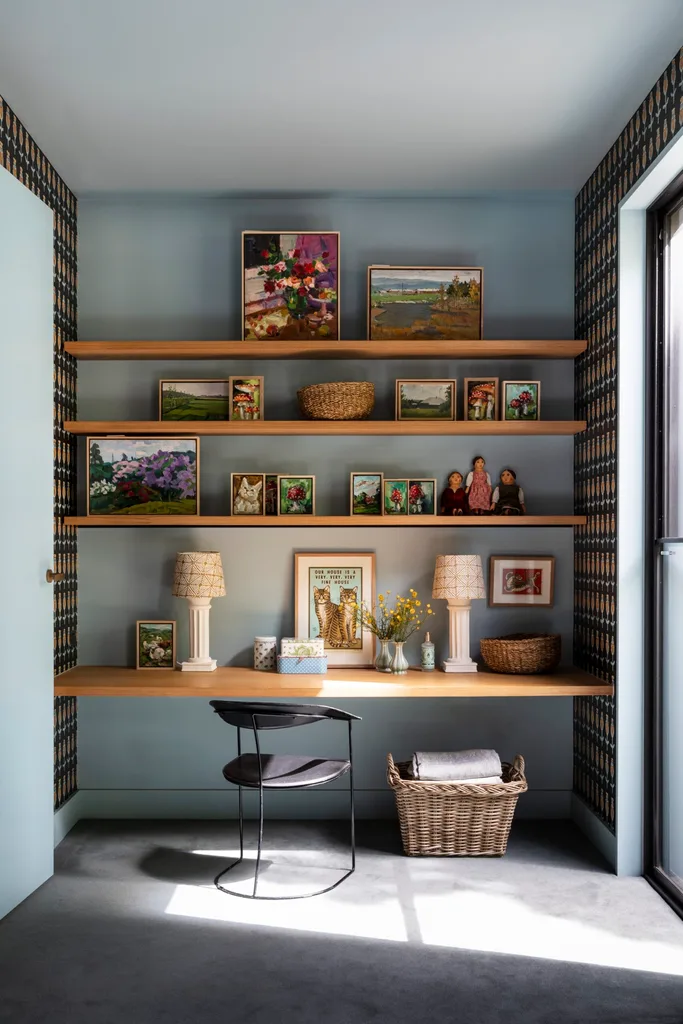
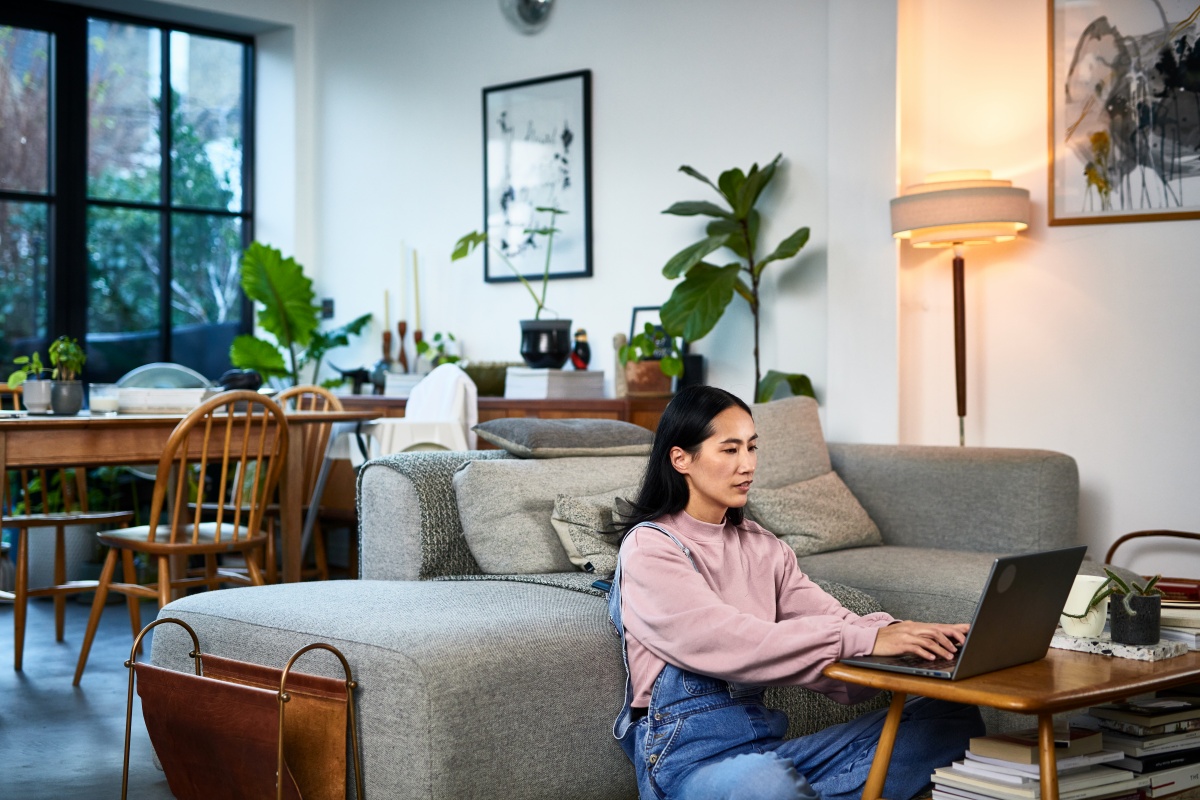
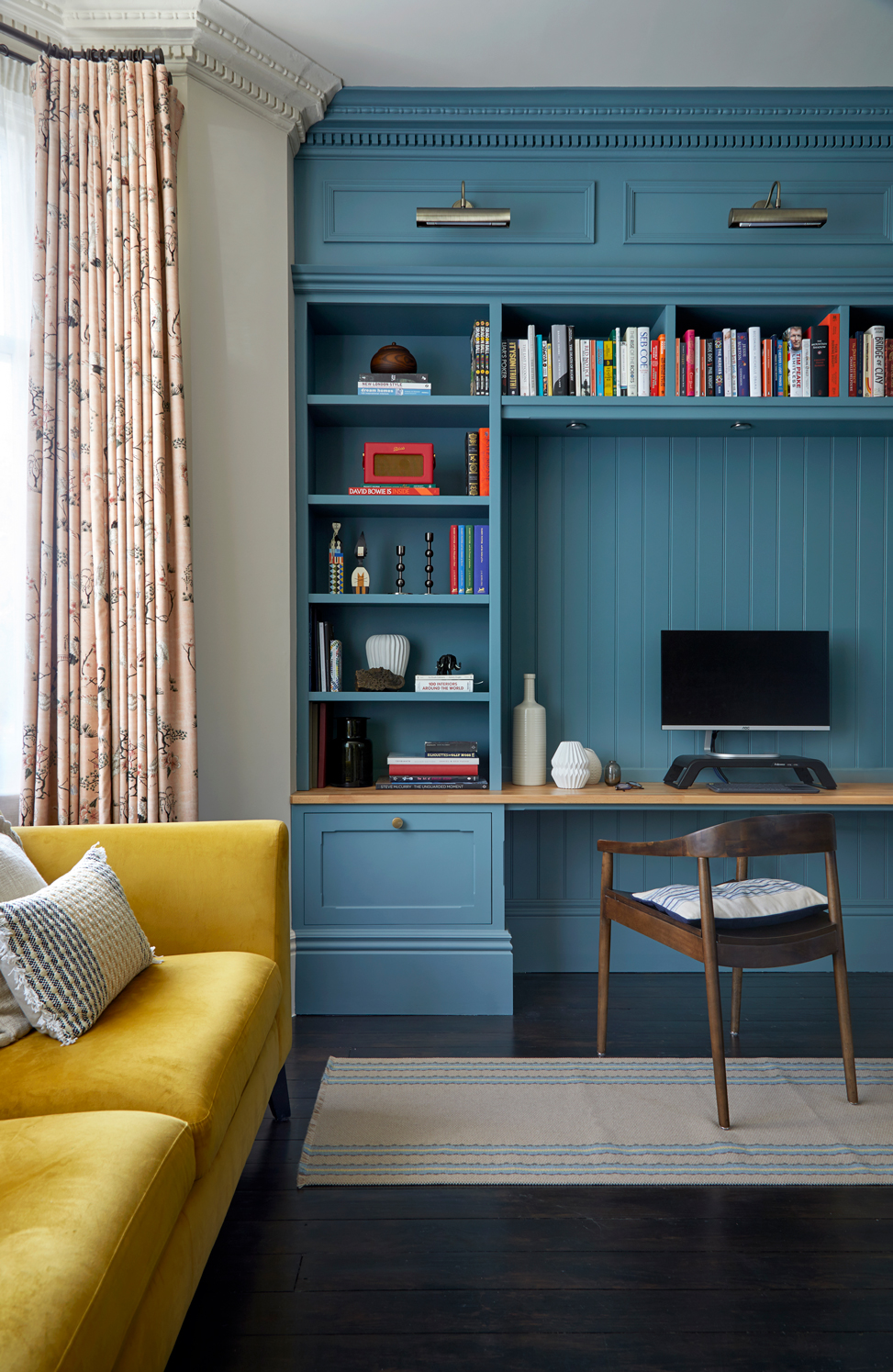
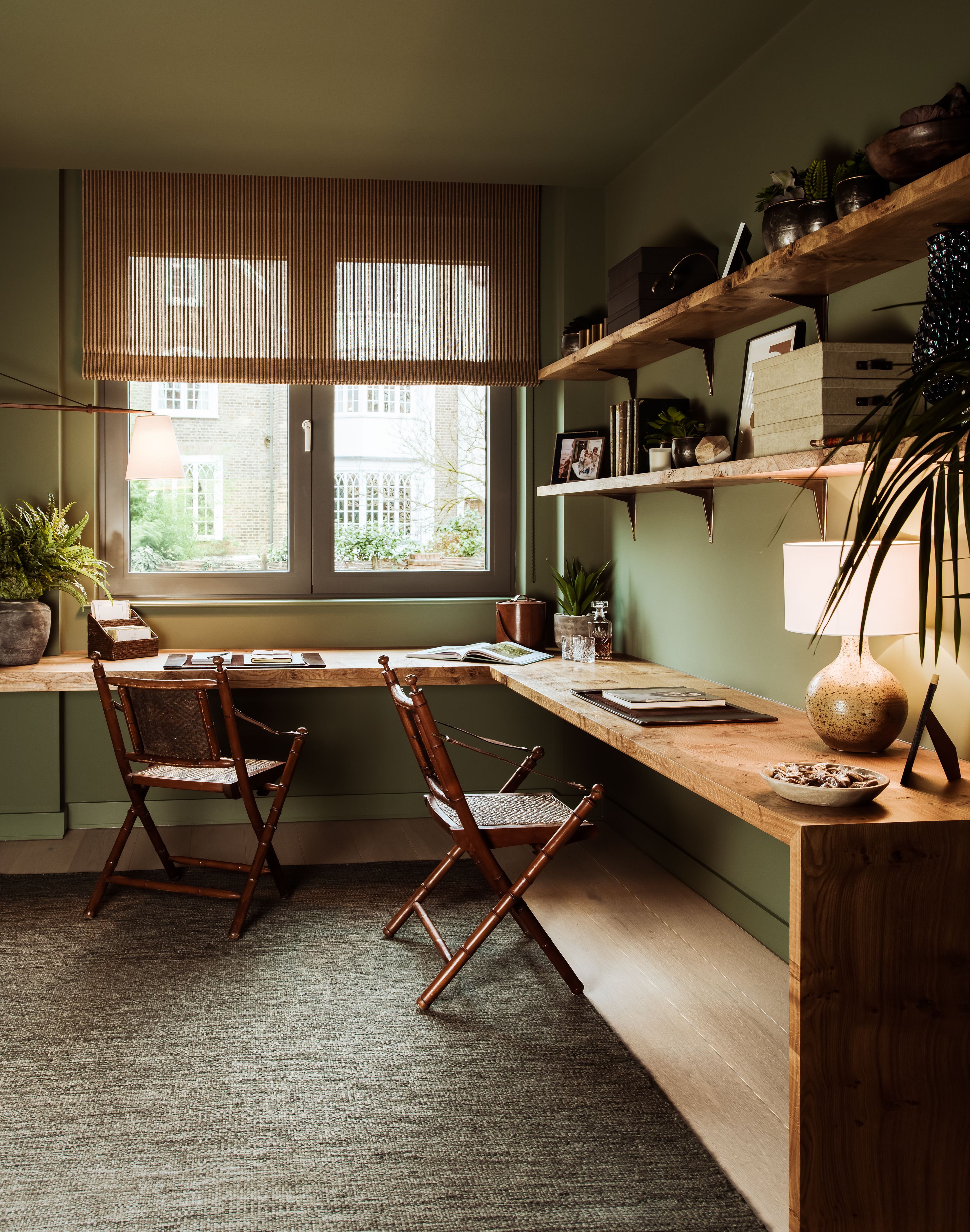
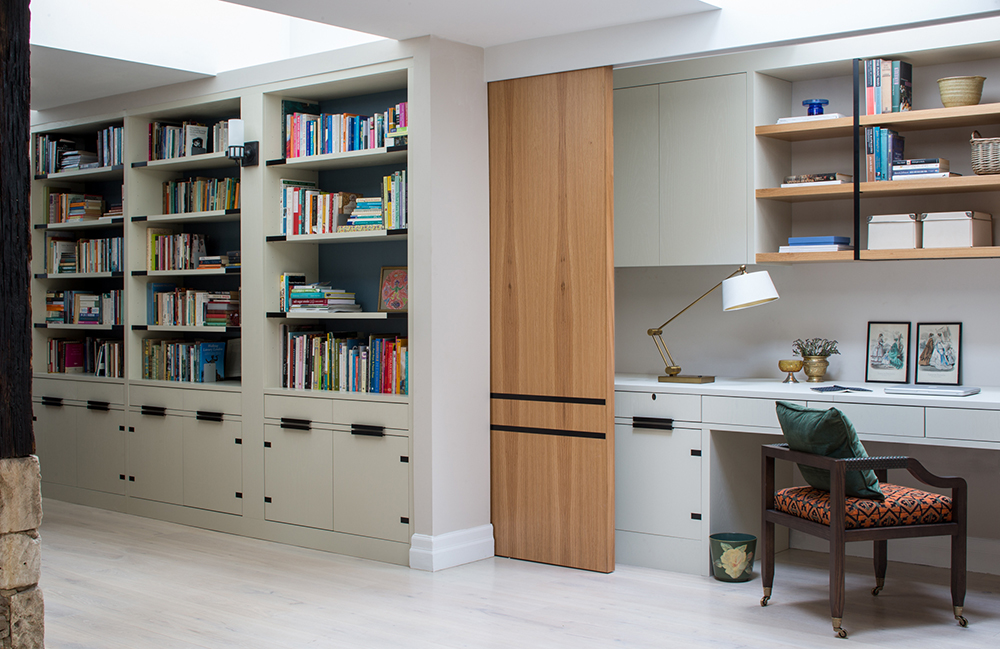
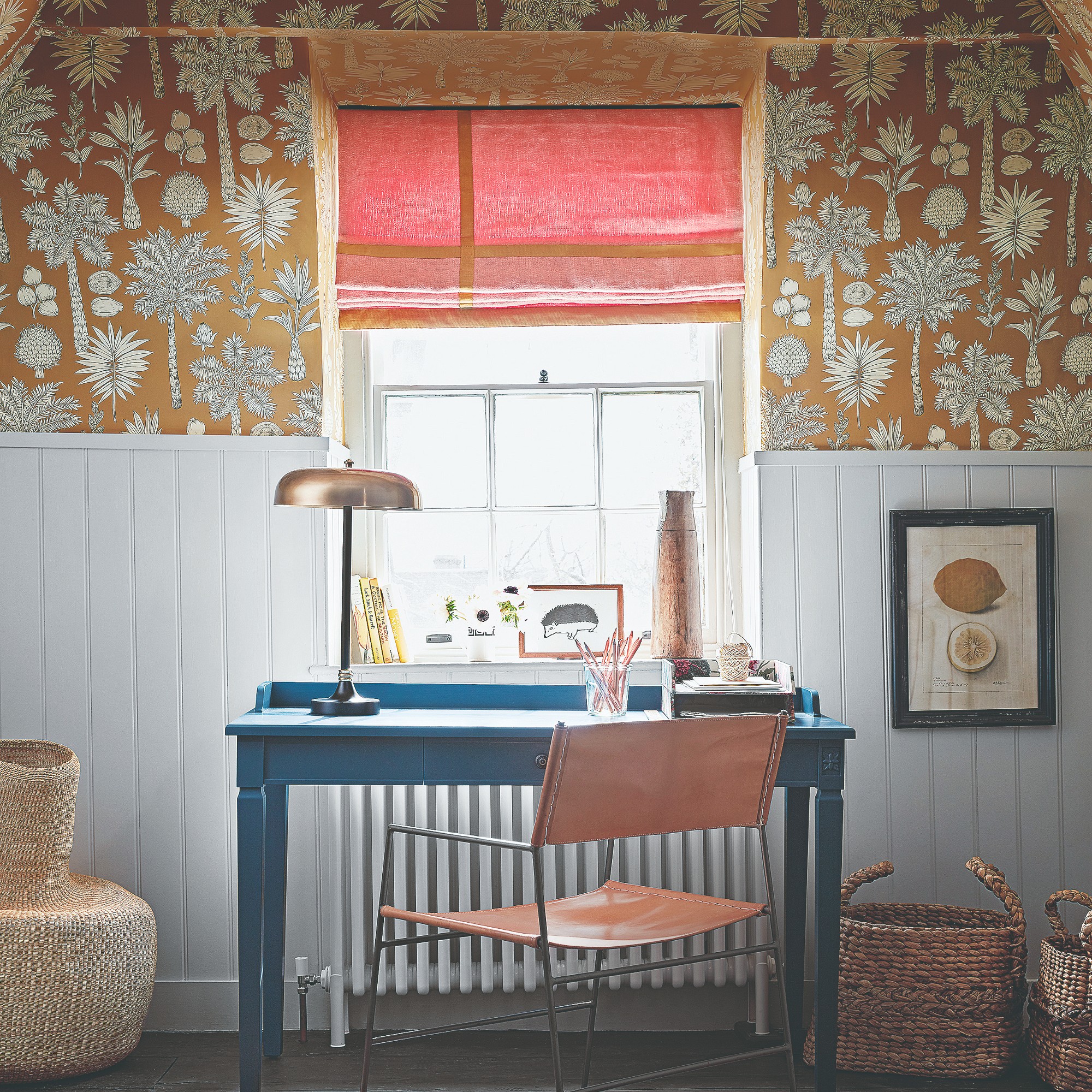
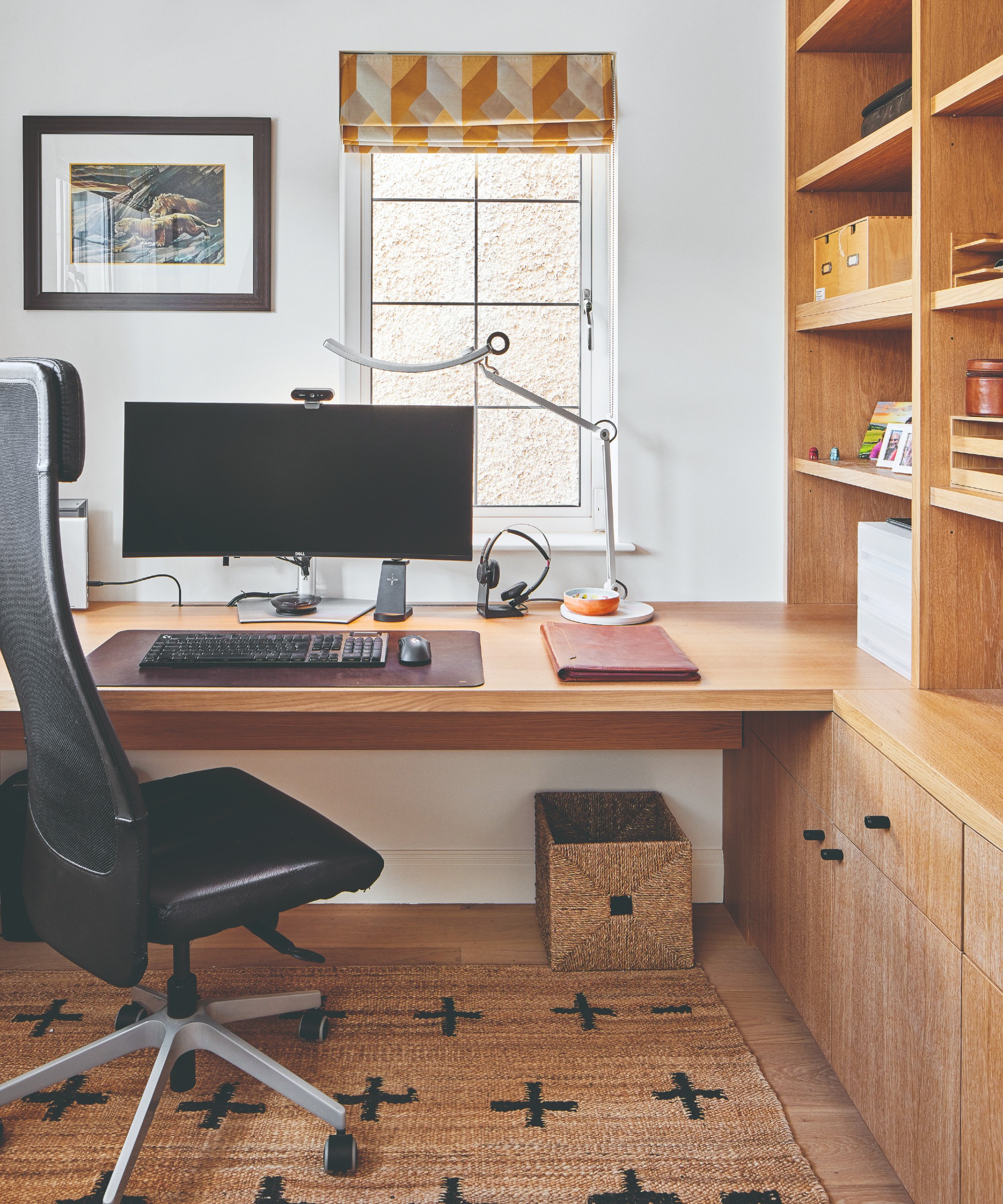
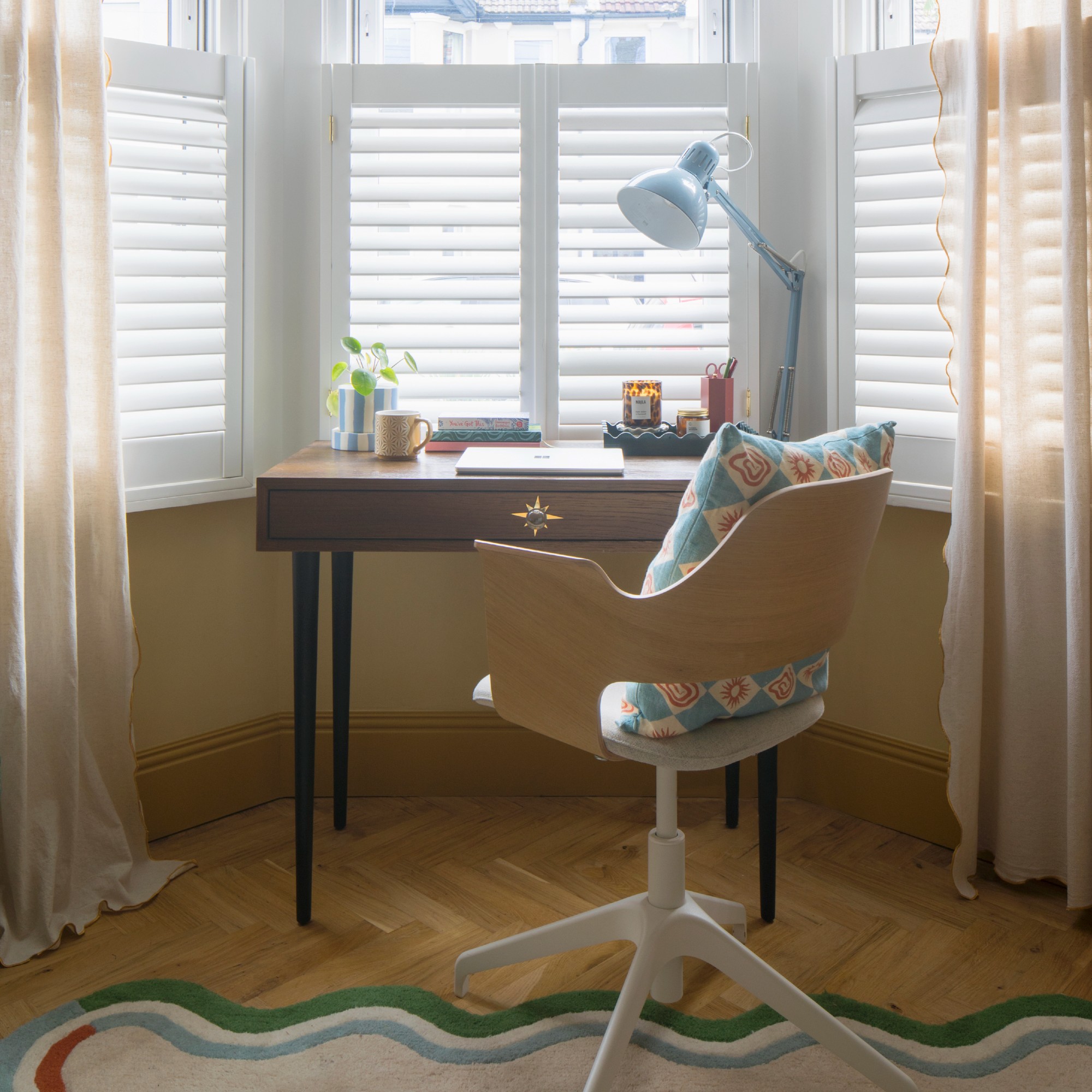
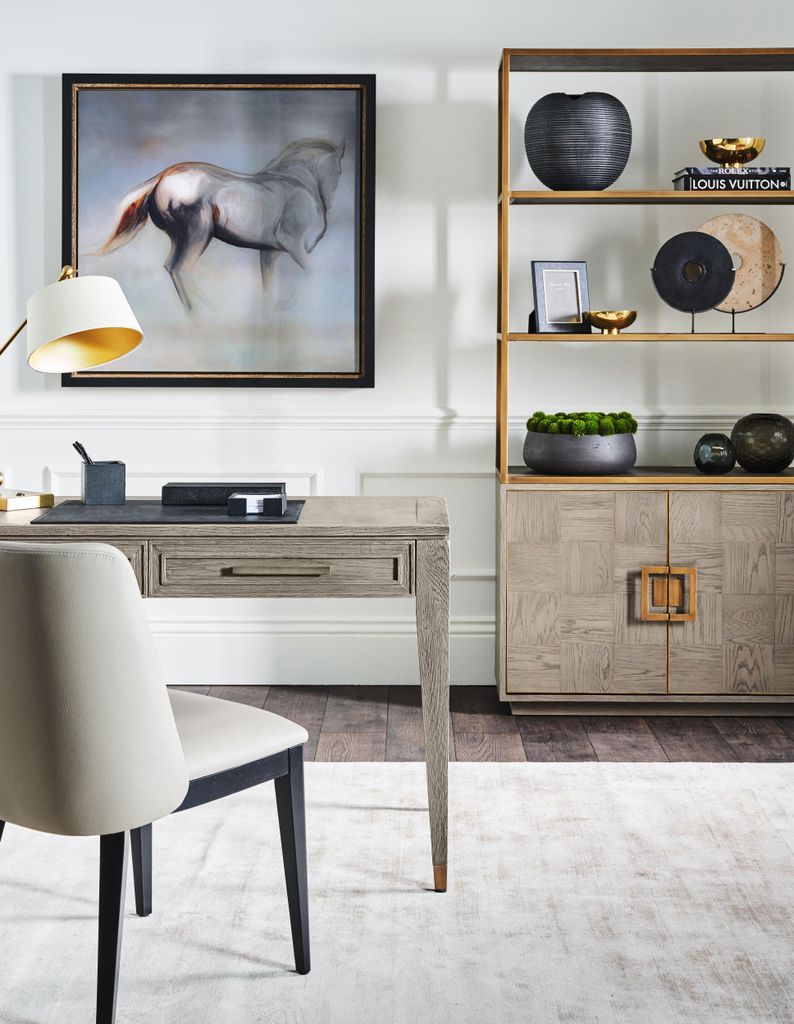
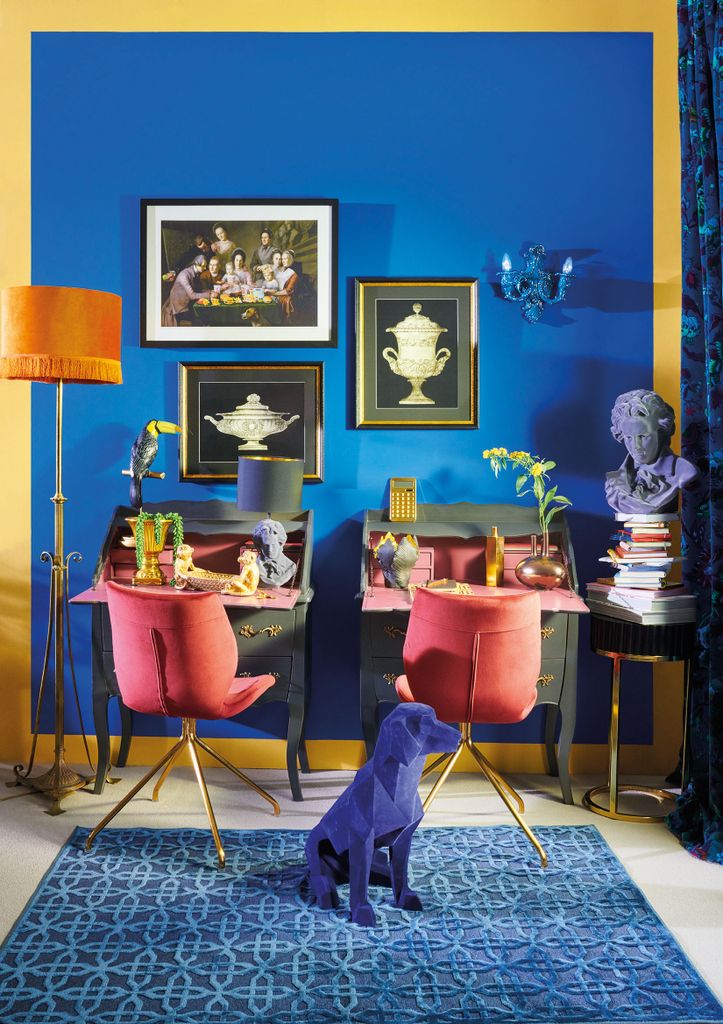
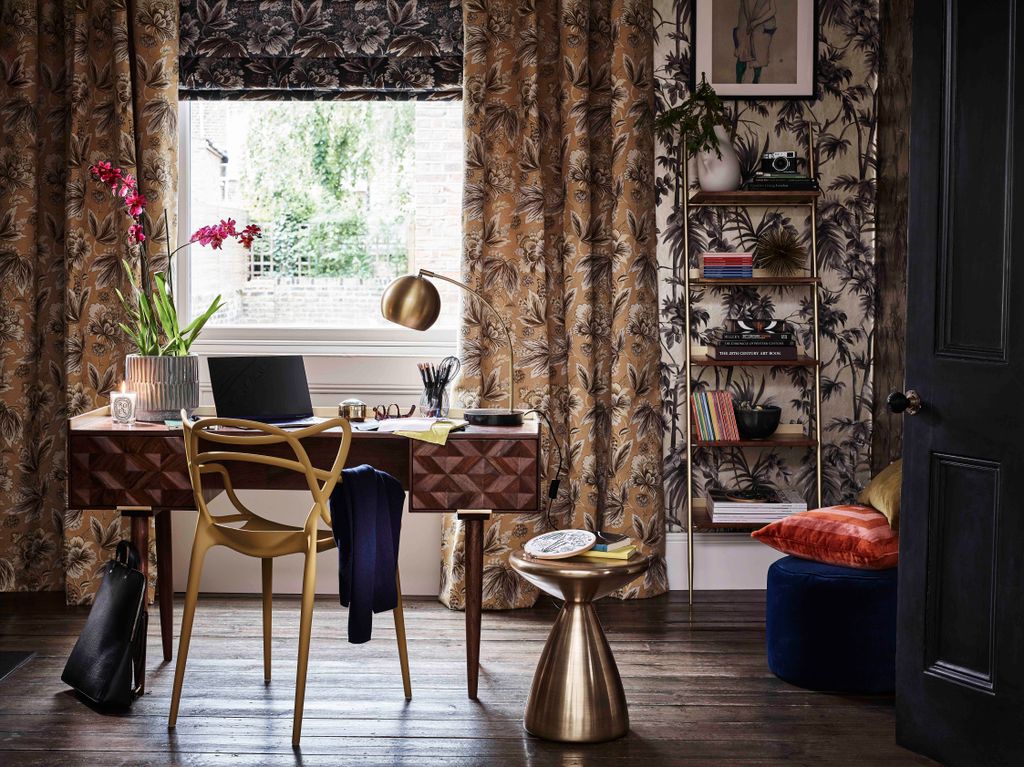
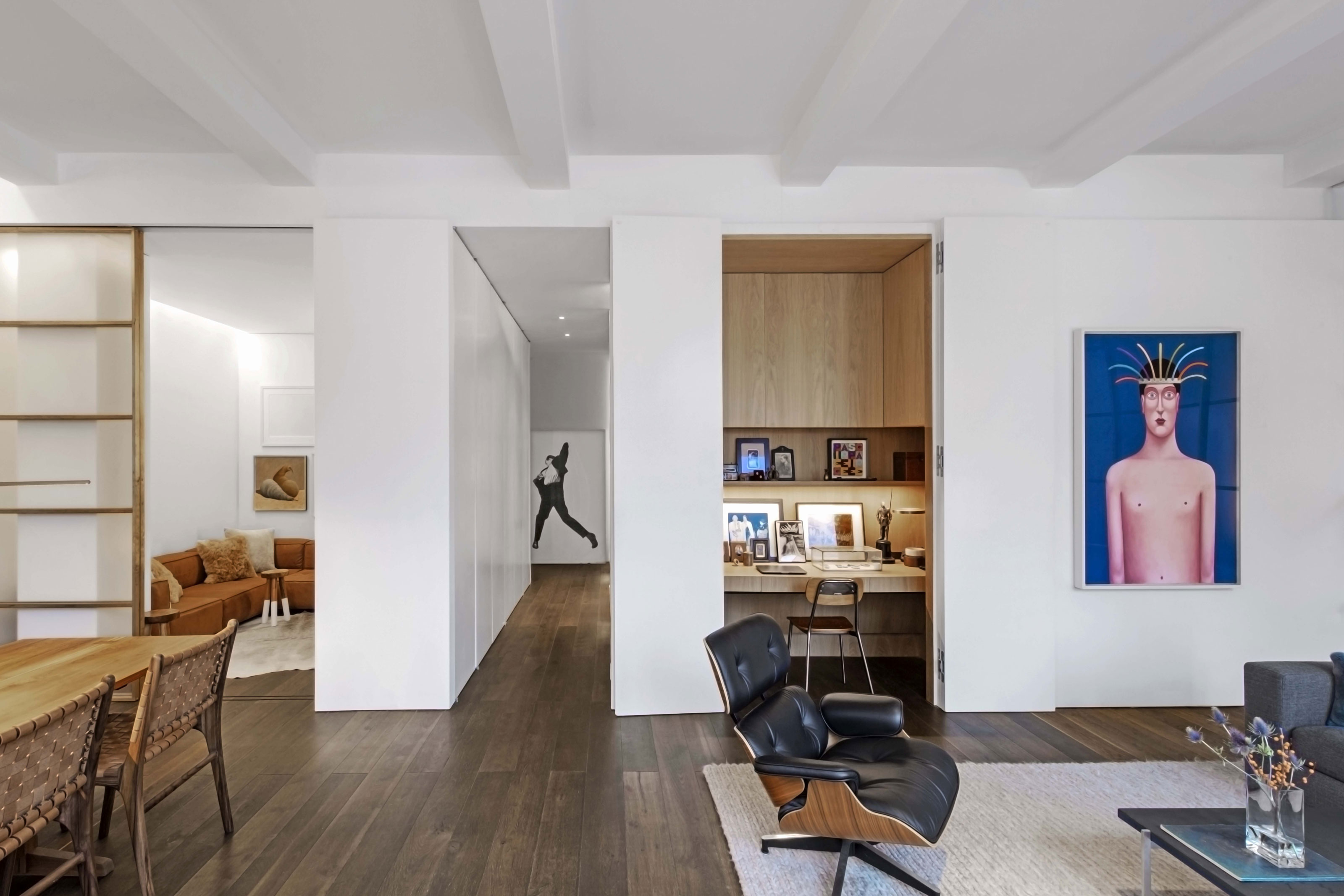
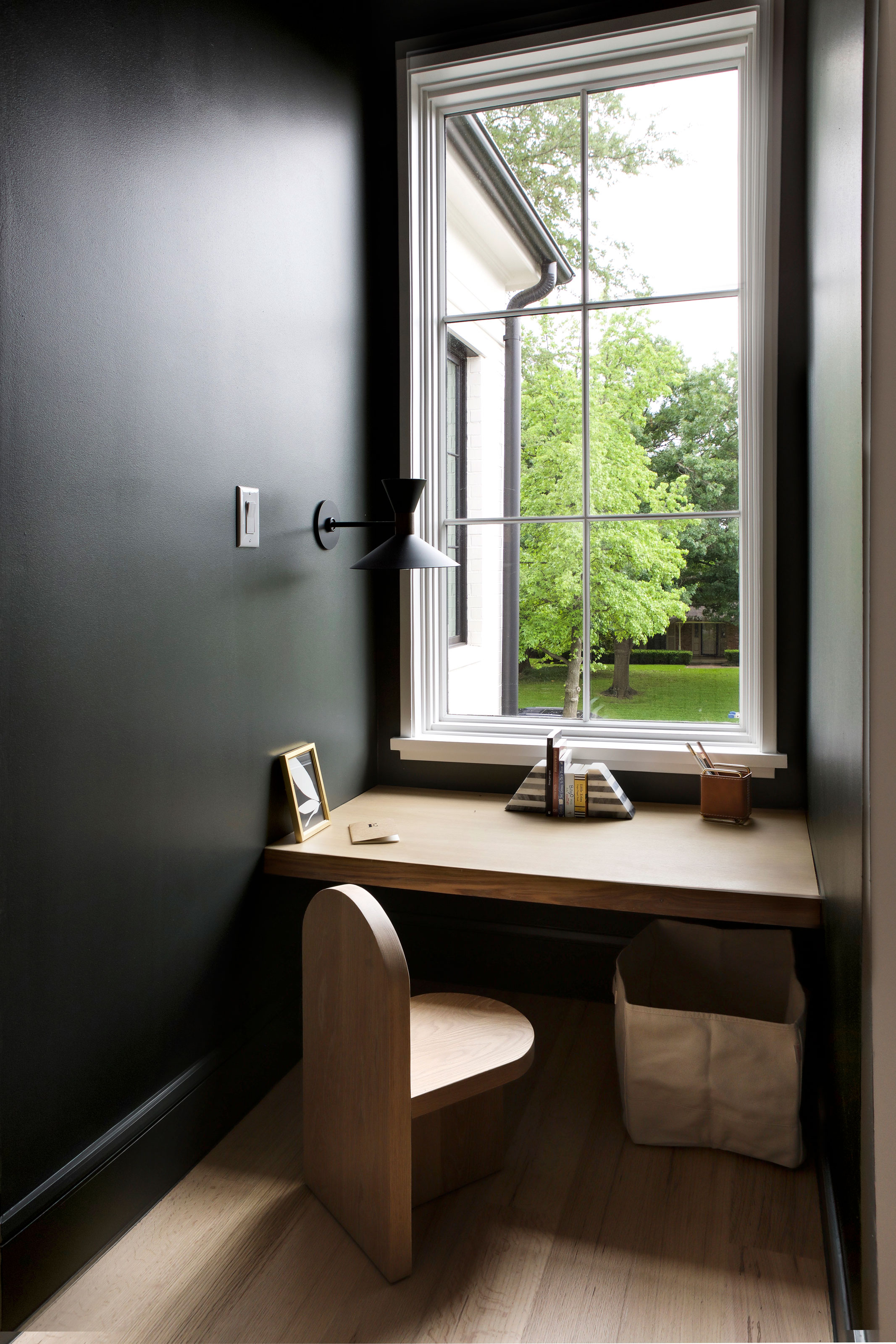
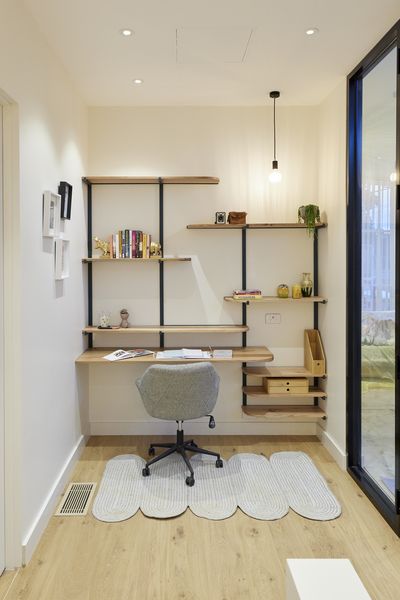
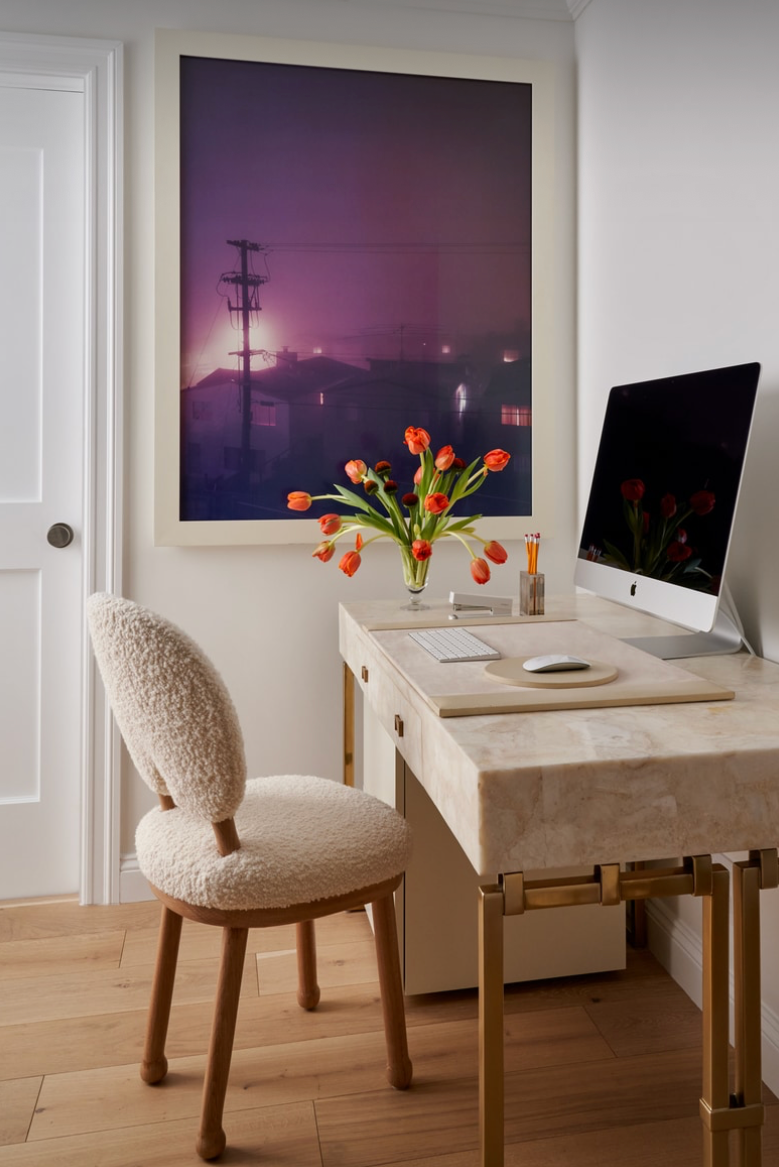
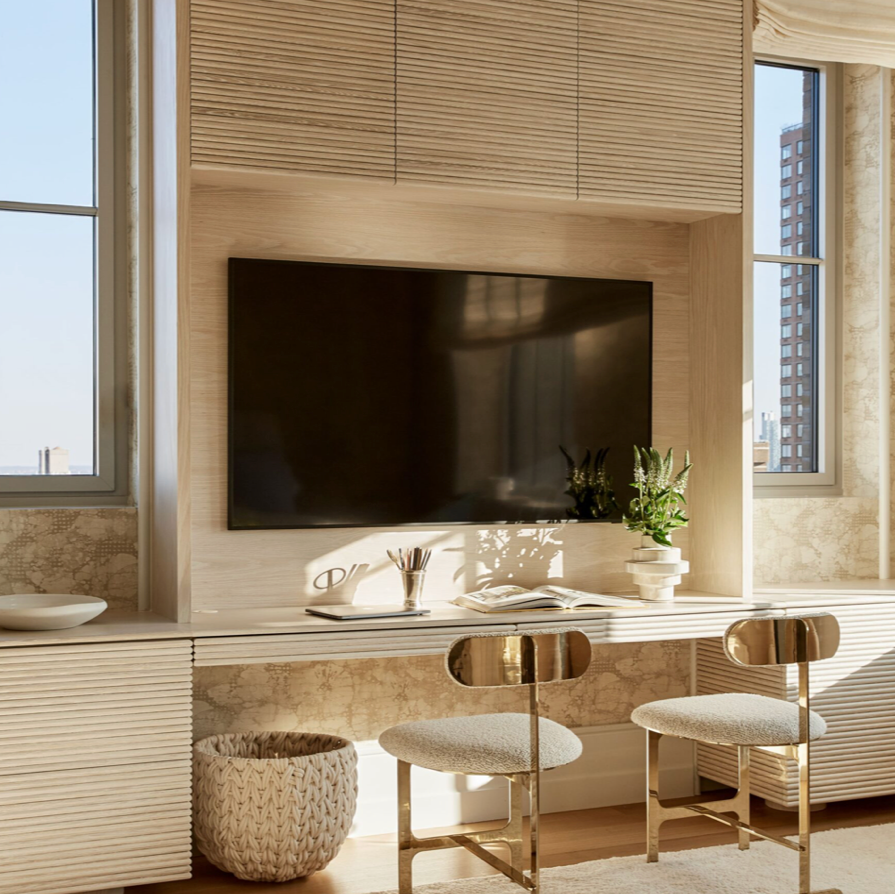
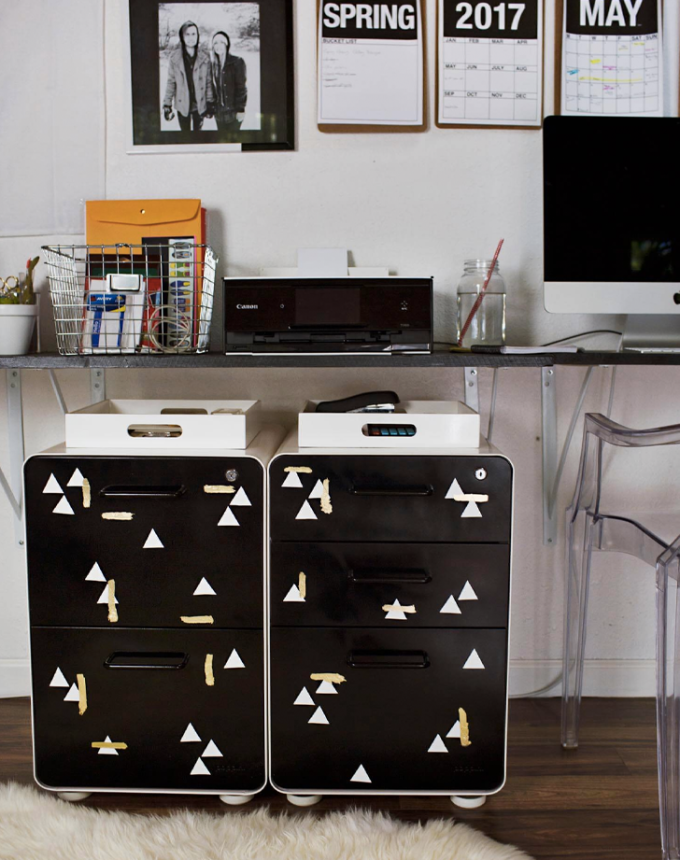
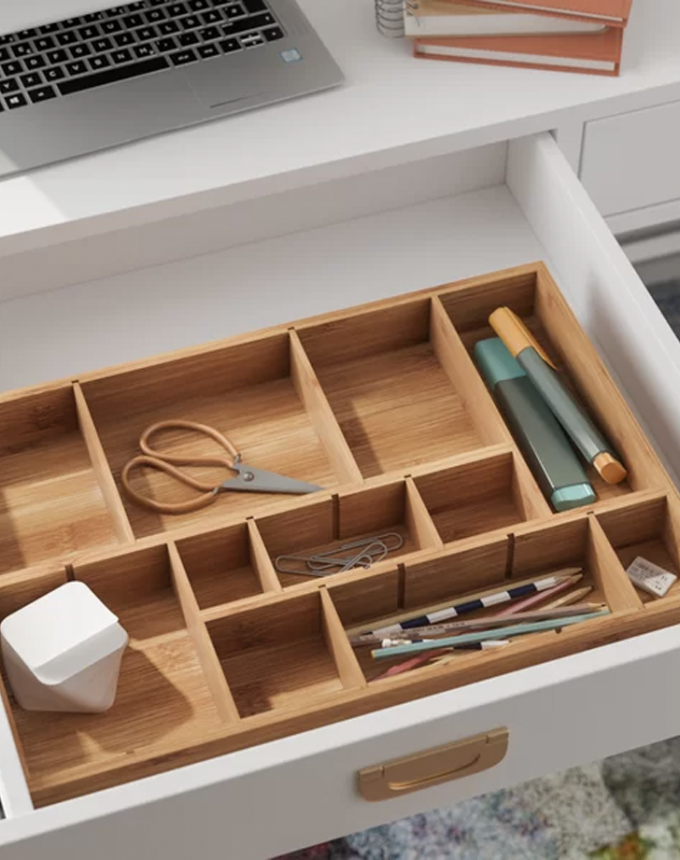
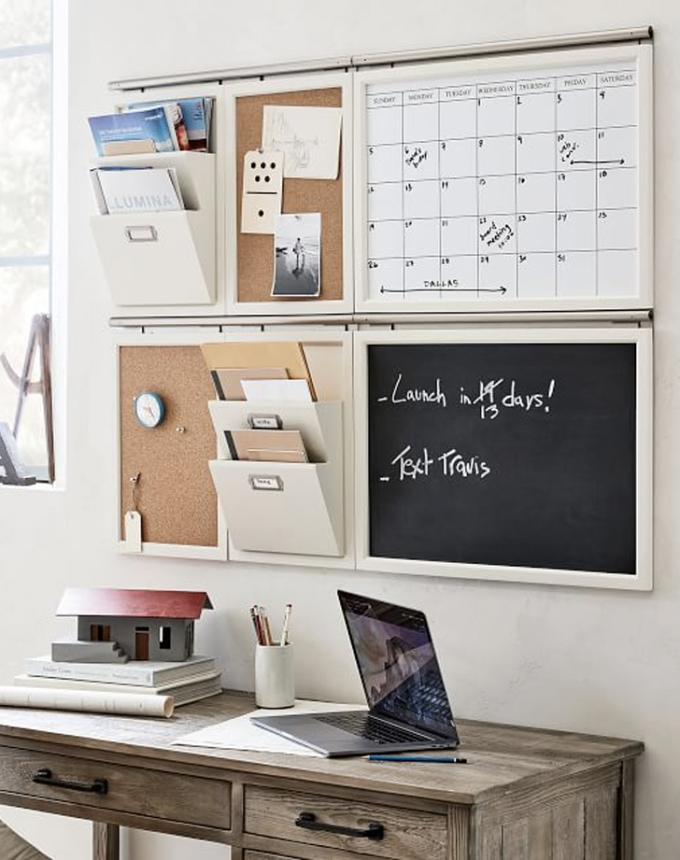
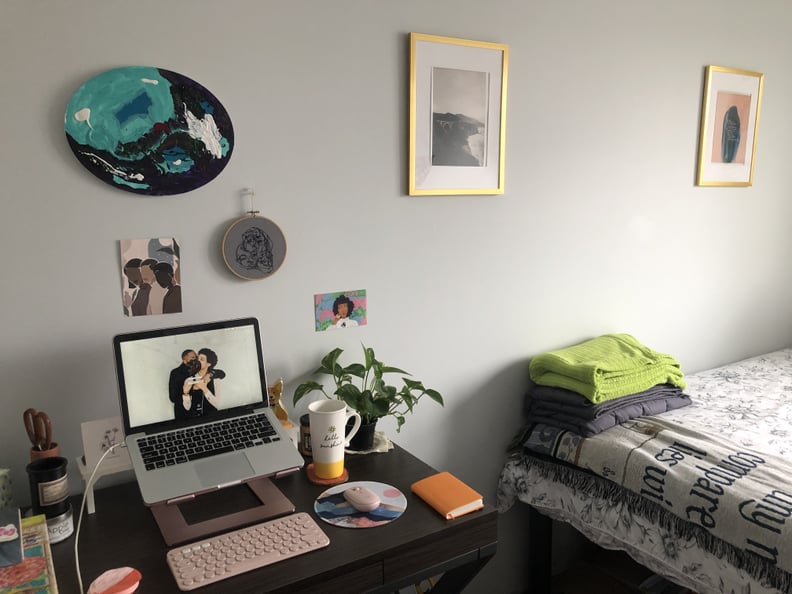
Clients, having spent more time at home, began to re-evaluate their living arrangements and express a strong desire for dedicated and effective home office solutions. Many previously planned renovations, such as bathroom remodels, were redirected towards creating permanent work-from-home setups for couples in limited spaces. Quandt emphasizes the importance of functionality in a workspace and advises investing in versatile furniture that can be repurposed. A key challenge highlighted is finding designated work areas, especially for those with children. She suggests utilizing guest bedrooms or creating small nooks in living rooms. Critically, Quandt advises creating a space that can be separated from daily living, allowing for mental and physical detachment from work at the end of the day. She also champions the benefits of temporary outdoor workspaces, encouraging individuals to leverage balconies, porches, or backyards for a few hours daily to enjoy the outdoors while working.
Quandt also reflects on the long-term implications of the pandemic on interior design. She foresees an increased reliance on virtual tools and technologies, such as 3D modeling and renderings, which proved invaluable during the remote work period for visualizing designs for clients without in-person meetings. The traditional, tiered design packages offered by some designers may become less relevant, with a greater need for customized, project-specific approaches due to the varied and evolving scope of client needs. Furthermore, the pandemic exposed fragilities in the supply chain, leading to delays in acquiring materials and furniture. This necessitated a new level of patience and adaptability from both designers and clients, with Quandt often needing to educate clients on realistic timelines and manage expectations regarding potential delays caused by supply issues or unforeseen disruptions like construction team illnesses. Creative sourcing, such as using compact dining tables as desks, became necessary due to the scarcity of specific items. The overall message is one of increased flexibility and understanding within the interior design process moving forward.
#HomeOffice #InteriorDesign #RemoteWork #RebeccaQuandt #VirtualDesign #HomeRenovation #DesignTrends #WorkFromHome #SupplyChain #HomeOffice #InteriorDesign #RemoteWork #RebeccaQuandt #VirtualDesign #HomeRenovation #DesignTrends #WorkFromHome #SupplyChain
0 comment in total
 No comments yet
You may also like
Step up your home office game with these tips from an interior designer
6 Work From Home Office Essentials You Need In 2024

5 home office ideas to create the perfect workspace

Home office ideas and inspiration for when you're short on space

Everything You Need For the Perfect Work From Home Setup
How to design the ultimate home office, according to the experts

Rethinking your home office setup for a productive season ahead
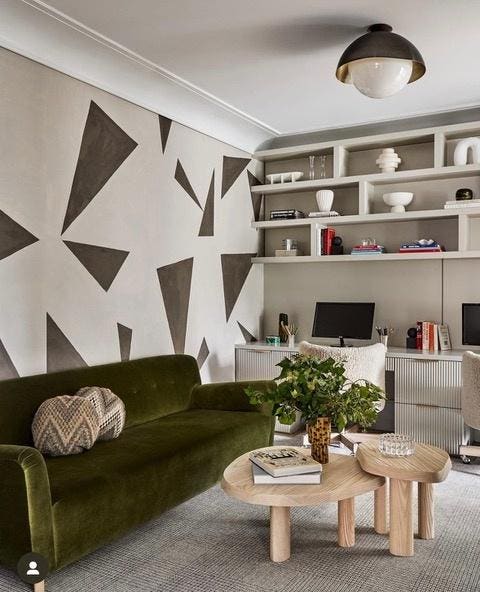
5 Ways To Make Your Home Office Feel Like A Chic NYC Loft
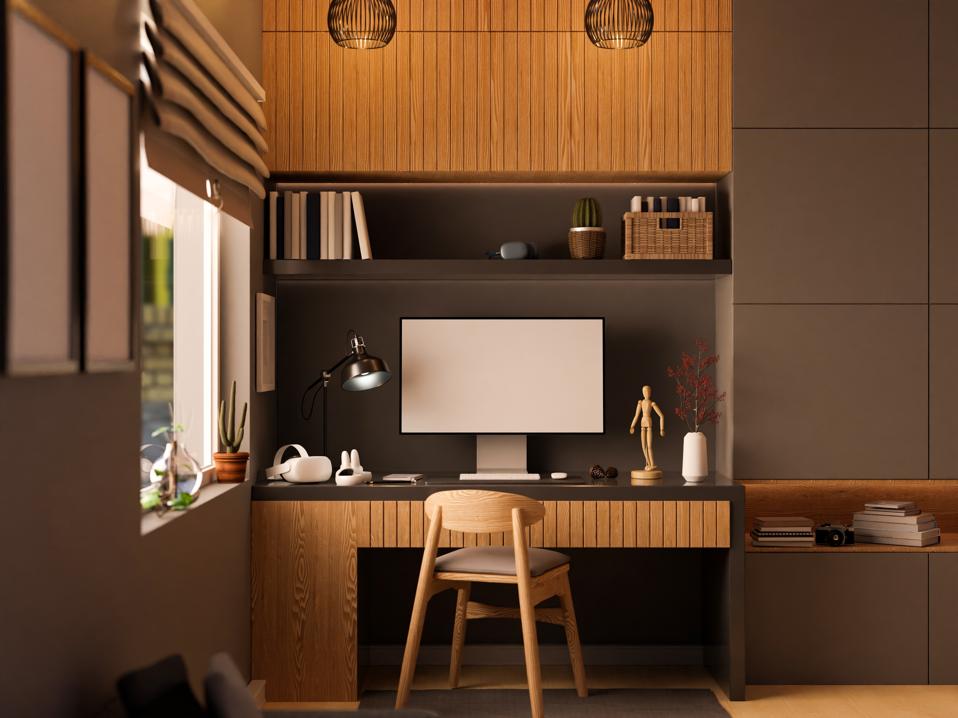
If You Work From Home, Here Are 6 Tips To Create The Perfect WFH Office
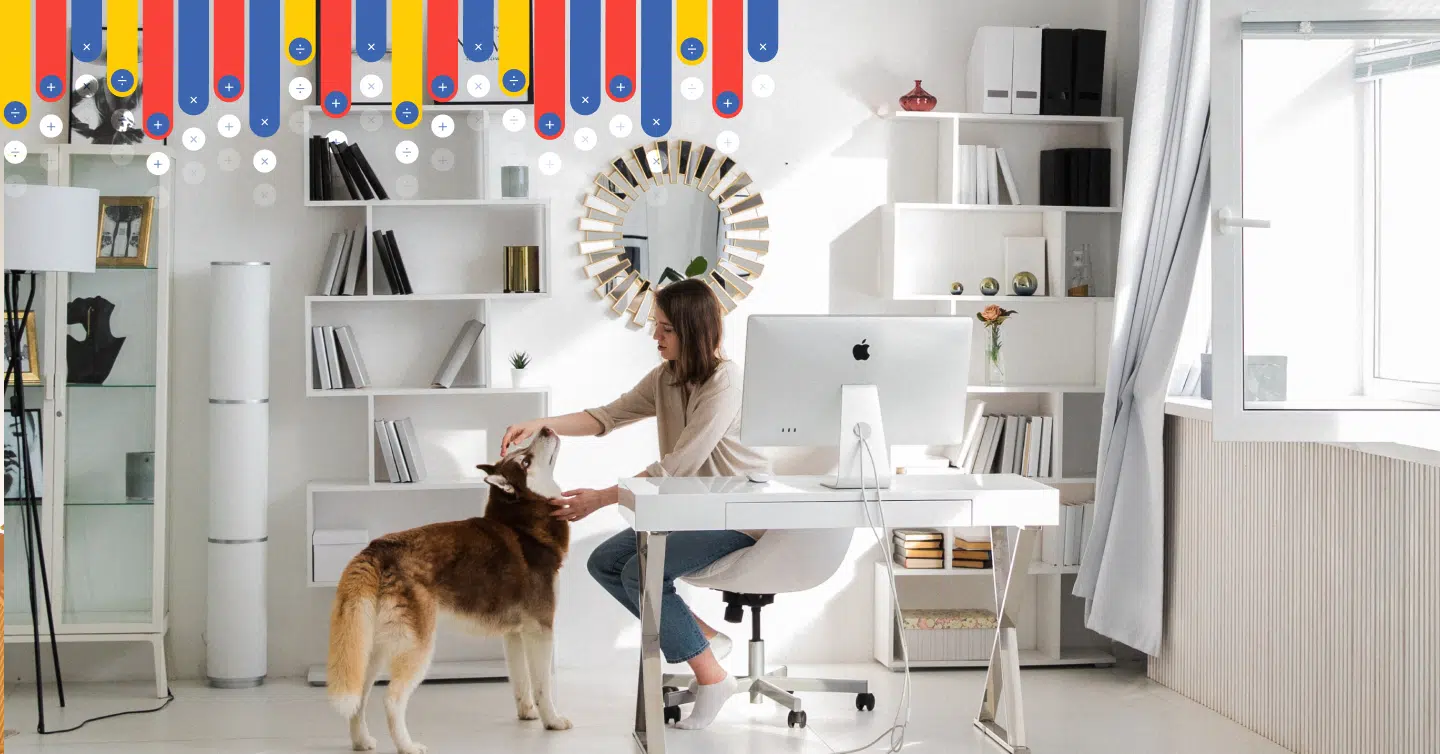
How To Set Up A Dedicated Office Space In Your Home
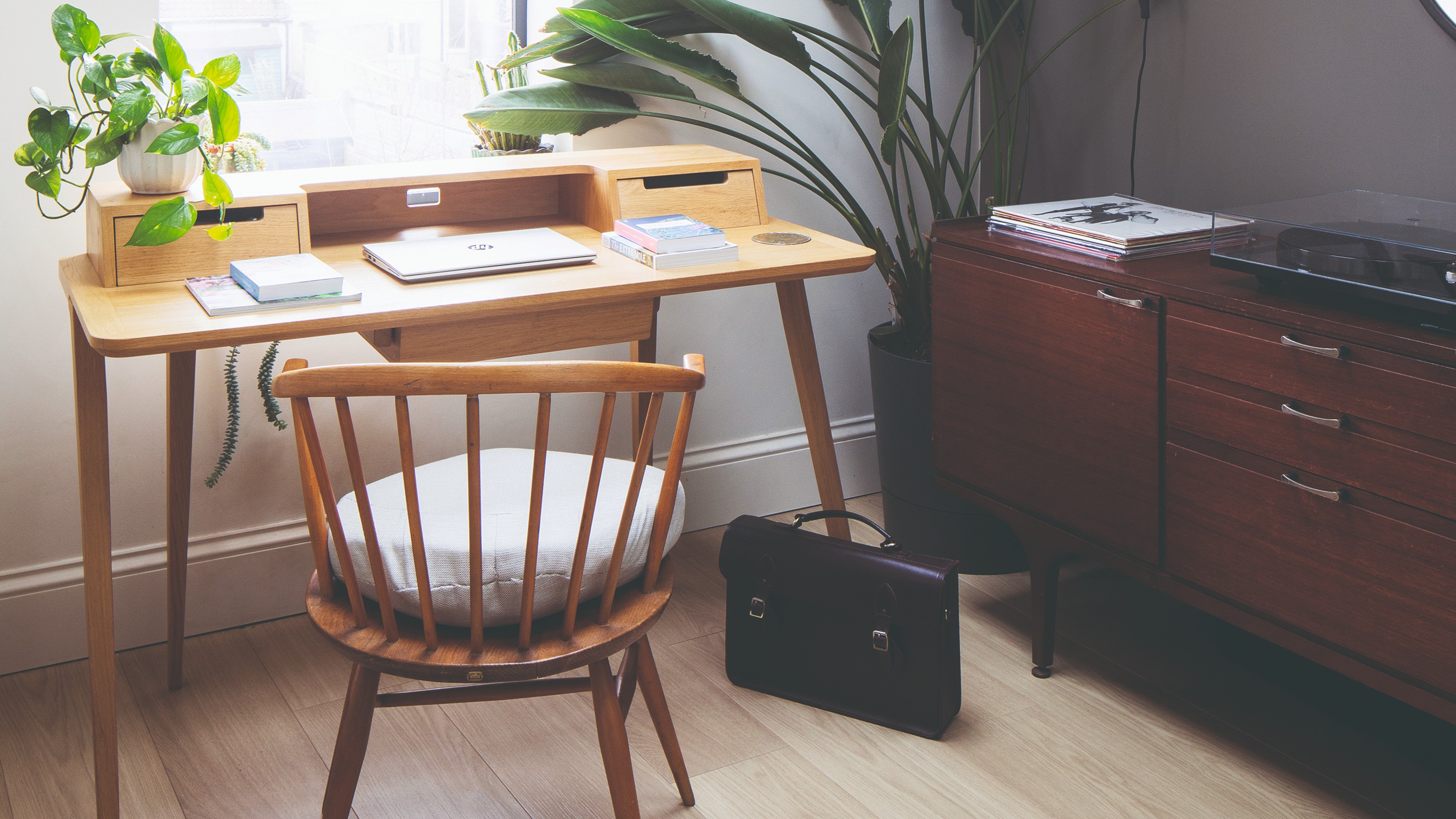
16 home office layout ideas to boost productivity and create a comfortable work space
15 Easy Desk Organization Ideas That Will Make You Feel 15x More Productive
Corporate Natalie’s Top Tips for a Functional Home Office

10 Work From Home Hacks For Indian Homes: How To Build A Productive Home Office Without Spending Too Much
15 home office décor ideas for every WFH setup

How I Set Up My Dream Desk in My Tiny Bedroom

How to make your home office a more pleasant place to work
Desk ideas for the home office - how to make sure your space works hard in the style stakes

Apartment office ideas – 10 ways to make room for a desk when space is tight
How To Set Up A Work-From-Home ‘Office’ For The Long Term