Benefits of Building with ICFs
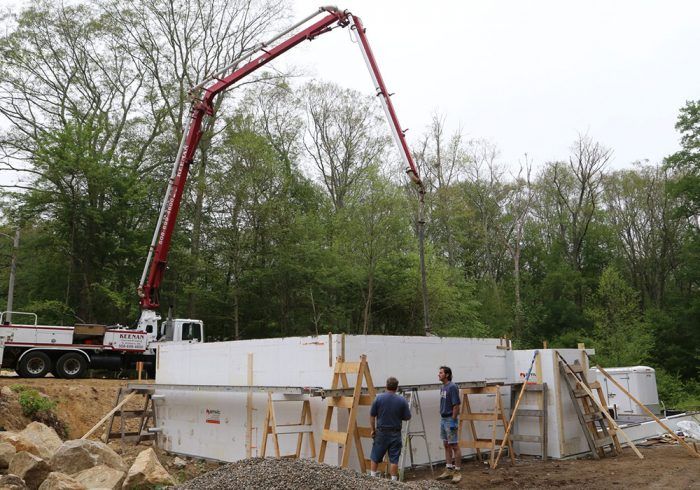
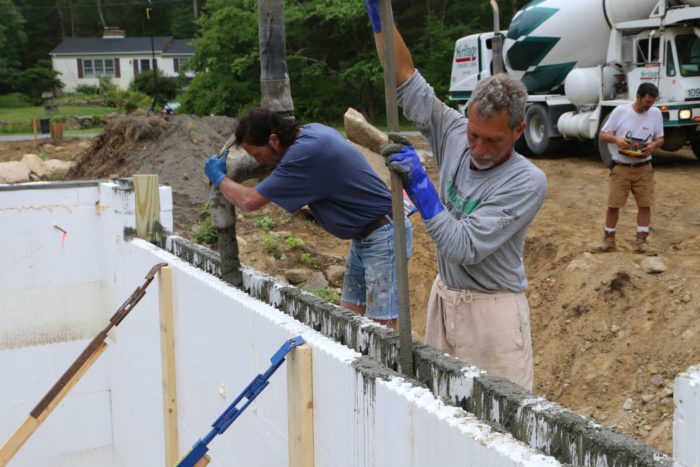
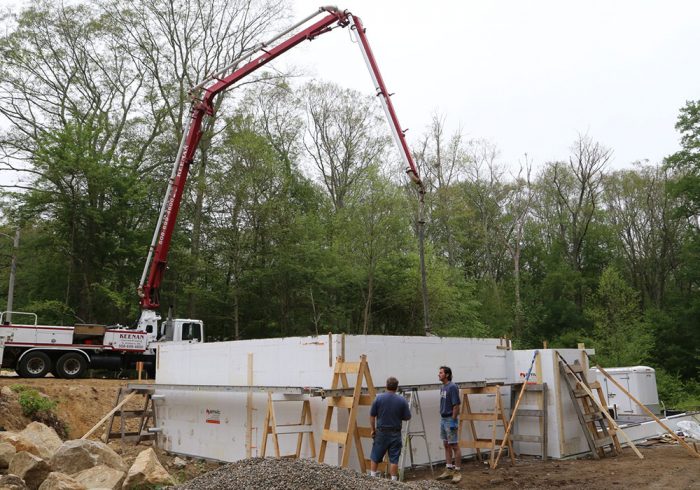
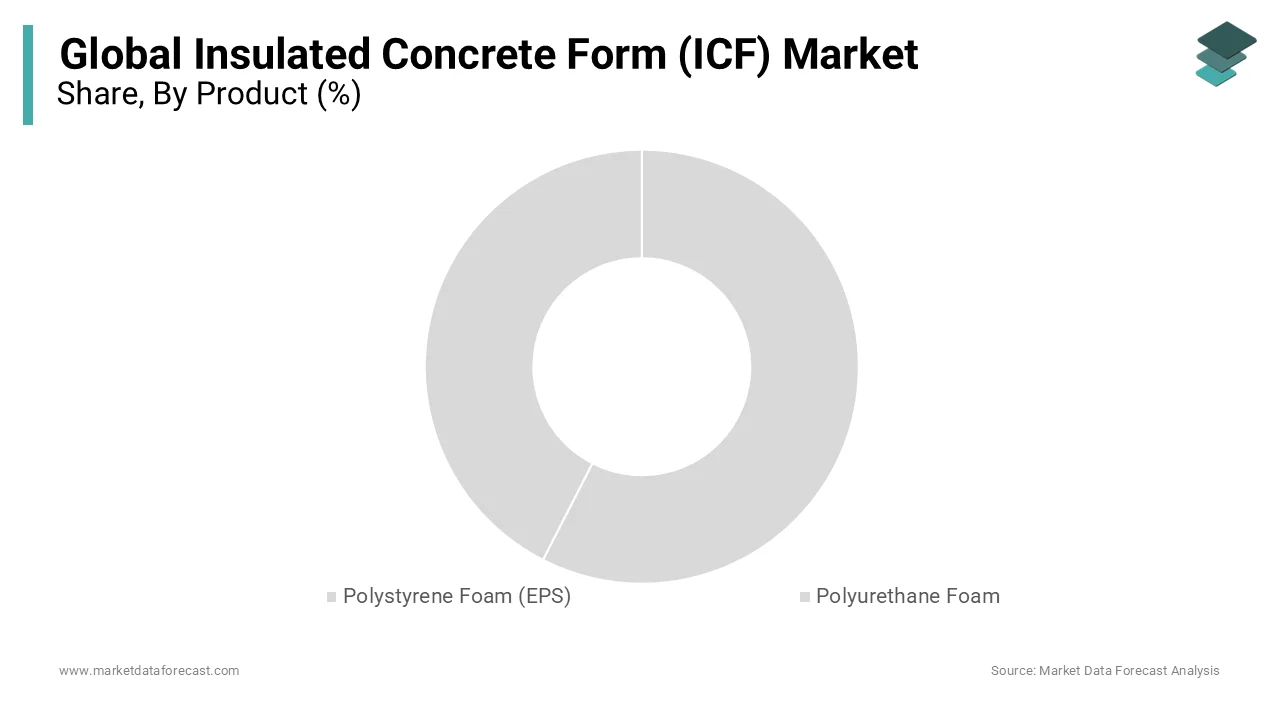
Josh Salinger, owner of Birdsmouth Design-Build, details the advantages of using insulated concrete forms (ICFs) for foundation construction, specifically for an energy-efficient accessory dwelling unit (ADU) in Portland, Oregon. ICFs are modular concrete forms that remain permanently in place, serving as both forms for concrete pouring and continuous insulation for the structure. Each ICF block comprises two expanded polystyrene (EPS) rigid-insulation slabs connected by plastic struts, creating a cavity for concrete. This particular project is an ADU designed to be net-zero energy, intended as a secondary housing structure for family members. ADUs are versatile, often used for rental income or expanding families, and in this instance, it will house grandparents wishing to live closer to their children and grandchild.
The article also includes a discussion among commentators regarding the suitability of ICFs for various climates. One commentator, Suburbanguy, raises concerns that ICFs might not be ideal for all climates, particularly cold ones, arguing that placing half the insulation on the exterior of a heavy concrete wall could lead to energy inefficiency when reheating a home. He suggests that in cold climates, the interior face of the wall should also be insulated to an appropriate standard, regardless of the exterior insulation, to prevent heating the concrete mass unnecessarily.
In response, Mike Guertin references a presentation at an ACI conference where building scientists concluded that the insulation's location for foundations, whether on the inside, outside, or in the center, did not significantly impact performance across different climates. He questions if there is research suggesting better systems for specific climate zones based on foam or concrete location. Josh Salinger acknowledges the inquiry, expressing curiosity about which climate zones ICFs might be unsuitable for. He posits that any climate zone concerns could potentially be addressed by increasing the R-value with thicker ICFs. Salinger also points out that a significant portion of thermal losses from a slab occur at the edges, and the exact placement of insulation on the stem wall—inside, middle, or exterior—is less critical as long as the interior is thermally separated from the exterior environment. He notes that the current project uses a floating plywood slab instead of concrete, further minimizing potential losses at this specific condition. He invites Suburbanguy to share any supporting information for his claims.
#ICFs #InsulatedConcreteForms #EnergyEfficiency #FoundationConstruction #AccessoryDwellingUnit #NetZeroEnergy #HomeBuilding #BuildingScience #ThermalPerformance #ICFs #InsulatedConcreteForms #EnergyEfficiency #FoundationConstruction #AccessoryDwellingUnit #NetZeroEnergy #HomeBuilding #BuildingScience #ThermalPerformance
0 comment in total
 No comments yet
You may also like
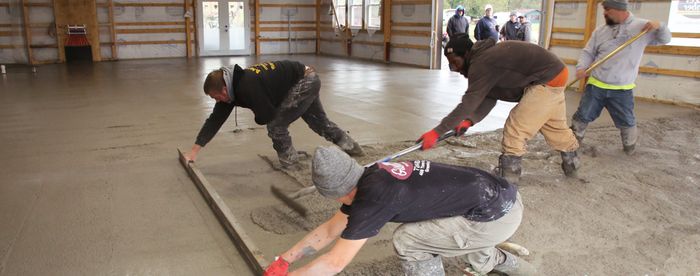
Placing Concrete in the ICF Foundation
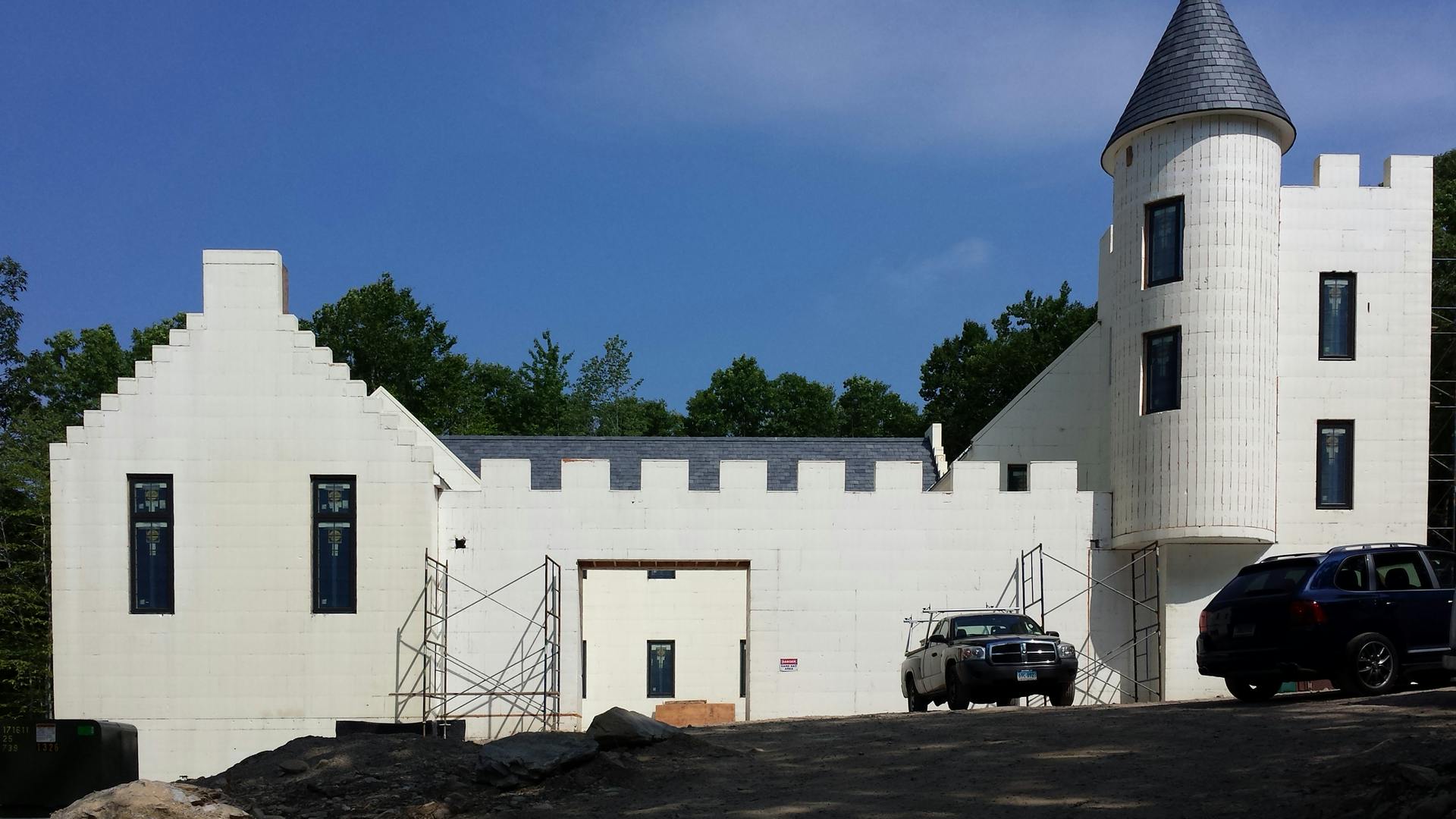
Building a Concrete Castle

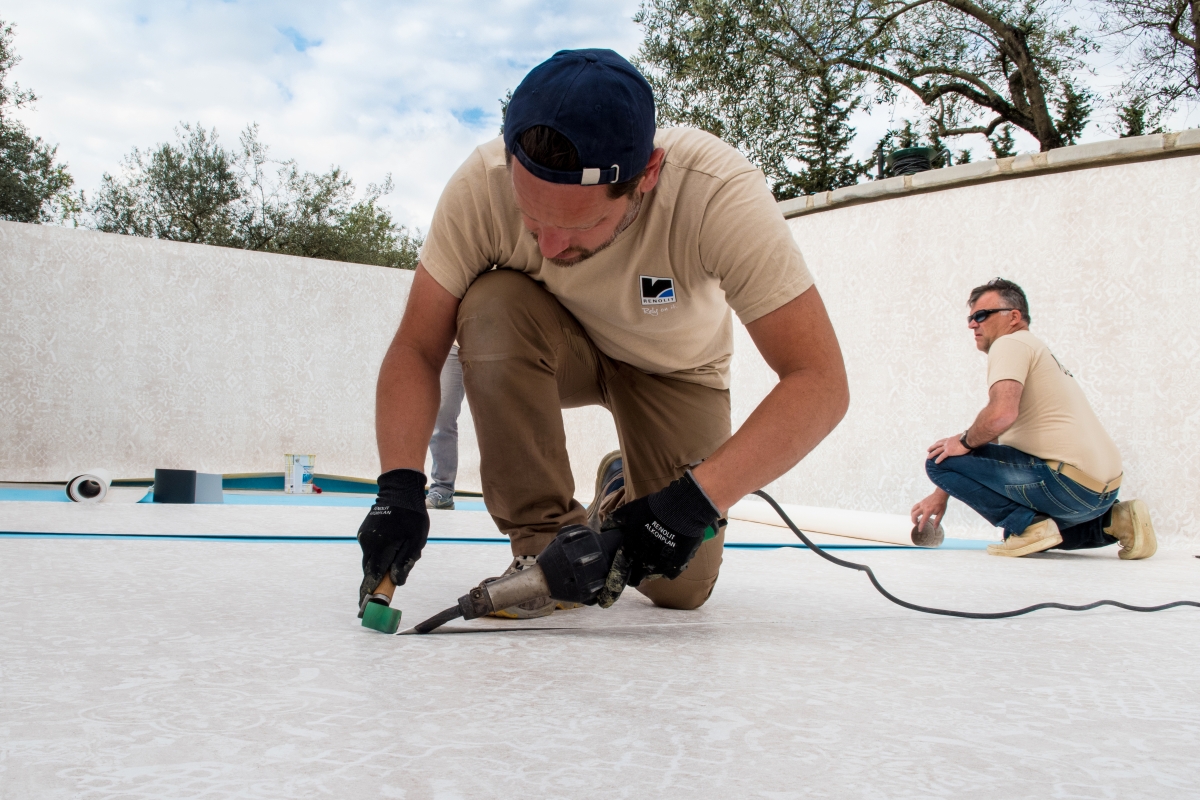
Wave of Growth for ICF Pools with PVC Membranes

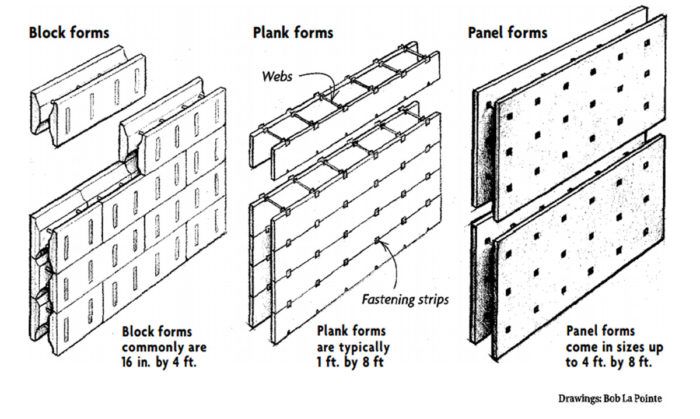
Insulated Concrete Forms

Lego-like product saving energy in construction

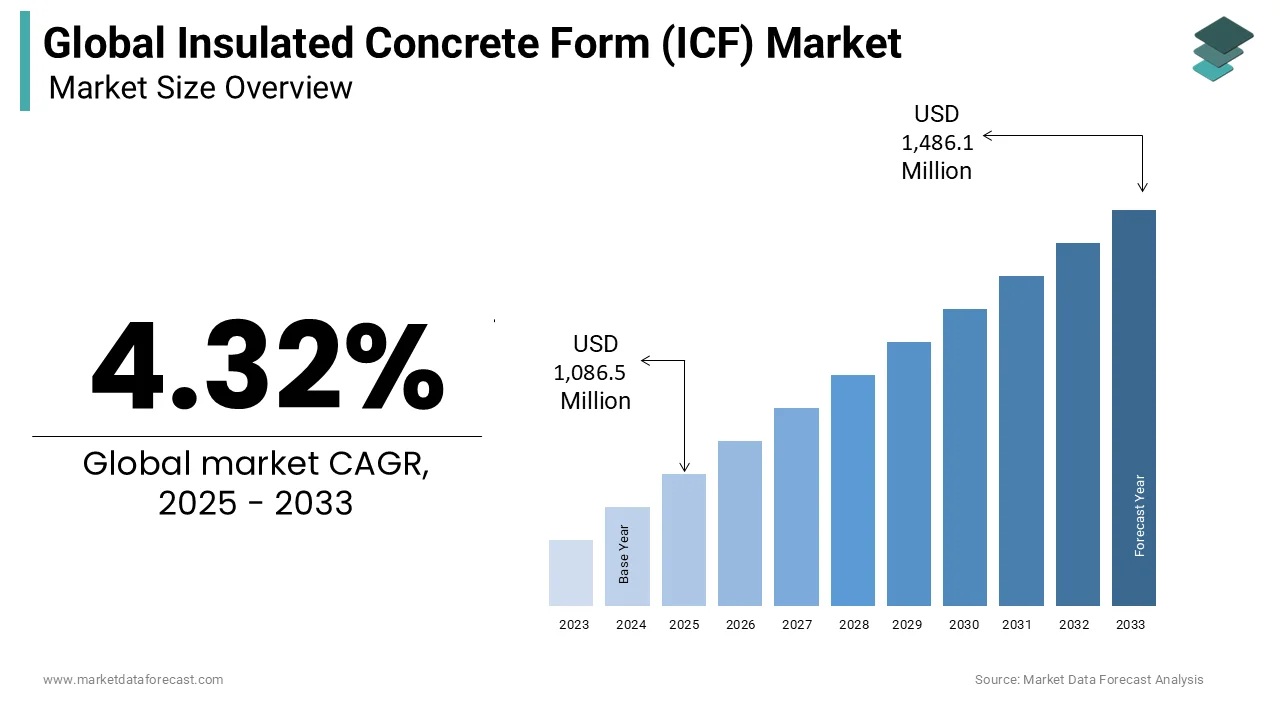
Global Insulated Concrete Form (ICF) Market Size, 2033

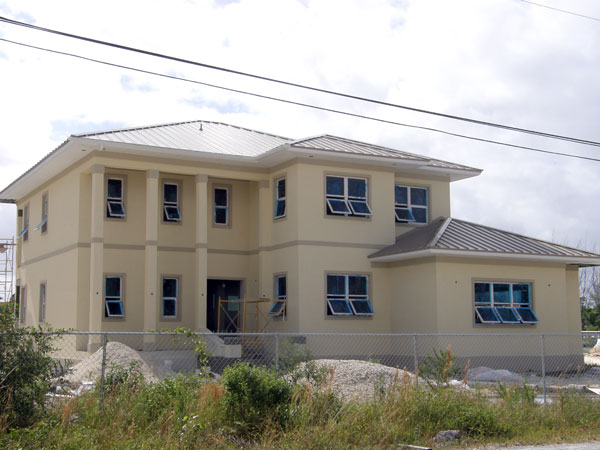
Going Green with ICF
Specifying cold-formed steel to meet project goals
Built to Last: Michiana ICF Supply

Time for Another Look at Insulated Concrete Forms?