1/8
Fluted kitchen islands are the chicest new trend according to designers – here's how to get the look
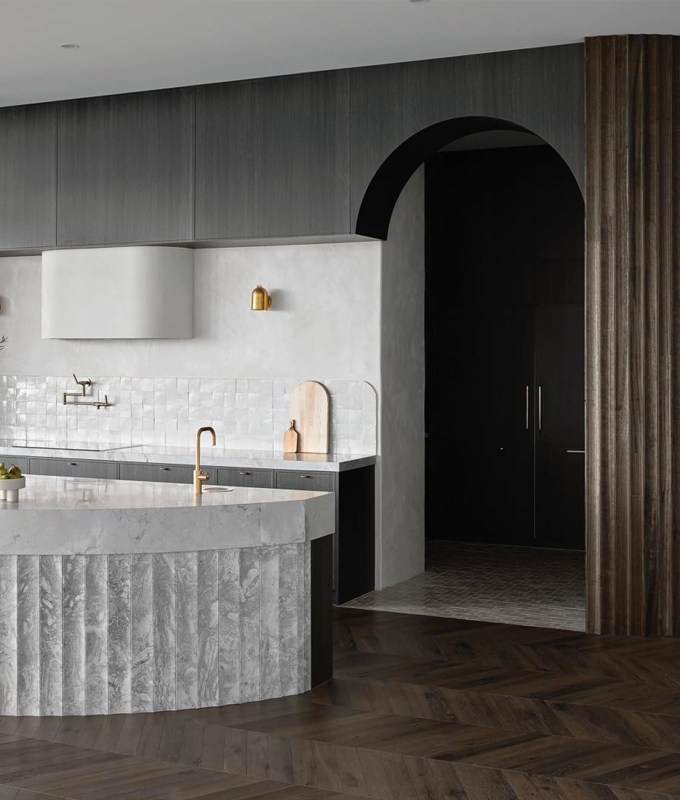
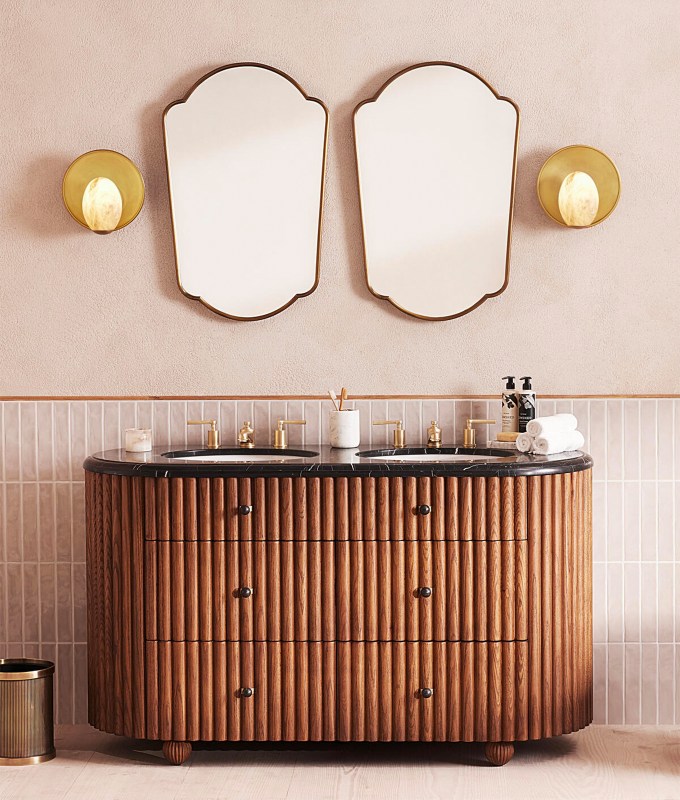
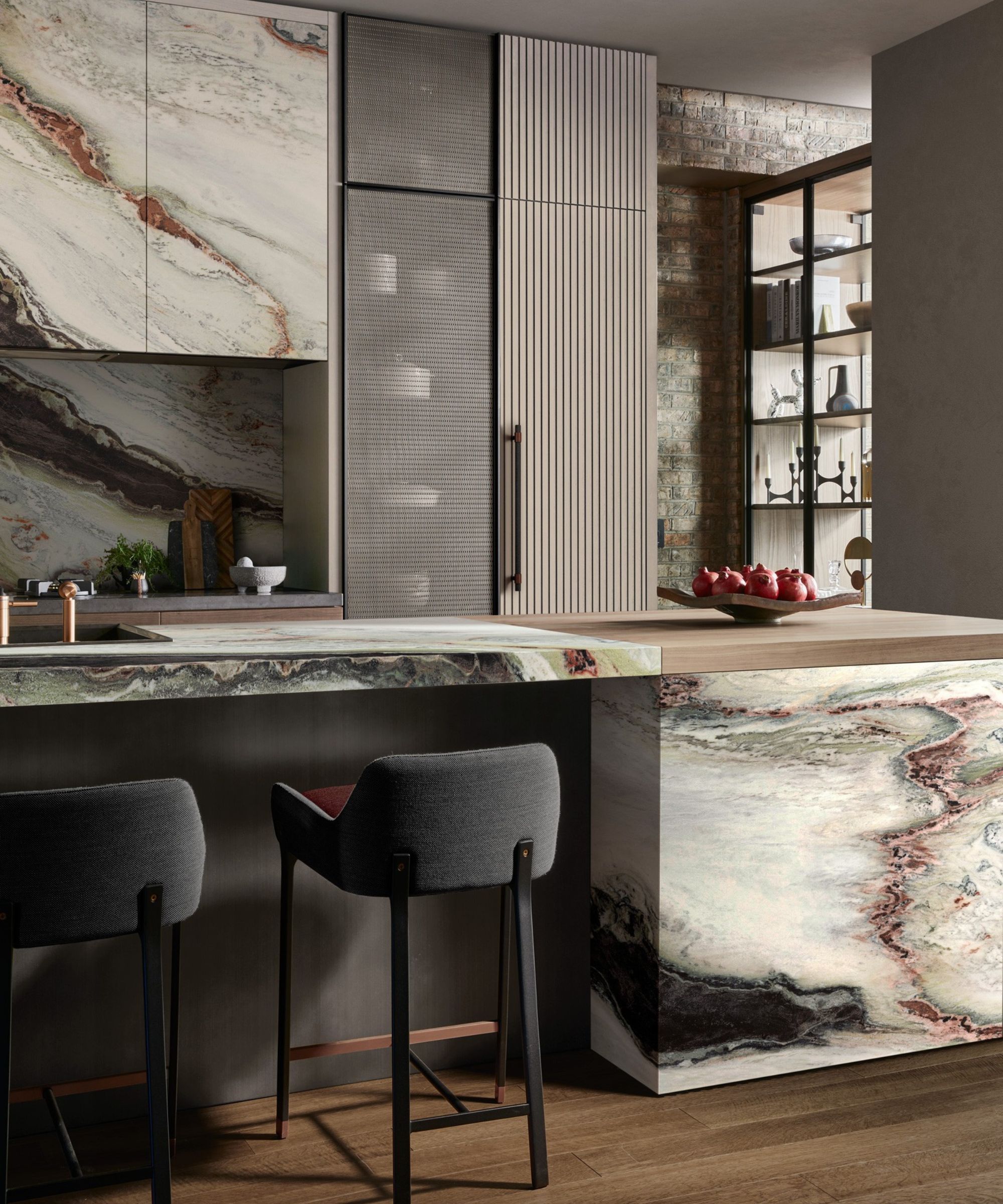
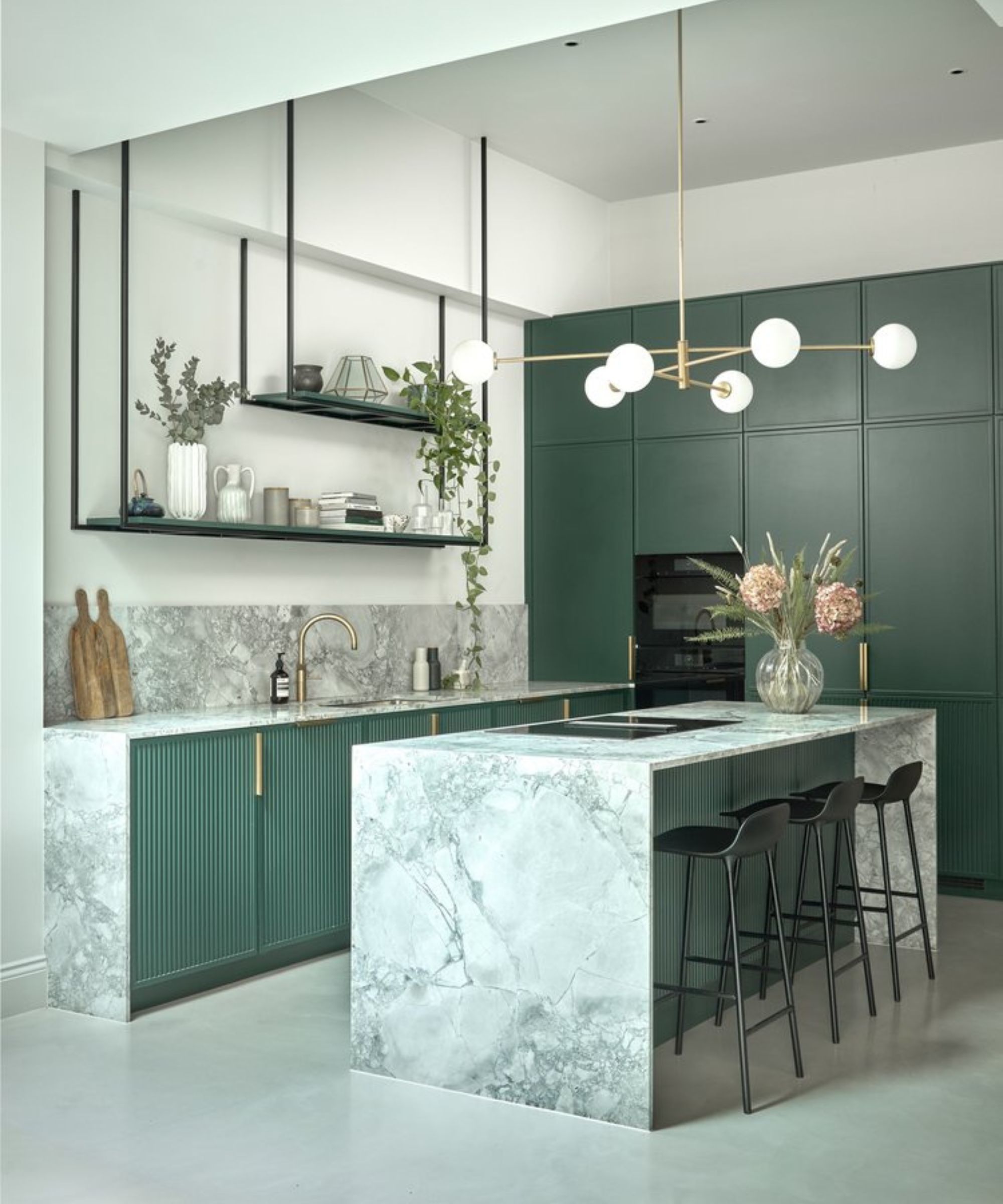
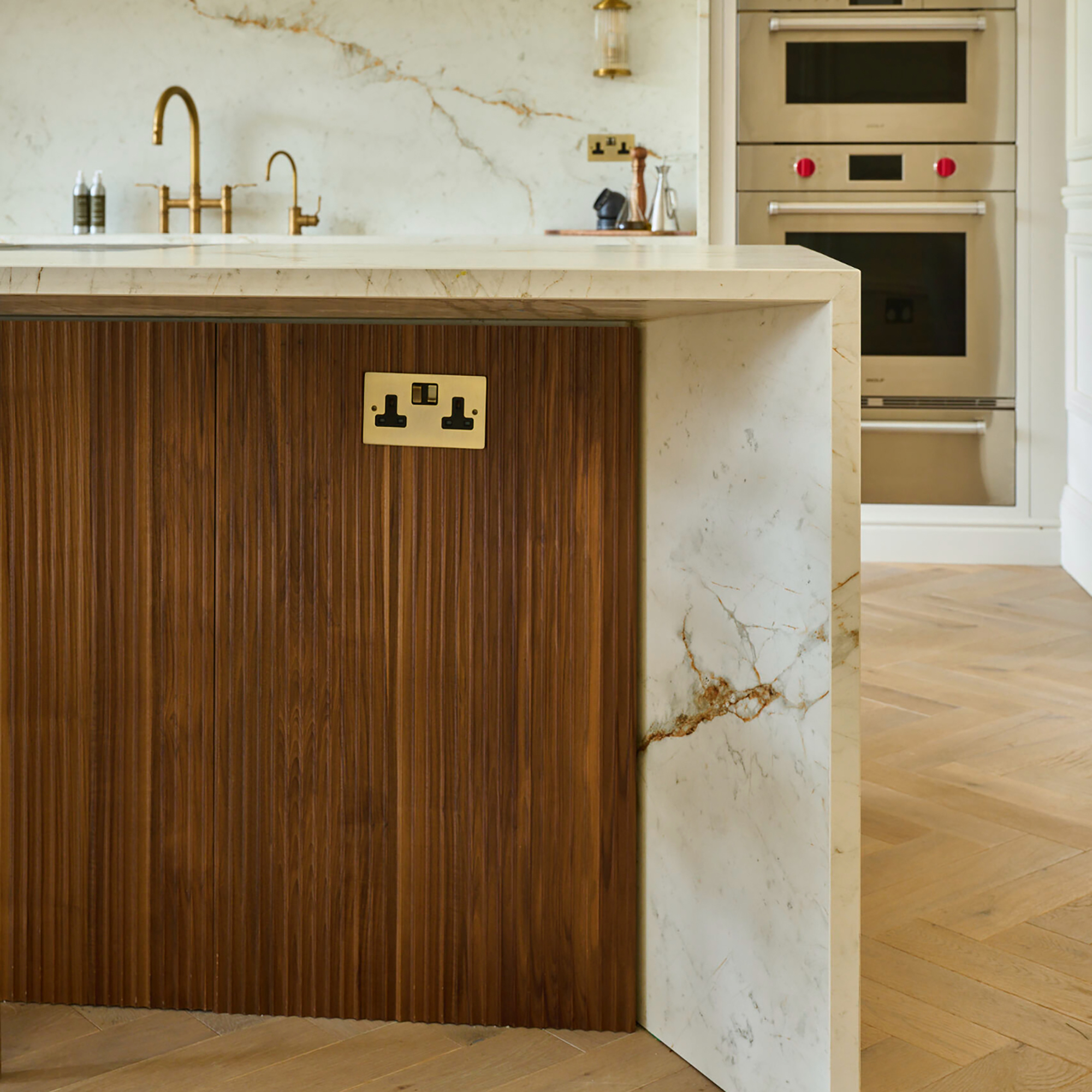
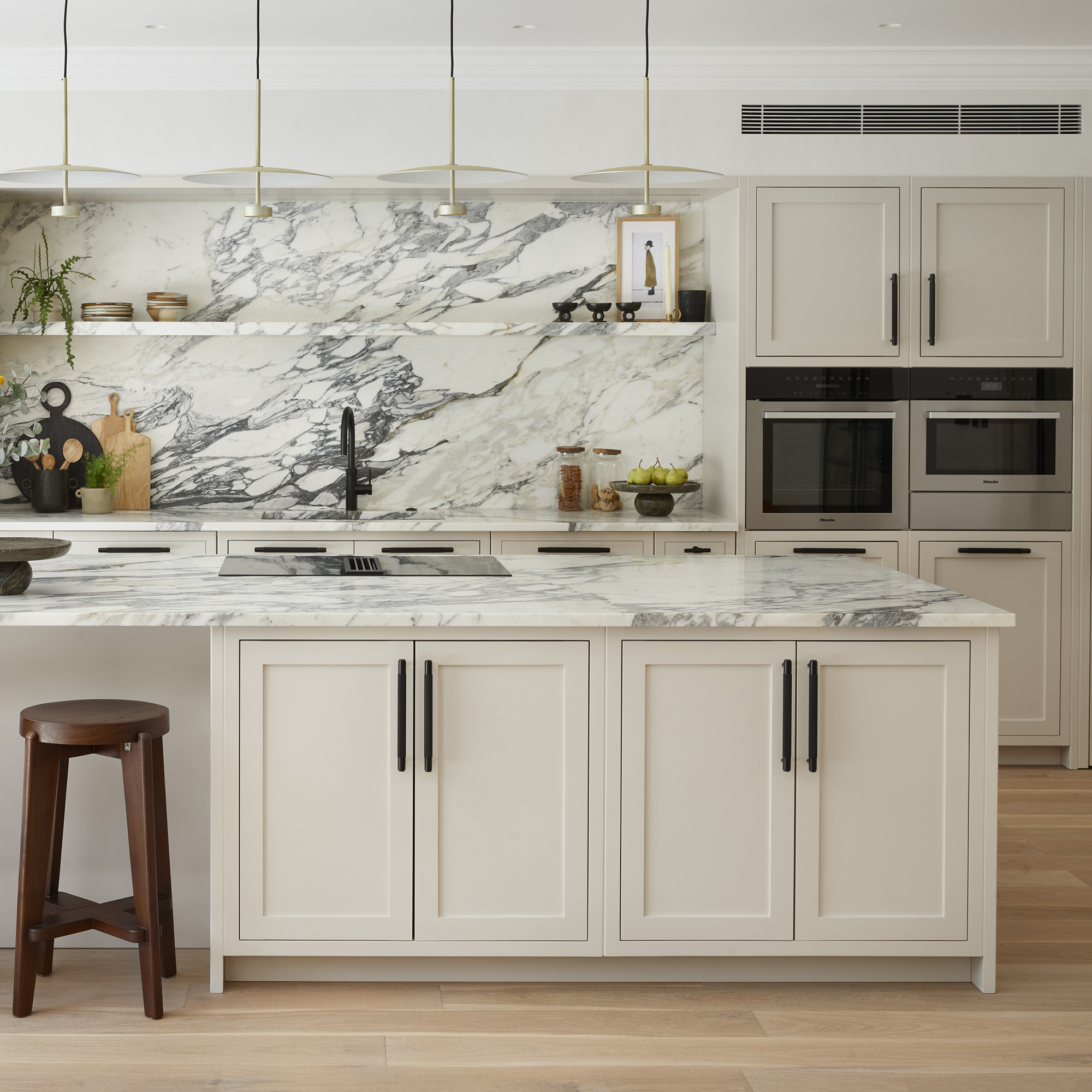
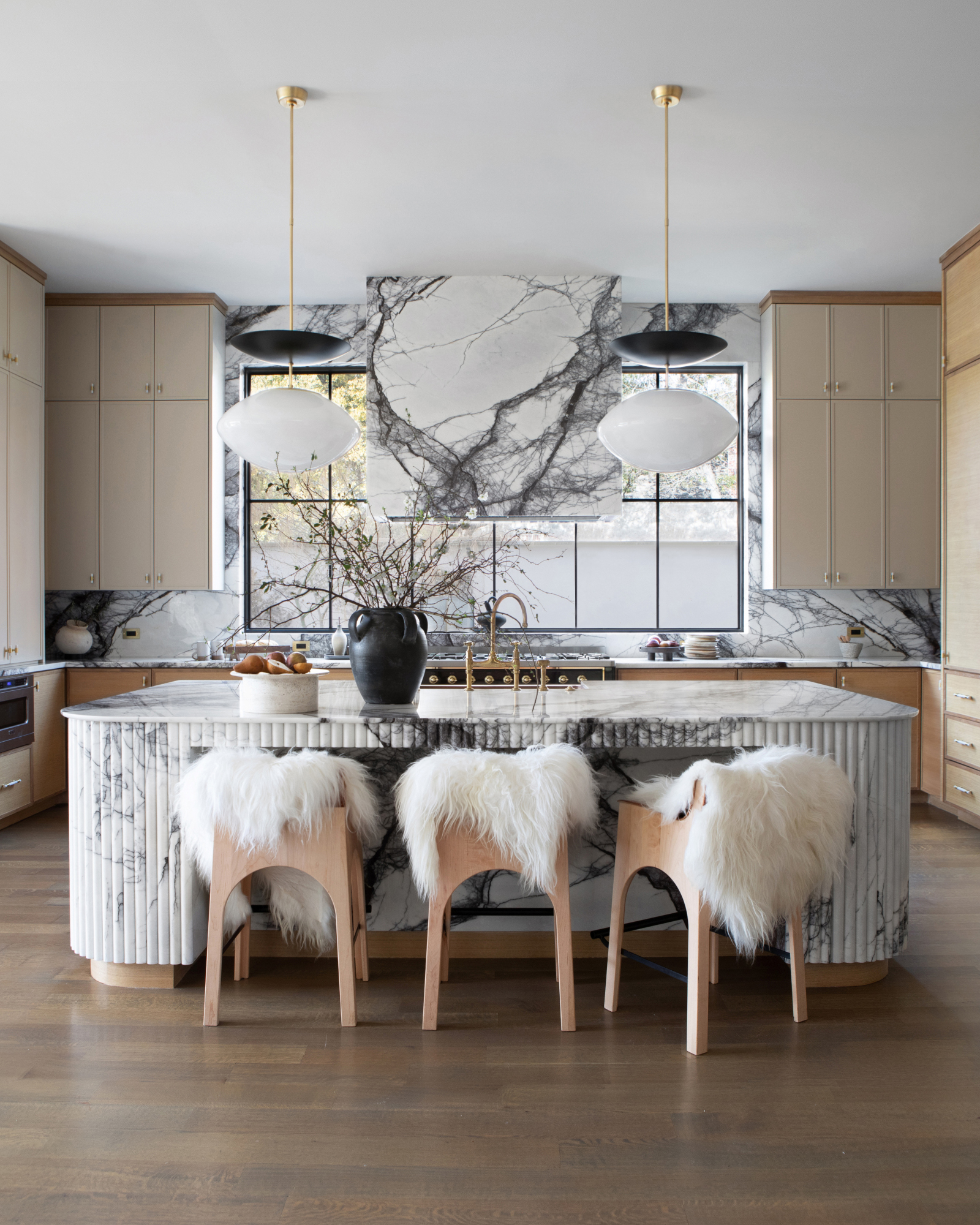
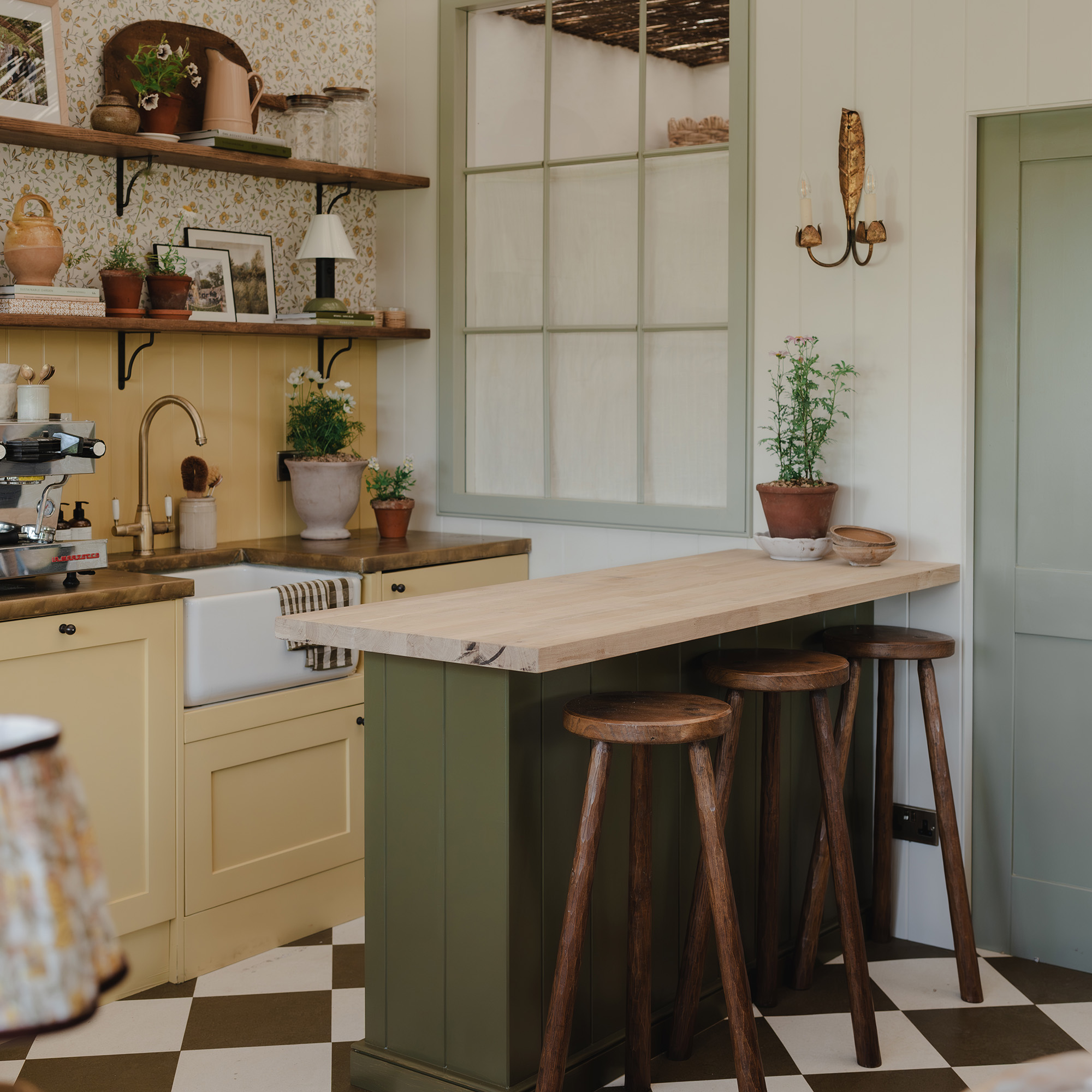
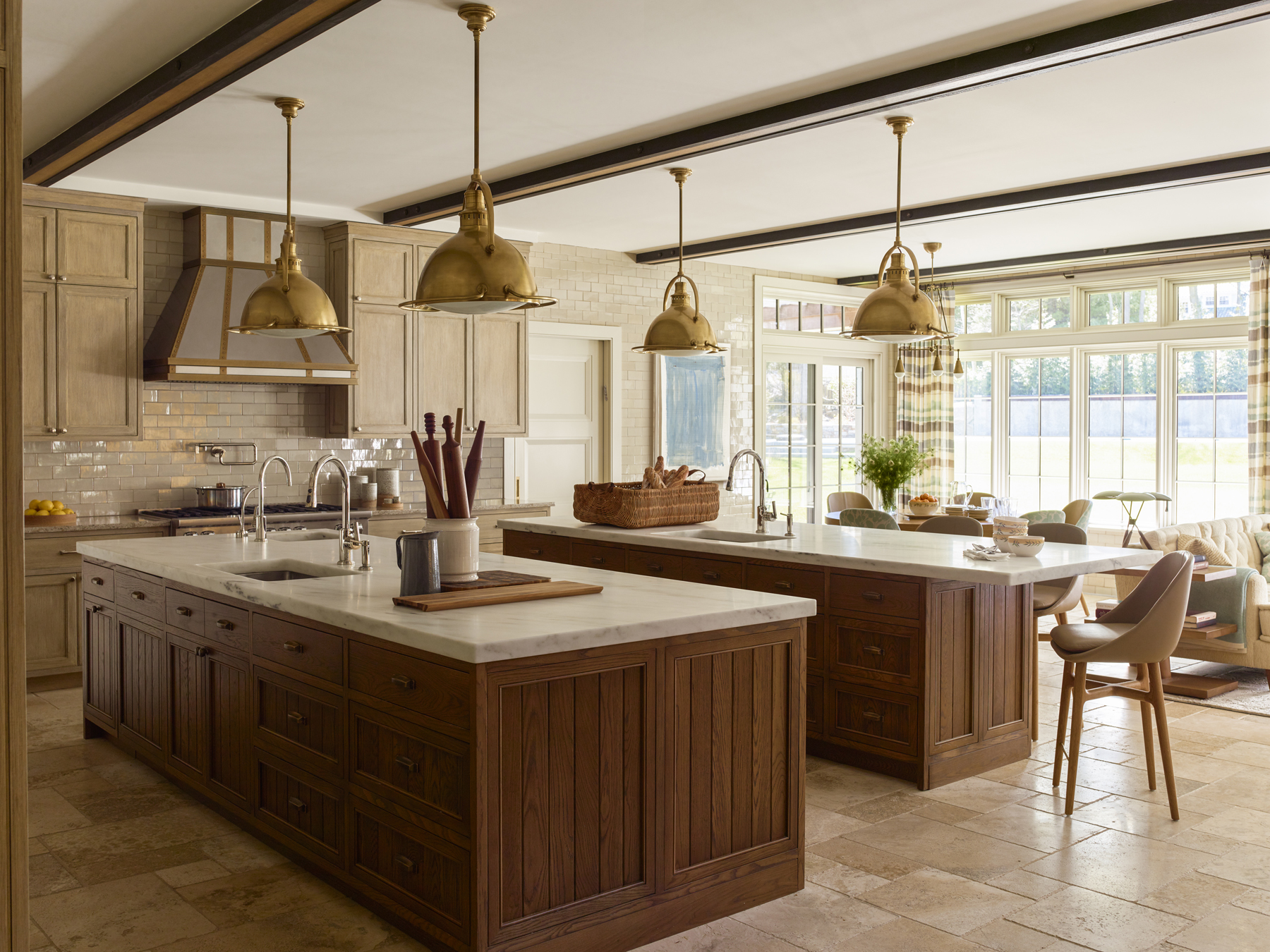
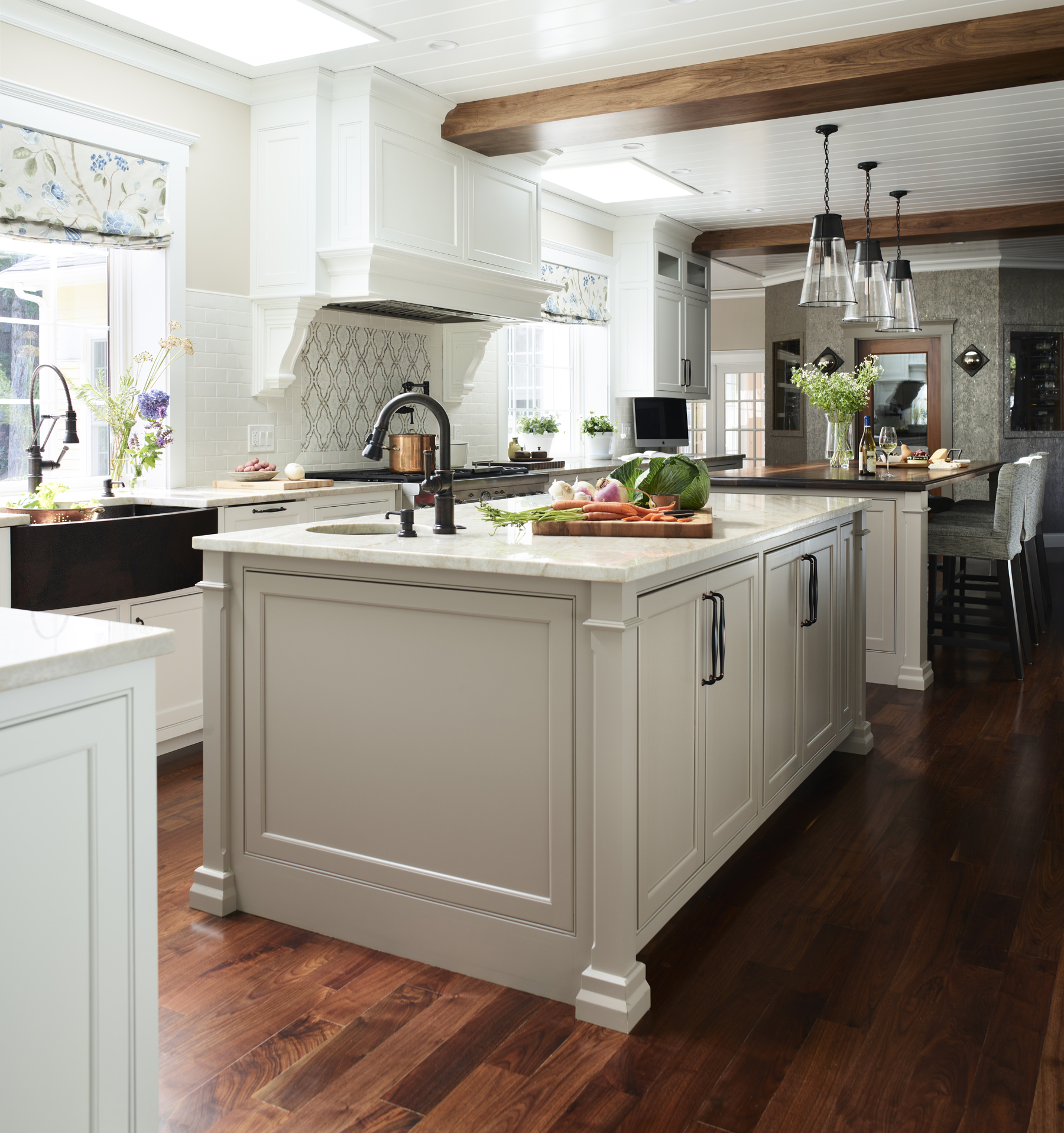
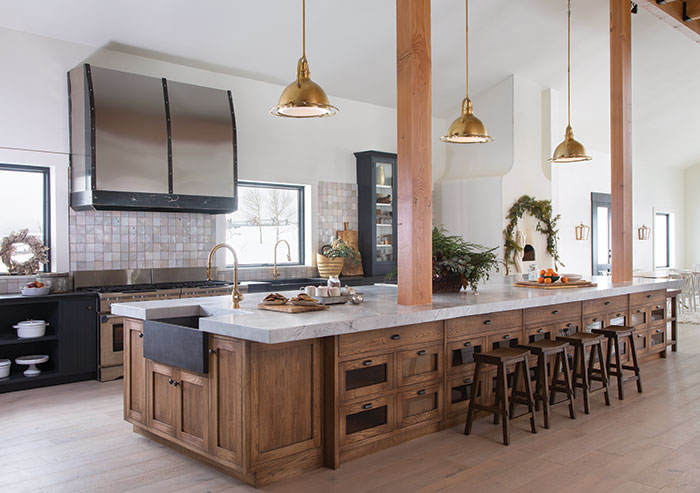
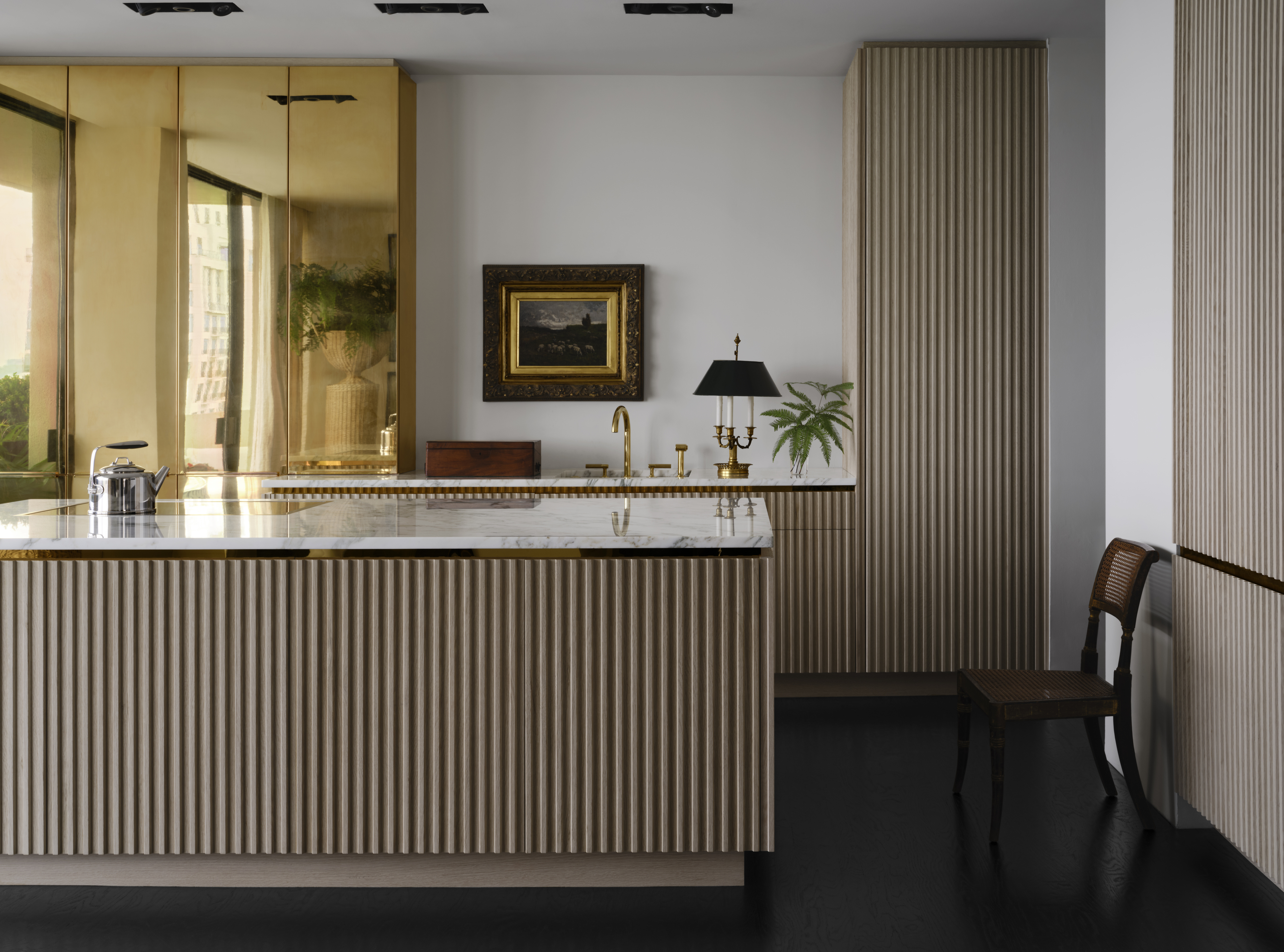
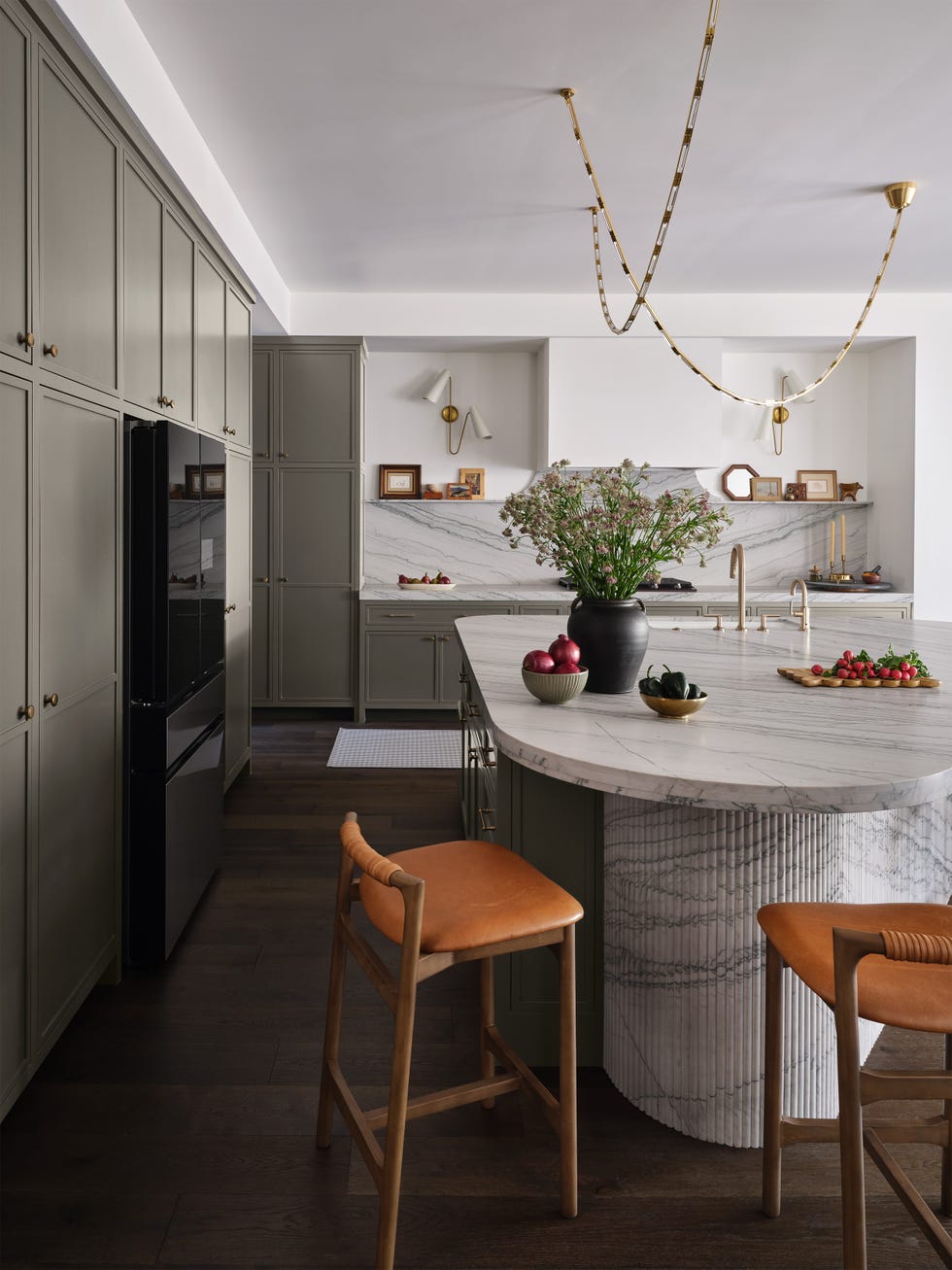
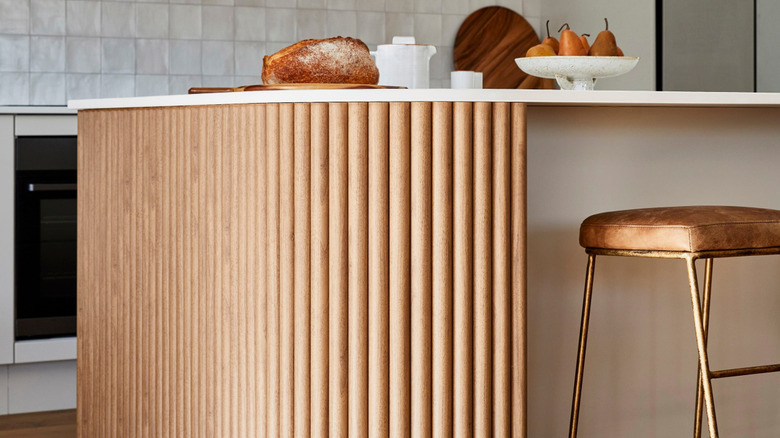
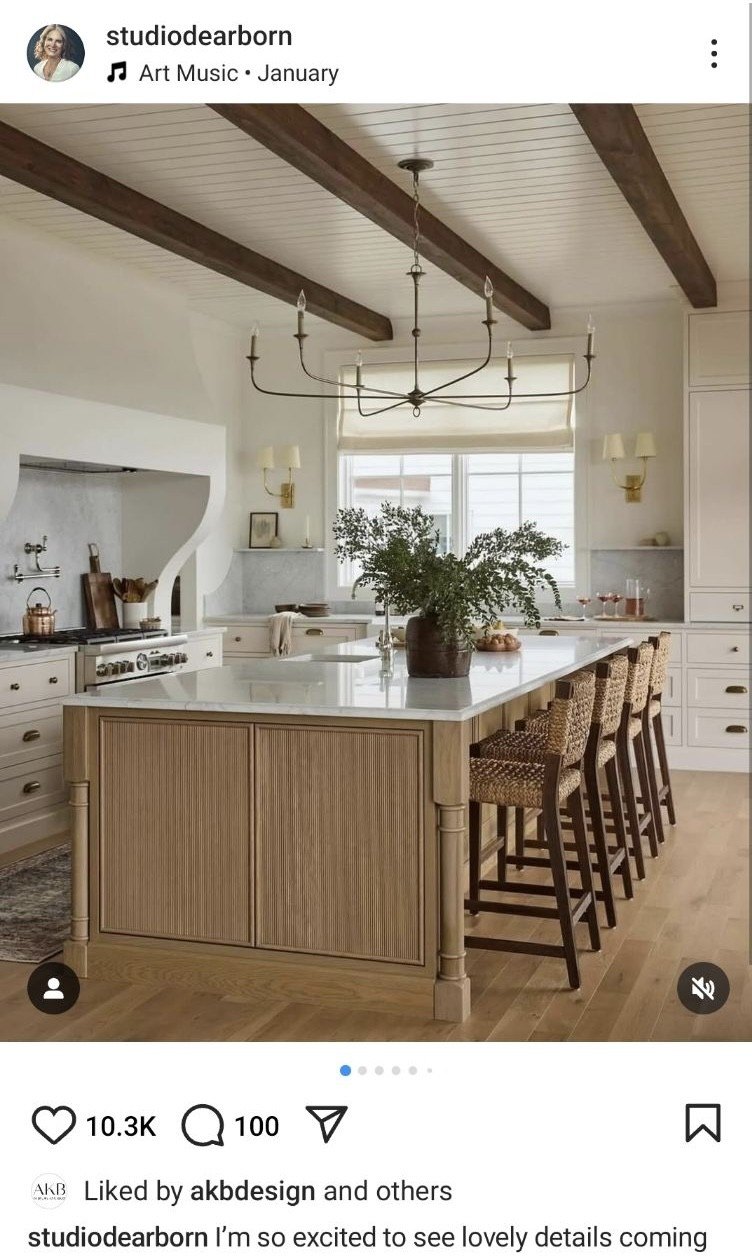
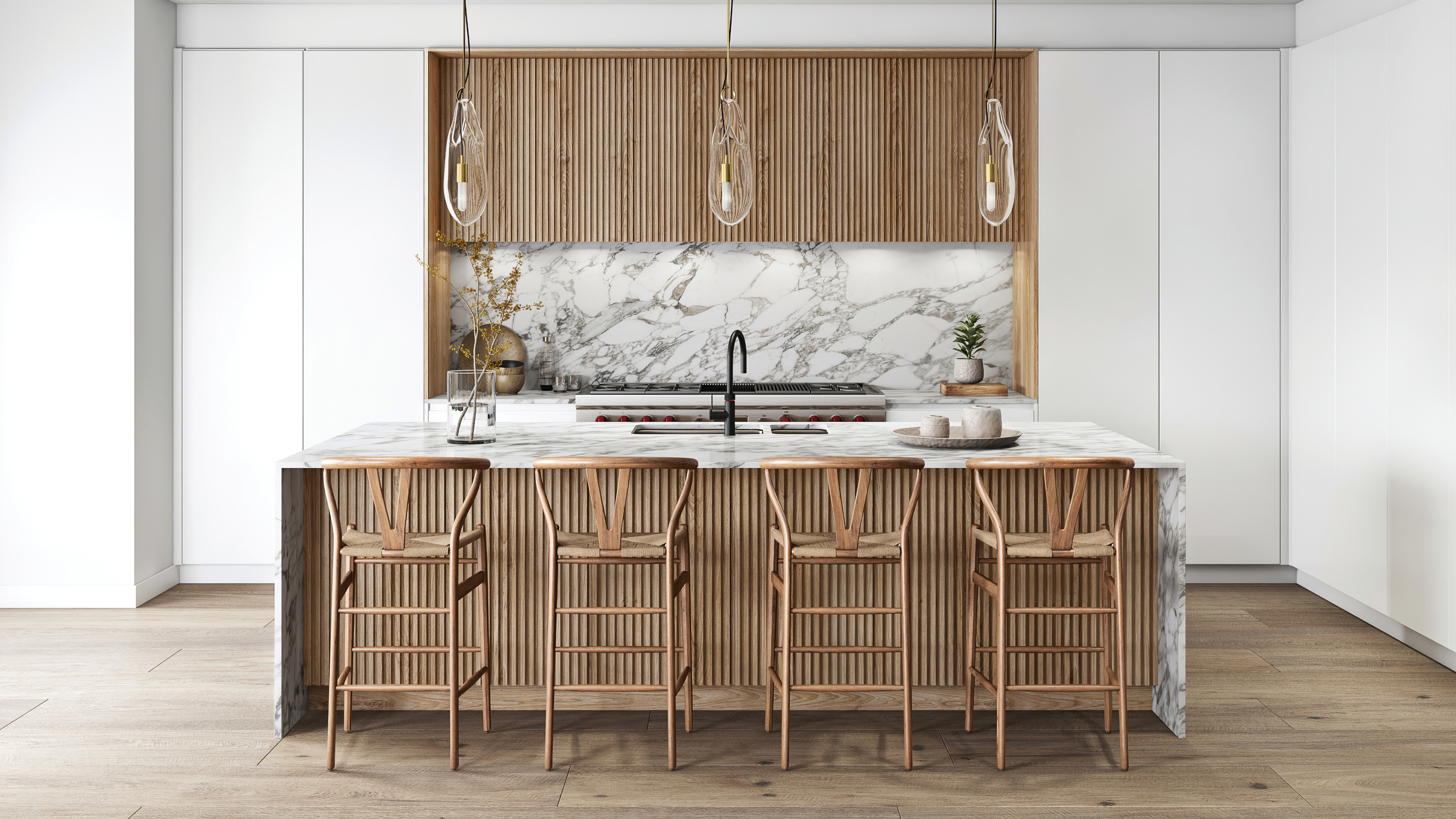
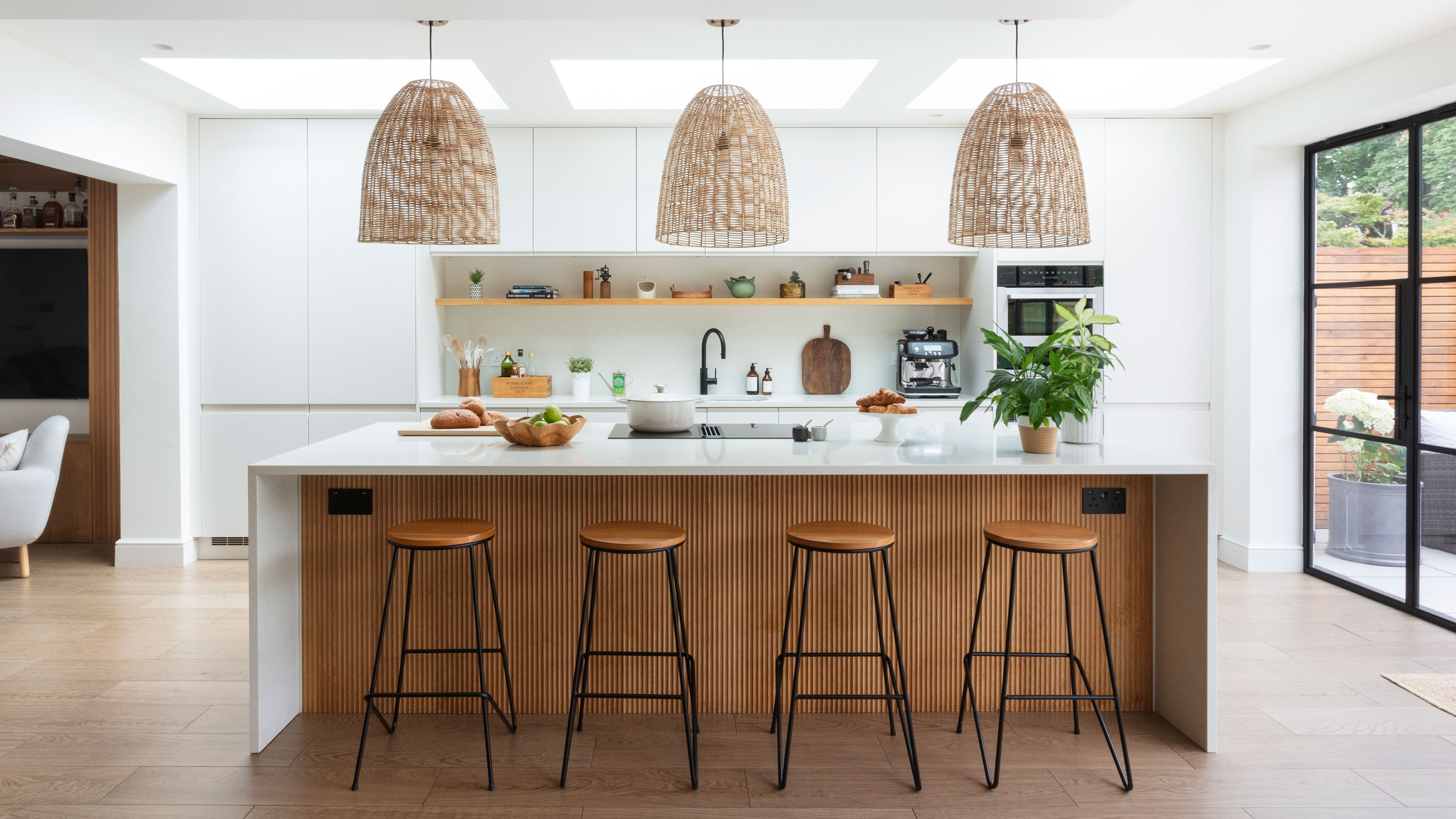
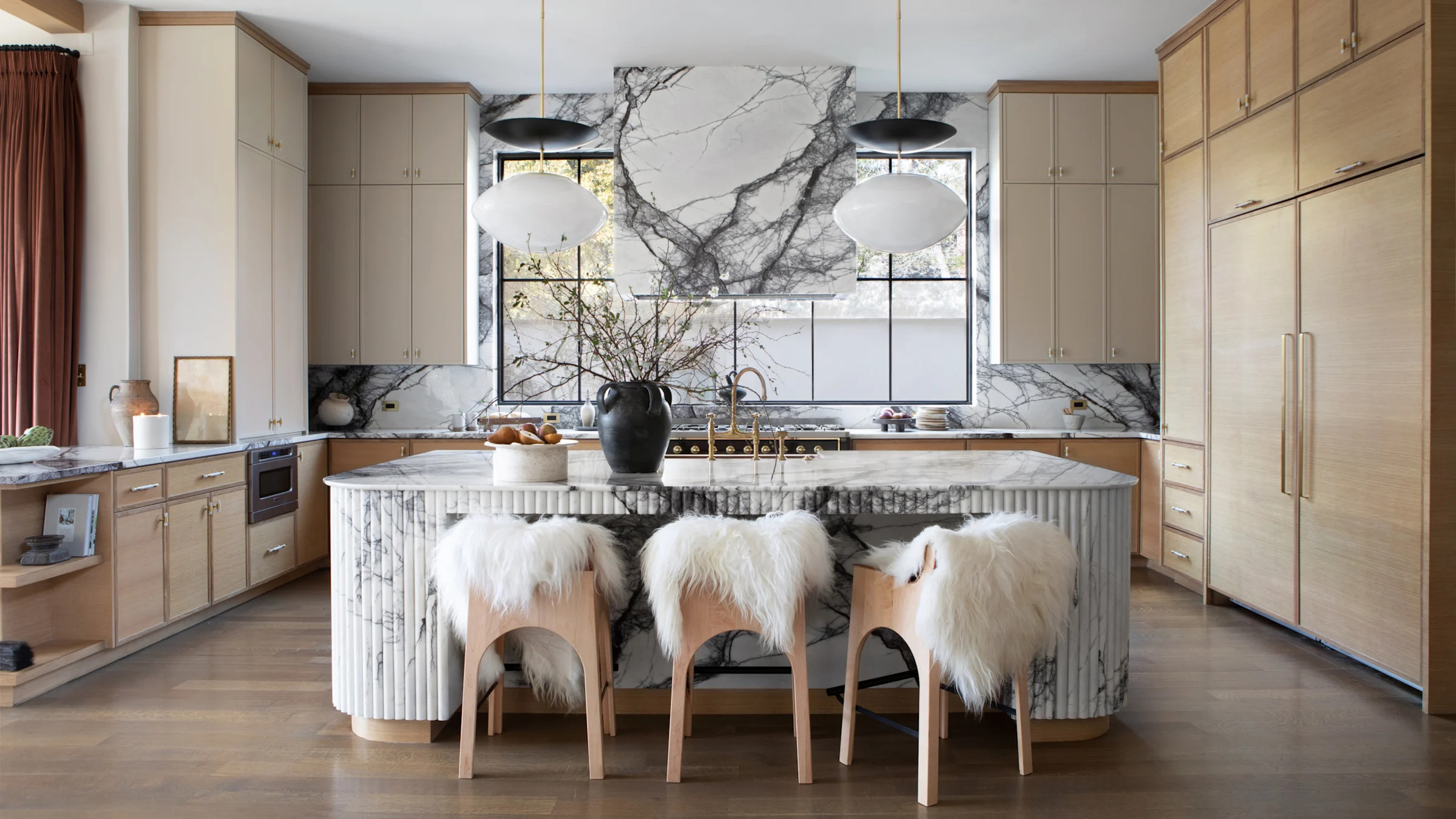
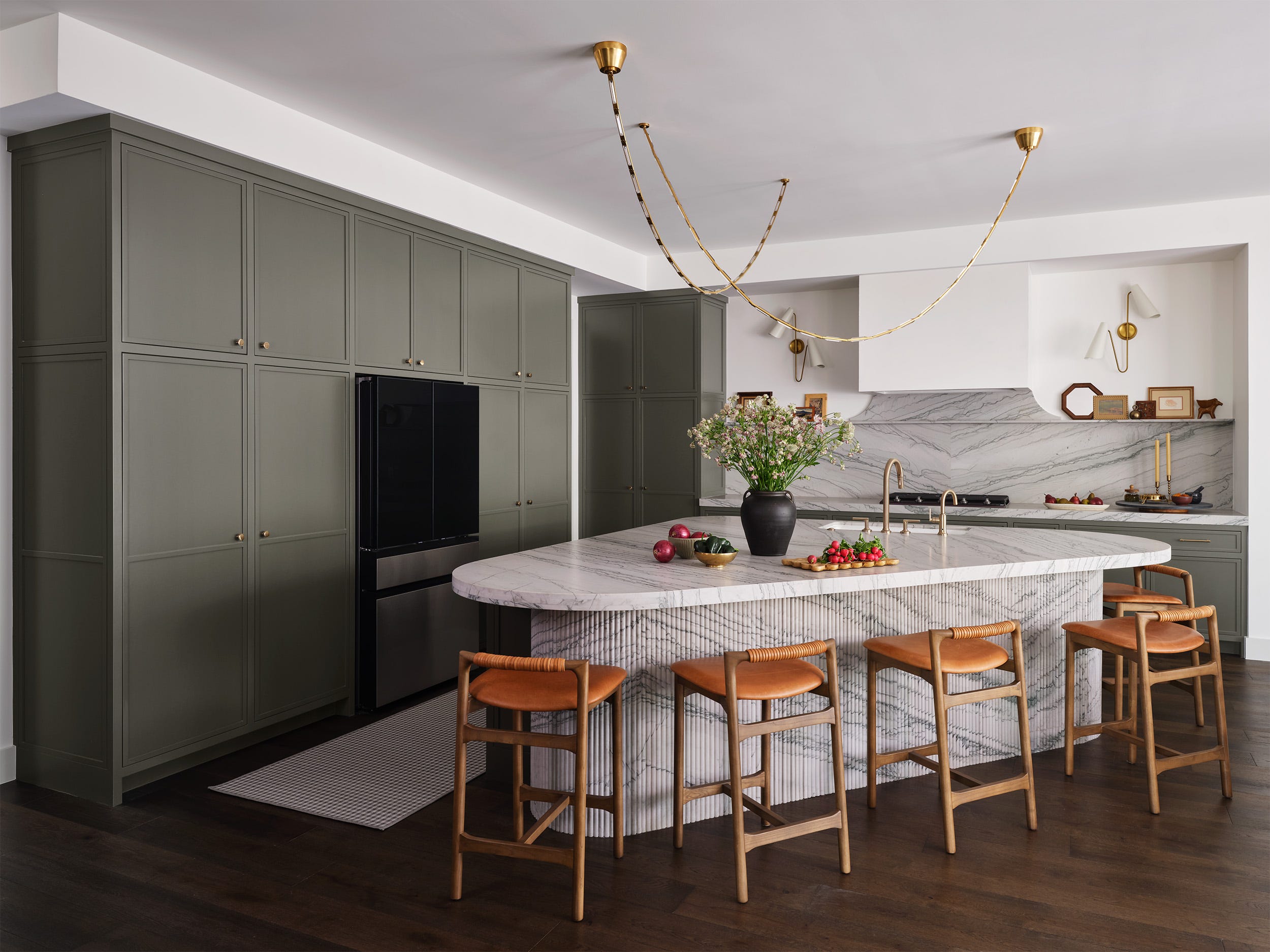
Fluted kitchen islands, characterized by their gentle ripples and decorative grooves, are emerging as a chic and popular design trend, transforming ordinary kitchen islands into spectacular focal points. While fluting has historical roots in architecture dating back to Egyptian times, its application in contemporary kitchen design is a fresh concept, adding texture and elevating the aesthetic. This design detail creates an elegant interplay of light and shadow, making it a more engaging option than plain, flat surfaces, and it can be incorporated into both modern and traditional spaces using various materials such as marble, wood, or stone, or even painted finishes.
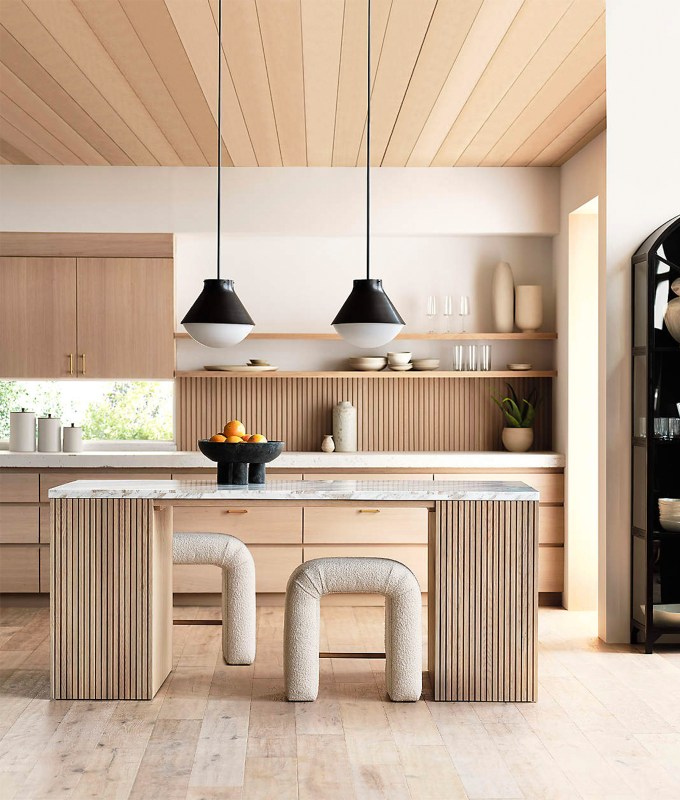
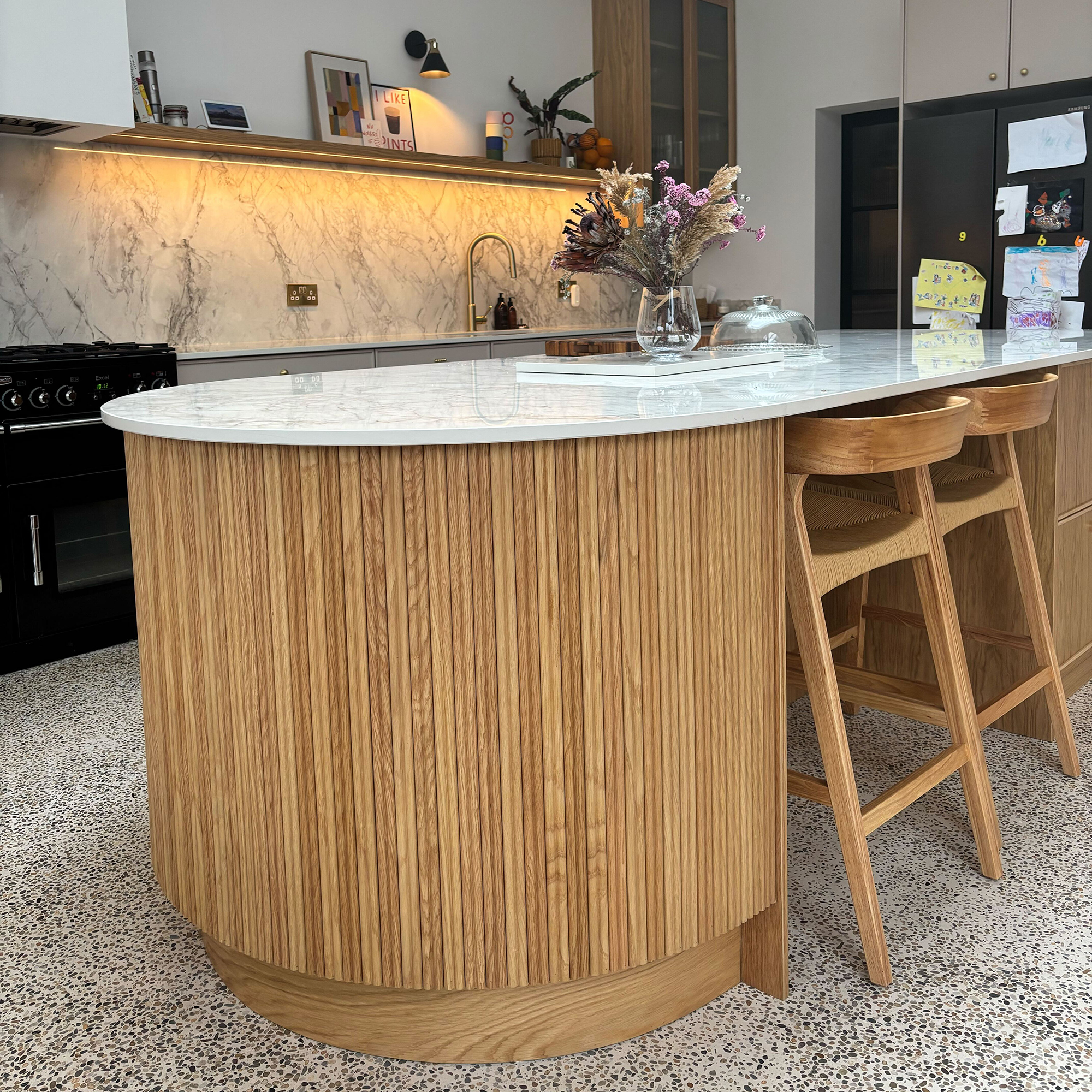
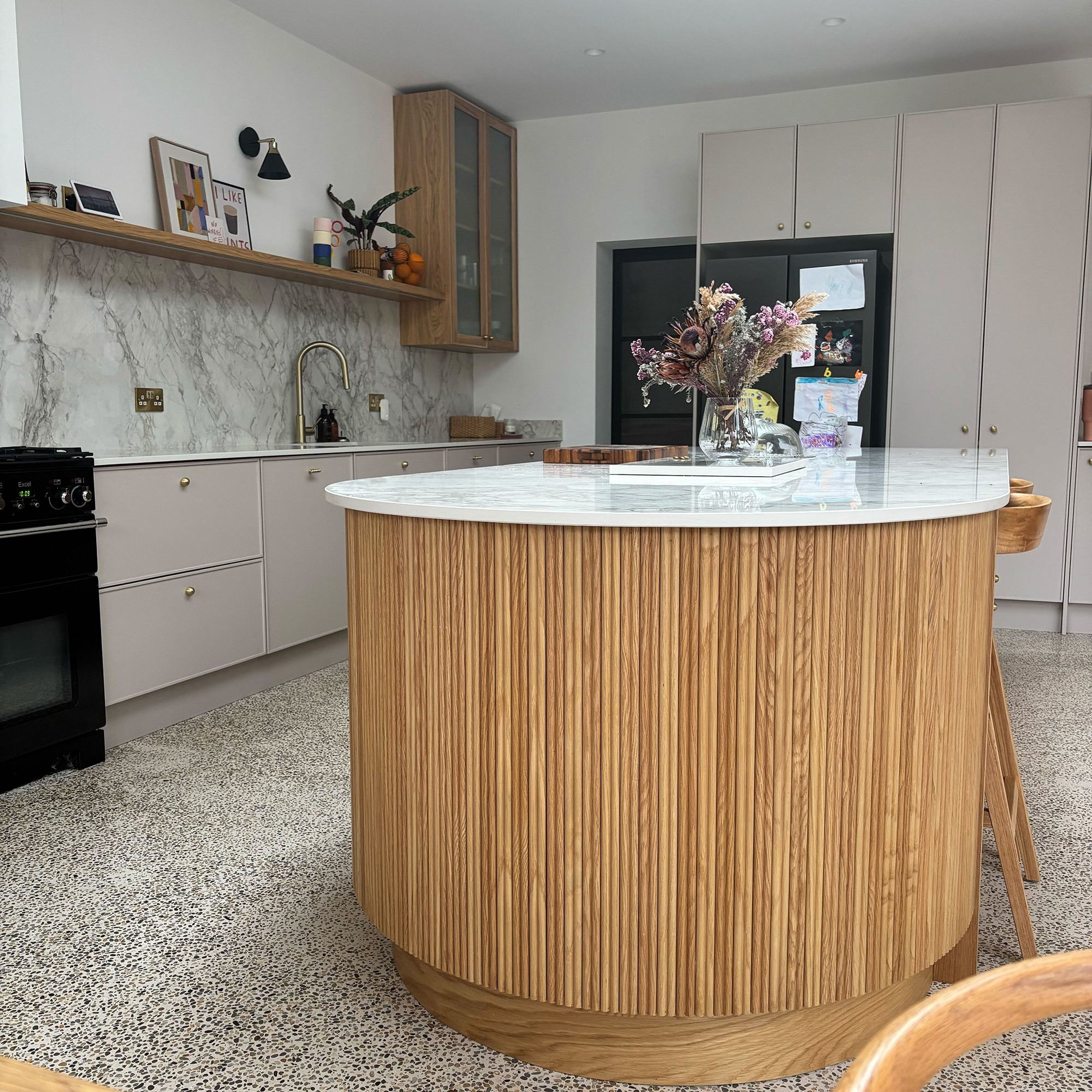
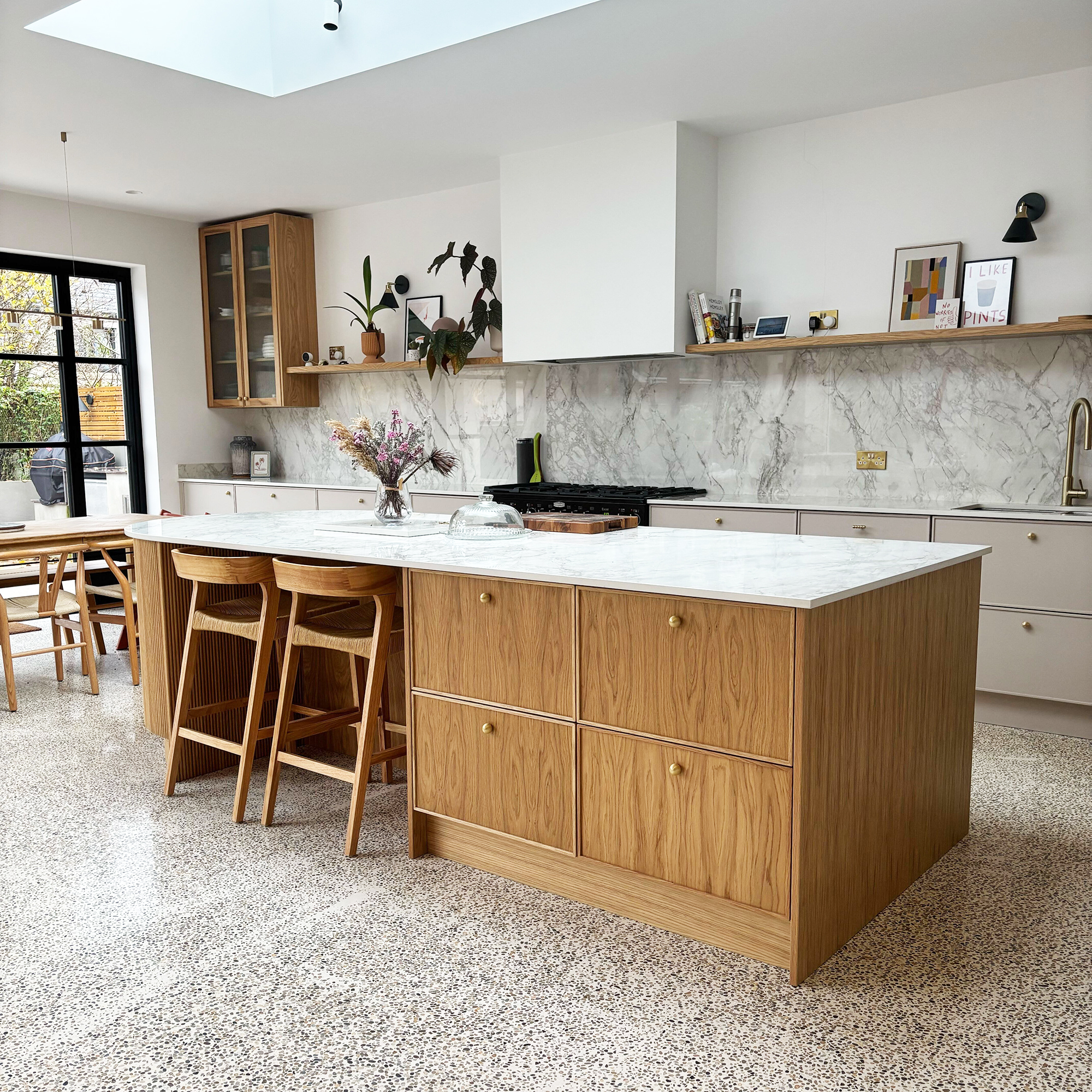
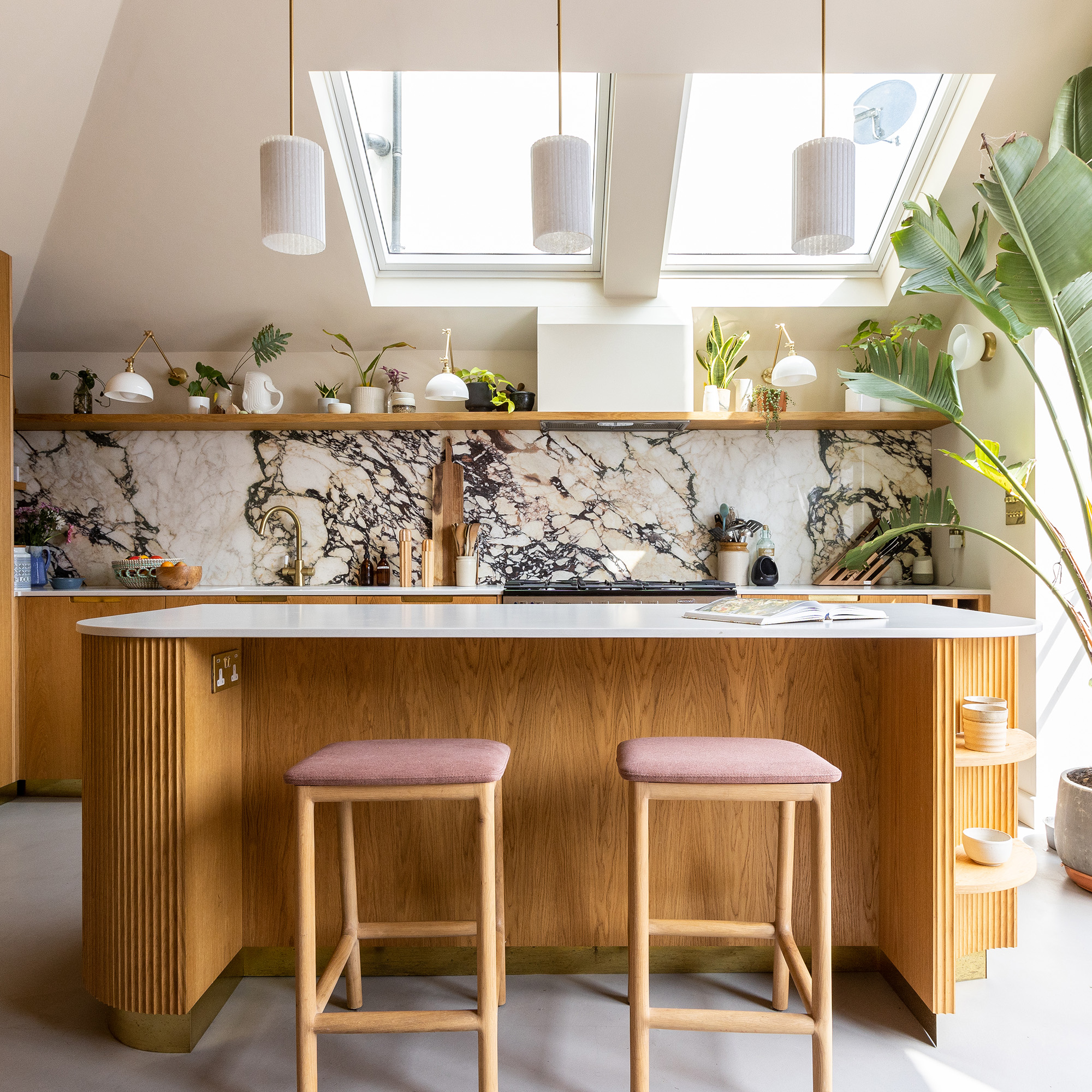
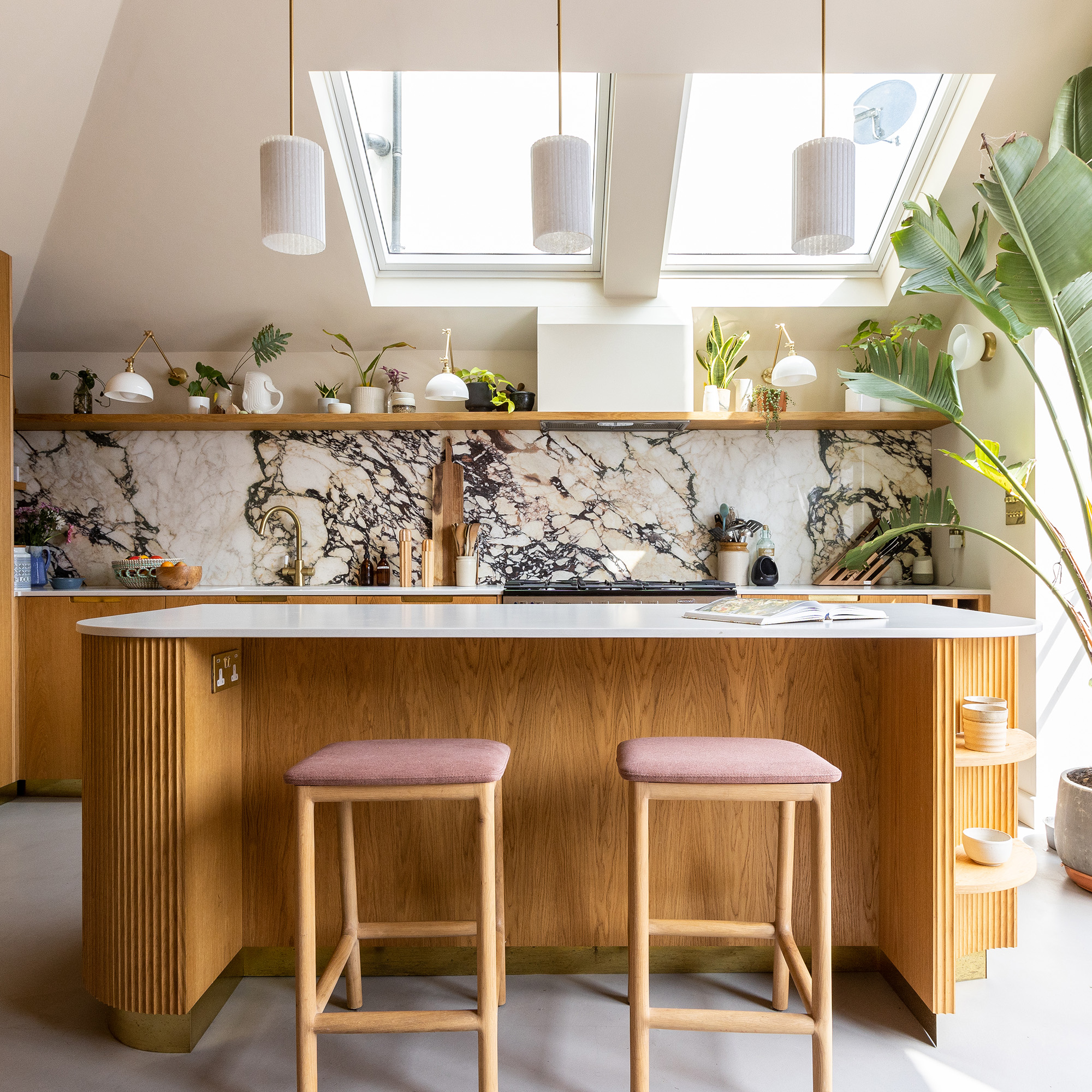
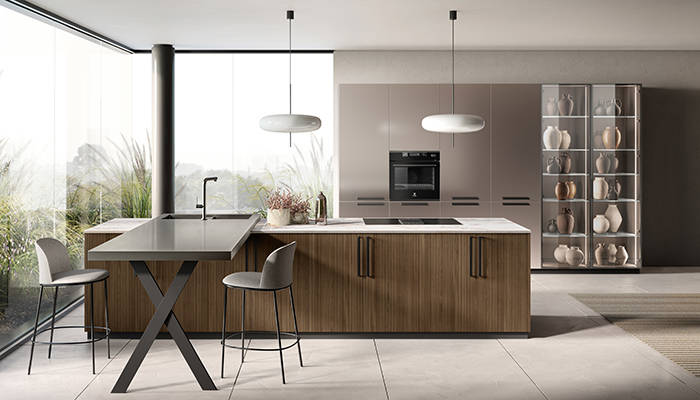
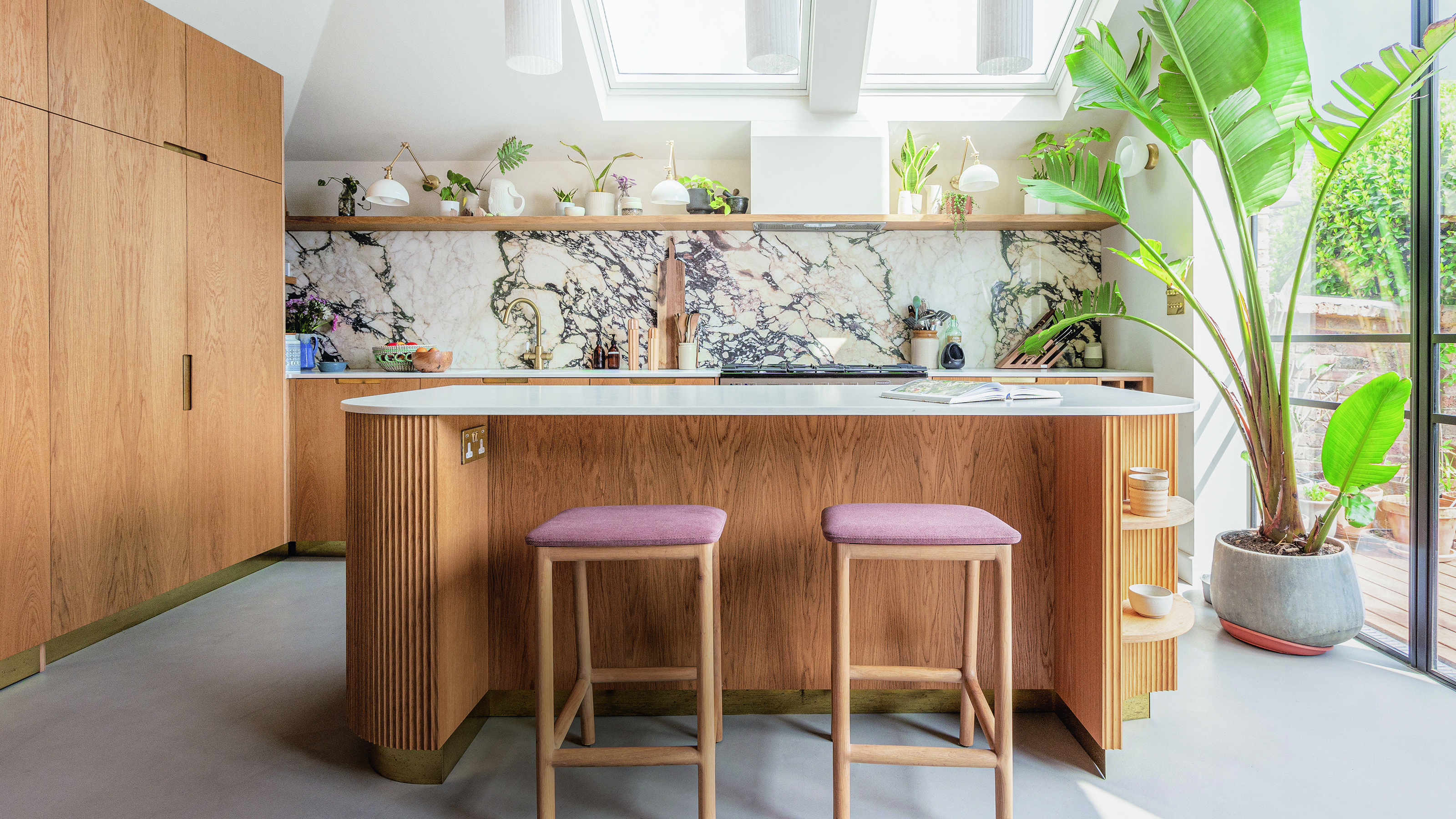
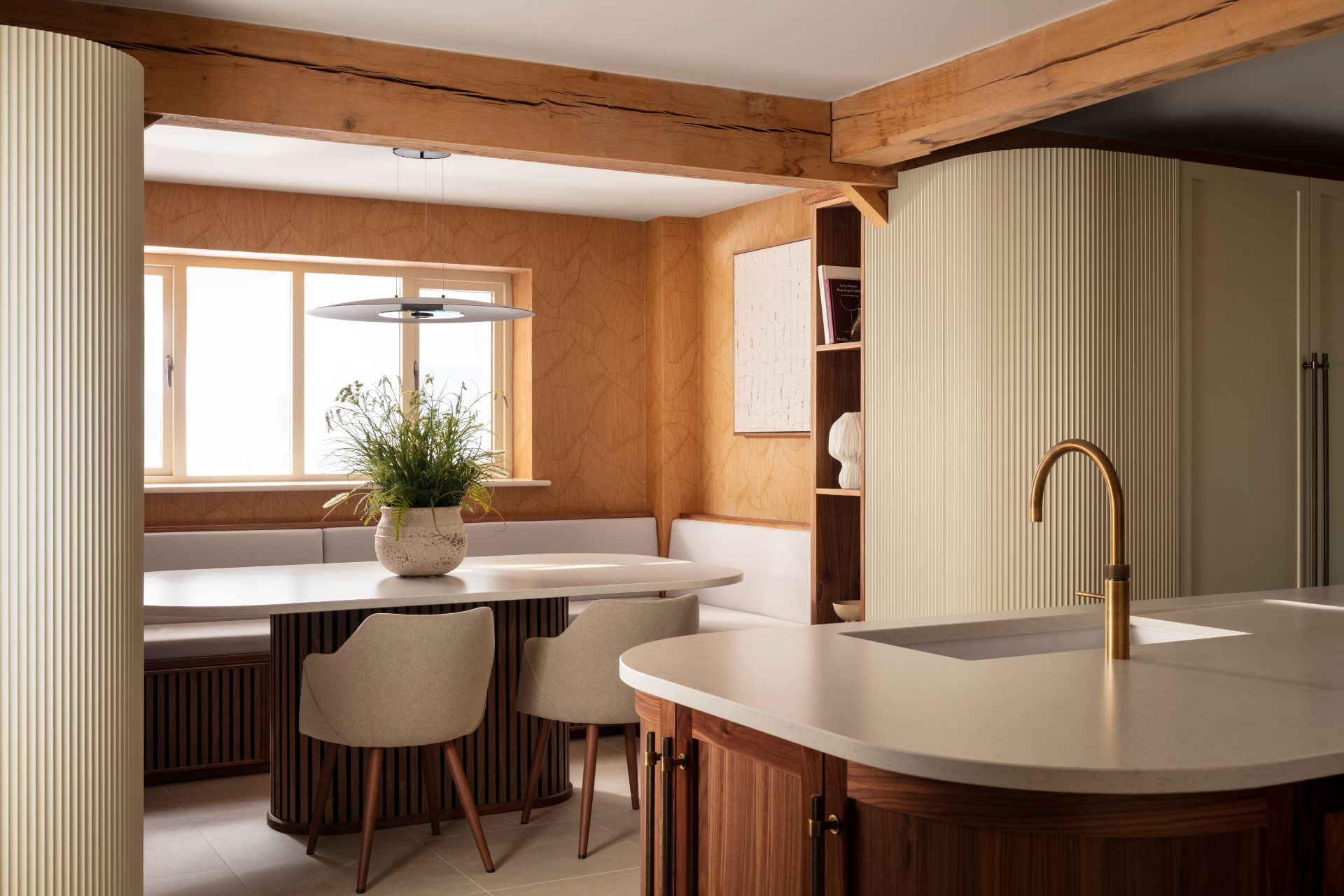
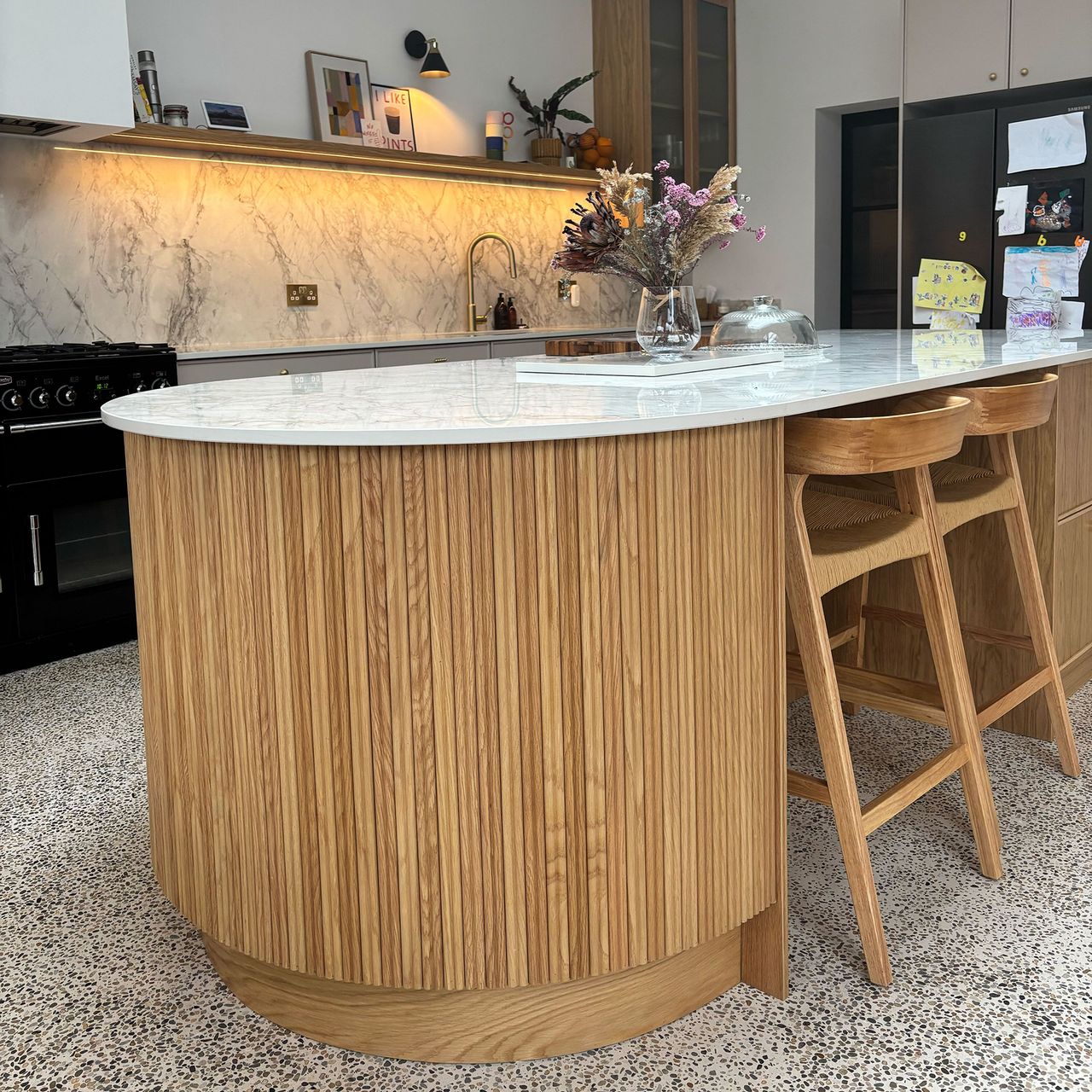
There are multiple ways to integrate fluted designs into kitchen islands. One approach is using timber-clad fluting, which introduces warmth and an inviting feel. This method is particularly effective in creating a feature in contemporary kitchens, especially where space is limited, as curved island benches with timber ribbing can facilitate smooth circulation while adding visual interest. Another option involves slatted veneer batons, which can encase the island and even extend to form integrated seating, providing both aesthetic appeal and practical space-saving solutions. Designers note that while fluting is not a new architectural element, its recent crossing into home interiors, particularly on kitchen islands, adds significant warmth and texture that flat-fronted surfaces lack.
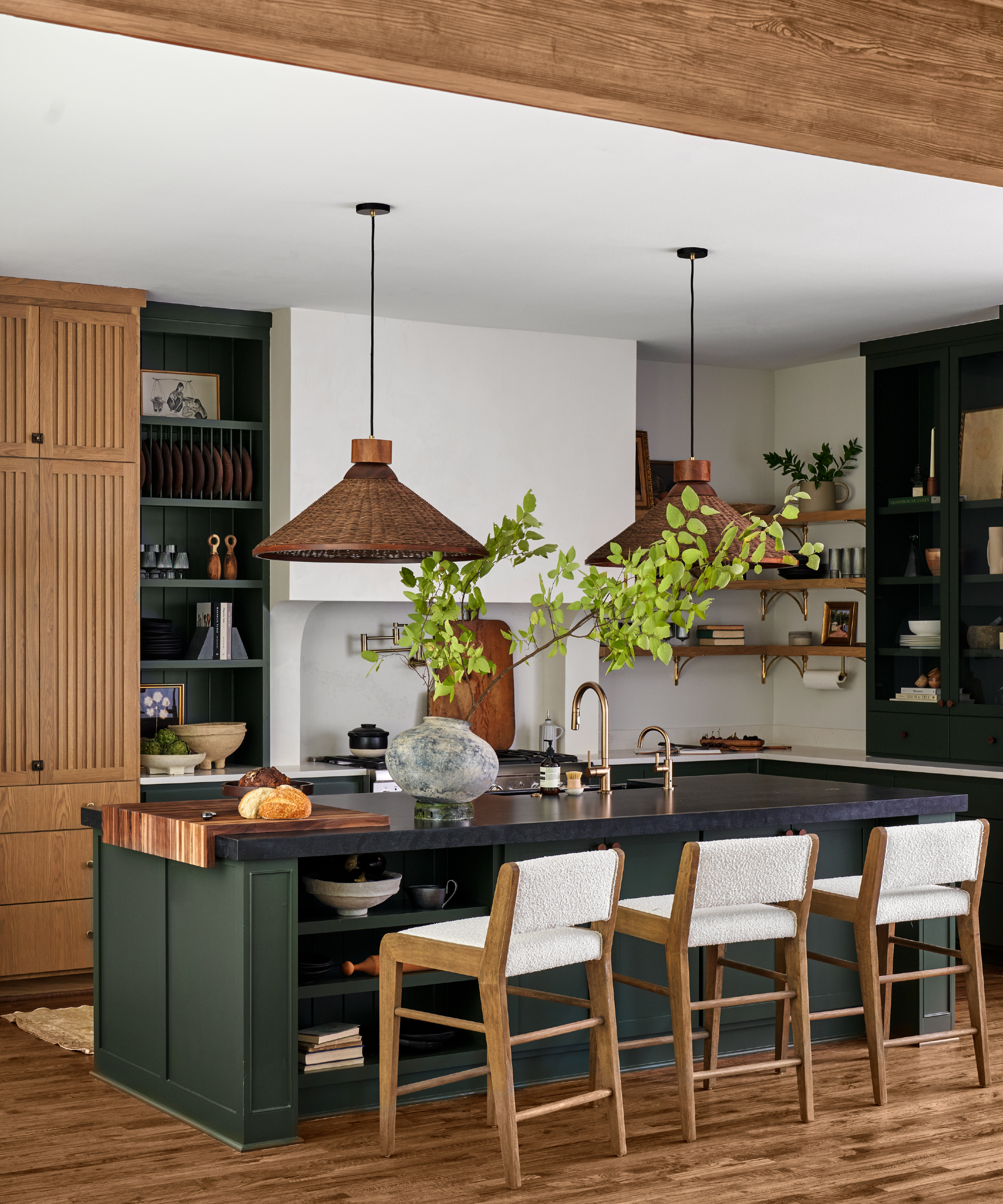
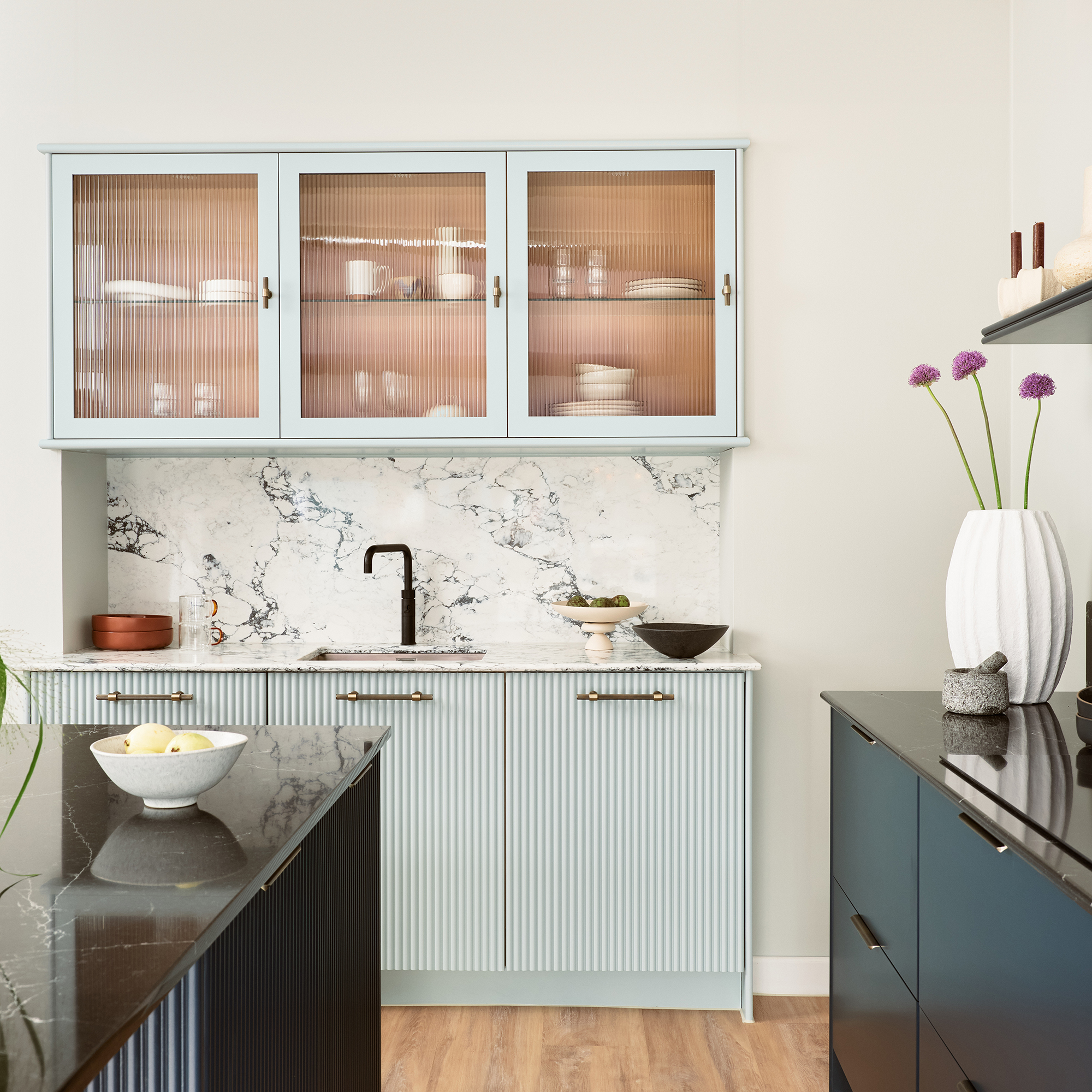
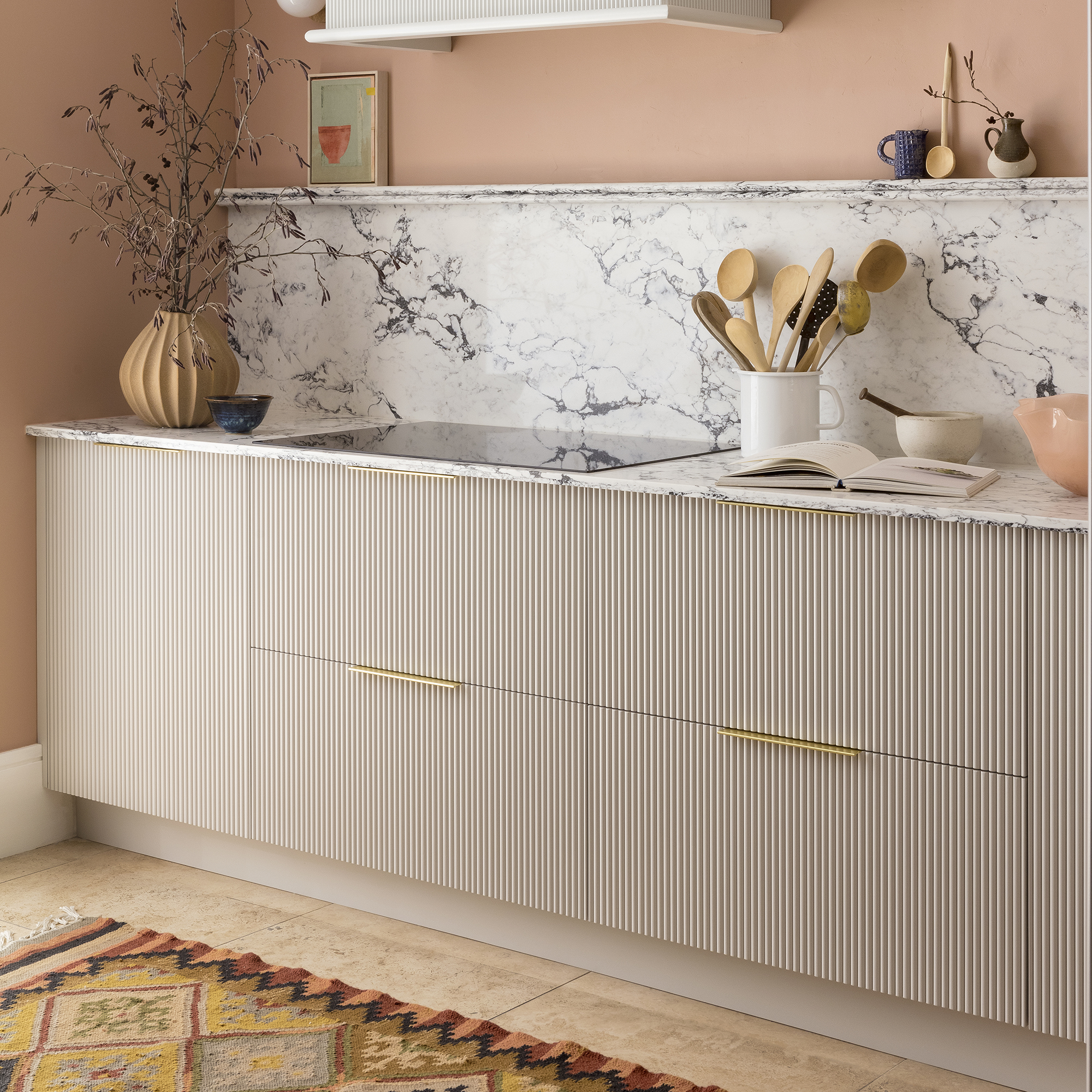
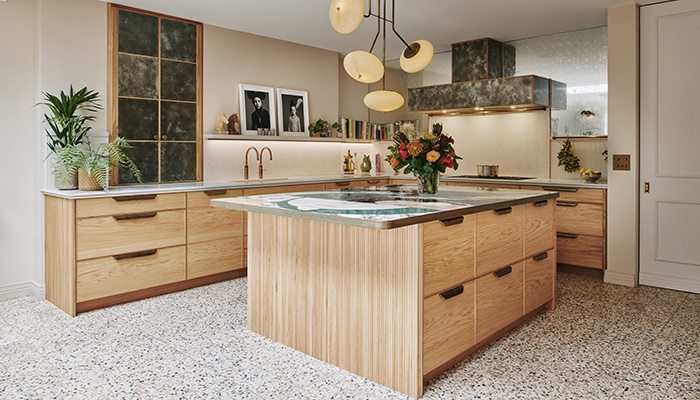
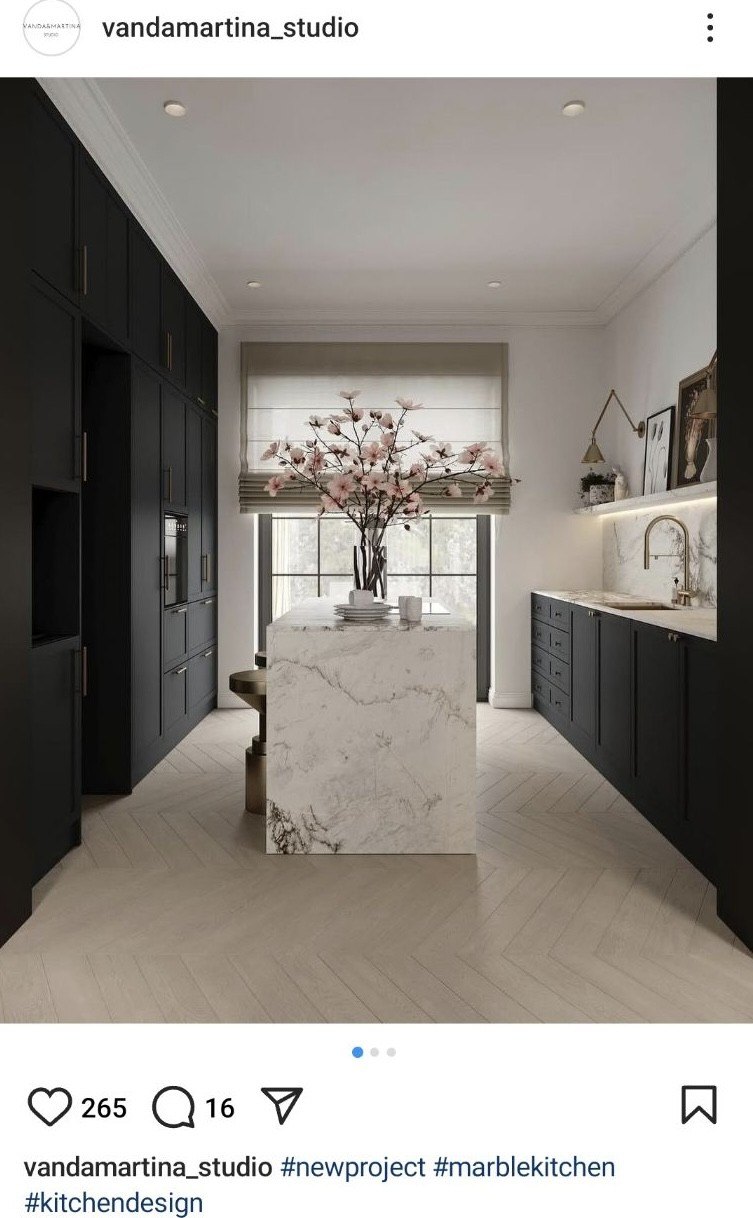
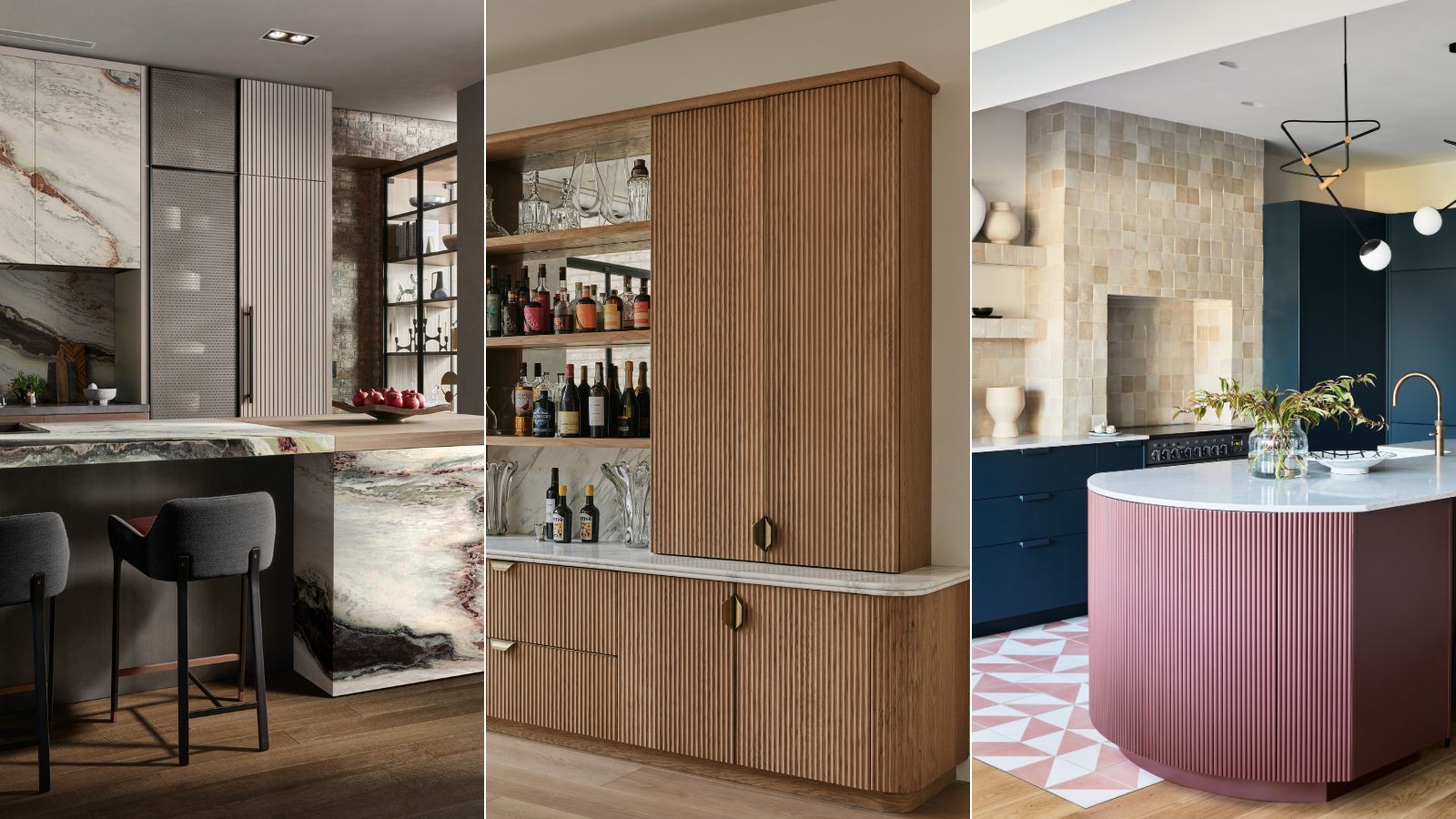
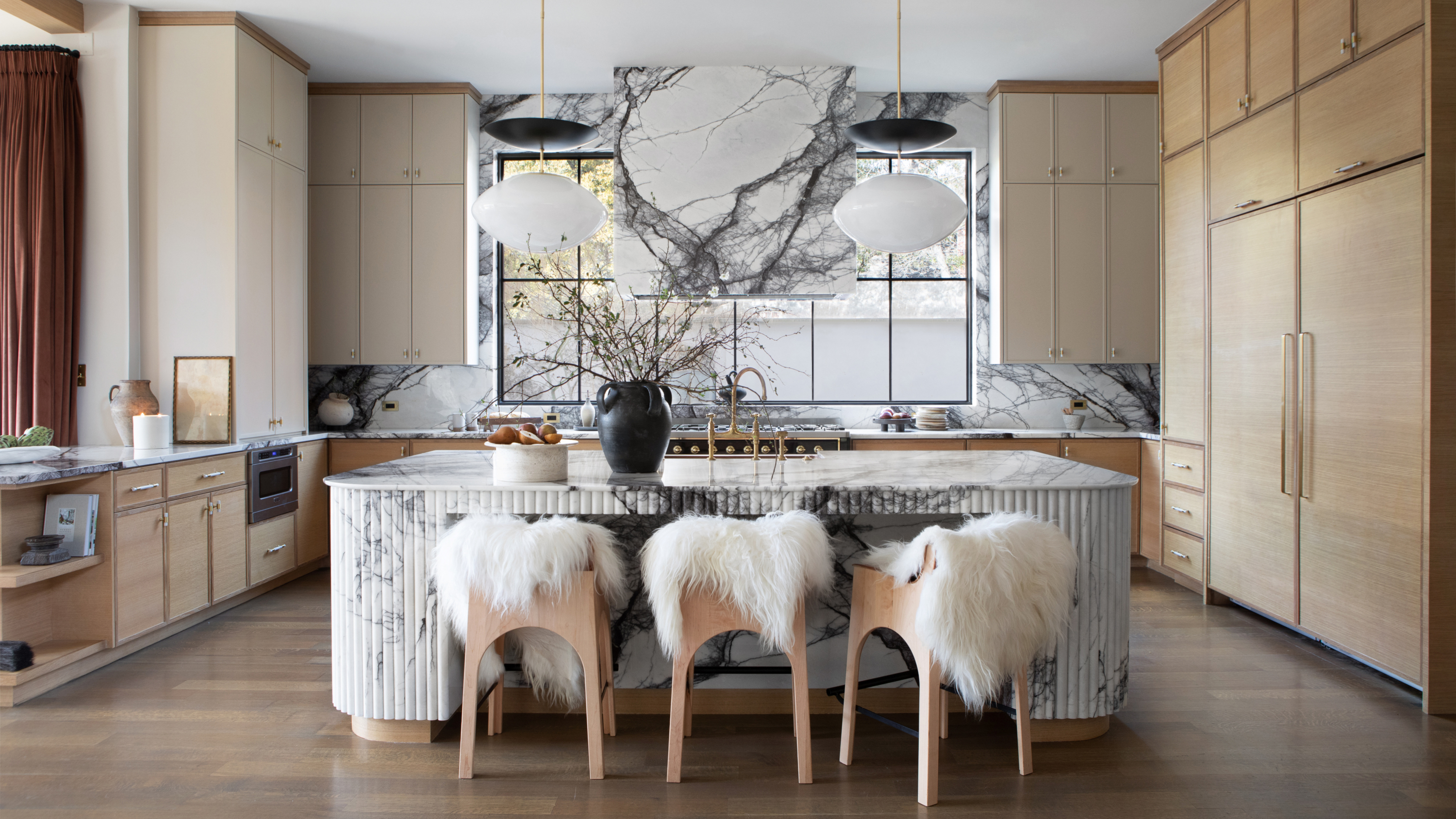
For a more cohesive look, the fluted trend can be extended beyond the island to other kitchen elements, such as cabinets. Using real wood veneer with a slatted texture across both the island and cabinet fronts creates a sophisticated and striking visual feature. This vertical repeat pattern adds a tactile quality and depth to minimal kitchens without introducing clutter. Combining ribbed surfaces with smooth finishes elsewhere in the kitchen can create a unique and contemporary mix-and-match aesthetic. The article also suggests pairing fluted designs with marble countertops, as the warmth of wood fluting beautifully softens the luxurious feel of marble, enhancing the overall design. Customized solutions, such as those with slim wooden slats resembling tree trunks, can be made in various materials and colors, offering versatility for different design preferences.
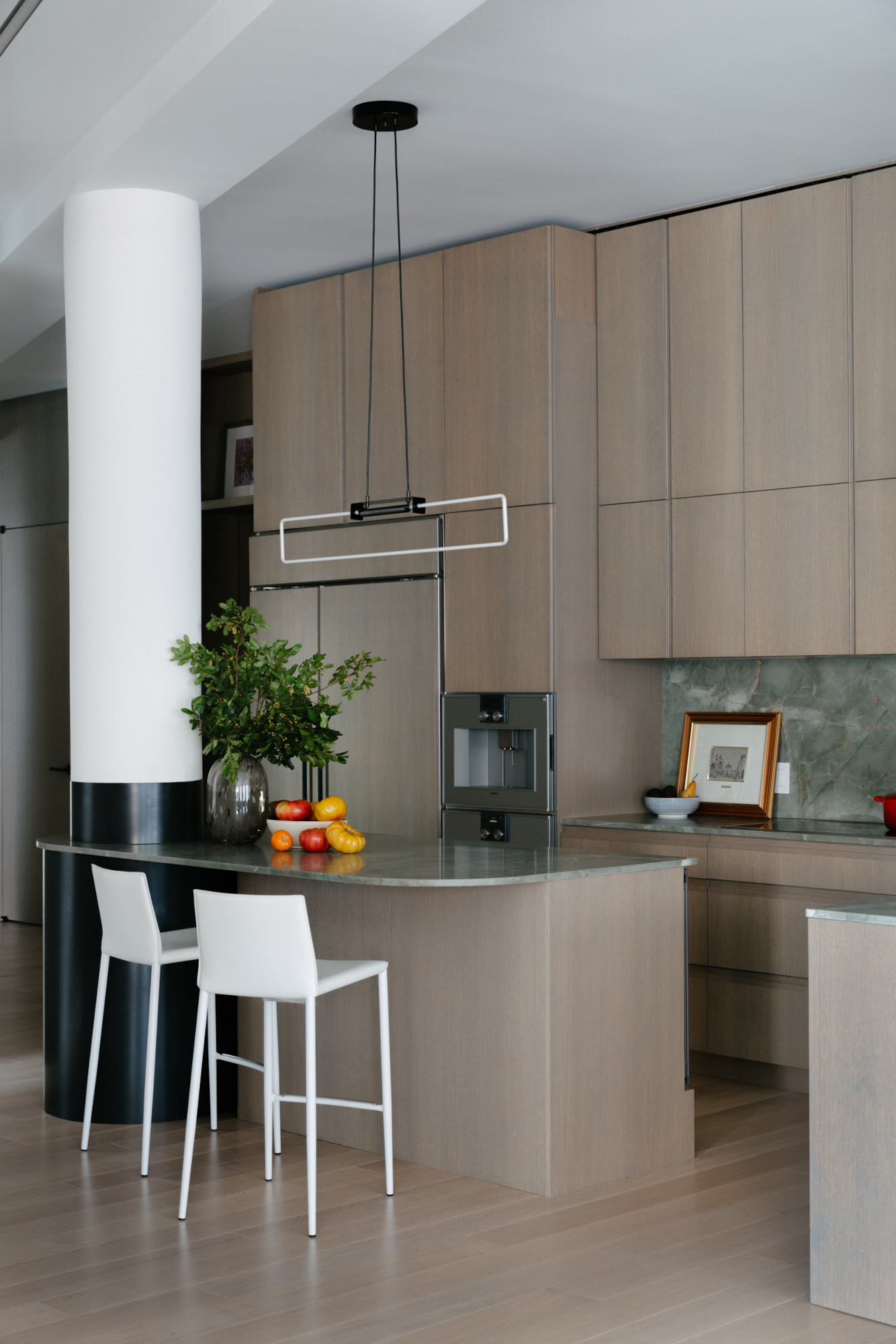
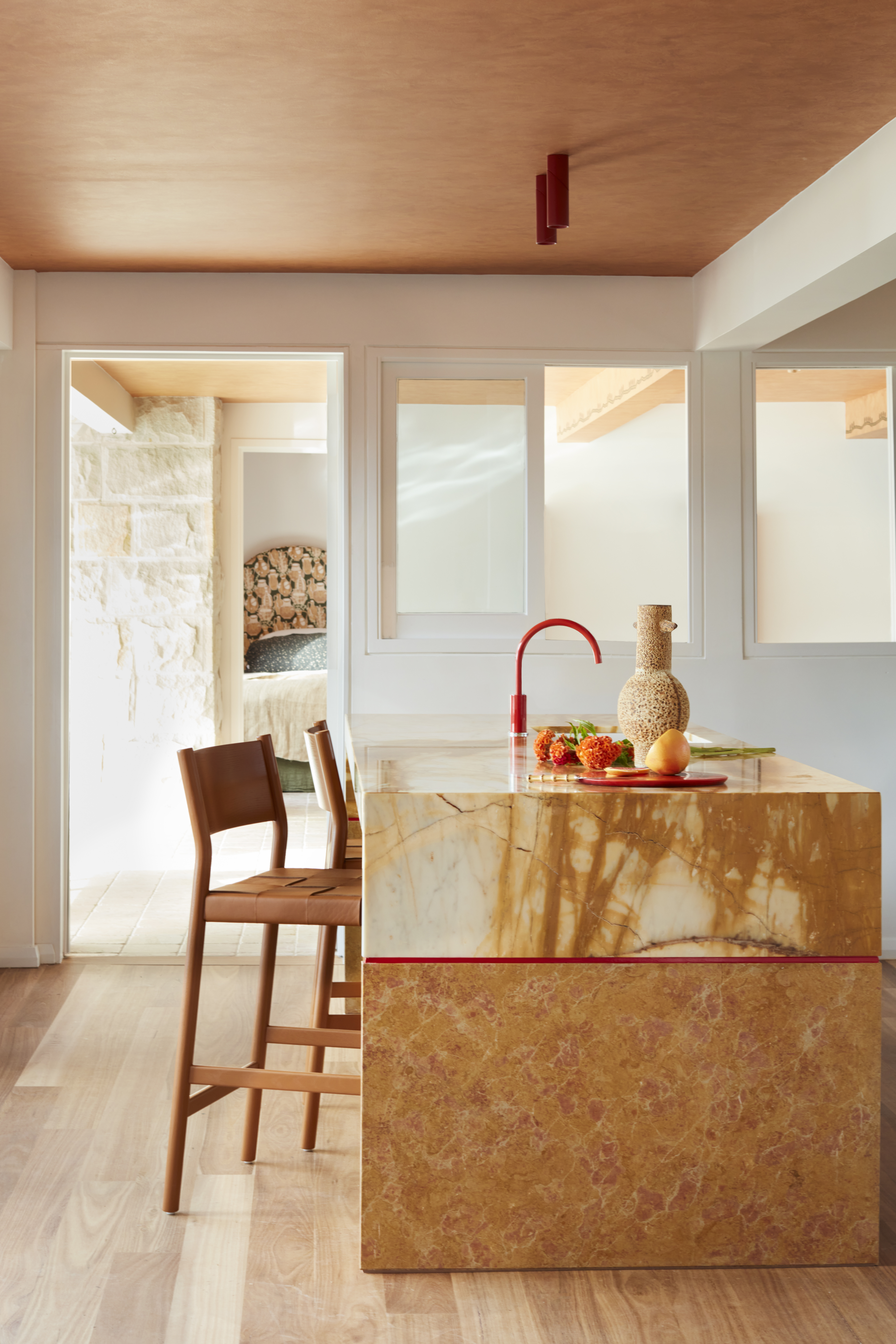
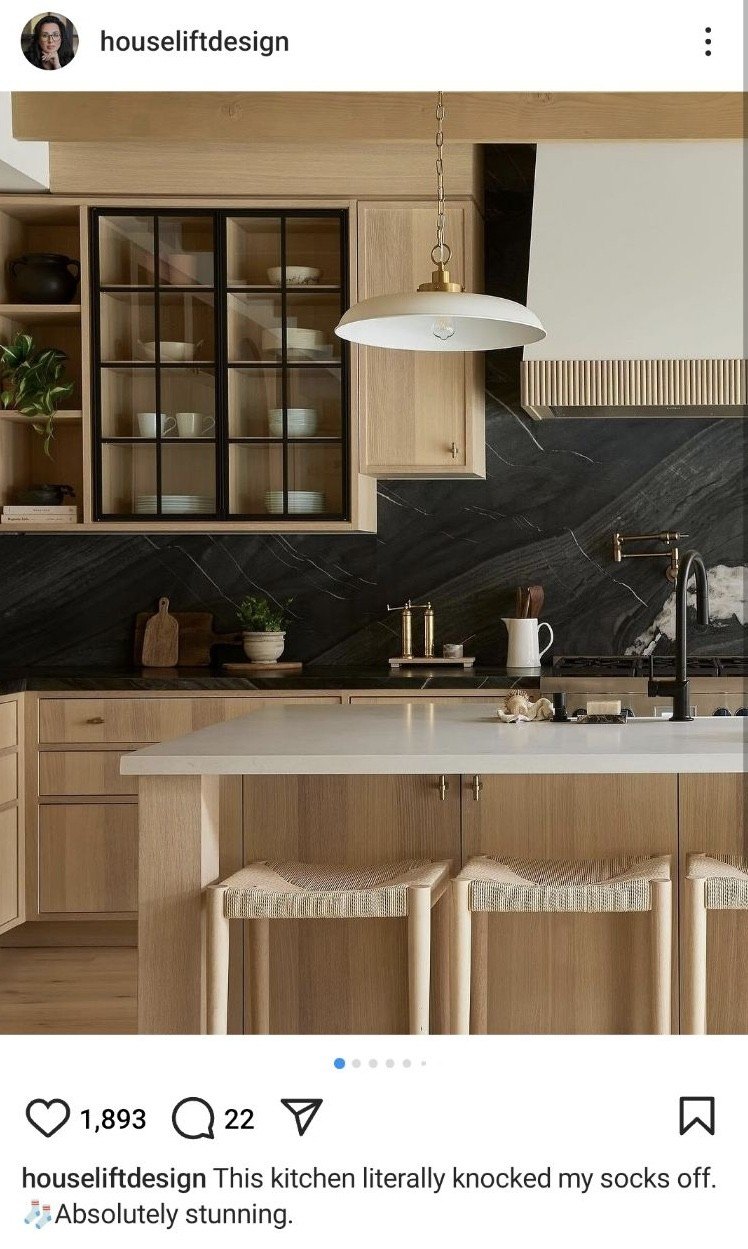
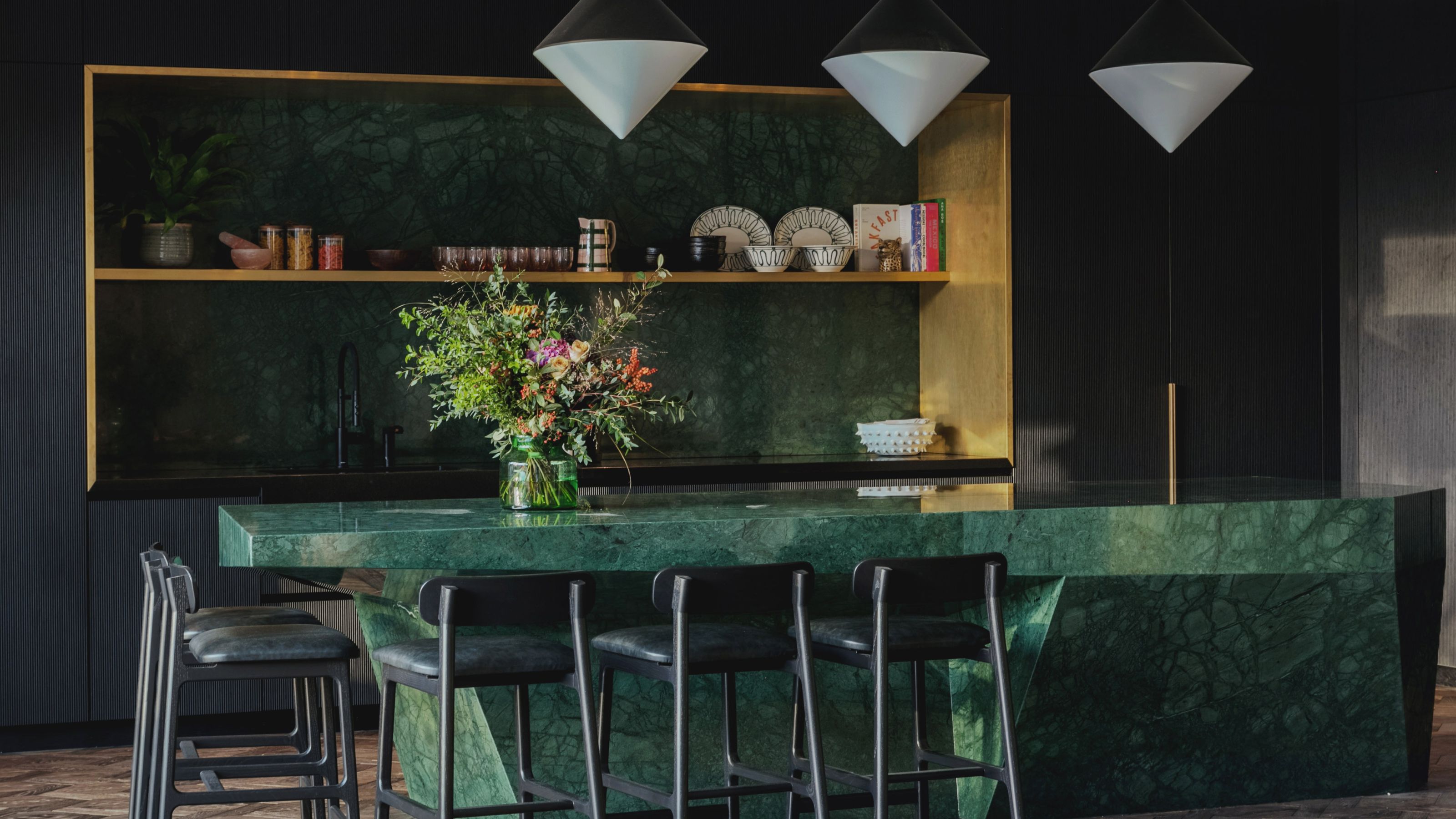
Curves are an important aspect of this trend, as they introduce softness to the often-harsh lines of modern spaces. A curved, ribbed kitchen island can act as a sculptural element, adding interest and preventing the rear of a long island from appearing monotonous. Bespoke fluted pieces, individually crafted and applied, can further enhance this sculptural quality. Statement hardware can also be used to complement the fluted design, with linear ridged details on handles and pulls reflecting the overall textured aesthetic. Finally, incorporating bold colors into fluted kitchen islands can add significant interest, particularly for those looking to update their kitchen without extensive structural changes. Applying fluted wall coverings and painting them in contrasting colors can create depth and layering, while the curves soften hard, squared-off surfaces, offering a cost-effective way to achieve a high-impact transformation.
#FlutedKitchenIslands #KitchenDesignTrends #TexturedKitchens #InteriorDesign #ModernKitchens #KitchenIslandIdeas #HomeDecor #WoodKitchens #MarbleKitchens #FlutedKitchenIslands #KitchenDesignTrends #TexturedKitchens #InteriorDesign #ModernKitchens #KitchenIslandIdeas #HomeDecor #WoodKitchens #MarbleKitchens
0 comment in total
 No comments yet
You may also like
The Kitchen Trend We Called in 2021 Is Finally Going Mainstream, So Prepare to See It Everywhere
The kitchen island trends dominating 2025 - the liveable looks we predict will become new classics
13 Trending Kitchen Islands That You'll See in All the Coolest Schemes Next Year

How To DIY One Of 2025's Biggest Kitchen Cabinet Trends
Fluted kitchen cabinets are the trending way to add texture and interest to your space – here's how to get the look
Kitchen island trends – 8 shapes, materials and finishes designers are choosing for elevated spaces
Kitchen island trends – 8 shapes, materials and finishes designers are choosing for elevated spaces

The shape of things to come – 4 ways kitchen cabinetry is evolving
Fluted cabinets are set to be a huge kitchen trend in 2025 - this is how to make texture work in your cooking space
Fluted Tile Looks Cool Now, But Here's Why You May Come To Regret The Trend

5 Great Kitchen-Design Ideas That Will Transform Your Home
5 Showstopping Kitchen Island Looks That Will Redefine Your Cook Space
Are Fluted Kitchens Still On Trend?
10 kitchen trends we're seeing everywhere in 2025 - create a stylish cooking space with the latest styles
Kitchen island trends — design pros say to try these 7 hot styles

Current Kitchen Interior Design Trends

This kitchen island trend is set to continue in 2026 – this is how one of our editors made it work in her busy family kitchen
Four trending ways to reimagine kitchen islands
This Music-Inspired Kitchen Island Trend Will Instantly Make Your Layout More Functional

This ’90s Kitchen Island Trend Is Being Replaced with Something Far More Practical