
1/2
Erin Napier's Creative Design Idea Makes Open-Concept Homes Feel More Cohesive
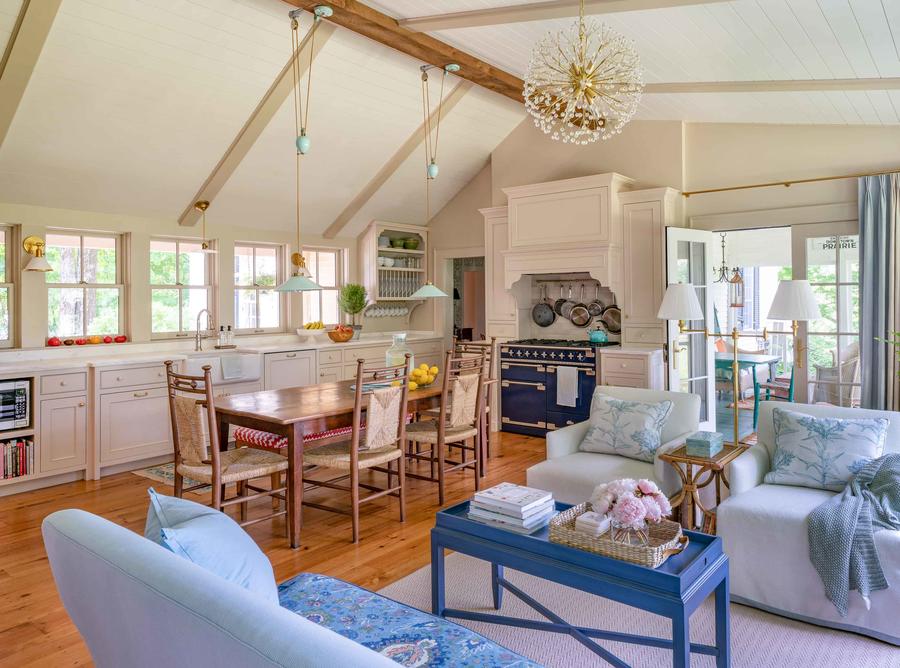
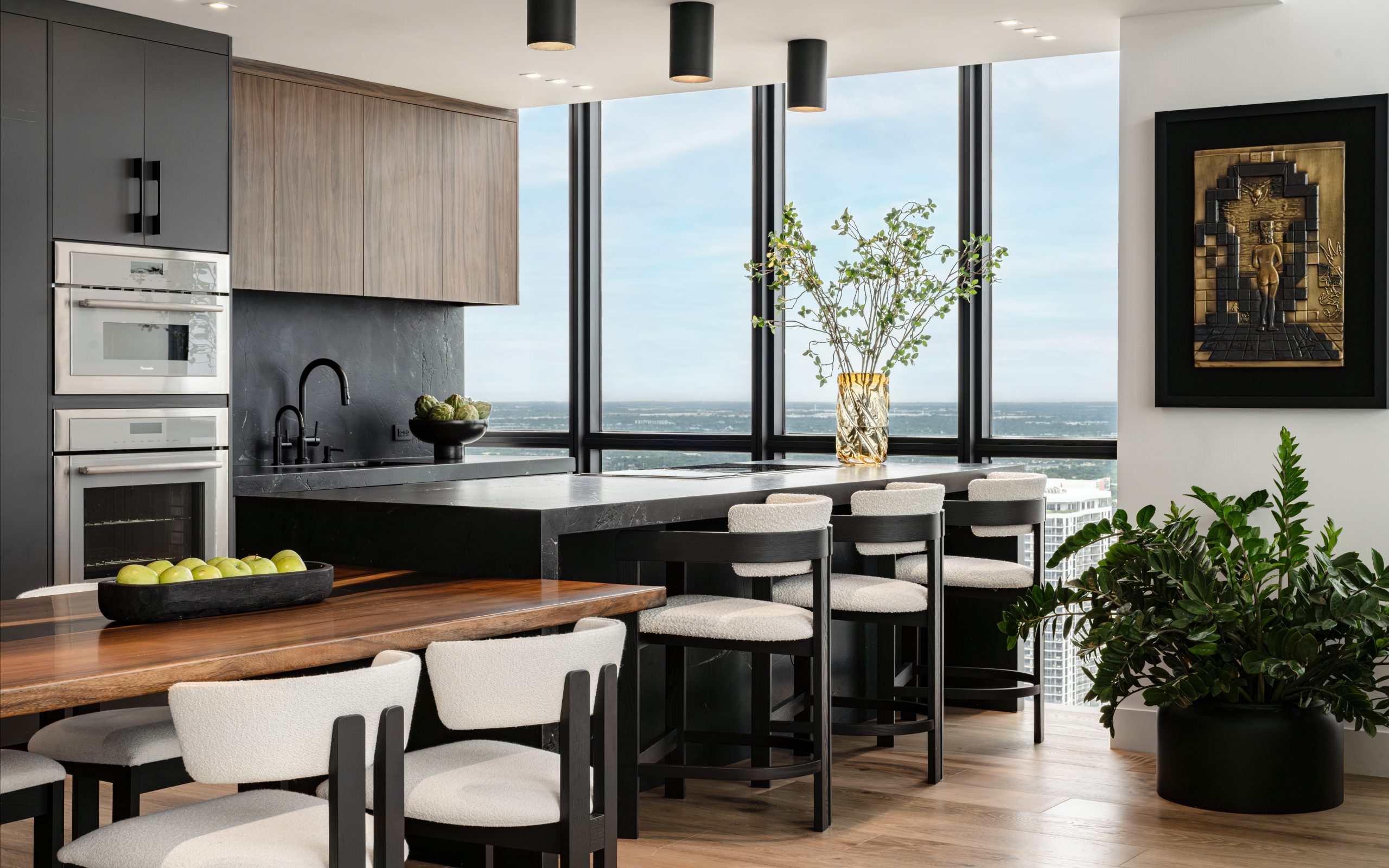
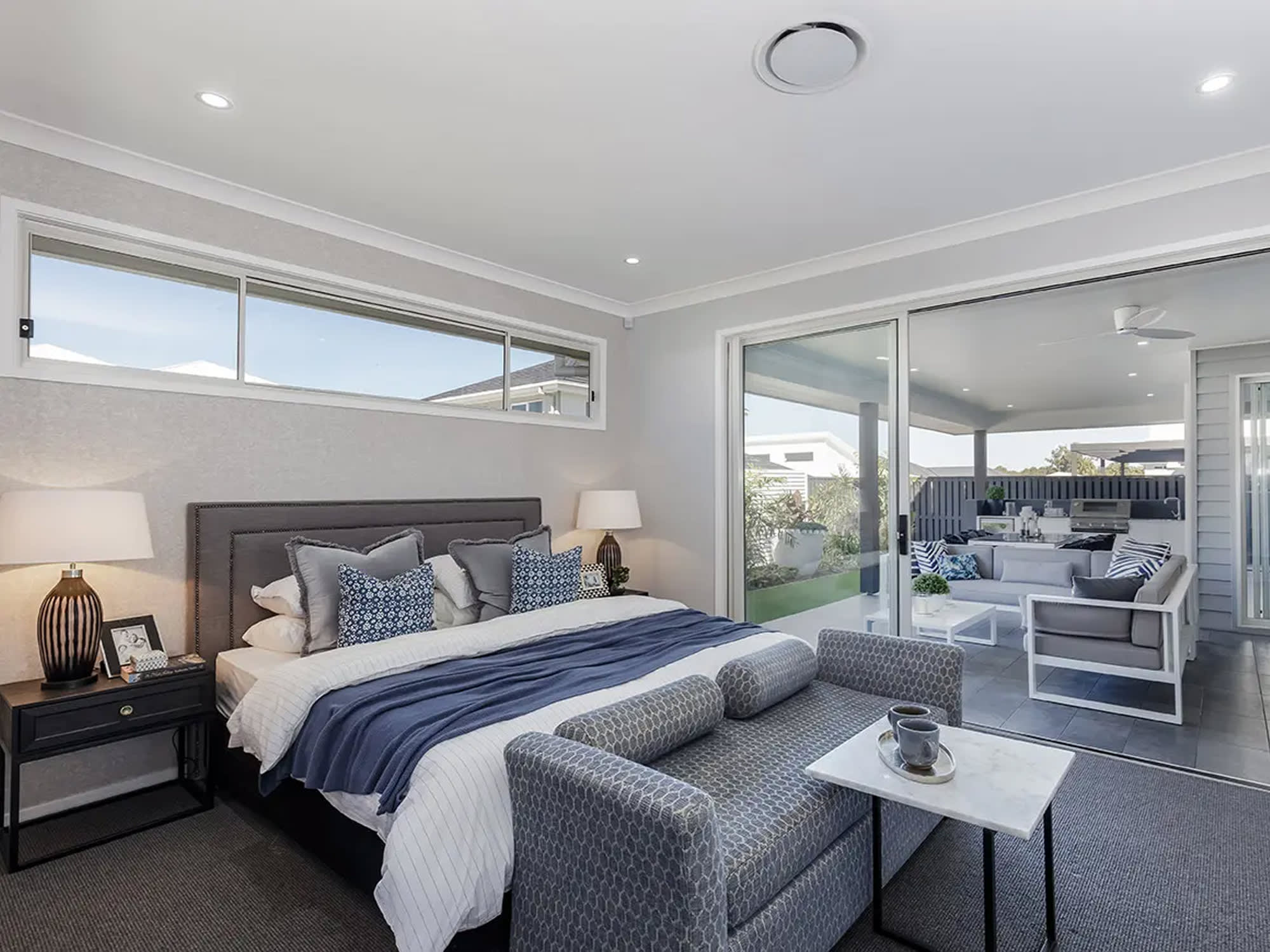
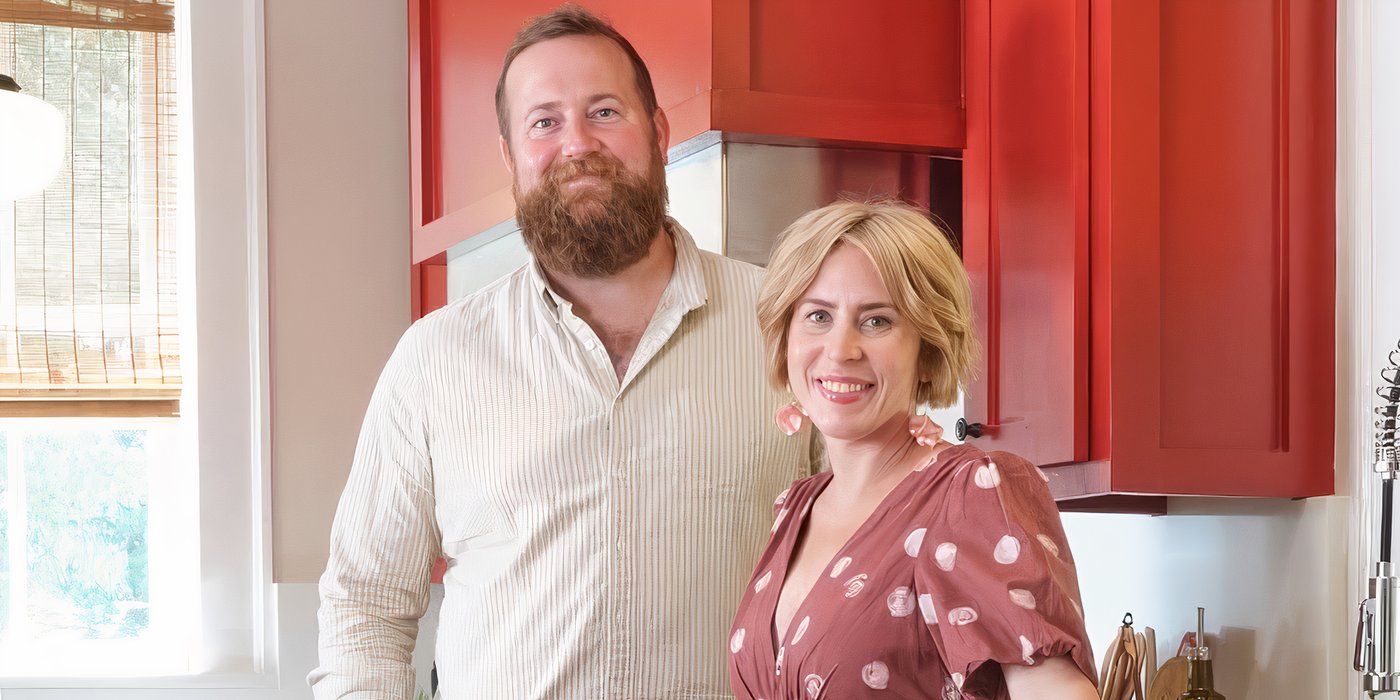
Open-concept homes, while offering a modern and spacious feel by combining areas like the living room and kitchen, often present a design challenge: maintaining a cohesive aesthetic without the traditional separation of walls. This article explores an innovative solution proposed by HGTV designer Erin Napier from the show "Home Town," which involves using upcycled wood paneling from one area as a backsplash in an adjacent open-concept space to create visual unity. This approach helps to blend the two rooms, preventing a disjointed appearance.
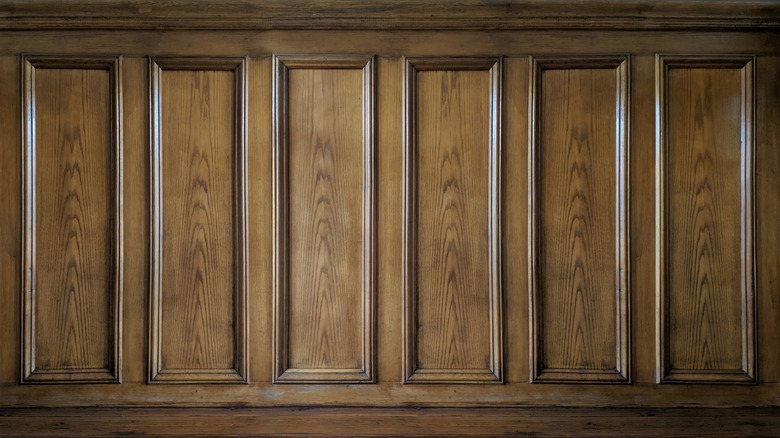
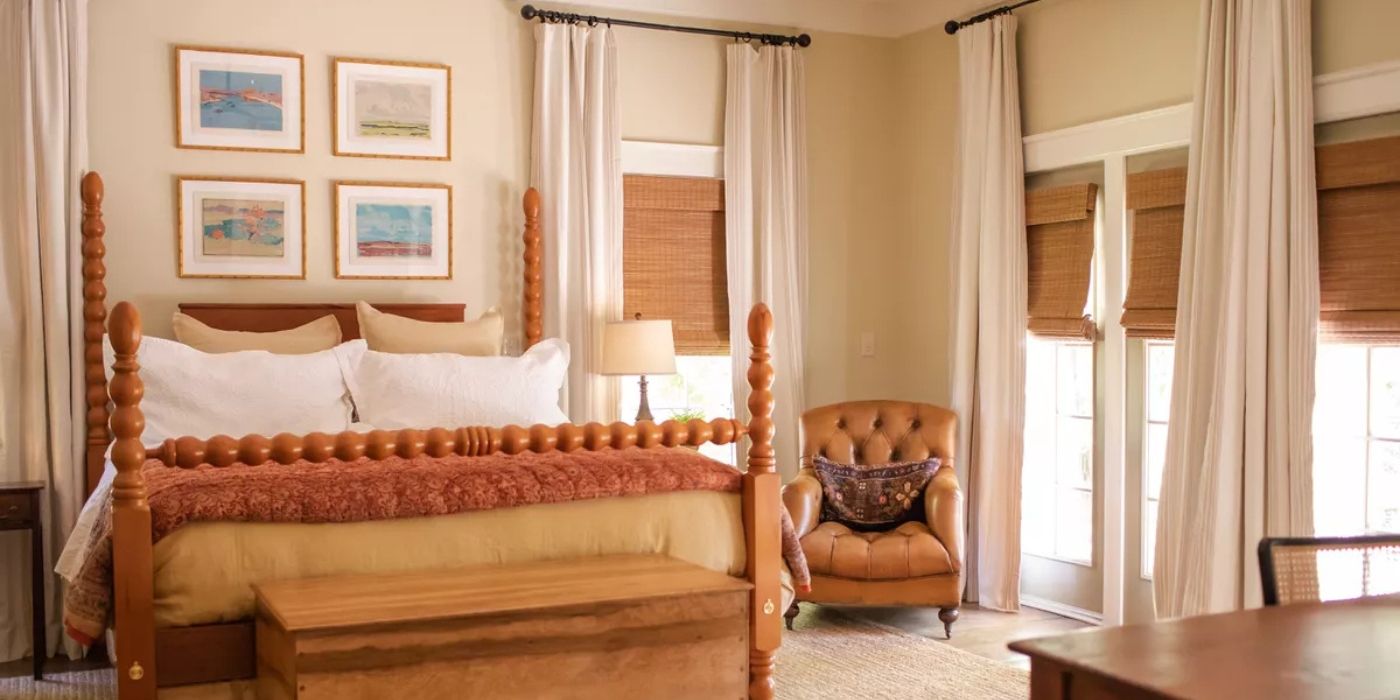
In a specific "Home Town" episode, after removing a wall to merge a living room and kitchen, the Napiers encountered a stylistic discrepancy. The cozy living room featured vintage, warm beige-painted wood paneling, while the modern kitchen appeared somewhat isolated. To bridge this gap, they repurposed some of the original living room paneling as a backsplash in the kitchen. This unconventional choice, while not typically seen in kitchens, is endorsed by interior designer Brandy Rinehart of Habitar Design as an effective strategy for achieving harmony and flow in open-plan layouts.
Rinehart emphasizes that successful open-plan design relies on coordinated elements such as paint colors, complementary textures, and thoughtful details. The use of matching design elements, like the wood paneling, creates a visual link between spaces, making them appear as a single, integrated unit. Beyond aesthetic appeal, this method also aligns with sustainable practices by upcycling materials. For those concerned about using wood in a kitchen environment, Rinehart advises applying a marine-grade coating to seal the wood, protecting it from moisture and stains.
When attempting to replicate this design idea, careful consideration is crucial. It’s not sufficient to simply attach any leftover wood paneling to the backsplash area. Rinehart stresses the importance of selecting materials that are in good condition and can be restored or refreshed to look appealing. This means avoiding splintered, cracked, or deeply stained pieces that cannot be sanded and refinished. The goal is for the repurposed material to look fresh and intentional, rather than obviously recycled.
Furthermore, the chosen paneling material must be aesthetically appropriate for the kitchen. Napier’s design was effective because the paneling had a relatively simple design and was painted a neutral color, allowing it to integrate smoothly with the kitchen’s modern elements. Using a material that is too unique or out of place, such as highly decorative or vividly colored paneling, could result in a look that feels forced or overly DIYed. Rinehart cautions against mismatches, suggesting that while simple designs like shiplap could work, something like 1970s-style tigerwood paneling might not translate well. The key is to ensure the repurposed element contributes harmoniously to the overall design, unifying the spaces while maintaining a sophisticated aesthetic.
#ErinNapier #OpenConceptHomes #InteriorDesign #HomeCohesion #UpcycledMaterials #KitchenDesign #LivingRoomDesign #WoodPaneling #HomeTownHGTV #ErinNapier #OpenConceptHomes #InteriorDesign #HomeCohesion #UpcycledMaterials #KitchenDesign #LivingRoomDesign #WoodPaneling #HomeTownHGTV
0 comment in total
 No comments yet
You may also like
Erin Napier’s Clever Design Trick That Works in EVERY Room

Designed for Community: An Interior Designer Leans into the Power of ‘We’

The designer of this open-plan home overcame challenges with an unusual approach – changing the focal points

Erin Napier Defends Controversial Design Decision From 'Home Town Takeover'

How a Designer Turned This "Modern White Box" Into a Lively—and Functional—Family Home

Erin Napier, 39, Reveals an Unexpected Home Design Twist That’s Nothing Like Her HGTV Series ‘Home Town’


Forget the Open Concept: It's Time to Bring Back Rooms

6 Tips For Creating The Perfect Home For Any Life Stage
Home & Design | Falling in Love Again
I Sent Living Room Photos to a Designer — Her Changes Made It Better

Designers Agree: Open Concept Is Out, Tradition Is In


This is how Nancy Meyers keeps her entryway interesting

Erin Napier Ditches A Once-Popular Trend To Take A Dark Room From Dated To Elevated
Spotlight on Flexible Homes: Adaptable Living Spaces

How this New Hampshire designer found her ‘forever home’ niche

"Design Experimentation" Was the Goal in This Eclectic Minneapolis Home


Meet Dana Esser | Interior Designer & Creative
Is It Time to Shut the Door on Open-Concept Living?
Meet Daphne Martino & Claudia Barroso | Interior Designer
Interior Designer Betsy Moyer of Retreat: 5 Things You Can Do To Help Your Living Space Spark More…