1/6
Color, Design, Shape: Architecture from the 1920s and 1930s
The Metropolitan Museum of Art's Watson Library showcases an international array of architecture books, focusing on the styles and philosophies prevalent in the 1920s and 1930s, including Bauhaus and Art Deco. These selections illustrate a significant period of innovation in architectural design, color theory, and interior decoration. The exhibit highlights how architects and designers of the era explored new aesthetic principles and applied them to various building types, from residential homes to grand public spaces.
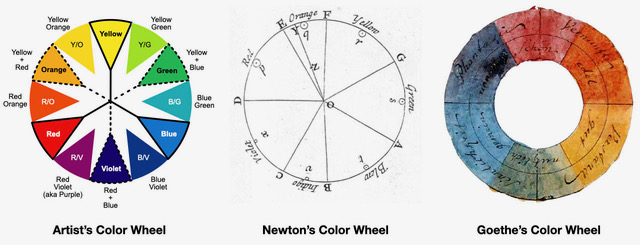
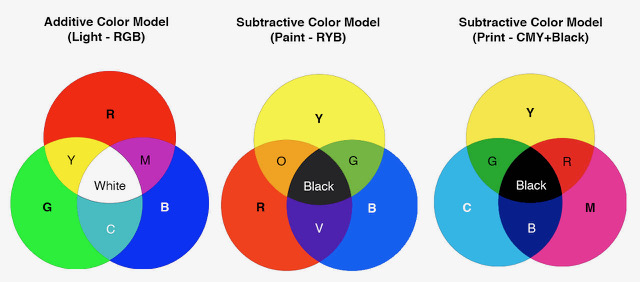
One featured book is a German handbook from 1929, which serves as a guide to Bauhaus design and color theory. It delves into the psychology of color, its impact on spatial perception, and the aesthetics of house surfaces, alongside typography. The handbook's plates, characterized by muted colors, function as color charts, perspective views for house plans, and guides for exterior paint colors, embodying the distinctive Bauhaus style. This publication underscores the era's focus on integrating art and craftsmanship with functional design.
Another German publication, "Farbige Gestaltung durch Keimsche Mineralfarben" from 1929, is a polychromatic booklet showcasing vibrant exterior paint products. It illustrates these paints applied to whimsical, imaginary building facades that span industrial, residential, Classical, modern, Gothic, and Baroque architectural styles. This demonstrates the wide-ranging application of color in architectural expression during this period, moving beyond simple utility to artistic representation.
The display also includes "Architektonisches Gestalten" (1933), a German architectural book dedicated to Rudolf Steiner and the Anthroposophical Society. This volume focuses on the second Goetheanum, their recently completed headquarters designed by Steiner, and the work of other architects in his circle across Germany, the Netherlands, and Switzerland. The book features essays, floor plans, and black-and-white lithographs of interiors and exteriors, offering multiple views of the Goetheanum campus, notable for its unique rounded forms and absence of right angles, reflecting Steiner's distinctive architectural philosophy.
Polish Art Deco architecture is represented by an issue of "Rzeczy Piękne," published between 1925 and 1932 by Kraków's Museum of Science and Industry. This specific volume centers on the Poznań Exhibition of 1929, an annual industrial fair. The publication's distinctive cover and numerous lithographs and cyanotypes showcase the Art Deco period, featuring pavilions representing municipal and manufacturing interests. These include bentwood furniture from Thonet, bookbinding by Piotr Grzywy, and metalware and decorative items from the Museum of Science and Industry's collection, highlighting the era's decorative arts and industrial design.
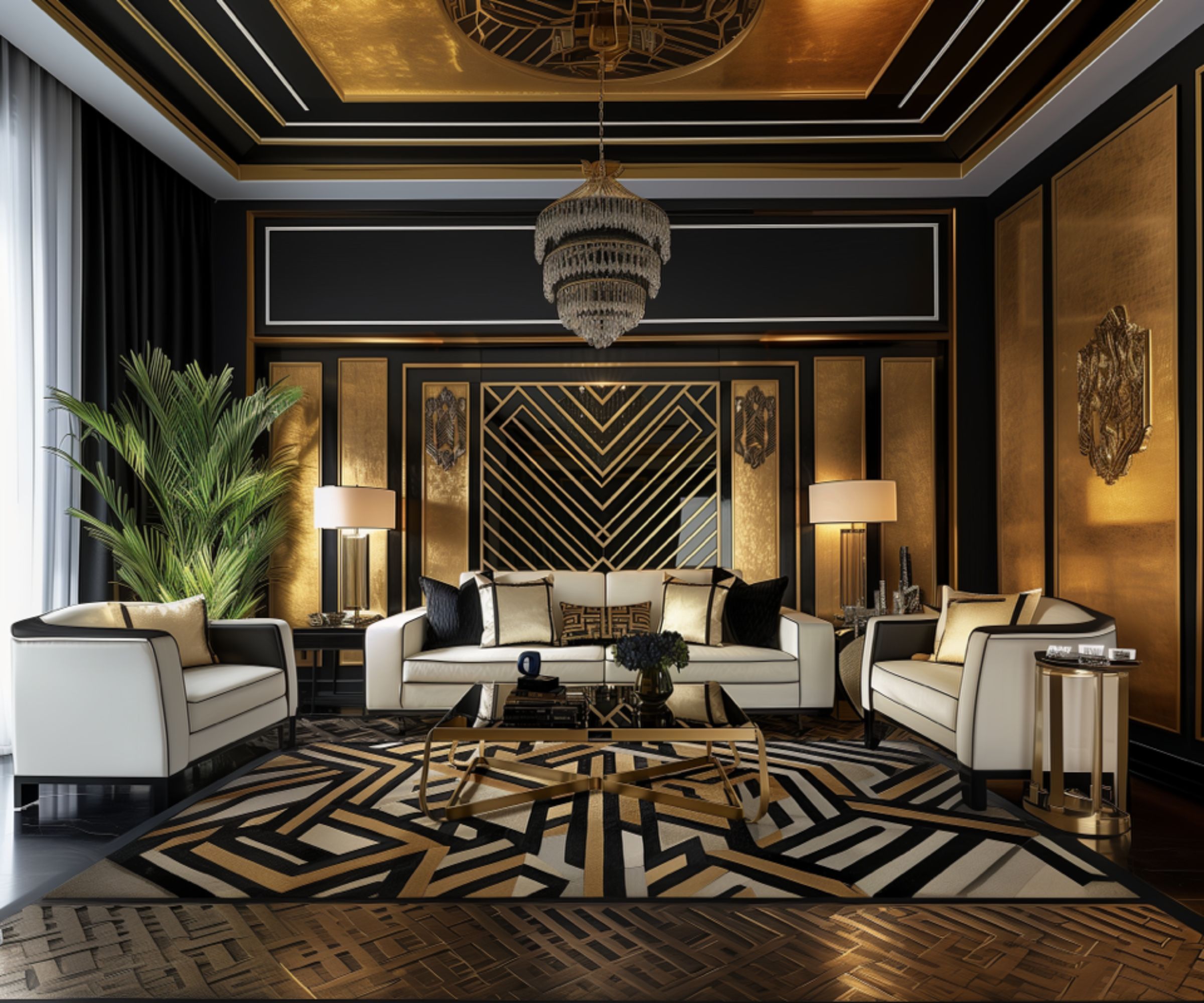
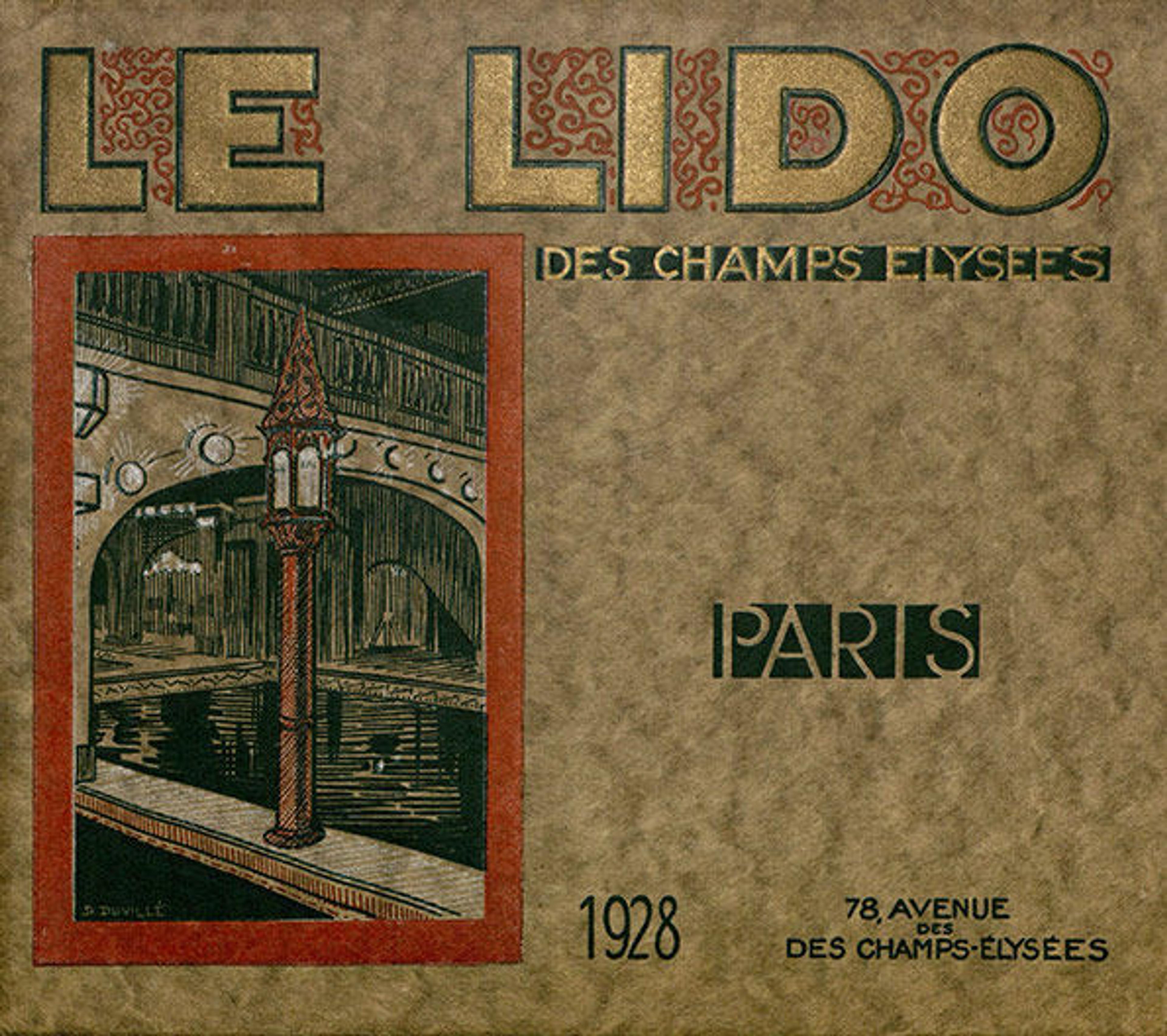
Finally, the exhibit presents "Le Lido des Champs-Elysées," a glamorous advertising booklet from 1928 for the private Parisian club designed by René F. Berger. Inspired by the Lido of Venice, the club aimed to bring the resort's amenities and style to Paris, attracting European royalty and luminaries. Black-and-white photographs within the booklet highlight the club's Art Deco decor, including the swimming pool area, marble bar, dining areas, gaming rooms, pergolas, Turkish baths, and beauty parlor. Murals by Carlo Cherubini adorn the club, and the embossed cover features gilded lettering and a colored engraving of the pool area, capturing the opulence and distinctive lighting of the period. This publication exemplifies the use of Art Deco in creating luxurious and sophisticated interior spaces. The Watson Library's holdings extend to contemporary architects like Norman Foster, Zaha Hadid, Herzog & de Meuron, and Renzo Piano, indicating a continuous interest in architectural evolution.
#ArchitectureHistory #ArtDeco #BauhausDesign #ArchitecturalBooks #InteriorDesign #ColorTheory #RudolfSteiner #MuseumExhibition #MetropolitanMuseumOfArt #ArchitectureHistory #ArtDeco #BauhausDesign #ArchitecturalBooks #InteriorDesign #ColorTheory #RudolfSteiner #MuseumExhibition #MetropolitanMuseumOfArt
0 comment in total
 No comments yet
You may also like
17 Essential Architectural Styles Everyone Should Know

Here's What the American Home Looked Like the Year You Were Born

These 20 Architectural Styles Were Once Popular But Suddenly Disappeared

Living in Style: Five Centuries of Interior Design from the Collection of Drawings and Prints
1920s and now: Kitchen design trends through the decades

What Houses Used to Look Like 100 Years Ago

Looking to Buy a New Home? These Are the Most Popular House Styles to Know

Are these the ultimate fantasy homes?
9 Stunning Art Deco Interior Design Styles

Morgan Fisher

The Interior Designer Who Makes Classic Country Style Desirable
6 'old-fashioned' decorating techniques that designers still swear by
The 6 commandments of mid-century modern design
Don’t Know Your Design Style? These Are the 5 Most Popular Ones
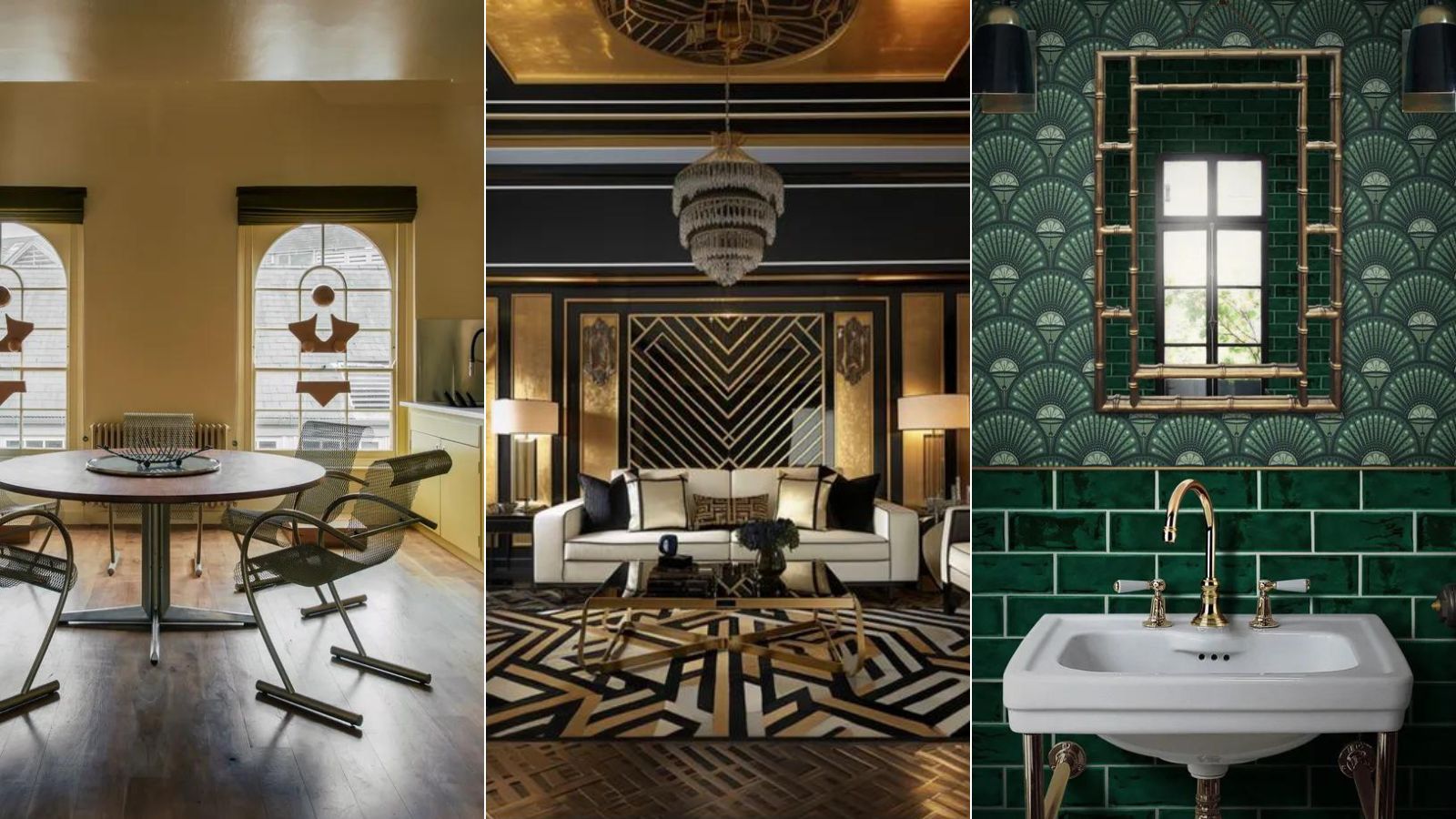
What is Art Deco design? Expert advice on this luxurious look that's returning for 2024


Mother Nature Knows Best
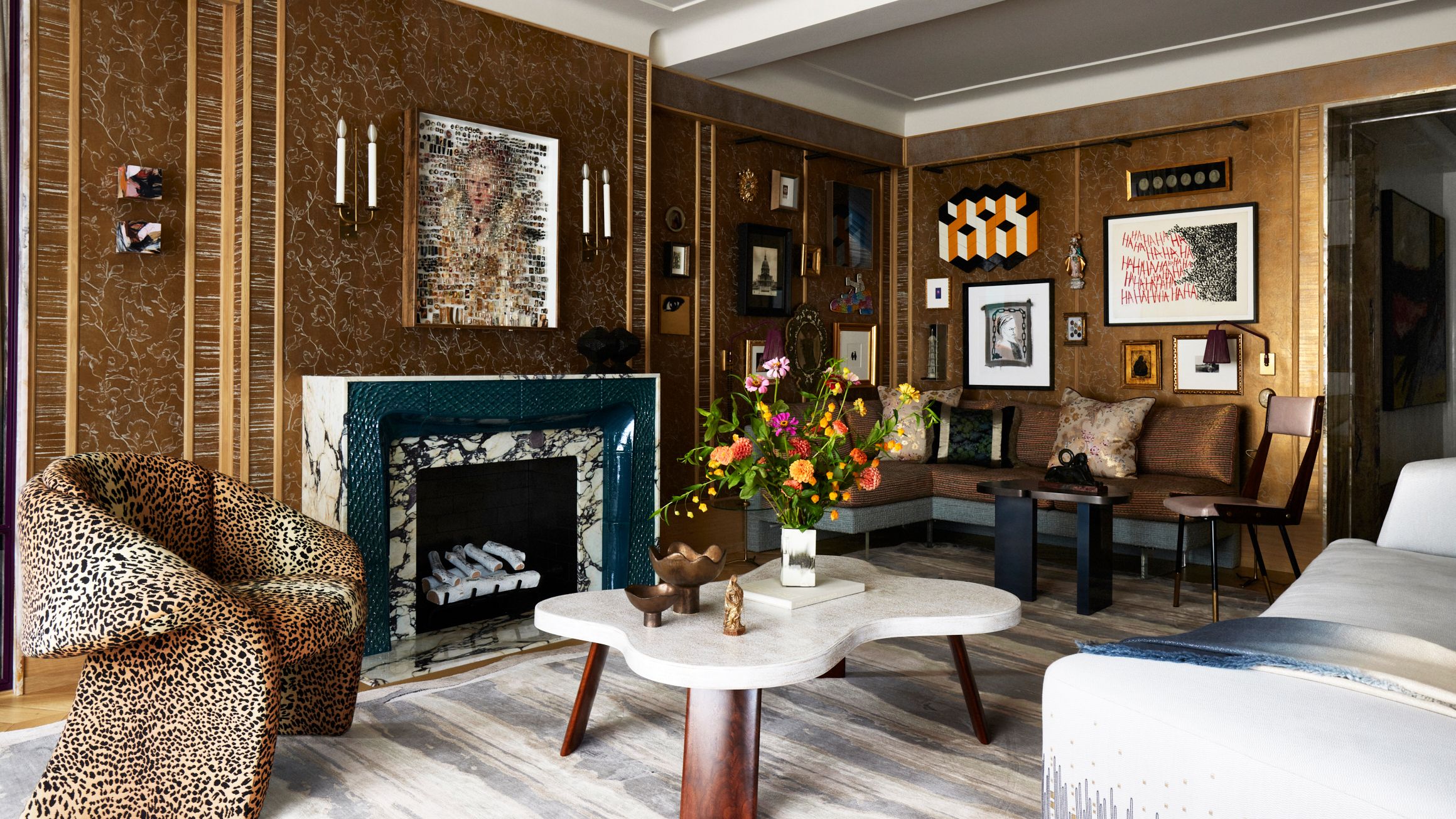
Art Deco Interior Design: Everything You Need to Know About This Opulent Style

20 Old House Styles No Longer Built Today
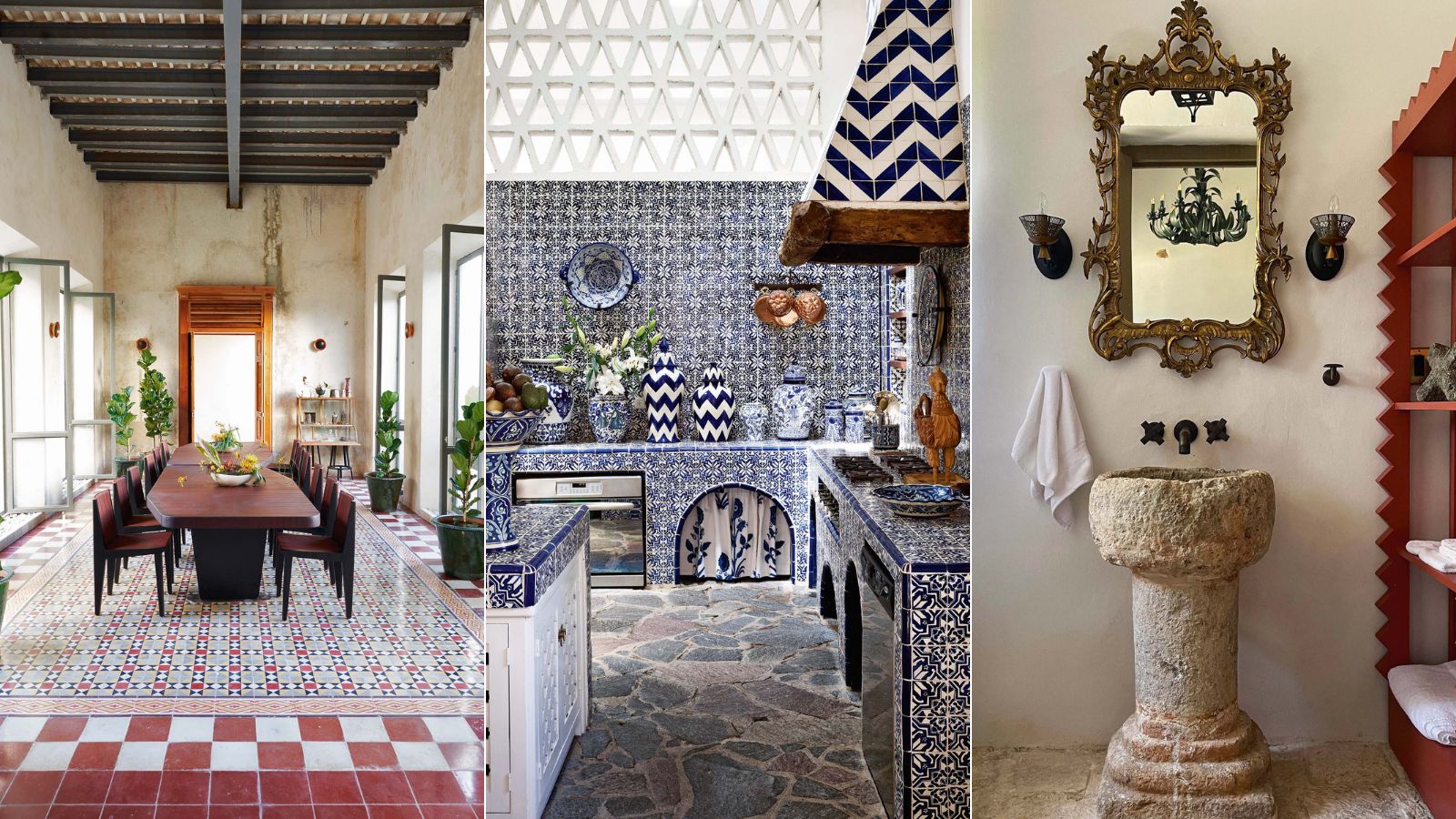
Mexican decor – 9 periods in this vibrant country's rich history and the styles they inspired
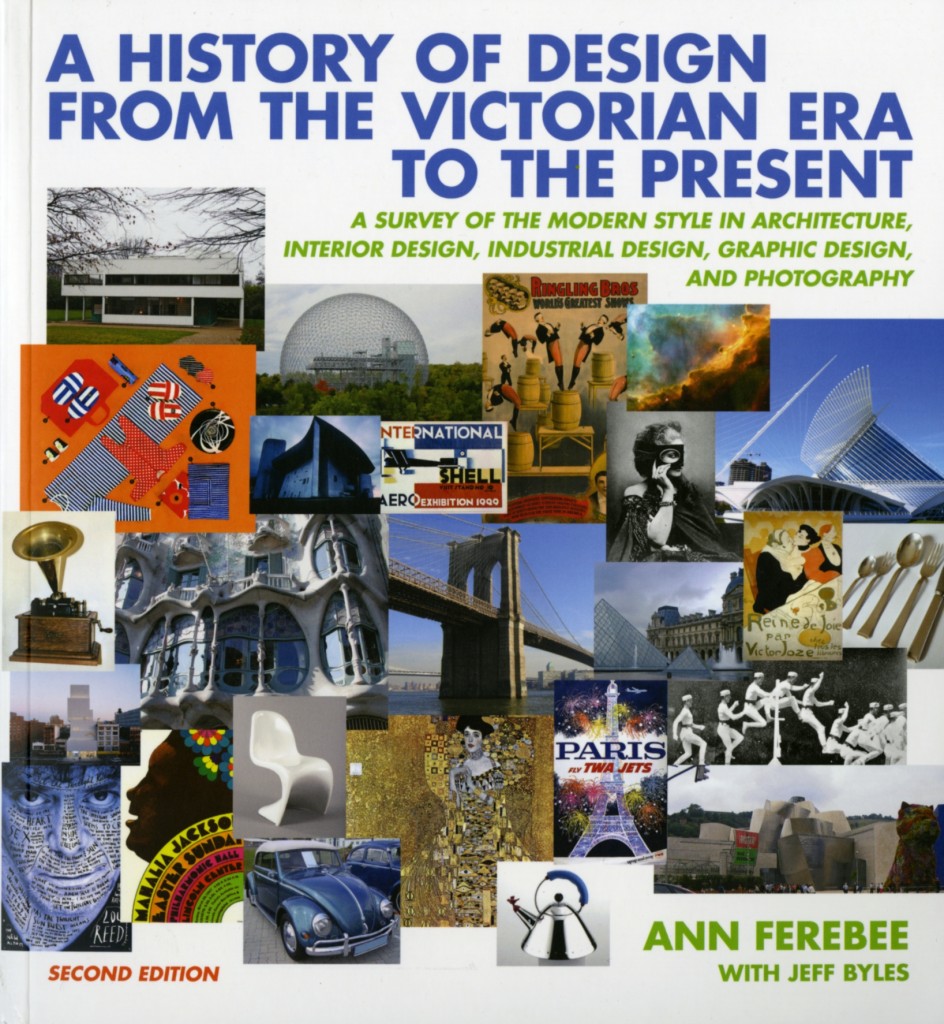
My First Design History Primer