1/10
Water feature ideas – 11 ways to add water to any backyard
Water features offer a transformative element to garden design, enhancing sensory experiences, altering mood, and bringing vitality to outdoor spaces of any size. Depending on the design, water features can energize a garden with cascades and fountains or provide a meditative and soothing ambiance through still ponds or gentle rills. Beyond aesthetic appeal, water features contribute to biodiversity by attracting wildlife and supporting aquatic and marginal plant life.
Integrating water features into a garden requires careful consideration of both aesthetics and purpose. John Wyer, CEO of Bowles & Wyer, emphasizes that designs don't need to be complex; sometimes, the simplest approaches yield the most impact. Before installation, individuals should identify what aspects of a water feature appeal most to them, whether it's the sound of moving water, the reflective surface of a still pond, or a mysterious, shaded pool. The desired effect—a quiet, calm element, gentle tinkling, or a dramatic flow—will dictate the design and style.
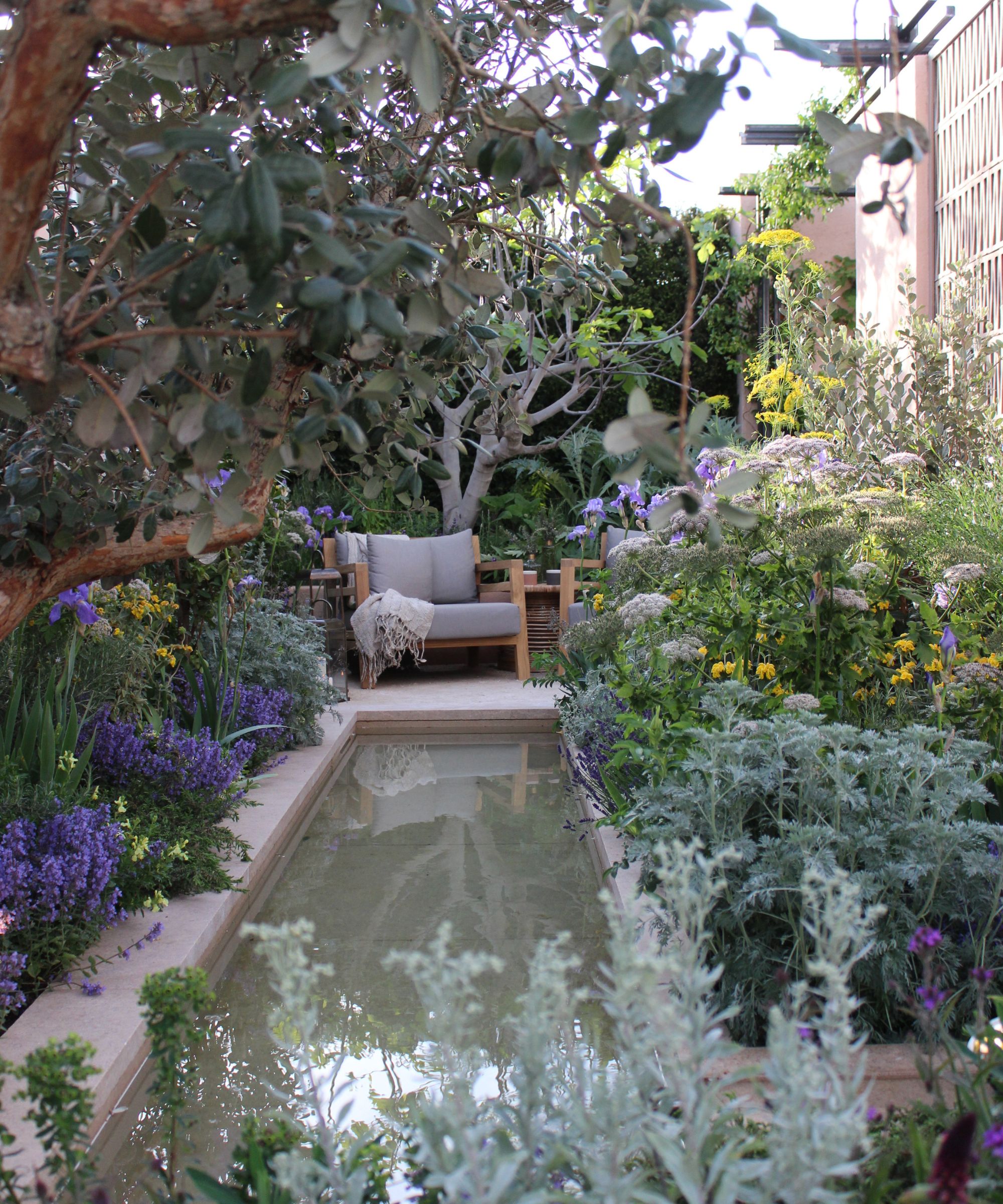
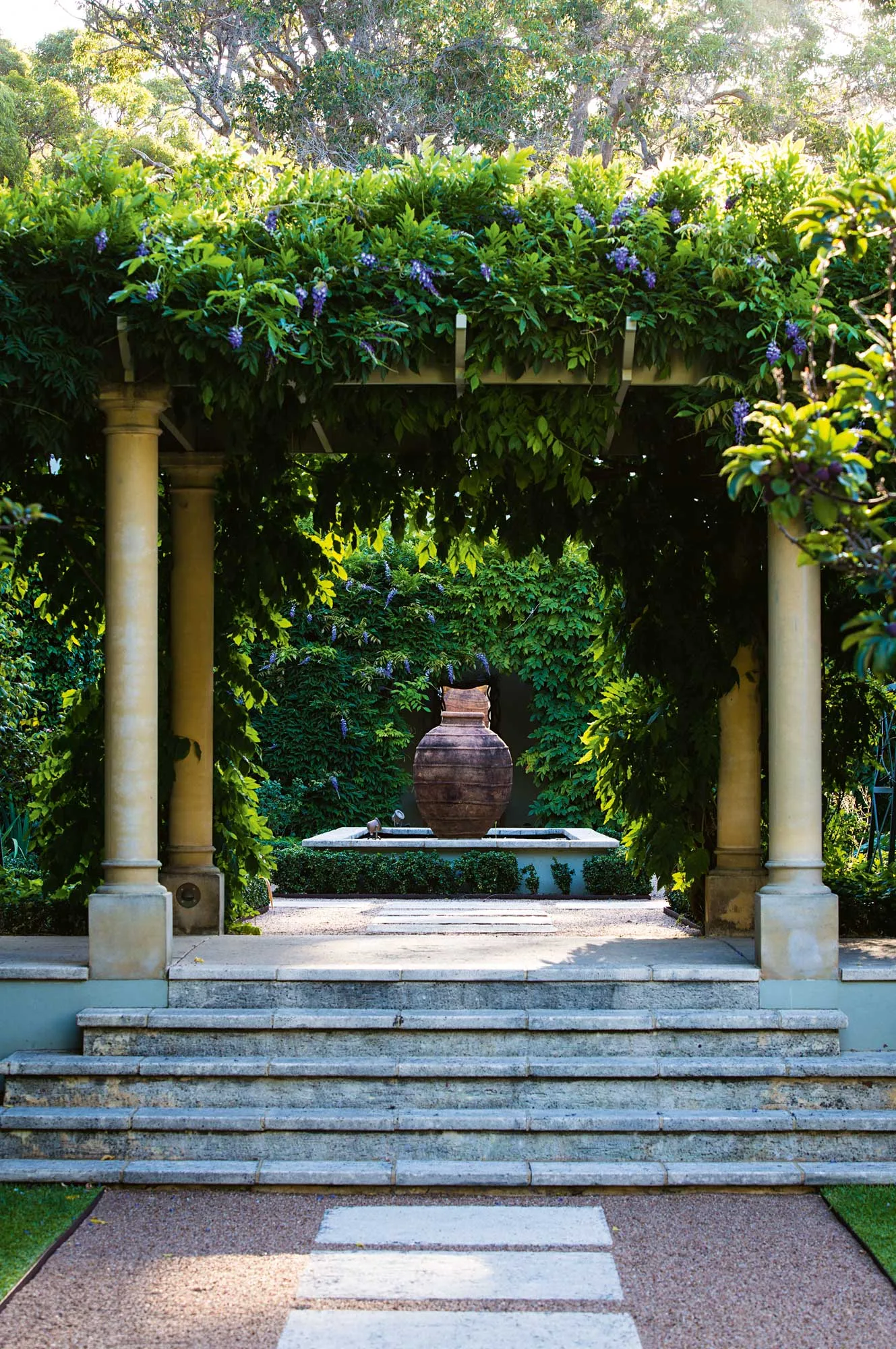
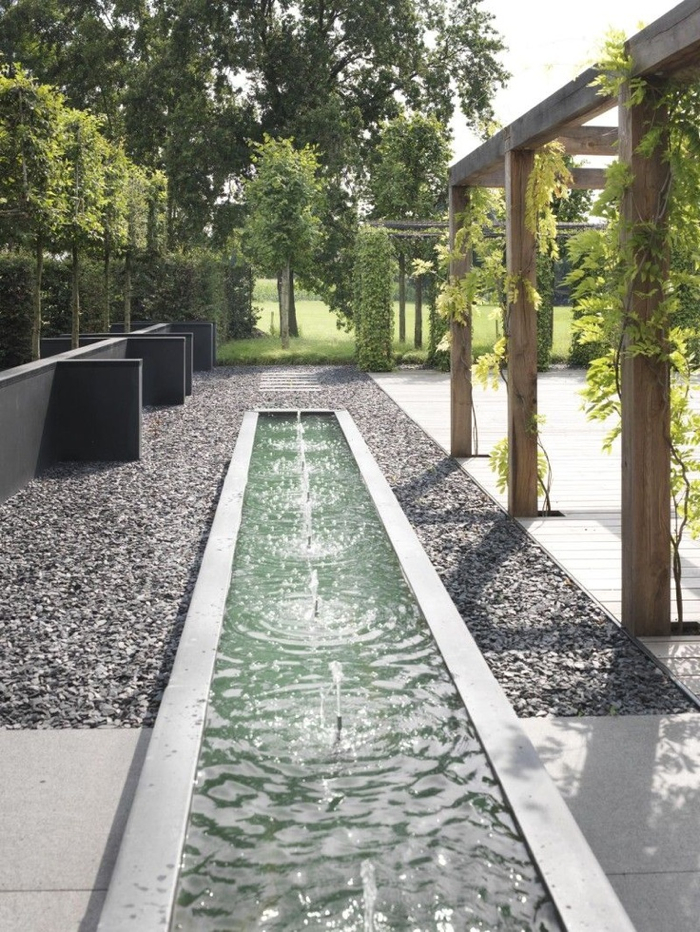
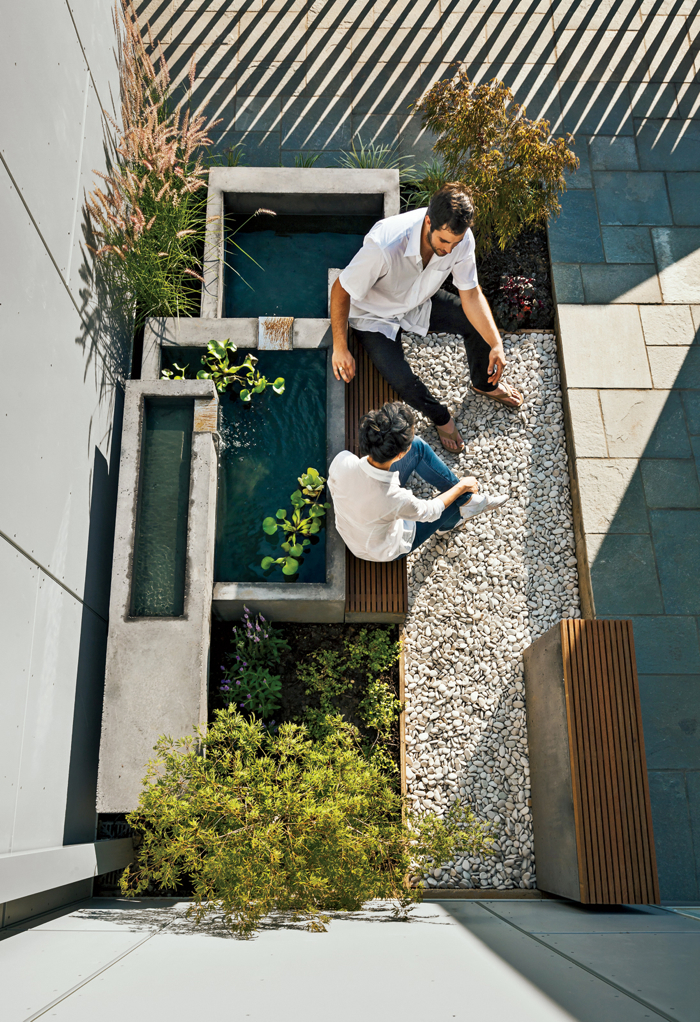
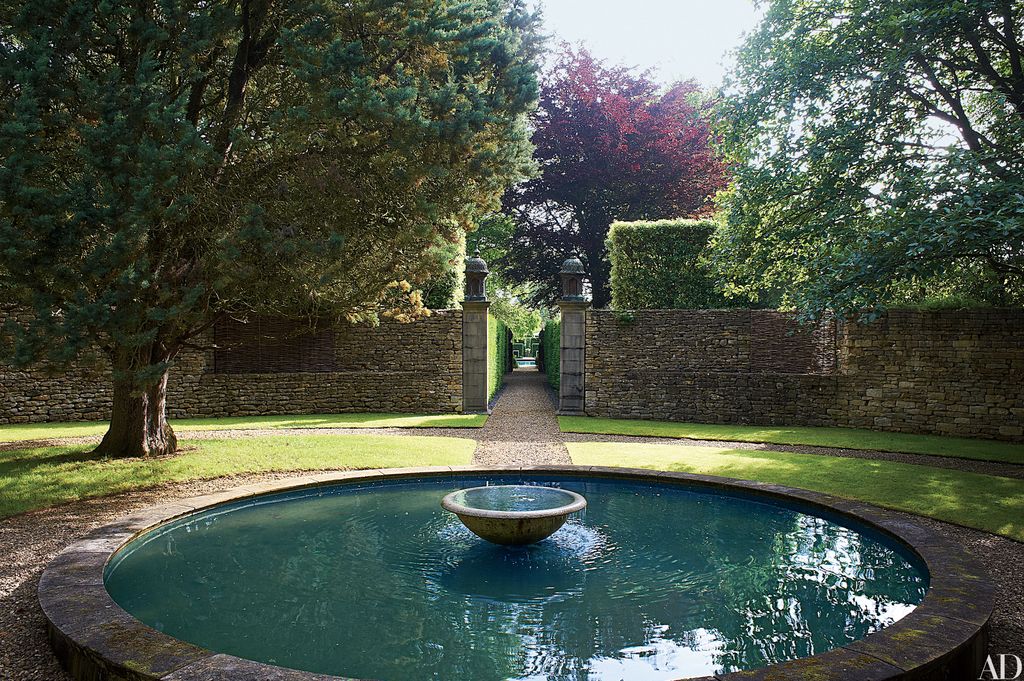
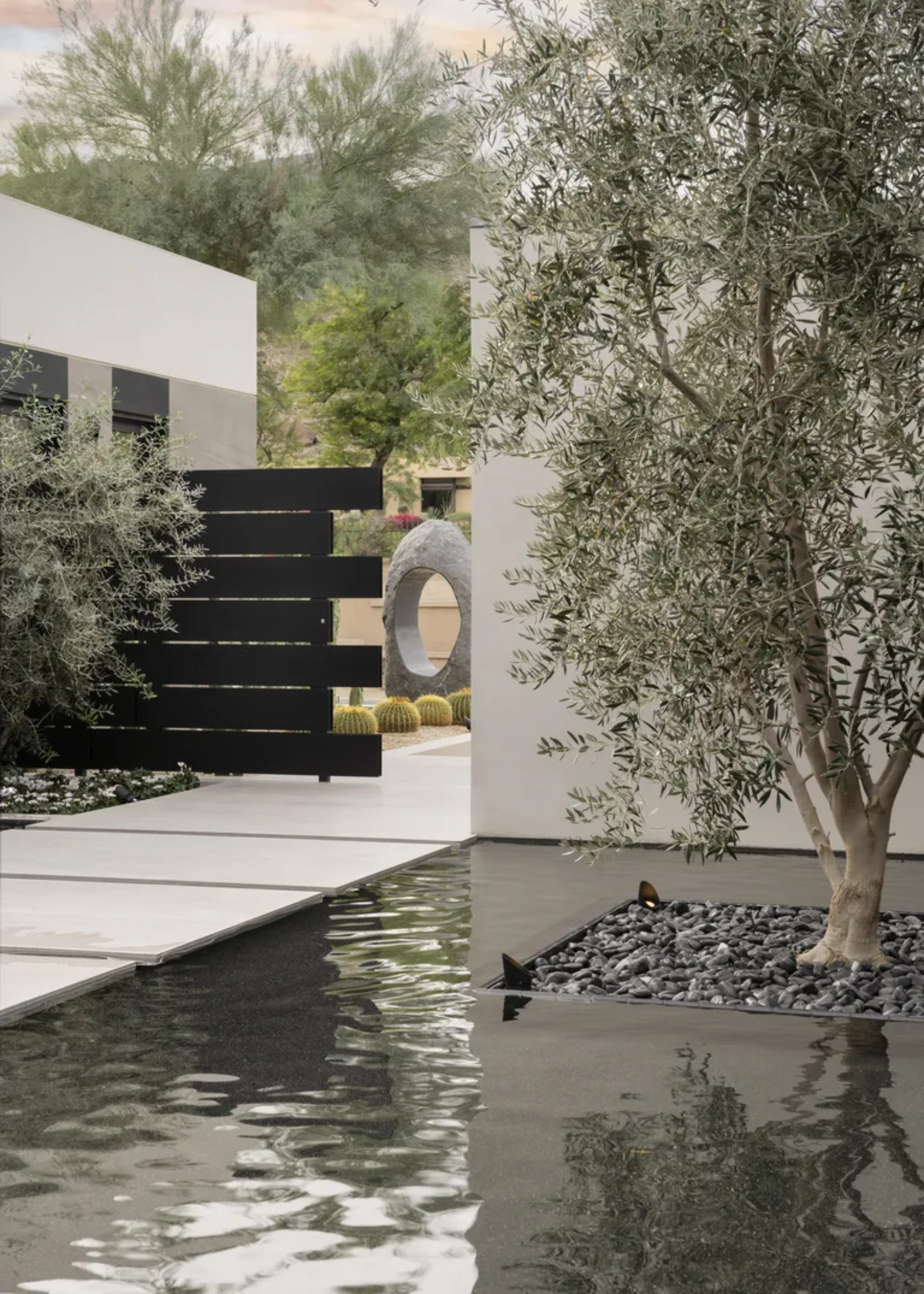
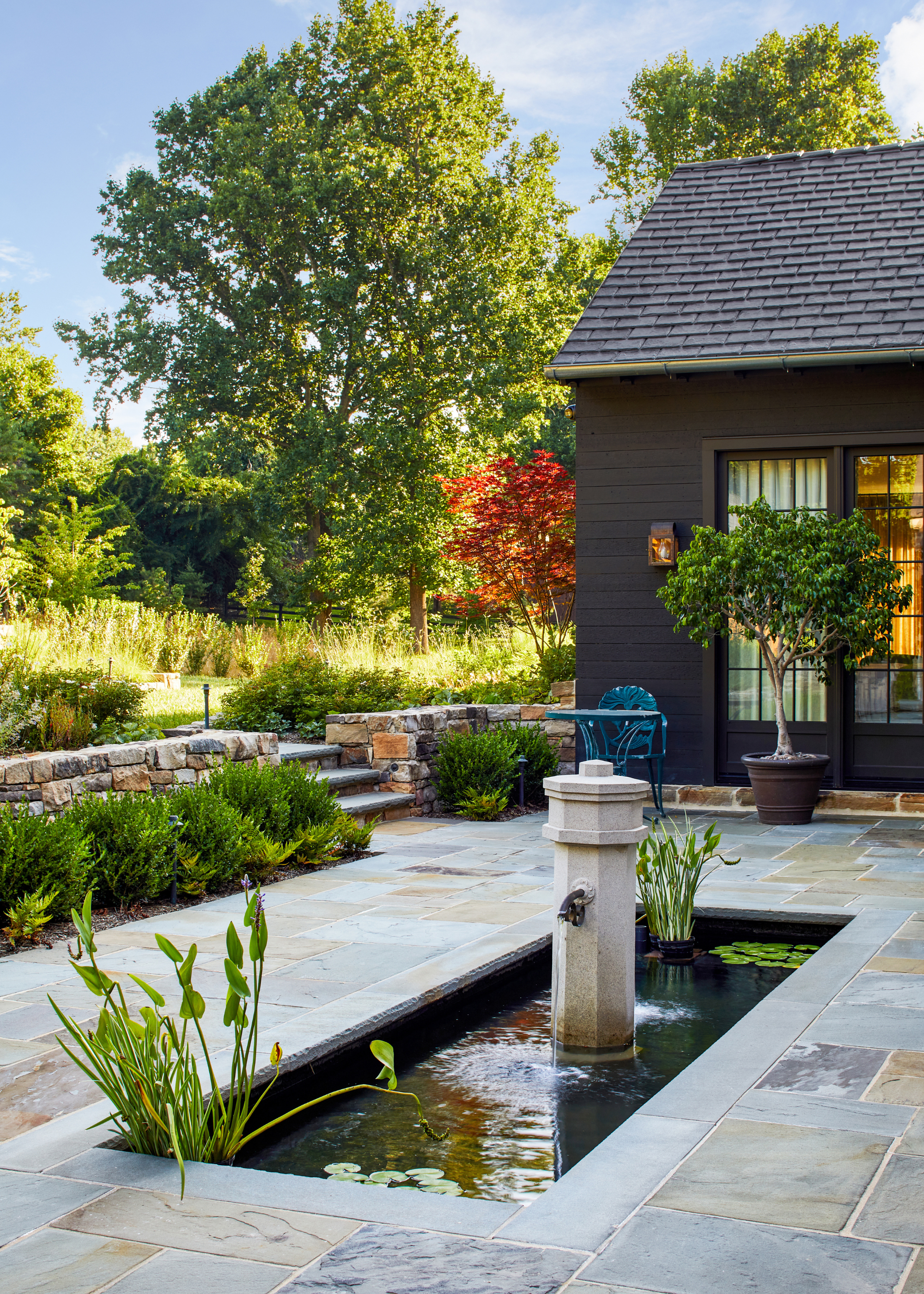
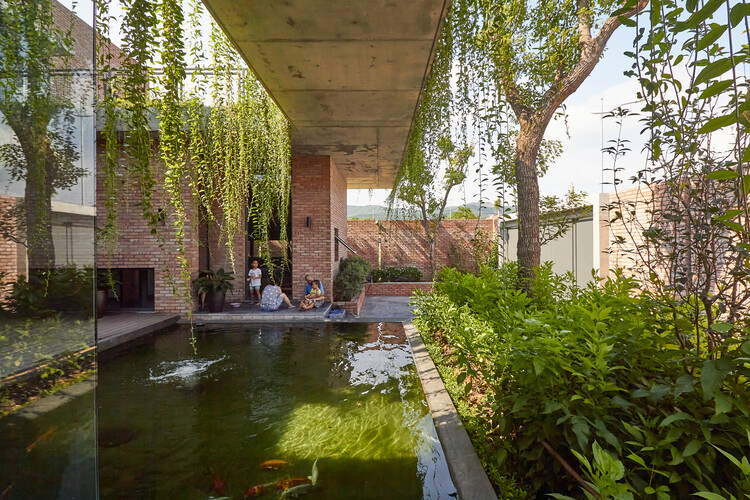
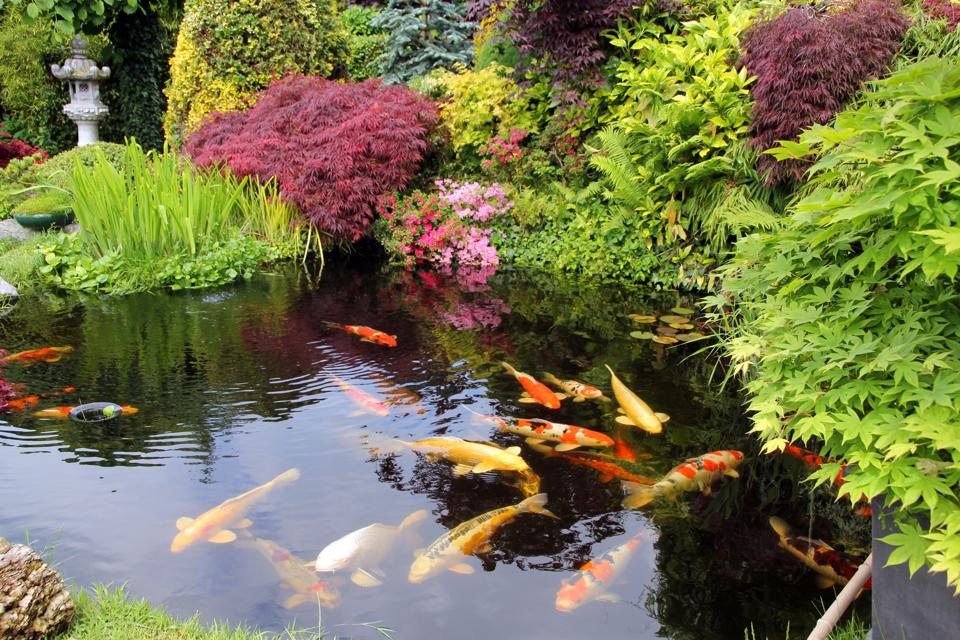
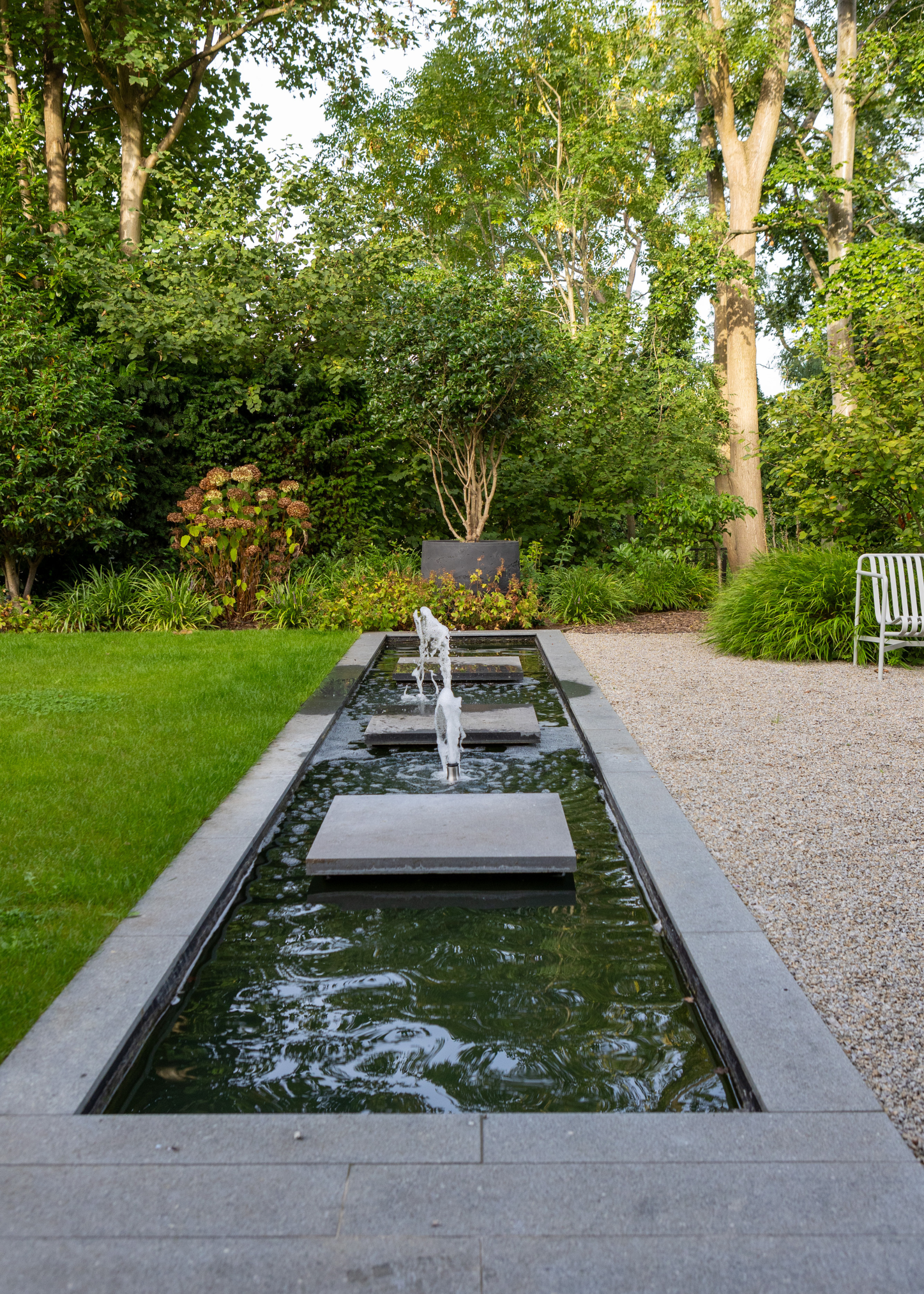
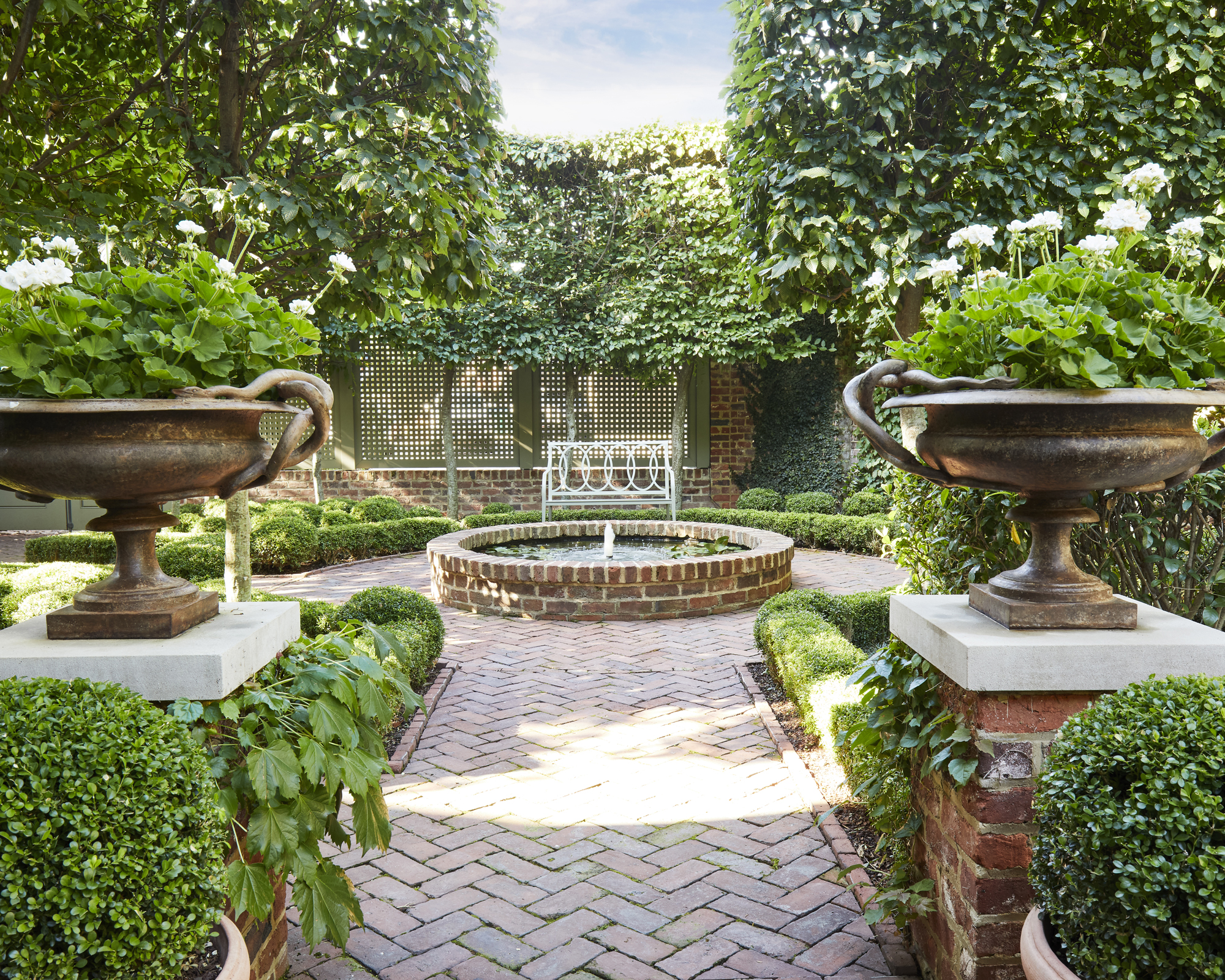
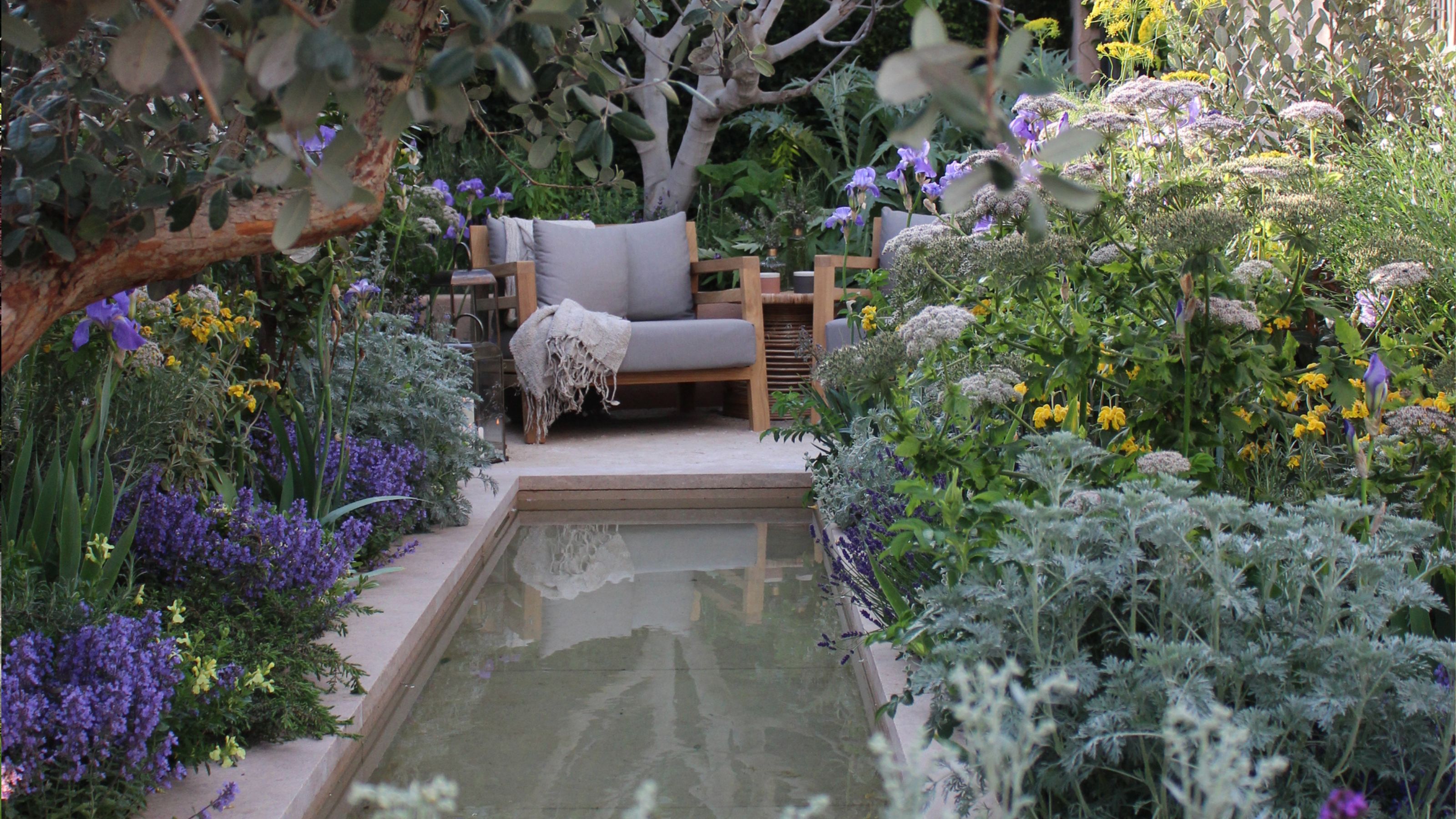
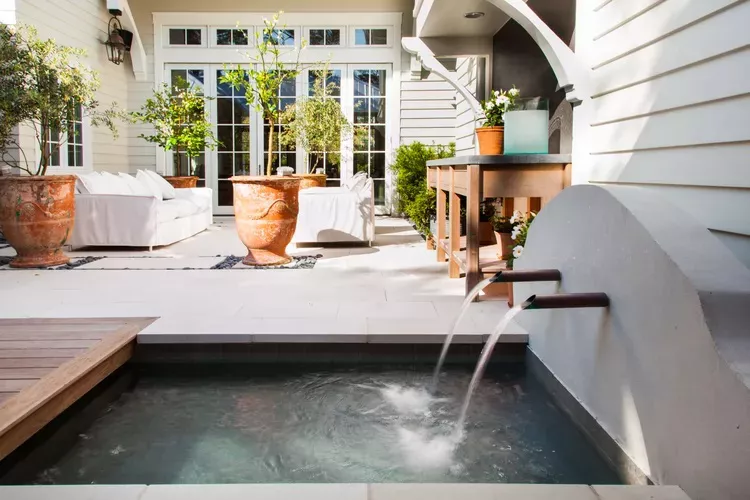
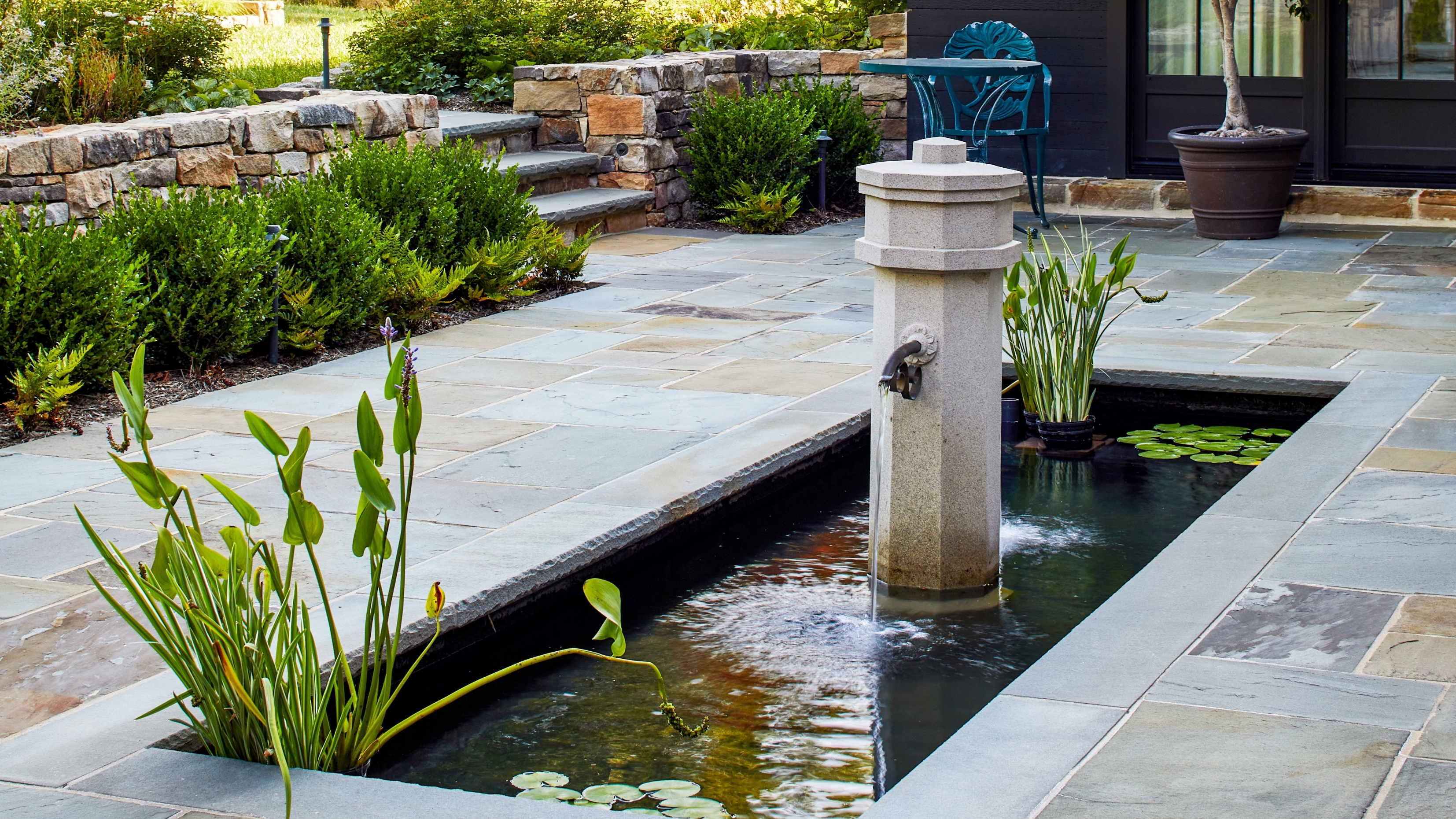
Eleven distinct water feature ideas are presented. Raised ponds can serve as central focal points in both large gardens and compact courtyards, often positioned centrally or at the end of a path. Rills, shallow channels that guide water gently, create a contemplative and restful atmosphere, particularly effective when constructed with materials like Cotswold stone and complemented by aromatic planting. Garden pools punctuate hard landscaping, forming strong focal points that can be formal or natural in design. Placement should account for sunlight, leaf fall, and the potential for reflections. Maintaining a healthy pool requires understanding natural water management to prevent issues like algae.
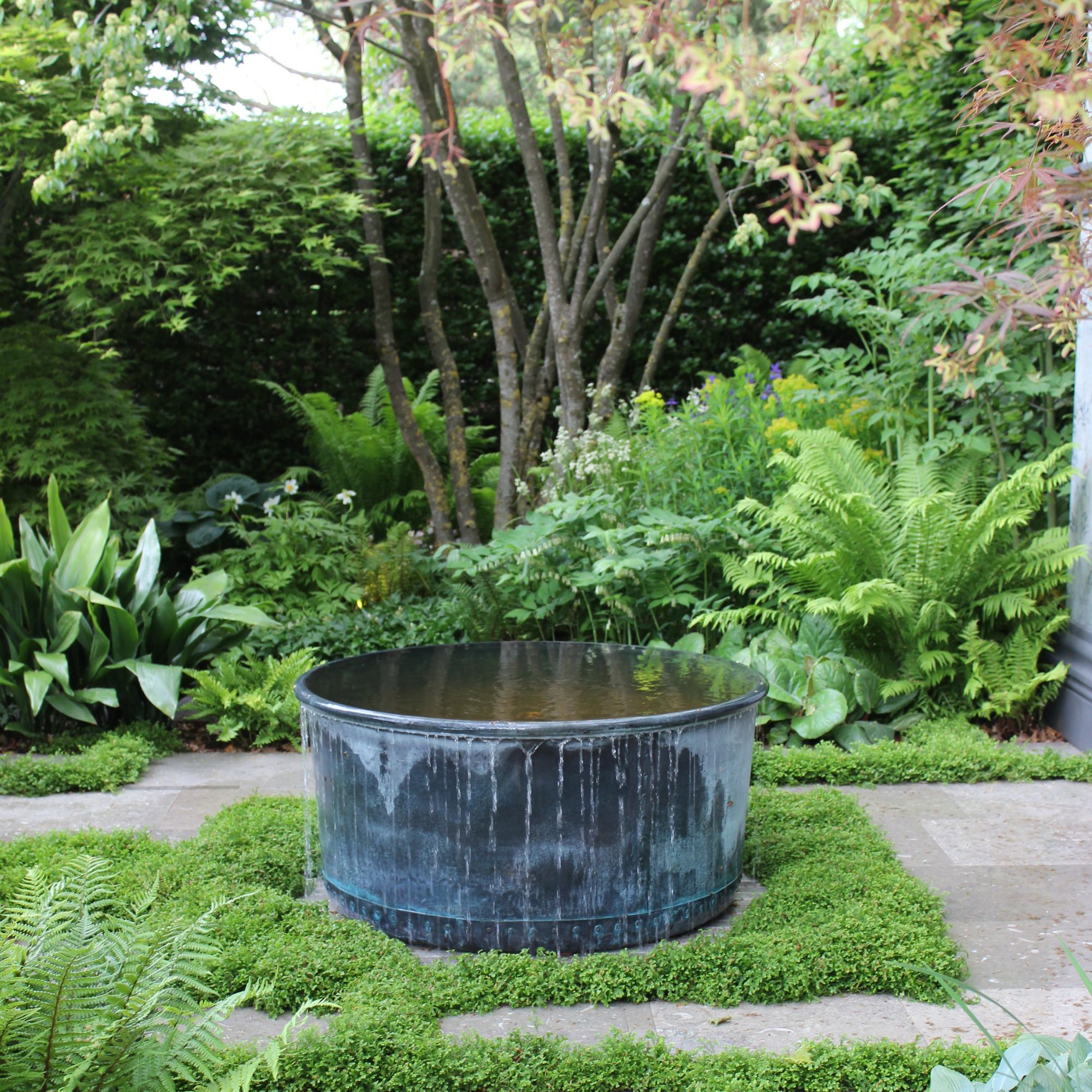
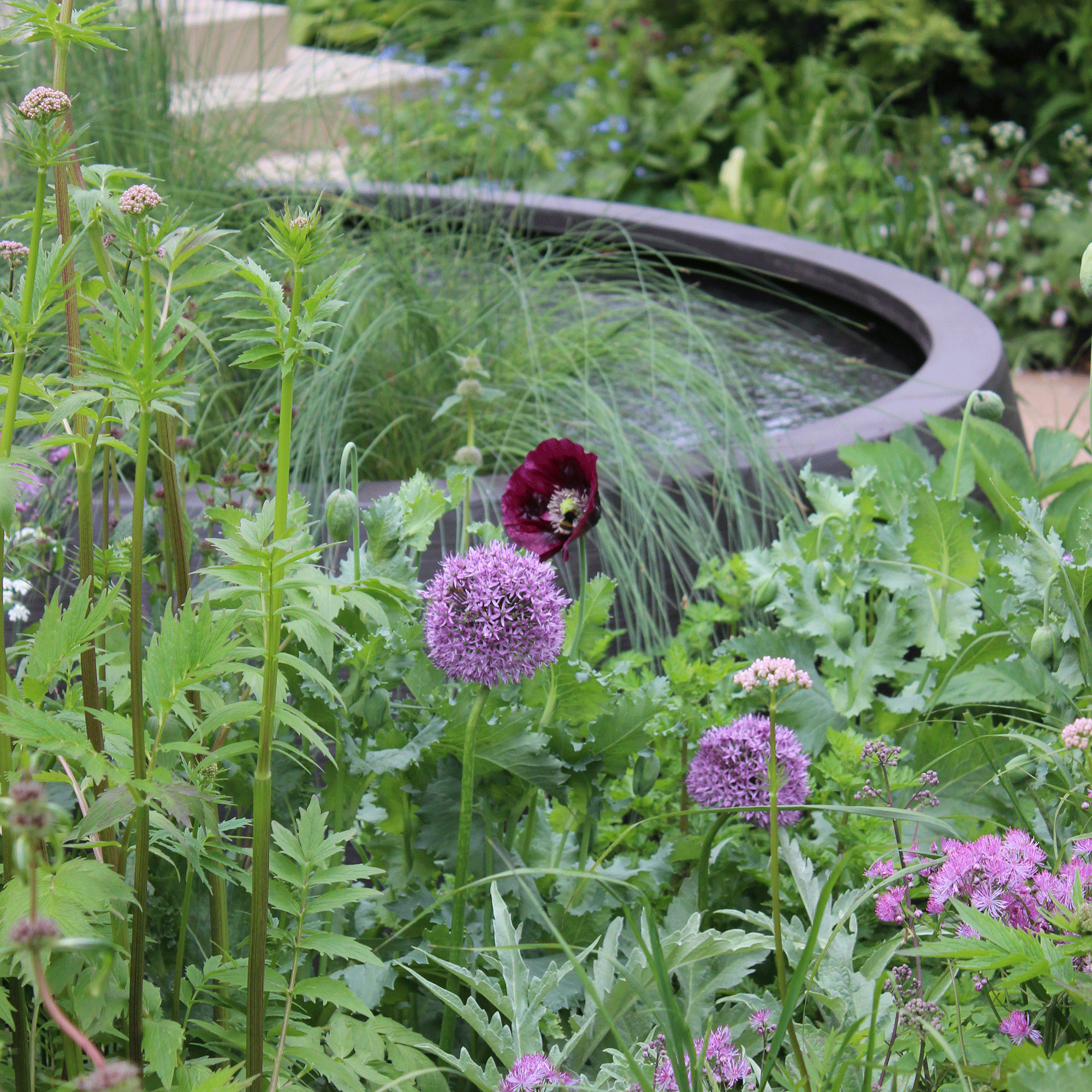
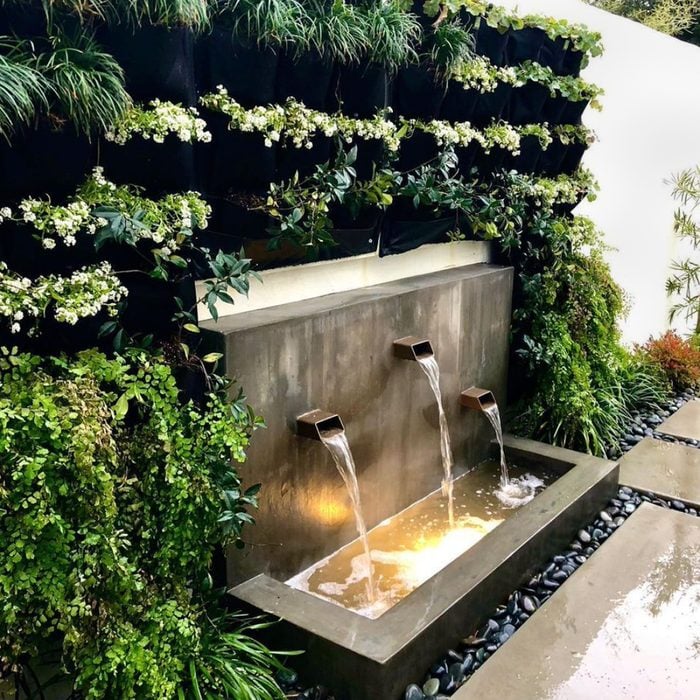
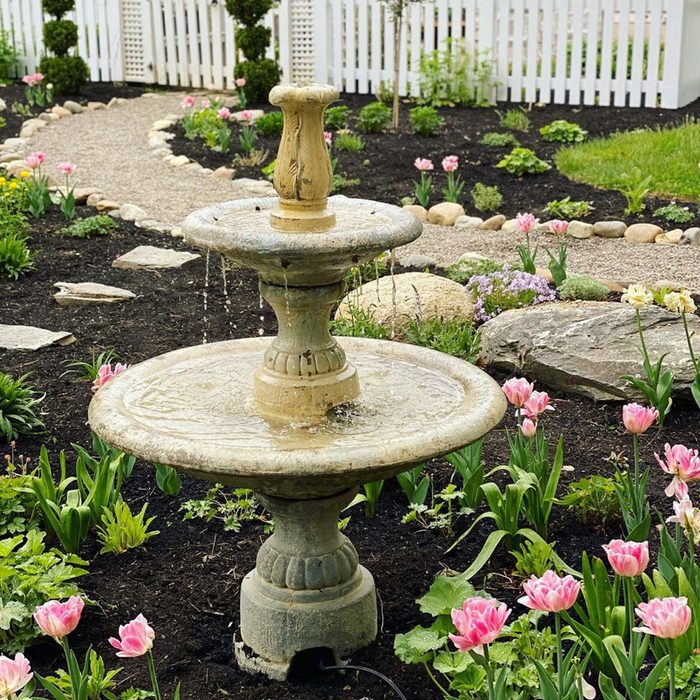
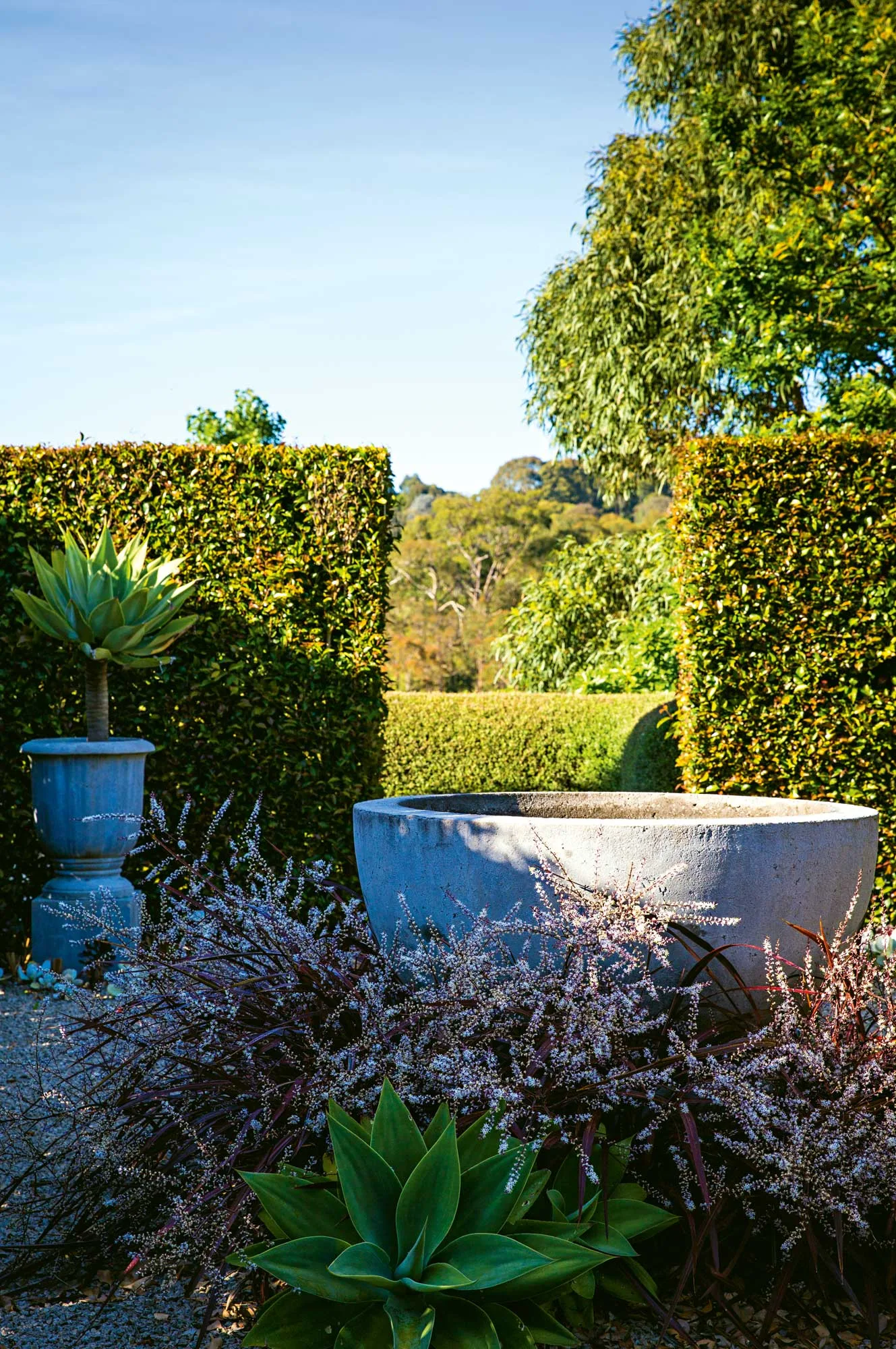
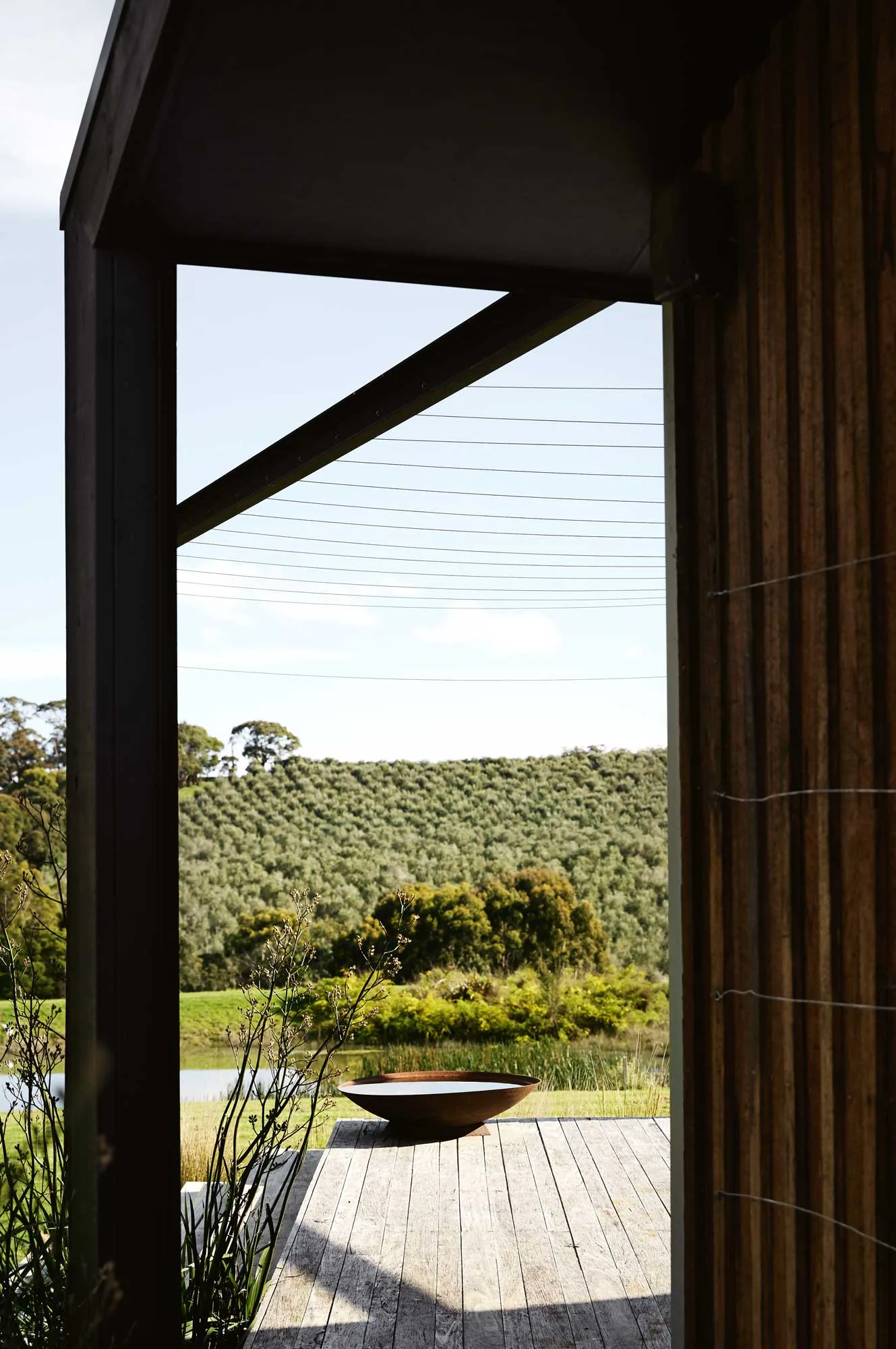
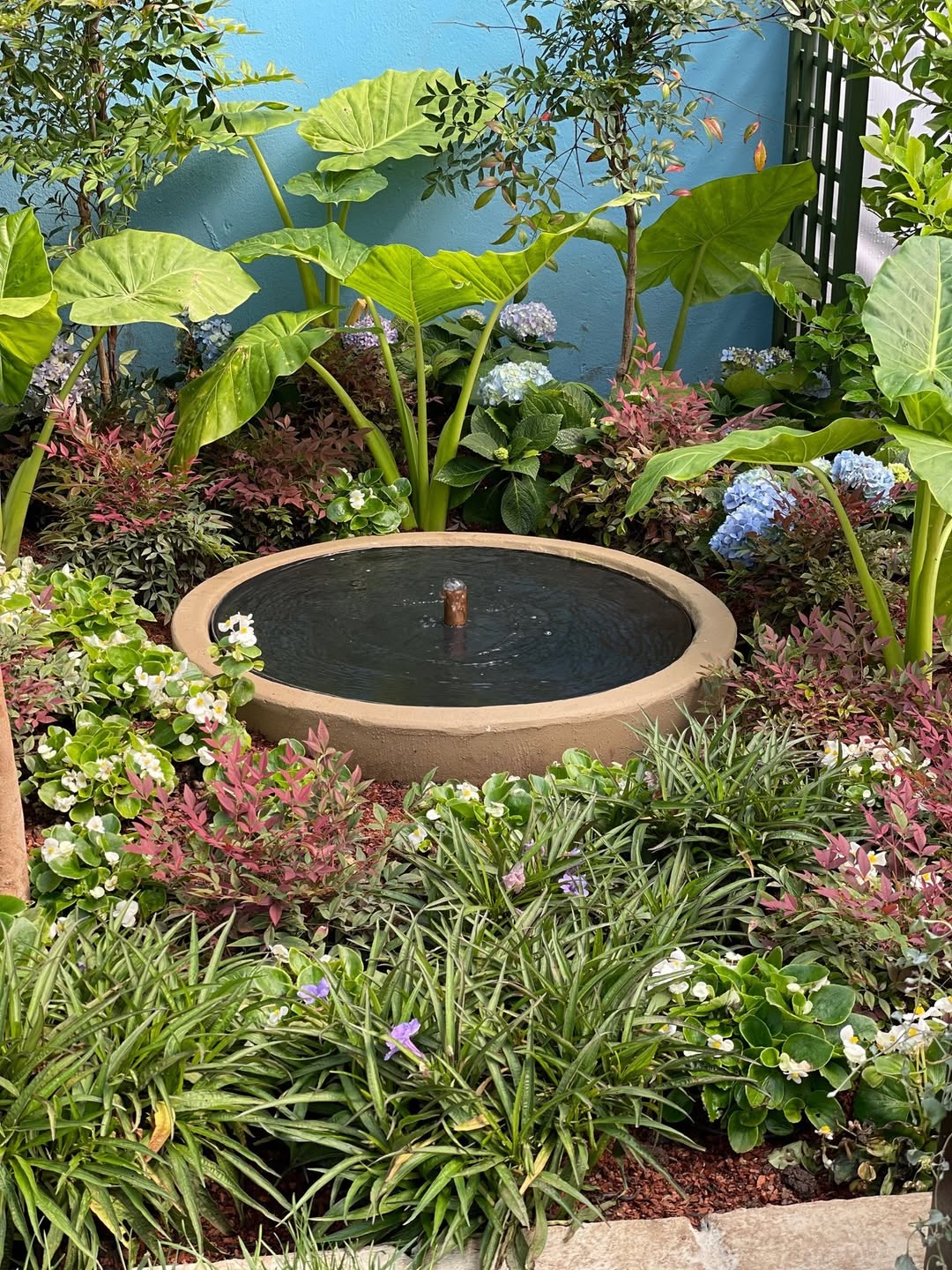
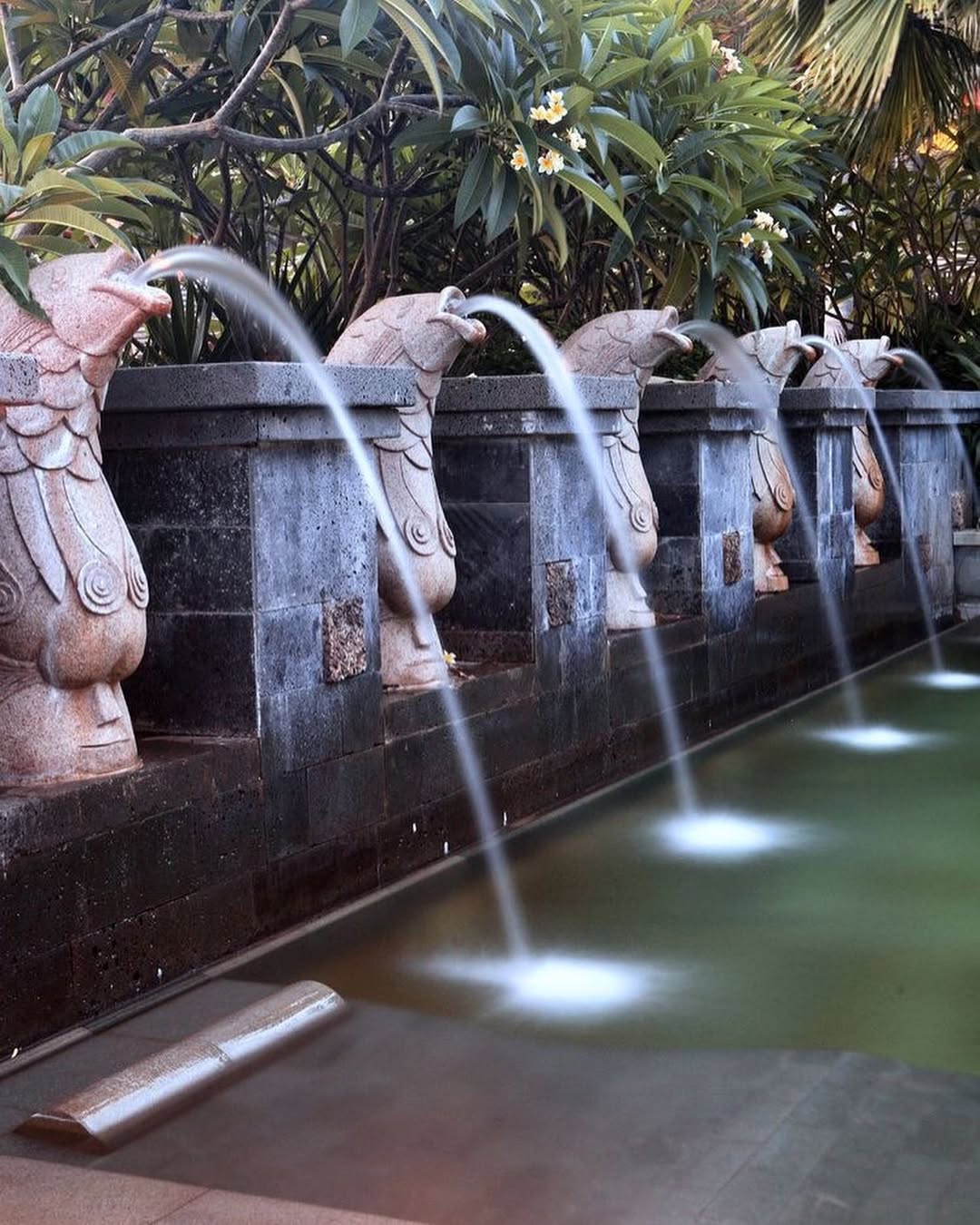
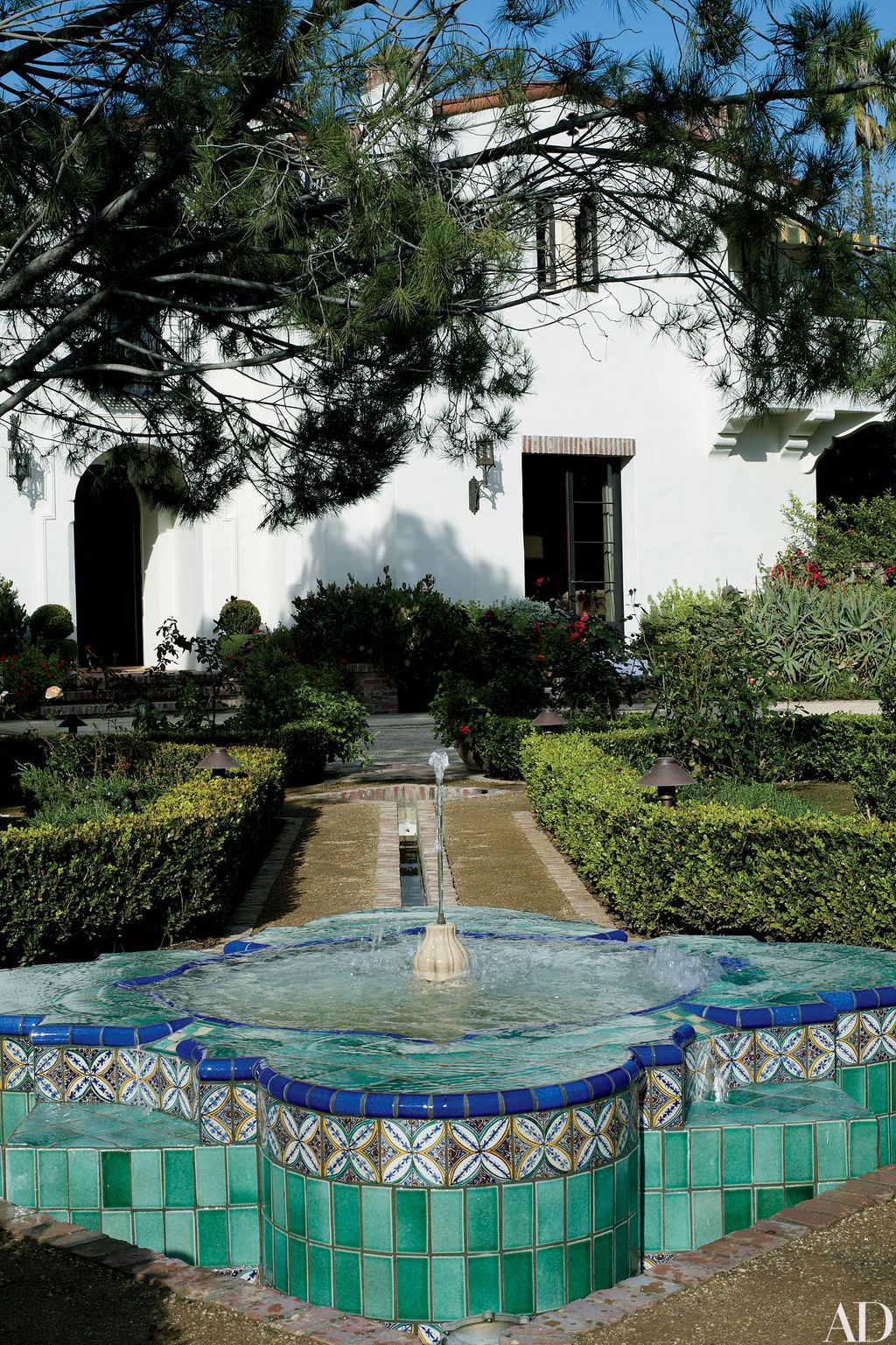
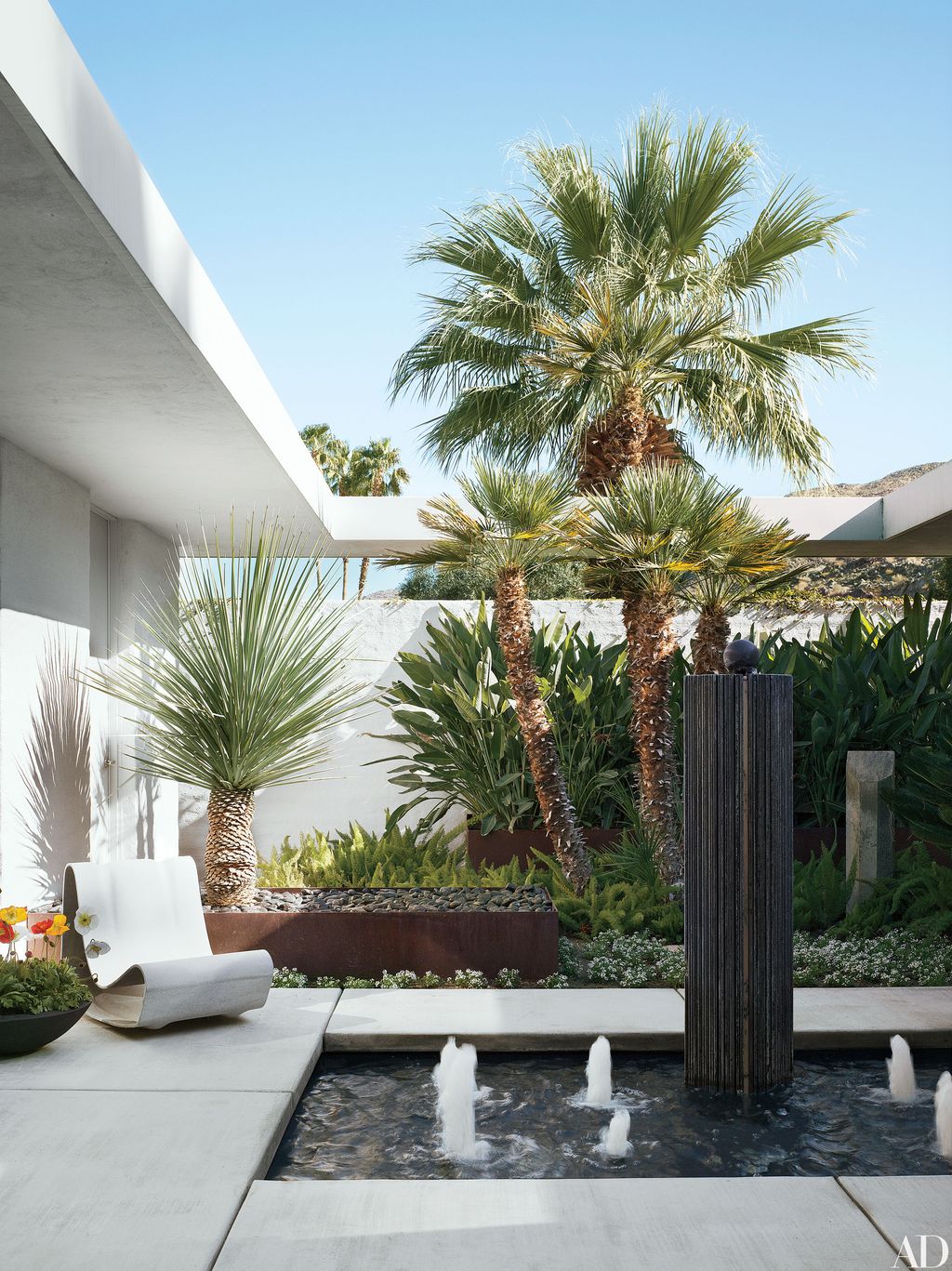
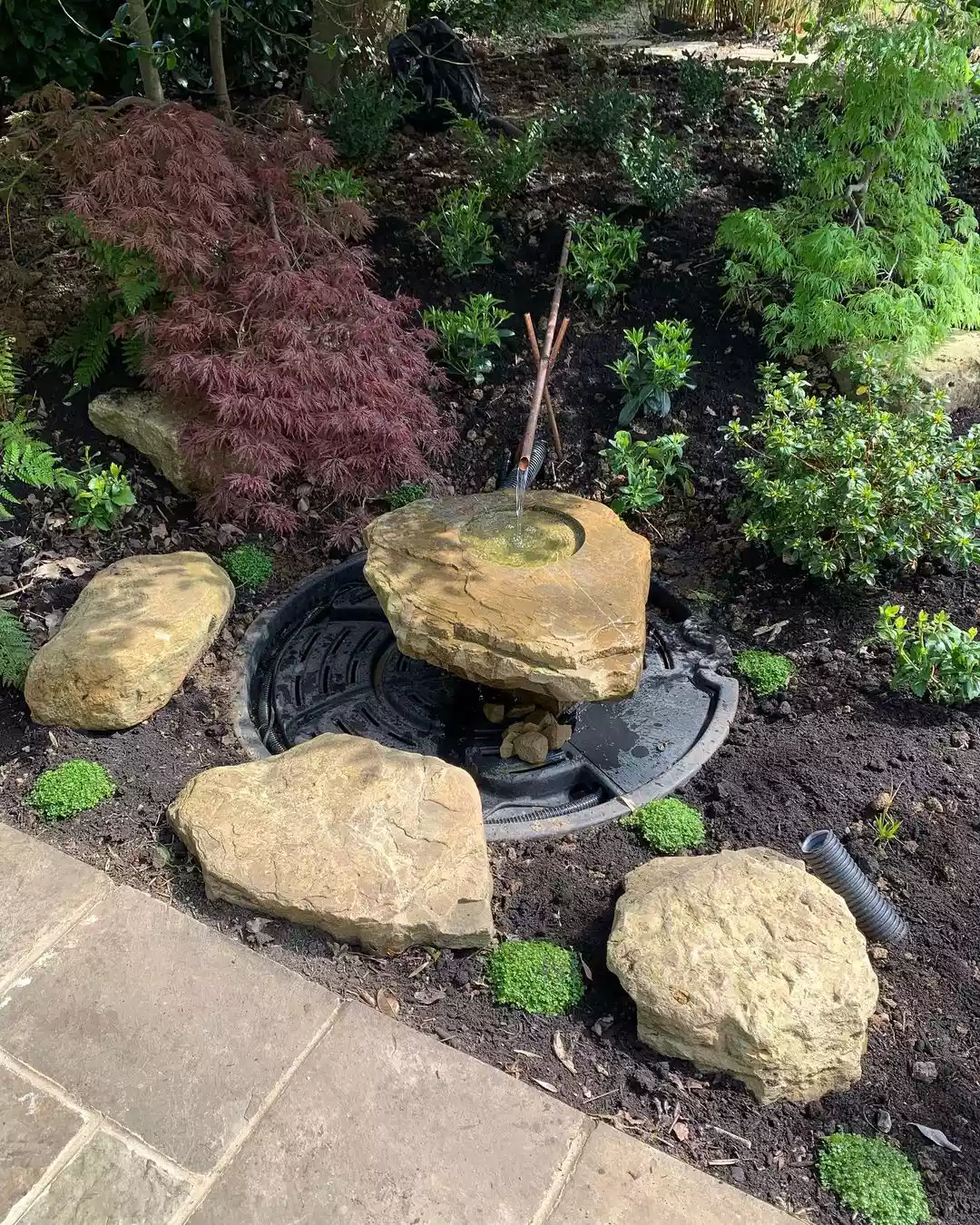
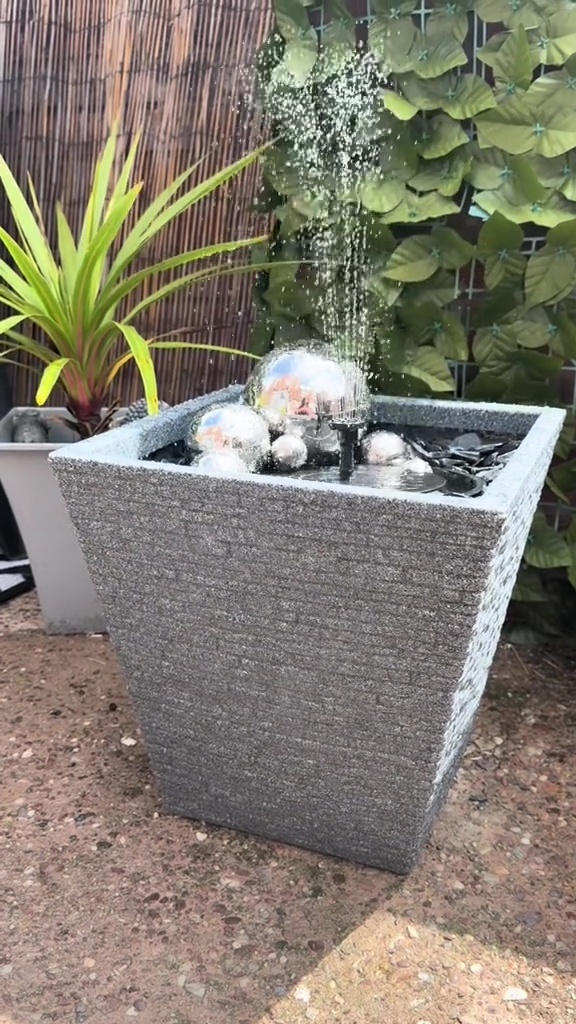
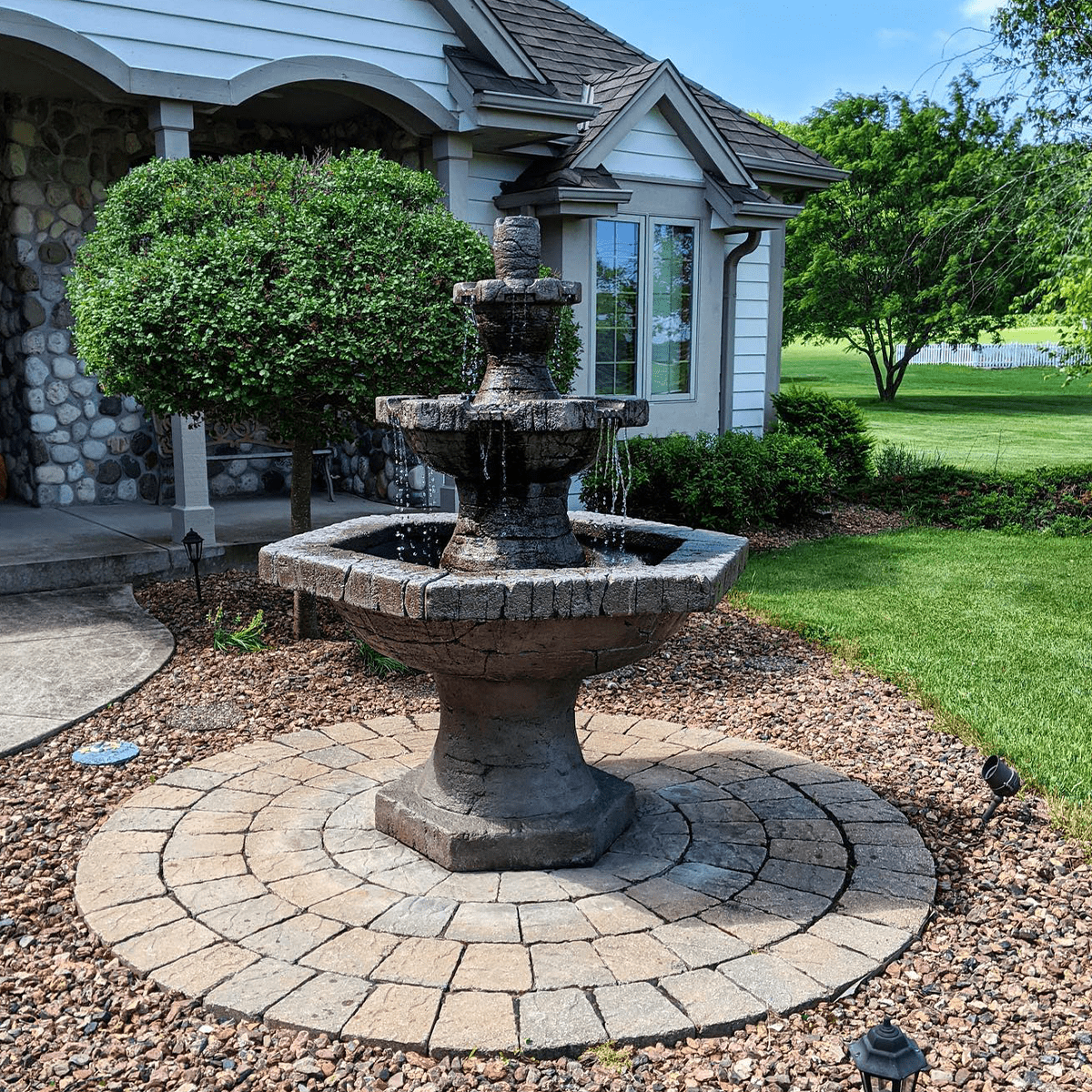
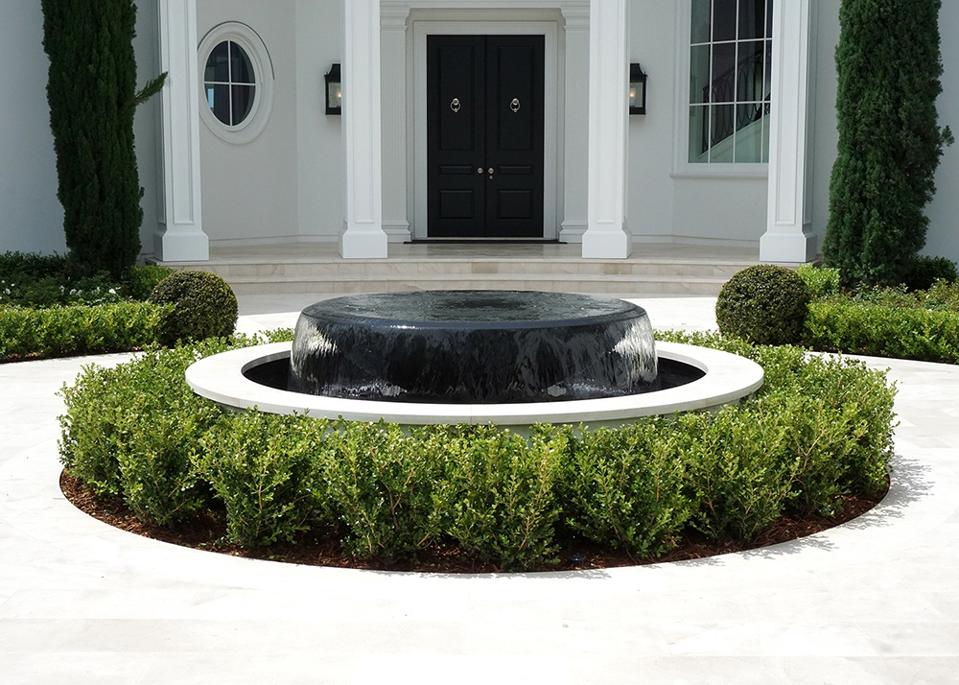
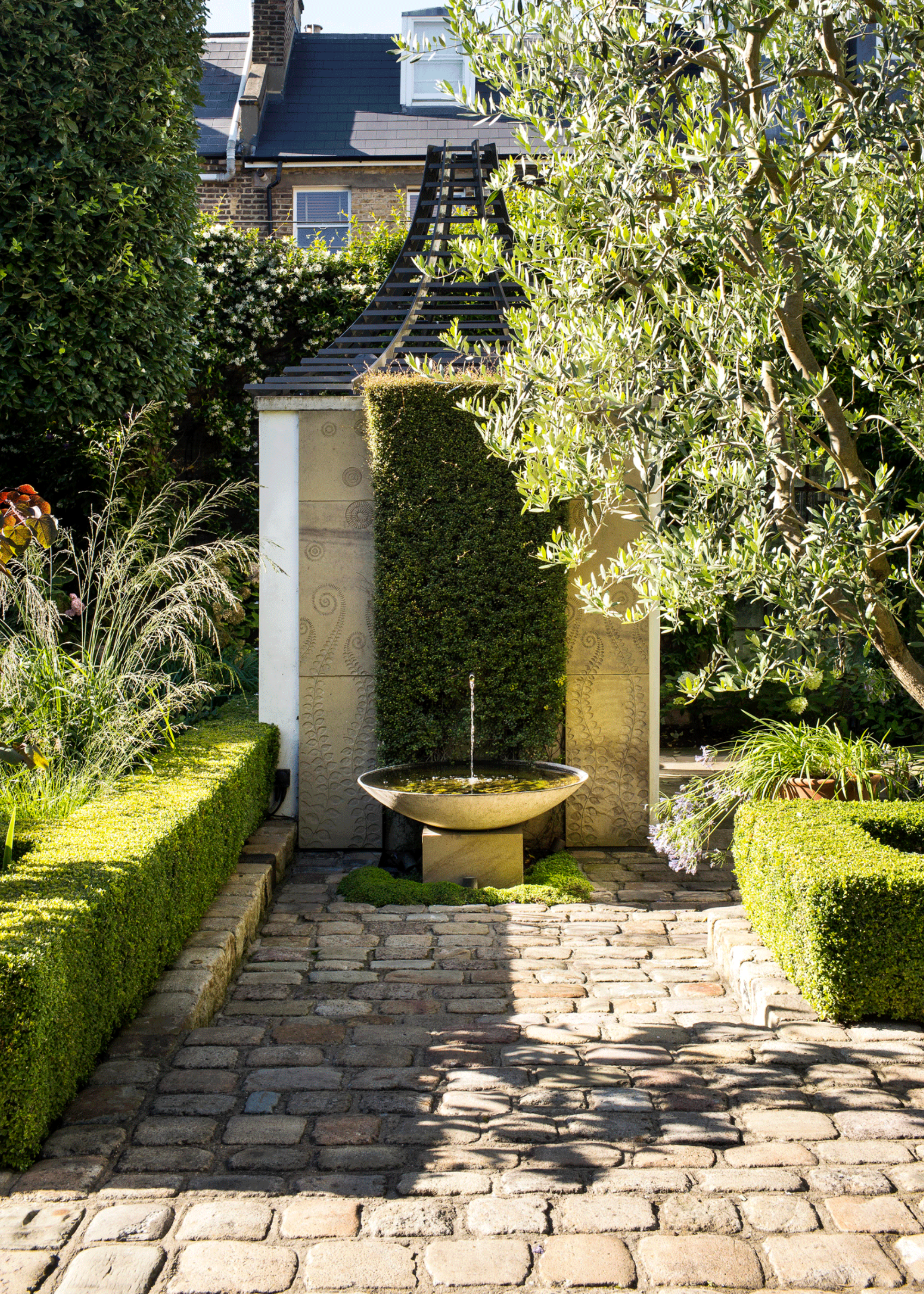
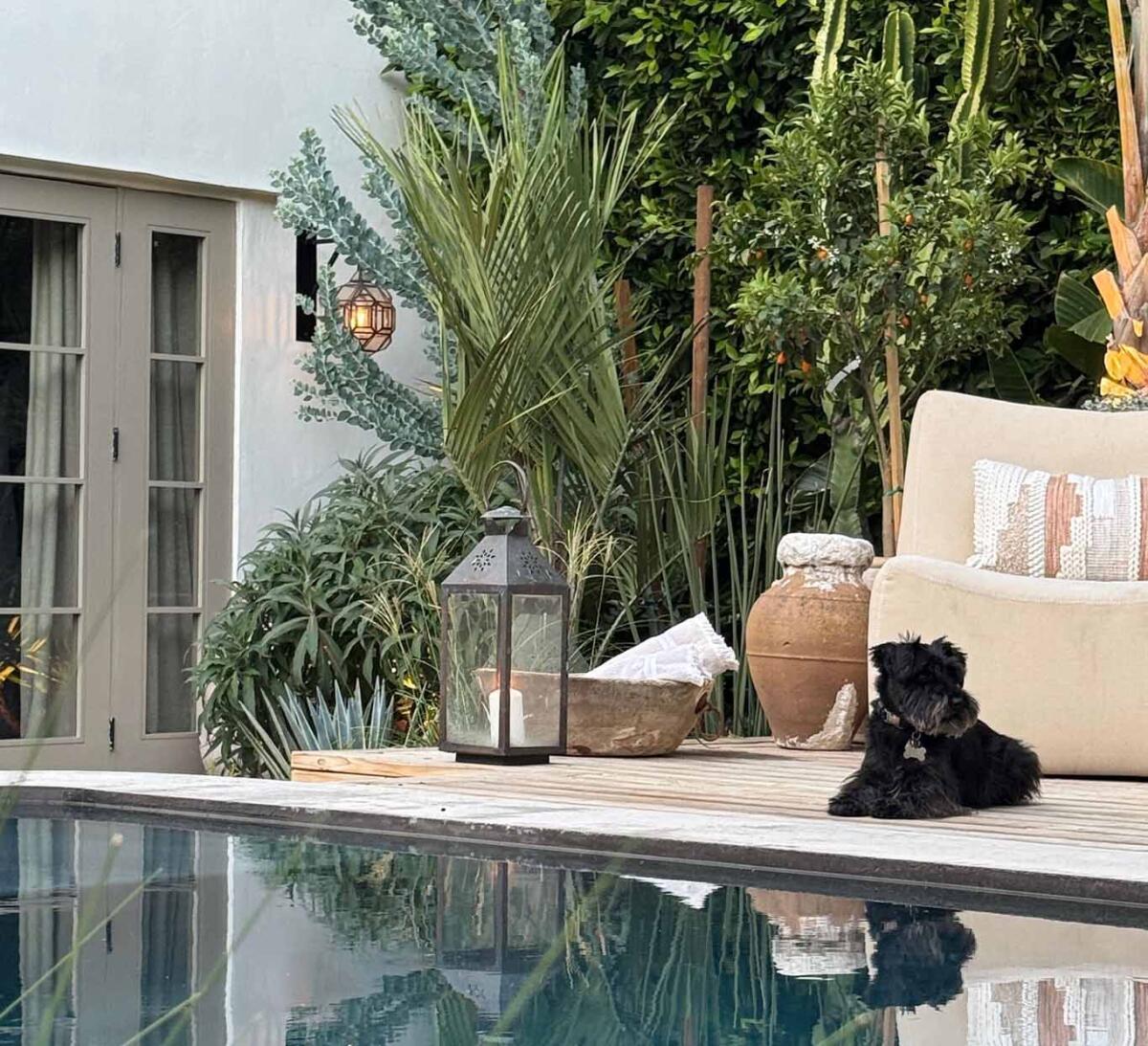
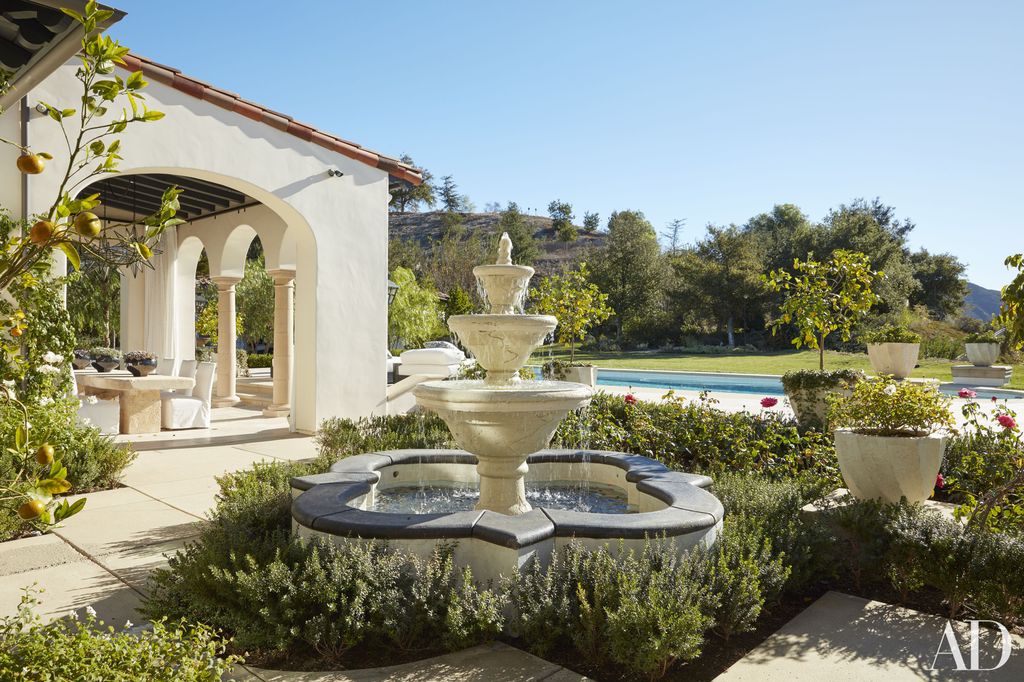
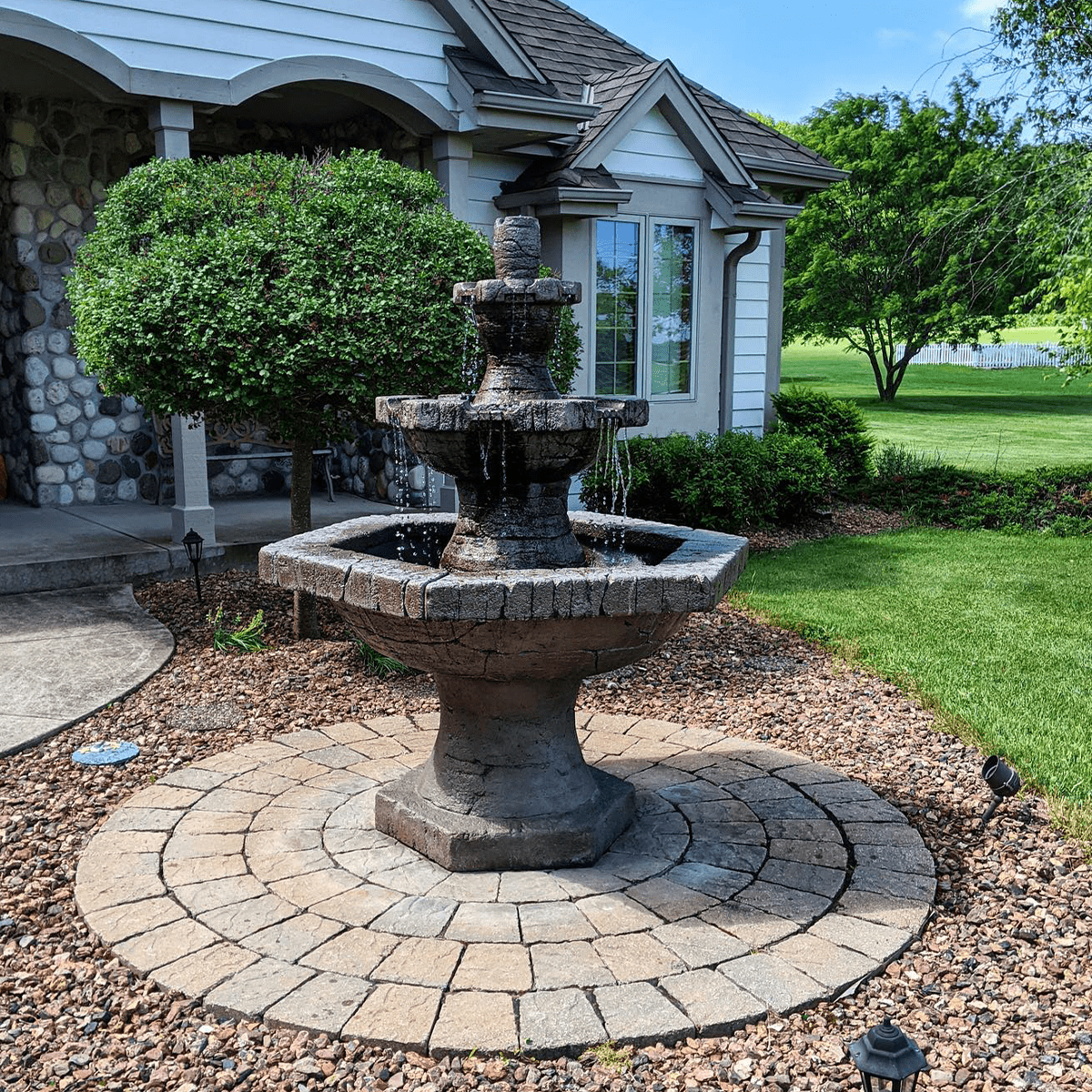
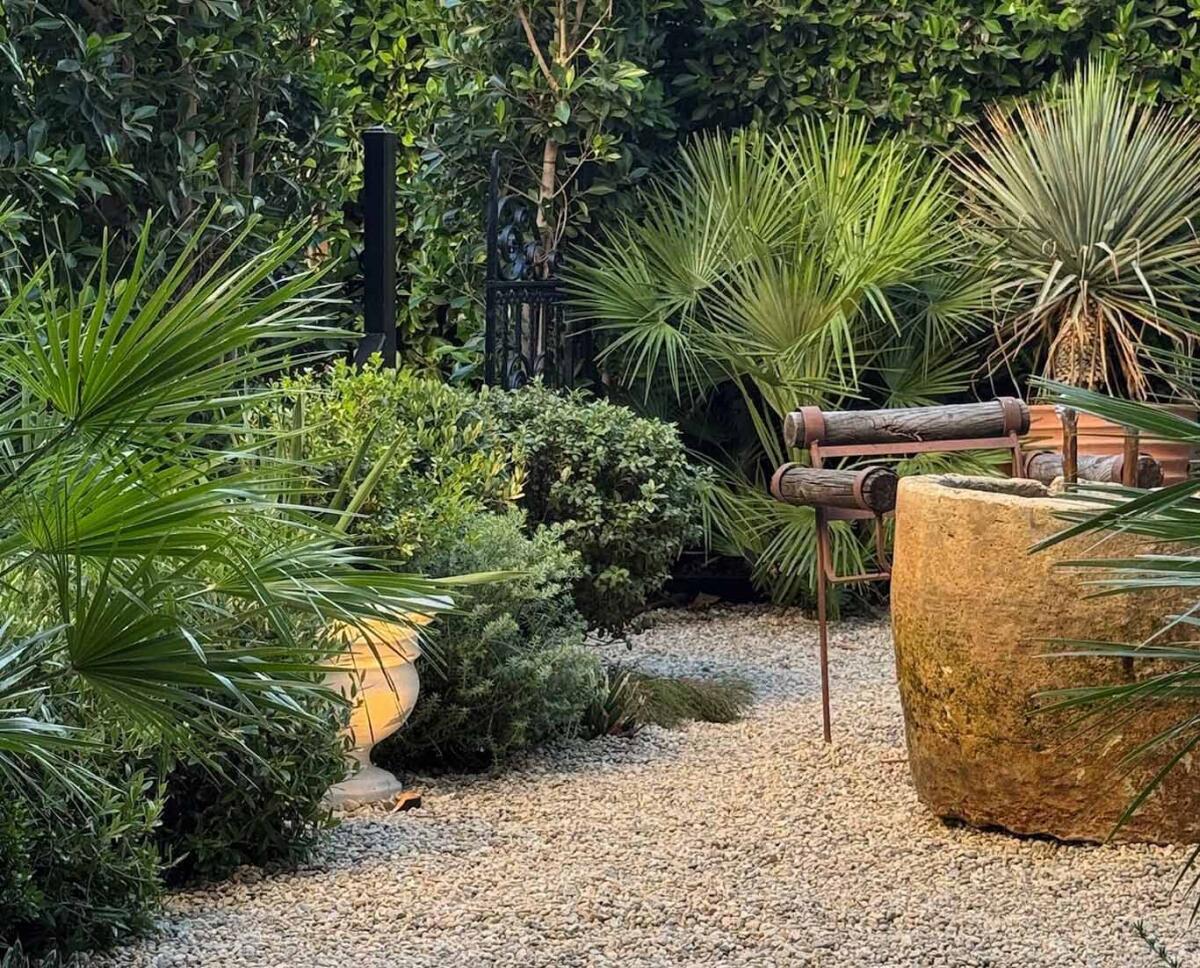
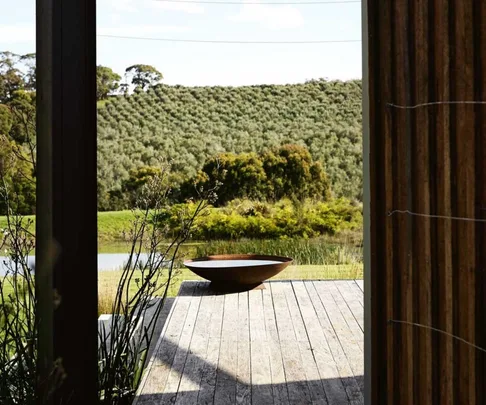
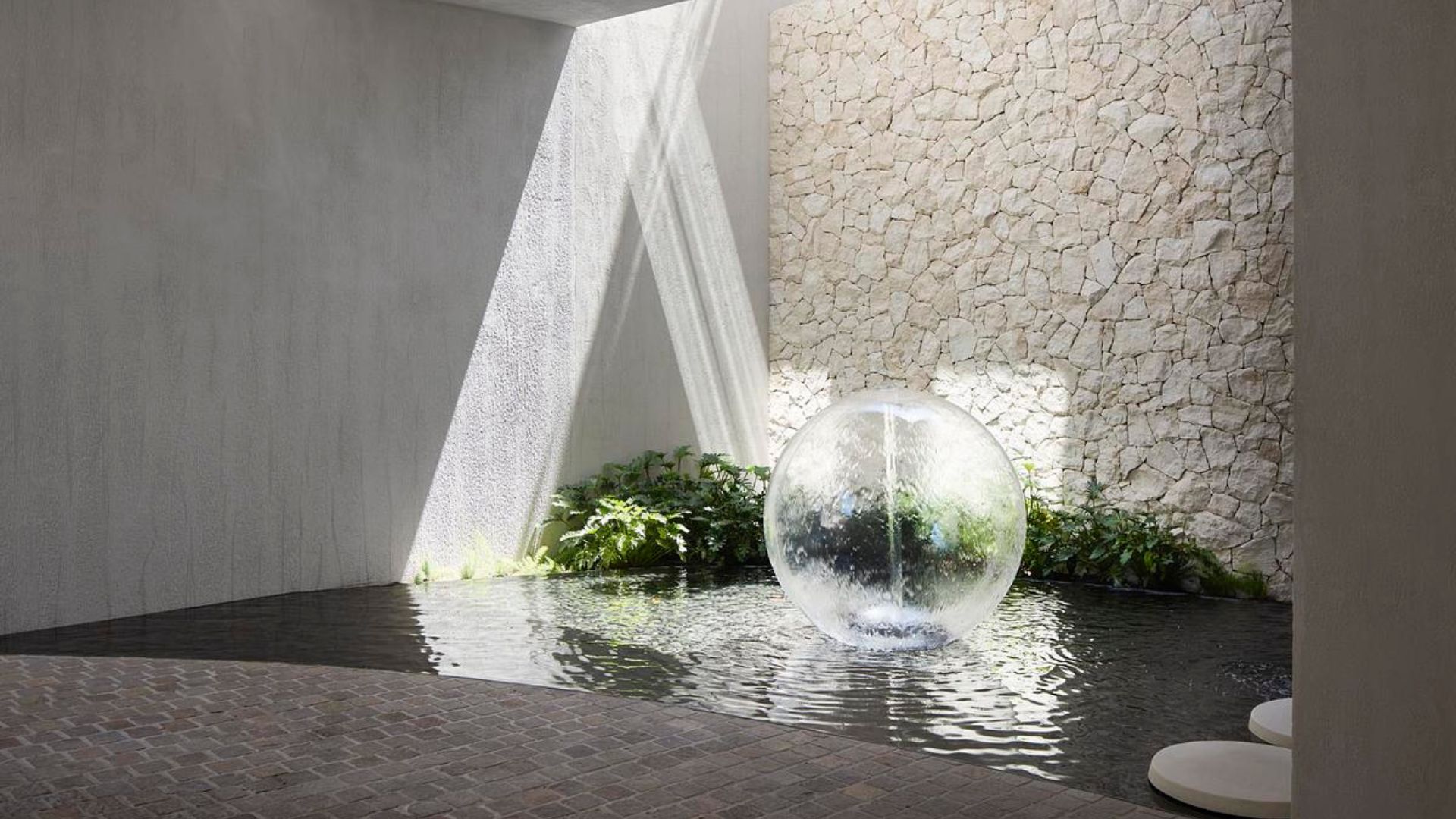
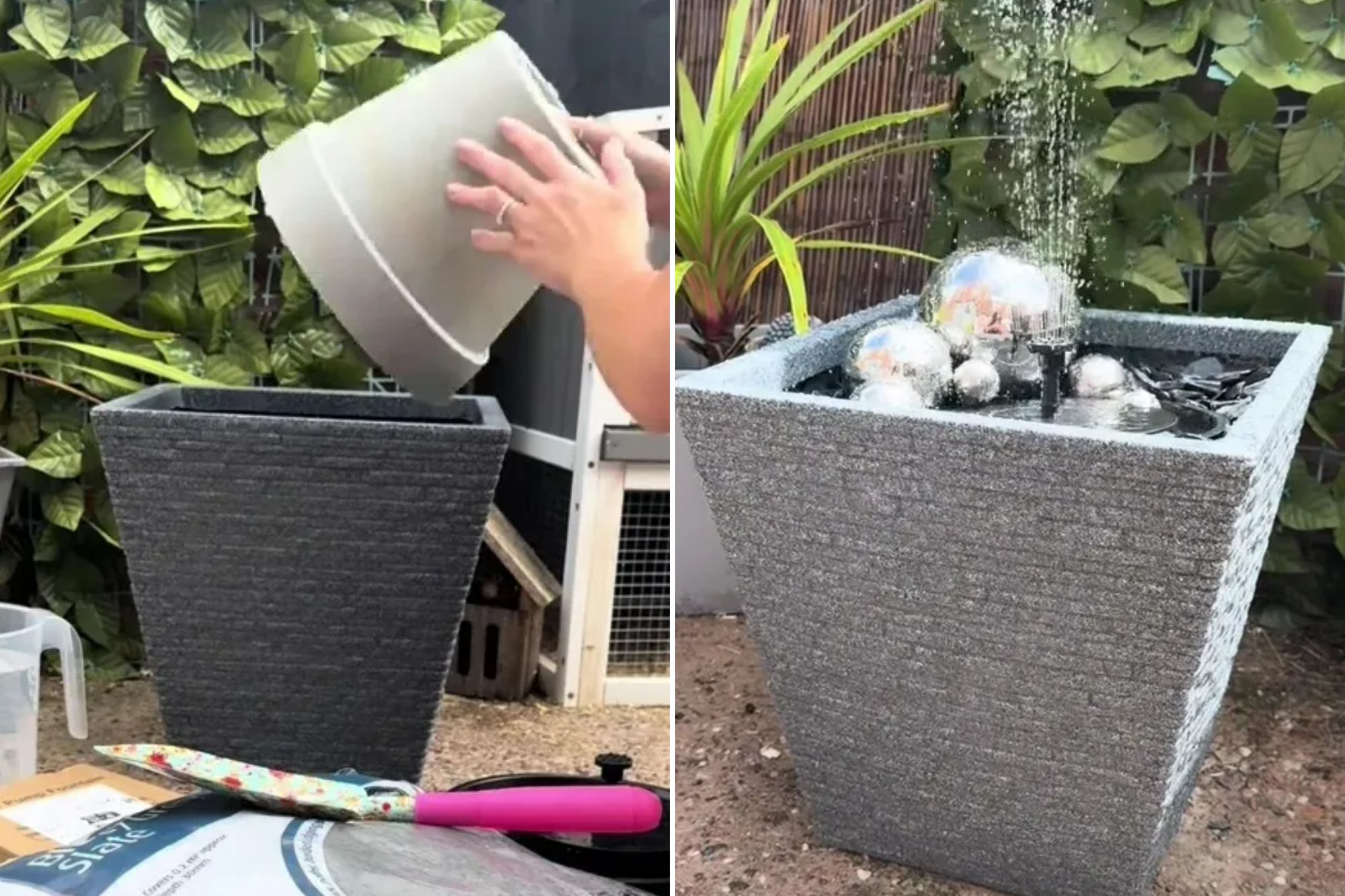
Garden fountains introduce dynamic sound and movement, ranging from subtle trickles to dramatic gushes. The sound of water significantly contributes to the overall atmosphere. Larger fountains may require power supplies, pumps, and filtration systems, necessitating careful location planning to minimize noise and accommodate equipment. Self-contained fountains offer a simpler alternative, requiring minimal excavation and suitable for level surfaces like patios, though they should be kept away from trees to avoid debris. Water bowls or dishes provide an easy way to introduce water to smaller spaces, such as outdoor living rooms. Shallow containers are effective, but placement in partial shade helps reduce algae growth. Adding aquatic plants can further assist in natural water purification and wildlife attraction. Reflective qualities of still water features are enhanced when positioned near trees.
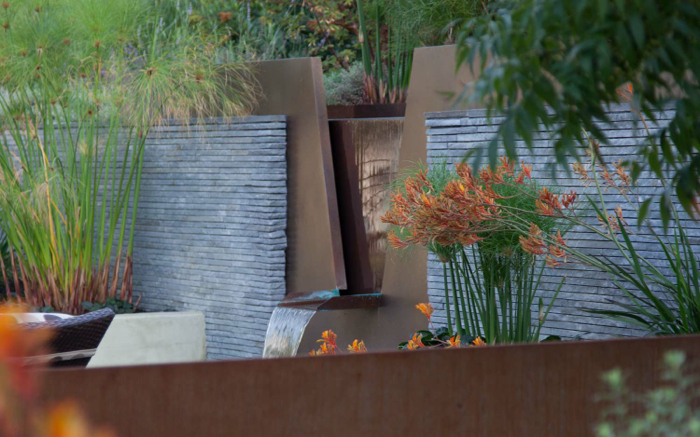
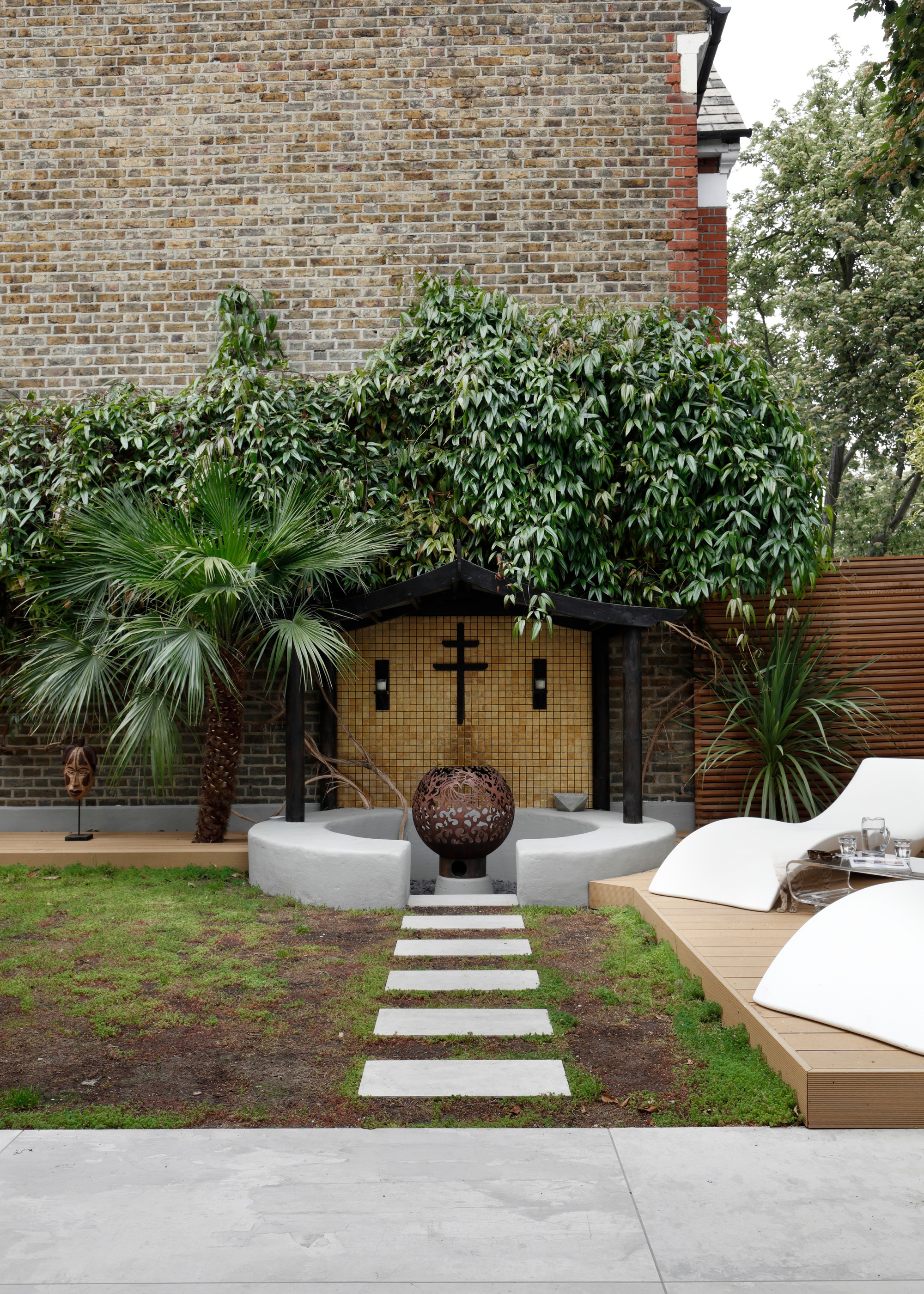
Water feature sculptures integrate art with water, using materials like steel, stone, or recycled elements to create distinctive pieces. These sculptures can draw the eye to focal points and offer a softer, more sensory experience than other garden sculptures. Wildlife ponds, typically organic in shape, attract a diverse range of creatures, making them excellent for ecological gardens. These ponds should ideally be placed in quieter, naturally low-lying areas, incorporating oxygenating and marginal plants, and featuring varied depths with easy access points for wildlife.
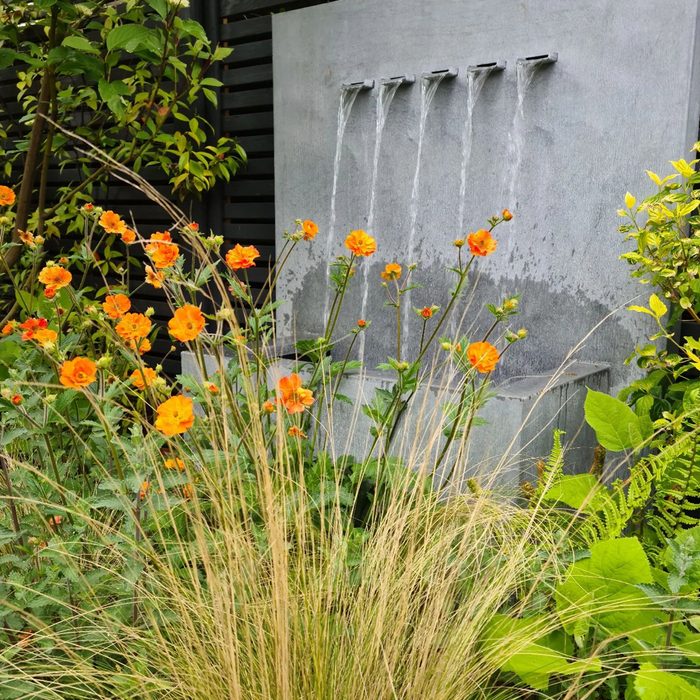
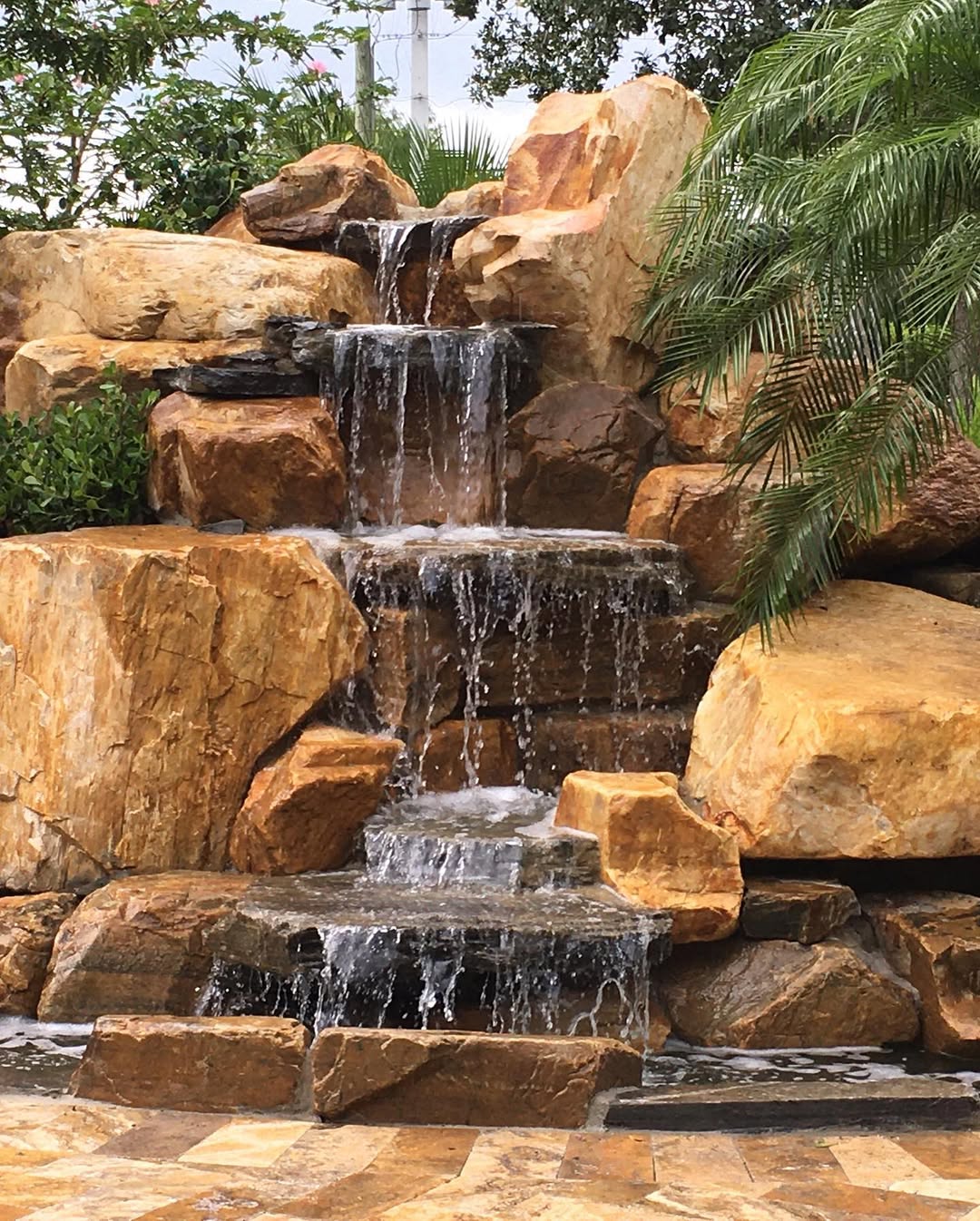
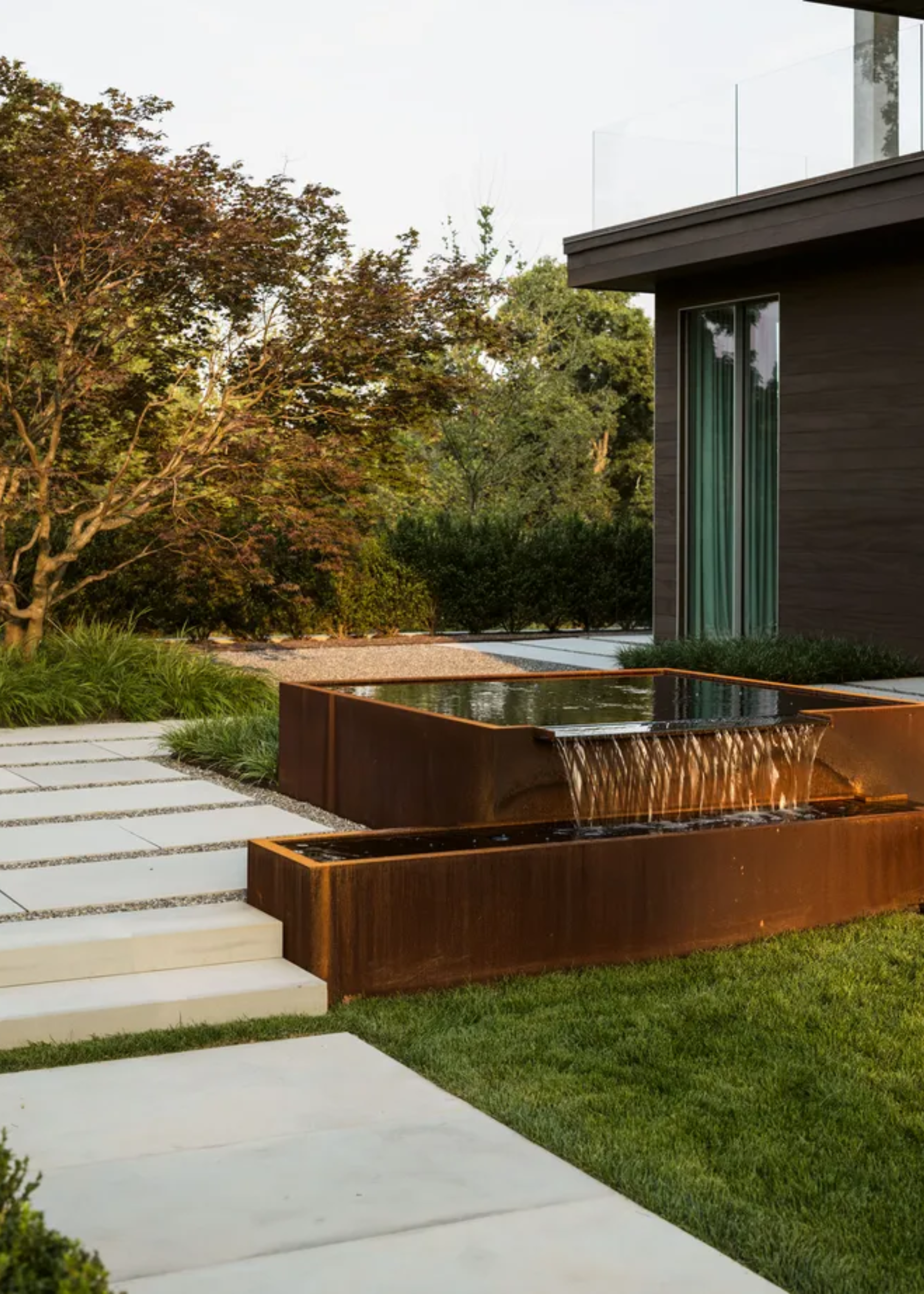
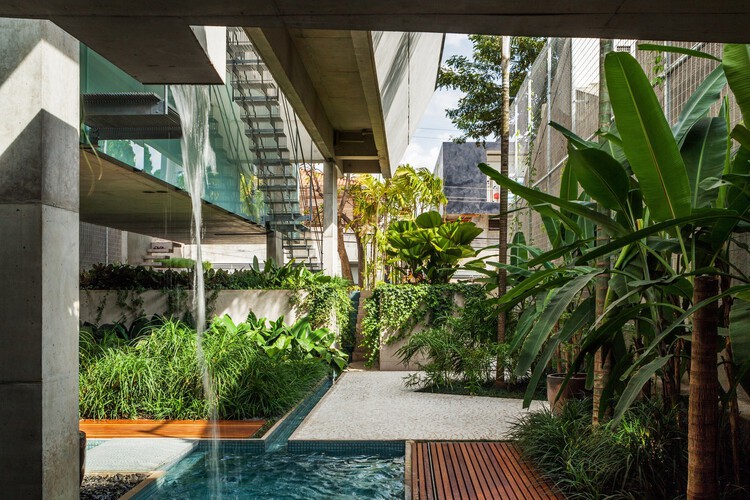
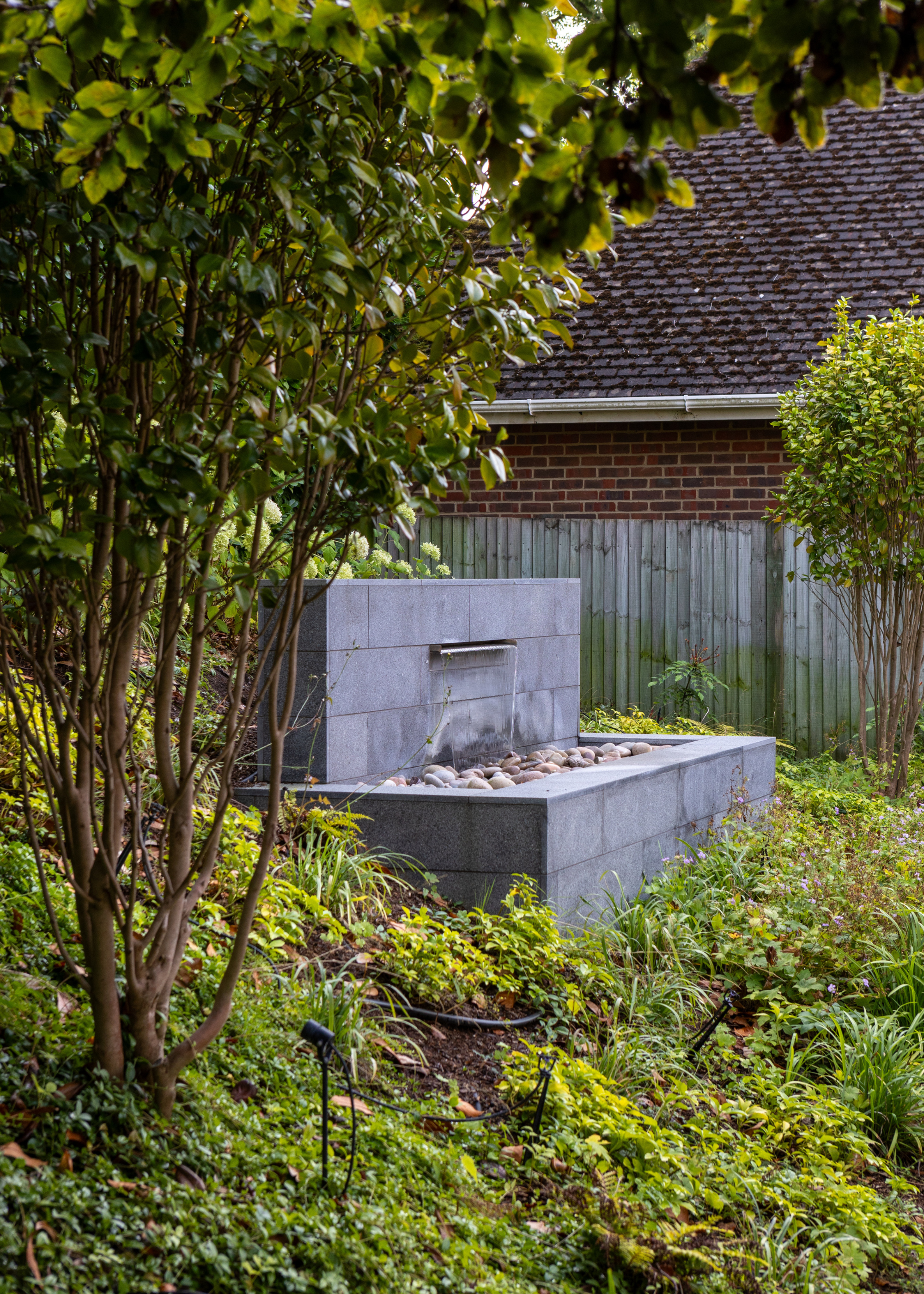
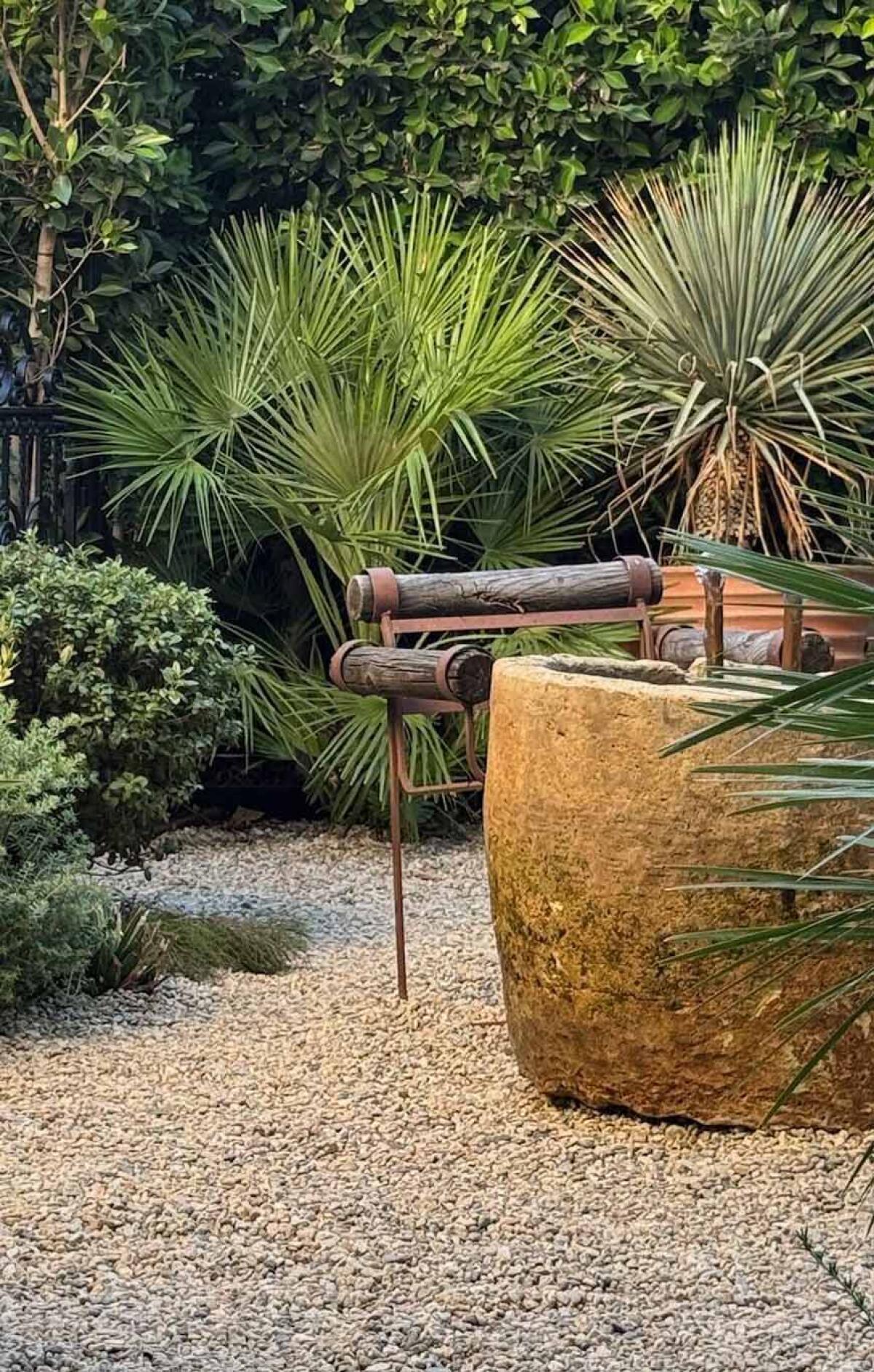
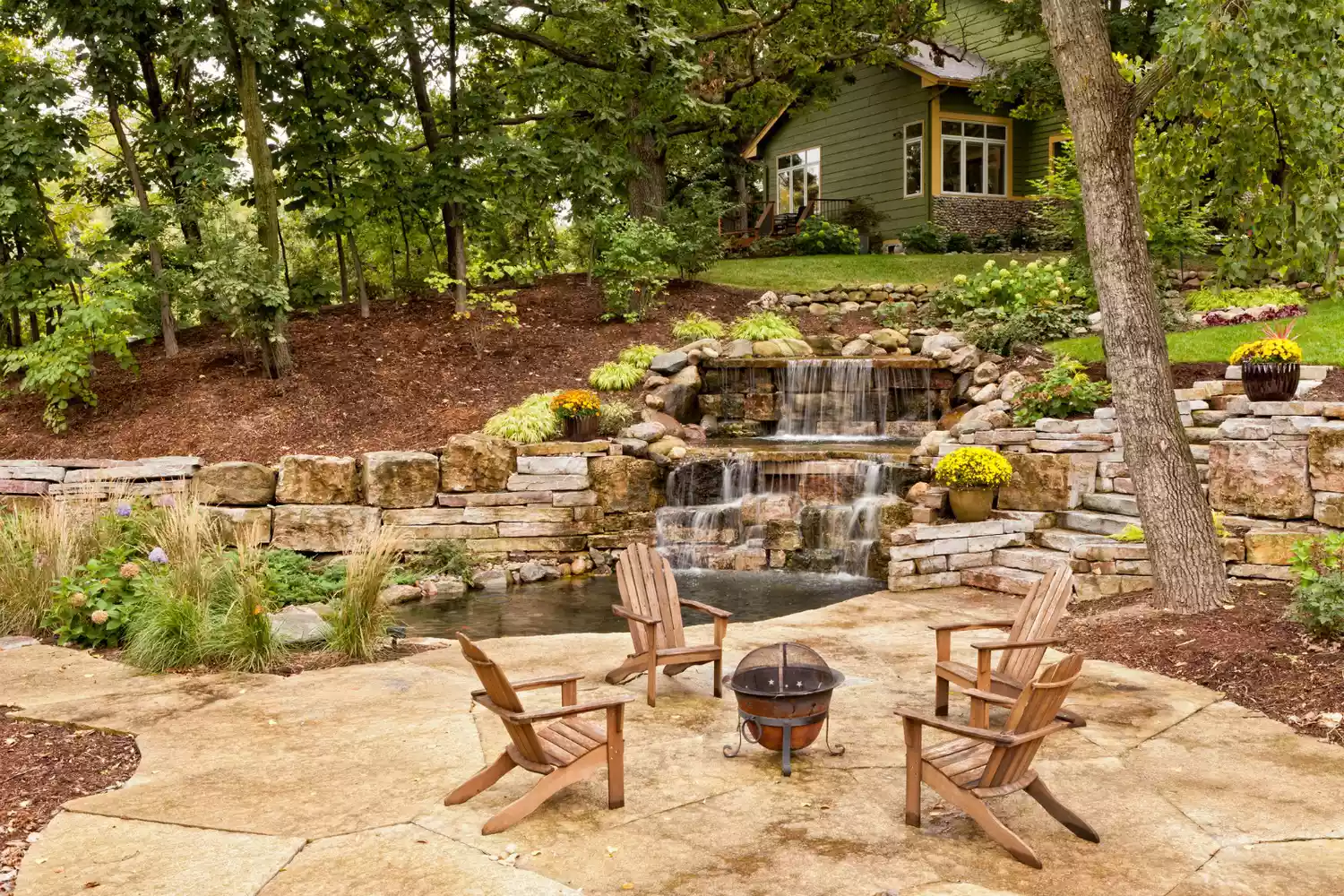
Water tables, with their gentle trickling sound, enhance the ambiance of outdoor dining areas, acting as central focal points. These can be crafted from various materials, such as Cumbrian slate, and fit both contemporary and traditional garden designs. Waterfalls provide drama and sensory delight, with their complexity ranging from simple cascades to elaborate structures. Essential considerations include pumps, power sources, and the receiving pool. Sloping sites can be maximized with natural or man-made streams, creating a soothing flow of water. Lining the stream bed with slate or stone not only looks attractive but also supports beneficial bacteria. Finally, birdbaths offer a simple, non-disruptive way to attract wildlife, providing birds with essential bathing and drinking spots. They are suitable for courtyards or garden beds, require shallow water, and should be placed where they can be enjoyed from a distance.
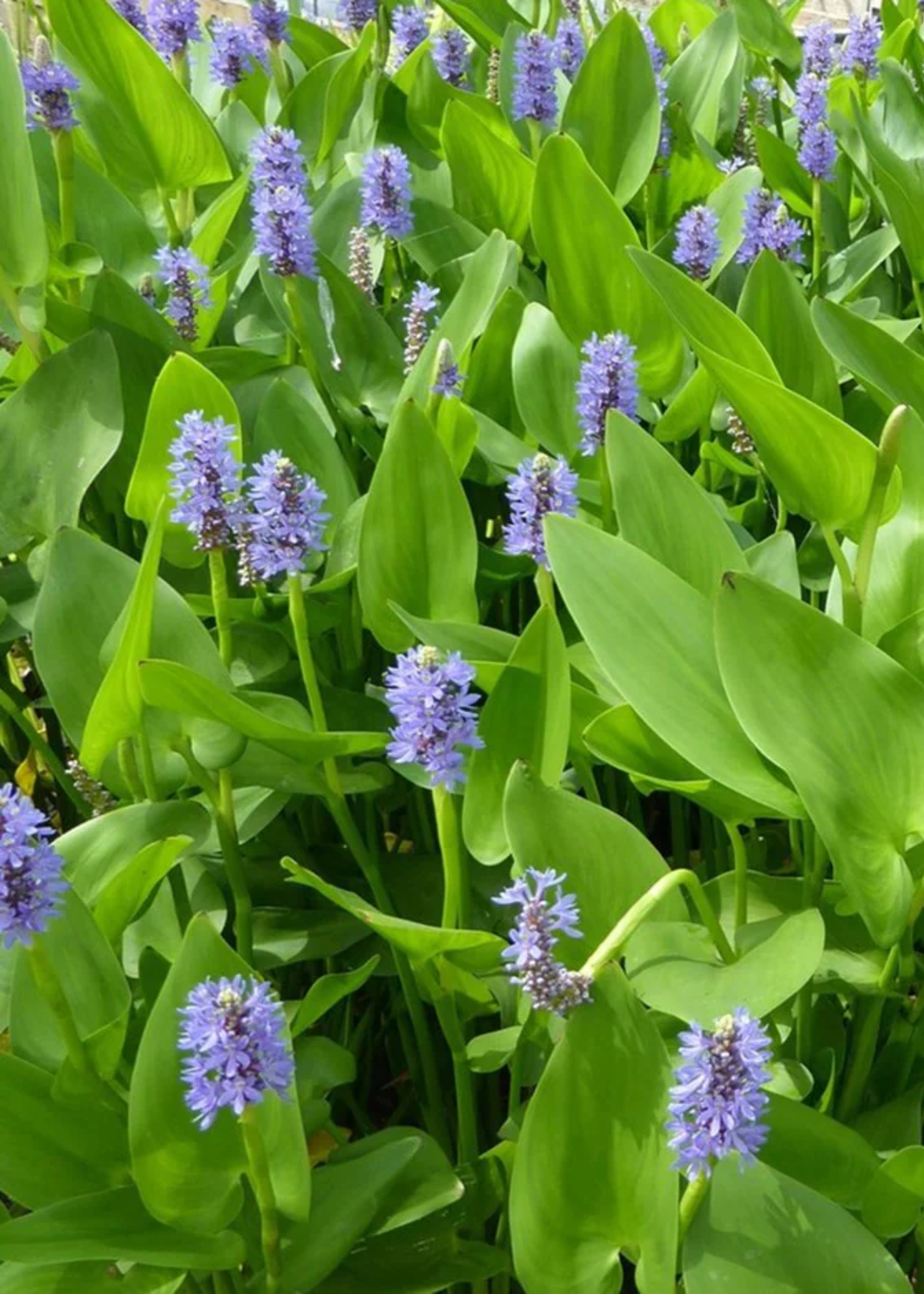
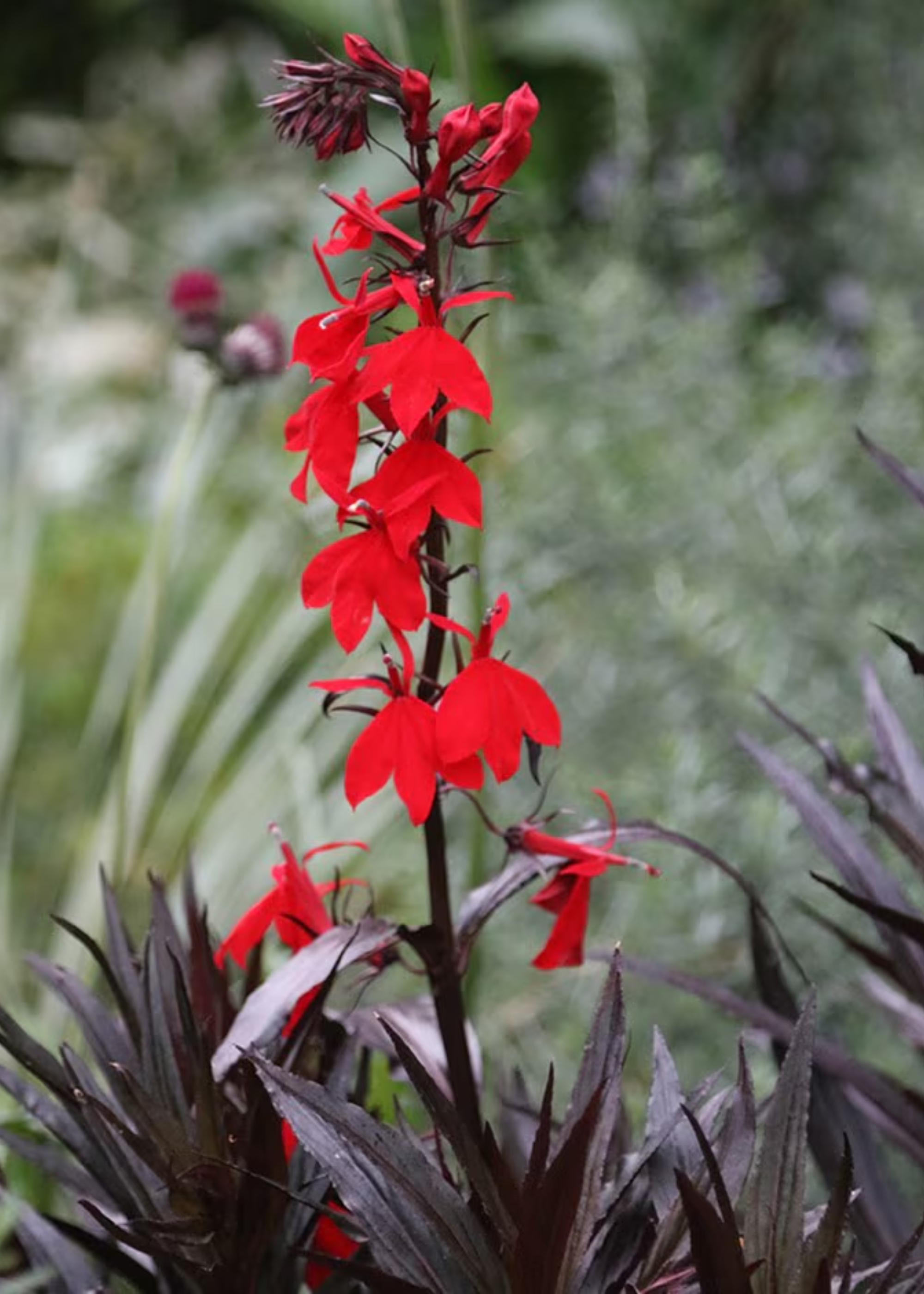
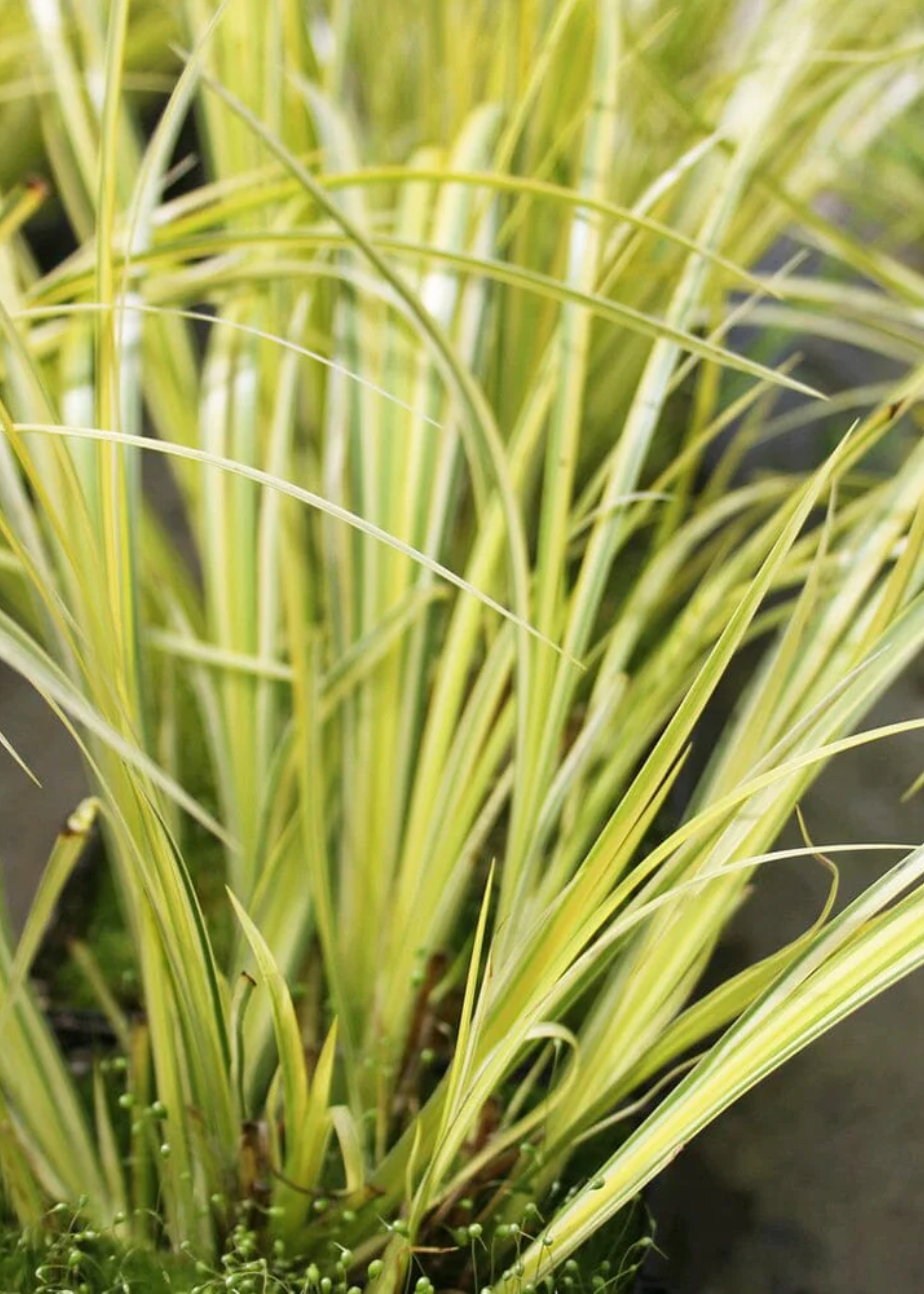
Practical considerations for any water feature include the size of the outdoor space, cost (including installation and ongoing energy), power requirements, water sourcing and drainage, optimal positioning for light interaction, proximity to seating areas, and maintenance methods (natural plant filtration versus mechanical systems). The decision to install a water feature oneself depends on its complexity; many designs, particularly those involving intricate plumbing and filtration, benefit from expert installation by designers or water specialists. Various aquatic and marginal plants, such as water lilies, gunnera, ostrich ferns, iris, and daylilies, can be used to beautify water features and integrate them seamlessly into the garden.
#GardenDesign #WaterFeatures #BackyardIdeas #OutdoorLiving #Fountains #Ponds #Rills #GardenSculptures #WildlifeGardens #GardenDesign #WaterFeatures #BackyardIdeas #OutdoorLiving #Fountains #Ponds #Rills #GardenSculptures #WildlifeGardens
0 comment in total
 No comments yet
You may also like
13 Water feature ideas to add a new sense of flow to your garden

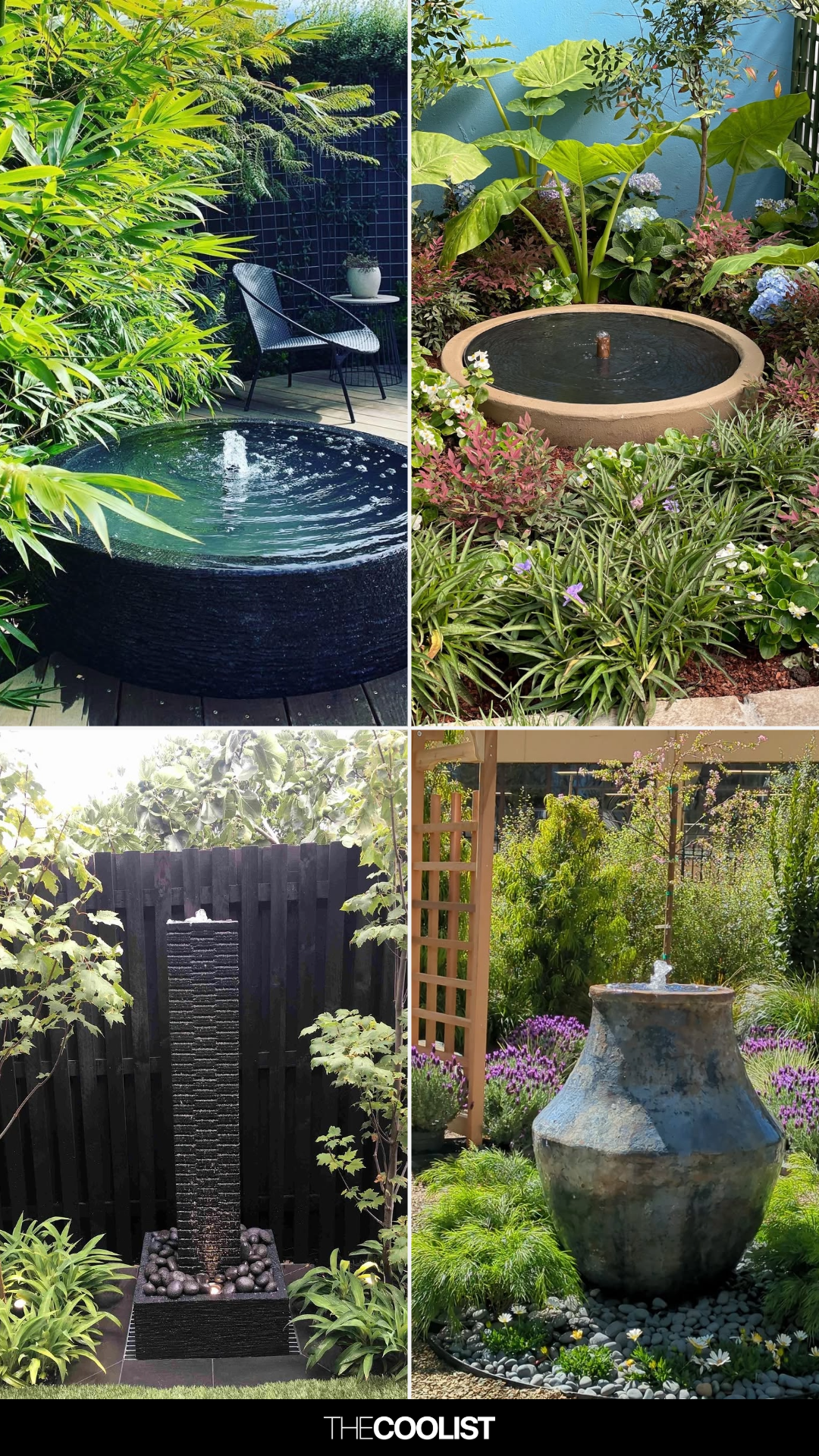
26 Stupidly Gorgeous Water Feature in the Garden Ideas That’ll Haunt Your Mood Boards

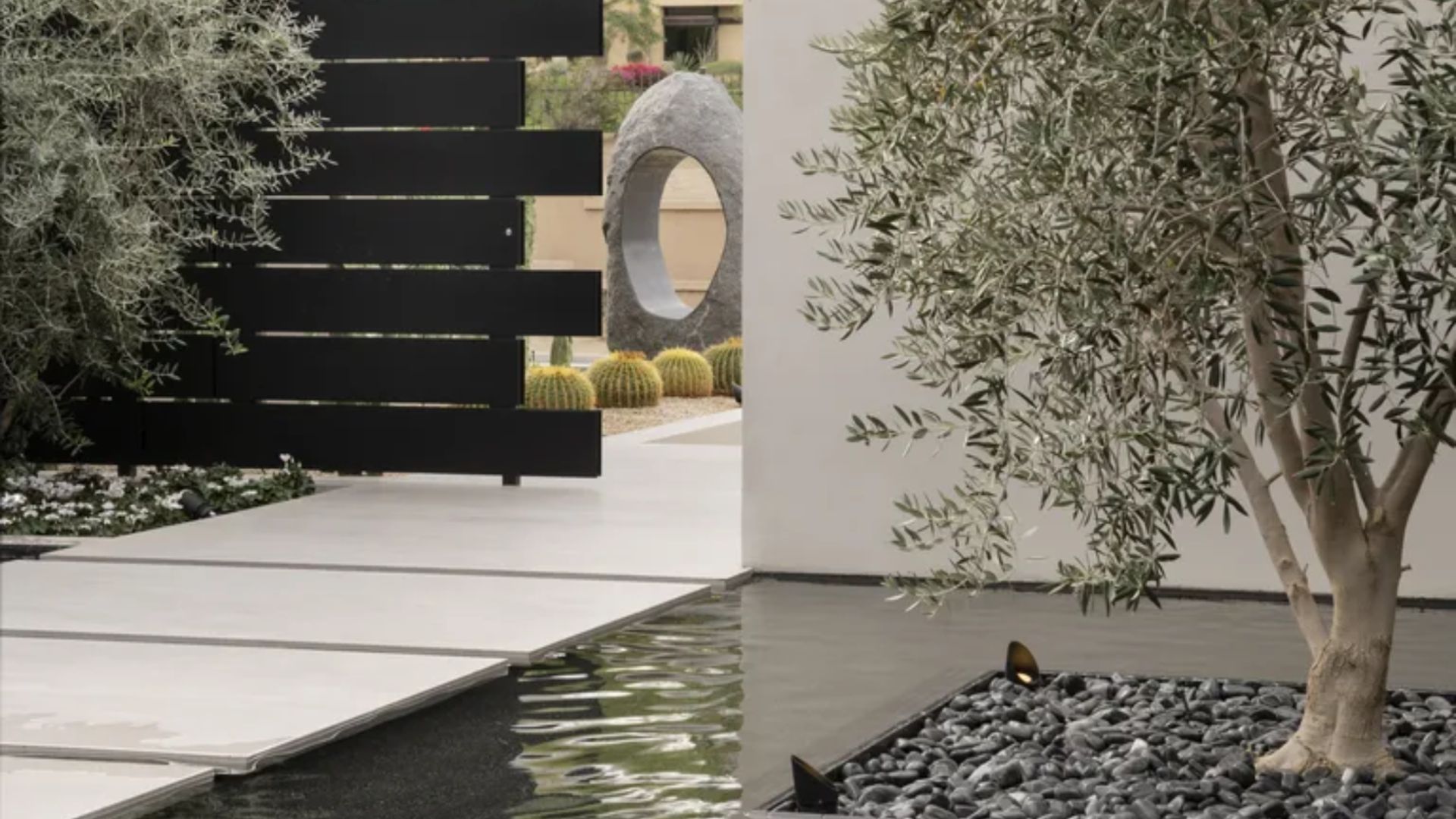
8 Tranquil Water Garden Ideas That Look Beautiful and Train Your Ear Away From Noisy Outdoor Distractions

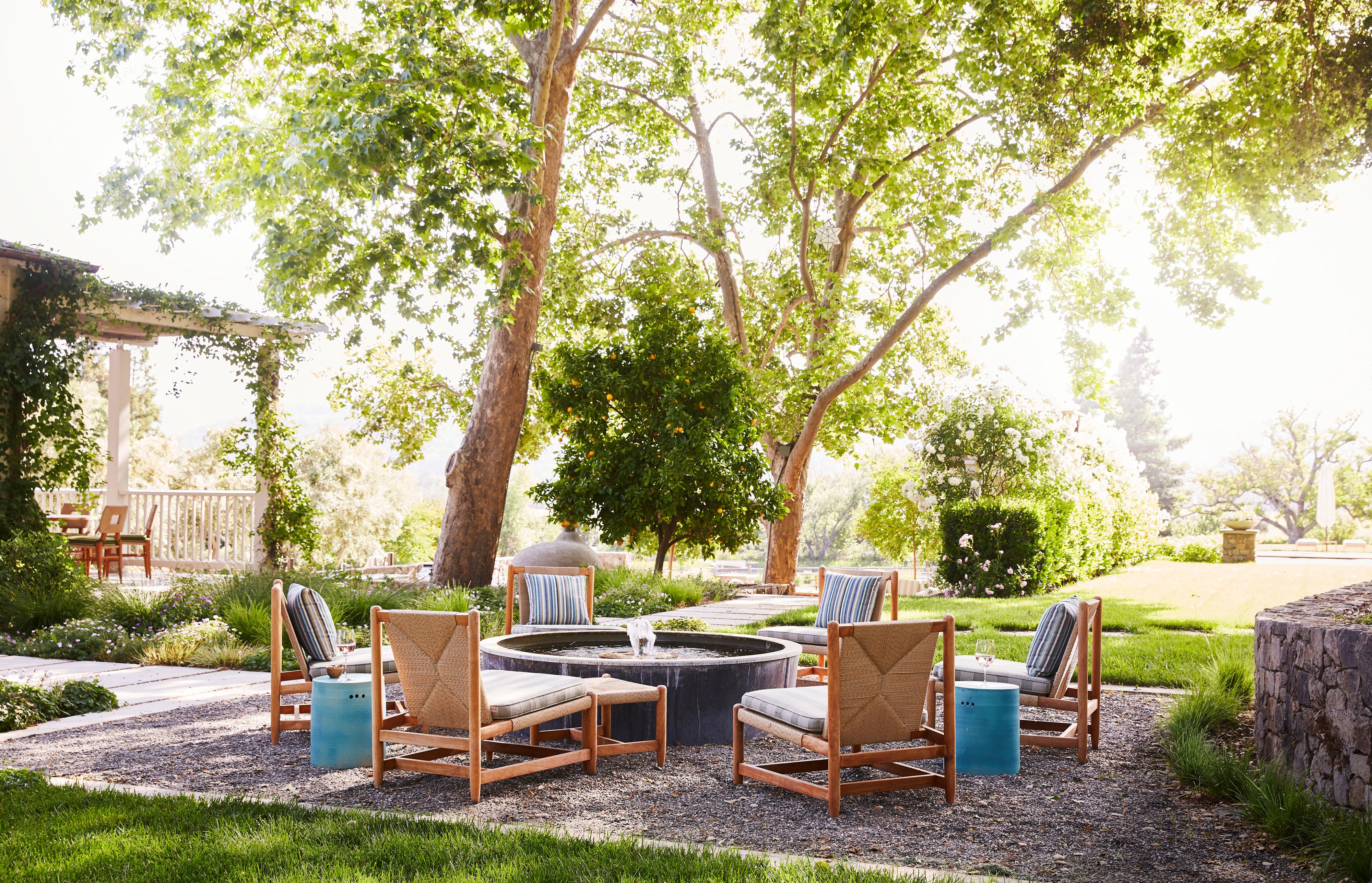
Garden Fountains Are the New Backyard Firepit—Here's How to Incorporate One into Your Space

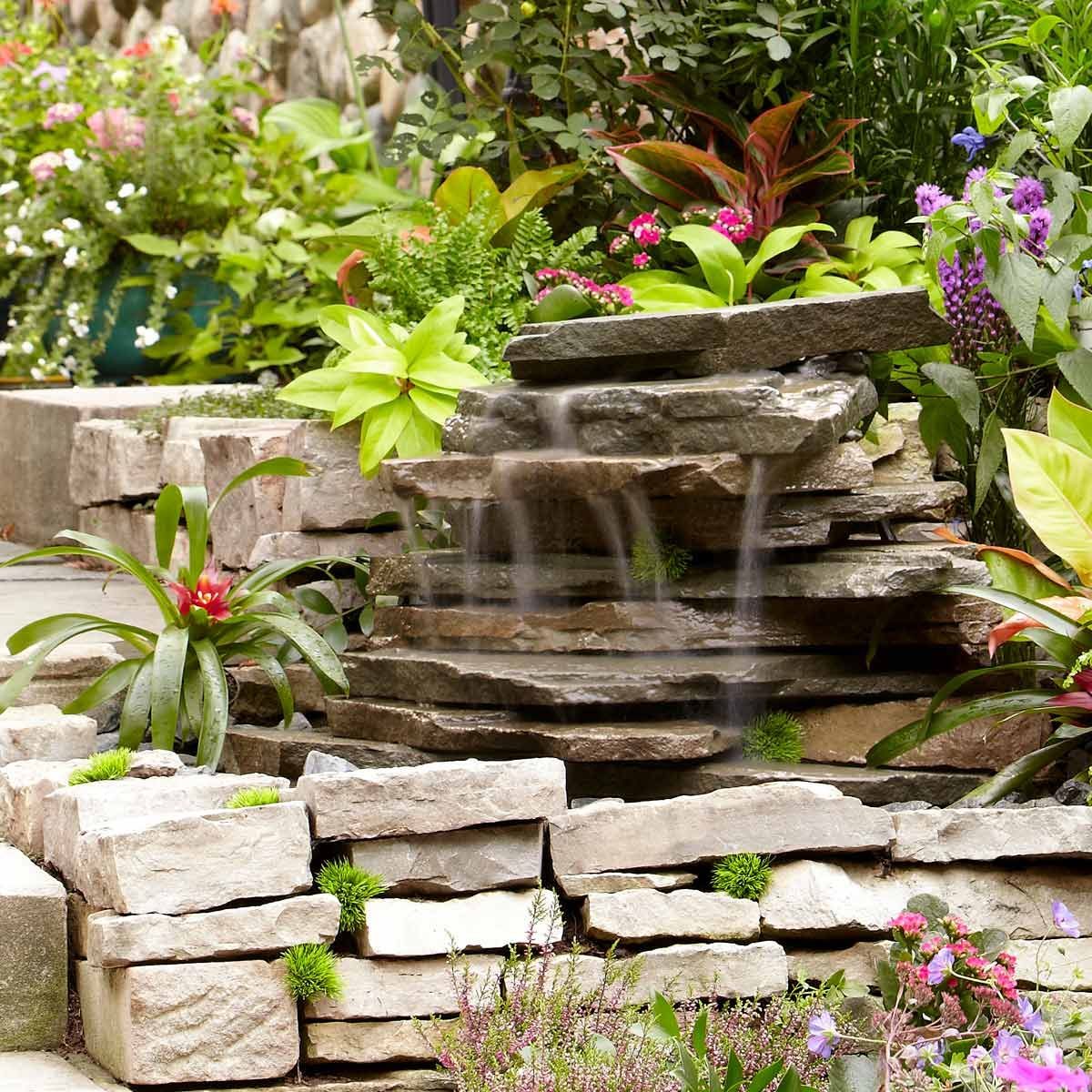
10 Best Garden Water Features

29 Elegant Fountains That Create a Sense of Tranquillity

Homeowner’s Guide To Outdoor Fountains
Backyard Water Feature Trends for 2025: Pools, Ponds, and Tech

Outdoor water features to turn your garden into a zen oasis

Want A Water Feature in Your Yard? 44 Ideas That Will Fit in Any Budget

Water in Interior Design: 18 Projects that Include Water Fixtures in their Spaces

9 Garden Divider Ideas That Help to Create the Sense of 'Rooms' Within Your Landscaping

25 Refreshing Water Feature Ideas for Your Landscape
5 Aquatic Plants to Brighten Up Your Water Feature
Water Features Add Architectural Flair, Wellness Benefits And Real Estate Enhancements To A Home

5 Mistakes in Your Garden's Design You'll Only Notice When Temperatures Soar in the Summer
12 Modern Gardens With Water Features

I turned a plant pot into a DIY water feature with Temu bargains - I spent £8.41

3 Ways to Use Water Features That Can Make Your Garden Feel More Private
25 Small Ponds With Waterfalls Worth Adding to Your Yard