1/5
Inside Italy's secret mosaic school
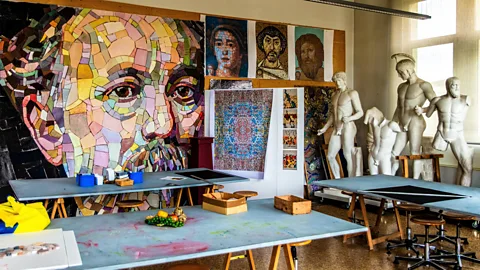
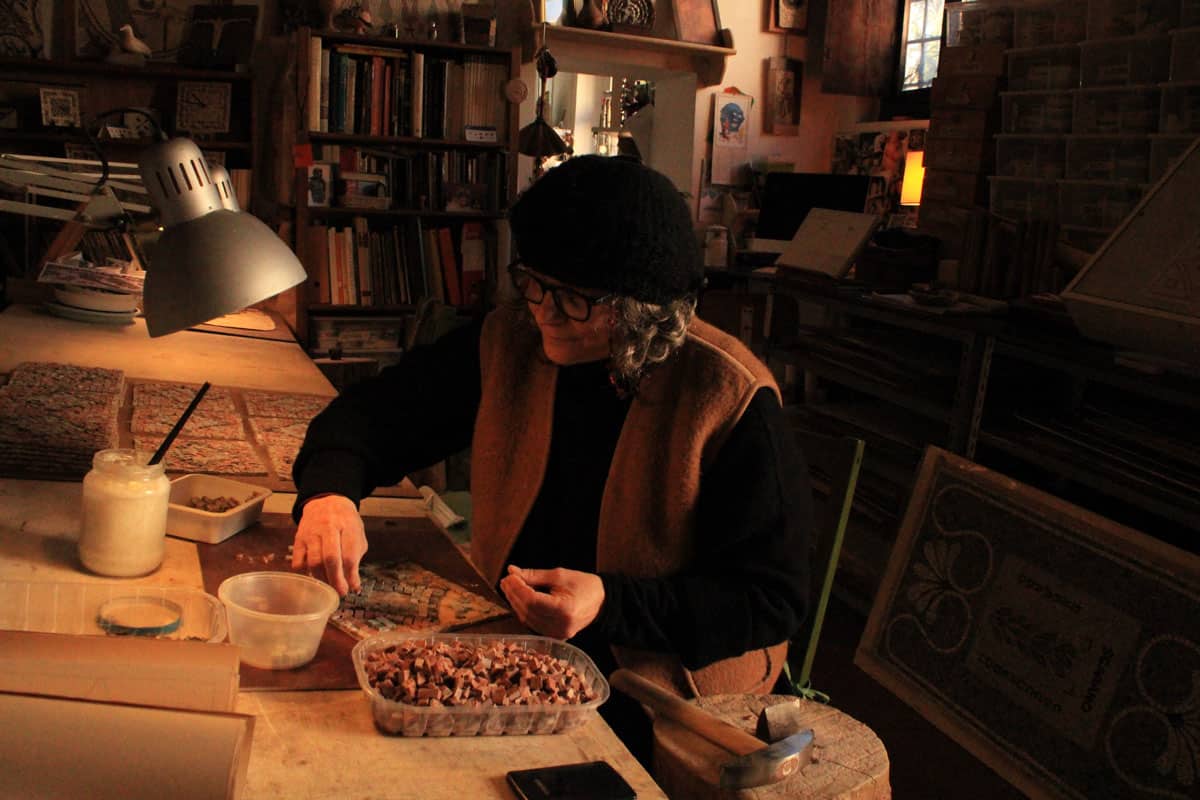
In the quiet Italian town of Spilimbergo, the Scuola dei Mosaicisti del Friuli stands as a unique institution dedicated to the preservation and evolution of mosaic art. Established in 1922, the school was founded to formalize training for local artisans and maintain a mosaic tradition deeply rooted in the region's history, extending back to the Roman Empire. Today, it remains the sole academic institution globally focused exclusively on mosaic arts, attracting students from diverse backgrounds and ages, from recent high school graduates to seasoned professionals, all seeking to master this intricate craft.
The three-year program at the school is rigorous, immersing students in historical mosaic techniques such as Greco-Roman patterns and Byzantine compositions, before encouraging experimentation with contemporary, freeform designs. Annually, approximately 40 students are admitted, but only about 15 successfully complete the full curriculum, earning the esteemed title of _maestri mosaicisti_ (mosaic masters). A select few, typically six, further pursue a fourth year, likened to a master's degree, to refine their skills even more. Director Gian Piero Brovedani emphasizes that becoming a maestro mosaicista demands significant effort and discipline, highlighting the craft's humbling and exacting nature, which fosters patience, attention to detail, and an appreciation for repetitive tasks.
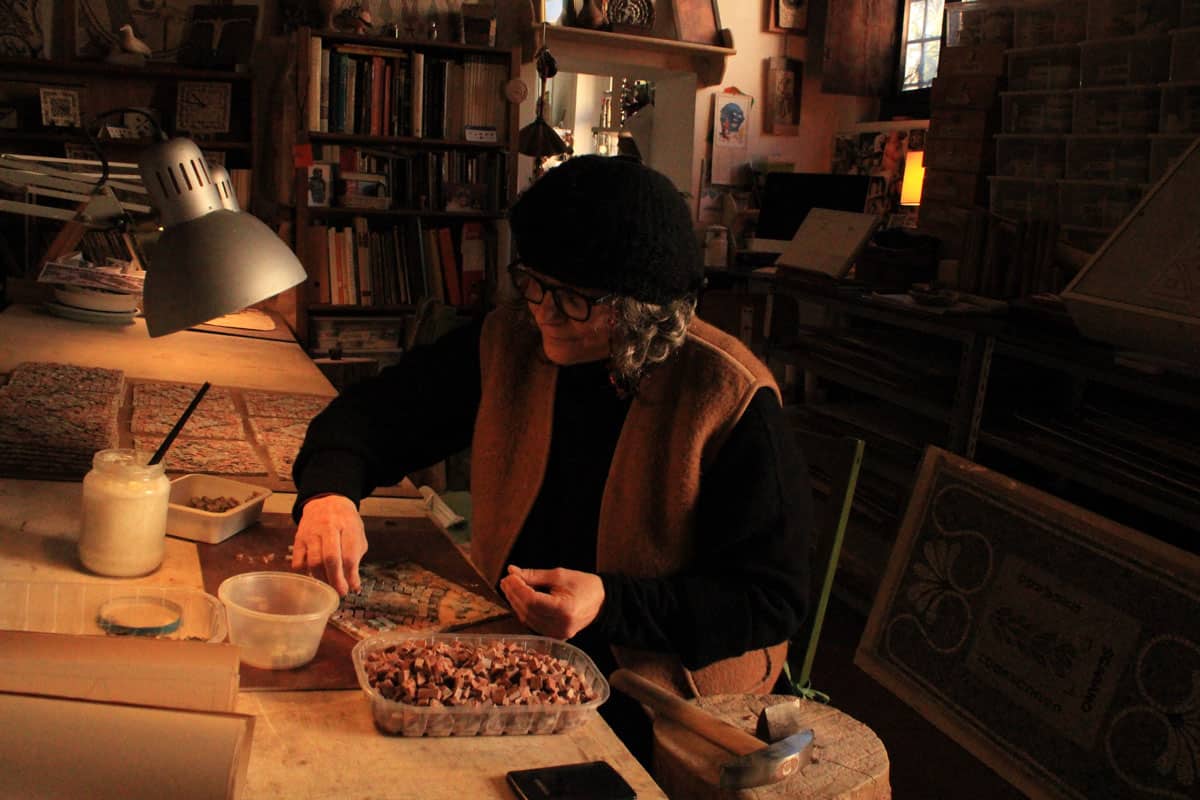
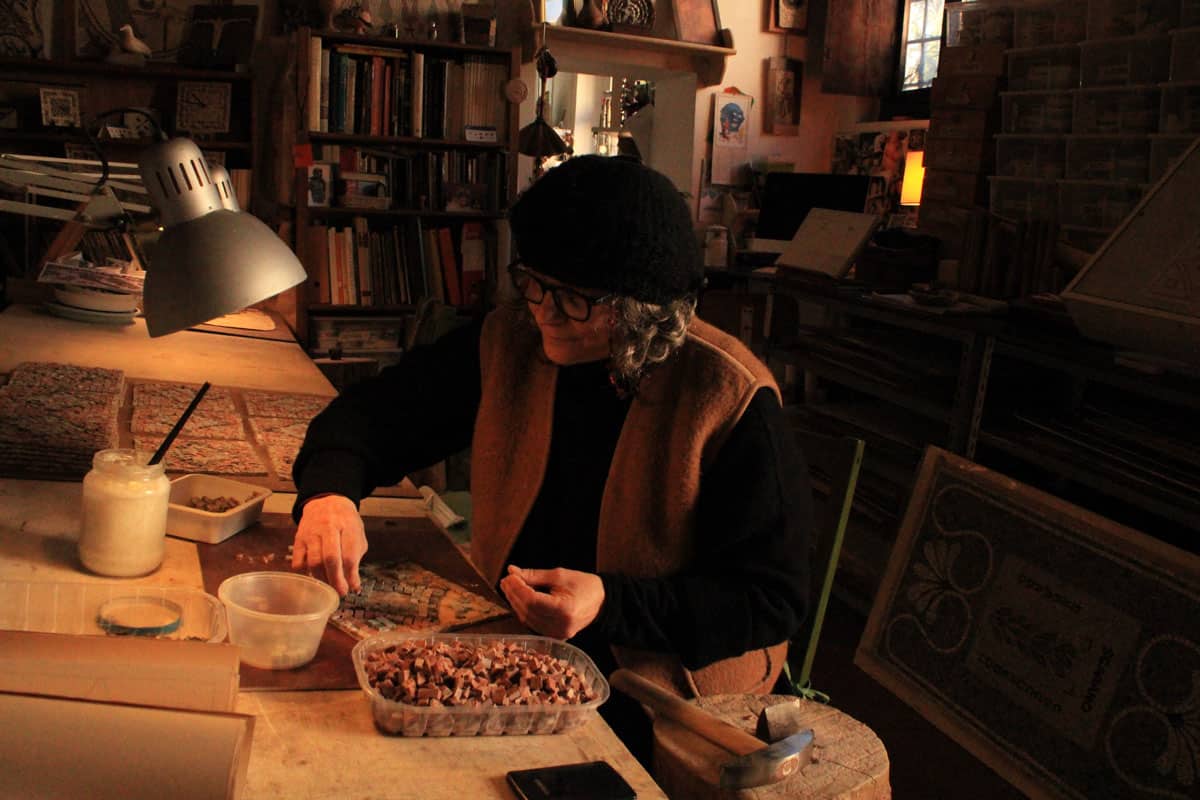
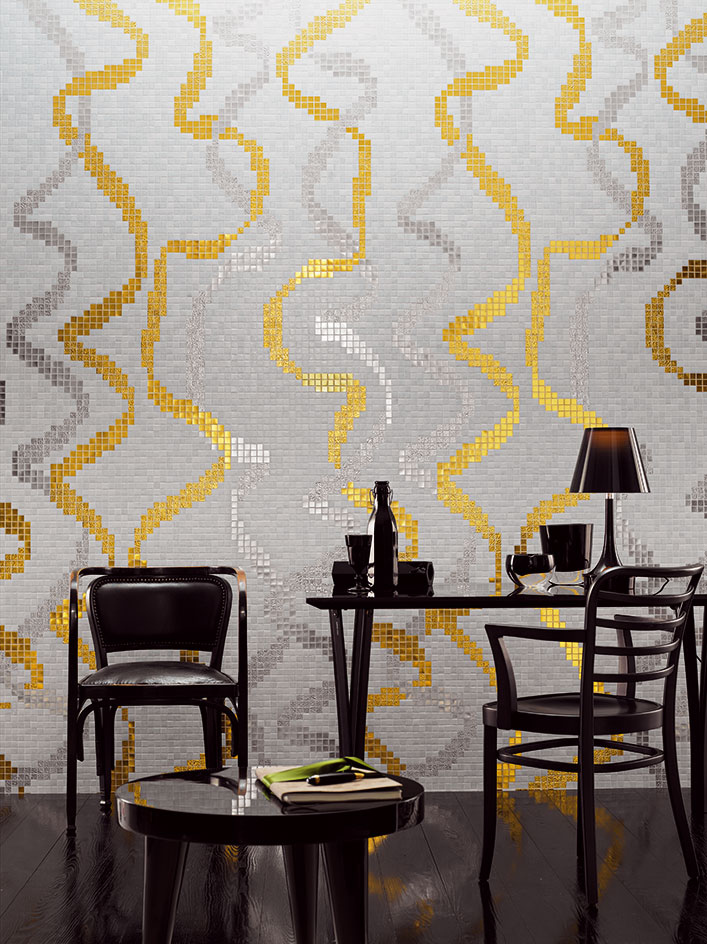
Mosaic creation is an exceptionally precise art form, requiring artists to meticulously arrange hundreds, or even thousands, of tiny pieces called _tesserae_—some as small as 0.5cm—to construct elaborate patterns and lifelike scenes. These tesserae, made from materials like marble, glass, _smalto_ (opaque glass tiles), and shells, necessitate careful craftsmanship and an intuitive understanding of rhythm and placement. Cristina de Leoni, a third-year teacher, notes the collaborative and selfless aspect of mosaic-making, where individual tiles only gain significance when combined with others, creating a collective artwork without emphasizing individual ego.
The rich history of mosaics, tracing back to Mesopotamia in the 3rd millennium BCE and spanning various cultures including Greek, Maya, Byzantine, and Islamic civilizations, underscores its reliance on anonymous virtuosity rather than individual artistic fame. Friuli-Venezia Giulia has remained a stronghold of this tradition, fueled by an abundance of stones from the Tagliamento river and strong cultural links to Venice. In the 19th century, Friulian artist Gian Domenico Facchina revolutionized the craft with the _rovescio su carta_ (reverse on paper) method, enabling off-site assembly of large mosaic panels, a technique first showcased in the foyer of Paris' Opéra Garnier.
Today, Friulian mosaicists, many trained in Spilimbergo, have contributed to prominent projects worldwide, from Rome's Foro Italico to the New York City subway at the World Trade Center, and from Jerusalem's Church of the Holy Sepulchre to galleries in Tokyo. The art form continues to evolve, embracing both precision and expression. Purnima Allinger, a student, describes mosaics as a meditative yet expressive craft that keeps artists fully engaged. Amos Carcano, a Swiss maestro mosaicista, highlights the blend of manual work, invention, and exploration of texture, color, and patterns in contemporary mosaics. Carcano is currently part of a team working on a monumental 1,265-sq-m mosaic floor for the school's courtyard, depicting Friuli's native flora and fauna.
The school operates as a _bottega_ (workshop), where students learn through hands-on practice, as explained by mosaic history teacher Danila Venuto. Visitors can also engage with the art through _corsi brevi_ (short courses) ranging from four-day to week-long programs, offering an introduction to mosaic creation. Guided and independent tours provide access to an archive of over 800 mosaic works and opportunities to observe students and masters at work. Spilimbergo itself serves as an open-air gallery, with mosaics adorning buildings, shops, and restaurants. The town also hosts mosaic shops and showrooms, displaying works by alumni, and offers visits to Fabbrica di Mosaici Mario Donà, a historic kiln producing enamels for mosaics. The region's natural landscape, particularly the _grave_ (river-washed stones) from the Tagliamento and the Magredi plain, provides the essential materials and inspiration for many Friulian mosaics, underscoring the deep connection between the art and its environment. Mosaic-making is a central part of Friuli's cultural identity, and the school invites curious individuals to partake in this enduring legacy.
#MosaicArt #ItalianCraftsmanship #ArtEducation #Spilimbergo #FriuliVeneziaGiulia #AncientTradition #ContemporaryArt #ArtisanalSkills #TravelDestination #MosaicArt #ItalianCraftsmanship #ArtEducation #Spilimbergo #FriuliVeneziaGiulia #AncientTradition #ContemporaryArt #ArtisanalSkills #TravelDestination
0 comment in total
 No comments yet
You may also like

Behind These Streamlined Cabinets Is an Entire Hidden Kids’ Zone

An Italian Penthouse Shines With Colored Mirrors in Forlì
Color and Custom Details Enliven This 12th-Century Italian Hotel

Step inside this Milanese urban oasis


Property Watch: A Top Floor Condo Lives Inside a Historic Elementary School

Seven interiors where doors and panels hide secret rooms
StudioTamat transforms Rome "villino" with glass floors and mirror ceilings
Living Like a Roman: The Artful Dialogue of Past and Present at Palazzo delle Pietre
Aegea Mosaici


The Mystery of the Haunted Boarding School Bathroom
Journey Through Northern Italy With Artistic Tile

Pattern makers: first look at Studio Job’s iconographic mosaics for Bisazza

An architect transformed an all-girls school from the 60s into a welcoming home

Cultural hub celebrating Tuscan crafts among projects by Florence Design Institute International