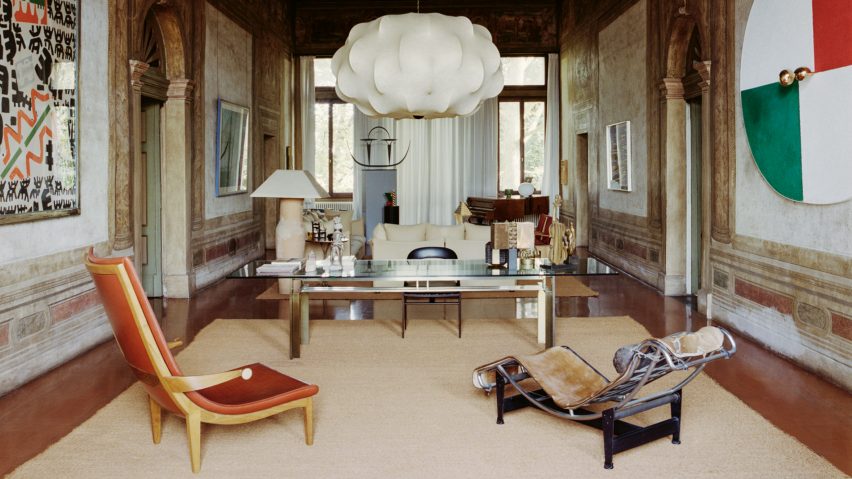
1/13
Ten Italian interiors that reveal "the most stunning homes across the country"
Laura May Todd's book, "Italian Interiors: Rooms With a View," published by Phaidon, showcases 50 exceptional homes across Italy. This article highlights ten of Todd's favorite projects from the book, which she developed after being inspired by Milan Design Week. The featured interiors range from historic palaces to modernist retreats, demonstrating the diverse and rich visual language of Italian design.
One featured home is Casa Stella in Sardinia, designed by Alberto Ponis and commissioned by Ivan Baj. This cottage, with its distinctive star-shaped footprint, is integrated into its natural surroundings, nestled among pink granite boulders overlooking the sea. The interior incorporates massive rocks into whitewashed plaster walls and granite-tiled floors, creating a harmonious blend with the landscape.
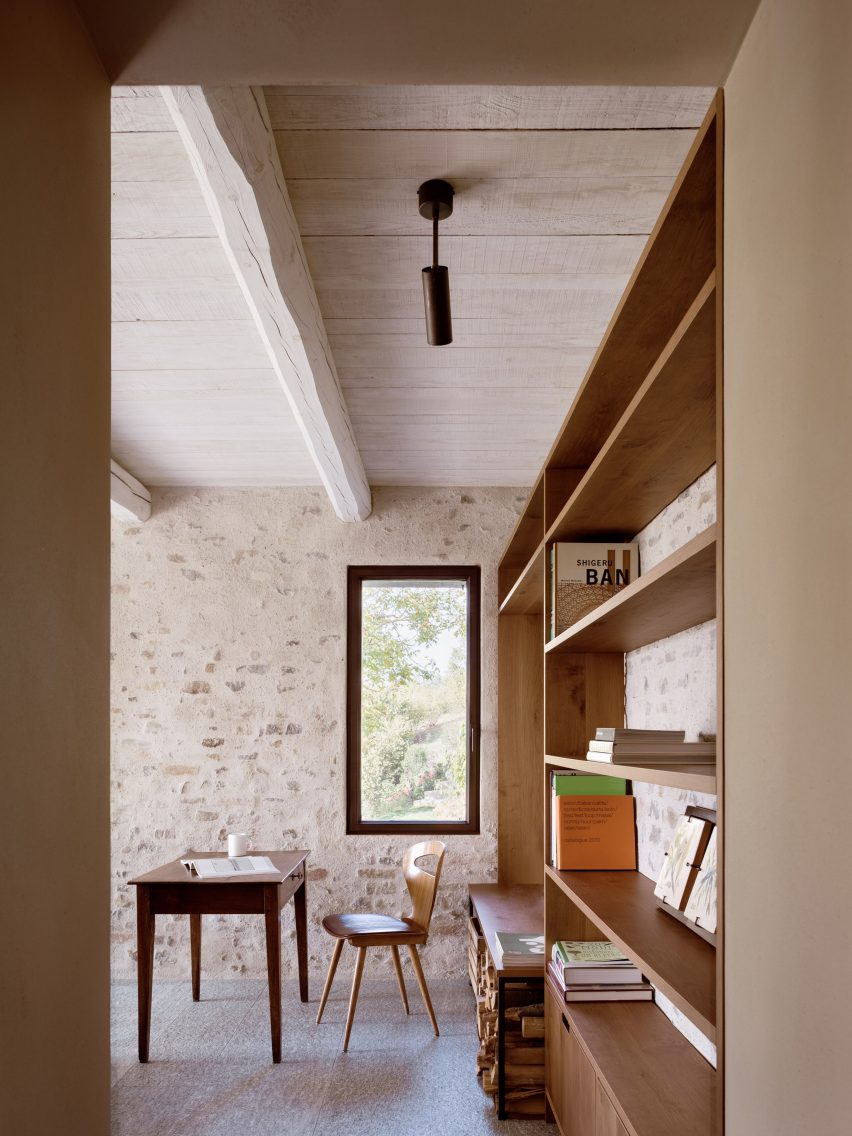
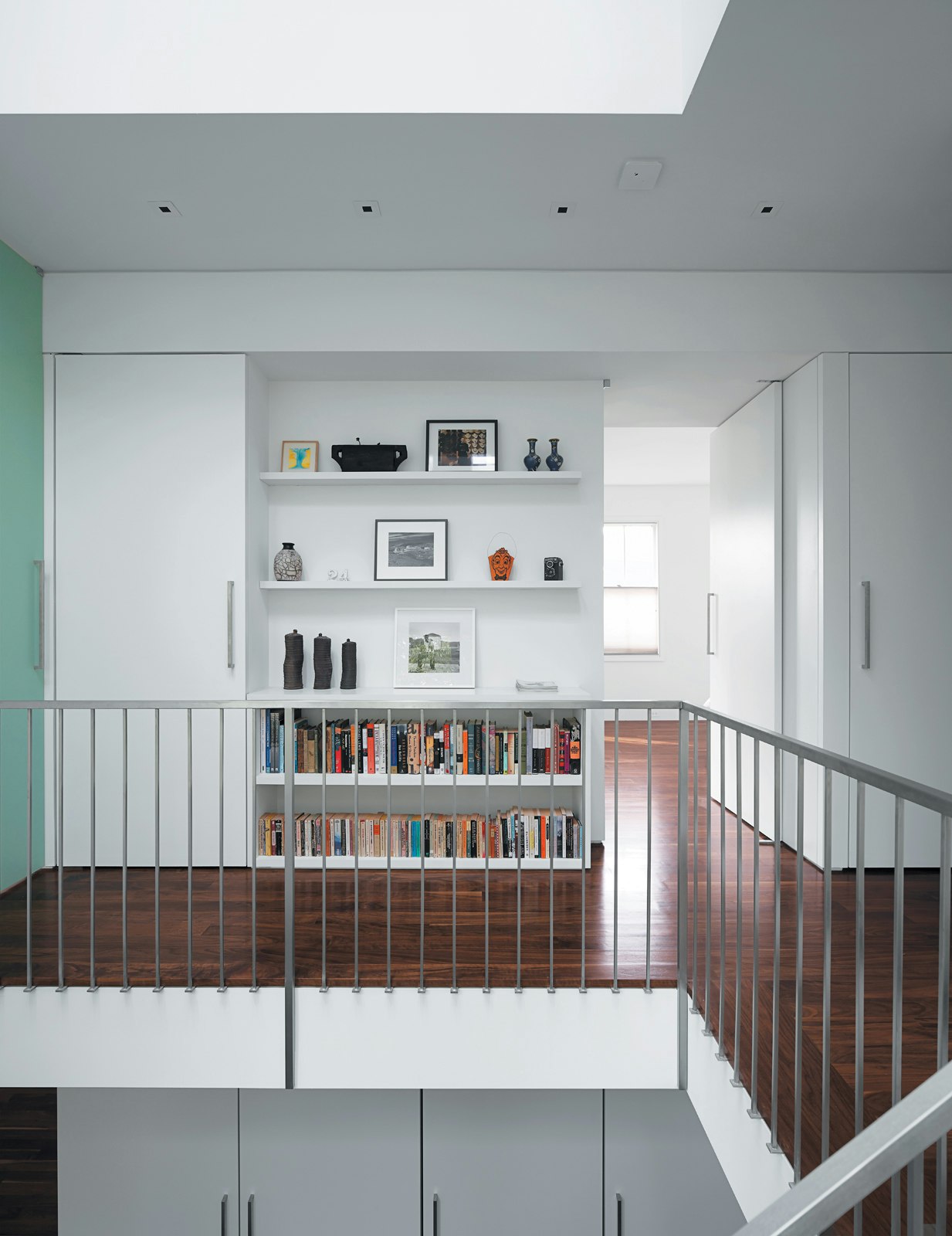
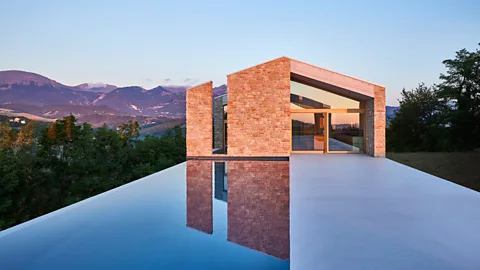
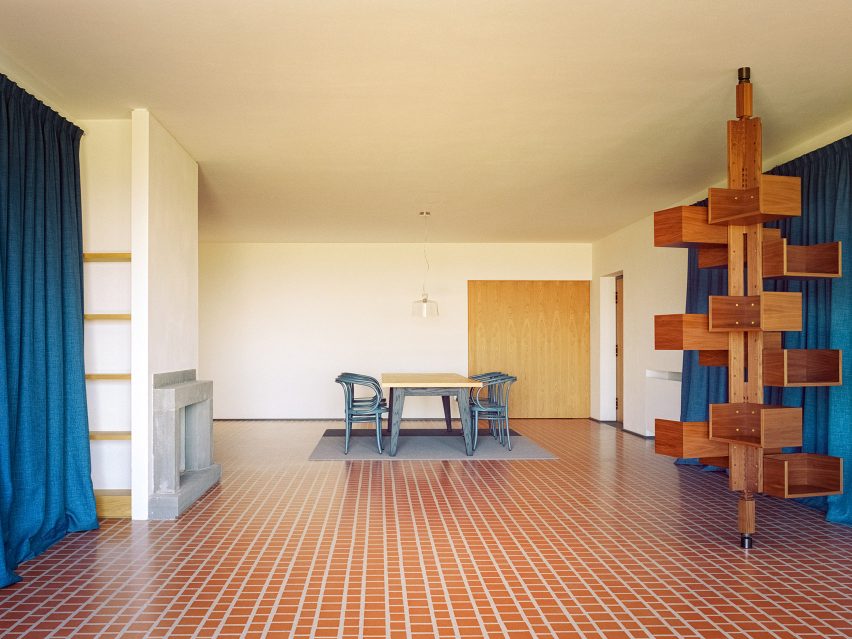
Another highlight is a house in Liguria, a modernist retreat built in the late 1950s by architect Luisa Castiglioni. Located in the wooded hills, this home features large windows offering views of the Apuan Alps and the Magra River, staggered interior volumes, and custom-designed built-in furniture, including floating bookcases. The property is now owned and restored by Castiglioni's granddaughter.
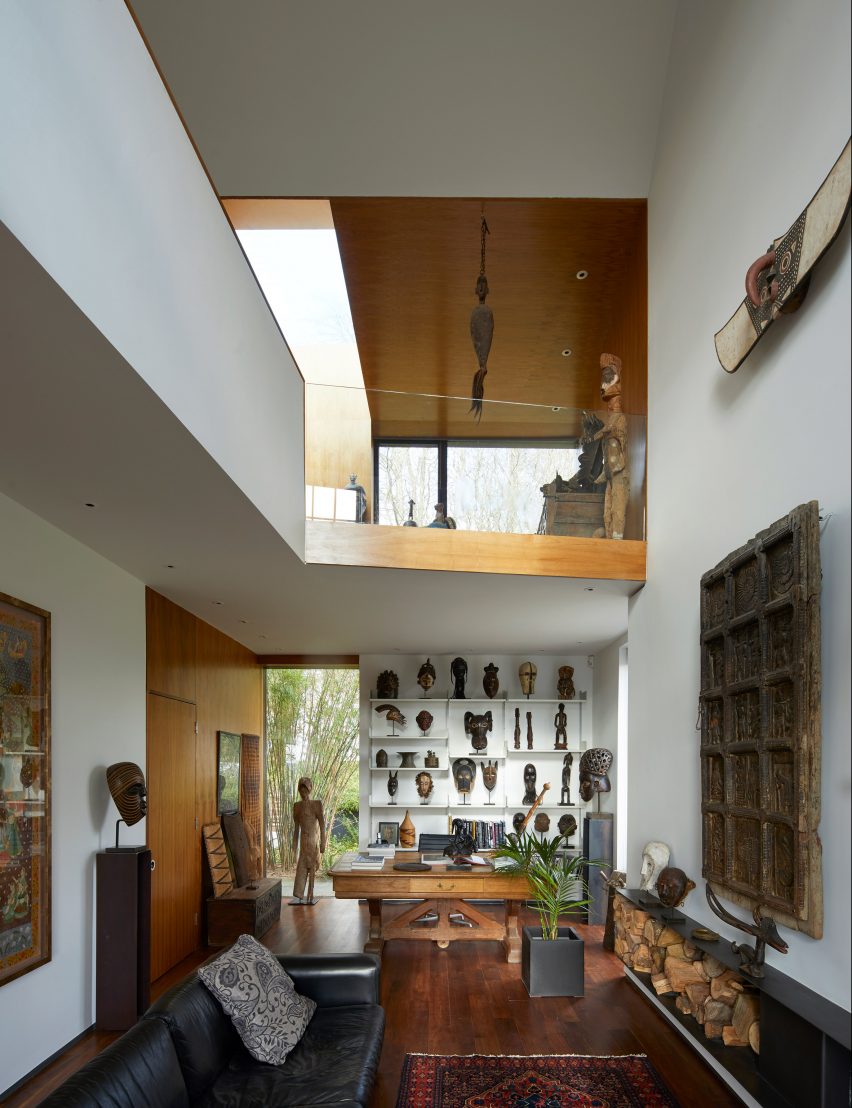
The book also includes a Milan apartment by Vittorio Viganò, inhabited by the founders of luxury accessories brand BOYY. This 1970s brutalist apartment retains Viganò's original design elements, such as interlocking plaster ceiling panels and a floating stone-and-cast-iron bridge. The residents have curated a collection of Italian design classics, including pieces by Joe Colombo, Gastone Rinaldi, and Viganò himself.
Giacomo Balla's apartment in Rome, acquired by the MAXXI Museum, is presented as a rare example of a Gesamtkunstwerk. Over three decades, Balla transformed every surface and object in his home, painting walls, ceilings, and even everyday items with pastel fields of color, creating a living canvas that embodies the futurist art movement.
Castello di Cigognola in Lombardy, a 13th-century watchtower turned grand estate, was restored by decorator Renzo Mongiardino after a fire. His design transformed the interiors with a blend of color and illusion, featuring wood painted to resemble fabric, wallpaper mimicking marble, and stenciled motifs, all of which remain preserved today.
Carlo Prada's apartment in Milan, co-founder of design studio Concorde, offers a subversion of the city's traditional aesthetic. While retaining original parquet floors and ornate ceilings, it incorporates modern materials like subway-style rubber flooring and PVC panels. The interior blends design icons with religious figurines and Baroque portraits, creating an unconventional and eclectic space.
Edoardo Gellner's Cà del Cembro in Veneto, located in the Dolomites, combines alpine tradition with modernist principles. Constructed in 1951, the five-story building features finely grained pine walls, a concrete hearth, and expansive windows that embrace the mountain landscape. Geometric ceramic brick structures blur the line between indoor and outdoor spaces.
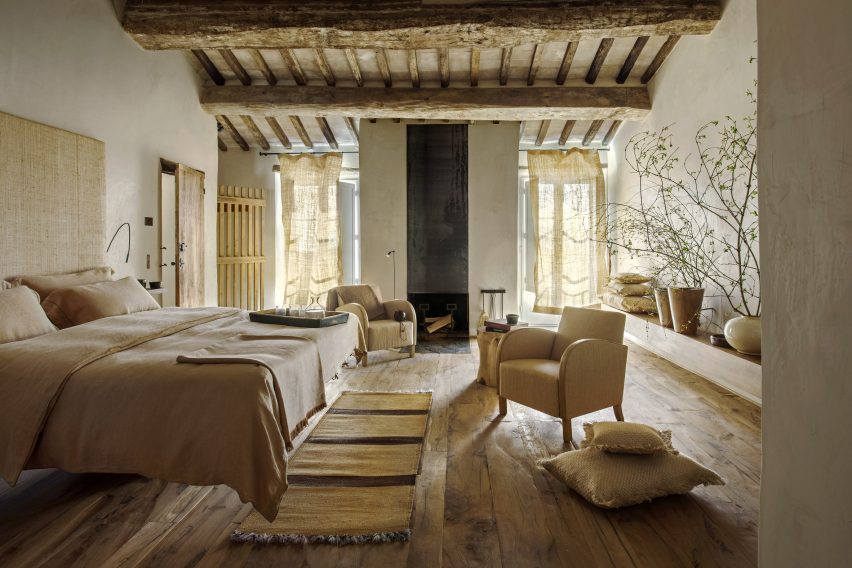
An apartment in Naples by Klaus Schuwerk in the 16th-century Palazzo Carignani di Novoli showcases a blend of historical preservation and modern updates. Schuwerk restored the neglected apartment, balancing opulent Neapolitan aesthetics with minimalist furnishings. Historical touches, such as blackened wood shelving and a green glass amphora, connect the space to the city's rich heritage.
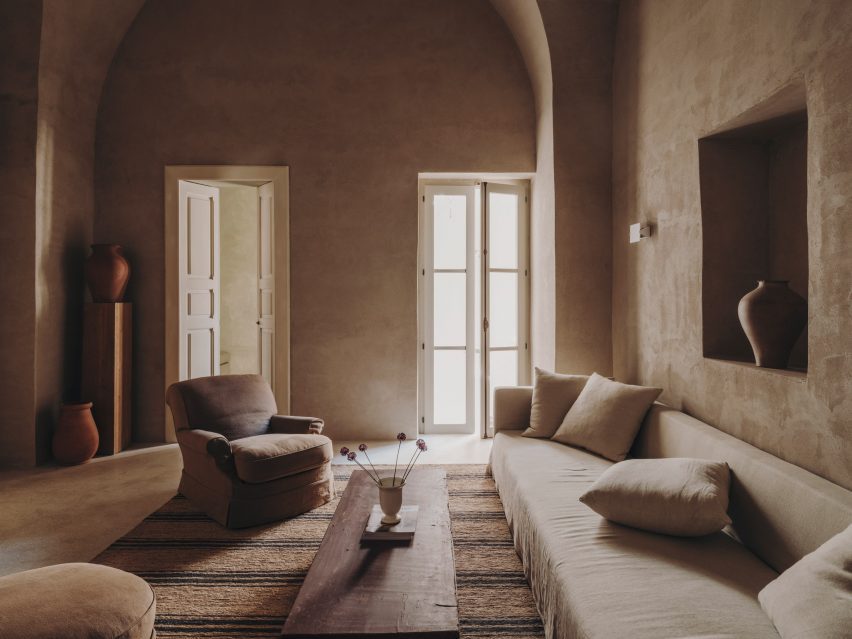
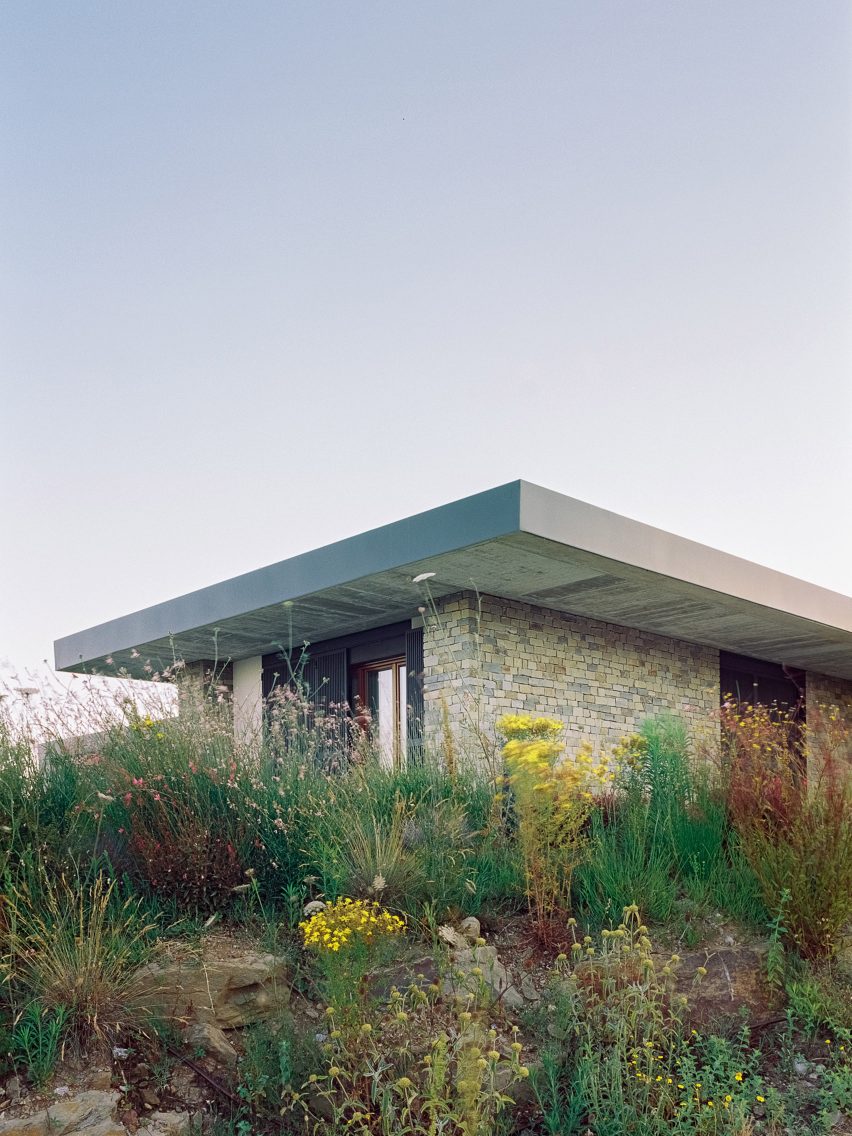
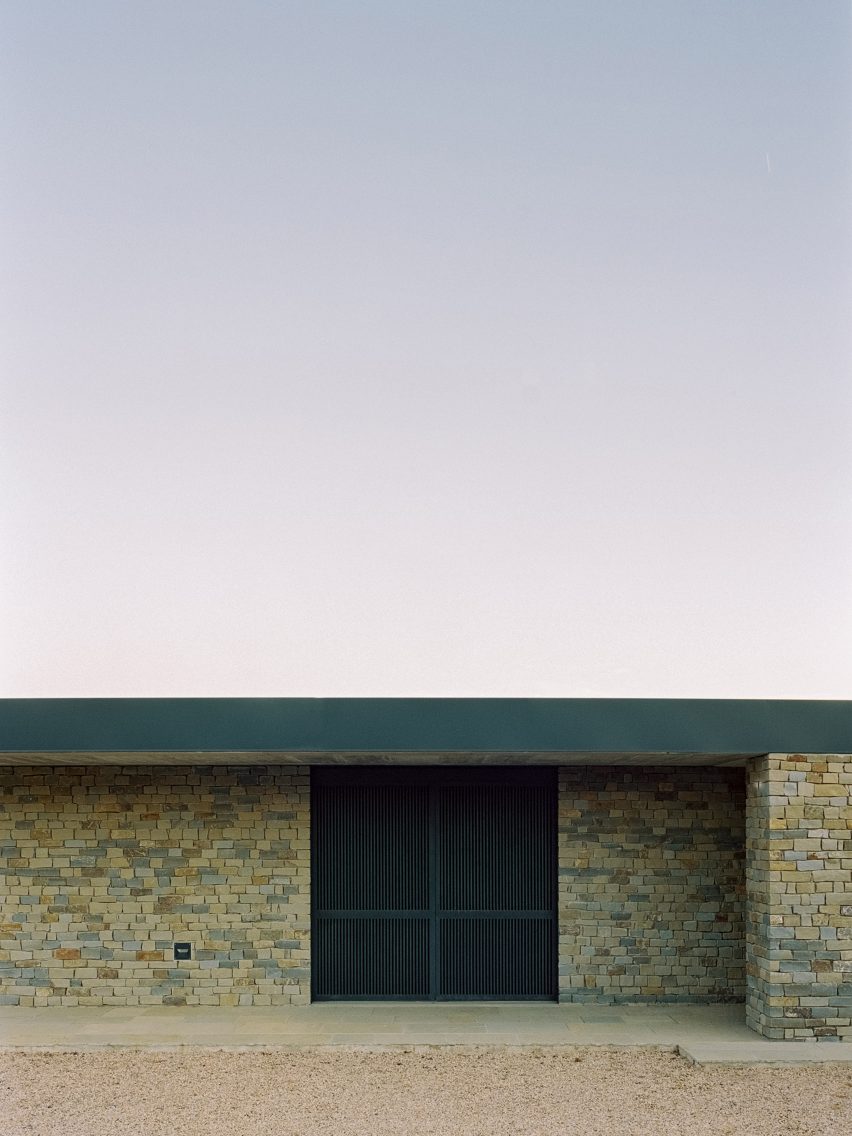
Architect Massimiliano Locatelli's holiday home in Puglia, set in a former stone quarry, is reimagined as an austere retreat. Furnished with mid-century design pieces, antiques, and custom furniture, it features eight identical bedrooms. Stark metallic elements contrast with Lecce stone floors, and a lavish rooftop pool extends the living space vertically.
Finally, Alessandro Mendini's mountain house in Bergamo reflects his postmodern and radical design philosophy. The art nouveau-style chalet, resembling an iced gingerbread house, features pastel-painted walls, intricate carvings, and patterned tiles. Mendini furnished it with his own creations, including his iconic Proust Chair, with its signature pointillist patterns throughout the house. The book, with its color-drenched photography and short essays, celebrates the distinctiveness and variety of Italian interior design.
#ItalianInteriors #LauraMayTodd #Phaidon #DesignBooks #ResidentialDesign #MilanDesignWeek #ModernistInteriors #HistoricHomes #ItalianArchitecture #InteriorDesign #ItalianInteriors #LauraMayTodd #Phaidon #DesignBooks #ResidentialDesign #MilanDesignWeek #ModernistInteriors #HistoricHomes #ItalianArchitecture #InteriorDesign
0 comment in total
 No comments yet
You may also like
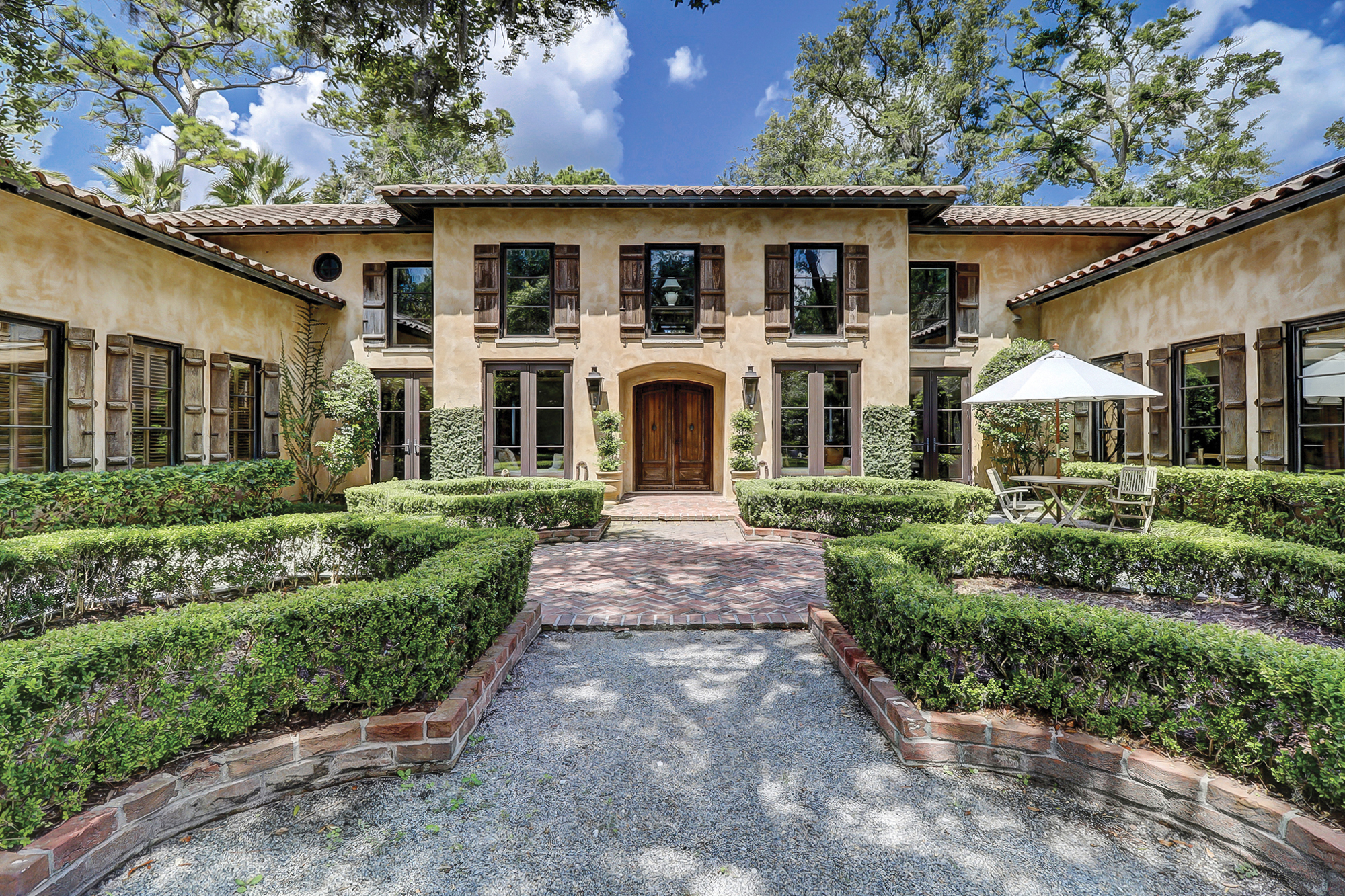
6 beautiful homes with Italian influences

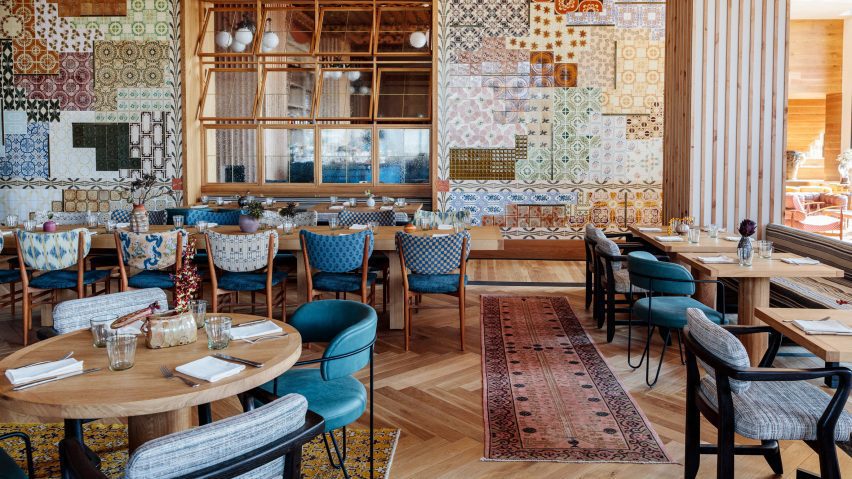
Ten interiors with Mediterranean-style statement tiling
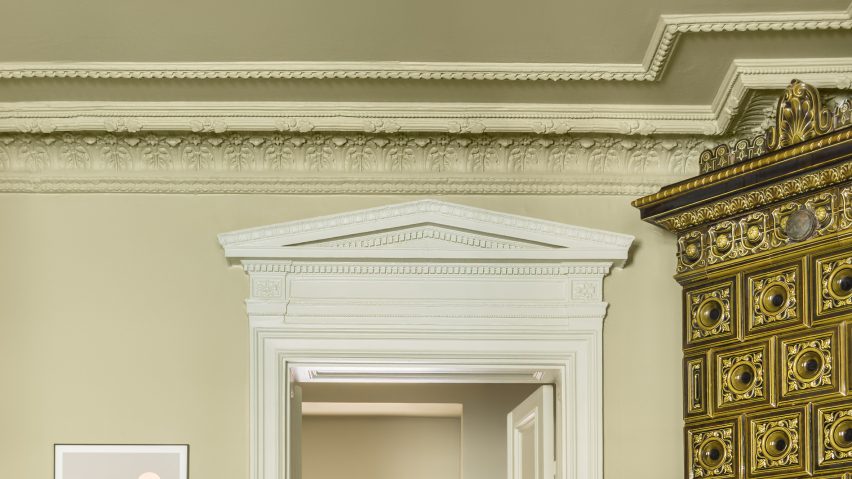
Ten homes that feature decorative ceilings and ornate plasterwork
10 Interior Design Choices You'll Never Regret, According to Pro Decorators

Ten homes with interiors designed to showcase art
Ten home interiors with distinctive terrazzo floors
The Best Interior Design Stores in Rome

Ten head-turning home interiors that make a statement with pivot doors
Ten rustic Italian interiors that evoke the history of the Mediterranean

Home Styling Tips: For Gorgeous Interiors

Every Bathroom Should Have A Turntable Sink

10 opulent interiors that spurn minimalism for rich colours and textures
16 Stunning Mediterranean-Style Homes Inspired by European Country Charm

A Spotlight on 10 Traditional Homes with Modern Interiors

Ten modern homes with interiors informed by biophilic design

Tuscan holiday home is almost entirely decked out with Italian materials
10 Unique Interior Design Features To Steal From Our Home Tours
Ten homes with French doors that bring an airiness to the interior
Eight of the world's most remarkable homes

Rachael Ray Just Gave a Tour of Her Gorgeous Italian Kitchen—Here Are 10 Things to Buy to Copy the Rustic, Chic Vibe