Virtual Staging Could Help You Sell Your Home—Here's What to Consider
Effectively selling a home often necessitates showcasing its best features, a process where home staging plays a crucial role. Virtual staging offers a digital alternative to traditional staging, involving the addition of furniture to images of empty rooms rather than physical placement. Rachel Lustbader of Coldwell Banker Warburg highlights that while traditional staging uses actual furniture, virtual staging employs digital tools to facilitate home sales. Before homeowners embark on rearranging furniture or hiring professionals, virtual staging presents a modern and efficient solution.
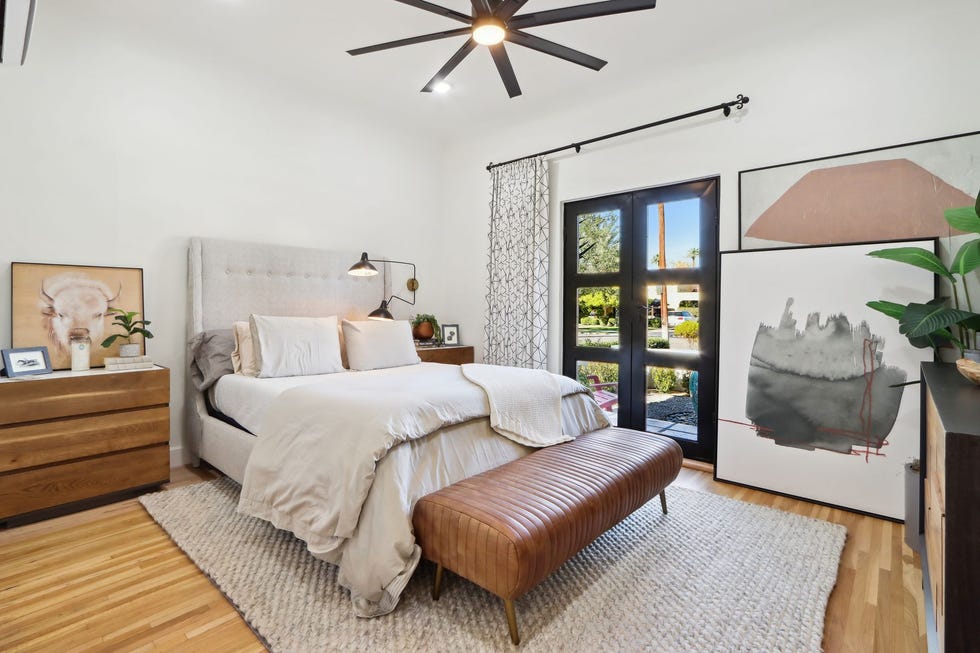
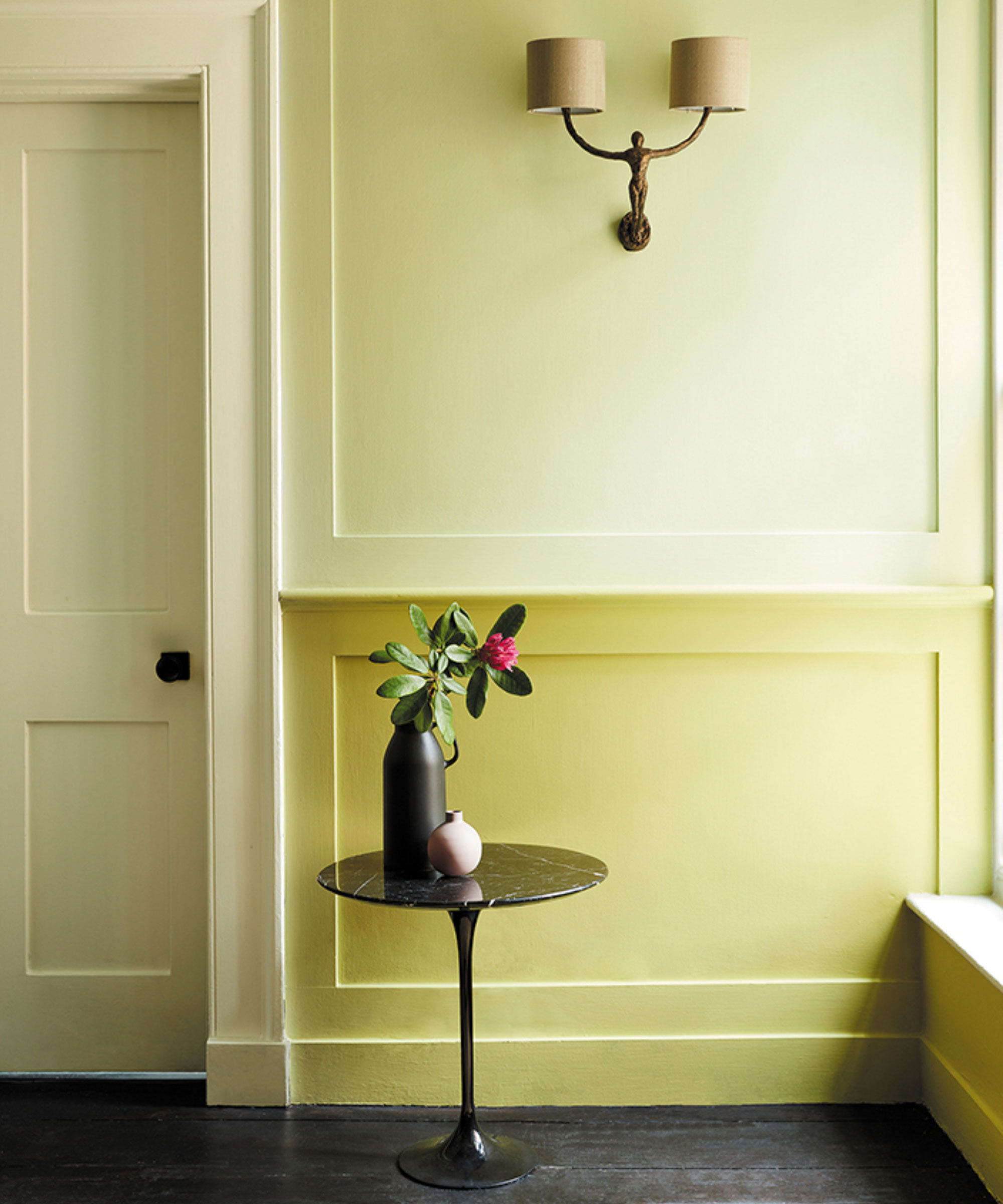
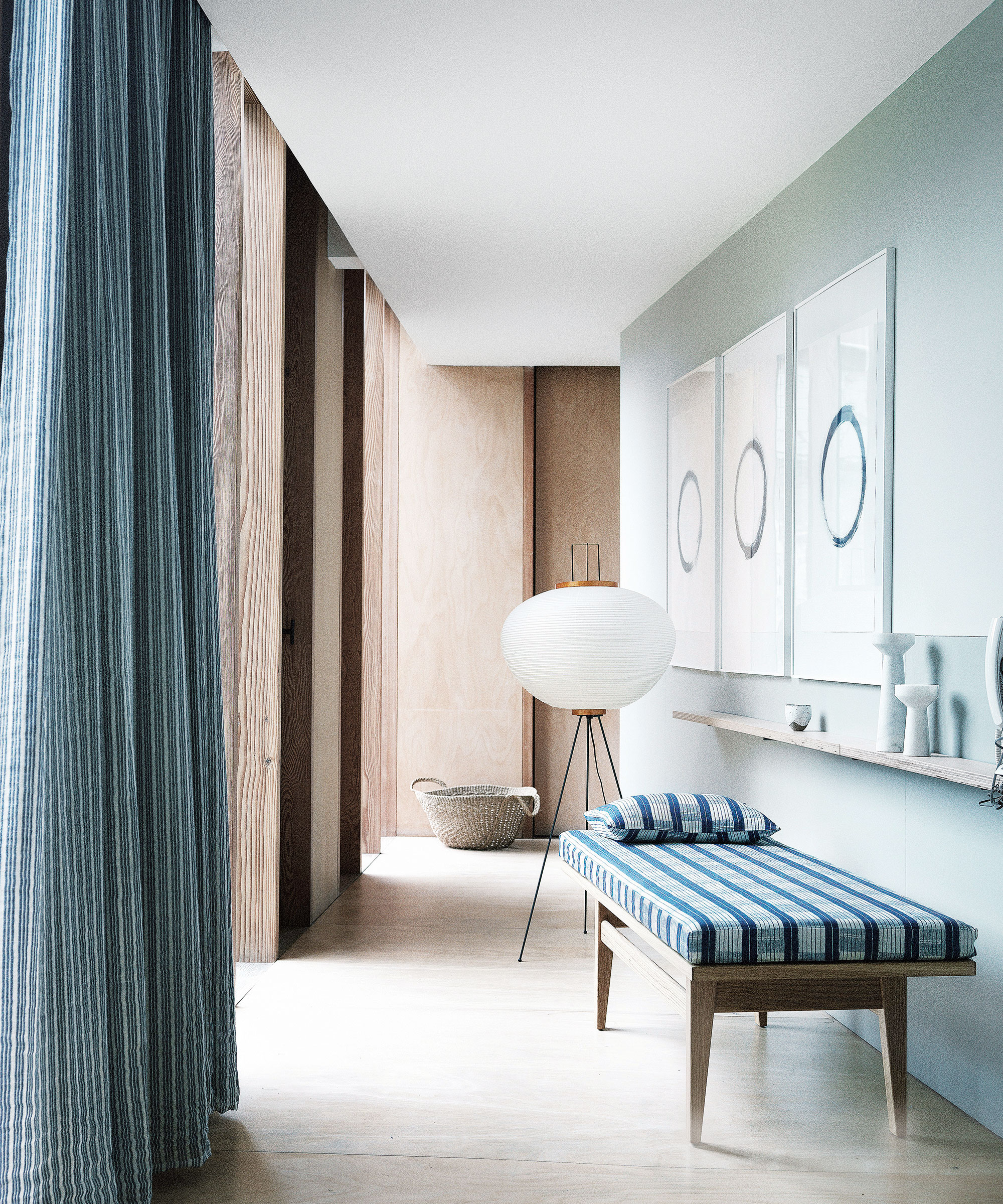
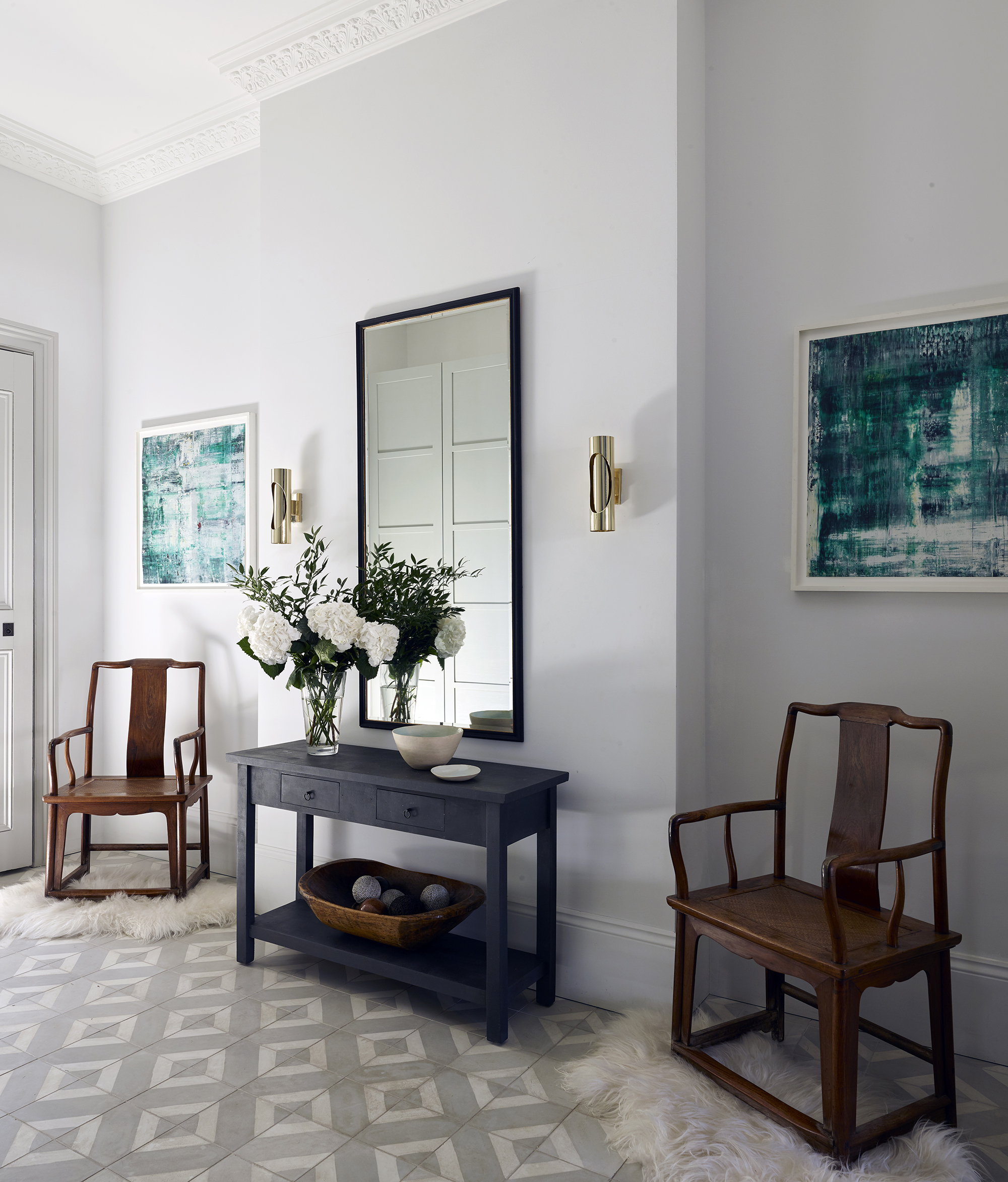
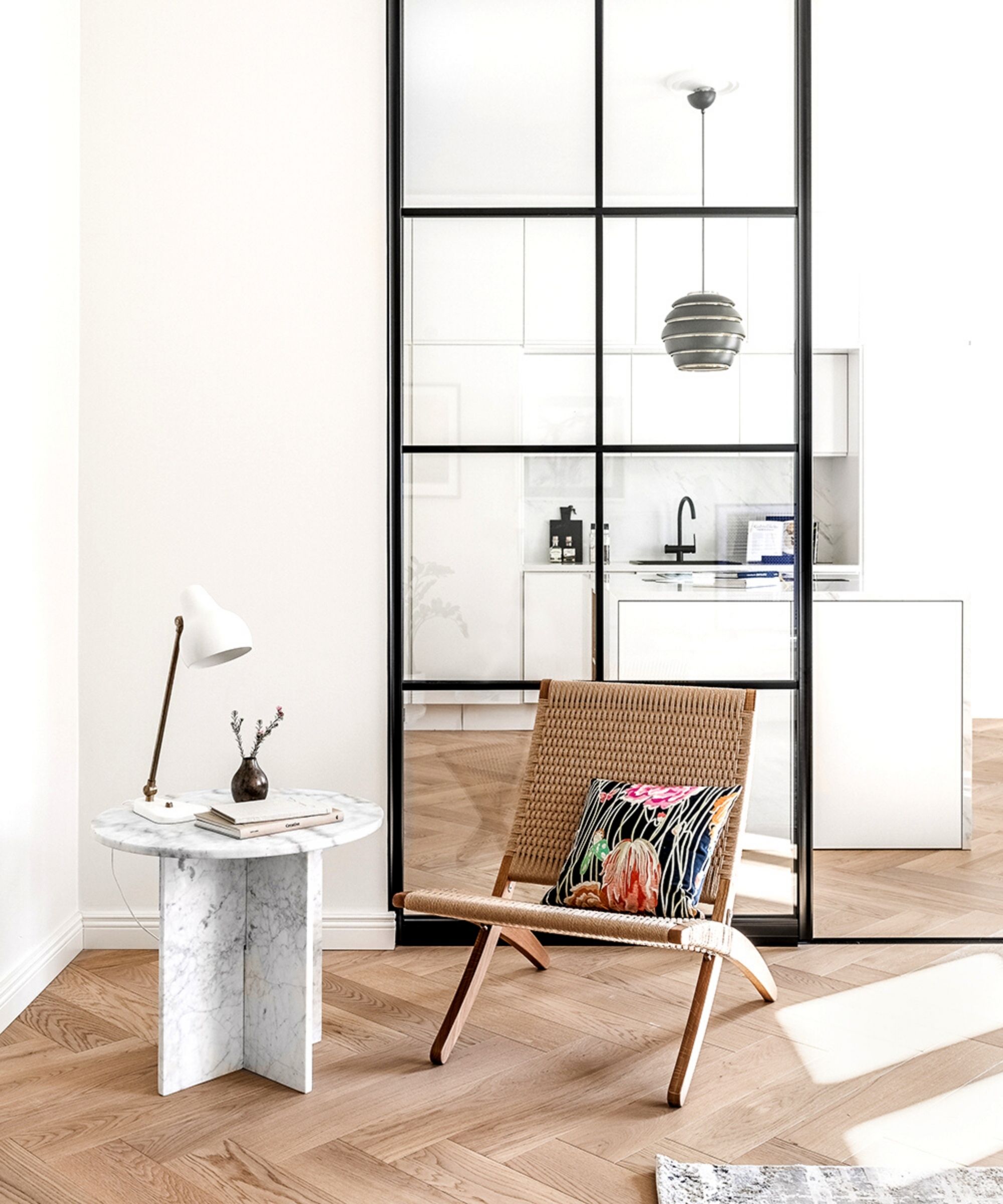
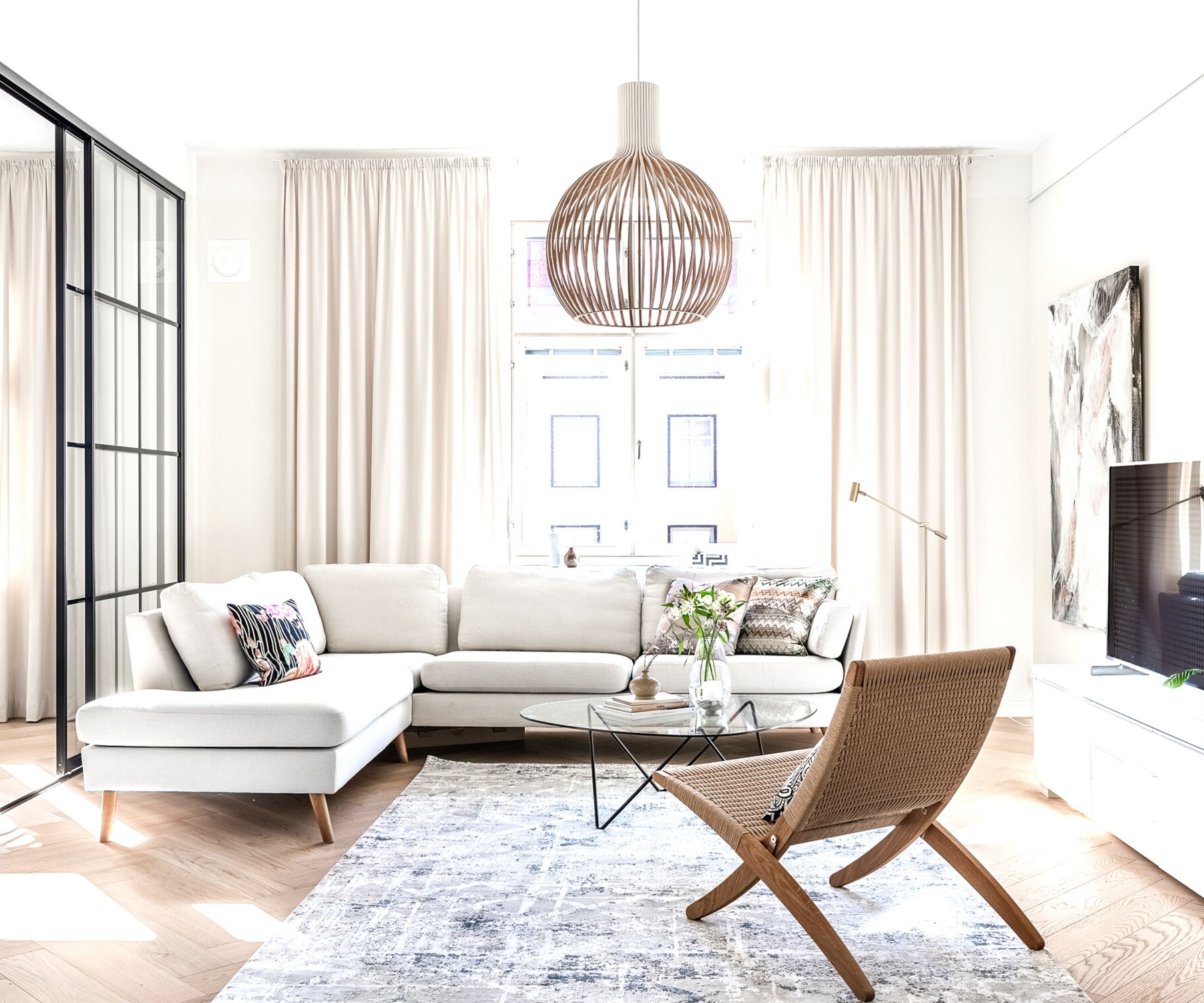
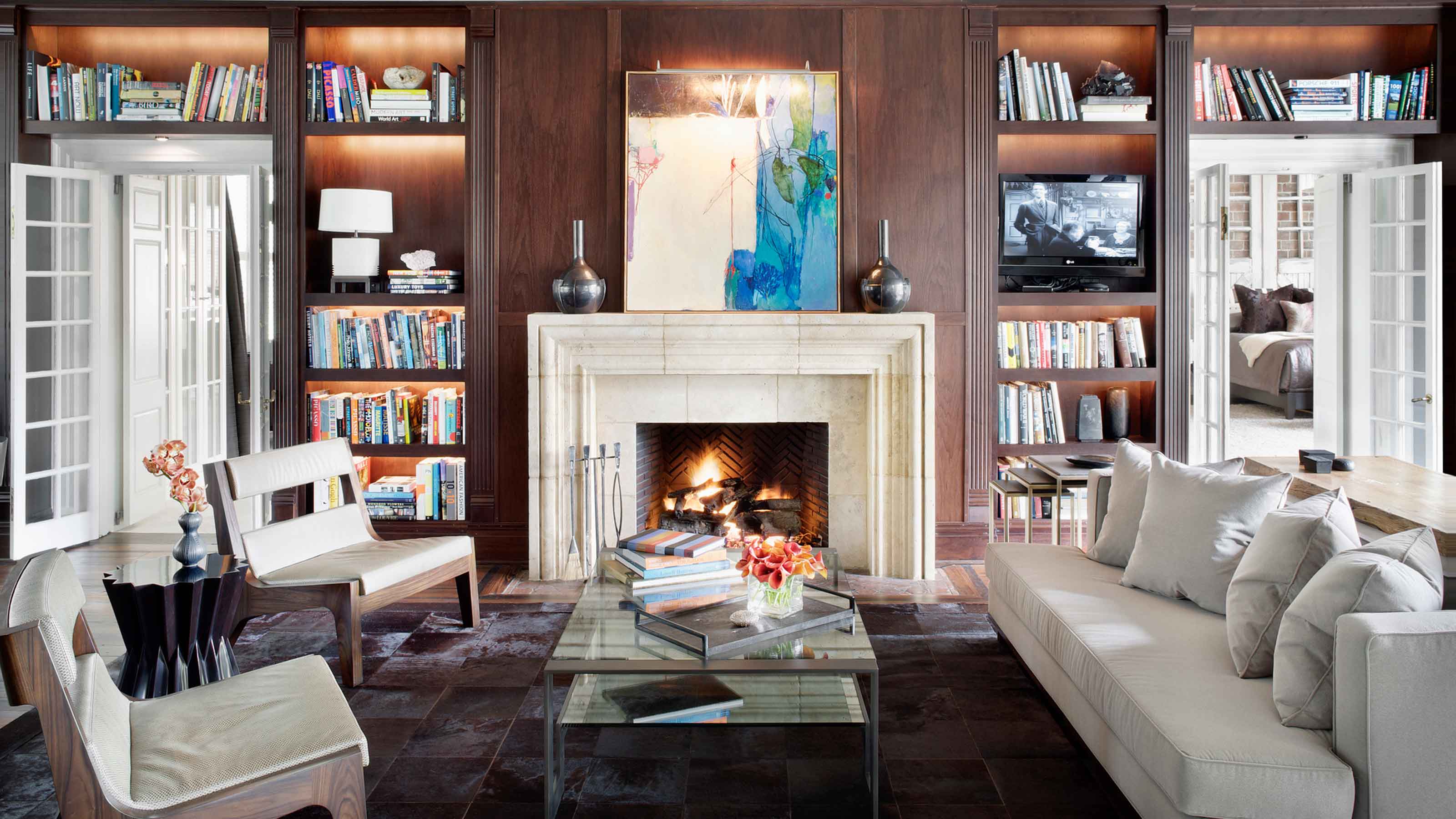
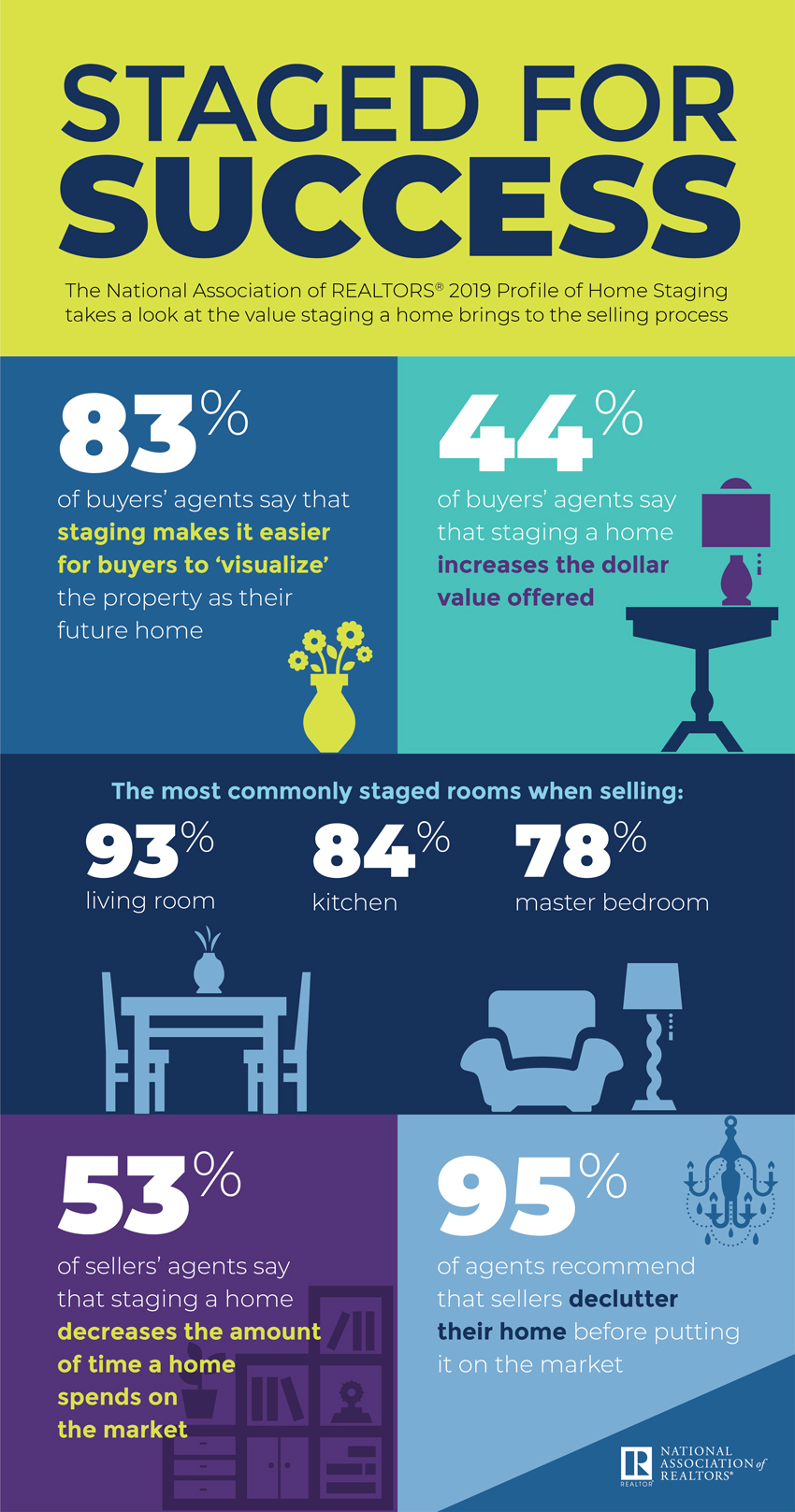
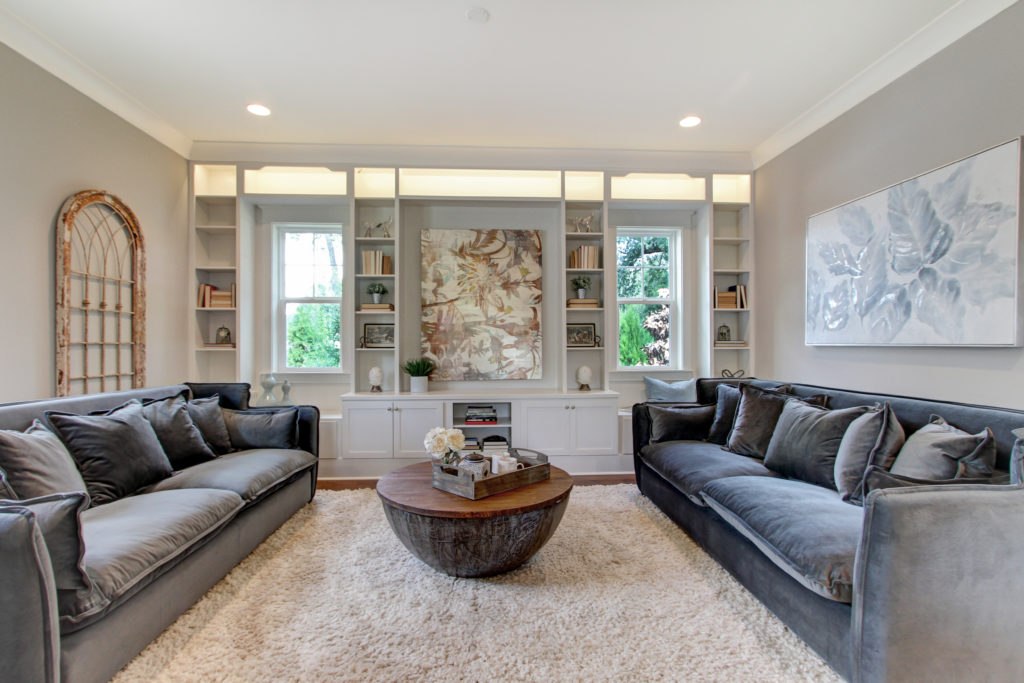
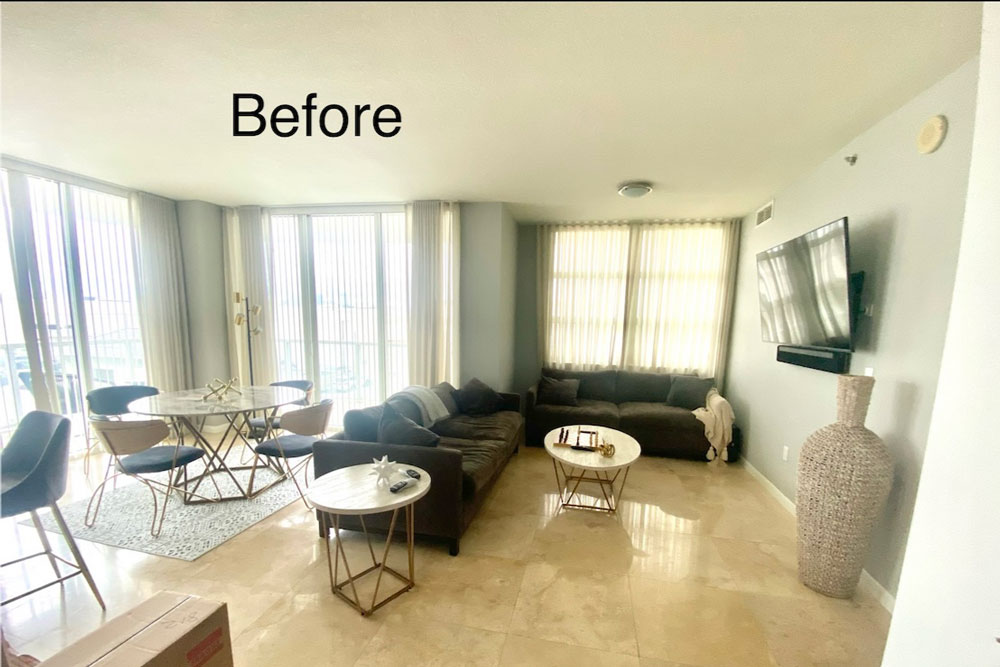
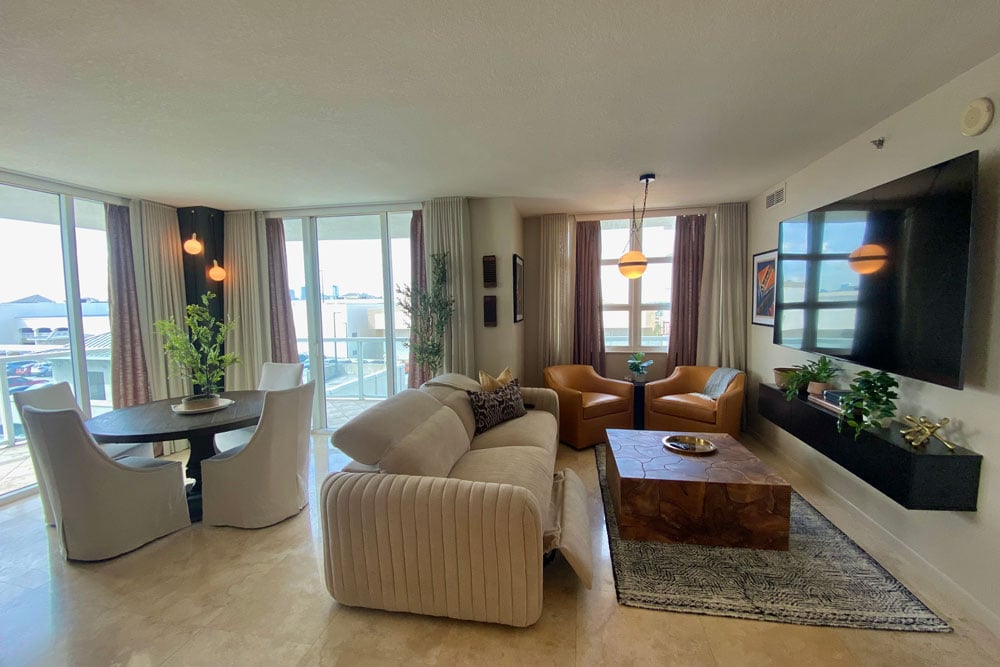
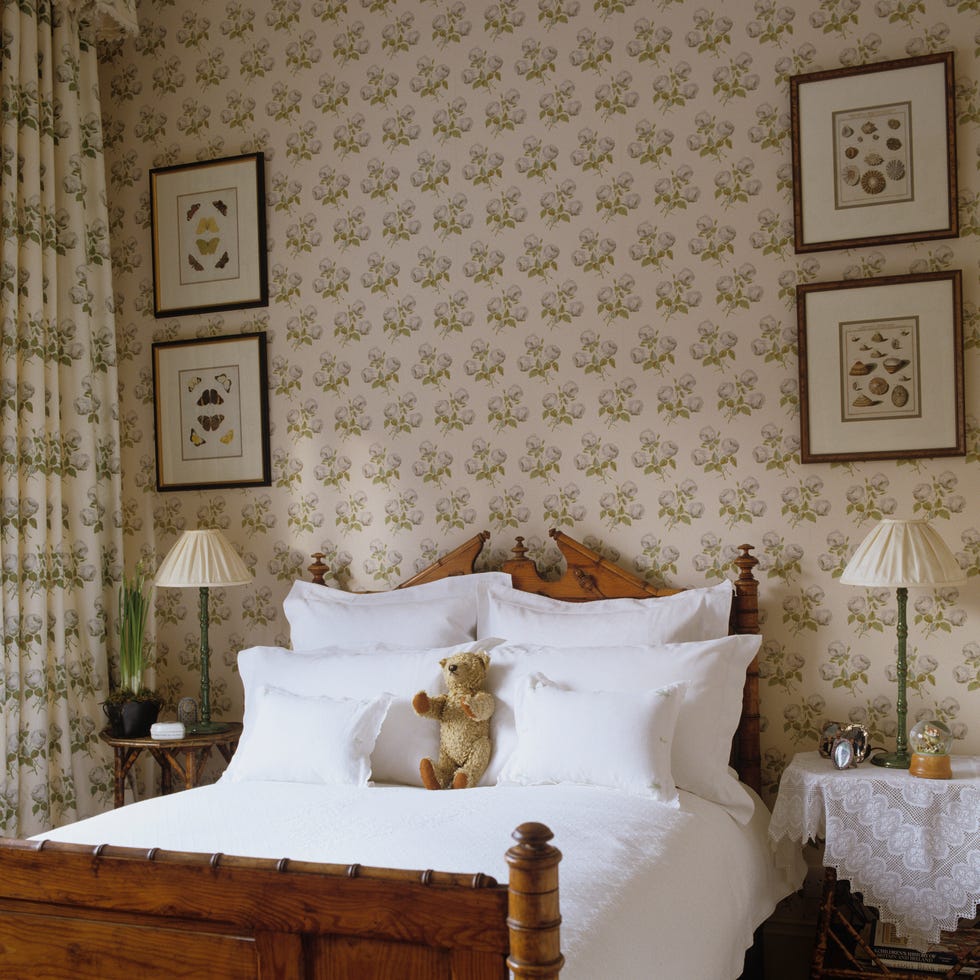
Traditional home staging, as explained by real estate agent Christa Kenin of Douglas Elliman, entails removing existing furnishings and replacing them with rented items such as furniture, accessories, and artwork. This approach aims to create a cohesive style that highlights the home's architectural features, distinct from a seller's personal living arrangement. Experts advise decluttering and removing personal items to allow potential buyers to envision the home as their own. A general guideline is to remove about 50% of items from each room to achieve an airy feel, including furnishings, rugs, drapery, knickknacks, and personal decor. Rooms should clearly convey their purpose, ensuring a dining room looks like a dining room and not a playroom. If a home is empty, staging is considered essential to prevent buyers from being confused about a room's intended use. The objective is to present a clean slate that maximizes buyer interest.
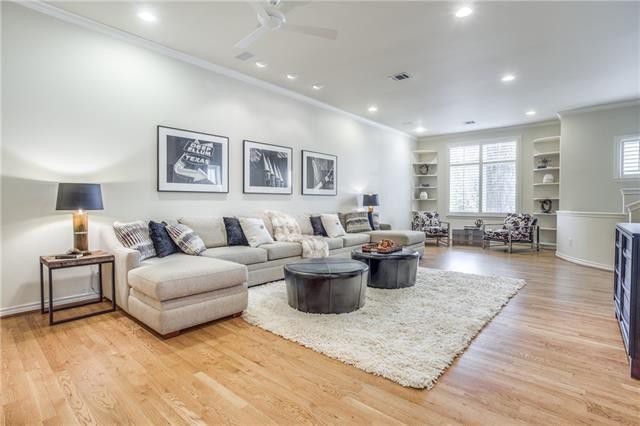
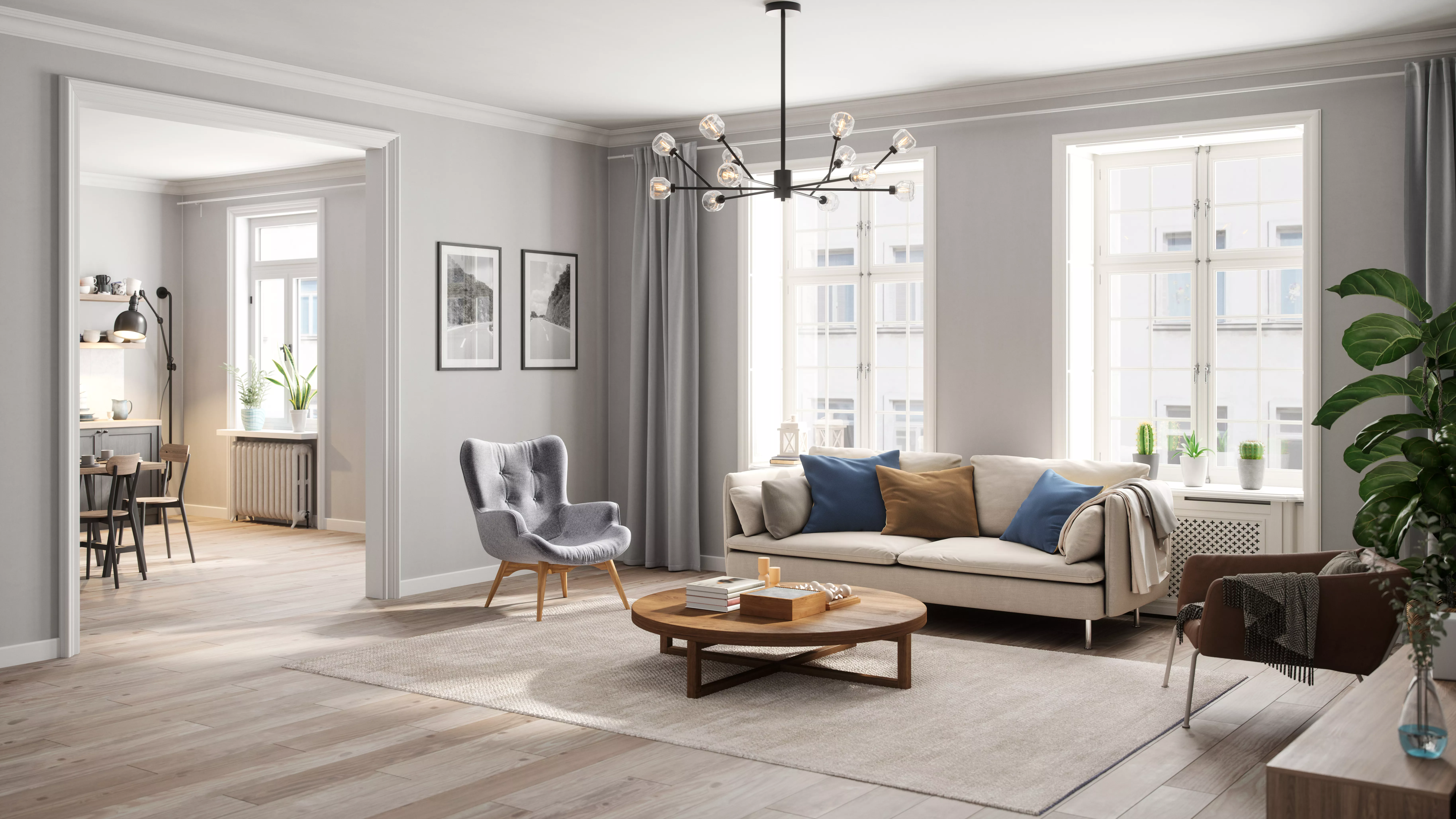
Virtual staging, conversely, utilizes technology to transform spaces and is often a more affordable option, especially when traditional staging is impractical, such as when a home is empty after renovations or a seller has moved out. Kenin describes virtual staging as adding furniture to a room's image using a computer program to enhance its space. The process involves photographing empty rooms, after which a digital designer inserts new furniture and decor into these photos. These digitally enhanced images are then used in online listings to attract potential buyers.
Both traditional and virtual staging methods come with their own set of advantages and disadvantages. Angel Lee, director of marketing production at Coldwell Banker Warburg, points out that virtual staging is typically more cost-effective and faster to implement, though it has limitations. Traditional staging offers greater customization but is generally more expensive and time-consuming. While virtual staging excels at generating initial interest and securing showings, potential buyers might be disappointed by the empty reality of the home upon an in-person visit. Virtual staging is particularly effective for drawing buyers to the home and scheduling viewings, being significantly cheaper than traditional methods, with costs ranging from $30-$200 per room photo. Many traditional staging firms focus on occupied homes, making virtual staging an excellent alternative for vacant properties.
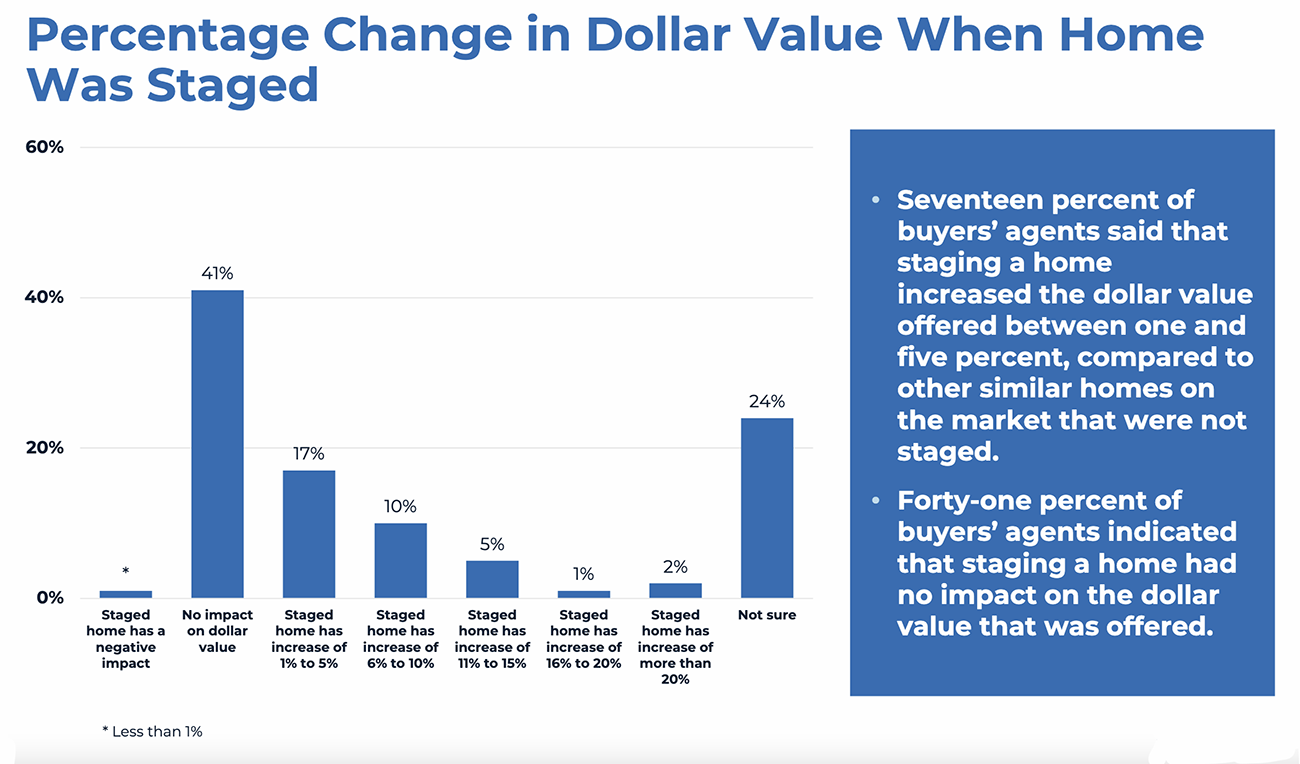
Kenin expresses a preference for traditional staging, noting that buyers often struggle to visualize spaces, and virtual staging can lead to a sense of letdown if the physical home doesn’t match the staged photos. Ellen Sykes of Coldwell Banker Warburg agrees, suggesting that investing in traditional staging can enhance a home's value by up to 20%. For high-priced properties, physical staging is considered crucial for receiving higher offers. The cost for traditional staging of a family-sized home typically ranges from $6,000 to $10,000 for six months.
The choice between traditional and virtual staging depends on individual options and objectives. Traditional staging requires additional time, cost, and effort, making it not feasible for everyone. Virtual staging offers an affordable, quick setup with flexible design choices, making it an excellent alternative, especially when budget constraints exist, timelines are tight, or when exploring various design options without physical furniture. However, physical furniture can distract from imperfections, while empty, virtually staged rooms can appear smaller and less inviting, making flaws more noticeable. Lee emphasizes that traditional staging is preferable for a tangible and realistic property presentation, particularly in luxury markets, as physical furnishings can enhance perceived value and create emotional connections.
#VirtualStaging #HomeStaging #RealEstate #HomeSelling #PropertyMarketing #InteriorDesign #HomeDecor #DigitalDesign #CostEffectiveness #VirtualStaging #HomeStaging #RealEstate #HomeSelling #PropertyMarketing #InteriorDesign #HomeDecor #DigitalDesign #CostEffectiveness
0 comment in total
 No comments yet
You may also like

Profile of Home Staging

20 Things Home Buyers Will Hate About Your House

The Art of Staging


Realtors Say "Screen Appeal" Is One the BIGGEST Reasons Homes Fly Off the Market

Minimalist home staging – 4 ways experts say paring back will sell your home fast

Virtual Staging: The Top 10 Apps That Can Help You And Your Home


This SURPRISING Feature May Make Your Home Harder to Sell, According to Designers

5 entryway staging tricks to sell your home fast – according to estate agents

How home staging can help you sell your house faster & for more

More Realtors Are Using Staging Than Ever Before, According to NAR


5 Most Profitable Home Improvements to Make Before Selling Your Home

Should you stage your home when selling?

These Easy Home Updates Could Add $6,000+ to Your Selling Price


Tips for staging a house – 5 ways to sell your home before Christmas
Bedroom Improvements to Sell Your Home Faster
9 Home Staging Tips You'll Want to Try (Even if You're Not Selling Anytime Soon)


6 Plants That Professional Stagers Say Will Actually Help You Sell Your Home

Everything You Need to Know About Staging Your Home on a Budget


First Impressions Matter: How Home Staging Sells Faster & Yields Higher Offers