1/9
Eight interiors where burl wood provides natural texture
This article explores the rising trend of using burl wood veneer in interior design, showcasing eight diverse examples where this unique material adds natural texture and a decorative function. Burl wood, known for its swirling, psychedelic graining, is derived from outgrowths on tree trunks and branches, making it a rare and often expensive material, typically used in thin veneer sheets. Its unpredictable growth patterns create complex and unexpected designs, which have contributed to its renaissance in recent years.
The lookbook highlights interiors designed by prominent figures like Kelly Wearstler, who uses burl wood to evoke a 1970s bohemian aesthetic, blending it with other patterns to achieve an organic, understated luxury akin to natural stone. The featured projects demonstrate the versatility of burl wood across different settings, from residential apartments to high-end restaurants and retail spaces.
One example is the Botaniczna Apartment in Poznań, designed by Agnieszka Owsiany Studio, where burl wood is incorporated into a console and vanity to complement a calming palette of pale marble and various woods, creating a hotel-like serene environment for medical professionals. In contrast, Kelly Wearstler’s design for the Ulla Johnson flagship store in Los Angeles extensively uses burl wood veneer on walls, ceilings, and shelves, contributing to a sandy-hued palette and a 1970s California nostalgic feel.
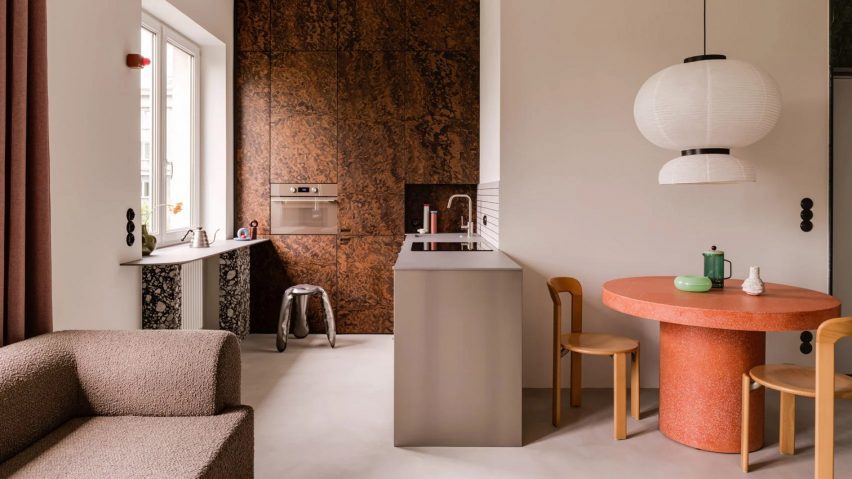
The Koda hair salon in Sydney, by Arent & Pyke, features a vintage burl wood hanging cabinet positioned to draw attention when viewed from a seated height, adding a unique focal point. Opasly Tom restaurant in Warsaw, by Buck Studio, utilizes burl-clad cabinets and kaleidoscopic panelling in hallways and private dining rooms, demonstrating a cohesive yet minimalist design approach that creates a powerful aesthetic impact. Another Warsaw apartment, designed by Mistovia, integrates walnut-burl cabinets in the kitchen, contrasting their swirling patterns with monochrome tiles, brushed metal, and a terrazzo-legged breakfast bar, forming an elaborate puzzle of textures.
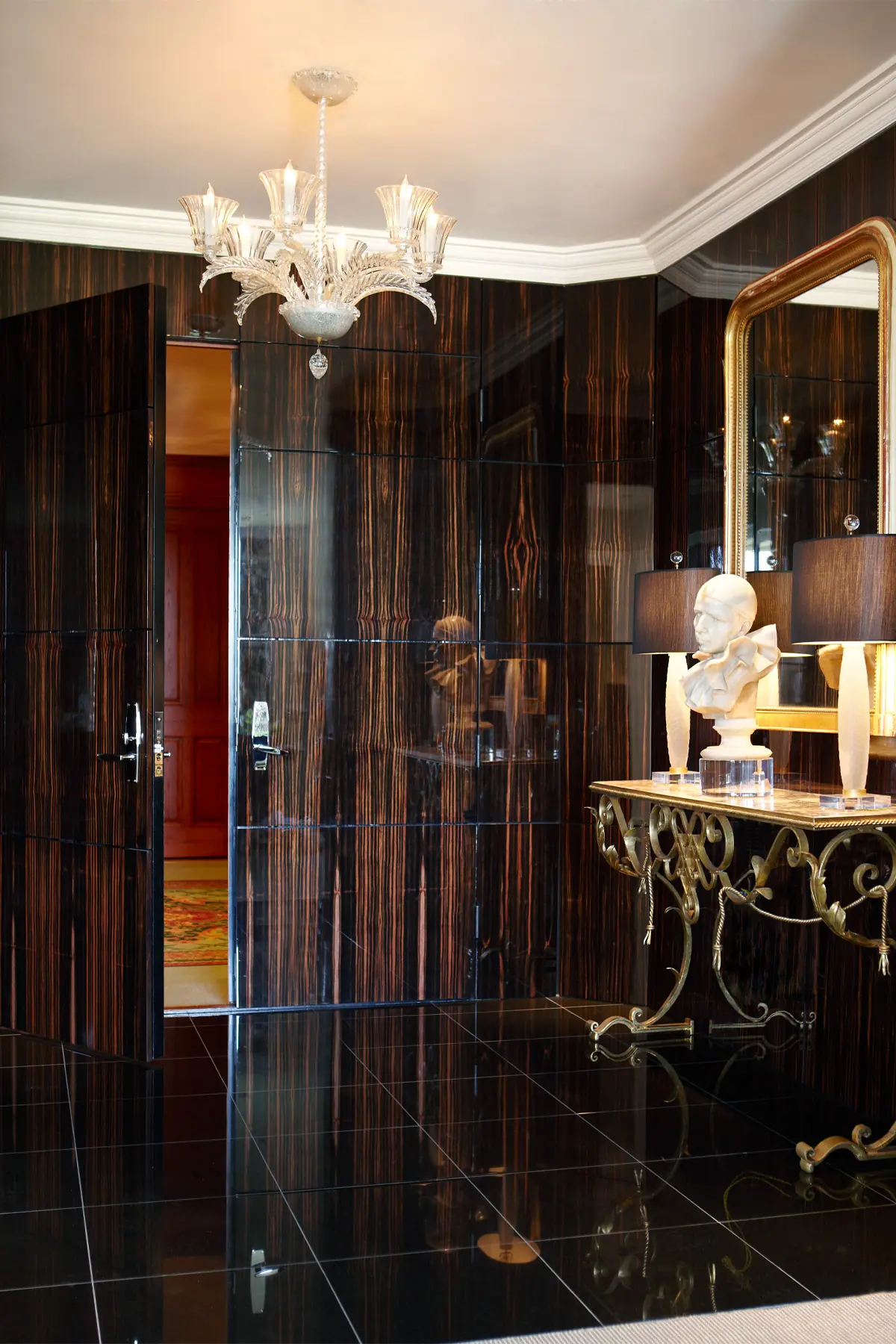
In Washington DC, the Michelin-starred Imperfecto restaurant, designed by OOAK Architects, welcomes diners with a custom maître-d stand clad in mirrored tortoiseshell-patterned burl wood veneer, alongside other authentic materials like Greek and Italian marbles and brass. The Black Diamond house in Sydney, by YSG, aims to replicate a luxury hotel experience with custom furniture, including a Tiberio marble vanity and a poplar-burl cabinet with a bronzed mirror in the living room, contributing to a sumptuous material mix.
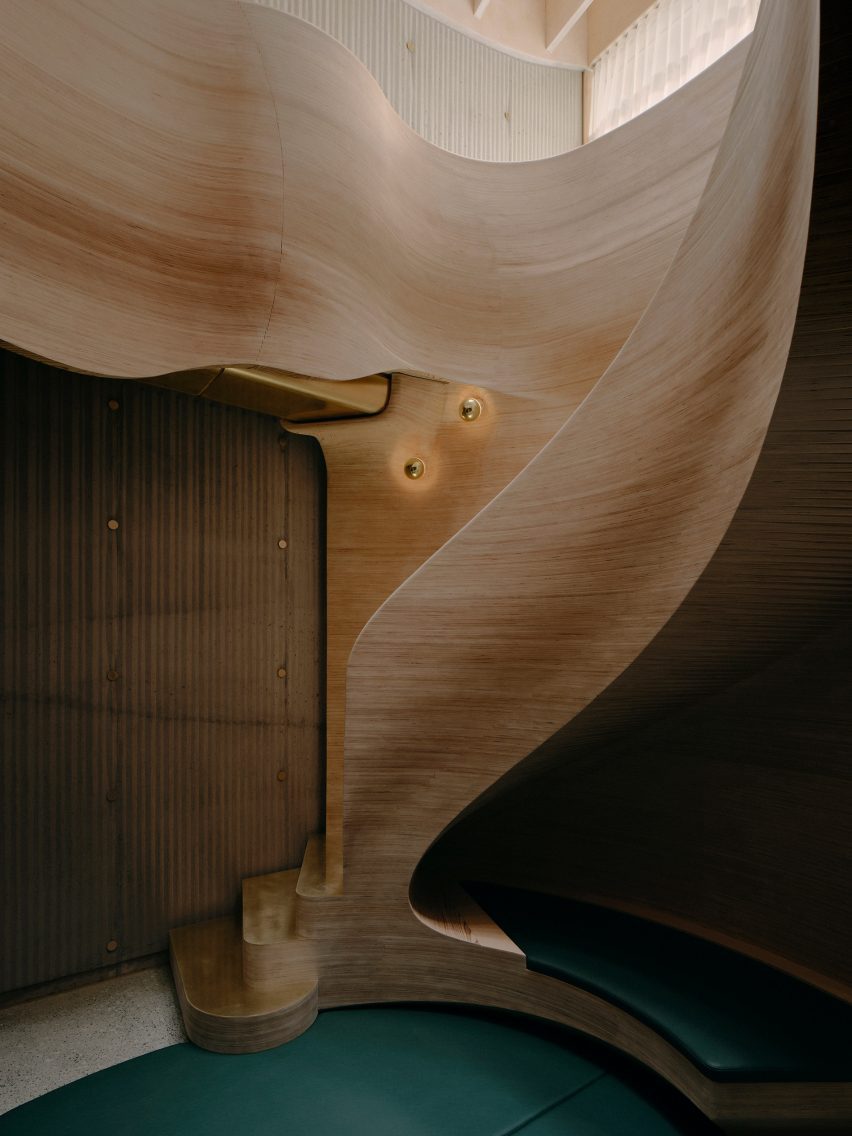
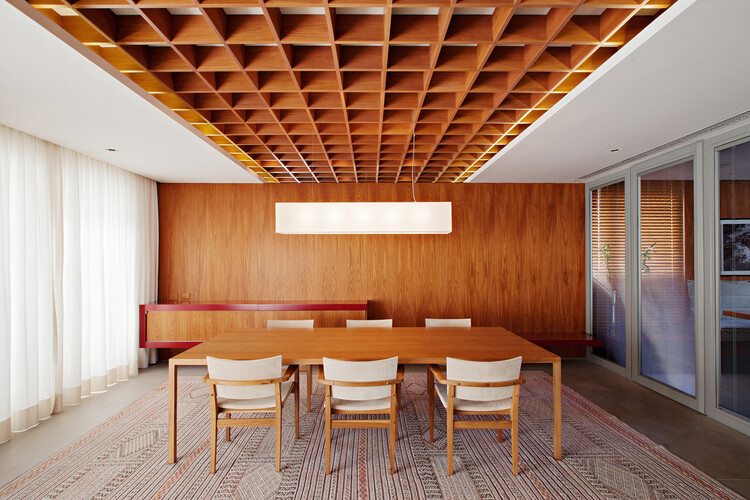
Finally, Studio Frantzén, a restaurant in London's Harrods by Joyn Studio, blends Nordic and Asian influences in its Japandi interiors. It incorporates burl-wood wall panelling to frame seating booths, alongside end-grain pine wood banquettes and gridded timber ceilings, reflecting both cultures' appreciation for wood. These examples collectively illustrate burl wood’s ability to add sophistication, unique texture, and a sense of luxury to modern interior spaces, whether used subtly or as a dominant design element.
#BurlWood #InteriorDesign #WoodVeneer #LuxuryInteriors #NaturalTexture #BohemianFlair #ModernInteriors #HomeDecoration #BurlWood #InteriorDesign #WoodVeneer #LuxuryInteriors #NaturalTexture #BohemianFlair #ModernInteriors #HomeDecoration
0 comment in total
 No comments yet
You may also like
11 Wood-Wrapped Interiors That Radiate Warmth

Ten residential interiors bolstered by exposed wooden beams
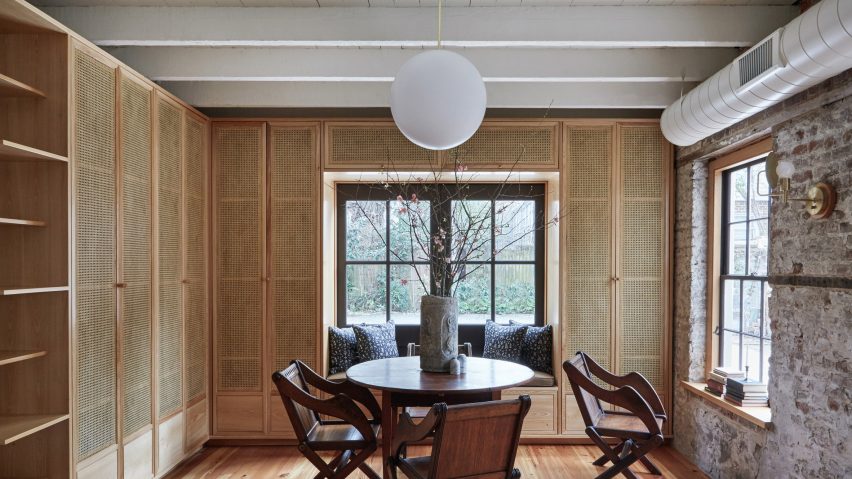
Eight interiors that strike a balance between rustic and contemporary
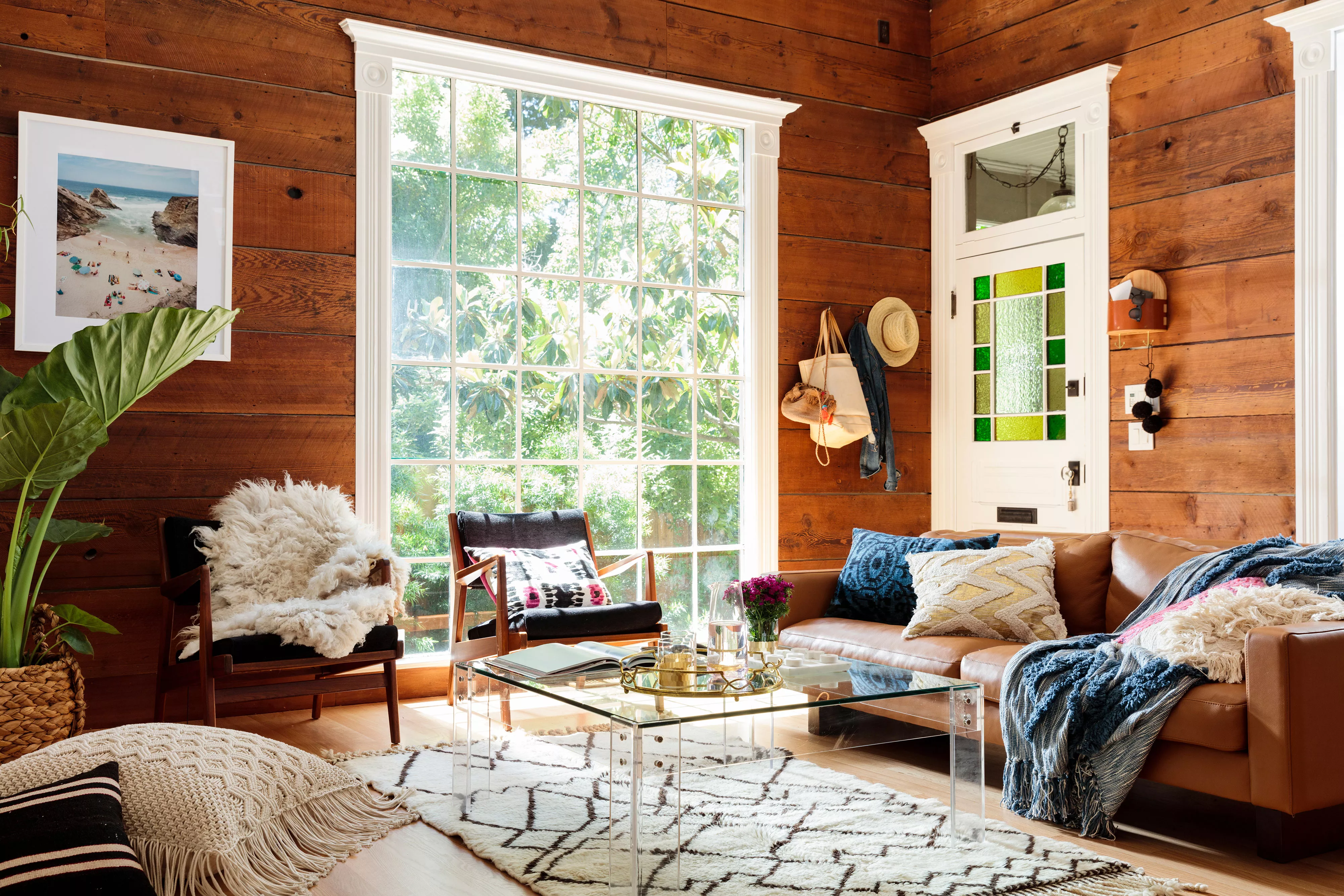
If You Love a Warm, Earthy Space, You Have to Try Wood Drenching

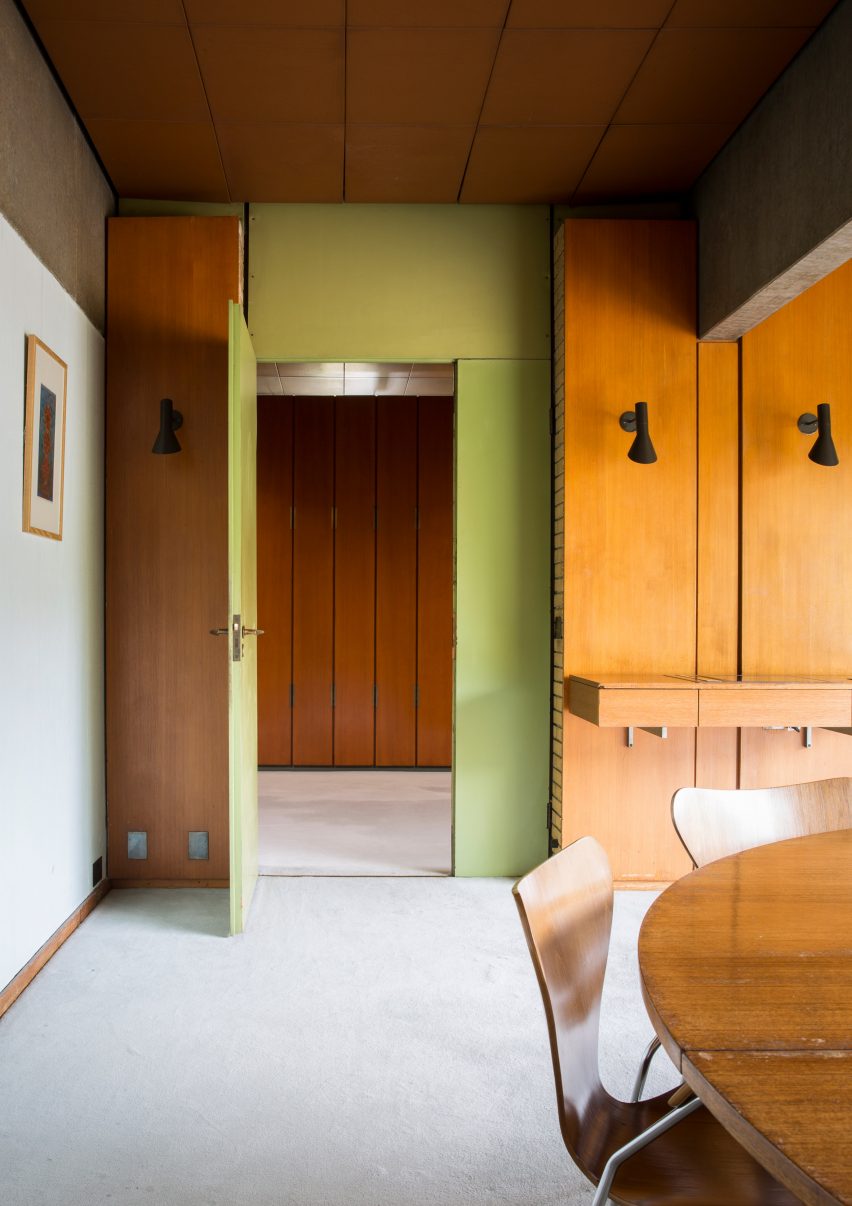
Ten interiors featuring natural materials and timeless accents
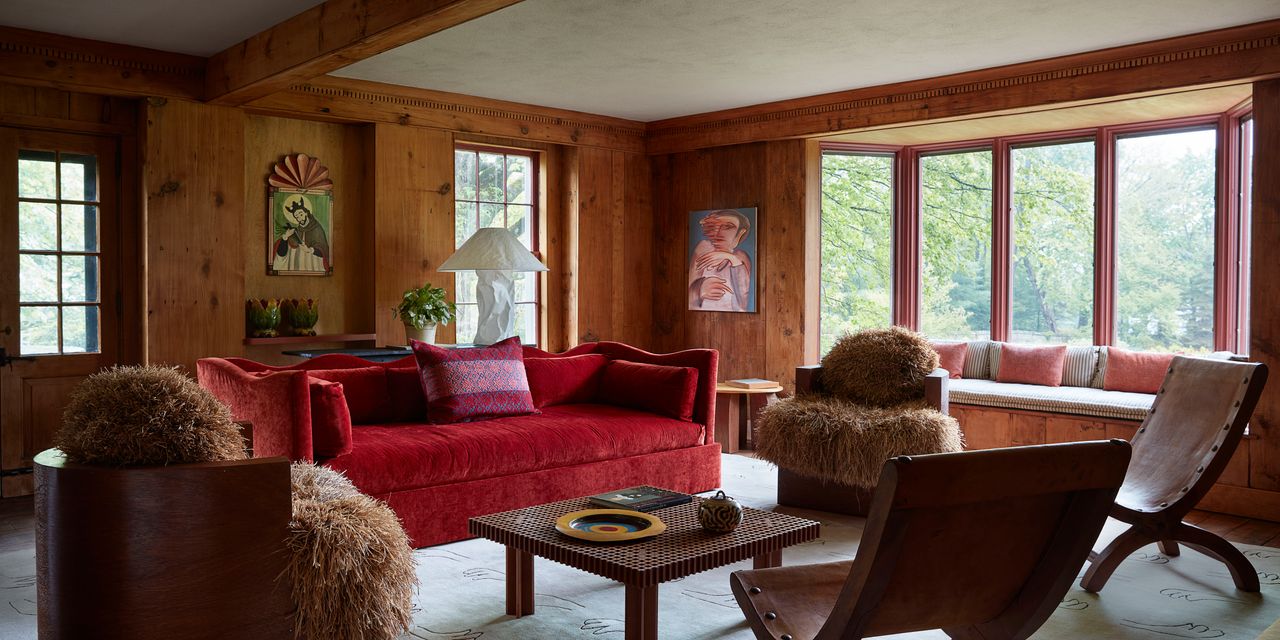
Allover Wood Interiors Are Having a Moment

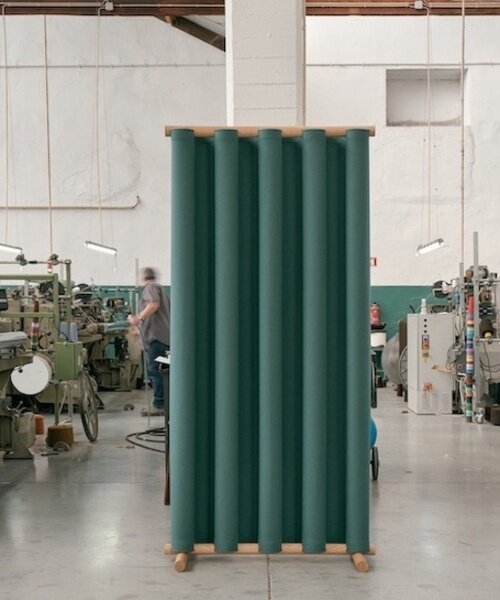
raw wool, wood, and beeswax shape burel factory's organic furniture series
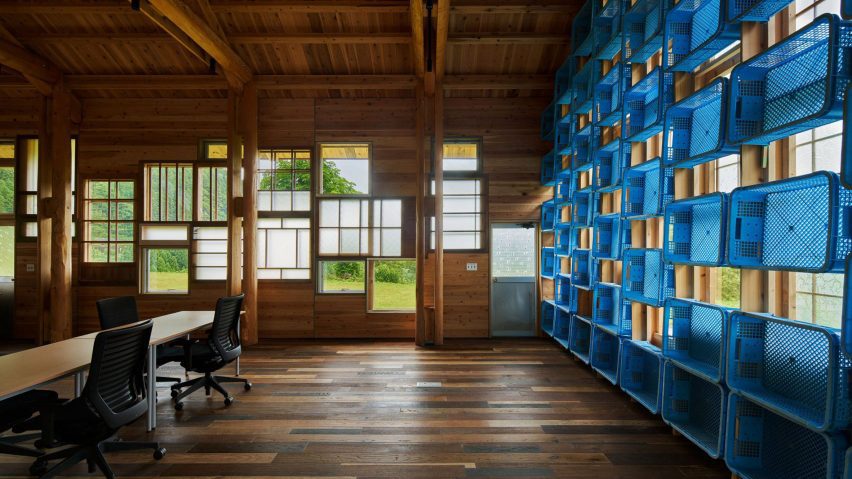
Eight interiors that feature reclaimed and recycled materials
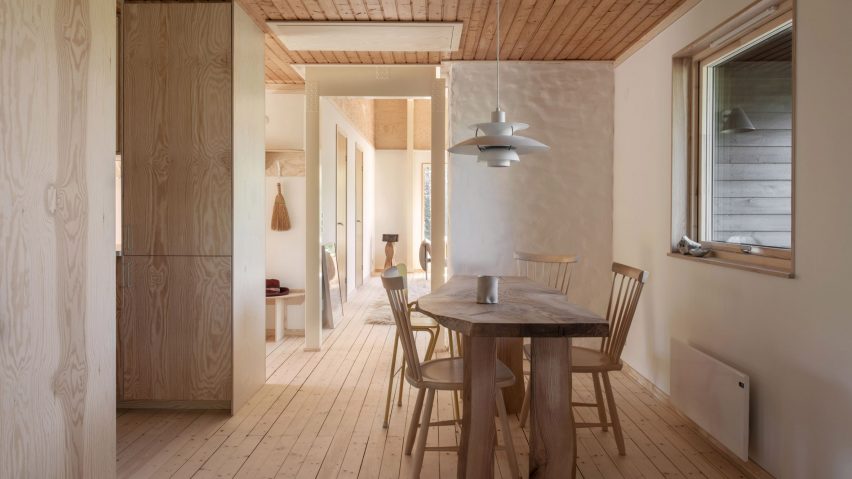
Eight homes where plywood panelling creates warm interiors
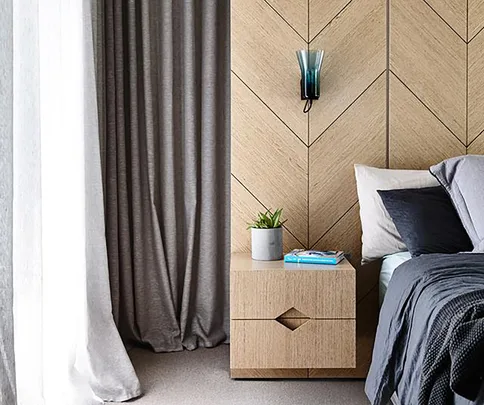
9 stunning timber feature walls to inspire

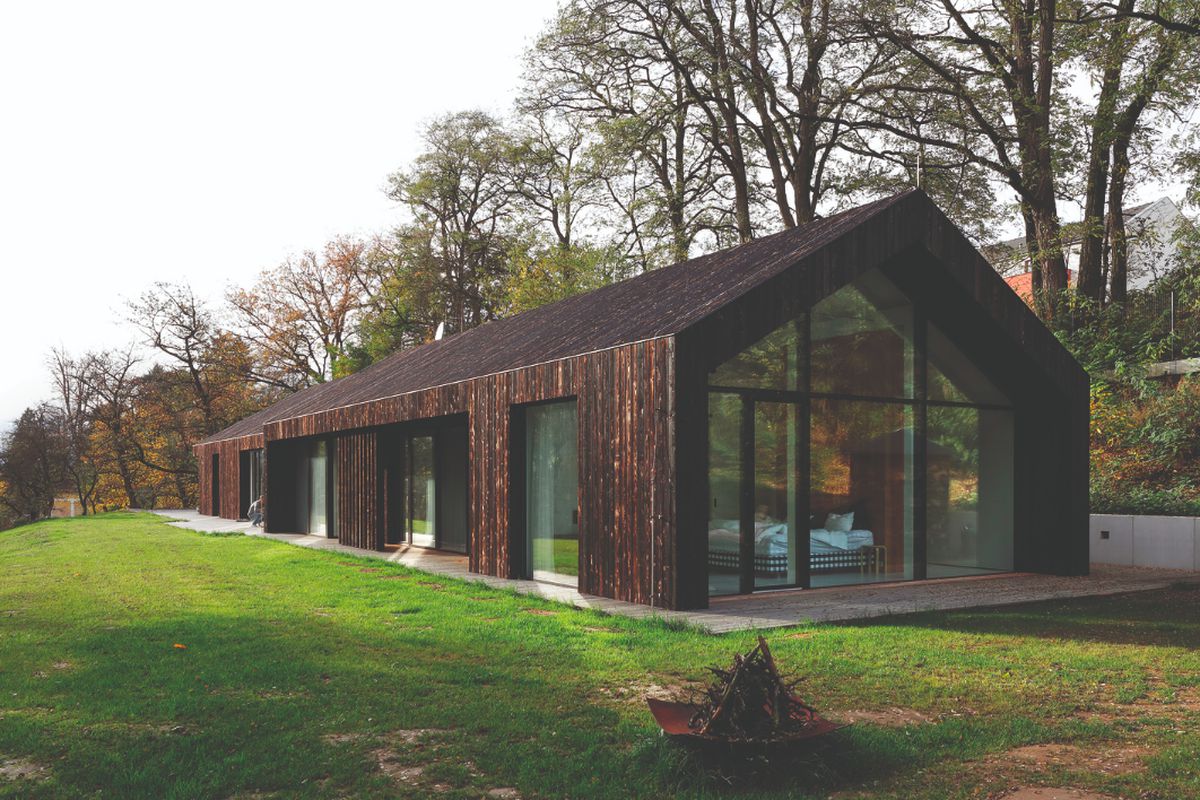
Charred wood covers airy modern home
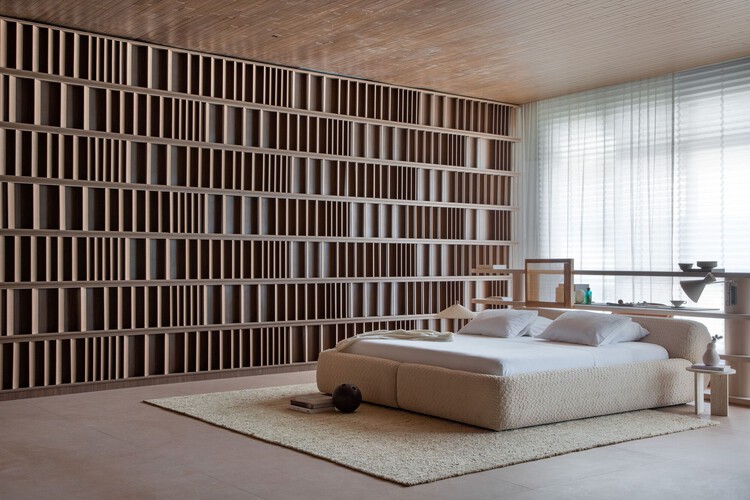
Wooden Surfaces in Brazilian Homes: Exploring Patterns and Textures

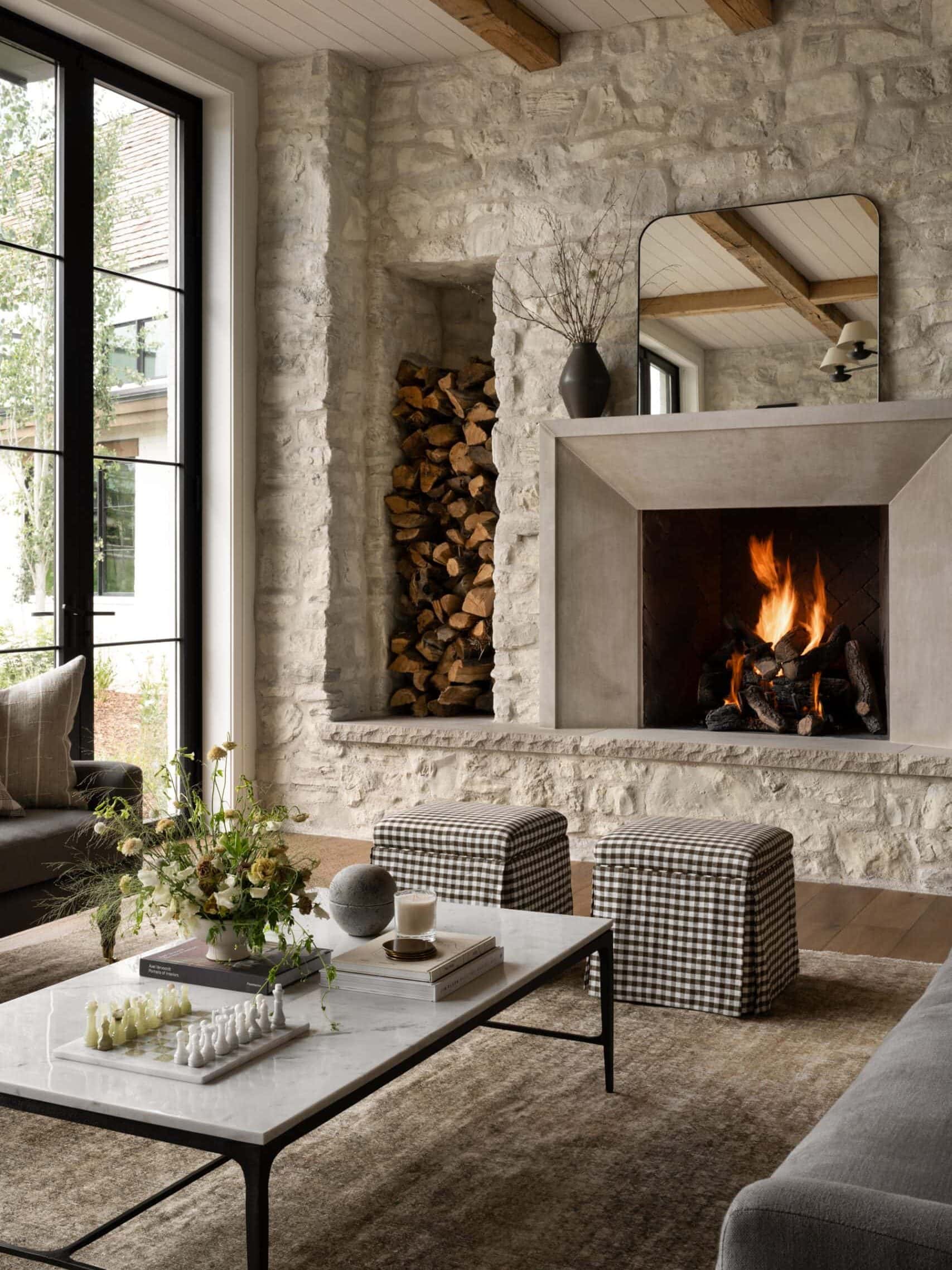
Water’s Edge
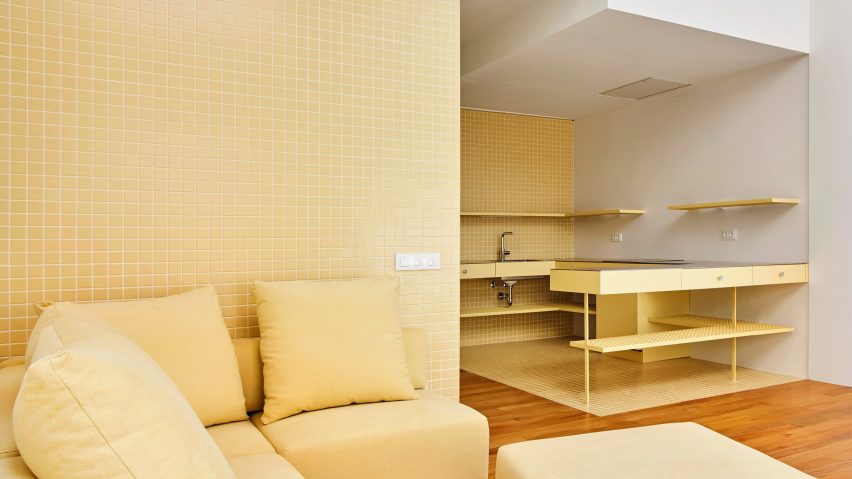
Eight eclectic home interiors spread with buttery yellow tones
Favorite Things by Brooke Eversoll, CMKBD of Bee Studios

16 Furniture Pieces From Burrow Perfect For Small Spaces
Wood as a Home Design Trend: Through the Archives to Today
Fourteen homes where exposed cross-laminated timber creates cosy interiors
Prioritizing Comfort in Interiors: Nature-inspired Floors Made of Wood and Cork
9 Bedroom Trends That Will Dominate 2026, According to Interior Designers