1/2
35 Best Low-Light Indoor Plants for Your Home
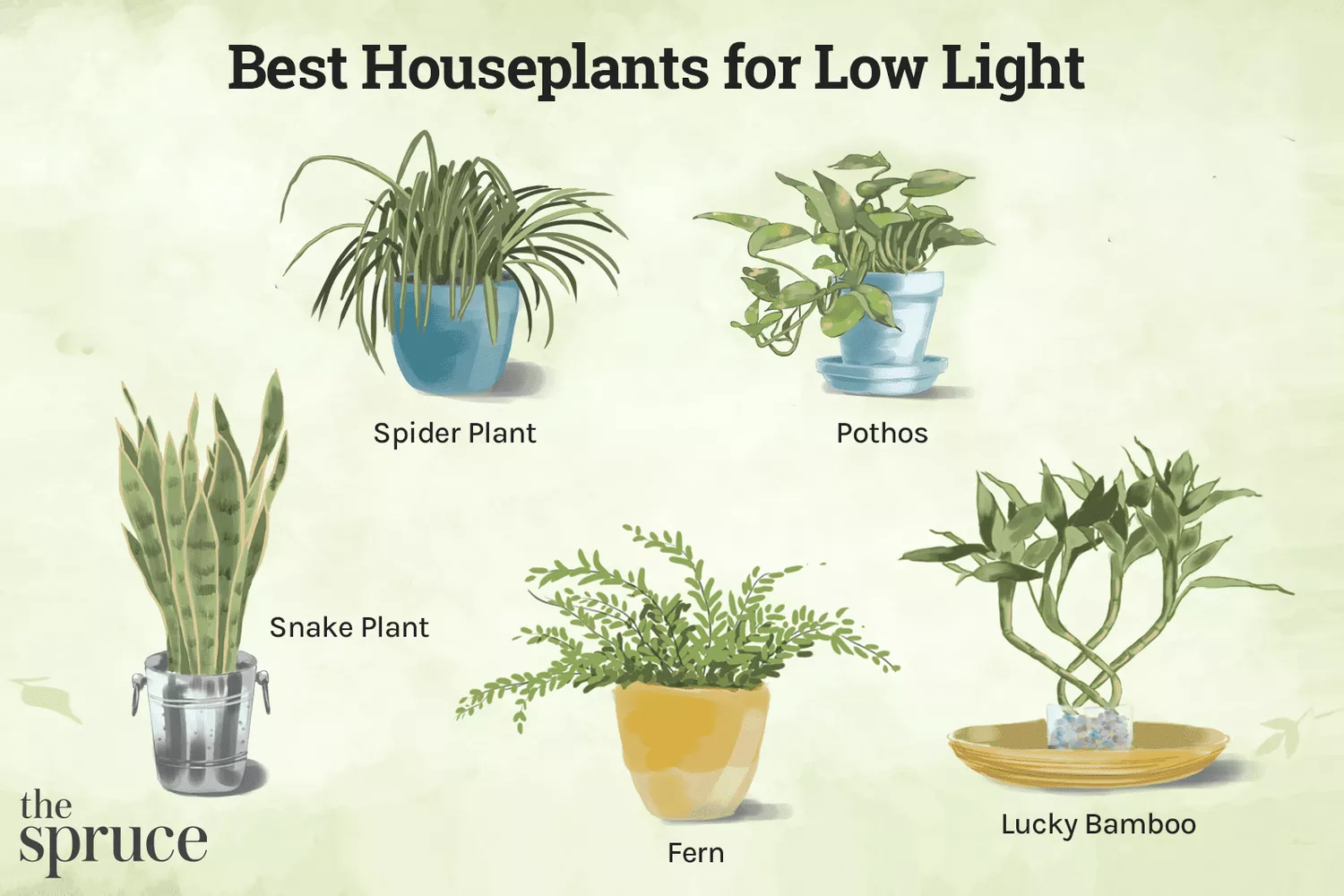
This comprehensive guide highlights 35 indoor plants that can thrive in low-light conditions, offering solutions for homes without abundant natural sunlight. It distinguishes between "bright indirect light," typical of east-facing windows or the interior of brightly lit rooms, and "low light," found in north-facing or partially shaded windows. The article emphasizes that a lack of direct sunlight does not preclude maintaining healthy houseplants.
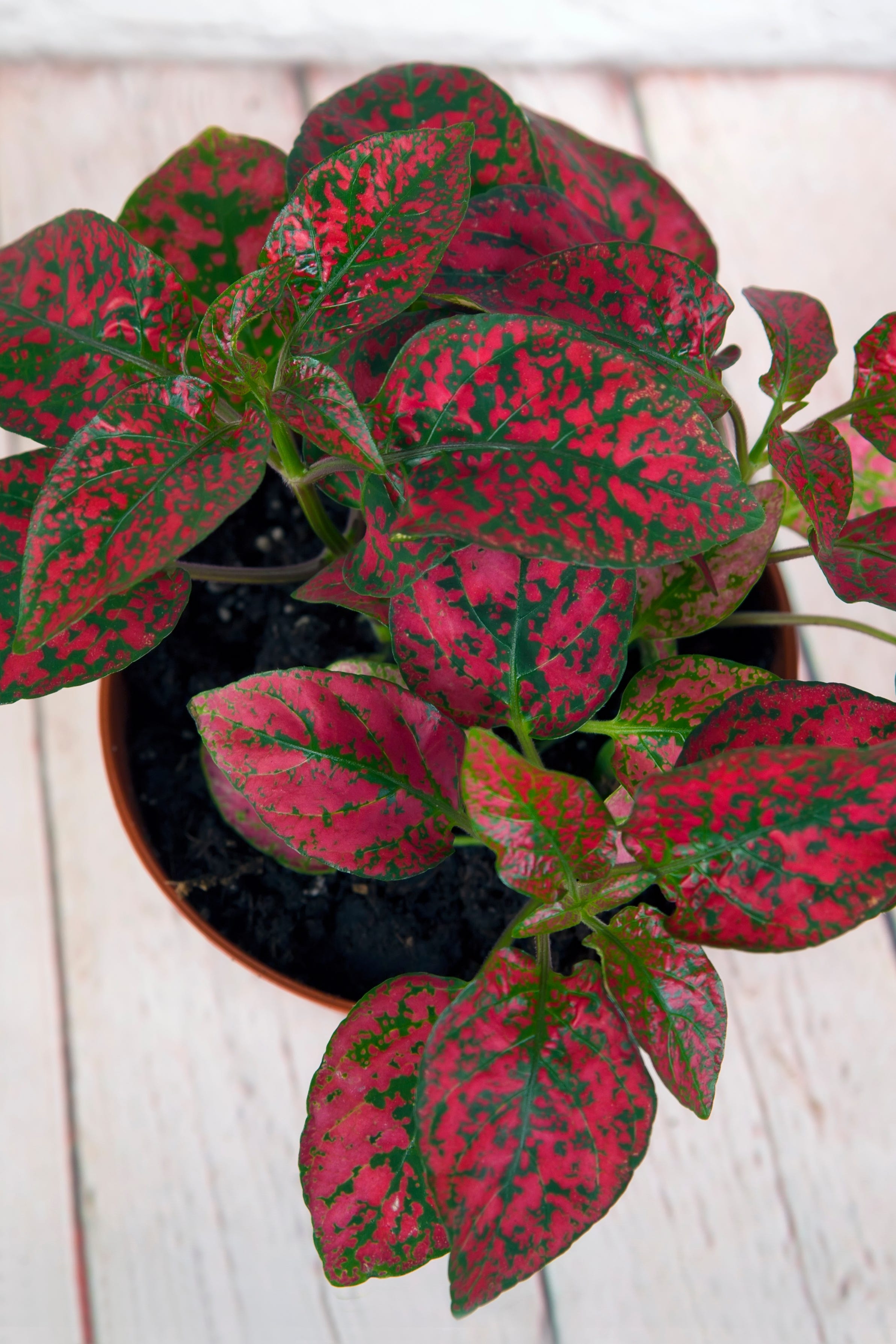
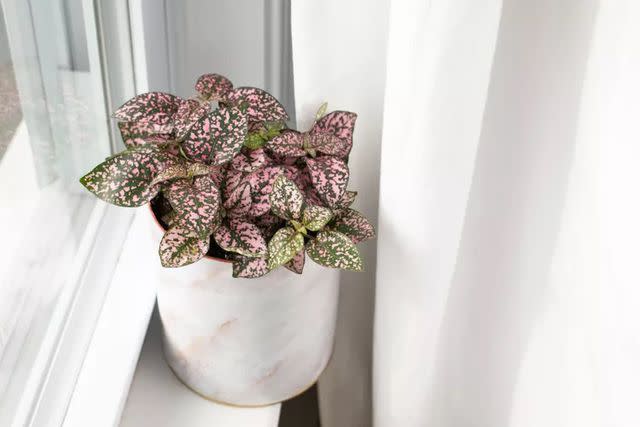
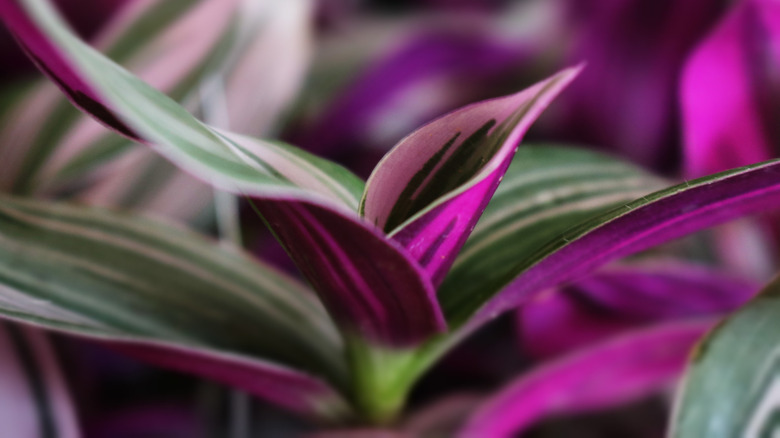
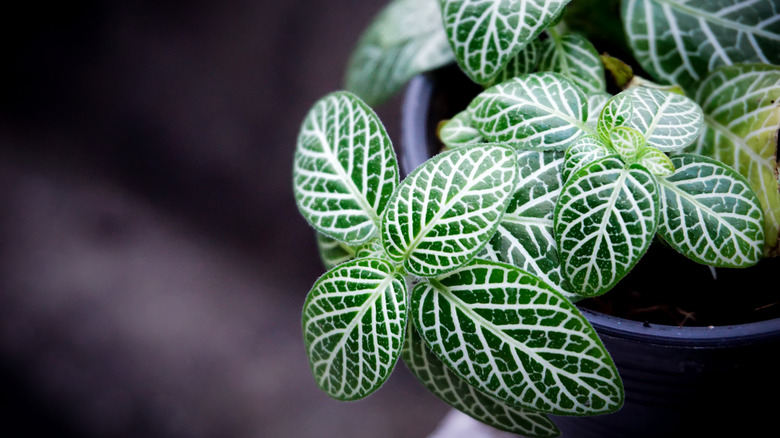
The guide details each plant, providing its common and botanical name, preferred light conditions (bright indirect, low light, or both), mature size, and care difficulty level. Key care considerations, such as humidity requirements, watering frequency, and soil preferences, are noted for each species. For instance, the Prayer Plant thrives in bright indirect to low light and requires consistent moisture, while the Polka Dot Plant prefers some shade to maintain its vibrant foliage colors. Bromeliads, despite their tropical appearance, flourish in bright indirect light, with varieties having softer leaves being more tolerant of lower light levels. Bird's Nest Ferns, native to rainforests, need high humidity and bright indirect to low light, while Nerve Plants are temperamental, requiring very high humidity and no direct sun.
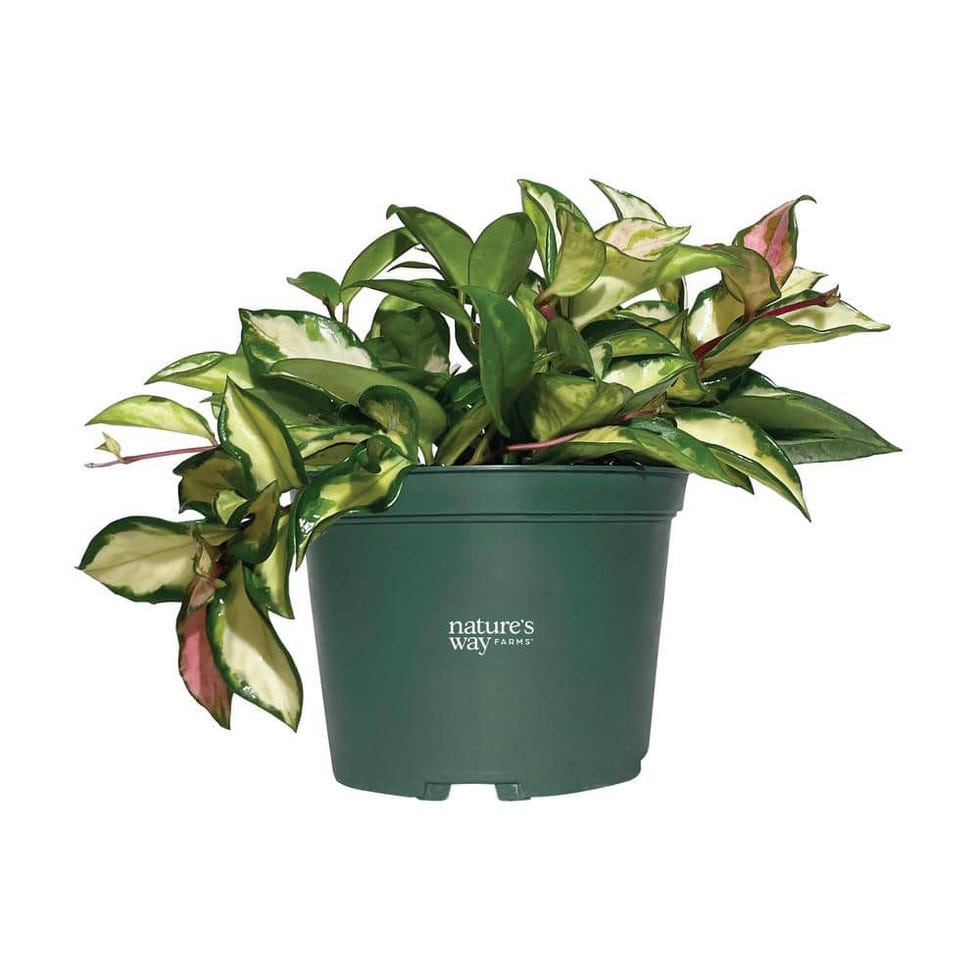
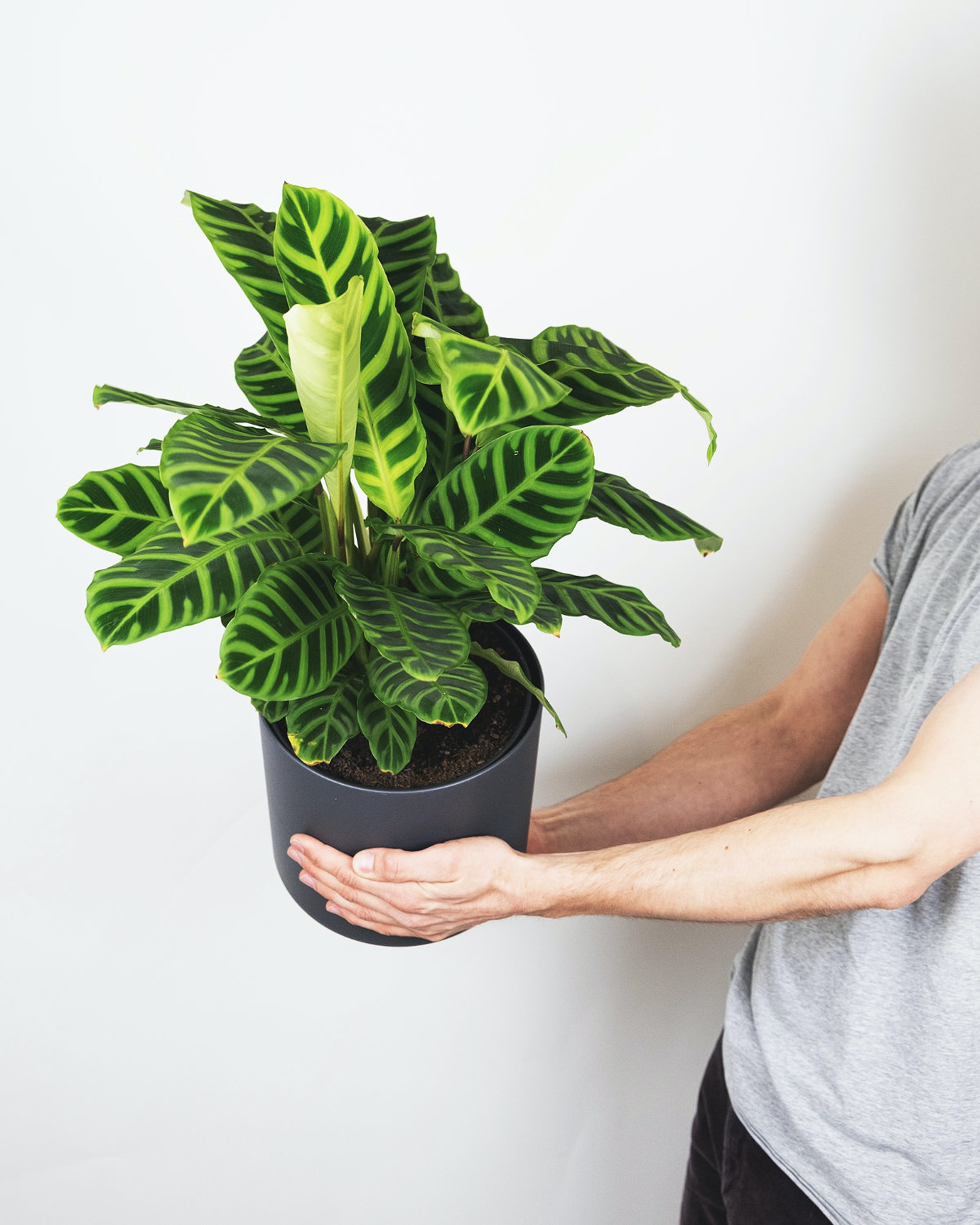
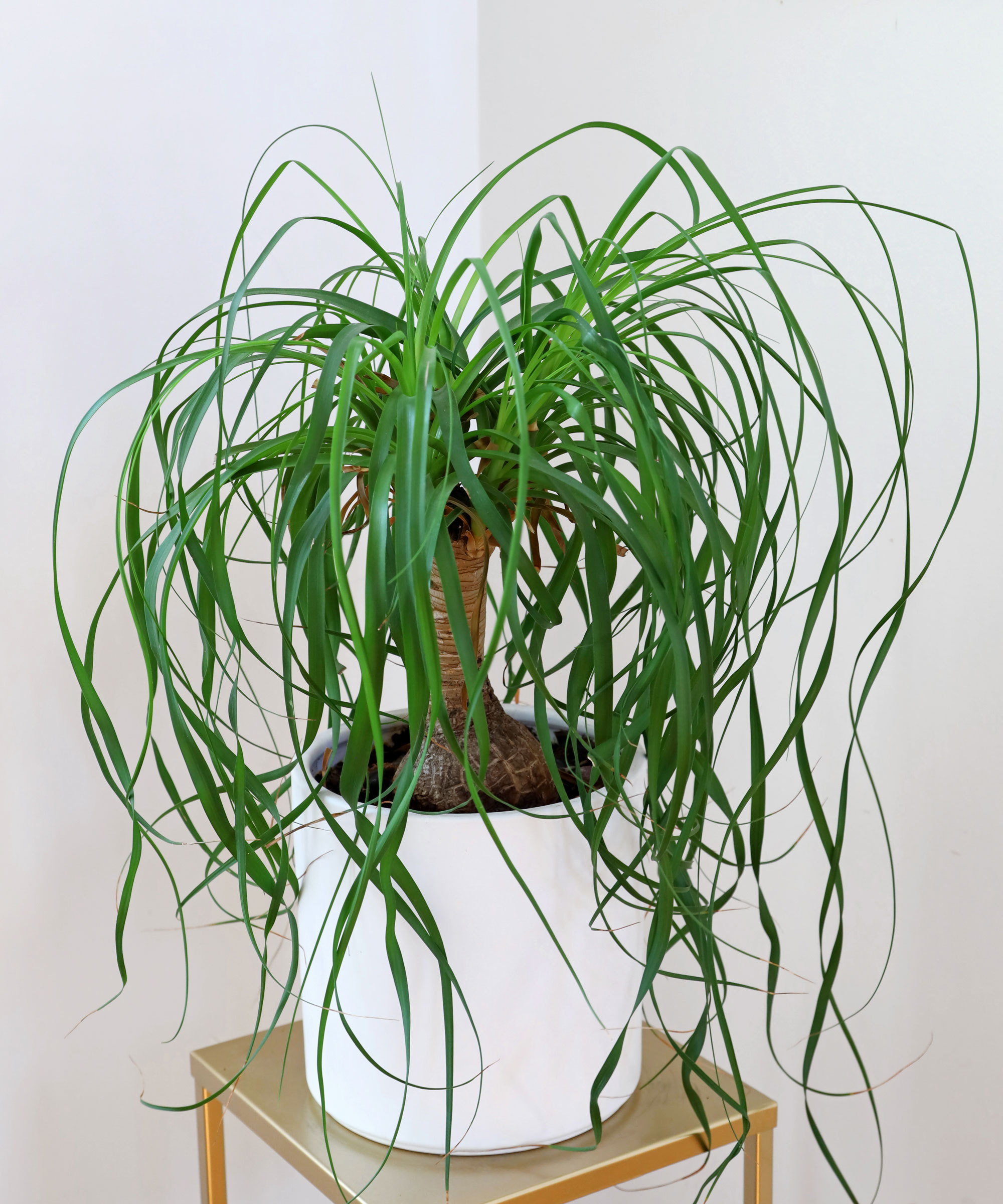
Practical advice is integrated throughout, such as using a moisture meter to assess soil dryness before watering. Several plants, like the Wax Plant and Ponytail Palm, are noted for their versatility and resilience to less-than-ideal conditions. The Money Tree, a popular choice for promoting good energy according to feng shui, is an easy-care option that prefers bright indirect light. Radiator Plants are adaptable to various light levels but do best with moderate indirect light, while Calatheas, known for their striking foliage, require a warm, humid environment and are considered medium to difficult to care for due to their finicky nature.
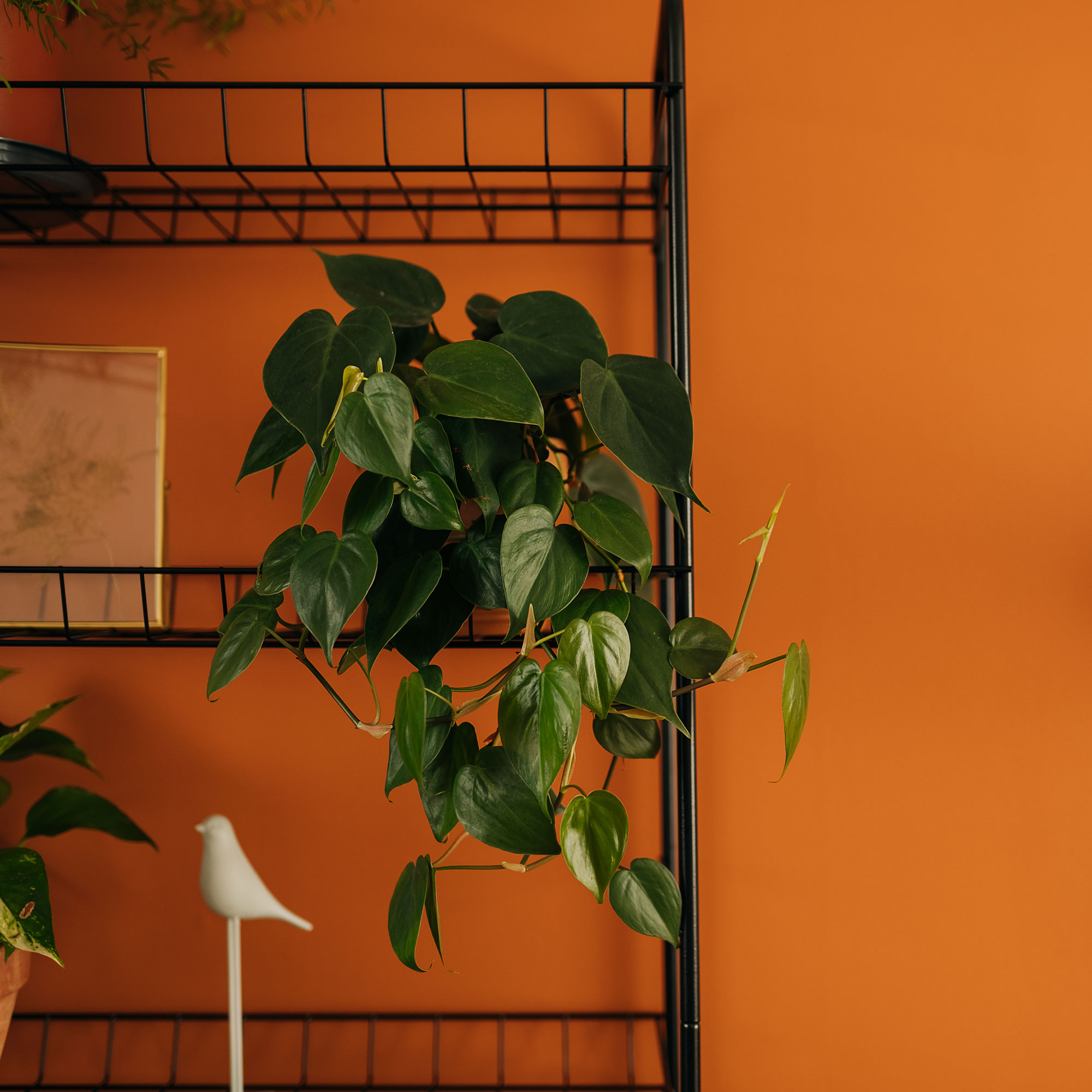
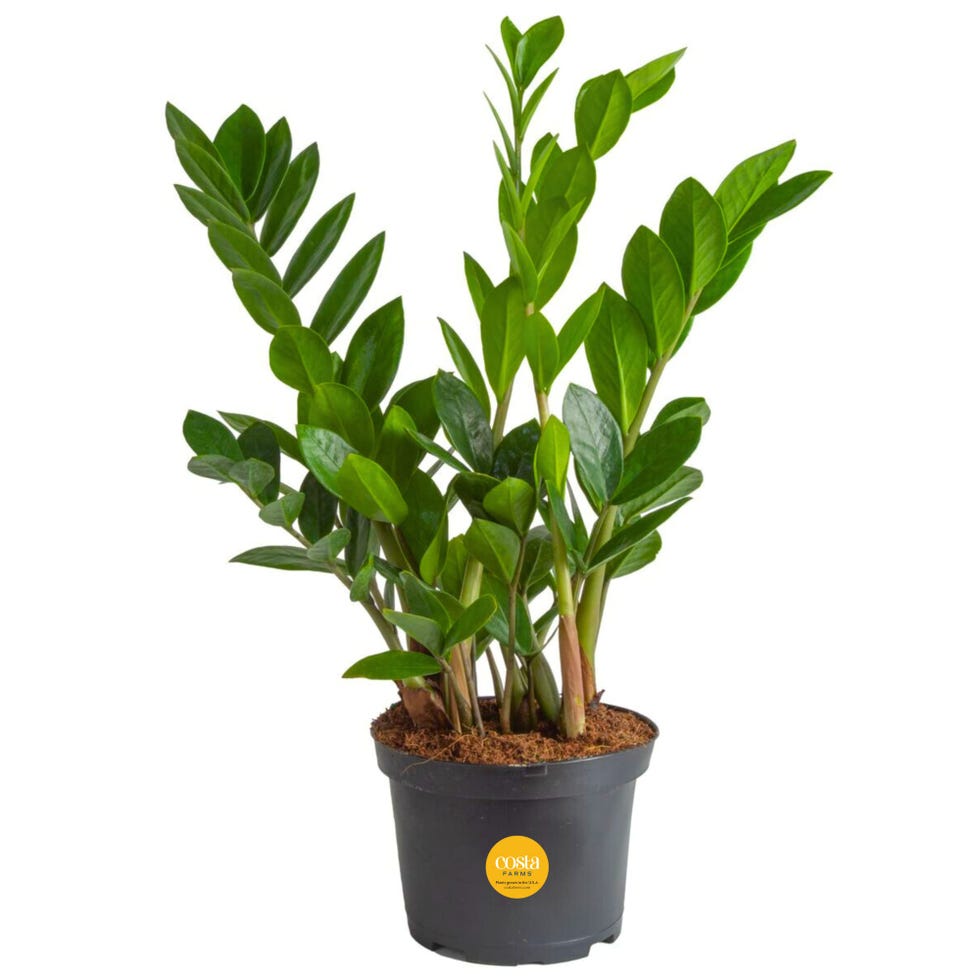
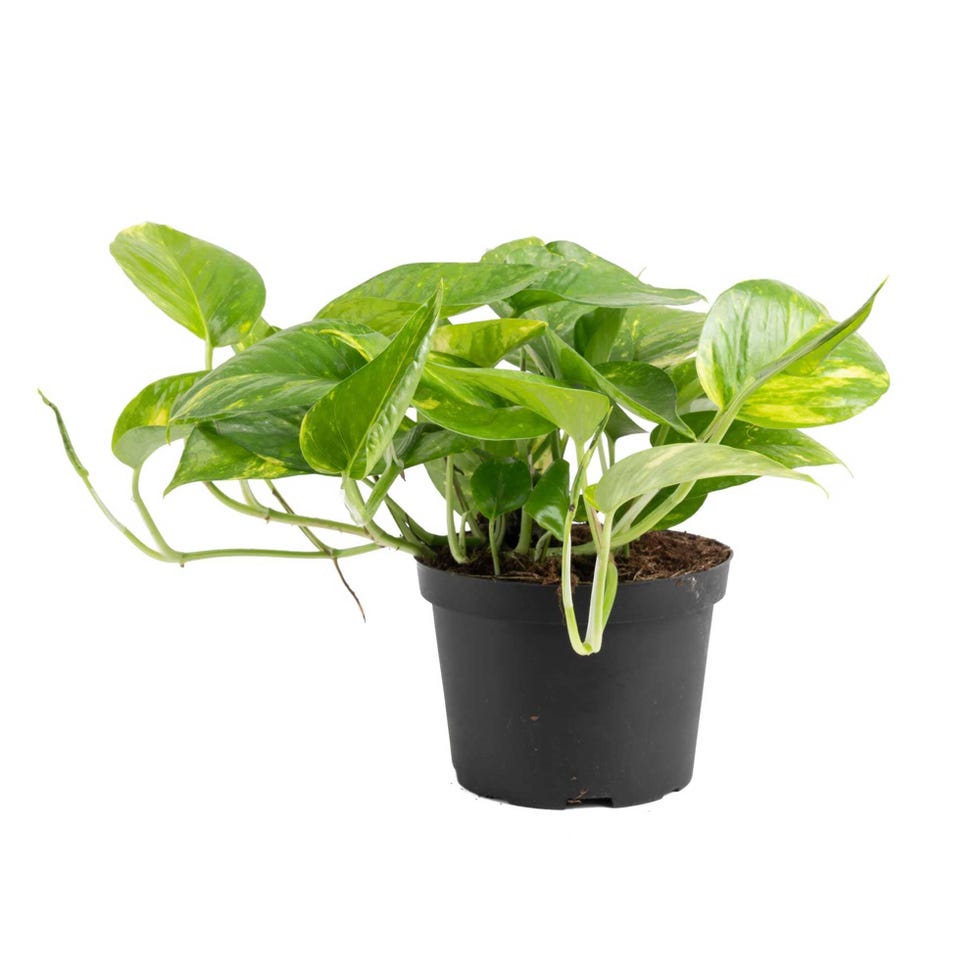
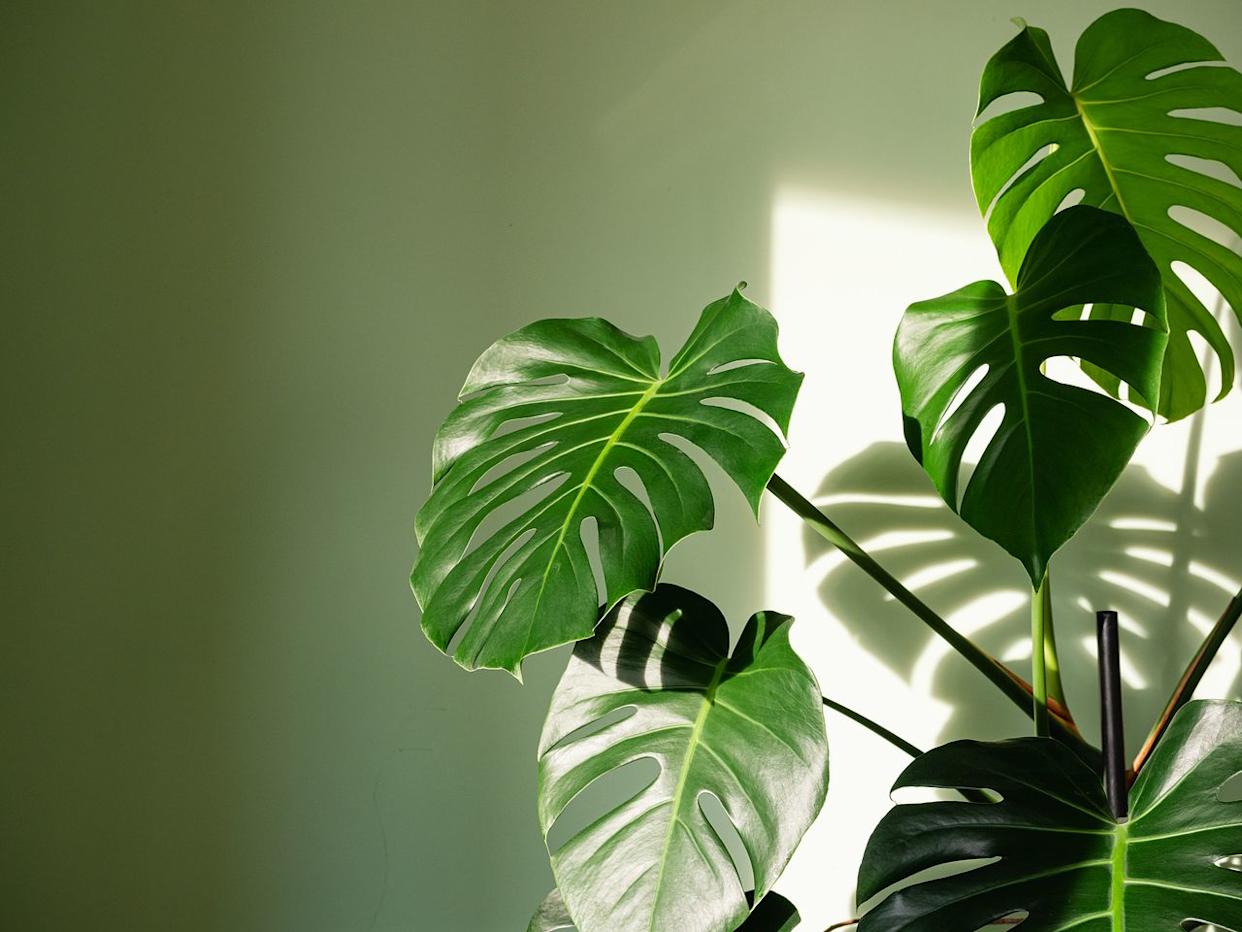
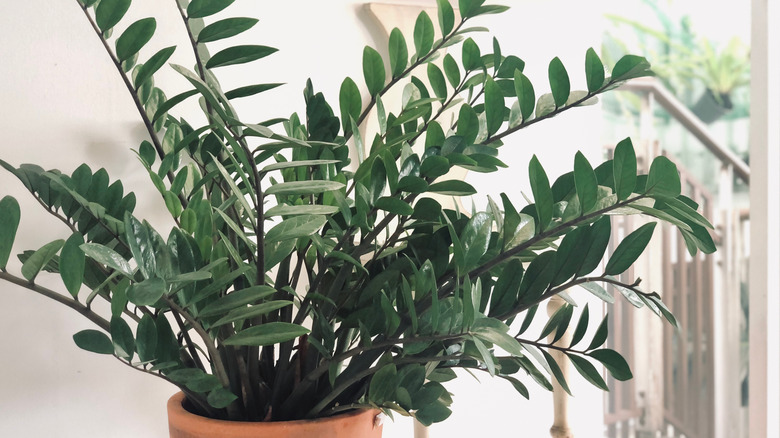
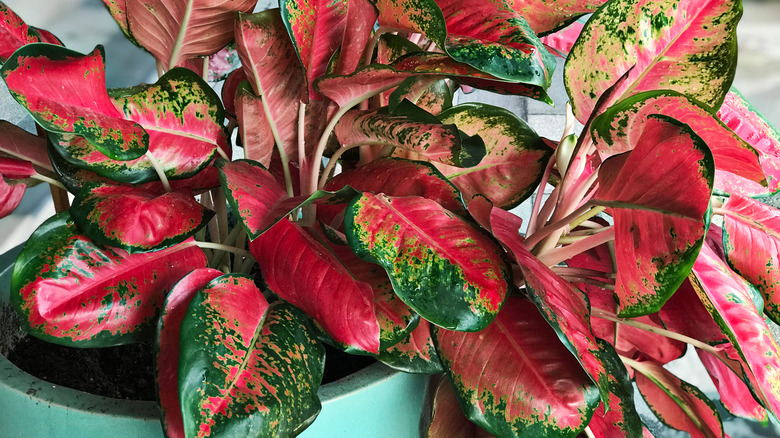
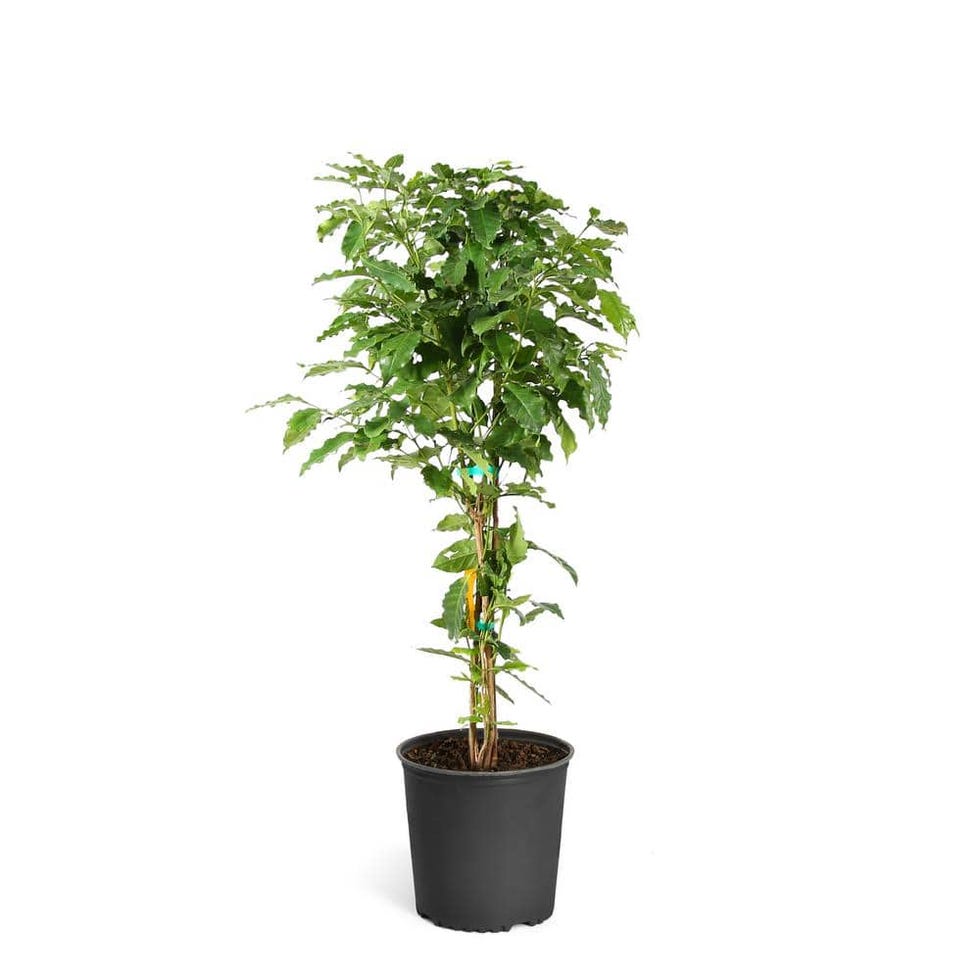
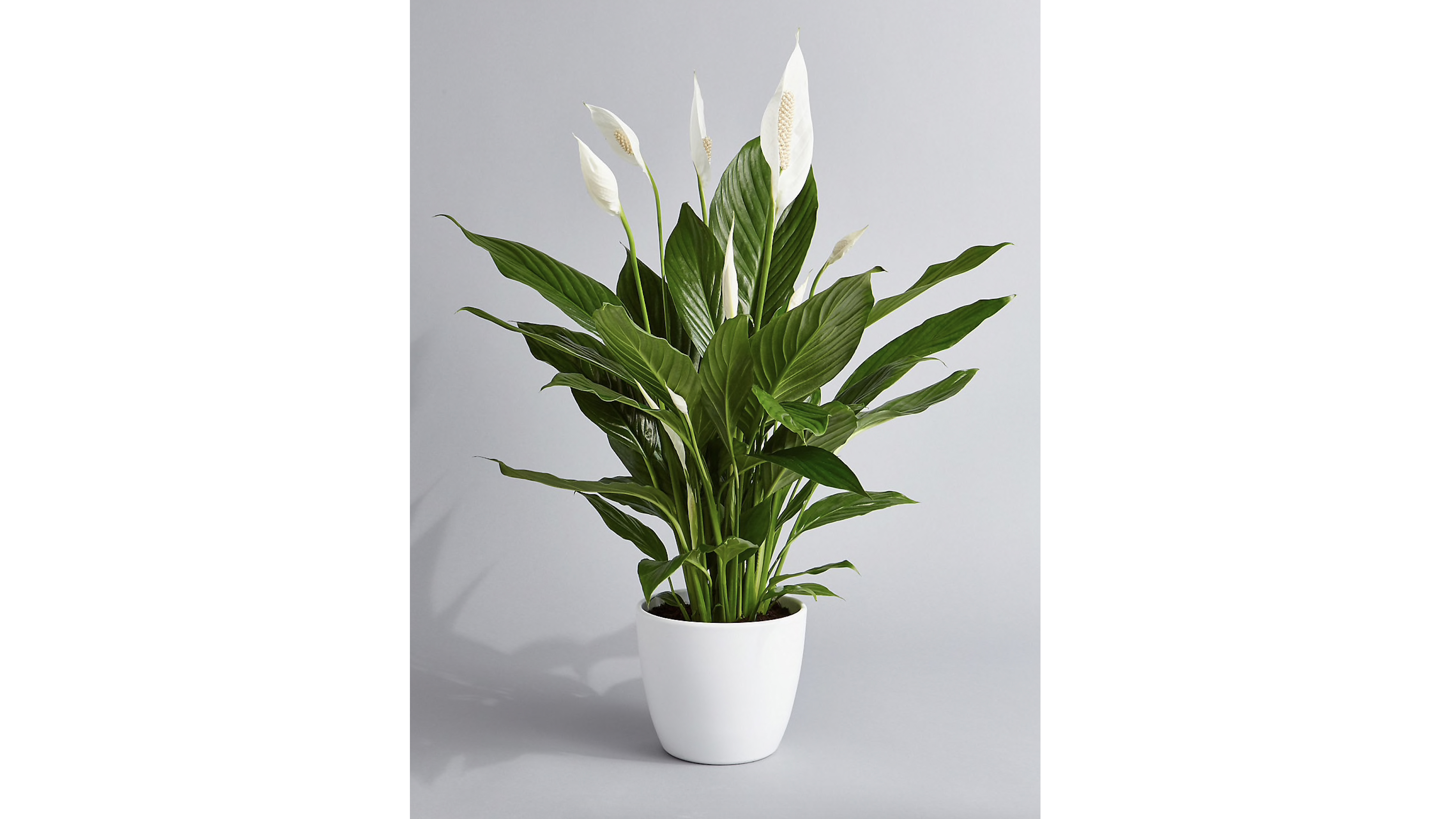
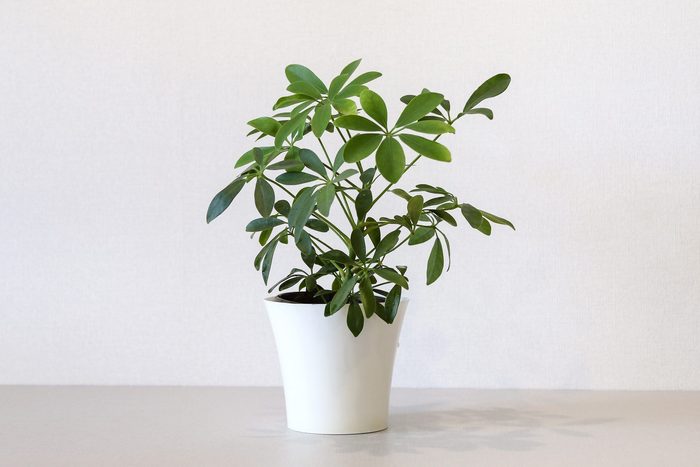
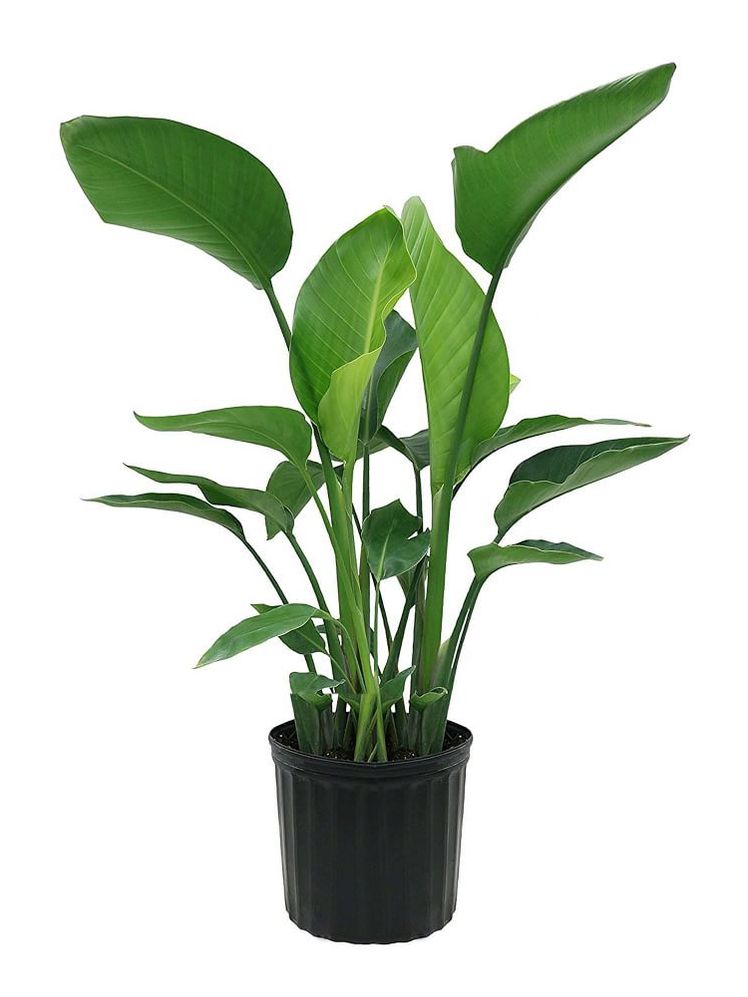
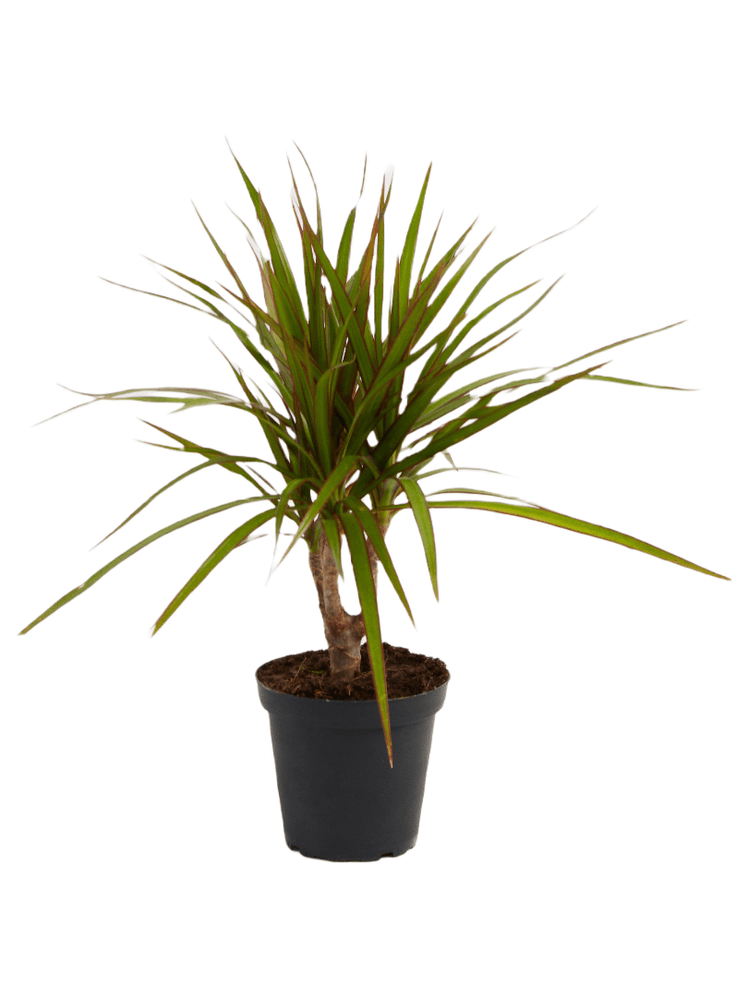
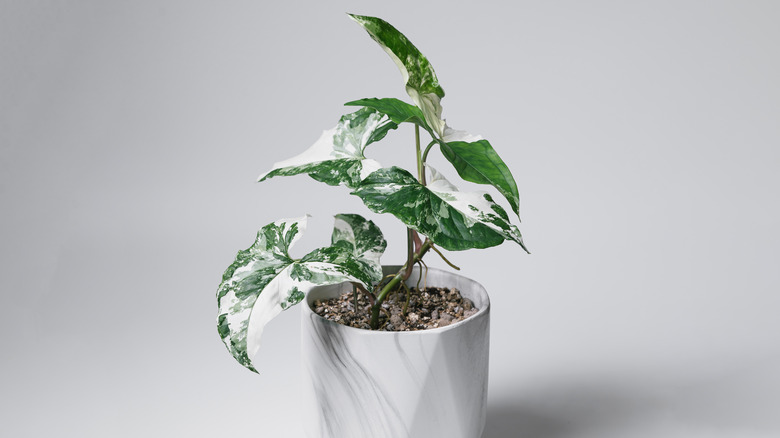
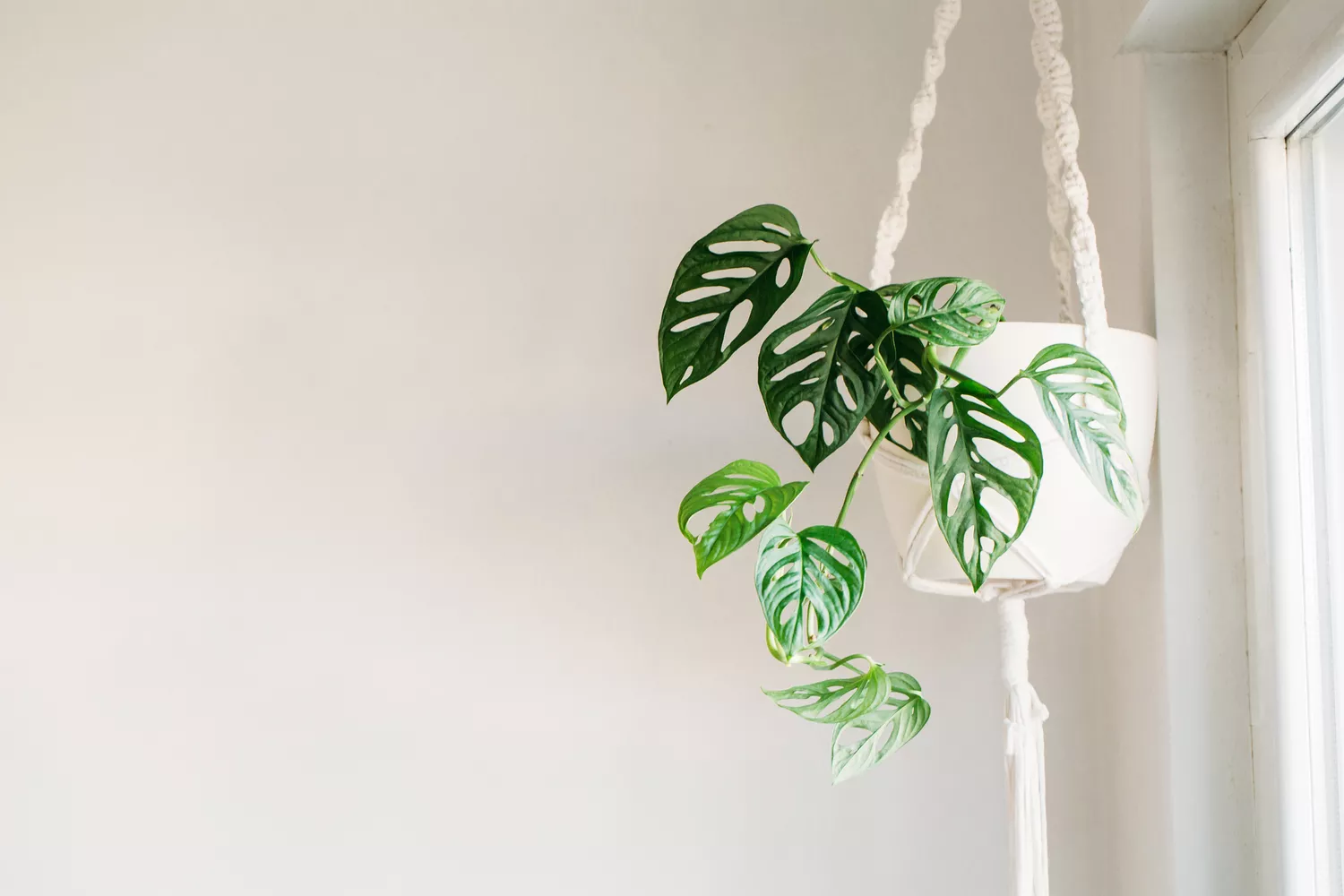
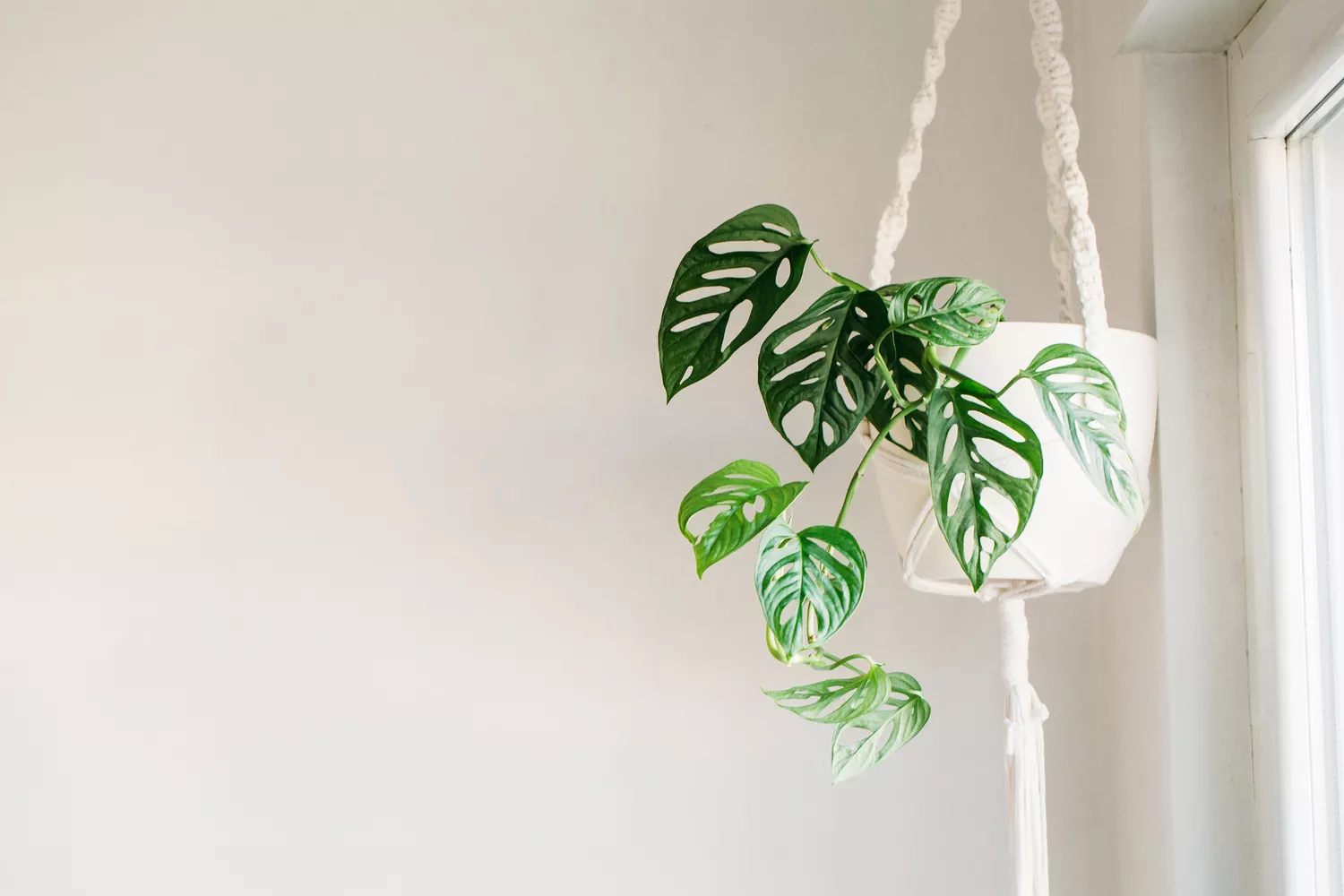
The article also addresses plant toxicity, cautioning readers about species like Pothos, Snake Plant, English Ivy, Peace Lily, ZZ Plant, Heartleaf Philodendron, Anthurium, Chinese Evergreen, Swiss Cheese Plant, Silver Pothos, Dragon Tree, Wax Begonia, Corn Plant, Parlor Palm, Yucca Cane, Dieffenbachia, Arrowhead Vine, Bird of Paradise, Dwarf Umbrella Tree, and Lucky Bamboo, which can be toxic to people or pets. This crucial information helps readers make informed decisions about plant selection, especially if they have children or pets.
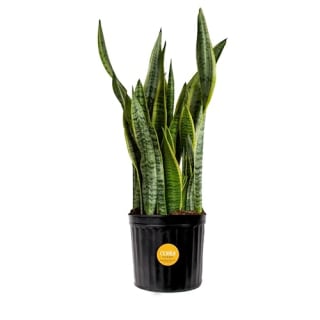
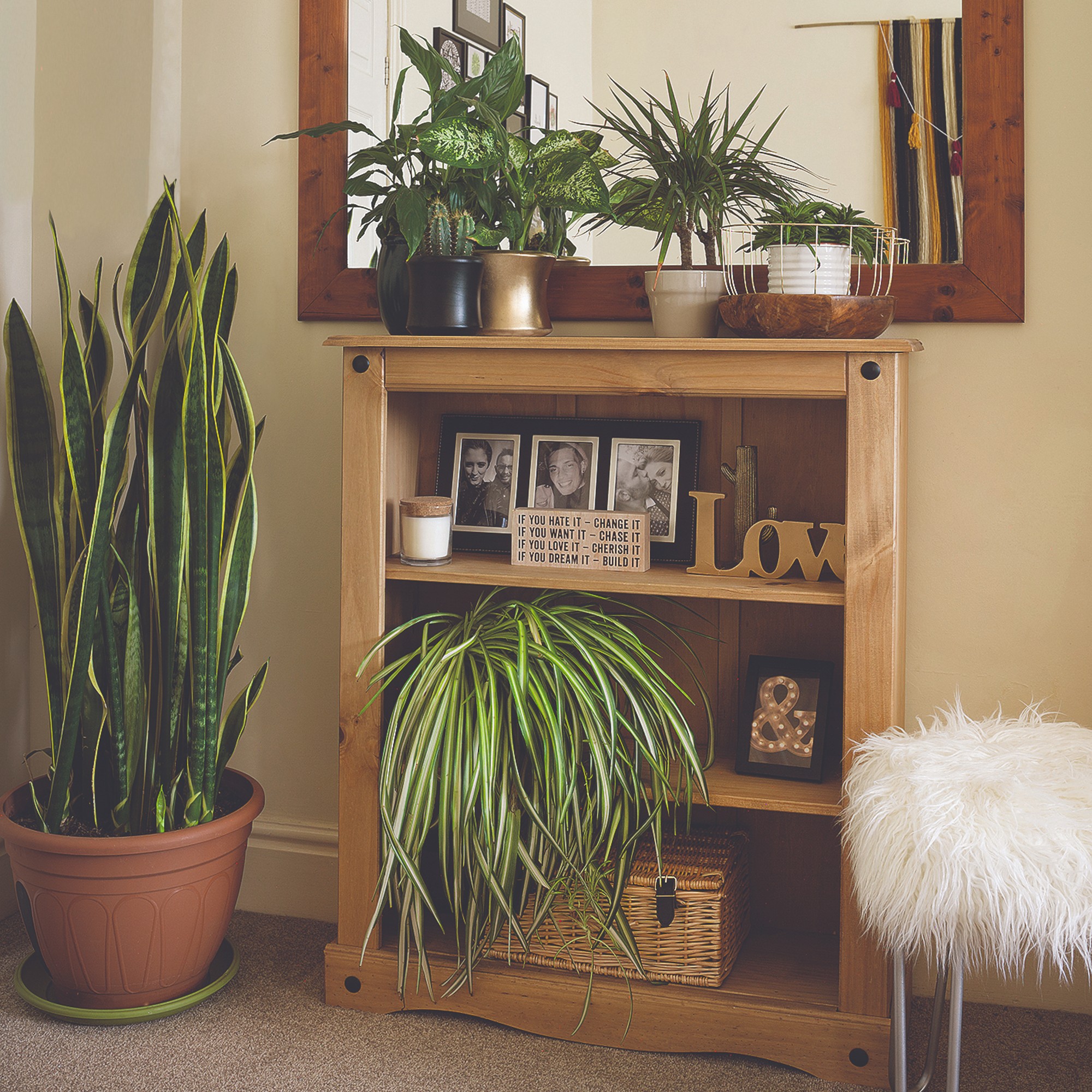
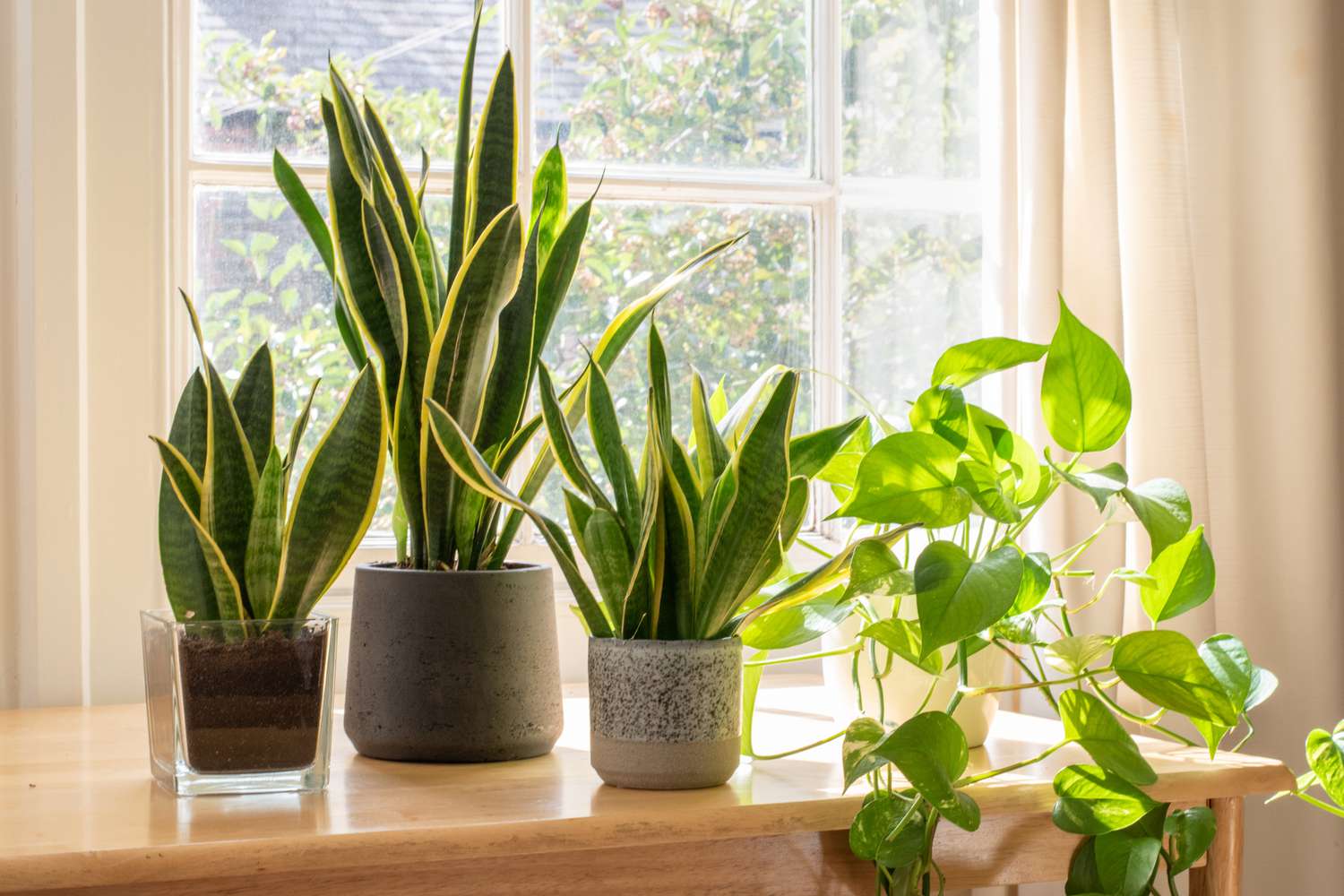
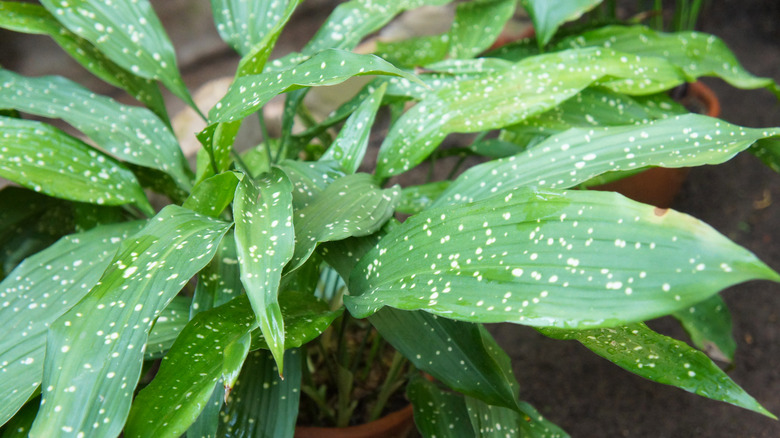
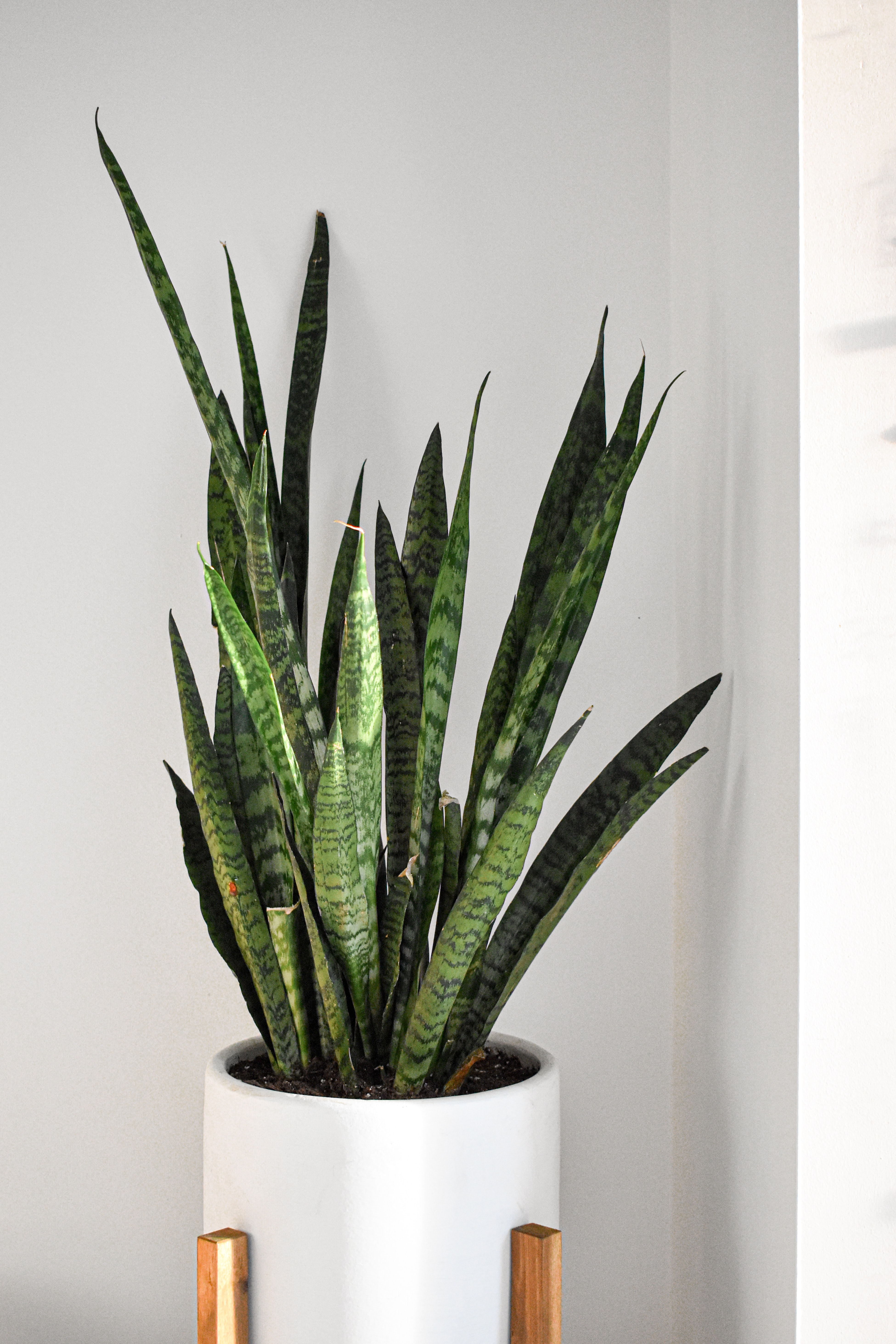
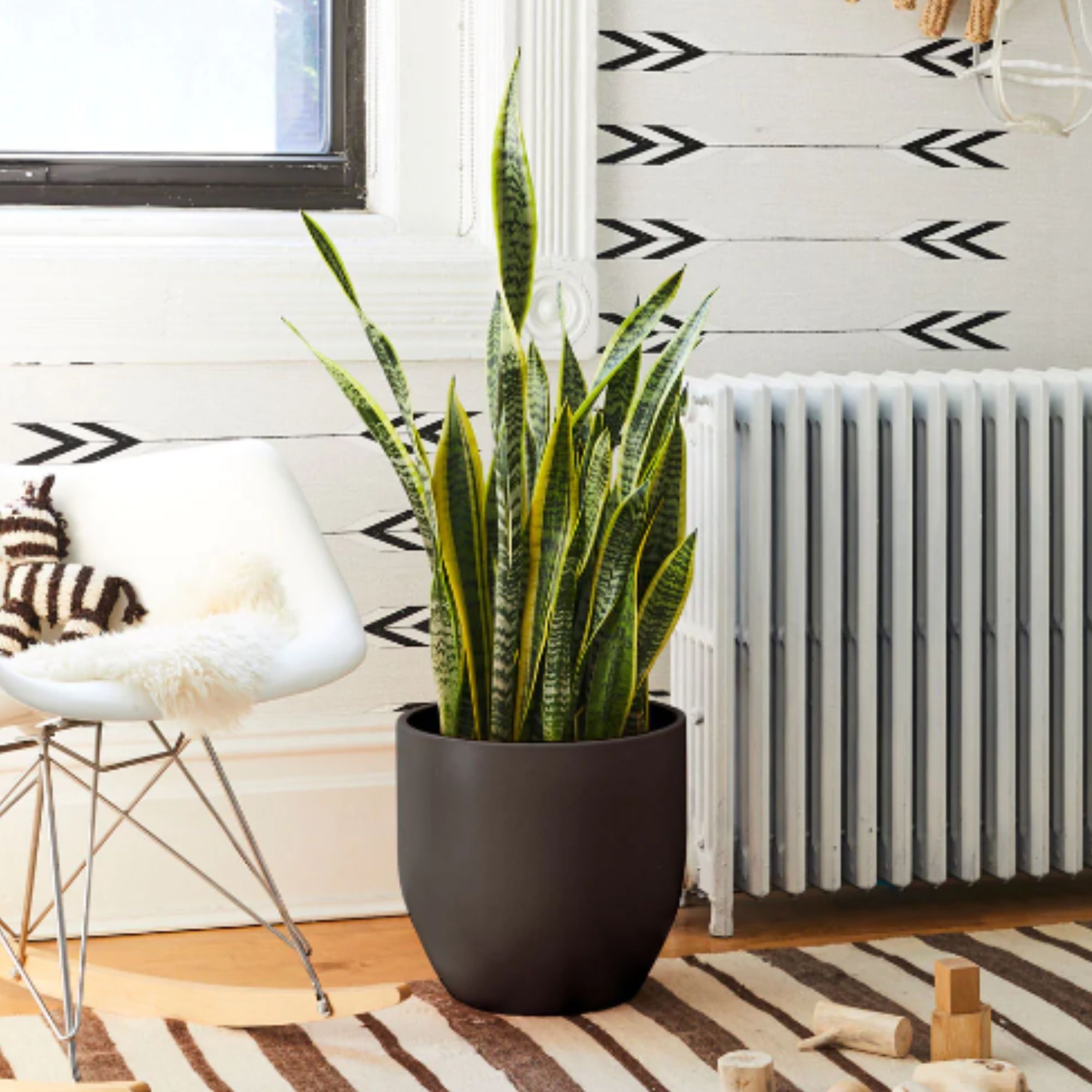
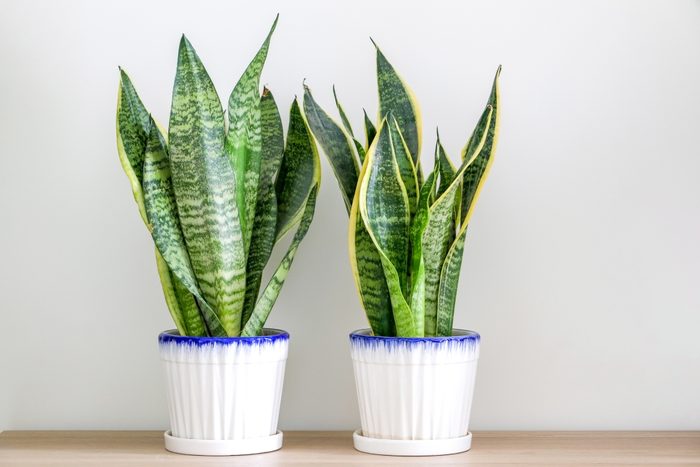
Other highlighted plants include the Spider Plant, known for its adaptability and ease of growth; the Snake Plant, a long-lived, low-maintenance option; the Staghorn Fern, an epiphytic plant that thrives in dappled light; and the Cast Iron Plant, renowned for its indestructibility and tolerance of neglect. The guide concludes by suggesting further resources for specific needs, such as tall low-light plants, low-light succulents, cat-safe options, hanging plants, and small varieties, ensuring readers can find the perfect green companions for any indoor setting, regardless of light availability.
#LowLightPlants #IndoorGardening #Houseplants #HomeDecor #PlantCare #PetSafePlants #GardeningTips #GreenLiving #InteriorDesign #LowLightPlants #IndoorGardening #Houseplants #HomeDecor #PlantCare #PetSafePlants #GardeningTips #GreenLiving #InteriorDesign
0 comment in total
 No comments yet
You may also like
11 best low-maintenance indoor plants

These 30 Low-Light Houseplants Refuse to Die in Dim Conditions

Transform Your Space With Any of These Gorgeous Tall Indoor Plants

10 Indoor Trees That Thrive in Low Light, According to Experts

8 indoor plants that thrive in indirect or low sunlight

25 Shade-Loving Plants for Where the Sun Don’t Shine

The 24 Best Plants To Grow In Your Living Room
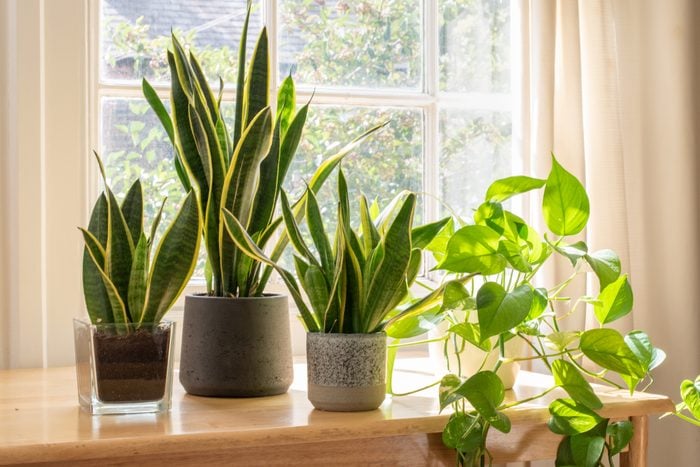
10 Must-Have Indoor Plants To Liven Up Your Entryway

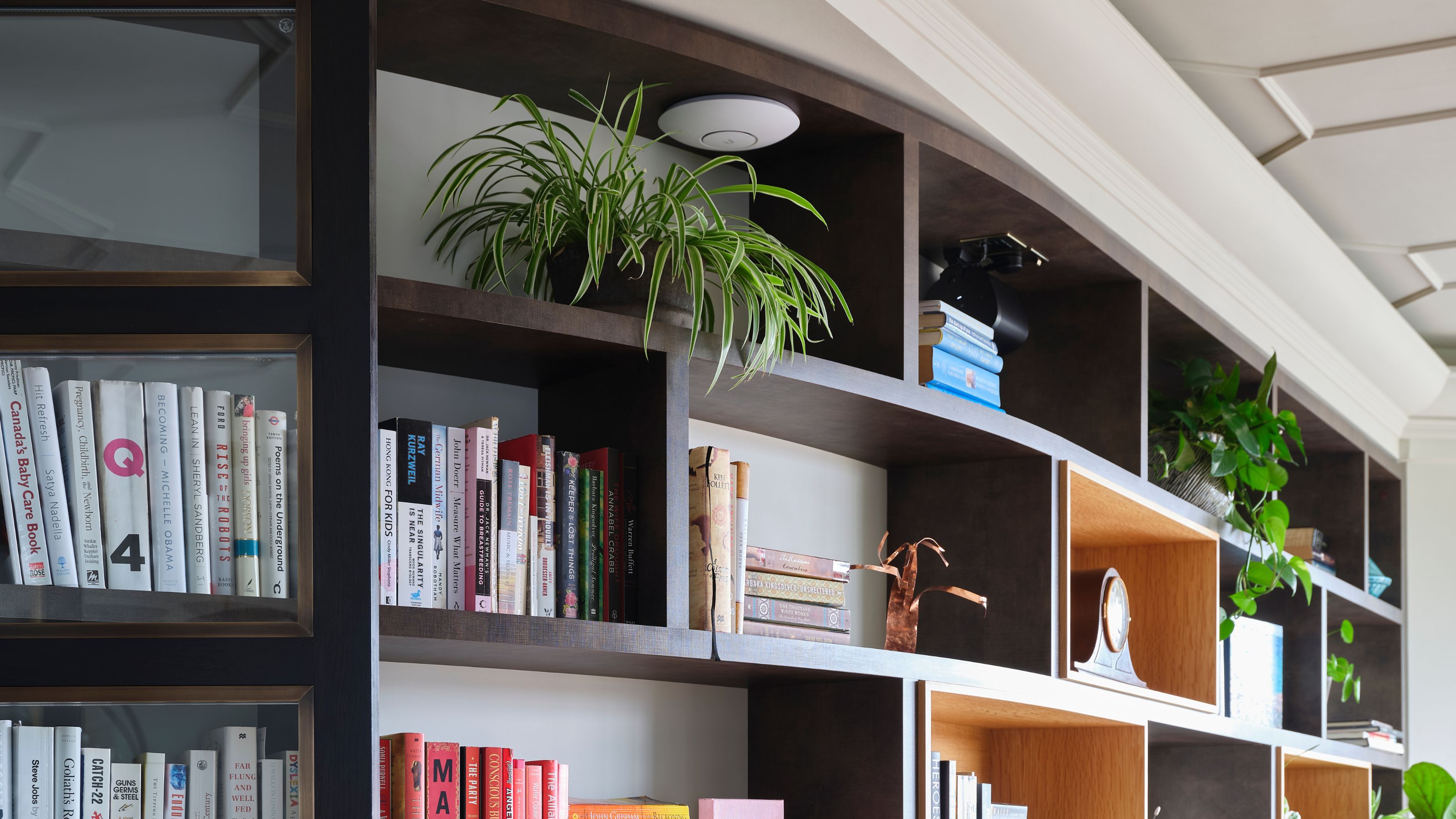
7 of the best low-light houseplants that will thrive in shady nooks and corners in the home
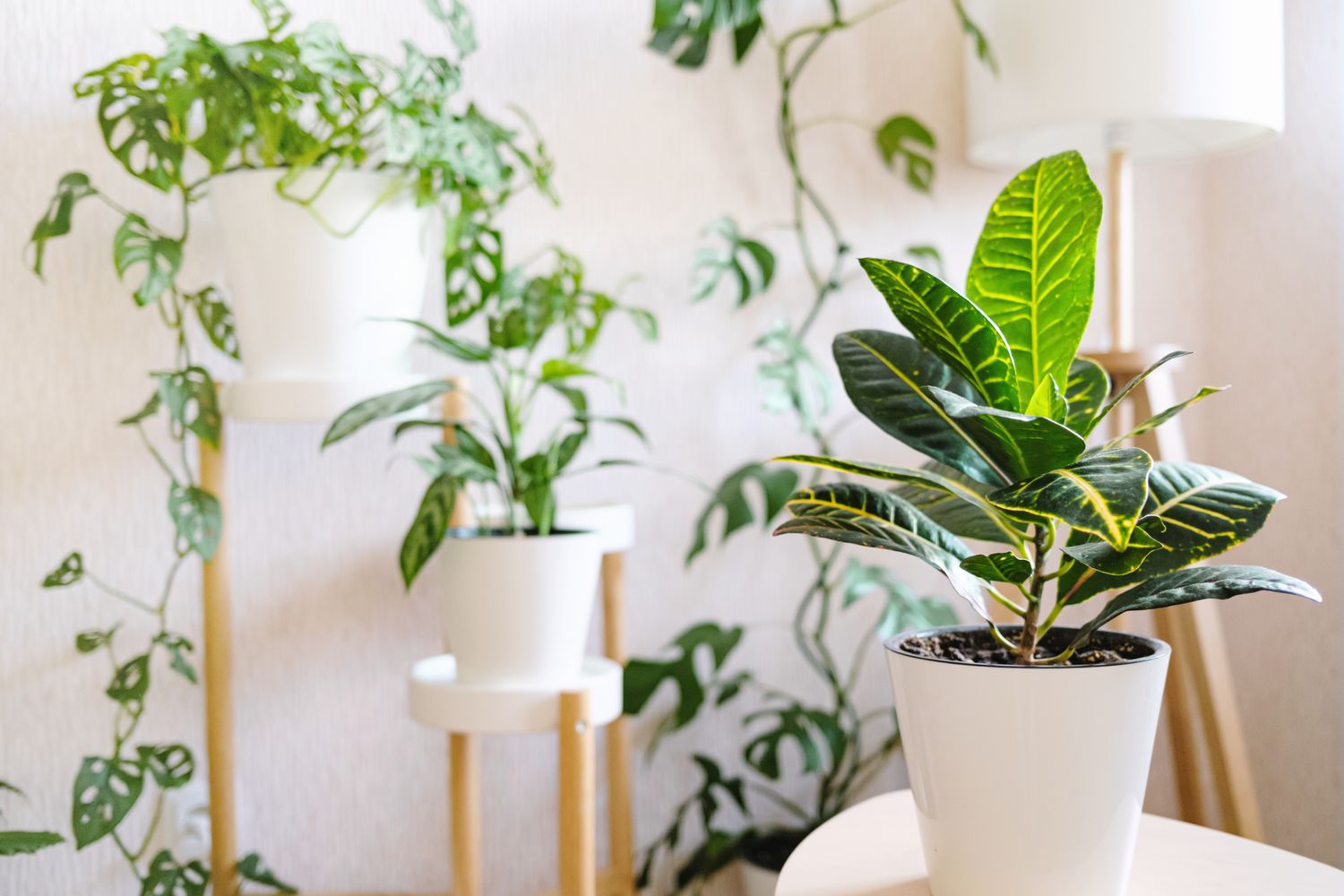
19 Tall Low-Light Plants That Are So Easy to Grow Indoors
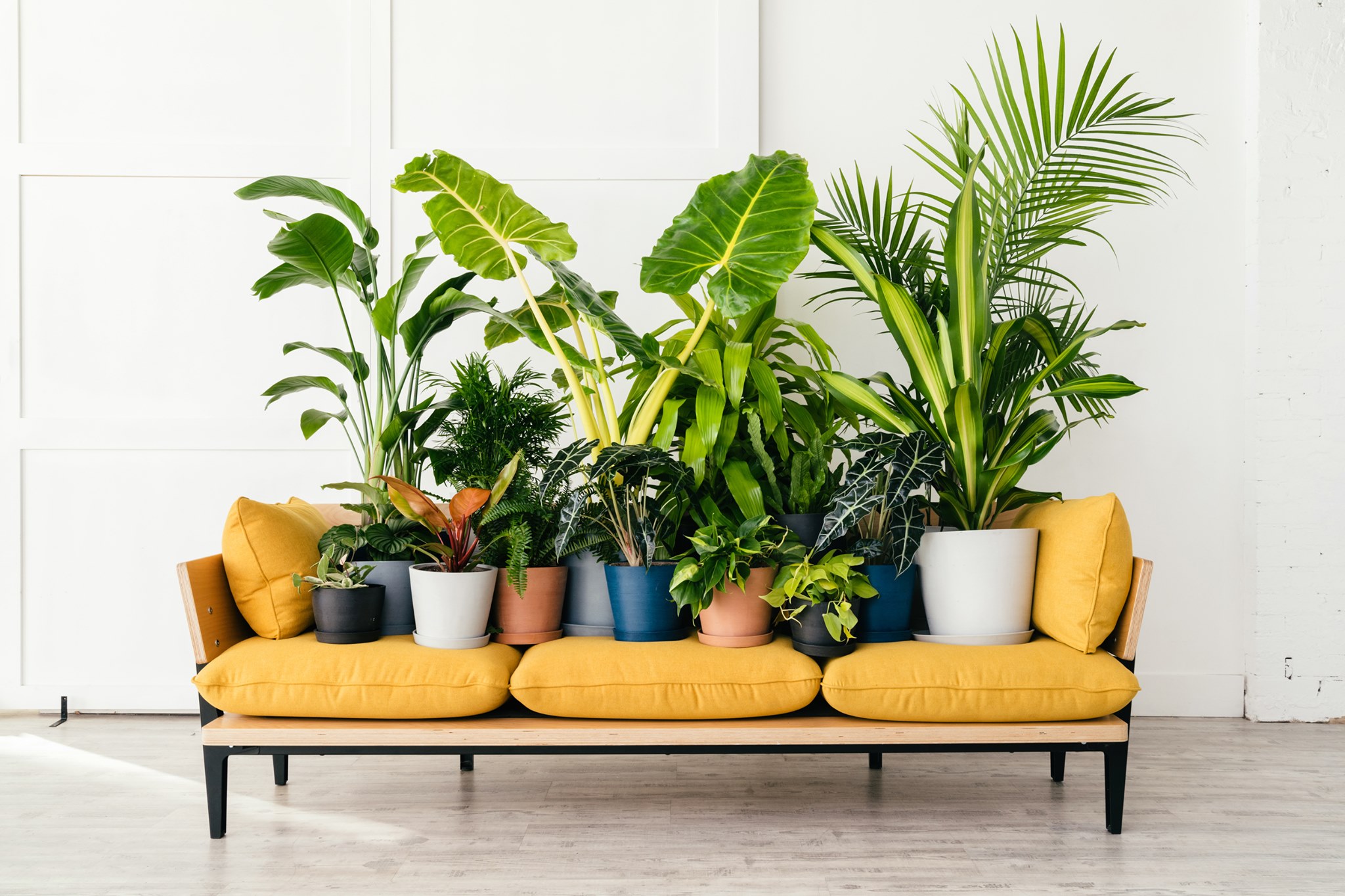
Best indoor plants: the best house plants for stylish greenery

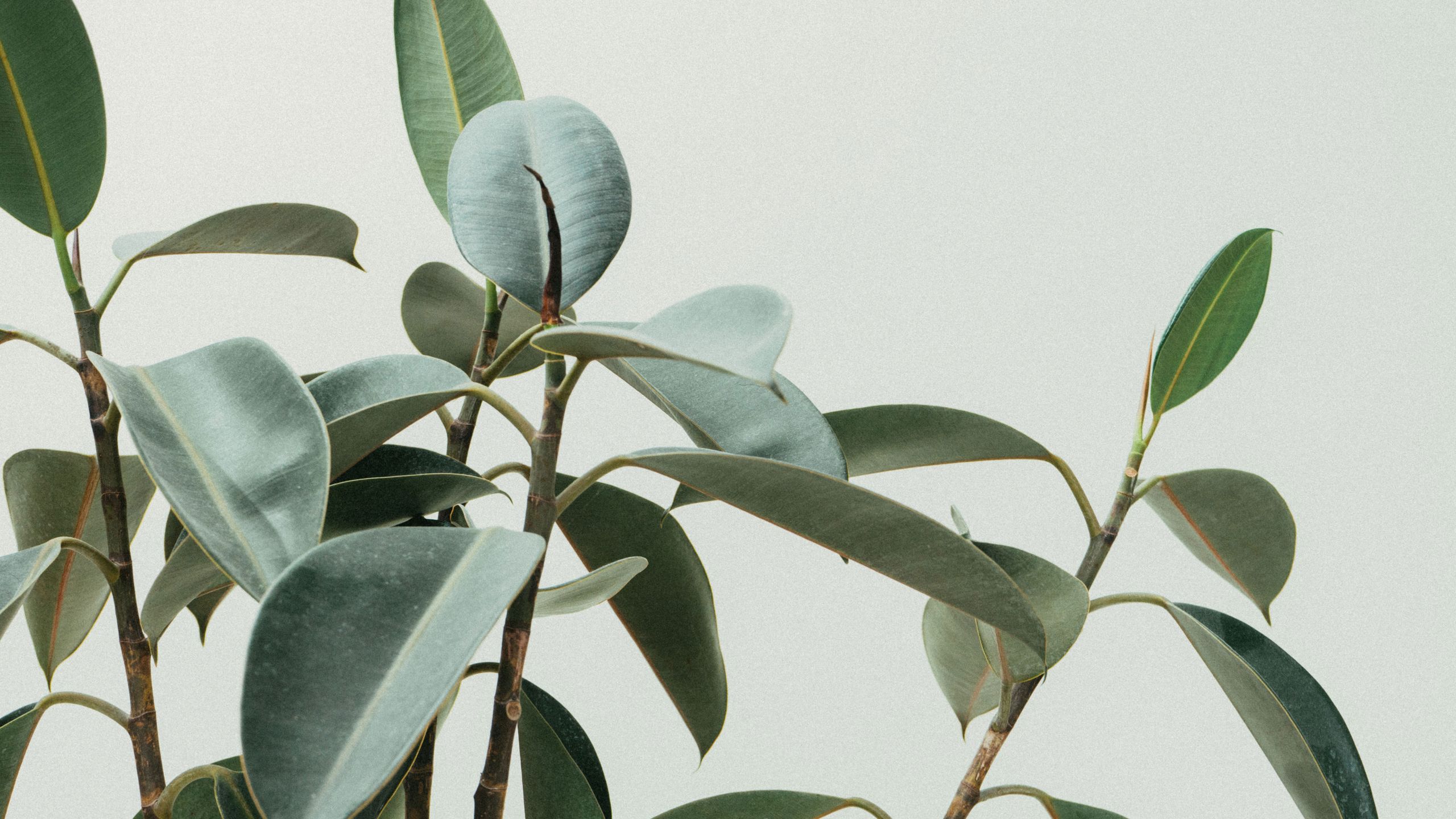
20 Best Indoor Trees and Tropical Plants to Grow in Your Living Room

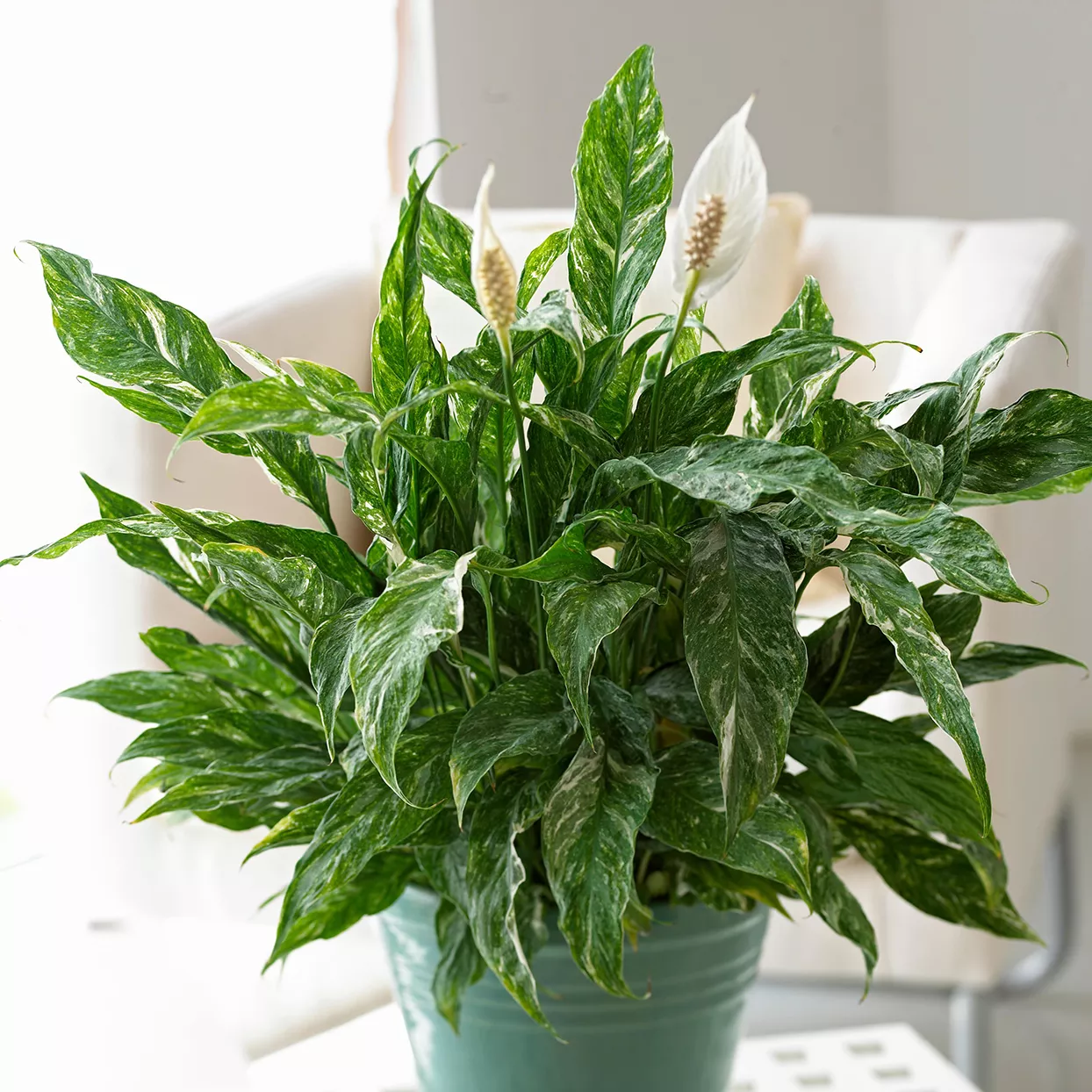
32 Best Low-Light Indoor Plants to Brighten Up Your Home

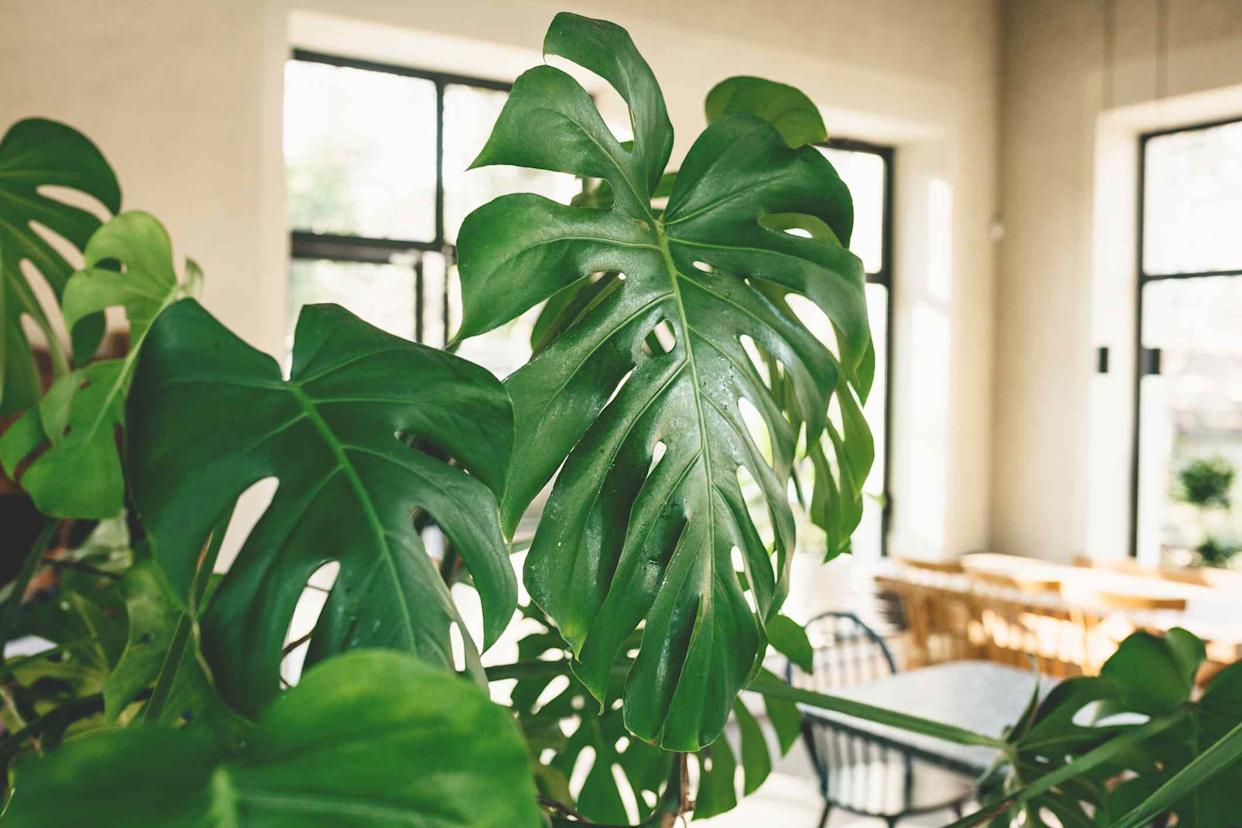
7 Houseplants Minimalists Never Grow—They Just Get Too Unruly, Pros Say

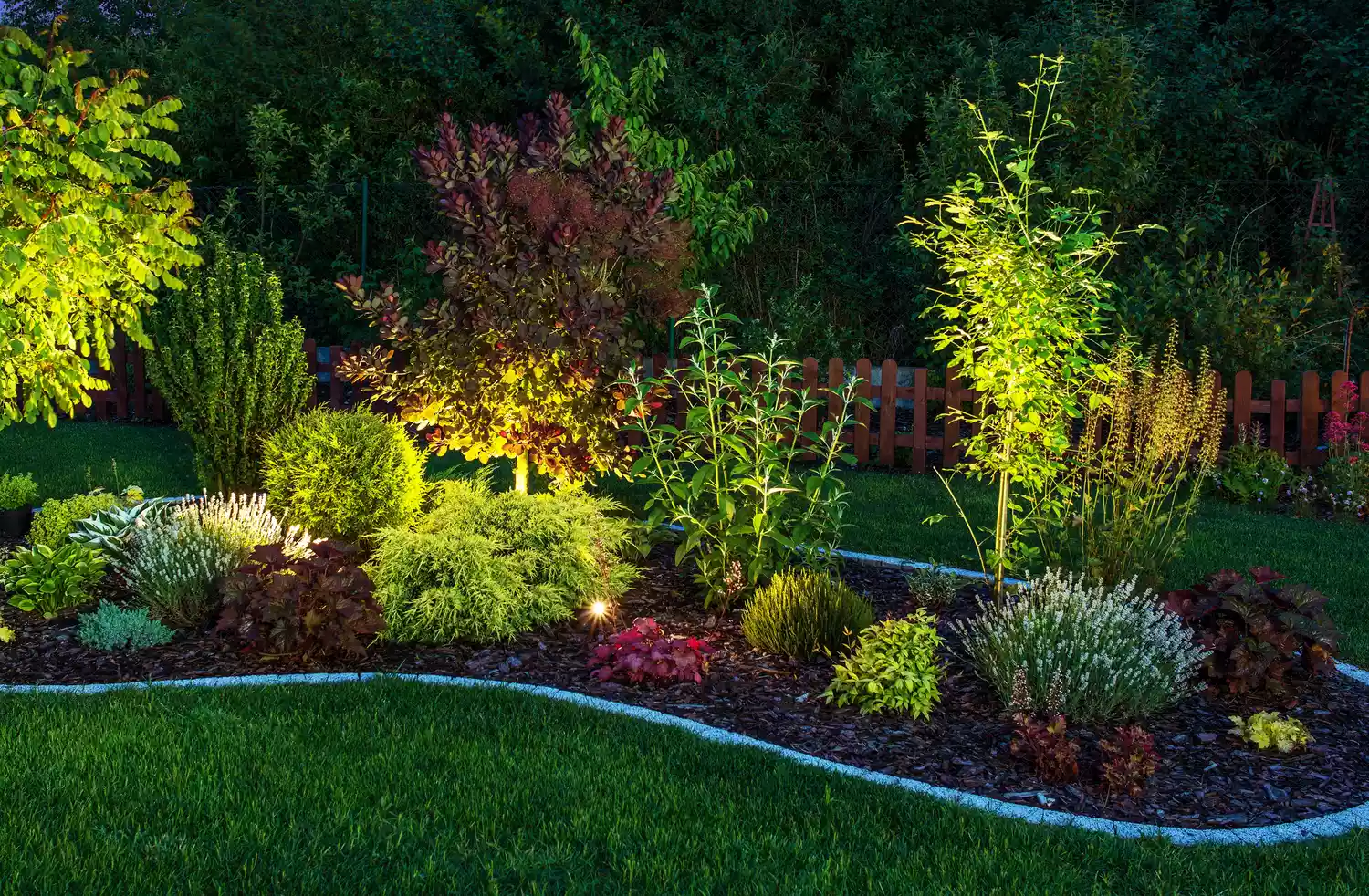
30 Garden Lighting Ideas to Make Your Plants Shine

15 Variegated Plants To Spruce Up Your Indoor Spaces

36 best indoor plants that will liven up any room
15 Plants Perfect For A North-Facing Window
Best indoor plants for direct sunlight – 7 top choices for sunny spots in your home

16 Low-Light Hanging Plants to Try Growing