10 Indoor Trees That Thrive in Low Light, According to Experts
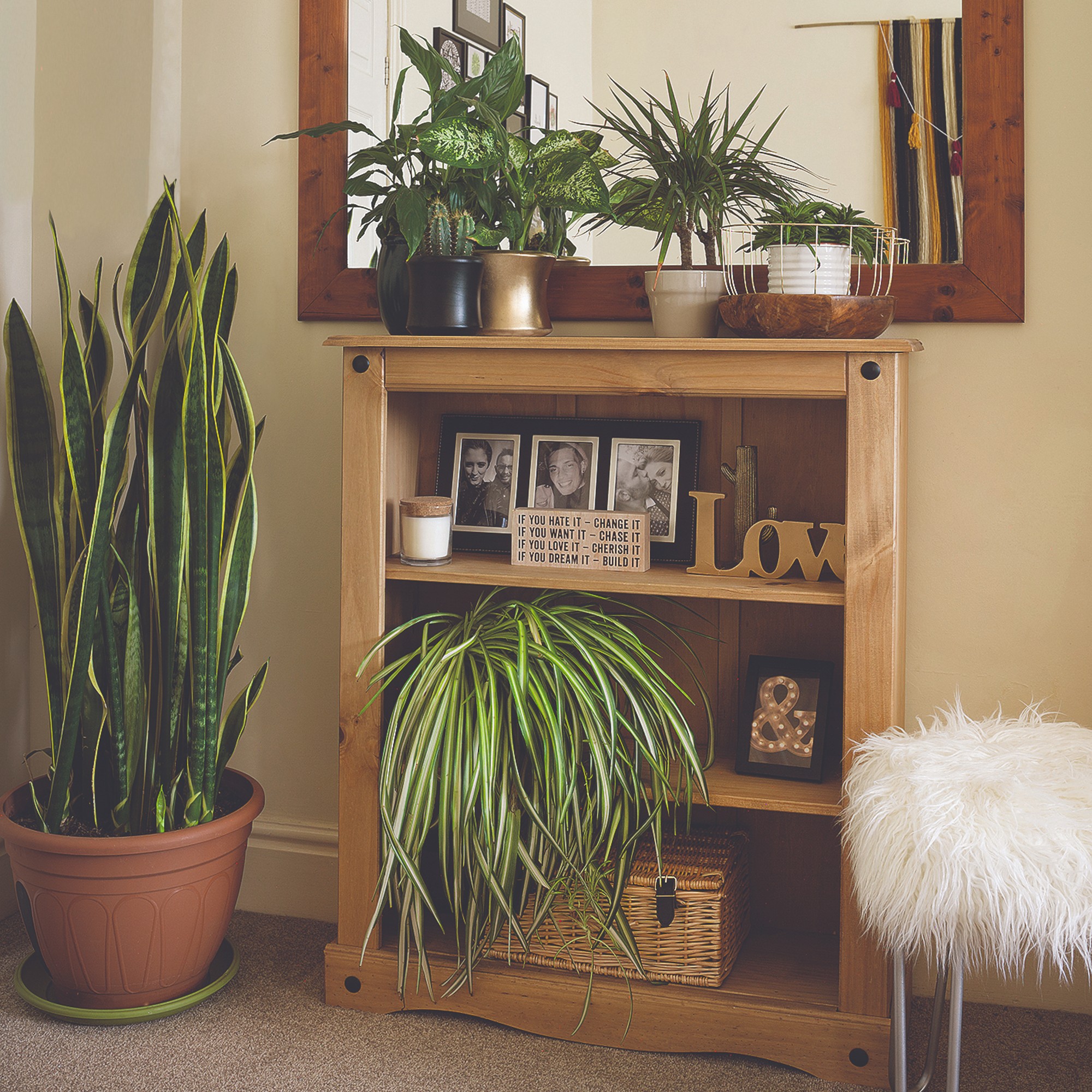
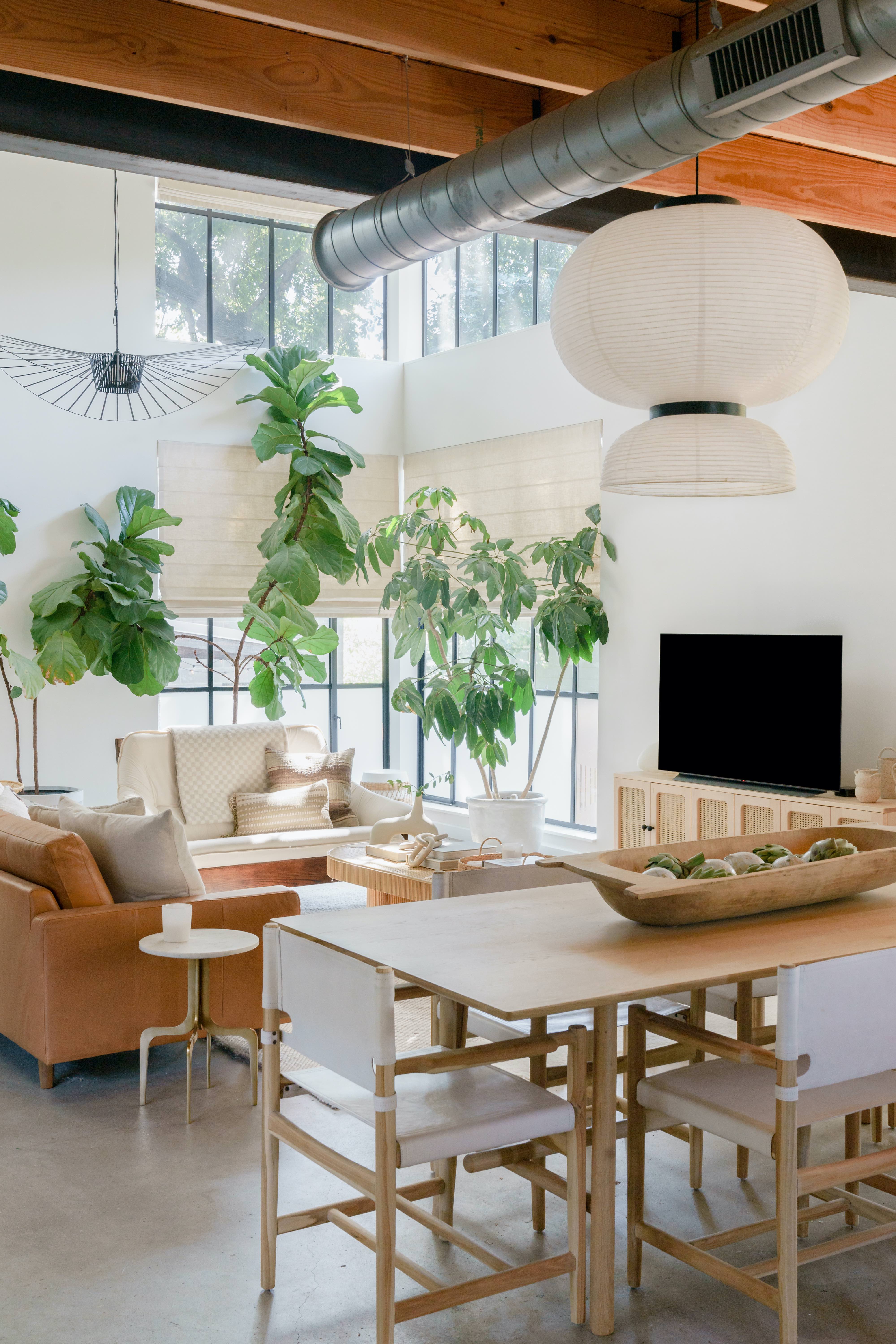
Selecting the right indoor tree for a low-light environment is crucial for its health and longevity. While all plants rely on photosynthesis to convert light, water, carbon dioxide, and minerals into sugars for growth, some species have evolved to photosynthesize efficiently even in low light conditions. Professional horticulturist Sharon Yiesla emphasizes that many plants recommended for low light only tolerate it, never reaching their full potential without adequate illumination. Therefore, understanding the light levels in a chosen spot and selecting a suitable tree is vital for thriving indoor greenery.
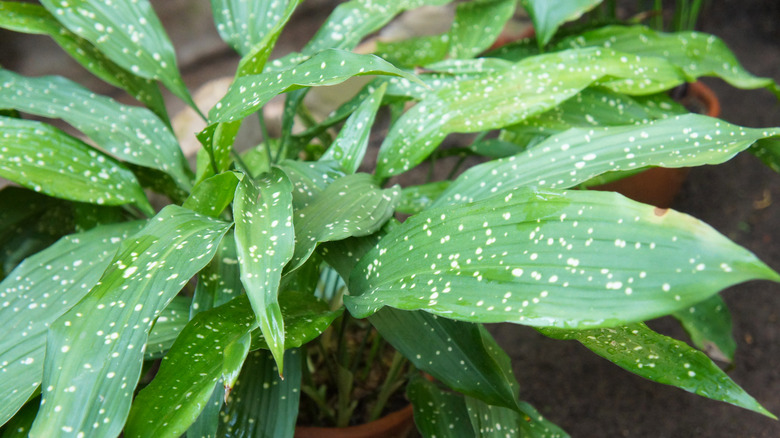
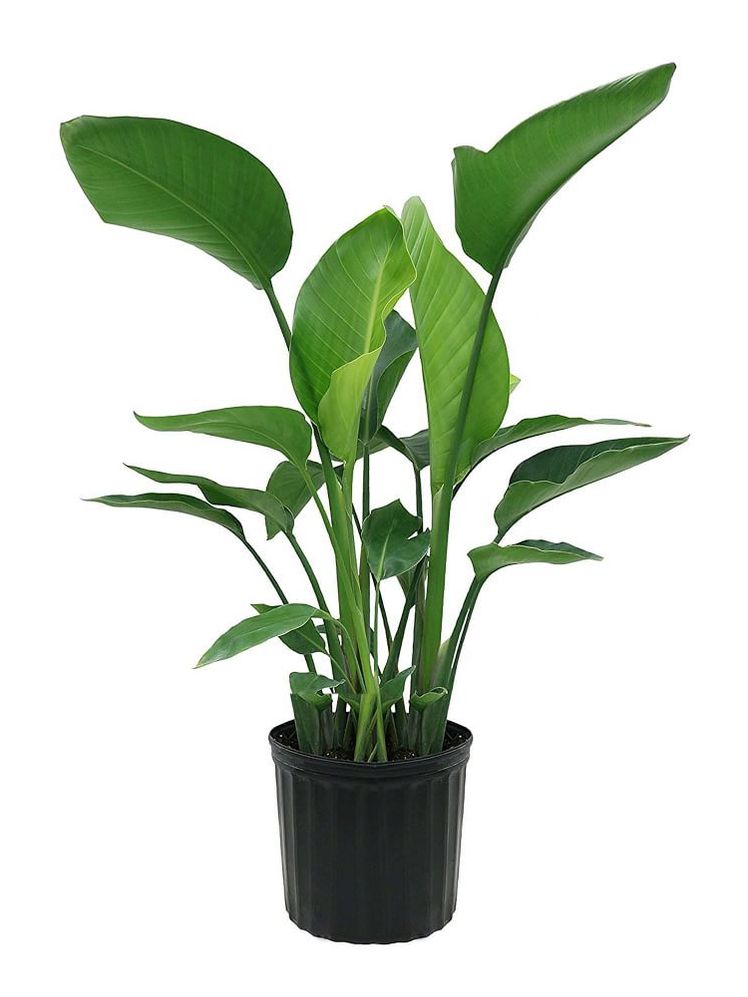
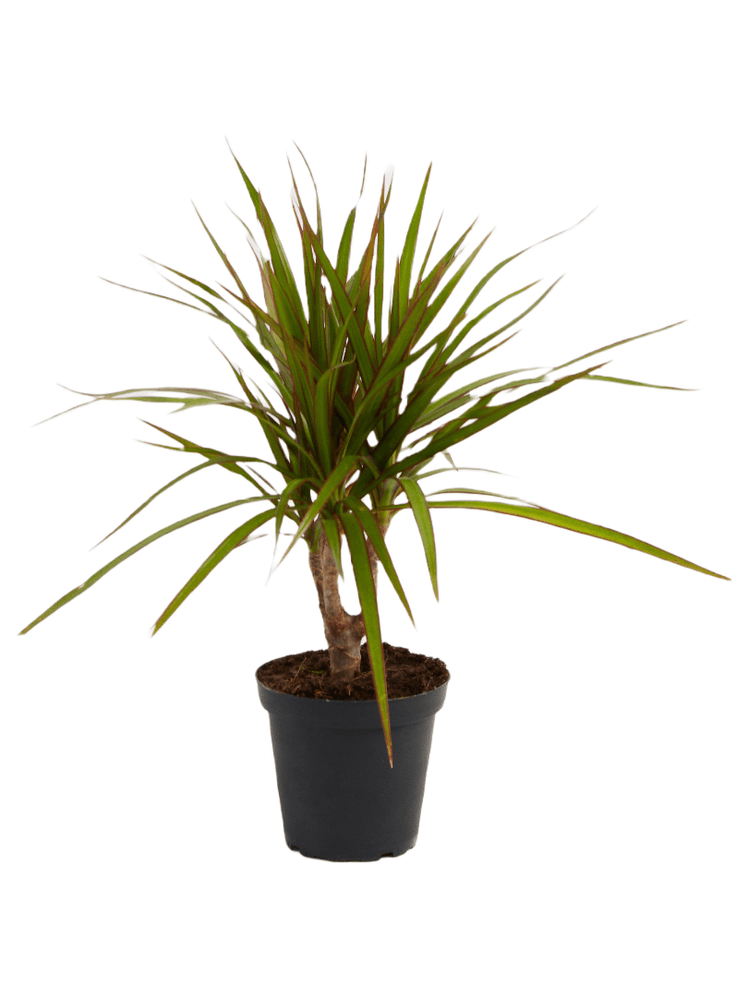
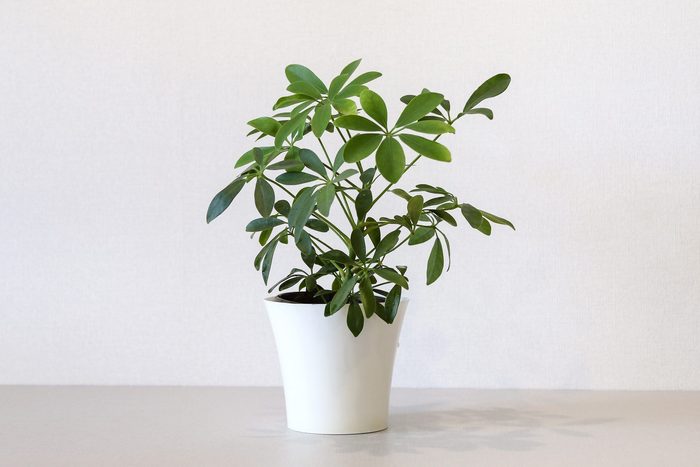
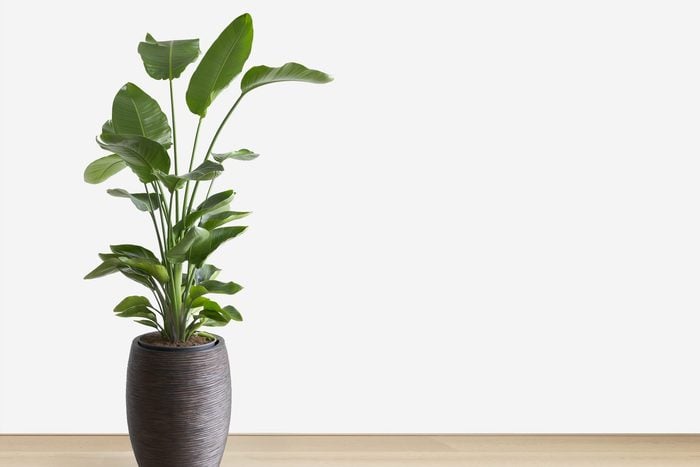
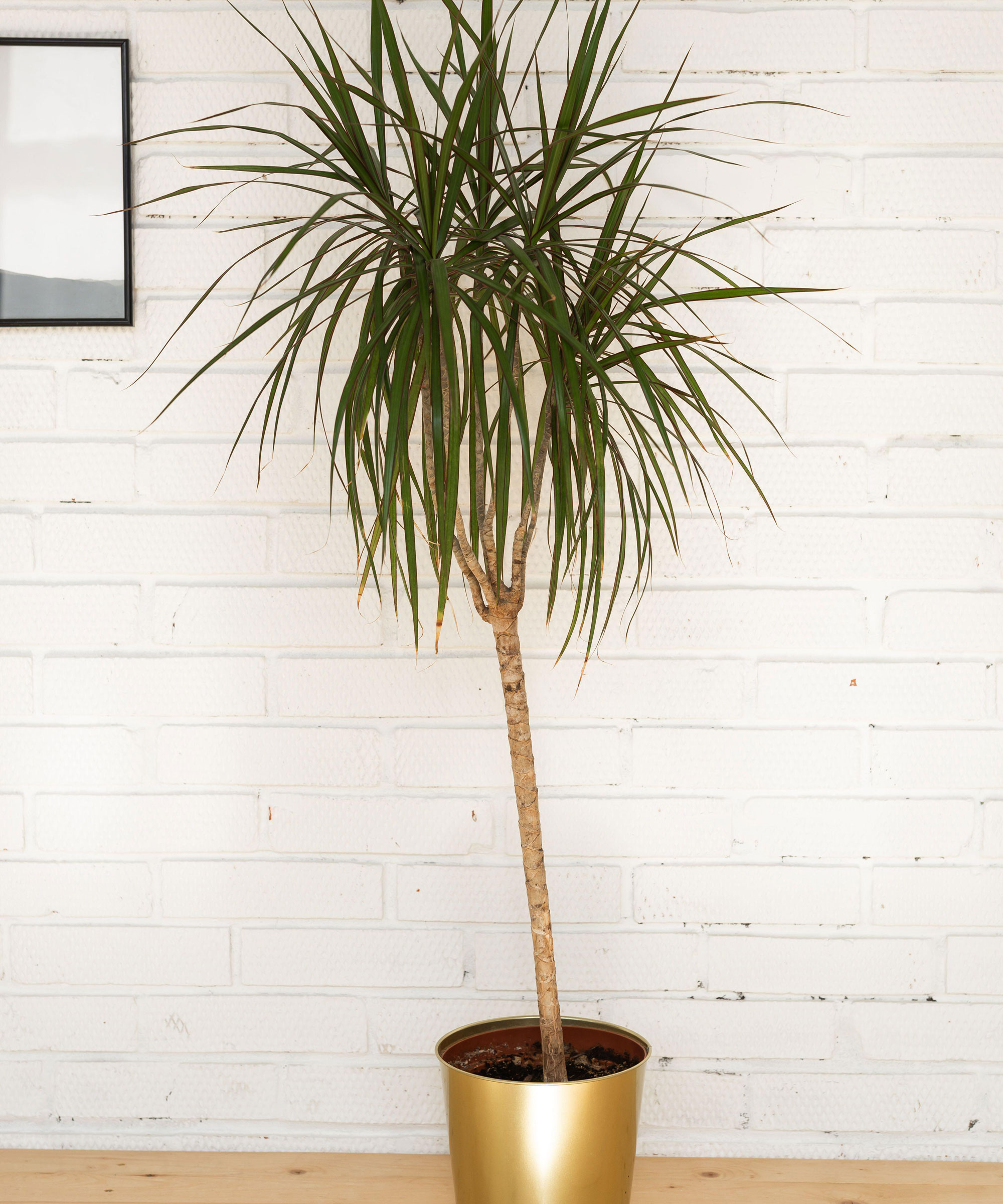
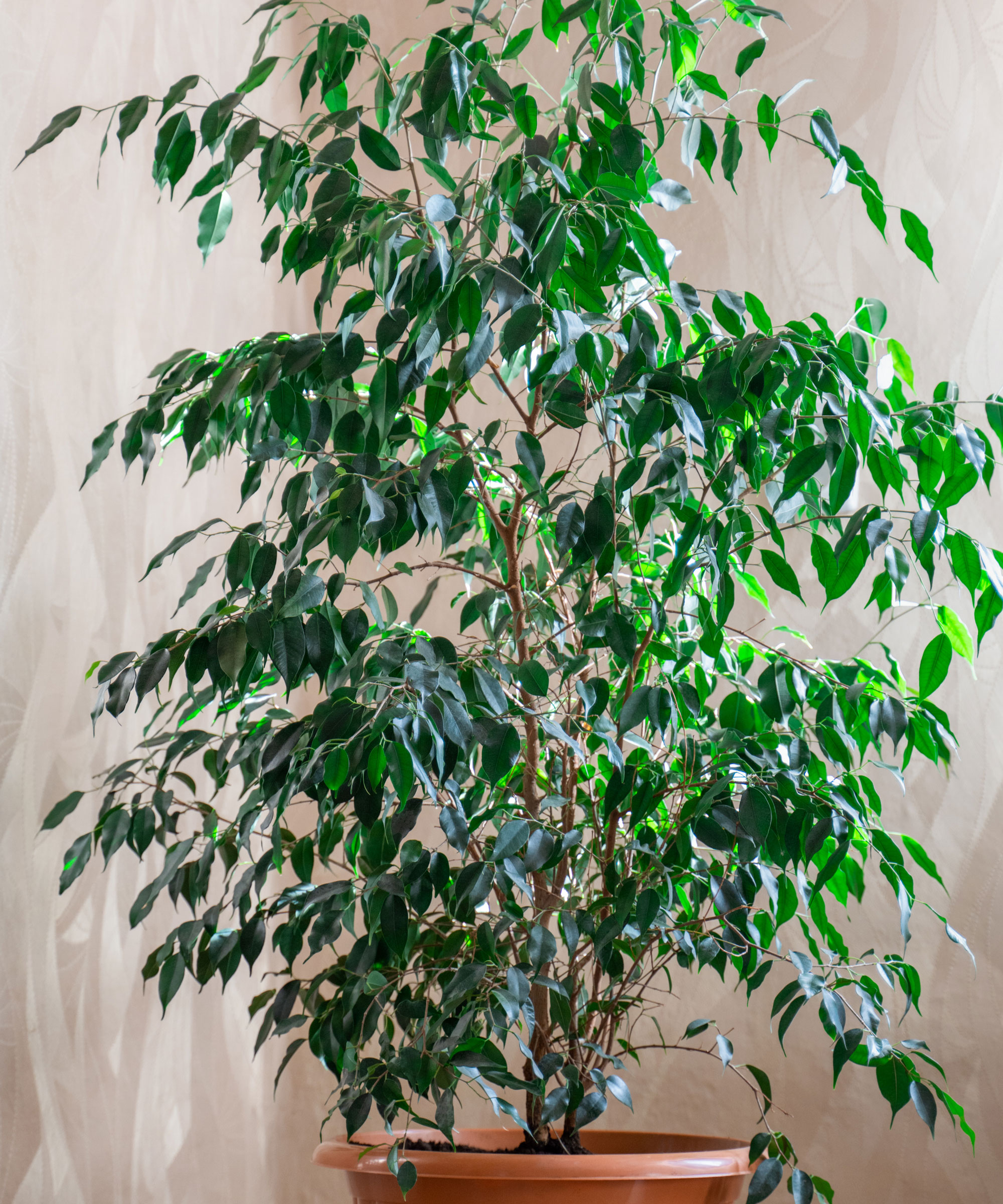
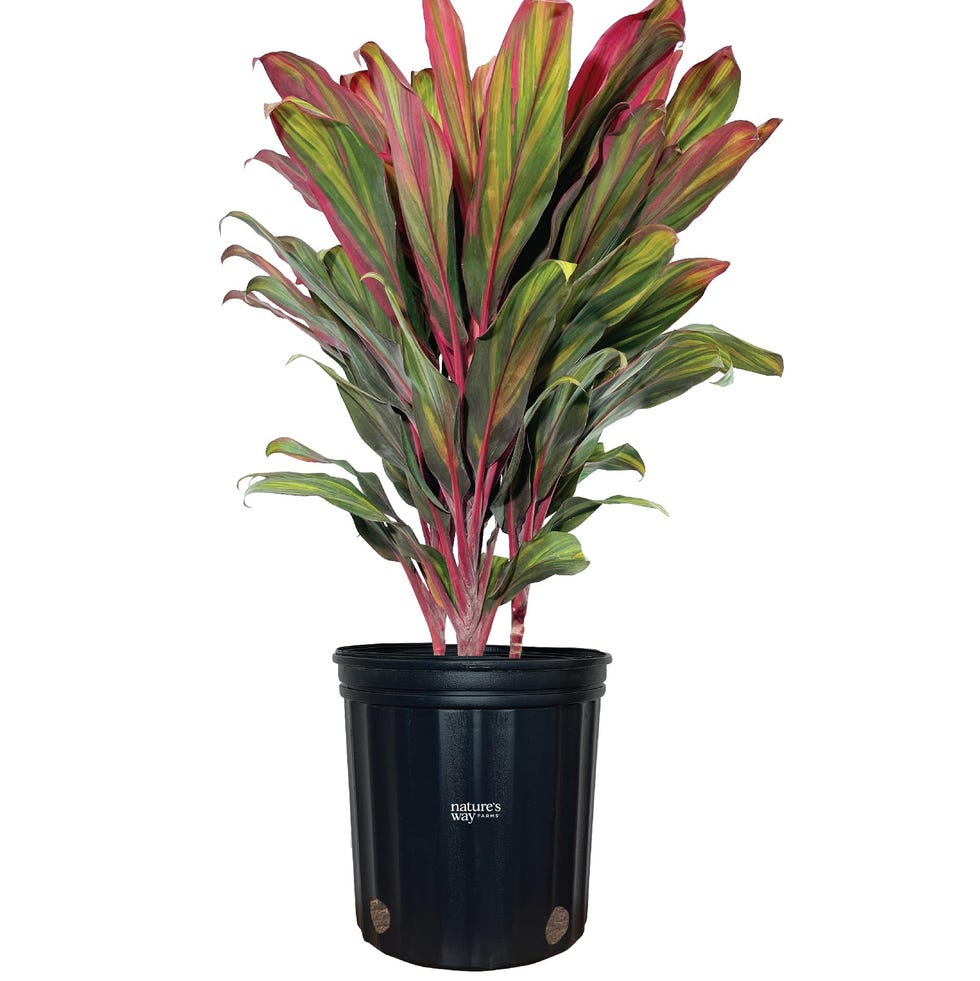
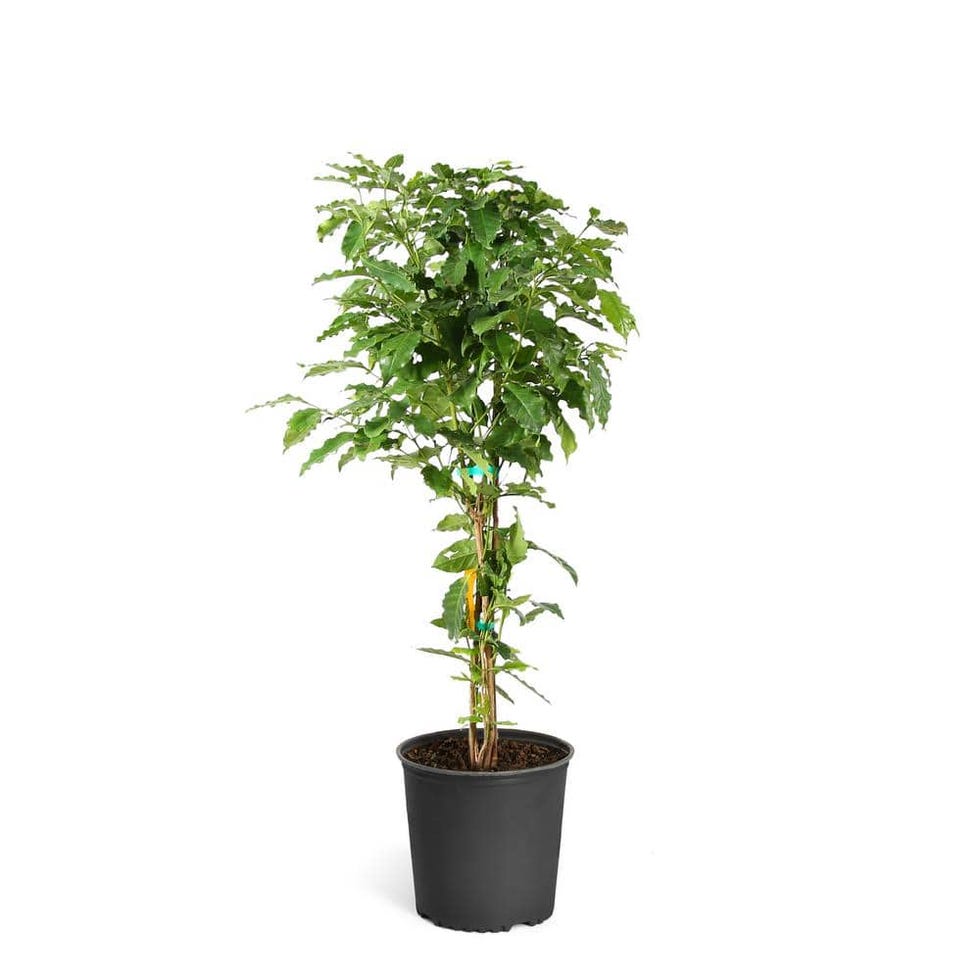
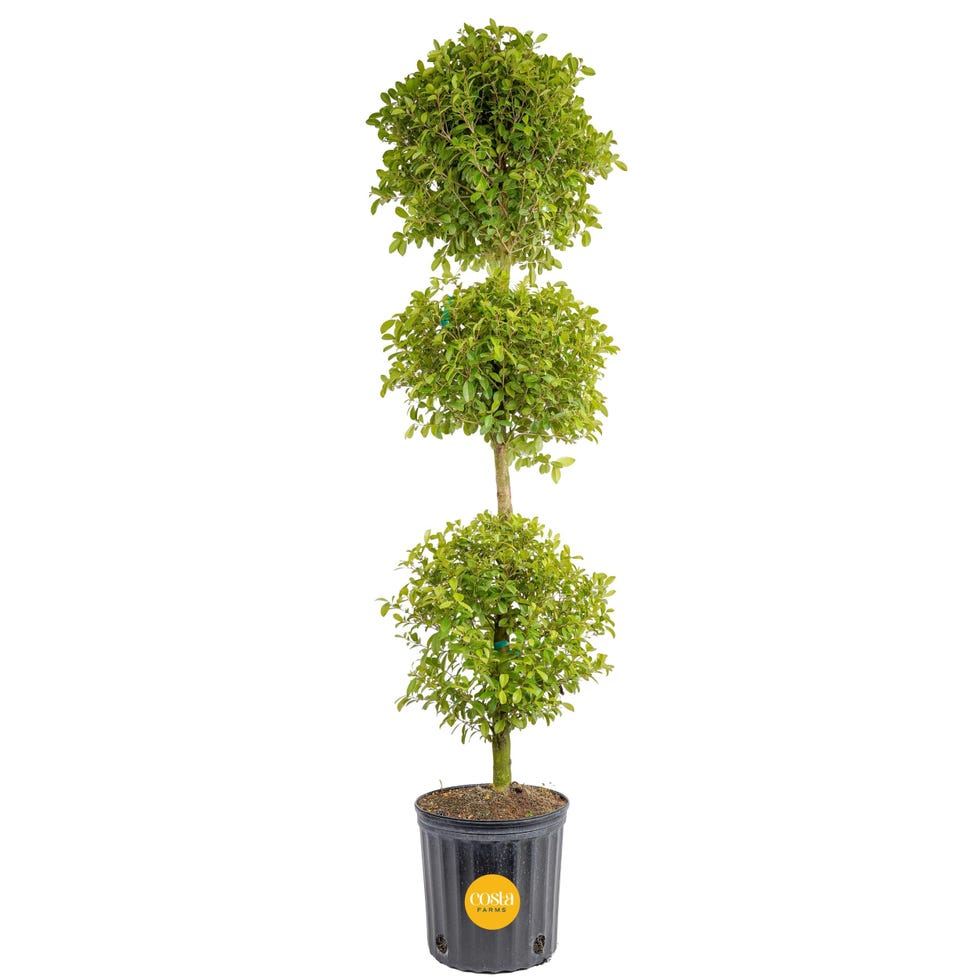
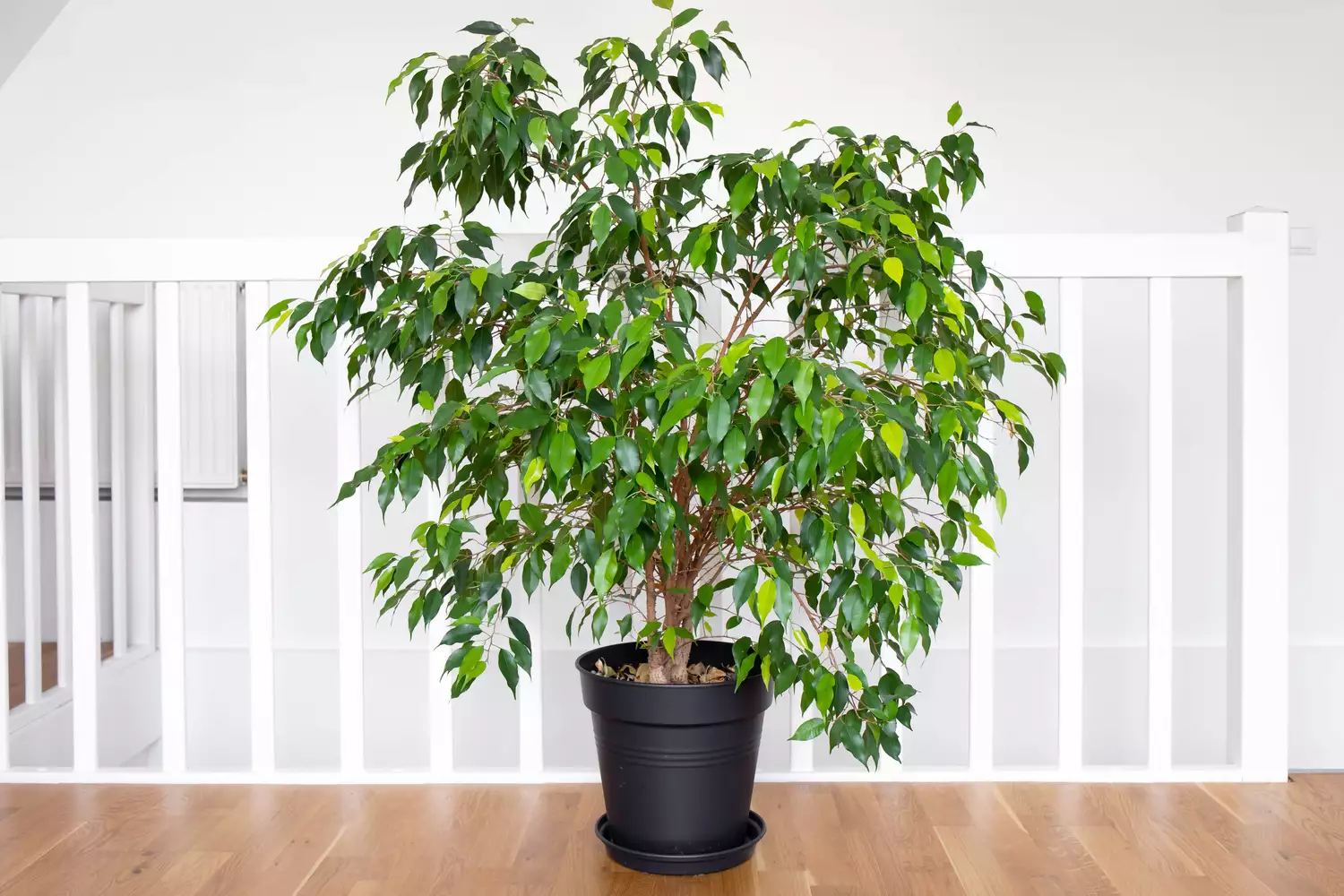
The article highlights ten specific indoor tree varieties known for their ability to flourish in low-light settings. These include the Corn Plant (_Dracaena fragrans_), which features long, flat leaves and can tolerate neglect and lower light, though more shade results in slower growth. The Dragon Tree (_Dracaena marginata_) is another adaptable option, thriving in various light conditions from dim to bright, but it is susceptible to overwatering. The False Aralia (_Plerandra elegantissima_), a slow grower, matures into a small tree with glossy leaves that change color, and while it prefers indirect light, it can handle a little morning sun. The Ficus "Willow Leaf" (_Ficus "Alii"_) is noted for its droopy leaves and can tolerate lower light levels, albeit with reduced growth.
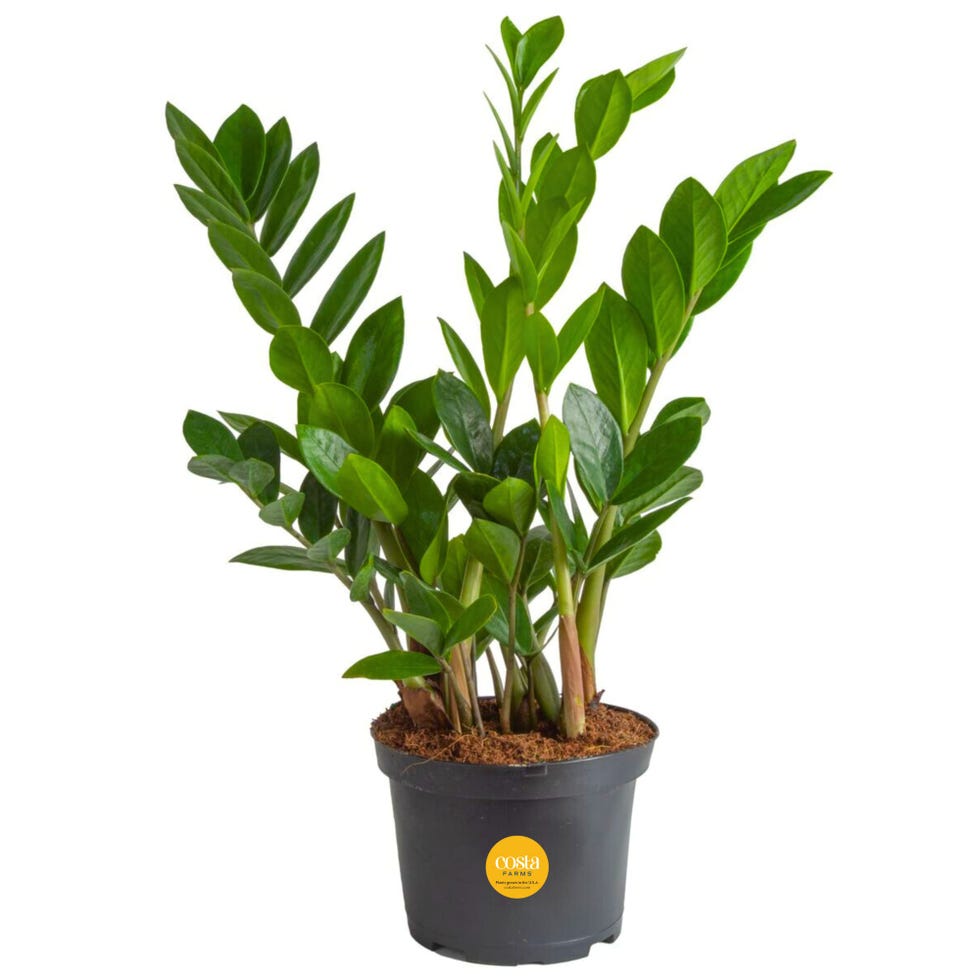
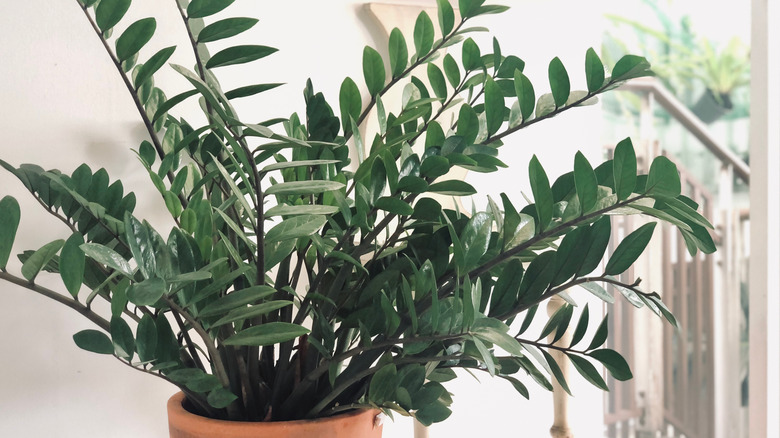
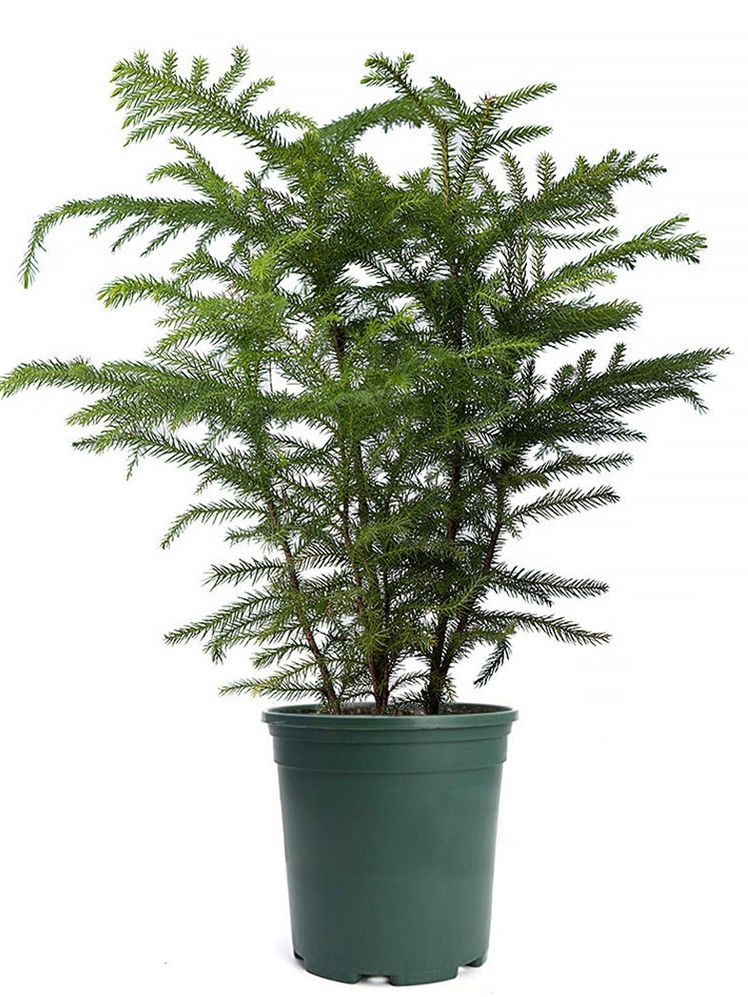
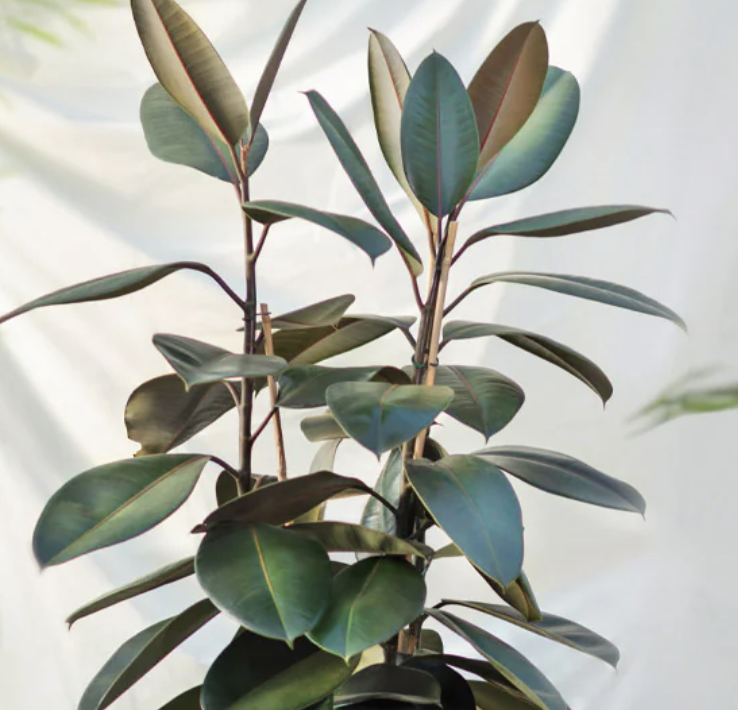
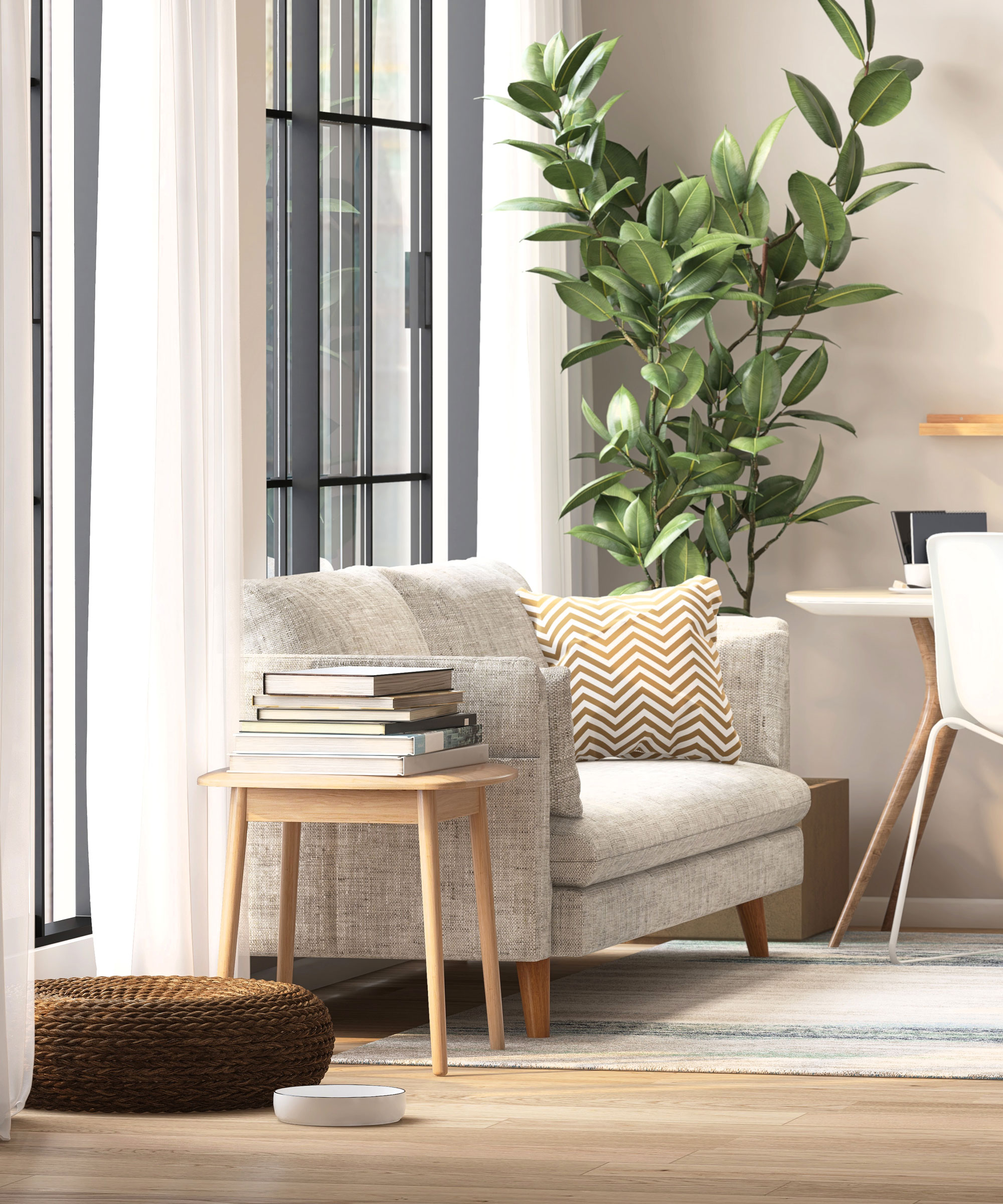
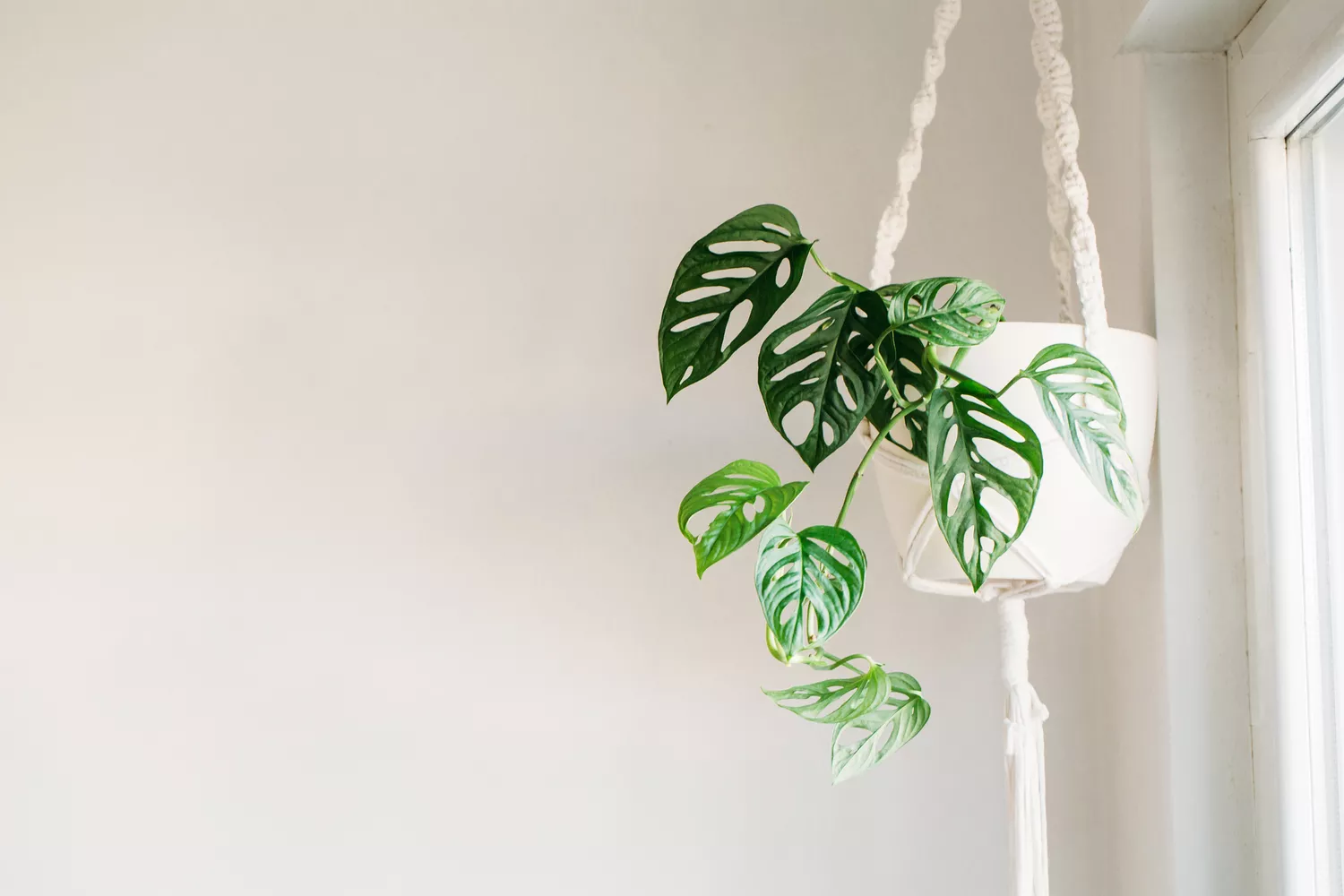
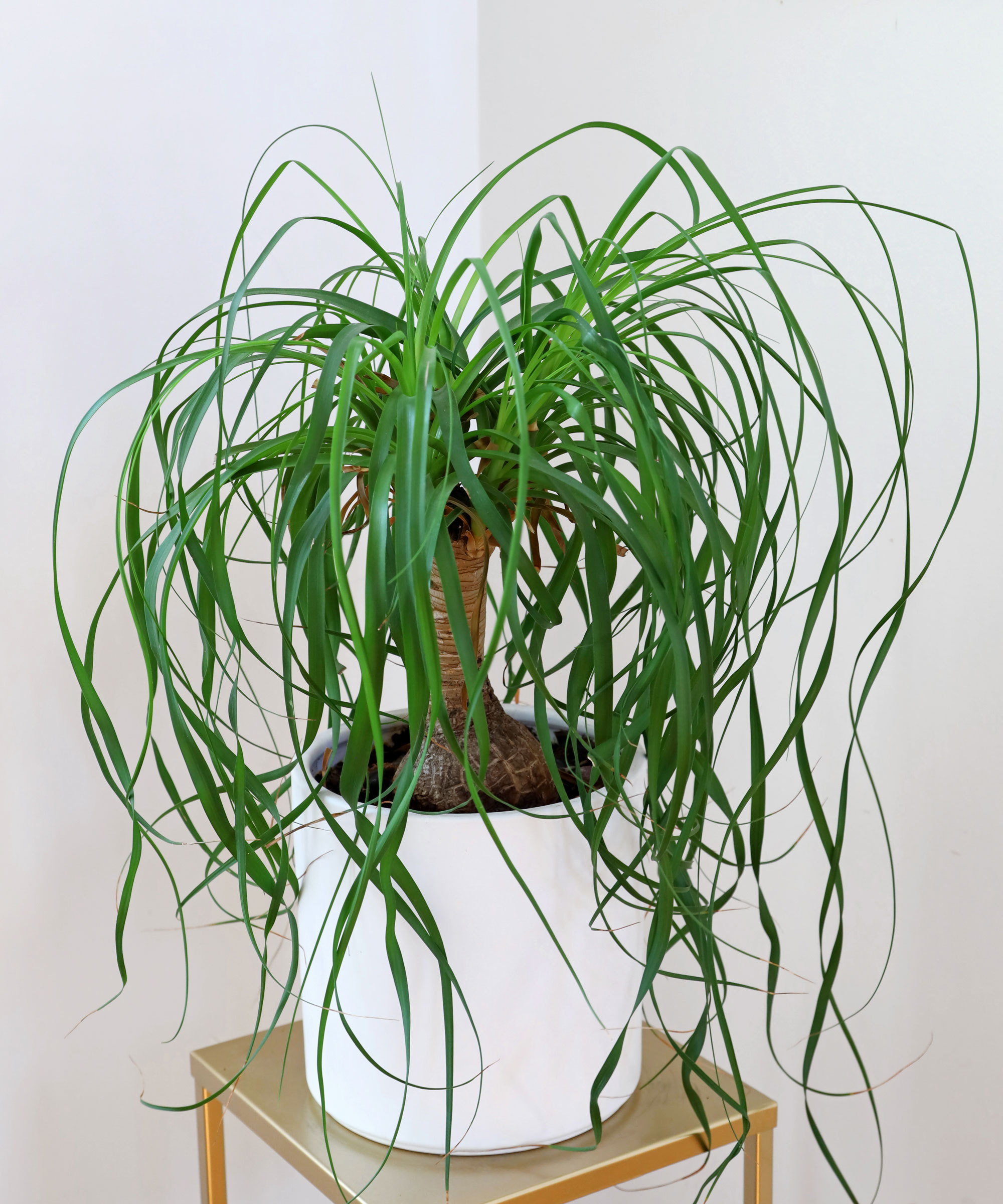
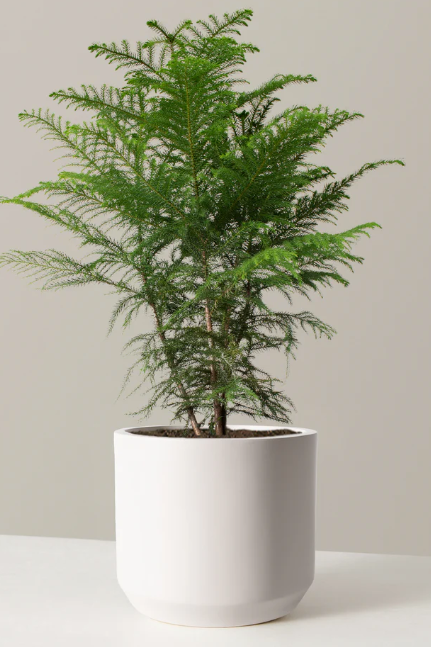
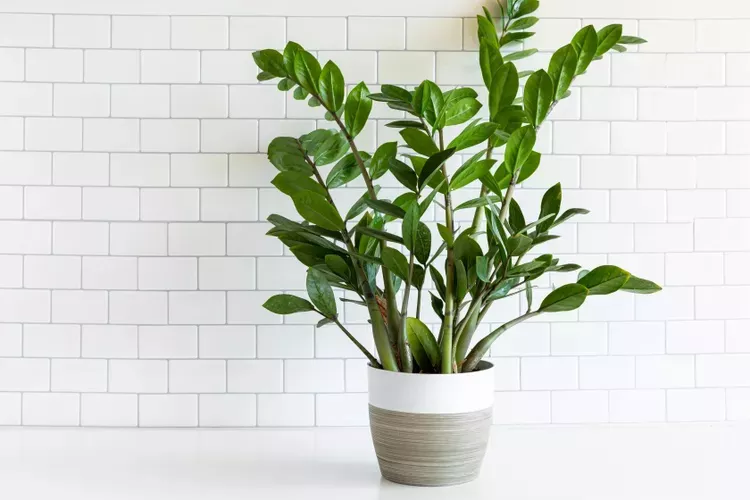
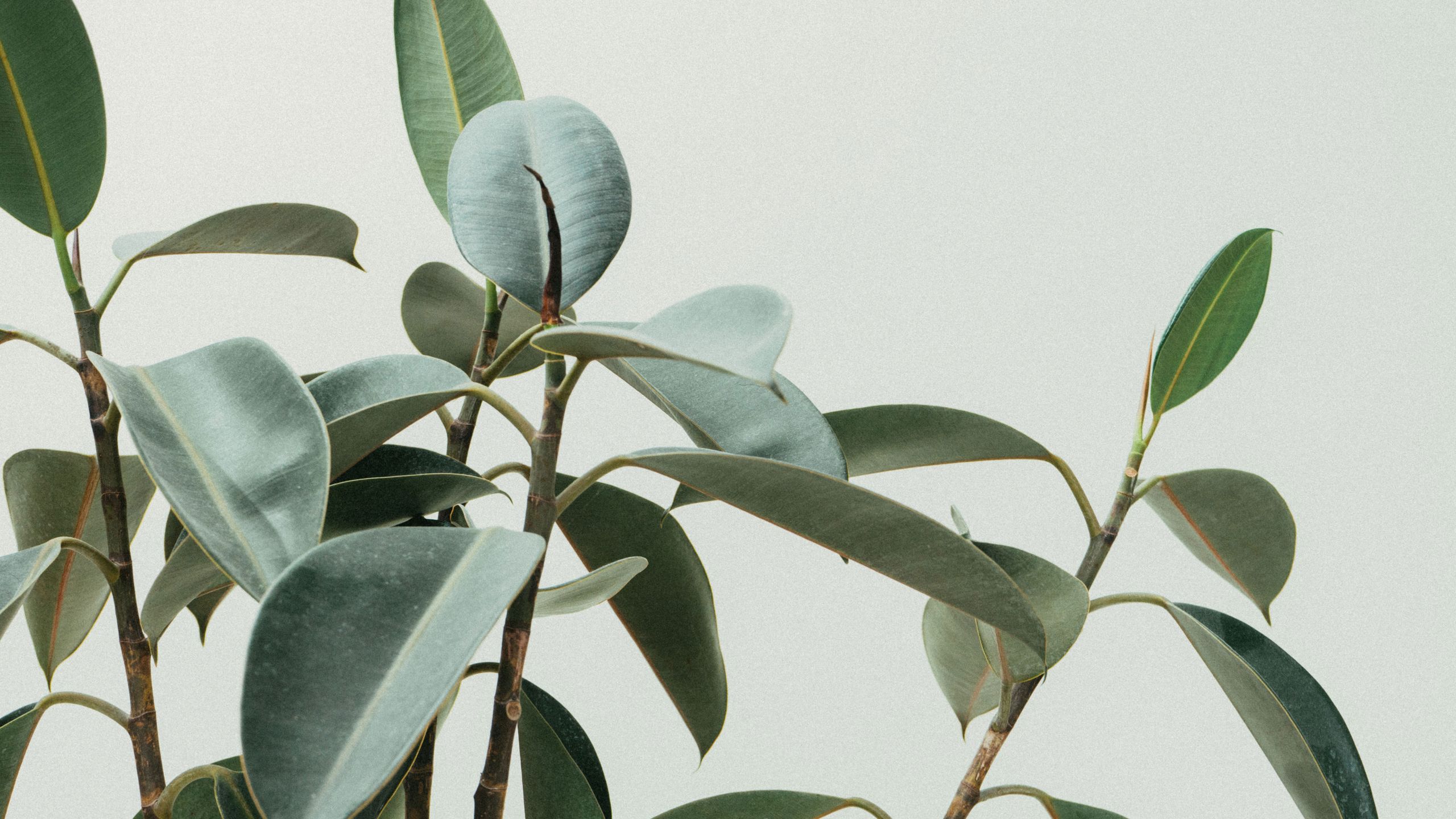
Other recommended trees include the Money Tree (_Pachira aquatica_), known for its braided stem and believed to bring positive energy. This tropical plant can handle full sun to part shade, with yellowing leaves indicating too much direct sun. The Norfolk Island Pine (_Araucaria heterophylla_) provides a pleasant fragrance and fern-like texture, performing well in low light despite preferring brighter conditions. The Ponytail Palm (_Beaucarnea recurvata_), a succulent, tolerates less sunlight by growing slowly and stores water in its bulbous base, making it low-maintenance. The Rubber Plant (_Ficus elastica_) is a fast-growing species that can reach significant heights indoors, preferring indirect light and benefiting from regular rotation to ensure balanced growth. The Spineless Yucca (_Yucca elephantipes_) is a low-maintenance option that can handle low light and does not require additional humidity. Finally, the ZZ Plant (_Zamioculcas zamiifolia_) is a resilient tropical plant known for purifying indoor air, thriving in bright, indirect light but also tolerating less, and capable of surviving periods of neglect.
The article also addresses common problems faced when growing indoor trees in low-light conditions and provides practical solutions. Dropping leaves often indicate insufficient light, suggesting a need to clean windows, move the tree to a brighter spot, or even take it outdoors for a temporary recharge. Curling leaves and browning tips usually point to dry air, recommending regular misting and the use of a humidifier. Yellow or brown leaves, particularly at the top of the plant, are often a sign of sun scald, which can be remedied by providing indirect light or using sheer curtains. Wilting or spotted leaves may signal overwatering, underwatering, or poor drainage, necessitating adjustments to the watering routine or repotting into a container with better drainage. Lastly, limited growth and discolored leaves suggest a nutrient deficiency, advising supplemental feeding with appropriate fertilizer, while cautioning against over-fertilization.
For purchasing indoor trees, consumers can visit local nurseries, plant boutiques, botanical gardens, and garden centers. Additionally, big-box stores like Lowe's, Home Depot, Target, and Walmart, as well as online plant delivery services such as Lively Root and The Sill, offer a wide selection. When buying online, it is recommended to make a test purchase of a smaller plant to assess quality and pay for expedited shipping to minimize travel stress for the tree.
#IndoorTrees #LowLightPlants #HouseplantCare #HomeDecor #GardeningTips #PlantSelection #Horticulture #PlantProblems #PlantShopping #IndoorTrees #LowLightPlants #HouseplantCare #HomeDecor #GardeningTips #PlantSelection #Horticulture #PlantProblems #PlantShopping
0 comment in total
 No comments yet
You may also like
8 indoor plants that thrive in indirect or low sunlight

These 30 Low-Light Houseplants Refuse to Die in Dim Conditions

8 of the best low-maintenance trees to make a backyard look expensive

16 Low-Light Hanging Plants to Try Growing

7 of the best low-light houseplants that will thrive in shady nooks and corners in the home
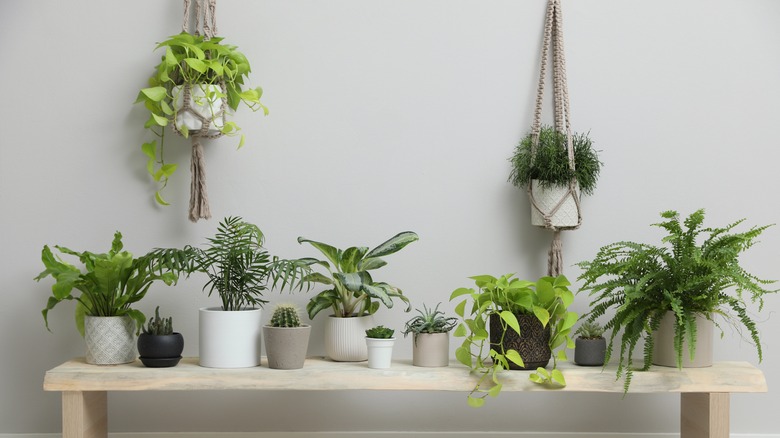
15 Plants Perfect For A North-Facing Window

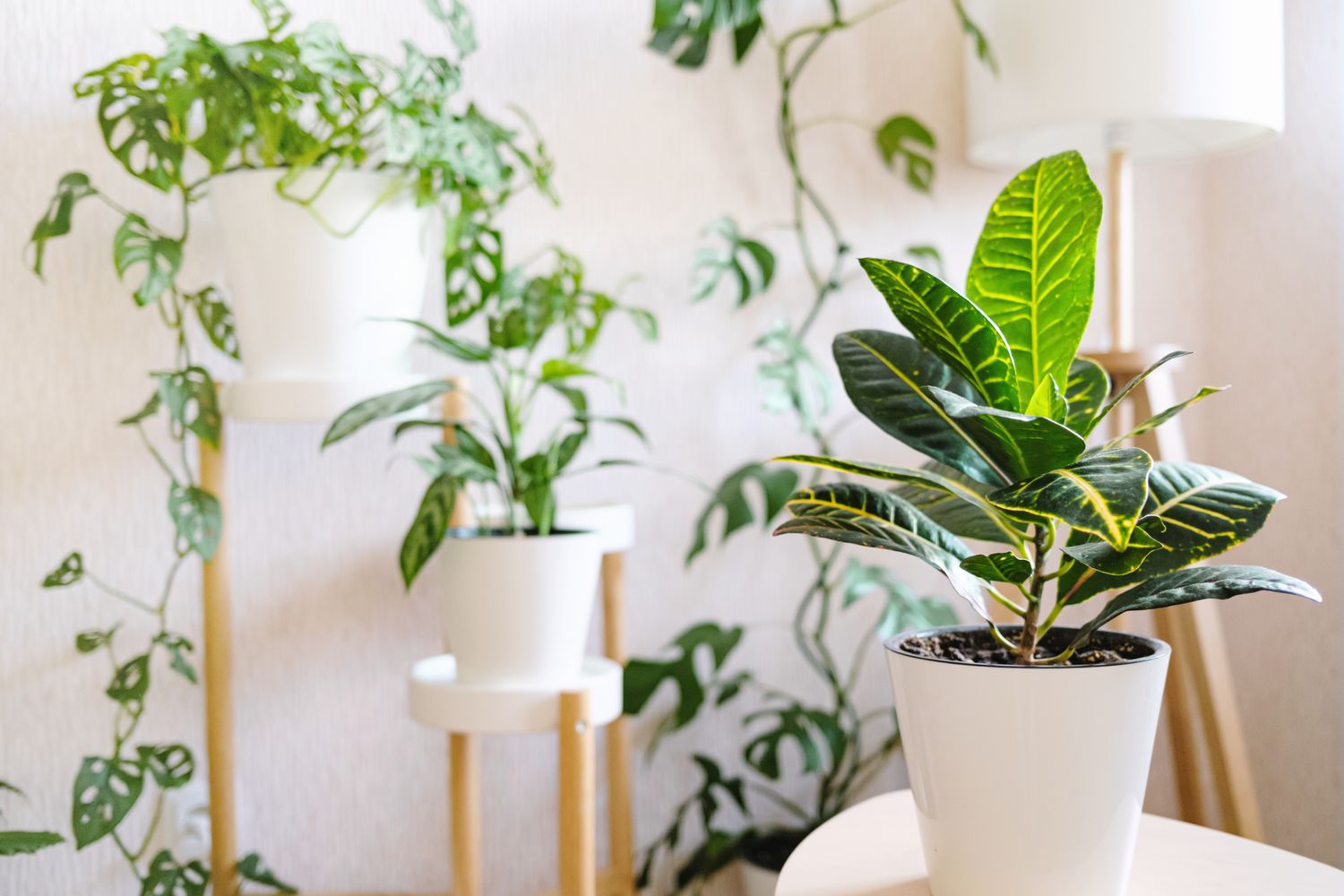
19 Tall Low-Light Plants That Are So Easy to Grow Indoors

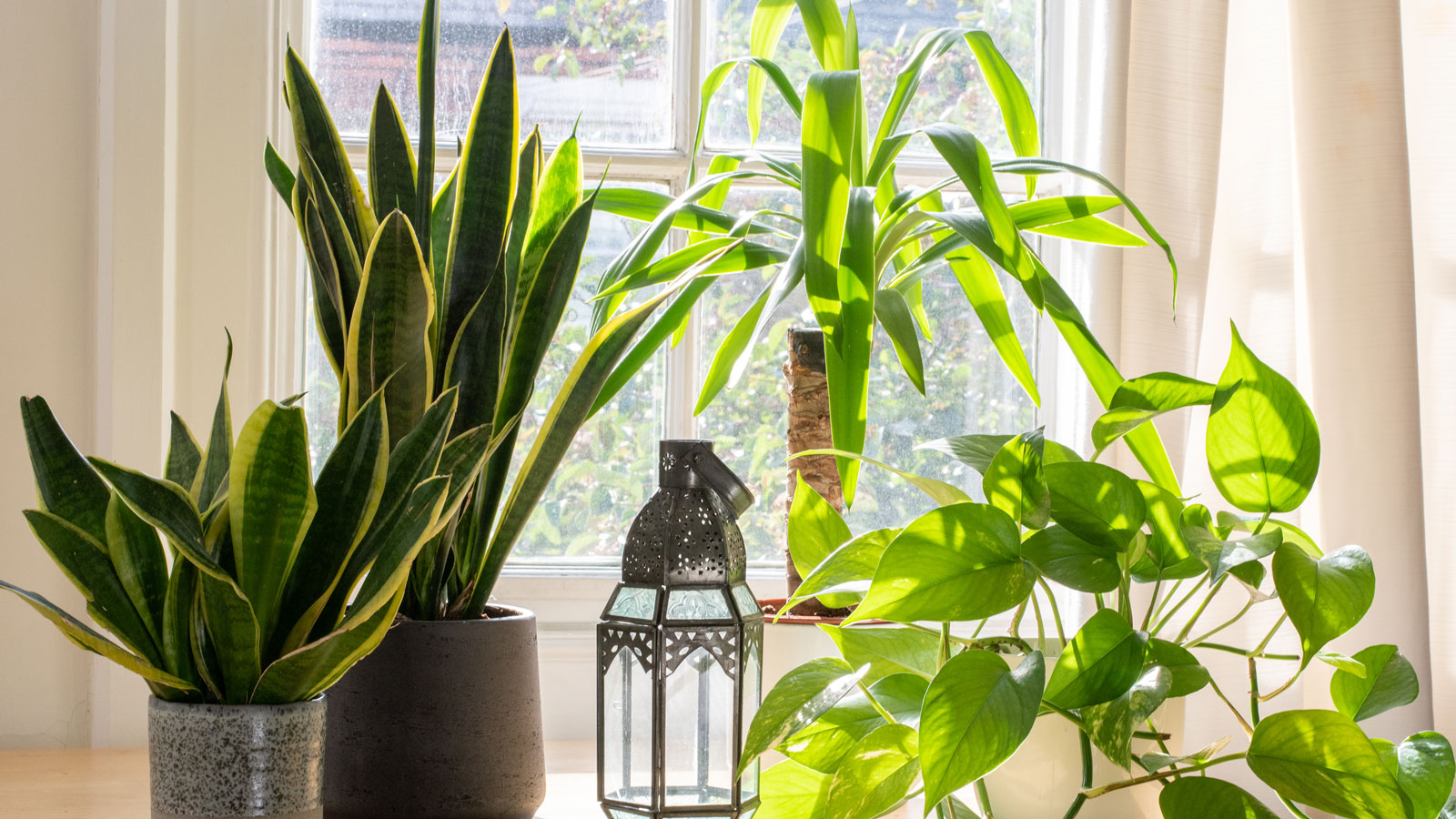
Best indoor plants for direct sunlight – 7 top choices for sunny spots in your home
11 best low-maintenance indoor plants

32 Best Low-Light Indoor Plants to Brighten Up Your Home

10 Must-Have Indoor Plants To Liven Up Your Entryway

36 best indoor plants that will liven up any room
35 Best Low-Light Indoor Plants for Your Home
20 Best Indoor Trees and Tropical Plants to Grow in Your Living Room

Best tall indoor plants – 10 statement plants, chosen by houseplant experts
Outdoor tree lighting ideas – 13 ways to highlight your planting once the sun goes down

25 Shade-Loving Plants for Where the Sun Don’t Shine

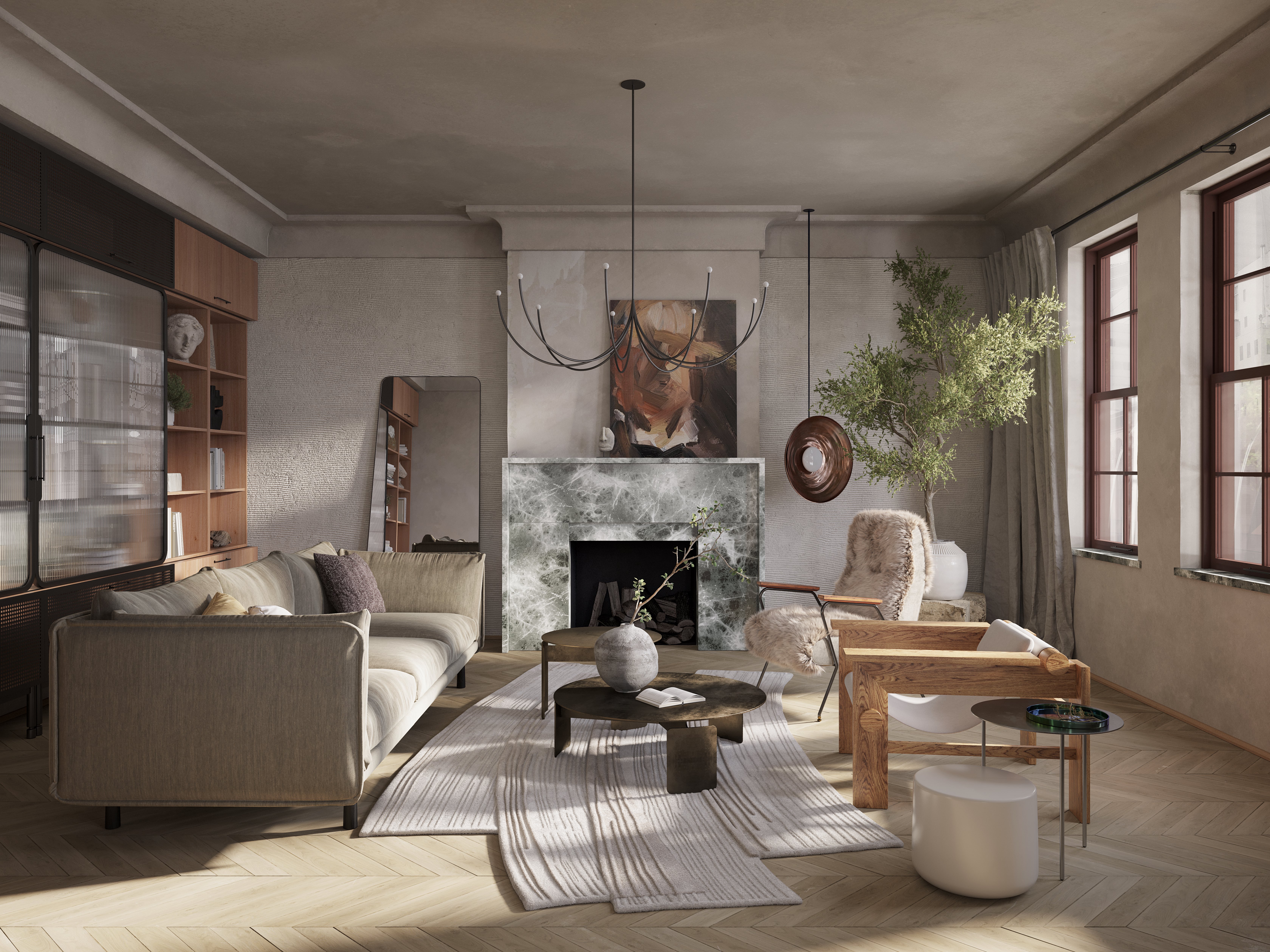
5 living rooms with indoor trees that prove why they're the most elevating trend of 2024
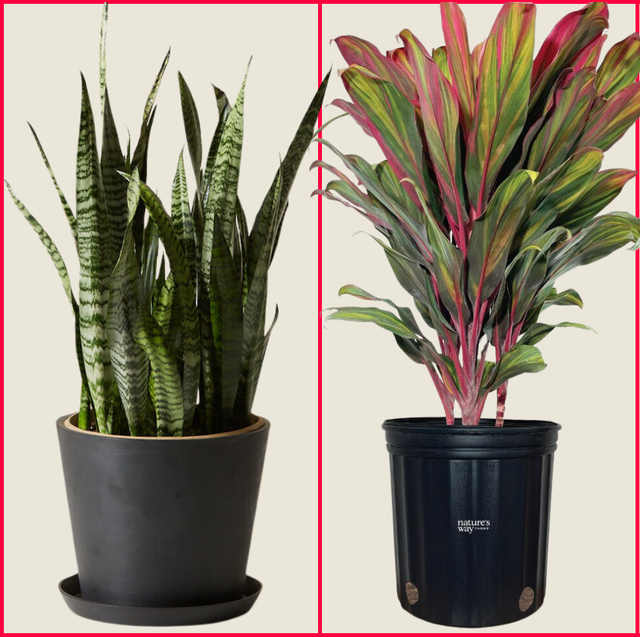
Transform Your Space With Any of These Gorgeous Tall Indoor Plants

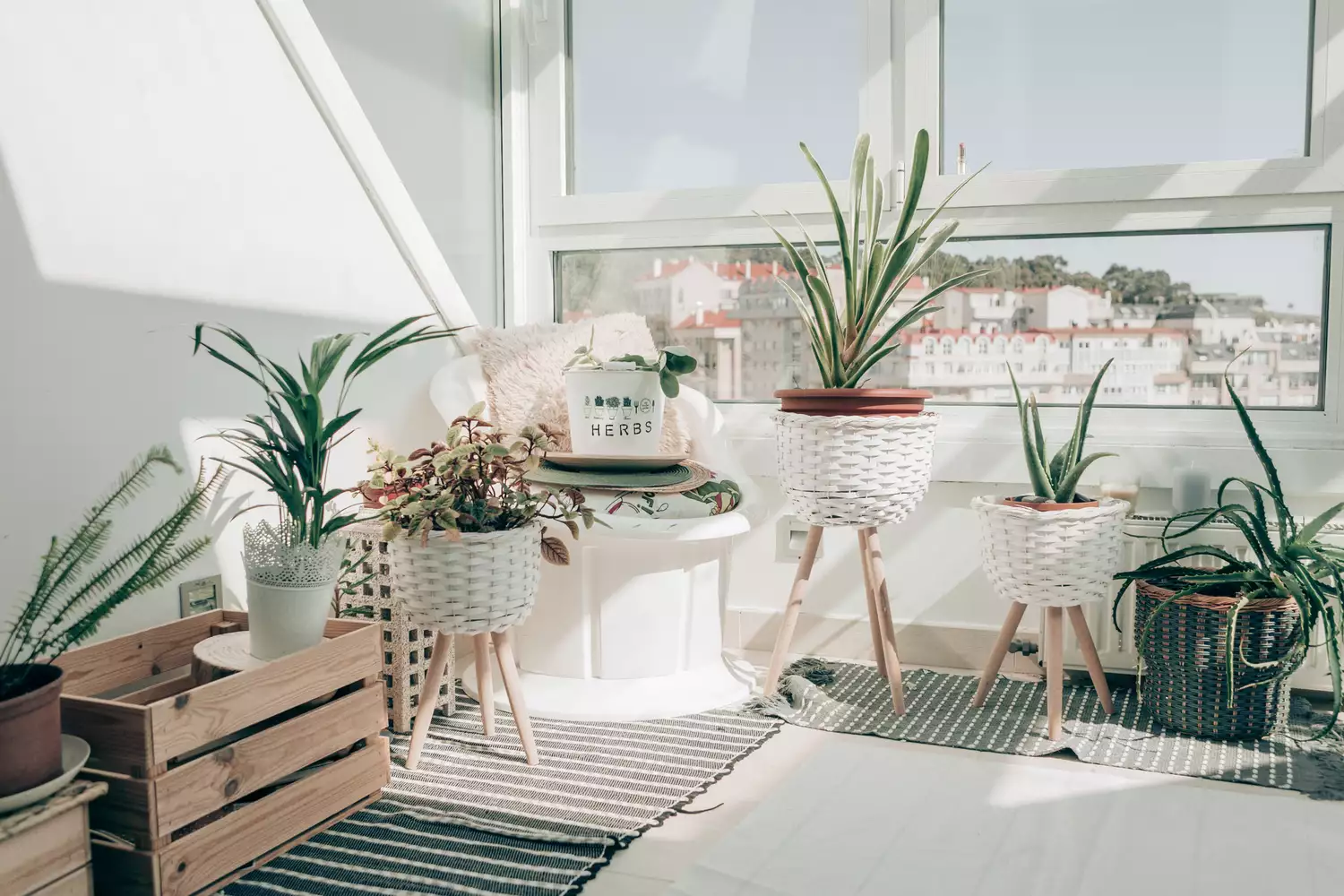
We Found the Best Apartment Plants That You Can Actually Grow, We Promise